

About
Glacier National Park (Canada) is located in southeastern Canada within the Selkirk Mountains of British Columbia. Established in 1886, it is one of Canada’s oldest national parks and covers approximately 521 square miles (1,349 sq km).
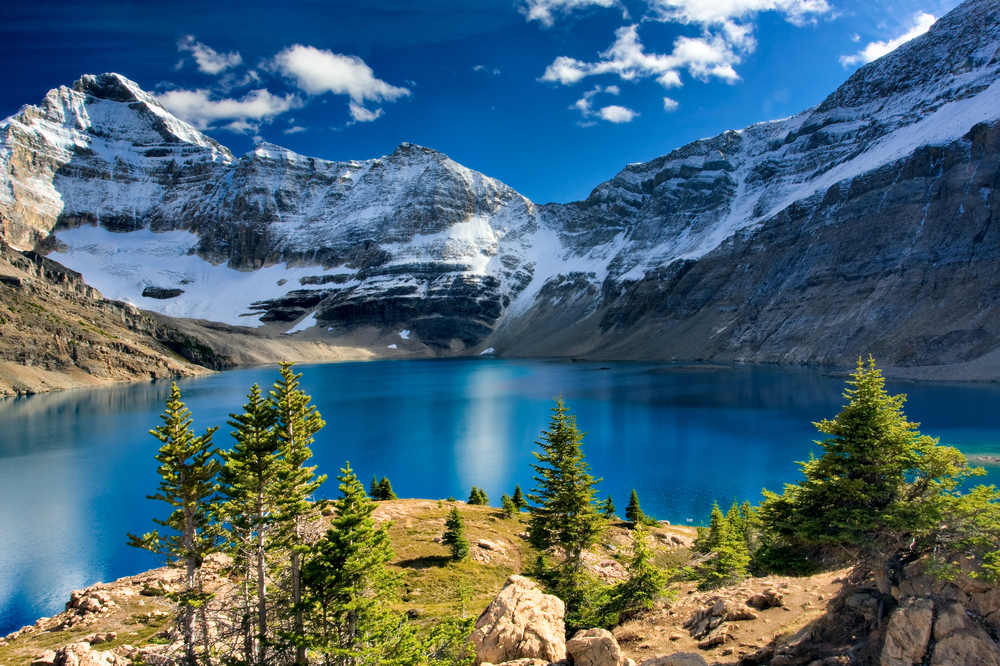
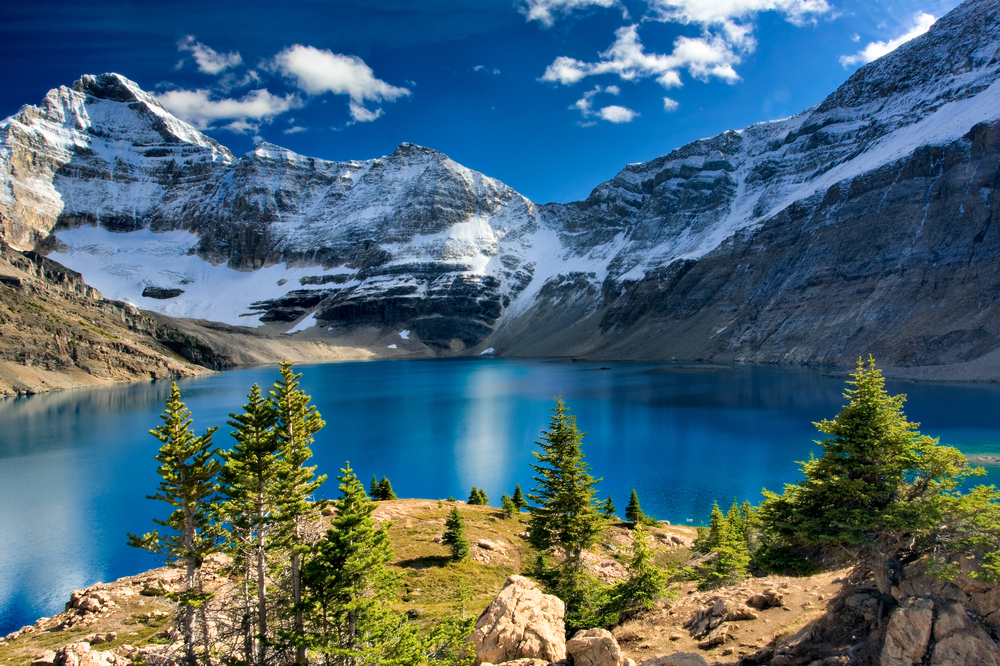
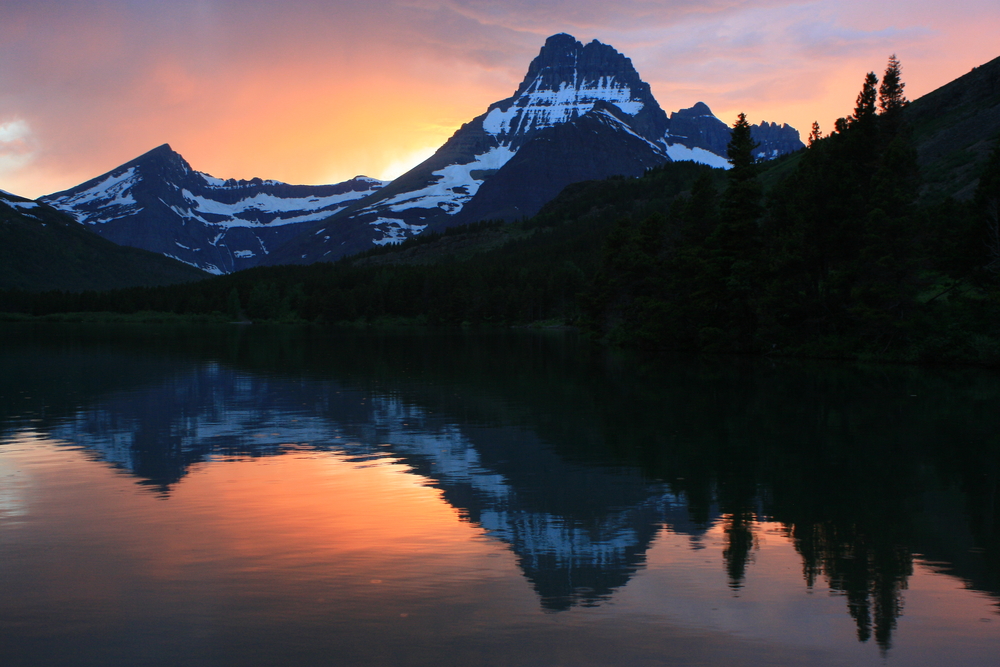
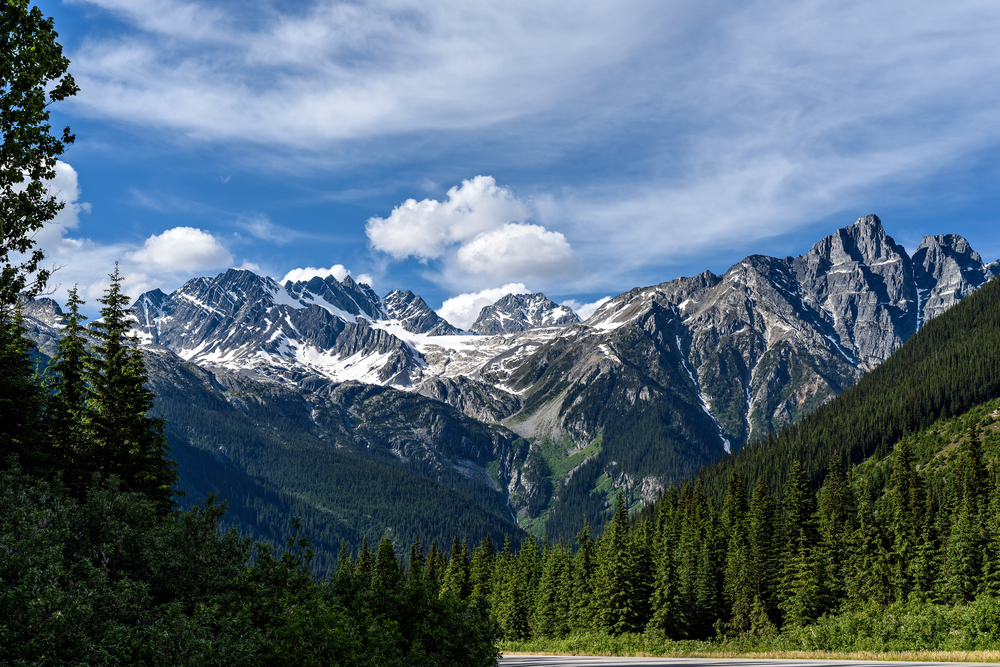
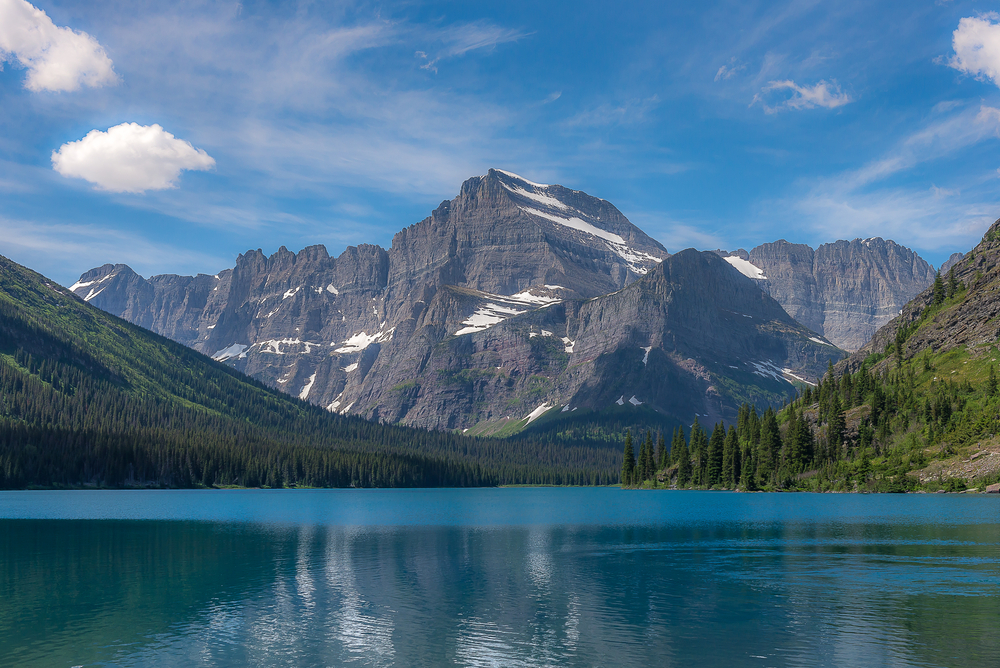
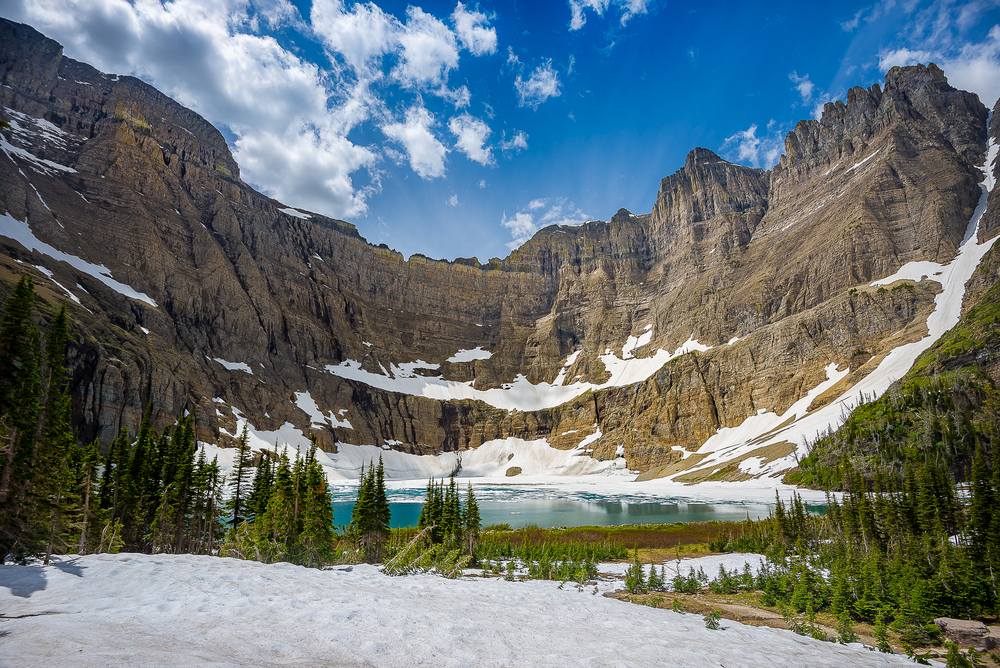
The park forms part of the larger Canadian Rocky Mountain Parks World Heritage Site region and protects a spectacular landscape of rugged mountains, glaciers, ancient forests, alpine meadows, and deep valleys. Although less famous internationally than some of Canada’s Rocky Mountain parks, Glacier National Park is renowned among outdoor enthusiasts for its dramatic scenery and rich mountaineering history.
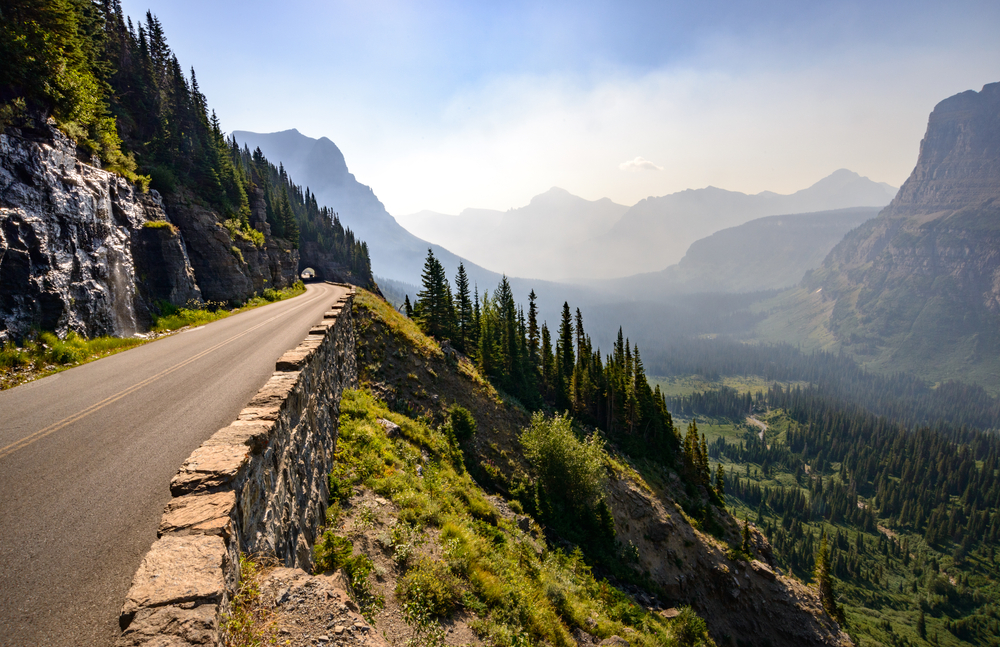
The park is best known for its glaciers, towering peaks, and backcountry wilderness. Visitors are drawn to breathtaking alpine landscapes, scenic hiking trails, and opportunities to experience some of Canada’s most rugged mountain terrain. One of the park’s most famous attractions is Rogers Pass, a historic mountain corridor that played a crucial role in the construction of the Canadian Pacific Railway.
Popular activities include hiking, backpacking, mountaineering, camping, wildlife viewing, photography, and winter recreation. The park is also internationally recognized as a center for avalanche research and management due to the region’s exceptionally heavy snowfall.
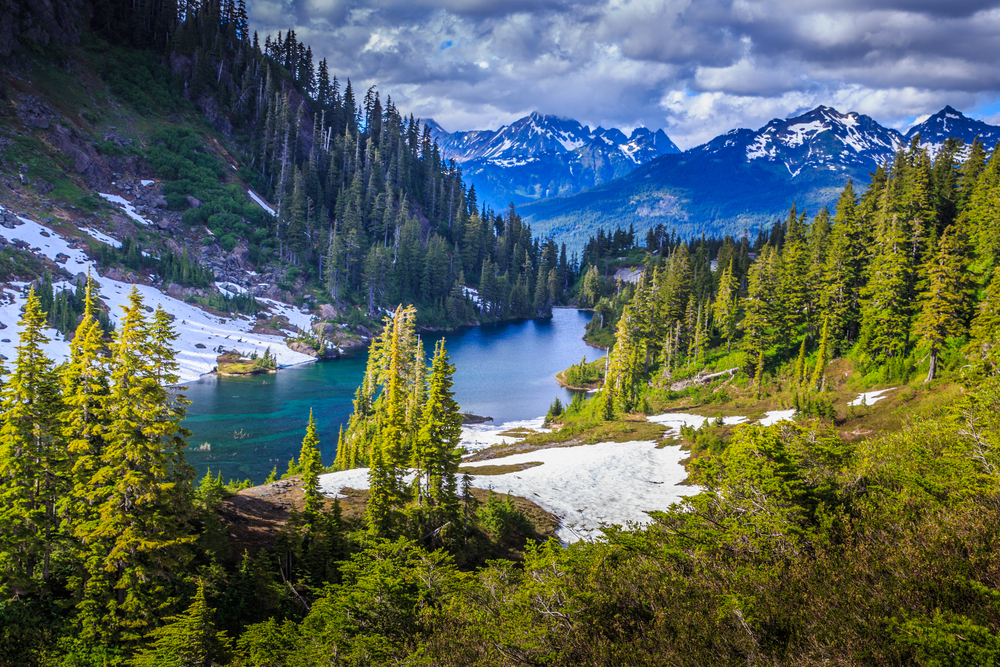
Geographically, Glacier National Park lies within the Columbia Mountains rather than the Rocky Mountains. The landscape is dominated by steep mountain ridges, over 400 glaciers, deep river valleys, alpine meadows, and dense temperate rainforests. Elevations range from valley bottoms to peaks exceeding 11,000 feet (3,350 m).
The park receives some of the highest snowfall totals in Canada, with winter accumulations often exceeding 30 feet (9 m) in certain areas. Ancient cedar-hemlock forests thrive at lower elevations, while alpine tundra and permanent snowfields characterize the high country.
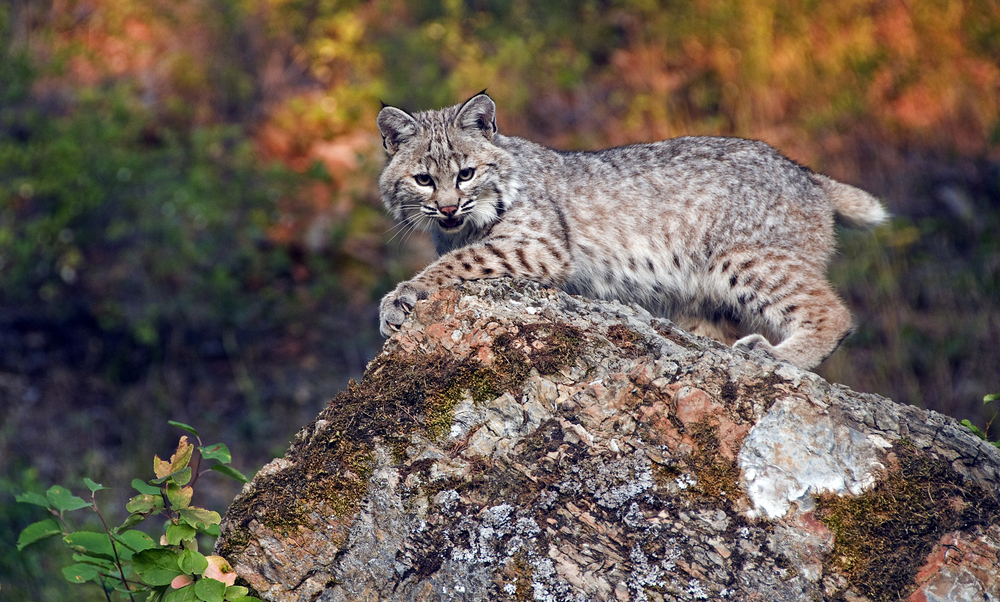
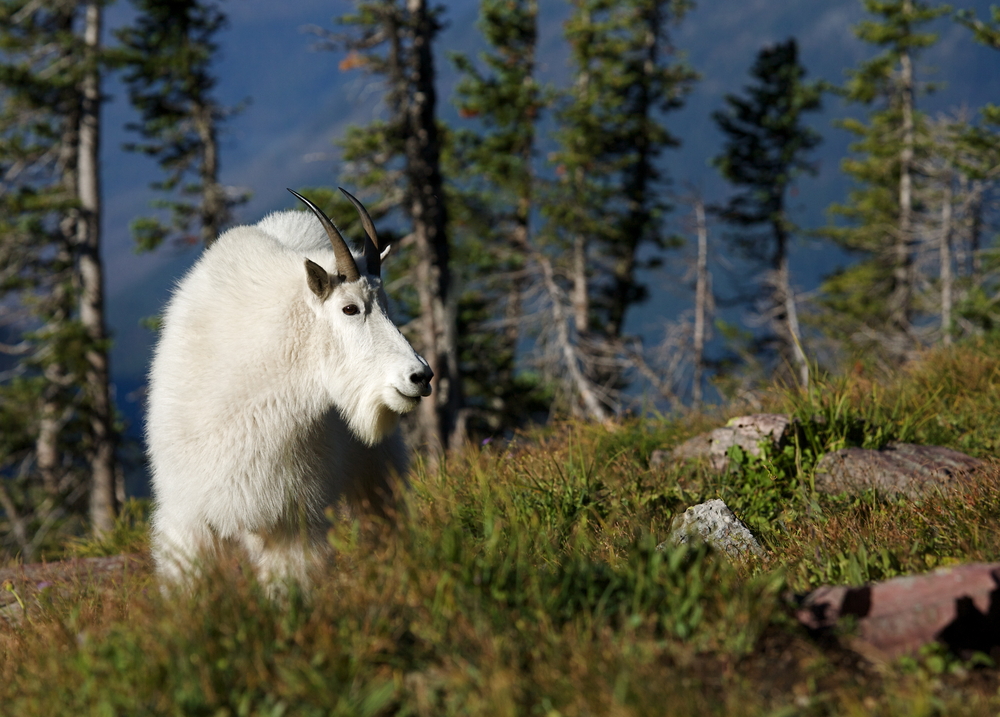
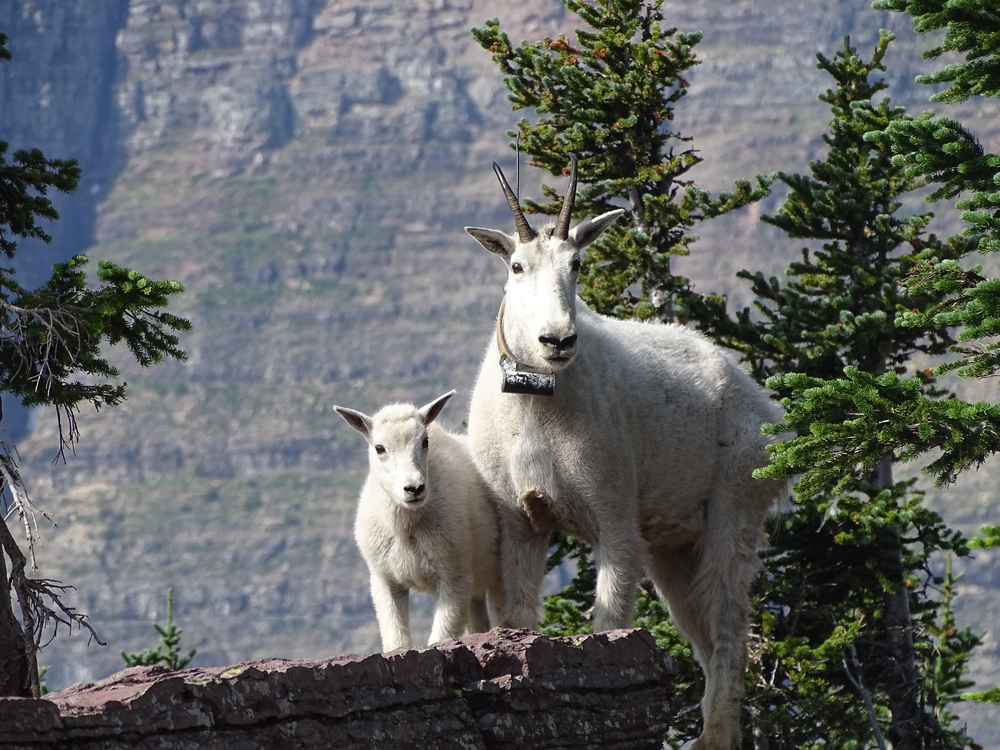
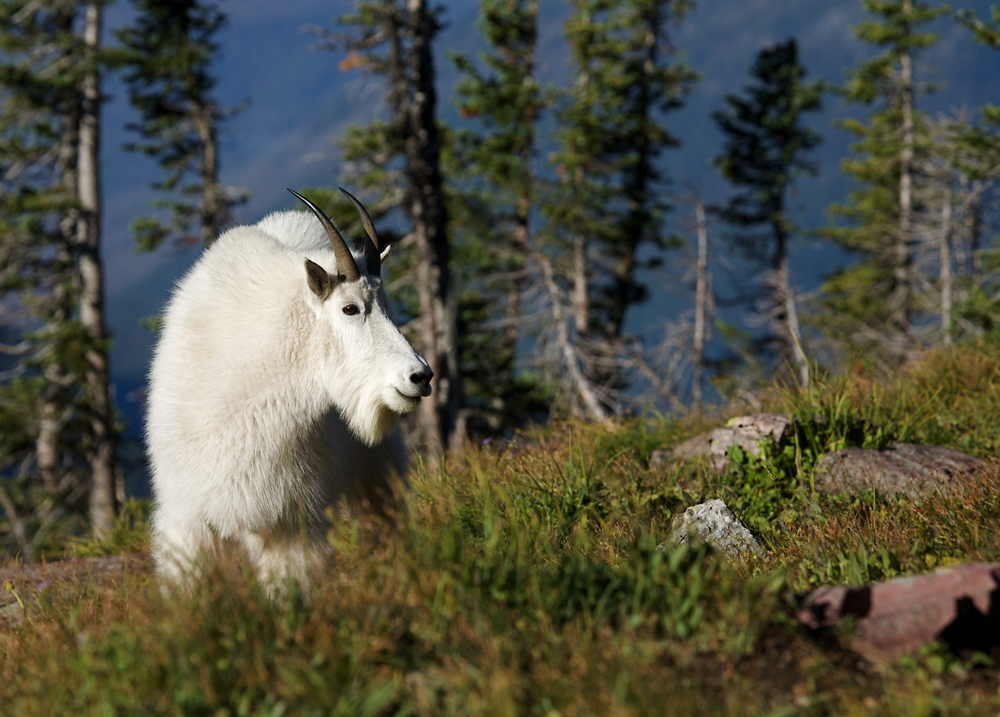
Wildlife within Glacier National Park is diverse and representative of British Columbia’s mountain ecosystems. Mammals include grizzly bears, black bears, mountain goats, hoary marmots, wolverines, lynx, cougars, wolves, and mule deer. The park provides important habitat for woodland caribou, although populations remain vulnerable throughout the region.
Birdlife includes golden eagles, Clark’s nutcrackers, gray jays, woodpeckers, owls, and numerous alpine species. Rivers and streams support native fish populations, while the park’s forests and meadows sustain a rich variety of wildflowers, insects, and other wildlife.
Glacier National Park plays a critical role in preserving one of Canada’s most significant mountain ecosystems. The park protects glaciers, watersheds, wildlife corridors, and old-growth forests while supporting scientific research into climate change, avalanche dynamics, and alpine ecology.
Its conservation significance is often compared to Banff National Park and Mount Revelstoke National Park because of its mountain scenery, biodiversity, and recreational opportunities. Through its glaciers, towering peaks, ancient forests, alpine meadows, and wilderness character, Glacier National Park stands as one of Canada’s most spectacular protected areas and a showcase of the natural beauty of the Columbia Mountains.
Photos
Things to See
Things To Do
Glacier National Park (Canada) Trails
Glacier Canada features a well-established system of trails with over 87 miles (140 km) of developed hiking trails.

Park Protection
Glacier National Park was created to protect the rugged peaks, glaciers, old-growth forests, alpine meadows, and river valleys of British Columbia’s Selkirk and Purcell Mountains. The park provides critical habitat for several species of conservation concern, including grizzly bears, woodland caribou, wolverines, and mountain goats.
Its diverse mountain ecosystems support a rich variety of wildlife, while extensive forests and alpine environments serve as important refuges for species adapted to the challenging conditions of the Canadian Rockies and Columbia Mountains.
The park is especially significant for preserving one of Canada’s most dramatic mountain landscapes and a remarkable concentration of glaciers that helped inspire the development of mountaineering and alpine conservation in North America. It also protects some of the largest remaining inland temperate rainforests in the world, a rare ecosystem characterized by ancient cedar and hemlock forests.
Together, Glacier National Park safeguards endangered and sensitive wildlife, globally significant inland rainforest ecosystems, active glaciers, and some of the most spectacular mountain wilderness found in Canada.
FAQ’s
What is the main reason people visit Glacier National Park?
Glacier National Park is primarily visited for its spectacular mountain scenery, glaciers, alpine hiking, rugged wilderness, and exceptional outdoor recreation opportunities. Located in southeastern British Columbia, the park protects approximately 521 square miles (1,349 square kilometers) of the Columbia Mountains. Visitors come to explore towering peaks, ancient glaciers, lush forests, wildflower-filled meadows, and some of Canada’s most dramatic mountain landscapes.
What animals can visitors hope to see in Glacier National Park?
Glacier National Park supports more than 50 mammal species and a diverse range of alpine and forest wildlife.
Some of the most notable animals found in Glacier National Park include:
- Grizzly Bear
- American Black Bear
- Gray Wolf
- Cougar
- Canada Lynx
- Wolverine
- Coyote
- Red Fox
- Hoary Marmot
- Columbian Ground Squirrel
- Golden-mantled Ground Squirrel
- Northern Flying Squirrel
- Red Squirrel
- Snowshoe Hare
- American Pika
- Mountain Goat
- Bighorn Sheep
- Moose
- Elk
- Mule Deer
- White-tailed Deer
- Woodland Caribou (rare)
- American Marten
- Fisher
- Ermine
- Long-tailed Weasel
- River Otter
- American Badger
- Striped Skunk
- Porcupine
- Beaver
- Muskrat
- Hoary Bat
- Little Brown Bat
- Silver-haired Bat
- Big Brown Bat
- Keen’s Myotis
- Northern Myotis
- Common Shrew
- Water Shrew
- Northern Bog Lemming
- Meadow Vole
- Red-backed Vole
- Deer Mouse
- Bushy-tailed Woodrat
- Western Toad
- Columbia Spotted Frog
- Long-toed Salamander
- Northwestern Salamander
- Various Alpine Invertebrates
What birds can visitors hope to see in Glacier National Park?
Glacier National Park is home to more than 230 bird species, making it an excellent destination for birdwatchers.
Some of the most popular birds seen in Glacier National Park include:
- Bald Eagle
- Golden Eagle
- Osprey
- Northern Goshawk
- Sharp-shinned Hawk
- Cooper’s Hawk
- Red-tailed Hawk
- Peregrine Falcon
- Merlin
- American Kestrel
- Great Horned Owl
- Northern Pygmy Owl
- Boreal Owl
- Barred Owl
- Northern Saw-whet Owl
- Common Raven
- Clark’s Nutcracker
- Canada Jay
- Steller’s Jay
- Gray Jay
- Black-billed Magpie
- Mountain Chickadee
- Boreal Chickadee
- Red-breasted Nuthatch
- Brown Creeper
- Townsend’s Solitaire
- American Robin
- Varied Thrush
- Hermit Thrush
- Swainson’s Thrush
- Mountain Bluebird
- Pine Grosbeak
- Evening Grosbeak
- Red Crossbill
- White-winged Crossbill
- Pine Siskin
- Dark-eyed Junco
- Fox Sparrow
- White-crowned Sparrow
- Golden-crowned Kinglet
- Ruby-crowned Kinglet
- Western Tanager
- Yellow-rumped Warbler
- Townsend’s Warbler
- MacGillivray’s Warbler
- Three-toed Woodpecker
- Pileated Woodpecker
- Hairy Woodpecker
- Downy Woodpecker
- Common Loon
Is Glacier National Park worth visiting?
Yes, Glacier National Park is absolutely worth visiting and is considered one of Canada’s premier mountain national parks.
The park offers spectacular scenery, extensive hiking opportunities, abundant wildlife, glaciers, waterfalls, and dramatic alpine landscapes. It is particularly popular among hikers, mountaineers, photographers, and nature enthusiasts.
The primary hesitation is that weather conditions can change rapidly in the mountains, and some areas may be inaccessible due to snow or avalanche hazards. However, visitors who prepare appropriately are rewarded with some of Canada’s finest wilderness experiences.
What is the best time to visit Canada's Glacier National Park?
Weather and Climate
The best time to visit Glacier National Park is from June through September.
Typical conditions include:
- June: 45–70°F (7–21°C)
- July–August: 50–80°F (10–27°C)
- September: 40–70°F (4–21°C)
- October–May: Frequent snow and winter conditions
During summer:
- Most trails are accessible.
- Wildflowers bloom at higher elevations.
- Wildlife is active.
- Camping facilities are open.
- Road conditions are generally favorable.
Winter attracts experienced backcountry skiers and mountaineers.
How many days do you need to visit Canada's Glacier National Park?
Recommended Length of Stay
Most visitors should plan for 2 to 4 days.
- 1 day: Scenic drives and short hikes.
- 2 days: Major viewpoints and popular trails.
- 3–4 days: Extensive hiking and wildlife viewing.
- 5+ days: Backcountry adventures and mountaineering.
Three days is ideal for most visitors.
How do you get to Canada's Glacier National Park?
International Access
Glacier National Park is located along the:
- Trans-Canada Highway
between the communities of:
- Revelstoke
- Golden
The closest airports include:
- Kelowna International Airport
- Calgary International Airport
Driving from Calgary
Many visitors arrive from:
- Calgary
Travel time:
- Approximately 4–5 hours by vehicle.
Driving from Kelowna
Travel time:
- Approximately 3–4 hours by vehicle.
Rogers Pass
The park’s most famous destination is:
- Rogers Pass
Highlights include:
- Historic transportation corridor.
- Spectacular mountain views.
- Visitor center and exhibits.
- Access to numerous hiking trails.
Illecillewaet Valley
One of the park’s most scenic areas is:
- Illecillewaet Valley
Known for:
- Glacial landscapes.
- Historic trails.
- Waterfalls.
- Exceptional hiking opportunities.
Glacier Circle Trail
Popular hikes include:
- Glacier Circle Trail
- Abbot Ridge Trail
- Balu Pass Trail
These trails provide some of the park’s most spectacular viewpoints.
Travel Times
Typical travel times include:
- Calgary to Rogers Pass: 4–5 hours.
- Kelowna to Rogers Pass: 3–4 hours.
- Revelstoke to Rogers Pass: approximately 45 minutes.
- Golden to Rogers Pass: approximately 1 hour.
Who is involved in protecting and supporting Glacier National Park?
Conservation and Park Management
Several organizations help protect and support Glacier National Park:
- Parks Canada – manages Glacier National Park.
- Friends of Mount Revelstoke and Glacier – supports education and conservation initiatives.
- Canadian Parks and Wilderness Society – supports conservation throughout western Canada.
- Scientific organizations studying glaciers, wildlife, and climate change.
- Local communities including residents of Revelstoke and Golden who support tourism and conservation efforts.
What makes Canada's Glacier National Park unique?
Glacier National Park is unique because it protects one of the most rugged and glacier-carved landscapes in the Canadian Rockies and Columbia Mountains region.
Its combination of towering peaks, active glaciers, avalanche paths, historic transportation routes, and pristine wilderness creates an extraordinary mountain environment.
The park’s role in Canadian railway history and its exceptional alpine scenery make it one of Canada’s most distinctive national parks.
Sources
- All Trails, Best Trails in Glacier National Park, https://www.alltrails.com/parks/canada/british-columbia/glacier-national-park–2, retrieved June 2020.
- Britannica, Glacier National Park, https://www.britannica.com/place/Glacier-National-Park-British-Columbia, retrieved June 2020.
- Canadian Encyclopedia, Glacier National Park, https://thecanadianencyclopedia.ca/en/article/glacier-national-park, retrieved June 2020.
- National Geographic, National Parks of North America, Canada-United States-Mexico, National Geographic Society, 1995.
- Outdoorsy, Glacier National Park, https://www.outdoorsy.com/guide/glacier-national-park-bc, retrieved June 2020.
- Parks Canada, Glacier National Park, https://www.pc.gc.ca/en/pn-np/bc/glacier, retrieved June 2020.
- Peak Bagger, Mount Dawson, https://www.peakbagger.com/peak.aspx?pid=3027, retrieved June 2020.
- Summit Post, Mount Sir Donald, https://www.summitpost.org/mt-sir-donald/150654, retrieved June 2020.