

About
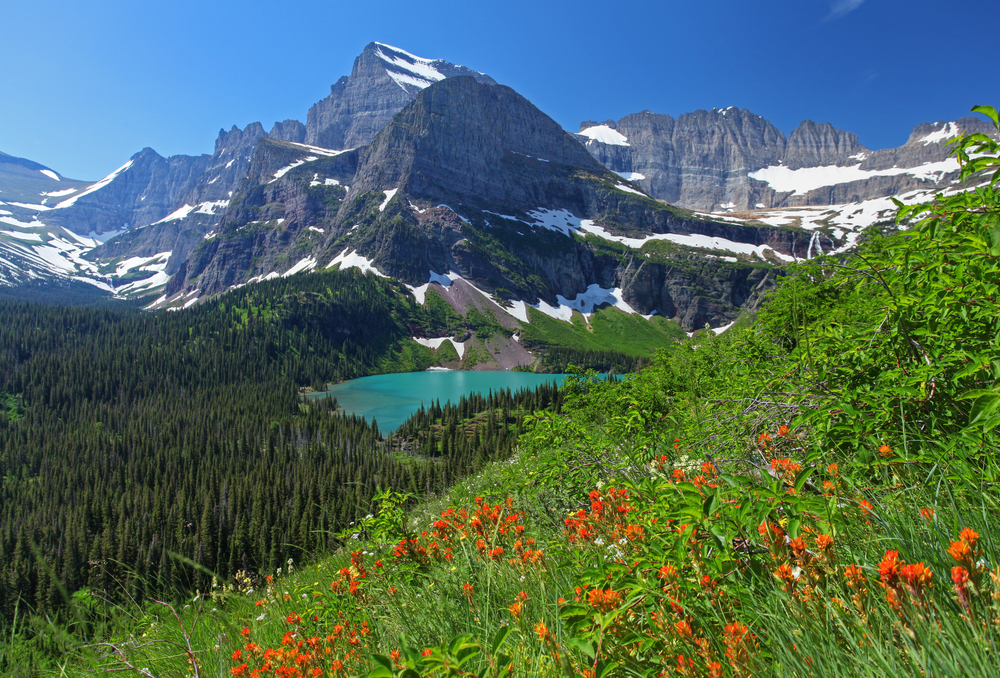
Glacier National Park is located in northwestern Montana in the United States and covers approximately 1,583 square miles (4,101 sq km). Established in 1910, the park protects one of the most spectacular mountain landscapes in North America.
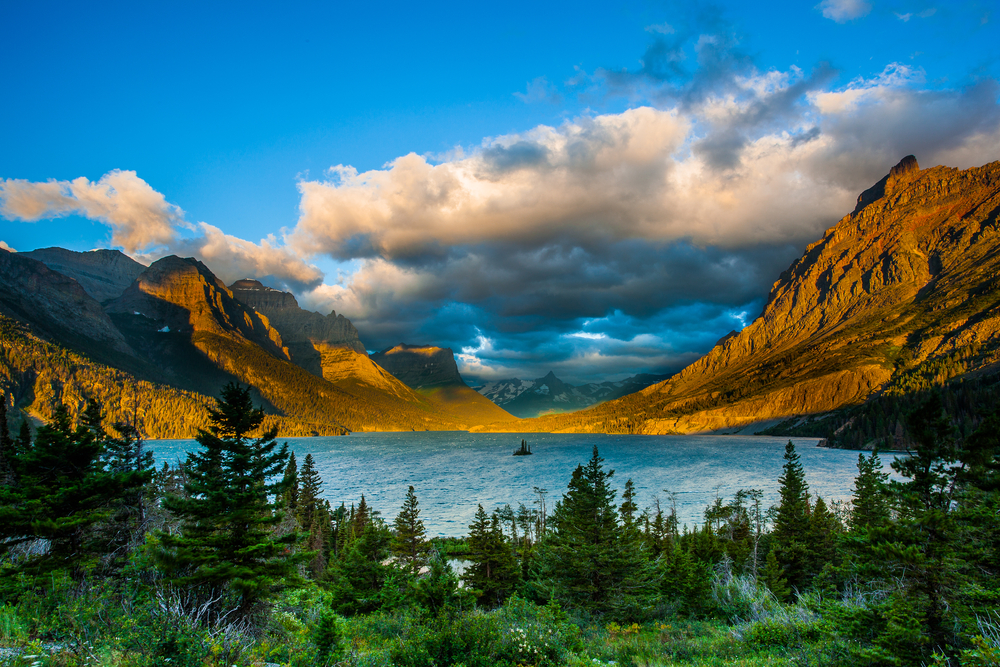
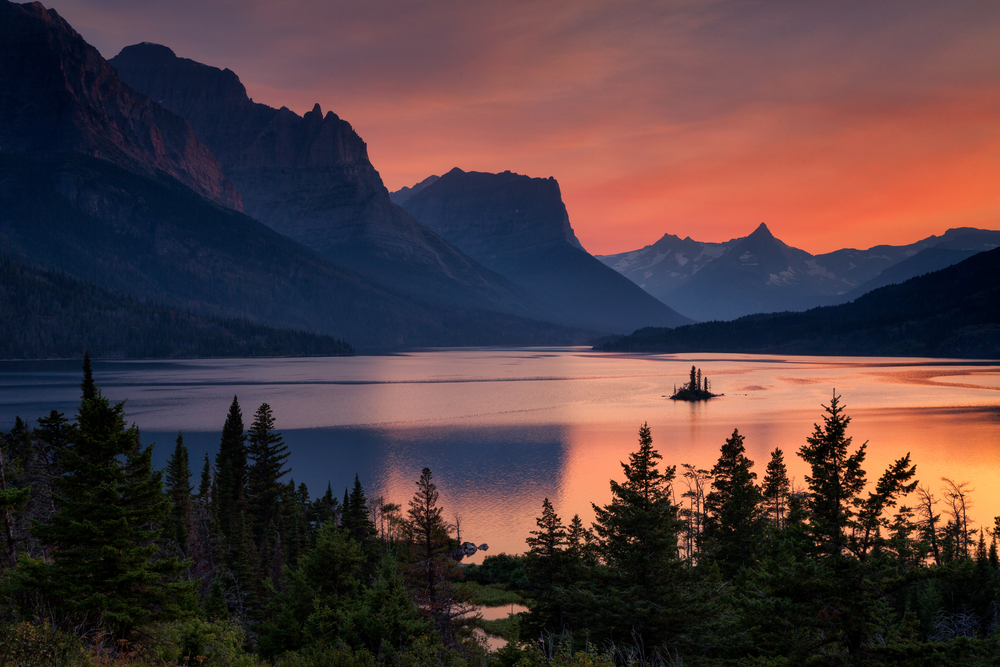
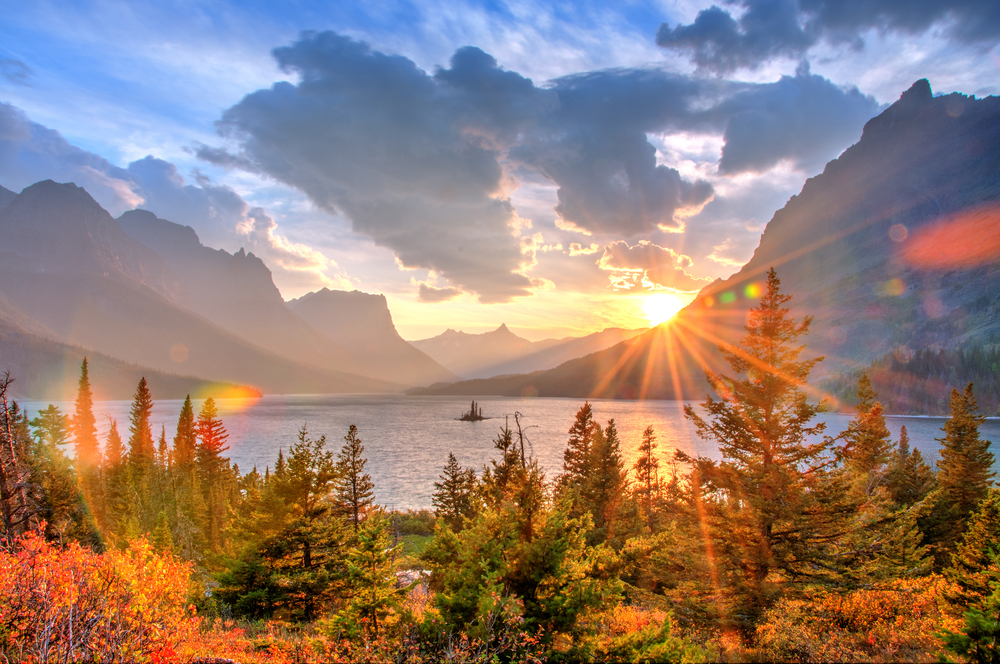
It lies along the international border with Canada, where it adjoins Waterton Lakes National Park. Together, the two parks form the UNESCO-designated Waterton-Glacier International Peace Park, the world’s first international peace park. Located west of Great Falls and north of Missoula, Glacier National Park preserves rugged mountains, alpine lakes, ancient forests, and some of the most pristine wilderness remaining in the lower forty-eight states. Its dramatic scenery has earned it the nickname “Crown of the Continent.”
Glacier National Park is best known for its breathtaking mountain vistas, crystal-clear lakes, and extensive network of hiking trails. Visitors travel from around the world to experience iconic locations such as Going-to-the-Sun Road, one of the most scenic drives in North America.
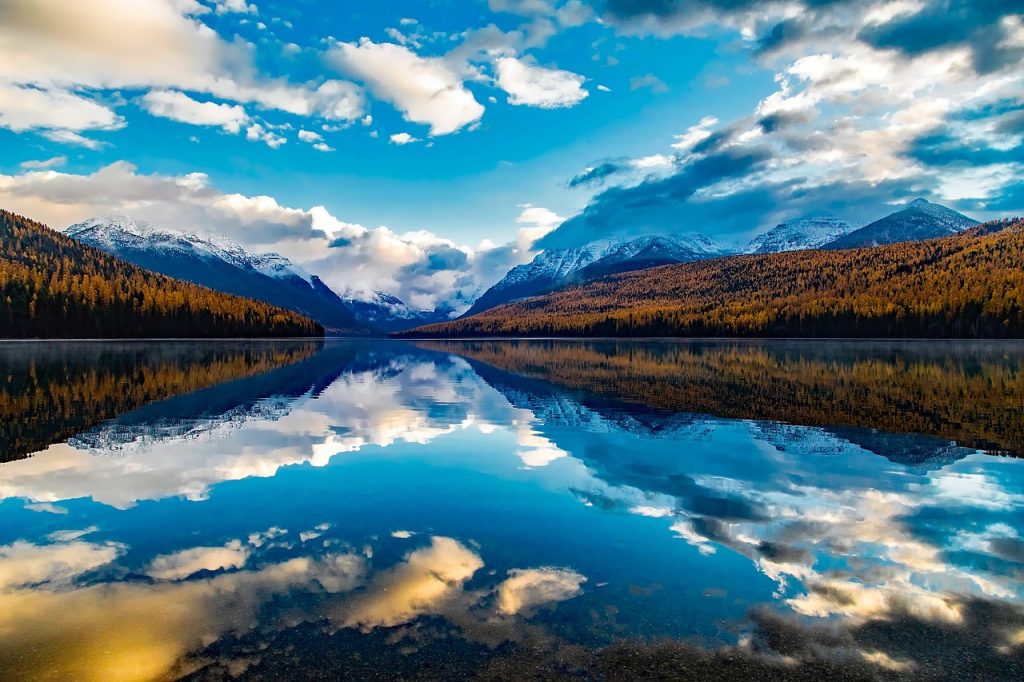
The park offers exceptional opportunities for hiking, backpacking, wildlife viewing, camping, photography, fishing, boating, and mountaineering. Popular destinations include Lake McDonald, Logan Pass, Many Glacier, and Grinnell Glacier. The park’s combination of towering peaks, turquoise lakes, and abundant wildlife creates an unforgettable visitor experience and ranks among the finest mountain landscapes on Earth.
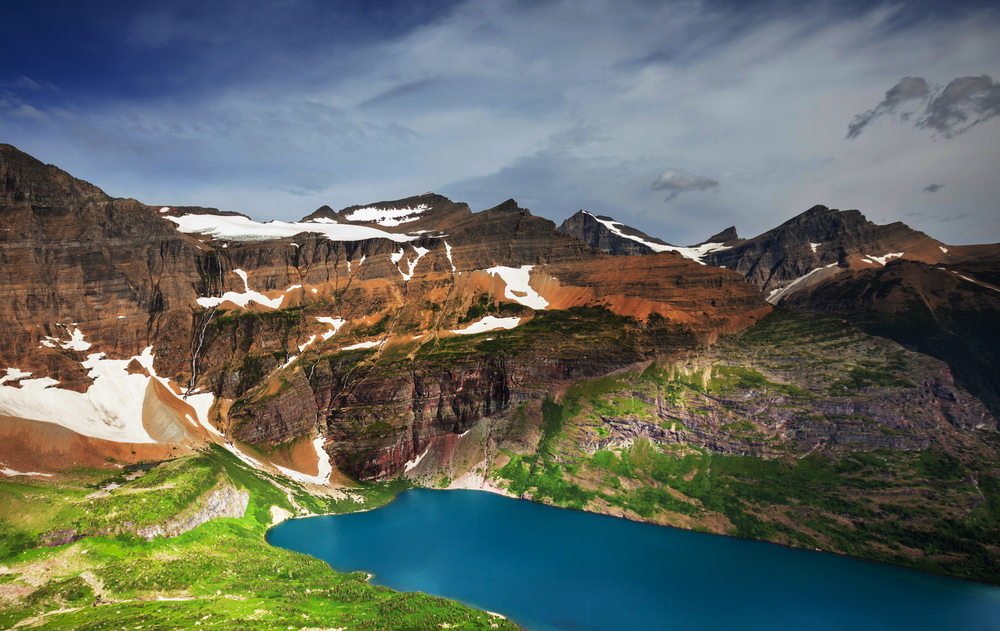
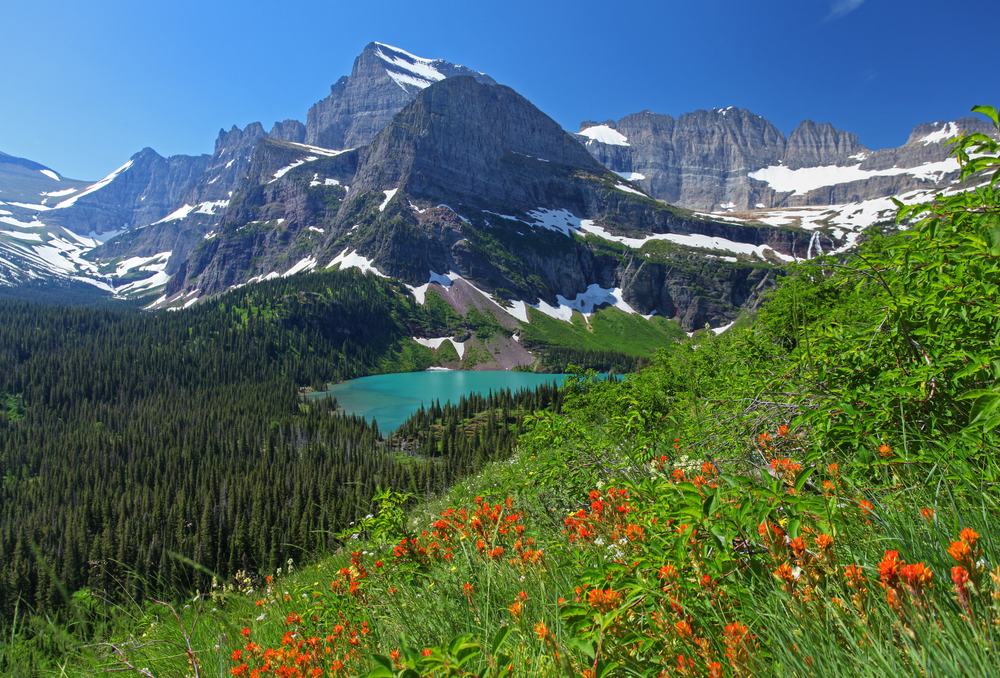
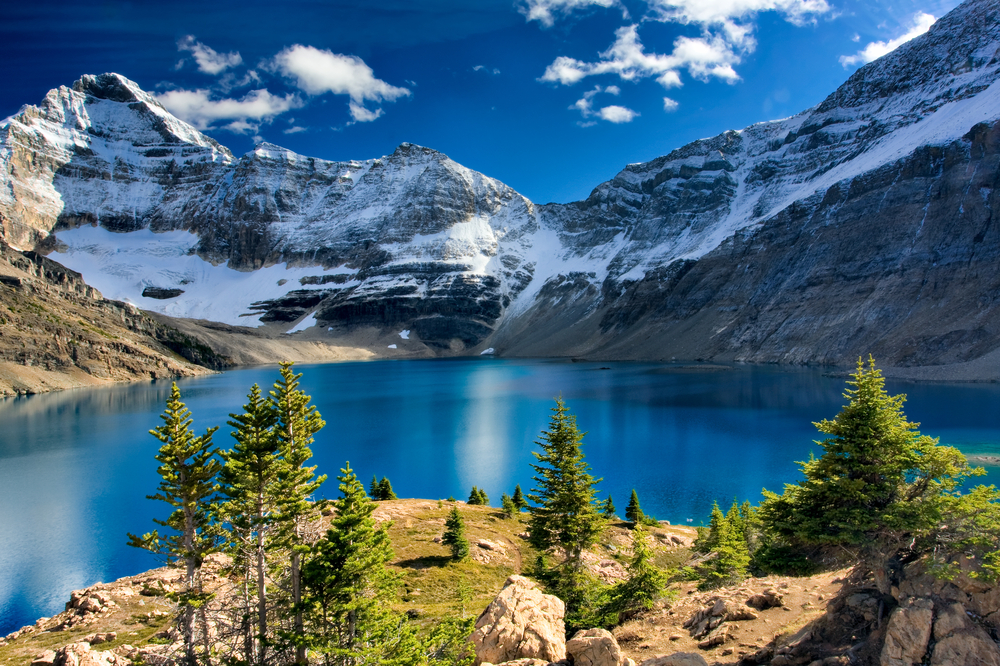
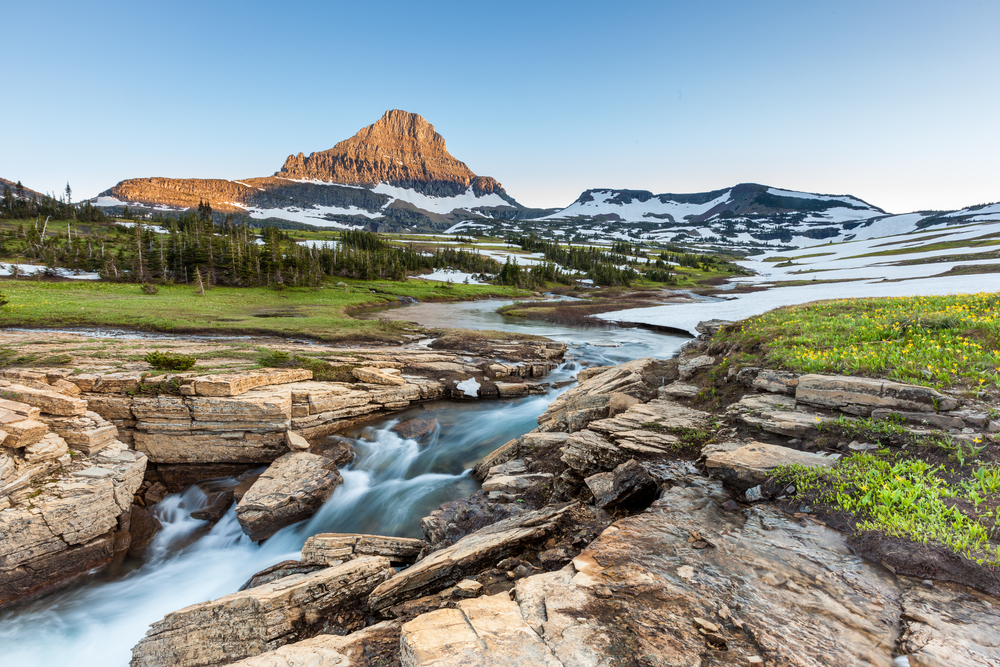
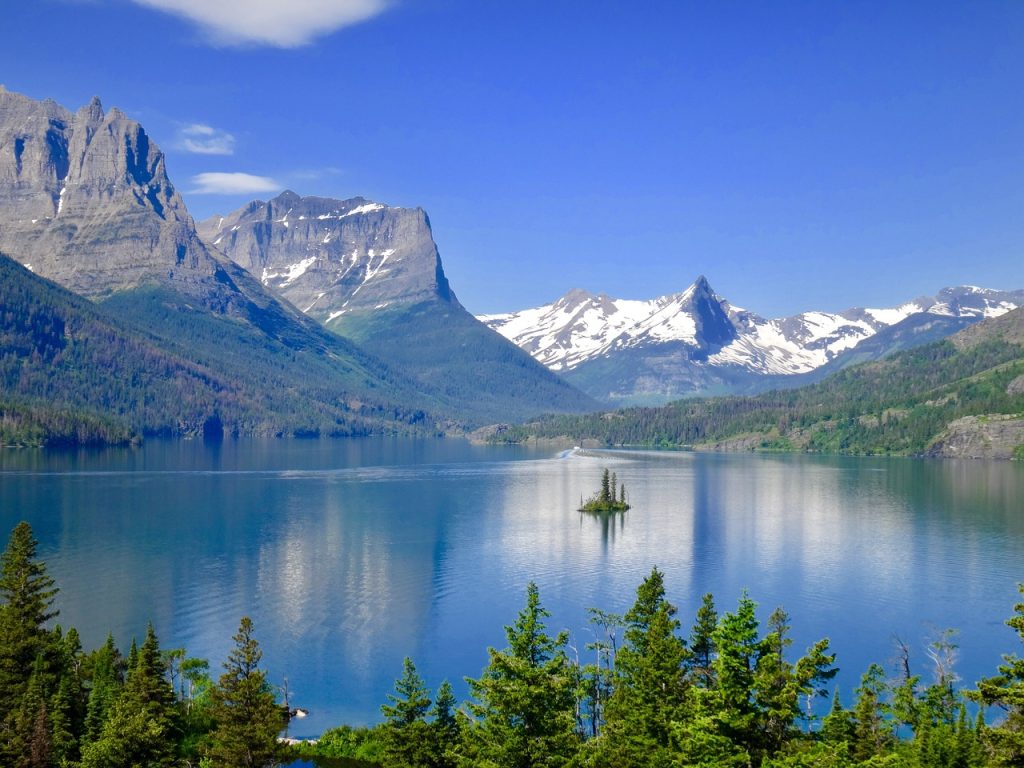
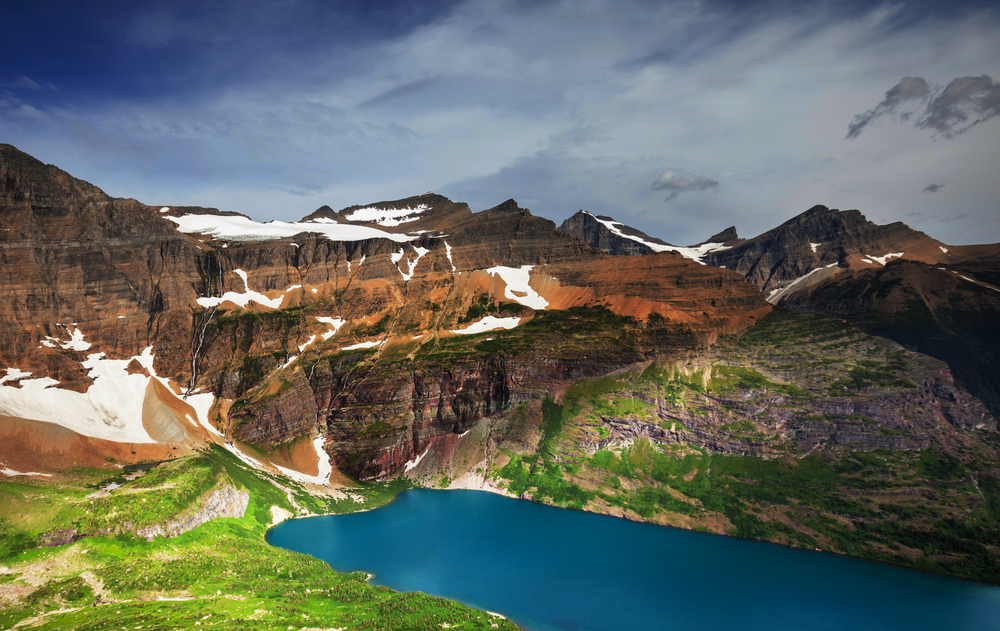
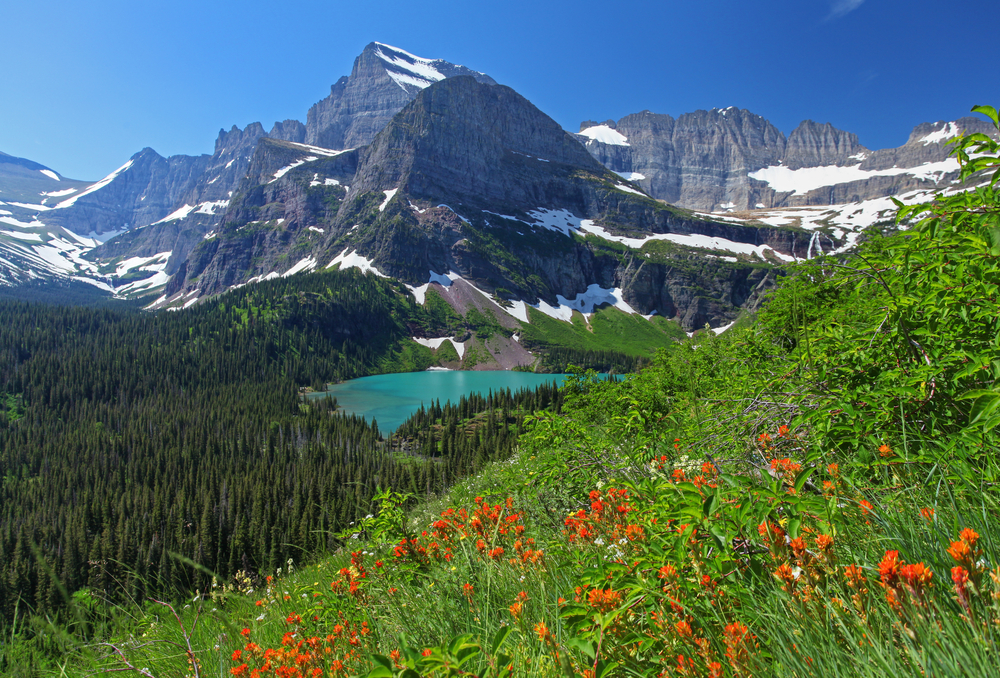
The geography of Glacier National Park was shaped by powerful geological forces and repeated glaciation over thousands of years. The park contains rugged peaks, deep valleys, cirques, waterfalls, and more than 700 lakes. Although the number of active glaciers has declined significantly over the past century, the remaining glaciers continue to influence the landscape and hydrology of the region.
Elevations range from approximately 3,150 feet (960 meters) to more than 10,400 feet (3,170 meters) at the summit of Mount Cleveland. The park sits near the Continental Divide, where water flows toward the Pacific Ocean, Atlantic Ocean, and Hudson Bay. Vegetation includes cedar-hemlock forests, lodgepole pine stands, alpine meadows, subalpine forests, and tundra habitats, creating remarkable ecological diversity.
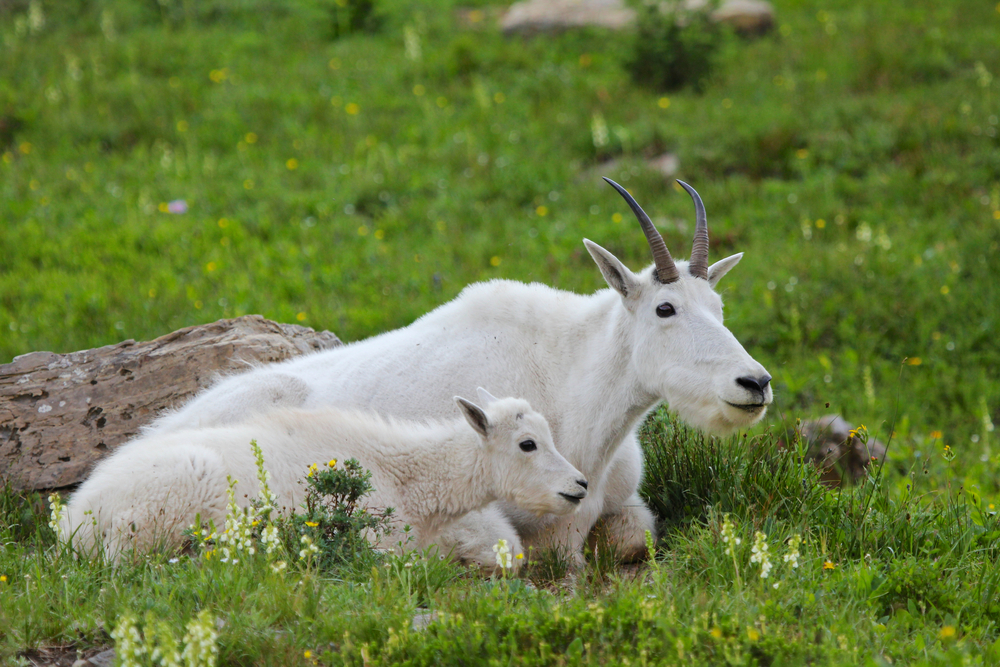
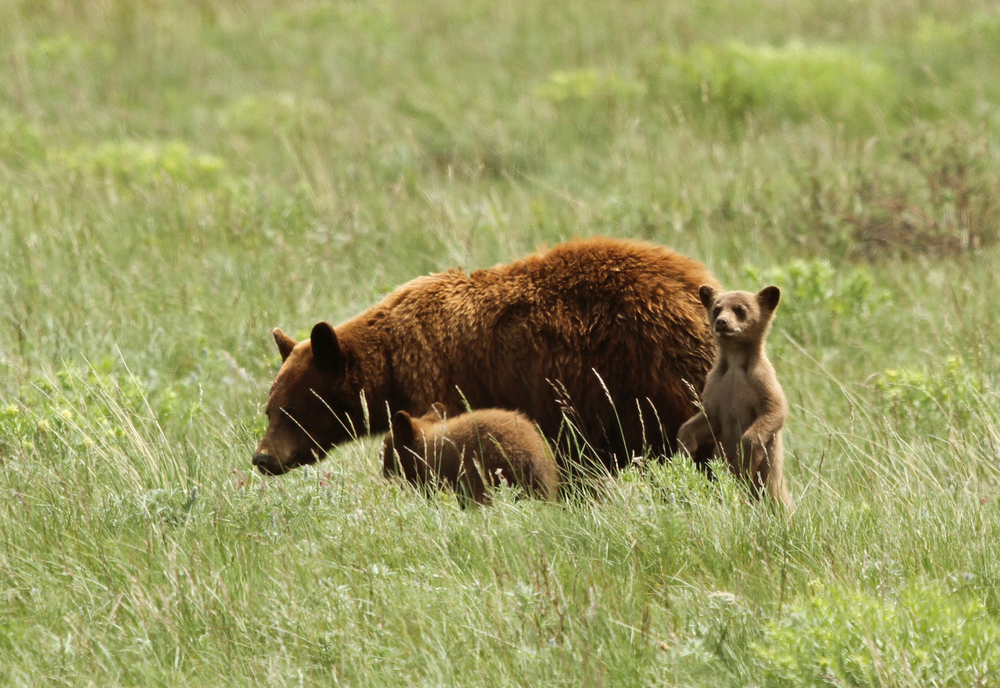
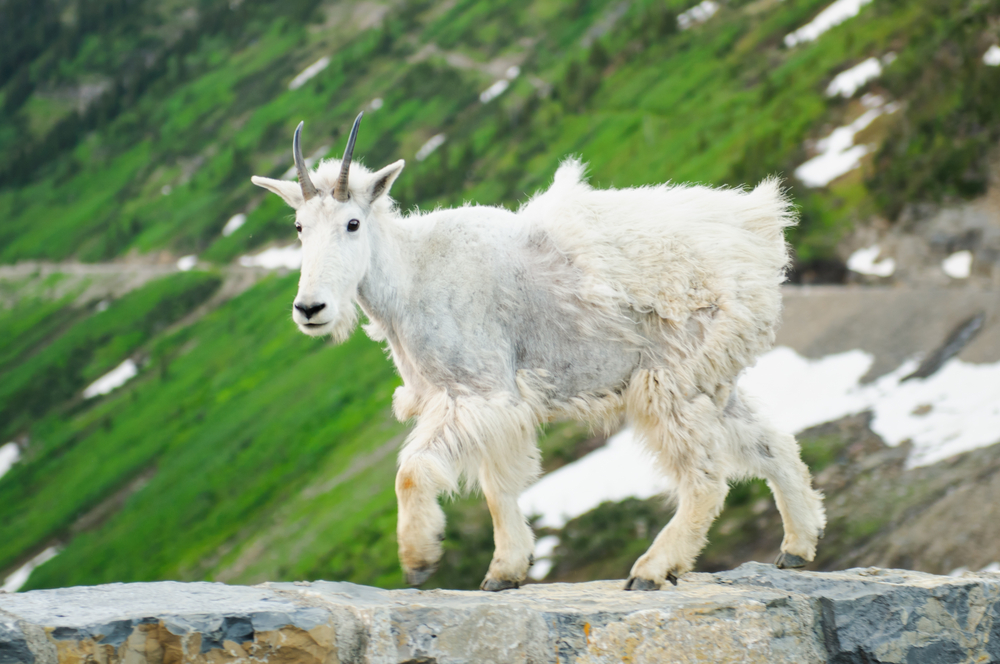
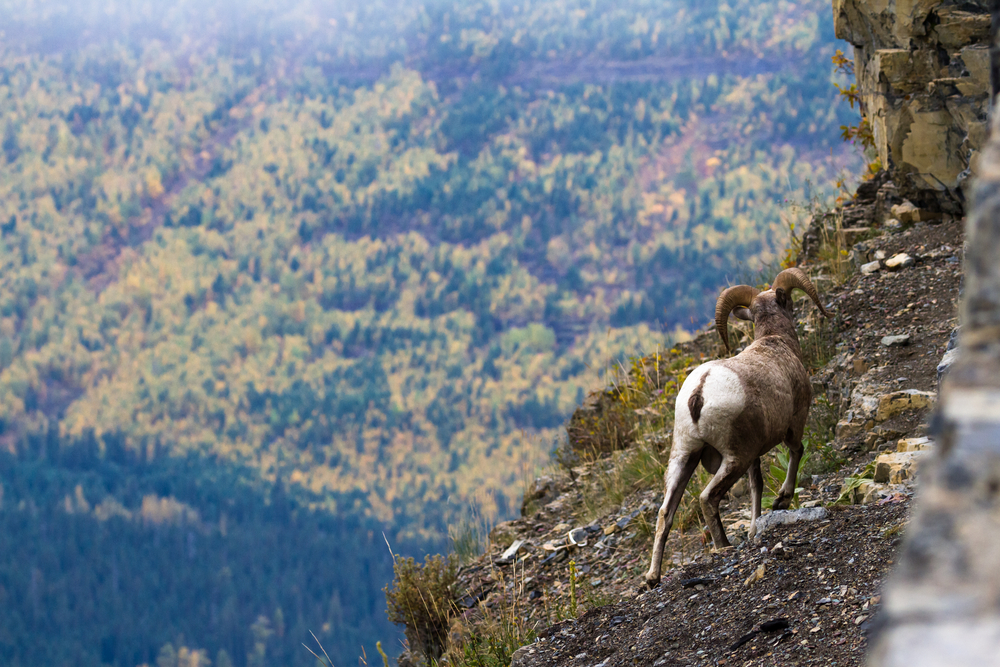
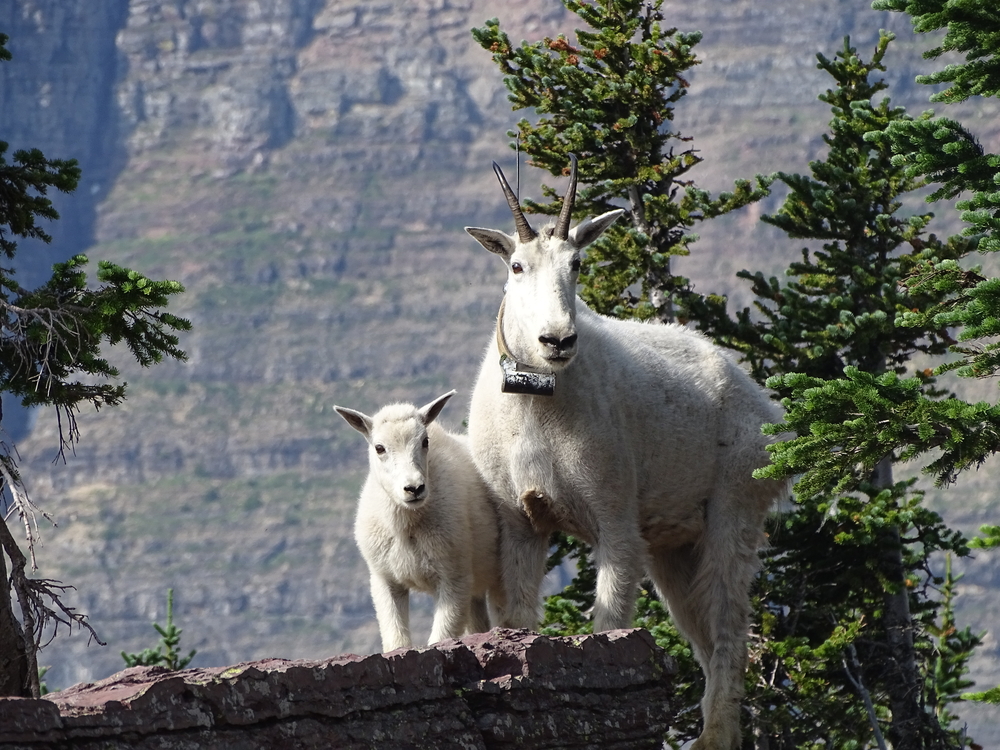
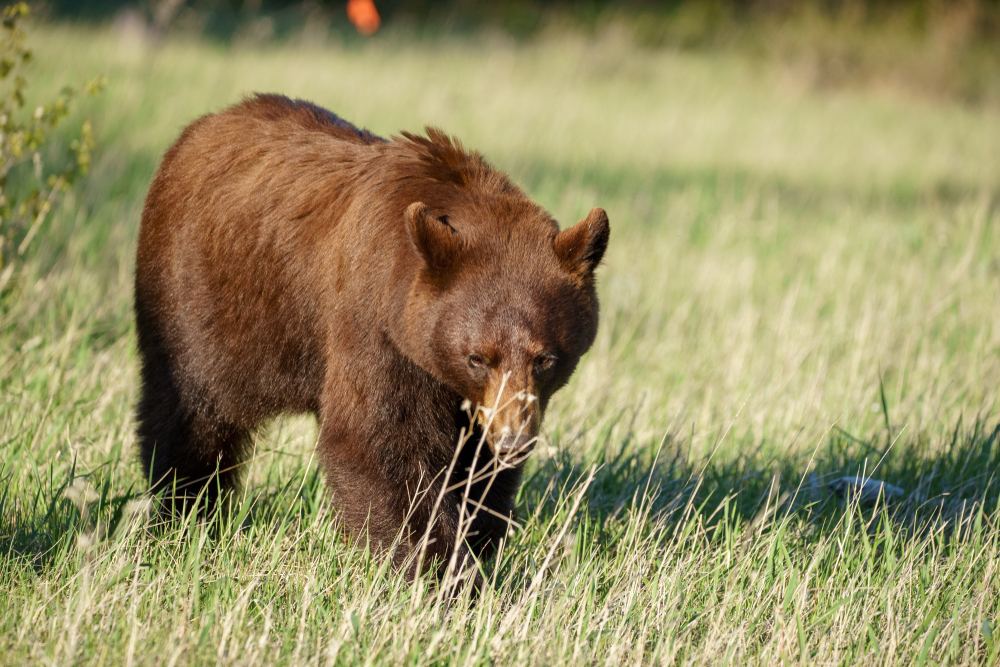
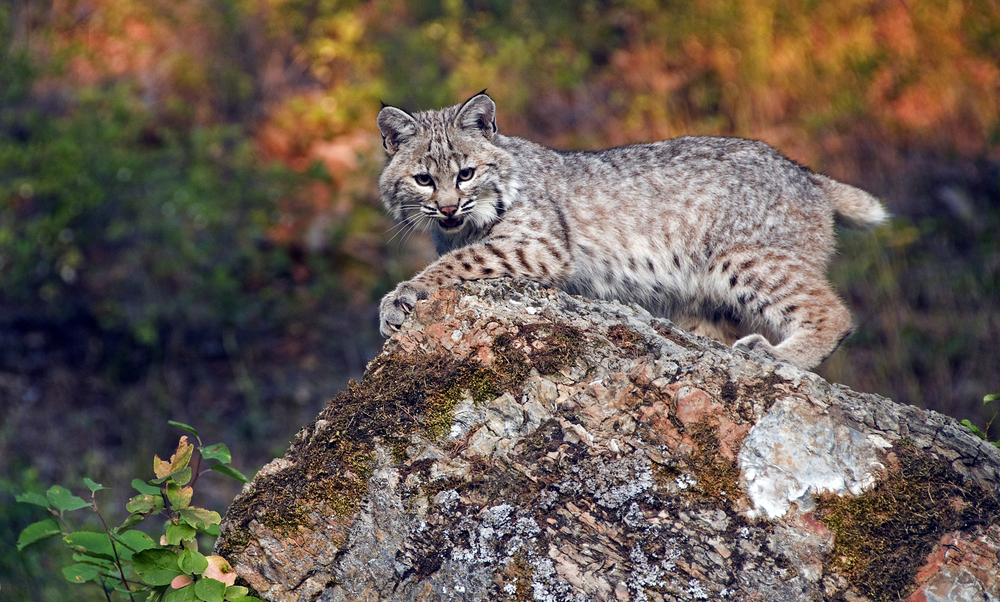
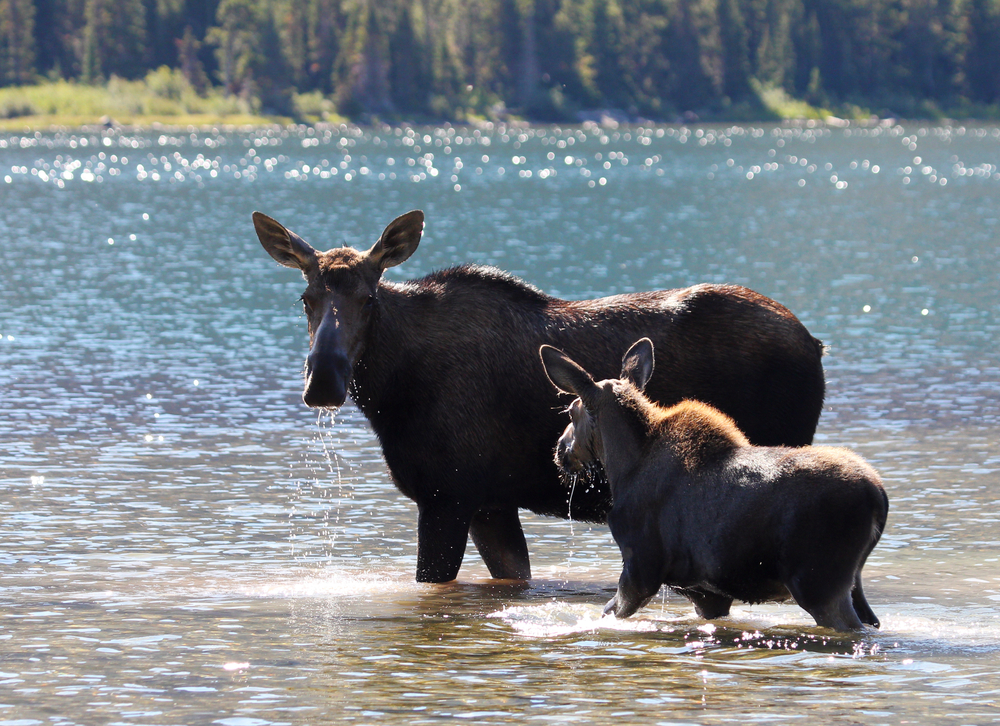
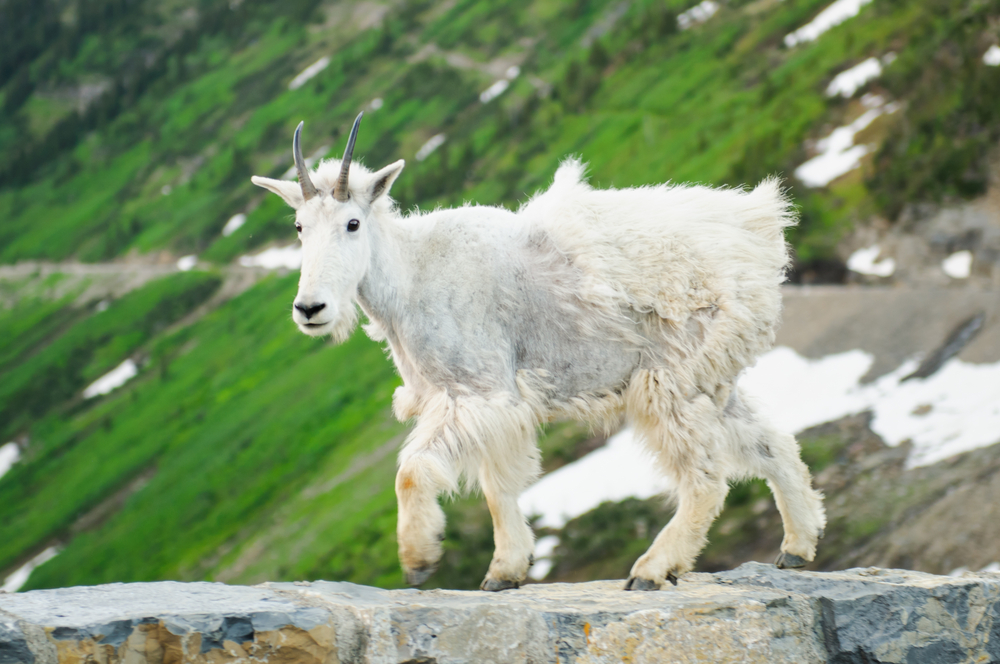
Wildlife within Glacier National Park is among the most diverse in the Rocky Mountains. The park supports healthy populations of grizzly bears, black bears, mountain goats, bighorn sheep, moose, elk, wolves, lynx, wolverines, and mountain lions. Mountain goats have become one of the park’s most recognizable animals and are frequently observed along alpine trails.
Birdlife is equally impressive, with golden eagles, bald eagles, harlequin ducks, Clark’s nutcrackers, peregrine falcons, and numerous migratory species inhabiting the park. Cold, clean rivers and lakes support native fish populations and contribute to the ecological health of the region. The park’s relatively intact ecosystems allow wildlife to thrive across a broad range of habitats.
Glacier National Park plays a vital role in protecting one of North America’s most important mountain ecosystems. The park safeguards critical wildlife corridors, alpine habitats, ancient forests, and watersheds that support biodiversity across the northern Rocky Mountains. Conservation efforts focus on preserving ecological connectivity, protecting threatened species, and adapting to the effects of climate change on glaciers and mountain environments.
Glacier is often compared to Banff National Park and North Cascades National Park because of its spectacular mountain scenery and glacial landscapes. Yet its combination of international significance, pristine wilderness, and extraordinary biodiversity makes it uniquely special. Today, Glacier National Park remains one of the world’s greatest natural treasures, preserving a landscape where mountains, lakes, wildlife, and wilderness continue to inspire awe and wonder.
Photos






Things to See
Things To Do
Engaging Glacier National Park
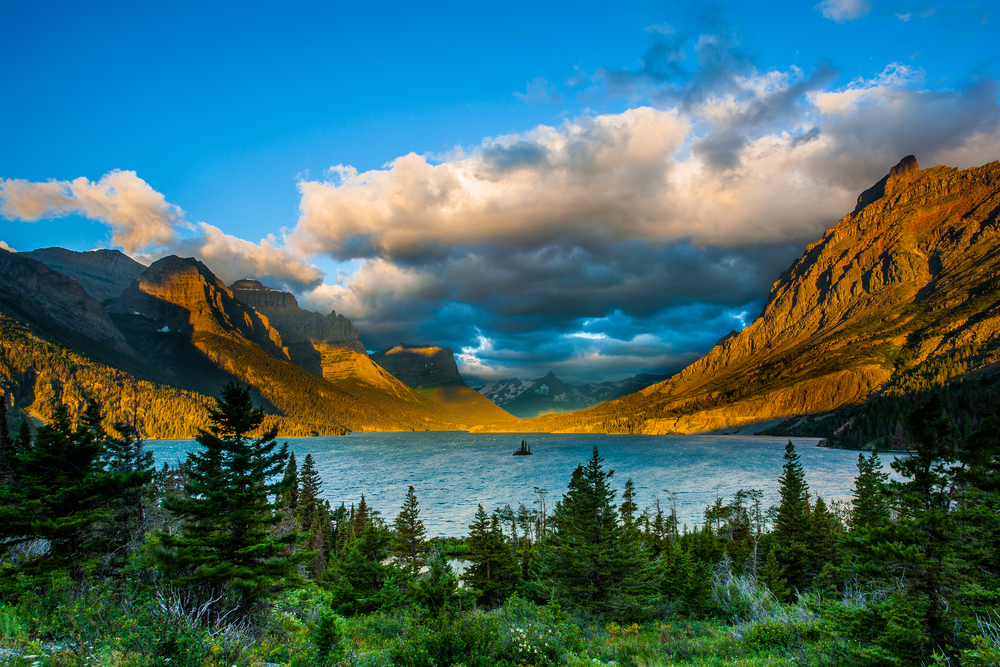
Glacier National Park Trails
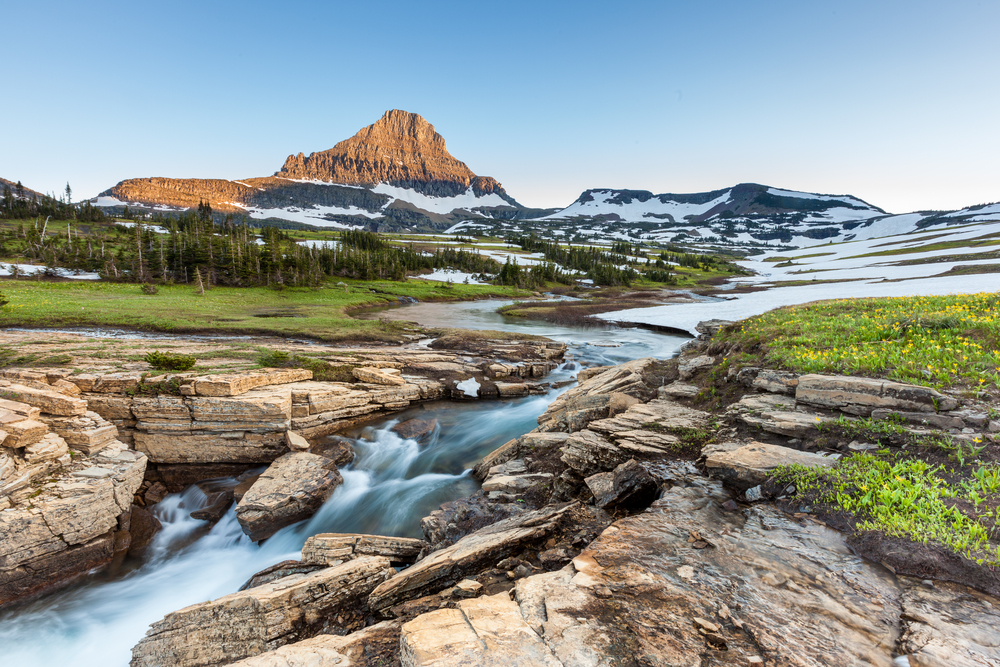
There are over 700 miles (1,127 km) of recognized trails scattered throughout the park. The Continental Divide National Scenic Trail cuts across Glacier and accounts for 110 miles (177 km) of that.

Park Protection
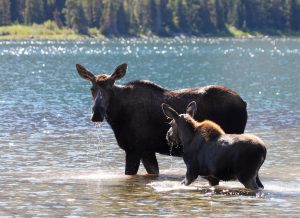 Glacier National Park was created to protect the rugged peaks, alpine meadows, forests, lakes, and glaciers of the northern Rocky Mountains. The park provides critical habitat for several threatened and sensitive species, including grizzly bears, Canada lynx, wolverines, and bull trout. Its diverse ecosystems support an exceptional variety of wildlife, making it one of the most important protected landscapes in the continental United States.
The park is renowned for its dramatic mountain scenery and for preserving some of the largest remaining glacier-influenced ecosystems in the lower 48 states. It also protects the headwaters of major river systems that flow into the Pacific Ocean, Hudson Bay, and Gulf of Mexico. Together, Glacier National Park safeguards alpine wilderness, important wildlife corridors, pristine watersheds, and one of North America’s most iconic mountain landscapes.
FAQ’s
What is Glacier National Park known for?
Glacier National Park is renowned for its breathtaking scenery, rugged mountains, and pristine wilderness. Situated in the Rocky Mountains of Montana, this park is famous for its iconic glaciers, deep valleys, and stunning alpine lakes.
Visitors flock to Glacier National Park to experience its unparalleled beauty and outdoor adventures, including hiking, camping, and wildlife viewing.
With over 700 miles of hiking trails, visitors can explore diverse ecosystems, from lush forests to alpine meadows. The park’s Going-to-the-Sun Road offers stunning panoramic views of the surrounding peaks and glaciers, making it one of the most scenic drives in the world.
Glacier National Park is also home to a diverse array of wildlife, including grizzly bears, mountain goats, and bighorn sheep, providing endless opportunities for wildlife enthusiasts and nature lovers alike.
What is the main reason people visit Glacier National Park?
Glacier National Park is primarily visited for its spectacular mountain scenery, pristine lakes, glaciers, abundant wildlife, and world-famous scenic drives. Located in northwestern Montana along the Canadian border, the park protects more than one million acres of rugged peaks, alpine meadows, forests, and waterways.
Visitors come to experience the iconic Going-to-the-Sun Road, hike hundreds of miles of trails, view glaciers, photograph stunning landscapes, and observe wildlife in one of North America’s most beautiful mountain ecosystems.
What animals can visitors hope to see in Glacier National Park?
Glacier National Park supports approximately 70 mammal species and 6 native reptile species. The park is one of the premier wildlife destinations in the United States and is home to many species that have disappeared from other parts of the Rocky Mountains.
Some of the most notable animals found in Glacier National Park include:
- Grizzly Bear
- Black Bear
- Gray Wolf
- Mountain Lion
- Canada Lynx
- Wolverine
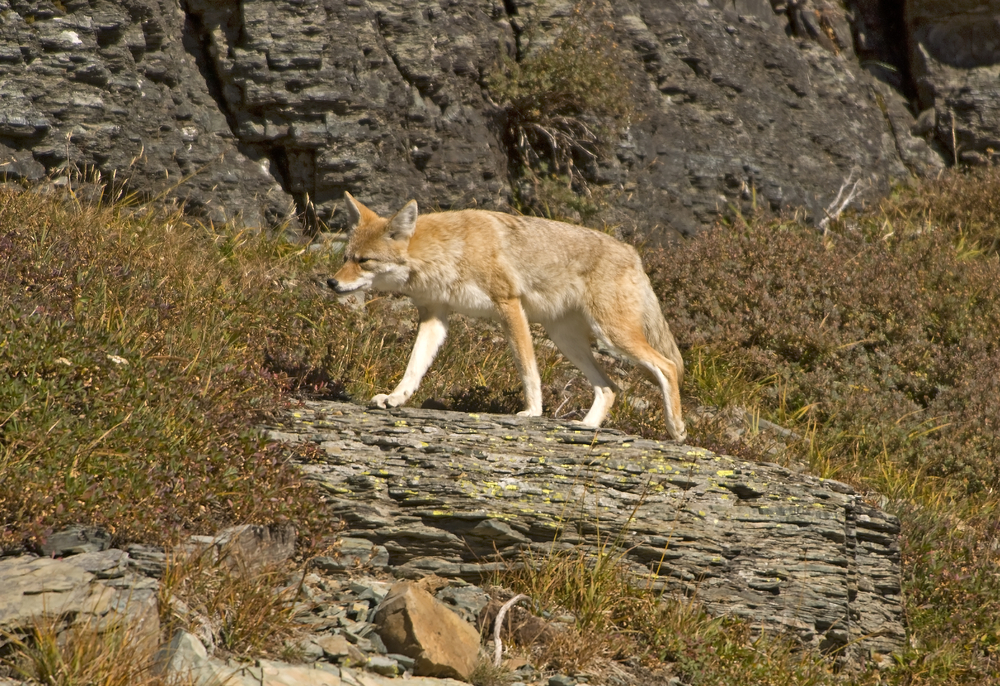
- Coyote
- Red Fox
- Moose
- Elk
- Mule Deer
- White-tailed Deer
- Mountain Goat
- Bighorn Sheep
- American Beaver
- River Otter
- Mink
- Marten
- Fisher
- Ermine
- Long-tailed Weasel
- Least Weasel
- Striped Skunk
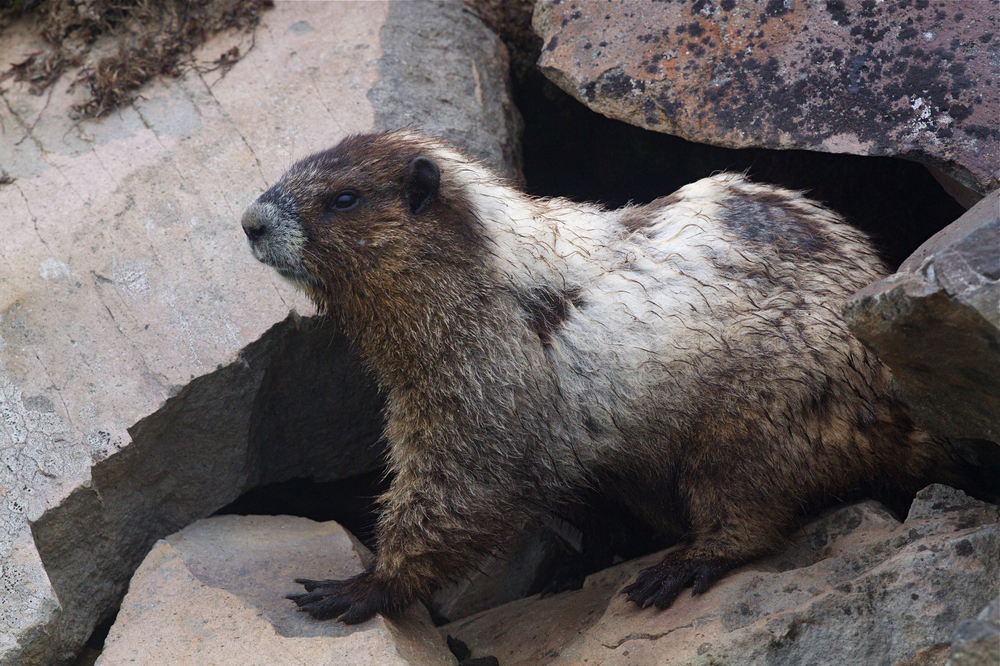
- Hoary Marmot
- Yellow-bellied Marmot
- Columbian Ground Squirrel
- Golden-mantled Ground Squirrel
- Northern Flying Squirrel
- Red Squirrel
- Snowshoe Hare
- Pika
- Porcupine
- Muskrat
- Meadow Vole
- Long-tailed Vole
- Deer Mouse
- Northern Pocket Gopher
- Water Shrew
- Masked Shrew
- Pygmy Shrew
- Little Brown Bat
- Long-eared Myotis
- Long-legged Myotis
- Yuma Myotis
- Hoary Bat
- Silver-haired Bat
- Big Brown Bat
- California Myotis
- Northern Bog Lemming
- Western Jumping Mouse
What birds can visitors hope to see in Glacier National Park?
Glacier National Park is home to more than 275 bird species, including resident and migratory species that inhabit alpine environments, forests, wetlands, and mountain valleys.
Some of the most popular birds seen in Glacier National Park include:
- Bald Eagle
- Golden Eagle
- Peregrine Falcon
- Merlin
- American Kestrel
- Northern Harrier
- Osprey
- Great Horned Owl
- Northern Pygmy Owl
- Boreal Owl
- Barred Owl
- Common Raven
- Clark’s Nutcracker
- Gray Jay
- Black-billed Magpie
- Mountain Chickadee
- Black-capped Chickadee
- Boreal Chickadee
- Red-breasted Nuthatch
- White-breasted Nuthatch
- Brown Creeper
- American Dipper
- Winter Wren
- House Wren
- Mountain Bluebird
- Western Bluebird
- Hermit Thrush
- Varied Thrush
- American Robin
- Townsend’s Solitaire
- Pine Grosbeak
- Evening Grosbeak
- Common Redpoll
- Pine Siskin
- Red Crossbill
- White-winged Crossbill
- Dark-eyed Junco
- Fox Sparrow
- White-crowned Sparrow
- Savannah Sparrow
- Chipping Sparrow
- Yellow Warbler
- Orange-crowned Warbler
- Wilson’s Warbler
- MacGillivray’s Warbler
- Western Tanager
- Red-winged Blackbird
- Sandhill Crane
- Harlequin Duck
- Barrow’s Goldeneye
Is Glacier National Park worth visiting?
Yes, Glacier National Park is absolutely worth visiting and is widely considered one of the most spectacular national parks in North America.
The park offers breathtaking mountain scenery, crystal-clear lakes, glacier-carved valleys, exceptional hiking, and abundant wildlife. Visitors often rank Glacier among the most beautiful parks in the United States. The only significant hesitation is that summer visitation can be heavy, requiring advance planning for lodging, vehicle reservations, and popular trails. Even so, the experience is well worth the effort.
What is the best time to visit Glacier National Park?
The best time to visit Glacier National Park is from late June through September.
Typical conditions include:
- June: 45–70°F (7–21°C)
- July: 50–80°F (10–27°C)
- August: 50–80°F (10–27°C)
- September: 40–70°F (4–21°C)
During this period:
- Going-to-the-Sun Road is typically fully open.
- Most trails are snow-free.
- Wildlife viewing is excellent.
- Visitor facilities are fully operational.
July and August offer the warmest weather, while September brings fewer crowds and beautiful fall colors.
How many days do you need to visit Glacier National Park?
Most visitors should plan for 3 to 5 days.
- 1 day: Scenic drive along Going-to-the-Sun Road.
- 2–3 days: Major hikes and key viewpoints.
- 4–5 days: Wildlife viewing, boat tours, and extensive hiking.
- 6+ days: Backcountry exploration and comprehensive park experience.
Because the park is large and geographically diverse, longer visits are highly rewarding.
How do you get to Glacier National Park?
The primary gateway airport is Glacier Park International Airport.
Most visitors:
- Fly into Glacier Park International Airport (FCA).
- Drive approximately 30 miles (48 km) or about 40 minutes to the park’s West Entrance.
- Access the park via West Glacier, St. Mary, Many Glacier, or Two Medicine.
Alternative airports include Missoula Montana Airport and Great Falls International Airport.
Who is involved in protecting and supporting Glacier National Park?
Several organizations help protect and support Glacier National Park:
- National Park Service – manages Glacier National Park.
- Glacier National Park Conservancy – supports education, conservation, research, and visitor programs.
- National Park Foundation – supports projects throughout the National Park System.
- Montana Conservation Corps – assists with stewardship and conservation initiatives.
- The Blackfeet Nation and other Indigenous communities who maintain cultural connections to the region and contribute to stewardship efforts.
How many glaciers are left in Glacier National Park?
When Glacier National Park was established in 1910, it contained approximately 150 glaciers. Today, fewer than 30 glaciers remain large enough to be considered active glaciers. Climate change and warming temperatures have significantly reduced glacier size and extent over the past century.
Sources
- All Trails, Best Trails in Glacier National Park, https://www.alltrails.com/parks/us/montana/glacier-national-park, retrieved June 2020.
- Britannica, Glacier National Park, https://www.britannica.com/place/Glacier-National-Park-Montana, retrieved June 2020.
- National Geographic, Complete National Parks of the United States, National Geographic Publishing, Washington DC
- National Geographic, Guide to the National Parks of the United States, National Geographic Society, 2003.
- National Geographic, National Parks of North America, Canada-United States-Mexico, National Geographic Society, 1995.
- National Park Service, Glacier, https://www.nps.gov/glac/index.htm, retrieved June 2020.
- Visit Montana, Glacier National Park, https://www.visitmt.com/glacier.html, retrieved June 2020.
- Visit Montana, Lake McDonald, https://www.visitmt.com/listings/general/lake/lake-mcdonald.html, retrieved June 2020.