About
Chizarira National Park, the park is located in northwestern Zimbabwe between the Zambezi Valley and the central highlands. The park covers approximately 771 square miles (2,000 sq km) and is the third-largest national park in Zimbabwe after Hwange National Park and Gonarezhou National Park.
Established as a national park in 1975, Chizarira lies south of Mana Pools National Park and east of Matusadona National Park. The park’s name is derived from a local word meaning “great barrier,” a reference to the dramatic escarpments and rugged terrain that define the landscape. Remote and relatively undeveloped, Chizarira remains one of Zimbabwe’s least-visited and most pristine wilderness areas.
Chizarira National Park is best known for its spectacular escarpments, deep river gorges, and outstanding wilderness character. Unlike some of Zimbabwe’s more famous safari destinations, Chizarira offers visitors an experience of solitude and exploration within a vast, untamed landscape. The park sits atop the Zambezi Escarpment, providing breathtaking views across valleys and distant horizons.
Visitors are attracted by opportunities for wildlife viewing, hiking, birdwatching, and photography in an environment largely untouched by mass tourism. Its remote location and dramatic scenery have earned it a reputation as one of southern Africa’s hidden conservation treasures.
The geography of Chizarira National Park is among its most distinctive features. The landscape consists of rugged plateaus, steep escarpments, forested valleys, sandstone cliffs, and seasonal river systems. Numerous streams carve their way through the terrain before descending toward the Zambezi Valley below.
Elevations vary considerably, creating a range of habitats and microclimates. Vegetation includes miombo woodlands, mopane forests, grasslands, and riverine habitats that support diverse plant and animal communities. During the rainy season, waterfalls and seasonal streams add to the park’s scenic beauty, while the dry season reveals expansive views across the surrounding wilderness.
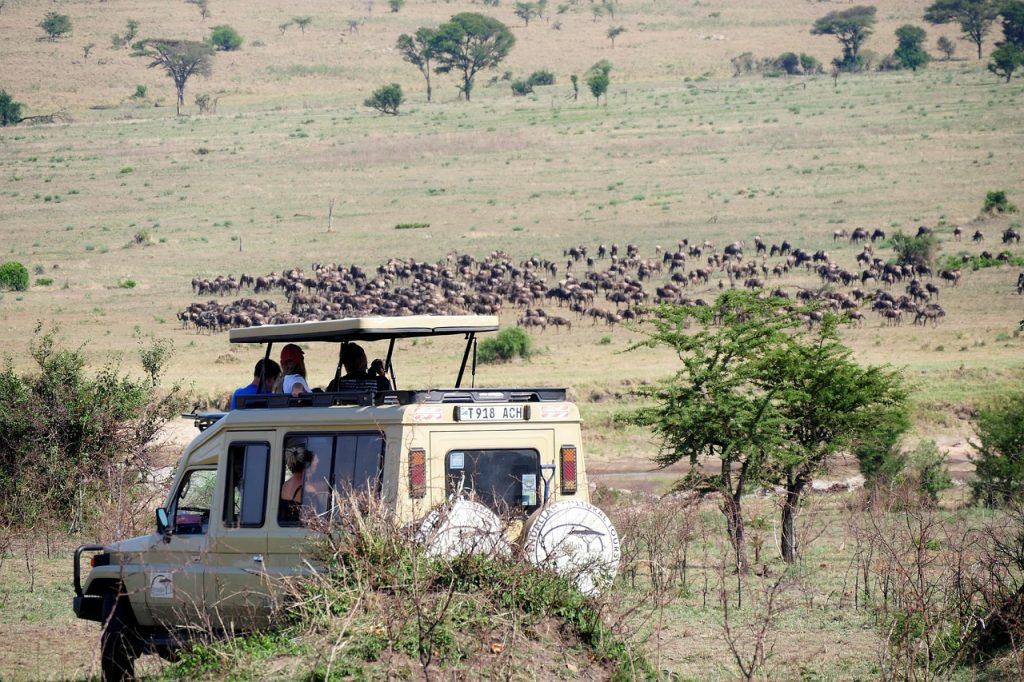
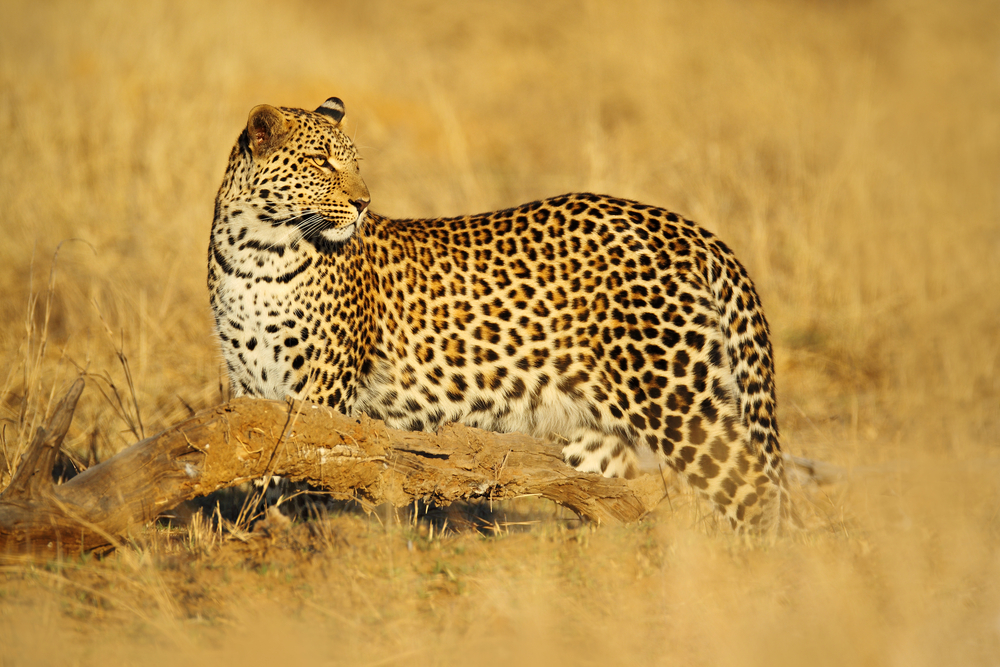
Wildlife within Chizarira National Park is both diverse and abundant. Large mammals include elephant, African buffalo, lion, leopard, spotted hyena, zebra, sable antelope, kudu, waterbuck, and impala. The park is particularly important for the conservation of African wild dogs, one of the continent’s most endangered predators. Because of its remoteness and low visitor numbers, wildlife often behaves naturally and can be observed in relatively undisturbed conditions.
Birdlife is exceptional, with more than 360 recorded species inhabiting the park. Raptors such as martial eagles, African hawk-eagles, and crowned eagles patrol the skies, while hornbills, kingfishers, bee-eaters, and numerous woodland species thrive throughout the varied habitats. The combination of rugged terrain and rich biodiversity makes Chizarira an outstanding destination for wildlife enthusiasts.
Chizarira National Park plays a vital role in protecting one of Zimbabwe’s largest intact wilderness ecosystems. The park safeguards important habitats for elephants, predators, and numerous bird species while preserving ecological connectivity between the Zambezi Valley and the country’s interior landscapes.
Its conservation significance is often compared to wilderness parks such as South Luangwa National Park and Kafue National Park, where large, relatively undisturbed ecosystems support thriving wildlife populations. Today, Chizarira National Park remains one of southern Africa’s most underrated protected areas, preserving a landscape of extraordinary beauty, biodiversity, and wilderness for future generations.
Things to See
Things To Do
Engaging Chizarira National Park