About

Hwange National Park is located in western Zimbabwe between the cities of Bulawayo and Victoria Falls. The park covers approximately 5,657 square miles (14,651 sq km), making it the largest national park in Zimbabwe.

Established in 1928 as a game reserve and later designated a national park in 1961, Hwange lies southeast of Victoria Falls National Park and forms part of a broader transboundary conservation landscape that connects with protected areas in Botswana, Zambia, and Namibia. Its immense size, diverse habitats, and exceptional wildlife populations have earned Hwange a reputation as one of Africa’s premier safari destinations and one of the continent’s most important conservation areas.

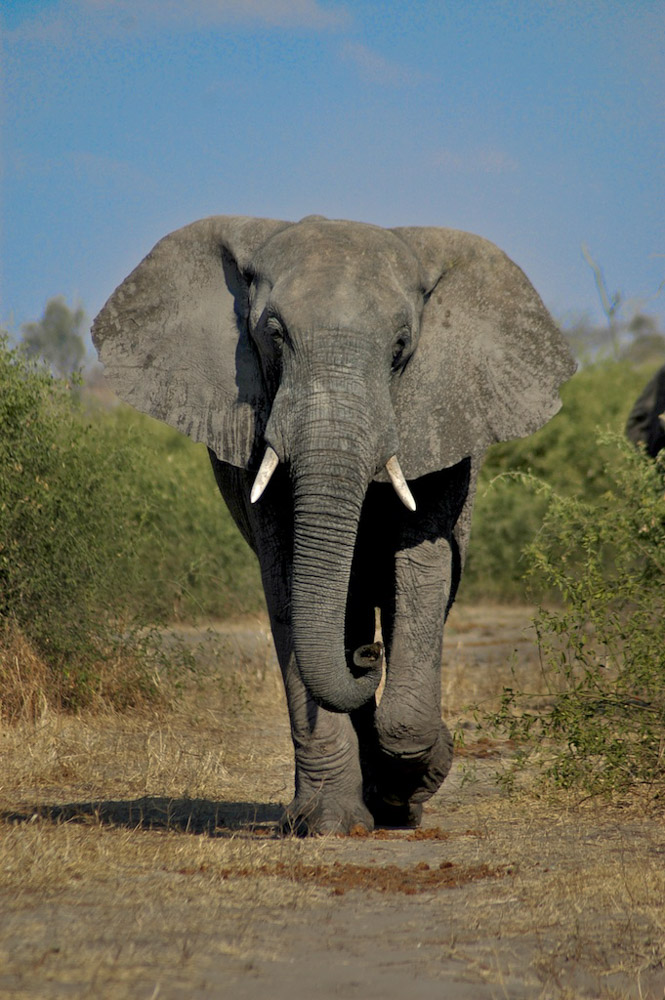
Hwange National Park is best known for its enormous elephant population, vast wilderness, and outstanding wildlife viewing opportunities. The park supports one of the largest elephant populations in Africa, with tens of thousands of elephants roaming its grasslands and woodlands.

Visitors are drawn by the opportunity to experience classic African safaris in a landscape that remains remarkably wild and uncrowded. Numerous waterholes, many maintained through conservation efforts, attract wildlife throughout the dry season and provide exceptional opportunities for observation and photography. Game drives, walking safaris, birdwatching, and overnight stays in remote wilderness camps allow visitors to experience the park’s extraordinary natural beauty and abundant wildlife.

The geography of Hwange National Park is characterized by expansive savannas, teak woodlands, grasslands, seasonal wetlands, and sandy soils that reflect the region’s semi-arid environment. The park sits on the edge of the Kalahari Basin, which influences much of its terrain and vegetation.

Unlike parks dominated by major rivers, Hwange relies heavily on seasonal rainfall and artificial waterholes to support wildlife during dry periods. The landscape includes open plains, mopane woodlands, acacia forests, and scattered salt pans that create a variety of habitats for wildlife. This ecological diversity contributes significantly to the park’s remarkable species richness and scenic appeal.

Wildlife within Hwange National Park is among the most impressive in Africa. In addition to its famous elephant herds, the park supports large populations of African buffalo, giraffe, zebra, wildebeest, sable antelope, roan antelope, eland, and numerous other herbivores. Predators include lion, leopard, cheetah, spotted hyena, and African wild dog.

Hwange is particularly important for the conservation of African wild dogs, one of the continent’s most endangered carnivores. Birdlife is equally diverse, with more than 400 recorded species inhabiting the park. Raptors, hornbills, storks, kingfishers, bee-eaters, and migratory birds thrive across the park’s varied habitats. The abundance and diversity of wildlife make Hwange one of southern Africa’s most rewarding safari destinations.

Hwange National Park plays a critical role in protecting one of Africa’s largest remaining wilderness ecosystems. The park safeguards extensive migration routes, supports internationally significant elephant and predator populations, and preserves habitats that are increasingly rare elsewhere on the continent.

Its conservation importance is often compared to renowned parks such as Kruger National Park and Chobe National Park because of its wildlife abundance and ecological significance. However, Hwange’s combination of Kalahari-influenced landscapes, immense elephant herds, and relatively low visitor density gives it a distinctive character all its own. Today, Hwange National Park remains the cornerstone of Zimbabwean conservation and one of Africa’s greatest wildlife sanctuaries.

Things to See
Predators

Predators

Hwange National Park is a sanctuary where some of Africa’s most iconic predators thrive, using its expansive savannahs and woodlands to hunt and maintain ecological balance.

Lion
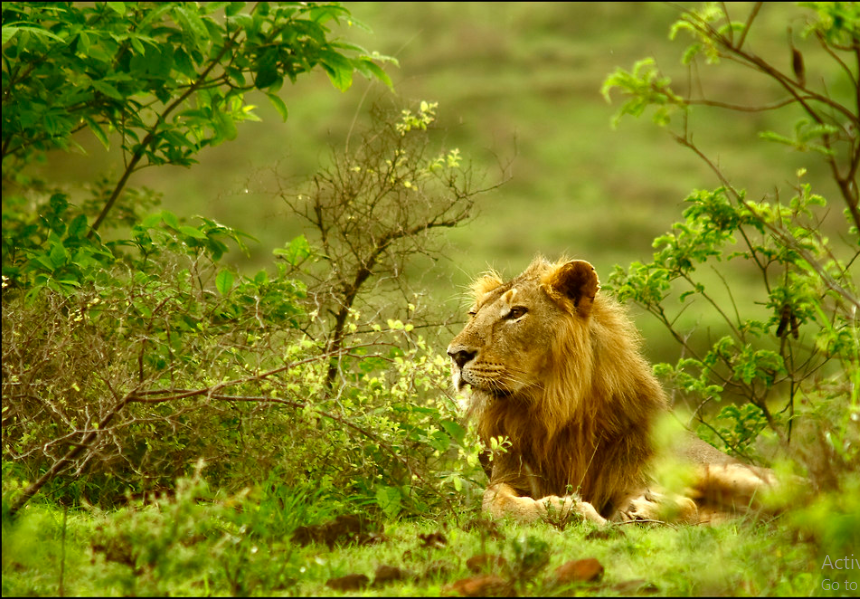
Hwange’s lions, often seen in prides, dominate the food chain as they stalk large herbivores like buffalo and zebra in the open plains.

Leopard
Stealthy and elusive, leopards use their camouflaged coats to blend into the dense woodlands, ambushing prey with precision.

Cheetah
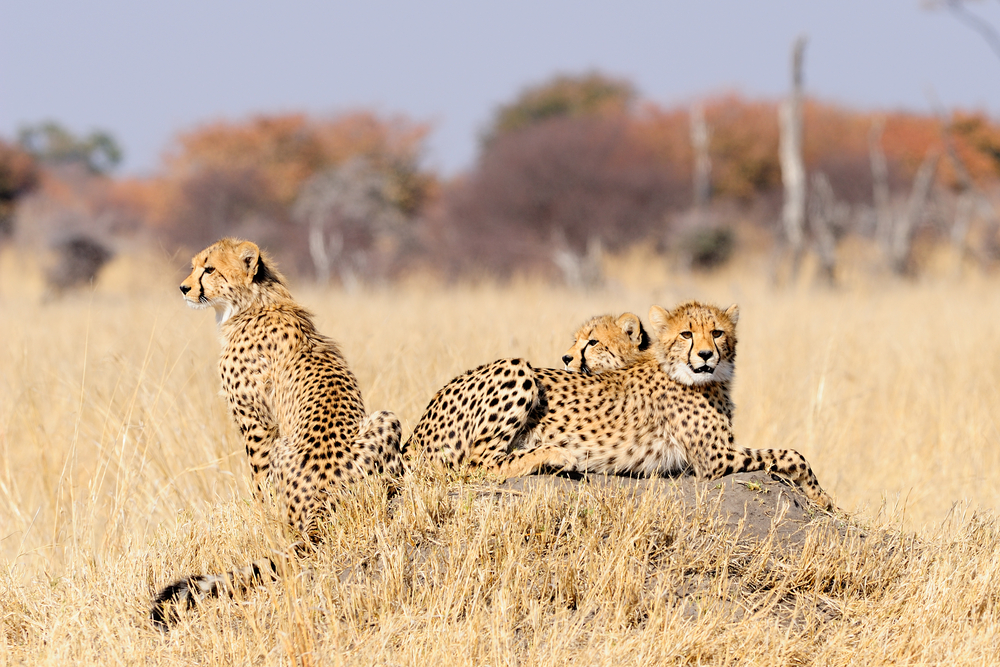
Renowned for their incredible speed, cheetahs rely on the park’s open grasslands to pursue antelope in short, high-velocity chases.

African Wild Dog
These highly social predators operate in packs, displaying remarkable teamwork to hunt impala and other medium-sized prey.

Spotted Hyena
Spotted hyenas play dual roles as skilled hunters and scavengers, often seen roaming in clans or feasting at kills.

Brown Hyena
Less common than their spotted counterparts, brown hyenas scavenge for food in the park’s drier areas, contributing to ecosystem cleanup.

Side-striped Jackal
A nocturnal predator, the side-striped jackal preys on rodents, birds, and small mammals, while also scavenging opportunistically.

Honey Badger
Small but fearless, honey badgers are adept hunters, preying on rodents, reptiles, and insects, and are known for their tenacity.

Serval
A medium-sized wild cat, the serval hunts in the grasslands, using its long legs and sharp hearing to locate small mammals and birds.

Bat-eared Fox
This insectivorous predator uses its large ears to detect beetles, termites, and other invertebrates beneath the soil.

Popular

Popular

Hwange National Park is home to a diverse array of herbivores and other non-predatory species that play vital roles in its thriving ecosystem.

African Elephant
Hwange is famous for its vast elephant population, with herds roaming the plains and gathering at waterholes.

Cape Buffalo
These resilient herbivores are often seen grazing in large herds, providing a dramatic spectacle in the park’s grasslands.

Plains Zebra
Zebras, with their striking black-and-white stripes, move in herds, offering an iconic sight against Hwange’s golden savannahs.

Giraffe
These towering herbivores browse on acacia leaves, using their long necks to access foliage unreachable by other animals.

Impala
A common and graceful antelope, impalas often form mixed herds and serve as a primary prey species for the park’s predators.

Warthog
Quirky and tough, warthogs forage across the park’s open plains, kneeling to dig for roots and tubers.

Eland
The largest antelope in Africa, eland are a rare but impressive sight as they graze in Hwange’s grasslands.

Kudu
Known for their spiraling horns, kudus inhabit the park’s wooded areas, feeding on leaves and shoots.

Waterbuck
Often found near water, these shaggy-coated antelopes graze on grasses and are identifiable by the distinctive white ring on their rumps.

Hippo
Spending most of their time in the water, hippos emerge at night to graze on the park’s grasslands.

Birds

Birds

Hwange National Park’s diverse habitats attract a remarkable variety of bird species, making it a haven for avian enthusiasts.

African Fish Eagle
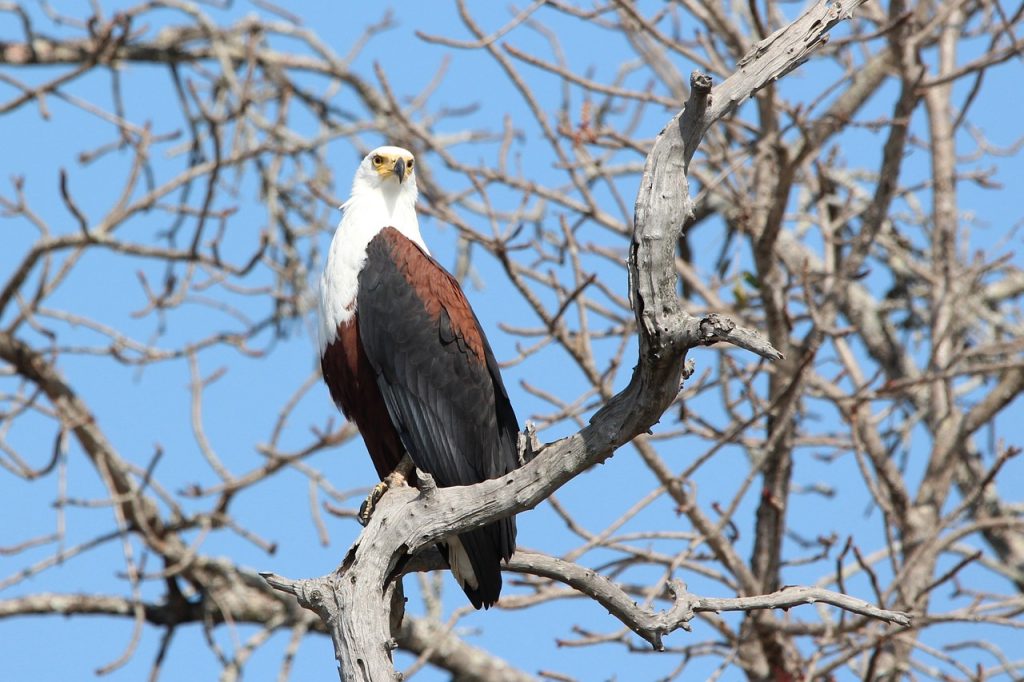
This majestic raptor, with its piercing call, is often seen perched near waterholes, scanning for fish.

Lilac-breasted Roller
Renowned for its dazzling plumage, the lilac-breasted roller is a favorite for birdwatchers and photographers alike.

Southern Ground Hornbill
A charismatic ground-dwelling bird, the southern ground hornbill forages in small groups across Hwange’s open grasslands.

Kori Bustard
The kori bustard, Africa’s largest flying bird, is often spotted striding across the park’s savannahs.

Helmeted Guineafowl
These sociable birds forage in flocks, their distinctive calls echoing across the park’s plains and woodlands.

Martial Eagle
A powerful and majestic predator, the martial eagle soars above the park, hunting for small mammals and reptiles.

Yellow-billed Stork
This elegant wader sweeps its long beak through the water in search of fish and other aquatic prey.

White-backed Vulture
Essential to the park’s ecosystem, white-backed vultures play a critical role in cleaning up carrion.

Pied Kingfisher
Hovering above Hwange’s waterholes, the pied kingfisher dives with precision to catch small fish.

Goliath Heron
The tallest heron in the world, the Goliath heron stalks fish in the shallows, creating a serene and regal presence.

Things To Do

Engaging Hwange National Park

placeholder

Game Drives

Game drives are the quintessential way to explore Hwange’s vast and varied landscapes, from open savannahs to dense woodlands. These guided safaris provide opportunities to see Hwange’s famous elephants, lions, and giraffes up close, as well as rarer species like cheetahs and wild dogs.

Waterholes, a lifeline for wildlife, are key stops on the drives, offering dramatic scenes of predator-prey interactions or peaceful moments of large herds drinking together. Guides share in-depth knowledge about animal behavior and conservation efforts, enriching the experience.

Early morning and evening drives are particularly magical, as the park’s golden light enhances its beauty and wildlife activity peaks.

placeholder

Walking Safaris

Walking safaris in Hwange allow visitors to step off the beaten path and experience the park on foot, offering a unique and immersive way to connect with nature.

Led by highly trained guides, these safaris focus on the smaller details of the ecosystem, such as animal tracks, insects, and plant species, while providing thrilling close encounters with larger wildlife.

Walking through the savannah or along waterholes, participants gain a deeper appreciation for the interconnectedness of the park’s flora and fauna. This activity combines adventure with a sense of peace, providing a truly memorable way to experience Hwange.

placeholder

Birdwatching

Hwange’s diverse habitats make it a paradise for bird enthusiasts, with guided birdwatching tours tailored to maximize sightings of its rich avian life. Early mornings are ideal for spotting iconic species like the southern ground hornbill, lilac-breasted roller, and martial eagle.

Guides provide expert insights into bird behaviors and calls, helping visitors identify both resident and migratory species. Wetland areas and waterholes are particularly rewarding, attracting a mix of waterbirds and raptors.

Whether observing the delicate courtship of storks or the dramatic dives of raptors, birdwatching in Hwange is a serene yet thrilling activity for nature lovers.

Park Protection

Hwange National Park was created to protect the vast savannas, woodlands, grasslands, and seasonal wetlands of northwestern Zimbabwe. The park provides critical habitat for several threatened and endangered species, including the endangered African wild dog, endangered African elephant, and vulnerable cheetah.

Hwange supports one of the largest elephant populations in Africa, with tens of thousands of elephants relying on its extensive protected landscapes. The park is also home to lions, leopards, buffalo, giraffes, zebras, sable antelope, roan antelope, and more than 400 species of birds. Its diverse habitats make it one of southern Africa’s most important strongholds for large mammal conservation.

The park is especially significant for protecting one of the largest remaining wilderness areas in southern Africa and for sustaining wildlife in a region where natural water sources are scarce during much of the year. A network of natural and managed waterholes supports immense concentrations of animals during the dry season, creating one of Africa’s most important wildlife refuges.

Hwange also serves as a key component of the transboundary conservation landscape linking Zimbabwe, Botswana, Zambia, and Namibia. Together, Hwange National Park safeguards endangered wildlife, critical dry-season water resources, vast savanna ecosystems, and one of Africa’s premier conservation landscapes.

FAQ’s

What is the main reason people visit Hwange National Park?

Hwange National Park is primarily visited for its massive elephant population, exceptional wildlife viewing, diverse habitats, and reputation as Zimbabwe’s premier safari destination. Located in western Zimbabwe near the border with Botswana, the park protects approximately 5,657 square miles (14,651 square kilometers), making it the largest national park in Zimbabwe.

Visitors come to see huge elephant herds, large predator populations, hundreds of bird species, and abundant wildlife gathering around the park’s famous waterholes.

What animals can visitors hope to see in Hwange National Park?

Hwange National Park supports more than 100 mammal species and is internationally recognized for having one of Africa’s largest elephant populations.

Some of the most notable animals found in Hwange National Park include:

  1. African Bush Elephant
  2. African Lion
  3. Leopard
  4. African Wild Dog
  5. African Buffalo
  6. Cheetah
  7. Spotted Hyena
  8. Brown Hyena
  9. Black-backed Jackal
  10. Side-striped Jackal
  11. Serval
  12. Caracal
  13. African Wildcat
  14. Honey Badger
  15. African Civet
  16. Large-spotted Genet
  17. Slender Mongoose
  18. White-tailed Mongoose
  19. Banded Mongoose
  20. Dwarf Mongoose
  21. Aardwolf
  22. Aardvark
  23. Hippopotamus
  24. Nile Crocodile
  25. Plains Zebra
  26. Giraffe
  27. Sable Antelope
  28. Roan Antelope
  29. Eland
  30. Greater Kudu
  31. Impala
  32. Waterbuck
  33. Bushbuck
  34. Puku
  35. Reedbuck
  36. Tsessebe
  37. Blue Wildebeest
  38. Hartebeest
  39. Common Duiker
  40. Steenbok
  41. Klipspringer
  42. Warthog
  43. Bushpig
  44. Chacma Baboon
  45. Vervet Monkey
  46. Samango Monkey
  47. Tree Hyrax
  48. Crested Porcupine
  49. African Hare
  50. Giant Pouched Rat

What birds can visitors hope to see in Hwange National Park?

Hwange National Park is home to more than 400 bird species and is one of southern Africa’s premier birdwatching destinations.

Some of the most popular birds seen in Hwange National Park include:

  1. African Fish Eagle
  2. Martial Eagle
  3. Bateleur
  4. Tawny Eagle
  5. Verreaux’s Eagle
  6. Secretary Bird
  7. Saddle-billed Stork
  8. Yellow-billed Stork
  9. Marabou Stork
  10. Woolly-necked Stork
  11. African Openbill
  12. African Spoonbill
  13. Sacred Ibis
  14. Hadada Ibis
  15. Hamerkop
  16. Wattled Crane
  17. Grey Crowned Crane
  18. African Jacana
  19. Spur-winged Lapwing
  20. Crowned Lapwing
  21. Black Crake
  22. Kori Bustard
  23. White-bellied Bustard
  24. Southern Ground Hornbill
  25. Lilian’s Lovebird
  26. Carmine Bee-eater
  27. White-fronted Bee-eater
  28. Böhm’s Bee-eater
  29. Giant Kingfisher
  30. Pied Kingfisher
  31. Malachite Kingfisher
  32. Woodland Kingfisher
  33. African Pygmy Kingfisher
  34. Lilac-breasted Roller
  35. Purple Roller
  36. European Roller
  37. Goliath Heron
  38. Purple Heron
  39. Black-headed Heron
  40. Great White Pelican
  41. Pink-backed Pelican
  42. Egyptian Goose
  43. White-faced Whistling Duck
  44. Yellow-billed Oxpecker
  45. Red-billed Oxpecker
  46. Trumpeter Hornbill
  47. Southern Yellow-billed Hornbill
  48. Grey Hornbill
  49. African Paradise Flycatcher
  50. Fork-tailed Drongo

Is Hwange National Park worth visiting?

Yes, Hwange National Park is absolutely worth visiting and is considered one of Africa’s finest safari destinations.

The park offers incredible elephant viewing, excellent predator sightings, outstanding birdwatching, and a more exclusive safari experience than many of Africa’s better-known parks. Visitors often enjoy seeing hundreds of elephants around waterholes during the dry season, creating some of the most memorable wildlife spectacles on the continent.

The primary hesitation is that wildlife can be more dispersed during the rainy season. However, for most safari travelers, Hwange provides an exceptional combination of wildlife diversity, scenic beauty, and wilderness.

What is the best time to visit Hwange National Park?

Weather and Climate

The best time to visit Hwange National Park is during the dry season from May through October.

Typical conditions include:

  • May–July: 45–80°F (7–27°C)
  • August–October: 55–100°F (13–38°C)
  • November–April: 60–95°F (16–35°C)

During the dry season:

  • Wildlife concentrates around waterholes.
  • Elephant viewing reaches its peak.
  • Predator sightings improve.
  • Vegetation becomes less dense.
  • Photography opportunities are excellent.

The green season offers lush landscapes, migratory birds, newborn animals, and fewer visitors.

How many days do you need to visit Hwange National Park?

Most visitors should plan for 3 to 5 days in Hwange National Park.

  • 1 day: Introduction to the park and wildlife viewing.
  • 2 days: Multiple game drives and waterhole visits.
  • 3 days: Comprehensive safari experience covering several wildlife areas.
  • 4–5 days: Predator tracking, birdwatching, photography, and exploration of different sectors.
  • 6+ days: In-depth safari experience and specialized wildlife viewing.

For most visitors, four days provides the ideal experience. Hwange’s large size and diverse habitats mean that wildlife encounters vary significantly between regions. Additional days increase opportunities to observe large elephant herds, African wild dogs, lions, leopards, and the park’s many antelope species.

Wildlife photographers and experienced safari travelers often spend five or more days in the park because of its outstanding wildlife density and exceptional opportunities around the park’s famous pumped waterholes.

How do you get to Hwange National Park?

International Access

Hwange National Park is located in western Zimbabwe.

The primary international gateways are:

  • Victoria Falls Airport
  • Robert Gabriel Mugabe International Airport

Most international safari visitors arrive through Victoria Falls.

Driving from Victoria Falls

The most popular route is:

  • Victoria Falls to Hwange National Park.

Travel time:

  • Approximately 110 miles (180 km)
  • About 2–3 hours by road

This makes Hwange one of the easiest major safari destinations to combine with Victoria Falls.

Rail Access

Hwange is one of the few African safari destinations that can also be accessed via:

  • Zimbabwe National Railways

through stations near the park.

Local Air Access

Visitors may also fly to:

  • Hwange National Park Airport
  • Robins Airstrip

Charter flights operate from Victoria Falls and other safari destinations.

Main Wildlife Areas

Popular sections of the park include:

  • Main Camp Area
  • Sinamatella Area
  • Robins Area

These areas contain many of the park’s most productive wildlife-viewing locations.

Travel Times

Typical travel times include:

  • Victoria Falls to Hwange: 2–3 hours by road.
  • Harare to Hwange: 8–10 hours by road.
  • Victoria Falls to Hwange by air: approximately 30–45 minutes.
  • Main Camp to Sinamatella: approximately 2–3 hours.

Who is involved in protecting and supporting Hwange National Park?

Several organizations help protect and support Hwange National Park:

  • Zimbabwe Parks and Wildlife Management Authority – manages Hwange National Park.
  • Painted Dog Conservation – supports African wild dog conservation.
  • Wildlife Conservation Society – supports wildlife research and conservation.
  • African Wildlife Foundation – supports conservation initiatives.
  • Local communities, safari operators, and conservation organizations throughout the Hwange ecosystem.

What is unique about Hwange National Park?

Hwange National Park is unique because it supports one of the largest elephant populations in Africa and protects an extraordinary diversity of habitats ranging from teak forests and savannas to seasonal wetlands and grasslands.

The park’s extensive network of pumped waterholes sustains wildlife during the dry season and creates remarkable wildlife concentrations. Combined with strong populations of African wild dogs, predators, and rare antelope species, Hwange offers one of the most complete safari experiences in Africa.

How many elephants live in Hwange National Park?

Hwange National Park supports one of Africa’s largest elephant populations, with estimates generally ranging between 40,000 and 50,000 elephants within the greater ecosystem.

Can you visit Hwange National Park from Victoria Falls?

Yes. Hwange National Park is located only about 2–3 hours from Victoria Falls, making it one of the most popular safari extensions for visitors exploring one of the world’s largest waterfalls.

Sources

Here are sources you can explore for more information: