About
Gonarezhou National Park, the park is located in southeastern Zimbabwe along the borders of Mozambique and South Africa. The park covers approximately 1,957 square miles (5,070 sq km) and is the second-largest national park in Zimbabwe after Hwange National Park.
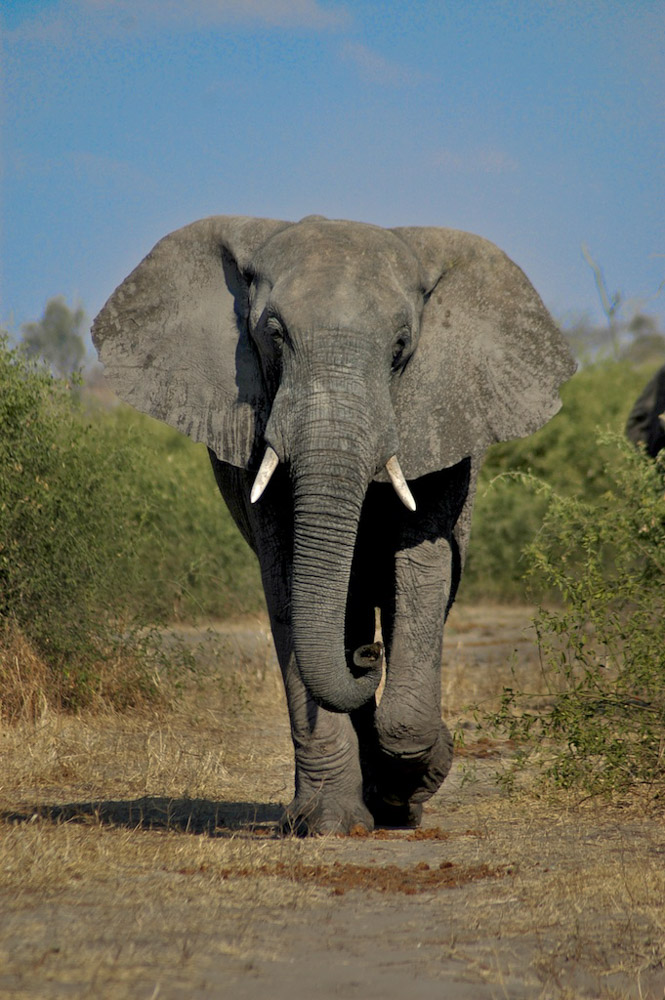
Established as a national park in 1975, Gonarezhou forms a key component of the vast Great Limpopo Transfrontier Park, which connects protected areas across Zimbabwe, Mozambique, and South Africa. Its name means “Place of Elephants” in the local Shangaan language, reflecting the park’s long-standing association with one of Africa’s most iconic animals. Remote, rugged, and largely untouched, Gonarezhou is widely regarded as one of southern Africa’s last great wilderness areas.
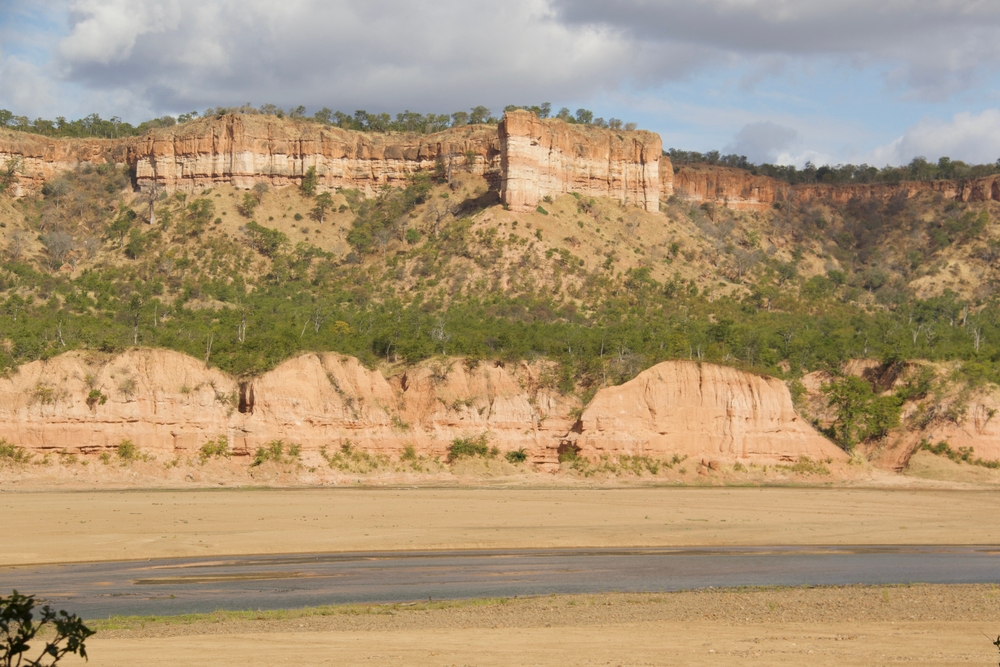
Gonarezhou National Park is best known for its immense elephant herds, dramatic sandstone cliffs, and authentic wilderness experiences. Unlike some of Africa’s more heavily visited safari destinations, Gonarezhou offers visitors vast landscapes where wildlife can be observed in relative solitude. One of the park’s most famous attractions is the Chilojo Cliffs, towering red sandstone formations that rise above the Runde River Valley and create one of Zimbabwe’s most spectacular natural landmarks.
Visitors are drawn by opportunities for game drives, photography, birdwatching, and exploration of a landscape that remains remarkably wild. The sense of remoteness and discovery is a defining feature of the Gonarezhou experience.
The geography of Gonarezhou National Park is characterized by broad river valleys, sandstone cliffs, baobab-dotted plains, woodlands, and seasonal wetlands. Three major rivers—the Runde, Save, and Mwenezi—flow through the park, creating important water sources that sustain wildlife throughout the year.
The famous Chilojo Cliffs dominate portions of the landscape, while rolling savannas and mopane woodlands extend across much of the park. The varied terrain supports a rich diversity of habitats ranging from riverine forests and floodplains to dry woodland ecosystems. These contrasting environments contribute significantly to the park’s ecological richness and scenic beauty.
Wildlife within Gonarezhou National Park is among the most impressive in southern Africa. The park supports large populations of elephants, buffalo, giraffe, zebra, wildebeest, kudu, nyala, and numerous other antelope species. Predators include lion, leopard, cheetah, spotted hyena, and African wild dog. Gonarezhou is particularly important for elephant conservation and contains one of the largest elephant populations in the region.
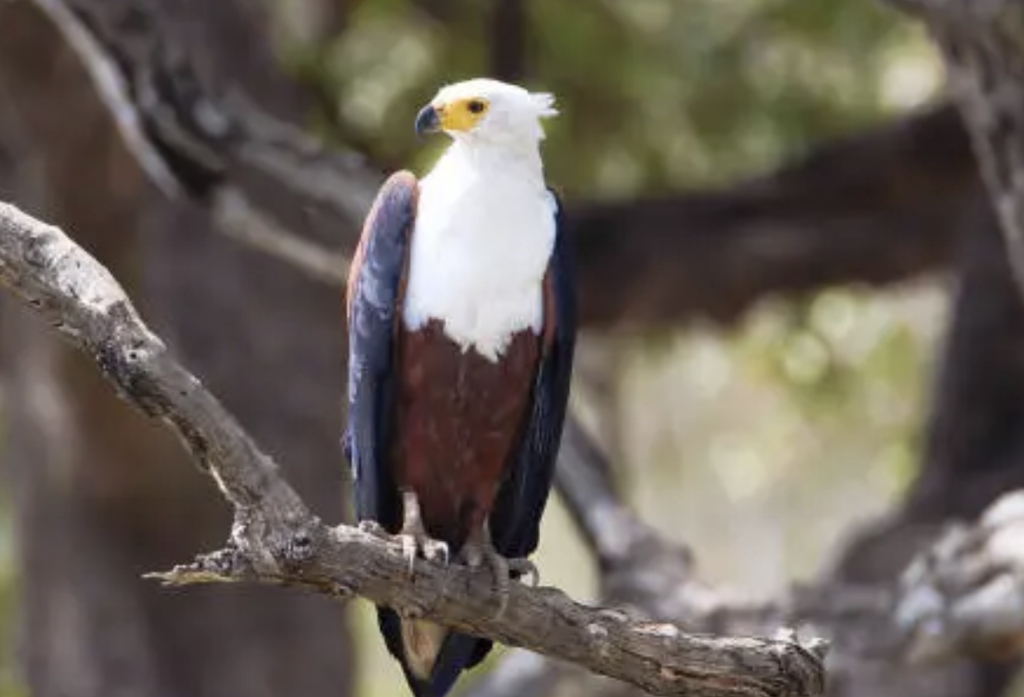
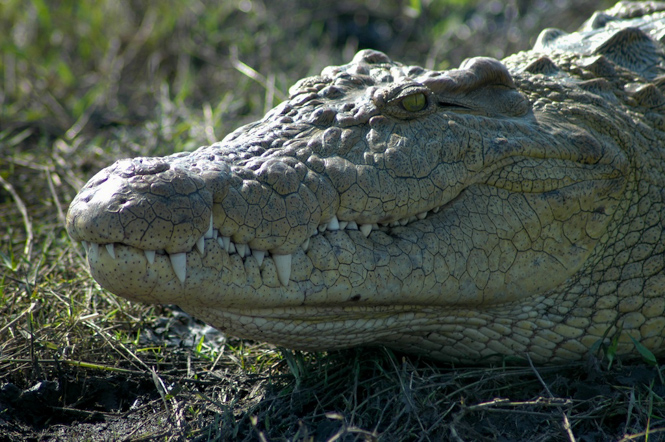
The river systems also support hippopotamuses and Nile crocodiles, while more than 450 bird species have been recorded throughout the park. African fish eagles, saddle-billed storks, kingfishers, hornbills, and numerous raptors thrive within the park’s varied habitats. The diversity of wildlife and relatively low visitor numbers create exceptional opportunities for observation.
Gonarezhou National Park plays a critical role in conserving one of southern Africa’s largest remaining wilderness ecosystems. The park protects extensive wildlife corridors, river systems, and habitats that support large mammal populations across international boundaries. Its participation in the Great Limpopo Transfrontier Park allows wildlife to move freely across a landscape spanning three countries, enhancing ecological resilience and biodiversity conservation.
The park’s conservation significance is often compared to renowned wilderness areas such as Kruger National Park and Kafue National Park. Yet Gonarezhou’s rugged landscapes, iconic cliffs, and remote character give it a unique identity. Today, the park stands as one of Africa’s most important conservation strongholds and a remarkable refuge for wildlife and wilderness.
Things to See
Things To Do
Engaging Gonarezhou National Park
Park Protection
Gonarezhou National Park was created to protect the vast wilderness of southeastern Zimbabwe, including its savannas, sandstone cliffs, river systems, woodlands, and floodplains. The park provides critical habitat for several threatened and endangered species, including the endangered African wild dog, endangered African elephant, and vulnerable cheetah.
It also supports significant populations of lions, leopards, buffalo, hippopotamuses, crocodiles, sable antelope, nyala, and numerous other mammals. The park’s rivers, particularly the Runde, Save, and Mwenezi, sustain vital ecosystems that support more than 400 species of birds and an exceptional diversity of wildlife throughout the year.
The park is especially significant for protecting one of the largest and least disturbed wilderness areas in southern Africa. It is renowned for the dramatic red sandstone cliffs of the Chilojo Cliffs, a striking geological feature found nowhere else in Zimbabwe.
Gonarezhou also forms a key component of the Great Limpopo Transfrontier Conservation Area, helping connect wildlife populations across Zimbabwe, Mozambique, and South Africa. Together, Gonarezhou National Park safeguards endangered wildlife, critical river ecosystems, unique geological landmarks, and one of Africa’s most important transboundary conservation landscapes.
FAQ’s
What is the main reason people visit Gonarezhou National Park?
Gonarezhou National Park is primarily visited for its remote wilderness, large elephant herds, dramatic sandstone cliffs, and authentic safari experience far from the crowds found in many African parks.
Located in southeastern Zimbabwe near the borders of Mozambique and South Africa, the park protects approximately 1,957 square miles (5,053 square kilometers) of savannas, river systems, woodlands, and rugged landscapes.
Visitors come to experience one of Africa’s last great wilderness areas while observing elephants, lions, leopards, wild dogs, buffalo, and a wide variety of birdlife.
What animals can visitors hope to see in Gonarezhou National Park?
Gonarezhou National Park supports more than 90 mammal species and forms an important part of the Greater Limpopo Transfrontier Conservation Area, one of Africa’s largest protected ecosystems.
Some of the most notable animals found in Gonarezhou National Park include:
- African Bush Elephant
- African Lion
- Leopard
- African Wild Dog
- African Buffalo
- Cheetah
- Spotted Hyena
- Brown Hyena
- Black-backed Jackal
- Side-striped Jackal
- Serval
- Caracal
- African Wildcat
- Honey Badger
- African Civet
- Large-spotted Genet
- Slender Mongoose
- White-tailed Mongoose
- Banded Mongoose
- Dwarf Mongoose
- Aardwolf
- Aardvark
- Hippopotamus
- Nile Crocodile
- Plains Zebra
- Masai Giraffe
- Greater Kudu
- Eland
- Nyala
- Bushbuck
- Waterbuck
- Impala
- Blue Wildebeest
- Tsessebe
- Hartebeest
- Puku
- Reedbuck
- Common Duiker
- Steenbok
- Klipspringer
- Warthog
- Bushpig
- Chacma Baboon
- Vervet Monkey
- Samango Monkey
- Tree Hyrax
- Rock Hyrax
- Crested Porcupine
- African Hare
- Giant Pouched Rat
What birds can visitors hope to see in Gonarezhou National Park?
Gonarezhou National Park is home to more than 450 bird species and is considered one of southern Africa’s outstanding birdwatching destinations.
Some of the most popular birds seen in Gonarezhou National Park include:
- African Fish Eagle
- Martial Eagle
- Bateleur
- Tawny Eagle
- Verreaux’s Eagle
- Secretary Bird
- Saddle-billed Stork
- Yellow-billed Stork
- Marabou Stork
- Woolly-necked Stork
- African Openbill
- African Spoonbill
- Sacred Ibis
- Hadada Ibis
- Hamerkop
- Wattled Crane
- Grey Crowned Crane
- African Jacana
- Spur-winged Lapwing
- Crowned Lapwing
- Black Crake
- Pel’s Fishing Owl
- Kori Bustard
- White-bellied Bustard
- Southern Ground Hornbill
- Lilian’s Lovebird
- Böhm’s Bee-eater
- White-fronted Bee-eater
- Carmine Bee-eater
- Giant Kingfisher
- Pied Kingfisher
- Malachite Kingfisher
- Woodland Kingfisher
- African Pygmy Kingfisher
- Lilac-breasted Roller
- Purple Roller
- European Roller
- African Skimmer
- Goliath Heron
- Purple Heron
- Black-headed Heron
- Great White Pelican
- Pink-backed Pelican
- Egyptian Goose
- White-faced Whistling Duck
- Yellow-billed Oxpecker
- Red-billed Oxpecker
- Trumpeter Hornbill
- Grey Hornbill
- African Paradise Flycatcher
Is Gonarezhou National Park worth visiting?
Yes, Gonarezhou National Park is absolutely worth visiting and is often considered one of Africa’s most underrated safari destinations.
The park offers vast wilderness, excellent elephant viewing, strong predator populations, spectacular scenery, and very low visitor numbers compared to many famous safari parks. Travelers seeking a more remote and authentic safari experience frequently rank Gonarezhou among southern Africa’s hidden gems.
The primary hesitation is that the park’s remote location requires more planning and travel time than some better-known destinations. However, visitors are rewarded with remarkable wildlife encounters and a true sense of wilderness.
What is the best time to visit Gonarezhou National Park?
Weather and Climate
The best time to visit Gonarezhou National Park is during the dry season from May through October.
Typical conditions include:
- May–July: 50–82°F (10–28°C)
- August–October: 60–102°F (16–39°C)
- November–April: 65–95°F (18–35°C)
During the dry season:
- Wildlife concentrates around rivers and waterholes.
- Elephant viewing is exceptional.
- Predator sightings improve.
- Vegetation becomes less dense.
- Photography opportunities are excellent.
The green season offers lush landscapes, migratory birds, newborn animals, and dramatic scenery.
How many days do you need to visit Gonarezhou National Park?
Most visitors should plan for 3 to 5 days in Gonarezhou National Park.
- 1 day: Introduction to the park and wildlife viewing.
- 2 days: Multiple game drives and exploration of key wildlife areas.
- 3 days: Comprehensive safari experience across several habitats.
- 4–5 days: Photography, birdwatching, predator tracking, and visits to remote sections of the park.
- 6+ days: Deep wilderness exploration and specialized wildlife experiences.
For most visitors, four days provides the ideal experience. Gonarezhou is a large and relatively undeveloped park, meaning travel times between wildlife-viewing areas can be significant. Additional days allow visitors to explore river systems, woodlands, and scenic landmarks while increasing opportunities to observe elusive predators and large elephant herds.
Photographers and experienced safari travelers often spend five or more days because the park’s remoteness and diversity reward those willing to explore beyond the most commonly visited areas.
How do you get to Gonarezhou National Park?
International Access
Gonarezhou National Park is located in southeastern Zimbabwe.
The primary international gateways are:
- Robert Gabriel Mugabe International Airport
- Joshua Mqabuko Nkomo International Airport
Most visitors arrive through Harare.
Driving from Harare
The most common route is:
- Harare to Gonarezhou National Park.
Travel time:
- Approximately 350 miles (560 km)
- About 7–9 hours by road
Most visitors travel in 4WD vehicles due to road conditions.
Air Access
Charter flights may operate to:
- Buffalo Range Airport
From there, visitors transfer by road to the park.
Chilojo Cliffs
The park’s most famous landmark is:
- Chilojo Cliffs
Known for:
- Spectacular red sandstone formations.
- Panoramic views.
- Scenic photography opportunities.
- One of Zimbabwe’s most iconic landscapes.
Major Rivers
Important waterways include:
- Runde River
- Save River
- Mwenezi River
These rivers provide critical wildlife habitat throughout the year.
Travel Times
Typical travel times include:
- Harare to Gonarezhou: 7–9 hours by road.
- Buffalo Range Airport to park entrances: 1–3 hours.
- Chiredzi to Gonarezhou: approximately 2–4 hours.
- Major wildlife areas within the park: 1–3 hours apart depending on location.
Who is involved in protecting and supporting Gonarezhou National Park?
Several organizations help protect and support Gonarezhou National Park:
- Zimbabwe Parks and Wildlife Management Authority – manages Gonarezhou National Park.
- Gonarezhou Conservation Trust – oversees conservation and park management initiatives.
- Frankfurt Zoological Society – supports conservation and scientific monitoring.
- African Wildlife Foundation – supports conservation efforts across the region.
- Local communities and conservation partners within the Greater Limpopo ecosystem.
What is unique about Gonarezhou National Park?
Gonarezhou National Park is unique because it protects one of Africa’s last great wilderness areas and forms part of the massive Greater Limpopo Transfrontier Conservation Area, which links protected lands across Zimbabwe, Mozambique, and South Africa.
The park is particularly famous for the towering Chilojo Cliffs, large elephant populations, and vast landscapes that remain largely untouched by mass tourism. Its combination of wilderness, wildlife, and scenic beauty creates one of southern Africa’s most authentic safari experiences.
What does Gonarezhou mean?
The name “Gonarezhou” is often translated as “Place of Elephants,” reflecting the park’s long-standing reputation for supporting large elephant populations.
Sources
Here are sources you can explore for more information:
- AllTrails. Gonarezhou National Park. https://www.alltrails.com/zimbabwe/masvingo/gonarezhou-national-park, retrieved July 2026.
- Encyclopaedia Britannica. Gonarezhou National Park. https://www.britannica.com/place/Gonarezhou-National-Park, retrieved July 2026.
- Gonarezhou Conservation Trust. Gonarezhou National Park. https://gonarezhou.org/, retrieved July 2026.
- Protected Planet (UNEP-WCMC & IUCN). Gonarezhou National Park. https://www.protectedplanet.net/, retrieved July 2026.
- SafariBookings. Gonarezhou National Park. https://www.safaribookings.com/gonarezhou, retrieved July 2026.
- UNESCO World Heritage Centre. Great Limpopo Transfrontier Conservation Area. https://whc.unesco.org/en/tentativelists/3021/, retrieved July 2026. (Provides international conservation context for Gonarezhou.)
- Wikipedia. Gonarezhou National Park. https://en.wikipedia.org/wiki/Gonarezhou_National_Park, retrieved July 2026.
- World Wide Fund for Nature (WWF). Southern Africa’s Great Limpopo Landscape. https://www.worldwildlife.org/, retrieved July 2026.
- Zimbabwe Parks and Wildlife Management Authority (ZimParks). Gonarezhou National Park. https://zimparks.org.zw/, retrieved July 2026.
- Zimbabwe Tourism Authority. Gonarezhou National Park. https://www.zimbabwetourism.net/, retrieved July 2026.