



About
Kafue National Park is located in western-central Zambia and is the country’s largest national park, covering approximately 8,650 square miles (22,400 sq km). Established in the 1950s, the park stretches across a vast and varied landscape shaped by the Kafue River and its many tributaries.
While Kafue does not directly border another national park, it forms part of a broader conservation network that includes surrounding game management areas, creating one of the largest protected ecosystems in Africa. Its immense size and relatively low visitor numbers contribute to a strong sense of remoteness and wilderness, making it one of the continent’s hidden safari treasures.
Kafue National Park is best known for its extraordinary diversity of habitats and wildlife, particularly within the famous Busanga Plains in the northern section of the park. These seasonal floodplains are among the most spectacular wildlife-viewing areas in southern Africa, attracting large herds of antelope and the predators that follow them.
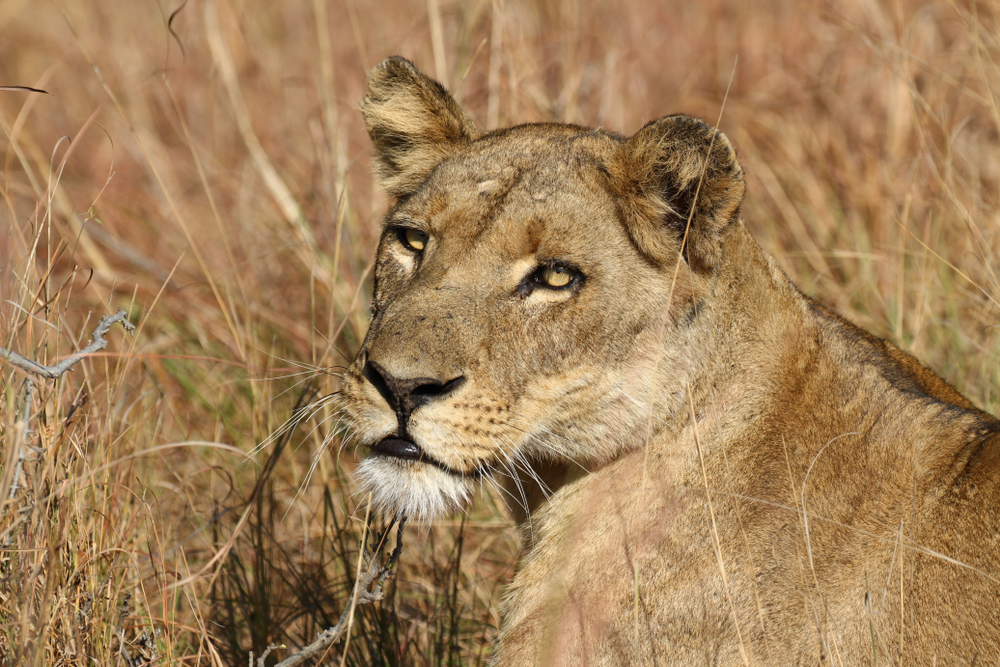
Lions are especially prominent in Busanga, often seen resting on termite mounds or stalking prey through the tall grasses. The park is also known for offering a more exclusive and uncrowded safari experience compared to some of Africa’s more heavily visited destinations, allowing visitors to experience wildlife in a quieter and more natural setting.
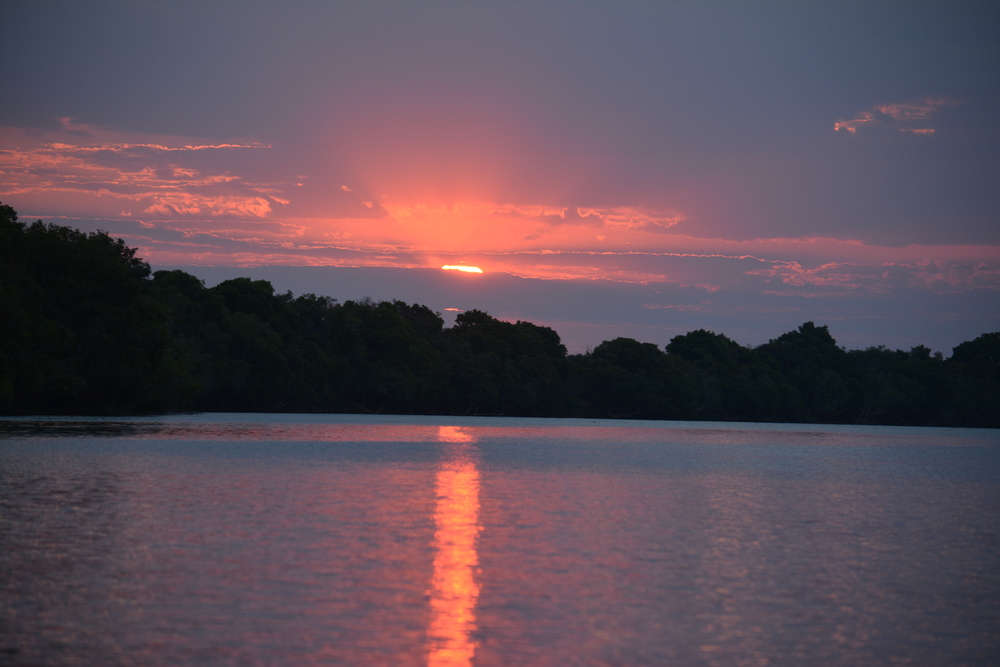
The geography of Kafue is incredibly varied, ranging from wetlands and floodplains to dense miombo woodlands and open savannas. The Kafue River serves as the park’s lifeline, supporting ecosystems that change dramatically with the seasons. During the rainy season, parts of the park become flooded, replenishing nutrients and sustaining the rich biodiversity of the floodplains.
The Busanga Plains transform into lush grasslands teeming with life, while the southern and central areas are dominated by forests and woodlands characterized by broad-leaved trees and scattered grasslands. This diversity of landscapes creates a mosaic of habitats capable of supporting an exceptional range of species.
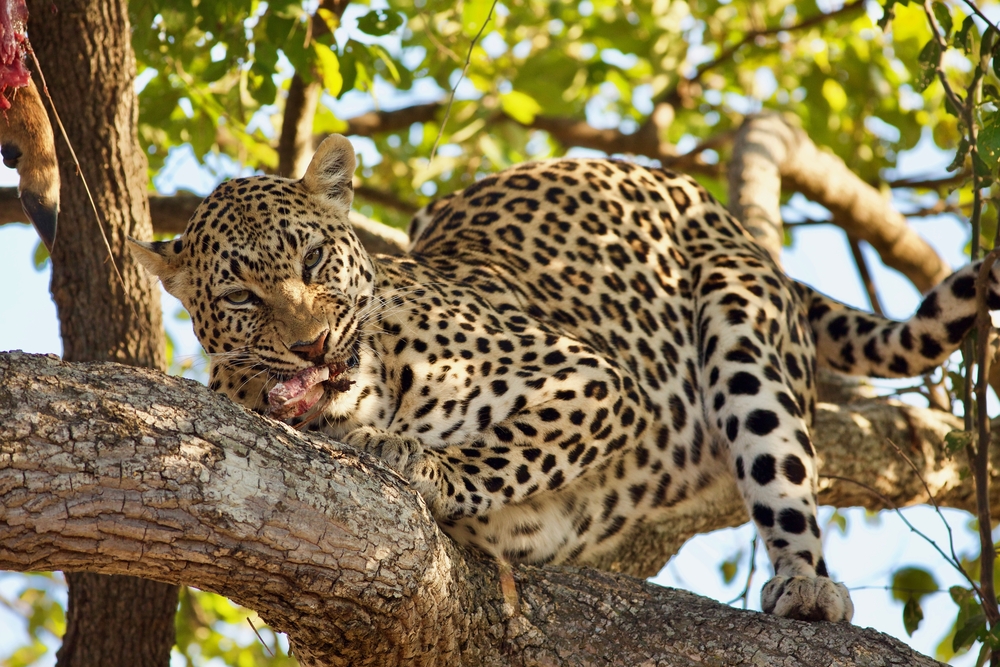
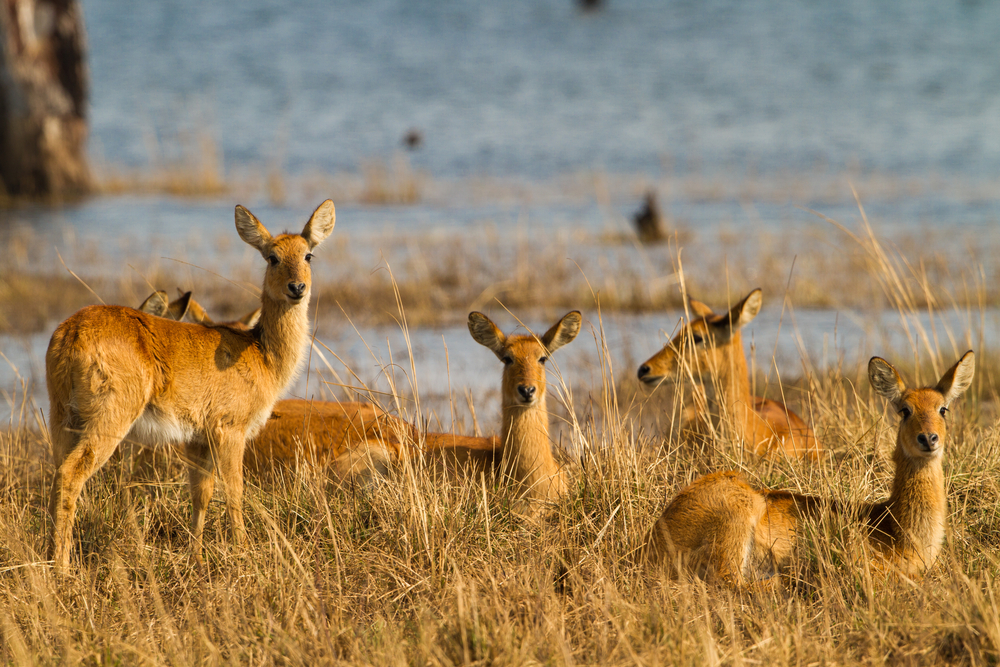
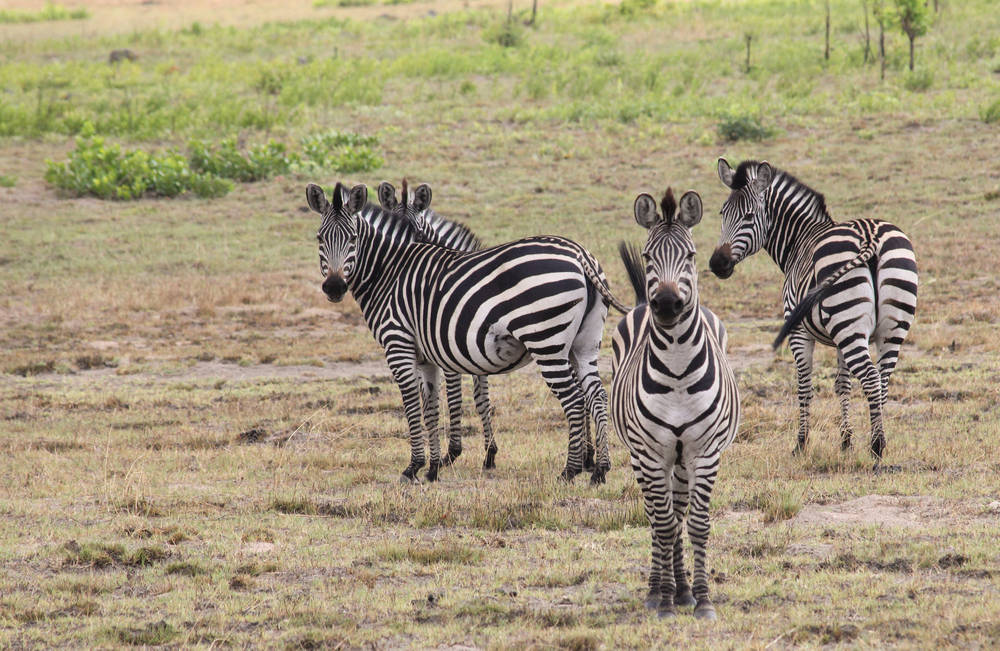
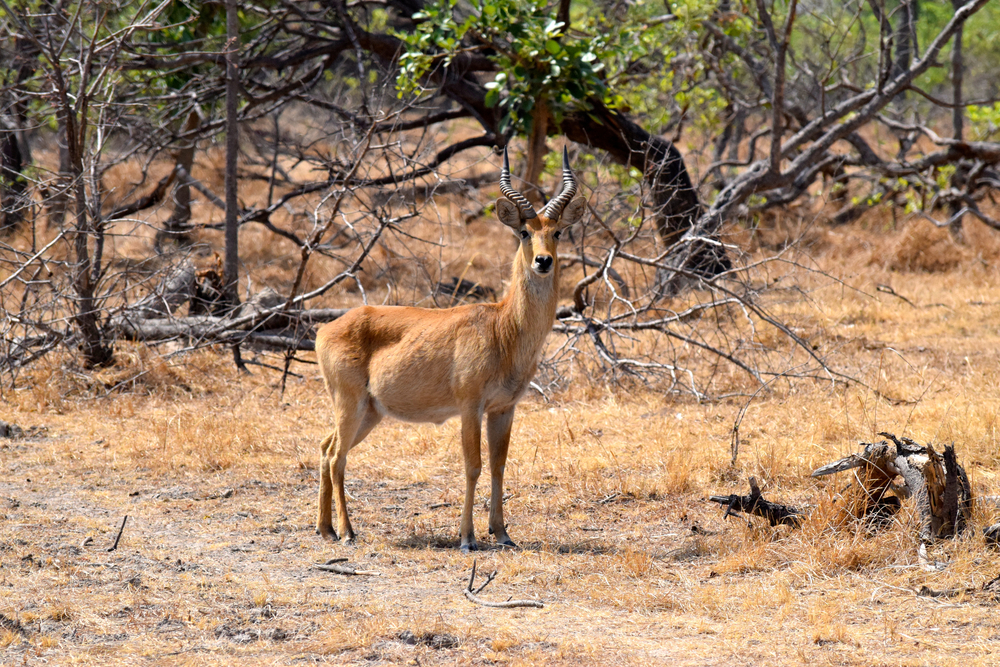
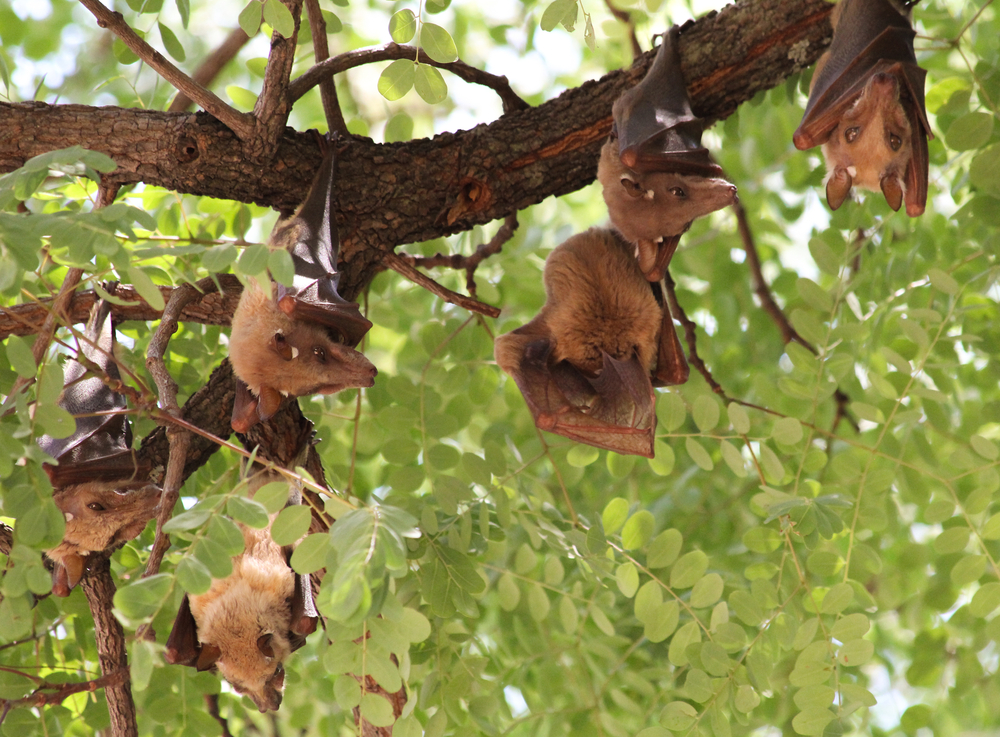
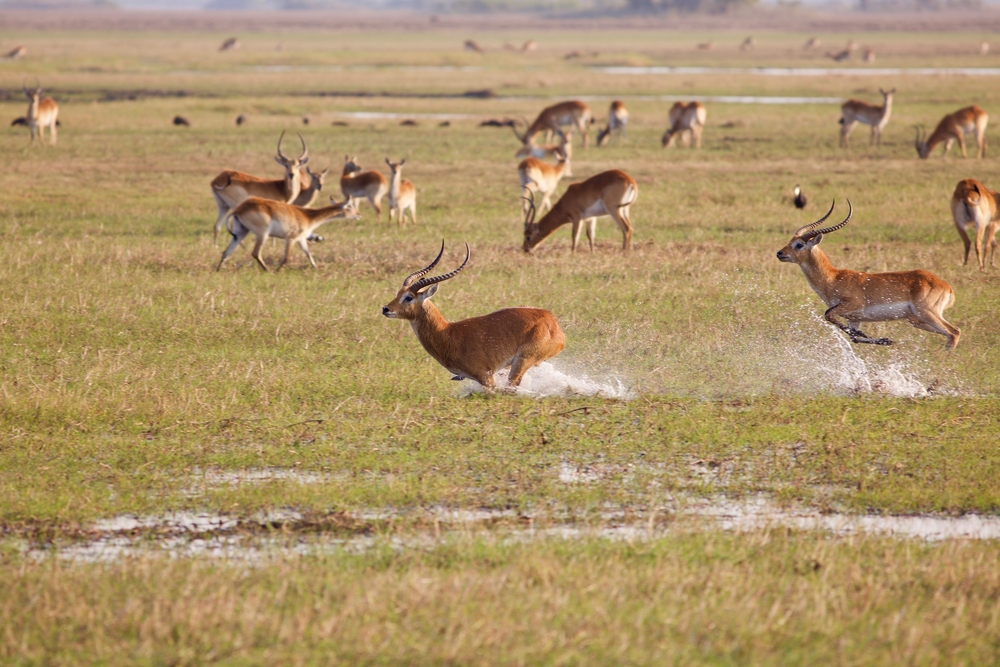
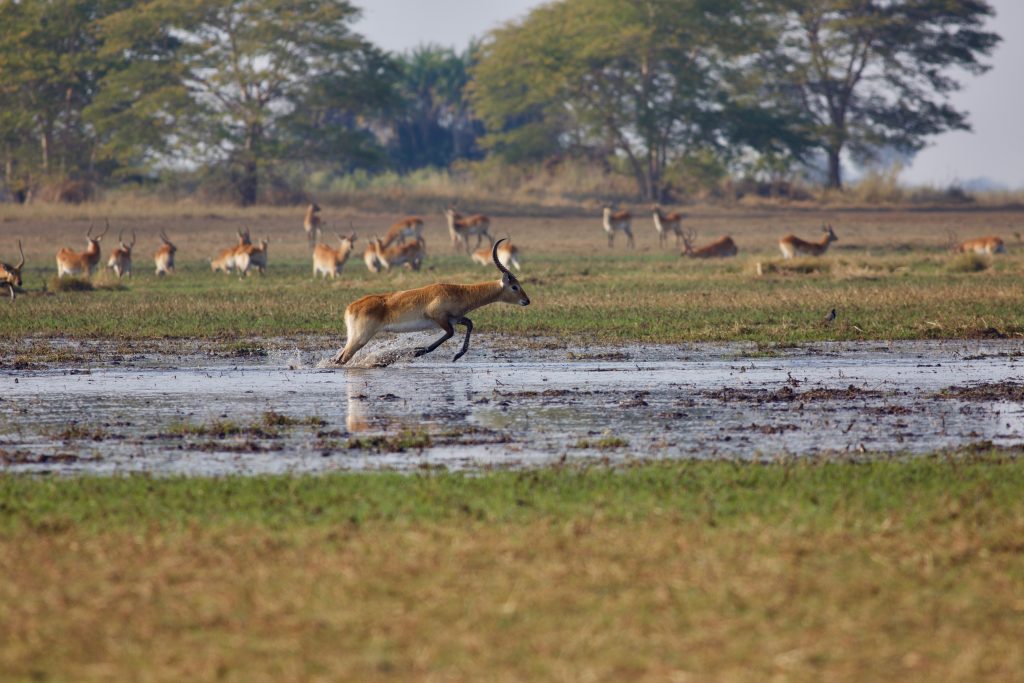
Wildlife in Kafue National Park is among the most diverse in Africa. The park is home to elephants, buffalo, hippos, crocodiles, and numerous antelope species, including puku, red lechwe, sable, and roan antelope. Predators are abundant, with lions, leopards, cheetahs, and African wild dogs all inhabiting the park. Kafue is particularly valued for its healthy populations of wild dogs, one of Africa’s most endangered carnivores.
Birdlife is equally impressive, with hundreds of species recorded across the park’s wetlands, rivers, and woodlands, making it an important destination for birdwatchers. The combination of varied habitats and expansive wilderness allows wildlife to thrive on a large ecological scale.
Kafue National Park plays a crucial role in preserving one of Africa’s largest intact ecosystems and protecting species that require vast territories to survive. Its floodplains and woodlands support critical ecological processes, while its river systems provide water and life for both wildlife and surrounding communities. The park also contributes significantly to regional conservation efforts by maintaining habitat connectivity across Zambia’s protected landscapes.
On a global scale, Kafue highlights the importance of conserving large wilderness areas where natural systems can continue to function with minimal human interference. Its immense landscapes, rich biodiversity, and untamed character make it one of Africa’s most important and inspiring conservation areas.
Photos
Things to See
Things To Do

Park Protection
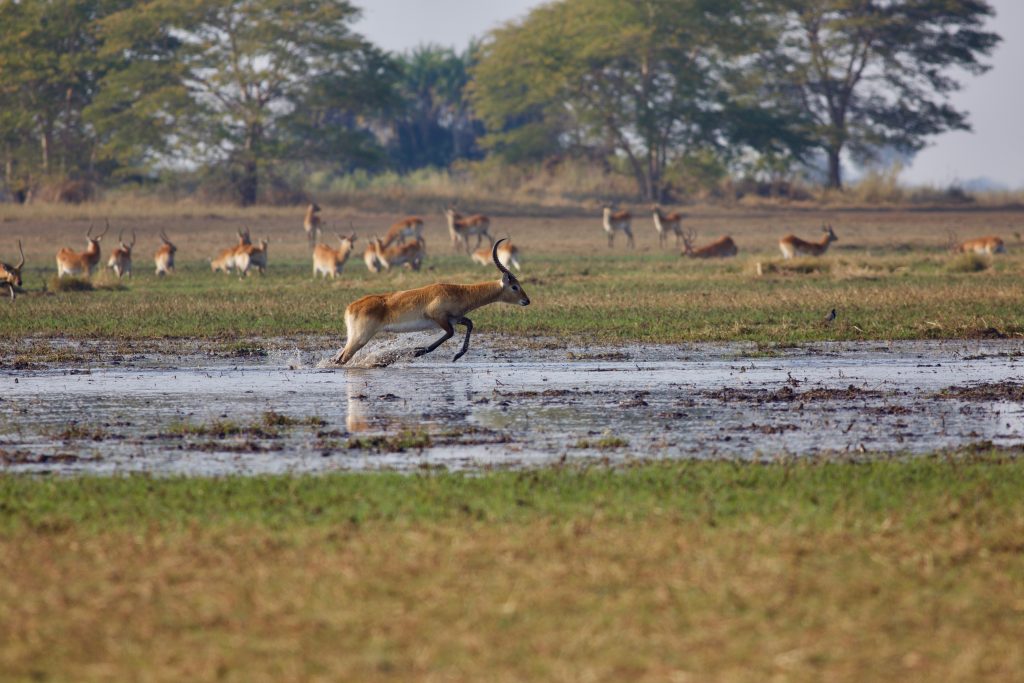
Kafue National Park was created to protect a diverse ecosystem grounded on an undulating plateau that is traversed by the Kafue River. The savanna grasslands, Mopane forests, and riverine vegetation is home to an array of antelope species as well as a large herd of red lechwe.
Although not as robust with wildlife as Lower Zambezi National Park nor South Luangwa National Park, the protected area of the national park is vital to the survival of the wildlife scattered across Zambia’s largest national park.
Sources
- African Safari Consultants, Kafue National Park, https://www.africansafaris.com/kafue-national-park/, retrieved August 2020.
- Britannica, Kafue National Park, https://www.britannica.com/place/Kafue-National-Park, retrieved August 2020.
- Discover Africa, Kafue National Park, https://www.discoverafrica.com/safaris/zambia/kafue-national-park-zambia/, retrieved August 2020.
- Expert Africa, Kafue National Park, https://www.expertafrica.com/zambia/kafue-national-park, retrieved August 2020.
- Kafue National Park, Park Site, http://www.kafuenationalpark.com, retrieved August 2020.
- Mukambi, Kafue National Park, https://www.mukambi.com/kafue-national-park/, retrieved August 2020.
- Zambia Tourism, Kafue National Park, https://www.zambiatourism.com/destinations/national-parks/kafue-national-park/, retrieved August 2020.