

About
South Luangwa National Park is located in eastern Zambia along the Luangwa River Valley near the border with Malawi. Established as a national park in 1972, it covers approximately 3,475 square miles (9,050 sq km) and forms the centerpiece of the greater Luangwa Valley ecosystem, one of Africa’s most important wildlife regions.
Often regarded as one of the continent’s finest safari destinations, South Luangwa is renowned for its exceptional biodiversity, abundant wildlife, and pioneering role in the development of walking safaris.
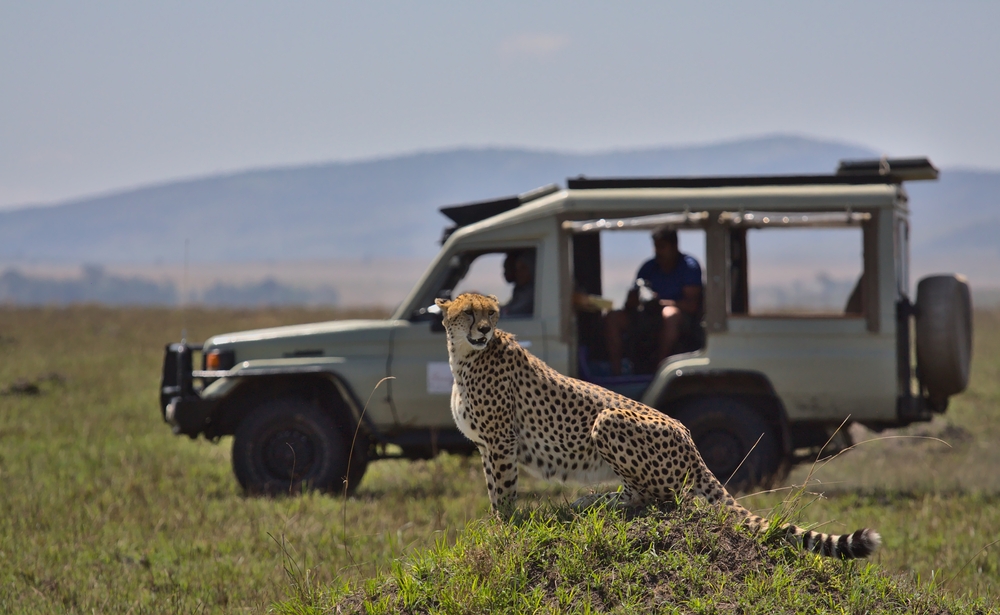
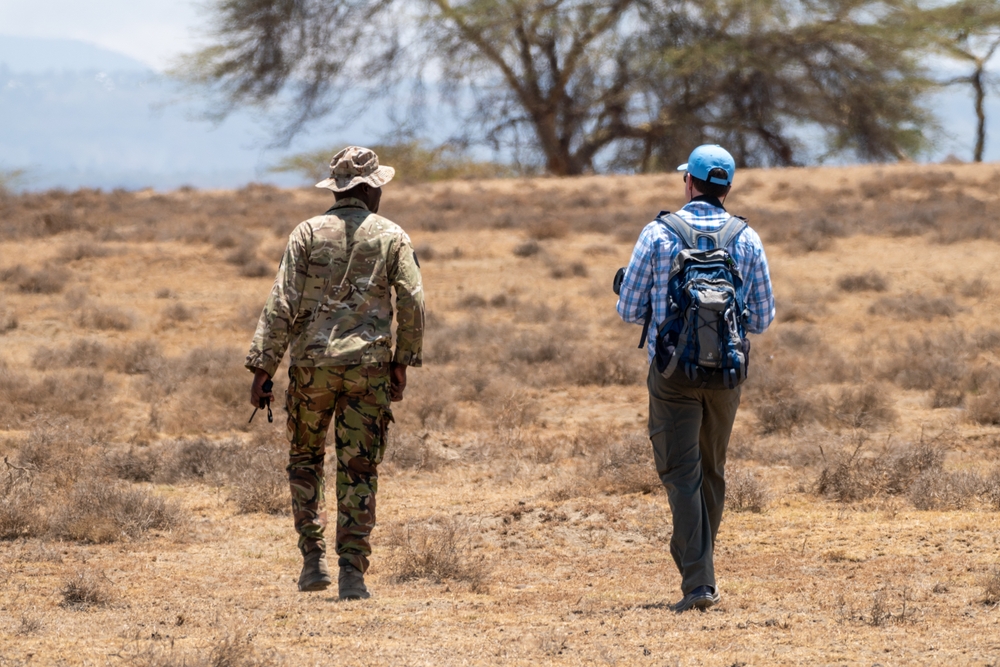
The park is best known for its outstanding wildlife viewing and authentic safari experiences. Visitors are drawn to the meandering Luangwa River, oxbow lagoons, open floodplains, and dense woodlands that support extraordinary concentrations of animals. South Luangwa is widely considered the birthplace of the modern walking safari, allowing visitors to experience Africa on foot under the guidance of expert rangers.
Traditional game drives, night drives, birdwatching, photography, and wilderness exploration are among the most popular activities. The dry season, when animals gather around remaining water sources, offers some of the best wildlife viewing in Africa.
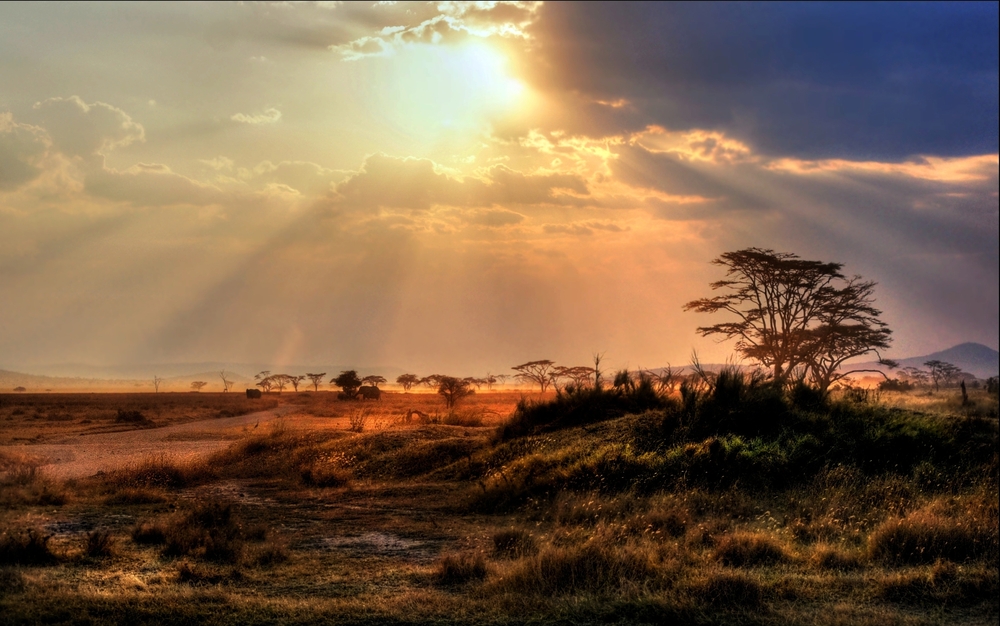
Geographically, South Luangwa National Park lies within the Great Rift Valley and is dominated by the Luangwa River, one of Africa’s last major free-flowing rivers. Seasonal flooding shapes the landscape, creating fertile floodplains, lagoons, sandbanks, grasslands, mopane woodlands, and riverine forests.
The dynamic river system continually alters habitats, supporting exceptional ecological productivity. The park’s varied environments create ideal conditions for both resident and migratory wildlife while providing some of the most scenic safari landscapes in southern Africa.
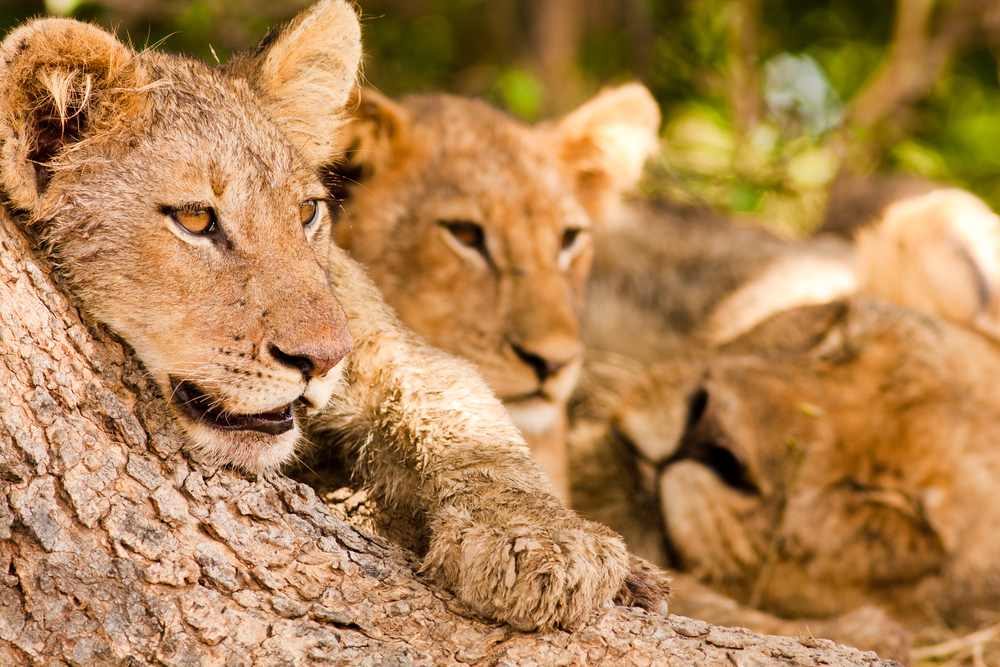
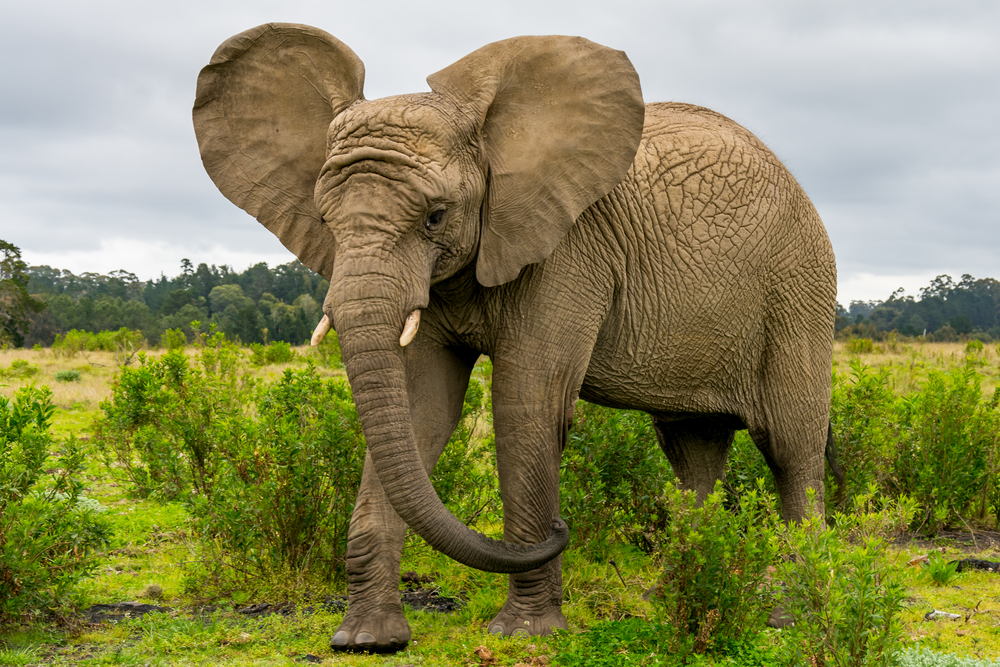
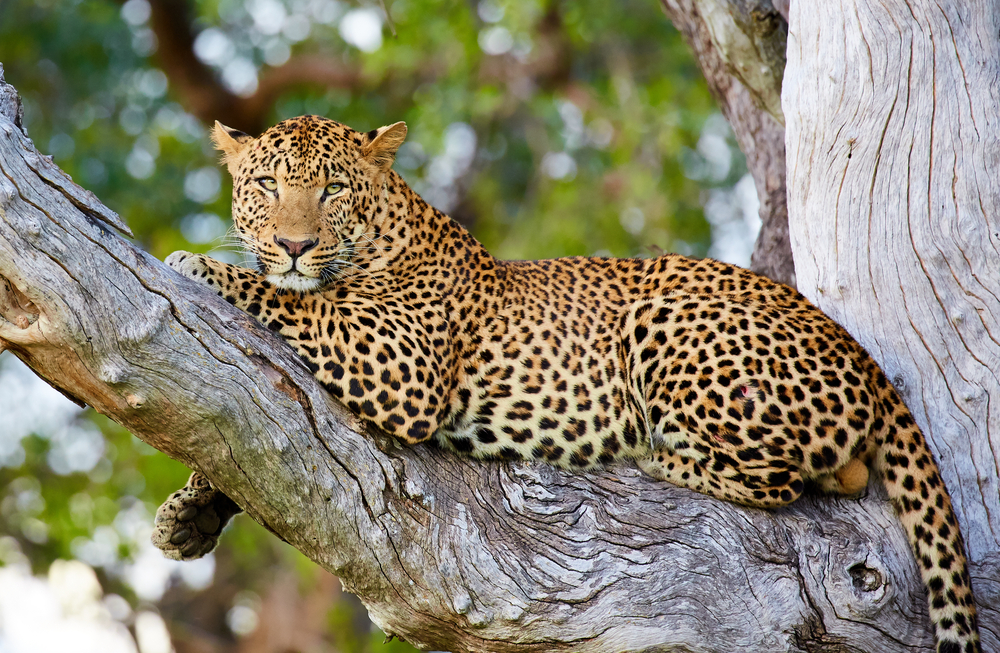
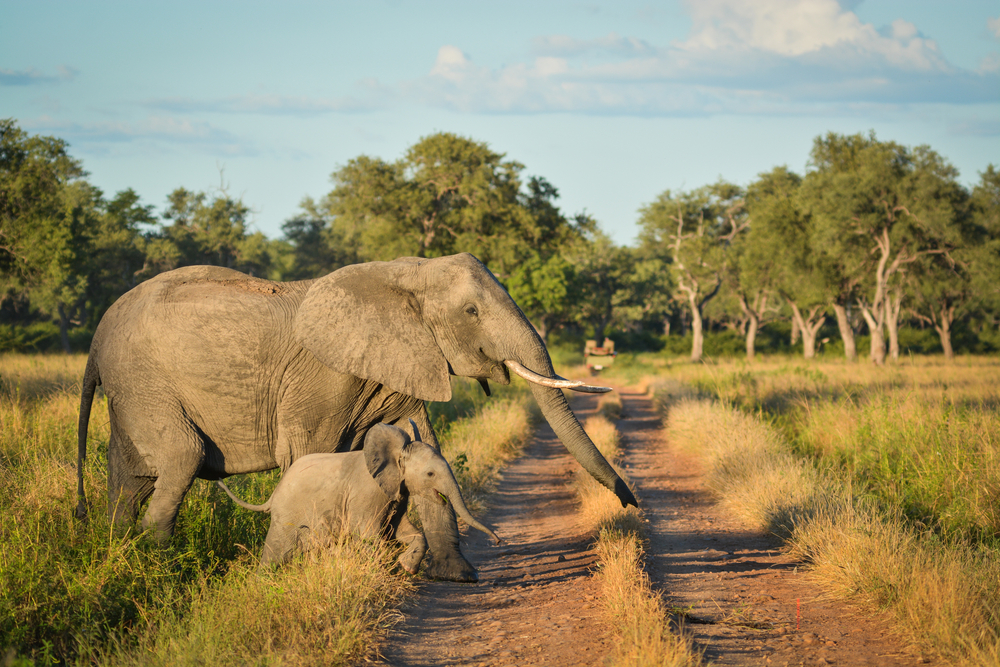
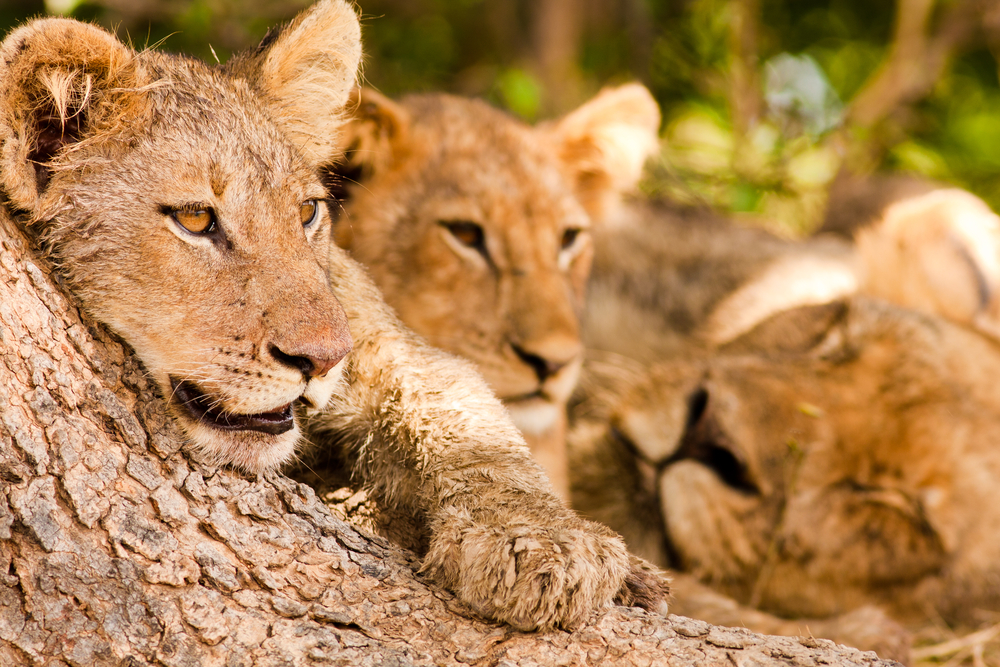
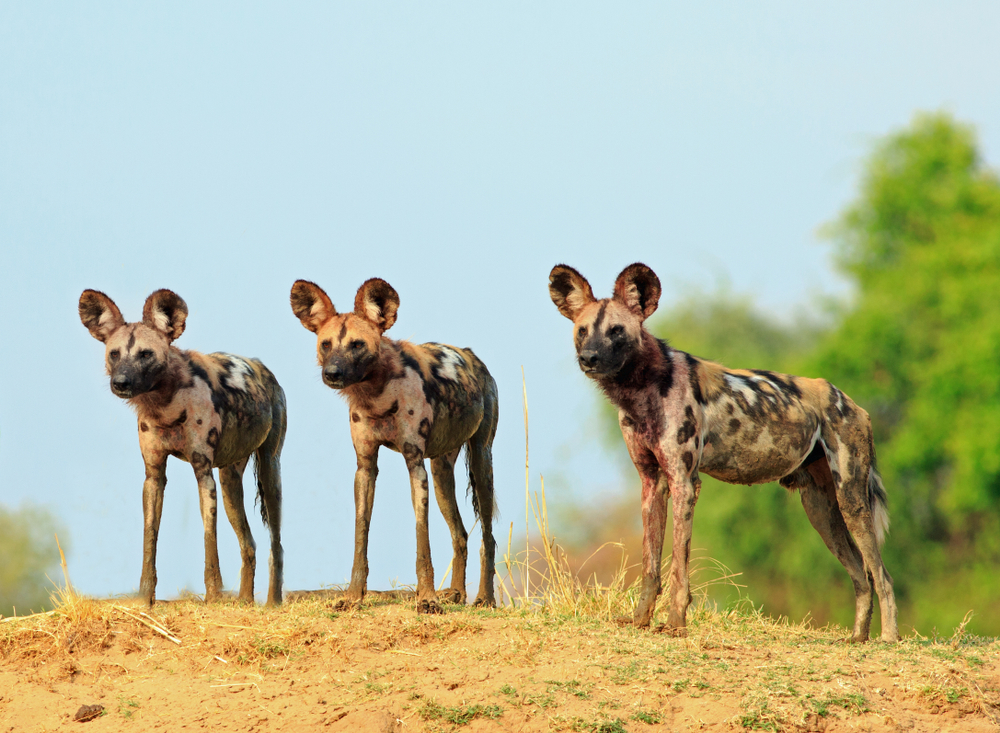
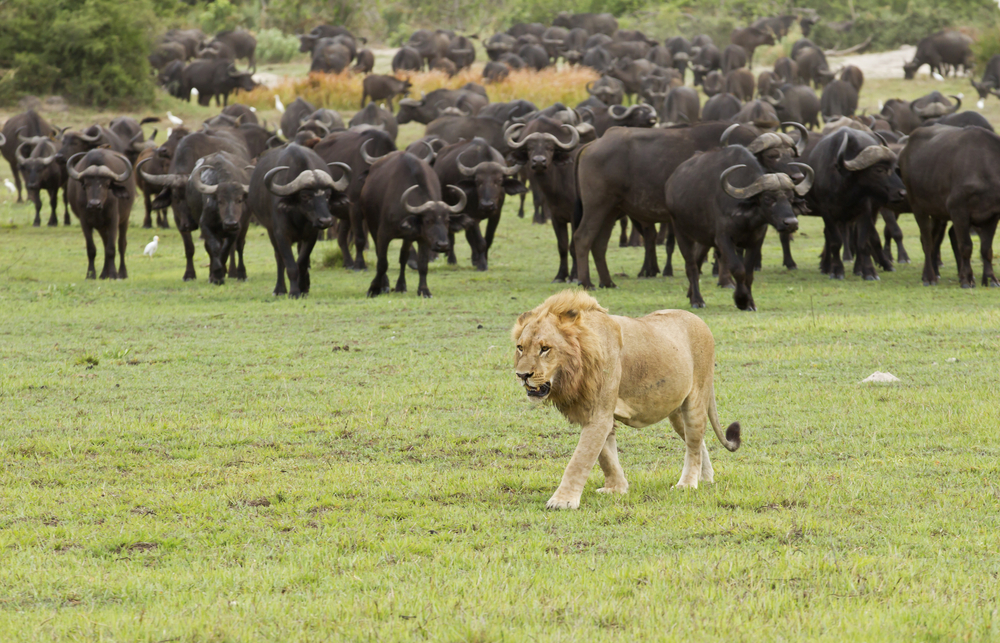
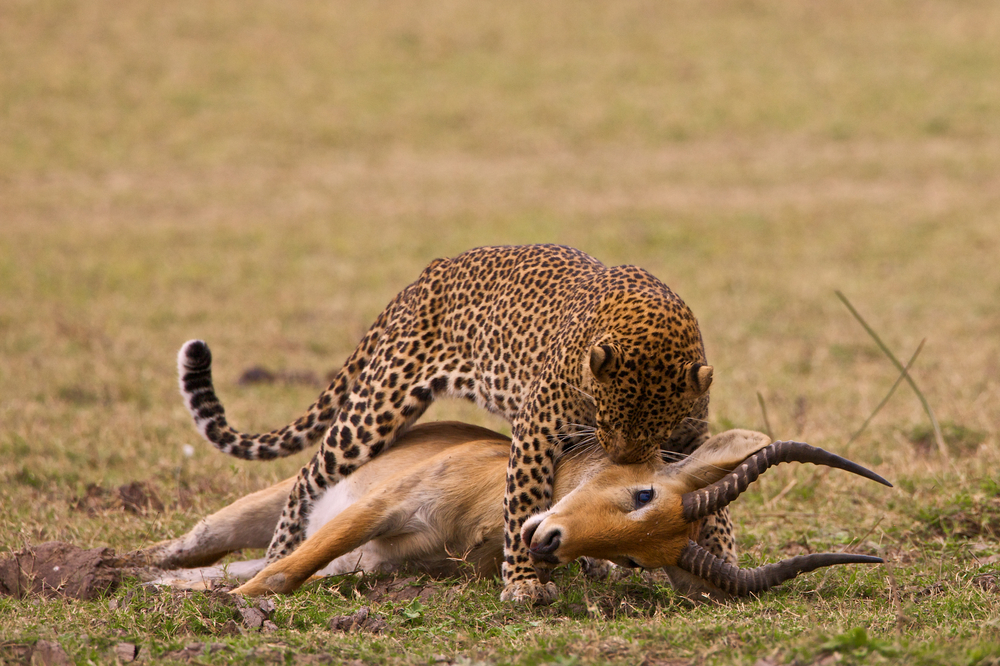
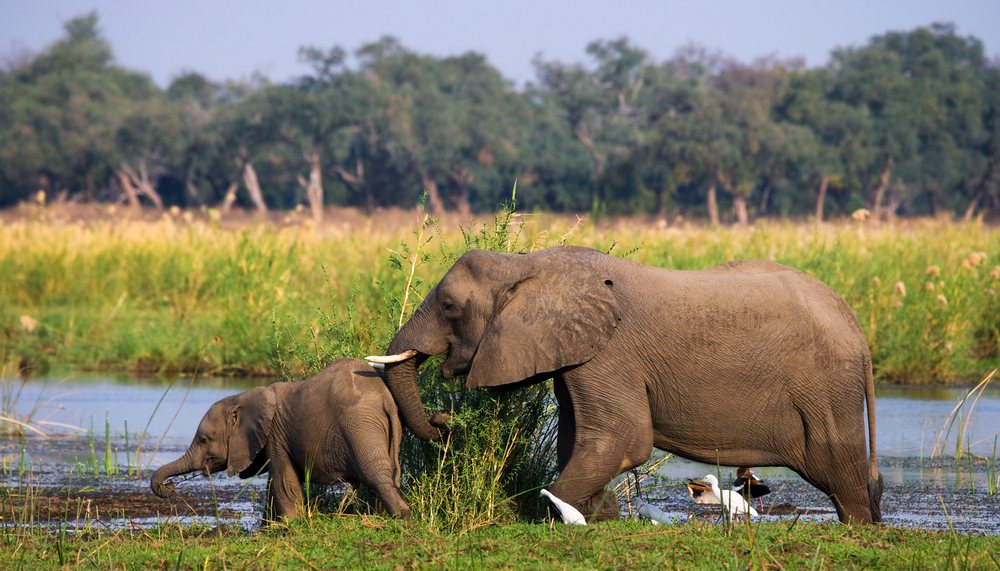
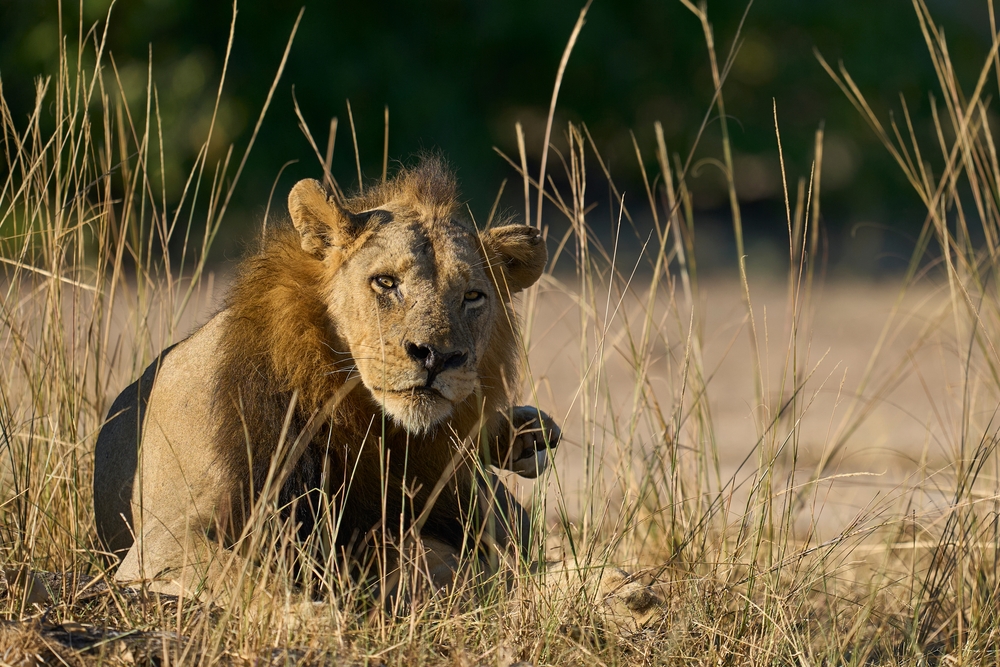
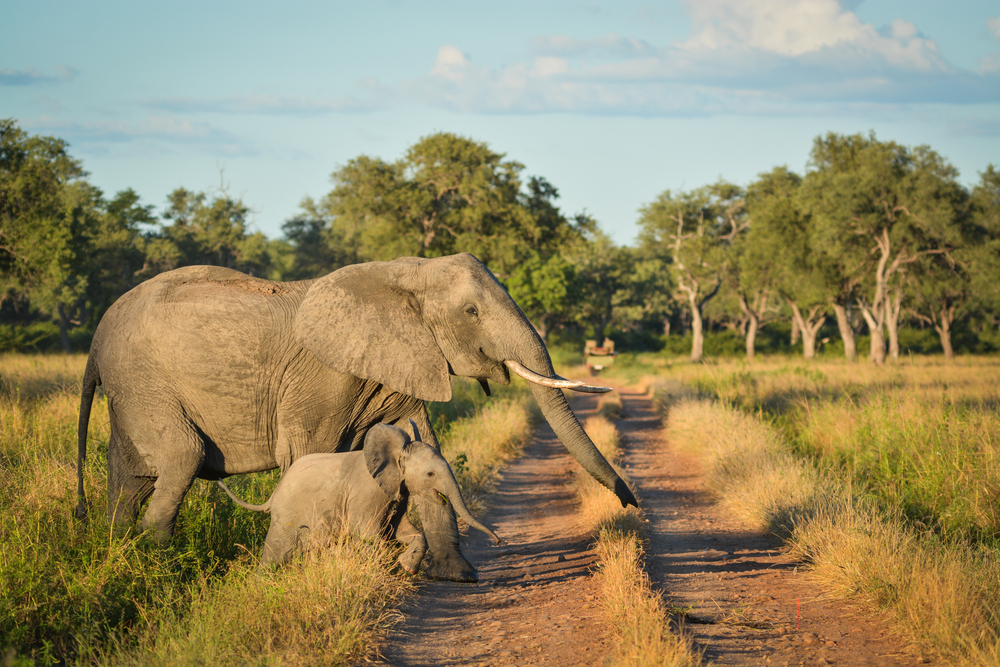
Wildlife within South Luangwa National Park is among the richest on the continent. The park supports large populations of African elephants, Cape buffalo, giraffes, zebras, hippopotamuses, crocodiles, and numerous antelope species. Predators are especially abundant, including lions, leopards, spotted hyenas, and African wild dogs. South Luangwa is considered one of Africa’s premier destinations for viewing the elusive Leopard.
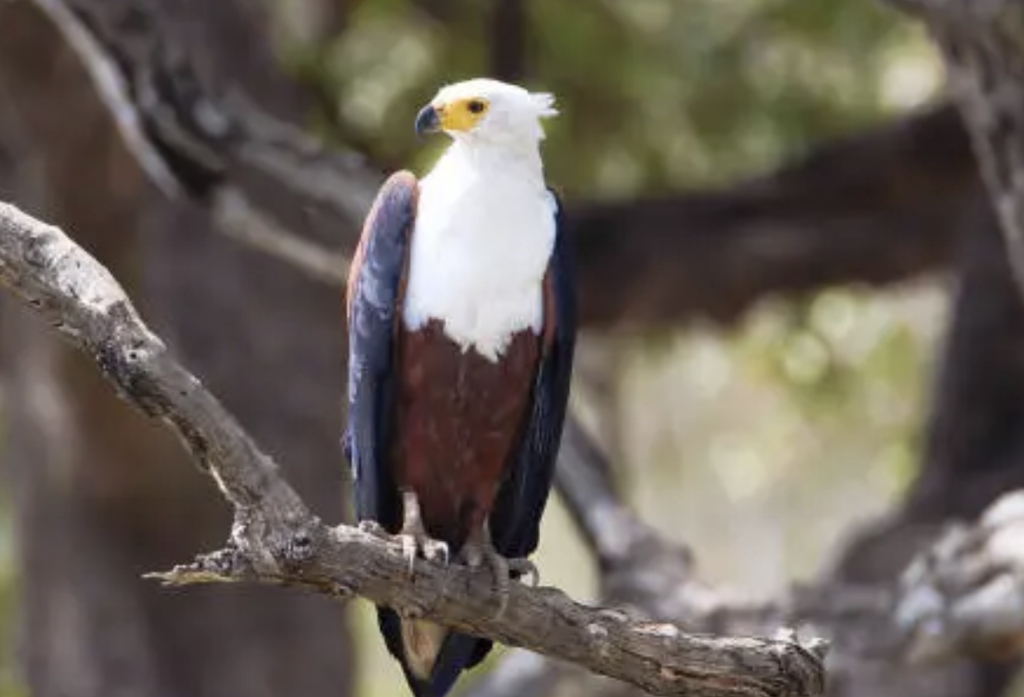
Several species are endemic or nearly endemic to the Luangwa Valley, including the Thornicroft’s Giraffe and Cookson’s Wildebeest. Birdlife is exceptional, with more than 400 recorded species including saddle-billed storks, African fish eagles, bee-eaters, kingfishers, herons, and numerous migratory birds.
South Luangwa National Park plays a vital role in conserving one of Africa’s most intact riverine ecosystems. The park protects critical habitat for endangered species, preserves natural wildlife migrations, and safeguards one of the continent’s most productive wilderness landscapes.
Its conservation significance is often compared to Serengeti National Park and Kruger National Park because of its wildlife abundance, ecological importance, and world-class safari experiences. Through its thriving populations of large mammals, scenic river systems, exceptional birdlife, and pioneering walking safaris, South Luangwa National Park stands as one of Africa’s greatest protected areas and a premier destination for experiencing the continent’s wild heritage.
Photos
Things to See
Things To Do
Engaging South Luangwa National Park
Park Protection
South Luangwa National Park was created to protect the rich floodplains, woodlands, riverine forests, and wetlands of the Luangwa Valley in eastern Zambia. The park provides critical habitat for several threatened and endangered species, including the endangered African wild dog, endangered African elephant, and vulnerable lion.
It also supports significant populations of leopard, buffalo, hippopotamus, crocodile, giraffe, zebra, and numerous antelope species. The Luangwa River, one of Africa’s last major free-flowing rivers, sustains an extraordinary abundance of wildlife and creates one of the continent’s most productive natural ecosystems. More than 400 bird species have been recorded in the park, making it an important refuge for both resident and migratory birds.
The park is especially significant for protecting several species and subspecies closely associated with the Luangwa Valley, including Thornicroft’s giraffe, which is found naturally only in this region. Its extensive oxbow lagoons, seasonal wetlands, and floodplain habitats support some of the highest concentrations of wildlife in southern Africa.
South Luangwa is also widely recognized as the birthplace of the walking safari, a conservation-focused approach that allows visitors to experience wildlife in a uniquely immersive way. Together, South Luangwa National Park safeguards endangered wildlife, unique Luangwa Valley species, vital river ecosystems, and one of Africa’s most important wilderness landscapes.
FAQ’s
How big is South Luangwa National Park?
South Luangwa National Park covers approximately:
-
9,050 square kilometers
-
3,495 square miles
This makes it one of the largest and most important protected wildlife areas in Zambia, safeguarding a vast stretch of the Luangwa Valley and the ecosystems shaped by the Luangwa River.
What is South Luangwa National Park known for?
South Luangwa National Park is known for several standout features that place it among Africa’s most respected safari destinations:
-
Exceptional Leopard Sightings
South Luangwa is internationally famous for having one of the highest densities of leopards in Africa. The park’s riverine forests and open floodplains provide ideal habitat, making sightings—especially at dusk and during night drives—remarkably frequent. -
Birthplace of the Walking Safari
The park pioneered the modern walking safari, allowing visitors to explore the bush on foot with expert guides and armed scouts. This experience emphasizes tracking, ecology, and close-range encounters with nature rather than vehicle-based viewing alone. -
The Luangwa River Ecosystem
The Luangwa River is the park’s lifeline, shaping seasonal floodplains and lagoons that attract dense concentrations of wildlife. During the dry season, animals gather along the riverbanks, creating some of the best game viewing in southern Africa. -
High Wildlife Density & Predator Activity
South Luangwa is known for abundant elephants, buffalo, hippos, giraffes, zebras, and antelope, along with strong populations of lions and African wild dogs. The balance between predators and prey reflects a healthy, functioning ecosystem. -
Endemic & Rare Species
The park protects species found nowhere else, including Thornicroft’s giraffe and Cookson’s wildebeest, highlighting its global conservation importance. -
Outstanding Night Safaris
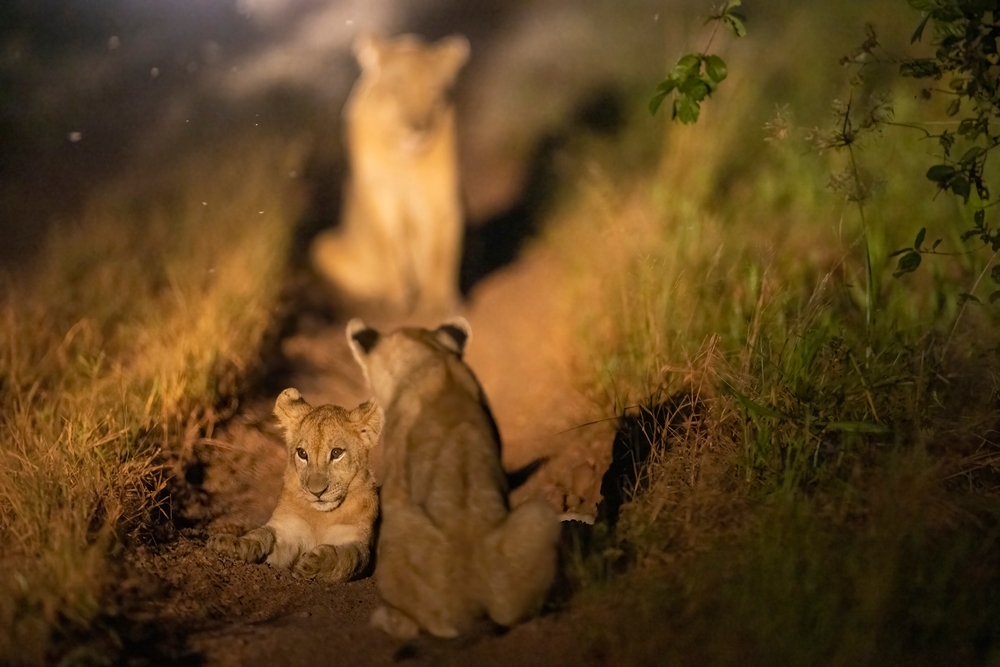
Unlike many African parks, South Luangwa allows night drives, offering rare opportunities to see nocturnal animals such as leopards, hyenas, genets, and civets in action. -
Authentic, Low-Impact Safari Experience
Known for its relatively low crowds and minimal overdevelopment, South Luangwa delivers a raw, immersive wilderness experience that appeals to serious wildlife enthusiasts and photographers.
Together, these qualities make South Luangwa National Park one of Zambia’s most iconic and conservation-significant protected areas.
What is the main reason people visit South Luangwa National Park?
South Luangwa National Park is primarily visited for its exceptional wildlife viewing, world-famous walking safaris, high predator densities, and authentic wilderness experience. Located in eastern Zambia along the Luangwa River, the park protects approximately 3,475 square miles (9,050 square kilometers) of riverine forests, oxbow lagoons, grasslands, and woodland habitats.
Visitors come to see large populations of elephants, lions, leopards, buffalo, hippos, and unique endemic species while experiencing one of Africa’s premier safari destinations.
What animals can visitors hope to see in South Luangwa National Park?
South Luangwa National Park supports more than 60 mammal species and is renowned for its exceptional predator populations and large herbivore concentrations.
Some of the most notable animals found in South Luangwa National Park include:
- African Bush Elephant
- African Lion
- Leopard
- African Buffalo
- Spotted Hyena
- African Wild Dog
- Side-striped Jackal
- Black-backed Jackal
- Serval
- Caracal
- African Wildcat
- Honey Badger
- African Civet
- Large-spotted Genet
- Slender Mongoose
- Banded Mongoose
- White-tailed Mongoose
- Marsh Mongoose
- Dwarf Mongoose
- Hippopotamus
- Nile Crocodile
- Thornicroft’s Giraffe
- Crawshay’s Zebra
- Cookson’s Wildebeest
- Greater Kudu
- Bushbuck
- Defassa Waterbuck
- Common Waterbuck
- Impala
- Puku
- Eland
- Hartebeest
- Reedbuck
- Oribi
- Steenbok
- Common Duiker
- Warthog
- Bushpig
- Giant Forest Hog
- Olive Baboon
- Vervet Monkey
- Blue Monkey
- Yellow Baboon
- Chacma Baboon
- Tree Hyrax
- Rock Hyrax
- Crested Porcupine
- African Hare
- Giant Pouched Rat
- Cane Rat
What birds can visitors hope to see in South Luangwa National Park?
South Luangwa National Park is home to more than 400 bird species and is widely recognized as one of Africa’s finest birdwatching destinations.
Some of the most popular birds seen in South Luangwa National Park include:
- African Fish Eagle
- Martial Eagle
- Bateleur
- Tawny Eagle
- Verreaux’s Eagle
- Secretary Bird
- Saddle-billed Stork
- Yellow-billed Stork
- Marabou Stork
- Woolly-necked Stork
- African Openbill
- African Spoonbill
- Sacred Ibis
- Hadada Ibis
- Hamerkop
- Grey Crowned Crane
- African Jacana
- Spur-winged Lapwing
- Crowned Lapwing
- Black Crake
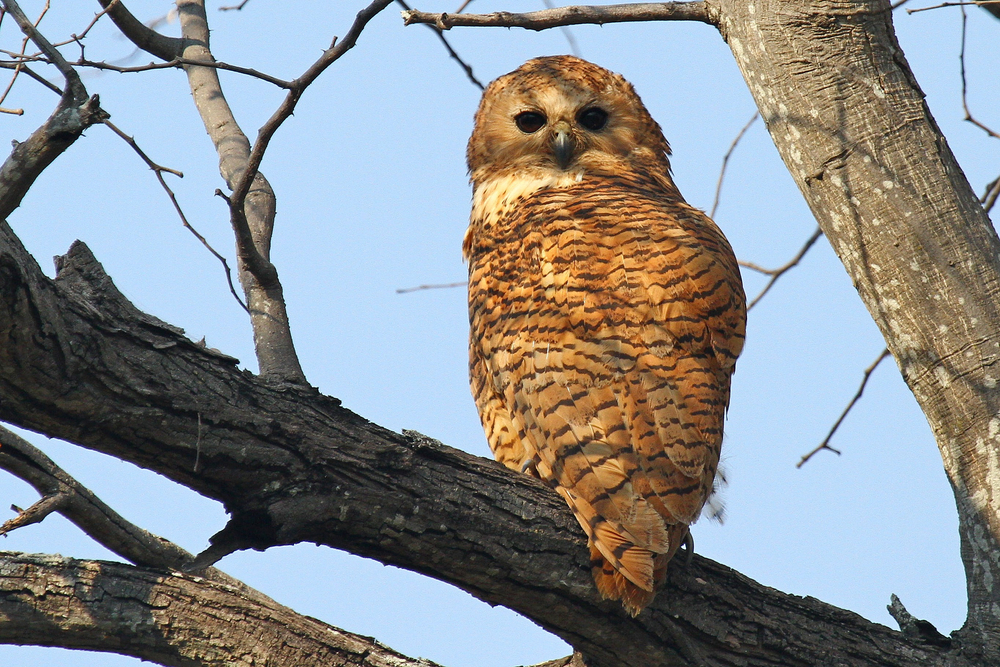
- Pel’s Fishing Owl
- Kori Bustard
- White-bellied Bustard
- Southern Ground Hornbill
- Lilian’s Lovebird
- Carmine Bee-eater
- White-fronted Bee-eater
- Böhm’s Bee-eater
- Giant Kingfisher
- Pied Kingfisher
- Malachite Kingfisher
- Woodland Kingfisher
- Lilac-breasted Roller
- Purple Roller
- European Roller
- African Skimmer
- Goliath Heron
- Purple Heron
- Black-headed Heron
- Great White Pelican
- Pink-backed Pelican
- Egyptian Goose
- White-faced Whistling Duck
- Yellow-billed Oxpecker
- Red-billed Oxpecker
- Grey Hornbill
- Trumpeter Hornbill
- Fork-tailed Drongo
- African Paradise Flycatcher
- African Finfoot
Is South Luangwa National Park worth visiting?
Yes, South Luangwa National Park is absolutely worth visiting and is widely considered one of Africa’s finest safari destinations.
The park offers exceptional wildlife densities, outstanding leopard sightings, authentic wilderness experiences, world-renowned walking safaris, and far fewer crowds than many East African safari destinations. Many experienced safari travelers consider South Luangwa one of the best wildlife-viewing parks on the continent.
The primary hesitation is that reaching the park often requires additional domestic flights or long overland travel. However, visitors who make the journey are frequently rewarded with some of Africa’s most memorable safari experiences.
What is the best time to visit South Luangwa National Park?
Weather and Climate
The best time to visit South Luangwa National Park is during the dry season from May through October.
Typical conditions include:
- May–July: 50–82°F (10–28°C)
- August–October: 60–100°F (16–38°C)
- November–April: 65–95°F (18–35°C)
During the dry season:
- Wildlife concentrates around the Luangwa River.
- Predator sightings improve significantly.
- Vegetation becomes less dense.
- Walking safaris are excellent.
- Wildlife is easier to locate.
The emerald season (November–April) offers lush landscapes, migratory birds, and outstanding photography opportunities.
How many days do you need to visit South Luangwa National Park?
Most visitors should plan for 3 to 5 days in South Luangwa National Park.
- 1 day: Introduction to the park and a game drive.
- 2 days: Morning and evening game drives with excellent wildlife viewing.
- 3 days: Wildlife safaris plus a walking safari experience.
- 4–5 days: Comprehensive exploration of multiple sectors, photography, birdwatching, and predator tracking.
- 6+ days: Deep wilderness immersion and specialized safari activities.
For most visitors, four days provides the ideal experience. This allows time to enjoy multiple morning and night drives, participate in at least one guided walking safari, and explore different habitats throughout the park. South Luangwa is particularly known for its nocturnal wildlife activity, so additional days increase opportunities to observe leopards, hyenas, civets, and other elusive species.
Wildlife photographers and safari enthusiasts often spend five or more days in the park because South Luangwa consistently rewards patience with exceptional wildlife encounters. The combination of river habitats, oxbow lagoons, and diverse ecosystems makes every day different.
How do you get to South Luangwa National Park?
International Access
South Luangwa National Park is located in eastern Zambia.
The primary international gateway is:
- Kenneth Kaunda International Airport
Most international visitors arrive through Lusaka.
Domestic Air Access
The closest airport is:
- Mfuwe Airport
Most safari visitors fly from Lusaka to Mfuwe.
Driving from Lusaka
Travel time:
- Approximately 430 miles (690 km)
- About 9–11 hours by road
Most visitors prefer flying due to the significant travel distance.
Mfuwe Gateway
The primary tourism gateway is:
- Mfuwe
Most lodges and safari camps are located near Mfuwe and the park entrance.
Luangwa River
The defining feature of the park is:
- Luangwa River
Known for:
- Large hippo populations.
- Crocodile concentrations.
- Exceptional wildlife viewing.
- Seasonal floodplains and lagoons.
Walking Safaris
South Luangwa is internationally famous for:
- Guided walking safaris.
- Wildlife tracking.
- Close-to-nature experiences.
- Safari traditions pioneered in Zambia.
Travel Times
Typical travel times include:
- Lusaka to Mfuwe by air: approximately 1 hour.
- Mfuwe Airport to most lodges: 15–45 minutes.
- Lusaka to South Luangwa by road: 9–11 hours.
- Walking safaris: typically 2–4 hours.
Who is involved in protecting and supporting South Luangwa National Park?
Several organizations help protect and support South Luangwa National Park:
- Department of National Parks and Wildlife – manages South Luangwa National Park.
- Conservation South Luangwa – supports anti-poaching and conservation programs.
- Frankfurt Zoological Society – supports ecosystem conservation.
- Zambian Carnivore Programme – conducts predator research and conservation.
- Local communities, safari operators, and conservation organizations throughout the Luangwa Valley.
What is unique about South Luangwa National Park?
South Luangwa National Park is unique because it is widely regarded as the birthplace of the modern walking safari. The park combines exceptional wildlife densities, some of Africa’s best leopard viewing, rich river ecosystems, and immersive safari experiences that allow visitors to explore the wilderness on foot with expert guides. Its endemic species, outstanding predator populations, and relatively uncrowded environment make it one of Africa’s most authentic safari destinations.
Why is South Luangwa National Park famous for walking safaris?
South Luangwa National Park is considered the birthplace of the modern walking safari. Many of the techniques and guiding practices used throughout Africa today were pioneered in the Luangwa Valley.
What is the best animal to see in South Luangwa National Park?
Many visitors consider the park’s leopard population to be its most famous wildlife attraction. South Luangwa is widely regarded as one of the best places in Africa to observe leopards in the wild.
Sources
Here are sources you can explore for more information:
- AllTrails. South Luangwa National Park. https://www.alltrails.com/zambia/eastern/south-luangwa-national-park, retrieved July 2026.
- Encyclopaedia Britannica. South Luangwa National Park. https://www.britannica.com/place/South-Luangwa-National-Park, retrieved July 2026.
- Protected Planet (UNEP-WCMC & IUCN). South Luangwa National Park. https://www.protectedplanet.net/, retrieved July 2026.
- SafariBookings. South Luangwa National Park. https://www.safaribookings.com/south-luangwa, retrieved July 2026.
- Wilderness. South Luangwa National Park. https://www.wildernessdestinations.com/africa/zambia/south-luangwa-national-park, retrieved July 2026.
- Wikipedia. South Luangwa National Park. https://en.wikipedia.org/wiki/South_Luangwa_National_Park, retrieved July 2026.
- World Wide Fund for Nature (WWF). Central Zambezian Miombo Woodlands. https://www.worldwildlife.org/ecoregions/at0706, retrieved July 2026.
- Yellow Zebra Safaris. South Luangwa National Park Guide. https://yellowzebrasafaris.com/zambia/parks-reserves/south-luangwa-national-park/, retrieved July 2026.
- Zambia Department of National Parks and Wildlife (DNPW). South Luangwa National Park. https://www.dnpw.gov.zm/, retrieved July 2026.
- Zambia Tourism Agency. South Luangwa National Park. https://www.zambiatourism.com/destinations/national-parks/south-luangwa-national-park/, retrieved July 2026.