

About
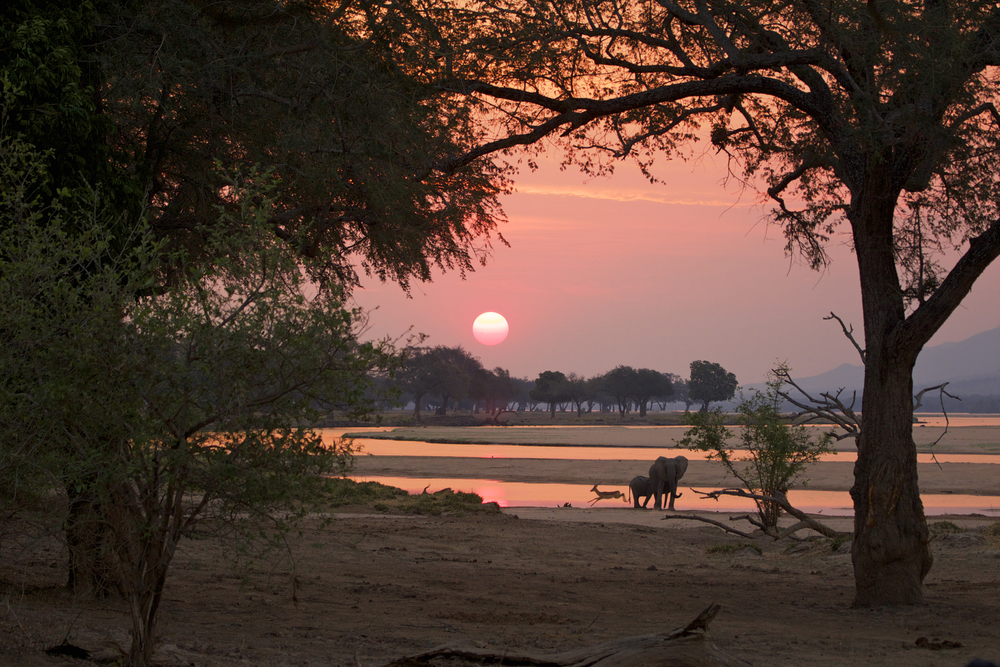
Mana Pools National Park is one of Africa’s most extraordinary wilderness destinations, located in northern Zimbabwe along the mighty Zambezi River near the border with Zambia. The national park itself covers approximately 848 square miles (2,196 sq km), while the larger UNESCO World Heritage landscape that includes the Sapi and Chewore Safari Areas extends across roughly 2,612 square miles (6,766 sq km).
The park sits directly across the Zambezi River from Lower Zambezi National Park, creating one of the most significant transboundary wildlife ecosystems in southern Africa. Mana Pools lies within the lower Zambezi Valley, an area celebrated for its remoteness, dramatic floodplains, and immense concentrations of wildlife.
Mana Pools is best known for its raw and untamed safari experience. Unlike many national parks that are heavily developed for tourism, Mana Pools retains an authentic wilderness atmosphere where visitors often feel immersed in nature rather than separated from it. The park is internationally famous for walking safaris and canoe safaris along the Zambezi River, experiences that allow travelers to encounter wildlife on a more intimate level than traditional vehicle-based safaris.
The park’s name comes from the Shona word “Mana,” meaning “four,” referring to the four large permanent pools formed by ancient channels of the Zambezi River. These pools become magnets for wildlife during the dry season when water elsewhere becomes scarce. Long Pool, the largest and most famous, attracts enormous numbers of elephants, hippos, crocodiles, buffalo, and countless bird species.
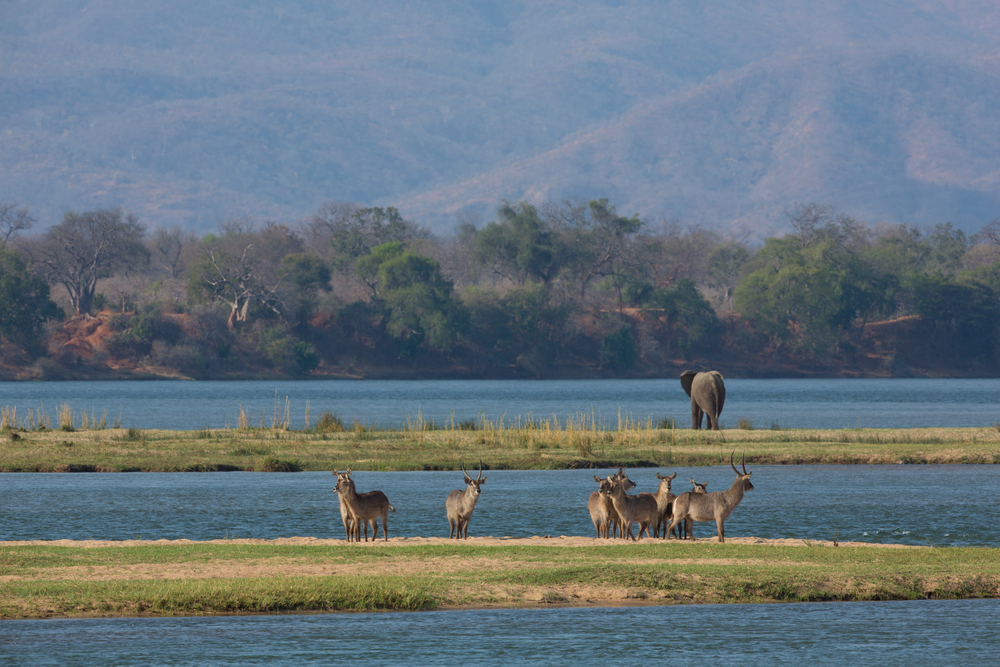
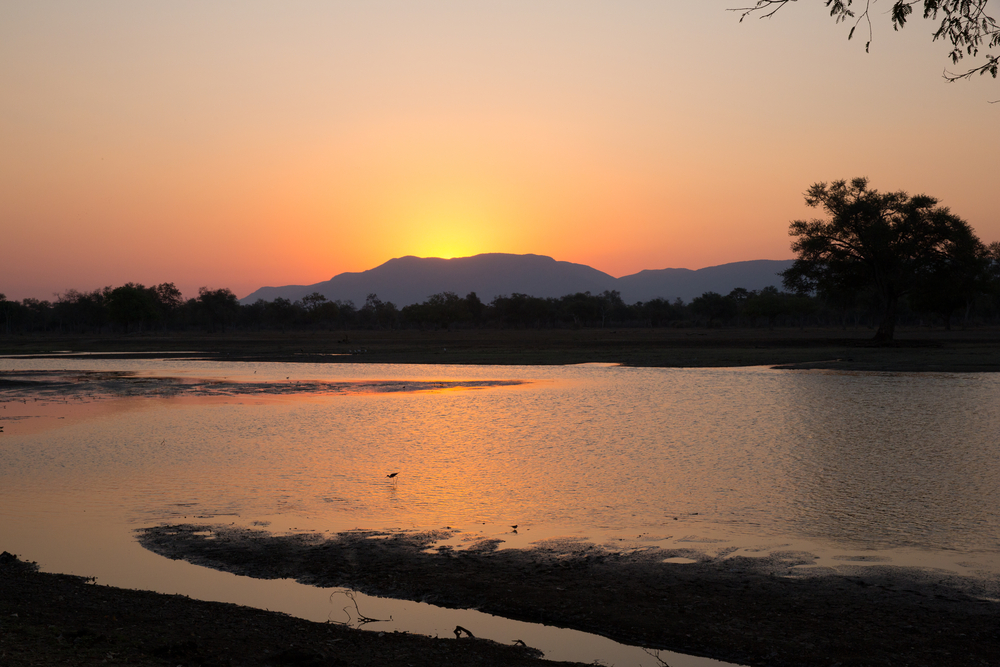
The geography of Mana Pools is both beautiful and ecologically important. The park lies within a broad floodplain where the Zambezi River slows and spreads out across ancient channels, oxbow lakes, sandbanks, and islands. During the rainy season, the floodplain transforms into a lush wetland system, while the dry season concentrates wildlife around the remaining pools and riverbanks.
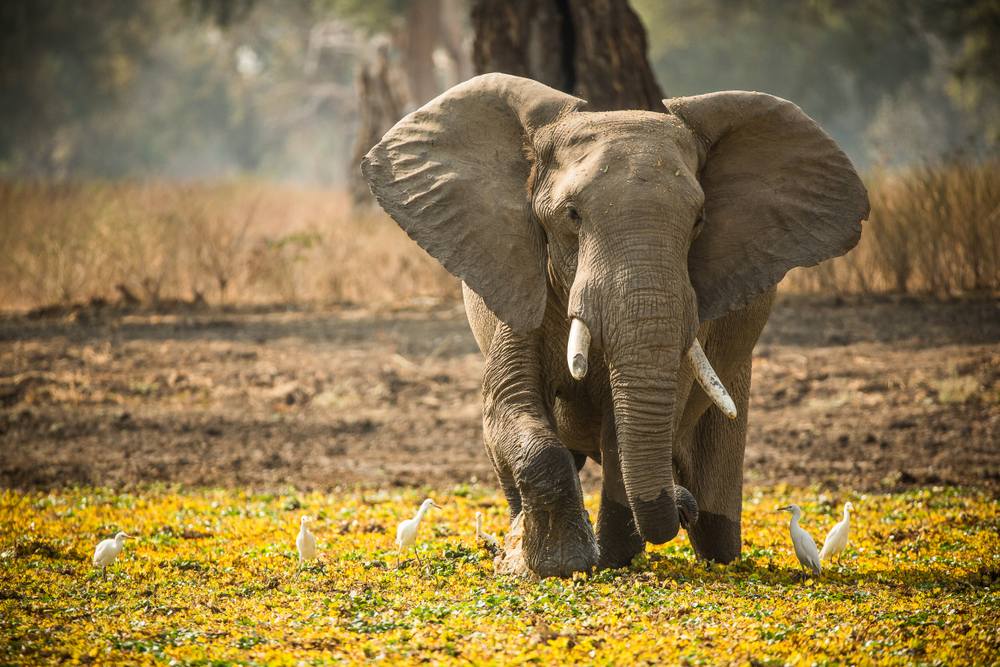
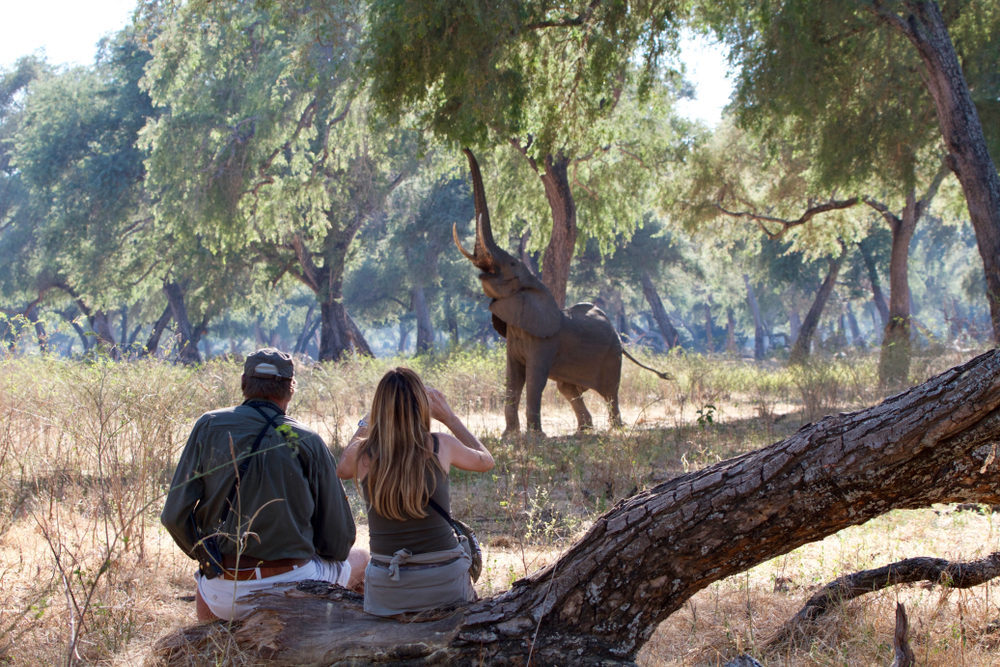
Towering escarpments rise dramatically south of the valley floor, creating stunning scenery and serving as a backdrop to the riverine landscape. The vegetation is equally remarkable, with forests of mahogany, winterthorn acacia, wild fig, ebony, and baobab trees lining the floodplains and river terraces. One of the most iconic scenes in Mana Pools is the sight of giant elephants standing on their hind legs beneath the albida trees to reach nutritious seed pods hanging from the branches.
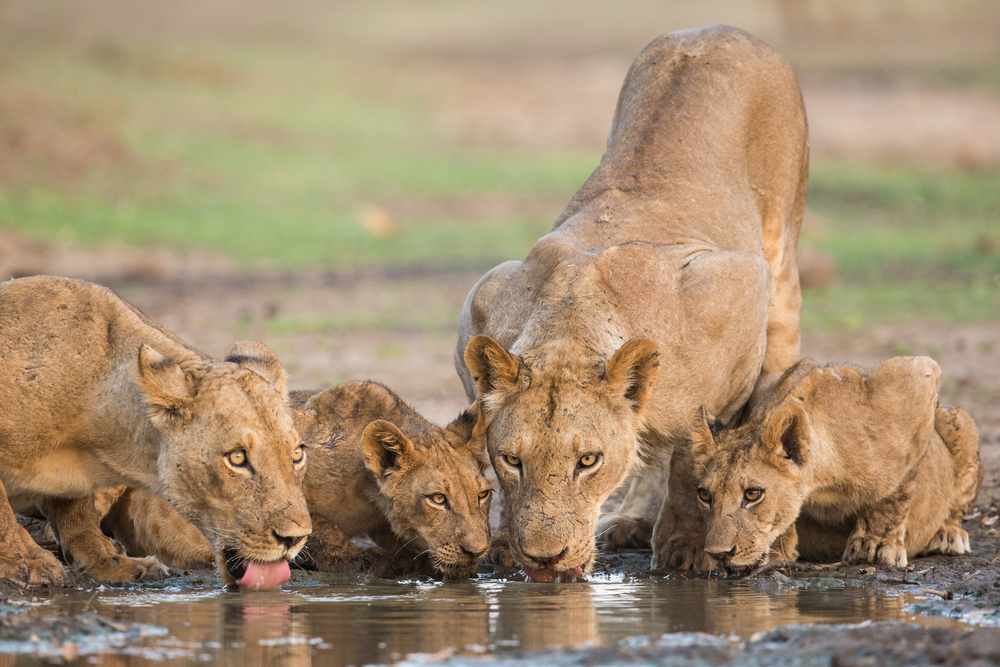
Wildlife viewing in Mana Pools is considered among the finest in Africa. The park supports large populations of African elephants, Cape buffalo, zebras, hippos, crocodiles, lions, leopards, cheetahs, and spotted hyenas. It is also one of the continent’s important refuges for the endangered African wild dog, a species increasingly difficult to observe elsewhere.
During the dry season, thousands of animals gather along the river, creating spectacular wildlife concentrations similar to those found in parks like Serengeti National Park or Chobe National Park, though Mana Pools offers a more intimate and less crowded wilderness experience. The park also contains one of Zimbabwe’s largest populations of hippos and Nile crocodiles.
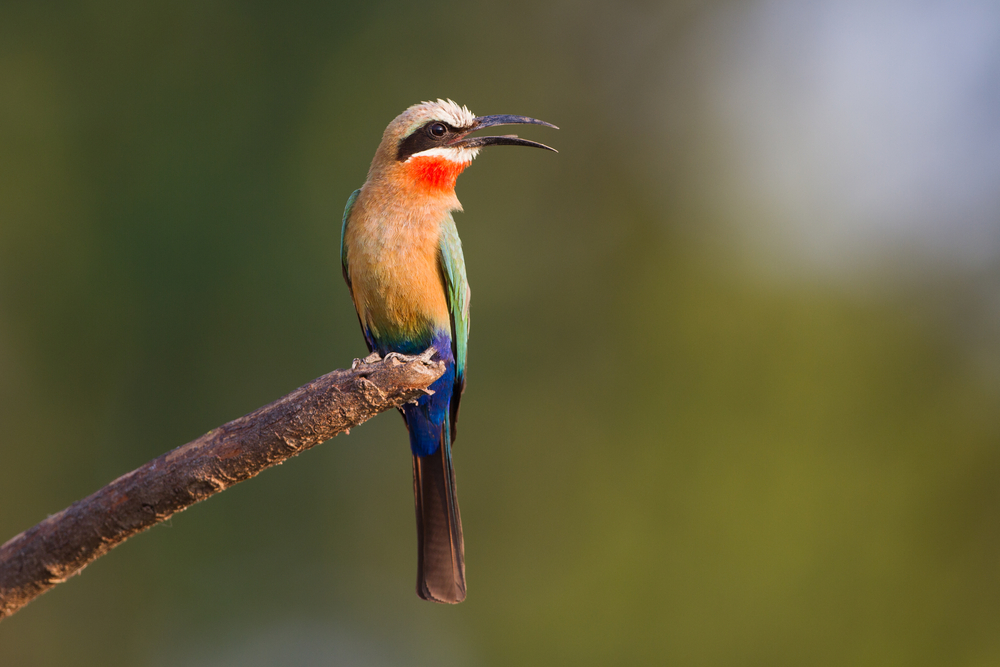
Birdlife is exceptional, with more than 350 recorded species, including African fish eagles, kingfishers, bee-eaters, herons, saddle-billed storks, and migratory birds that flourish in the river ecosystem.
What makes Mana Pools especially important is what it protects. The park preserves one of the last truly wild floodplain ecosystems remaining along the Zambezi River. It safeguards critical riverine forests, wetlands, seasonal floodplains, and migration corridors that allow wildlife to move freely across vast landscapes between Zimbabwe and Zambia. UNESCO recognized the park for its outstanding natural beauty, ecological processes, and biodiversity, designating it a World Heritage Site in 1984.
Photos


Things to See
 Lion, leopard, hyena, and wild dog are the predators that visitors can hope to experience. Elephant, zebra, buffalo, hippopotamus, and crocodile are some of the more popular game species that visitors can hope to see.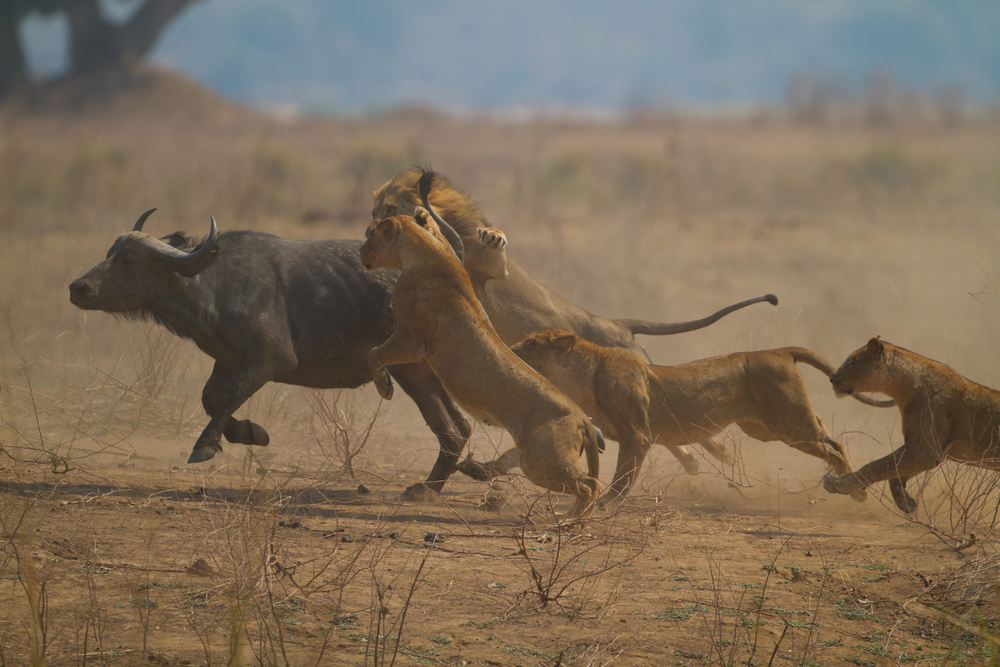
Things To Do
The reason travels visit Zimbabwe is almost always for the wildlife and Mana Pools is one of the most coveted places to visit to experience the abundant animal life.


Park Protection
Mana Pools National Park was created to protect the floodplains, river channels, woodlands, and seasonal wetlands of the middle Zambezi Valley in northern Zimbabwe. The park provides critical habitat for several threatened and endangered species, including the endangered African wild dog, endangered African elephant, and vulnerable lion.
It also supports important populations of leopard, buffalo, hippopotamus, crocodile, eland, zebra, and numerous antelope species. The Zambezi River and its associated oxbow pools sustain abundant wildlife throughout the year and provide habitat for more than 350 species of birds, making the park one of Africa’s most important riverine ecosystems.
The park is especially significant for protecting the four permanent pools—Main, Chine, Long, and Chisambuk—formed by ancient channels of the Zambezi River, which give the park its name. These pools provide reliable water during the dry season and attract some of the highest concentrations of wildlife in southern Africa.
Mana Pools is also renowned for its elephants that have learned to stand on their hind legs to reach food in the riverine forests, a behavior rarely observed elsewhere. Together, Mana Pools National Park safeguards endangered wildlife, vital river and floodplain habitats, unique animal behaviors, and one of Africa’s most ecologically important wilderness landscapes.
FAQ’s
What is the main reason people visit Mana Pools National Park?
Mana Pools National Park is primarily visited for its extraordinary walking safaris, exceptional wildlife viewing, stunning Zambezi River scenery, and authentic wilderness experience. Located in northern Zimbabwe along the border with Zambia, the park protects approximately 844 square miles (2,188 square kilometers) of floodplains, riverine forests, woodlands, and wetlands.
Visitors come to experience one of Africa’s premier wilderness destinations, where elephants, lions, leopards, wild dogs, buffalo, and hippos roam freely across a UNESCO World Heritage Site.
What animals can visitors hope to see in Mana Pools National Park?
Mana Pools National Park supports more than 95 mammal species and is famous for its close wildlife encounters and healthy predator populations.
Some of the most notable animals found in Mana Pools National Park include:
- African Bush Elephant
- African Lion
- Leopard
- African Wild Dog
- African Buffalo
- Spotted Hyena
- Brown Hyena
- Black-backed Jackal
- Side-striped Jackal
- Serval
- Caracal
- African Wildcat
- Honey Badger
- African Civet
- Large-spotted Genet
- Slender Mongoose
- White-tailed Mongoose
- Marsh Mongoose
- Banded Mongoose
- Dwarf Mongoose
- Aardwolf
- Aardvark
- Hippopotamus
- Nile Crocodile
- Plains Zebra
- African Bush Elephant
- Greater Kudu
- Eland
- Impala
- Waterbuck
- Bushbuck
- Puku
- Reedbuck
- Common Duiker
- Steenbok
- Warthog
- Bushpig
- Chacma Baboon
- Vervet Monkey
- Samango Monkey
- Blue Monkey
- Tree Hyrax
- Rock Hyrax
- Crested Porcupine
- African Hare
- Cane Rat
- Giant Pouched Rat
- Fruit Bat Species
- Horseshoe Bat Species
- Various Reptiles and Amphibians
What birds can visitors hope to see in Mana Pools National Park?
Mana Pools National Park is home to more than 450 bird species and is widely regarded as one of Africa’s finest birdwatching destinations.
Some of the most popular birds seen in Mana Pools National Park include:
- African Fish Eagle
- Pel’s Fishing Owl
- Martial Eagle
- Bateleur
- Tawny Eagle
- Verreaux’s Eagle
- Secretary Bird
- Saddle-billed Stork
- Yellow-billed Stork
- Marabou Stork
- Woolly-necked Stork
- African Openbill
- African Spoonbill
- Sacred Ibis
- Hadada Ibis
- Hamerkop
- African Jacana
- Spur-winged Lapwing
- Crowned Lapwing
- Black Crake
- White-crowned Lapwing
- African Skimmer
- Kori Bustard
- Southern Ground Hornbill
- Lilian’s Lovebird
- Carmine Bee-eater
- White-fronted Bee-eater
- Böhm’s Bee-eater
- Giant Kingfisher
- Pied Kingfisher
- Malachite Kingfisher
- Woodland Kingfisher
- African Pygmy Kingfisher
- Lilac-breasted Roller
- Purple Roller
- European Roller
- Goliath Heron
- Purple Heron
- Black-headed Heron
- Great White Pelican
- Pink-backed Pelican
- Egyptian Goose
- White-faced Whistling Duck
- Yellow-billed Oxpecker
- Red-billed Oxpecker
- Trumpeter Hornbill
- Grey Hornbill
- African Paradise Flycatcher
- Fork-tailed Drongo
- Schalow’s Turaco
Is Mana Pools National Park worth visiting?
Yes, Mana Pools National Park is absolutely worth visiting and is widely considered one of Africa’s greatest wilderness destinations.
The park offers world-class walking safaris, canoe safaris, exceptional wildlife viewing, and intimate encounters with elephants, wild dogs, and predators in a remarkably natural setting. Unlike many safari destinations where wildlife is viewed almost exclusively from vehicles, Mana Pools allows visitors to experience the African wilderness on foot under the guidance of highly trained professional guides.
The primary hesitation is that the park is more remote and often more expensive than many safari destinations. However, experienced safari travelers frequently rank Mana Pools among the finest wildlife experiences in Africa.
What is the best time to visit Mana Pools National Park?
Weather and Climate
The best time to visit Mana Pools National Park is during the dry season from May through October.
Typical conditions include:
- May–July: 50–82°F (10–28°C)
- August–October: 60–102°F (16–39°C)
- November–April: Most camps are closed due to seasonal rains and flooding.
During the dry season:
- Wildlife concentrates along the Zambezi River.
- Walking safaris are exceptional.
- Predator sightings improve.
- Canoe safaris are highly productive.
- Photography opportunities are excellent.
September and October are often considered the best wildlife-viewing months because animals gather around remaining water sources.
How many days do you need to visit Mana Pools National Park?
Most visitors should plan for 3 to 5 days in Mana Pools National Park.
- 1 day: Introduction to the park and riverfront wildlife viewing.
- 2 days: Game drives and walking safaris.
- 3 days: Comprehensive safari experience including canoe and walking safaris.
- 4–5 days: Predator tracking, photography, birdwatching, and exploration of multiple areas.
- 6+ days: Deep wilderness immersion and specialized safari activities.
For most visitors, four days provides the ideal experience. This allows time to enjoy game drives, canoe excursions, and guided walking safaris while exploring the floodplains, forests, and river systems that make Mana Pools famous.
Wildlife photographers and experienced safari enthusiasts often spend five or more days because Mana Pools is one of the few places in Africa where prolonged observation of elephants, wild dogs, lions, and leopards is possible in a relatively uncrowded environment. The combination of land and water activities creates an exceptionally rewarding safari experience.
How do you get to Mana Pools National Park?
International Access
Mana Pools National Park is located in northern Zimbabwe.
The primary international gateways are:
- Robert Gabriel Mugabe International Airport
- Victoria Falls Airport
Most visitors traveling specifically to Mana Pools arrive through Harare.
Domestic Air Access
The most common way to reach the park is by charter or scheduled safari flight to:
- Mana Main Airstrip
- Ruckomechi Airstrip
Flights from Harare typically take about 1 hour.
Driving from Harare
Travel time:
- Approximately 230 miles (370 km)
- About 6–8 hours by road depending on conditions
Most visitors prefer flying due to road conditions and travel time.
The Four Pools
The park’s name comes from four permanent pools formed by ancient channels of the Zambezi River:
- Main Pool
- China Pool
- Long Pool
- Chisambuk Pool
These pools attract wildlife throughout the dry season.
Zambezi River
The park’s northern boundary is formed by:
- Zambezi River
The river supports:
- Canoe safaris.
- Boat excursions.
- Outstanding wildlife viewing.
- Exceptional birdwatching.
Travel Times
Typical travel times include:
- Harare to Mana Pools by air: approximately 1 hour.
- Harare to Mana Pools by road: 6–8 hours.
- Airstrip to most camps: 15–45 minutes.
- Canoe safaris: typically 2–6 hours.
Who is involved in protecting and supporting Mana Pools National Park?
Several organizations help protect and support Mana Pools National Park:
- Zimbabwe Parks and Wildlife Management Authority – manages Mana Pools National Park.
- African Wildlife Conservation Fund – supports conservation and anti-poaching efforts.
- Painted Dog Conservation – supports African wild dog conservation.
- Frankfurt Zoological Society – supports ecosystem conservation.
- Local communities, safari operators, and conservation organizations throughout the Zambezi Valley.
What is unique about Mana Pools National Park?
Mana Pools National Park is unique because it offers one of the world’s finest walking safari experiences within a UNESCO World Heritage Site. The park’s floodplains, forests, and river systems allow visitors to experience wildlife at eye level in a way that few other destinations permit.
Mana Pools is particularly famous for elephants that regularly stand on their hind legs to reach seed pods from albida trees, creating one of Africa’s most iconic wildlife photography opportunities.
Why is Mana Pools a UNESCO World Heritage Site?
Mana Pools was designated a UNESCO World Heritage Site because of its outstanding ecological importance, intact floodplain ecosystem, exceptional wildlife populations, and role as part of one of Africa’s most important riverine wilderness areas.
Sources
Here are sources you can explore for more information:
- AllTrails. Mana Pools National Park. https://www.alltrails.com/zimbabwe/mashonaland-west/mana-pools-national-park, retrieved July 2026.
- Encyclopaedia Britannica. Mana Pools National Park. https://www.britannica.com/place/Mana-Pools-National-Park, retrieved July 2026.
- Protected Planet (UNEP-WCMC & IUCN). Mana Pools National Park. https://www.protectedplanet.net/, retrieved July 2026.
- SafariBookings. Mana Pools National Park. https://www.safaribookings.com/mana-pools, retrieved July 2026.
- UNESCO World Heritage Centre. Mana Pools National Park, Sapi and Chewore Safari Areas. https://whc.unesco.org/en/list/302/, retrieved July 2026.
- Wilderness. Mana Pools National Park. https://www.wildernessdestinations.com/africa/zimbabwe/mana-pools-national-park, retrieved July 2026.
- Wikipedia. Mana Pools National Park. https://en.wikipedia.org/wiki/Mana_Pools_National_Park, retrieved July 2026.
- World Wide Fund for Nature (WWF). Zambezian and Mopane Woodlands. https://www.worldwildlife.org/ecoregions/at0707, retrieved July 2026.
- Zimbabwe Parks and Wildlife Management Authority (ZimParks). Mana Pools National Park. https://zimparks.org.zw/, retrieved July 2026.
- Zimbabwe Tourism Authority. Mana Pools National Park. https://www.zimbabwetourism.net/, retrieved July 2026.