


About

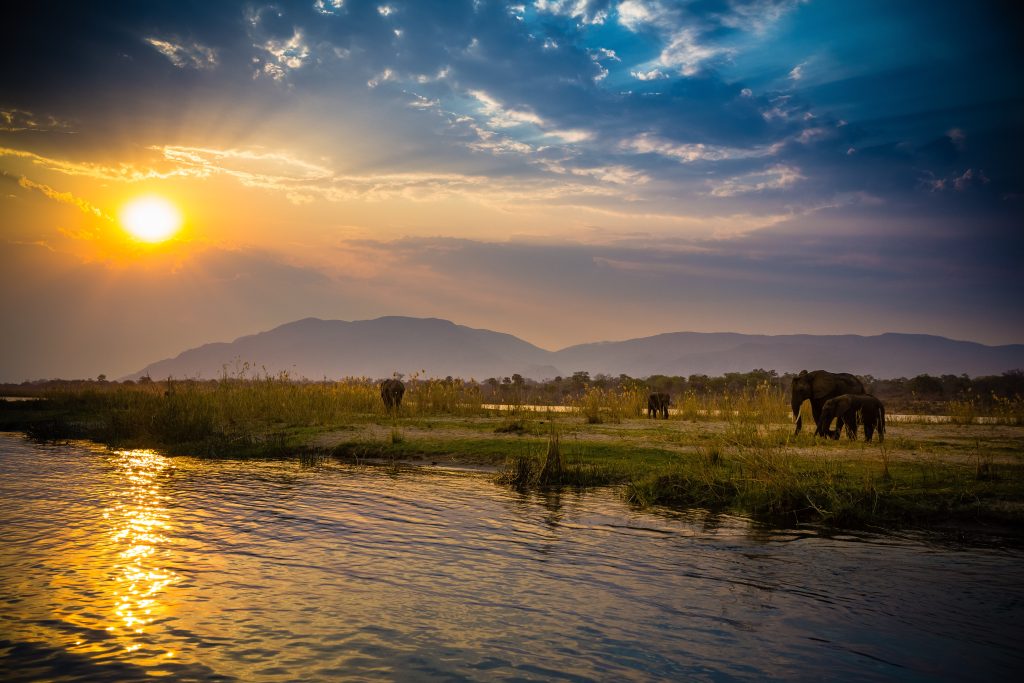
Lower Zambezi National Park is located in the southeast region of Zambia where it runs along the bank of the Zambezi River. The park covers an area of 1,580 square miles (4,092 sq km) creating an extensive protected area for the astounding wildlife.
Lower Zambezi is renowned for both its array and abundance of wildlife species as well as its remoteness which creates a true African adventure. The park is isolated along the Zambezi River with no real road access. Visitors must take a small plane or a boat up the Zambezi River to reach the park area.
The Zambezi River serves as the foundation of the park with wilderness and national parks on both sides of the river which serves as the border between Zambia and Zimbabwe. The river is also the source for Victoria Falls located upriver from Lower Zambezi National Park. Travelers often tie Victoria Falls and the national park together during their stay.
The national park is located on the northern side of the Zambezi River across from Mana Pools National Park in Zimbabwe on the southern side. Together, they are recognized as a UNESCO World Heritage Site. The national park is situated between the top of the Zambezi Escarpment down the banks of the river.
The national park is divided between two separate woodland savannah habitats. The northern region of the park is characterized by Miombo and mopane woodlands which tend to be on higher grounds. The area along the river reflects a floodplain ecosystem.
The southern region of the park is characterized by Zambezian and mopane woodlands. Collectively, the diverse vegetation and terrain serve as an ecosystem where big game thrives.
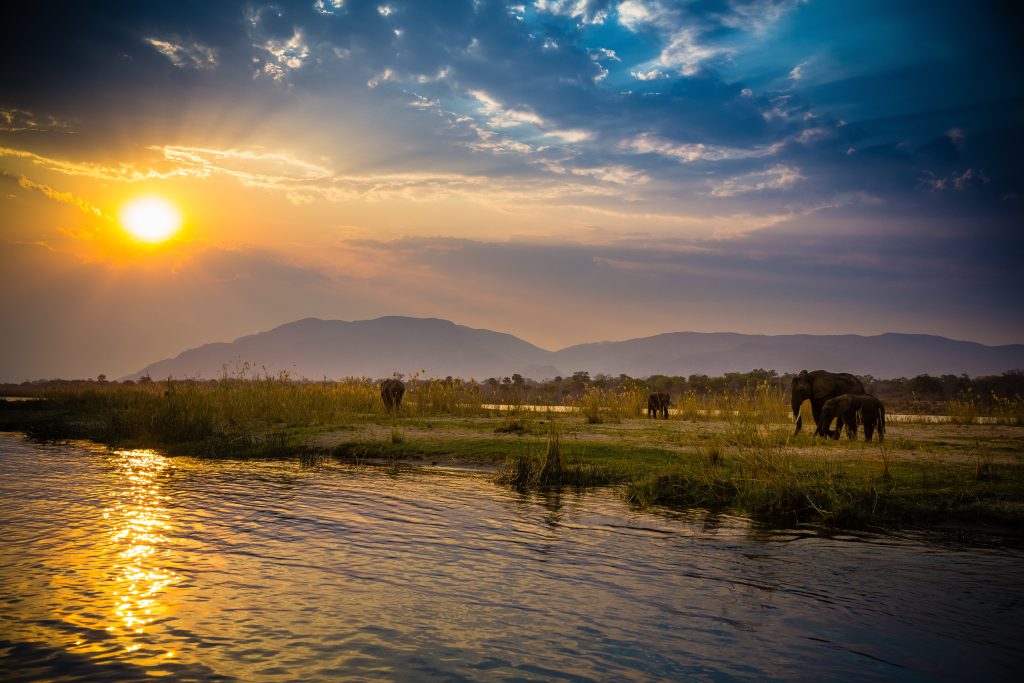
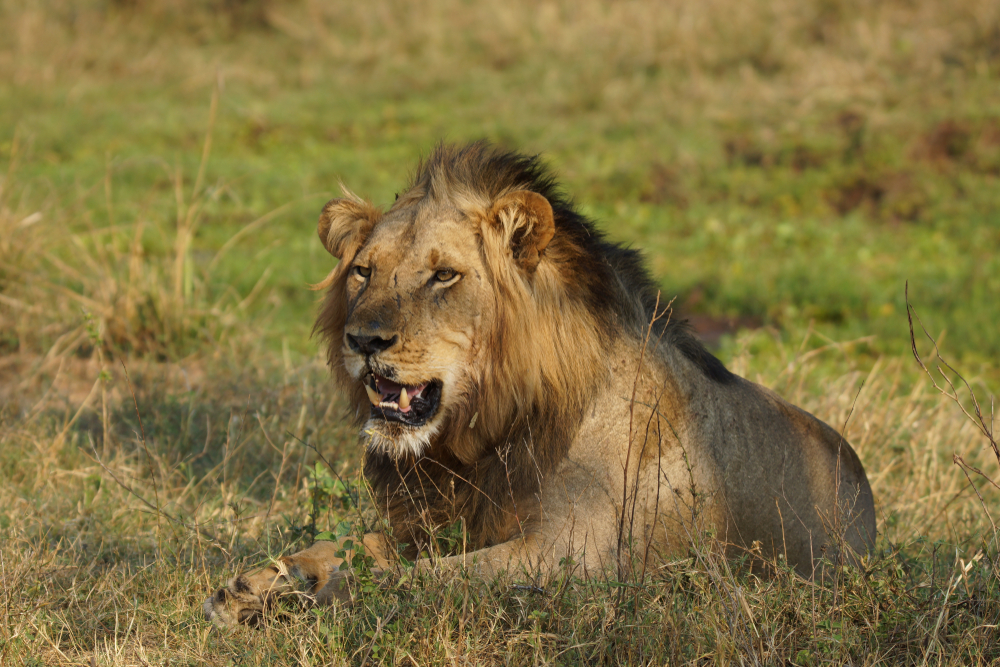
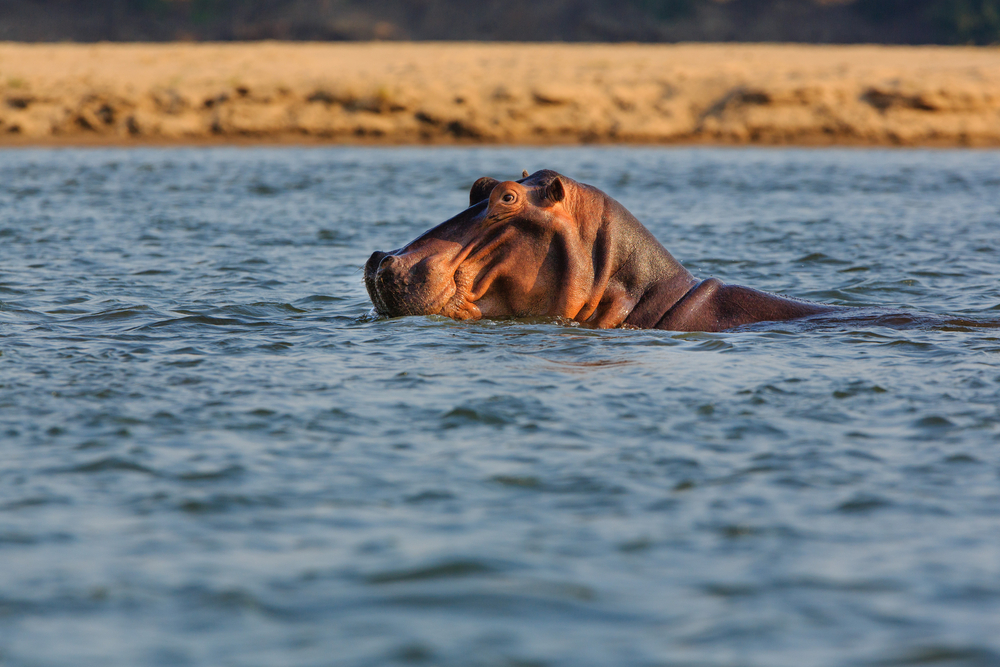
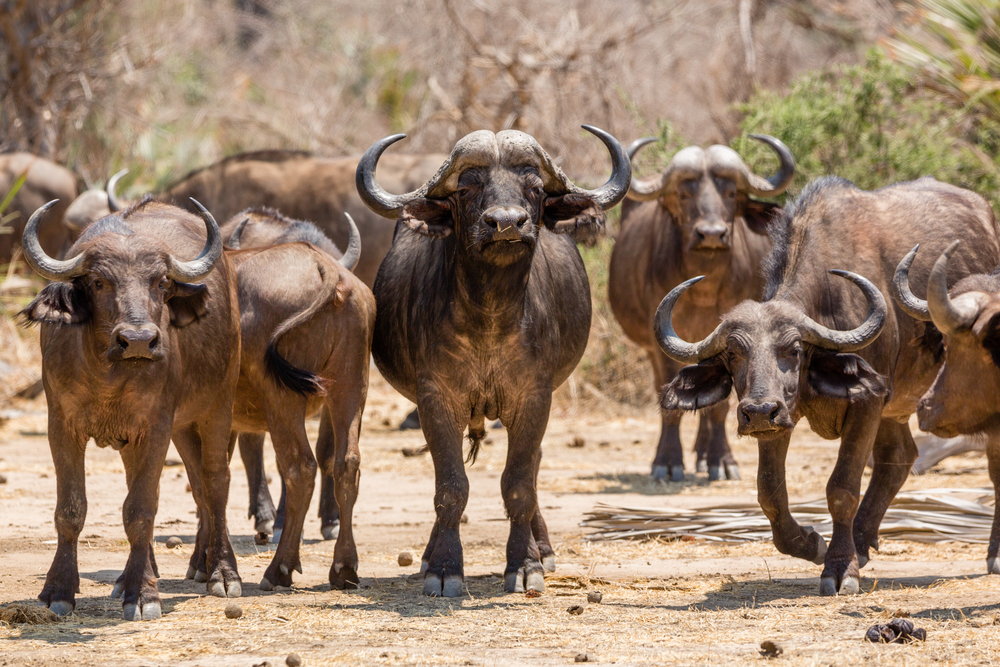
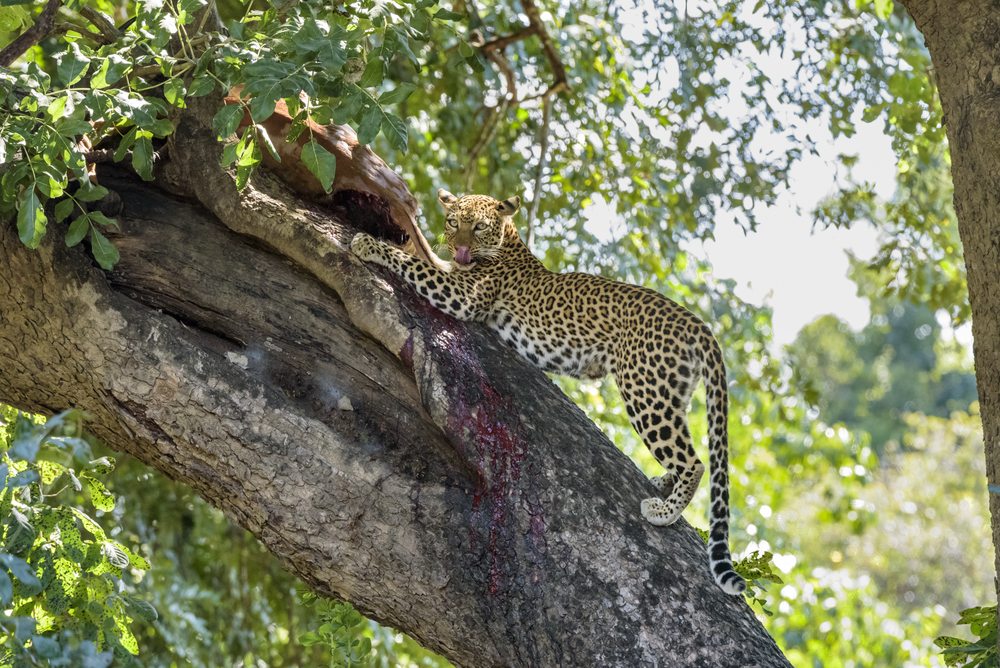
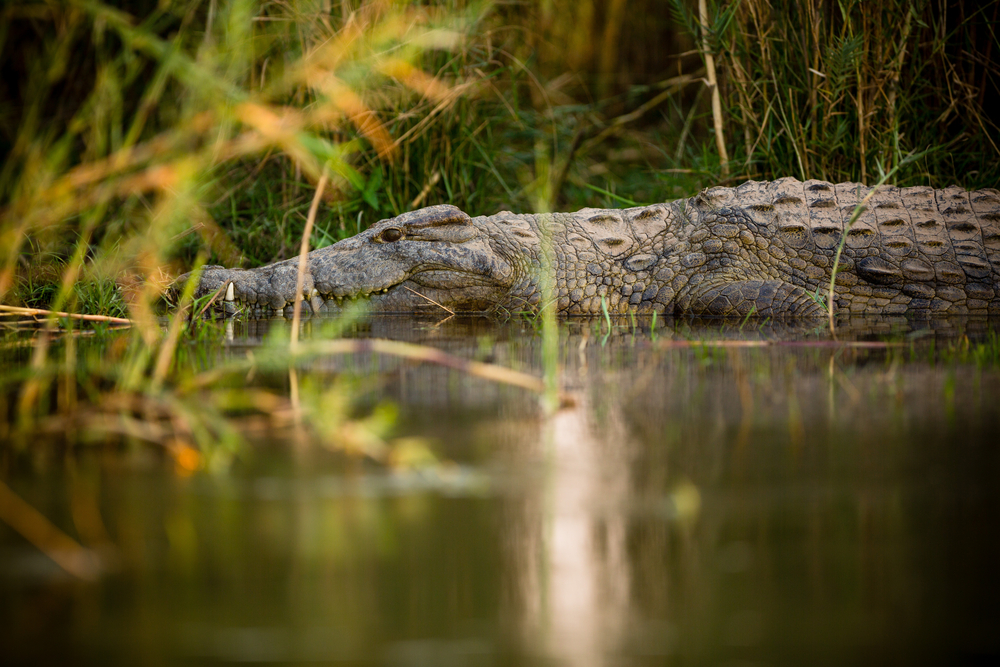
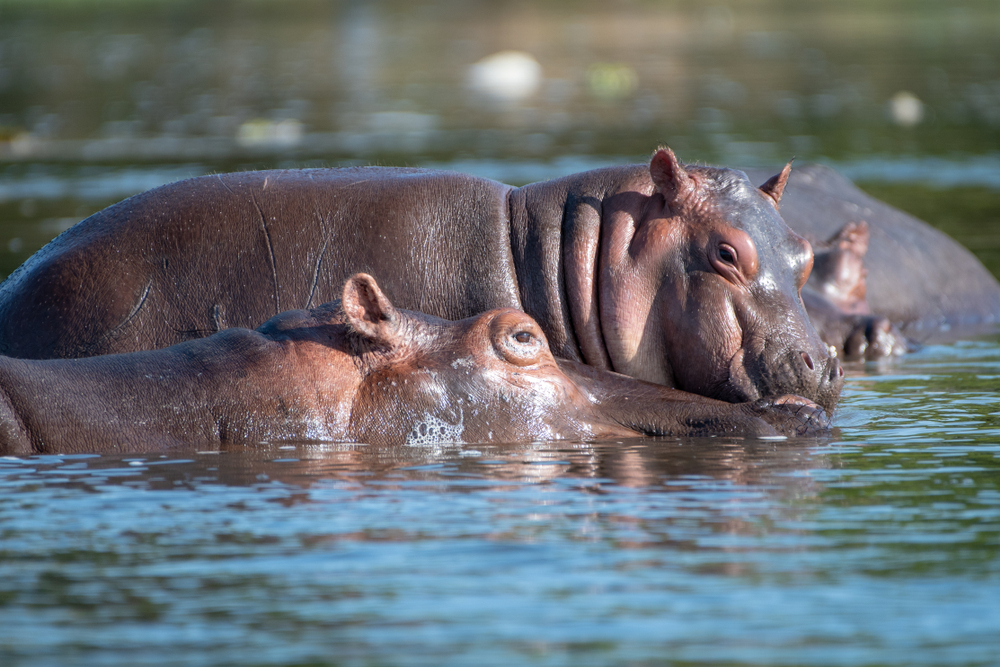
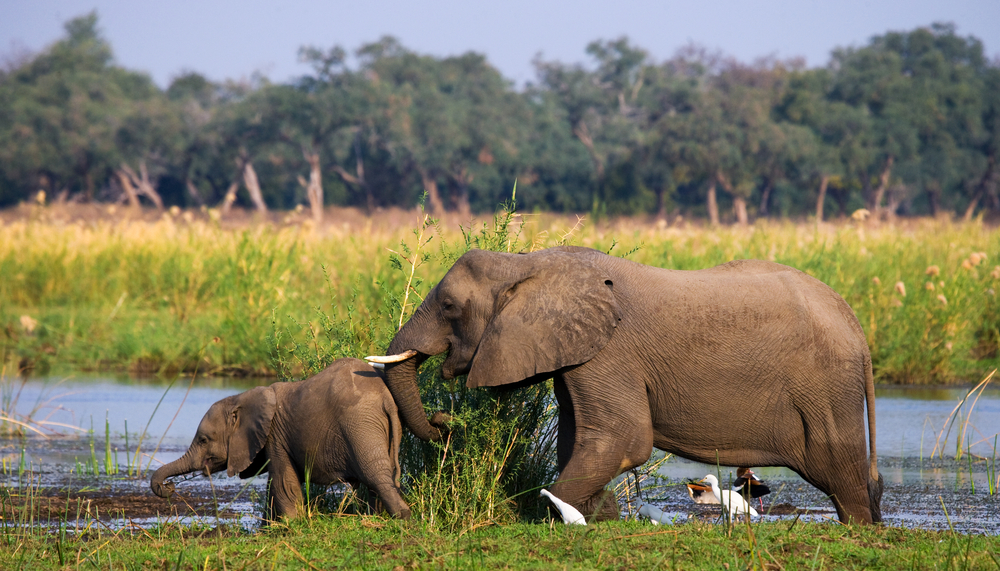
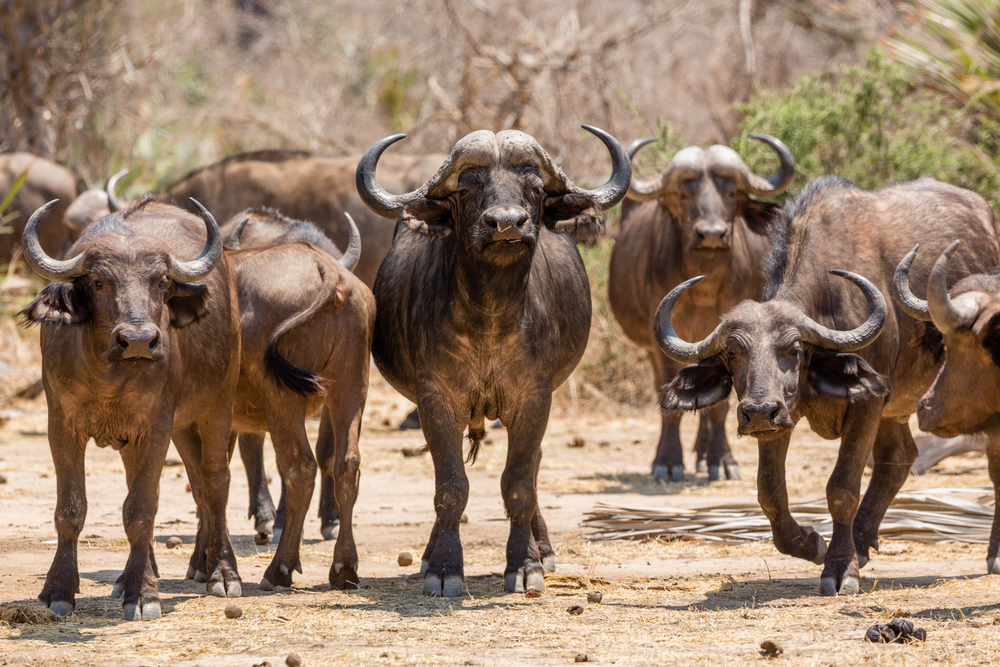
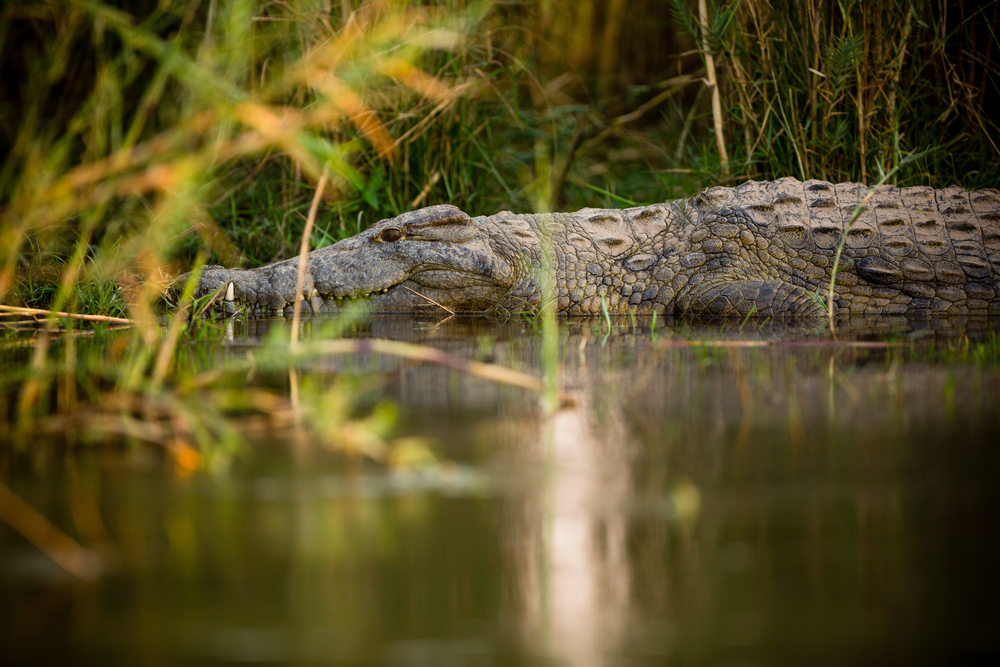
Some of the larger wildlife species include elephant, cape buffalo, crocodile, and the hippopotamus. Some of the predator species include lion, leopard, hyena, and wild dog. A variety of antelope and other African species complement these popular species.
Photos


Things to See
Things To Do

Park Protection
Lower Zambezi National Park was created to protect one of the most important wildlife sanctuaries in the country. Almost 80% of the country’s elephant population was eradicated through poaching back in the late 70s and early 80s.
The national park and game management areas were established to protect the remaining elephants from future poaching which is still a real threat. The black rhinoceros has been poached to extinction from the area.
Sources
- Britannica, Zambezi River, https://www.britannica.com/place/Zambezi-River, retrieved August 2020.
- Discover Africa, Lower Zambezi National Park, https://www.discoverafrica.com/safaris/zambia/lower-zambezi-national-park-zambia/, retrieved August 2020.
- Expert Africa, Lower Zambezi National Park, https://www.expertafrica.com/zambia/lower-zambezi-national-park, retrieved August 2020.
- Lower Zambezi National Park, Africa’s Greatest Wilderness, https://www.lowerzambezi.com, retrieved August 2020.
- Travel Africa Magazine, What Makes Lower Zambezi National Park so Special, https://travelafricamag.com/makes-lower-zambezi-national-park-special/, retrieved August 2020.
- UNESCO, Mana Pools National Park and Safari Areas, https://whc.unesco.org/en/list/302/, retrieved August 2020.
- Zambia Tourism, Lower Zambezi National Park, https://www.zambiatourism.com/destinations/national-parks/lower-zambezi-national-park/, retrieved August 2020.
- Zambezi, Lower Zambezi National Park, https://www.zambezi.com/locations/lower-zambezi/, retrieved August 2020.