

About
Wind Cave National Park is located in the Black Hills of western South Dakota, approximately 10 miles (16 km) north of Hot Springs. Established in 1903 by Theodore Roosevelt, it was the first cave in the world to be designated as a national park and remains one of the oldest national parks in the United States.
The park encompasses approximately 44 square miles (114 sq km) and protects both the extensive Wind Cave system below ground and one of the finest remaining mixed-grass prairie ecosystems above ground. This combination of subterranean and surface environments makes Wind Cave one of the most unique parks in the National Park System.
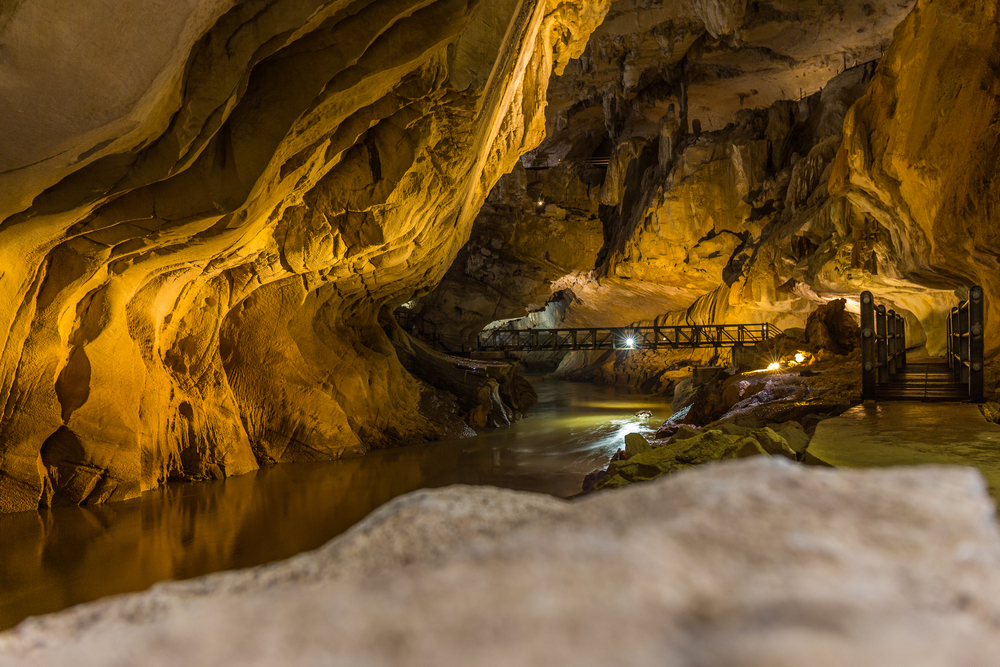
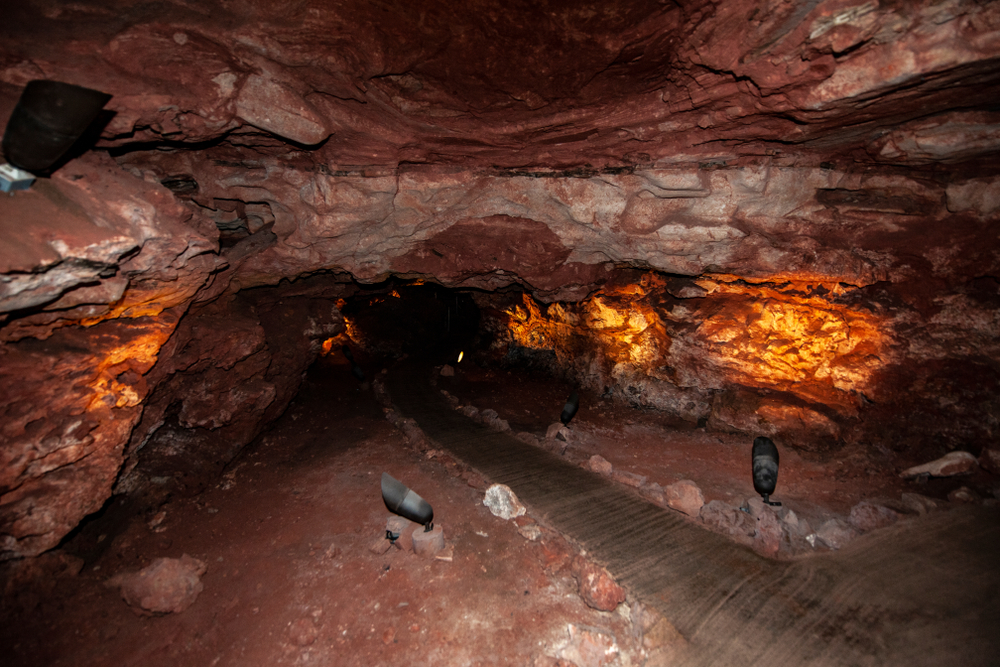
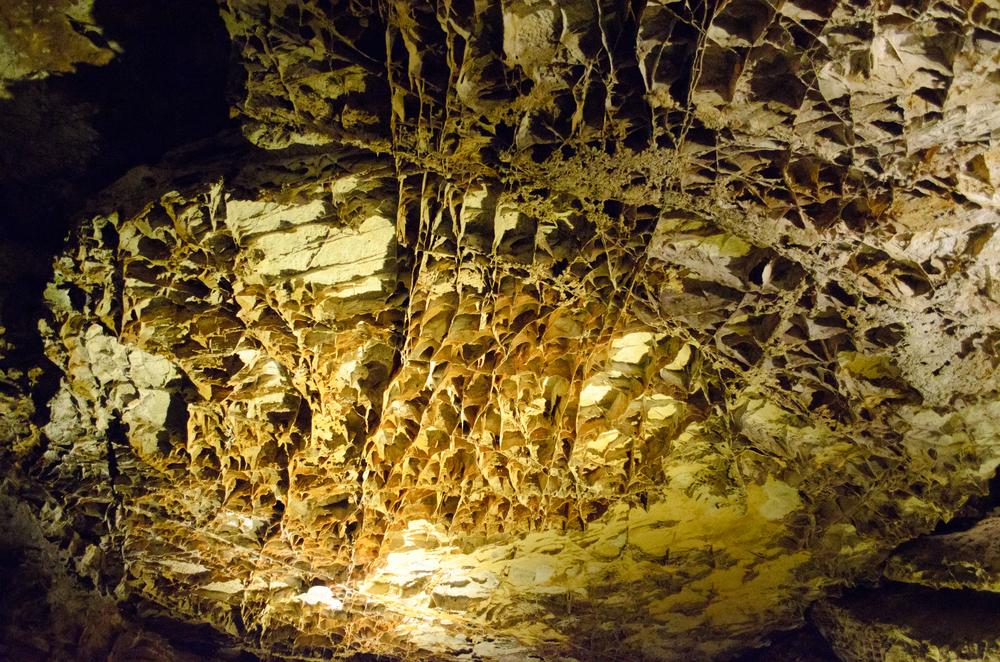
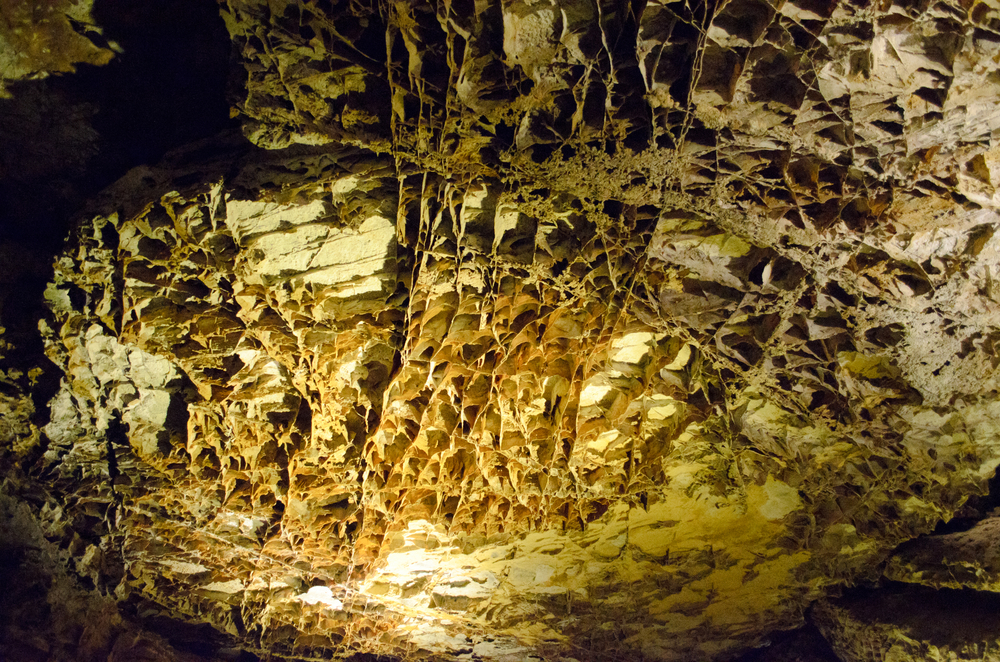
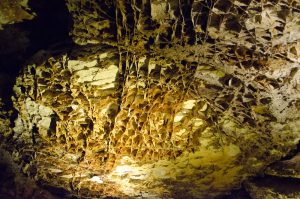
The park is best known for Wind Cave, one of the longest and most complex cave systems in the world, with more than 170 miles (274 km) of mapped passages and new sections still being discovered. The cave is famous for its rare boxwork formations—thin honeycomb-like calcite fins found in greater abundance here than anywhere else on Earth.
Visitors are drawn to guided cave tours that explore intricate passageways, geological formations, and the cave’s fascinating history. Above ground, the park offers scenic drives, hiking trails, wildlife viewing, and opportunities to experience the rolling prairies and pine forests of the Black Hills.
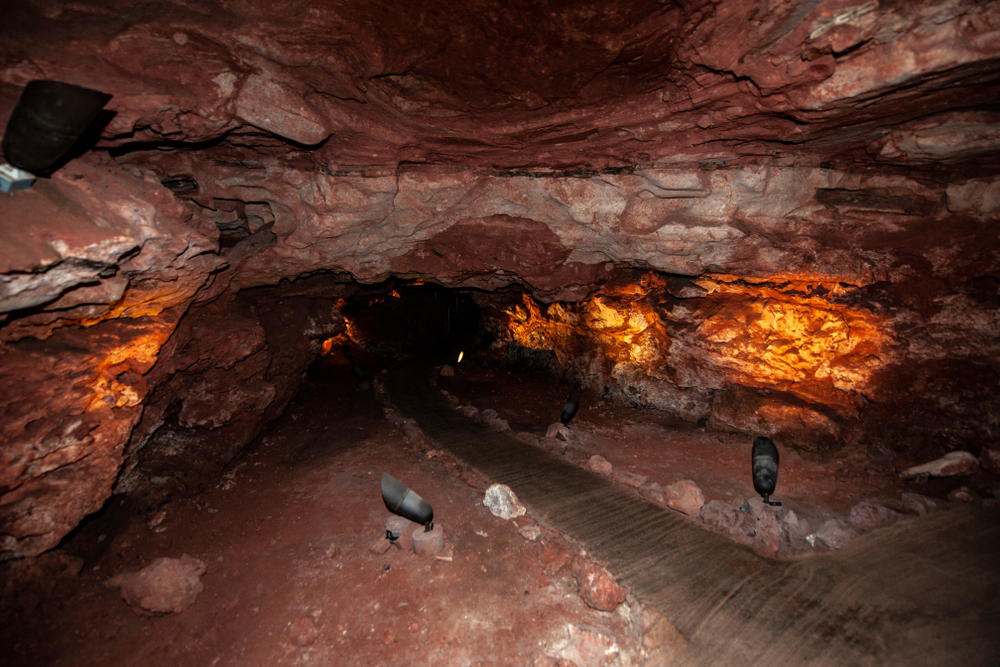
Geographically, Wind Cave National Park lies within the southern Black Hills, a mountainous island rising from the surrounding Great Plains. The cave formed over thousands of years as groundwater dissolved limestone layers beneath the surface. A unique feature of the cave is the natural barometric pressure changes that cause air to move in and out of the cave entrance, creating the “wind” that inspired its name.
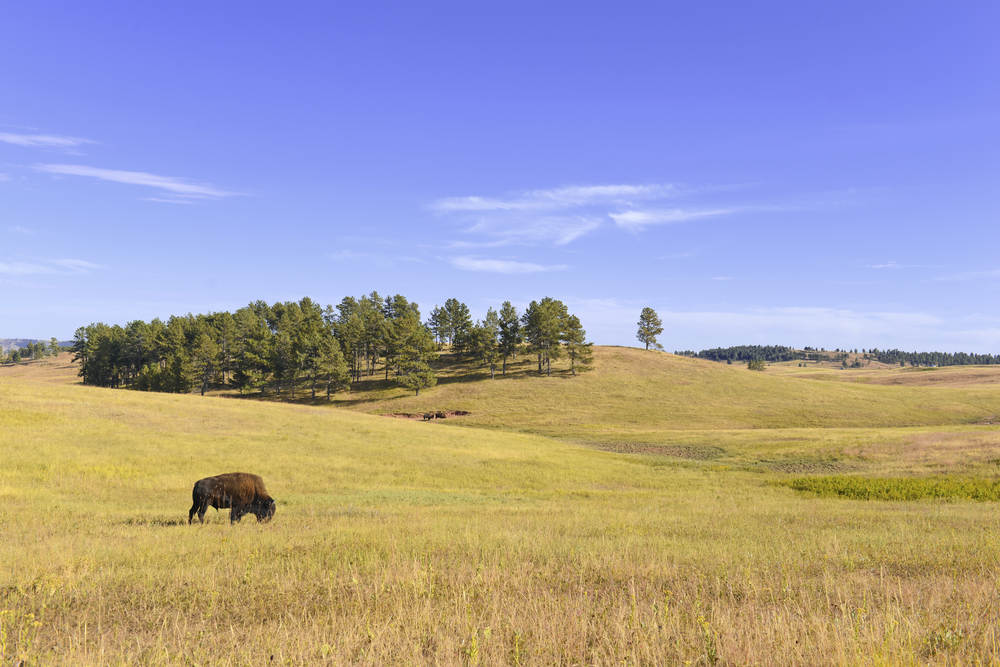
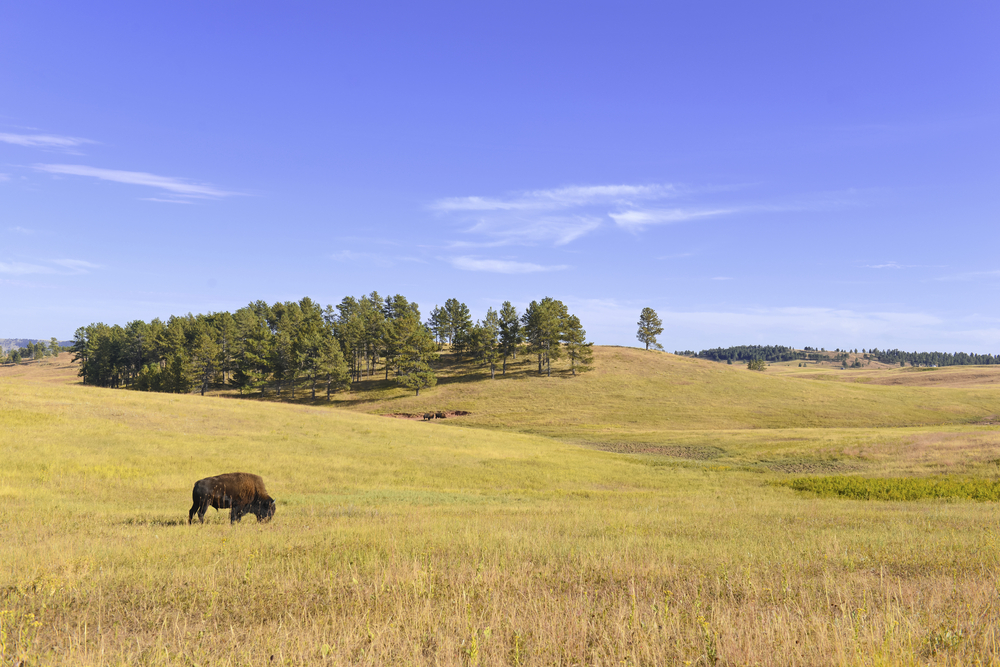
Above ground, the park contains a diverse landscape of mixed-grass prairie, ponderosa pine forests, hills, valleys, and open meadows. This variety of habitats supports a rich diversity of plant and animal life.
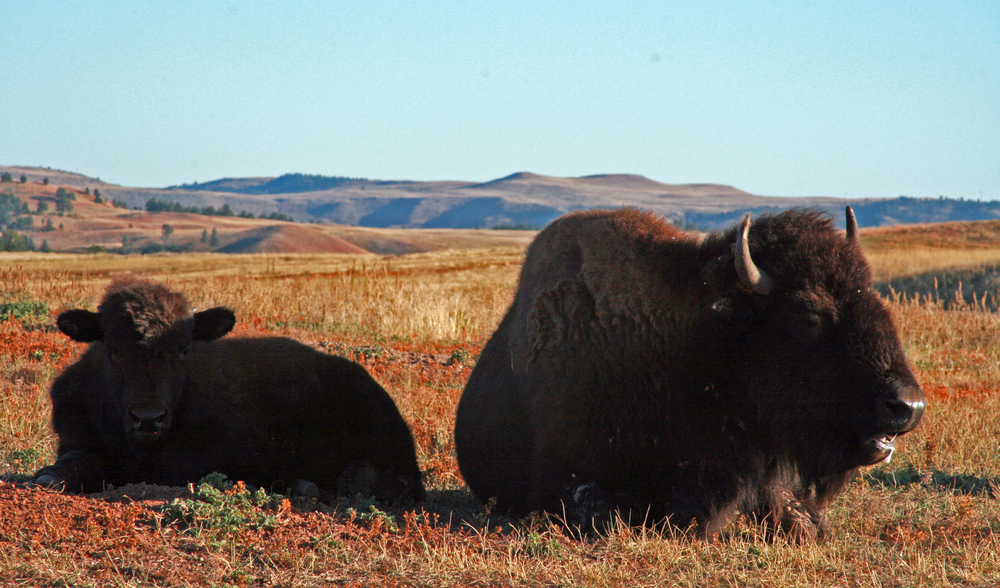
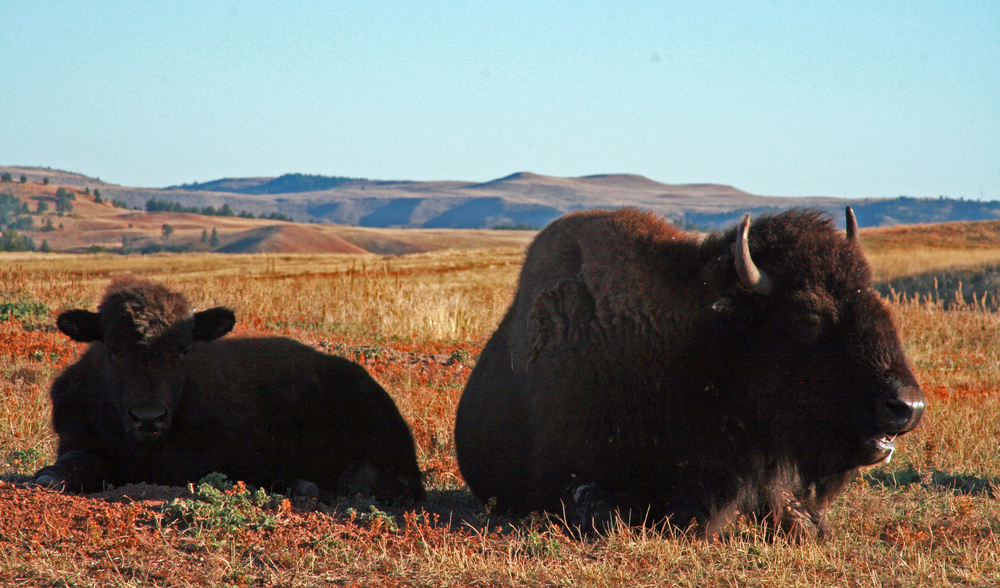
Wildlife within Wind Cave National Park is among the most impressive in the Great Plains region. Mammals include American bison, elk, pronghorn, mule deer, coyotes, black-footed ferrets, prairie dogs, and badgers. The park’s bison herd is one of the most genetically pure and carefully managed herds in North America.
Birdlife includes golden eagles, red-tailed hawks, western meadowlarks, wild turkeys, burrowing owls, and numerous migratory species. The cave itself supports specialized cave-adapted organisms, while the park’s prairies and forests provide habitat for a wide variety of reptiles, amphibians, insects, and native plants.
Wind Cave National Park plays a critical role in preserving both one of the world’s most significant cave systems and a rare remnant of North America’s mixed-grass prairie ecosystem. The park protects important wildlife habitat, safeguards geological resources, and supports scientific research into cave formation, ecology, and groundwater systems.
Its conservation significance is often compared to Mammoth Cave National Park and Badlands National Park because of its unique combination of cave geology, prairie wildlife, and conservation history. Through its world-famous boxwork formations, thriving bison herds, rolling prairies, and rich biodiversity, Wind Cave National Park stands as one of America’s most distinctive protected areas and a remarkable meeting place of underground and surface ecosystems.
Photos
Things to See
Things To Do
Engaging Wind Cave National Park
Wind Cave National Park Trails
The road system is complemented by over 30 miles (48 km) of hiking trails separate from the exploration of the cave below. The majority of trails are easy to moderate with only a small percentage accounted for by a difficult rating.

Park Protection
 Wind Cave National Park was created to protect one of the world’s longest and most complex cave systems, along with the mixed-grass prairie and ponderosa pine forests of South Dakota’s Black Hills. The park provides habitat for bison, elk, pronghorn, black-footed ferrets, and numerous grassland bird species. The endangered black-footed ferret is one of North America’s rarest mammals and depends upon healthy prairie dog colonies protected within the park.
The park is internationally renowned for its rare boxwork formations, delicate honeycomb-like calcite structures found in greater abundance here than anywhere else in the world. Above ground, it preserves one of the largest remaining mixed-grass prairie ecosystems in the National Park System. Together, Wind Cave National Park safeguards rare cave formations, endangered wildlife, native prairie habitats, and an exceptional combination of underground and surface ecosystems.
FAQ’s
Why is it called Wind Cave?
The cave is named for the noticeable movement of air through its natural entrance. Changes in atmospheric pressure cause air to flow in and out of the cave, creating a strong “wind” effect.
What is Wind Cave National Park known for?
Wind Cave National Park, located in the Black Hills of South Dakota, is renowned for its extensive and complex cave system, which is among the oldest and the third-longest in the world.
What sets Wind Cave apart is its remarkable display of boxwork formations—thin calcite fins that project from cave walls and ceilings, resembling honeycombs. This feature is extraordinarily rare, with Wind Cave having one of the most abundant displays of boxwork in the world.
The park is named for the natural phenomenon at its entrance, where air pressure differences cause the cave to “breathe,” creating winds that can either rush out or draw into the cave.
This unique feature was a signal to the Lakota people, the original inhabitants of the region, of the cave’s significance and spiritual importance.
Above ground, Wind Cave National Park offers a diverse ecosystem of mixed-grass prairie and Ponderosa pine forests, home to a variety of wildlife.
It is one of the few places where one can see bison, elk, pronghorns, and the endangered black-footed ferret in their natural habitat.
The park’s scenic landscapes, hiking trails, and wildlife watching opportunities complement the underground wonders, making Wind Cave National Park a place of both subterranean mystery and surface-level natural beauty.
How does Wind Cave compare to other caves?
Wind Cave stands out among the world’s caves for several unique characteristics and features:
- Boxwork Formations: Wind Cave is renowned for its boxwork, a rare formation composed of thin calcite fins resembling a honeycomb. This feature is more abundant and prominent in Wind Cave than in any other known cave, making it a geological marvel. Boxwork is created through the differential erosion of limestone, leaving behind a network of calcite fins. This distinctive feature provides an intriguing sight for visitors and offers important clues to geologists about the cave’s formation and the history of the Earth.
- Size and Complexity: Wind Cave is one of the longest caves in the world, with over 150 miles (241 kilometers) of explored passageways. Its complex, three-dimensional maze of passages is noted for its intricacy, with many layers of passages stacked atop one another. This complexity makes it a fascinating study for speleologists and cave explorers.
- Cave Breathing: The phenomenon of cave “breathing” is particularly notable at Wind Cave. The cave’s internal air pressure changes with the atmospheric pressure outside, causing air to either blow out of or suck into the cave’s natural entrance. This breathing effect was how the cave was first discovered and remains a point of interest for visitors.
- Ecological Significance: Above ground, Wind Cave National Park encompasses a rare and pristine mixed-grass prairie ecosystem. The park’s surface is as ecologically significant as the cave itself, providing habitat for a diverse array of wildlife, including bison, elk, and the endangered black-footed ferret. This diversity of surface ecosystems is not commonly associated with other cave systems.
- Cultural Importance: Wind Cave holds significant cultural importance for the Lakota people, who consider it a sacred site. According to Lakota mythology, Wind Cave is the site where their people first emerged into the world. This cultural and spiritual significance adds another layer of comparison with other caves, which may not have as direct a connection to indigenous peoples and their cosmologies.
Compared to other caves, Wind Cave’s unique geological features, ecological diversity, and cultural significance make it a standout destination for both scientific study and public interest. Its combination of underground wonders and surface beauty offers a comprehensive and diverse caving experience unlike any other.
What is the main reason people visit Wind Cave National Park?
Wind Cave National Park is primarily visited for its extraordinary cave system, rare boxwork formations, mixed-grass prairie ecosystem, and abundant wildlife. Located in the Black Hills of South Dakota, the park protects one of the world’s longest caves and one of the last remaining intact mixed-grass prairies in North America.
Visitors come to explore underground cave passages, view unique geological formations, see bison and prairie wildlife, hike scenic trails, and experience a combination of underground and surface ecosystems found in few places on Earth.
What animals can visitors hope to see in Wind Cave National Park?
Wind Cave National Park supports approximately 40 mammal species and a variety of reptiles, amphibians, and prairie wildlife.
Some of the most notable animals found in Wind Cave National Park include:
- American Bison
- Elk
- Pronghorn
- Mule Deer
- White-tailed Deer
- Coyote
- Bobcat
- Mountain Lion
- Red Fox
- American Badger
- Raccoon
- Striped Skunk
- Long-tailed Weasel
- Mink
- American Beaver
- Porcupine
- Black-tailed Prairie Dog
- Richardson’s Ground Squirrel
- Thirteen-lined Ground Squirrel
- Least Chipmunk
- Deer Mouse
- White-footed Mouse
- Meadow Vole
- Prairie Vole
- Northern Pocket Gopher
- Desert Cottontail
- White-tailed Jackrabbit
- Big Brown Bat
- Hoary Bat
- Silver-haired Bat
- Little Brown Bat
- Long-legged Myotis
- Fringed Myotis
- Pallid Bat
- Western Small-footed Myotis
- Townsend’s Big-eared Bat
- Eastern Red Bat
- Various Small Rodents
- Various Bat Species
- Various Small Mammals
- Prairie Rattlesnake
- Bullsnake
- Plains Garter Snake
- Smooth Green Snake
- Western Hognose Snake
- Painted Turtle
- Snapping Turtle
- Northern Leopard Frog
- Woodhouse’s Toad
- Tiger Salamander
What birds can visitors hope to see in Wind Cave National Park?
Wind Cave National Park is home to more than 220 bird species. Its prairie, forest, and canyon habitats support a wide variety of resident and migratory birds.
Some of the most popular birds seen in Wind Cave National Park include:
- Golden Eagle
- Bald Eagle
- Red-tailed Hawk
- Ferruginous Hawk
- Swainson’s Hawk
- Rough-legged Hawk
- Northern Harrier
- Prairie Falcon
- American Kestrel
- Great Horned Owl
- Burrowing Owl
- Short-eared Owl
- Long-eared Owl
- Common Raven
- Black-billed Magpie
- Blue Jay
- American Crow
- Horned Lark
- Mountain Bluebird
- Western Bluebird
- Eastern Bluebird
- American Robin
- Loggerhead Shrike
- Cedar Waxwing
- Western Meadowlark
- Eastern Meadowlark
- Bobolink
- Red-winged Blackbird
- Brewer’s Blackbird
- Brown-headed Cowbird
- Savannah Sparrow
- Grasshopper Sparrow
- Vesper Sparrow
- Chipping Sparrow
- Clay-colored Sparrow
- Song Sparrow
- White-crowned Sparrow
- Dark-eyed Junco
- Yellow Warbler
- Wilson’s Warbler
- Common Yellowthroat
- Western Tanager
- Black-headed Grosbeak
- Lazuli Bunting
- Hairy Woodpecker
- Downy Woodpecker
- Northern Flicker
- Red-headed Woodpecker
- Wild Turkey
- Sharp-tailed Grouse
Is Wind Cave National Park worth visiting?
Yes, Wind Cave National Park is absolutely worth visiting and is one of the most unique national parks in the United States.
The park combines a world-class cave system with beautiful prairie landscapes, abundant wildlife, scenic hiking trails, and significant geological features. Visitors can explore one of the longest caves on Earth and then spend the afternoon watching bison roam native grasslands.
The primary hesitation is that much of the park’s most famous attraction lies underground, making it less visually dramatic from the surface compared to nearby parks such as Badlands or Mount Rushmore. However, its geological significance and wildlife viewing opportunities make it exceptionally rewarding.
What is the best time to visit Wind Cave National Park?
The best time to visit Wind Cave National Park is from May through September.
Typical conditions include:
- Spring: 35–75°F (2–24°C)
- Summer: 50–85°F (10–29°C)
- Fall: 35–75°F (2–24°C)
- Winter: 10–45°F (-12–7°C)
During this period:
- Cave tours operate frequently.
- Wildlife viewing is excellent.
- Hiking conditions are favorable.
- Prairie wildflowers may be in bloom.
- Scenic drives are fully accessible.
Summer offers the greatest availability of cave tours and ranger programs.
How many days do you need to visit Wind Cave National Park?
Most visitors should plan for 1 to 2 days.
- Half day: Cave tour and wildlife viewing.
- 1 day: Cave exploration, scenic drives, and hiking.
- 2 days: Multiple cave tours and extensive prairie exploration.
A full day is generally sufficient for most visitors with an additional day allowing for more hiking and exploration above ground.
How do you get to Wind Cave National Park?
Wind Cave National Park is located in the southern Black Hills of South Dakota near the town of Hot Springs.
The closest airports include:
- Rapid City Regional Airport – approximately 1 hour away.
- Chadron Municipal Airport – regional service.
Most visitors follow this route:
- Fly into Rapid City.
- Rent a vehicle.
- Drive south through the Black Hills.
- Enter the park near Hot Springs.
Wind Cave Visitor Center
Most visitors begin at:
- Wind Cave Visitor Center
The visitor center provides:
- Cave tour reservations.
- Exhibits.
- Educational programs.
- Trail information.
- Ranger assistance.
Because cave tours often sell out during summer, arriving early is recommended.
Wind Cave
The park’s signature attraction is:
- Wind Cave
Wind Cave is:
- One of the longest caves in the world.
- Famous for its rare boxwork formations.
- A complex maze of underground passages.
- A significant geological landmark.
Only guided tours provide access to the cave.
Boxwork Formations
Wind Cave is world-famous for:
- Boxwork.
Approximately 95% of the world’s known boxwork formations occur within Wind Cave, making it one of the most geologically significant caves on Earth.
Surface Attractions
Popular above-ground destinations include:
- Rankin Ridge Trail
- Lookout Point
- Prairie Vista Trail
- Wildlife viewing areas throughout the park.
Nearby Attractions
Many visitors combine Wind Cave with:
- Custer State Park
- Mount Rushmore National Memorial
- Jewel Cave National Monument
- Badlands National Park
Travel Times
Typical travel times include:
- Rapid City to Wind Cave: approximately 1 hour.
- Hot Springs to Wind Cave: approximately 15 minutes.
- Custer State Park to Wind Cave: approximately 20 minutes.
- Mount Rushmore to Wind Cave: approximately 45 minutes.
The park is easily accessible as part of a larger Black Hills itinerary.
Who is involved in protecting and supporting Wind Cave National Park?
Several organizations help protect and support Wind Cave National Park:
- National Park Service – manages Wind Cave National Park.
- National Park Foundation – supports projects throughout the National Park System.
- Black Hills Parks and Forests Association – supports education, interpretation, and conservation efforts.
- Scientific and conservation organizations conducting cave and prairie ecosystem research.
- Indigenous communities including the Lakota People, who regard Wind Cave as a sacred place of cultural and spiritual significance.
What is boxwork?
Boxwork is a rare cave formation made of thin calcite fins arranged in a honeycomb-like pattern. Wind Cave contains the world’s most extensive collection of boxwork formations.
Sources
- All Trails, Best Trails in Wind Cave National Park, https://www.alltrails.com/parks/us/south-dakota/wind-cave-national-park, retrieved July 2020.
- Black Hills and Badlands, Wind Cave, https://www.blackhillsbadlands.com/parks-monuments/wind-cave-national-park, retrieved July 2020.
- Britannica, Boxwork, https://www.britannica.com/science/boxwork, retrieved July 2020.
- Britannica, Wind Cave National Park, https://www.britannica.com/place/Haleakala-National-Park, retrieved July 2020.
- National Geographic, Complete National Parks of the United States, National Geographic Publishing, Washington DC.
- National Geographic, Guide to the National Parks of the United States, National Geographic Society, 2003.
- National Geographic, National Parks of North America, Canada-United States-Mexico, National Geographic Society, 1995.
- National Park Service, Wind Cave, https://www.nps.gov/wica/index.htm, retrieved July 2020.
- Wikipedia, Frostwork, https://en.wikipedia.org/wiki/Frostwork, retrieved July 2020.