

About
Hot Springs National Park is located in central Arkansas within the city of Hot Springs. Established as a federal reservation in 1832—40 years before Yellowstone became the first national park—the area was later designated as Hot Springs National Park in 1921.
Covering approximately 8.6 square miles (22 sq km), it is one of the smallest national parks in the United States but one of the most historically significant. The park protects a unique combination of natural thermal springs, forested mountains, historic bathhouses, and cultural landmarks that have attracted visitors for centuries.
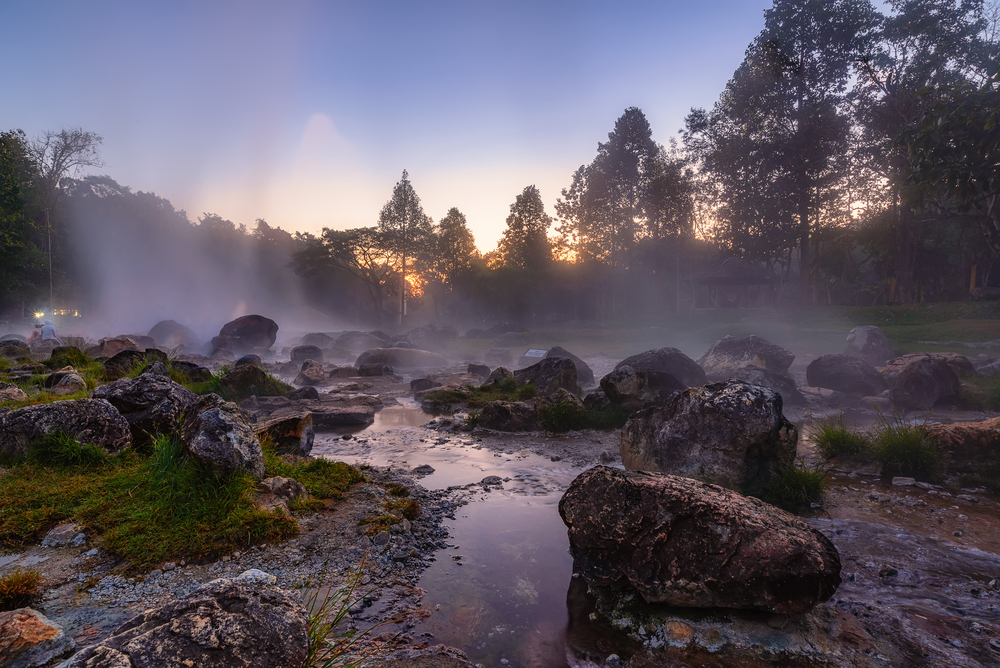
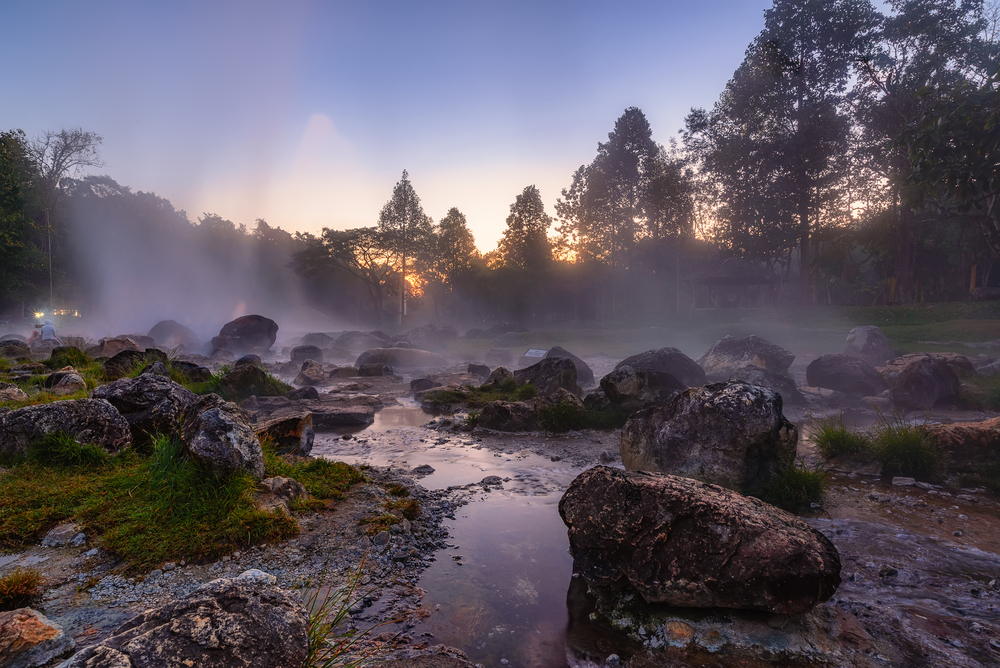
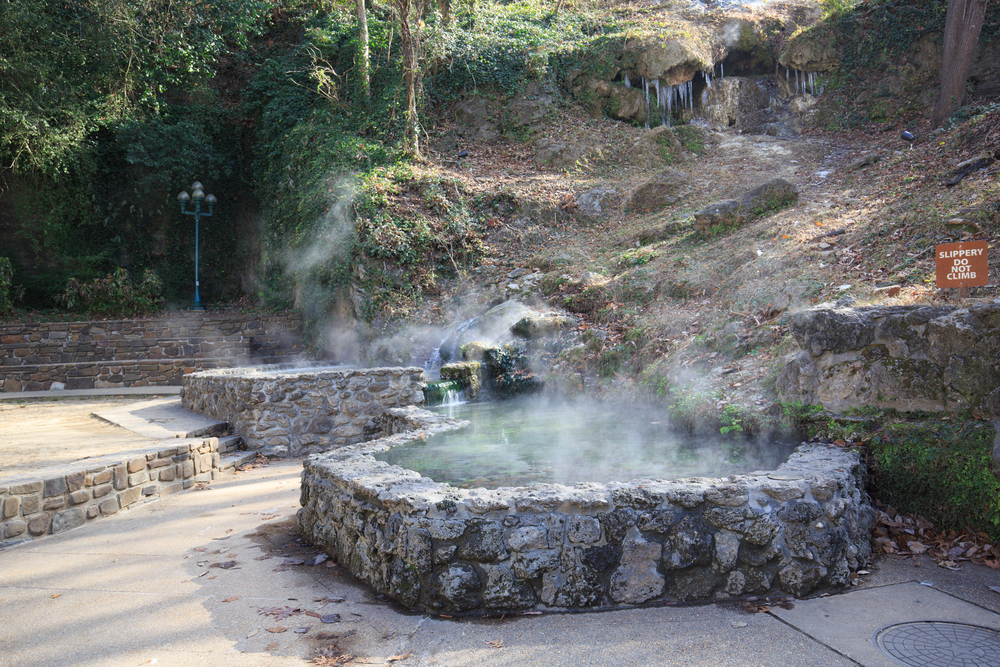
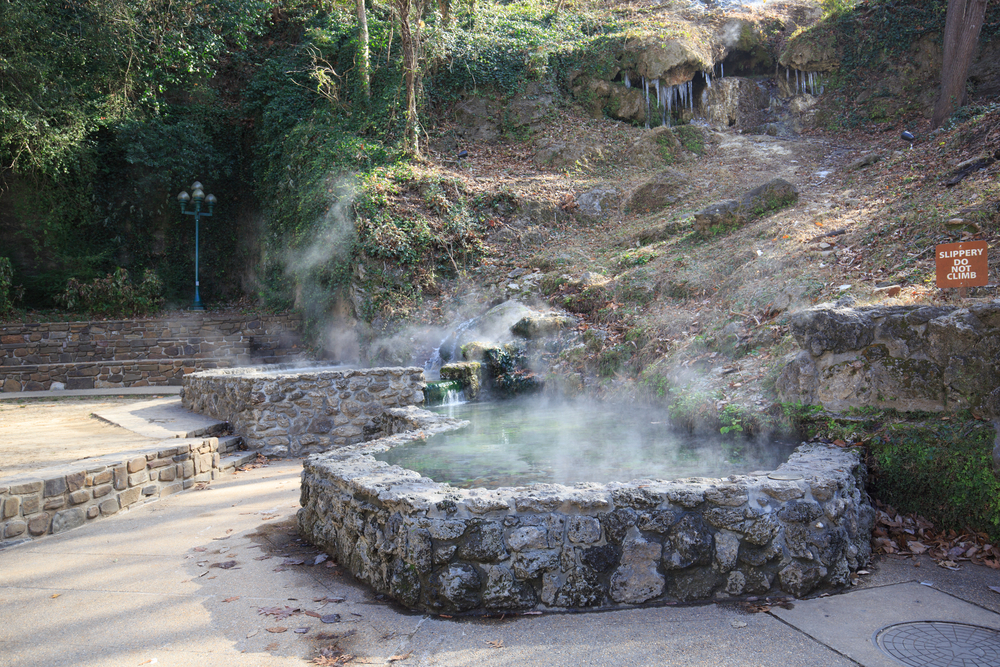
The park is best known for its naturally heated thermal springs and the historic Bathhouse Row. For generations, visitors have traveled to Hot Springs to experience the mineral-rich waters that emerge from the western slope of Hot Springs Mountain at temperatures averaging approximately 143°F (62°C).
The beautifully preserved bathhouses along Central Avenue reflect the city’s golden era as a world-renowned spa destination during the late nineteenth and early twentieth centuries. Today, visitors can tour historic bathhouses, enjoy thermal bathing experiences, visit museums, and explore the park’s unique blend of nature and history.
Geographically, Hot Springs National Park lies within the Ouachita Mountains, one of the oldest mountain ranges in North America. The park encompasses a series of forested ridges, including Hot Springs Mountain, North Mountain, and West Mountain.
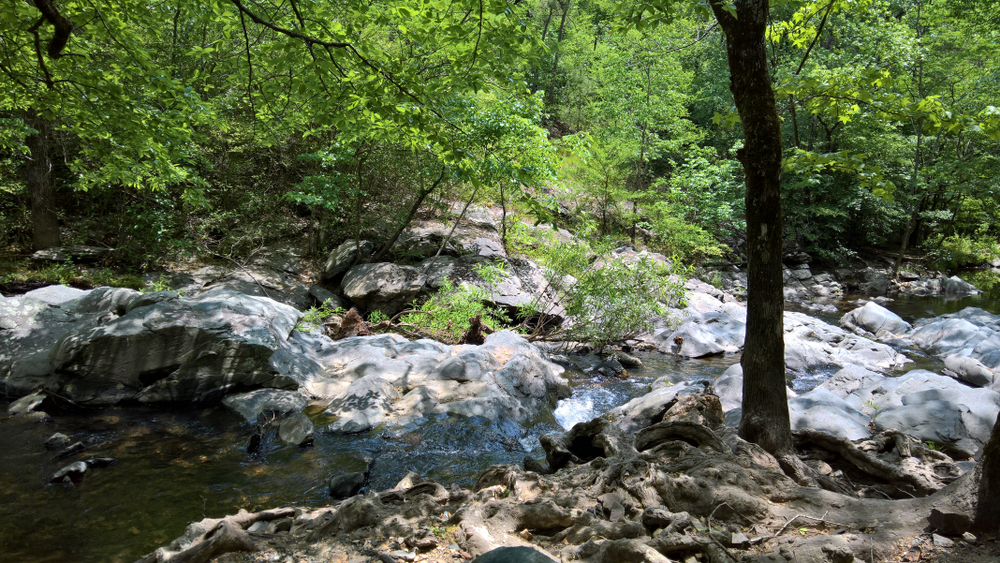
Rainwater infiltrates deep underground through fractured rock layers, where geothermal processes heat the water before it resurfaces through the park’s thermal springs. The landscape consists of mixed hardwood and pine forests, scenic overlooks, streams, and rugged hills that provide a surprisingly natural setting within an urban environment.
Wildlife within Hot Springs National Park reflects the biodiversity of the Ouachita Mountains. Mammals include white-tailed deer, raccoons, gray foxes, armadillos, squirrels, opossums, and several bat species. Birdlife is abundant, with pileated woodpeckers, barred owls, hawks, warblers, cardinals, and numerous migratory species inhabiting the forests.
Reptiles and amphibians, including box turtles, skinks, salamanders, and frogs, thrive in the park’s woodland habitats. The surrounding forests support a rich variety of native plants, wildflowers, and pollinators that contribute to the park’s ecological diversity.
Hot Springs National Park plays a unique role within the National Park System by preserving both a natural geothermal resource and an important chapter of American history. The park protects the thermal spring system, historic architecture, and forest ecosystems while providing recreational and educational opportunities for visitors.
Its significance is often compared to Bath National Park and Yellowstone National Park because of its geothermal features and historic relationship between people and natural hot springs. Through its thermal waters, historic bathhouses, forested mountains, and cultural heritage, Hot Springs National Park stands as one of America’s most distinctive protected areas and a remarkable blend of natural and historical preservation.
Photos

Things to See
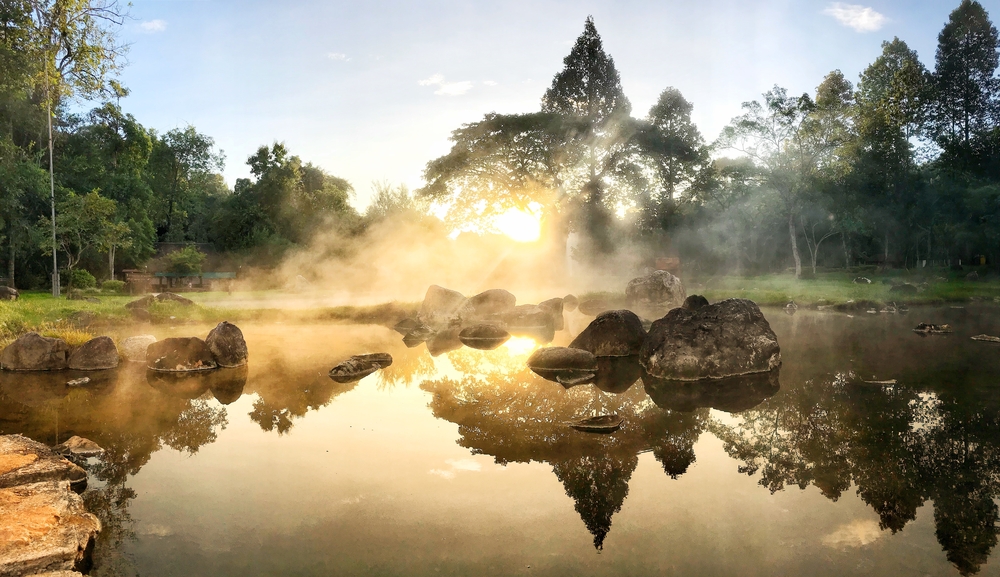
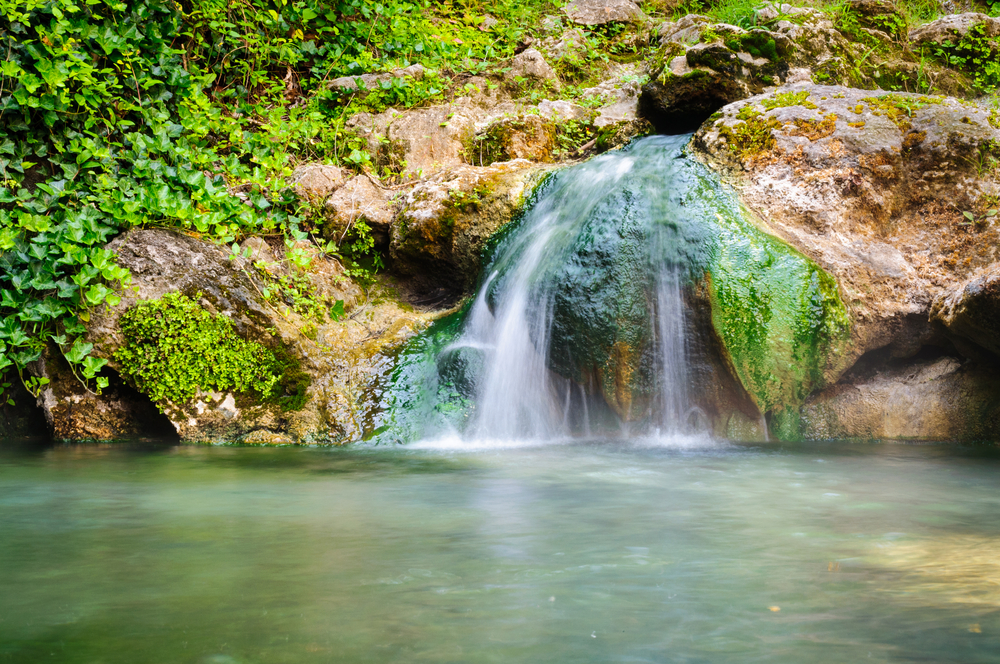
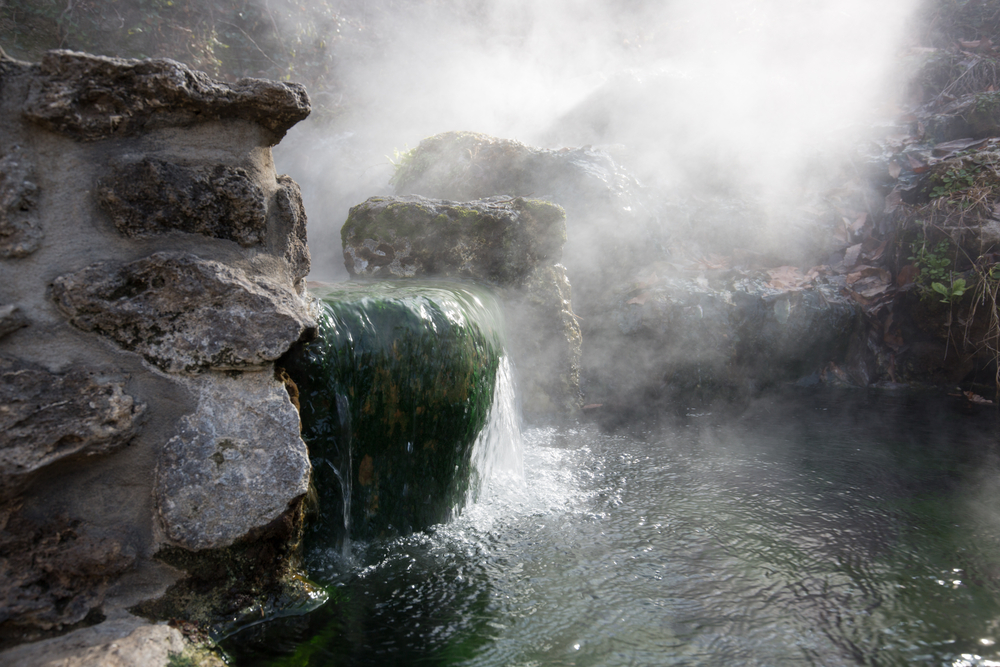
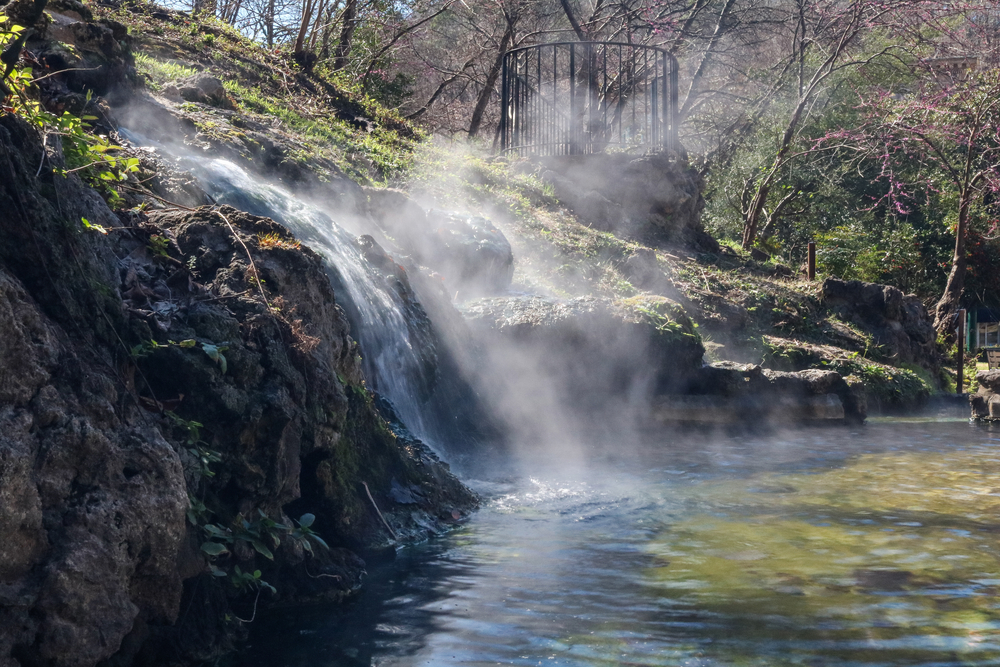
 The hot springs are sourced from the west side of Hot Springs Mountain. The springs of the mountain deliver over 500,000 gallons of hot water every day.
Things To Do
Engaging Hot Springs National Park

Hot Springs National Park Trails
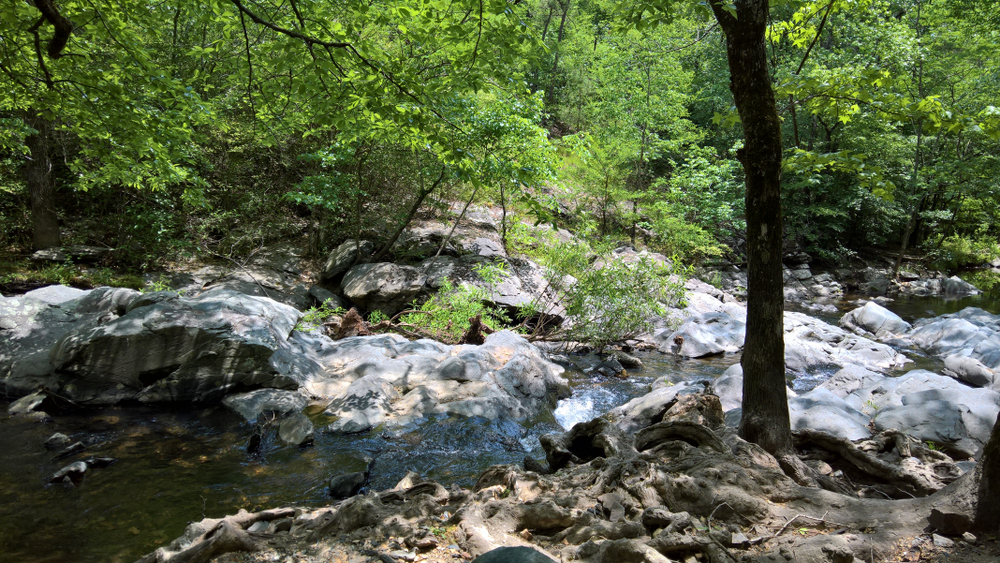
Hot Springs National Park is renowned for the hot springs in the area, however, there is more nature there to explore which is accessible with several hiking trails ranging from easy to difficult adventures.

Park Protection
 Hot Springs National Park was created to protect the natural thermal springs that emerge from the western slope of Hot Springs Mountain in central Arkansas. Unlike most national parks, its primary purpose is centered on preserving a rare geological and hydrological resource rather than extensive wilderness or wildlife habitat. The park also protects surrounding forests that support white-tailed deer, songbirds, reptiles, and a variety of native plant species.
The park’s thermal waters are unique because they are naturally heated deep underground before rising to the surface through faults and fractures in the rock. These springs have attracted people for centuries and remain among the most significant protected thermal resources in the United States. Together, Hot Springs National Park safeguards a rare geothermal system, historic cultural resources, and the forested landscapes that surround these remarkable natural springs.
FAQ’s
What is Hot Springs National Park known for?
Hot Springs National Park, located in Arkansas, is known for its natural thermal springs, historic bathhouses, and scenic beauty. The park’s primary attraction is the hot springs themselves, which emerge from the base of Hot Springs Mountain at a temperature of 143°F (62°C).
These thermal waters have long been revered for their supposed healing properties and have attracted visitors seeking relaxation and rejuvenation for centuries. The park is also known for its historic Bathhouse Row, a collection of elegant bathhouses built in the early 20th century, which reflect the opulence and grandeur of the era.
Additionally, Hot Springs National Park offers opportunities for outdoor recreation, including hiking, picnicking, and scenic drives, allowing visitors to explore the park’s diverse landscapes and soak in its natural beauty.
What is the main reason people visit Hot Springs National Park?
Hot Springs National Park is primarily visited for its historic thermal springs, bathhouses, scenic mountain trails, and unique combination of natural and cultural attractions. Located in central Arkansas, the park protects 47 naturally flowing hot springs that emerge from the western slope of Hot Springs Mountain.
Visitors come to experience the historic Bathhouse Row district, learn about the area’s spa heritage, hike forested trails, enjoy scenic overlooks, and experience one of the oldest protected areas in the United States.
What animals can visitors hope to see in Hot Springs National Park?
Hot Springs National Park supports approximately 45 mammal species and more than 30 reptile species. The park’s forests, streams, wetlands, and mountain habitats provide homes for a diverse variety of wildlife.
Some of the most notable animals found in Hot Springs National Park include:
- White-tailed Deer
- Coyote
- Bobcat
- Gray Fox
- Red Fox
- Raccoon
- Virginia Opossum
- River Otter
- American Beaver
- Muskrat
- Mink
- Striped Skunk
- Long-tailed Weasel
- Eastern Cottontail
- Swamp Rabbit
- Eastern Gray Squirrel
- Fox Squirrel
- Southern Flying Squirrel
- Eastern Chipmunk
- Groundhog
- Deer Mouse
- White-footed Mouse
- Cotton Mouse
- Woodland Vole
- Meadow Vole
- Harvest Mouse
- Meadow Jumping Mouse
- Northern Short-tailed Shrew
- Smoky Shrew
- Eastern Mole
- Star-nosed Mole
- Big Brown Bat
- Little Brown Bat
- Eastern Red Bat
- Hoary Bat
- Silver-haired Bat
- Evening Bat
- Northern Long-eared Bat
- Tricolored Bat
- Rafinesque’s Big-eared Bat
- Seminole Bat
- Brazilian Free-tailed Bat
- Indiana Bat
- Eastern Small-footed Bat
- Various Small Mammals
What birds can visitors hope to see in Hot Springs National Park?
Hot Springs National Park is home to more than 100 bird species. The park’s forests and mountain habitats attract a variety of resident and migratory birds throughout the year.
Some of the most popular birds seen in Hot Springs National Park include:
- Bald Eagle
- Red-tailed Hawk
- Red-shouldered Hawk
- Cooper’s Hawk
- Sharp-shinned Hawk
- Broad-winged Hawk
- American Kestrel
- Turkey Vulture
- Great Horned Owl
- Barred Owl
- Eastern Screech-Owl
- Wild Turkey
- Pileated Woodpecker
- Red-bellied Woodpecker
- Downy Woodpecker
- Hairy Woodpecker
- Northern Flicker
- Belted Kingfisher
- Blue Jay
- American Crow
- Carolina Chickadee
- Tufted Titmouse
- White-breasted Nuthatch
- Brown Creeper
- Carolina Wren
- House Wren
- Blue-gray Gnatcatcher
- Eastern Bluebird
- Wood Thrush
- Hermit Thrush
- American Robin
- Cedar Waxwing
- Northern Mockingbird
- Brown Thrasher
- Yellow-billed Cuckoo
- Eastern Phoebe
- Great Crested Flycatcher
- Eastern Kingbird
- Scarlet Tanager
- Summer Tanager
- Rose-breasted Grosbeak
- Indigo Bunting
- Northern Cardinal
- Eastern Towhee
- Chipping Sparrow
- Song Sparrow
- White-throated Sparrow
- Yellow Warbler
- Pine Warbler
- Red-winged Blackbird
Is Hot Springs National Park worth visiting?
Yes, Hot Springs National Park is absolutely worth visiting, particularly for travelers interested in history, wellness, architecture, and easy outdoor recreation.
Unlike most national parks, Hot Springs combines natural thermal springs with a historic downtown setting. Visitors can tour beautifully restored bathhouses, enjoy scenic mountain trails, learn about the area’s rich spa history, and experience a national park located within an urban environment.
The primary hesitation is that visitors expecting dramatic wilderness scenery may find the park more focused on history and cultural attractions than remote natural landscapes.
What is the best time to visit Hot Springs National Park?
The best time to visit Hot Springs National Park is from March through May and September through November.
Typical conditions include:
- Spring: 50–80°F (10–27°C)
- Summer: 70–95°F (21–35°C)
- Fall: 50–80°F (10–27°C)
- Winter: 30–60°F (-1–16°C)
During spring and fall:
- Temperatures are comfortable.
- Hiking conditions are excellent.
- Crowds are moderate.
- Forest scenery is especially attractive.
Fall foliage season is particularly popular.
Most visitors should plan for 1 to 2 days.
- Half day: Bathhouse Row and visitor center.
- 1 day: Historic district and scenic hiking trails.
- 2 days: Bathhouse experiences, hiking, and local attractions.
- 3+ days: Extended exploration of the surrounding Ouachita Mountains region.
The park can easily be experienced during a weekend trip.
Hot Springs National Park is located in the city of Hot Springs.
Most visitors:
- Fly into Little Rock.
- Drive approximately 55 miles (89 km) southwest to Hot Springs.
- Access the park directly from downtown Hot Springs.
The park is one of the most accessible national parks in the United States.
Who is involved in protecting and supporting Hot Springs National Park?
Several organizations help protect and support Hot Springs National Park:
- National Park Service – manages Hot Springs National Park.
- Friends of Hot Springs National Park – supports education, preservation, and volunteer efforts.
- National Park Foundation – supports projects throughout the National Park System.
- Hot Springs Area Cultural Alliance – promotes preservation and interpretation of local history.
- Local volunteers, historians, and community organizations who help preserve the park’s cultural and natural resources.
Can you soak in the hot springs at Hot Springs National Park?
Visitors cannot soak directly in the park’s undeveloped thermal springs. However, several historic bathhouses on Bathhouse Row offer modern spa and bathing experiences using the park’s thermal spring water.
How hot are the springs in Hot Springs National Park?
The thermal waters emerge from the ground at approximately 143°F (62°C). The water is naturally heated deep underground before rising to the surface through fractures in the surrounding rock.
Sources
- All Trails, Best Trails in Hot Springs National Park, https://www.alltrails.com/parks/us/arkansas/hot-springs-national-park, retrieved June 2020.
- Arkansas, Hot Springs National Park, https://www.arkansas.com/hot-springs/attractions-culture/hot-springs-national-park, retrieved June 2020.
- Britannica, Hot Springs National Park, https://www.britannica.com/place/Hot-Springs-National-Park, retrieved June 2020.
- Hot Springs Mountain Tower, official site, https://hotspringstower.com/, retrieved June 2020.
- National Geographic, Complete National Parks of the United States, National Geographic Publishing, Washington DC.
- National Geographic, Guide to the National Parks of the United States, National Geographic Society, 2003.
- National Geographic, National Parks of North America, Canada-United States-Mexico, National Geographic Society, 1995.
- National Park Service, Hot Springs, https://www.nps.gov/hosp/index.html, retrieved June 2020.
- US News, Hot Springs National Park, https://travel.usnews.com/Hot_Springs_AR/Things_To_Do/Hot_Springs_National_Park_64673/, retrieved June 2020.