

About
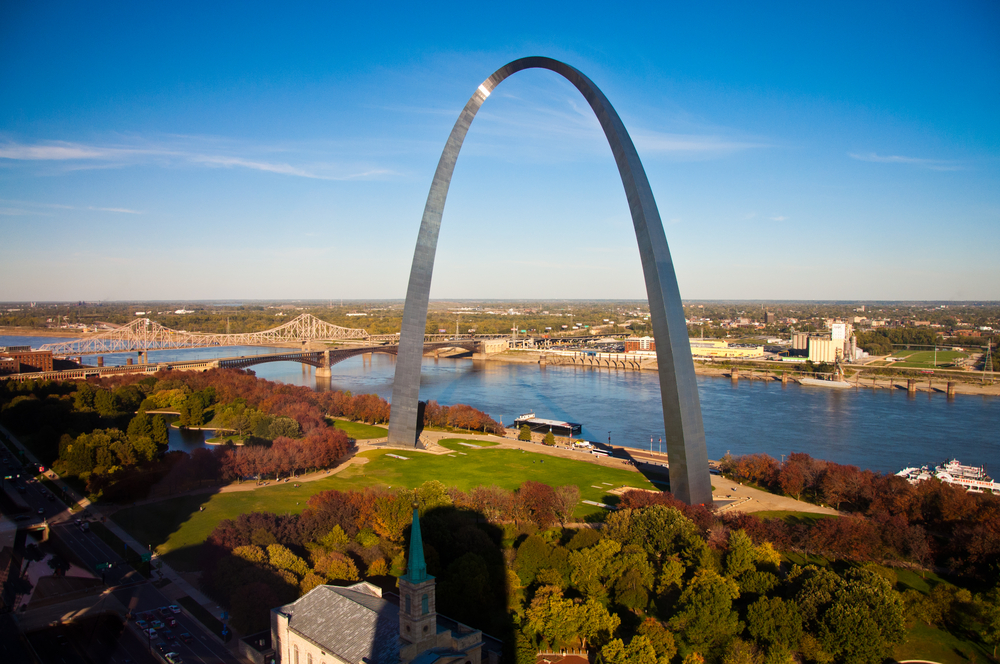
Gateway Arch National Park is located in the city of St. Louis along the western bank of the Mississippi River in the United States and covers approximately 0.3 square miles (0.8 sq km). Established as a national memorial in 1935 and redesignated as a national park in 2018, it is the smallest national park in the United States.
The park preserves one of the nation’s most recognizable monuments while commemorating the role of St. Louis in the westward expansion of the United States. Situated near the confluence of the Mississippi and Missouri Rivers, the park serves as a gateway to the history, culture, and exploration that helped shape the American frontier.
Unlike most national parks known for vast wilderness landscapes, Gateway Arch National Park protects a nationally significant historical and architectural landmark in the heart of a major city.
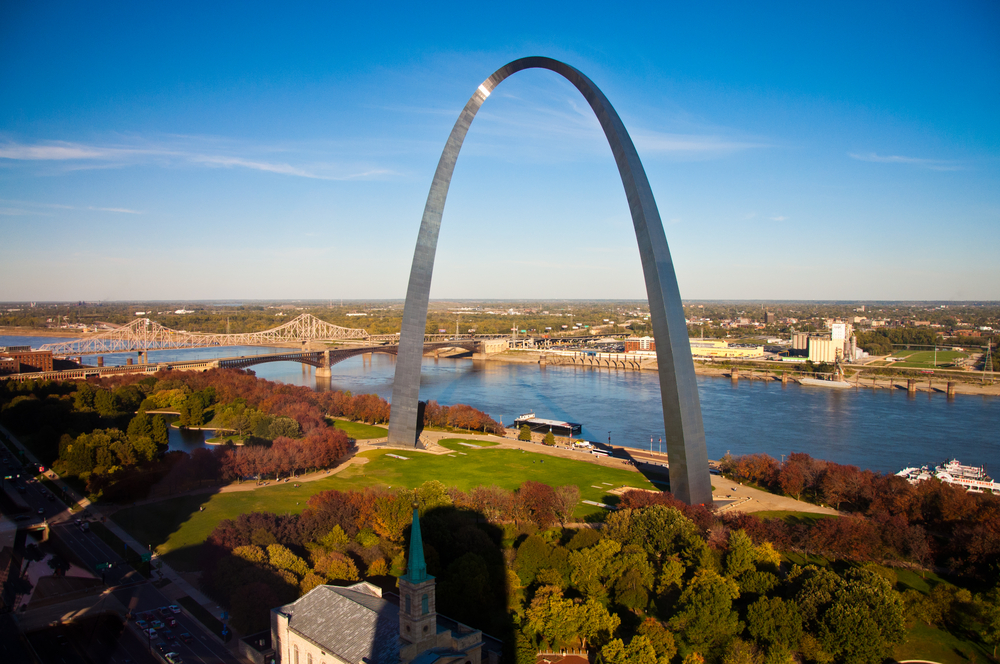
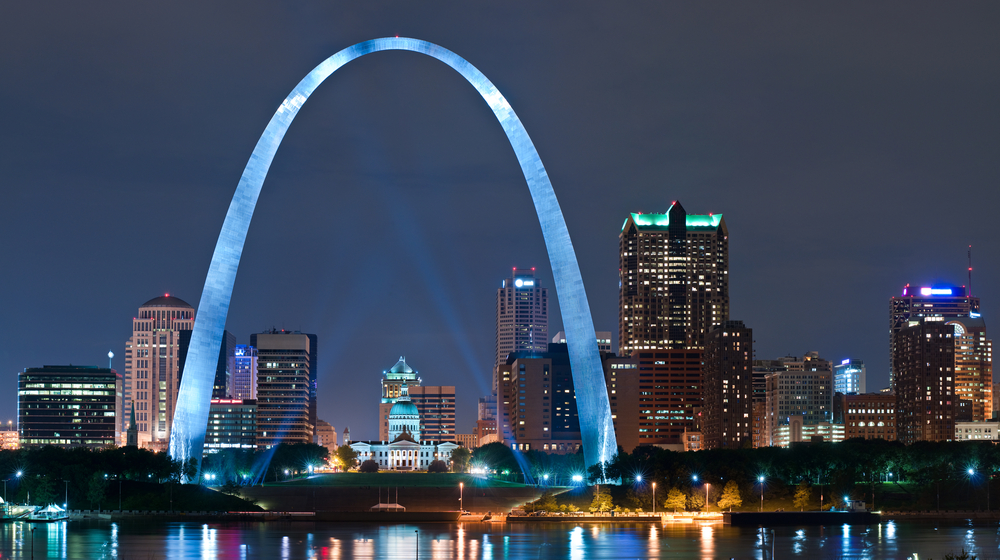
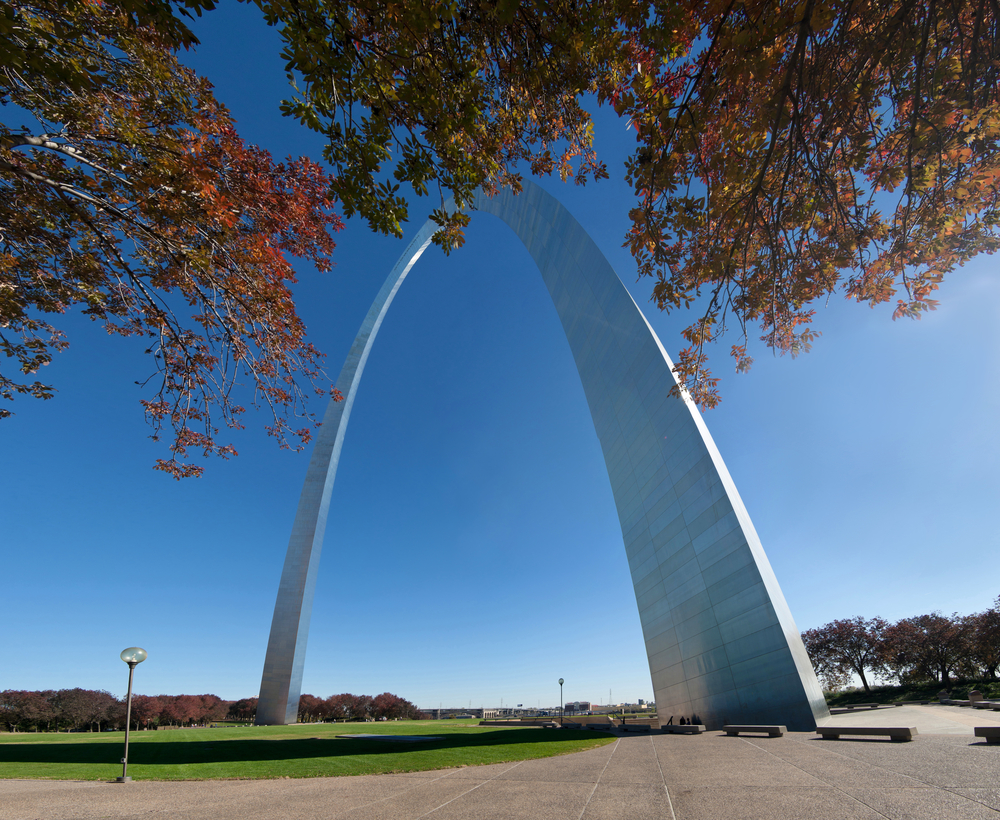
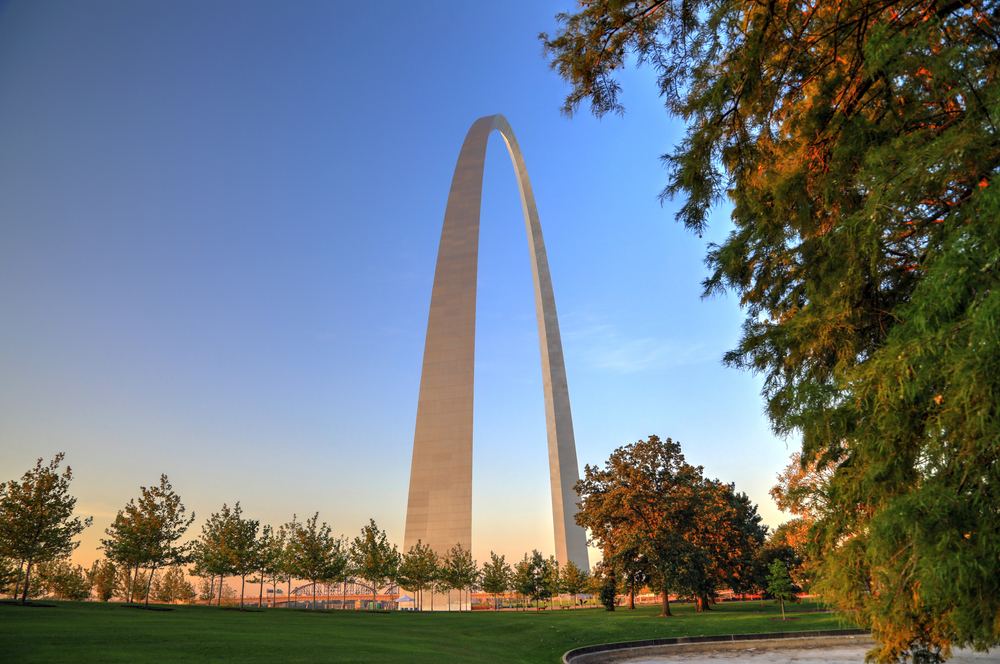
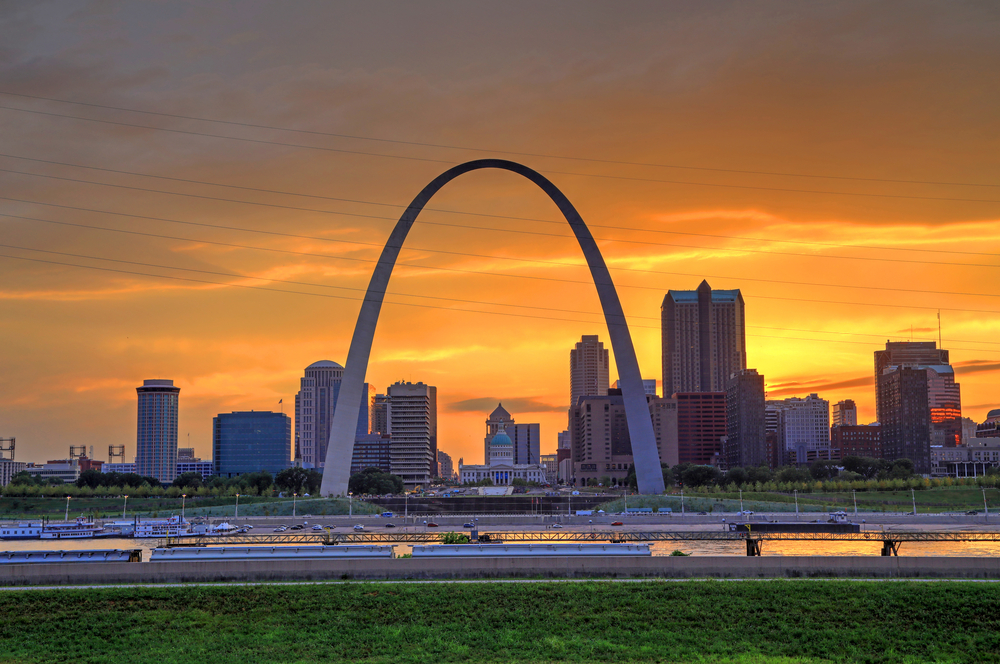
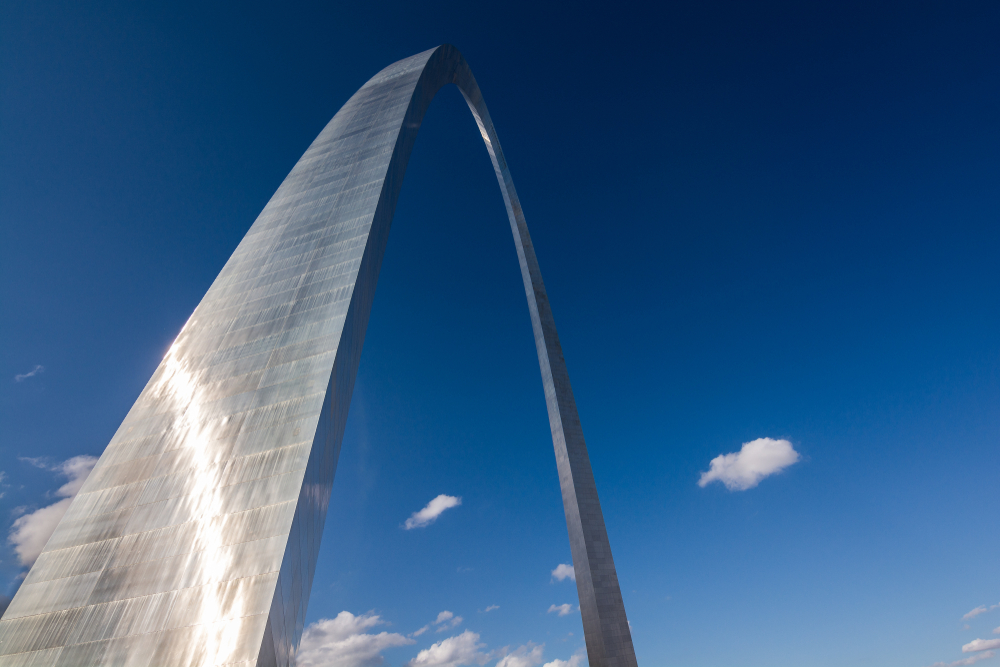
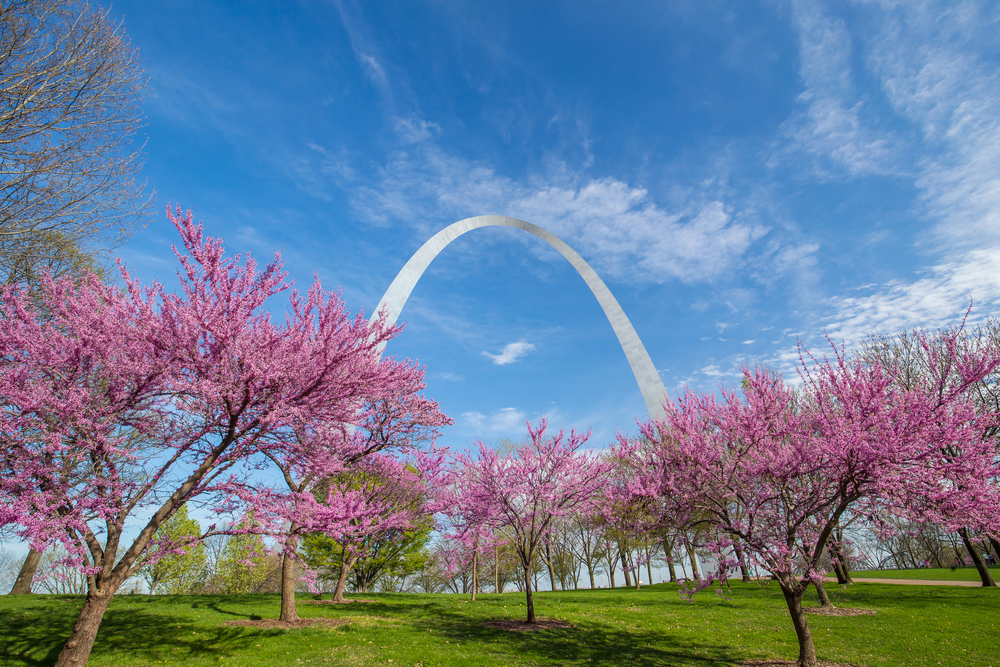
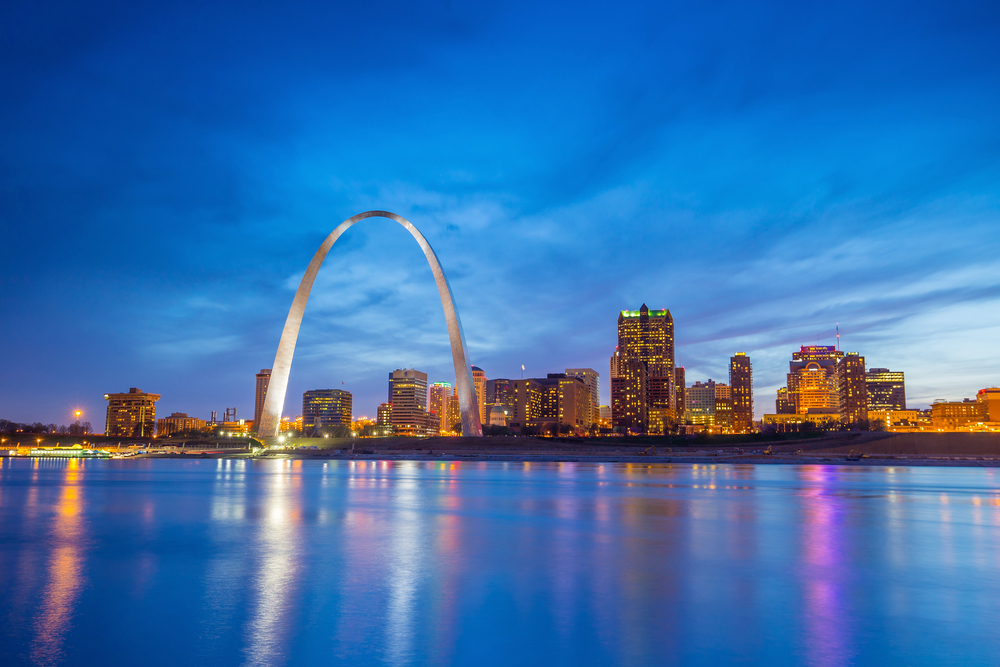
Gateway Arch National Park is best known for the iconic Gateway Arch, a stainless-steel monument that rises 630 feet (192 meters) above the Mississippi River and remains the tallest arch in the world. Designed by renowned architect Eero Saarinen, the structure symbolizes the nation’s westward expansion and the pioneering spirit that shaped American history.
Visitors can ride a unique tram system to an observation area at the top of the Arch, where panoramic views extend across downtown St. Louis, the Mississippi River, and surrounding landscapes. The park also features a museum that explores Indigenous cultures, early exploration, frontier settlement, and the development of the American West. Together, these attractions create a visitor experience centered on history, architecture, and national identity.
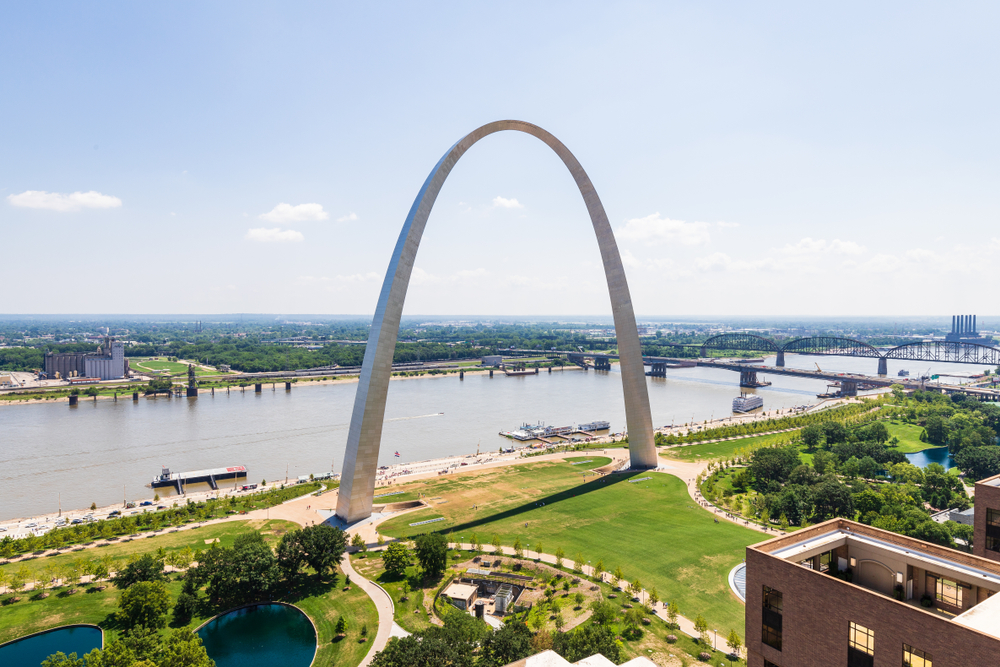
The geography of Gateway Arch National Park differs dramatically from most national parks. Rather than protecting mountains, forests, or wilderness, the park occupies a carefully designed urban landscape along the Mississippi River. Rolling lawns, walking paths, gardens, and reflecting pools surround the Arch and provide a peaceful setting within the city.
The river itself serves as a defining feature, having played a critical role in transportation, trade, and exploration throughout American history. The park’s location highlights the importance of waterways in the settlement and development of the continent. While relatively small in size, the landscape effectively connects visitors to both the natural and historical significance of the Mississippi River corridor.
Wildlife within Gateway Arch National Park reflects its urban riverfront setting. Numerous bird species utilize the Mississippi River flyway, one of North America’s most important migratory routes. Visitors may observe bald eagles, great blue herons, gulls, ducks, geese, and various songbirds throughout the year.
Small mammals and aquatic species inhabit the river corridor and surrounding green spaces. Native trees, grasses, and ornamental plantings provide habitat for pollinators and urban wildlife while contributing to the park’s scenic appeal. Although wildlife is not the park’s primary focus, the Mississippi River ecosystem remains an important component of the visitor experience.
Gateway Arch National Park plays a vital role in preserving a defining chapter of American history. The park commemorates the Louisiana Purchase, the expeditions of Meriwether Lewis and William Clark, and the broader story of westward expansion. Conservation efforts focus on preserving the Arch, protecting historical resources, and interpreting the complex history of exploration, settlement, and cultural change.
The park is often compared to Independence National Historical Park and Statue of Liberty National Monument because of its national historical significance and iconic symbolism. Yet its combination of modern architecture, riverfront setting, and connection to America’s frontier heritage makes it uniquely distinctive. Today, Gateway Arch National Park stands as a powerful symbol of exploration, opportunity, and the enduring story of the American West.
Photos



Things to See
 The Gateway Arch stands 630 feet (192 m) into the air and has the distinction of being the world’s tallest arch.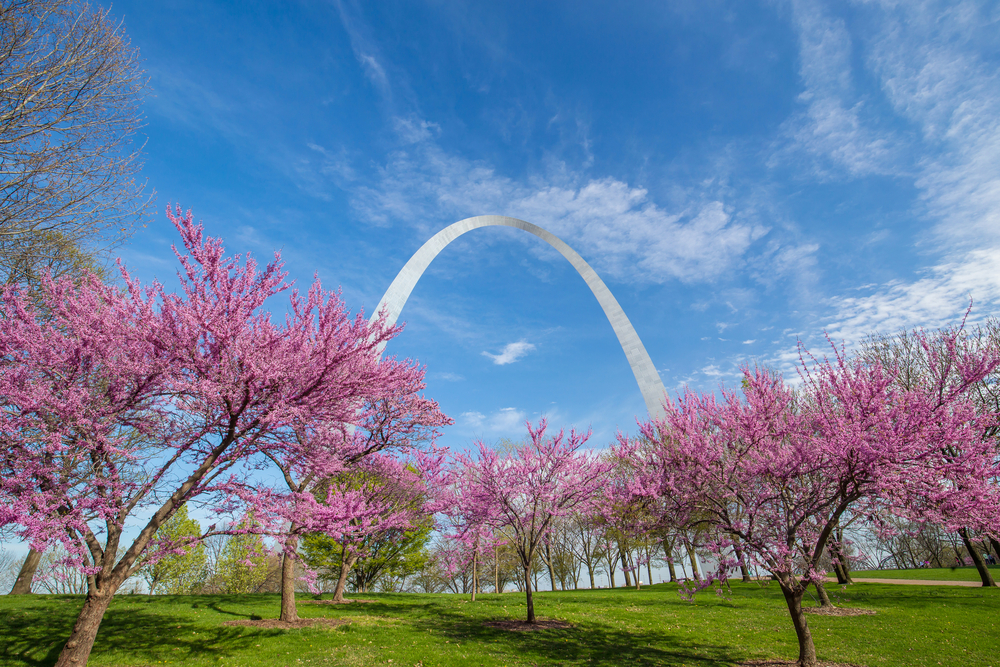
Gateway Arch National Park Trails
Gateway Arch National Park is known for its history and vision, but it is not known for hiking trails. For all practical purposes, walking around the national park occurs on paved sidewalks that travel around the arch.

FAQ’s
What is the main reason people visit Gateway Arch National Park?
Gateway Arch National Park is primarily visited to experience the iconic Gateway Arch, learn about America’s westward expansion, and explore one of the most recognizable landmarks in the United States. Located in downtown St. Louis, Missouri, the park commemorates the role of St. Louis as the “Gateway to the West” and honors the explorers, pioneers, and Native peoples associated with the nation’s expansion.
Visitors come to ride to the top of the Arch, enjoy panoramic views of the Mississippi River, explore the museum beneath the monument, and learn about an important chapter of American history.
What animals can visitors hope to see in Gateway Arch National Park?
Gateway Arch National Park supports approximately 35 mammal species and more than 15 reptile and amphibian species. Although it is located in an urban environment, the park’s landscaped grounds, riverfront habitats, and nearby Mississippi River corridor provide habitat for a variety of wildlife.
Some of the most notable mammals found in Gateway Arch National Park include:
- White-tailed Deer
- Coyote
- Red Fox
- Gray Fox
- Raccoon
- Virginia Opossum
- Eastern Cottontail
- Eastern Gray Squirrel
- Fox Squirrel
- Southern Flying Squirrel
- Eastern Chipmunk
- Groundhog
- Beaver
- Muskrat
- Mink
- River Otter
- Striped Skunk
- Long-tailed Weasel
- Deer Mouse
- White-footed Mouse
- Meadow Vole
- Woodland Vole
- House Mouse
- Norway Rat
- Big Brown Bat
- Little Brown Bat
- Hoary Bat
- Eastern Red Bat
- Silver-haired Bat
- Evening Bat
- Tricolored Bat
- Northern Long-eared Bat
- Eastern Mole
- Short-tailed Shrew
- Various Small Mammals
What birds can visitors hope to see in Gateway Arch National Park?
Gateway Arch National Park is home to more than 150 bird species. The Mississippi River flyway makes the park an important stopover for migratory birds.
Some of the most popular birds seen in Gateway Arch National Park include:
- Bald Eagle
- Red-tailed Hawk
- Cooper’s Hawk
- Sharp-shinned Hawk
- American Kestrel
- Peregrine Falcon
- Great Horned Owl
- Eastern Screech-Owl
- Turkey Vulture
- Canada Goose
- Mallard
- Wood Duck
- Common Goldeneye
- Double-crested Cormorant
- Great Blue Heron
- Great Egret
- Green Heron
- Black-crowned Night Heron
- Ring-billed Gull
- Herring Gull
- Caspian Tern
- Belted Kingfisher
- Red-bellied Woodpecker
- Downy Woodpecker
- Hairy Woodpecker
- Northern Flicker
- Pileated Woodpecker
- Blue Jay
- American Crow
- Common Raven
- Black-capped Chickadee
- Tufted Titmouse
- White-breasted Nuthatch
- Carolina Wren
- House Wren
- Eastern Bluebird
- American Robin
- Cedar Waxwing
- Northern Mockingbird
- European Starling
- Song Sparrow
- White-crowned Sparrow
- Dark-eyed Junco
- Northern Cardinal
- Indigo Bunting
- Red-winged Blackbird
- Common Grackle
- Baltimore Oriole
- Yellow Warbler
- Common Yellowthroat
Is Gateway Arch National Park worth visiting?
Yes, Gateway Arch National Park is absolutely worth visiting, especially for travelers interested in American history, architecture, and iconic landmarks.
The park offers a unique combination of historical interpretation, modern museum exhibits, Mississippi River views, and the opportunity to ride inside the tallest monument in the United States. Although it differs significantly from traditional wilderness national parks, it provides one of the most important cultural and historical experiences in the National Park System.
What is the best time to visit Gateway Arch National Park?
The best time to visit Gateway Arch National Park is:
- April through June
- September through October
During these months:
- Temperatures are comfortable.
- Walking conditions are pleasant.
- Riverfront activities are active.
- Crowds are generally manageable.
Summer can be hot and humid, while winter offers fewer visitors and shorter wait times.
How many days do you need to visit Gateway Arch National Park?
Most visitors should plan for a half day to one full day.
- 2–4 hours: Museum and Arch experience.
- Half day: Arch, museum, and riverfront exploration.
- 1 day: Full experience including river cruise and nearby attractions.
The park is compact and easily explored in a single visit.
How do you get to Gateway Arch National Park?
Gateway Arch National Park is located in downtown St. Louis.
Most visitors:
- Fly into St. Louis.
- Drive or use public transportation to downtown.
- Access the park from the riverfront area.
The park is easily accessible from major highways, public transit, and nearby hotels.
Who is involved in protecting and supporting Gateway Arch National Park?
Several organizations help protect Gateway Arch National Park:
- National Park Service – manages Gateway Arch National Park.
- Gateway Arch Park Foundation – supports park improvements, education, and public engagement.
- National Park Foundation – supports projects throughout the National Park System.
- Missouri Historical Society – contributes to historical interpretation and education.
- Local communities, volunteers, and preservation organizations that help support the park.
How tall is the Gateway Arch?
Gateway Arch stands 630 feet (192 meters) tall, making it the tallest monument in the United States and the tallest stainless-steel structure in the world.
Why was the Gateway Arch built?
The Gateway Arch was built to commemorate the westward expansion of the United States and honor individuals such as Thomas Jefferson, whose vision helped shape the nation’s growth. The monument also recognizes the role of St. Louis as the historic “Gateway to the West.”
Who designed the Gateway Arch?
The Gateway Arch was designed by Eero Saarinen, whose winning design was selected in a national competition in 1947. Construction was completed in 1965.
Sources
- All Trails, Best Trails in Mount Rainier National Park, , https://www.alltrails.com/parks/us/washington/mount-rainier-national-park retrieved June 2020.
- Arch Park, Gateway Arch National Park, https://www.archpark.org/visit/points-of-interest/arch-park-grounds, retrieved June 2020.
- Britannica, Gateway Arch, https://www.britannica.com/topic/Gateway-Arch, retrieved June 2020.
- Britannica, Jefferson National Expansion Monument, https://www.britannica.com/place/Jefferson-National-Expansion-Memorial, retrieved June 2020.
- Jefferson National Parks Association, Gateway National Park, https://www.jnpa.com/716/partner-gateway-arch-national-park.htm, retrieved June 2020.
- National Geographic, Complete National Parks of the United States, National Geographic Publishing, Washington DC.
- National Geographic, What to do at Gateway National Park, https://www.nationalgeographic.com/travel/national-parks/gateway-arch-guide-what-to-do-when-to-go/, retrieved June 2020.
- National Geographic, Guide to the National Parks of the United States, National Geographic Society, 2003.
- National Geographic, National Parks of North America, Canada-United States-Mexico, National Geographic Society, 1995.
- National Park Service, Gateway Arch, https://www.nps.gov/jeff/index.htm, retrieved June 2020.
- USA Today, Jefferson National Expansion Memorial Renamed Gateway Arch National Park, https://www.usatoday.com/story/travel/experience/america/national-parks/2018/02/23/jefferson-national-expansion-memorial-renamed-gateway-arch-national-park/367925002/, retrieved June 2020.