

About
Grand Teton National Park is located in northwestern Wyoming in the United States and covers approximately 484 square miles (1,255 sq km). Established in 1929 and expanded in 1950, the park protects one of the most spectacular mountain landscapes in North America.
It lies immediately south of Yellowstone National Park, and together the two parks form the heart of the Greater Yellowstone Ecosystem, one of the largest intact temperate ecosystems on Earth. Situated near the town of Jackson, Grand Teton National Park preserves dramatic mountain peaks, glacier-carved valleys, pristine lakes, rivers, forests, and abundant wildlife. The park’s stunning scenery and ecological richness have made it one of the most iconic protected areas in the United States.
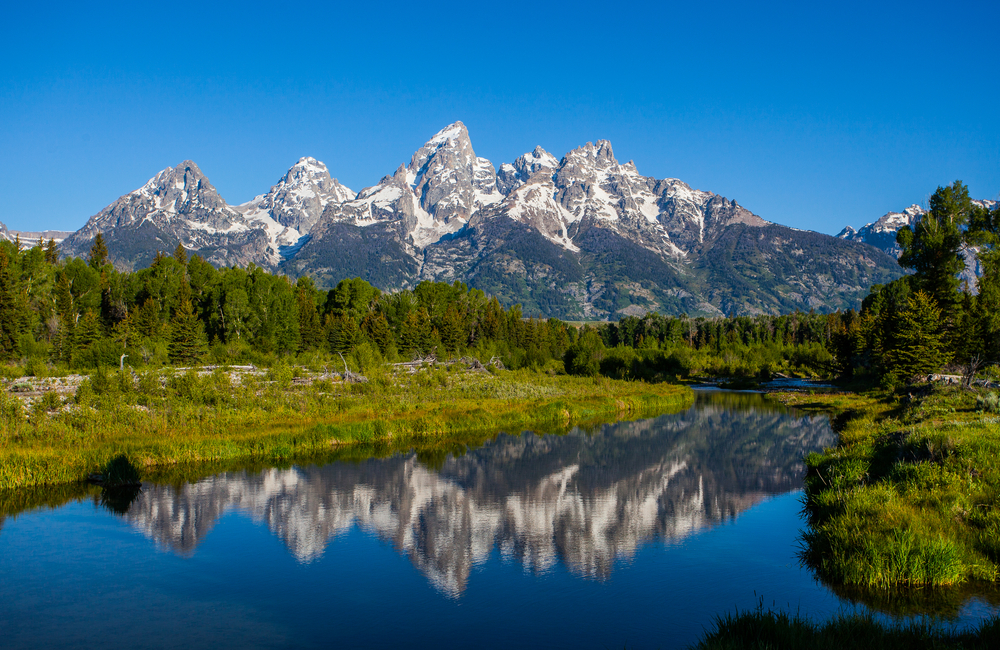
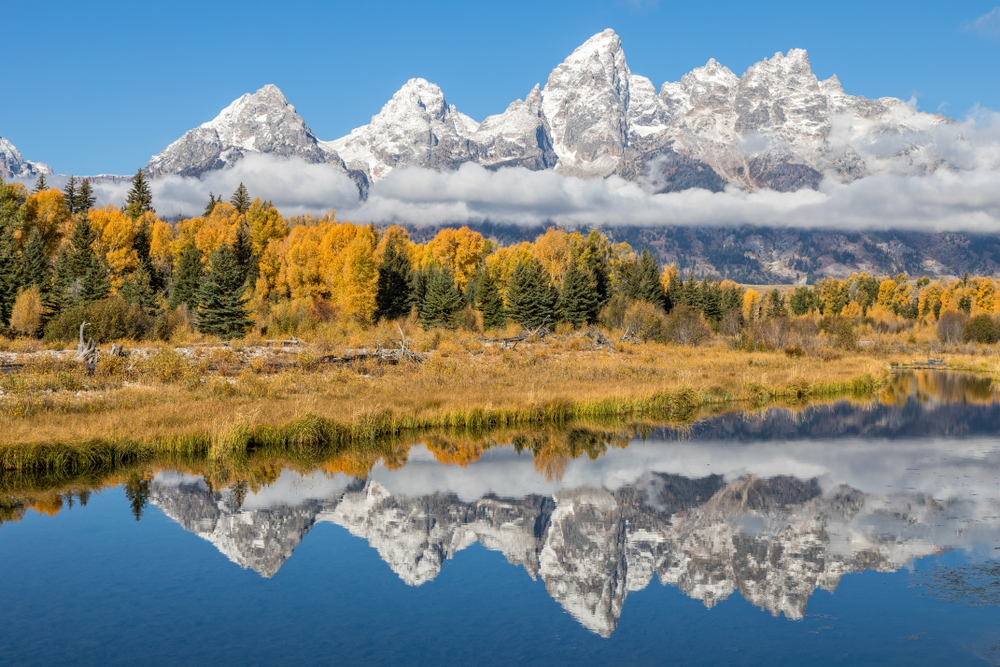
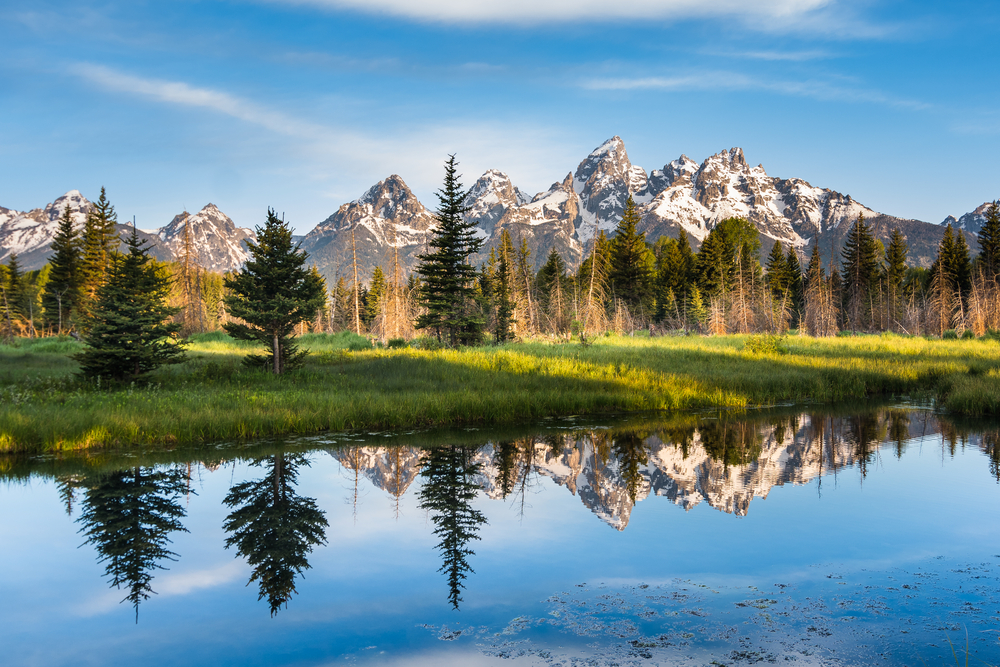
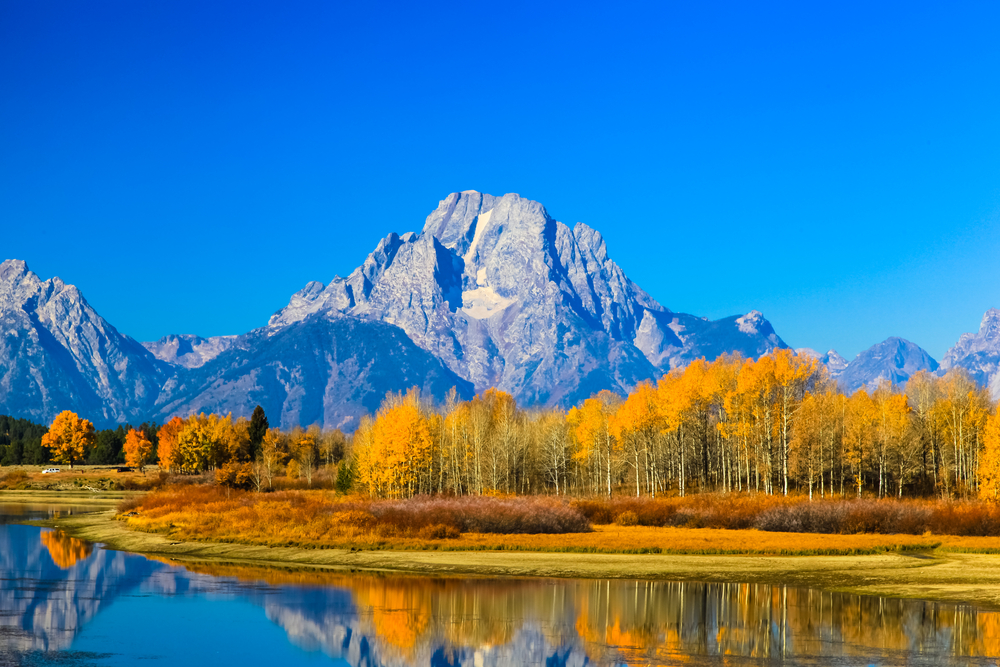
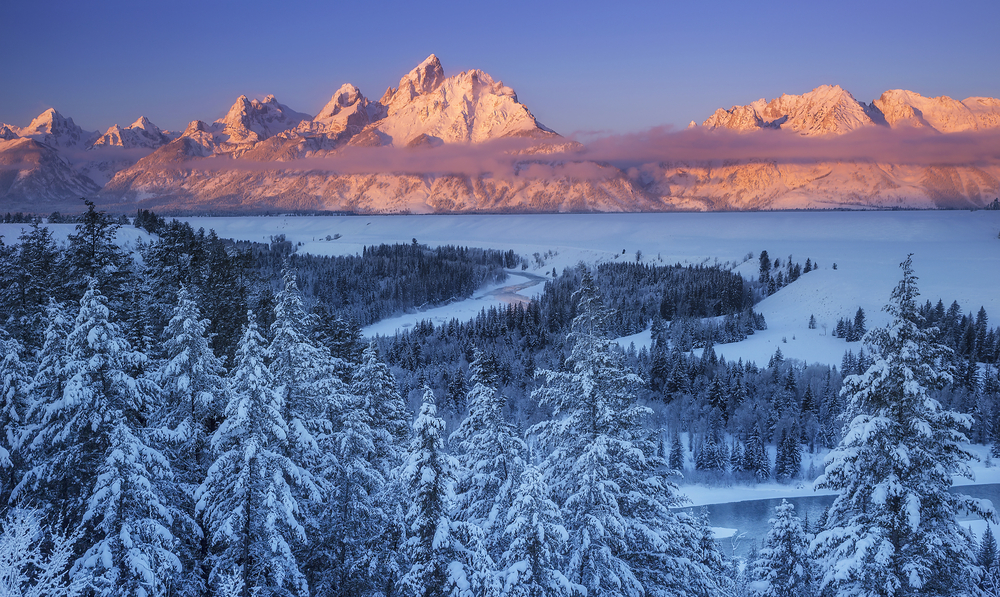
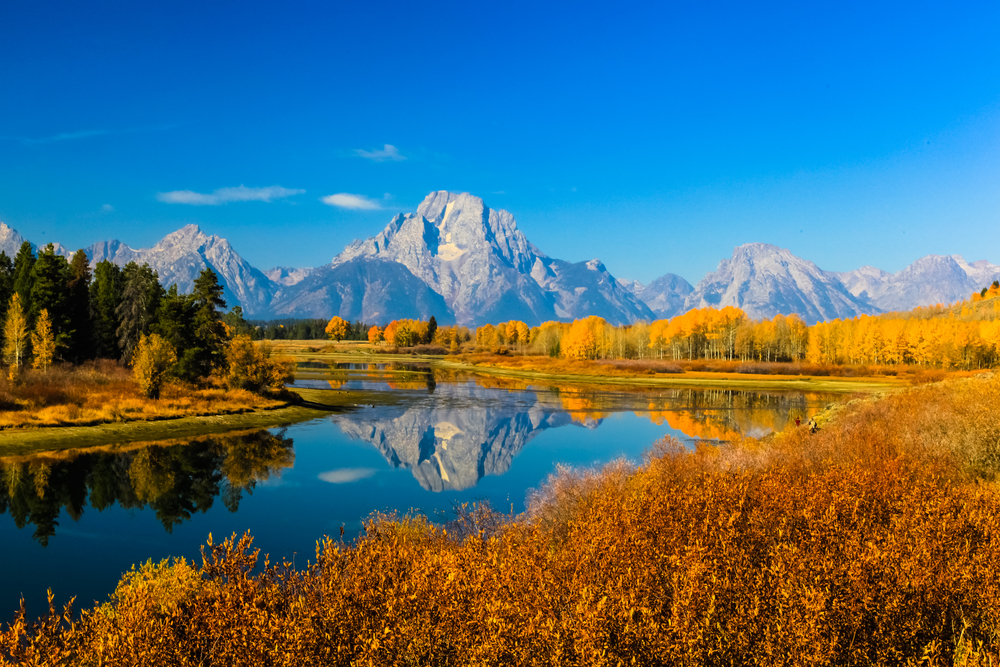
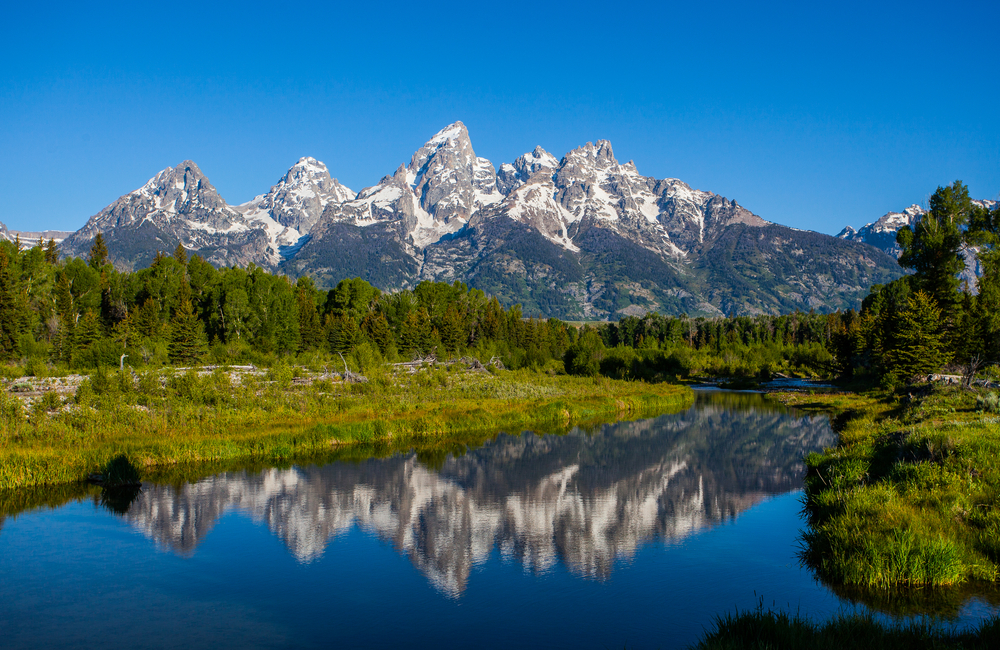
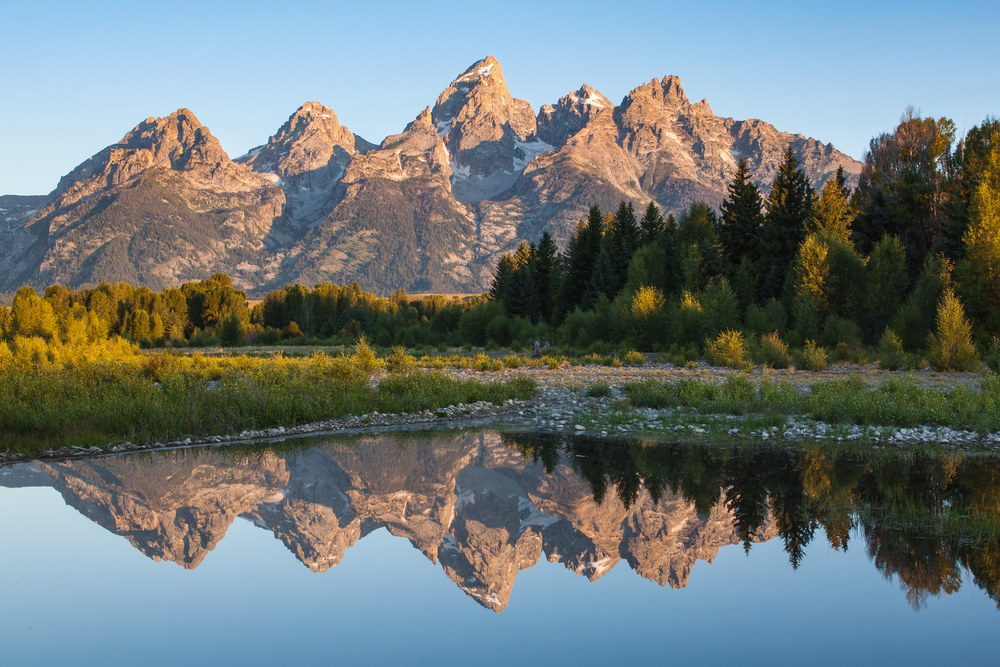
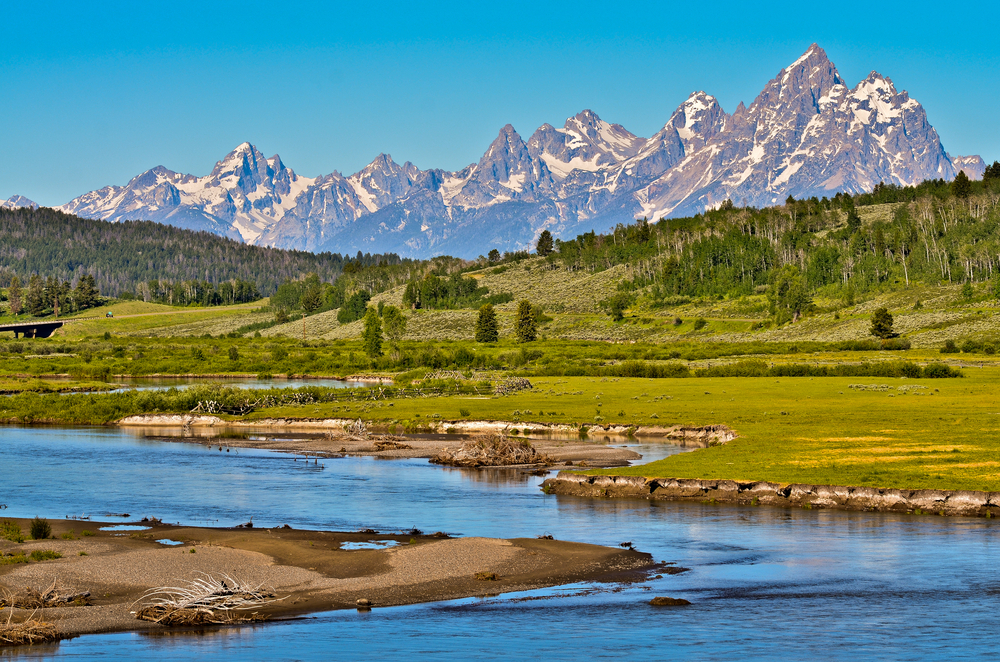
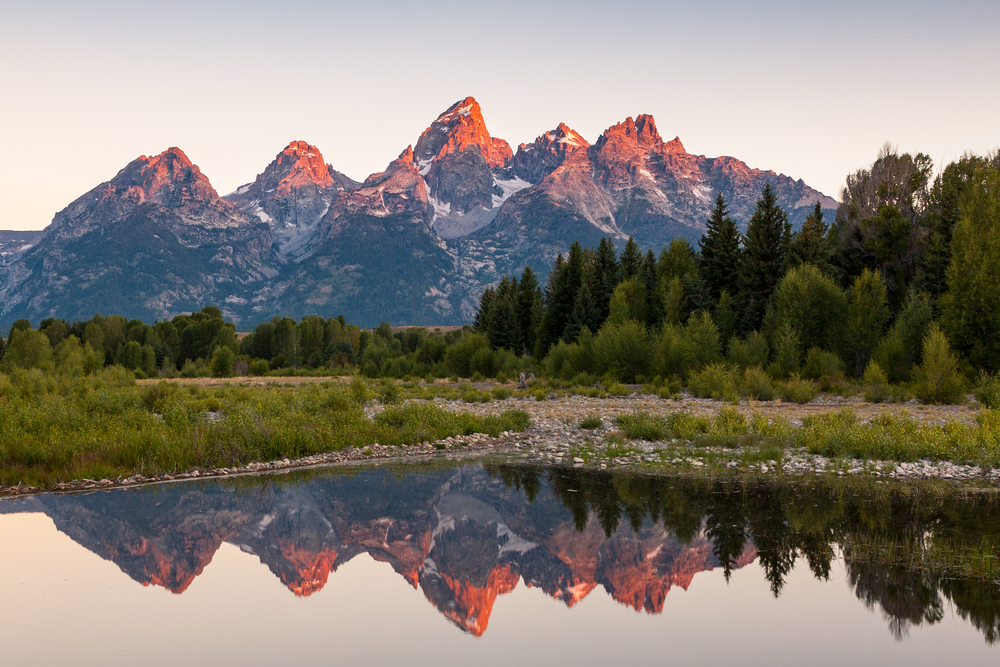
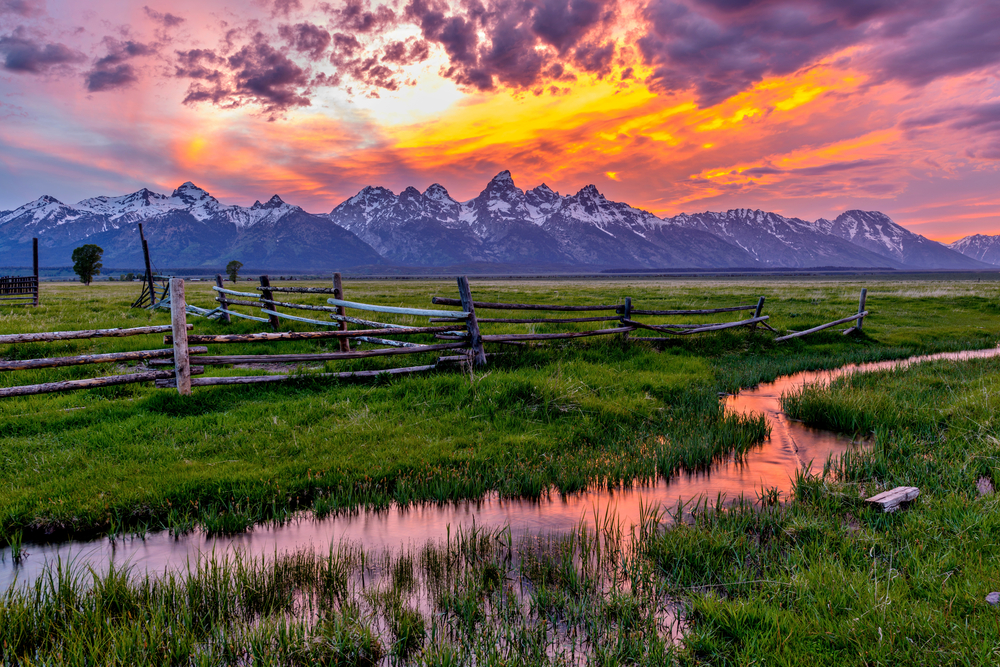
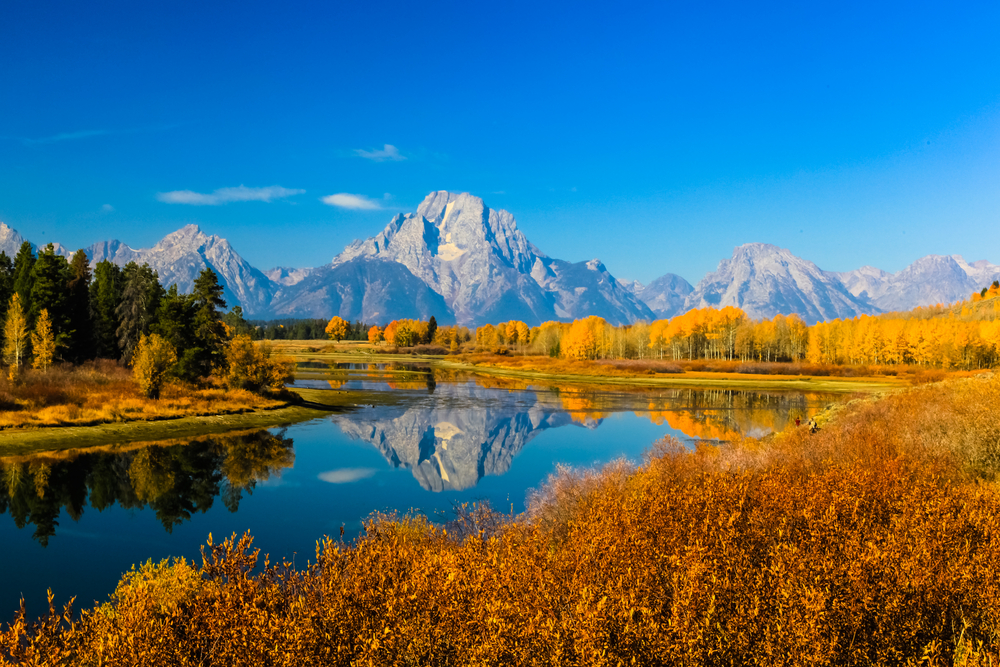
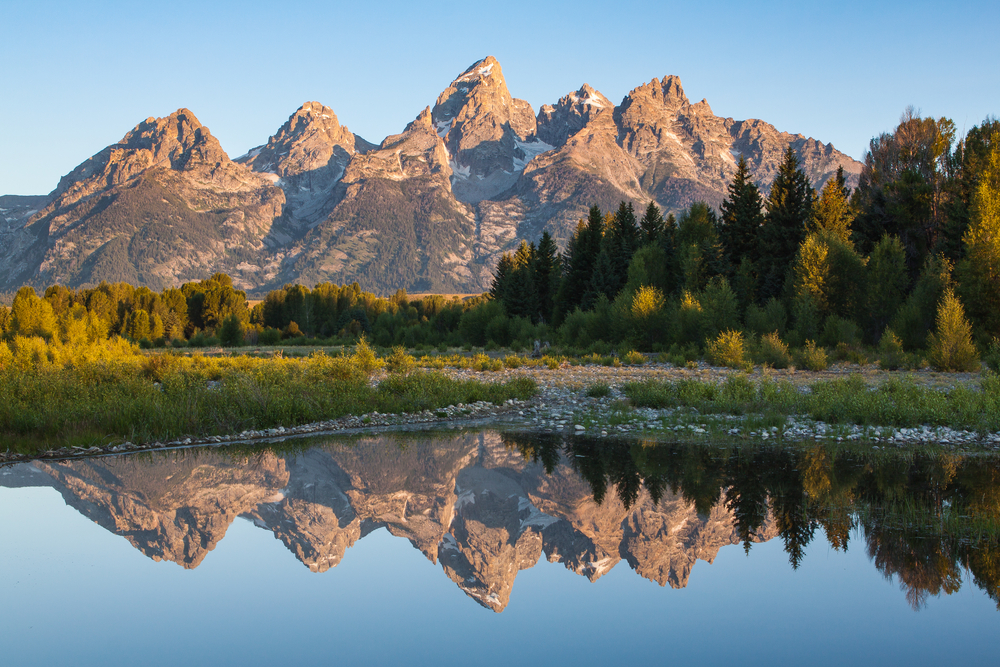
Grand Teton National Park is best known for the breathtaking Teton Range, a jagged mountain chain that rises abruptly from the valley floor without the foothills commonly found in many mountain systems. Visitors are immediately captivated by the dramatic skyline dominated by Grand Teton, which reaches 13,775 feet (4,199 meters).
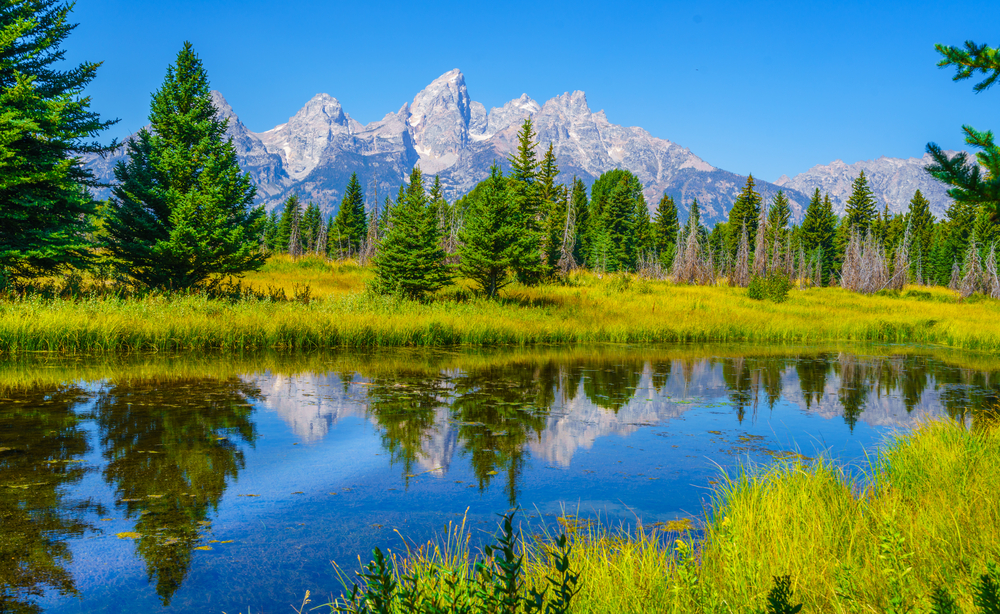
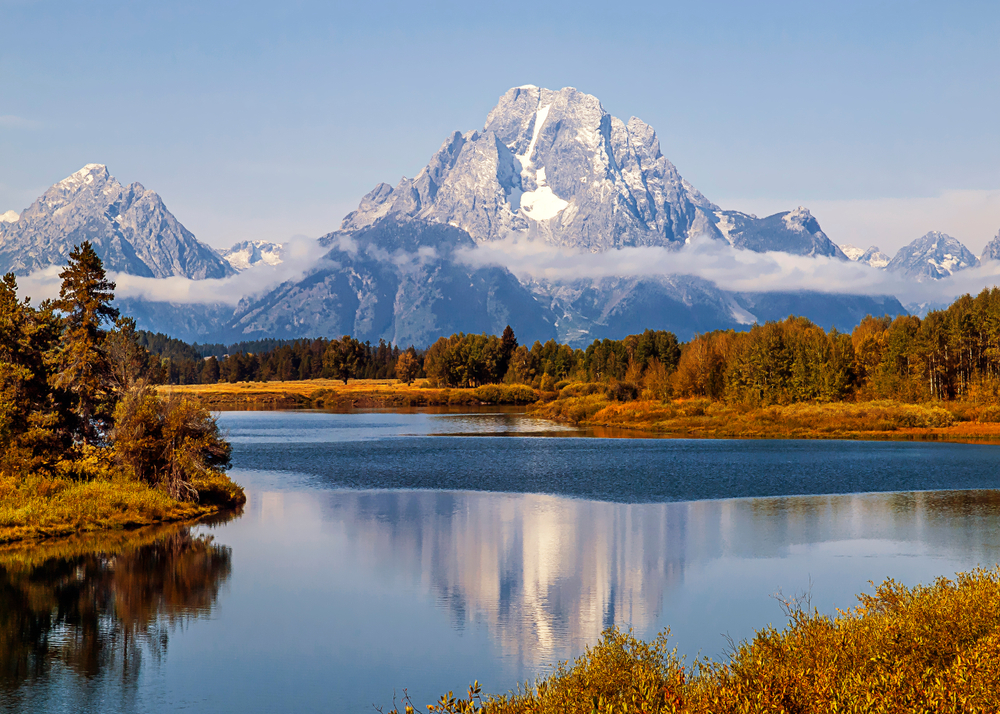
The park offers exceptional opportunities for hiking, mountaineering, boating, fishing, wildlife viewing, photography, camping, and scenic driving. Popular destinations include Jenny Lake, String Lake, Jackson Lake, Schwabacher Landing, and the Cascade Canyon Trail. The reflection of the Tetons in the park’s lakes and rivers has become one of the most photographed scenes in North America.
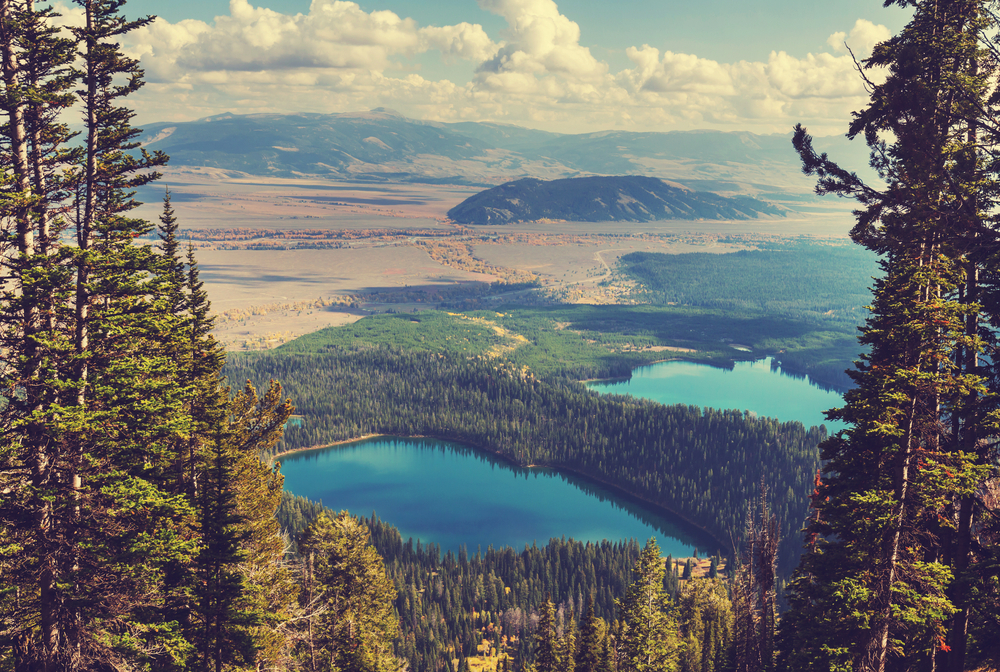
The geography of Grand Teton National Park reflects millions of years of tectonic activity and glaciation. The Teton Fault uplifted the mountains while allowing the adjacent Jackson Hole Valley to drop, creating one of the most dramatic elevation contrasts in the Rocky Mountains. Glaciers later sculpted the landscape, carving deep canyons, sharp peaks, alpine lakes, and broad valleys. Elevations range from approximately 6,300 feet (1,920 meters) in Jackson Hole to nearly 13,800 feet (4,206 meters) at the highest summits.
Vegetation varies with elevation and includes sagebrush flats, aspen groves, lodgepole pine forests, spruce-fir woodlands, alpine meadows, and tundra habitats. The Snake River winds through the valley, supporting wetlands and riparian ecosystems that contribute to the park’s remarkable biodiversity.
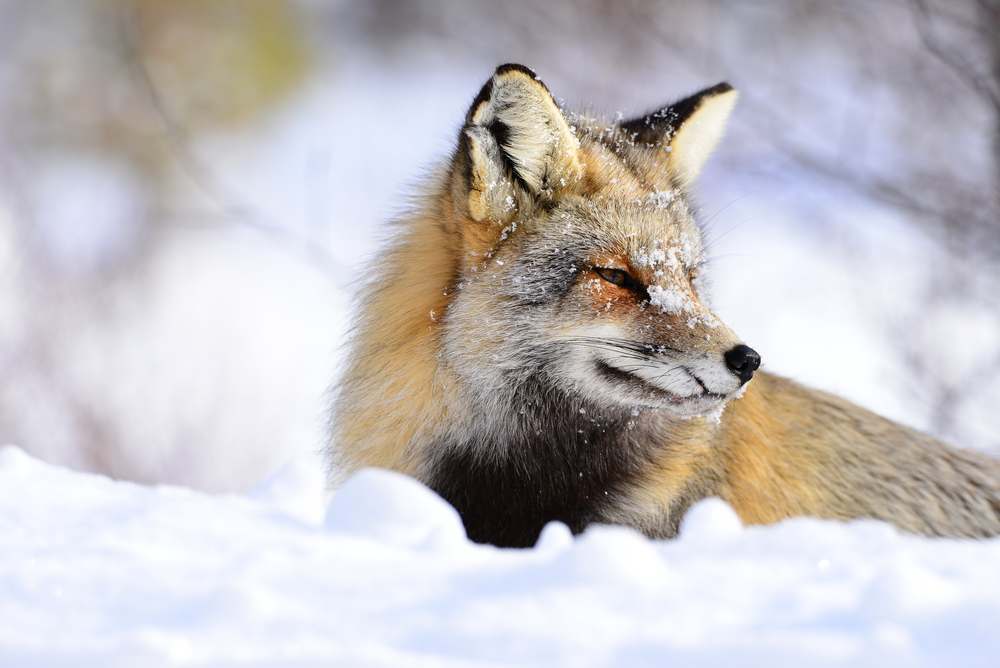
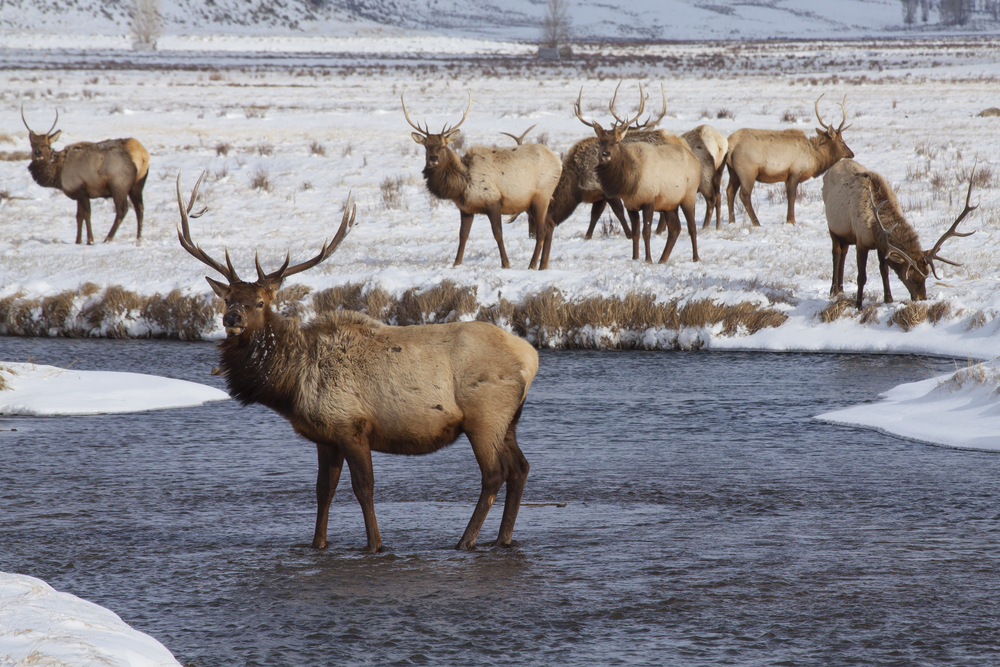
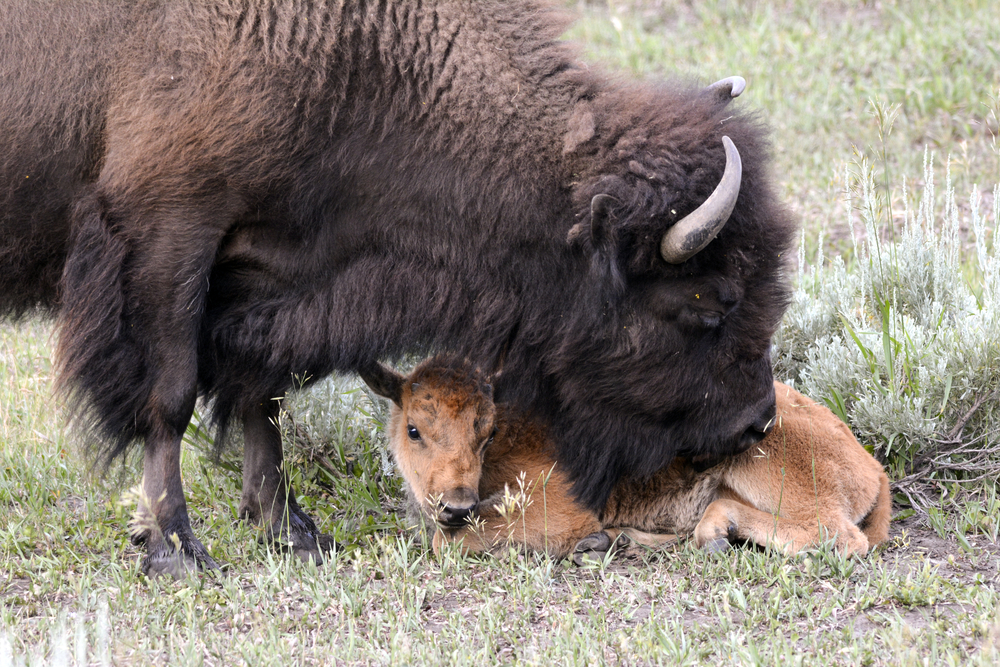
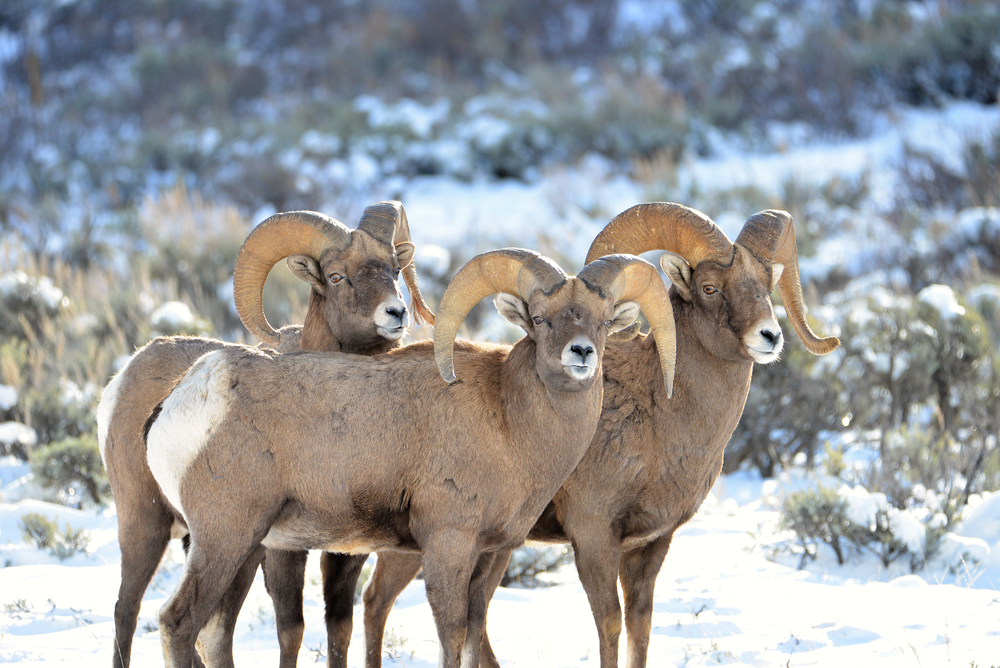
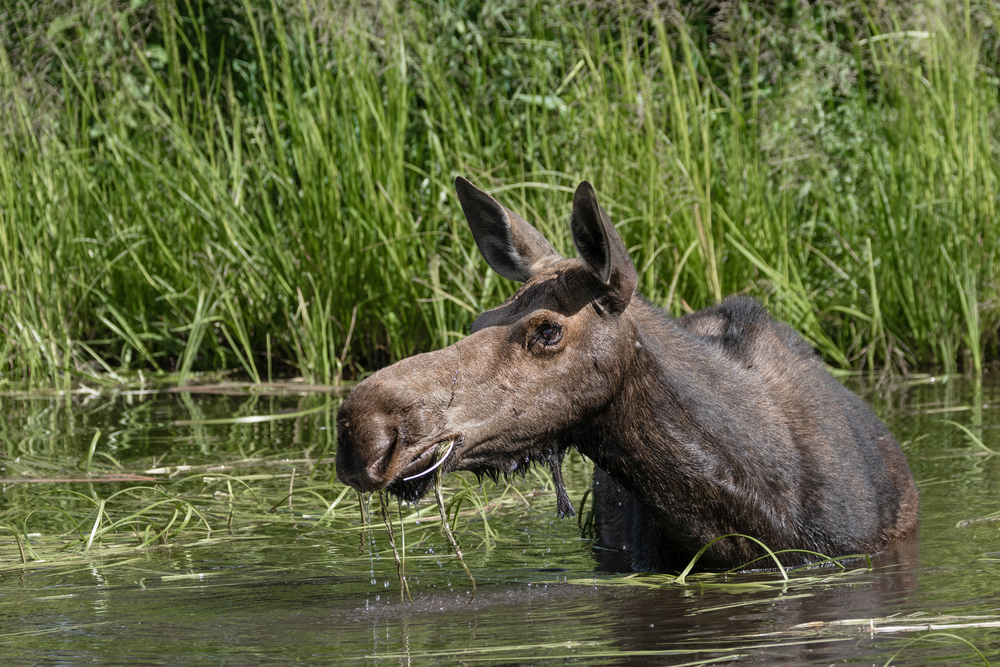
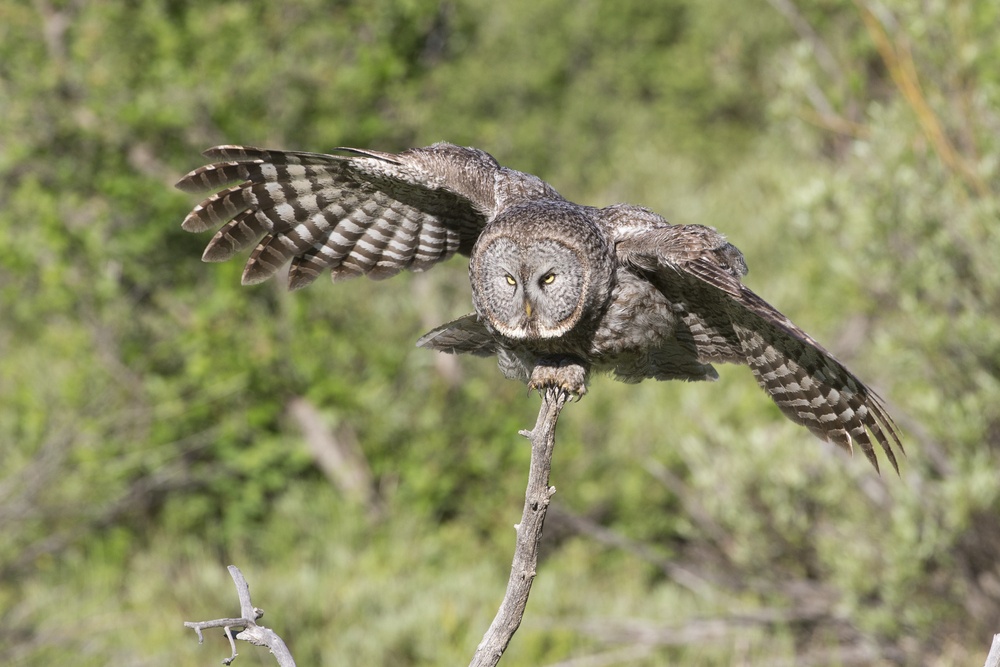
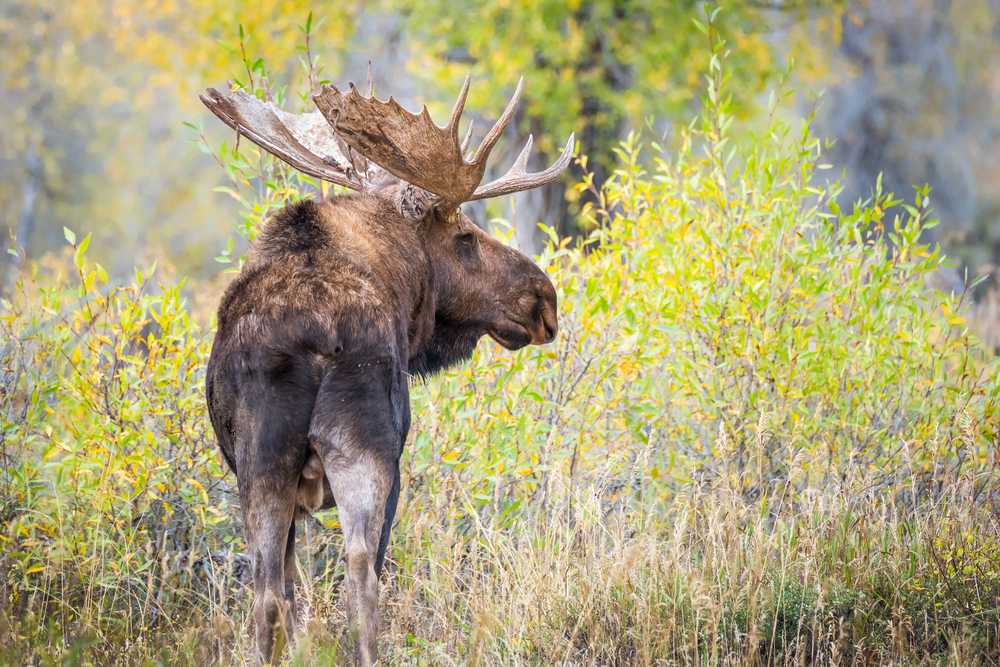
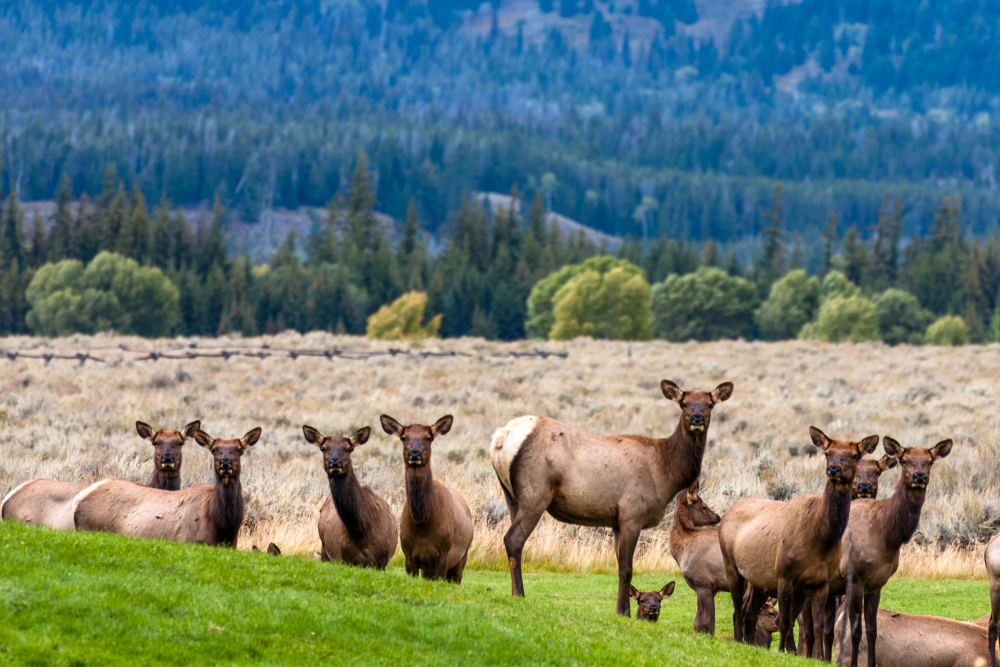
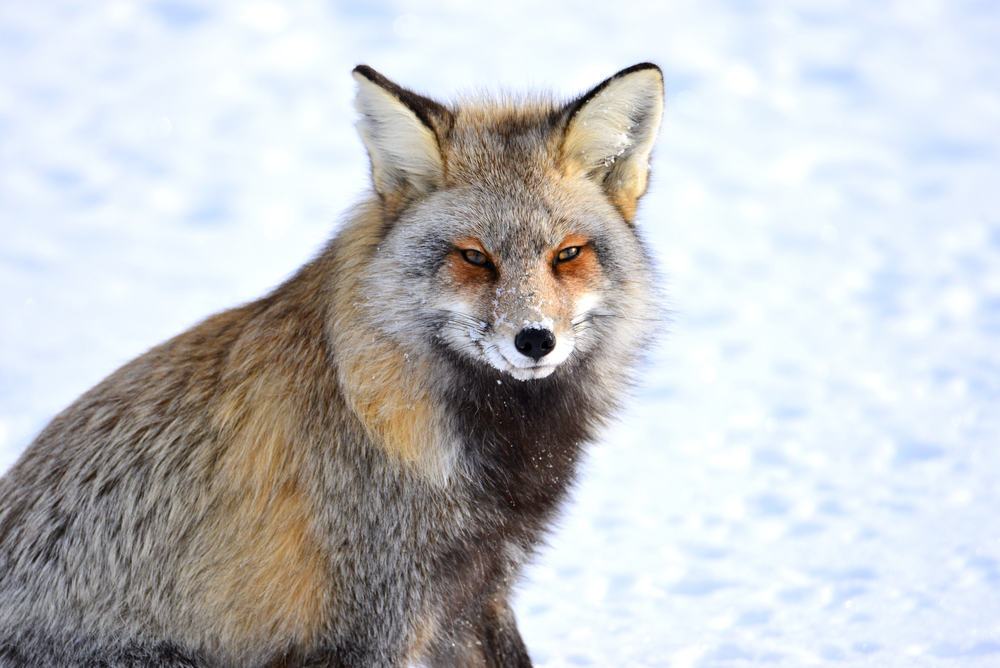
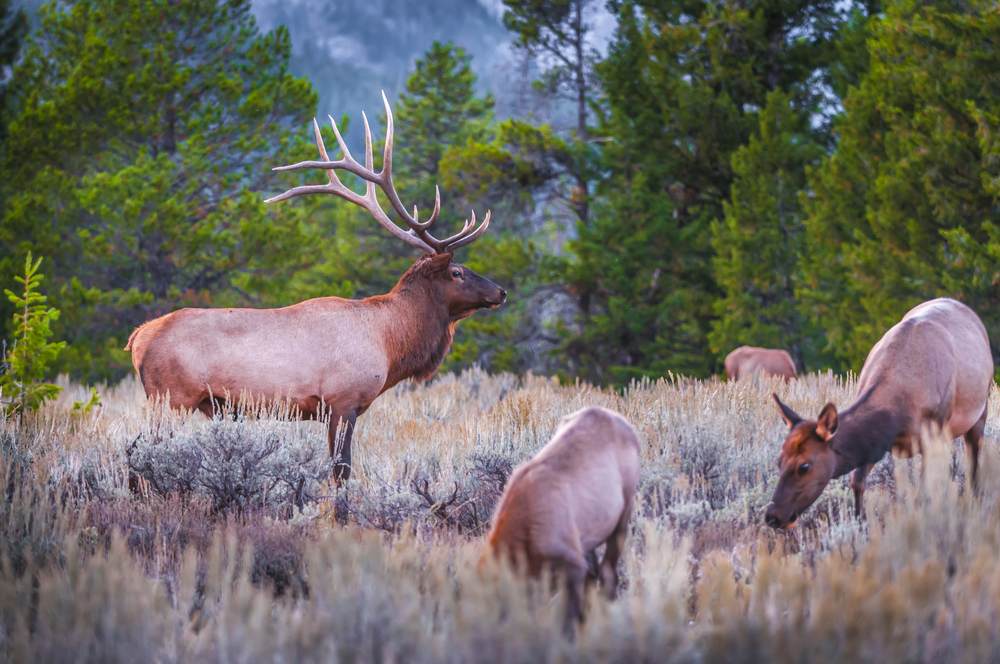
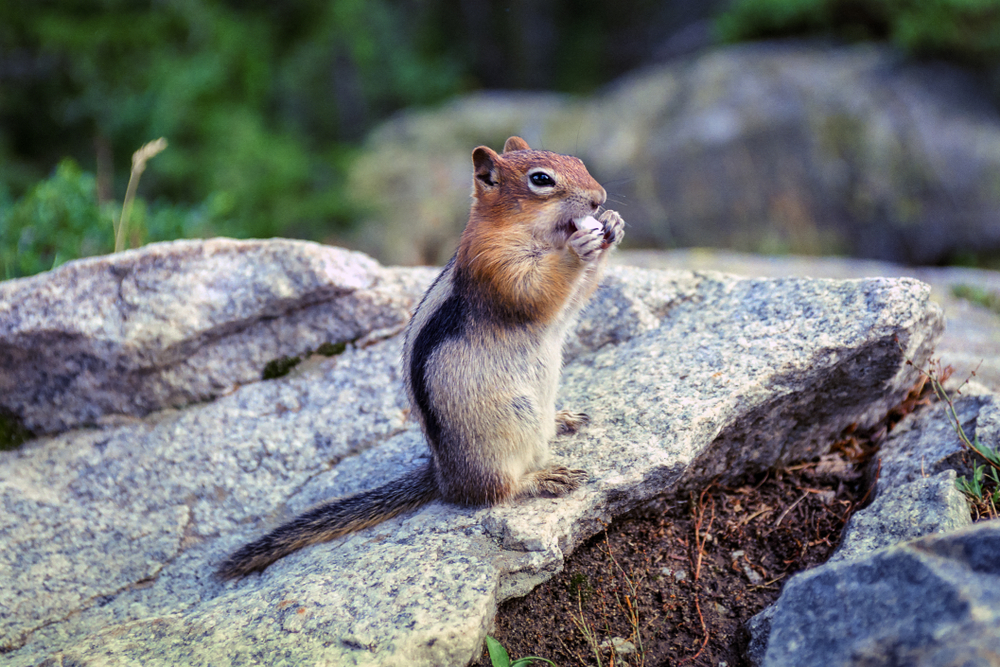
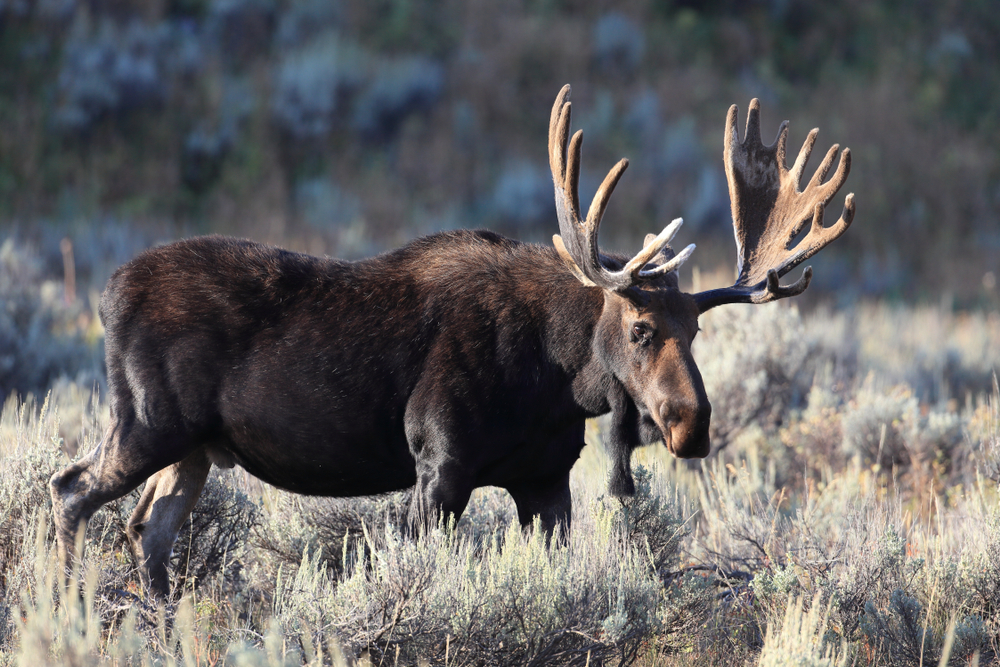
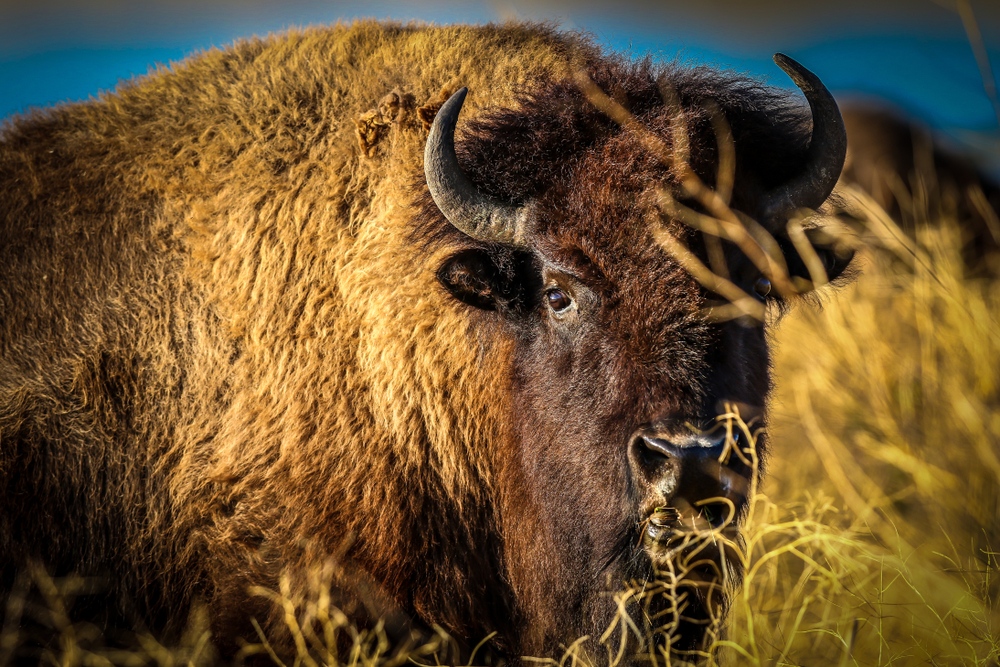
Wildlife within Grand Teton National Park is among the most impressive in the United States. Large mammals include elk, moose, bison, pronghorn, mule deer, black bears, grizzly bears, wolves, coyotes, and mountain lions. The park forms a critical part of the Greater Yellowstone Ecosystem, allowing wide-ranging species to move across a vast protected landscape.
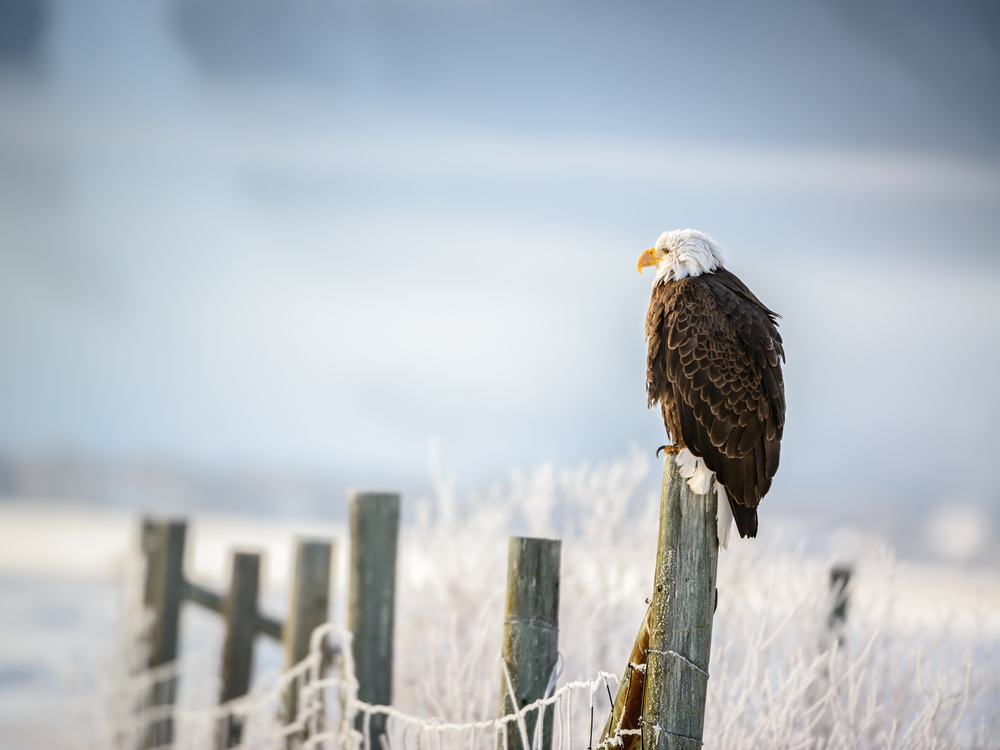
Birdlife is equally diverse, with bald eagles, golden eagles, trumpeter swans, sandhill cranes, ospreys, and peregrine falcons commonly observed. Rivers, lakes, and wetlands support native fish populations and numerous aquatic species. The abundance and visibility of wildlife make the park one of North America’s premier wildlife-viewing destinations.
Grand Teton National Park plays a vital role in conserving the natural heritage of the Rocky Mountains and protecting critical habitat for many iconic North American species. The park safeguards mountain ecosystems, migration corridors, wetlands, and watersheds that support biodiversity across the region. Conservation efforts focus on maintaining ecological connectivity with Yellowstone and preserving natural processes that have shaped the landscape for millennia.
Grand Teton is often compared to Banff National Park and Rocky Mountain National Park because of its spectacular mountain scenery and wildlife. Yet its sharply rising peaks, glacier-carved valleys, and intimate relationship with Yellowstone create a character all its own. Today, Grand Teton National Park remains one of America’s most treasured landscapes, preserving a magnificent wilderness where mountains, rivers, wildlife, and natural beauty continue to inspire visitors from around the world.
Photos
Things to See
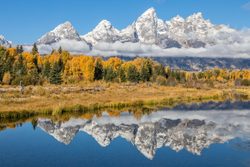 Grand Teton
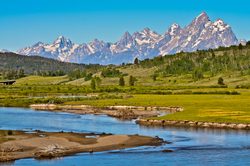 Snake River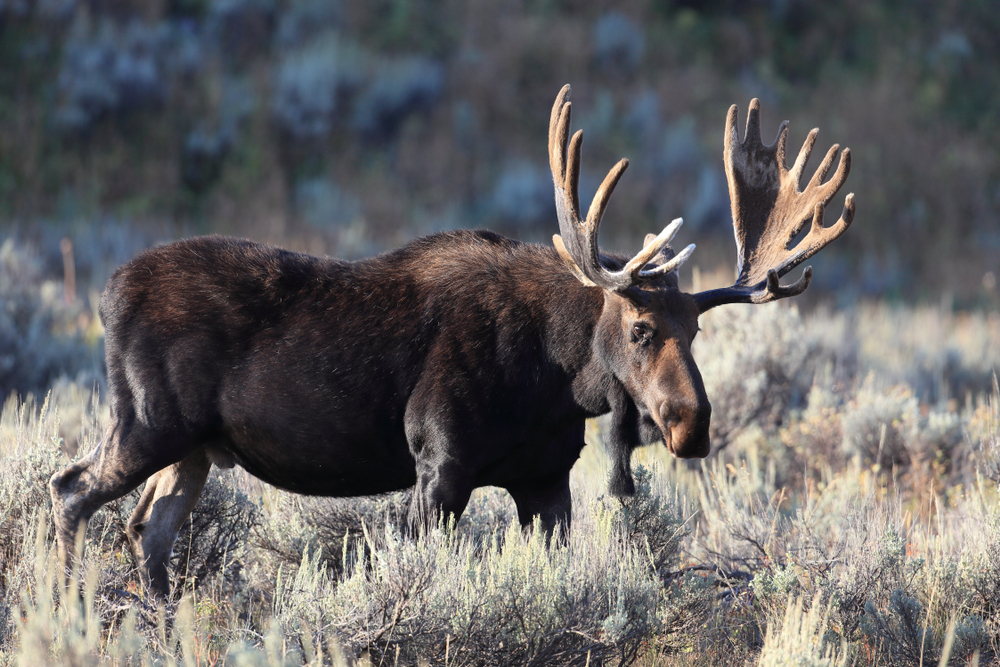
Things To Do
Engaging Grand Teton National Park
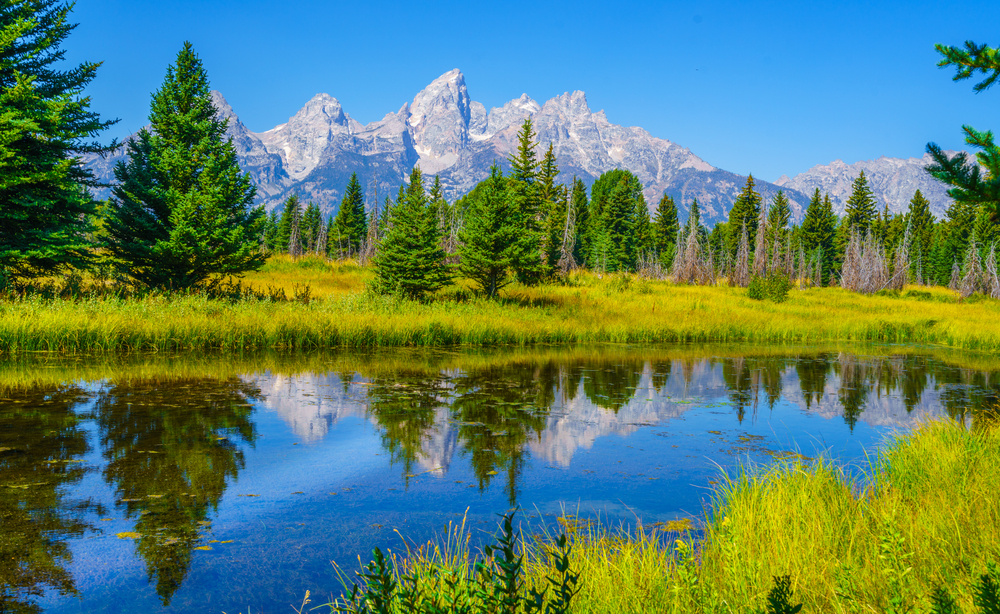
Grand Teton National Park Trails
There Tetons have over 200 miles (320 km) of hiking trails with trails that range from easy to difficult providing something for everyone.

FAQ’s
What is Grand Teton National Park known for?
Grand Teton National Park is renowned for its majestic mountain range, which towers over pristine alpine lakes and verdant valleys.
The park’s iconic peaks, including the towering Grand Teton itself, offer breathtaking vistas and unparalleled opportunities for outdoor recreation.
Visitors flock to Grand Teton to hike scenic trails, paddle tranquil waters, and marvel at abundant wildlife. The park’s rich biodiversity, from grizzly bears to bald eagles, attracts nature enthusiasts and photographers alike.
Additionally, Grand Teton’s vibrant cultural history, including Native American heritage and pioneering settlers, adds depth to its allure.
Whether you’re seeking adventure in the rugged backcountry or simply yearning for solace amid spectacular scenery, Grand Teton National Park offers an unforgettable experience in the heart of the American West.
What is Grand Teton National Park known for?
Grand Teton National Park is renowned for its majestic mountain range, which towers over pristine alpine lakes and verdant valleys.
The park’s iconic peaks, including the towering Grand Teton itself, offer breathtaking vistas and unparalleled opportunities for outdoor recreation.
Visitors flock to Grand Teton to hike scenic trails, paddle tranquil waters, and marvel at abundant wildlife. The park’s rich biodiversity, from grizzly bears to bald eagles, attracts nature enthusiasts and photographers alike.
Additionally, Grand Teton’s vibrant cultural history, including Native American heritage and pioneering settlers, adds depth to its allure.
Whether you’re seeking adventure in the rugged backcountry or simply yearning for solace amid spectacular scenery, Grand Teton National Park offers an unforgettable experience in the heart of the American West.
Sources
- All Trails, Best Trails in Grand Teton National Park, https://www.alltrails.com/parks/us/wyoming/grand-teton-national-park, retrieved June 2020.
- Britannica, Grand Teton National Park, https://www.britannica.com/place/Grand-Teton-National-Park, retrieved June 2020.
- Jackson Hole, Grand Teton National Park, https://www.jacksonholewy.com/national-parks/grand-teton-national-park/, retrieved June 2020.
- National Geographic, Complete National Parks of the United States, National Geographic Publishing, Washington DC.
- National Geographic, Guide to the National Parks of the United States, National Geographic Society, 2003.
- National Geographic, National Parks of North America, Canada-United States-Mexico, National Geographic Society, 1995.
- National Park Service, Grand Teton, https://www.nps.gov/grte/index.htm, retrieved June 2020.
- Recreation.gov, Grand Teton National Park, https://www.recreation.gov/camping/gateways/13525, retrieved June 2020.
- US News, Grand Teton National Park Travel Guide, https://travel.usnews.com/Grand_Teton_National_Park_WY/, retrieved June 2020.