About

Wrangell–St. Elias National Park and Preserve is located in southeastern Alaska in the United States near the border with Canada’s Yukon Territory. Covering approximately 20,625 square miles (53,321 sq km), it is the largest national park in the United States and one of the largest protected areas in the world.

Established in 1980 through the Alaska National Interest Lands Conservation Act, the park protects an immense wilderness of mountains, glaciers, rivers, volcanoes, forests, and tundra. Together with neighboring Canadian protected areas, including Kluane National Park and Reserve, Tatshenshini-Alsek Provincial Park, and Glacier Bay National Park and Preserve, it forms part of the UNESCO-designated Kluane / Wrangell–St. Elias / Glacier Bay / Tatshenshini-Alsek World Heritage Site. The park’s sheer scale exceeds that of several U.S. states and makes it one of the most remarkable wilderness areas on Earth.

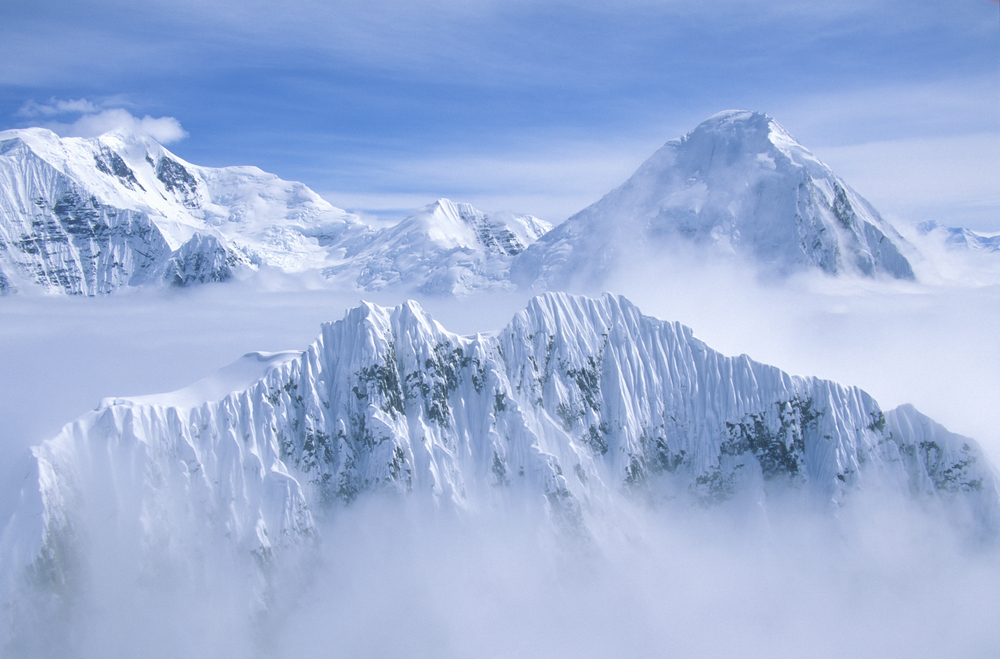
Wrangell–St. Elias National Park and Preserve is best known for its immense mountain ranges, active volcanoes, and vast glacier systems. Visitors are drawn to a landscape that contains nine of the sixteen highest peaks in the United States, including Mount Saint Elias, which rises to 18,008 feet (5,489 meters). The park offers extraordinary opportunities for mountaineering, backpacking, wildlife viewing, rafting, flightseeing, photography, and exploration of remote wilderness.

Unlike many national parks that concentrate visitors in developed areas, Wrangell–St. Elias National Park remains largely wild and undeveloped, providing an experience of true frontier Alaska. Historic mining communities such as Kennecott Mines National Historic Landmark add a fascinating cultural dimension to the park’s natural wonders.

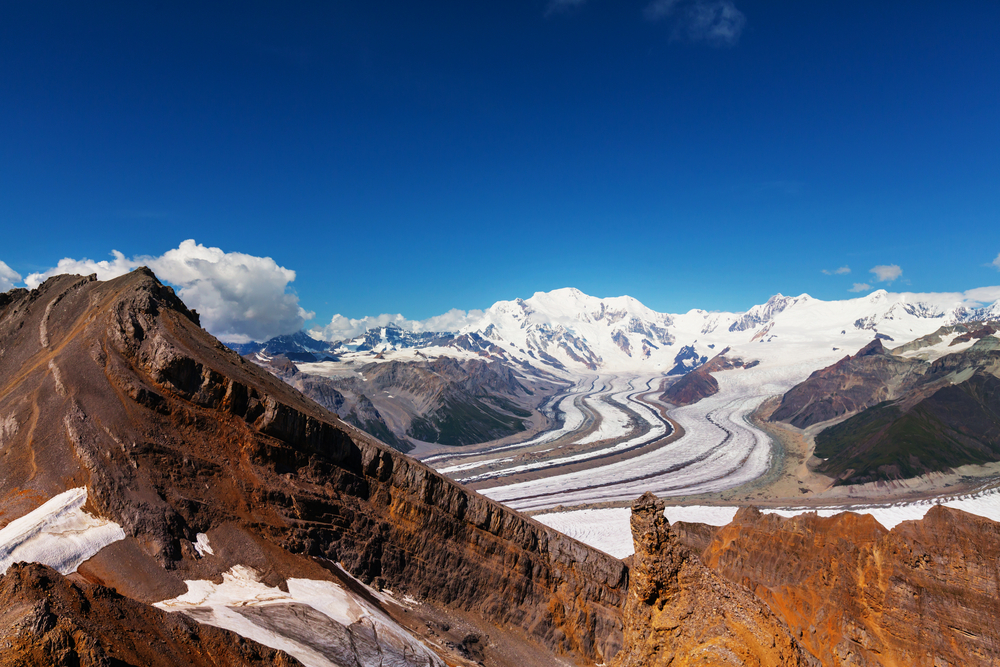
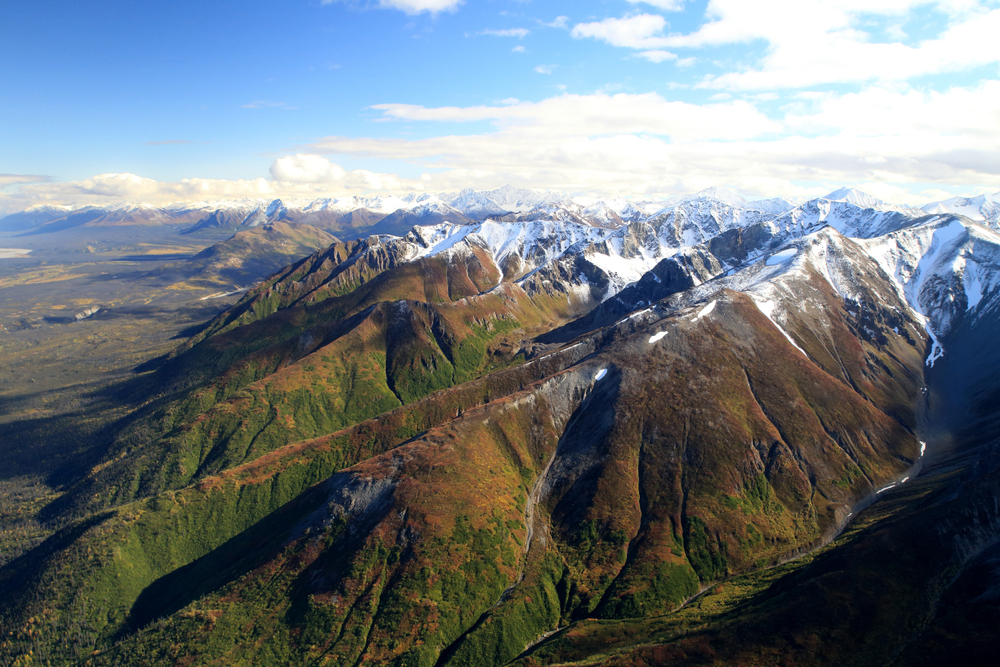
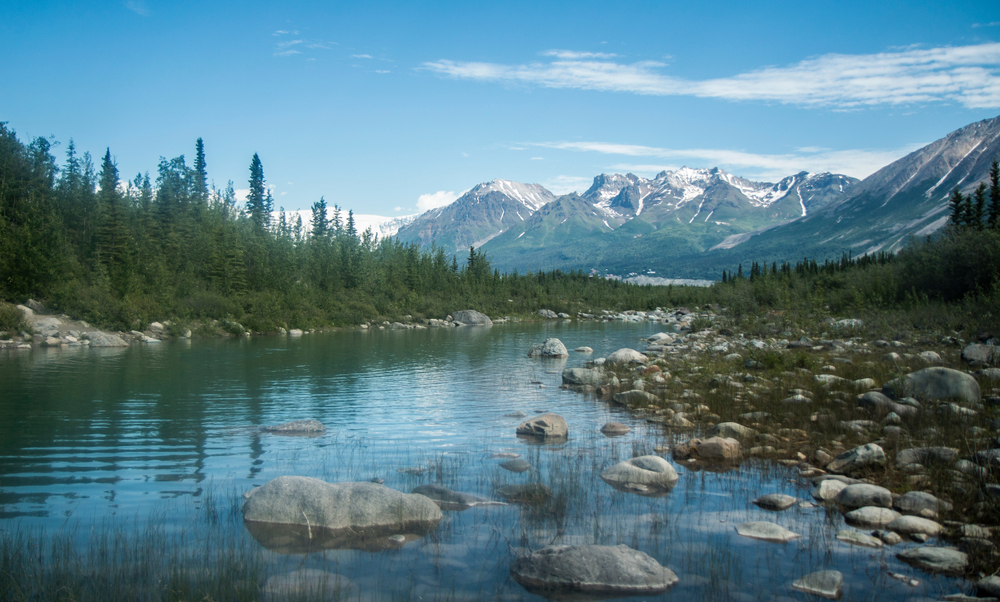
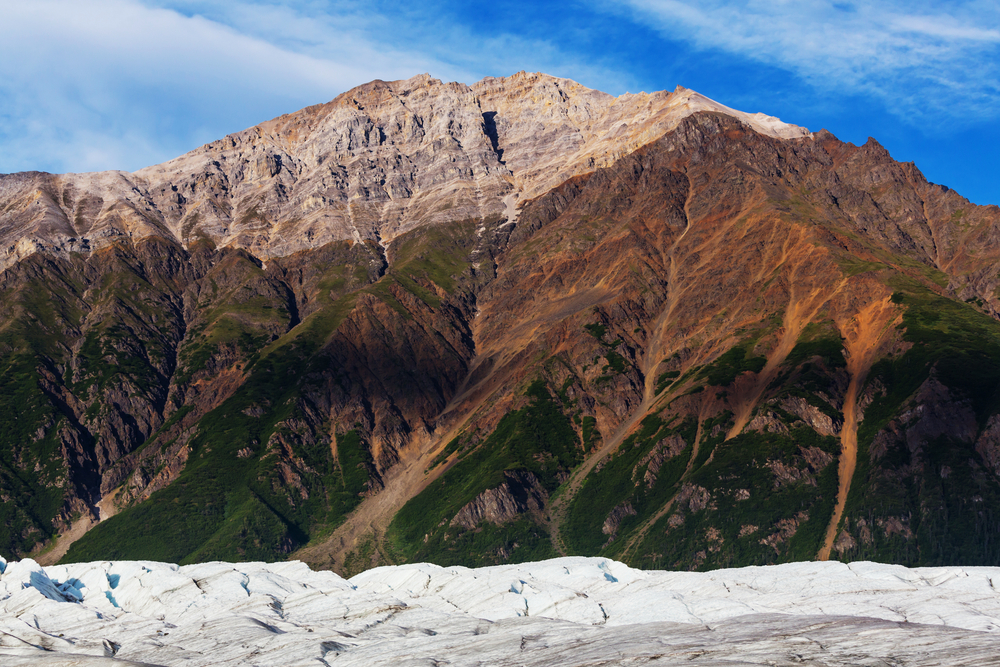
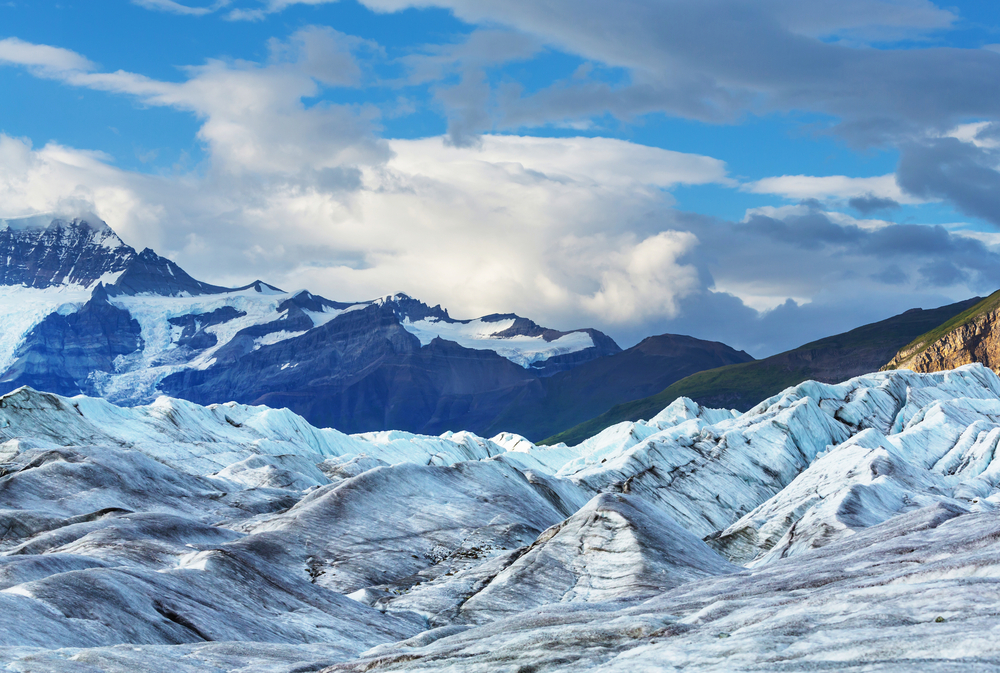
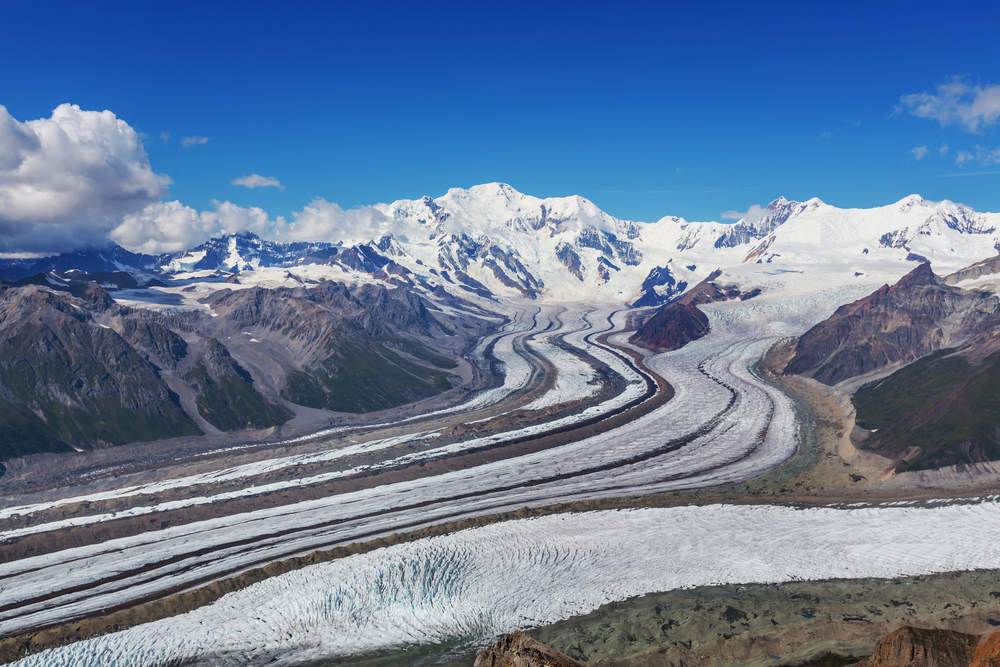
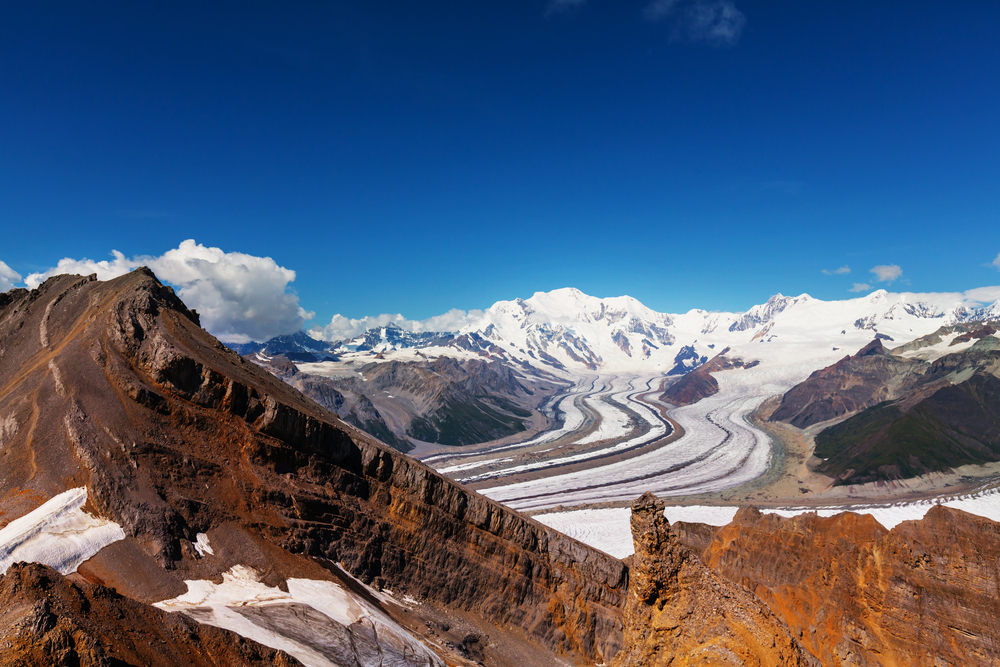
The geography of Wrangell–St. Elias National Park and Preserve is among the most dramatic on the planet. The park encompasses four major mountain ranges: the Wrangell Mountains, Saint Elias Mountains, Chugach Mountains, and portions of the Alaska Range. Massive glaciers dominate the landscape, including the Malaspina Glacier, one of the largest piedmont glaciers in North America. Several volcanoes, including Mount Wrangell, remain geologically active.

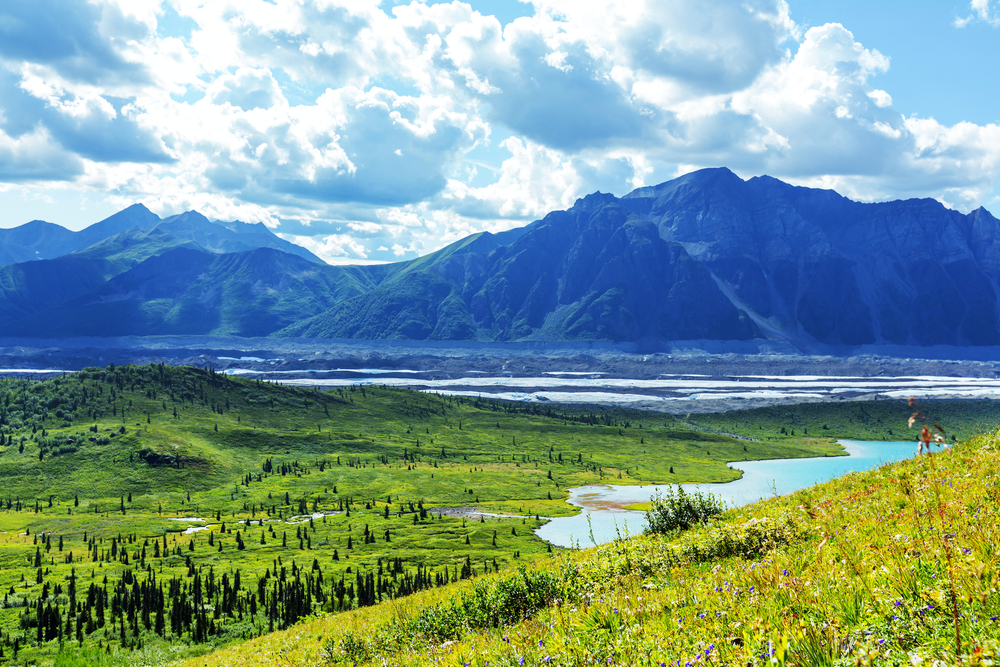
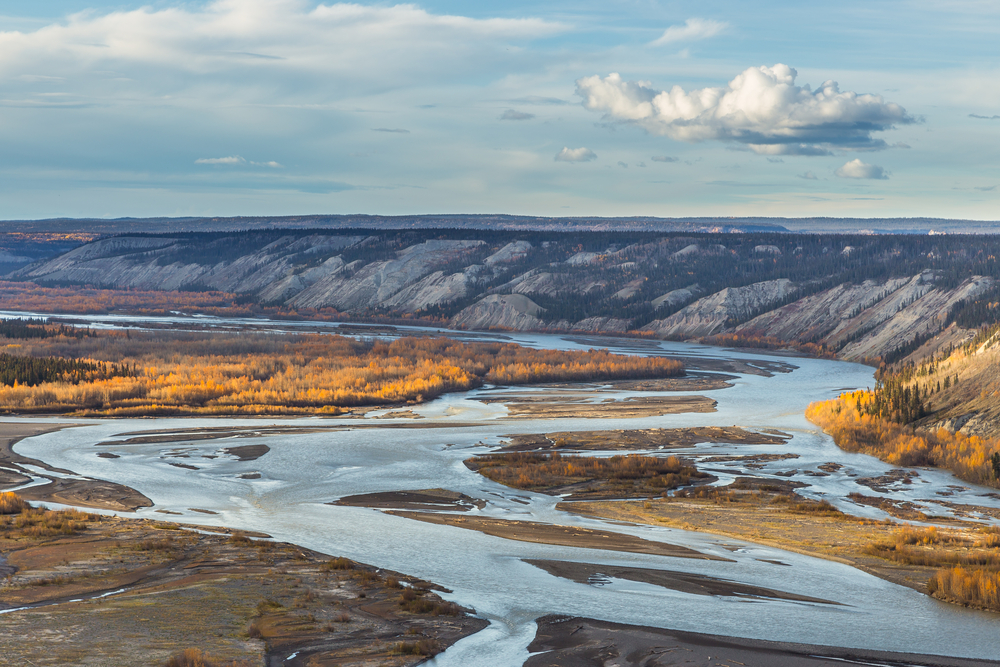
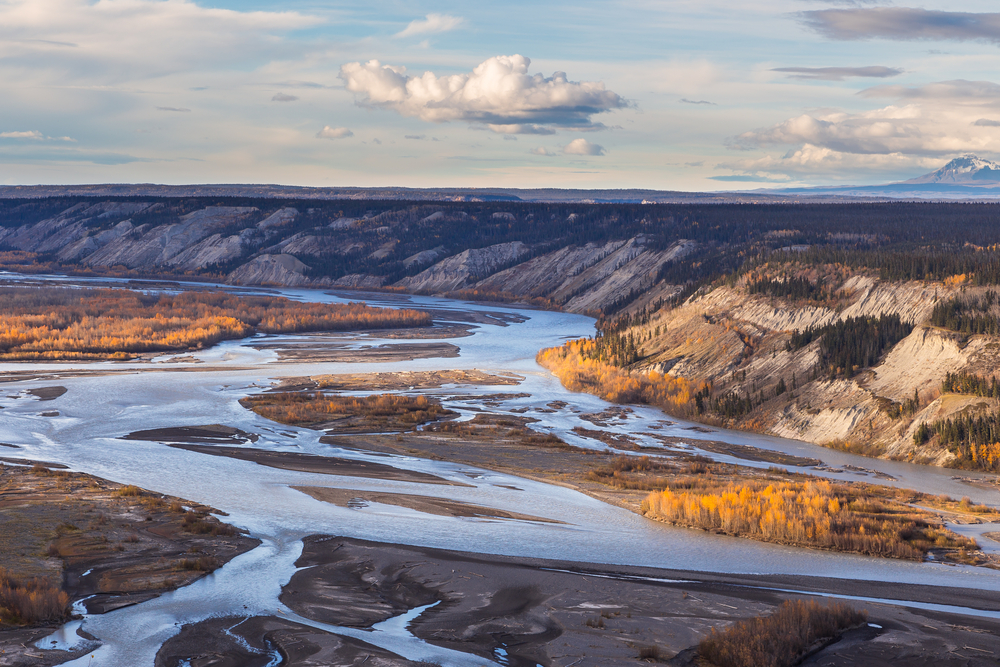
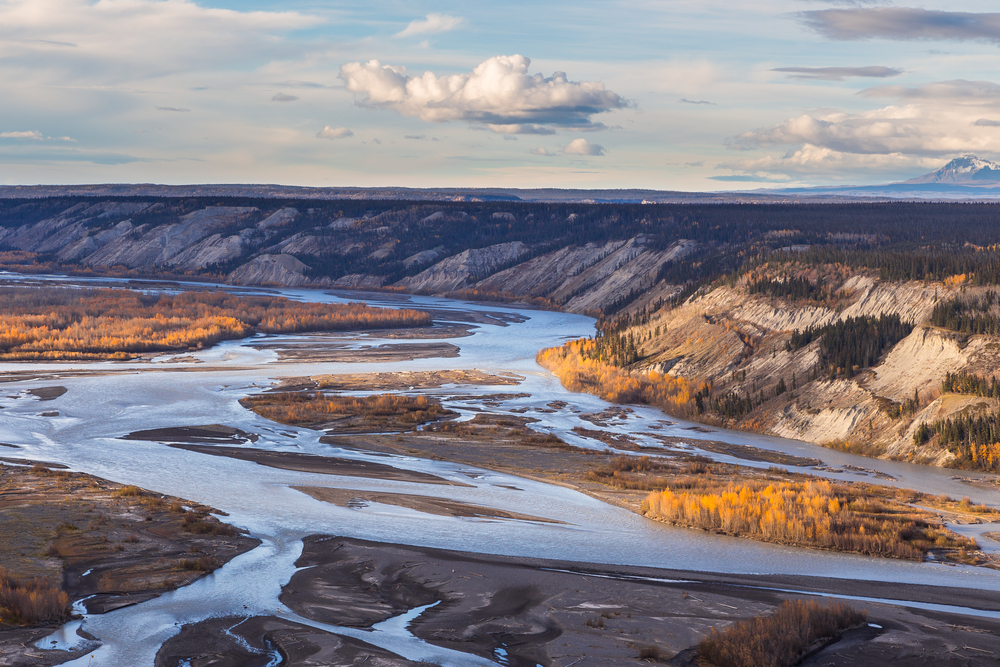
Rivers originating from glaciers carve broad valleys through the mountains, while forests, tundra, wetlands, and alpine environments create a remarkable diversity of habitats. The interaction of mountains, ice, and climate has shaped one of the most spectacular wilderness landscapes in North America.

Wildlife within Wrangell–St. Elias National Park and Preserve thrives across its vast and varied ecosystems. Large mammals include grizzly bears, black bears, moose, Dall sheep, mountain goats, wolves, wolverines, lynx, and caribou. The park supports some of Alaska’s most important wildlife populations due to its size and ecological integrity.

Birdlife is equally impressive, with bald eagles, golden eagles, trumpeter swans, ptarmigan, gyrfalcons, and numerous migratory species inhabiting the region. Salmon-filled rivers support aquatic ecosystems that sustain bears, birds, and countless other species. The diversity of habitats allows wildlife to flourish across one of the most intact ecosystems remaining in North America.

Wrangell–St. Elias National Park and Preserve plays a critical role in conserving one of the largest wilderness ecosystems on Earth. The park protects vast glacier systems, active volcanic landscapes, critical wildlife habitats, and cultural resources that reflect Alaska’s rich mining and Indigenous heritage. Its conservation significance is often compared to Denali National Park and Preserve and Yellowstone National Park because of its ecological importance and global recognition.

However, Wrangell–St. Elias surpasses nearly all protected areas in North America in terms of size, wilderness character, and geological diversity. Today, it remains one of the world’s greatest natural treasures, preserving an awe-inspiring landscape where mountains, glaciers, wildlife, and history coexist on a truly monumental scale.

Things to See

This is the largest national park and isolated wilderness area in the United States.  The park is blanketed with picturesque landscapes and astounding mountain backdrops.  Half of the 70 tallest mountains in Alaska are located in the park.

Mount St. Elias

Mount St. Elias is the tallest mountain in the park with a summit of 18,008 feet (5,489 m).  This makes it the second tallest mountain in both Canada and the United States.  It is accompanied by 8 other mountains that are within the 16 highest mountains in the country.

Mount Sanford

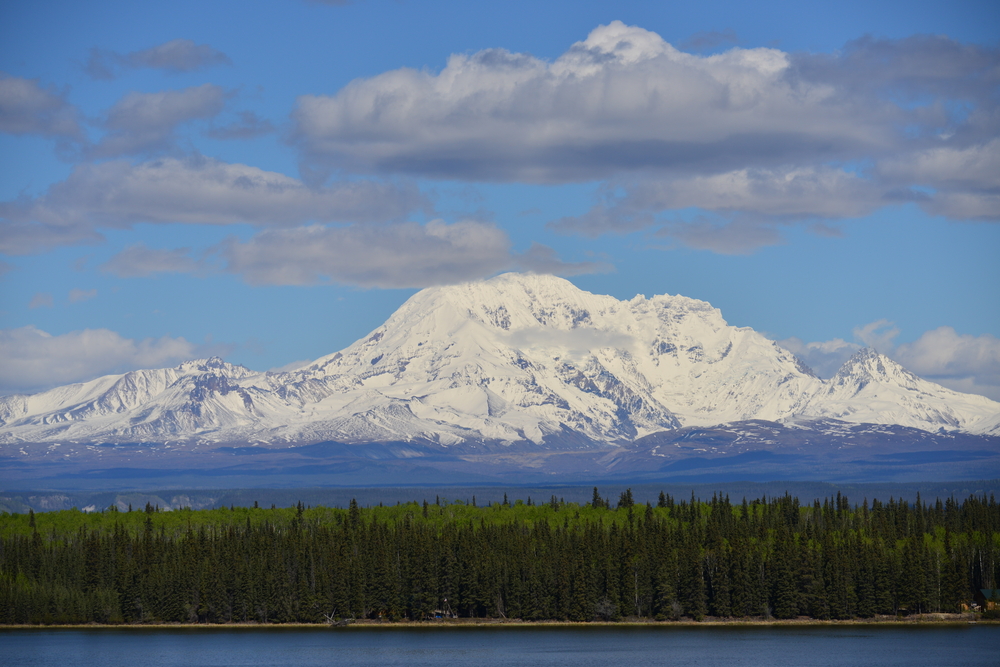
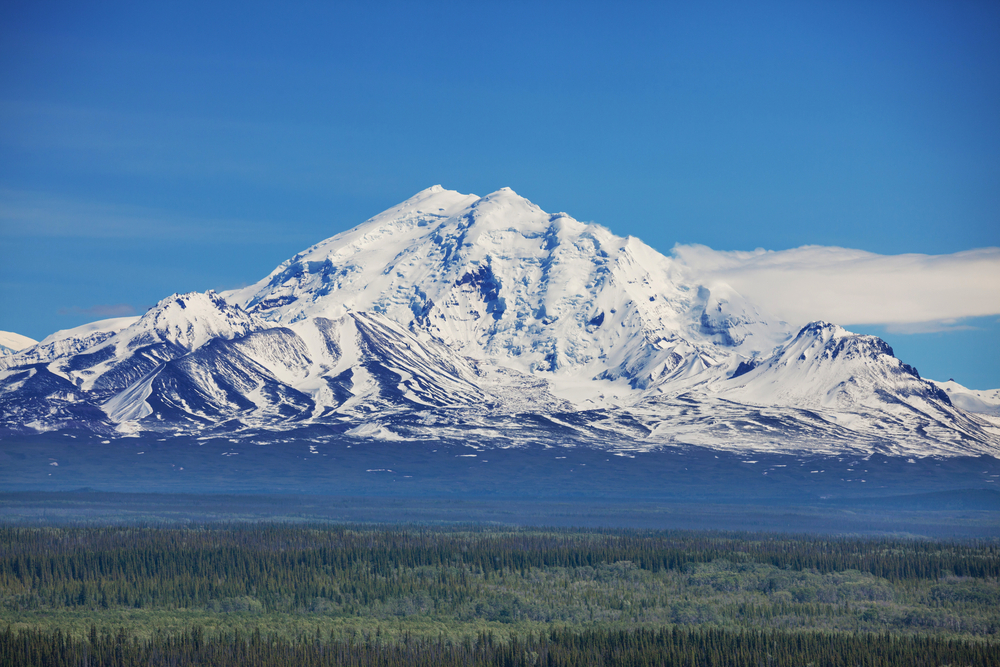
Mount Sanford is a volcanic mountain with a summit of 16,237 feet (4,949 m).  It is the 13th tallest summit in North America and the tallest of the Wrangell volcanoes.  It is blanketed with a large icefield at just over 8,000 feet (2,400 m) which serves as a source for several of the glaciers on the mountain.

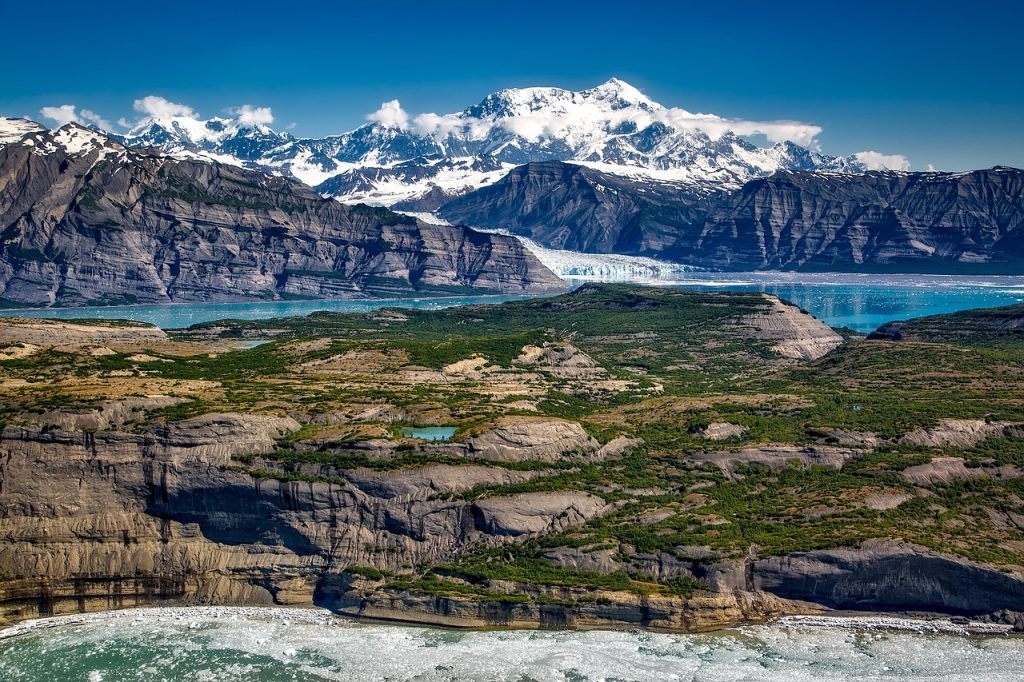
Malaspina Glacier

The Malaspina Glacier is the largest piedmont glacier in North America.  The glacier is currently stagnant and at times even retreating.

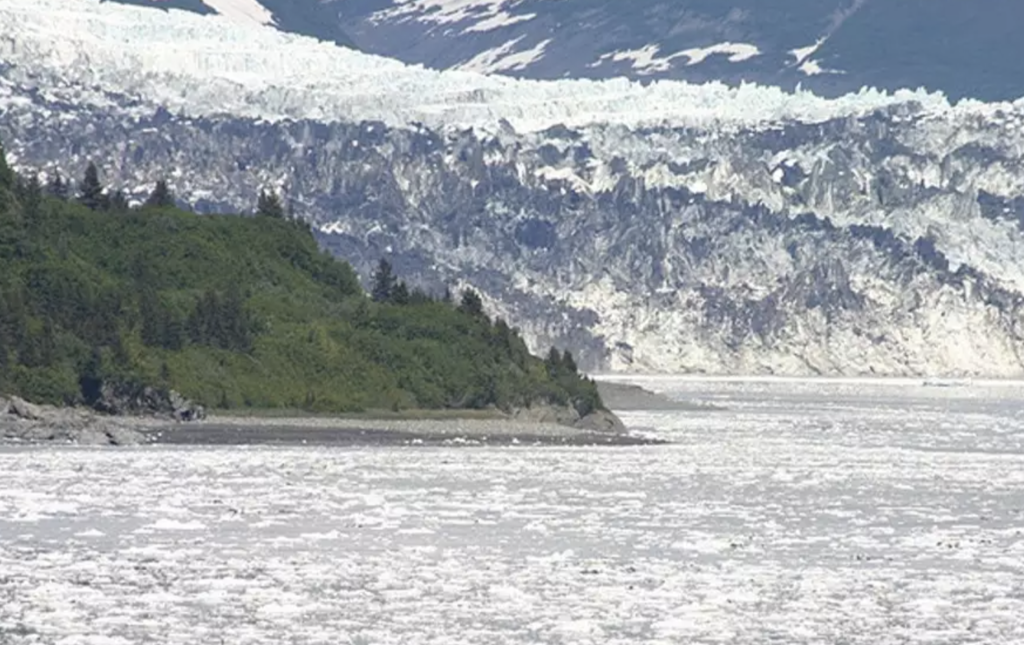
Hubbard Glacier

The Hubbard Glacier is the longest tidewater glacier in Alaska stretching across a distance of 75 miles (121 km).  This glacier has advanced which is uncharacteristic for most glaciers in the area.  This is one of the most popular cruise ship destinations for those traveling the inward passage of Alaska.

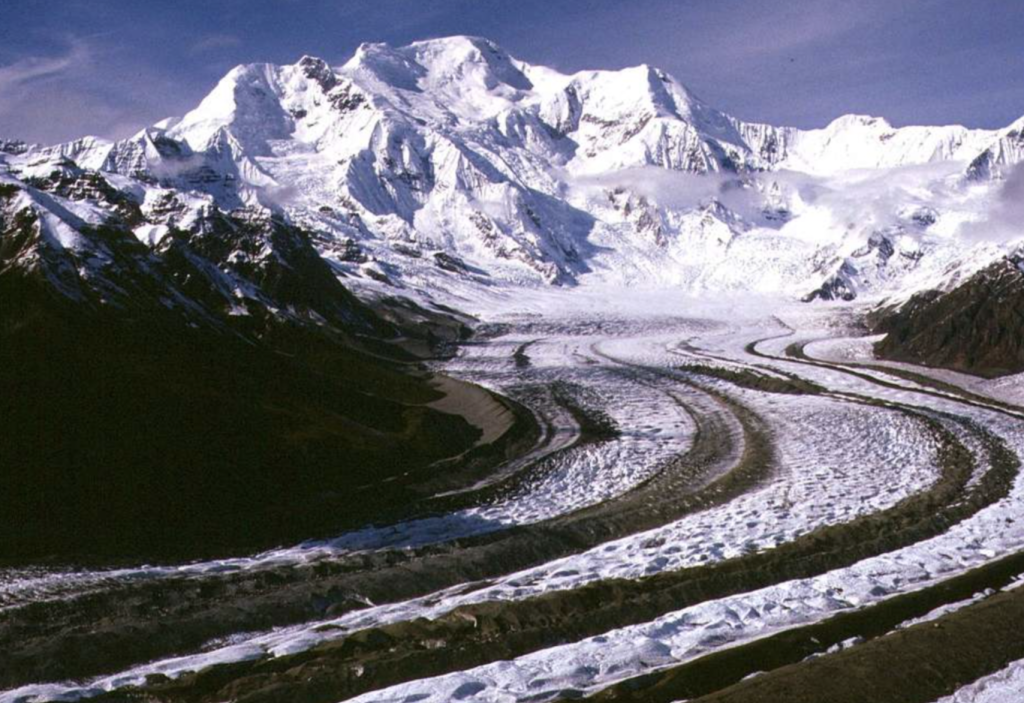
Nabesna Glacier

The Nabesna Glacier is the longest valley glacier in the world expanding a distance of 53 miles (85 km).

Wildlife of the Wilderness

Wildlife of the Wilderness

Wrangell-St. Elias is the epitome of Alaskan wilderness and the wildlife reflects then wilderness.  Here are some of the more popular species:

Grizzly Bear

Grizzlies, icons of Alaskan wilderness, roam Wrangell-St. Elias. Fishing for salmon, foraging plants, and scavenging carrion, they maintain ecosystem balance.

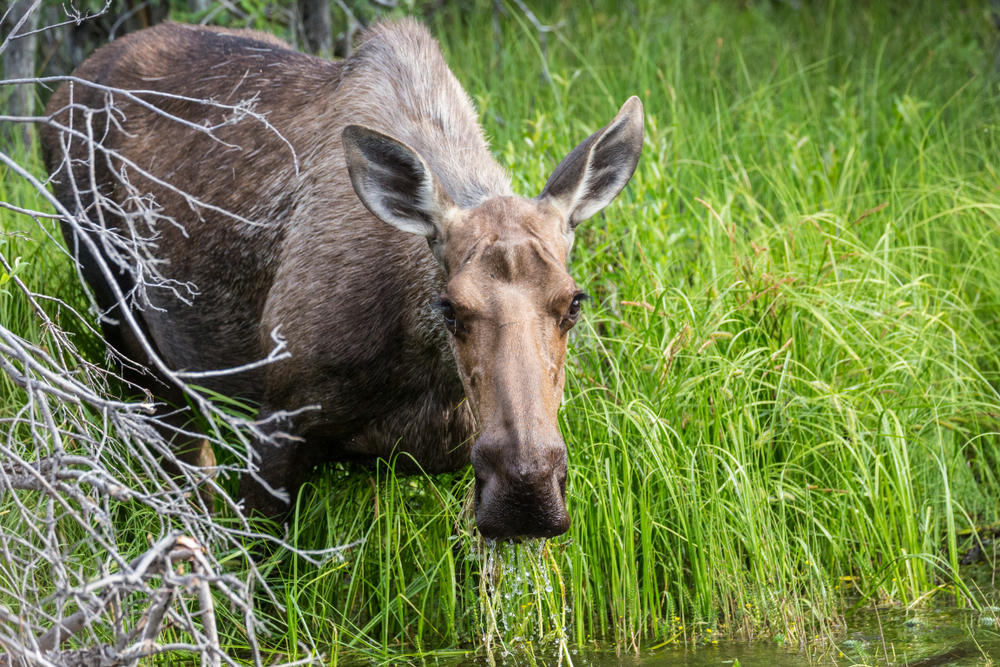
Moose

Majestic moose, largest in deer family, inhabit Wrangell-St. Elias. Herbivores browsing aquatic plants and shrubs, shaping landscape and enriching biodiversity.

Dall Sheep

With striking white coats and curved horns, Dall sheep navigate Wrangell-St. Elias’s rugged mountains, displaying agility and grace in steep terrain.

Caribou

Caribou, or reindeer, migrate across Wrangell-St. Elias’s tundra. Forming large herds, they endure harsh Arctic conditions, undertaking epic migrations.

Wolf

Wolves, apex predators of Wrangell-St. Elias, exhibit complex social behaviors. They hunt in packs, preying on caribou, moose, and smaller mammals.

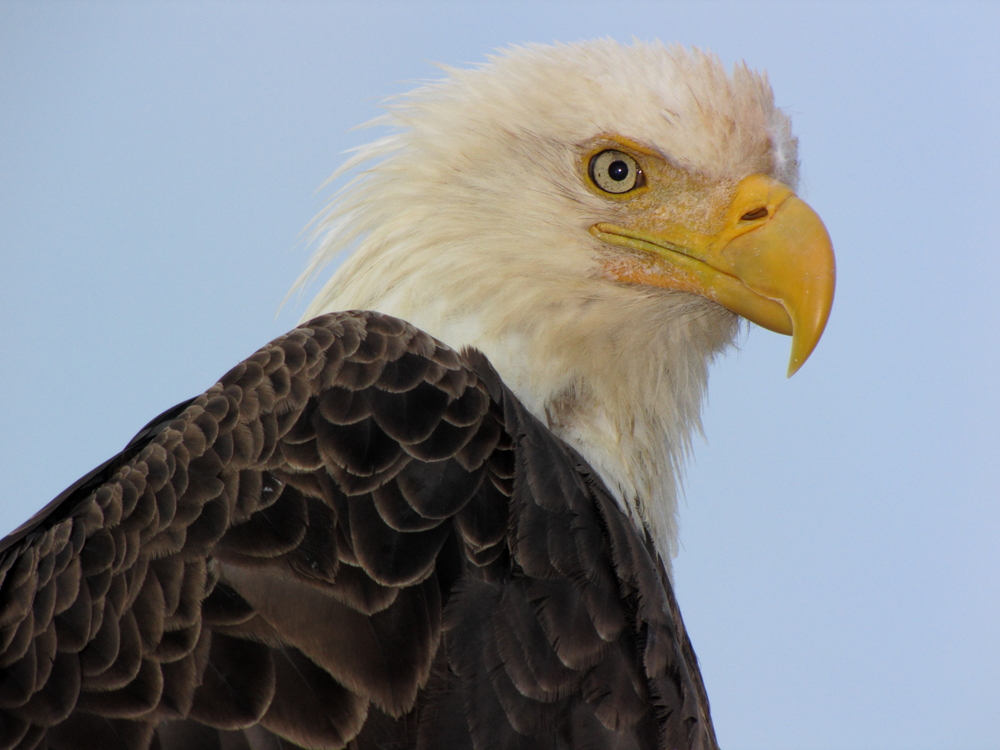
Bald Eagle

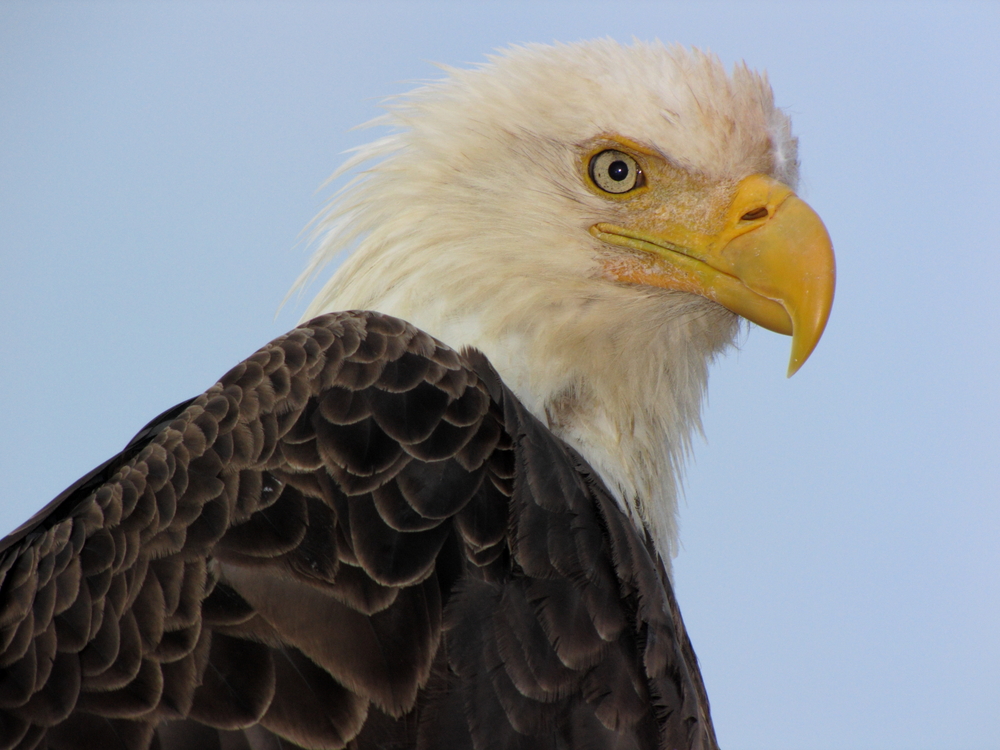
Symbol of American freedom, bald eagles soar over Wrangell-St. Elias’s landscapes. They hunt fish and scavenging carrion, embodying wilderness majesty.

Salmon

In Wrangell-St. Elias’s rivers, salmon undertake epic journeys, spawning upstream. They’re vital for ecosystem health, sustaining bears, eagles, and other wildlife.

Arctic Tern

Arctic terns, master migrators, grace Wrangell-St. Elias’s skies. They travel from Arctic to Antarctic, covering vast distances, embodying endurance.

Red Fox

Red foxes, adaptable predators, inhabit Wrangell-St. Elias’s forests and tundra. They hunt rodents, birds, and carrion, displaying cunning and agility.

Ptarmigan

Ptarmigans, arctic grouse, blend with Wrangell-St. Elias’s snowy landscapes. They feed on buds, berries, and insects, camouflaging against predators

Continent's #2

Continent's #2

Mount St. Elias, towering at 18,009 feet (5,489 meters), stands as a sentinel of grandeur in the Wrangell-St. Elias National Park and Preserve, Alaska.

As the second-highest peak in both the United States and Canada, it commands awe and respect from mountaineers and nature enthusiasts alike. Named after the apostle St. Elias by explorer Vitus Bering in 1741, its sheer vertical rise from the icy Gulf of Alaska is a testament to the titanic geological forces that shaped this landscape.

Mount St. Elias presents a formidable challenge to climbers, with its treacherous weather conditions and complex terrain. Its summit, often shrouded in swirling clouds, is a beacon for those who seek adventure and conquest.

Yet, beyond its mountaineering allure, the mountain serves as a vital part of the ecosystem, influencing weather patterns, supporting diverse flora and fauna, and providing a majestic backdrop to the vast wilderness of the region.

Mount St. Elias, with its imposing presence, embodies both the raw power and delicate beauty of the Alaskan wilderness.

Malaspina Glacier

Malaspina Glacier

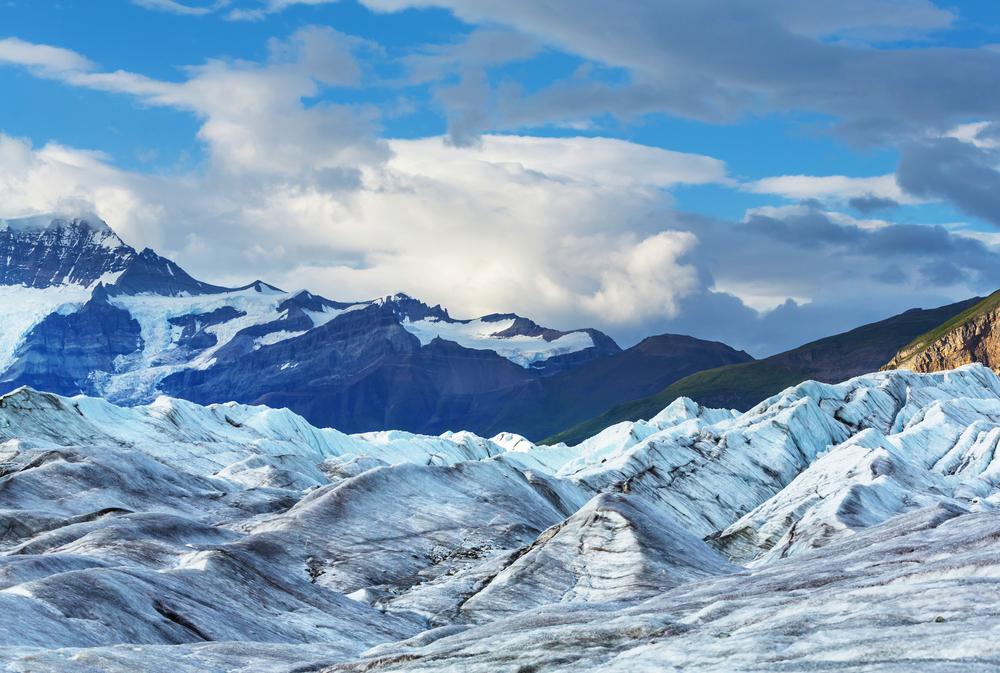
One of the most iconic glaciers in Wrangell-St. Elias National Park, the Malaspina Glacier is a sprawling river of ice covering approximately 1,500 square miles (3,900 square kilometers). This massive glacier is known for its impressive size and intricate network of crevasses, icefalls, and seracs.

It is a piedmont glacier, meaning it spills out from the mountains and spreads across a broad plain, making it one of the largest piedmont glaciers in the world. At its thickest point, the Malaspina Glacier reaches depths of over 1,000 feet (305 meters).

Visitors can marvel at its sheer scale and beauty from various viewpoints within the park.

Nabesna Glacier

Nabesna Glacier

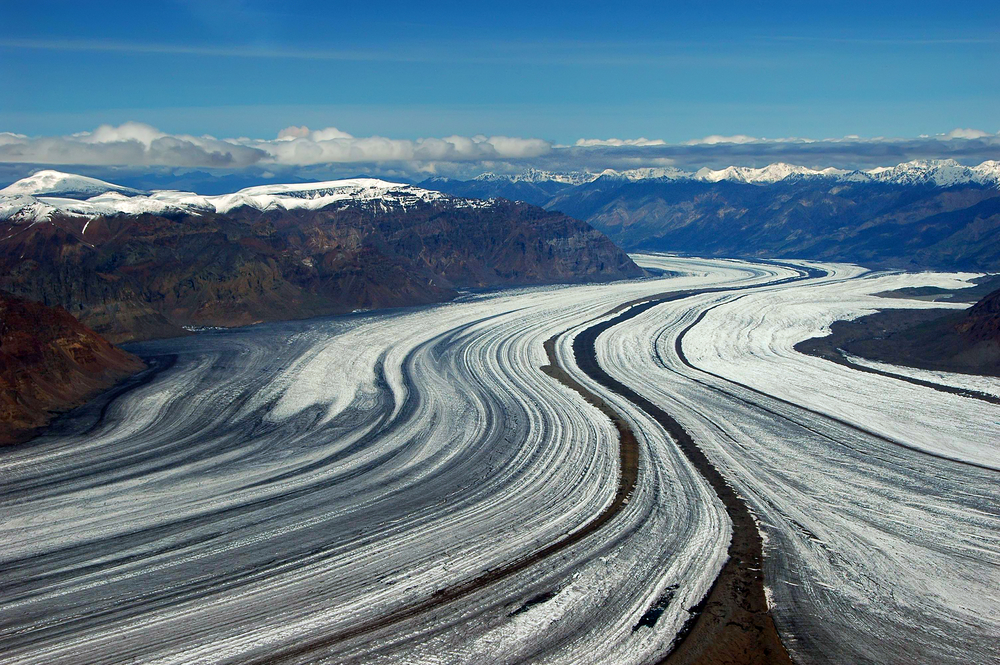
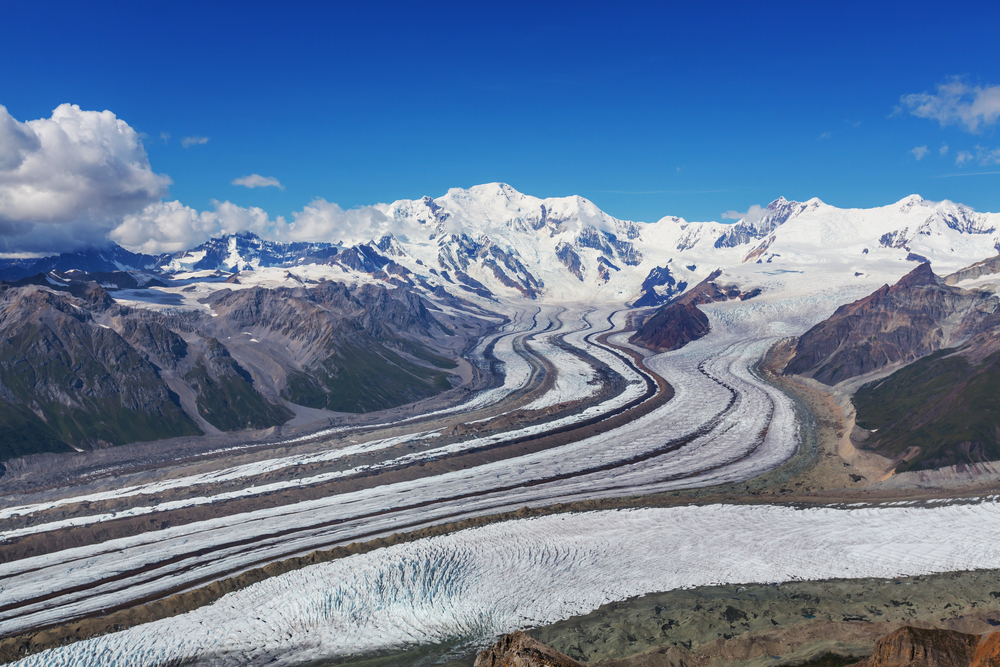
Another notable glacier within Wrangell-St. Elias National Park is the Nabesna Glacier, stretching approximately 53 miles (85 kilometers) in length. As one of the longest glaciers in the park, the Nabesna Glacier offers stunning views of its icy expanse, rugged terrain, and surrounding mountain peaks.

It descends from the high peaks of the Wrangell Mountains and flows into the Nabesna River Valley. Visitors can explore the glacier’s terminus area, where ice caves, seracs, and glacial streams create a dynamic and ever-changing landscape.

The Nabesna Glacier provides a captivating glimpse into the power and beauty of glacial processes within the park.

Kennicott Glacier

Kennicott Glacier

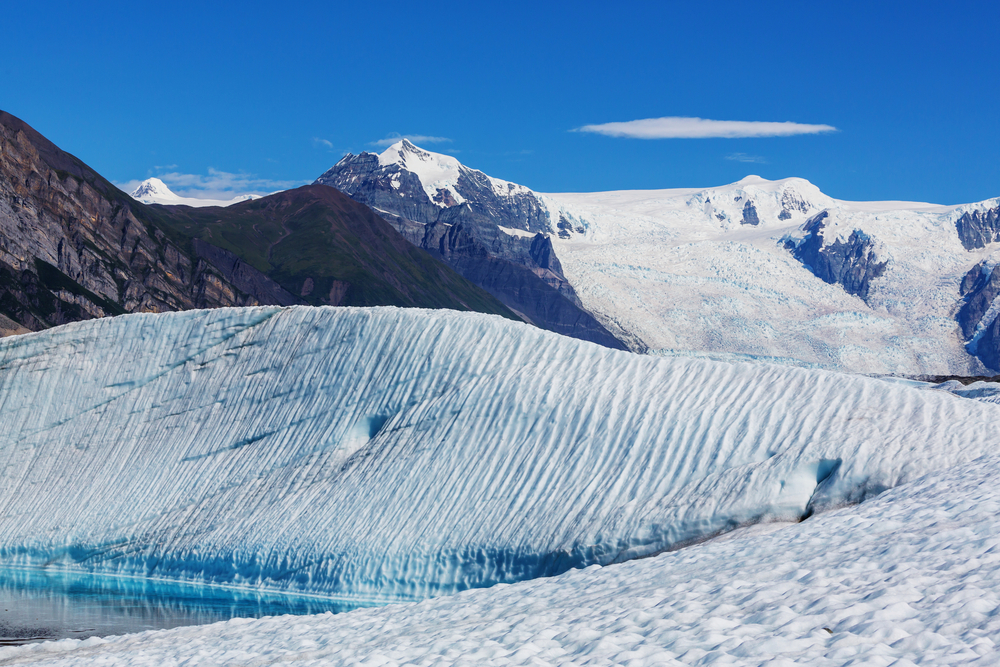
Nestled amidst the dramatic landscapes of Wrangell-St. Elias National Park, the Kennicott Glacier is a striking feature of the park’s scenery. Stretching approximately 25 miles (40 kilometers) in length, this glacier flows from the towering peaks of the Wrangell Mountains down into the Kennicott Valley.

Visitors to the area can marvel at the glacier’s blue-tinted ice and rugged terrain, as well as explore nearby hiking trails and viewpoints for stunning vistas of the surrounding landscape.

The Kennicott Glacier is also notable for its historical significance, as it played a crucial role in the mining operations that once thrived in the area. Today, it stands as a testament to the park’s natural beauty and rich history.

Things To Do

Engaging Wrangell-St. Elias
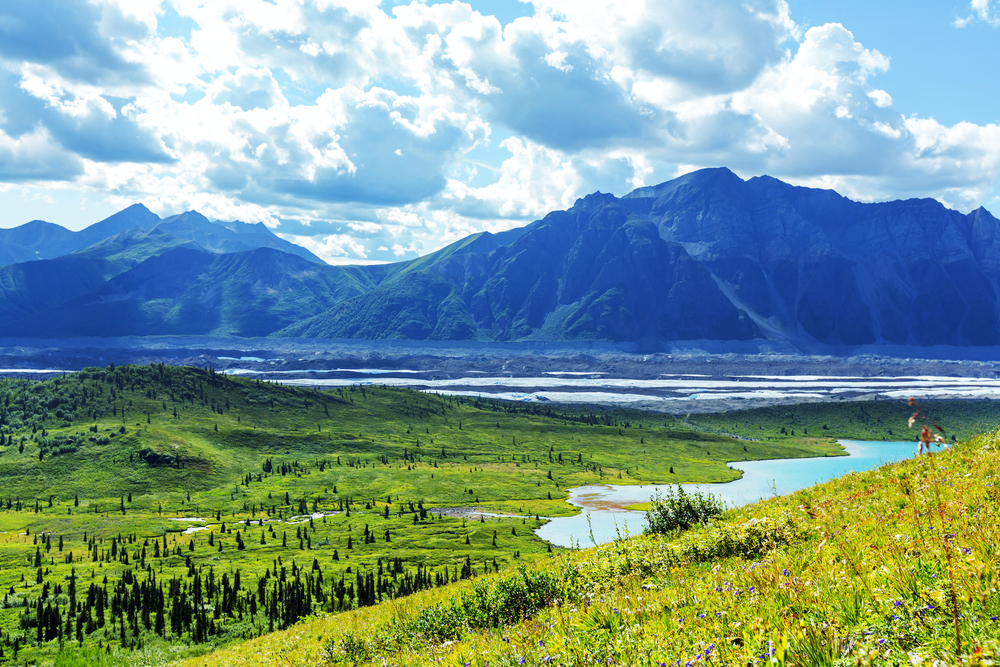
Hiking

Hiking in Wrangell-St. Elias National Park: With over 13 million acres to explore, hiking in Wrangell-St. Elias National Park offers endless opportunities to immerse yourself in breathtaking landscapes. Trails range from easy strolls to challenging multi-day treks, showcasing rugged mountains, glaciers, and pristine wilderness. Explore the historic mining sites, spot diverse wildlife, and marvel at the vastness of this remote wilderness.

Flightseeing Tours

Experience the sheer scale and grandeur of Wrangell-St. Elias National Park from above with a flightseeing tour. Get a bird’s-eye view of massive glaciers, towering peaks, and remote valleys inaccessible by road.

Fly over the park’s expansive wilderness and witness its raw beauty from a unique perspective. It’s an unforgettable adventure that provides unparalleled photo opportunities and a deep appreciation for the park’s vastness.

Rafting and Kayaking

Embark on an exhilarating river adventure through the untamed wilderness of Wrangell-St. Elias National Park.

Whether you’re rafting down the Copper River or kayaking through the park’s pristine lakes and streams, you’ll encounter stunning scenery and thrilling whitewater rapids.

Keep an eye out for wildlife along the riverbanks and immerse yourself in the tranquility of nature as you navigate through this remote wilderness.

Wrangell-St. Elias National Park Trails

Hiking can be rather adventurous in the national park with backpacking endeavors being one of the common ways to explore all that this Alaskan gem has to offer those who venture off into the pristine wilderness.  Remember this is the largest national park in the United States, so you can expect longer trails and limitless hiking opportunities.

placeholder

West Kennecott Glacier Trail

This is an easy and one of the shorter trails in the park.  The trail covers a distance of 2.4 miles (3.8 km) and provides views of the Kennecott Glacier.

placeholder

Crystalline Hills Trail

This is another short 2.8-mile (4.5 km) trail out to a waterfall at Crystalline Hills.  This trail is a moderately rated hike.

placeholder

Root Glacier and Stairway Icefall

This moderate trail covers a distance of 6.5 miles (10.5 km).  Along with the picturesque landscapes, there is a chance to see wildlife on this expedition.

placeholder

Nabesna Road Trail

This is a 43.3-mile (69.7 km) that is rated difficult.  It provides views of Nabesna and the surrounding landscape as well as a gorgeous lake.

placeholder

Caribou Creek Trail

This is a 7-mile (11.3 km) that features panoramic landscapes and beautiful wildflowers.

placeholder

Hole in the Goat Loop

This is a 46.8-mile (75.3) loop trail that is difficult and requires technical mountaineering skills with ice axes and crampons.  This is a multi-day hiking endeavor and participants should be in good physical condition with the appropriate skillset.

placeholder

Root Glacier Trail

Rating: Moderate

Distance and Elevation Gain: Up to 4 miles round trip with minimal elevation gain

Description: This trail offers hikers the unique opportunity to walk alongside and onto Root Glacier, providing stunning views of the glacier’s blue ice and surrounding peaks. The hike begins in Kennicott and leads through historic mining ruins before reaching the glacier. Ice crampons are recommended for those venturing onto the glacier itself.

placeholder

Bonanza Mine Trail

Rating: Strenuous

Distance and Elevation Gain: Approximately 9 miles round trip with an elevation gain of about 3,800 feet (1,158 meters)

Description: This challenging trail rewards hikers with panoramic views of the Kennicott Glacier, Chitina River Valley, and the surrounding Wrangell Mountains. The trail is steep and rugged, leading to the historic Bonanza Mine ruins. It’s a demanding hike suitable for experienced hikers seeking a glimpse into the area’s mining history and breathtaking landscapes.

placeholder

McCarthy Creek Trail

Rating: Moderate

Distance and Elevation Gain: Variable, up to 8 miles round trip with moderate elevation gain

Description: Following along McCarthy Creek, this trail offers a less traveled path through the heart of the park. Hikers can enjoy the tranquility of the Alaskan wilderness, with opportunities to see wildlife and wildflowers. The trail’s flexibility in distance makes it suitable for a leisurely day hike or a more extended exploration.

placeholder

Skookum Volcano Trail

Rating: Moderate

Distance and Elevation Gain: Approximately 2 miles round trip with an elevation gain of about 600 feet (183 meters)

Description: This trail leads through a fascinating volcanic landscape within the Wrangell Volcanic Field, offering views of Skookum Volcano’s lava flows and ash deposits. The trail is well-marked and provides interpretive signs about the area’s geologic history. It’s a unique hike that showcases the volcanic activity that shaped this region.

placeholder

Nabesna Road Trails

Rating: Varies (Easy to Moderate)

Distance and Elevation Gain: Varies, multiple trails ranging from short walks to longer day hikes

Description: The Nabesna Road offers access to several trails within the park, each showcasing different aspects of the region’s natural beauty, from tundra landscapes to alpine lakes. Trails like the Rambler Mine Trail and the Lost Creek Falls Trail provide opportunities for hikers of all skill levels to explore the northern part of the park and enjoy its scenic vistas and wildlife.

FAQ’s

What is Wrangell-St. Elias National Park known for?

Wrangell-St. Elias National Park is renowned for its immense scale and spectacular wilderness, embodying the essence of Alaska’s raw beauty.

As the largest national park in the United States, it covers an area of over 13 million acres (52,600 km²), making it larger than the countries of Switzerland, Andorra, and San Marino combined.

The park is known for its extraordinary diversity of geological formations, including the volcanoes of the Wrangell Mountain range, the rugged peaks of the St. Elias Mountains, and the vast icefields that feed some of the world’s most spectacular glaciers, such as the Malaspina Glacier, which is larger than the state of Rhode Island.

Wrangell-St. Elias is also home to Mount St. Elias, which, at 18,008 feet (5,489 meters), is the second-highest peak in both the United States and Canada.

Adventure and solitude are in ample supply here, with opportunities for backcountry hiking, mountaineering, kayaking, and flightseeing. Despite its size and the array of activities it offers, the park sees relatively few visitors compared to other national parks, offering an unparalleled sense of wilderness and adventure.

The park is also part of a larger UNESCO World Heritage Site due to its outstanding natural values, including significant glaciology, geology, and ecology components, making it a prime destination for nature lovers, adventurers, and scientists alike.

What is Wrangell-St. Elias National Park known for?

Wrangell-St. Elias National Park is renowned for its immense scale and spectacular wilderness, embodying the essence of Alaska’s raw beauty.

As the largest national park in the United States, it covers an area of over 13 million acres (52,600 km²), making it larger than the countries of Switzerland, Andorra, and San Marino combined.

The park is known for its extraordinary diversity of geological formations, including the volcanoes of the Wrangell Mountain range, the rugged peaks of the St. Elias Mountains, and the vast icefields that feed some of the world’s most spectacular glaciers, such as the Malaspina Glacier, which is larger than the state of Rhode Island.

Wrangell-St. Elias is also home to Mount St. Elias, which, at 18,008 feet (5,489 meters), is the second-highest peak in both the United States and Canada.

Adventure and solitude are in ample supply here, with opportunities for backcountry hiking, mountaineering, kayaking, and flightseeing. Despite its size and the array of activities it offers, the park sees relatively few visitors compared to other national parks, offering an unparalleled sense of wilderness and adventure.

The park is also part of a larger UNESCO World Heritage Site due to its outstanding natural values, including significant glaciology, geology, and ecology components, making it a prime destination for nature lovers, adventurers, and scientists alike.

Sources