

About
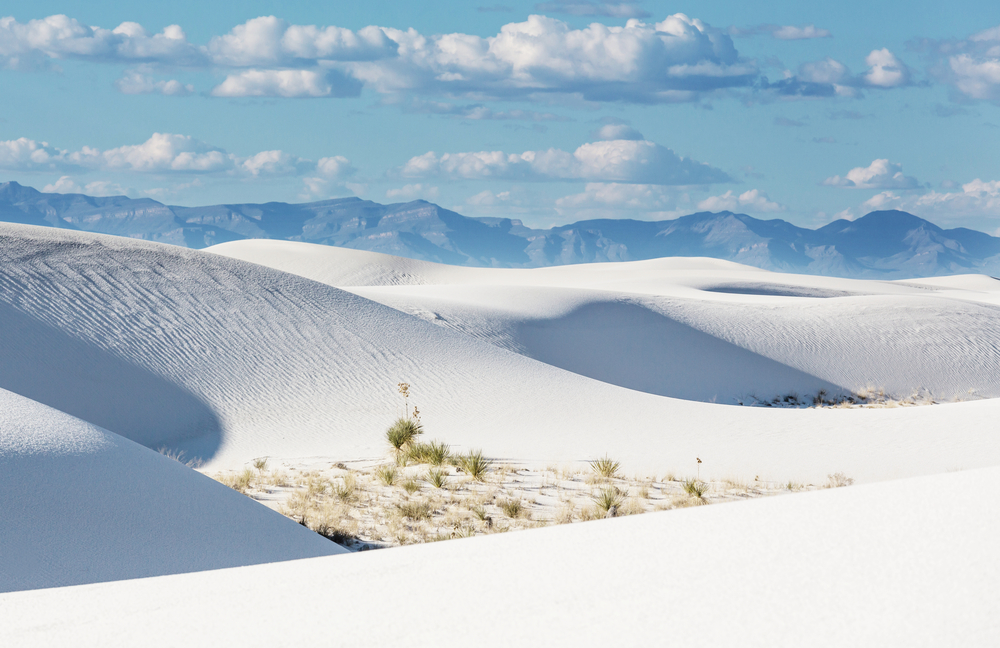
White Sands National Park is located in southern New Mexico in the United States and covers approximately 227 square miles (588 sq km). Established as a national park in 2019 after first being protected as a national monument in 1933, the park preserves the world’s largest gypsum dune field.
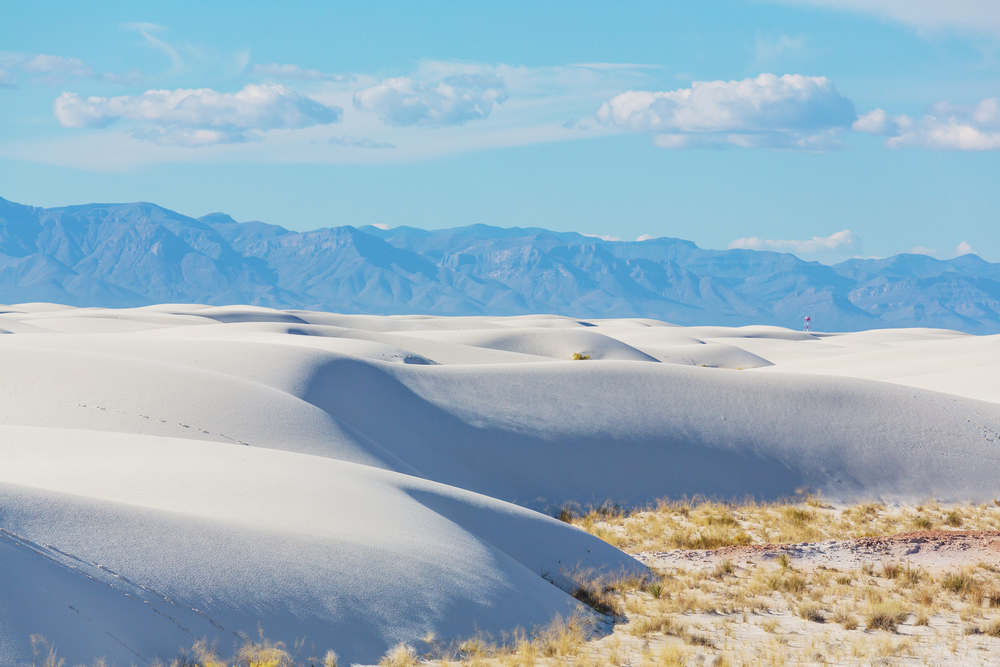
It lies within the northern portion of the Tularosa Basin, surrounded by the Sacramento Mountains to the east and the San Andres Mountains to the west. Nearby protected areas include White Sands Missile Range and the larger Chihuahuan Desert ecosystem that extends across portions of New Mexico, Texas, and Mexico. Few places on Earth offer a landscape as visually striking and unique as White Sands National Park.
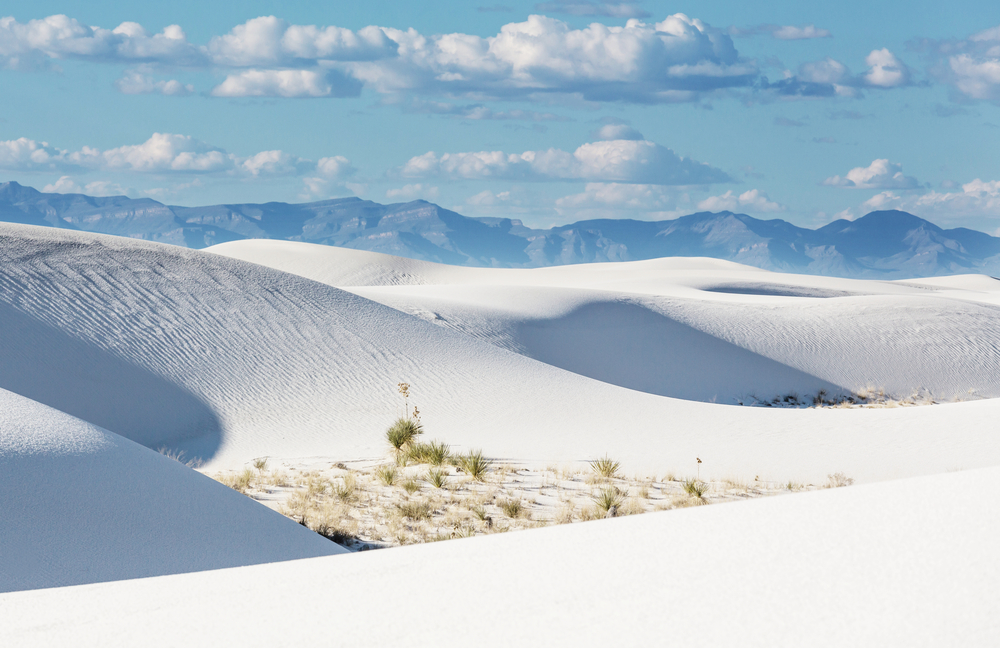
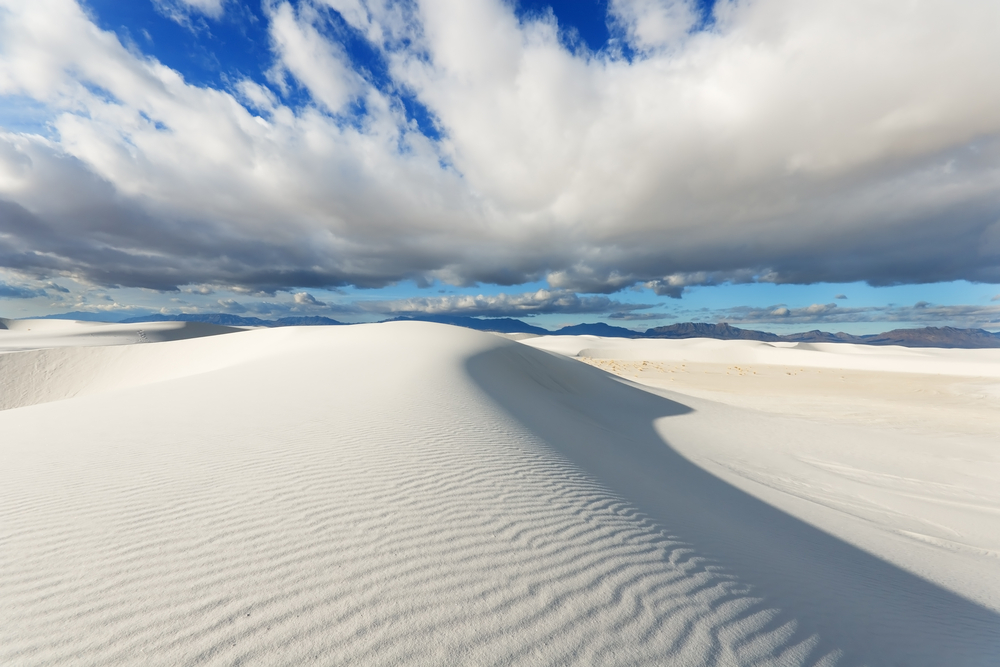
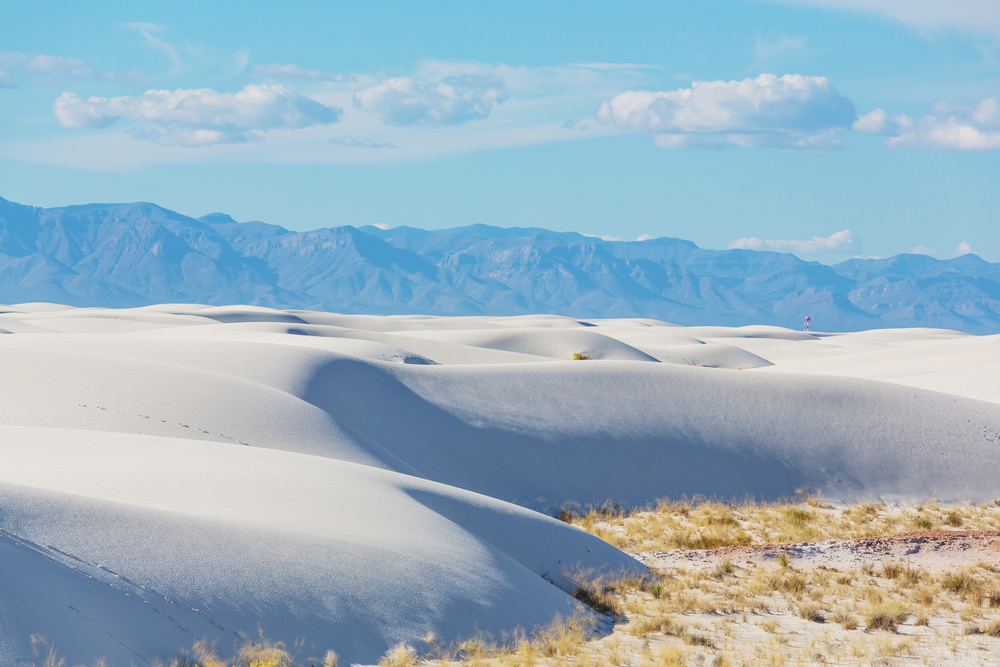
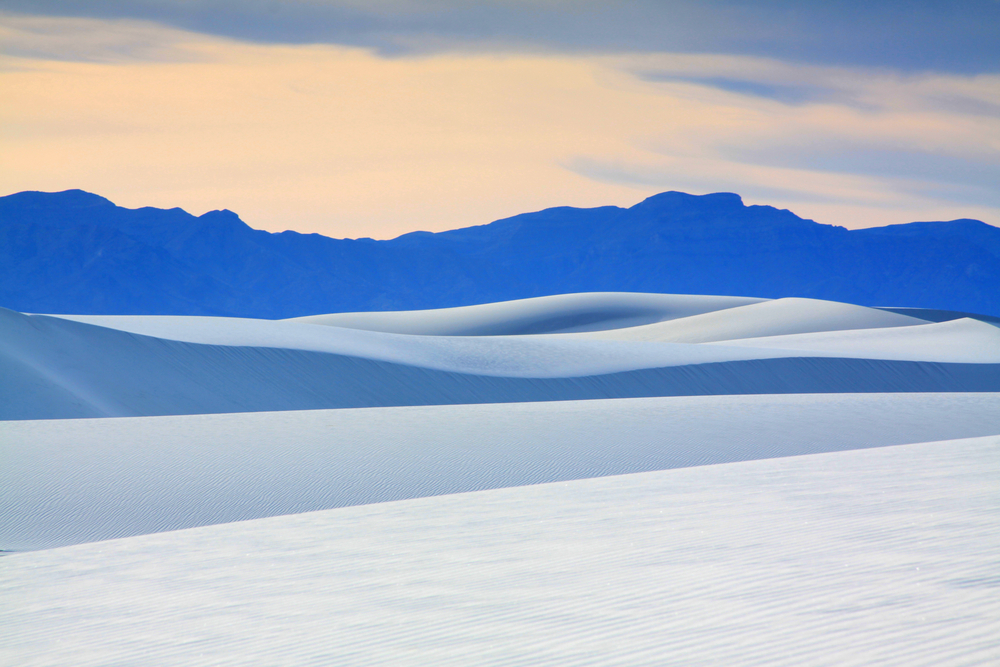
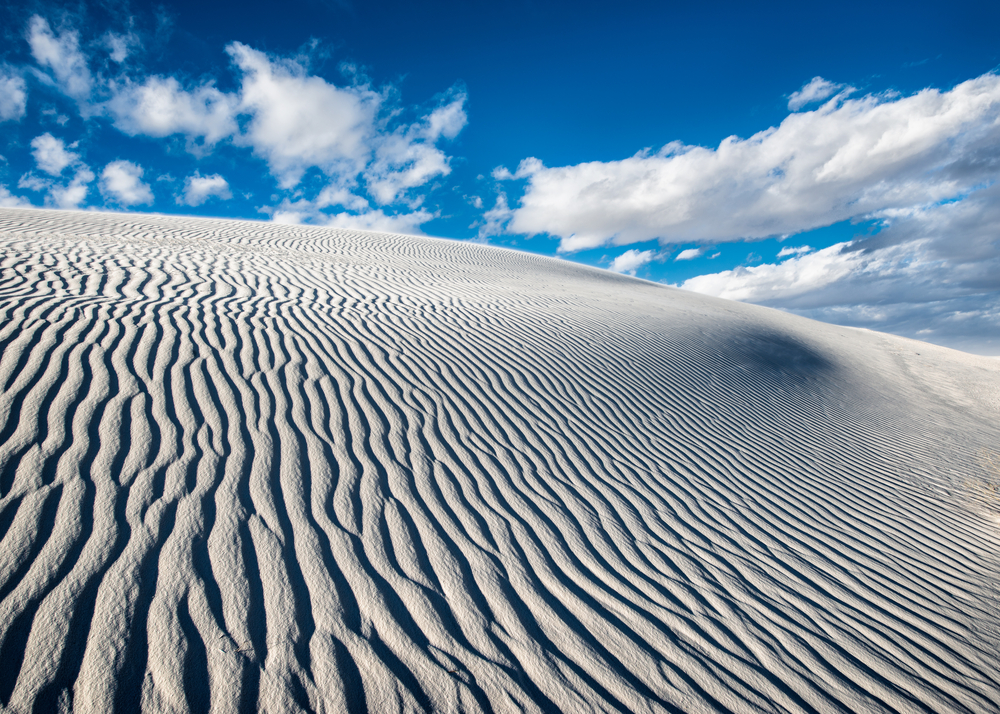
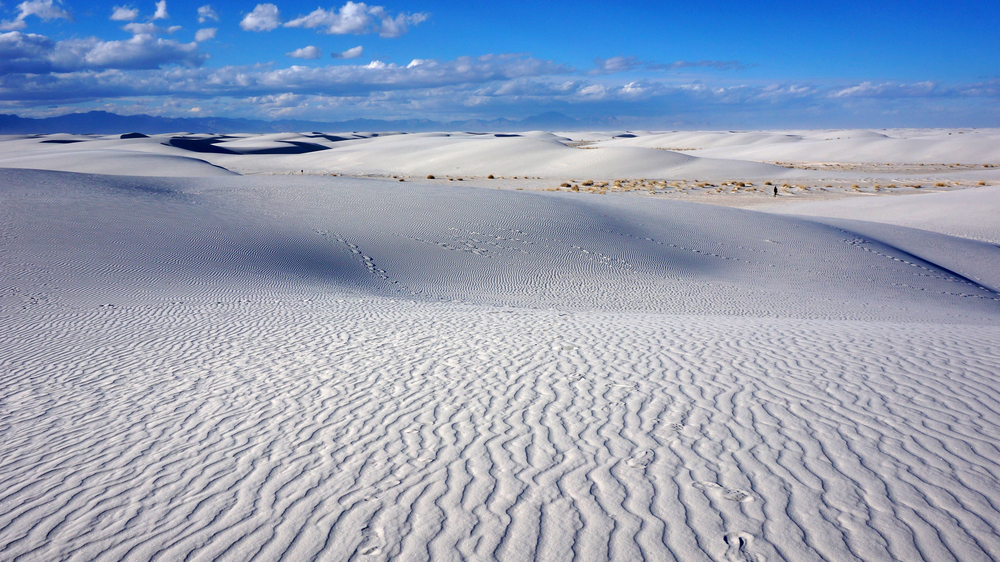
The park is best known for its brilliant white dunes that stretch across the horizon like a frozen sea of snow. Unlike most dunes formed from quartz sand, these dunes consist almost entirely of gypsum crystals. The result is a dazzling landscape that reflects sunlight and remains surprisingly cool underfoot.
Visitors come to experience the surreal beauty of the dunes through hiking, photography, sand sledding, camping, and ranger-led programs. Sunrise and sunset are especially popular times to visit, as shifting light transforms the dunes into waves of gold, pink, and silver. The park offers one of the most distinctive visitor experiences in the National Park System.
The geography of White Sands National Park tells a fascinating geological story. Thousands of years ago, an ancient inland sea covered the region. As the sea disappeared, thick gypsum deposits remained behind. Water flowing from nearby mountains dissolved the gypsum and carried it into the basin. Over time, evaporation left large crystal deposits that were broken apart by wind and weather.
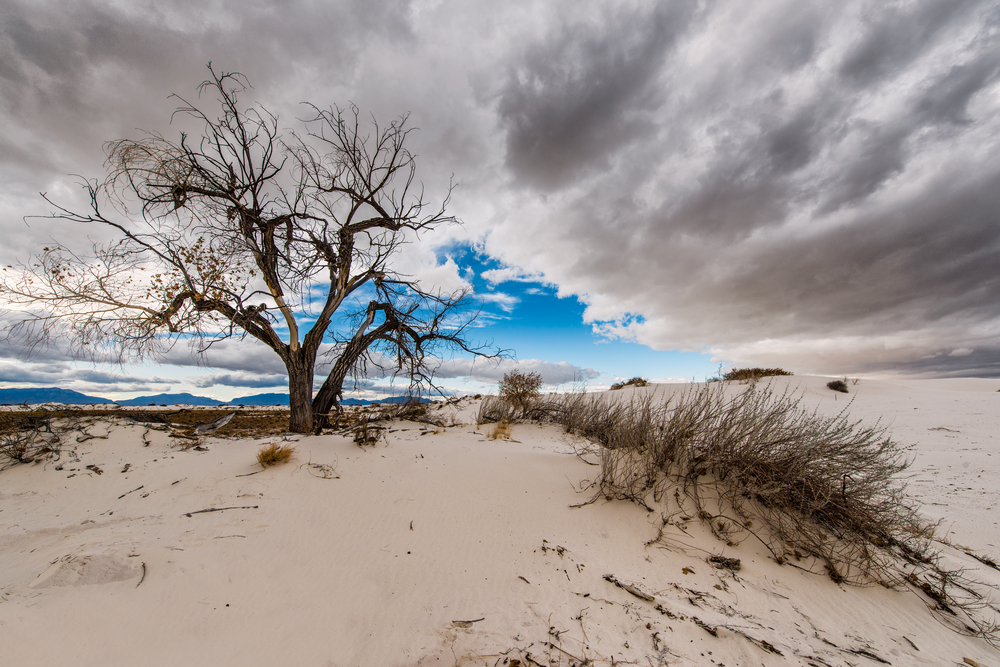
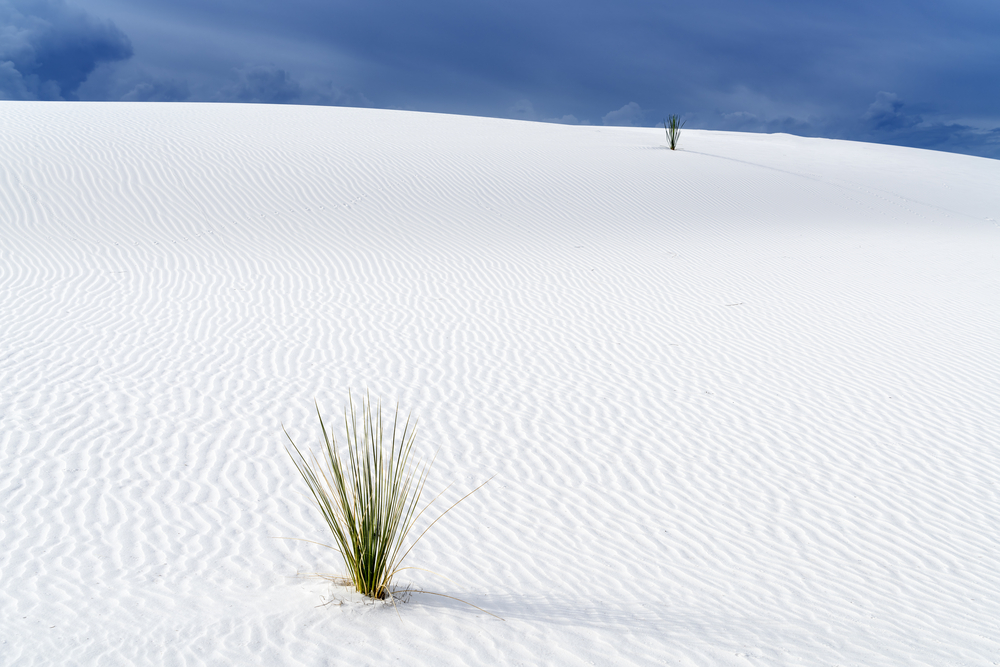
Strong desert winds continue to shape and move the dunes today. Some dunes rise more than sixty feet high and slowly migrate across the landscape. The park also contains interdunal flats, seasonal wetlands, and desert grasslands that add diversity to the environment. Vegetation includes yucca, skunkbush sumac, cottonwood trees, saltbush, and various desert grasses adapted to challenging conditions.
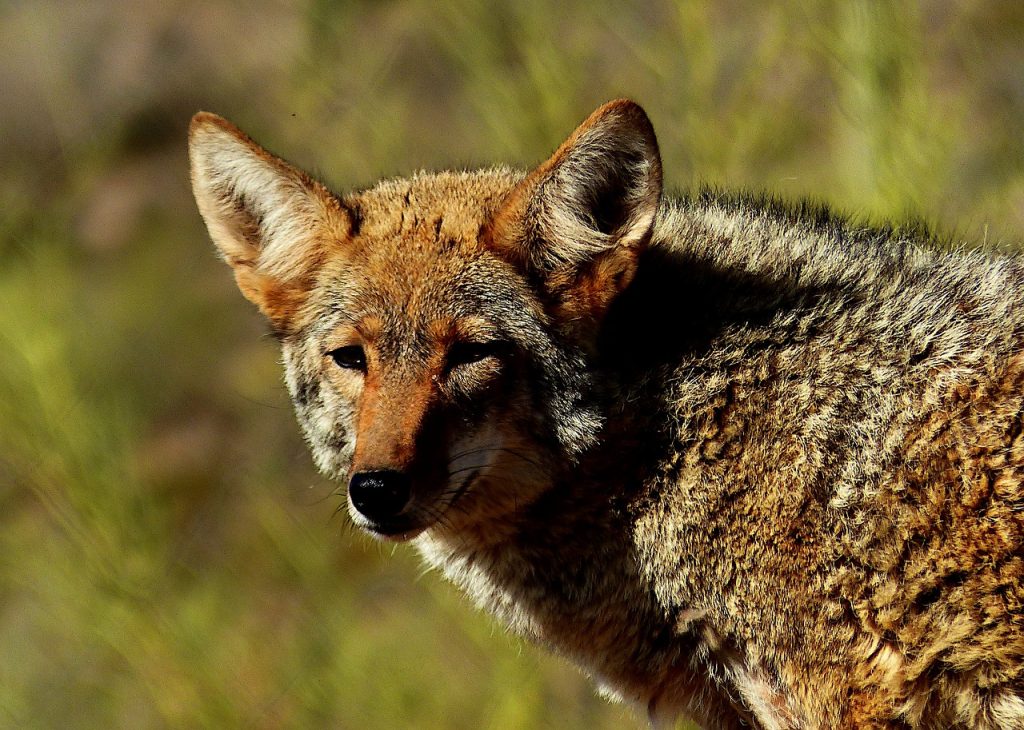
Wildlife thrives despite the harsh desert environment. More than 250 bird species have been recorded within the park. Roadrunners, ravens, hawks, and great horned owls are commonly seen. Mammals include coyotes, kit foxes, black-tailed jackrabbits, badgers, and mule deer. Reptiles such as whiptail lizards, rattlesnakes, and horned lizards inhabit the dunes and surrounding desert habitats.
Many animals have developed specialized adaptations that help them survive extreme temperatures and limited water availability. Several species exhibit lighter coloration than their relatives elsewhere, allowing them to blend into the white gypsum environment.
White Sands National Park protects one of the world’s rarest geological landscapes and an ecosystem found nowhere else. Scientists continue to study its unique plants, animals, and shifting dune systems. The park also preserves important archaeological resources, including evidence of human presence dating back thousands of years. Recent discoveries of ancient human footprints have provided valuable insights into early life in North America.
White Sands is often compared to great desert parks such as Namib-Naukluft National Park and Lençóis Maranhenses National Park because of its extraordinary dune landscapes. Yet its vast gypsum dunes make it entirely unique. Today, White Sands National Park stands as one of America’s most remarkable natural treasures, preserving a landscape that appears almost otherworldly while revealing the power of geology, adaptation, and time.
Photos




Things to See
Things To Do
Engaging White Sands National Park



White Sands National Park Trails
White Sands National Park allows for exploration throughout the park. There is a boardwalk that allows easy access to experience the park. With any of the trails, it is recommended that you wear protective gear, sunscreen lotion, and take plenty of water. This is a desert and the temperatures can be quite hot. The springtime provides a great opportunity to see wildflowers amongst the vegetation surrounding the dunes.

Park Protection
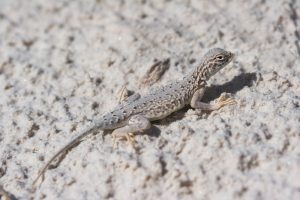 White Sands National Park was created to protect the world’s largest gypsum dune field, a remarkable landscape of white sand dunes covering more than 275 square miles in southern New Mexico. The park provides habitat for numerous specialized plants and animals, including several species that have evolved lighter coloration to blend into the brilliant white dunes. These endemic species include the White Sands pupfish, White Sands woodrat, and several unique insects found nowhere else in the world.
The park is globally significant because gypsum dunes of this scale are exceptionally rare. The constantly shifting dunes create a dynamic environment that supports unique ecological adaptations and ongoing evolutionary processes. Together, White Sands National Park safeguards a one-of-a-kind geological landscape, endemic species, fragile desert ecosystems, and one of the most visually distinctive natural wonders in North America.
FAQ’s
What is White Sands National Park known for?
White Sands National Park is renowned for its strikingly beautiful landscape of white gypsum sand dunes. Covering over 275 square miles (712 km²) of desert, it is the largest gypsum dune field in the world.
This unique feature forms the heart of the park’s attractions and activities, offering a surreal and otherworldly landscape that captivates visitors.
The gypsum that creates these dunes is a soft mineral that is rarely found in the form of sand because it is soluble in water. However, the unique set of circumstances in the Tularosa Basin traps the gypsum and creates the magnificent white dunes.
Unlike typical desert sand, the gypsum sand does not absorb the sun’s heat, so it remains cool to the touch, even in the heat of summer, making it comfortable for barefoot exploration.
White Sands National Park is known for more than just its beauty; it offers a variety of recreational activities. Visitors can enjoy sledding down the dunes, hiking, photography, picnicking, and star gazing under some of the clearest night skies in the United States.
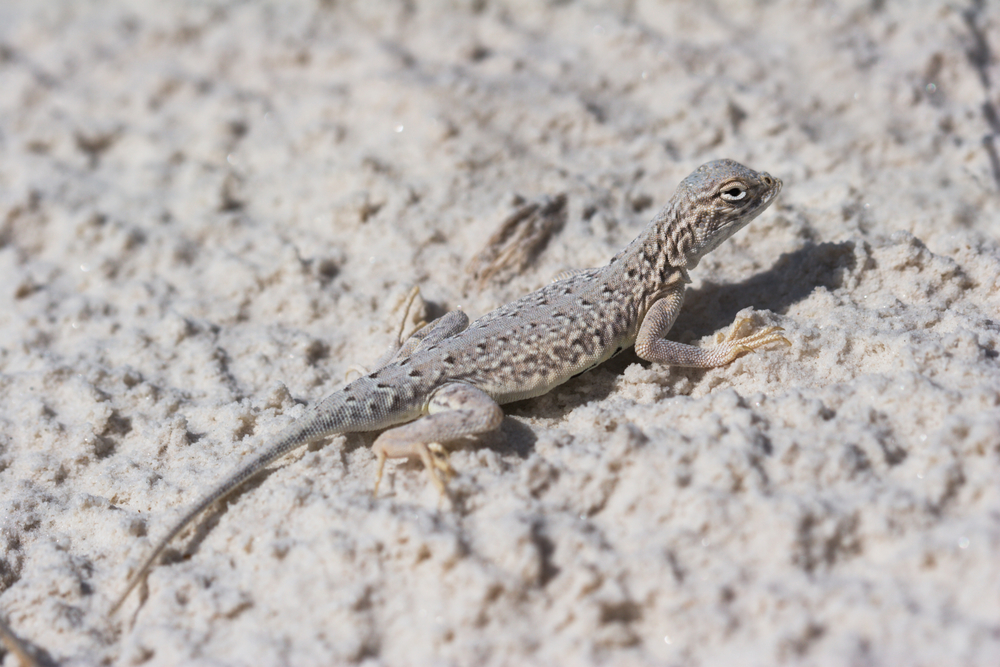
The park also supports a diverse ecosystem of plants and animals adapted to this extreme environment, including species such as the bleached earless lizard, which are specially adapted to blend into the white sand.
Furthermore, the park has a rich history, from ancient cultures that left behind fossilized footprints to the testing of the first atomic bomb at the nearby Trinity Site. White Sands National Park offers a blend of natural wonder, recreational fun, and historical intrigue, making it a unique and captivating destination for visitors.
What is the main reason people visit White Sands National Park?
White Sands National Park is primarily visited for its vast white gypsum sand dunes, unique desert landscapes, photography opportunities, hiking, and family-friendly outdoor recreation. Located in southern New Mexico, the park protects the world’s largest gypsum dune field, covering approximately 275 square miles (712 square kilometers).
Visitors come to walk across brilliant white dunes, enjoy spectacular sunsets, sled down the sand hills, photograph one of the most unique landscapes in North America, and experience a desert environment unlike anywhere else on Earth.
What animals can visitors hope to see in White Sands National Park?
White Sands National Park supports approximately 45 mammal species and numerous reptiles, amphibians, birds, and specialized desert wildlife. Many species have evolved lighter coloration to blend into the park’s white sands.
Some of the most notable animals found in White Sands National Park include:
- Coyote
- Kit Fox
- Gray Fox
- Bobcat
- American Badger
- Striped Skunk
- Raccoon
- Black-tailed Jackrabbit
- Desert Cottontail
- White-throated Woodrat
- Kangaroo Rat
- Pocket Mouse
- Deer Mouse
- Grasshopper Mouse
- Pocket Gopher
- Mule Deer
- Pronghorn (occasional)
- White-tailed Antelope Squirrel
- Ground Squirrel Species
- Various Bat Species
- Big Brown Bat
- Hoary Bat
- Pallid Bat
- Mexican Free-tailed Bat
- Western Pipistrelle
- Long-legged Myotis
- California Myotis
- Fringed Myotis
- Cave Myotis
- Western Small-footed Myotis
- Desert Shrew
- Various Small Mammals
- White Sands Pupfish
- Bleached Earless Lizard
- White Sands Whiptail
- White Sands Apache Pocket Mouse
- Western Diamondback Rattlesnake
- Coachwhip
- Bullsnake
- Glossy Snake
- Gopher Snake
- Desert Spiny Lizard
- Zebra-tailed Lizard
- Side-blotched Lizard
- Greater Earless Lizard
- New Mexico Spadefoot Toad
- Couch’s Spadefoot
- Great Plains Toad
- Tiger Salamander
- Various Invertebrate Species
What birds can visitors hope to see in White Sands National Park?
White Sands National Park is home to more than 220 bird species. Migratory birds frequently use the region’s wetlands and desert habitats, making it a surprisingly productive birdwatching destination.
Some of the most popular birds seen in White Sands National Park include:
- Golden Eagle
- Bald Eagle
- Red-tailed Hawk
- Ferruginous Hawk
- Swainson’s Hawk
- Cooper’s Hawk
- Sharp-shinned Hawk
- Northern Harrier
- Prairie Falcon
- American Kestrel
- Great Horned Owl
- Burrowing Owl
- Western Screech-Owl
- Common Raven
- Chihuahuan Raven
- Horned Lark
- Rock Wren
- Canyon Wren
- Bewick’s Wren
- Cactus Wren
- Loggerhead Shrike
- Northern Mockingbird
- Curve-billed Thrasher
- Sage Thrasher
- Western Bluebird
- Mountain Bluebird
- American Robin
- Cedar Waxwing
- Black-throated Sparrow
- Lark Sparrow
- Chipping Sparrow
- White-crowned Sparrow
- Savannah Sparrow
- Song Sparrow
- Dark-eyed Junco
- Yellow Warbler
- Wilson’s Warbler
- Common Yellowthroat
- Western Tanager
- Black-headed Grosbeak
- Lazuli Bunting
- Bullock’s Oriole
- Scott’s Oriole
- Gambel’s Quail
- Greater Roadrunner
- Mourning Dove
- White-winged Dove
- Killdeer
- American Avocet
- Snowy Plover
Is White Sands National Park worth visiting?
Yes, White Sands National Park is absolutely worth visiting and is one of the most unique national parks in the United States.
The park offers a surreal landscape of brilliant white gypsum dunes that appear almost snow-covered. Visitors can hike across pristine dunes, sled down sandy slopes, enjoy stunning sunrise and sunset photography, participate in ranger programs, and experience an environment found nowhere else on Earth.
The primary hesitation is that some visitors assume the park can be seen quickly. While a short visit is possible, spending additional time exploring the dunes at different times of day reveals dramatically changing colors and scenery.
What is the best time to visit White Sands National Park?
The best time to visit White Sands National Park is from October through April.
Typical conditions include:
- Winter: 30–65°F (-1–18°C)
- Spring: 45–85°F (7–29°C)
- Summer: 70–100°F (21–38°C)
- Fall: 45–85°F (7–29°C)
During this period:
- Temperatures are comfortable.
- Hiking conditions are excellent.
- Photography opportunities are outstanding.
- Wildlife is active.
- Desert sunsets are spectacular.
Spring can bring strong winds, while summer temperatures can become extremely hot.
How many days do you need to visit White Sands National Park?
Most visitors will do the park in a single day with some extending their stay into 2 days.
- Half day: Scenic drive and short dune walks.
- 1 day: Hiking, sledding, photography, and sunset viewing.
- 2 days: Extended exploration and ranger programs..
A full day allows visitors to experience the park at multiple times of day when lighting conditions change dramatically.
How do you get to White Sands National Park?
White Sands National Park is located in southern New Mexico near the city of Alamogordo.
The closest airports include:
- El Paso International Airport – approximately 1.5 hours away.
- Las Cruces International Airport – regional service.
- Alamogordo–White Sands Regional Airport – limited regional service.
Most visitors follow this route:
- Fly into El Paso.
- Rent a vehicle.
- Drive north through the Tularosa Basin.
- Enter the park from U.S. Highway 70.
Dunes Drive
The park’s primary route is:
- Dunes Drive
This scenic road extends approximately 8 miles (13 km) into the heart of the dune field.
Highlights include:
- Expansive dune vistas.
- Trail access.
- Picnic areas.
- Photography opportunities.
- Sledding locations.
Most visitors spend several hours exploring along this route.
Interdune Boardwalk
One of the most accessible attractions is:
- Interdune Boardwalk
This elevated boardwalk provides:
- Interpretive exhibits.
- Easy access for visitors of all abilities.
- Views of the dune ecosystem.
Alkali Flat Trail
The park’s premier hiking experience is:
- Alkali Flat Trail
Despite its name, the trail crosses large sections of the dune field and offers some of the park’s most spectacular scenery.
Sledding Areas
White Sands is one of the few national parks where visitors commonly enjoy:
- Sand sledding.
Special waxed sleds are often available in nearby communities and visitor facilities.
Nearby Attractions
Visitors frequently combine White Sands with:
- White Sands Missile Range
- New Mexico Museum of Space History
- Lincoln National Forest
Travel Times
Typical travel times include:
- Alamogordo to the park entrance: approximately 20 minutes.
- El Paso to White Sands: approximately 1.5 hours.
- Las Cruces to White Sands: approximately 1 hour.
- Park entrance to the end of Dunes Drive: approximately 20 minutes.
Visitors should check road conditions because access can occasionally be affected by activities at nearby White Sands Missile Range.
Who is involved in protecting and supporting White Sands National Park?
Several organizations help protect and support White Sands National Park:
- National Park Service – manages White Sands National Park.
- Western National Parks Association – supports education, interpretation, and research.
- National Park Foundation – supports projects throughout the National Park System.
- Friends of White Sands – supports conservation and visitor engagement initiatives.
- Indigenous communities including the Mescalero Apache Tribe and other Native peoples with longstanding connections to the Tularosa Basin region.
Can you sled on the dunes at White Sands National Park?
Yes. Sand sledding is one of the park’s most popular activities and is enjoyed by visitors of all ages.
Is White Sands actually sand?
Technically, the dunes are composed primarily of gypsum crystals rather than traditional quartz sand. This makes White Sands one of the most unique dune systems in the world.
What makes White Sands National Park unique?
White Sands National Park is unique because it protects the largest gypsum dune field on Earth. Unlike traditional deserts, its brilliant white dunes remain relatively cool to the touch and create a landscape that resembles snow-covered hills stretching to the horizon.
Combined with specialized wildlife, spectacular sunsets, and opportunities for hiking and sledding, White Sands offers one of the most distinctive and unforgettable environments in the National Park System.
Sources
- All Trails, White Sands National Monument, https://www.alltrails.com/parks/us/new-mexico/white-sands-national-monument, retrieved December 2020.
- Britannica, White Sands National Monument, https://www.britannica.com/place/White-Sands-National-Monument, retrieved December 2019.
- National Park Foundation, White Sands National Monument, https://www.nationalparks.org/explore-parks/white-sands-national-monument, retrieved December 2019.
- National Park Service, White Sands National Monument, https://www.nps.gov/whsa/index.htm, retrieved December 2019.
- New Mexico, White Sands National Monument, https://www.newmexico.org/places-to-visit/regions/southeast/white-sands-national-monument/, retrieved December 2019.