

About
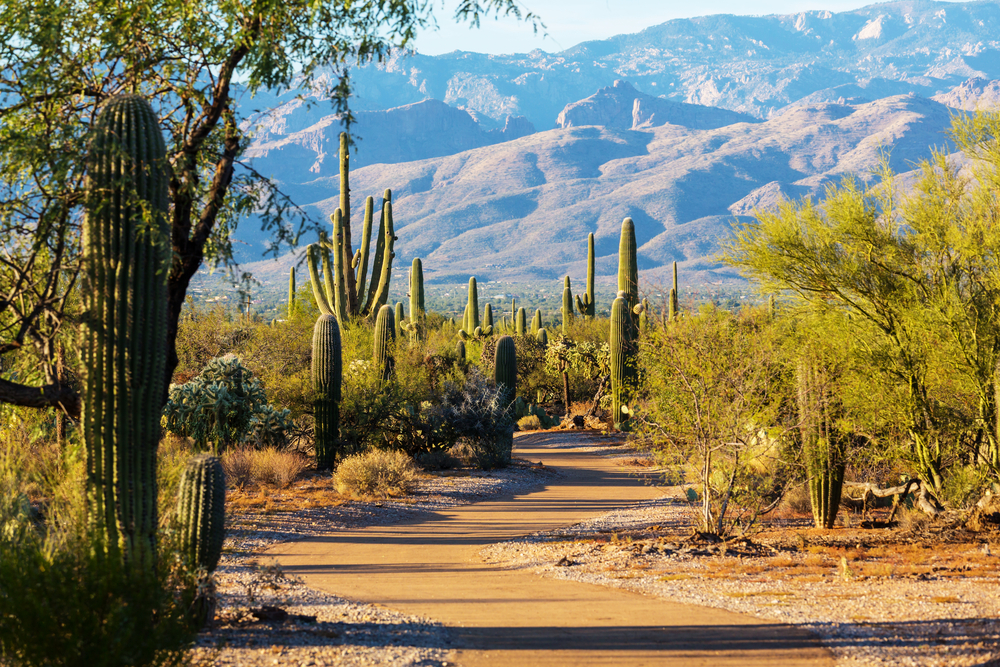
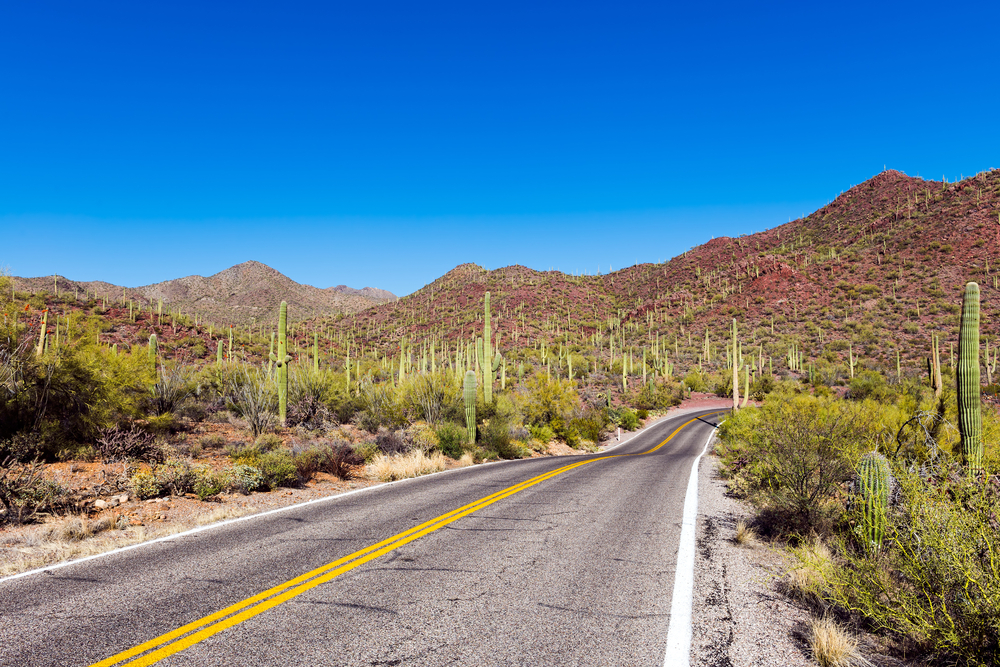
Saguaro National Park is located in southern Arizona in the United States, surrounding the city of Tucson. Covering approximately 143 square miles (370 sq km), the park protects one of the most iconic desert landscapes in North America and preserves the nation’s largest stands of the giant saguaro cactus.
Originally established as a national monument in 1933 and redesignated as a national park in 1994, Saguaro National Park is divided into two separate districts: the Tucson Mountain District to the west and the Rincon Mountain District to the east. Situated within the Sonoran Desert, the park showcases one of the most biologically diverse desert ecosystems in the world and serves as a symbol of the American Southwest.
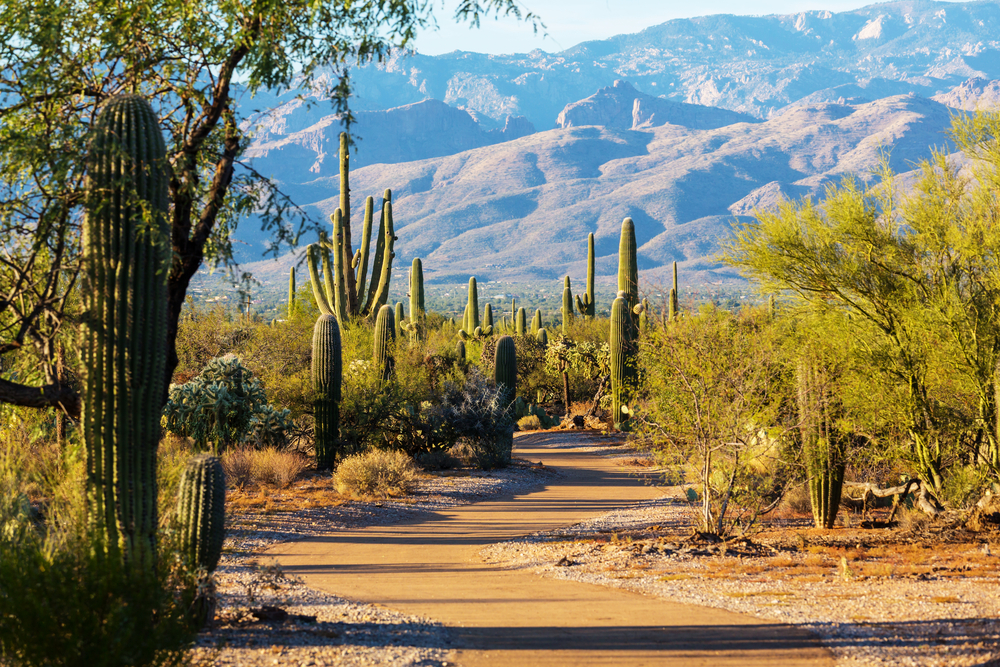
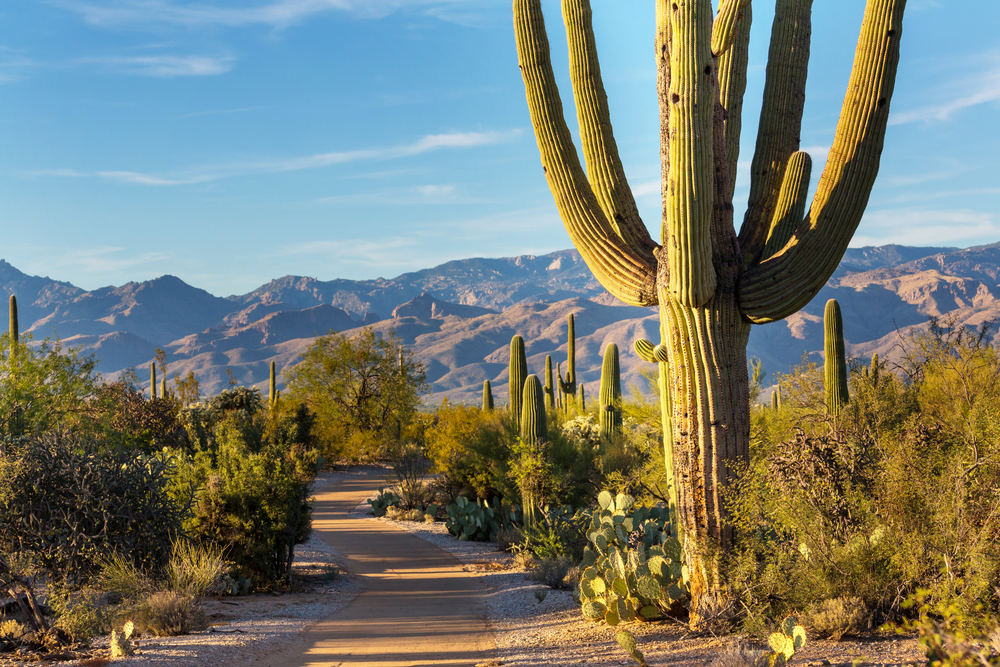
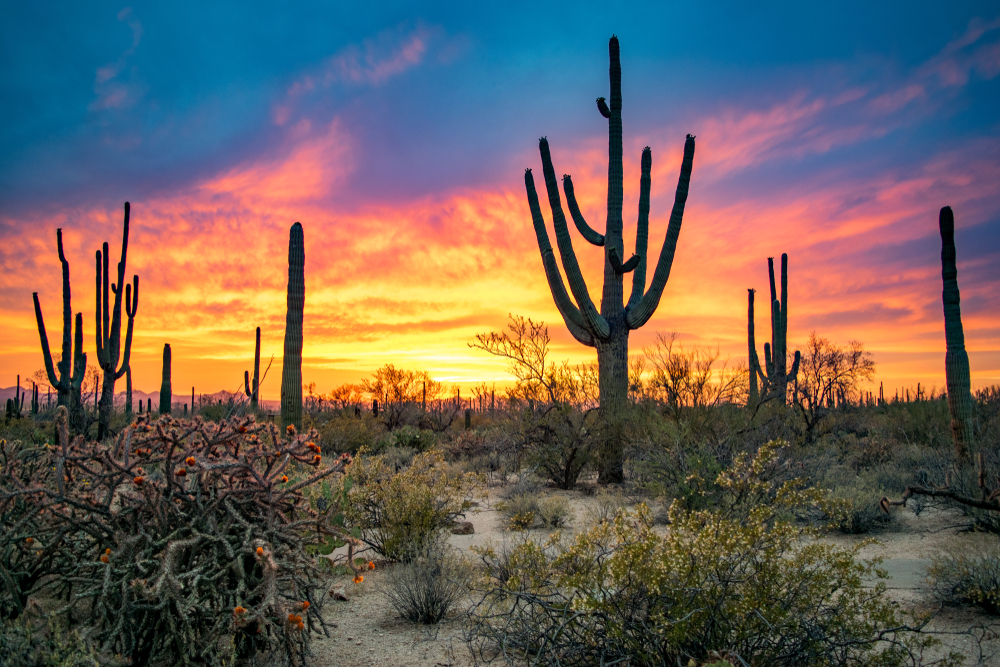
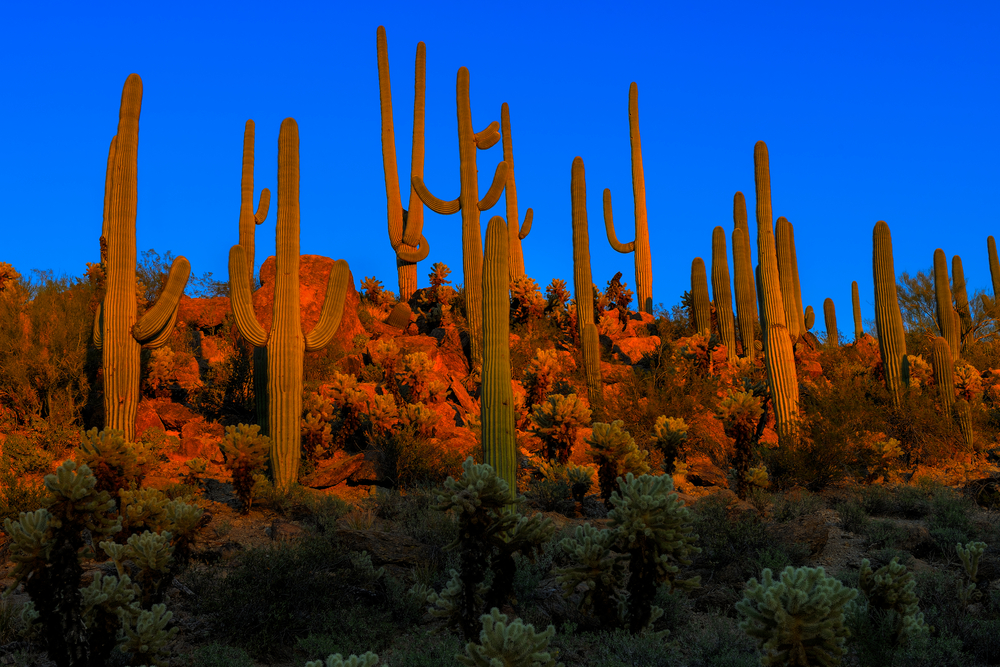
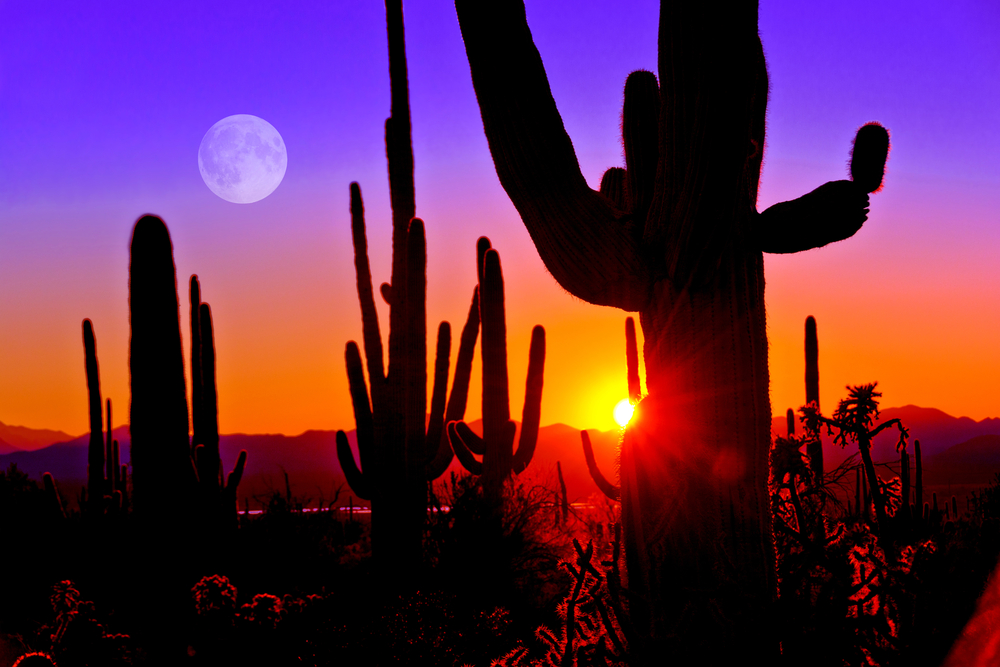
Saguaro National Park is best known for the towering saguaro cactus (Carnegiea gigantea), the largest cactus species in the United States. These remarkable plants can grow more than 40 feet (12 meters) tall, live for over 150 years, and have become iconic symbols of Arizona and the American West. Visitors are drawn to the park’s scenic desert landscapes, hiking trails, wildlife viewing opportunities, and spectacular sunsets.
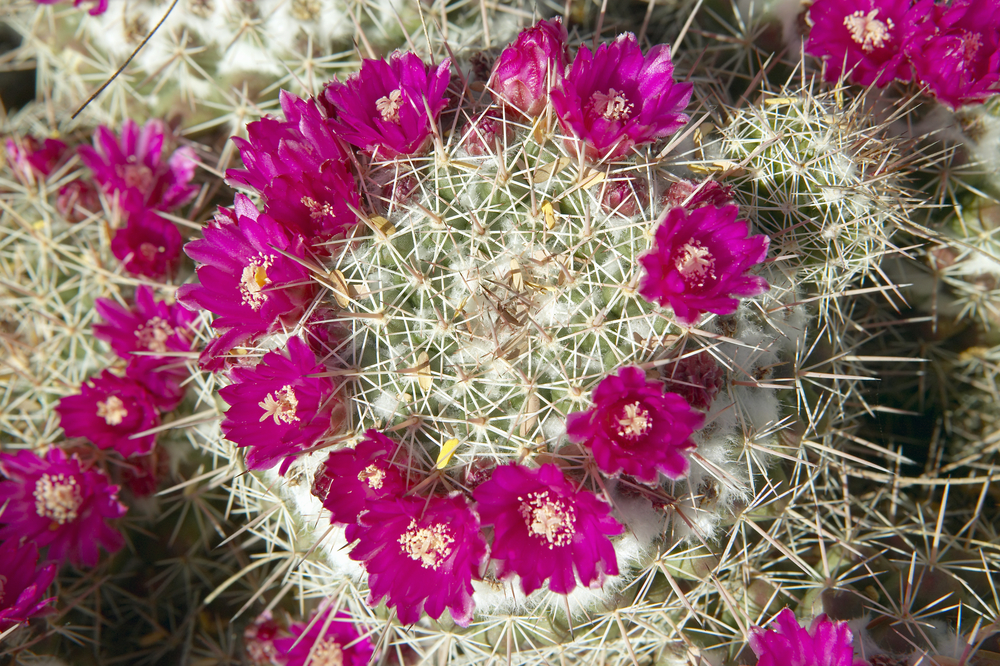
Popular activities include hiking, photography, birdwatching, scenic drives, and learning about the unique ecology of the Sonoran Desert. During spring, colorful wildflowers bloom across the desert floor, creating striking contrasts against the towering saguaros and rugged mountain backdrops.
The geography of Saguaro National Park is characterized by broad desert valleys, rocky hills, mountain ranges, washes, and desert grasslands. Elevations range from approximately 2,180 feet (665 meters) in the low desert to over 8,600 feet (2,620 meters) in the higher elevations of the Rincon Mountains.
This dramatic elevation change creates a variety of habitats, from classic Sonoran Desert environments to pine forests at higher elevations. Seasonal rainfall arrives through both winter storms and summer monsoons, supporting an unusually rich diversity of plant life. The landscape includes thousands of saguaros, mesquite trees, palo verde forests, ocotillo, cholla cacti, and numerous desert-adapted species.
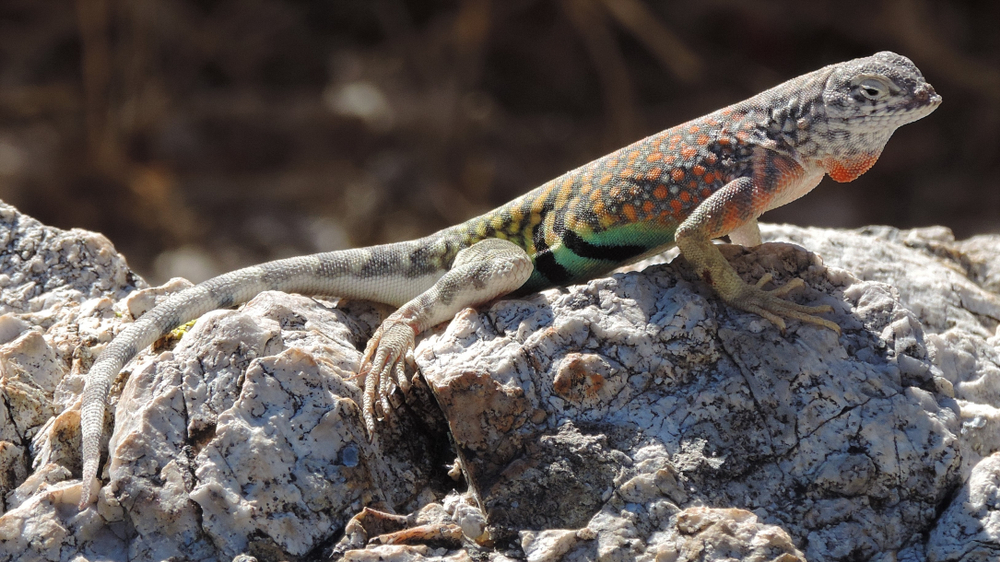
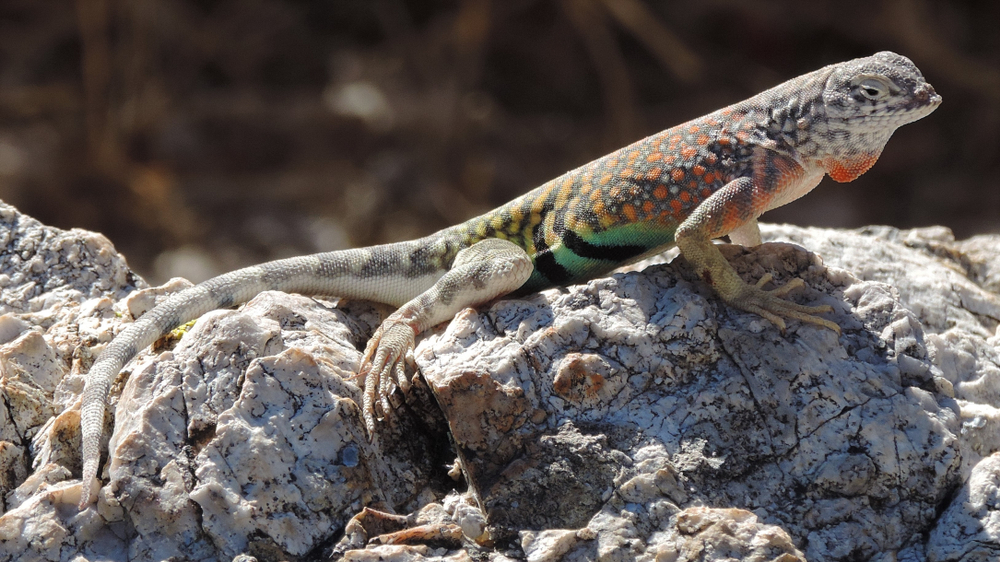
Wildlife within Saguaro National Park is remarkably diverse despite the arid environment. Mammals include coyotes, bobcats, javelinas, mule deer, mountain lions, desert cottontails, and ringtails. Reptiles such as Gila monsters, desert tortoises, rattlesnakes, and lizards are commonly associated with the Sonoran Desert ecosystem.
Birdlife is especially impressive, with more than 200 recorded species inhabiting the park. Visitors may observe cactus wrens, Gila woodpeckers, Gambel’s quail, roadrunners, Harris’s hawks, and great horned owls. The giant saguaro itself provides nesting sites and food sources for numerous birds and animals, making it a keystone species within the ecosystem.
Saguaro National Park plays a critical role in conserving the Sonoran Desert, one of the most biologically rich desert regions on Earth. The park protects extensive saguaro forests, important wildlife habitats, archaeological sites, and cultural landscapes connected to Indigenous peoples who have lived in the region for thousands of years.
Its conservation significance is often compared to Joshua Tree National Park and Big Bend National Park because of its unique desert ecosystems and iconic landscapes. However, Saguaro’s concentration of giant cacti and extraordinary biodiversity make it truly distinctive. Today, the park remains one of the most recognizable natural areas in the United States, preserving a landscape where towering cacti, rugged mountains, and desert wildlife continue to thrive.
Photos

Things to See
Things To Do
Engaging Saguaro National Park
Saguaro National Park Trails
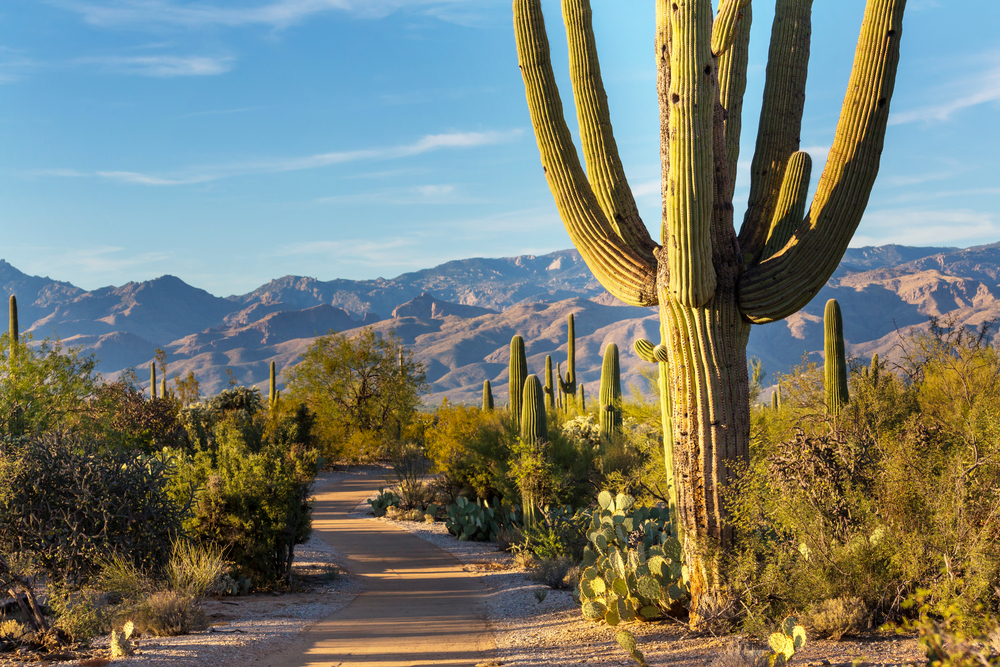
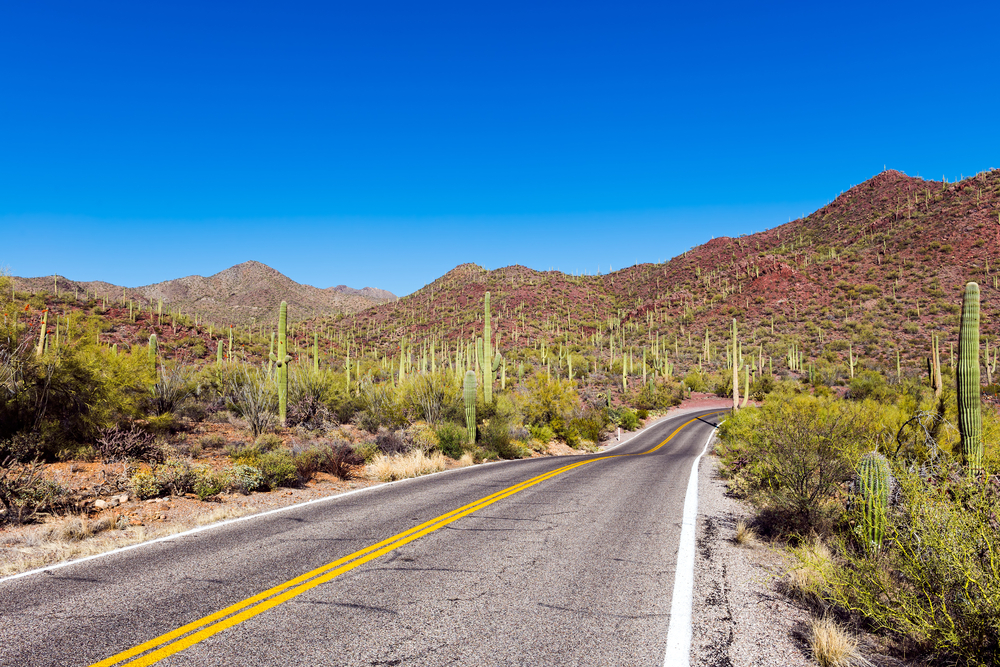
The two areas of the national park offer about 165 miles (266 km) of hiking trails to explore this Sonoran Desert terrain. Take plenty of water because dehydration is a real concern.

FAQ’s
What is Saguaro National Park known for?
Saguaro National Park is known for its iconic symbol, the saguaro cactus, which dominates the landscape of this unique desert ecosystem.
This sprawling park, divided into two districts near Tucson, Arizona, protects an extraordinary variety of desert flora and fauna, including the majestic saguaro cactus. Visitors to Saguaro National Park can explore vast expanses of Sonoran Desert terrain, characterized by towering cacti, rugged mountains, and diverse wildlife.
Beyond its iconic cacti, the park is renowned for its scenic beauty, offering stunning vistas of the desert landscape, particularly during sunrise and sunset.
Visitors can enjoy a range of outdoor activities, including hiking, scenic drives, wildlife viewing, and stargazing. Saguaro National Park is also steeped in cultural history, with evidence of human habitation dating back thousands of years, including ancient petroglyphs and archaeological sites.
Overall, Saguaro National Park offers visitors a chance to immerse themselves in the beauty and tranquility of the Sonoran Desert, while also providing opportunities for recreation, education, and exploration in one of the most biologically diverse desert ecosystems in North America.
What is the main reason people visit Saguaro National Park?
Saguaro National Park is primarily visited to experience the iconic giant saguaro cactus, stunning Sonoran Desert landscapes, desert wildlife, scenic drives, and excellent hiking opportunities. Located in southern Arizona surrounding the city of Tucson, the park protects one of the finest examples of the Sonoran Desert ecosystem in the world. Visitors come to see forests of towering saguaro cacti, photograph colorful desert sunsets, observe wildlife, hike among rugged mountains, and experience one of North America’s most biologically diverse deserts.
What animals can visitors hope to see in Saguaro National Park?
Saguaro National Park supports approximately 60 mammal species and an impressive diversity of reptiles, amphibians, and desert-adapted wildlife.
Some of the most notable animals found in Saguaro National Park include:
- Javelina (Collared Peccary)
- Coyote
- Bobcat
- Mountain Lion
- Gray Fox
- Ringtail
- Raccoon
- American Badger
- Striped Skunk
- Hog-nosed Skunk
- Black-tailed Jackrabbit
- Desert Cottontail
- Antelope Jackrabbit
- White-tailed Deer
- Mule Deer
- Desert Bighorn Sheep
- White-tailed Antelope Squirrel
- Rock Squirrel
- Harris’s Antelope Squirrel
- Round-tailed Ground Squirrel
- Arizona Pocket Mouse
- Merriam’s Kangaroo Rat
- Banner-tailed Kangaroo Rat
- Deer Mouse
- Brush Mouse
- Pocket Gopher
- Desert Shrew
- Big Brown Bat
- Hoary Bat
- Western Red Bat
- Pallid Bat
- Mexican Free-tailed Bat
- Townsend’s Big-eared Bat
- California Myotis
- Yuma Myotis
- Fringed Myotis
- Long-legged Myotis
- Western Mastiff Bat
- Cave Myotis
- Various Small Mammals
- Gila Monster
- Western Diamondback Rattlesnake
- Sidewinder
- Black-tailed Rattlesnake
- Coachwhip
- Sonoran Gopher Snake
- Kingsnake
- Desert Spiny Lizard
- Zebra-tailed Lizard
- Desert Tortoise
What birds can visitors hope to see in Saguaro National Park?
Saguaro National Park is home to more than 240 bird species. The Sonoran Desert supports a surprisingly rich bird population, including several species found almost nowhere else in the United States.
Some of the most popular birds seen in Saguaro National Park include:
- Gilded Flicker
- Gila Woodpecker
- Harris’s Hawk
- Red-tailed Hawk
- Cooper’s Hawk
- Sharp-shinned Hawk
- Ferruginous Hawk
- Golden Eagle
- Prairie Falcon
- American Kestrel
- Great Horned Owl
- Elf Owl
- Western Screech-Owl
- Burrowing Owl
- Common Raven
- Chihuahuan Raven
- Cactus Wren
- Rock Wren
- Canyon Wren
- Bewick’s Wren
- Verdin
- Black-tailed Gnatcatcher
- Blue-gray Gnatcatcher
- Curve-billed Thrasher
- Crissal Thrasher
- Northern Mockingbird
- Phainopepla
- Pyrrhuloxia
- Northern Cardinal
- Black-throated Sparrow
- Rufous-winged Sparrow
- Lark Sparrow
- White-crowned Sparrow
- Dark-eyed Junco
- Yellow Warbler
- Lucy’s Warbler
- Wilson’s Warbler
- Western Tanager
- Black-headed Grosbeak
- Lazuli Bunting
- Hooded Oriole
- Scott’s Oriole
- Bullock’s Oriole
- Costa’s Hummingbird
- Anna’s Hummingbird
- Broad-billed Hummingbird
- Broad-tailed Hummingbird
- Gambel’s Quail
- Greater Roadrunner
- White-winged Dove
Is Saguaro National Park worth visiting?
Yes, Saguaro National Park is absolutely worth visiting and is one of the best places in the world to experience the Sonoran Desert.
The park offers vast forests of giant saguaro cacti, spectacular desert scenery, scenic drives, mountain hiking trails, exceptional sunsets, and abundant wildlife. Visitors often discover that the Sonoran Desert is far more colorful, diverse, and scenic than they expected.
The primary hesitation is that some visitors mistakenly assume the park is simply a cactus field, when in reality it protects a remarkably diverse ecosystem with mountains, forests, wildlife, and dramatic desert landscapes.
What is the best time to visit Saguaro National Park?
The best time to visit Saguaro National Park is from November through April.
Typical conditions include:
- Winter: 40–75°F (4–24°C)
- Spring: 50–85°F (10–29°C)
- Summer: 75–105°F (24–41°C)
- Fall: 55–90°F (13–32°C)
During this period:
- Hiking conditions are ideal.
- Wildlife activity is high.
- Wildflowers may bloom.
- Desert temperatures are comfortable.
- Scenic photography opportunities are excellent.
March and April are particularly popular because of wildflowers and pleasant weather.
How many days do you need to visit Saguaro National Park?
Most visitors should plan for 1 to 2 days.
- Half day: Scenic drives and viewpoints.
- 1 day: Both park districts and short hikes.
- 2 days: Extensive hiking and wildlife viewing.
- 3+ days: Backcountry trails and photography.
Because the park is divided into two districts, a full day is recommended to experience both sides.
How do you get to Saguaro National Park?
Saguaro National Park is located on both the eastern and western sides of Tucson.
The closest airport is:
- Tucson International Airport – approximately 20–40 minutes from the park depending on which district you visit.
Other nearby airports include:
- Phoenix Sky Harbor International Airport – approximately 2 hours away.
Most visitors follow this route:
- Fly into Tucson.
- Rent a vehicle.
- Visit one or both park districts.
- Explore the scenic drives and trail systems.
Important: Two Separate Districts
Saguaro National Park consists of two distinct sections separated by the city of Tucson:
Saguaro East (Rincon Mountain District)
- Rincon Mountain District
This district features:
- Larger wilderness areas.
- Mountain hiking trails.
- Extensive saguaro forests.
- Scenic desert drives.
The popular:
- Cactus Forest Drive
provides an excellent introduction to the park’s iconic desert scenery.
Saguaro West (Tucson Mountain District)
- Tucson Mountain District
This district offers:
- Dense concentrations of saguaro cacti.
- Scenic sunset views.
- Short hiking trails.
- Excellent wildlife viewing.
Many visitors consider this side the most photogenic.
Major Attractions
Popular destinations include:
- Cactus Forest Drive
- Bajada Loop Drive
- Signal Hill
- Valley View Overlook Trail
- Freeman Homestead Trail
Travel Times
Typical travel times include:
- Tucson International Airport to Saguaro East: approximately 30 minutes.
- Tucson International Airport to Saguaro West: approximately 40 minutes.
- Downtown Tucson to either district: approximately 20–30 minutes.
- Saguaro East to Saguaro West: approximately 1 hour through Tucson.
Visitors should plan enough time to explore both districts because each offers a different perspective on the Sonoran Desert.
Who is involved in protecting and supporting Saguaro National Park?
Several organizations help protect and support Saguaro National Park:
- National Park Service – manages Saguaro National Park.
- Friends of Saguaro National Park – supports conservation, education, and volunteer initiatives.
- National Park Foundation – supports projects throughout the National Park System.
- Sonoran Institute – supports conservation throughout the Sonoran Desert region.
- Indigenous communities including the Tohono O’odham Nation and Pascua Yaqui Tribe, who maintain longstanding cultural connections to the desert landscape.
How tall do saguaro cacti grow?
A mature Saguaro Cactus can reach heights of 40 to 60 feet (12 to 18 meters), with some exceptional specimens growing even taller.
Sources
- American Southwest, Saguaro National Park – West Section (Tucson Mountain), https://www.americansouthwest.net/arizona/saguaro/west.html, retrieved June 2020.
- Britannica, Saguaro, https://www.britannica.com/plant/saguaro, retrieved June 2020.
- Britannica, Saguaro National Park, https://www.britannica.com/place/Saguaro-National-Park, retrieved June 2020.
- National Geographic, Complete National Parks of the United States, National Geographic Publishing, Washington DC.
- National Geographic, Guide to the National Parks of the United States, National Geographic Society, 2003.
- National Geographic, National Parks of North America, Canada-United States-Mexico, National Geographic Society, 1995.
- National Park Service, Saguaro, https://www.nps.gov/sagu/index.htm, retrieved June 2020.
- Visit Arizona, Saguaro National Park, https://www.visitarizona.com/uniquely-az/parks-and-monuments/saguaro-national-park, retrieved June 2020.