

About
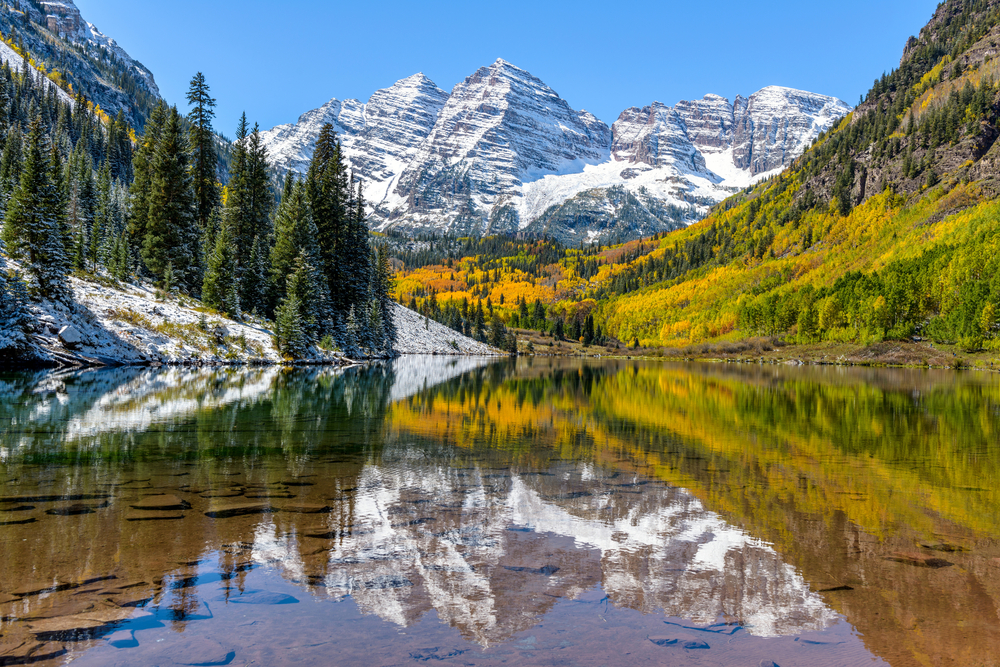
Rocky Mountain National Park is located in north-central Colorado in the United States and covers approximately 415 square miles (1,075 sq km). Established in 1915, the park protects one of the most spectacular sections of the Southern Rocky Mountains.
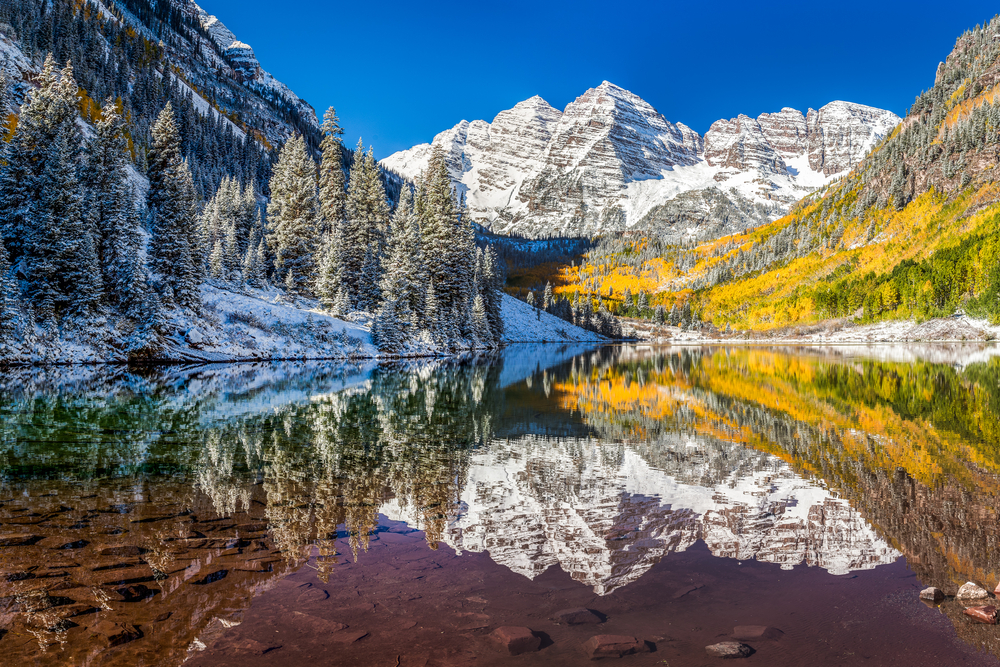
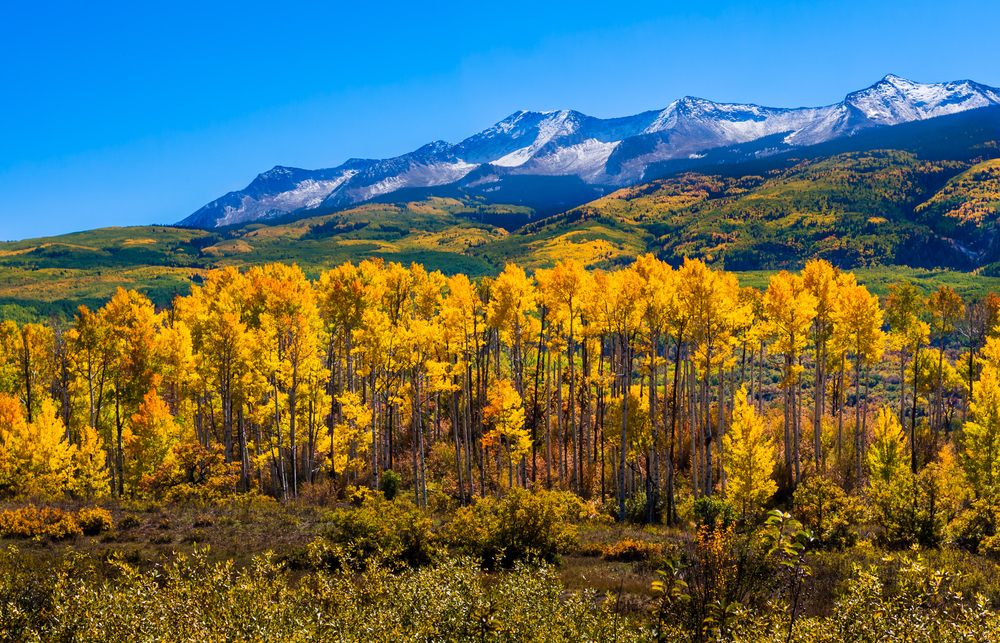
It lies northwest of Denver and borders the Arapaho National Forest and Roosevelt National Forest. The park encompasses soaring mountain peaks, alpine tundra, glacial valleys, forests, lakes, and rivers. With more than sixty peaks rising above 12,000 feet (3,658 meters), Rocky Mountain National Park offers visitors an unforgettable experience in one of North America’s most celebrated mountain landscapes.
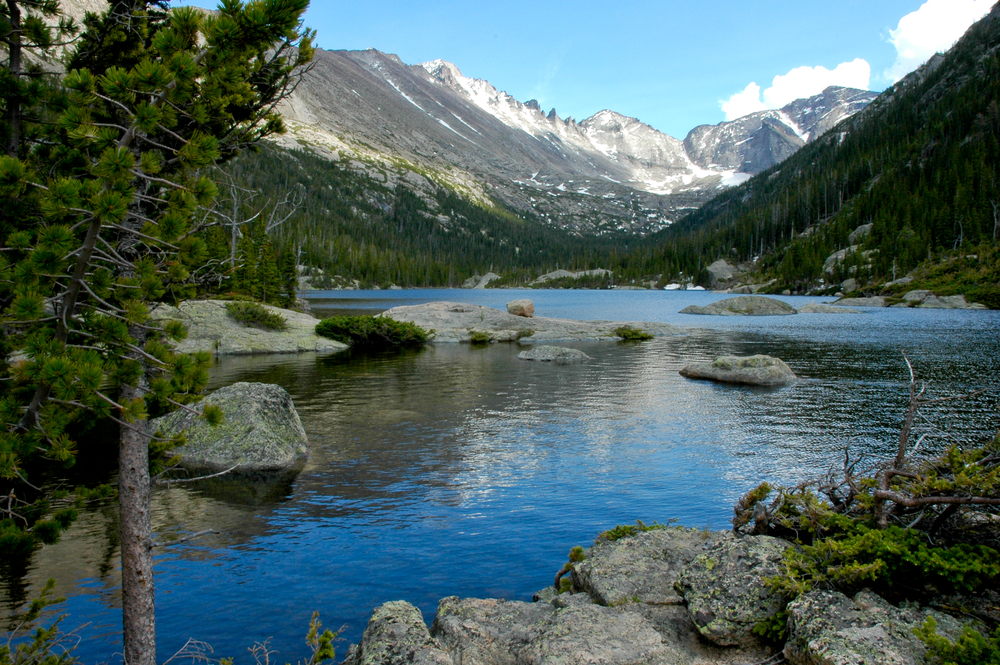
Rocky Mountain National Park is best known for its dramatic alpine scenery and exceptional outdoor recreation opportunities. Visitors travel from around the world to experience breathtaking mountain vistas, crystal-clear lakes, and abundant wildlife. One of the park’s most famous attractions is Trail Ridge Road, the highest continuous paved road in the United States, which crosses the Continental Divide and provides spectacular views of the surrounding mountains.
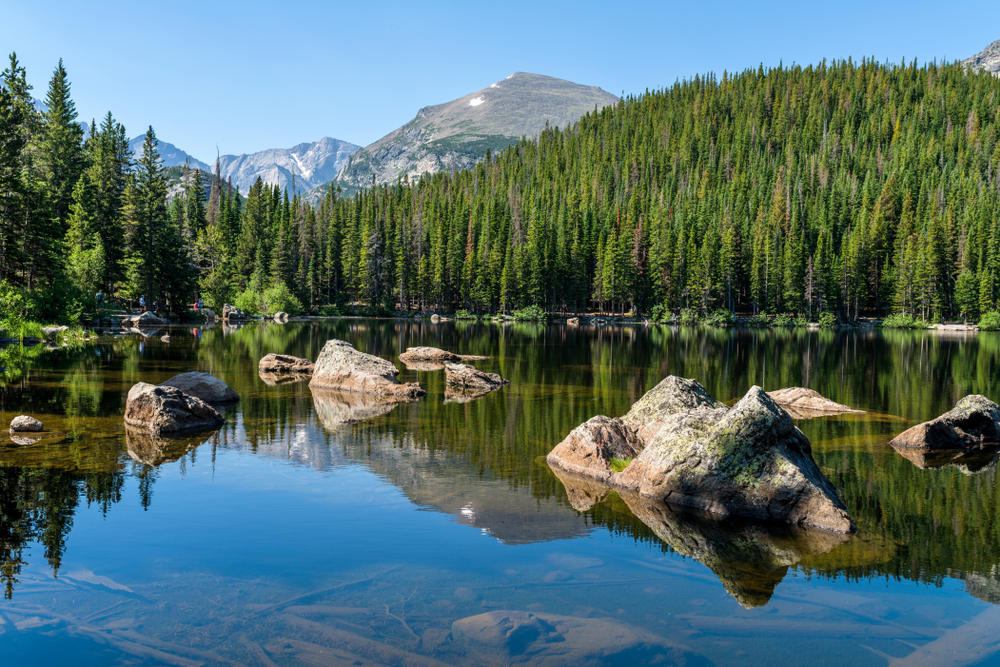
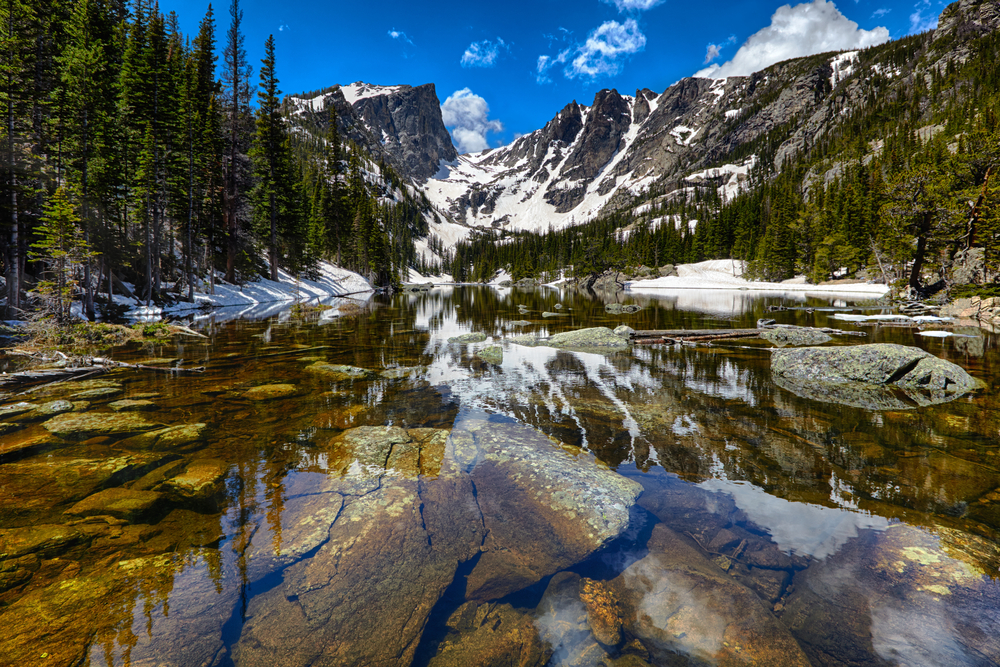
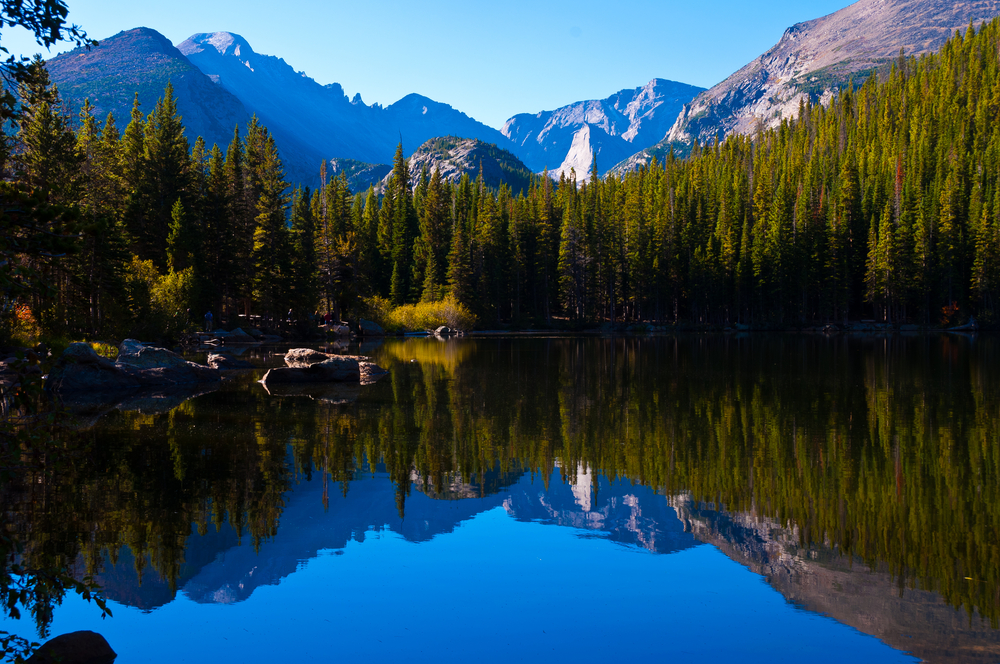
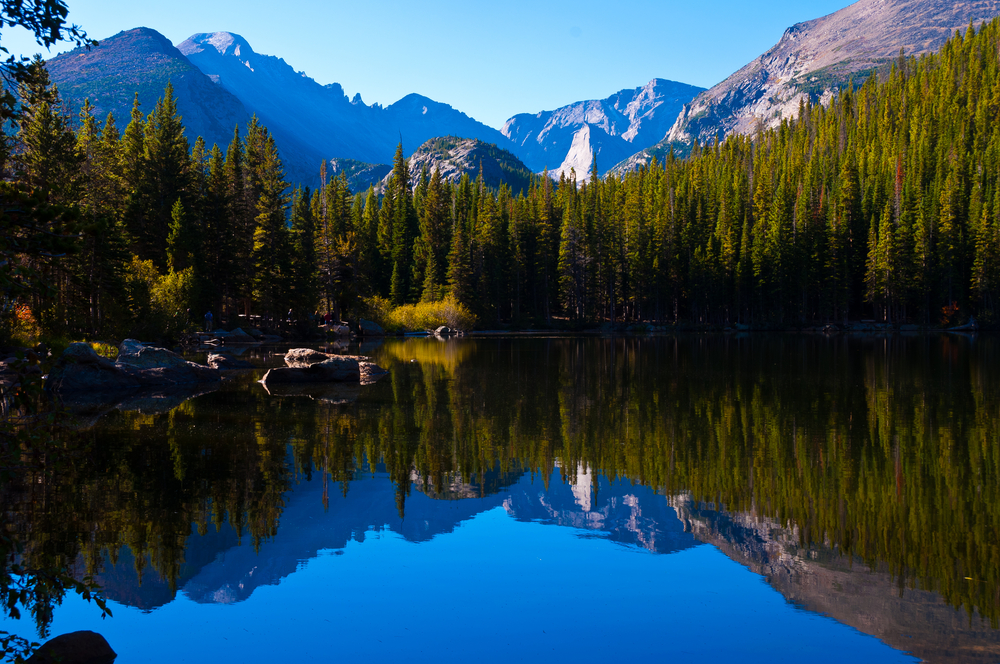
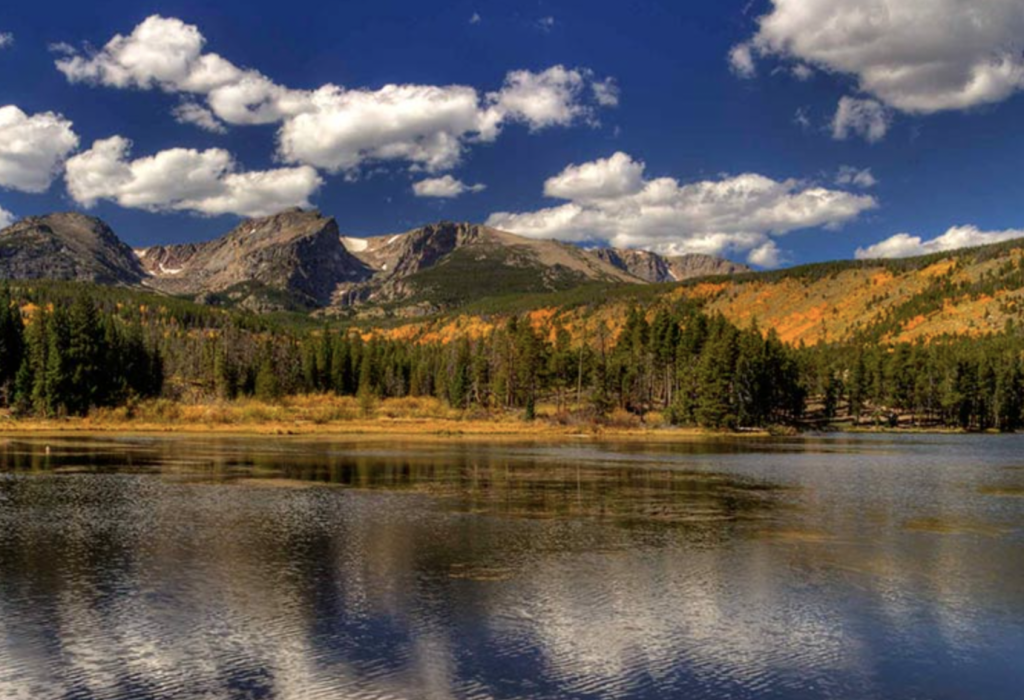
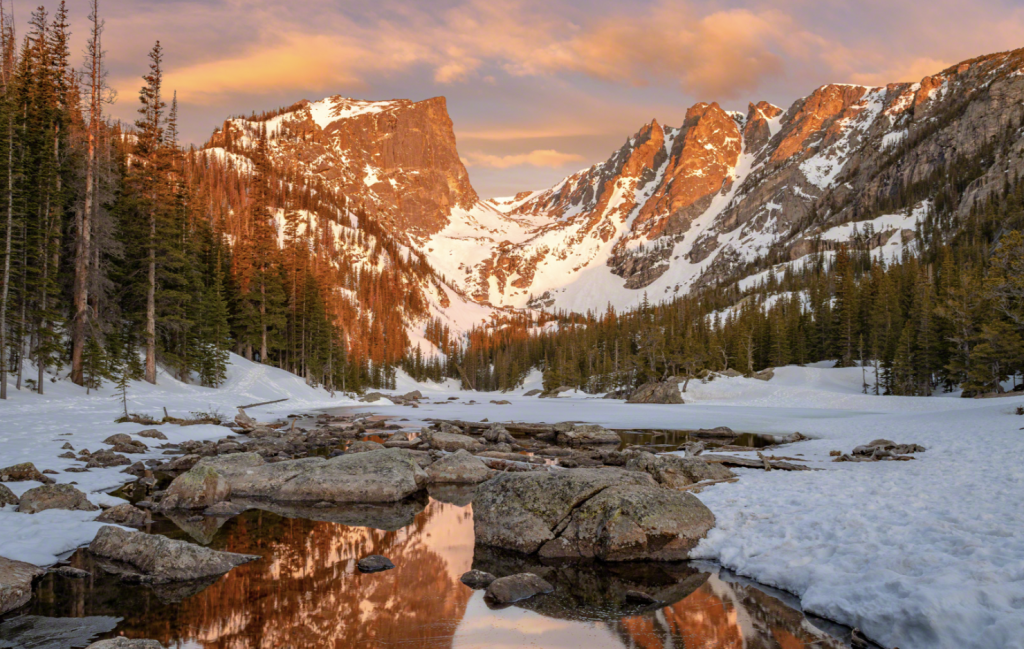
Popular activities include hiking, backpacking, camping, fishing, wildlife photography, horseback riding, and snowshoeing. Scenic destinations such as Bear Lake, Emerald Lake, and Moraine Park attract visitors seeking both adventure and tranquility in a pristine mountain setting.
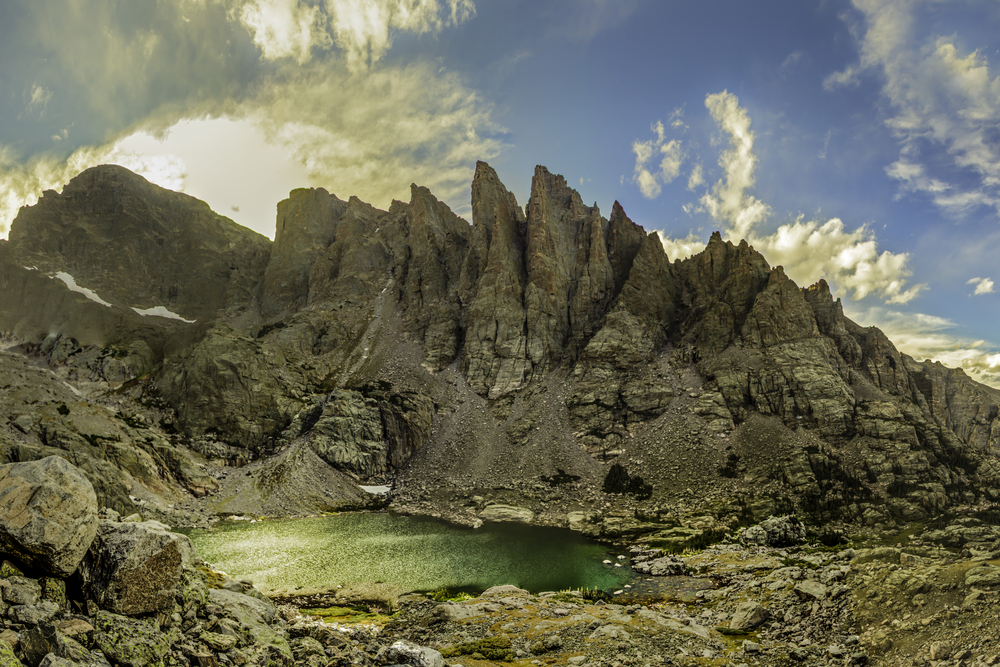
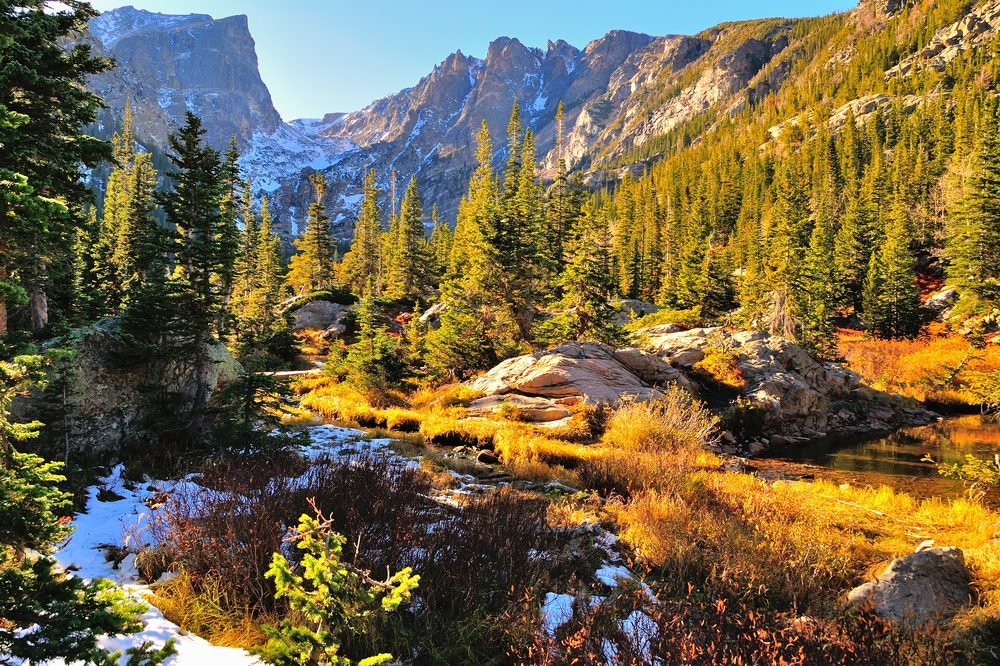
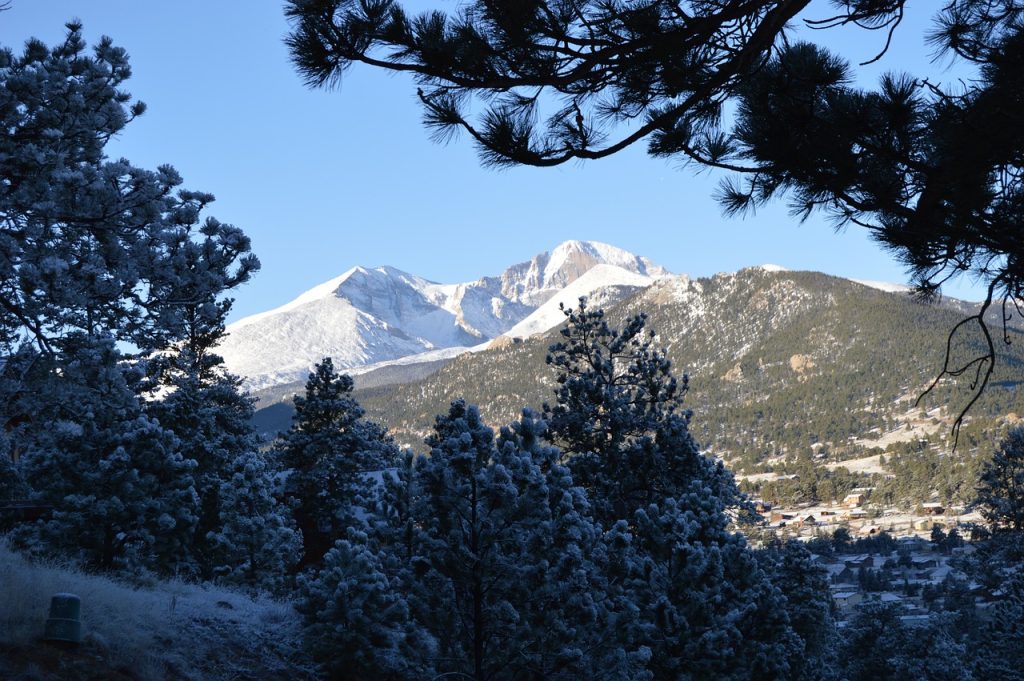
The geography of Rocky Mountain National Park was shaped by powerful geological forces and repeated glaciation over thousands of years. The park contains rugged mountain ranges, glacial cirques, alpine lakes, deep valleys, and high-elevation tundra. Elevations range from approximately 7,600 feet (2,316 meters) in the valleys to 14,259 feet (4,346 meters) at the summit of Longs Peak, the park’s highest mountain.
Numerous glaciers once carved the landscape, leaving behind U-shaped valleys, moraines, and hundreds of lakes. Vegetation changes dramatically with elevation. Lower elevations support ponderosa pine forests and grasslands, while higher elevations contain dense spruce-fir forests, subalpine meadows, and expansive alpine tundra above the tree line. This diversity of habitats contributes significantly to the park’s ecological richness.
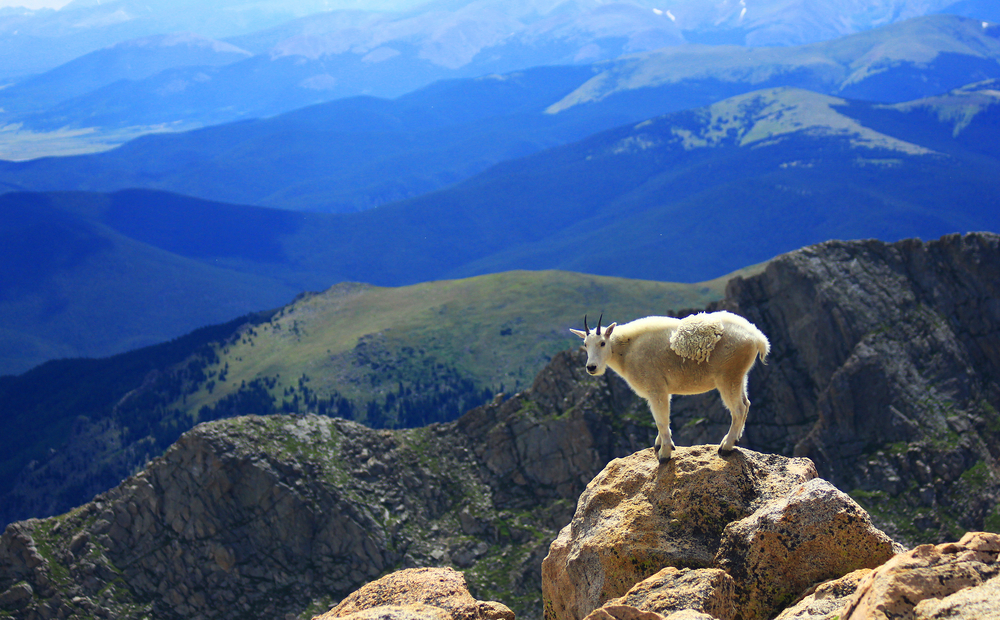
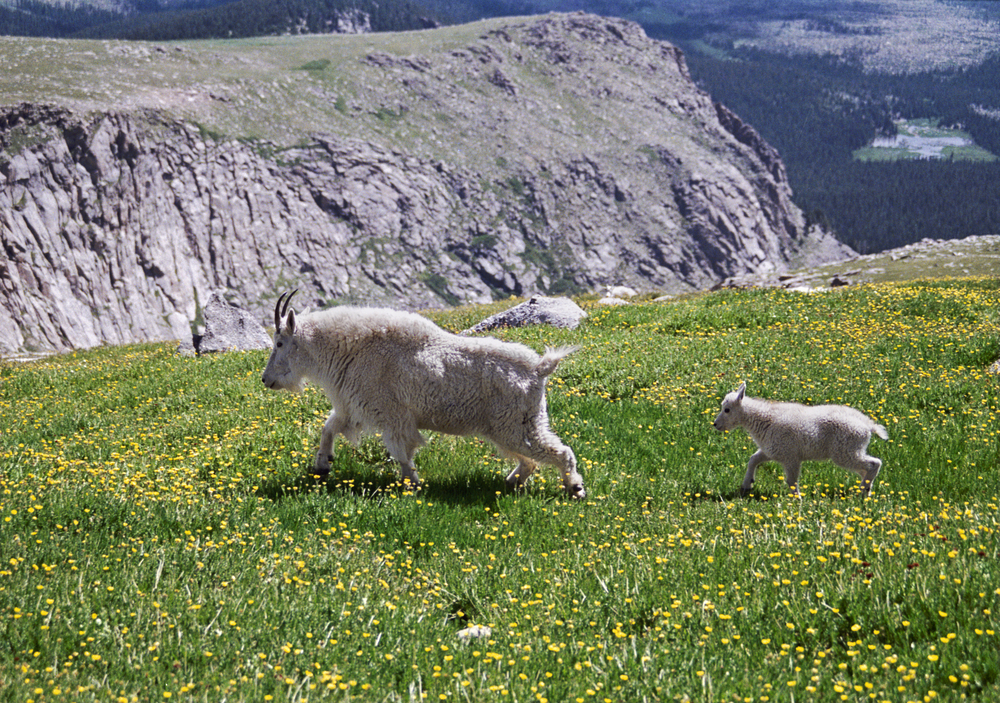
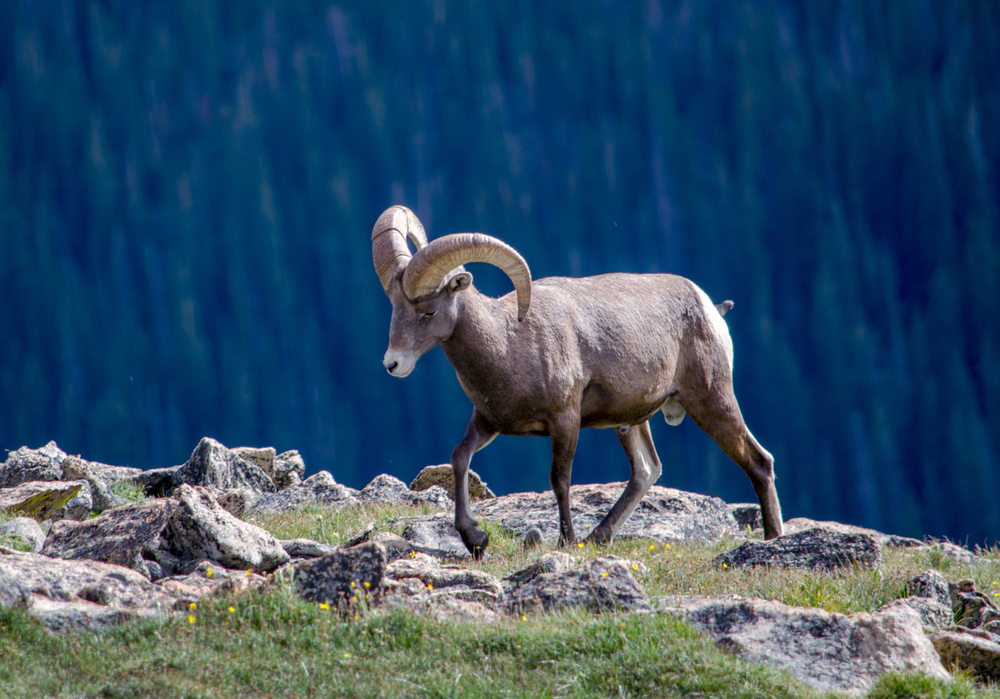
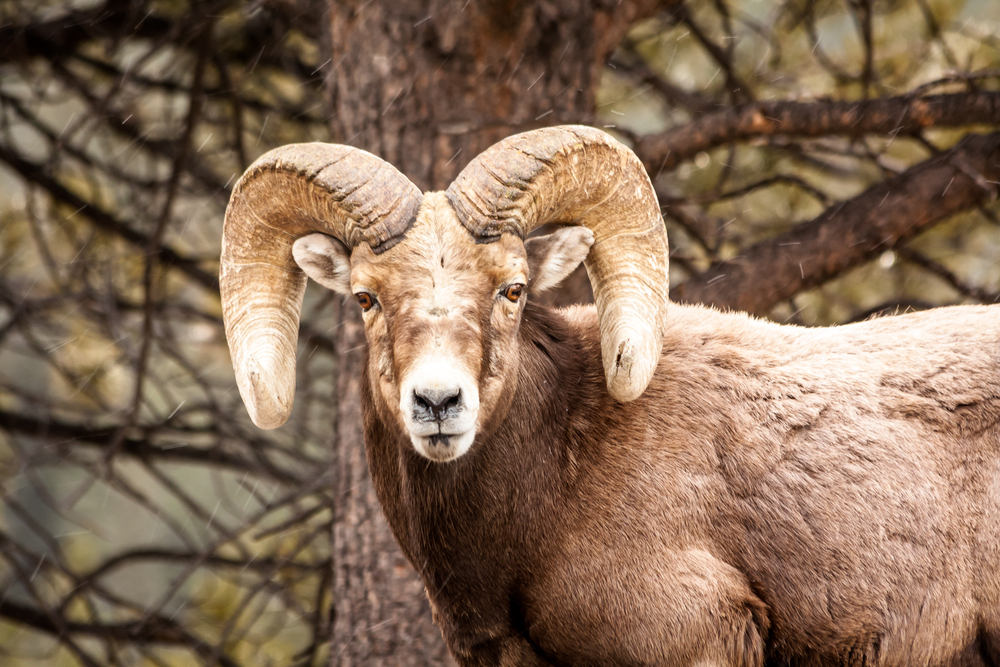
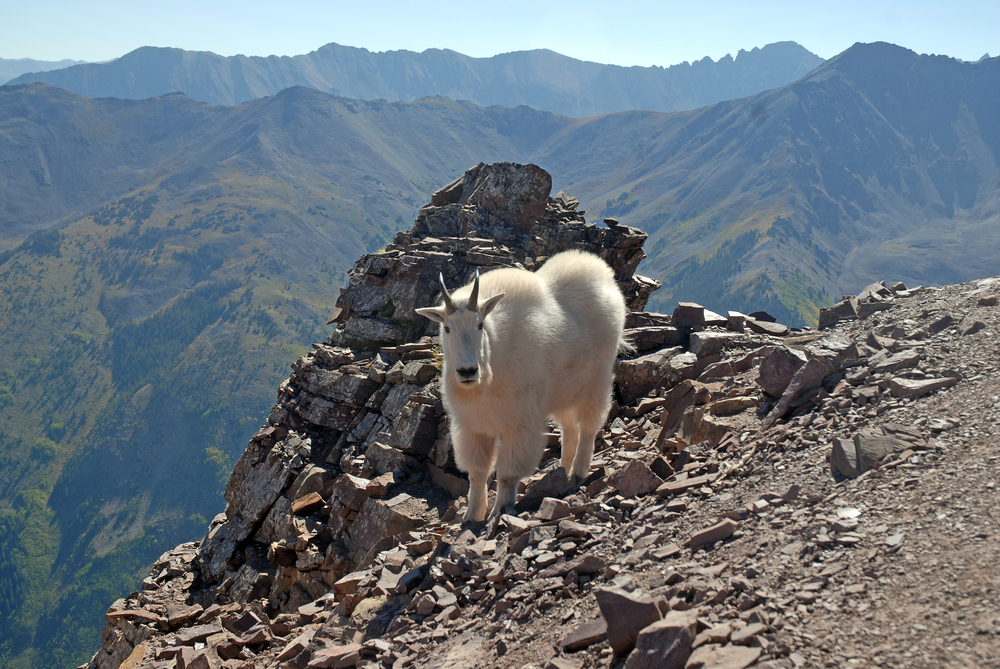
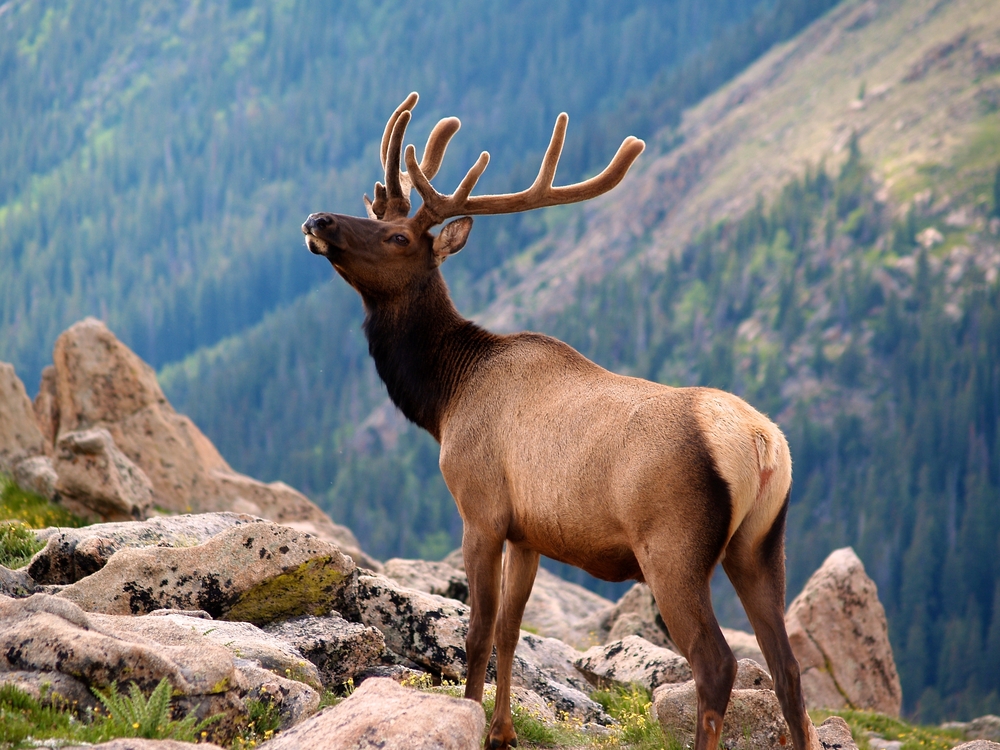
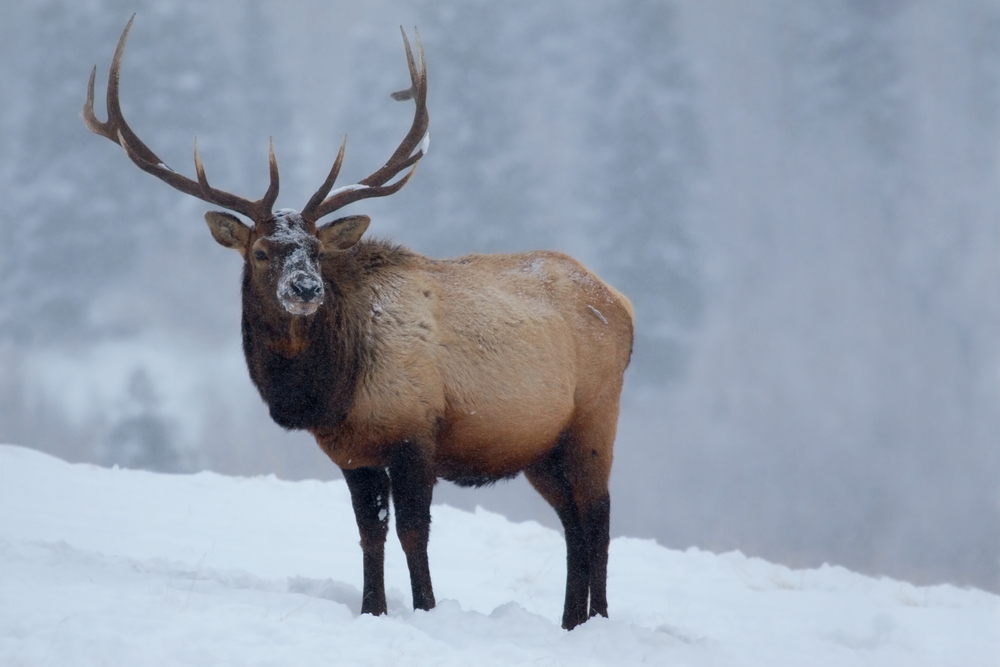
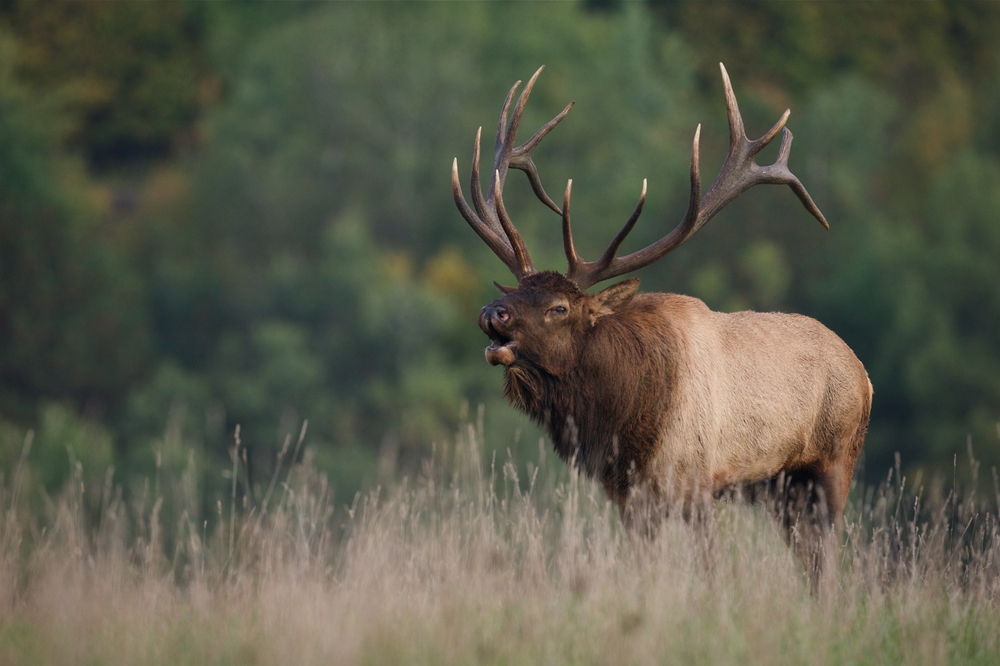
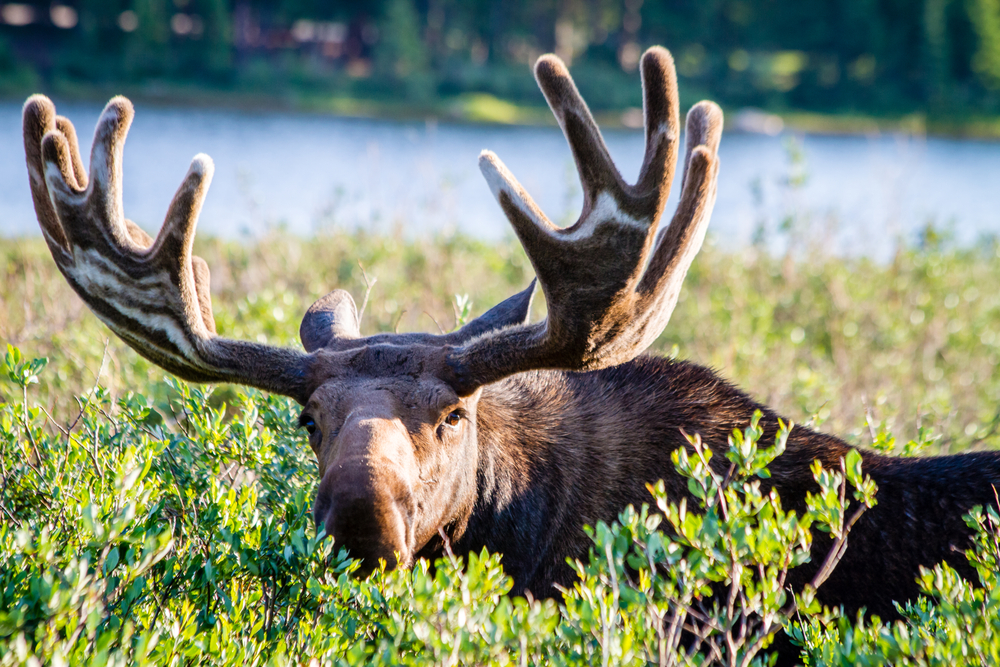
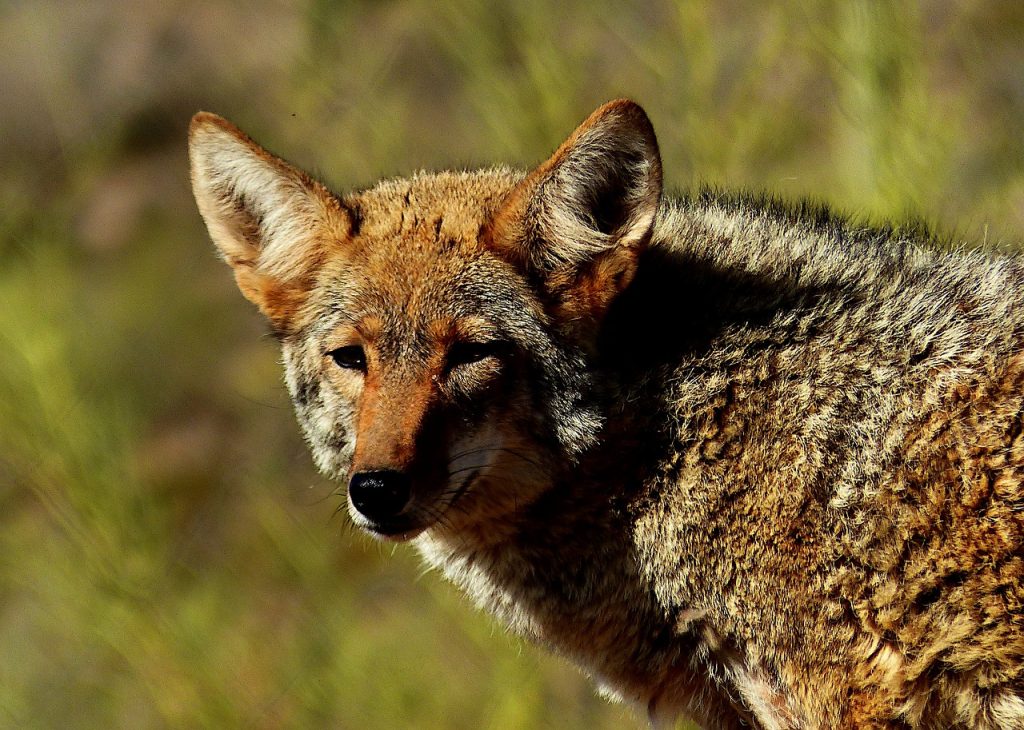
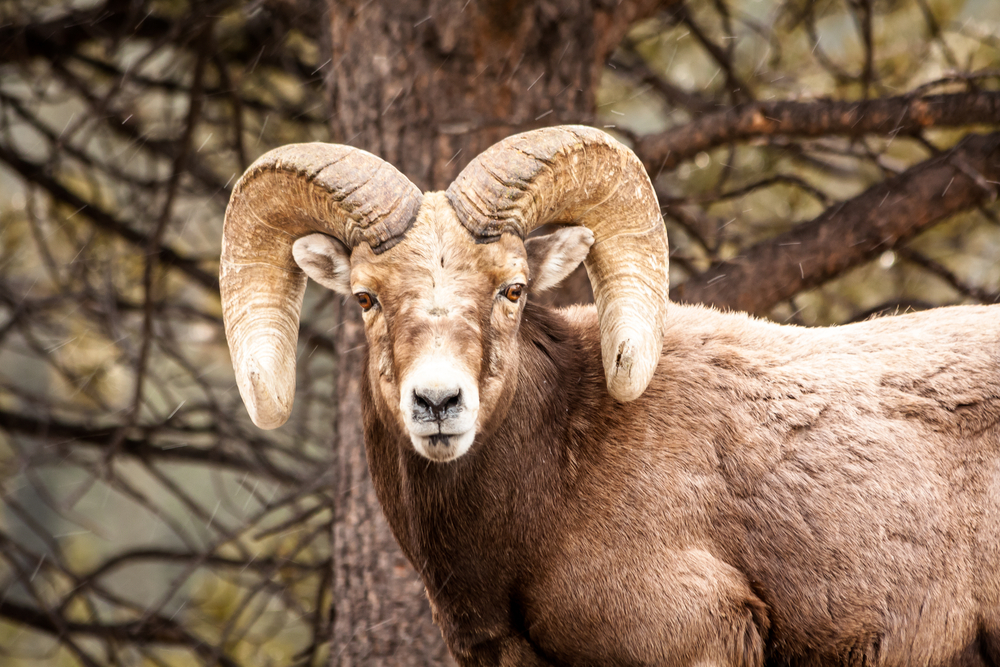
Wildlife within Rocky Mountain National Park is among the most diverse in the Rocky Mountains. Elk are perhaps the park’s most iconic animals and are frequently observed grazing in meadows and valleys. Other large mammals include mule deer, moose, bighorn sheep, black bears, mountain lions, coyotes, and yellow-bellied marmots.
Birdlife is equally impressive, with golden eagles, peregrine falcons, Clark’s nutcrackers, Steller’s jays, and white-tailed ptarmigans inhabiting the park’s varied ecosystems. Streams and lakes support native trout species, while alpine meadows provide habitat for pollinators and specialized plant communities. The park’s broad elevation range allows an extraordinary variety of species to thrive within its boundaries.
Rocky Mountain National Park plays a vital role in protecting the Southern Rocky Mountains and preserving one of North America’s most important alpine ecosystems. The park safeguards critical watersheds, wildlife migration corridors, tundra habitats, and high-elevation environments that are increasingly vulnerable to climate change. Conservation efforts focus on protecting native species, restoring ecosystems, and maintaining the natural processes that sustain this mountain landscape.
Rocky Mountain National Park is often compared to Banff National Park and Glacier National Park because of its spectacular mountain scenery and ecological significance. Yet its accessibility, extensive alpine tundra, and iconic Rocky Mountain vistas give it a character all its own. Today, the park remains one of America’s most treasured natural destinations, preserving a landscape where mountains, wildlife, and wilderness continue to inspire generations of visitors.
Photos
Things to See
Things To Do
Engaging Rocky Mountain National Park
Rocky Mountain National Park Trails
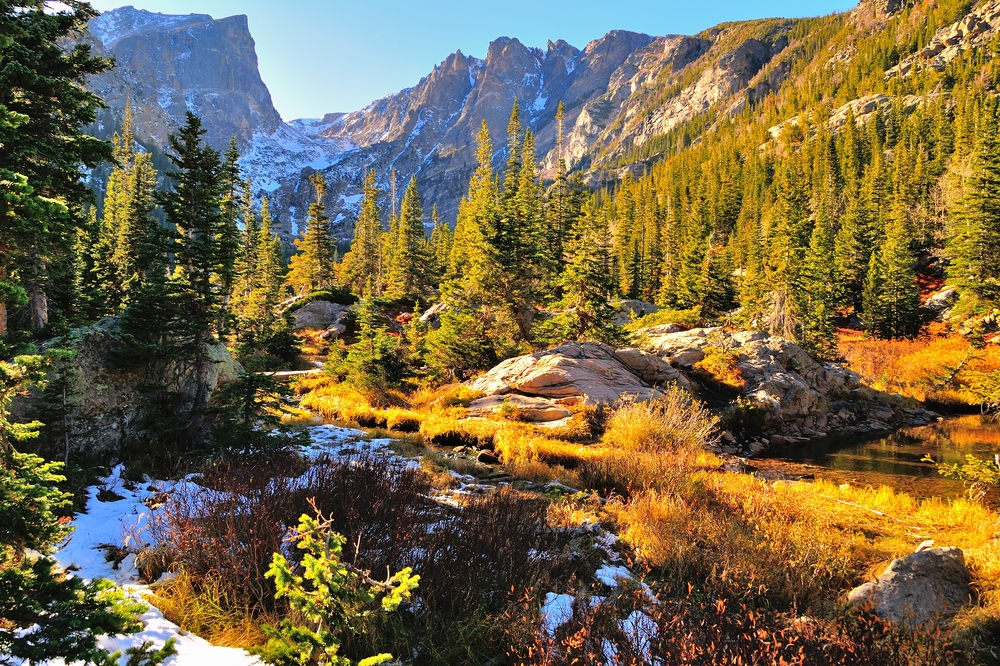
Rocky Mountain National Park is probably one of the most popular destinations of hiking with a wide variety of hiking trails and terrain to explore. There are well over 200 trails that are used throughout the park allowing hikers to explore the different facets of nature and the natural wonders that abound across the park.

Park Protection
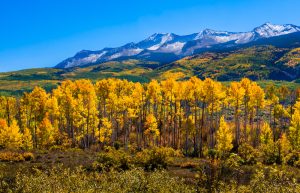 Rocky Mountain National Park was created to protect the high-elevation landscapes, alpine tundra, forests, and mountain ecosystems of Colorado’s Front Range. The park provides habitat for a variety of wildlife, including elk, bighorn sheep, moose, black bears, and mountain lions. Its alpine and subalpine habitats support numerous species specially adapted to harsh mountain conditions and short growing seasons.
The park is particularly significant for preserving one of the largest expanses of alpine tundra in the contiguous United States. More than 100 peaks rise above 11,000 feet, creating a dramatic landscape of glaciers, lakes, and rugged mountains. Together, Rocky Mountain National Park safeguards high-altitude ecosystems, important wildlife habitat, pristine headwaters, and some of the most iconic mountain scenery in North America.
FAQ’s
What is Rocky Mountain National Park most known for?
Rocky Mountain National Park, located in Colorado, is most known for its breathtaking mountain landscapes, iconic peaks, and abundant wildlife.
The park encompasses a vast area of over 415 square miles, including rugged mountain terrain, alpine meadows, and pristine lakes.
One of the park’s main attractions is its stunning scenery, which includes towering peaks, cascading waterfalls, and lush valleys. Visitors to Rocky Mountain National Park can enjoy a variety of outdoor activities, including hiking, camping, wildlife viewing, and scenic drives.
The park is home to a wide range of wildlife, including elk, mule deer, bighorn sheep, and black bears, making it a popular destination for nature lovers and wildlife enthusiasts.
In addition to its natural beauty, Rocky Mountain National Park offers opportunities for cultural and historical exploration. The park is home to several historic landmarks, including homesteads, cabins, and Native American sites, providing insights into the region’s rich cultural heritage.
Whether you’re seeking adventure in the great outdoors or simply looking to relax and reconnect with nature, Rocky Mountain National Park offers something for everyone to enjoy.
What is the main reason people visit Rocky Mountain National Park?
Rocky Mountain National Park is primarily visited for its spectacular mountain scenery, alpine lakes, abundant wildlife, scenic drives, and world-class hiking opportunities. Located in north-central Colorado, the park protects more than 265,000 acres of rugged mountains, forests, tundra, and alpine ecosystems.
Visitors come to see towering peaks exceeding 14,000 feet (4,267 meters), drive the famous Trail Ridge Road, hike to pristine lakes, photograph wildlife, and experience one of the most iconic mountain landscapes in North America.
What animals can visitors hope to see in Rocky Mountain National Park?
Rocky Mountain National Park supports approximately 60 mammal species and numerous reptiles and amphibians. The park’s forests, alpine meadows, tundra, and mountain valleys provide excellent wildlife habitat.
Some of the most notable animals found in Rocky Mountain National Park include:
- Elk
- Mule Deer
- Bighorn Sheep
- Moose
- Black Bear
- Mountain Lion
- Bobcat
- Coyote
- Red Fox
- Gray Fox
- American Beaver
- River Otter
- Raccoon
- Long-tailed Weasel
- Short-tailed Weasel
- American Marten
- Fisher
- Striped Skunk
- Porcupine
- Yellow-bellied Marmot
- Hoary Marmot
- Golden-mantled Ground Squirrel
- Uinta Ground Squirrel
- Least Chipmunk
- Colorado Chipmunk
- Pika
- Snowshoe Hare
- Mountain Cottontail
- Deer Mouse
- Meadow Vole
- Long-tailed Vole
- Water Shrew
- Masked Shrew
- Big Brown Bat
- Hoary Bat
- Silver-haired Bat
- Little Brown Bat
- Fringed Myotis
- Long-eared Myotis
- Long-legged Myotis
- Yuma Myotis
- Townsend’s Big-eared Bat
- Pallid Bat
- Mexican Free-tailed Bat
- Wyoming Ground Squirrel
- Northern Pocket Gopher
- Mountain Beaver
- Various Small Rodents
- Various Bat Species
- Various Small Mammals
What birds can visitors hope to see in Rocky Mountain National Park?
Rocky Mountain National Park is home to more than 280 bird species. Its alpine tundra, forests, lakes, and wetlands provide habitat for a remarkable diversity of birds.
Some of the most popular birds seen in Rocky Mountain National Park include:
- Bald Eagle
- Golden Eagle
- Peregrine Falcon
- Prairie Falcon
- American Kestrel
- Northern Goshawk
- Cooper’s Hawk
- Sharp-shinned Hawk
- Osprey
- Great Horned Owl
- Northern Pygmy Owl
- Boreal Owl
- Common Raven
- Clark’s Nutcracker
- Gray Jay
- Steller’s Jay
- Mountain Chickadee
- Black-capped Chickadee
- White-breasted Nuthatch
- Red-breasted Nuthatch
- Brown Creeper
- American Dipper
- House Wren
- Rock Wren
- Mountain Bluebird
- Western Bluebird
- Hermit Thrush
- American Robin
- Townsend’s Solitaire
- Pine Grosbeak
- Evening Grosbeak
- Pine Siskin
- Red Crossbill
- White-winged Crossbill
- Dark-eyed Junco
- White-crowned Sparrow
- Lincoln’s Sparrow
- Fox Sparrow
- Yellow Warbler
- Wilson’s Warbler
- MacGillivray’s Warbler
- Western Tanager
- Black-headed Grosbeak
- Hairy Woodpecker
- Downy Woodpecker
- Northern Flicker
- Williamson’s Sapsucker
- Three-toed Woodpecker
- White-tailed Ptarmigan
- Dusky Grouse
Is Rocky Mountain National Park worth visiting?
Yes, Rocky Mountain National Park is absolutely worth visiting and is one of the most popular and scenic national parks in the United States.
The park offers stunning alpine landscapes, abundant wildlife, crystal-clear lakes, waterfalls, scenic mountain drives, and hundreds of miles of hiking trails. Visitors can experience high-elevation tundra, rugged peaks, and iconic Colorado scenery all within a relatively accessible national park.
The primary hesitation is that summer and fall can be very busy, especially near popular destinations such as Bear Lake and Trail Ridge Road.
What is the best time to visit Rocky Mountain National Park?
The best time to visit Rocky Mountain National Park is from late June through September.
Typical conditions include:
- June: 35–70°F (2–21°C)
- July: 40–80°F (4–27°C)
- August: 40–80°F (4–27°C)
- September: 30–75°F (-1–24°C)
During this period:
- Trail Ridge Road is typically open.
- Most hiking trails are snow-free.
- Wildlife activity is high.
- Alpine tundra is accessible.
- Wildflowers are in bloom.
September is especially popular for elk viewing during the rutting season.
How many days do you need to visit Rocky Mountain National Park?
Most visitors should plan for 2 to 4 days.
- 1 day: Trail Ridge Road and Bear Lake area.
- 2 days: Scenic drives, lakes, and wildlife viewing.
- 3–4 days: Hiking, photography, and exploration of multiple regions.
- 5+ days: Extensive backcountry adventures and alpine hikes.
The park rewards longer visits because of its extensive trail network and diverse landscapes.
How do you get to Rocky Mountain National Park?
Rocky Mountain National Park is located approximately 70 miles (113 km) northwest of Denver.
The closest major airport is:
- Denver International Airport
Most visitors follow this route:
- Fly into Denver International Airport.
- Rent a vehicle.
- Drive northwest to the park.
- Enter through one of the major gateways.
Estes Park Entrance
The most popular gateway community is:
- Estes Park
Located adjacent to the park’s eastern entrance, Estes Park offers:
- Lodging.
- Restaurants.
- Shopping.
- Visitor services.
- Easy access to major attractions.
Most first-time visitors enter the park from this side.
Trail Ridge Road
The park’s most famous attraction is:
- Trail Ridge Road
Known as the highest continuous paved road in the United States, it reaches elevations above 12,000 feet (3,658 meters).
Highlights include:
- Alpine tundra.
- Panoramic mountain views.
- Wildlife viewing.
- Scenic overlooks.
- Access to high-elevation hiking trails.
The road is generally open from late spring through early fall depending on snow conditions.
Bear Lake Corridor
One of the most visited areas is:
- Bear Lake
This region provides access to:
- Bear Lake.
- Dream Lake
- Emerald Lake
- Alberta Falls
- Numerous hiking trails.
Because of its popularity, shuttle systems and reservation systems are often used during peak seasons.
Grand Lake Entrance
Visitors can also enter from the western side through:
- Grand Lake
This gateway offers:
- Less congestion.
- Access to western trailheads.
- Scenic lake recreation.
- Connections to Trail Ridge Road.
Travel Times
Typical travel times include:
- Denver International Airport to Estes Park: approximately 2 hours.
- Denver to Estes Park: approximately 1.5–2 hours.
- Estes Park to Bear Lake: approximately 20 minutes.
- Estes Park to Alpine Visitor Center: approximately 1 hour.
- Grand Lake to Alpine Visitor Center: approximately 45 minutes.
Because mountain weather and traffic can affect travel times, visitors should allow extra time, especially during summer.
Who is involved in protecting and supporting Rocky Mountain National Park?
Several organizations help protect and support Rocky Mountain National Park:
- National Park Service – manages Rocky Mountain National Park.
- Rocky Mountain Conservancy – supports education, stewardship, and conservation programs.
- National Park Foundation – supports projects throughout the National Park System.
- Rocky Mountain Nature Association – historical partner supporting educational initiatives.
- Indigenous communities including the Arapaho Tribe, Ute Tribe, and Cheyenne People, who maintain historical connections to the region.
What is the highest point in Rocky Mountain National Park?
The highest point in the park is Longs Peak, which rises to 14,259 feet (4,346 meters) above sea level.
Sources
- All Trails, Best Trails in Rocky Mountain National Park, https://www.alltrails.com/parks/us/colorado/rocky-mountain-national-park, retrieved July 2020.
- National Geographic, Everything to know about Rocky Mountain National Park, https://www.nationalgeographic.com/travel/national-parks/rocky-mountain-national-park/, retrieved September 2019.
- National Geographic, Complete National Parks of the United States, National Geographic Publishing, Washington DC.
- National Geographic, Guide to the National Parks of the United States, National Geographic Society, 2003.
- National Geographic, National Parks of North America, Canada-United States-Mexico, National Geographic Society, 1995.
- National Park Service, Rocky Mountain, https://www.nps.gov/romo/index.htm, retrieved September 2019.
- Rocky Mountain National Park, Park Cite, https://rockymountainnationalpark.com/, retrieved September 2019.
- Rocky Mountain National Park, Guide, http://www.rmnp.com/, retrieved September 2019.
- Visit Estes Park, Rocky Mountain National Park, https://www.visitestespark.com/rocky-mountain-national-park/, retrieved September 2019.