

About
Lassen Volcanic National Park is located in northern California at the southern end of the Cascade Range. Established in 1916, the park covers approximately 166 square miles (430 sq km) and protects one of the most geologically active volcanic landscapes in North America.
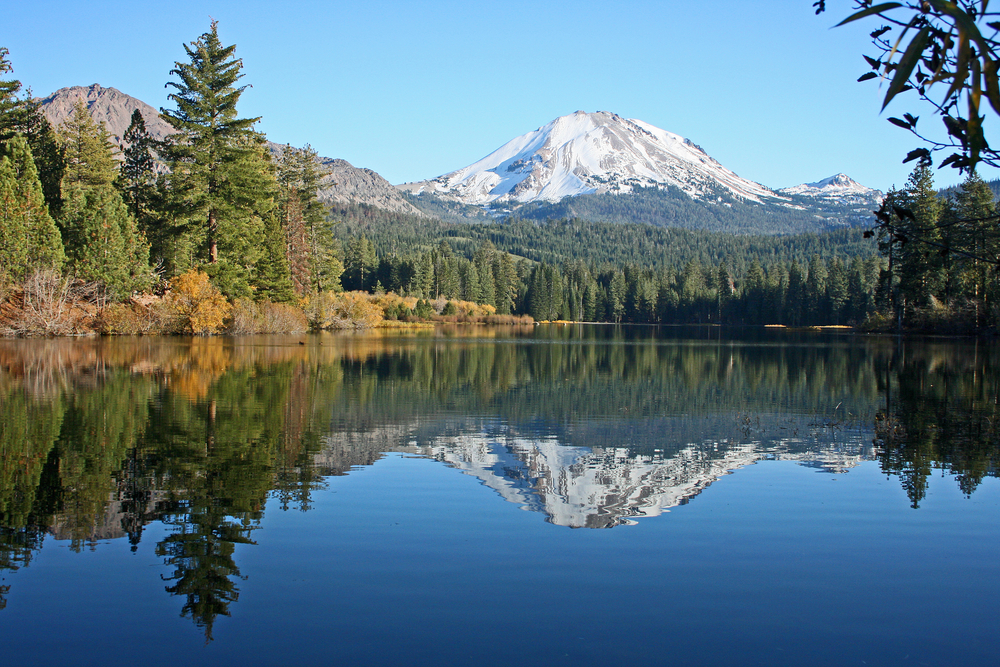
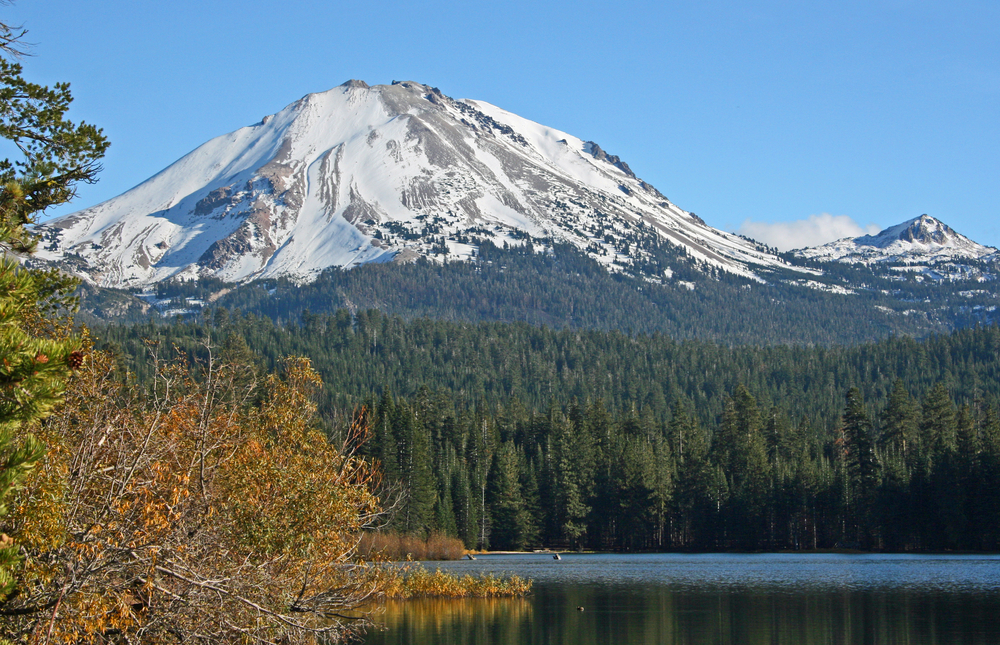
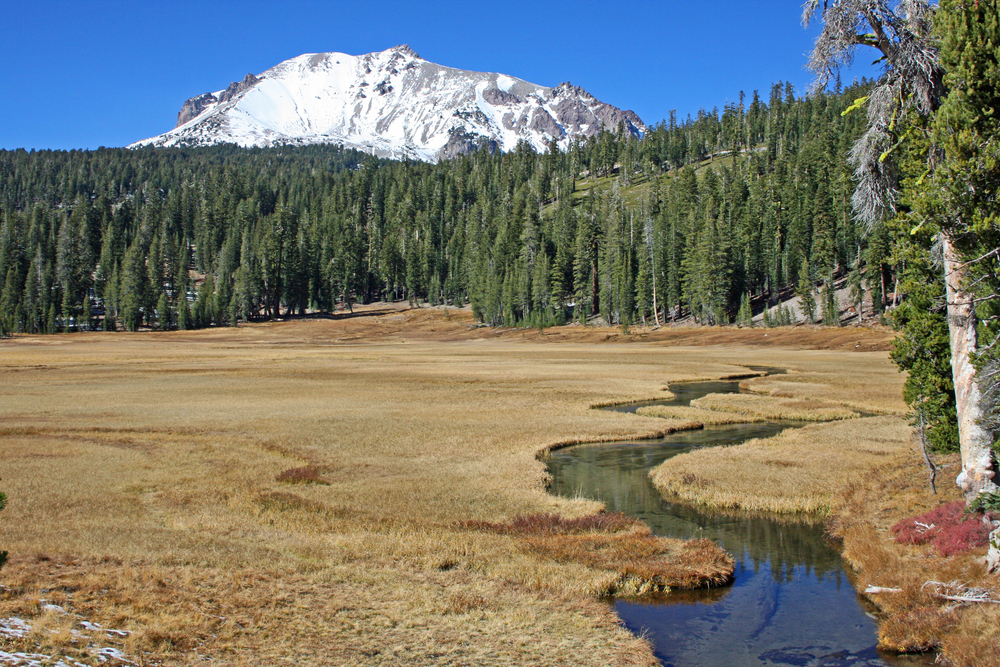
The park is centered around Lassen Peak, the largest plug dome volcano in the world and one of the few volcanoes in the Cascade Range to erupt during the twentieth century. Lassen Volcanic is unique because it contains all four major types of volcanoes—shield, composite, cinder cone, and plug dome—within a single protected area.
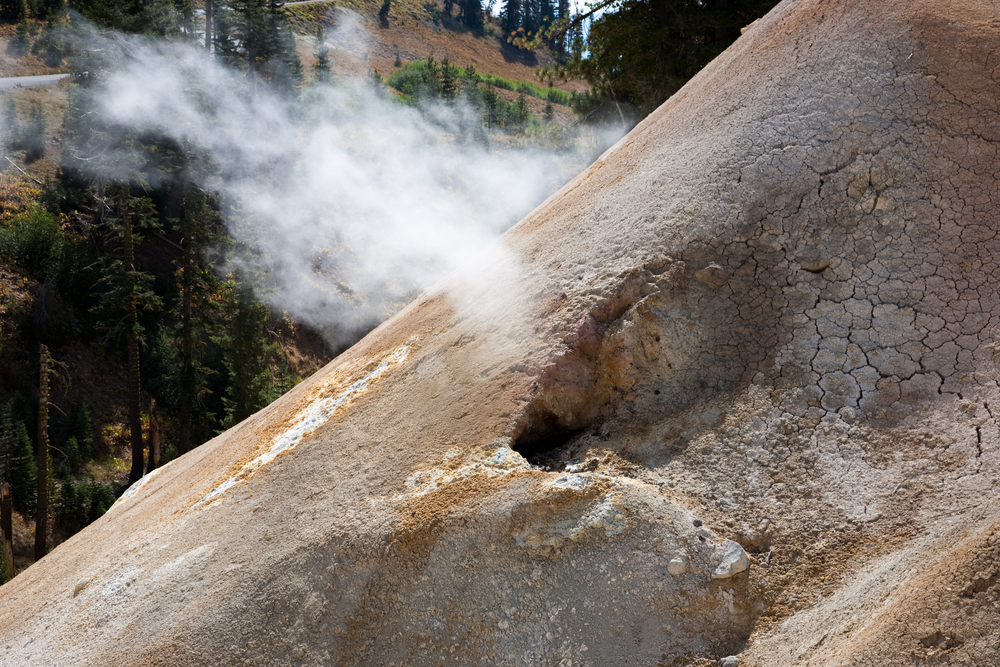
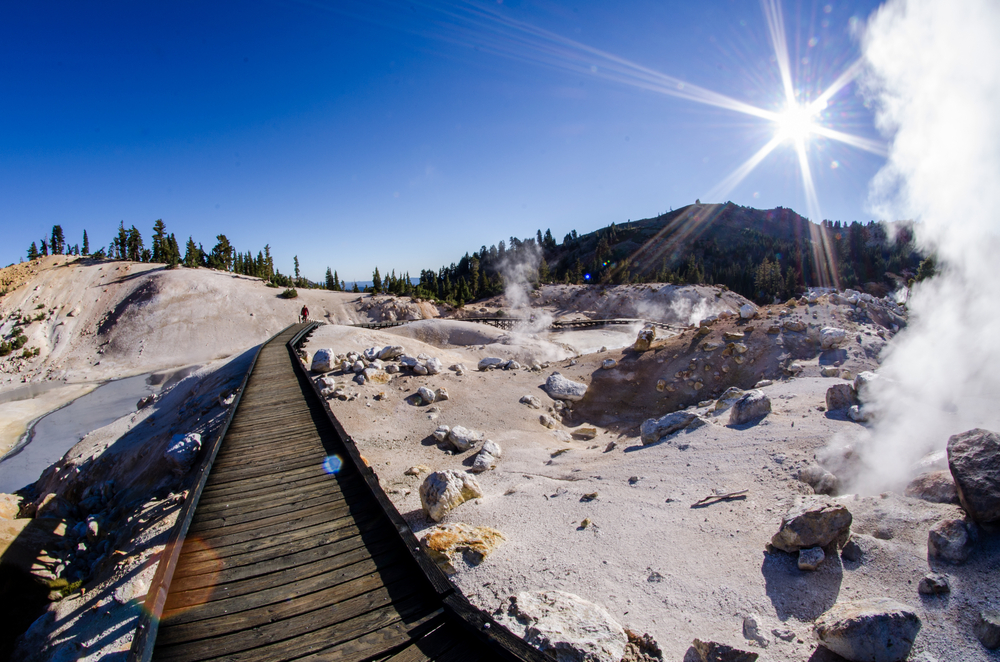
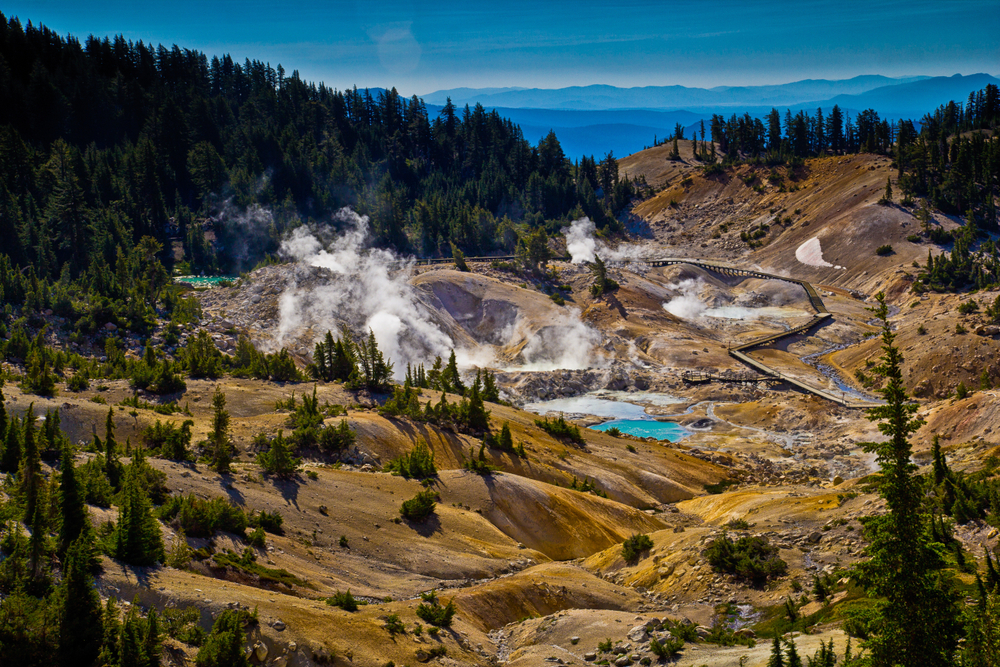
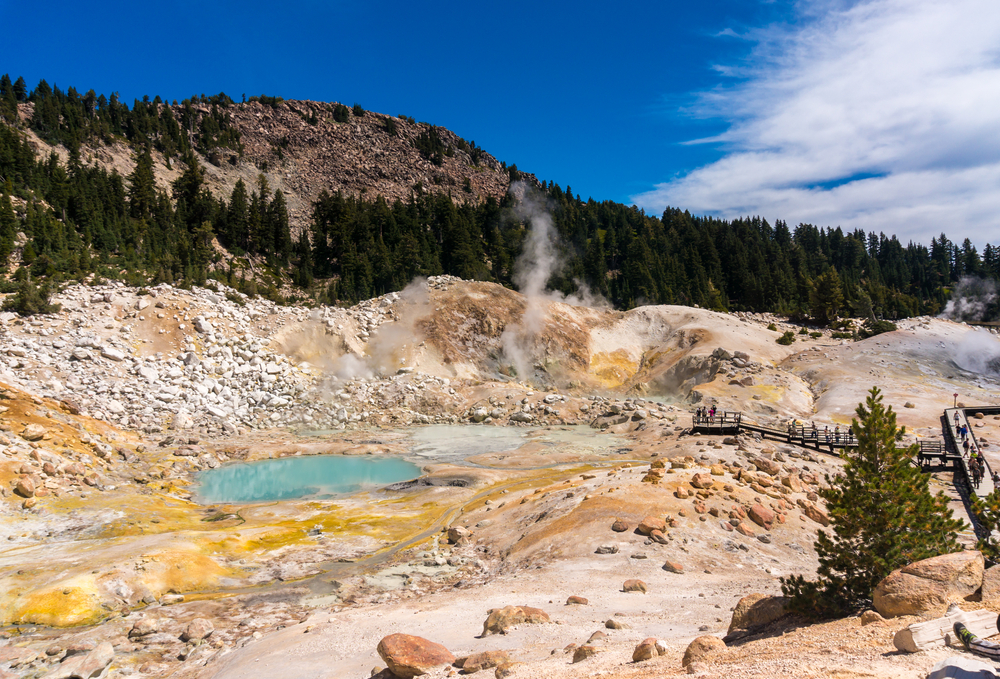
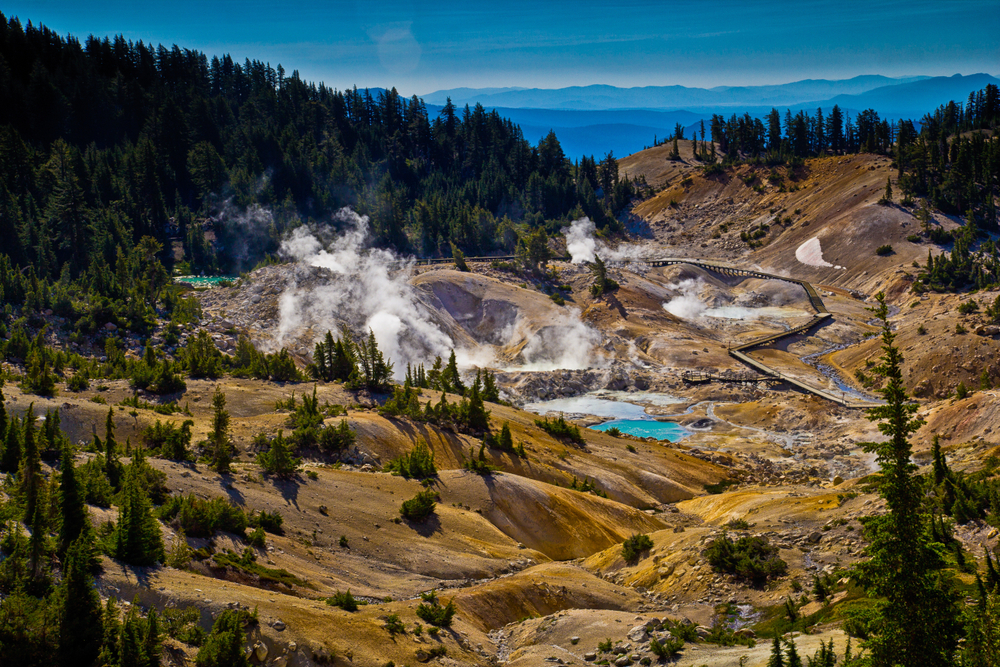
The park is best known for its active geothermal features and volcanic landscapes. Visitors are drawn to bubbling mud pots, steaming fumaroles, boiling springs, volcanic craters, alpine lakes, and dramatic mountain scenery. Among the park’s most famous attractions is Bumpass Hell, the largest hydrothermal area in the park, featuring steaming vents, boiling pools, and colorful mineral deposits.
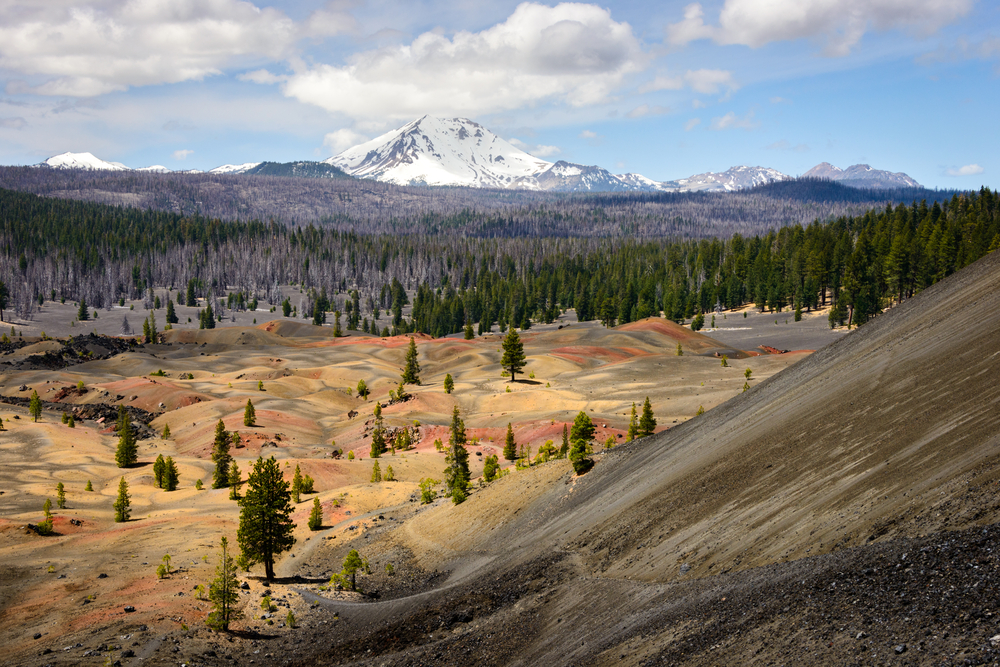
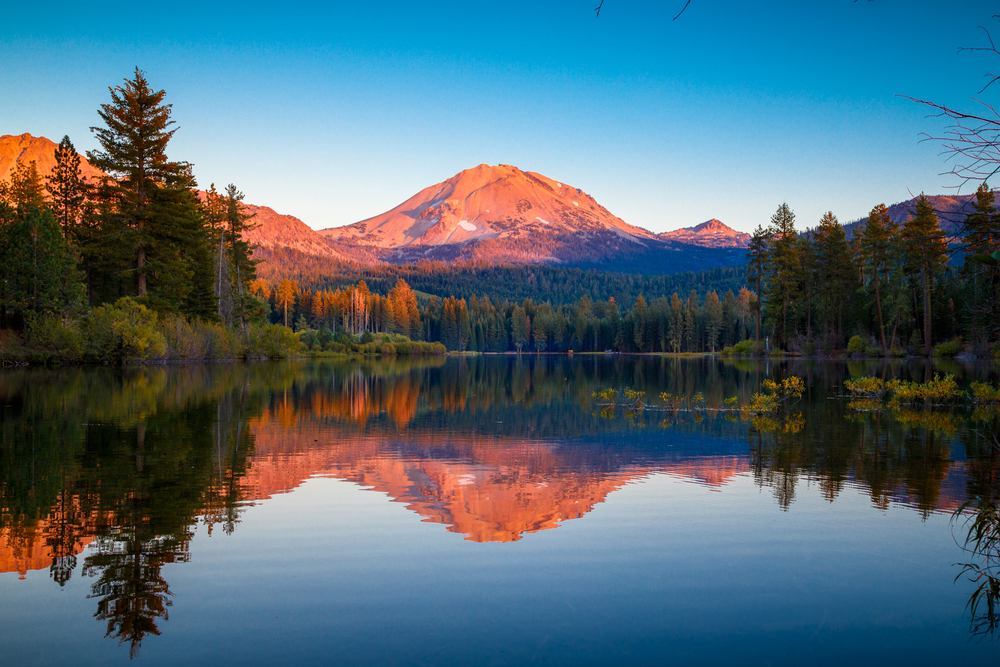
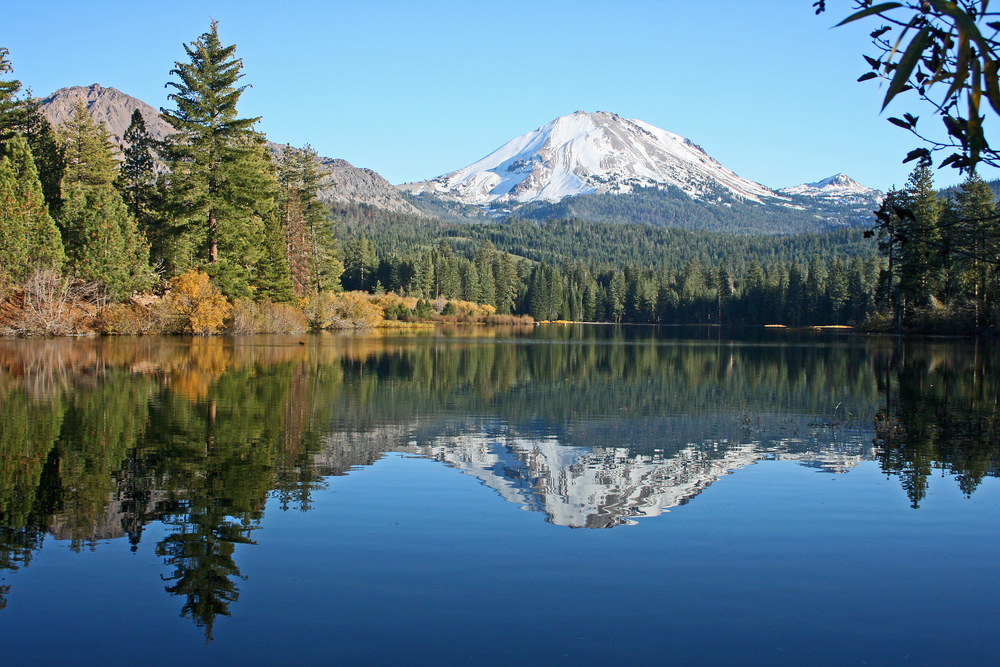
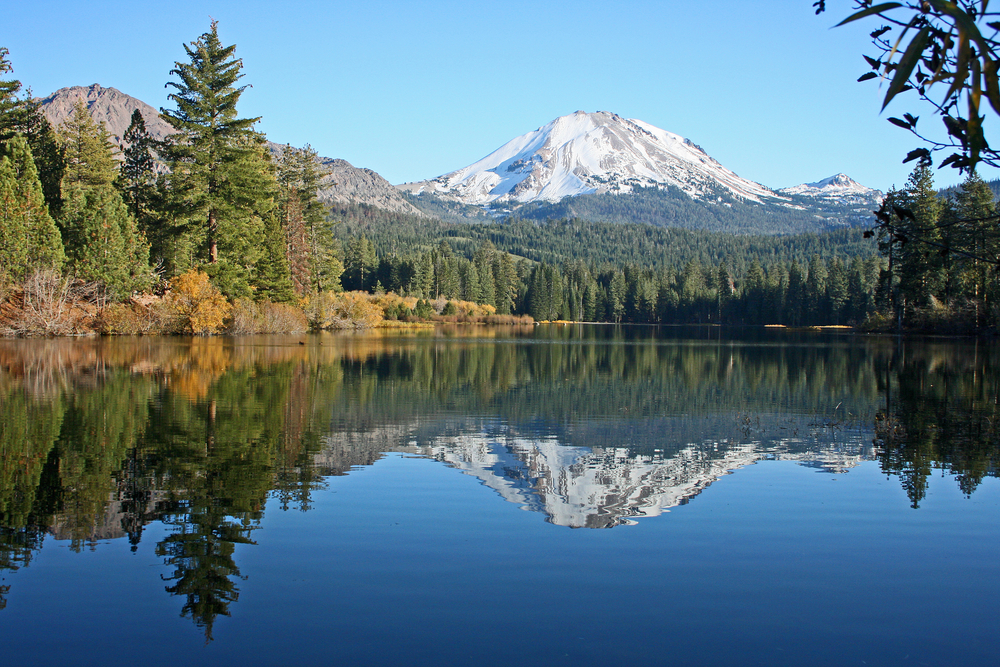
Other popular destinations include Cinder Cone, Manzanita Lake, and the summit trail to Lassen Peak. Hiking, camping, fishing, kayaking, snowshoeing, stargazing, and wildlife viewing are among the park’s most popular activities.
Geographically, Lassen Volcanic National Park lies at the intersection of the Cascade Range, Sierra Nevada, Great Basin, and Modoc Plateau regions, creating exceptional geological and ecological diversity. Elevations range from approximately 5,000 feet (1,525 m) to 10,457 feet (3,187 m) at the summit of Lassen Peak.
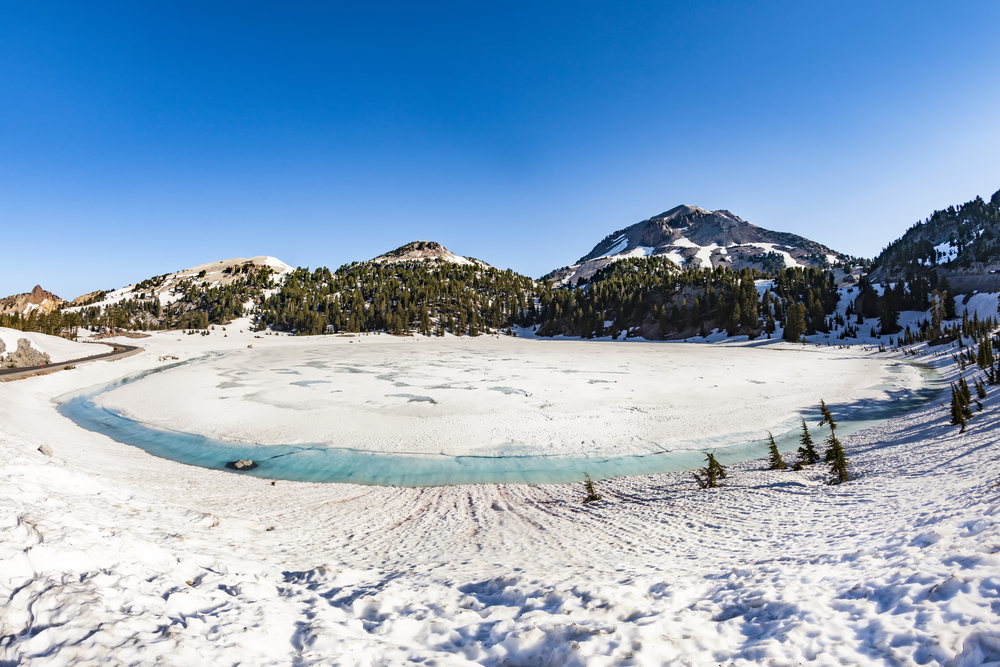
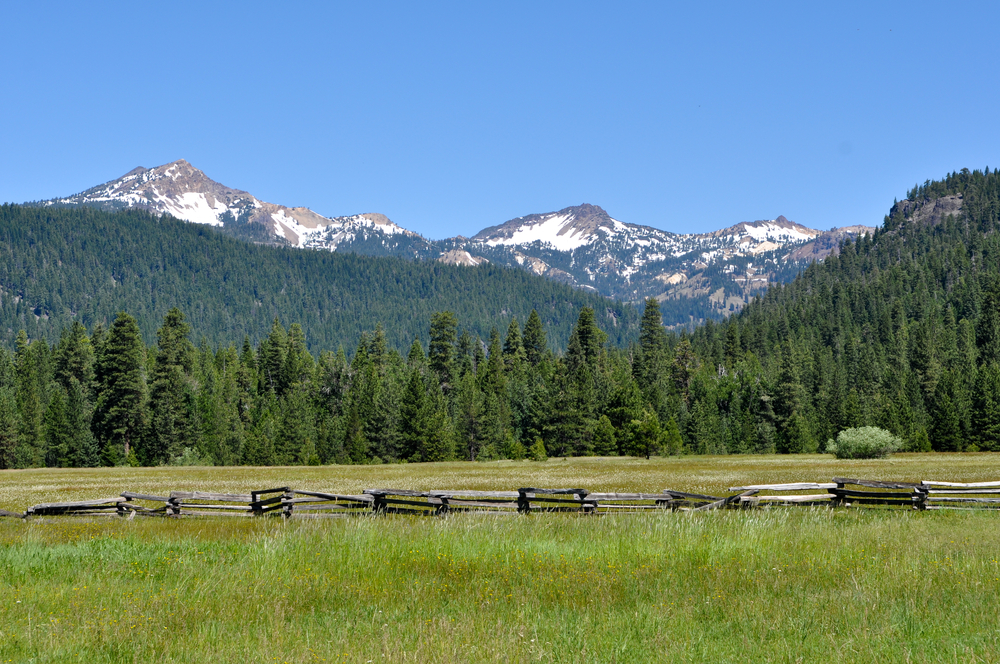
The landscape consists of volcanic domes, lava flows, crater lakes, mountain forests, meadows, and hydrothermal areas shaped by ongoing volcanic processes. The park receives significant winter snowfall, with deep snowpacks often lingering into summer at higher elevations. Numerous lakes, streams, and wetlands contribute to the park’s scenic beauty and ecological richness.
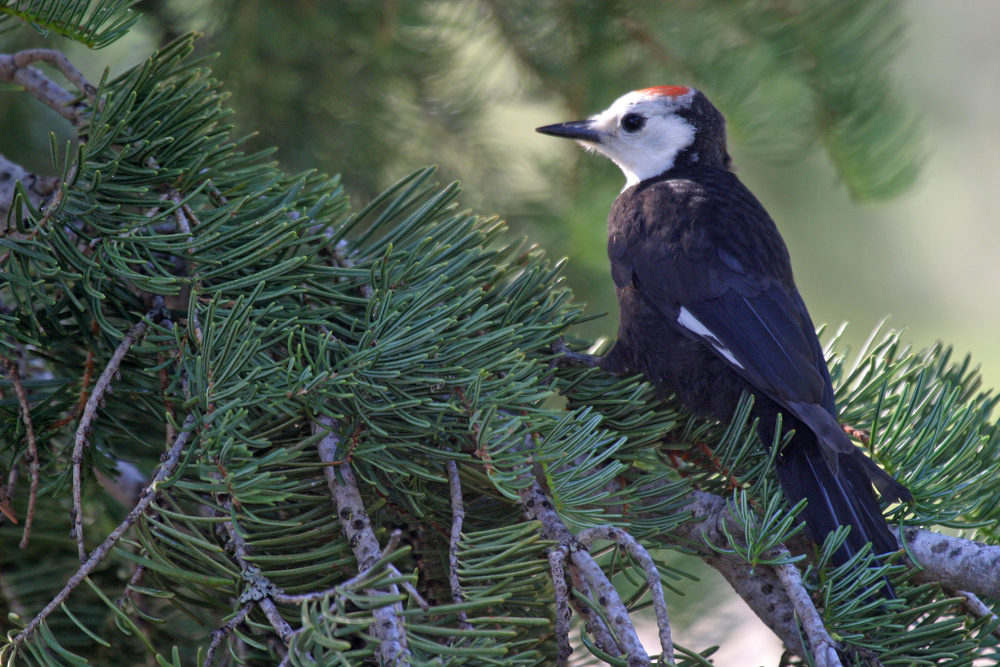
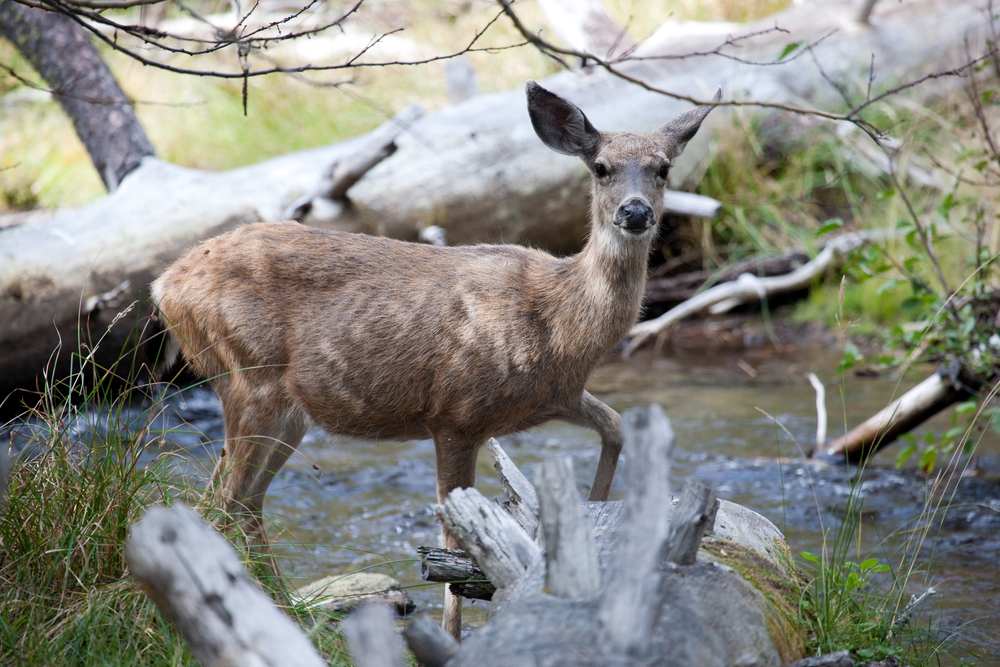
Wildlife within Lassen Volcanic National Park reflects the diversity of its mountain ecosystems. Mammals include black bears, mule deer, mountain lions, bobcats, coyotes, river otters, martens, and yellow-bellied marmots. Birdlife is abundant, with bald eagles, osprey, peregrine falcons, mountain bluebirds, Clark’s nutcrackers, and numerous migratory songbirds inhabiting the park.
Lakes and streams support trout populations, while amphibians such as the Cascades frog and Pacific tree frog thrive in wetland habitats. The park’s forests of pine, fir, hemlock, and red fir provide habitat for a rich variety of wildlife and plant species.
Lassen Volcanic National Park plays a vital role in preserving one of the most active volcanic regions in the continental United States. The park protects unique geothermal features, volcanic landforms, mountain ecosystems, and important watersheds while providing opportunities for scientific research into volcanology and geothermal processes.
Its conservation significance is often compared to Yellowstone National Park and Crater Lake National Park because of its volcanic origins, geothermal features, and scenic mountain landscapes. Through its steaming hydrothermal areas, volcanic peaks, alpine lakes, and diverse wildlife, Lassen Volcanic National Park stands as one of America’s most fascinating protected areas and a remarkable showcase of the powerful geological forces that continue to shape the Earth.
Photos





Things to See
 Mount Lassen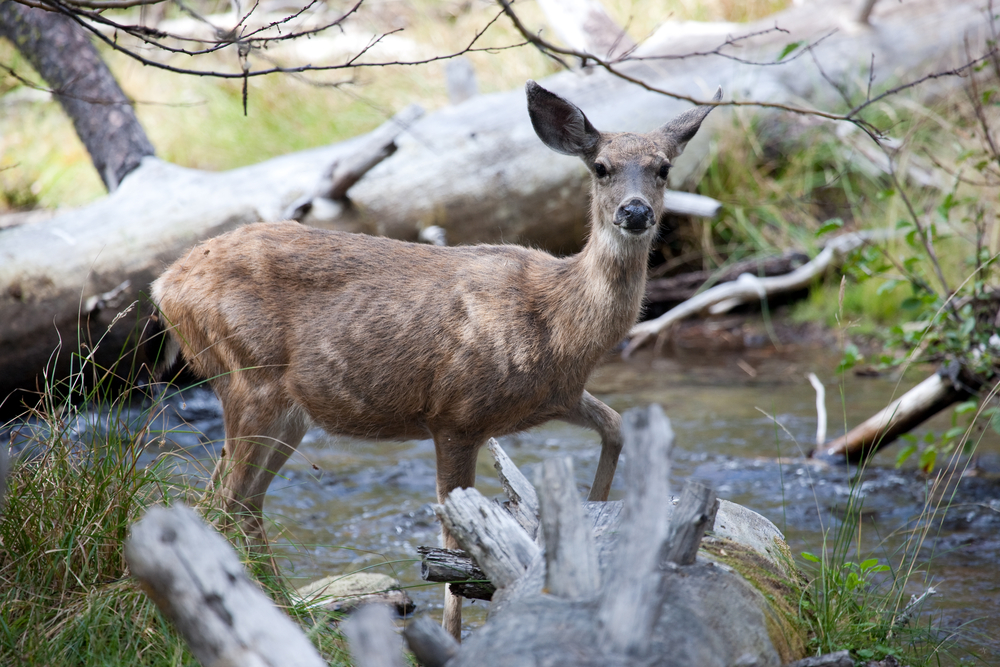
Things To Do
Engaging Lassen Volcanic
Lassen Volcanic National Park Trails
There are several trails that traverse throughout and across the park providing hikers with a more intimate look at the volcanic tarnished terrain and the life looking to return.

Park Protection
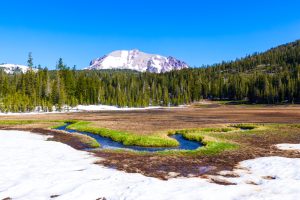 Lassen Volcanic National Park was created to protect a diverse volcanic landscape featuring lava flows, cinder cones, hydrothermal areas, and the southernmost active volcano in the Cascade Range. The park provides habitat for black bears, mountain lions, bald eagles, and numerous forest and wetland species. Its varied elevations support diverse plant communities ranging from mixed conifer forests to alpine environments.
The park is one of the few places in the world where all four major volcanic forms—shield volcanoes, composite volcanoes, cinder cones, and plug domes—can be found within a single protected area. The hydrothermal features surrounding Lassen Peak provide visible evidence of ongoing volcanic activity beneath the surface. Together, Lassen Volcanic National Park safeguards exceptional geological diversity, active volcanic processes, and the ecosystems that thrive in this dynamic landscape.
FAQ’s
What is Lassen Volcanic National Park known for?
Lassen Volcanic National Park, located in northeastern California, is known for its geothermal features, volcanic landscapes, and diverse ecosystems.
The park is home to several active volcanoes, including Lassen Peak, the largest plug dome volcano in the world.
Visitors come to Lassen to explore its otherworldly landscapes, which include boiling mud pots, steaming fumaroles, and sulfurous vents. The park also boasts pristine lakes, lush forests, and alpine meadows, providing habitat for a wide variety of plant and animal species.
Additionally, Lassen offers opportunities for hiking, camping, wildlife viewing, and scenic drives, making it a popular destination for outdoor recreation and nature lovers.
What is the main reason people visit Lassen Volcanic National Park?
Lassen Volcanic National Park is primarily visited for its active geothermal features, volcanic landscapes, scenic mountain lakes, hiking trails, and unique geological diversity. Located in northern California, the park protects all four major types of volcanoes found on Earth—shield, composite, cinder cone, and plug dome volcanoes.
Visitors come to see bubbling mud pots, steaming fumaroles, crystal-clear alpine lakes, volcanic peaks, wildflower meadows, and the impressive Lassen Peak, one of the largest plug dome volcanoes in the world.
What animals can visitors hope to see in Lassen Volcanic National Park?
Lassen Volcanic National Park supports approximately 60 mammal species and more than 20 reptile species. The park’s forests, meadows, lakes, and volcanic landscapes provide habitat for a diverse range of wildlife.
Some of the most notable animals found in Lassen Volcanic National Park include:
- American Black Bear
- Mule Deer
- Mountain Lion
- Bobcat
- Coyote
- Gray Fox
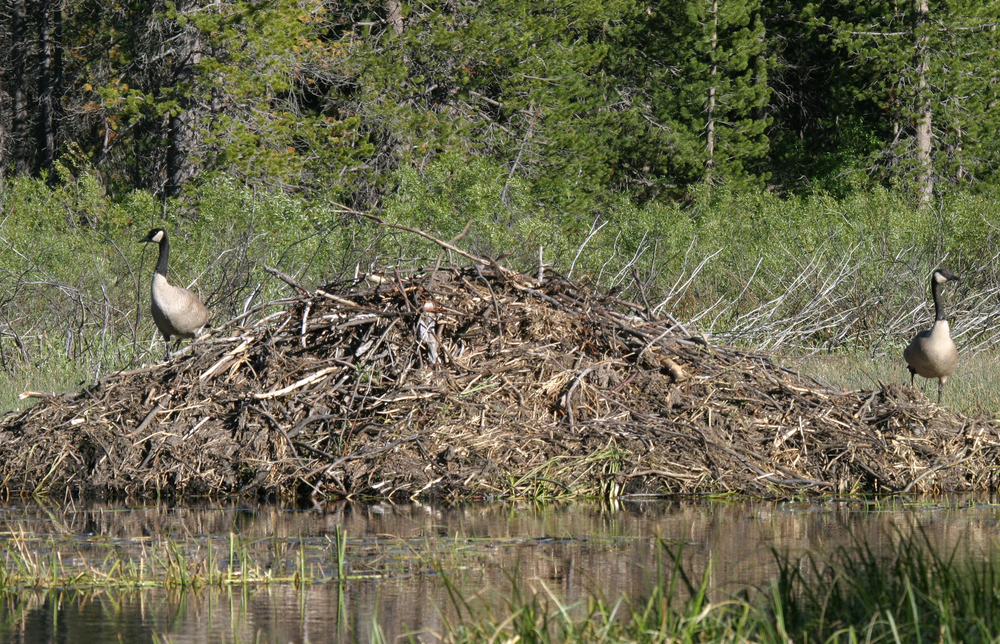
- American Beaver
- River Otter
- Raccoon
- Striped Skunk
- Long-tailed Weasel
- American Marten
- Fisher
- Porcupine
- Yellow-bellied Marmot
- California Ground Squirrel
- Golden-mantled Ground Squirrel
- Douglas Squirrel
- Northern Flying Squirrel
- Lodgepole Chipmunk
- Alpine Chipmunk
- Long-eared Chipmunk
- Snowshoe Hare
- Black-tailed Jackrabbit
- Deer Mouse
- Brush Mouse
- Pocket Gopher
- Meadow Vole
- Long-tailed Vole
- Water Shrew
- Vagrant Shrew
- Big Brown Bat
- Hoary Bat
- Silver-haired Bat
- Pallid Bat
- Little Brown Bat
- California Myotis
- Long-legged Myotis
- Yuma Myotis
- Fringed Myotis
- Western Red Bat
- Spotted Bat
- Western Mastiff Bat
- Ringtail
- Sierra Nevada Red Fox
- Northern River Otter
- Western Gray Squirrel
- Mountain Beaver
- Pika
- Various Small Mammals
What birds can visitors hope to see in Lassen Volcanic National Park?
Lassen Volcanic National Park is home to more than 250 bird species. The park’s forests, wetlands, lakes, and alpine habitats provide excellent birdwatching opportunities throughout the year.
Some of the most popular birds seen in Lassen Volcanic National Park include:
- Bald Eagle
- Golden Eagle
- Peregrine Falcon
- Prairie Falcon
- American Kestrel
- Northern Goshawk
- Cooper’s Hawk
- Sharp-shinned Hawk
- Osprey
- Great Horned Owl
- Northern Pygmy Owl
- Spotted Owl
- Mountain Quail
- Wild Turkey
- Common Raven
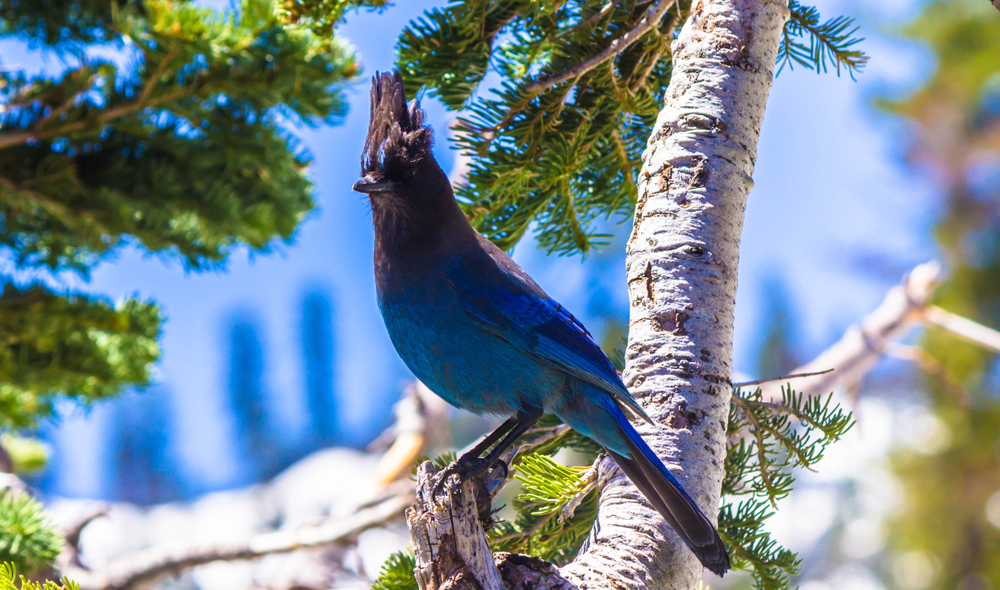
- Steller’s Jay
- Clark’s Nutcracker
- Gray Jay
- Mountain Chickadee
- Chestnut-backed Chickadee
- Red-breasted Nuthatch
- White-breasted Nuthatch
- Pygmy Nuthatch
- Brown Creeper
- American Dipper
- Winter Wren
- Mountain Bluebird
- Western Bluebird
- Hermit Thrush
- American Robin
- Varied Thrush
- Townsend’s Solitaire
- Pine Grosbeak
- Evening Grosbeak
- Pine Siskin
- Red Crossbill
- White-winged Crossbill
- Dark-eyed Junco
- White-crowned Sparrow
- Fox Sparrow
- Green-tailed Towhee
- Yellow Warbler
- MacGillivray’s Warbler
- Wilson’s Warbler
- Western Tanager
- Black-headed Grosbeak
- Red-winged Blackbird
- Hairy Woodpecker
- Northern Flicker
- Pileated Woodpecker
Is Lassen Volcanic National Park worth visiting?
Yes, Lassen Volcanic National Park is absolutely worth visiting and is one of the most underrated national parks in the western United States.
The park offers active geothermal areas similar to Yellowstone, beautiful alpine lakes, volcanic peaks, scenic drives, waterfalls, wildflower meadows, and excellent hiking opportunities. Visitors can experience steaming fumaroles, boiling mud pots, snow-covered mountains, and crystal-clear lakes all within a relatively compact area.
The primary hesitation is that heavy winter snowfall can close portions of the park for several months each year.
What is the best time to visit Lassen Volcanic National Park?
The best time to visit Lassen Volcanic National Park is from June through October.
Typical conditions include:
- June: 35–70°F (2–21°C)
- July: 40–80°F (4–27°C)
- August: 40–80°F (4–27°C)
- September: 35–75°F (2–24°C)
- October: 25–65°F (-4–18°C)
During this period:
- The park road is usually fully open.
- Snow has melted from most trails.
- Wildflowers bloom throughout the park.
- Hiking conditions are excellent.
- Geothermal features are easily accessible.
July and August generally offer the most reliable weather and access.
How many days do you need to visit Lassen Volcanic National Park?
Most visitors should plan for 2 to 3 days.
- 1 day: Scenic drive and major geothermal features.
- 2 days: Lassen Peak hike and geothermal exploration.
- 3 days: Lakes, waterfalls, hiking trails, and wildlife viewing.
- 4+ days: Backcountry hiking and wilderness exploration.
Many visitors combine Lassen with other northern California destinations.
How do you get to Lassen Volcanic National Park?
Lassen Volcanic National Park is located in northern California, approximately midway between Redding and Susanville.
The closest major airport is:
- Redding Regional Airport – approximately 1 hour from the park.
Other commonly used airports include:
- Sacramento International Airport – approximately 3 hours away.
- Reno-Tahoe International Airport – approximately 3 hours away.
Most visitors follow this route:
- Fly into Redding or Sacramento.
- Rent a vehicle.
- Drive to one of the park’s entrances via California Highways 44, 89, or 36.
Northwest Entrance (Manzanita Lake)
The most popular entrance is near Manzanita Lake.
This area offers:
- Visitor center facilities.
- Campgrounds.
- Scenic lake views.
- Reflections of Lassen Peak.
- Easy access to the main park road.
Southwest Entrance
The southwest entrance provides quick access to:
- Sulphur Works
- Bumpass Hell
- Major geothermal attractions.
- Visitor services and trailheads.
Lassen Volcanic National Park Highway
The park’s main scenic road, Lassen Volcanic National Park Highway, traverses the park from north to south for approximately 30 miles (48 km).
Highlights along the drive include:
- Lassen Peak viewpoints.
- Geothermal areas.
- Alpine lakes.
- Mountain meadows.
- Volcanic landscapes.
- Scenic overlooks.
The drive typically takes 1 to 2 hours without stops, though many visitors spend most of the day exploring viewpoints and short trails.
Travel Times
Typical travel times include:
- Redding to Manzanita Lake: approximately 1 hour.
- Sacramento to the park: approximately 3 hours.
- Reno to the park: approximately 3 hours.
- Northwest Entrance to Southwest Entrance: approximately 1 to 1.5 hours through the park.
Visitors should note that heavy snowfall often closes portions of the park road between late fall and early summer. Checking road conditions before arrival is strongly recommended.
Who is involved in protecting and supporting Lassen Volcanic National Park?
Several organizations help protect and support Lassen Volcanic National Park:
- National Park Service – manages Lassen Volcanic National Park.
- Lassen Association – supports education, interpretation, and visitor programs.
- National Park Foundation – supports projects throughout the National Park System.
- Sierra Nevada Conservancy – supports regional conservation initiatives.
- Indigenous communities including the Atsugewi People, Yana People, and Maidu People who maintain historical connections to the region.
Can you see geothermal features like Yellowstone in Lassen?
Yes. Lassen Volcanic National Park contains numerous geothermal features including mud pots, hot springs, steam vents, and fumaroles, making it one of the best geothermal destinations in the United States outside of Yellowstone.
Sources
- All Trails, Best trails in Lassen Volcanic National Park, https://www.alltrails.com/parks/us/california/lassen-volcanic-national-park, retrieved June 2020.
- Britannica, Lassen Volcanic National Park, https://www.britannica.com/place/Lassen-Volcanic-National-Park, retrieved June 2020.
- Britannica, Lassen Peak, https://www.britannica.com/place/Lassen-Peak, retrieved June 2020.
- California Dream Big, Spotlight: Lassen Volcanic National Park, https://www.visitcalifornia.com/destination/spotlight-lassen-volcanic-national-park, retrieved June 2020.
- Earth Magazine, Travels in Geology: Lassen Volcanic National Park: A Volcanic Wonderland, https://www.earthmagazine.org/article/travels-geology-lassen-volcanic-national-park-volcanic-wonderland, retrieved June 2020.
- National Geographic, Complete National Parks of the United States, National Geographic Publishing, Washington DC.
- National Geographic, Guide to the National Parks of the United States, National Geographic Society, 2003.
- National Park Service, Lassen Volcanic, https://www.nps.gov/lavo/index.htm, retrieved June 2020.
- Visit Redding, Lassen Volcanic National Park, https://www.visitredding.com/exploring-the-wonders-of-lassen-volcanic-national-park, retrieved June 2020.