


About

Kenai Fjords National Park is located at the southernmost central point of Alaska and on the southeastern side of the Kenai Peninsula. The park covers an area of 1,046.9 square miles (2,711.3 sq km) making it the smallest national park in Alaska, but the 17th largest in the United States.
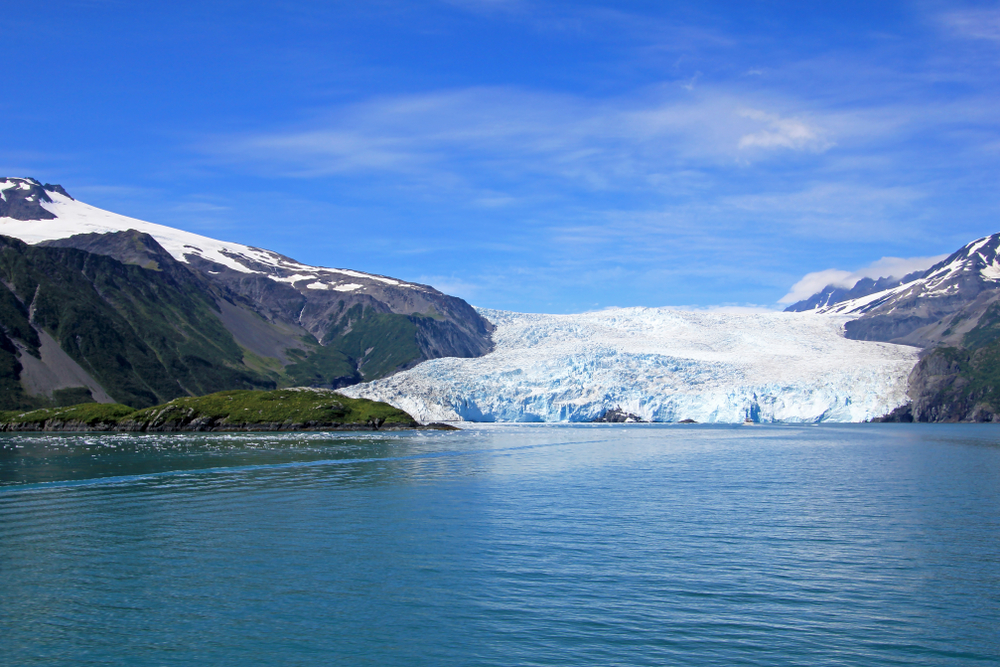
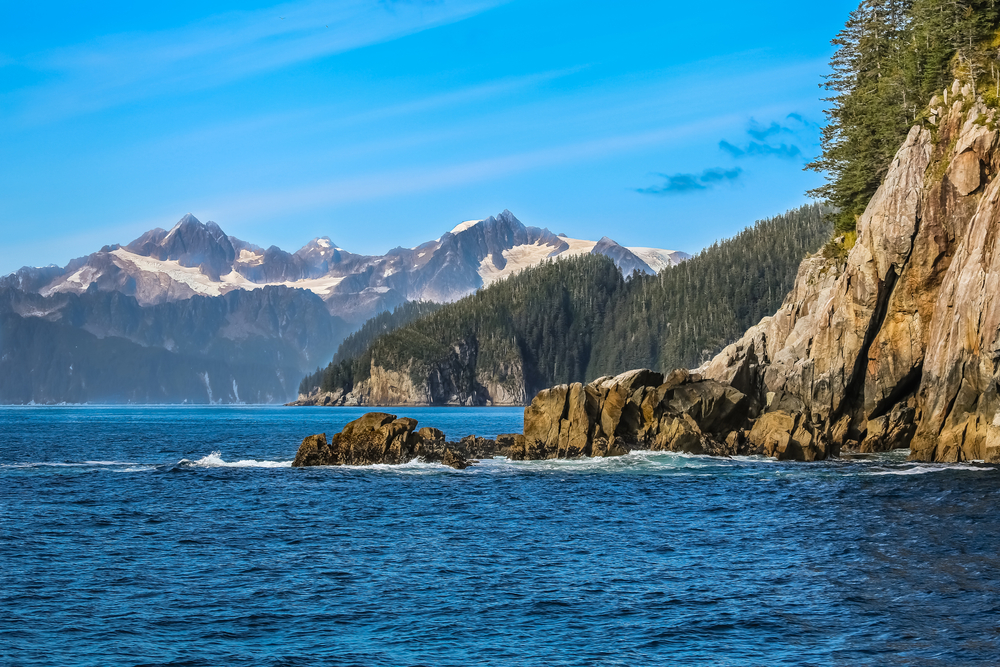
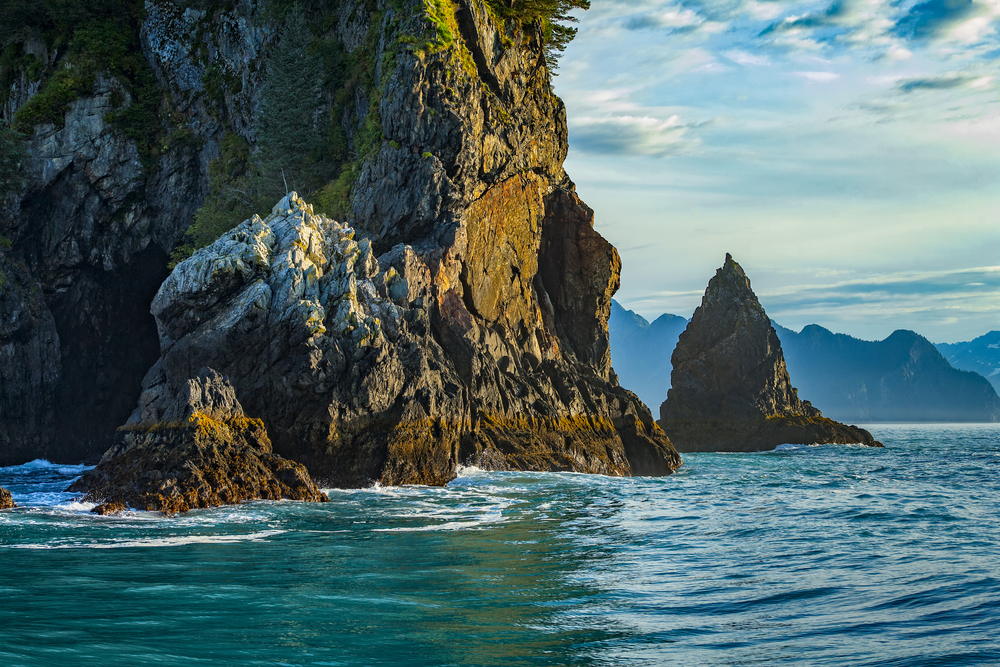
The National Parks Services describes Kenai Fjords as the place “where mountains, ice, and ocean meet.” The strikingly rugged coastline jets into the icy waters of Resurrection Bay and the Gulf of Alaska creating one of the most magical landscapes.
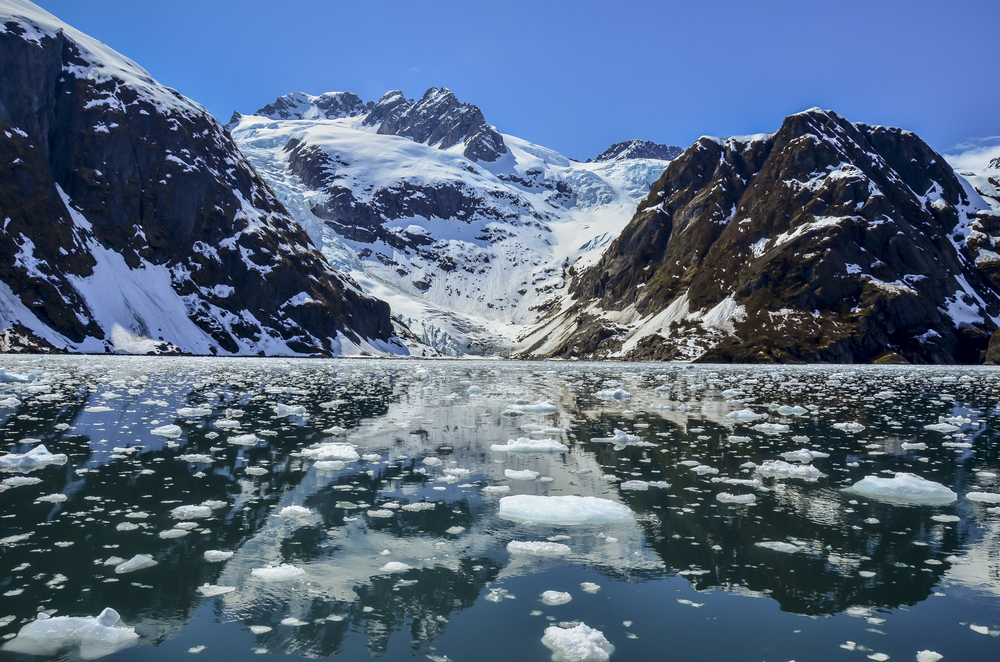
The park was named for, and renowned for, the abundant fjords that decorate the southern coastline of Alaska. The fjords were created by glaciers as they moved toward the sea from the ice field above. The depths of these fjords can stretch another 600 to 1,000 feet (180 to 300 m) below sea level.
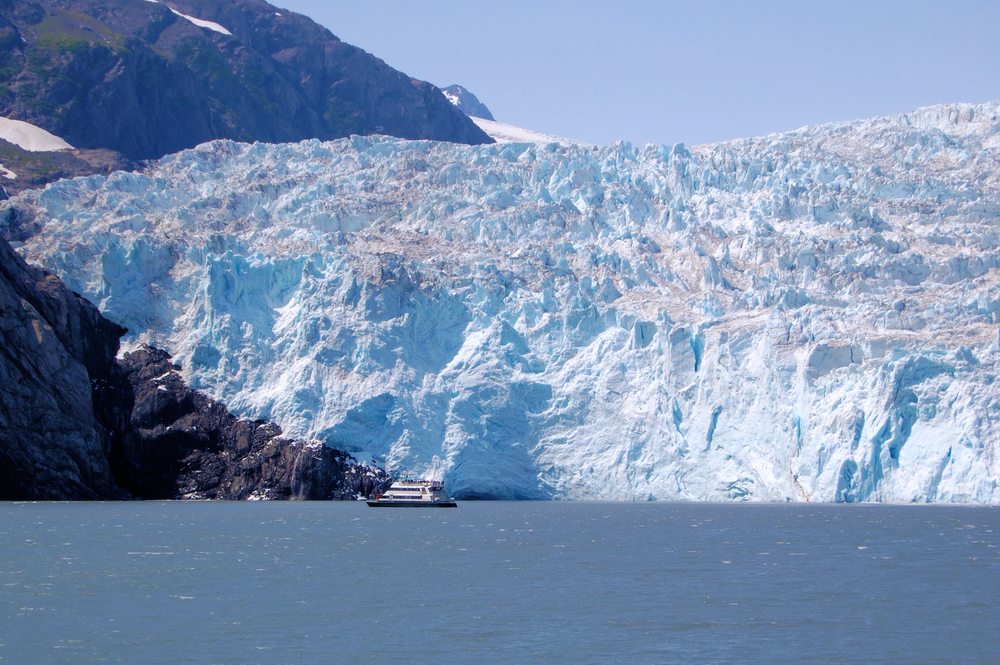
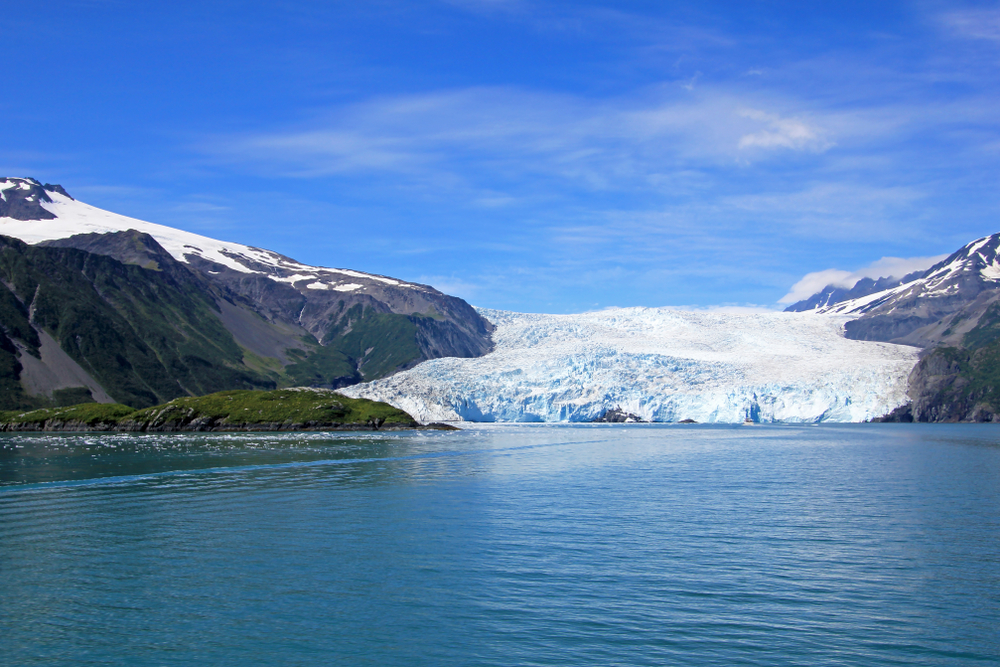
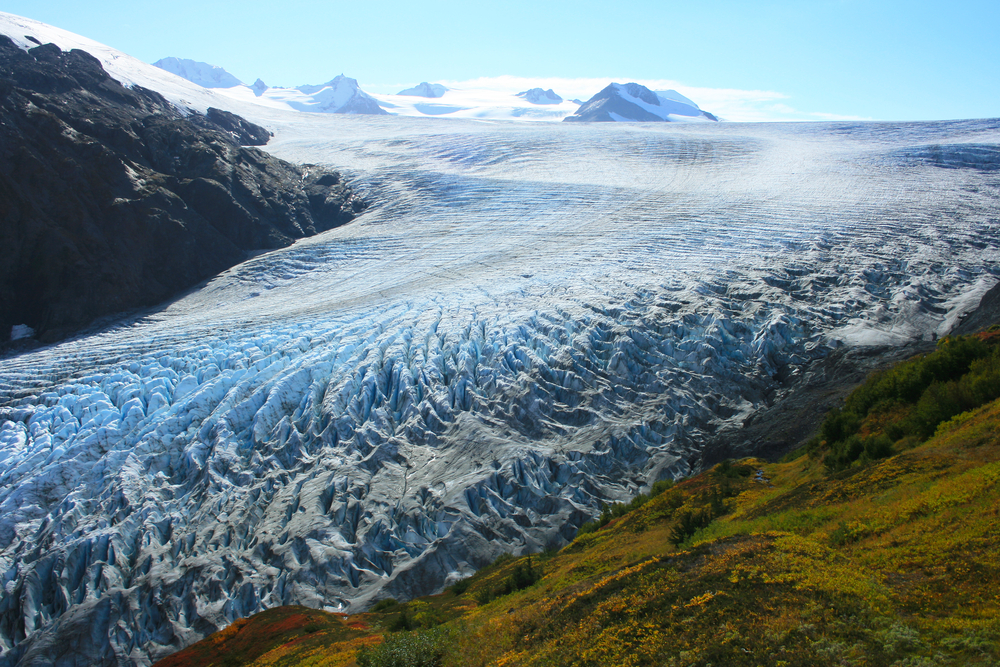
The Harding Icefield is one of the largest ice fields in Alaska, and it serves as the source for approximately 40 different glaciers. Bear Glacier is the largest glacier flowing from the Harding Icefield, but Exit Glacier is probably the most famous.
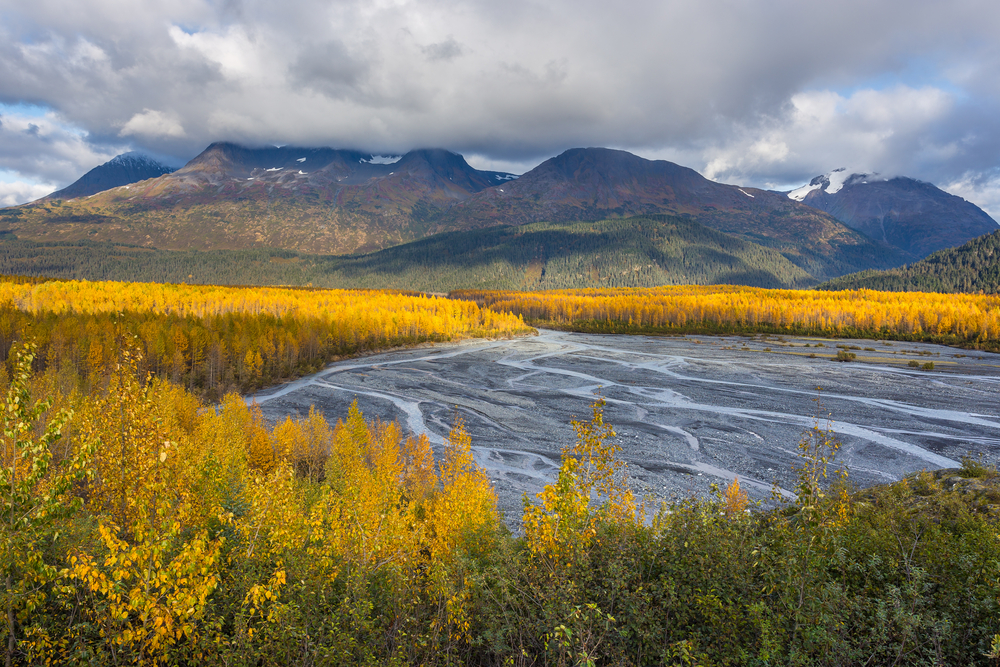
Nestled in the depths of the park is an unnamed mountain that serves as the tallest point in the park at 6,450 feet (1,970 m). Although the surrounding mountains only reach heights around 6,000 feet (1,829 m), they are astounding to the eye because of their vertical ascent beginning right from sea level.
Exit Glacier is one of the most popular glaciers because of its accessibility. The Harding Icefield is the source of this glacier. There are annual markers placed that reveal the significance of glacial recession. The glacier is accessed by the park’s only road. Other famous fjords include:
- Aialik Bay
- Harris Bay
- McCarty Fjord
- Nuka Bay
Located along the coast of southern Alaska and Resurrection Bay, the lush forested region is home to wildlife while the icy waters of the bay are home to an abundance of exciting sea life.
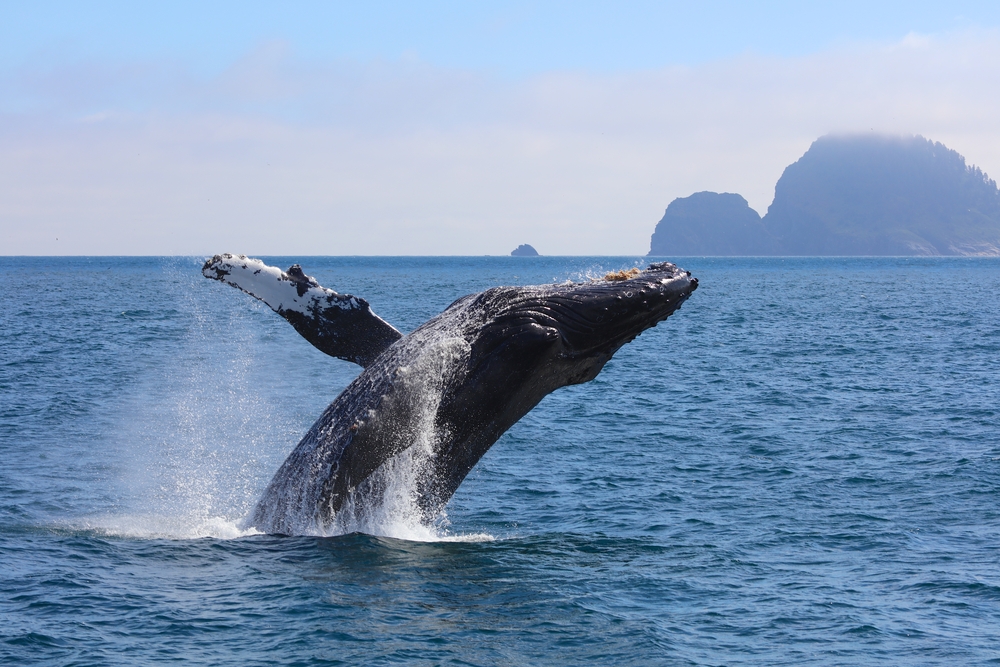
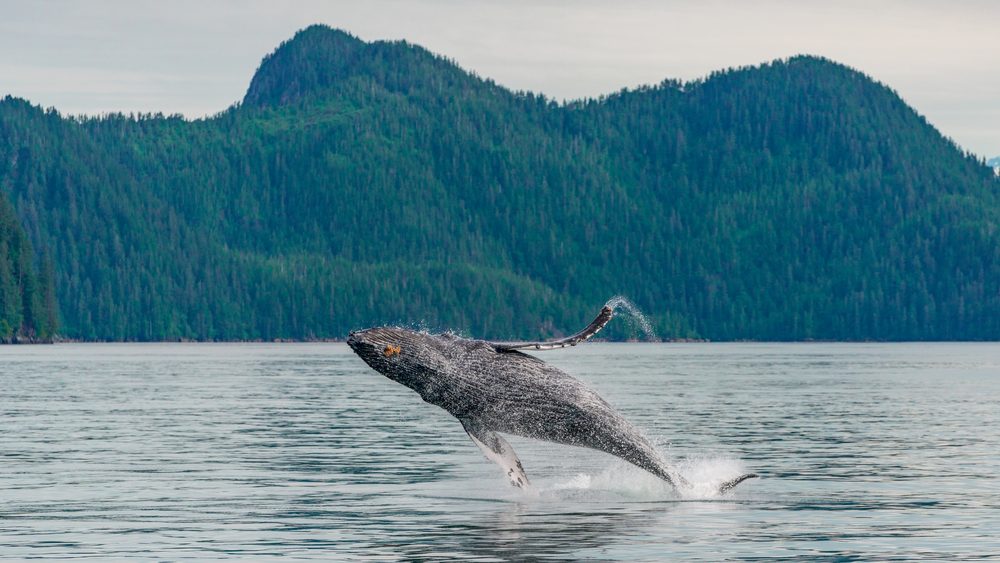
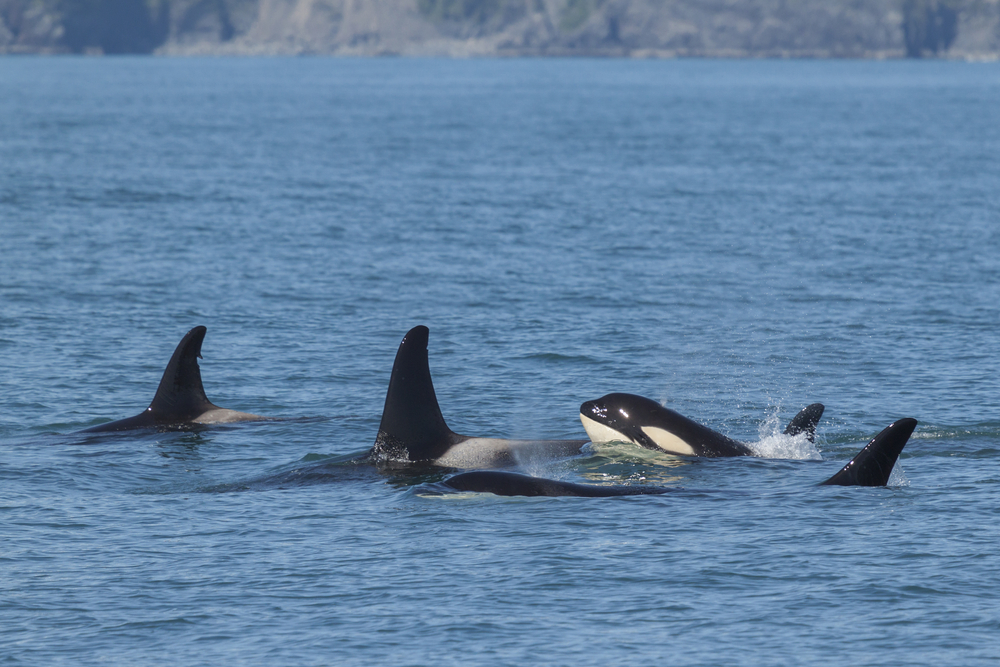
The impressive grizzly bear, black bear, and moose are some of the larger more exciting wildlife sightings on land. The humpback whales and pods of orca are the more exciting marine life encounters.
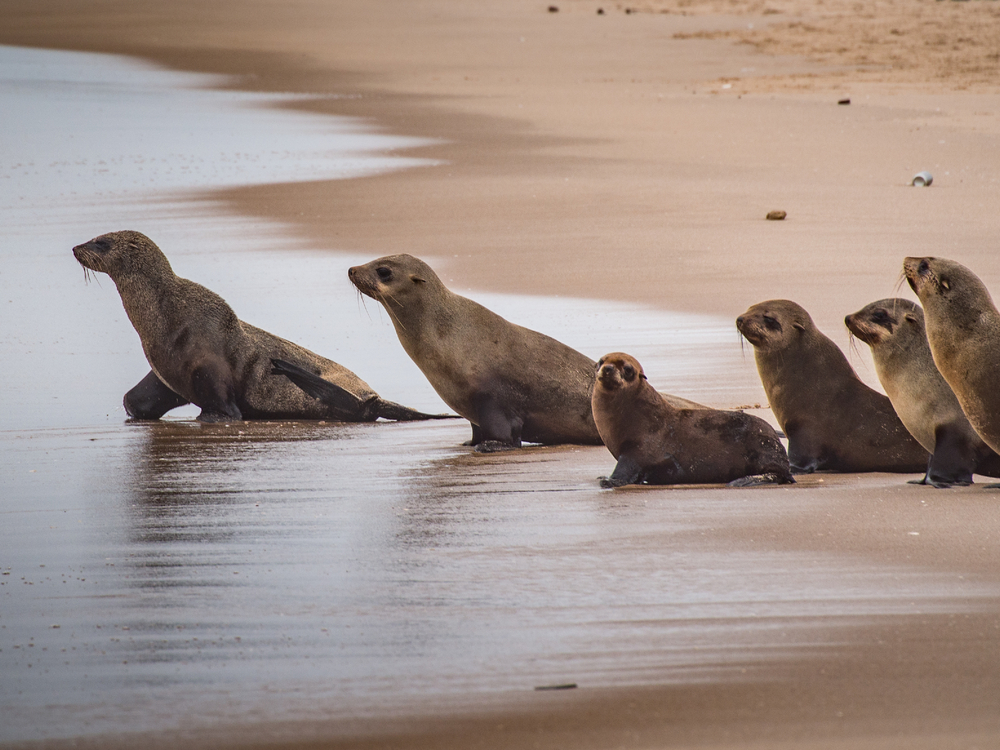
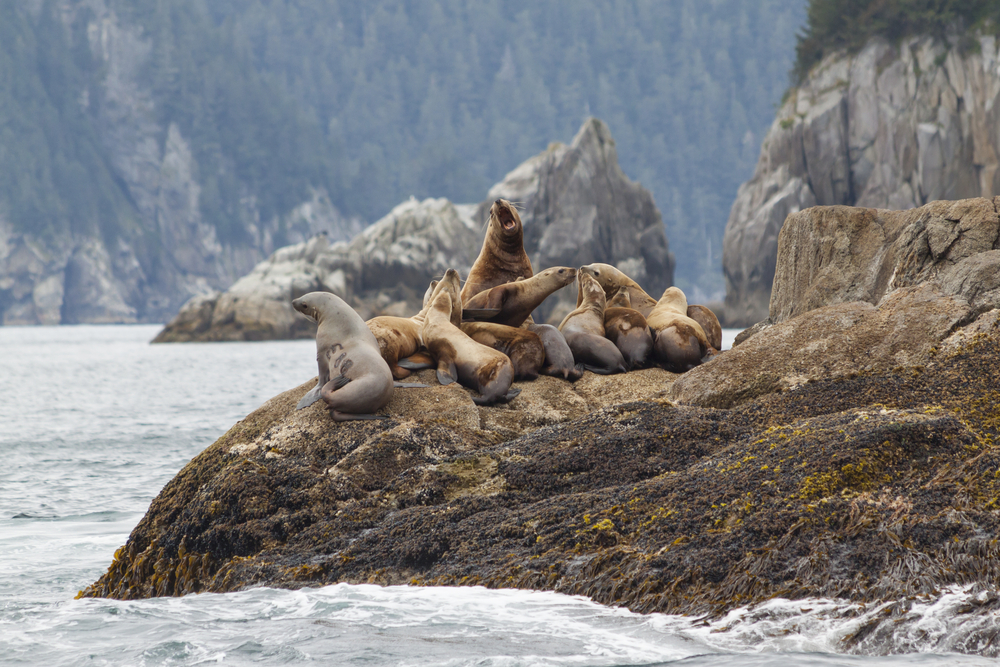
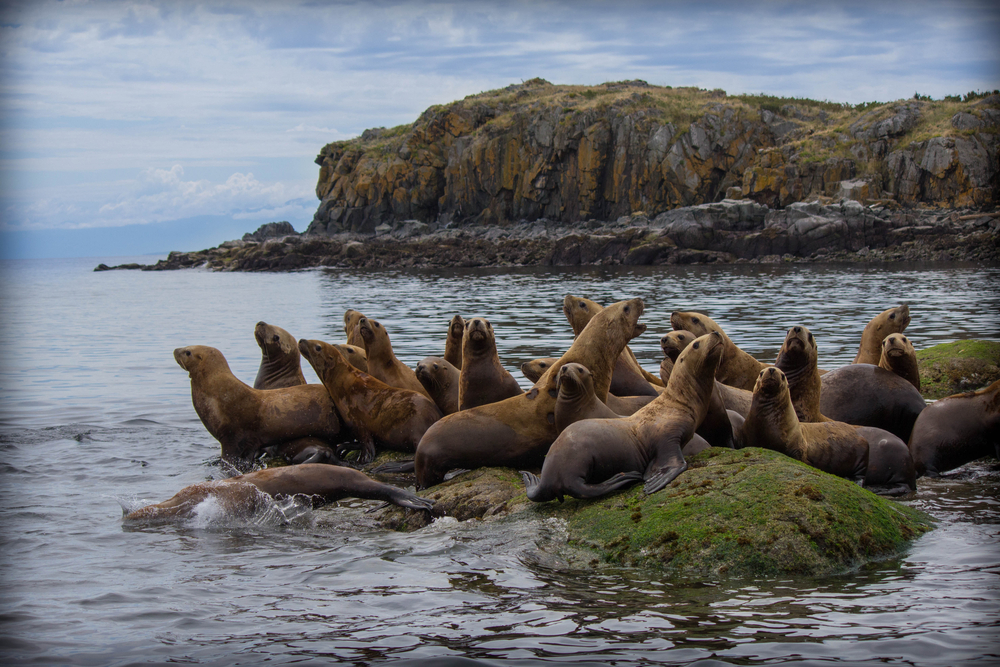
Other wildlife found in the Kenai Fjord park includes sea otters, harbor seals, mountain goats, Dall’s porpoises, coyote, timber wolf, lynx, porcupine, and beaver. The gorgeous bald eagle and incredible peregrine falcon are two of the bird species that people hope to see.
Photos




Things to See
Kenai Fjords National Park Trails
Kenai Fjords offers an array of hiking trails to explore the park and access the pristine nature of the area. Here are some of the more popular trails:

Sources
- Alaska, Exit Glacier, https://www.alaska.org/detail/visit-exit-glacier, retrieved June 2020.
- Alaska, Kenai Fjords Britannica, Kenai Fjords National Park, https://www.britannica.com/place/Kenai-Fjords-National-Park, retrieved June 2020.
- All Trails, Best trails in Kenai Fjords National Park, https://www.alltrails.com/parks/us/alaska/kenai-fjords-national-park, retrieved June 2020.
- Anchorage Daily News, Harding Icefield loses mass; Exit Glacier shows big one-year retreat, https://www.adn.com/science/article/harding-icefield-loses-mass-exit-glacier-shows-big-one-year-retreat/2014/10/27/, retrieved June 2020.
- Britannica, Kenai Peninsula, https://www.britannica.com/place/Kenai-Peninsula, retrieved June 2020.
- National Geographic, Complete National Parks of the United States, National Geographic Publishing, Washington DC.
- National Geographic, Guide to the National Parks of the United States, National Geographic Society, 2003.
- National Geographic, National Parks of North America, Canada-United States-Mexico, National Geographic Society, 1995.
- National Park Service, Bryce Canyon, https://www.nps.gov/kefj/index.htm, retrieved June 2020.
- Travel Alaska, Kenai Fjords National Park, https://www.travelalaska.com/Destinations/Parks-and-Public-Lands/Kenai-Fjords-National-Park.aspx, retrieved June 2020.