

About
Hawai‘i Volcanoes National Park is located on the Island of Hawai‘i, commonly known as the Big Island, in the United States and covers approximately 523 square miles (1,355 sq km). Established in 1916, the park protects one of the most active volcanic landscapes on Earth and preserves a remarkable record of geological processes that continue to shape the Hawaiian Islands today.
The park lies southeast of Hilo and encompasses the summits and flanks of two of the world’s most famous volcanoes, Mauna Loa and Kīlauea. Designated a UNESCO World Heritage Site and an International Biosphere Reserve, Hawai‘i Volcanoes National Park offers visitors a rare opportunity to witness the ongoing creation of land through volcanic activity while exploring ecosystems found nowhere else in the world.
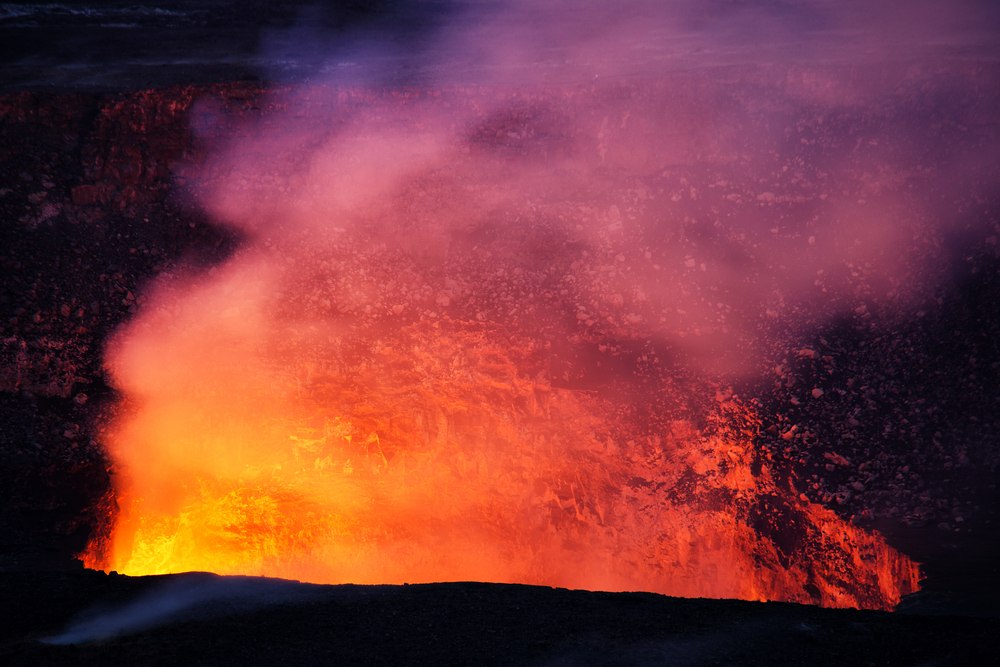
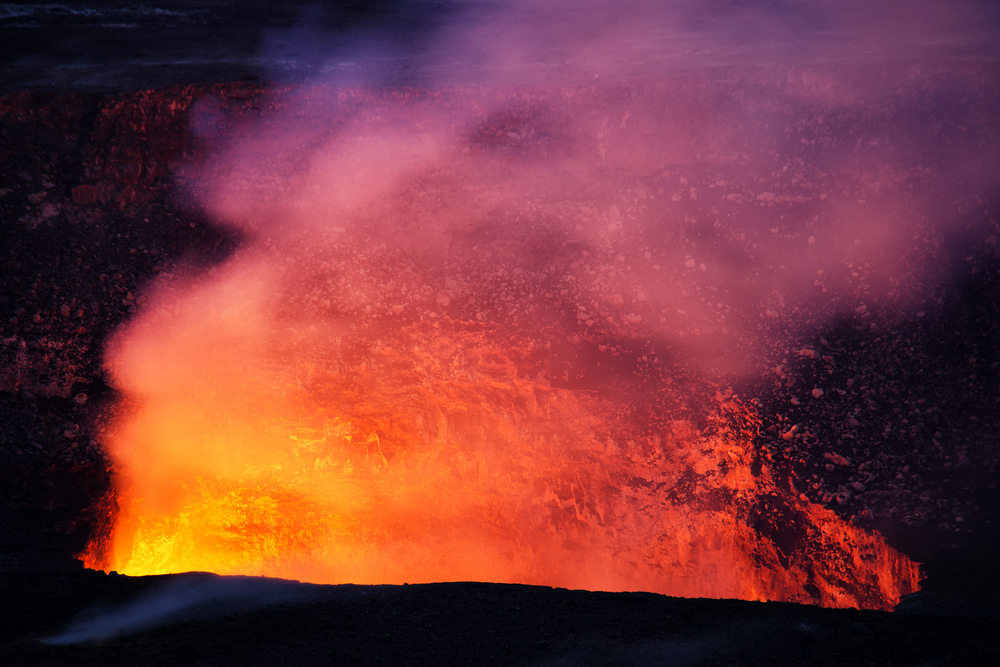
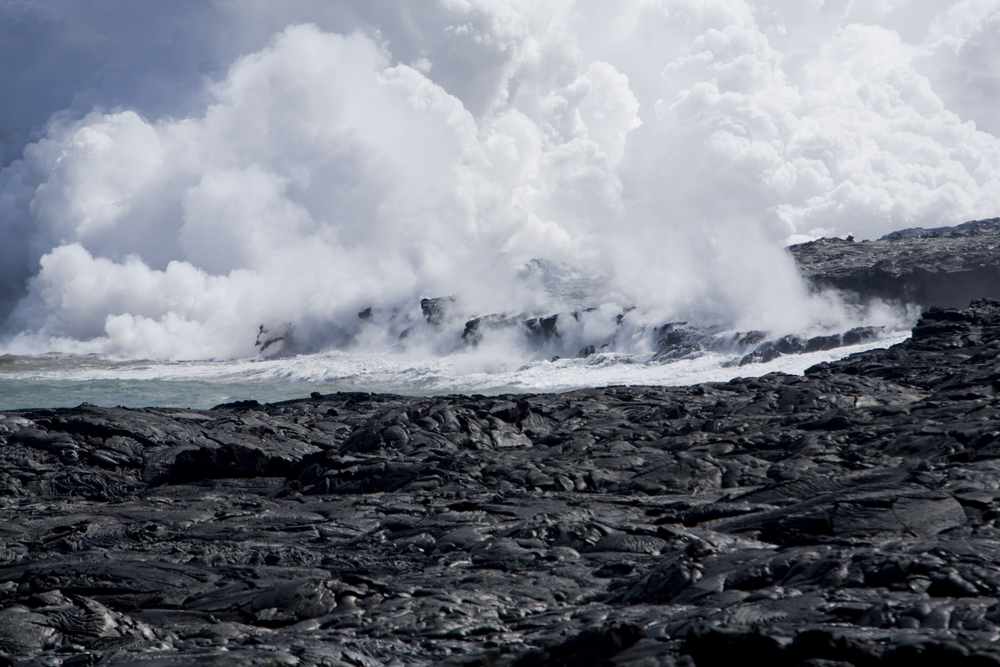
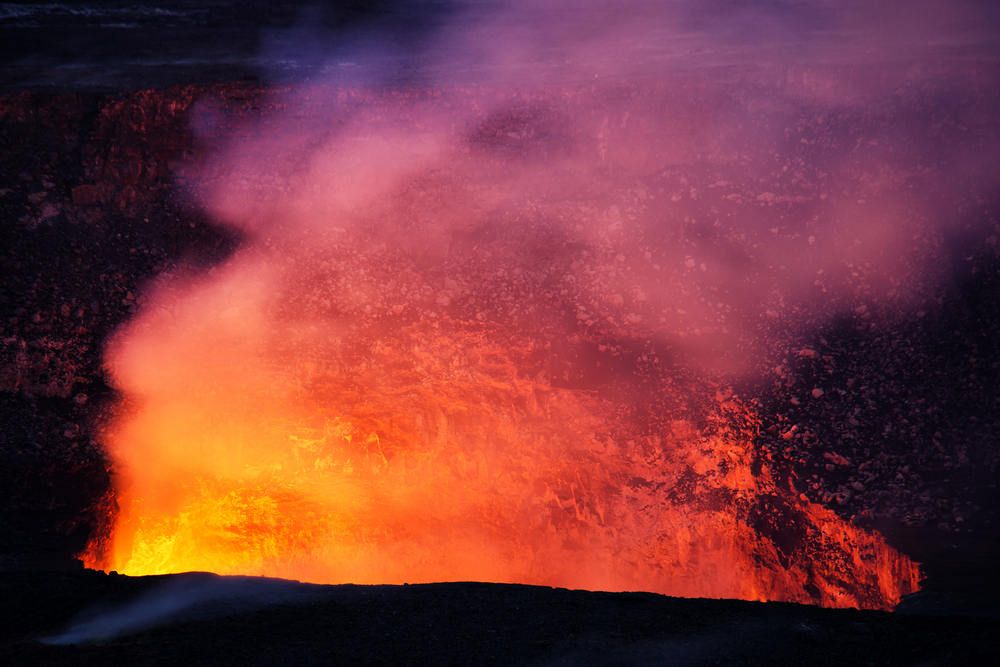
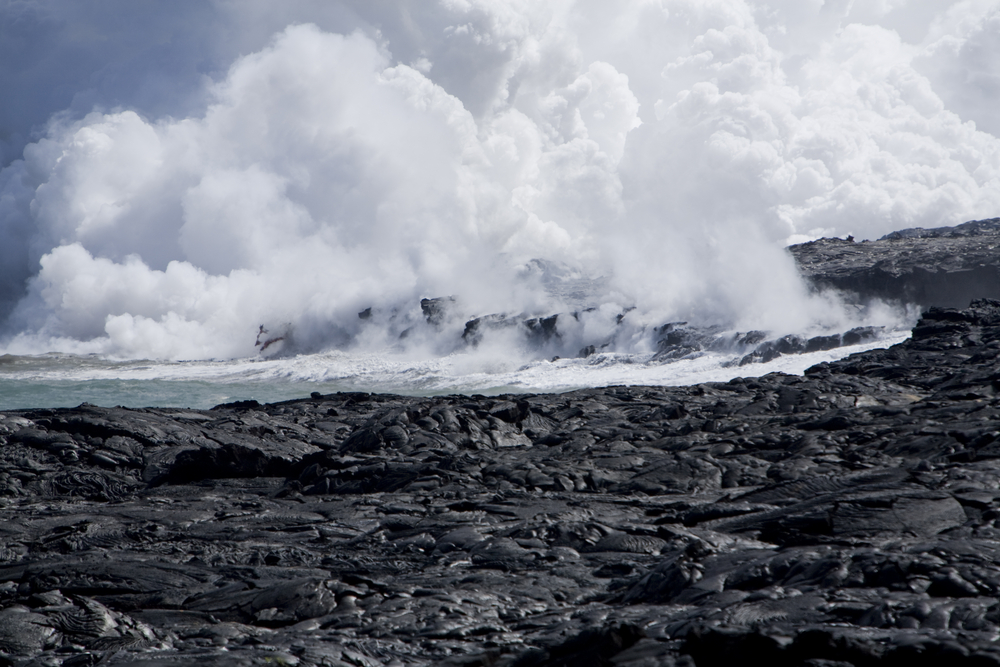
Hawai‘i Volcanoes National Park is best known for its active volcanoes and dramatic volcanic landscapes. Visitors come from around the globe to witness steaming craters, lava fields, volcanic calderas, and landscapes transformed by eruptions. Kīlauea, one of the most active volcanoes on Earth, has shaped much of the park through repeated eruptions over recent decades.
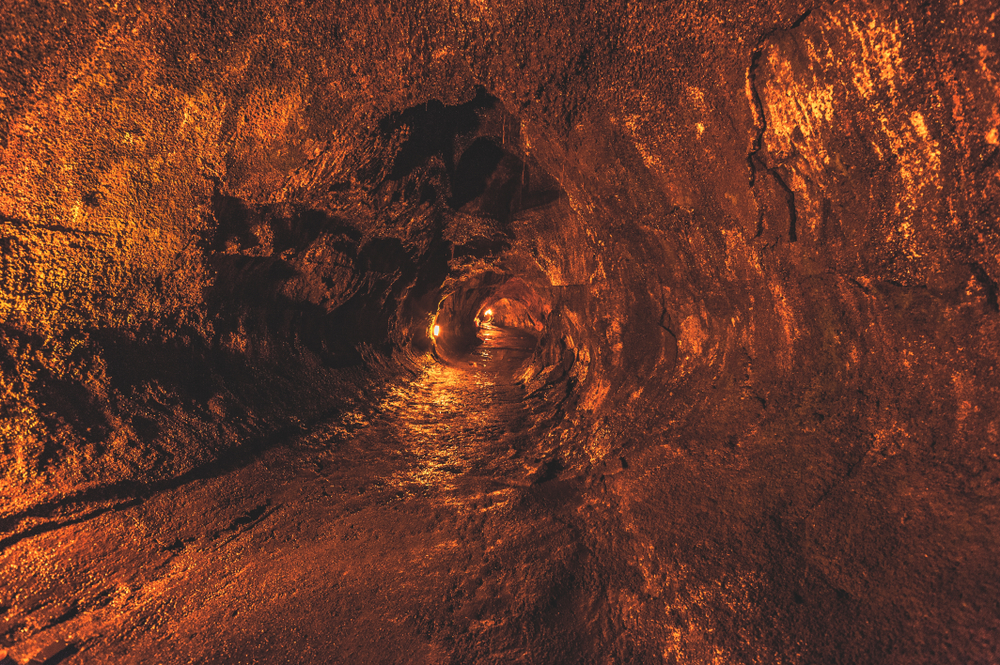
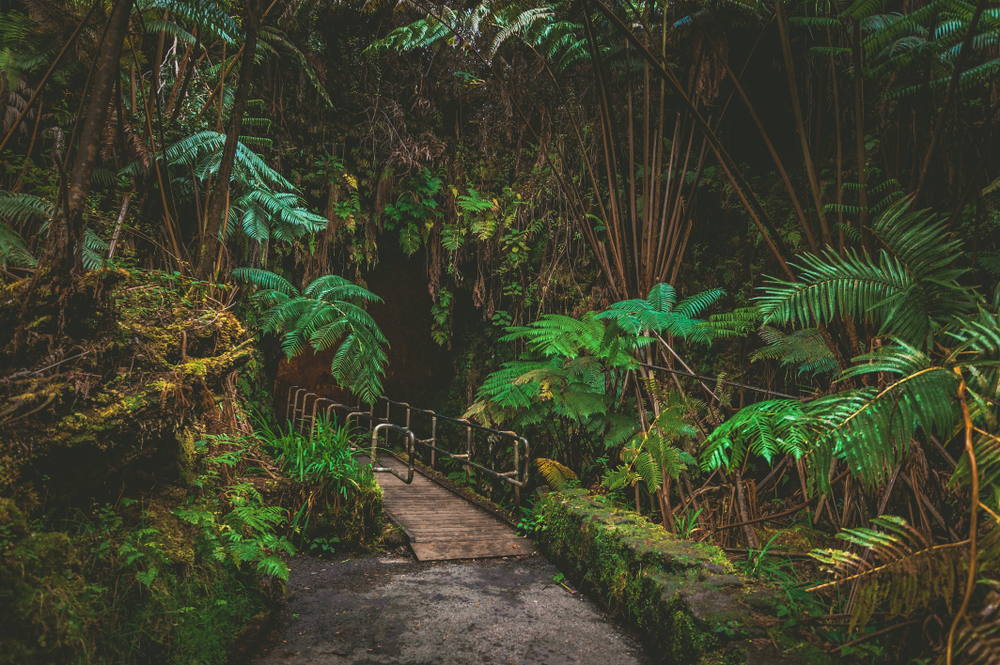
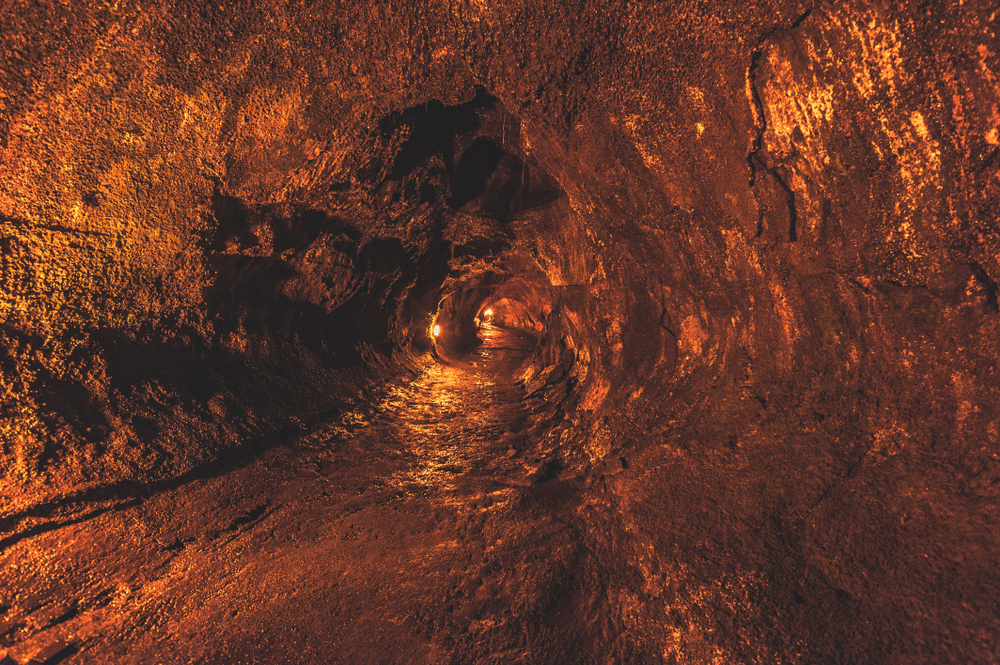
Popular attractions include Kīlauea Caldera, the Chain of Craters Road, Thurston Lava Tube, and numerous scenic overlooks that provide views into volcanic features. Hiking, photography, ranger-led programs, wildlife observation, and cultural experiences are among the park’s most popular activities. Few places allow visitors to experience the raw forces of Earth’s geology so directly.
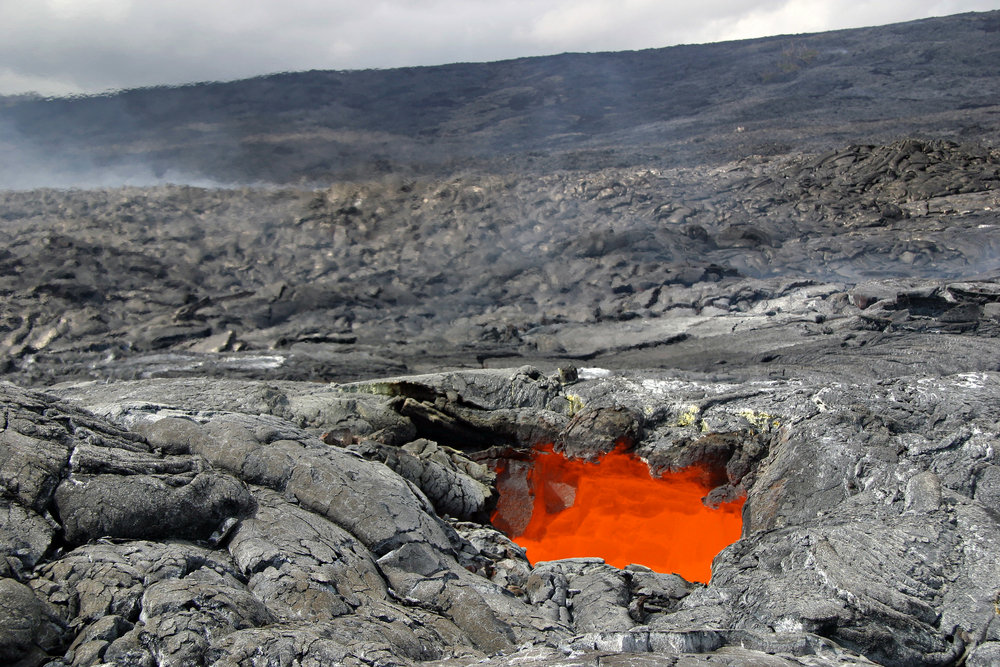
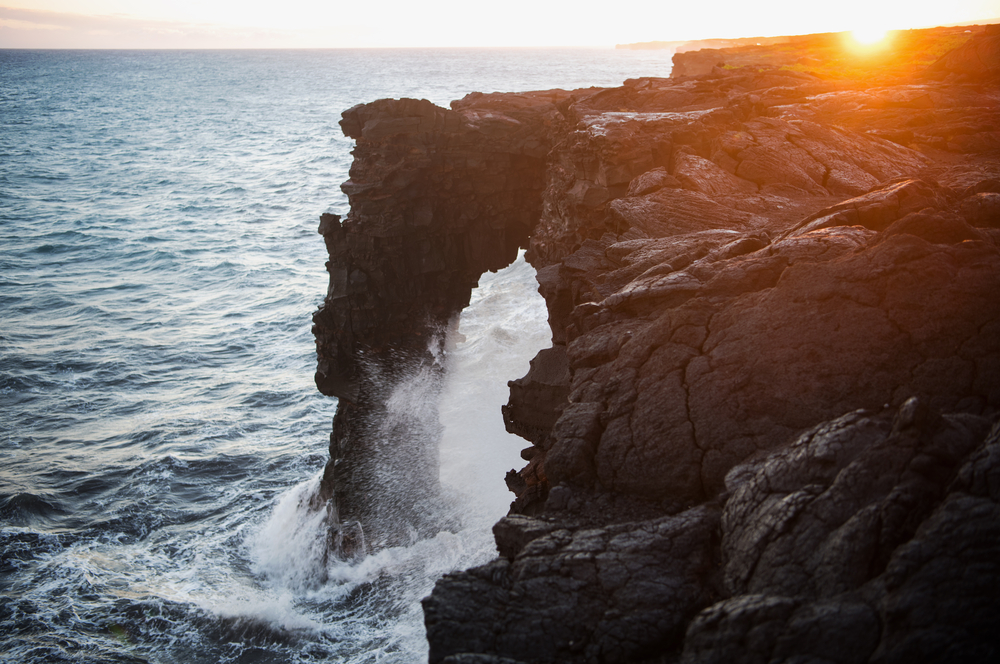
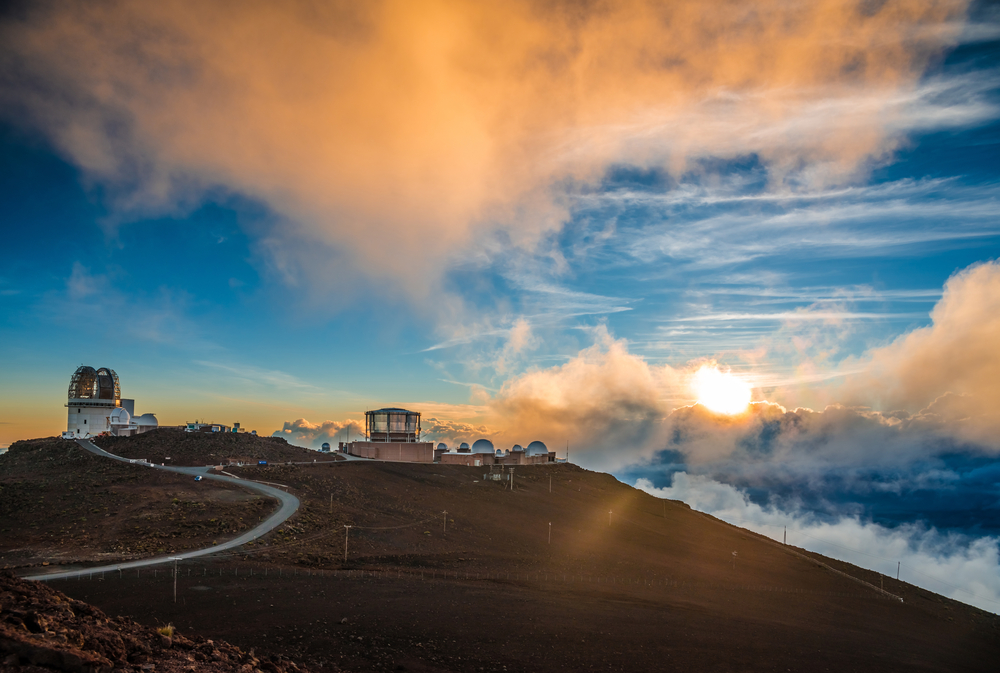
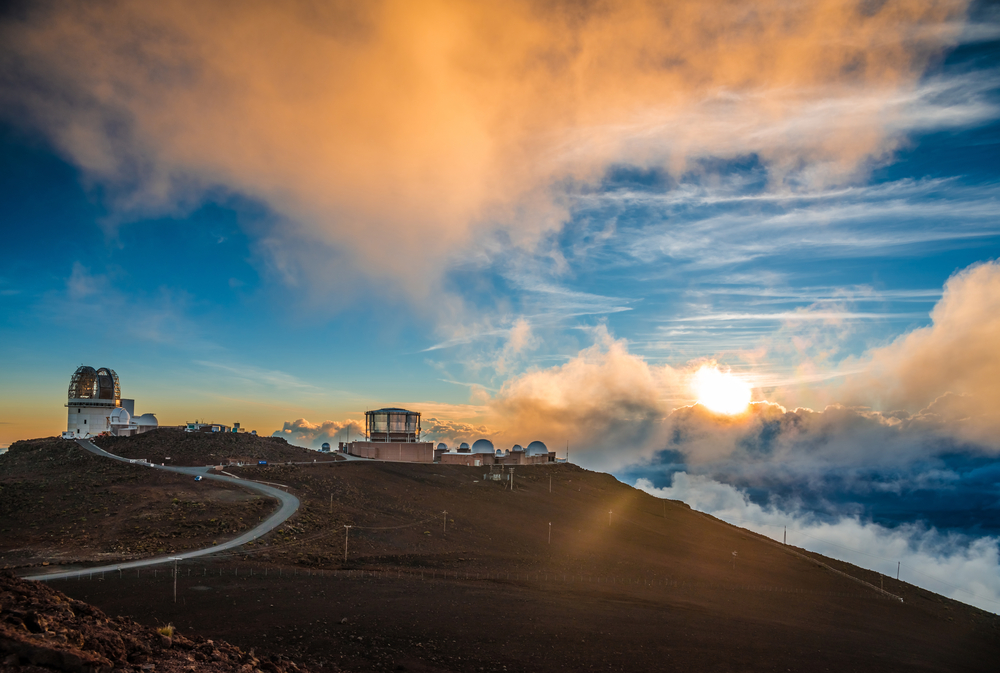
The geography of Hawai‘i Volcanoes National Park is both dynamic and diverse. Elevations range from sea level along the Pacific coastline to more than 13,600 feet (4,145 meters) at the summit of Mauna Loa, one of the largest volcanoes on Earth by volume. The landscape includes lava flows, volcanic deserts, rainforests, coastal cliffs, ash fields, cinder cones, and alpine environments.
New land is periodically created when lava reaches the ocean, while older landscapes are gradually colonized by plants and wildlife. The park’s wide elevation range produces dramatically different climate zones, from tropical rainforests receiving abundant rainfall to dry volcanic deserts and high-elevation shrublands. This variety contributes to the park’s extraordinary ecological richness.
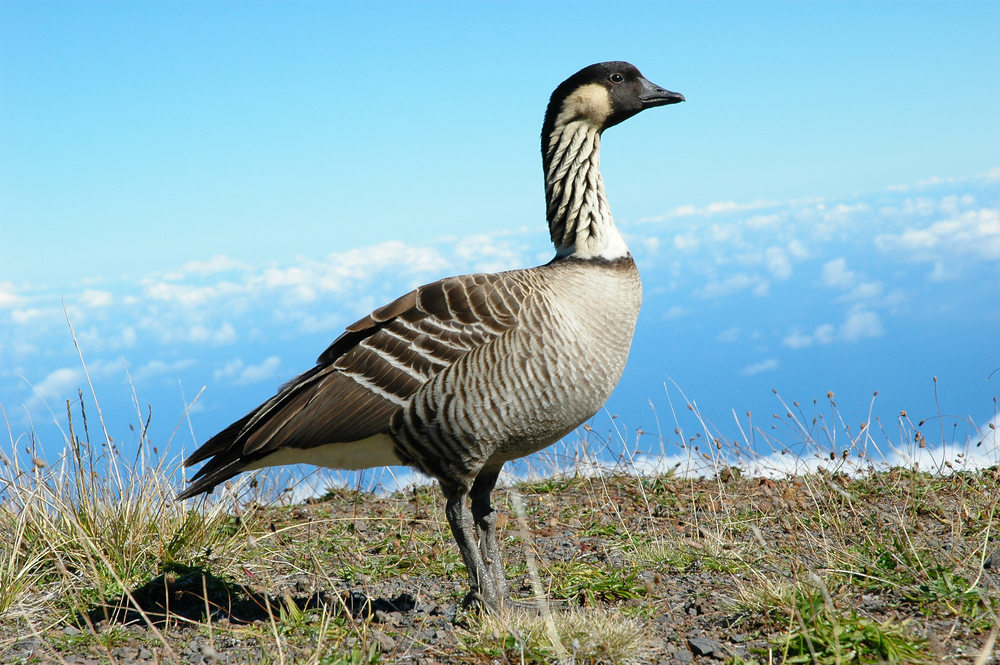
Wildlife within Hawai‘i Volcanoes National Park includes numerous species found nowhere else on Earth. Native birds such as the endangered Hawaiian goose, or nēnē, are among the park’s most recognizable animals. Other native birds include the ‘apapane, ‘amakihi, and ‘i‘iwi, which inhabit the park’s forests and shrublands. The park also supports native insects, bats, and rare plant species adapted to volcanic environments.
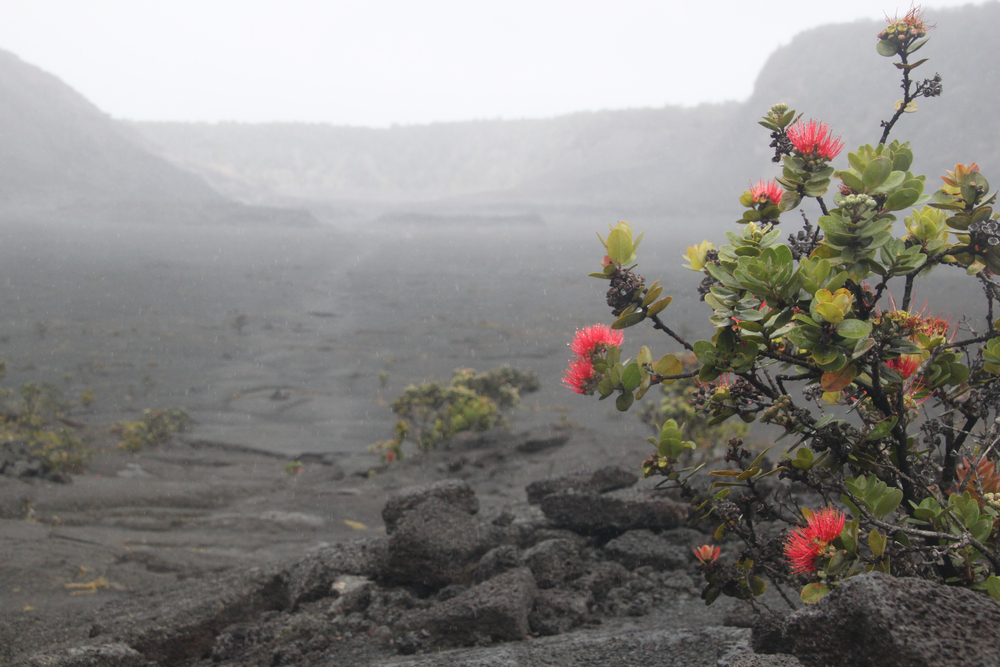
Many of Hawai‘i’s endemic species evolved in isolation over thousands of years and are found only within the Hawaiian Islands. Native forests contain ʻōhiʻa lehua trees, tree ferns, koa forests, and other unique vegetation that plays a critical role in supporting biodiversity. Conservation efforts focus on protecting these fragile ecosystems from invasive species and habitat loss.
Hawai‘i Volcanoes National Park plays a vital role in protecting one of the world’s most significant volcanic and ecological landscapes. The park preserves active geological processes, rare native ecosystems, and places of deep cultural importance to Native Hawaiians. Conservation efforts safeguard endangered species, native forests, and the natural processes that continue to create new land.
The park is often compared to Yellowstone National Park and Timanfaya National Park because of its volcanic activity and geological significance. Yet nowhere else can visitors observe the creation of new land while exploring ecosystems shaped by thousands of years of island evolution. Today, Hawai‘i Volcanoes National Park stands as one of the world’s most remarkable natural laboratories, preserving a landscape where fire, earth, culture, and life remain intimately connected.
Photos
Things to See
Things To Do
Engaging Hawaii Volcanoes National Park
Hawai’i Volcanoes National Park Trails
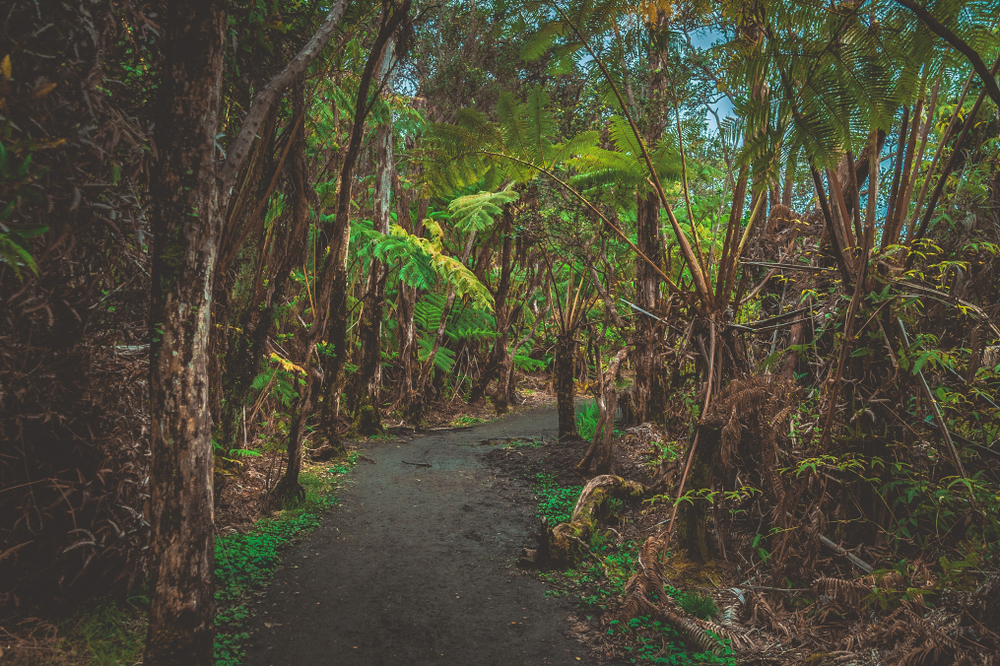
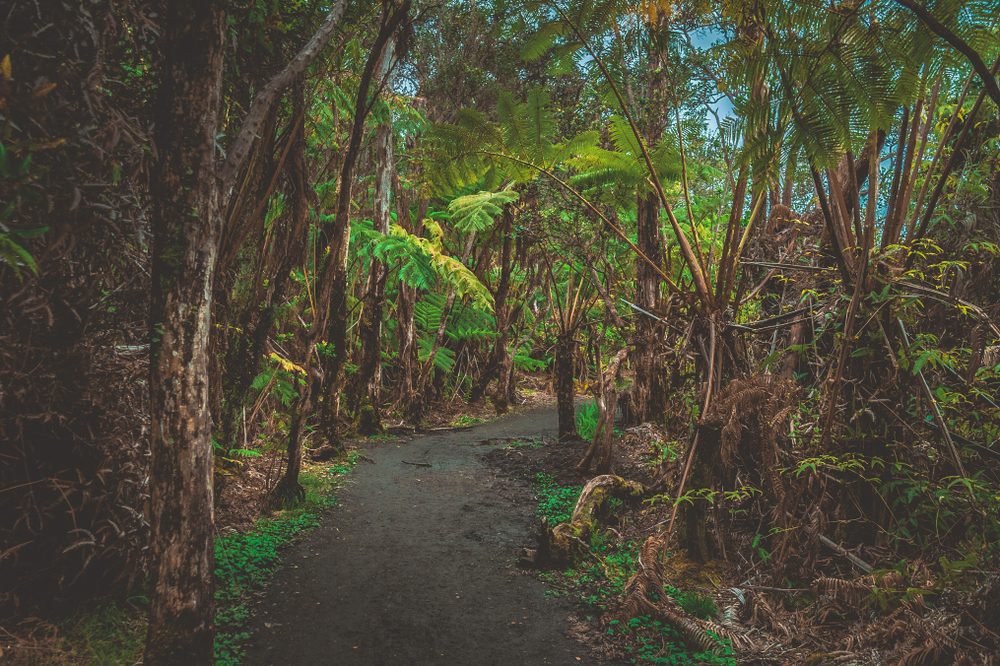
There are over 150 miles (241 km) of trails that meander through the rainforest, around the volcanoes, and across the deserts. These trails allow visitors with a more in-depth look and understanding of this incredible volcanic rainforest ecosystem.

FAQ’s
What is Hawaii Volcanoes National Park known for?
Hawai’i Volcanoes National Park is known for its stunning volcanic landscapes, diverse ecosystems, and dynamic geological features.
Located on the Big Island of Hawaii, the park is home to two of the world’s most active volcanoes: Kīlauea and Mauna Loa.
Visitors come to witness the awe-inspiring power of these volcanoes, which have shaped the island’s dramatic landscapes over thousands of years The park offers opportunities to explore volcanic craters, lava fields, steam vents, and other volcanic phenomena up close.
Additionally, Hawai’i Volcanoes National Park is recognized for its cultural significance to native Hawaiians, with sacred sites, petroglyphs, and cultural demonstrations providing insights into the island’s rich history and heritage.
How is Mauna Loa the tallest mountain in the world?
Mauna Loa, located on the Big Island of Hawaii, is often considered the tallest mountain in the world when measured from its base on the ocean floor to its summit.
While its summit elevation above sea level is approximately 13,678 feet (4,169 meters), Mauna Loa extends much further below sea level, with its base situated on the ocean floor approximately 18,000 feet (5,500 meters) below the surface of the Pacific Ocean.
This impressive height from base to summit makes Mauna Loa the tallest mountain on Earth when measured in this manner, surpassing even Mount Everest in total height.
Additionally, Mauna Loa is one of the largest and most massive volcanoes on the planet, with vast lava flows covering much of its surface area.
What is the main reason people visit Hawai'i Volcanoes National Park?
Hawai’i Volcanoes National Park is primarily visited for its active volcanoes, lava landscapes, unique ecosystems, and extraordinary geological features. Located on the Island of Hawai’i (the Big Island), the park protects two of the world’s most famous volcanoes: Kīlauea and Mauna Loa.
Visitors come to witness volcanic activity, explore lava tubes, hike across volcanic craters, experience native Hawaiian ecosystems, learn about Hawaiian culture, and observe the ongoing creation of new land.
What animals can visitors hope to see in Hawai'i Volcanoes National Park?
Hawai’i Volcanoes National Park supports a variety of native and introduced wildlife. Hawaii has very few native terrestrial mammals, but the park protects numerous endemic species found nowhere else on Earth.
Some of the most notable animals found in Hawai’i Volcanoes National Park include:
- Hawaiian Hoary Bat
- Hawaiian Monk Seal (coastal areas)
- Humpback Whale (offshore seasonal visitor)
- Spinner Dolphin (offshore waters)
- Feral Pig
- Feral Goat
- Mouflon Sheep
- Axis Deer (nearby regions)
- Small Indian Mongoose
- Feral Cat
- Black Rat
- Polynesian Rat
- House Mouse
- Jackson’s Chameleon
- Green Sea Turtle
- Hawksbill Sea Turtle
- Hawaiian Happy-face Spider
- Native Cave Spider Species
- Native Hawaiian Damselflies
- Native Hawaiian Picture-wing Flies
- Native Ground Beetles
- Native Planthoppers
- Native Moths
- Native Crickets
- Native Katydids
- Hawaiian Tree Snails
- Native Pollinating Insects
- Lava Tube Arthropods
- Native Cave Invertebrates
- Coastal Crab Species
- Reef Fish Species
- Yellow Tang
- Moorish Idol
- Butterflyfish Species
- Triggerfish Species
- Wrasse Species
- Parrotfish Species
- Surgeonfish Species
- Octopus Species
- Reef Invertebrates
- Native Stream Invertebrates
- Freshwater Shrimp Species
- Native Beetles
- Native Ant Species
- Native Spiders
- Endemic Cave Species
- Endemic Arthropods
- Native Pollinator Species
- Coastal Marine Species
- Numerous Endemic Hawaiian Species
What birds can visitors hope to see in Hawai'i Volcanoes National Park?
Hawai’i Volcanoes National Park is one of the best places in Hawaii to observe native Hawaiian forest birds and seabirds.
Some of the most popular birds seen in Hawai’i Volcanoes National Park include:
- Nēnē (Hawaiian Goose)
- ʻApapane
- Hawaiʻi ʻAmakihi
- ʻIʻiwi
- ʻŌmaʻo
- ʻElepaio
- Pueo (Hawaiian Short-eared Owl)
- Hawaiian Hawk (‘Io)
- Pacific Golden-Plover
- Wandering Tattler
- Ruddy Turnstone
- Black-crowned Night Heron
- Cattle Egret
- White-tailed Tropicbird
- Great Frigatebird
- Red-footed Booby
- Brown Booby
- Wedge-tailed Shearwater
- Hawaiian Petrel
- Newell’s Shearwater
- Sooty Tern
- Brown Noddy
- Black Noddy
- White Tern
- Common Mynah
- Japanese White-eye
- Northern Cardinal
- House Finch
- House Sparrow
- Zebra Dove
- Spotted Dove
- Mourning Dove
- Red-crested Cardinal
- Yellow-fronted Canary
- Nutmeg Mannikin
- Chestnut Munia
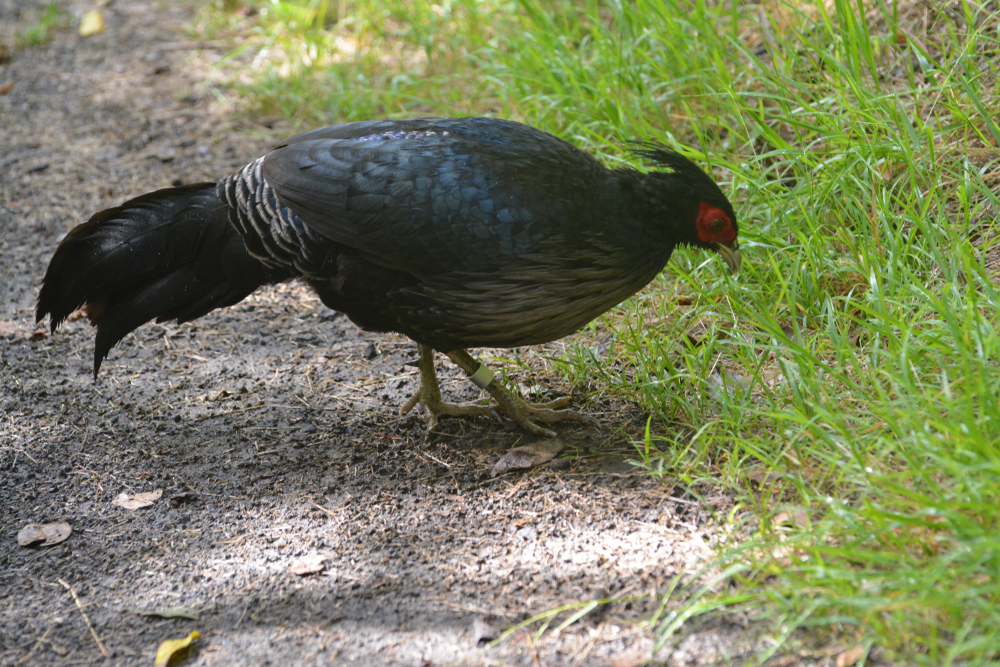
- Kalij Pheasant
- Erckel’s Francolin
- Chukar
- Ring-necked Pheasant
- Barn Owl
- Pacific Reef Heron
- Sanderling
- Bristle-thighed Curlew
- Lesser Golden-Plover
- Hawaiian Duck
- Migratory Shorebird Species
- Seabird Species
- Native Forest Bird Species
- Endemic Hawaiian Bird Species
Is Hawai'i Volcanoes National Park worth visiting?
Yes, Hawai’i Volcanoes National Park is absolutely worth visiting and is one of the most unique national parks in the world.
The park offers active volcanic landscapes, lava fields, rainforests, scenic drives, lava tubes, native wildlife, and opportunities to witness the geological processes that continue to shape the Hawaiian Islands. Few places on Earth allow visitors to observe active volcanism and landscape creation on such a scale.
The primary hesitation is that volcanic activity can change access conditions, resulting in occasional road or trail closures.
What is the best time to visit Hawai'i Volcanoes National Park?
The best time to visit Hawai’i Volcanoes National Park is year-round.
Typical temperatures include:
- Lower elevations: 60–85°F (16–29°C)
- Higher elevations: 40–70°F (4–21°C)
Throughout the year:
- Temperatures are generally mild.
- Volcanic activity may vary.
- Rainfall can occur frequently in some areas.
- Wildlife viewing opportunities remain excellent.
Visitors should always check current volcanic conditions before visiting.
How many days do you need to visit Hawai'i Volcanoes National Park?
Most visitors should plan for 1 to 3 days.
- Half day: Crater overlooks and scenic drives.
- 1 day: Major viewpoints, lava tube, and short hikes.
- 2 days: Additional trails and volcanic features.
- 3+ days: Extensive hiking, backcountry exploration, and wildlife viewing.
Longer visits allow visitors to experience the park’s diverse ecosystems and geological features.
How do you get to Hawai'i Volcanoes National Park?
Hawai’i Volcanoes National Park is located on the Island of Hawai’i.
Most visitors:
- Fly into Hilo International Airport or Ellison Onizuka Kona International Airport at Keāhole.
- Drive to the park entrance near the town of Volcano.
- Explore the park using its scenic roads and trail systems.
The park is approximately 30 miles (48 km) southwest of Hilo.
Who is involved in protecting and supporting Hawai'i Volcanoes National Park?
Several organizations help protect and support Hawai’i Volcanoes National Park:
- National Park Service – manages Hawai’i Volcanoes National Park.
- Pacific Island Parks – supports educational and conservation programs.
- National Park Foundation – supports projects throughout the National Park System.
- U.S. Geological Survey Hawaiian Volcano Observatory – monitors volcanic activity and conducts scientific research.
- Native Hawaiian communities who maintain deep cultural and spiritual connections to the volcanoes and surrounding landscapes.
Is Kīlauea an active volcano?
Yes. Kīlauea is one of the most active volcanoes on Earth. Its eruptions have shaped much of the modern landscape of Hawai’i and continue to provide scientists with valuable insights into volcanic processes.
What is Mauna Loa and what makes it special?
Mauna Loa is the largest active volcano on Earth by volume and area. It rises more than 13,600 feet (4,145 meters) above sea level and dominates much of the Island of Hawai’i.
Sources
- All Trails, Best Trails in Mount Rainier National Park, , https://www.alltrails.com/parks/us/washington/mount-rainier-national-park retrieved June 2020.
- Britannica, Kilauea, https://www.britannica.com/place/Kilauea, retrieved June 2020.
- Britannica, Hawaii Volcanoes National Park, https://www.britannica.com/place/Hawaii-Volcanoes-National-Park, retrieved June 2020.
- Go Hawaii, Hawaii Volcanoes National Park, https://www.gohawaii.com/islands/hawaii-big-island/regions/kau/volcanoes-national-park, retrieved June 2020.
- Hawaii Guide, About Hawaii Volcanoes National Park, https://www.hawaii-guide.com/big-island/sights/hawaii-volcanoes-national-park, retrieved June 2020.
- National Geographic, Complete National Parks of the United States, National Geographic Publishing, Washington DC.
- National Geographic, Guide to the National Parks of the United States, National Geographic Society, 2003.
- National Geographic, National Parks of North America, Canada-United States-Mexico, National Geographic Society, 1995.
- National Park Service, Hawaii Volcanoes, https://www.nps.gov/havo/index.htm, retrieved June 2020.
- UNESCO, Hawaii Volcanoes National Park, https://whc.unesco.org/en/list/409/, retrieved June 2020.
- USGS, Mauna Loa, https://volcanoes.usgs.gov/volcanoes/mauna_loa/, retrieved June 2020.