

About
Guadalupe Mountains National Park is located in western Texas along the border of New Mexico in the United States and covers approximately 135 square miles (350 sq km). Established in 1972, the park protects one of the most significant mountain landscapes in the American Southwest.
It lies northeast of Big Bend National Park and south of Carlsbad Caverns National Park. The park preserves the rugged Guadalupe Mountains, which contain the four highest peaks in Texas, including the state’s highest point, Guadalupe Peak. Known for its dramatic desert scenery, fossil-rich geology, and diverse ecosystems, Guadalupe Mountains National Park offers visitors one of the finest wilderness experiences in the southern United States.
Guadalupe Mountains National Park is best known for its towering peaks, spectacular canyons, and extensive hiking opportunities. Visitors are drawn to the challenge of climbing Guadalupe Peak, which rises to 8,751 feet (2,667 meters) above sea level and offers panoramic views across Texas and New Mexico. The park is also famous for the stunning beauty of McKittrick Canyon, where colorful autumn foliage creates one of the most remarkable fall displays in Texas.
Popular activities include hiking, backpacking, camping, wildlife viewing, photography, and stargazing. Unlike many heavily visited national parks, Guadalupe Mountains retains a sense of solitude and wilderness that allows visitors to experience the landscape in a more natural and peaceful setting.
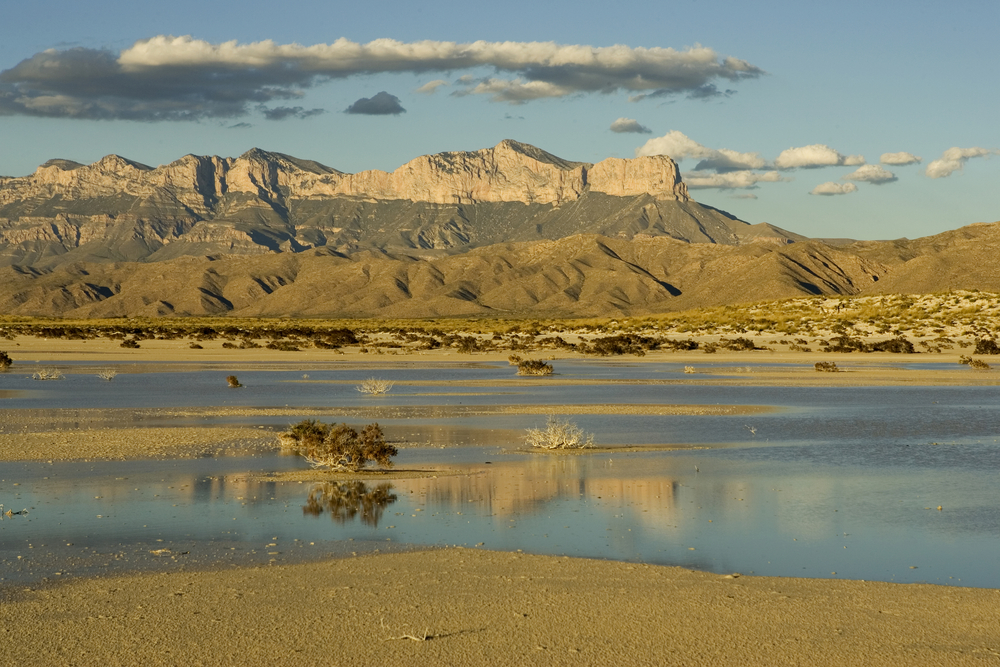
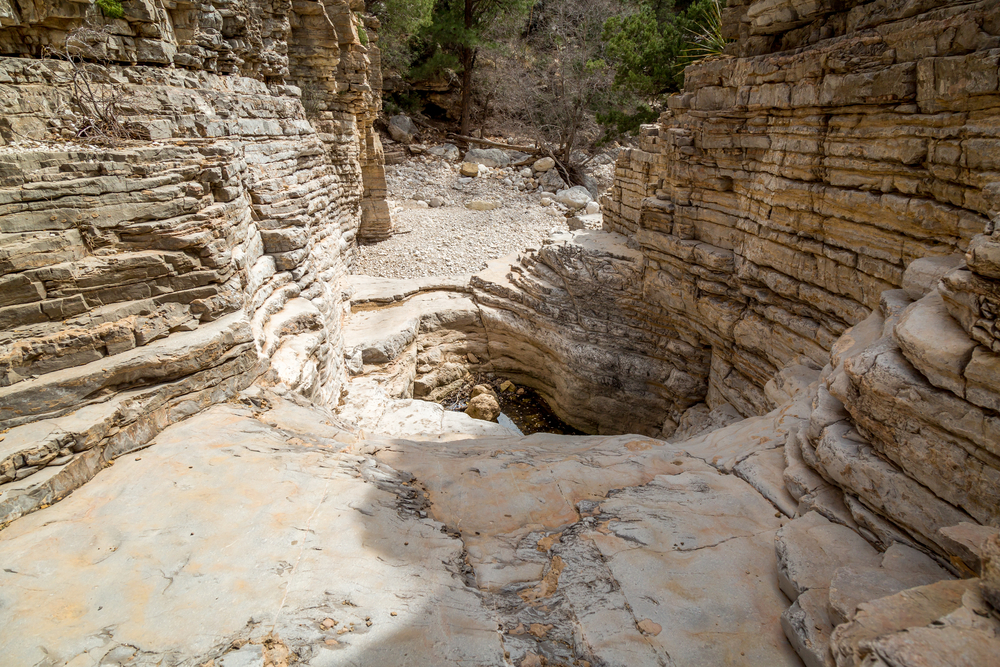
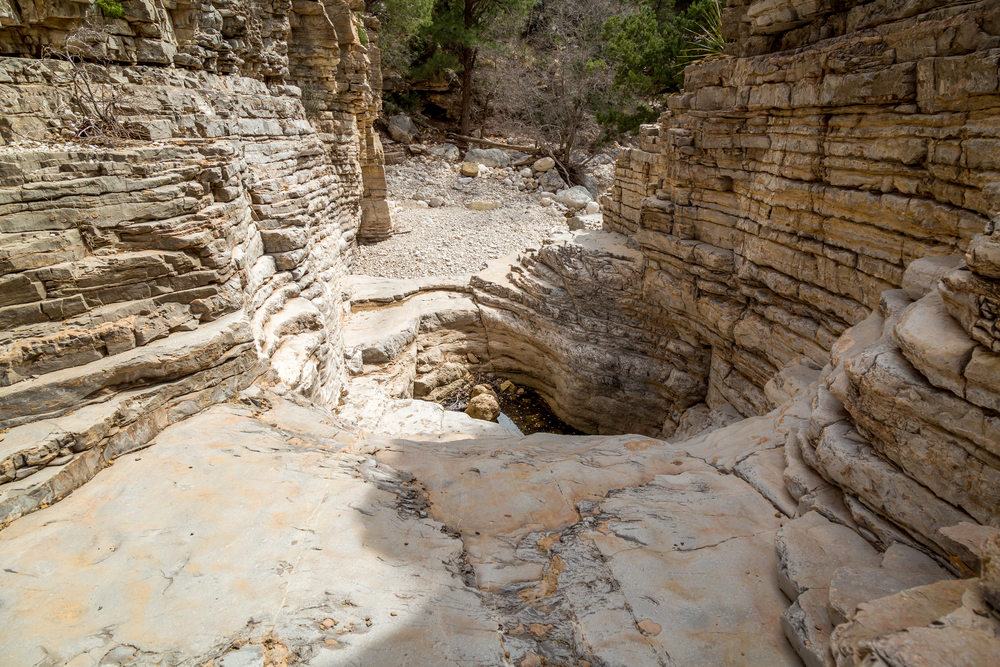
The geography of Guadalupe Mountains National Park reflects an ancient marine environment that existed approximately 265 million years ago. The mountains are composed largely of the remains of the Capitan Reef, one of the best-preserved fossil reefs in the world. Over millions of years, tectonic uplift and erosion exposed these ancient limestone formations, creating dramatic cliffs, canyons, ridges, and peaks.
The park encompasses a remarkable range of elevations, from desert lowlands to high mountain forests. Vegetation changes dramatically with altitude and includes Chihuahuan Desert shrublands, grasslands, pinyon-juniper woodlands, and forests of ponderosa pine and Douglas-fir. This diversity of habitats contributes significantly to the park’s ecological richness.
Wildlife within Guadalupe Mountains National Park is equally diverse. Mammals include mule deer, elk, black bears, mountain lions, coyotes, bobcats, gray foxes, and numerous smaller species. Elk, once absent from the region, have successfully reestablished populations within the park and are frequently observed in higher elevations.
Birdlife is abundant, with golden eagles, peregrine falcons, mountain bluebirds, western tanagers, and numerous migratory species inhabiting the park’s varied ecosystems. Reptiles, amphibians, and native pollinators thrive throughout the desert and mountain environments. The park’s location at the intersection of several ecological regions supports an impressive variety of plant and animal life.
Guadalupe Mountains National Park plays a critical role in protecting one of North America’s finest examples of an ancient fossil reef and one of the largest wilderness areas in Texas. The park safeguards important habitats for wildlife, preserves unique geological formations, and protects cultural resources linked to Indigenous peoples, early settlers, ranchers, and frontier history. Conservation efforts focus on maintaining ecological integrity and preserving fragile desert and mountain ecosystems.
Guadalupe Mountains is often compared to Big Bend National Park and Zion National Park because of its dramatic landscapes and recreational opportunities. Yet its combination of ancient reef geology, Texas high peaks, and remarkable biodiversity gives it a distinctive character. Today, Guadalupe Mountains National Park stands as one of the Southwest’s greatest natural treasures, preserving a landscape where mountains, desert, wildlife, and geological history converge in extraordinary fashion.
Photos



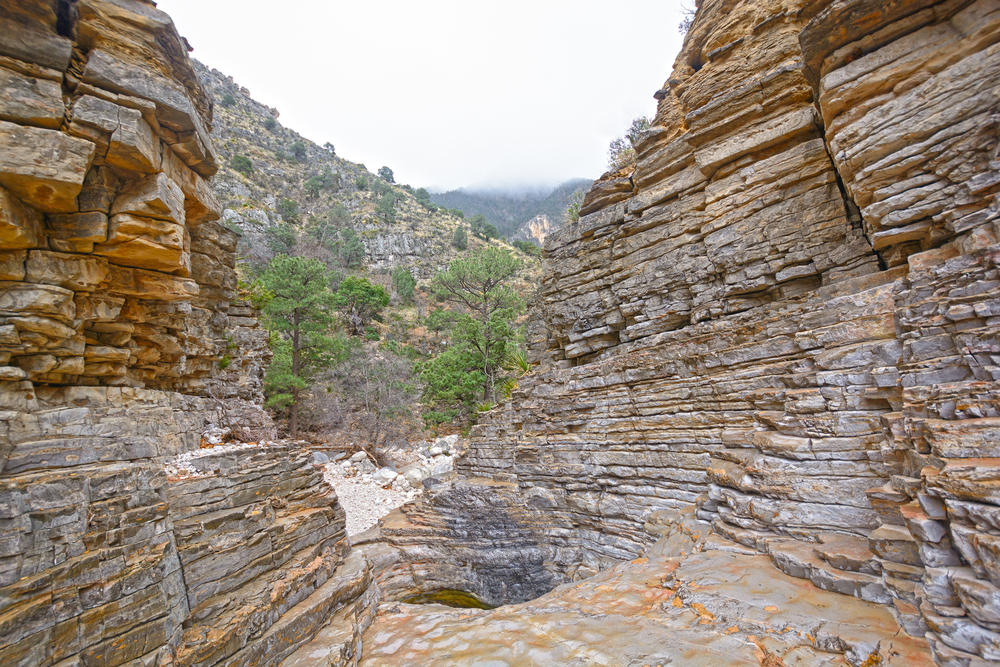
Things to See
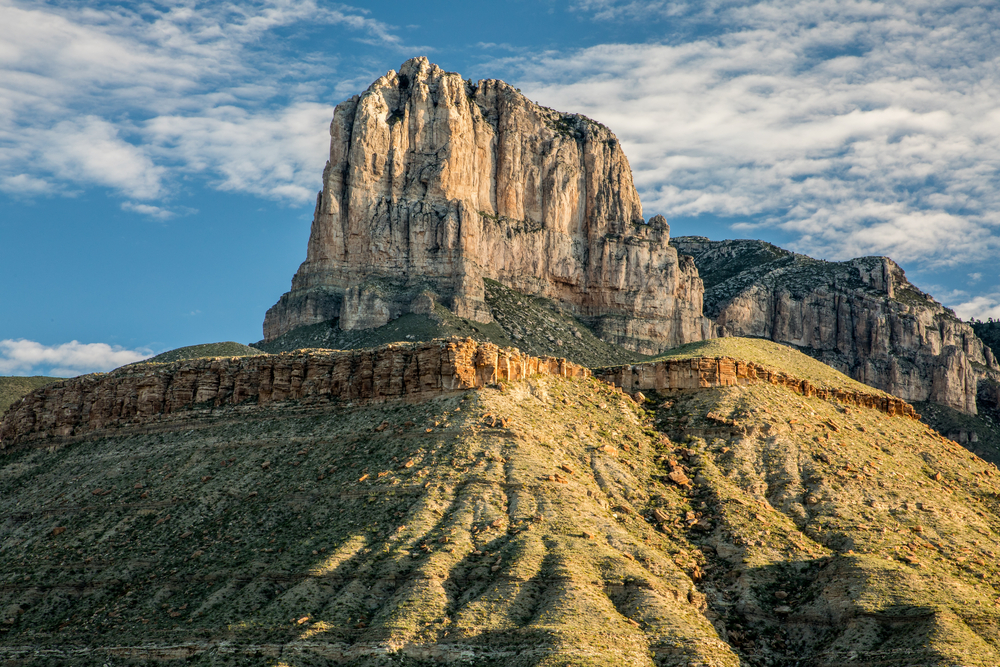
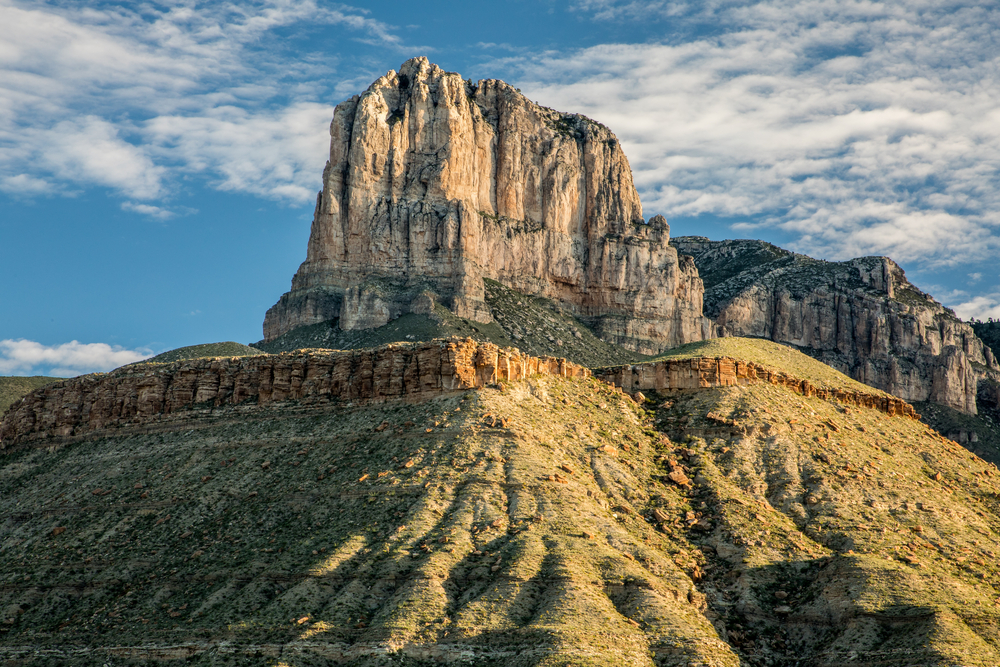
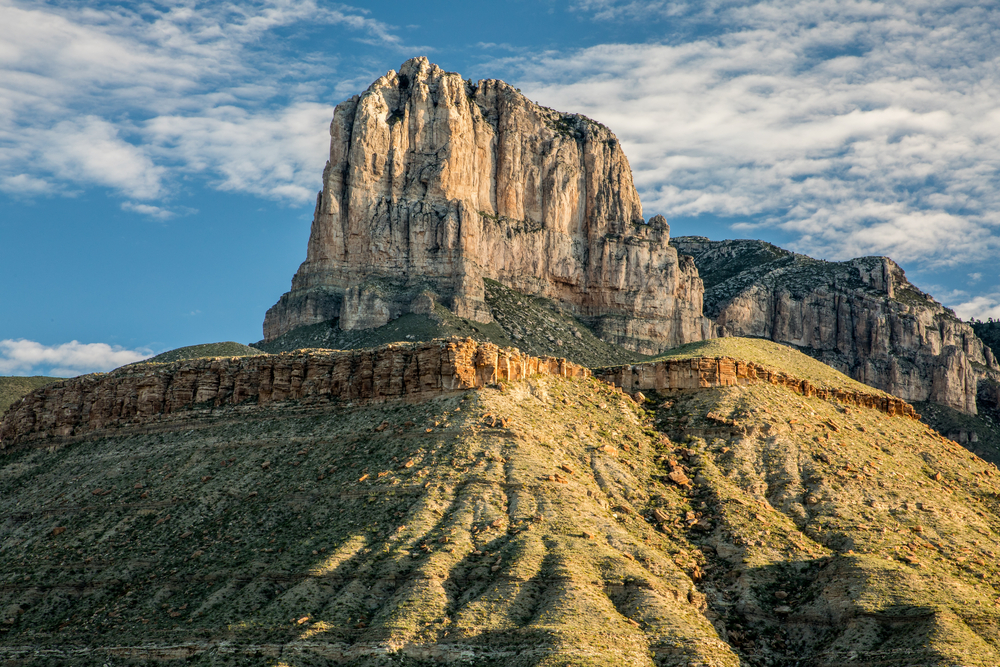
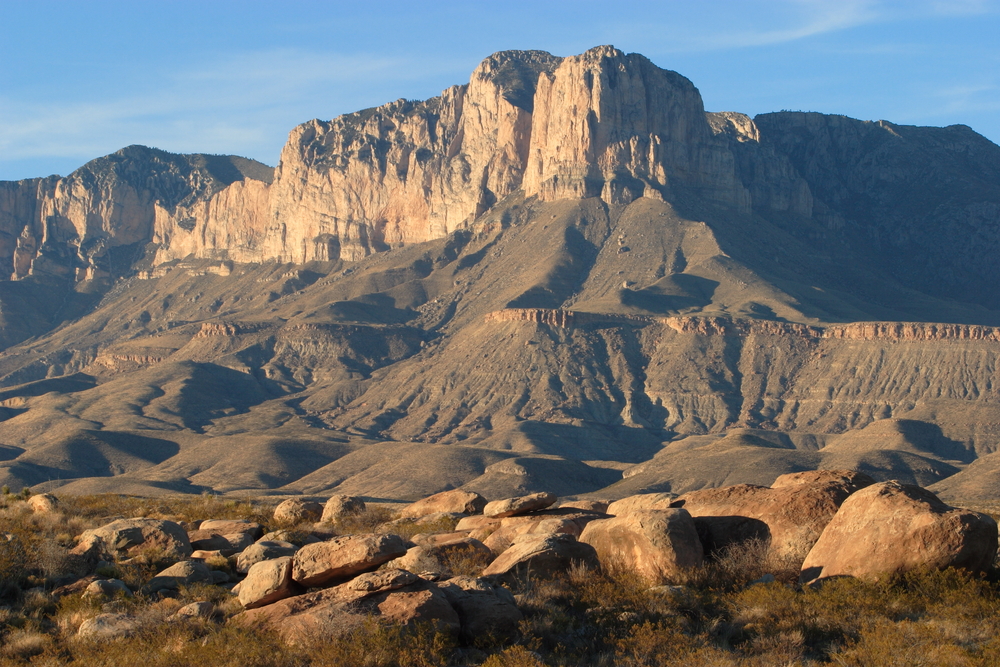
 El Capitan is a stunning peak located here in the Guadalupe Mountains. It is an iconic picturesque mountain that appears more like a thrown sitting atop of an eroded mountain. It reaches a summit of 8,085 feet (2,464 m) and is the 10th tallest mountain in Texas.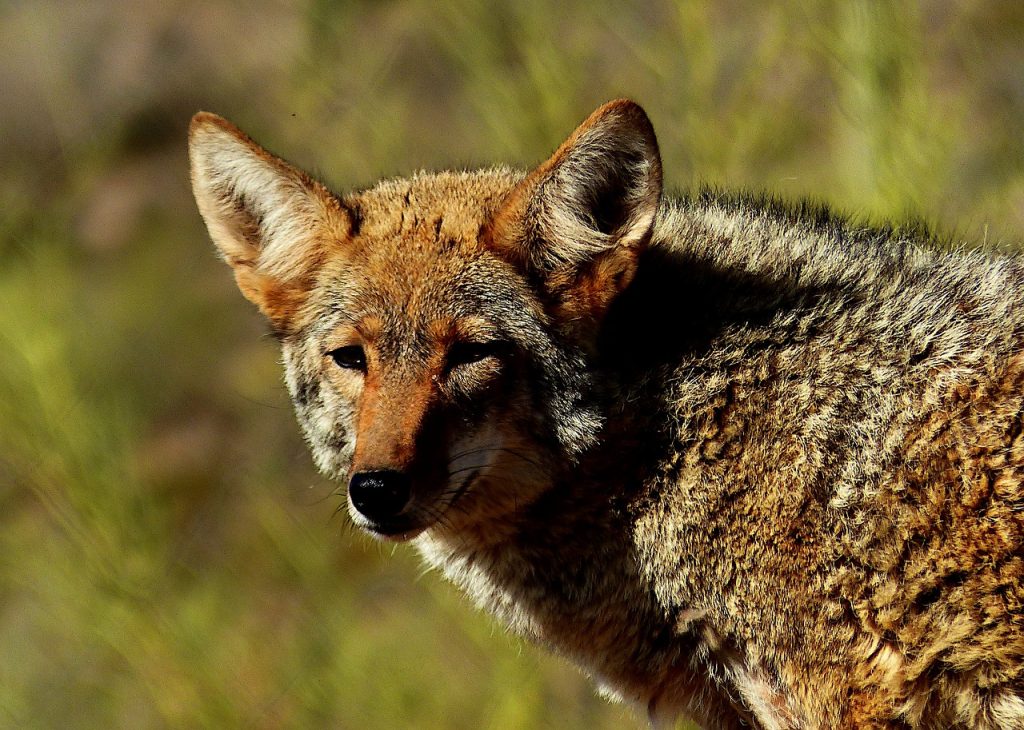
Things To Do
Engaging Guadalupe Mountains
Guadalupe Mountains National Park Trails
There are numerous trails around the national park allowing hikers and visitors to explore the arid mountainous Texas region. Trails range from easy to difficult. There are also climbing opportunities as well.

FAQ’s
What is Guadalupe Mountains National Park known for?
Guadalupe Mountains National Park, located in west Texas, is known for its rugged beauty, towering peaks, and extensive network of hiking trails. The park is home to Guadalupe Peak, the highest point in Texas, reaching an elevation of 8,749 feet (2,667 meters).
It is also known for its stunning desert landscapes, including deep canyons, colorful rock formations, and ancient fossilized reefs. The park’s diverse ecosystems support a wide variety of plant and animal species, including rare and endemic species found nowhere else in the world.
Additionally, Guadalupe Mountains National Park is designated as a UNESCO World Heritage Site due to its significant geological and paleontological resources, making it a paradise for nature lovers, hikers, and outdoor enthusiasts.
What is the main reason people visit Guadalupe Mountains National Park?
Guadalupe Mountains National Park is primarily visited for its rugged mountain scenery, outstanding hiking trails, desert landscapes, and rich geological history. Located in western Texas near the New Mexico border, the park protects the world’s best exposed fossil reef from the Permian Period and includes the four highest peaks in Texas.
Visitors come to hike to the summit of Guadalupe Peak, explore scenic canyons, view colorful fall foliage, experience remote wilderness, and enjoy one of the most pristine mountain environments in the Southwest.
What animals can visitors hope to see in Guadalupe Mountains National Park?
Guadalupe Mountains National Park supports approximately 60 mammal species and more than 50 reptile species. The park’s diverse habitats range from Chihuahuan Desert lowlands to high-elevation forests, supporting a remarkable variety of wildlife.
Some of the most notable animals found in Guadalupe Mountains National Park include:
- Mule Deer
- Elk
- Pronghorn
- Mountain Lion
- Bobcat
- Coyote
- Gray Fox
- Red Fox
- American Black Bear
- Ringtail
- Raccoon
- American Badger
- Striped Skunk
- Long-tailed Weasel
- Porcupine
- American Beaver
- Desert Cottontail
- Black-tailed Jackrabbit
- Rock Squirrel
- Cliff Chipmunk
- Gray-footed Chipmunk
- Golden-mantled Ground Squirrel
- Mexican Ground Squirrel
- Deer Mouse
- White-footed Mouse
- Canyon Mouse
- Pocket Mouse
- Kangaroo Rat
- Woodrat
- Pocket Gopher
- Meadow Vole
- Harvest Mouse
- Desert Shrew
- Big Brown Bat
- Pallid Bat
- Hoary Bat
- Mexican Free-tailed Bat
- Townsend’s Big-eared Bat
- Silver-haired Bat
- Little Brown Bat
- Long-legged Myotis
- Fringed Myotis
- Yuma Myotis
- California Myotis
- Western Pipistrelle
- Spotted Bat
- Cave Myotis
- Desert Rodent Species
- Various Small Mammals
- Various Bat Species
What birds can visitors hope to see in Guadalupe Mountains National Park?
Guadalupe Mountains National Park is home to more than 300 bird species. The park’s mountain forests, canyons, grasslands, and desert habitats make it one of the premier birding locations in Texas.
Some of the most popular birds seen in Guadalupe Mountains National Park include:
- Golden Eagle
- Bald Eagle
- Peregrine Falcon
- Prairie Falcon
- Red-tailed Hawk
- Cooper’s Hawk
- Sharp-shinned Hawk
- Northern Goshawk
- American Kestrel
- Turkey Vulture
- Great Horned Owl
- Western Screech-Owl
- Northern Pygmy Owl
- Elf Owl
- Common Raven
- Clark’s Nutcracker
- Steller’s Jay
- Woodhouse’s Scrub-Jay
- Black-billed Magpie
- Mountain Bluebird
- Western Bluebird
- Canyon Wren
- Rock Wren
- Bewick’s Wren
- House Wren
- Mountain Chickadee
- Juniper Titmouse
- Red-breasted Nuthatch
- White-breasted Nuthatch
- Pygmy Nuthatch
- Brown Creeper
- Black-throated Sparrow
- Brewer’s Sparrow
- Chipping Sparrow
- White-crowned Sparrow
- Dark-eyed Junco
- Green-tailed Towhee
- Scott’s Oriole
- Western Meadowlark
- Say’s Phoebe
- Ash-throated Flycatcher
- Western Kingbird
- Violet-green Swallow
- Cliff Swallow
- White-throated Swift
- Black-chinned Hummingbird
- Broad-tailed Hummingbird
- Rufous Hummingbird
- Acorn Woodpecker
- Northern Flicker
Is Guadalupe Mountains National Park worth visiting?
Yes, Guadalupe Mountains National Park is absolutely worth visiting and is often considered one of the most underrated national parks in the United States.
The park offers spectacular mountain scenery, excellent hiking, fascinating geology, exceptional birdwatching, and a true wilderness experience. Visitors who enjoy hiking and solitude often rank Guadalupe Mountains among their favorite national parks. The park receives far fewer visitors than many major western parks, allowing for a quieter and more immersive experience.
The primary hesitation is its remote location and limited services compared to more heavily developed national parks.
What is the best time to visit Guadalupe Mountains National Park?
The best time to visit Guadalupe Mountains National Park is from March through May and September through November.
Typical conditions include:
- Spring: 45–80°F (7–27°C)
- Summer: 65–95°F (18–35°C)
- Fall: 45–80°F (7–27°C)
- Winter: 30–60°F (-1–16°C)
During these periods:
- Hiking temperatures are more comfortable.
- Wildflowers may bloom in spring.
- Fall foliage is visible in McKittrick Canyon.
- Wildlife viewing is often excellent.
Strong winds can occur year-round, especially during spring.
How many days do you need to visit Guadalupe Mountains National Park?
Most visitors should plan for 2 to 3 days.
- 1 day: Guadalupe Peak or a major canyon hike.
- 2 days: Multiple trails and scenic areas.
- 3 days: Guadalupe Peak, McKittrick Canyon, and backcountry exploration.
- 4+ days: Extensive hiking and wilderness camping.
The park is particularly rewarding for visitors who enjoy longer hikes.
How do you get to Guadalupe Mountains National Park?
Guadalupe Mountains National Park is located in far western Texas.
Most visitors:
- Fly into El Paso or Midland.
- Drive to the park via U.S. Highway 62/180.
- Enter through the main visitor area near Pine Springs.
The park is approximately two hours from El Paso and about 35 miles southwest of Carlsbad.
Who is involved in protecting and supporting Guadalupe Mountains National Park?
Several organizations help protect and support Guadalupe Mountains National Park:
- National Park Service – manages Guadalupe Mountains National Park.
- National Park Foundation – supports projects throughout the National Park System.
- Texas Parks and Wildlife Department – collaborates on regional conservation efforts.
- Scientific researchers and conservation organizations that help preserve the Chihuahuan Desert ecosystem.
- Indigenous peoples connected to the region, including the Mescalero Apache and other historic Indigenous communities.
What is the highest point in Texas?
Guadalupe Peak is the highest point in Texas, rising to 8,751 feet (2,667 meters) above sea level. Hiking to the summit is one of the park’s most popular activities.
Sources
- All Trails, Best Trails in Guadeloupe Mountains National Park, https://www.alltrails.com/parks/us/texas/guadalupe-mountains-national-park, retrieved June 2020.
- American Southwest, Guadeloupe National Park, https://www.americansouthwest.net/texas/guadalupe_mountains/national_park.html, retrieved June 2020.
- Britannica, Guadeloupe Mountains National Park, https://www.britannica.com/place/Guadalupe-Mountains-National-Park, retrieved June 2020.
- Britannica, Guadeloupe Peak, https://www.britannica.com/place/Guadalupe-Peak, retrieved June 2020.
- National Geographic, Complete National Parks of the United States, National Geographic Publishing, Washington DC.
- National Geographic, Guide to the National Parks of the United States, National Geographic Society, 2003.
- National Geographic, National Parks of North America, Canada-United States-Mexico, National Geographic Society, 1995.
- National Park Service, Guadeloupe Mountains, https://www.nps.gov/gumo/index.htm, retrieved June 2020.
- Summit Post, Guadalupe Peak, https://www.summitpost.org/guadalupe-peak/150689, retrieved June 2020.
- Wikipedia, El Capitan (Texas), https://en.wikipedia.org/wiki/El_Capitan_(Texas), retrieved June 2020.