About

Carlsbad Caverns National Park is located in southeastern New Mexico as part of the Guadalupe Mountains.  The boundaries of the park cover an area of 73 square miles (189 sq km). 

Only 1/3 of the park has been explored with the remainder of the area set aside as wilderness areas. This is done to make certain that the habitat will forgo any changes.

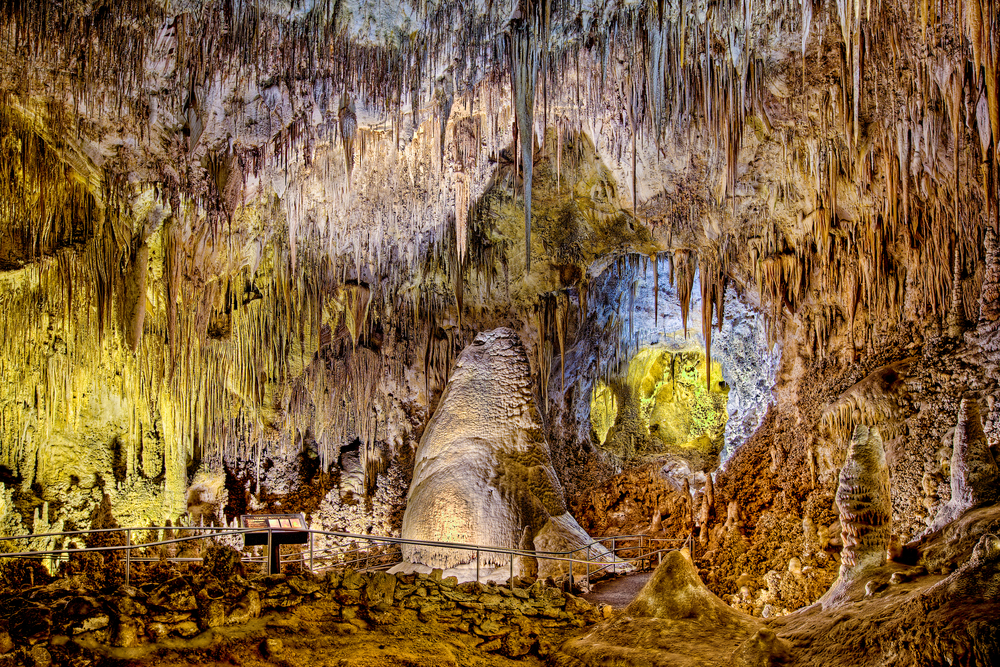
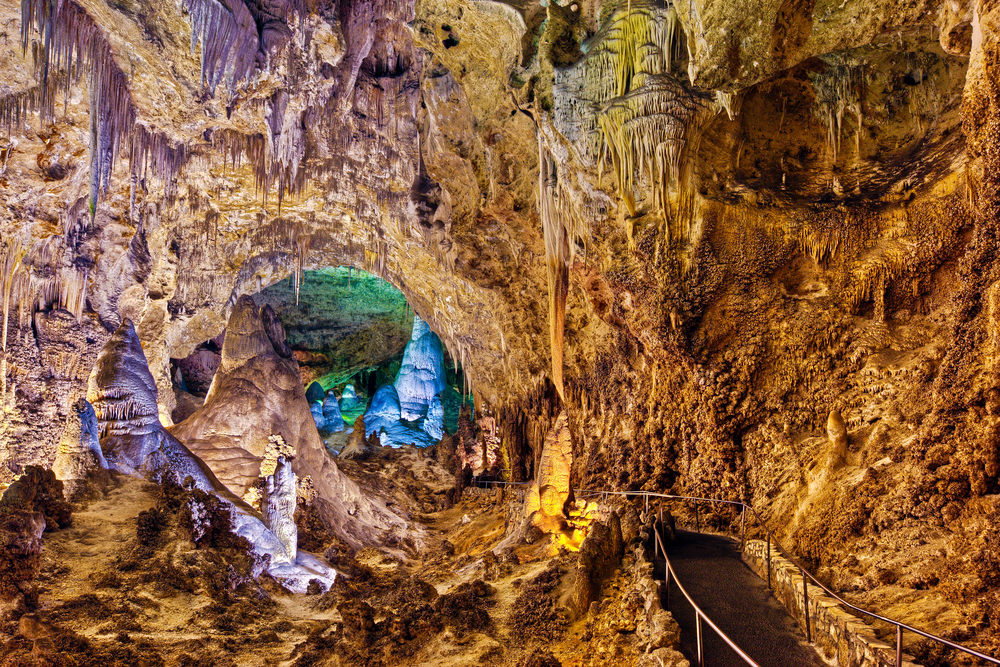
Carlsbad Caverns features a massive limestone chamber that is affectionately known as the Big Room.  It stretches across 4,000 feet (1,220 m) and is 625 feet (191 m) wide.  The Big Room reaches a height of 255 feet (78 m).

This Big Room statistically registers as the 5th largest chamber in North America and it ranks 28th around the world.  The cave system sits amongst a limestone bed.

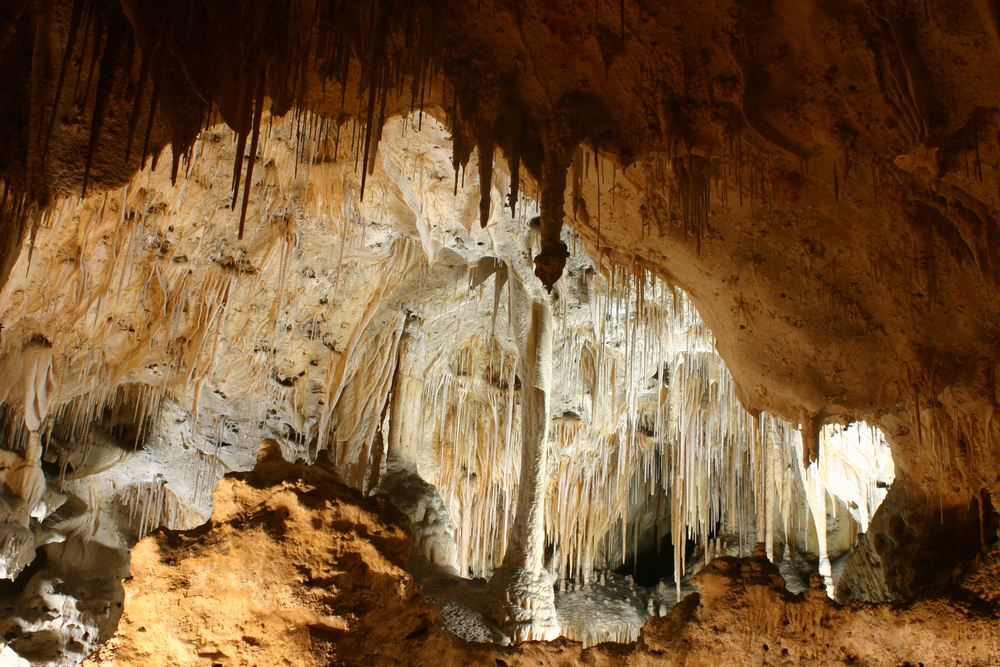
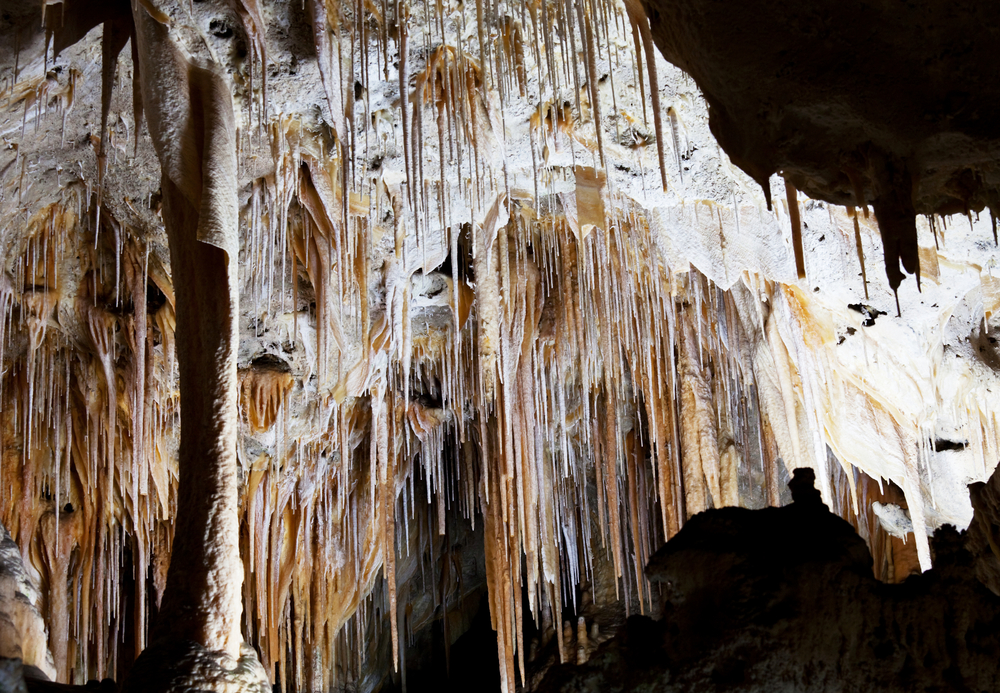
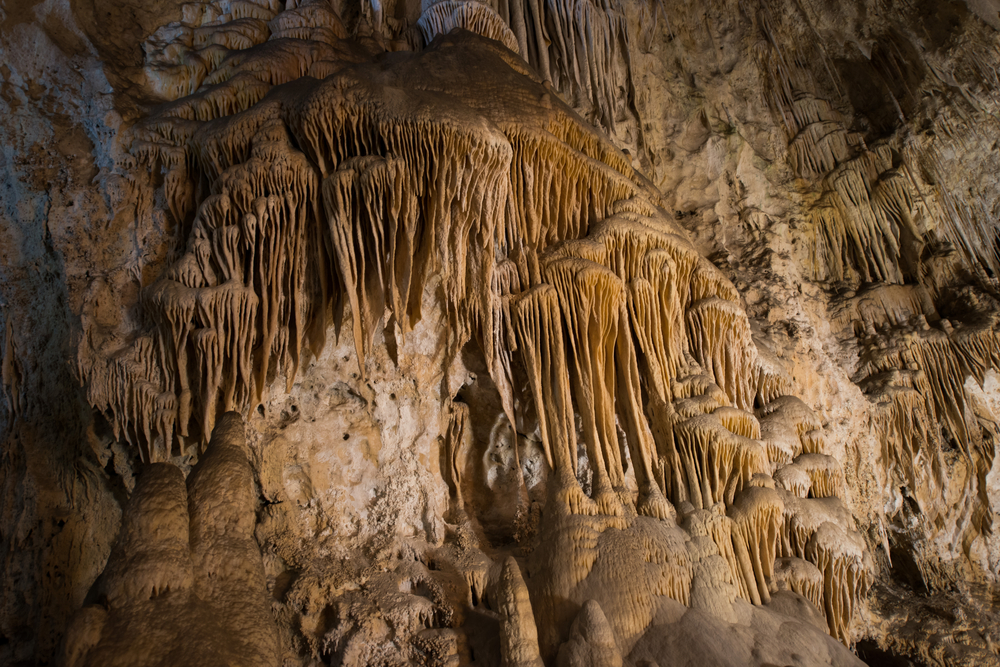
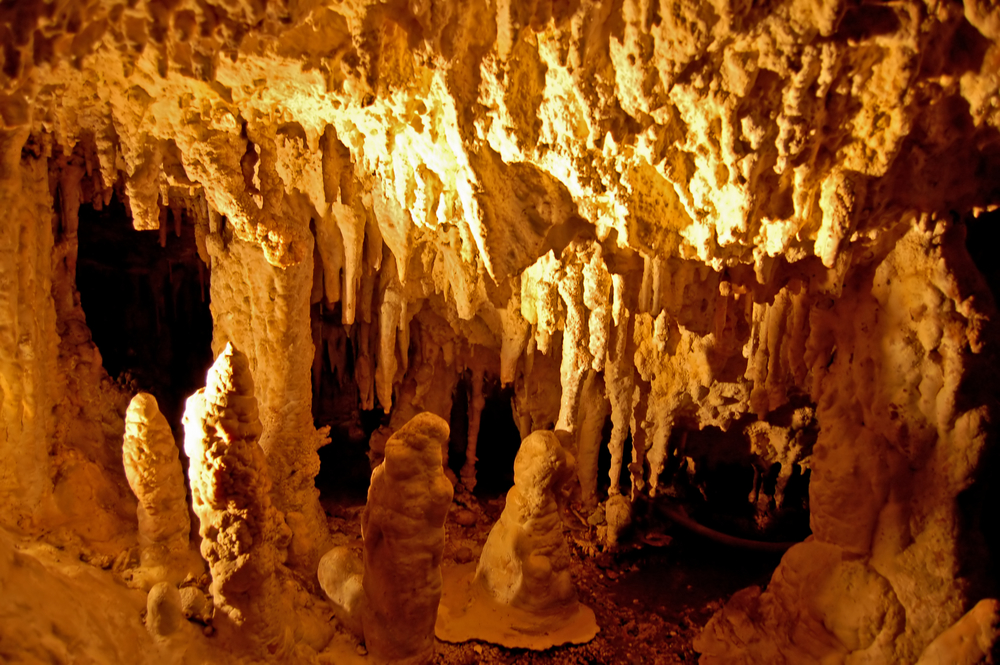
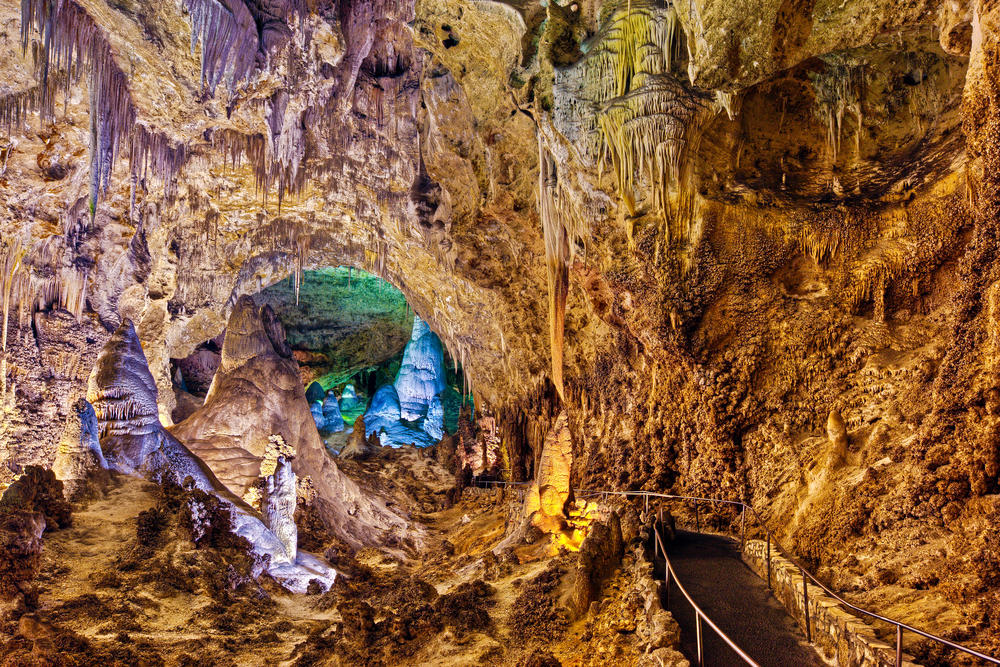
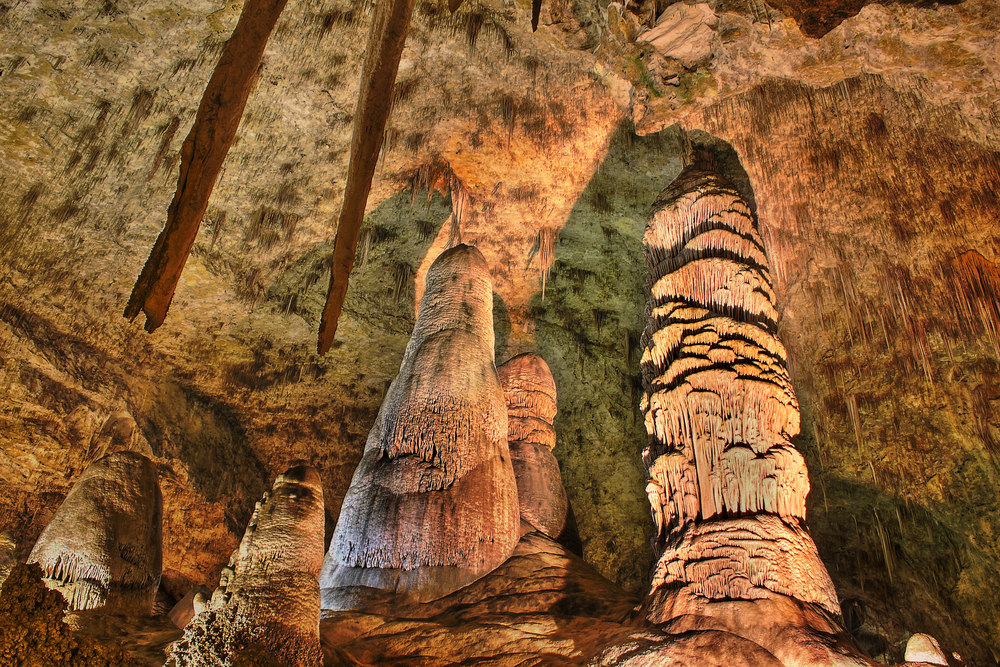
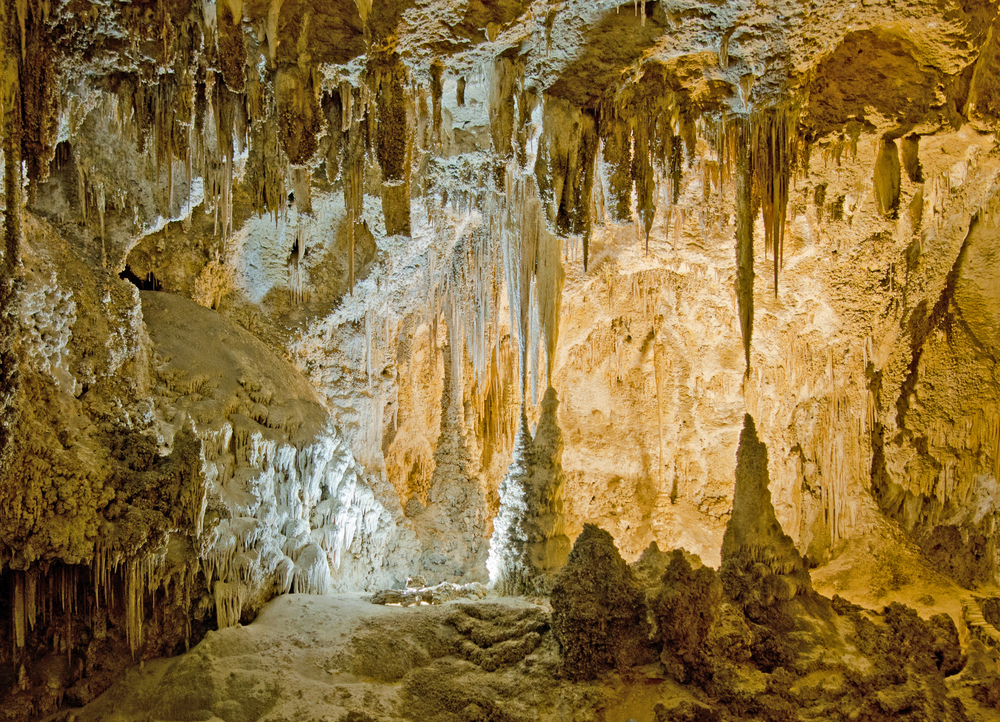
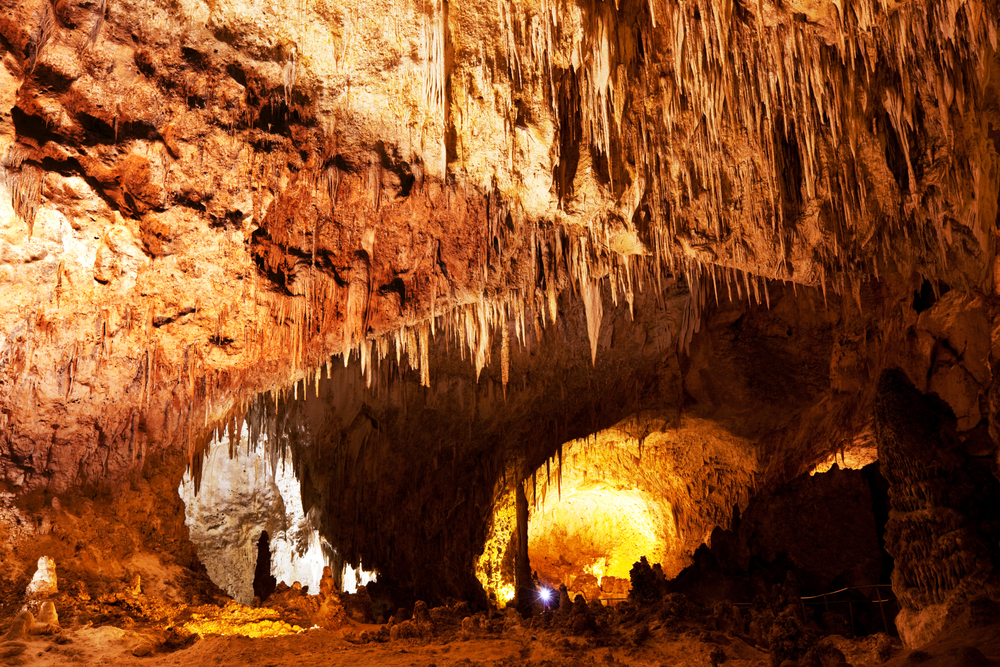
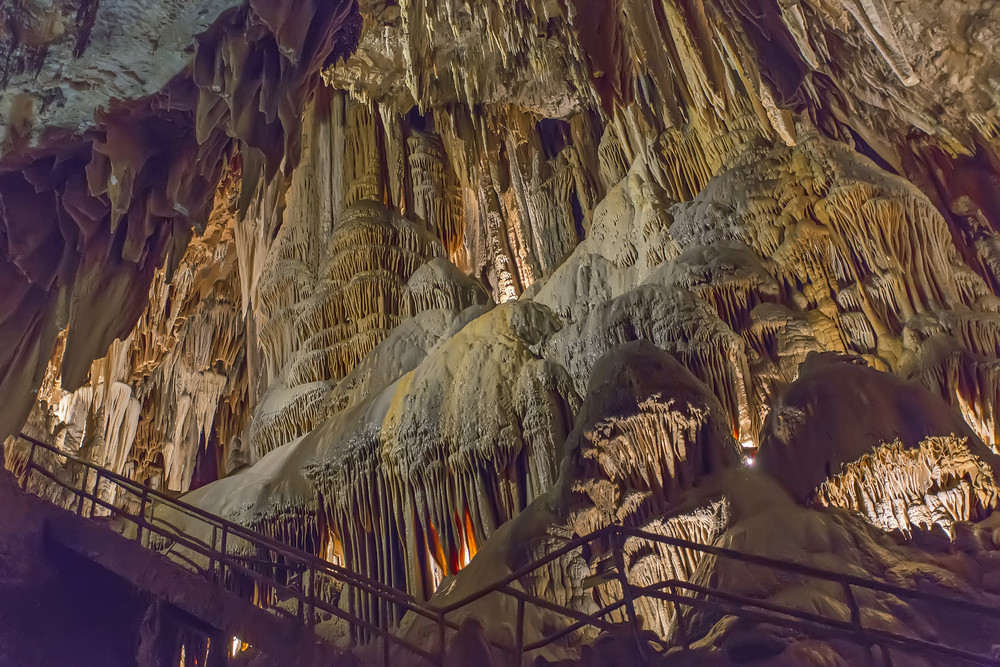
The Big Room features a variety of geological cavern features.  A visit to the cave will allow travelers to see stalactites, stalagmites, columns, soda straws, draperies, helictites, and popcorn.

The Bat Cave is next to the main entrance.  This part of the caverns is home to the largest collection of bats.  The name of this chamber was attributed to this bat population. 

There are several other rooms that are part of the collective cavern area.  Some of these are not accessible, but here is a list of all of the rooms:

  • Ballroom
  • Bat Room
  • Bell Cord Room
  • Bifrost Room
  • Big Room aka Hall of the Giants
  • Chocolate High
  • Green Lake Room
  • Guadalupe Room
  • Hall of the White Giant
  • Halloween Hall
  • King’s Palace
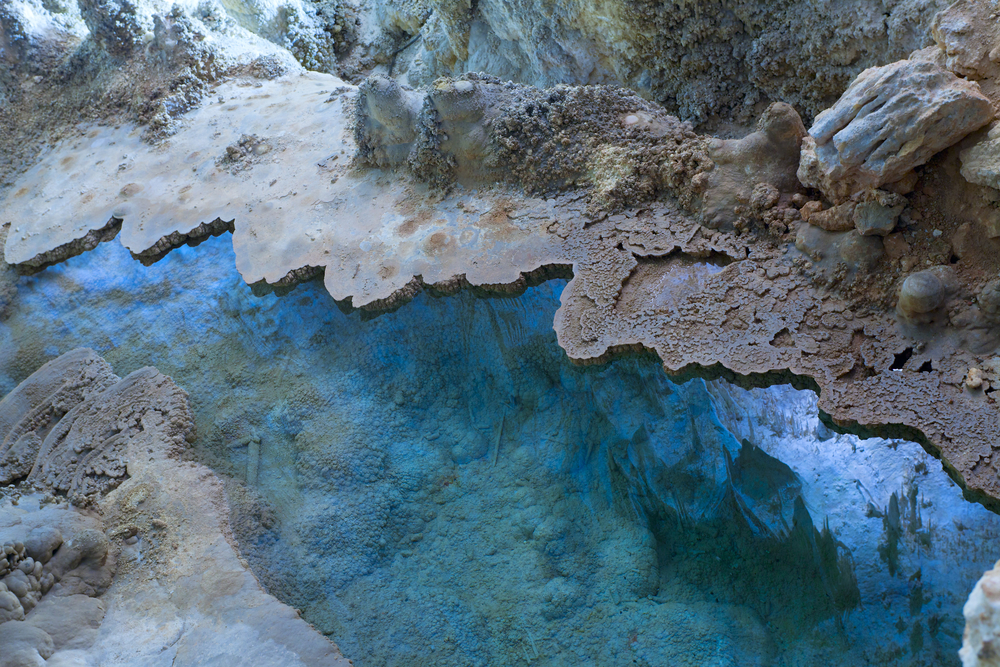
  • Lake of the Clouds
  • Left Hand Tunnel
  • Mabel’s Room
  • Mystery Room
  • New Mexico Room
  • New Section
  • Papoose Room
  • Queen’s Chamber
  • Spirit World
  • Talcum Passage
  • The Rookery
  • Underground Lunchroom

The Underground Lunchroom is an actually constructed cafeteria constructed in the 1950s.  This is also the location where the elevators deliver travelers from the visitor center. 

There are around 120 caves throughout the park.  Only three of these caves are accessible by the public.  Carlsbad Caverns is the most famous and well developed and the namesake of the park.

Slaughter Canyon Cave and Spider Cave are the other two accessible but less developed caves.  They are used for more adventurous caving tours. The caves are not the only natural facets of the park.  There are trails and lookout vistas above ground as well which provides visitors with an opportunity to get exercise while engaging the splendor of the New Mexico landscapes.

In addition to the bats, there are over 300 species of birds above the caves available for bird-watchers.  Cougar, coyote, foxes, bobcat, mule deer, skunk, badger, and weasels are some of the wildlife that can be experienced in the area.  There are over 65 mammalian species with another 55 species of amphibians and reptiles.

Things to See

The abundant and stunning cavern features are the highlight of the park.  The Big Room, affectionately also known as the Hall of Giants, is the largest chamber covering a floor space of 357,469 square feet (33,210 sq m).  This is one of the most picturesque caves in the world.

Magnificent examples of stalactites, stalagmites, soda straws, draperies, and more are found throughout the cave.  The lights provided by the infrastructure create picturesque cavern landscapes.

Carlsbad Caverns National Park is renowned for its deep limestone caves, ancient sea ledges, and remarkable rock formations. Beyond its underground marvels, the park’s surface is a diverse habitat for various species adapted to the desert and rocky landscapes.  Here, visitors can discover the interconnectedness of life above and below ground.

Brazilian Free-tailed Bat – At dusk, thousands of these bats create a spectacular display as they exit the cave to feast on insects, a must-see phenomenon.

Rattlesnake – Various species, including the Western Diamondback, navigate the park’s terrain, their presence a reminder of the desert’s diverse and adaptive wildlife.

Kit Fox – The smallest fox in North America, the elusive Kit Fox, is adapted to the arid landscape, hunting rodents under the cover of night.

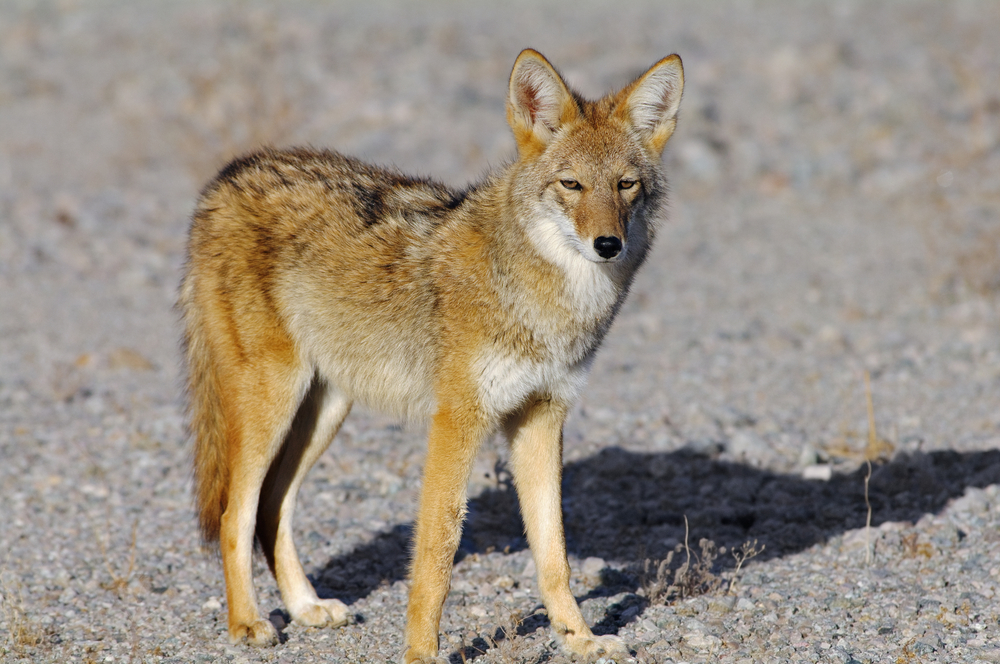
Coyote – Emblematic of the American Southwest, Coyotes roam the park in search of food, their howls echoing through the night.

Roadrunner – Known for its speed and agility, the Roadrunner is a charismatic bird often seen darting across roads and trails in pursuit of prey.

Barbary Sheep – Introduced species that have adapted well to the park’s rugged terrain, Barbary Sheep can be spotted on rocky outcrops, grazing on sparse vegetation.

Mexican Spotted Owl – This threatened species finds refuge in the park’s canyons, hunting at night and roosting in the caves and rocky crevices during the day.

Tarantula – These large, hairy spiders are often seen in the late summer and fall, especially during their mating season, adding to the park’s mystique.

Peregrine Falcon – The world’s fastest bird, the Peregrine Falcon, can sometimes be seen diving for birds over the park’s canyons and open areas.

Elk – Although less common, Elk migrate through the park’s higher elevations, grazing in meadows and open fields, a majestic sight against the backdrop of the caverns.

The wildlife of Carlsbad Caverns National Park invites curiosity and awe, offering visitors a glimpse into the survival strategies of species in this captivating landscape of desert and stone.

Things To Do

Engaging Carlsbad Canyon

placeholder

Bat Flight Program

The Bat Flight Program is a must-see at Carlsbad Caverns. Visitors gather at the Natural Entrance amphitheater in the evening to watch hundreds of thousands of Brazilian free-tailed bats exit the cave in a spectacular flight into the night sky.

This unique natural event is a highlight for many visitors to the park.  The bats exit the cave daily for the routine evening searching for food.

placeholder

Bat Flight Program

The Bat Flight Program is a must-see at Carlsbad Caverns. Visitors gather at the Natural Entrance amphitheater in the evening to watch hundreds of thousands of Brazilian free-tailed bats exit the cave in a spectacular flight into the night sky.

This unique natural event is a highlight for many visitors to the park.  The bats exit the cave daily for the routine evening searching for food.

Carlsbad Caverns National Park Trails

There are varying trails that meander through the caves as well as around the park.  Here is a look at some of the most commonly used trails:

placeholder

Carlsbad Caverns Nature Trail

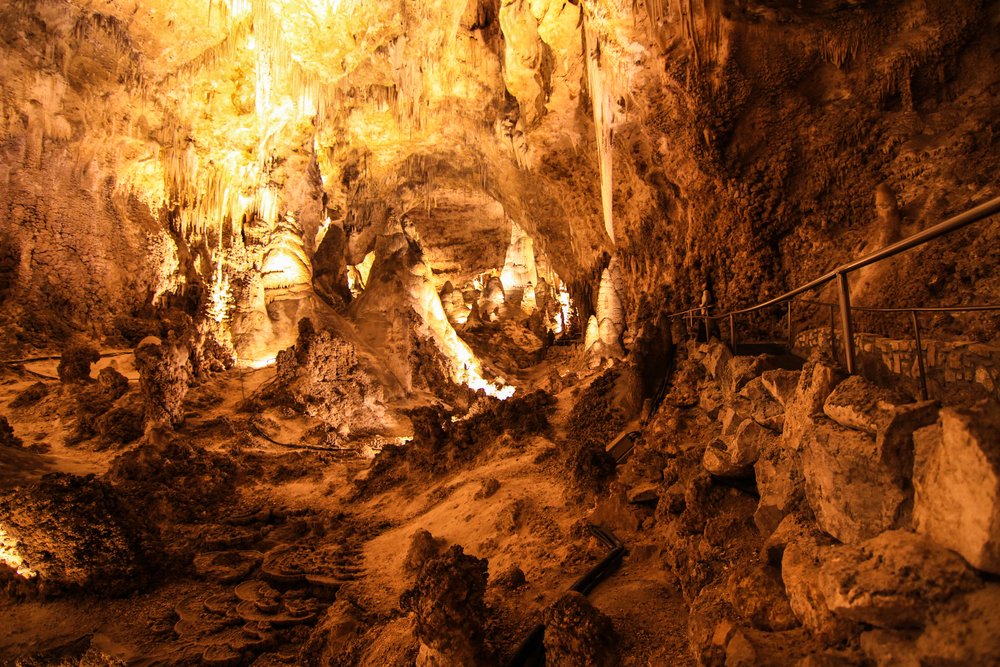
This is a 1.2-mile (1.9 km) loop trail that meanders through the main and most well-developed cave in the park.

placeholder

Slaughter Canyon Cave Trail

This is a 1-mile trail that provides a more adventurous loop trail through the cave.

placeholder

Walnut Canyon Trail

This is an easy short 0.3-mile (0.48 km) trail that delivers visitors to a scenic view of the park area.

placeholder

Juniper Ridge Trail

This is a 1.9-mile (3.05 km) trail that offers some picturesque views of the surrounding landscapes.

placeholder

North Slaughter Canyon Trail

This a moderate rated trail that travels 11.1 miles (17.9 km) that meanders the wilderness of the cavern area.  This trail is used to engage the outdoors and wildflowers during the blooming season.  It features an elevation gain of 1,541 feet (469.7 m).

placeholder

Yucca Canyon Trail

This is a 3.8-mile (6.11 km) moderate trail that allows visitors a chance to explore some of the natural landscapes of the region.

placeholder

Nature Entrance Trail

Rating: Strenuous

Distance and Elevation Gain: 1.25 miles one way with a descent of about 750 feet (229 meters) into the cavern

Description: This trail allows visitors to enter Carlsbad Caverns the traditional way, descending steeply into the cavern’s mouth and winding down through various cave formations to the Big Room. Hikers will experience the dramatic transition from daylight to the dimly lit underground world, passing stunning features like the Bat Cave and Devil’s Den.

placeholder

Big Room Trail

Rating: Easy to Moderate

Distance and Elevation Gain: 1.25-mile loop with minimal elevation gain, fully accessible by wheelchair

Description: The Big Room Trail offers a less strenuous, flat path through the largest chamber in Carlsbad Caverns, covering 8.2 acres. Highlights include the Giant Dome, Bottomless Pit, and Rock of Ages among other spectacular formations. This self-guided trail is well-lit and showcases the incredible scale and beauty of the underground landscape.

placeholder

King's Palace Trail

Rating: Moderate

Distance and Elevation Gain: 1.4 miles round trip with minimal elevation change, guided tour only

Description: This guided tour descends to the deepest point in the cavern open to the public, showcasing exquisite formations like the Queen’s Draperies and King’s Palace. The trail offers insights into the cave’s history, geology, and speleothems, providing a more intimate exploration of the cavern’s wonders.

placeholder

Guadalupe Ridge Trail

Rating: Strenuous

Distance and Elevation Gain: Up to 100 miles one way for the full trail, with significant elevation change

Description: Extending far beyond the park, this trail offers ambitious hikers panoramic views of the surrounding desert landscape, Guadalupe Mountains, and distant views of the cavern’s entrance. It’s a challenging multi-day hike that traverses some of the most remote and rugged terrains in the region.

placeholder

Nature Entrance Trail

Rating: Strenuous

Distance and Elevation Gain: 1.25 miles one way with a descent of about 750 feet (229 meters) into the cavern

Description: This trail allows visitors to enter Carlsbad Caverns the traditional way, descending steeply into the cavern’s mouth and winding down through various cave formations to the Big Room. Hikers will experience the dramatic transition from daylight to the dimly lit underground world, passing stunning features like the Bat Cave and Devil’s Den.

placeholder

Big Room Trail

Rating: Easy to Moderate

Distance and Elevation Gain: 1.25-mile loop with minimal elevation gain, fully accessible by wheelchair

Description: The Big Room Trail offers a less strenuous, flat path through the largest chamber in Carlsbad Caverns, covering 8.2 acres. Highlights include the Giant Dome, Bottomless Pit, and Rock of Ages among other spectacular formations. This self-guided trail is well-lit and showcases the incredible scale and beauty of the underground landscape.

placeholder

King's Palace Trail

Rating: Moderate

Distance and Elevation Gain: 1.4 miles round trip with minimal elevation change, guided tour only

Description: This guided tour descends to the deepest point in the cavern open to the public, showcasing exquisite formations like the Queen’s Draperies and King’s Palace. The trail offers insights into the cave’s history, geology, and speleothems, providing a more intimate exploration of the cavern’s wonders.

placeholder

Guadalupe Ridge Trail

Rating: Strenuous

Distance and Elevation Gain: Up to 100 miles one way for the full trail, with significant elevation change

Description: Extending far beyond the park, this trail offers ambitious hikers panoramic views of the surrounding desert landscape, Guadalupe Mountains, and distant views of the cavern’s entrance. It’s a challenging multi-day hike that traverses some of the most remote and rugged terrains in the region.

Sources