

About
Zion National Park is located in southwestern Utah in the United States and covers approximately 229 square miles (593 sq km). Established as a national park in 1919, Zion protects one of the most spectacular canyon landscapes in North America.
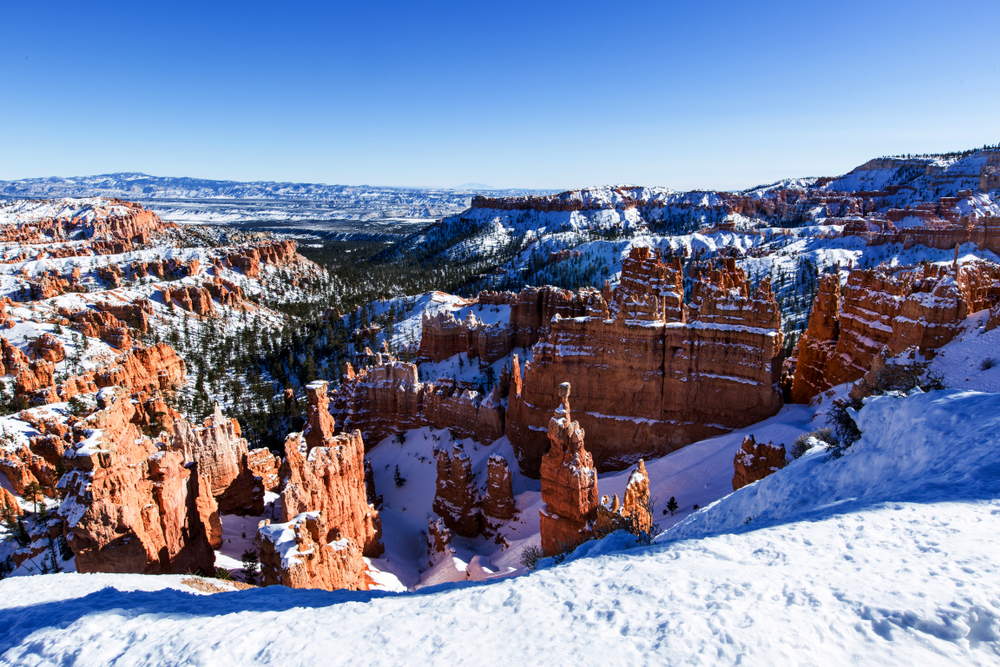
The park lies within the Colorado Plateau and is bordered by other remarkable protected areas, including Bryce Canyon National Park to the northeast and Grand Canyon National Park to the south. Positioned where the Mojave Desert, Great Basin, and Colorado Plateau converge, Zion contains an extraordinary diversity of landscapes and ecosystems. Its towering sandstone cliffs, narrow slot canyons, and lush river corridors have made it one of the most visited and beloved national parks in the United States.
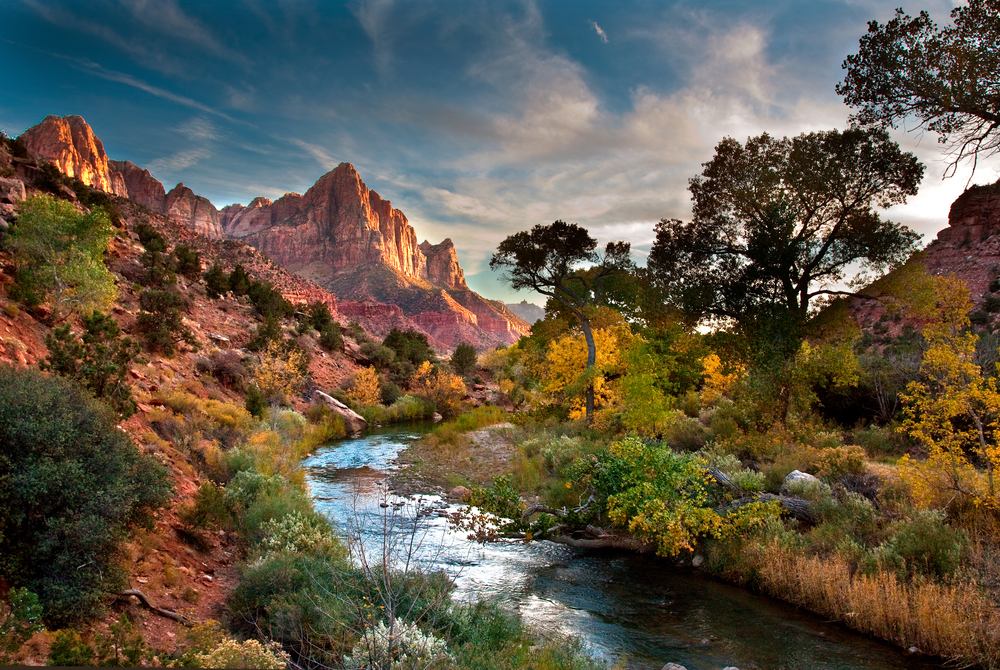
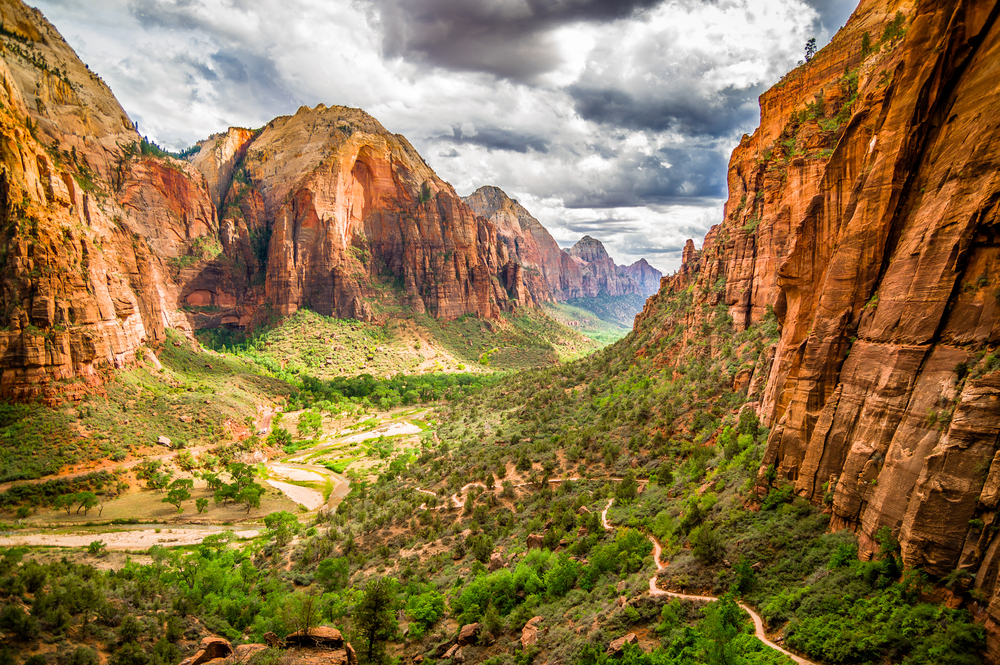
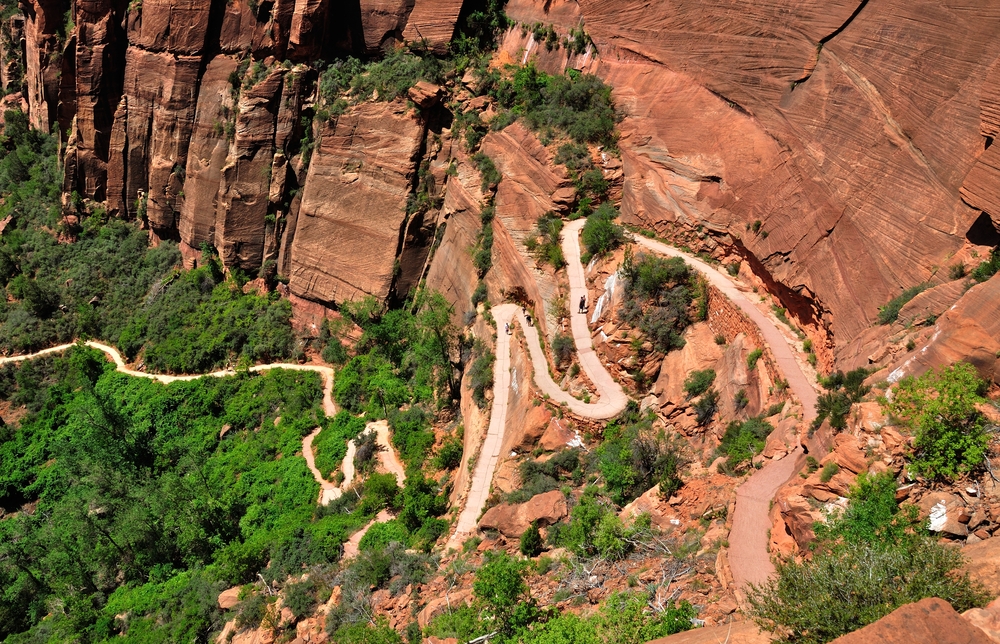
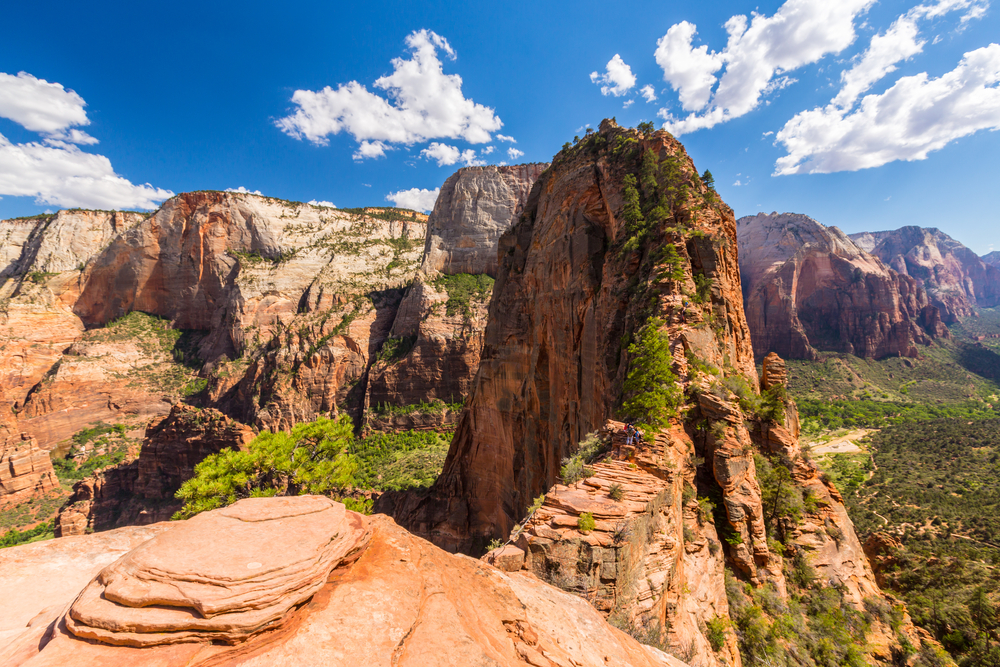
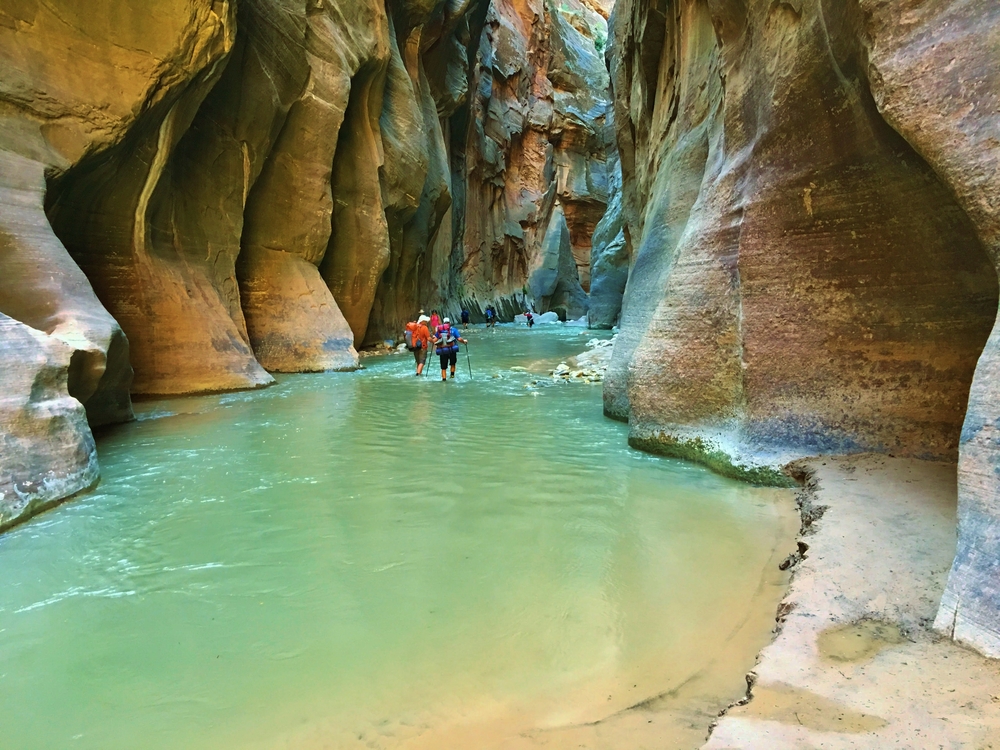
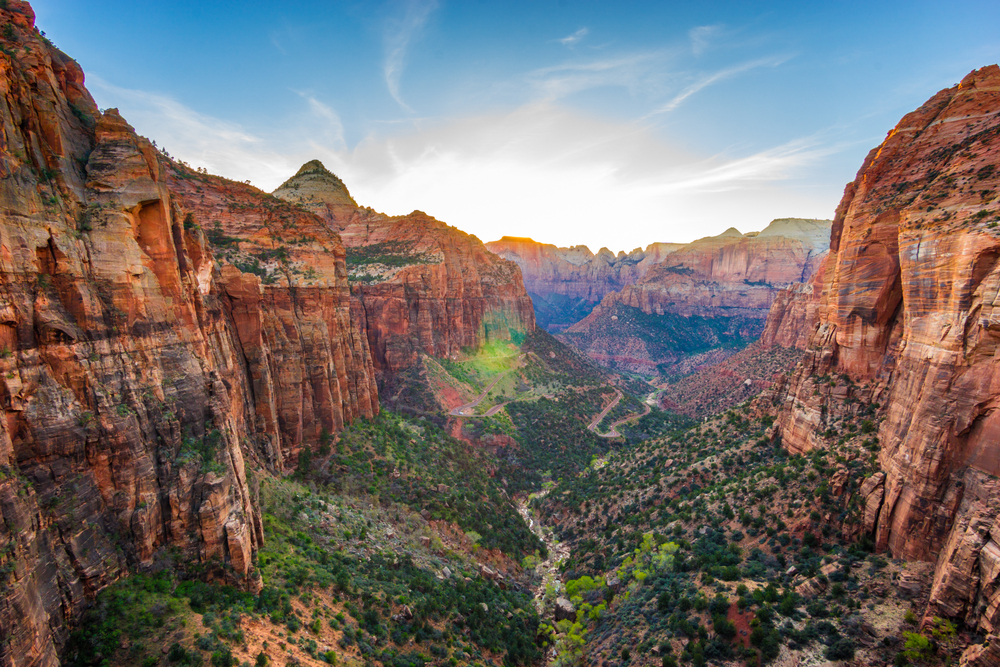
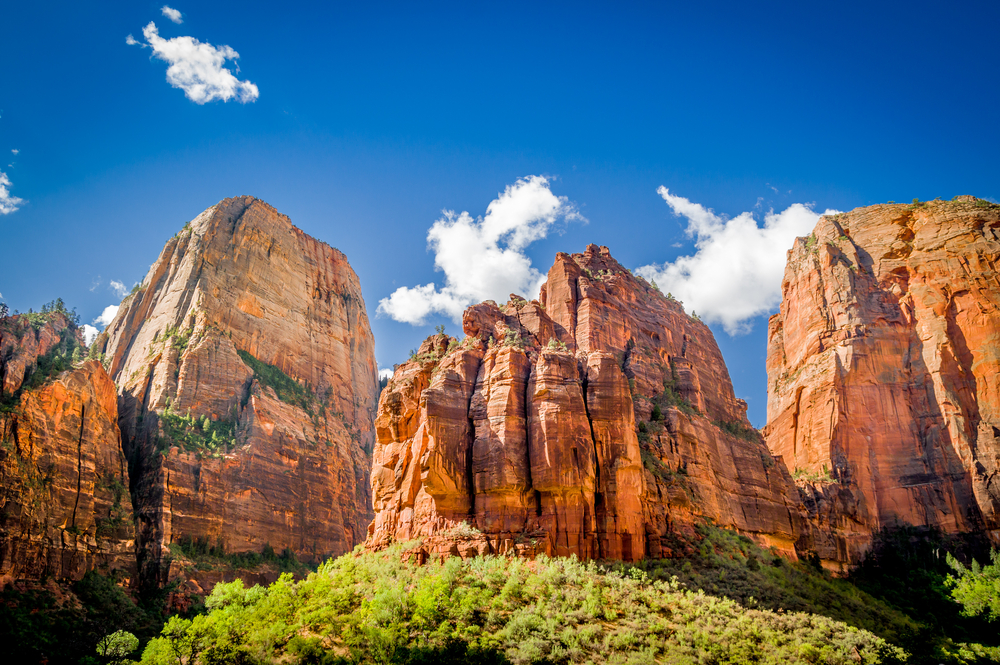
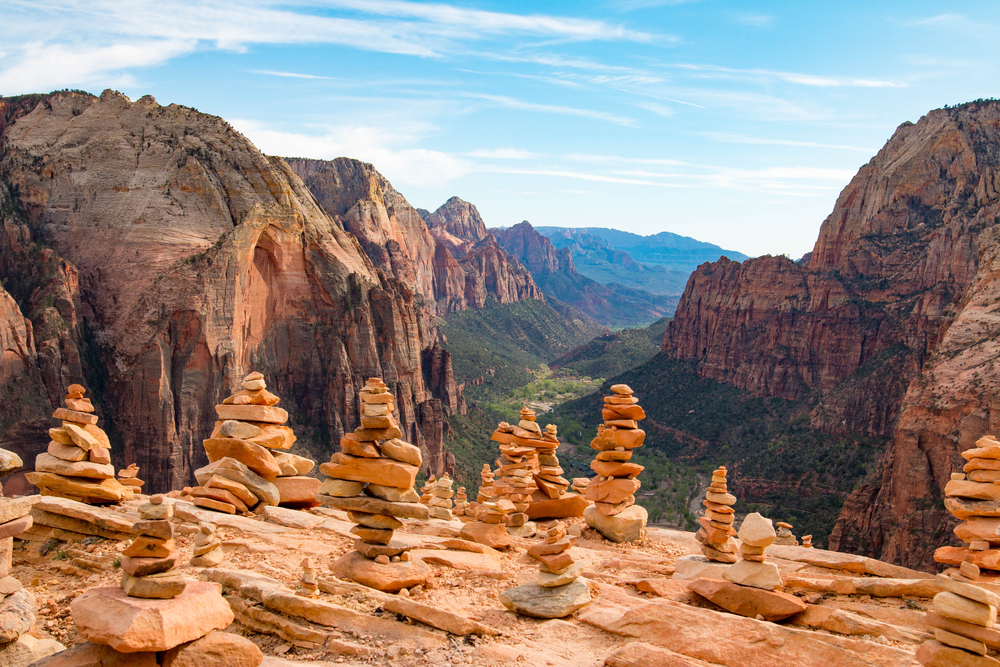
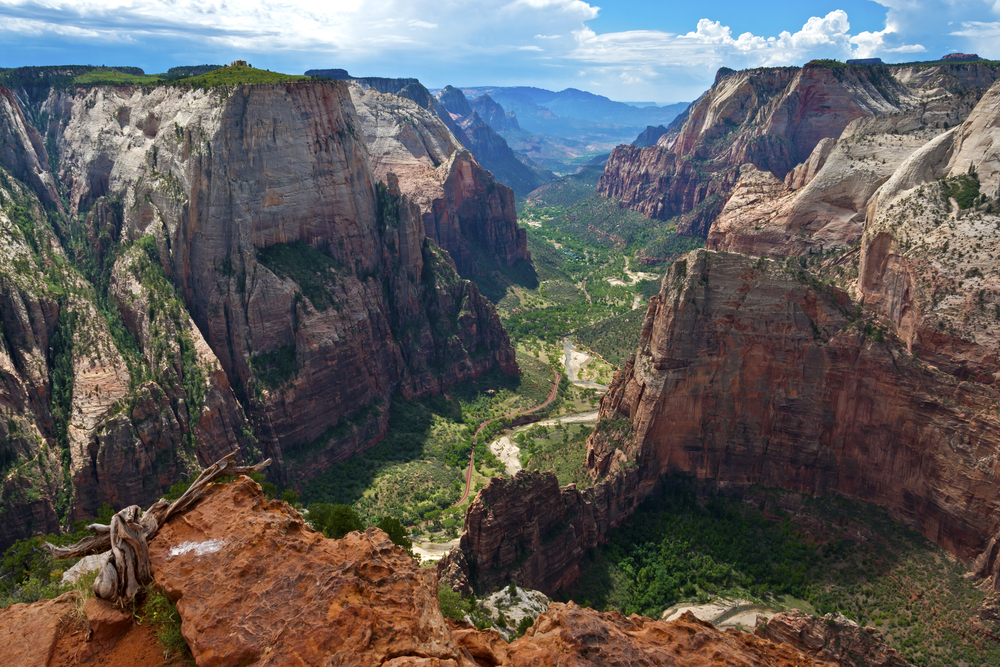
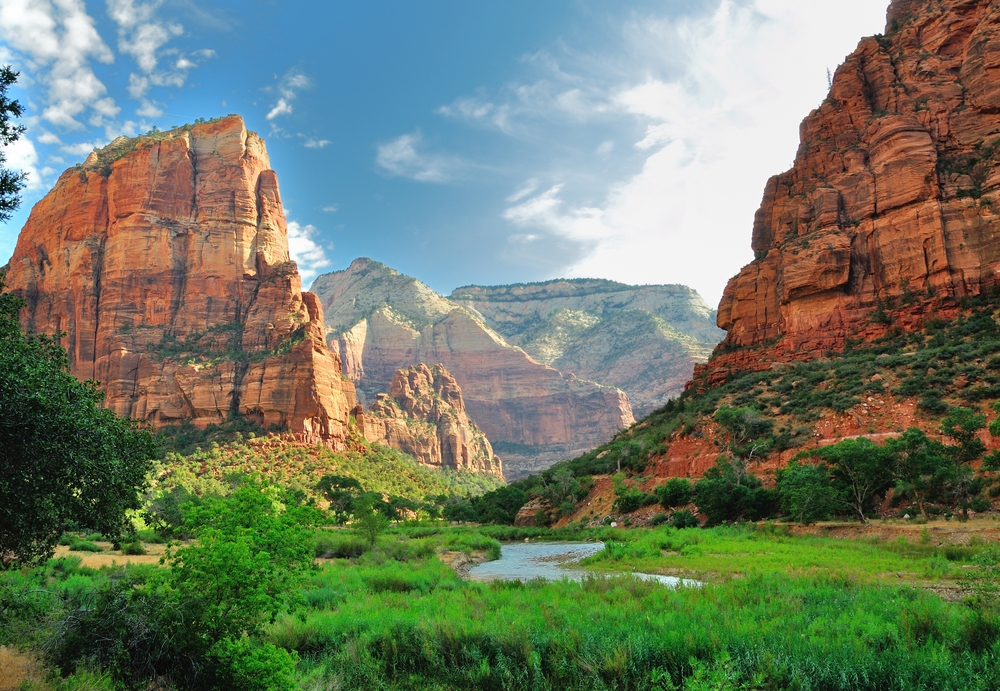
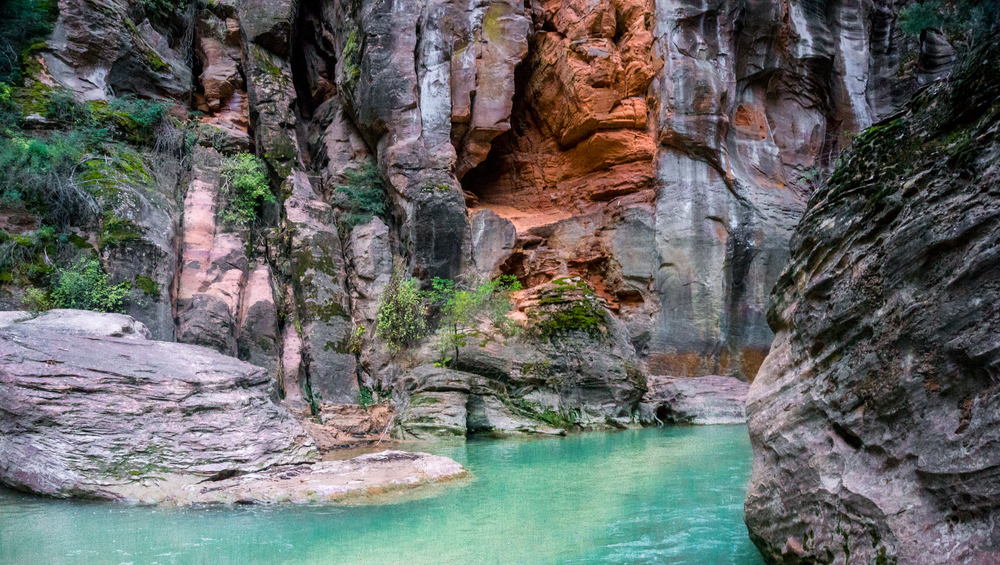
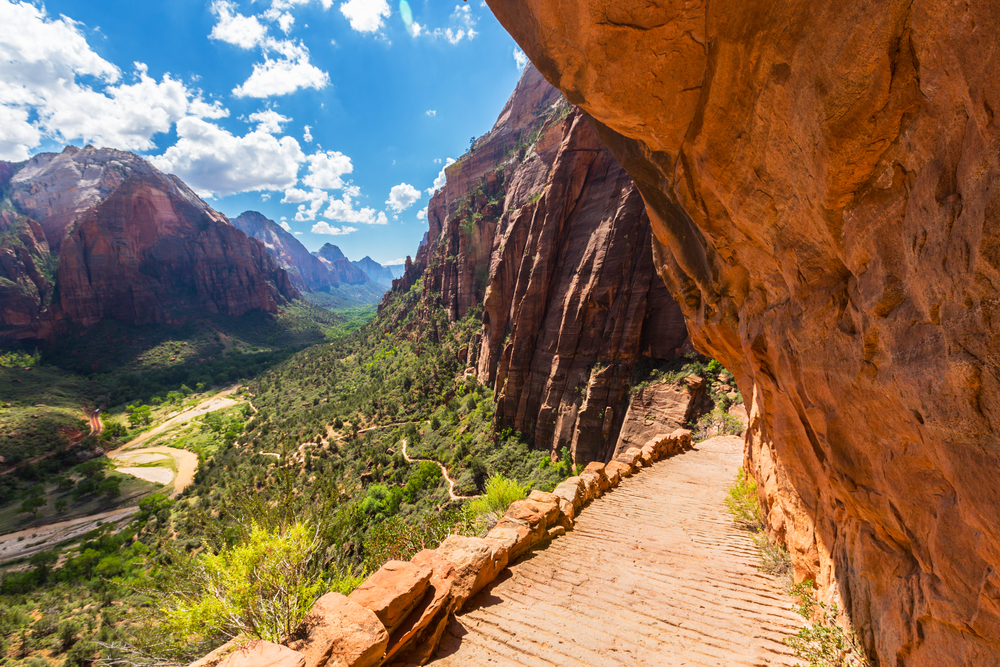
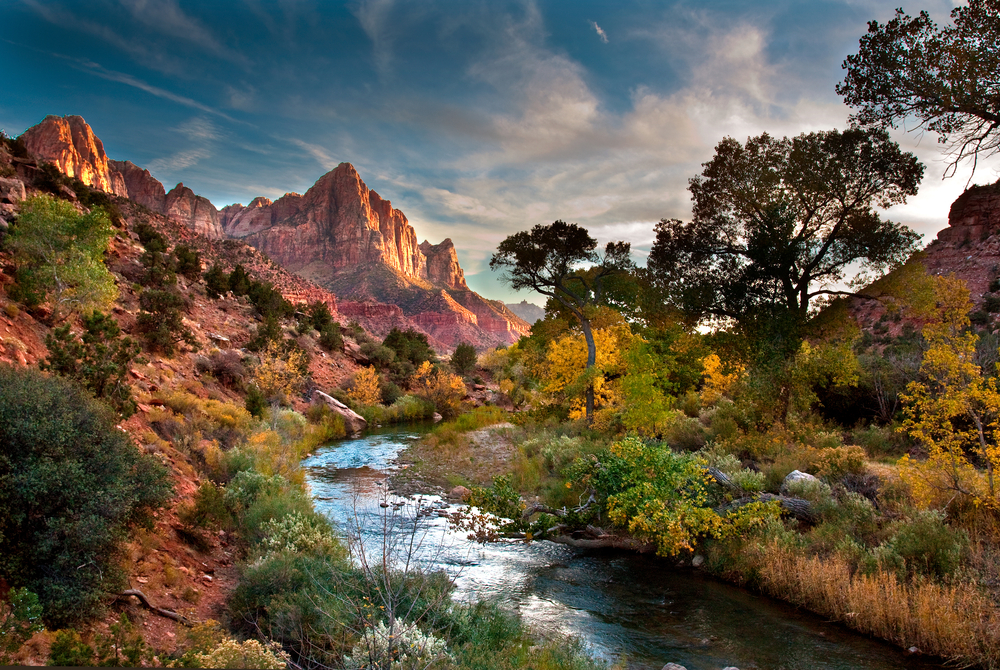
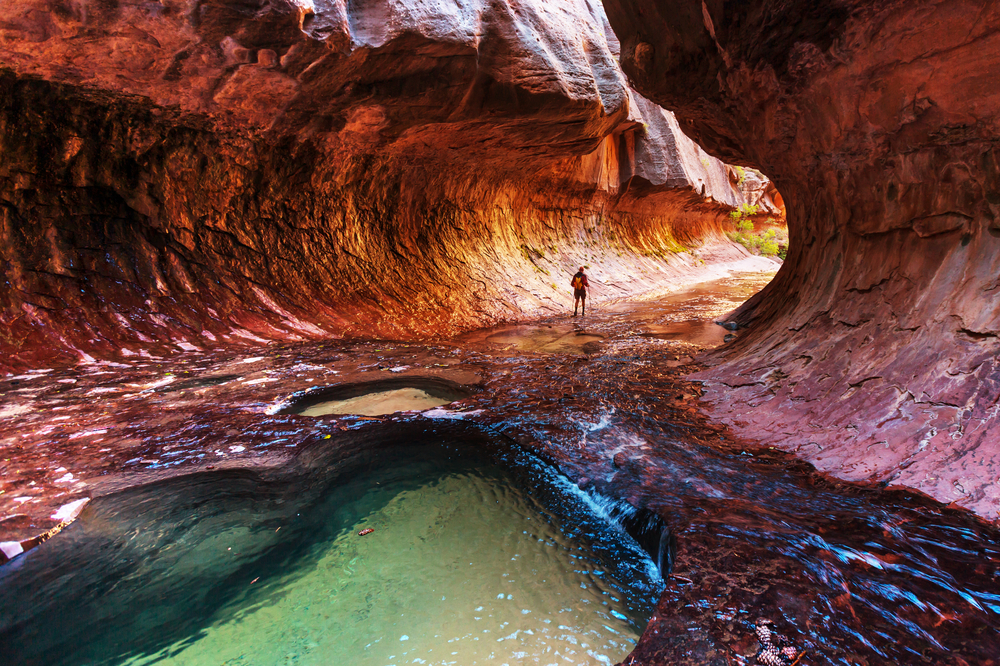
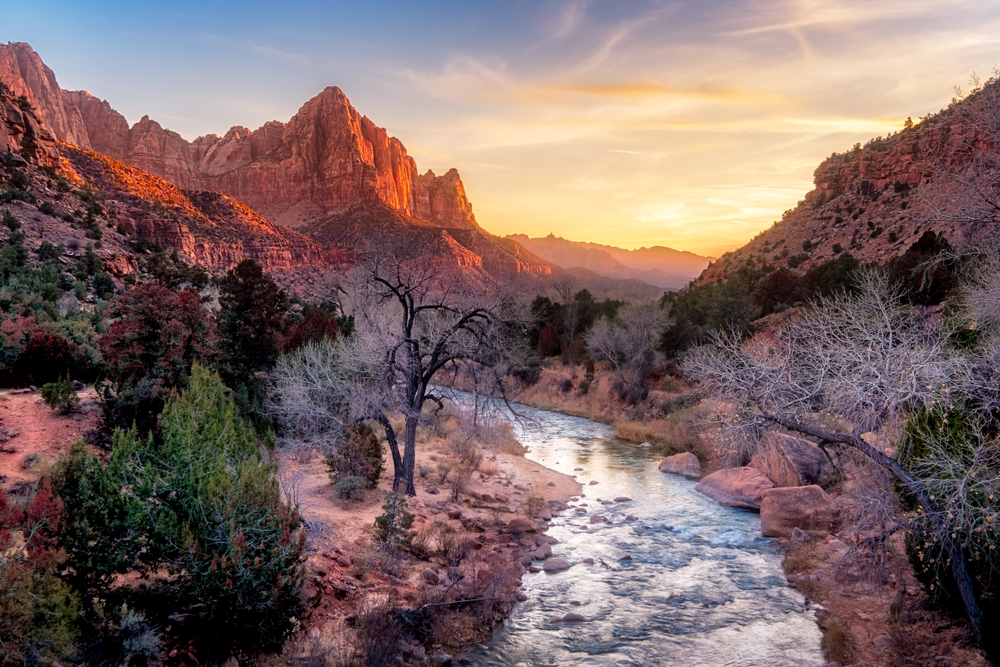
Zion National Park is best known for the dramatic beauty of Zion Canyon, a deep gorge carved by the Virgin River through massive layers of Navajo Sandstone. Visitors are drawn to towering cliffs that rise more than 2,000 feet above the canyon floor. The park offers some of the most iconic hiking experiences in the world, including the famous Angels Landing trail and The Narrows, where hikers walk directly through the river between narrow canyon walls.
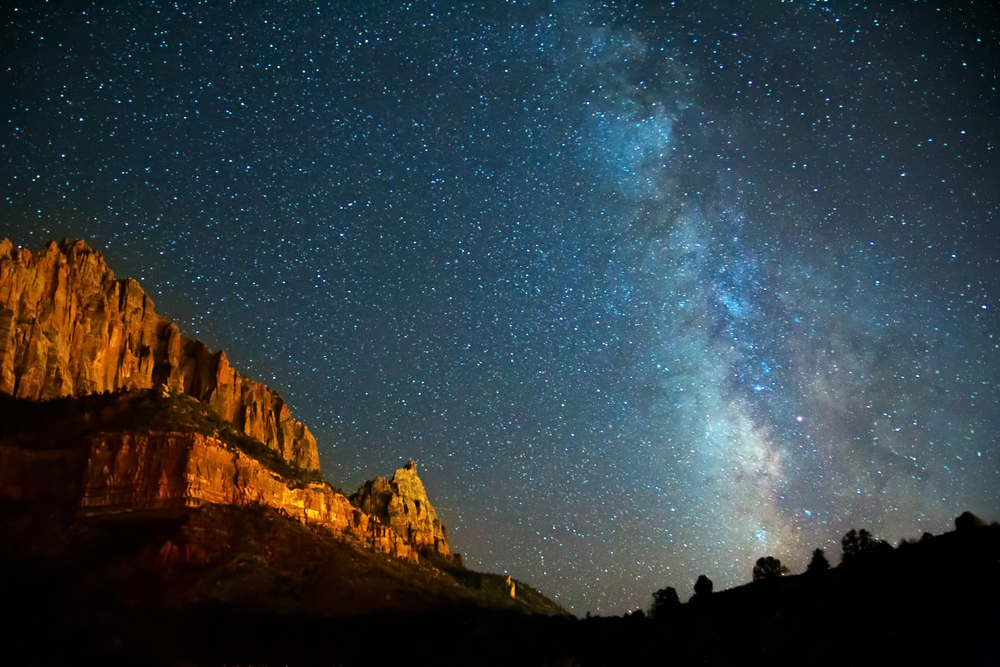
Scenic drives, wildlife viewing, photography, rock climbing, canyoneering, and stargazing provide additional opportunities to experience the park. Every season reveals a different side of Zion’s beauty, from spring wildflowers to autumn colors that illuminate the canyon walls.
The geography of Zion National Park reflects thousands of years of geological history. Layers of sandstone, limestone, shale, and mudstone reveal ancient deserts, rivers, and shallow seas that once covered the region. Erosion by water, wind, and time sculpted the landscape into towering cliffs, mesas, buttes, arches, and narrow slot canyons.
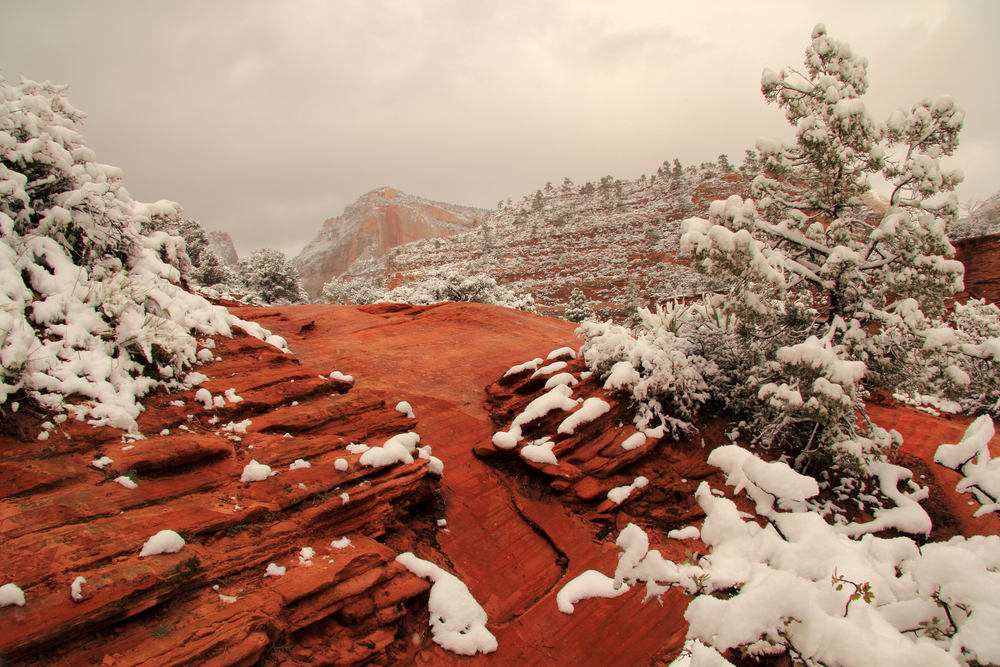
Elevations range from approximately 3,700 feet (1,128 meters) along the Virgin River to over 8,700 feet (2,650 meters) at the park’s highest points. This dramatic elevation change creates a variety of habitats and scenic environments. Vegetation includes cottonwood groves, pinyon-juniper woodlands, desert shrublands, hanging gardens, and high-elevation forests. The contrast between lush river corridors and surrounding desert terrain contributes greatly to Zion’s unique character.
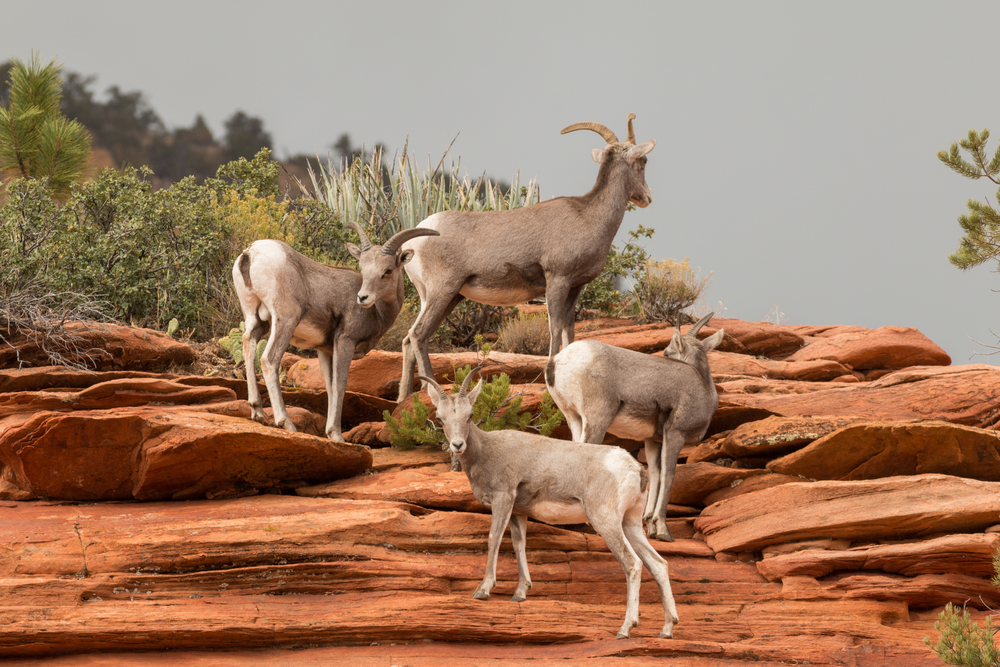
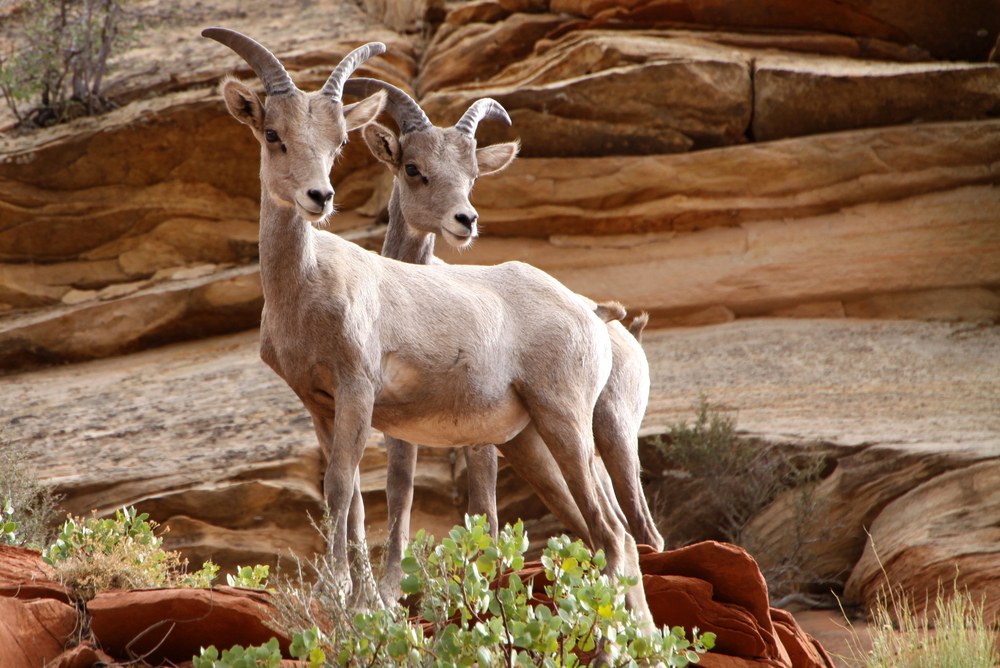
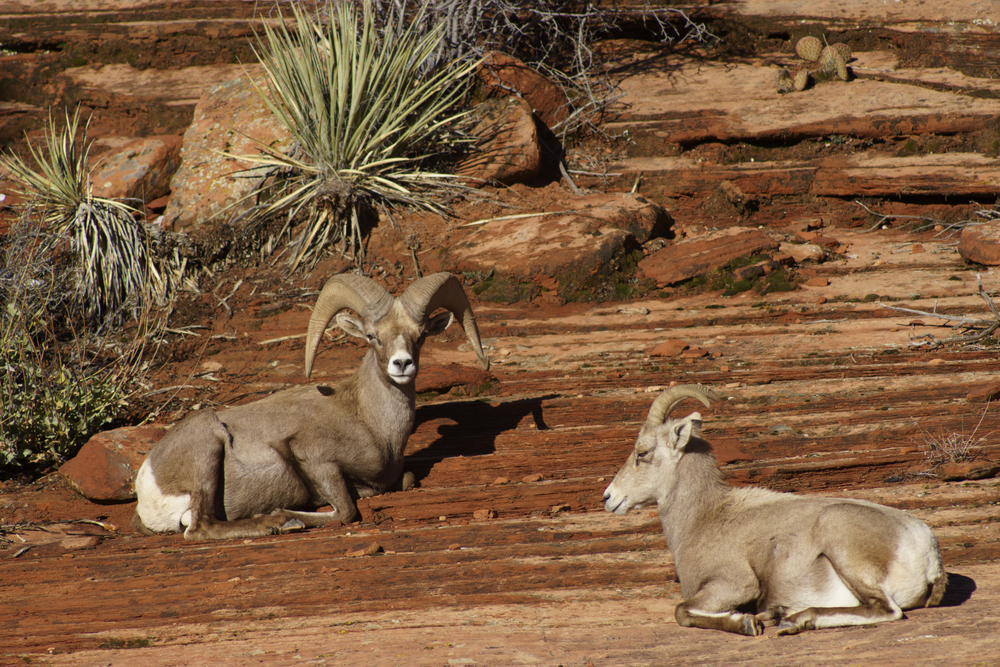
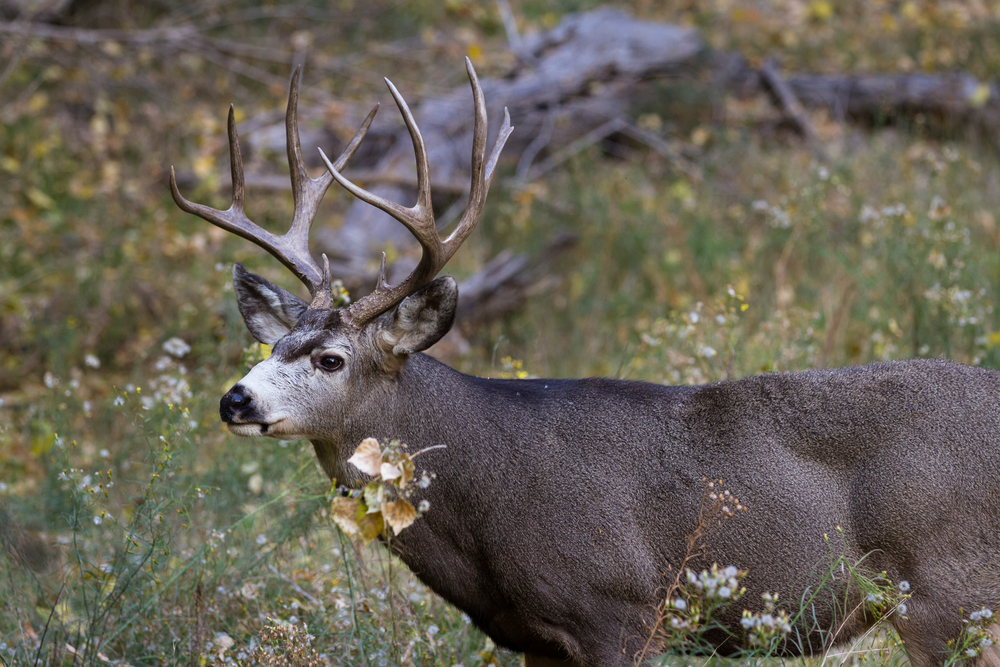
Wildlife within Zion National Park is exceptionally diverse. More than 75 species of mammals inhabit the park, including mule deer, bighorn sheep, mountain lions, bobcats, ringtails, and rock squirrels. Birdlife is especially abundant, with over 290 recorded species. Visitors may observe peregrine falcons, California condors, golden eagles, canyon wrens, and hummingbirds throughout the park.
Reptiles such as collared lizards, whiptail lizards, and rattlesnakes thrive in the warmer habitats, while amphibians inhabit streams and springs. The variety of elevations and ecosystems allows wildlife typically associated with deserts, forests, and mountains to coexist within a relatively compact area.
Zion National Park protects one of the most significant canyon ecosystems in the American Southwest. The park preserves critical habitat for numerous native and sensitive species while safeguarding geological formations that rank among the finest examples of canyon erosion anywhere in the world. Conservation efforts support threatened species such as the California condor and protect fragile riparian habitats that sustain life in an otherwise arid environment.
Zion is often compared to Grand Canyon National Park and Bryce Canyon National Park because of its extraordinary geological features. Yet Zion’s combination of towering sandstone walls, lush canyon floor, and intimate hiking experiences creates a character all its own. Today, the park stands as one of America’s greatest natural treasures, inspiring visitors with landscapes shaped by immense forces of nature over thousands of years.
Photos

Things to See
 Hiking the trails of Zion National Park is the pinnacle experience although you can also take guided horseback rides. There is a network of over 50 miles of trails throughout the park featuring 7 trails within Zion Canyon that can be made roundtrip in under four hours.
Zion National Park Trails
Zion National Park is renowned for some of the most intriguing hiking experiences available in North America. There are easy to difficult trails that provide access to the different natural wonders of the park. There are well over 100 trails that traverse through the different facets of nature on display in Zion.

Park Protection
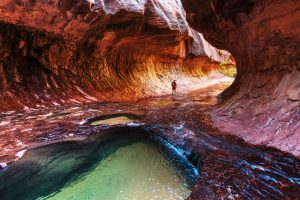 Zion National Park was created to protect the dramatic canyon landscapes, sandstone cliffs, mesas, and desert ecosystems of southwestern Utah. The park provides habitat for several species of conservation concern, including the endangered California condor, the threatened Mexican spotted owl, and the endangered southwestern willow flycatcher. Its diverse elevations support a remarkable variety of plant and animal communities, ranging from desert habitats to high-elevation forests.
The park is especially notable for preserving the towering sandstone cliffs of Zion Canyon, one of the most spectacular canyon systems in North America. The canyon’s steep walls create unique microclimates that support unusually high biodiversity within a relatively small area. Together, Zion National Park safeguards endangered wildlife, diverse desert and mountain ecosystems, striking geological formations, and one of the most iconic canyon landscapes in the American Southwest.
FAQ’s
What is the main reason people visit Zion National Park?
Zion National Park is primarily visited for its towering sandstone cliffs, narrow slot canyons, scenic river valleys, world-famous hikes, and stunning desert landscapes. Located in southwestern Utah, the park protects nearly 150,000 acres of canyons, mesas, rock formations, and wilderness.
Visitors come to hike iconic trails such as Angels Landing and The Narrows, experience breathtaking canyon scenery, observe wildlife, and explore one of the most spectacular desert landscapes in North America.
What animals can visitors hope to see in Zion National Park?
Zion National Park supports approximately 79 mammal species and a diverse variety of reptiles, amphibians, birds, and desert wildlife.
Some of the most notable animals found in Zion National Park include:
- Mule Deer
- Desert Bighorn Sheep
- Mountain Lion
- Bobcat
- Coyote
- Gray Fox
- Ringtail
- Raccoon
- American Beaver
- Striped Skunk
- Long-tailed Weasel
- Porcupine
- Black-tailed Jackrabbit
- Desert Cottontail
- Rock Squirrel
- White-tailed Antelope Squirrel
- Cliff Chipmunk
- Golden-mantled Ground Squirrel
- Deer Mouse
- Brush Mouse
- Canyon Mouse
- Pocket Mouse Species
- Kangaroo Rat Species
- Pocket Gopher
- Desert Shrew
- Big Brown Bat
- Hoary Bat
- Pallid Bat
- Mexican Free-tailed Bat
- California Myotis
- Yuma Myotis
- Fringed Myotis
- Long-legged Myotis
- Townsend’s Big-eared Bat
- Western Red Bat
- Spotted Bat
- Western Mastiff Bat
- Ring-necked Snake
- Great Basin Rattlesnake
- Gopher Snake
- Coachwhip
- California Kingsnake
- Western Whiptail
- Desert Spiny Lizard
- Common Side-blotched Lizard
- Collared Lizard
- Desert Tortoise
- Canyon Tree Frog
- Red-spotted Toad
- Tiger Salamander
What birds can visitors hope to see in Zion National Park?
Zion National Park is home to more than 290 bird species. Its cliffs, forests, rivers, and desert habitats create one of the richest birding environments in the American Southwest.
Some of the most popular birds seen in Zion National Park include:
- California Condor
- Golden Eagle
- Bald Eagle
- Red-tailed Hawk
- Cooper’s Hawk
- Sharp-shinned Hawk
- Peregrine Falcon
- Prairie Falcon
- American Kestrel
- Great Horned Owl
- Western Screech-Owl
- Northern Pygmy Owl
- Common Raven
- Steller’s Jay
- Pinyon Jay
- Scrub Jay
- Clark’s Nutcracker
- Mountain Chickadee
- Black-capped Chickadee
- Bushtit
- White-breasted Nuthatch
- Pygmy Nuthatch
- Brown Creeper
- Canyon Wren
- Rock Wren
- Bewick’s Wren
- Blue-gray Gnatcatcher
- Mountain Bluebird
- Western Bluebird
- American Robin
- Townsend’s Solitaire
- Cedar Waxwing
- Phainopepla
- Loggerhead Shrike
- Yellow-rumped Warbler
- Orange-crowned Warbler
- Wilson’s Warbler
- Western Tanager
- Black-headed Grosbeak
- Lazuli Bunting
- Spotted Towhee
- Canyon Towhee
- White-crowned Sparrow
- Chipping Sparrow
- Dark-eyed Junco
- Acorn Woodpecker
- Hairy Woodpecker
- Downy Woodpecker
- Northern Flicker
- Wild Turkey
Is Zion National Park worth visiting?
Yes, Zion National Park is absolutely worth visiting and is one of the most spectacular national parks in the United States.
The park offers towering canyon walls, dramatic desert scenery, world-famous hiking trails, scenic drives, river adventures, wildlife viewing, and outstanding photography opportunities. Many visitors consider Zion Canyon one of the most beautiful landscapes in North America.
The primary hesitation is that Zion can become extremely crowded during peak seasons. However, early starts and exploration beyond the most popular trails often provide a more peaceful experience.
What is the best time to visit Zion National Park?
The best time to visit Zion National Park is from March through May and September through November.
Typical conditions include:
- Spring: 45–85°F (7–29°C)
- Summer: 65–105°F (18–41°C)
- Fall: 45–85°F (7–29°C)
- Winter: 30–60°F (-1–16°C)
During these periods:
- Hiking conditions are ideal.
- Temperatures are comfortable.
- Wildlife is active.
- Scenic photography opportunities are excellent.
- Crowds are often lower than peak summer.
Spring and fall are generally considered the most enjoyable seasons for hiking.
How many days do you need to visit Zion National Park?
Most visitors should plan for 2 to 4 days.
- 1 day: Zion Canyon highlights.
- 2 days: Major hikes and scenic drives.
- 3–4 days: The Narrows, Angels Landing, and less-visited areas.
- 5+ days: Extensive hiking and exploration of surrounding parks.
Multiple days allow visitors to experience both the canyon floor and higher-elevation areas of the park.
How do you get to Zion National Park?
Zion National Park is located in southwestern Utah near the town of Springdale.
The closest airports include:
- St. George Regional Airport – approximately 1 hour away.
- Harry Reid International Airport – approximately 2.5 to 3 hours away.
- Salt Lake City International Airport – approximately 4.5 hours away.
Most visitors follow this route:
- Fly into Las Vegas or St. George.
- Rent a vehicle.
- Drive to Springdale.
- Enter Zion National Park via the South Entrance.
Zion Canyon
The heart of the park is:
- Zion Canyon
This spectacular canyon features:
- Massive sandstone cliffs.
- Scenic overlooks.
- Hiking trails.
- Shuttle access.
- Wildlife viewing opportunities.
Most first-time visitors spend the majority of their trip here.
Zion Canyon Shuttle System
For much of the year, private vehicles are restricted in Zion Canyon.
Visitors typically use the:
- Zion Canyon Shuttle
The shuttle provides access to:
- Angels Landing Trailhead.
- The Narrows.
- Emerald Pools.
- Scenic viewpoints.
Using the shuttle is often the easiest way to explore the canyon.
Angels Landing
One of the park’s most famous hikes is:
- Angels Landing
Known for:
- Dramatic cliff-edge views.
- Steep switchbacks.
- Chain-assisted sections.
- Spectacular panoramic scenery.
A permit is required for the final section of the hike.
The Narrows
Another iconic experience is:
- The Narrows
Visitors hike directly through the Virgin River between towering canyon walls.
Highlights include:
- Narrow sandstone passages.
- Unique scenery.
- River hiking adventure.
- Some of the most famous slot canyon views in the world.
Zion–Mount Carmel Highway
One of the park’s most scenic drives is:
- Zion–Mount Carmel Highway
Features include:
- Historic tunnel.
- Slickrock landscapes.
- Scenic overlooks.
- Access to eastern portions of the park.
Other Popular Attractions
Visitors frequently explore:
- Emerald Pools
- Observation Point
- Canyon Overlook Trail
- Kolob Canyons
Travel Times
Typical travel times include:
- Las Vegas to Springdale: approximately 2.5–3 hours.
- St. George to Zion: approximately 1 hour.
- Springdale to Zion Visitor Center: approximately 5 minutes.
- Shuttle ride from Visitor Center to Temple of Sinawava: approximately 40 minutes.
- Zion to Bryce Canyon: approximately 2 hours.
Visitors should allow additional time during busy seasons because parking and shuttle lines can be significant.
Who is involved in protecting and supporting Zion National Park?
Several organizations help protect and support Zion National Park:
- National Park Service – manages Zion National Park.
- Zion National Park Forever Project – supports education, conservation, research, and visitor programs.
- National Park Foundation – supports projects throughout the National Park System.
- Southern Utah Wilderness Alliance – supports conservation efforts throughout the region.
- Indigenous communities including the Southern Paiute People, who maintain longstanding cultural connections to the Zion region.
What is the most famous hike in Zion National Park?
Angels Landing is widely considered the park’s most famous hike because of its spectacular views and thrilling cliff-edge route.
Do you need a permit for Angels Landing?
Yes. Visitors must obtain a permit to access the chain-assisted summit section of Angels Landing.
Can beginners hike The Narrows?
Yes. Many visitors hike the lower portions of The Narrows as an out-and-back experience without completing the entire route.
What makes Zion National Park unique?
Zion National Park is unique because it allows visitors to experience a canyon from the bottom looking upward rather than from the rim looking down. Towering sandstone walls rise thousands of feet above the canyon floor, creating a dramatic sense of scale.
Combined with world-famous hikes, narrow slot canyons, desert wildlife, and stunning geological formations, Zion offers one of the most immersive and visually striking landscapes in the National Park System.
Sources
- All Trails, Best Trails in Zion National Park, https://www.alltrails.com/parks/us/utah/zion-national-park, retrieved July 2020.
- Britannica, Zion National Park, https://www.britannica.com/place/Zion-National-Park, retrieved September 2019.
- Lonely Planet, Zion National Park, https://www.lonelyplanet.com/usa/southwest/zion-national-park, retrieved September 2019.
- National Geographic, Everything to know about Zion National Park, https://www.nationalgeographic.com/travel/national-parks/zion-national-park/, retrieved September 2019.
- National Geographic, Complete National Parks of the United States, National Geographic Publishing, Washington DC.
- National Geographic, Guide to the National Parks of the United States, National Geographic Society, 2003.
- National Geographic, National Parks of North America, Canada-United States-Mexico, National Geographic Society, 1995.
- Visit Southern Utah, Zion National Park, https://www.visitsouthernutah.com/Zion-National-Park, retrieved September 2019.
- Visit Utah, Zion National Park, https://www.visitutah.com/places-to-go/parks-outdoors/zion/, retrieved September 2019.
- Zion National Park, Escape to Zion National Park, https://www.zionnationalpark.com/, retrieved September 2019.