

About
Bryce Canyon National Park is located in southern Utah of the United states on the eastern edge of the Paunsaugunt Plateau. Established as a national park in 1928, it covers approximately 56 square miles (145 sq km) and protects one of the most unique geological landscapes in the world.
Despite its name, Bryce Canyon is not actually a canyon but a series of natural amphitheaters carved into the plateau’s edge. The park lies near other renowned public lands including Zion National Park, Capitol Reef National Park, and Grand Staircase-Escalante National Monument. Together, these protected areas showcase some of the most spectacular landscapes of the American Southwest.
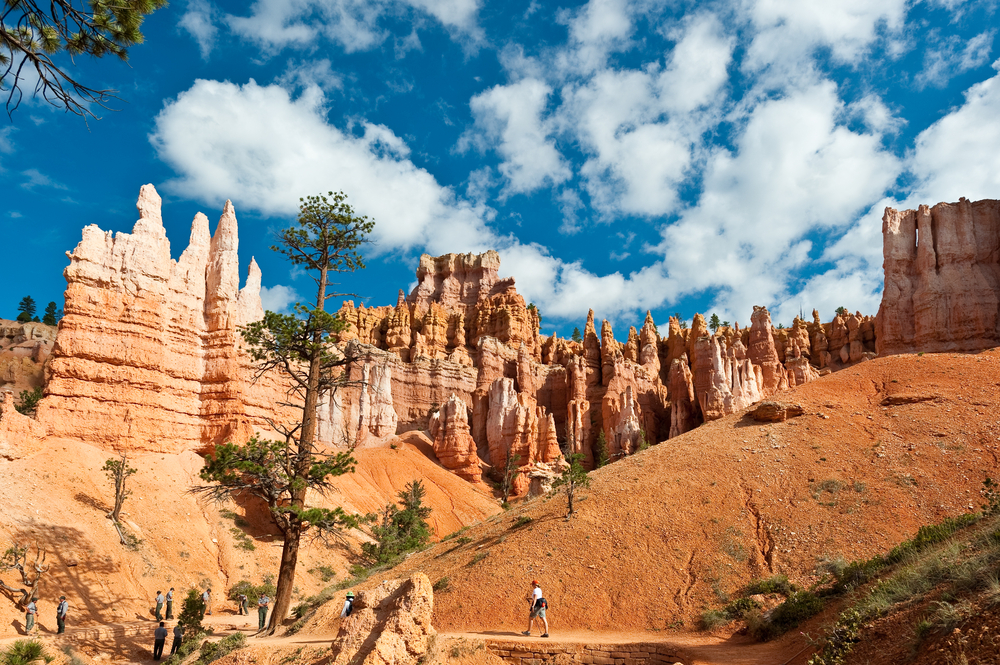
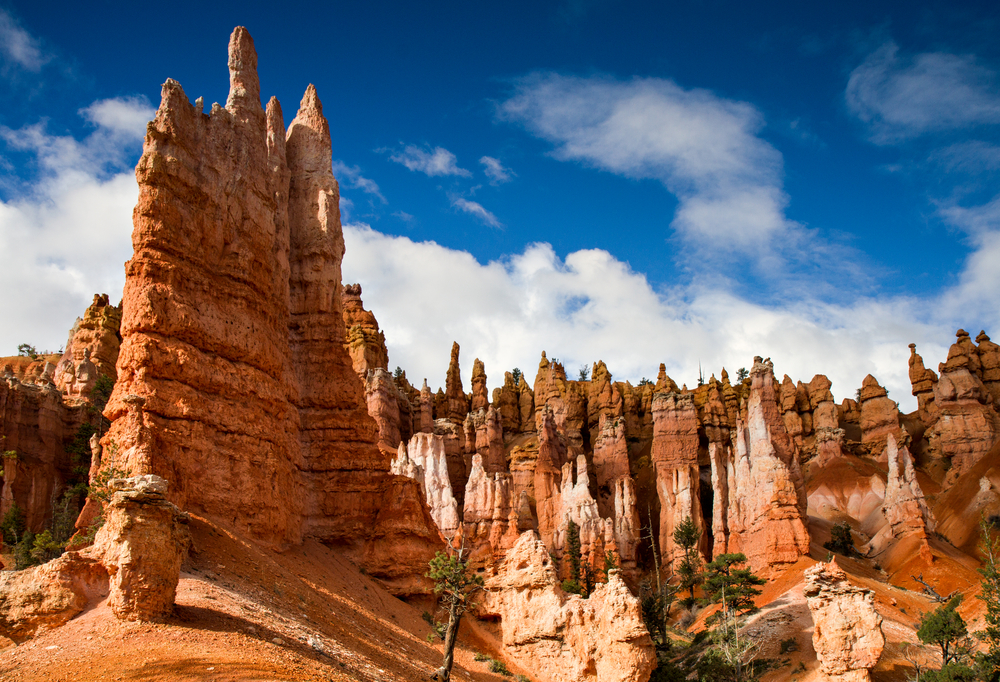
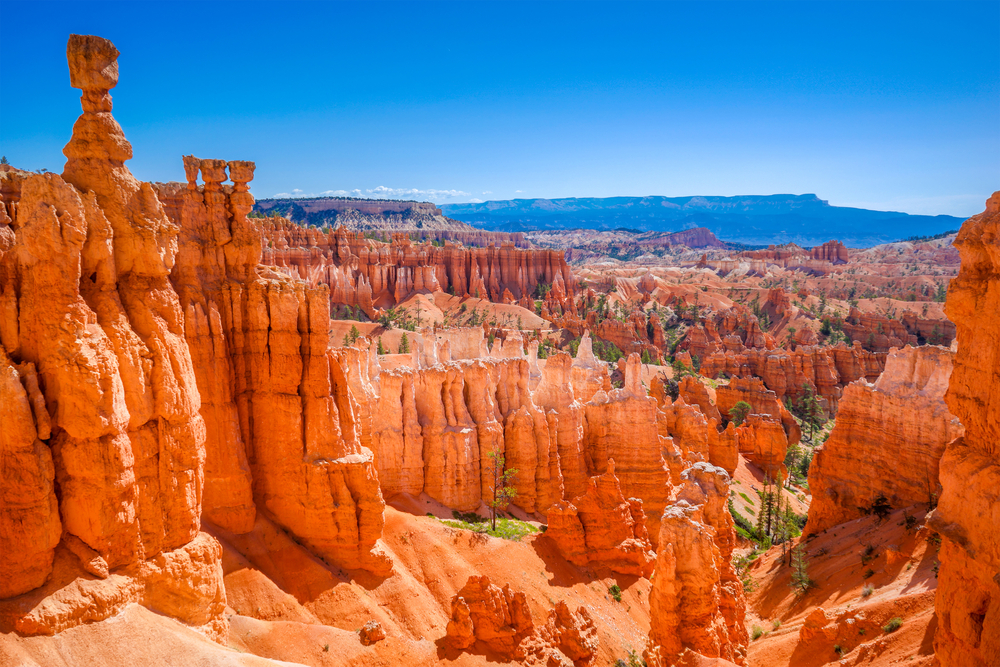
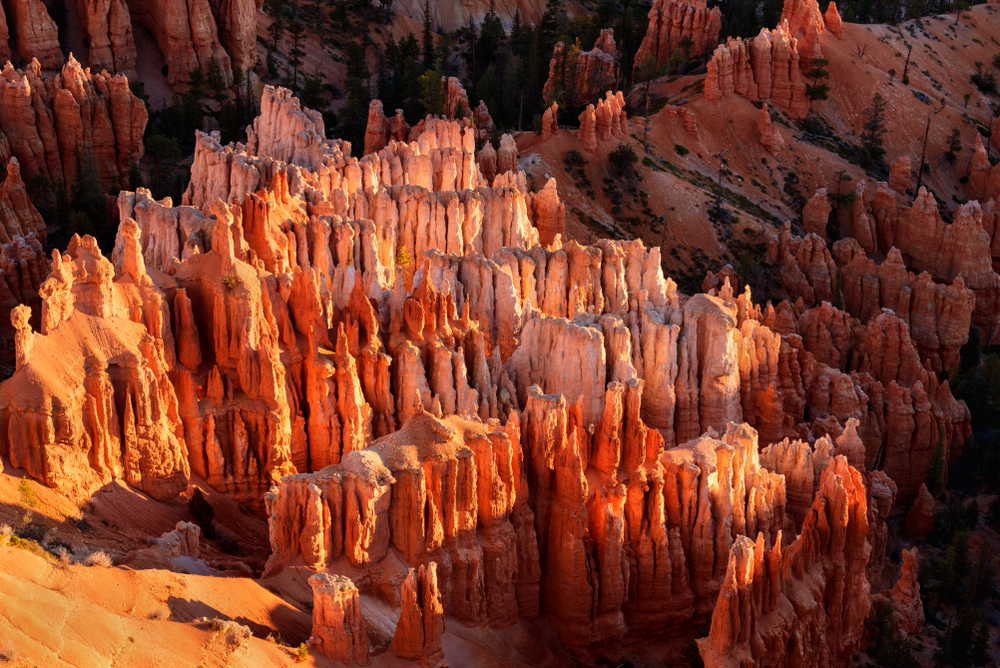
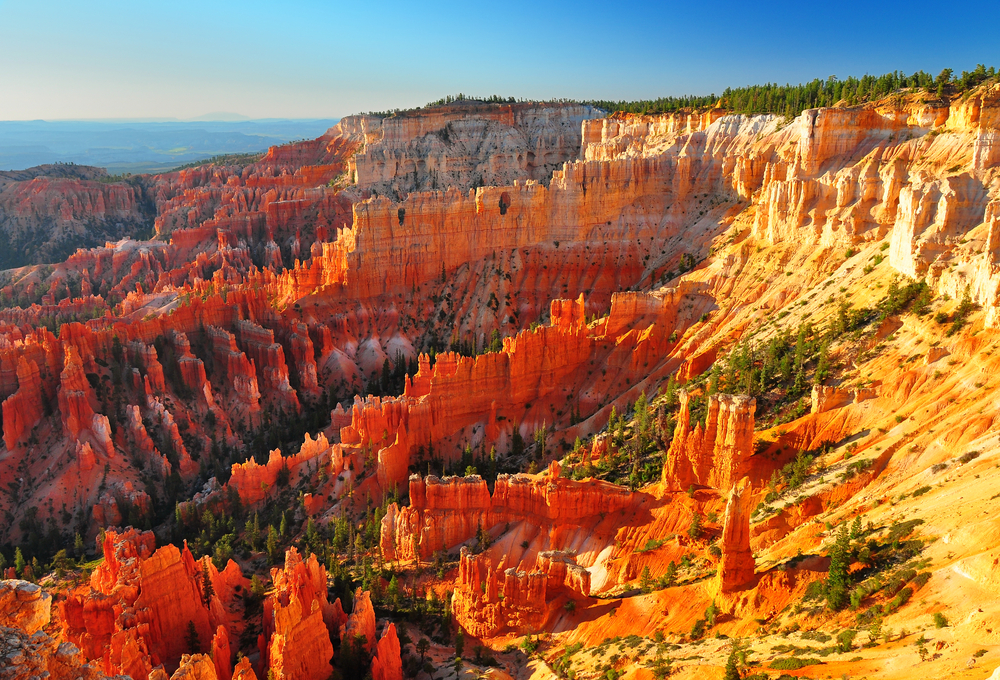
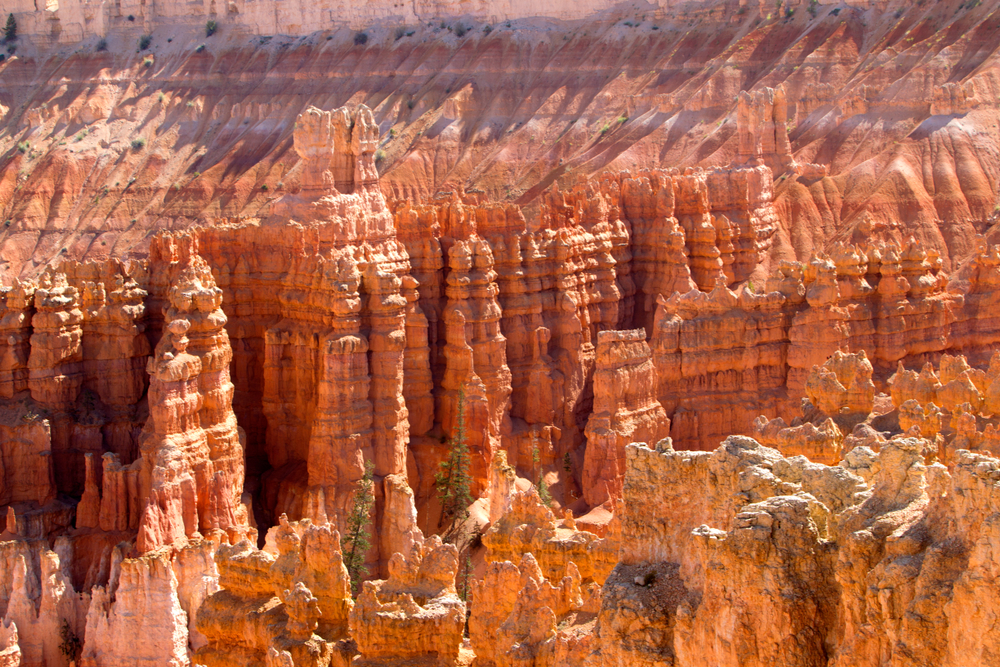
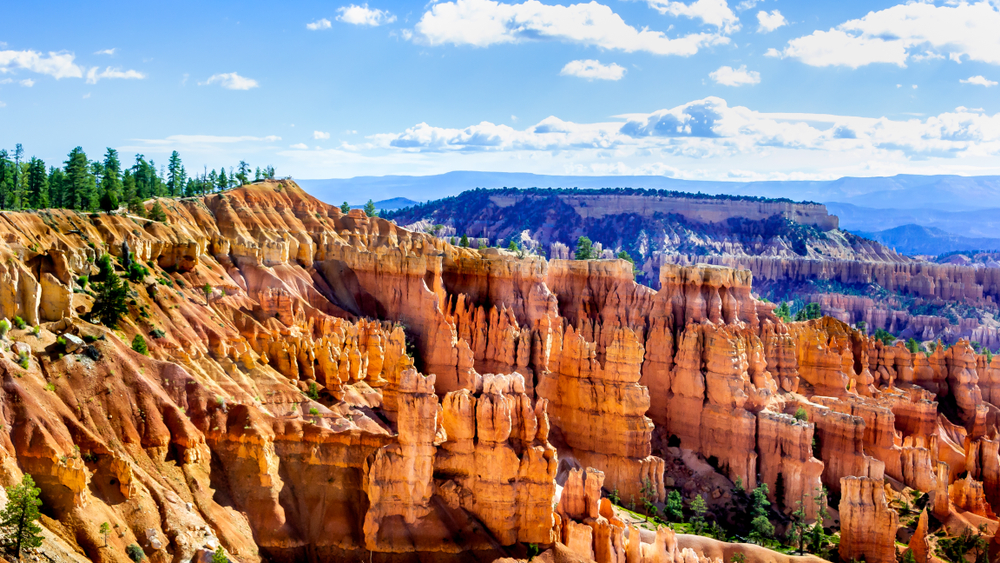
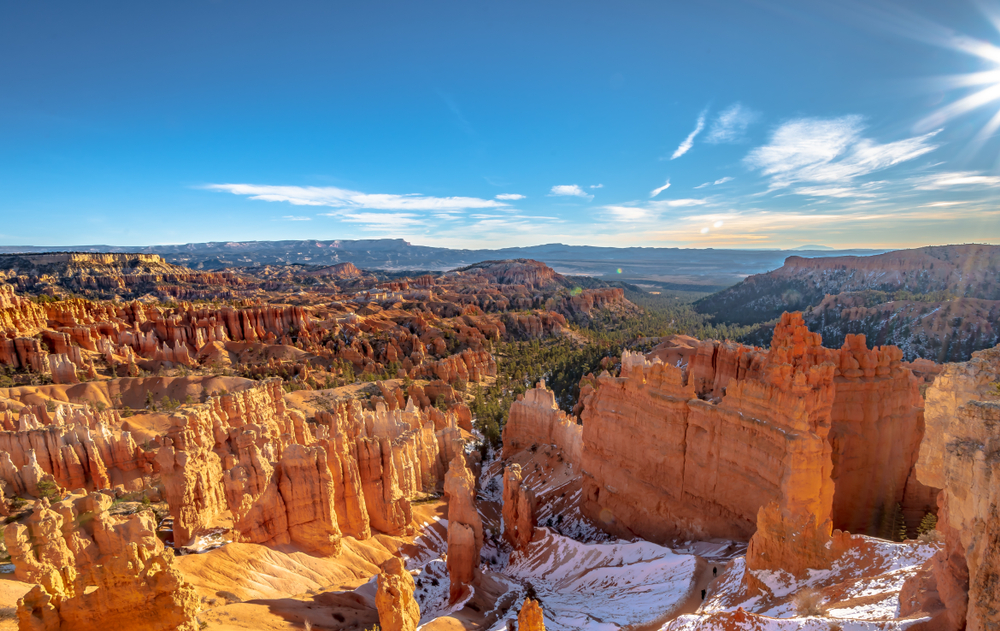
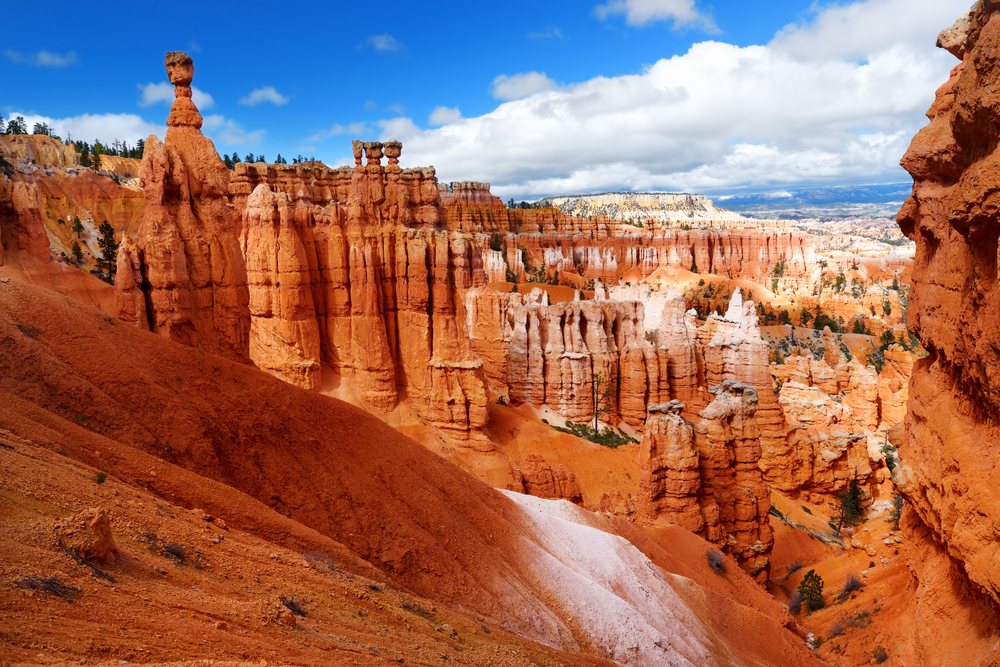
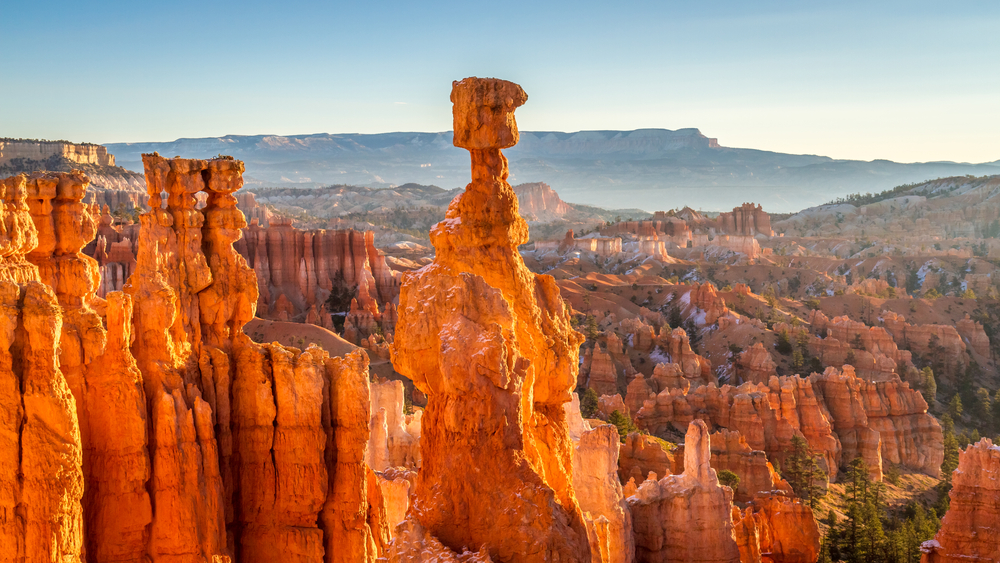
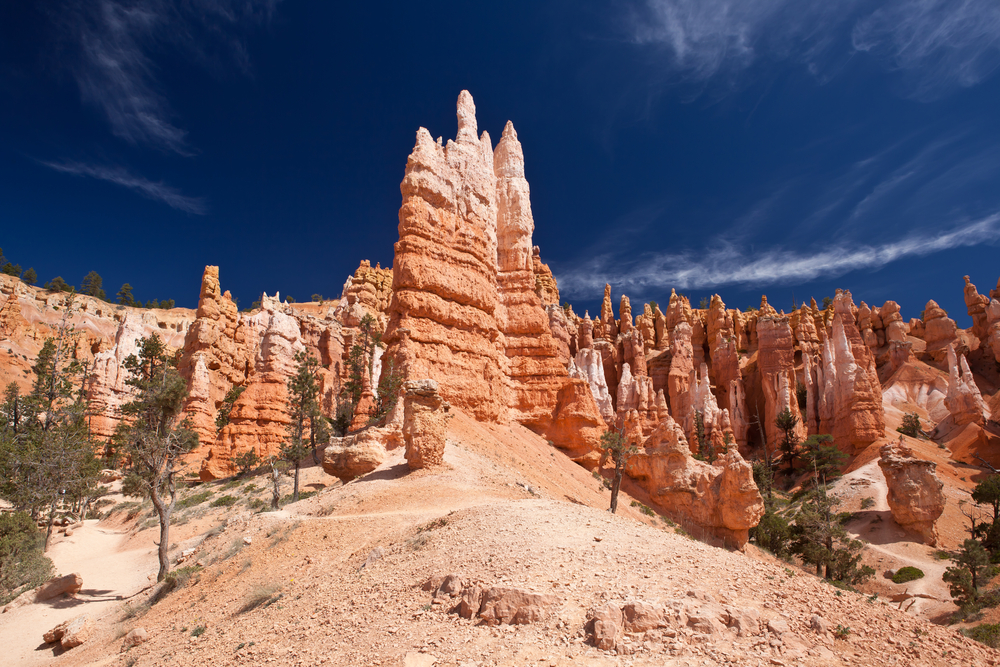
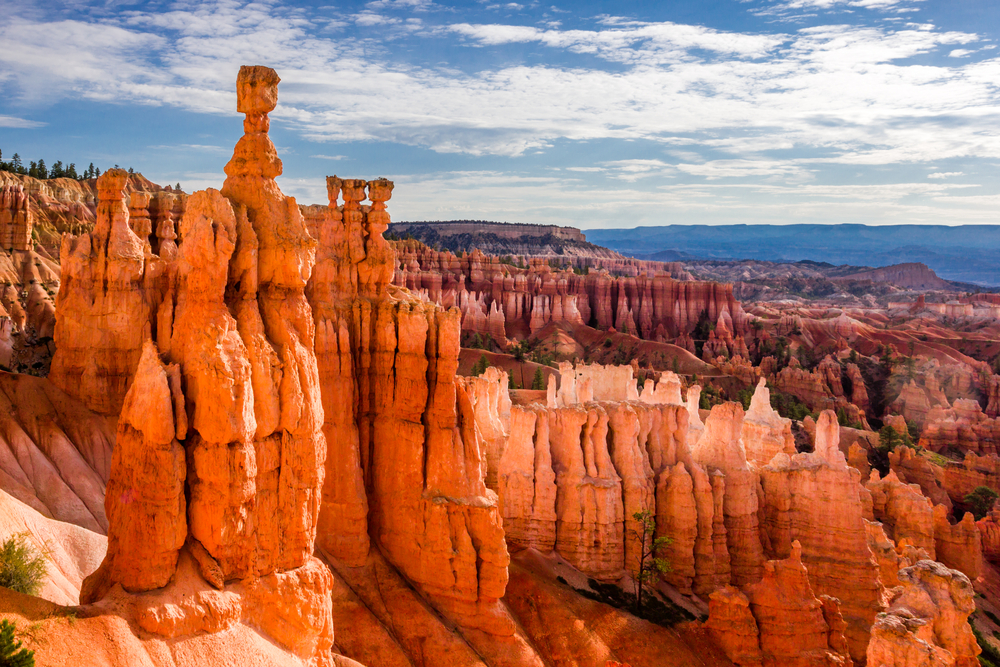
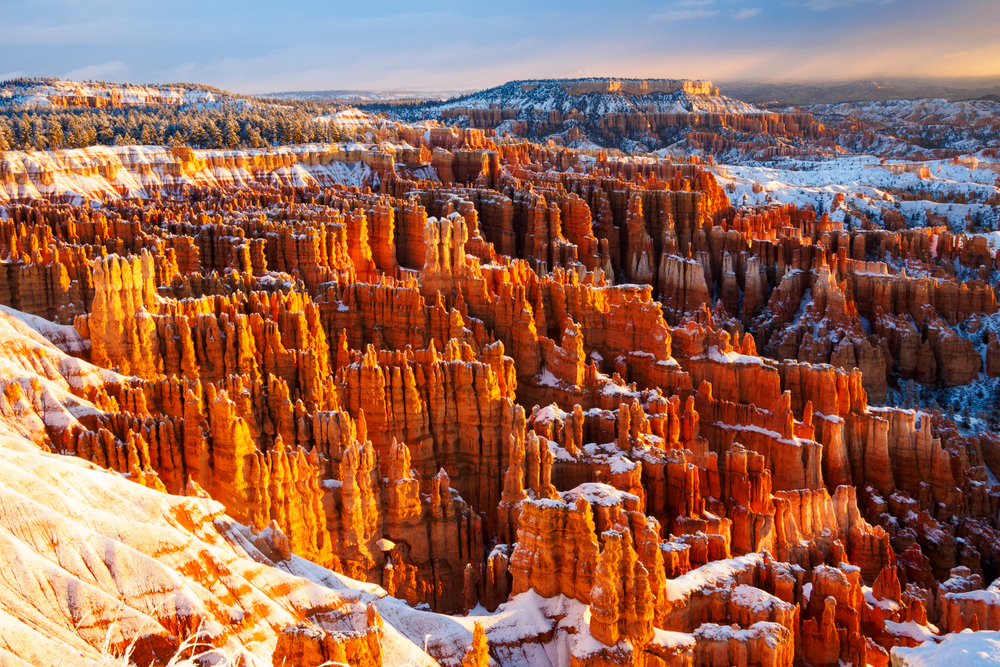
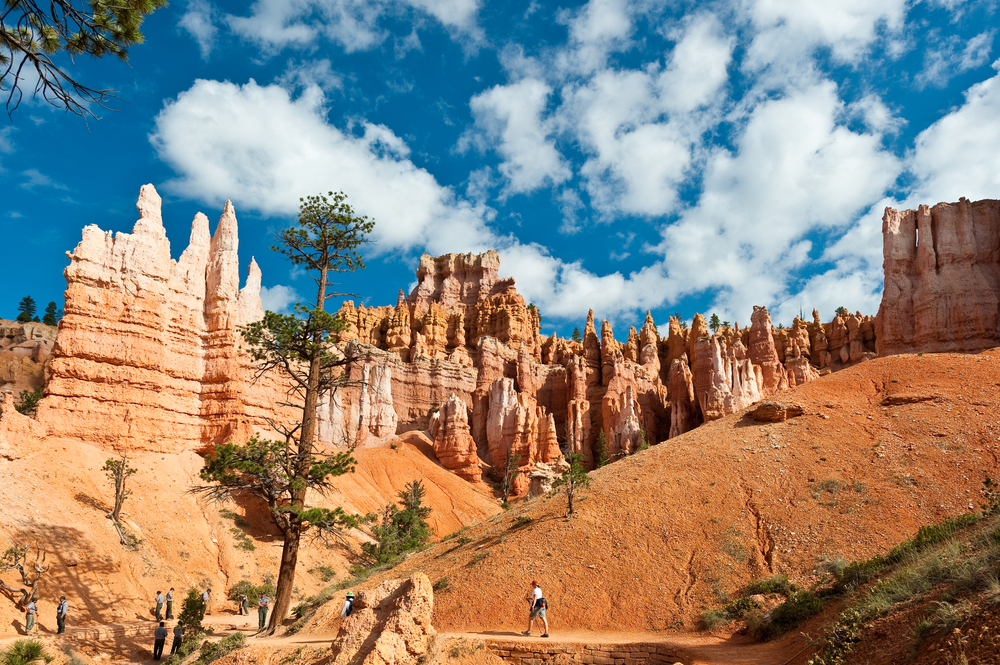
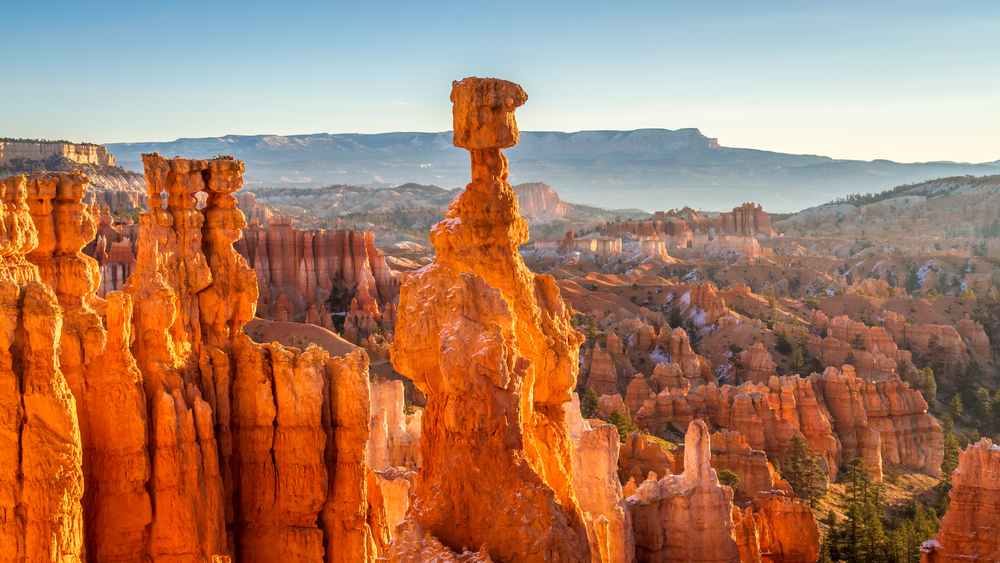
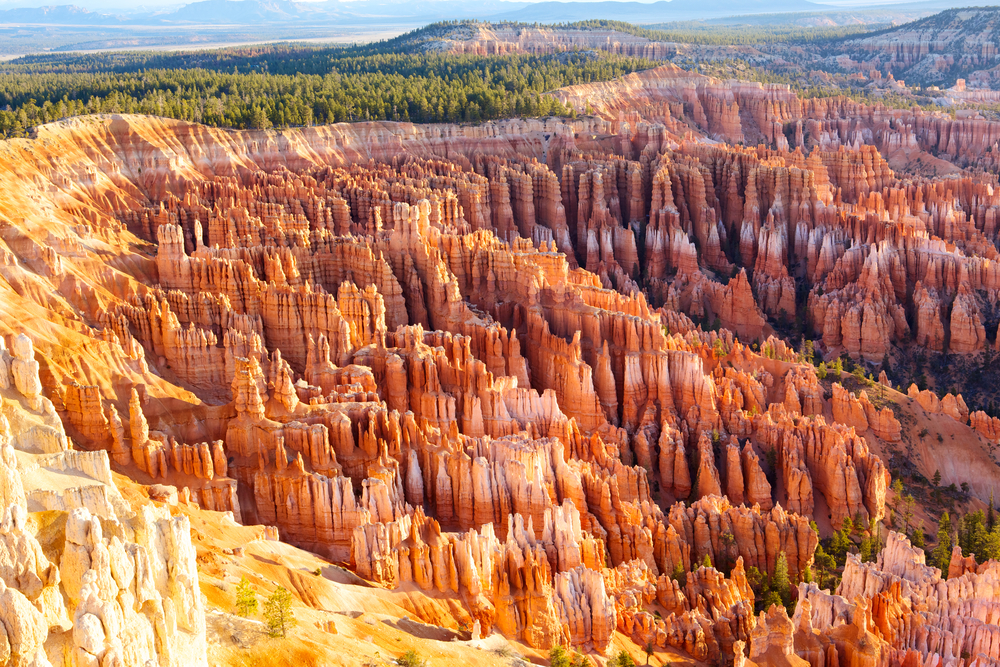
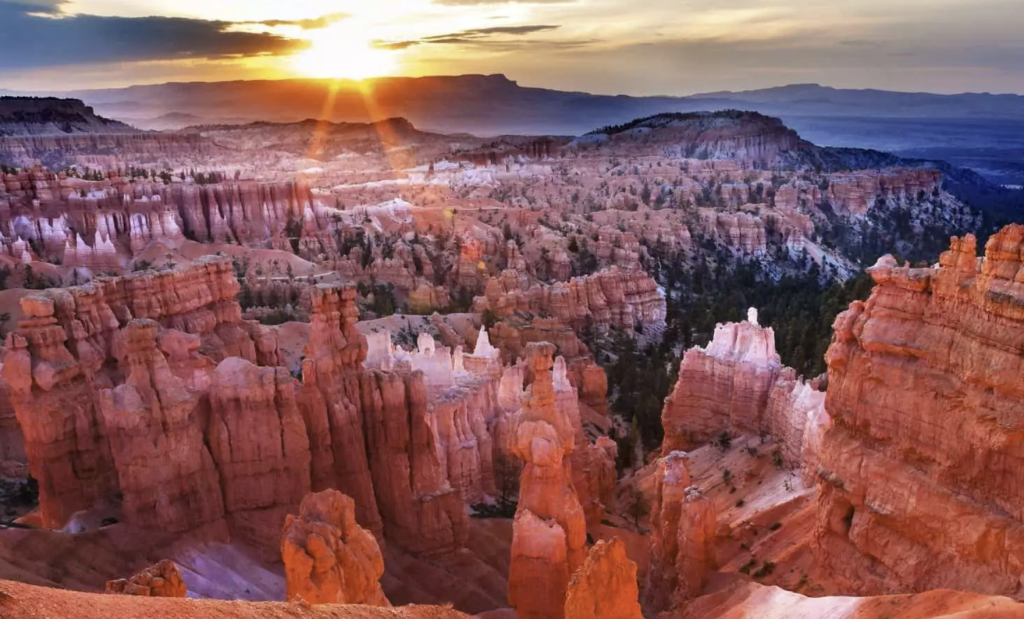
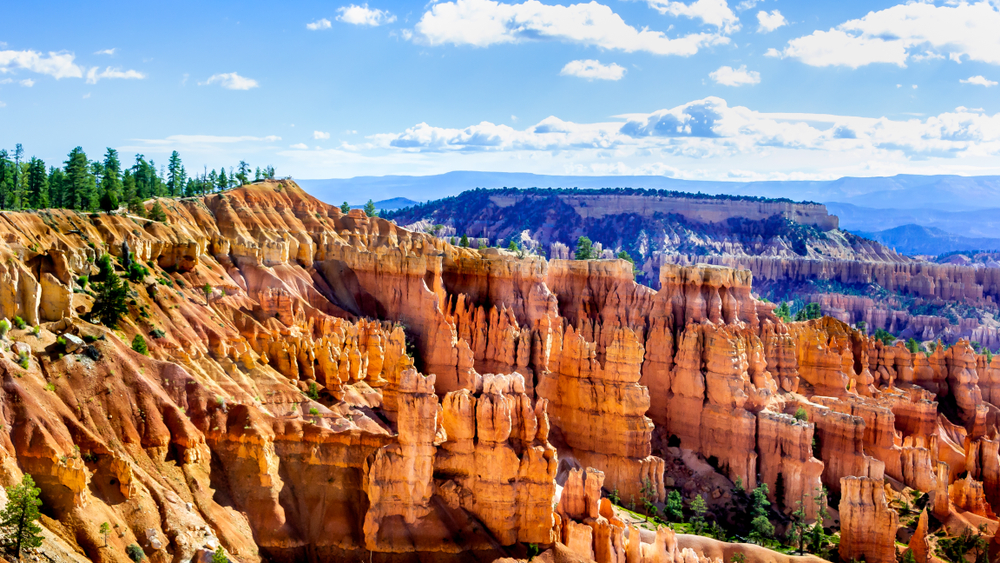
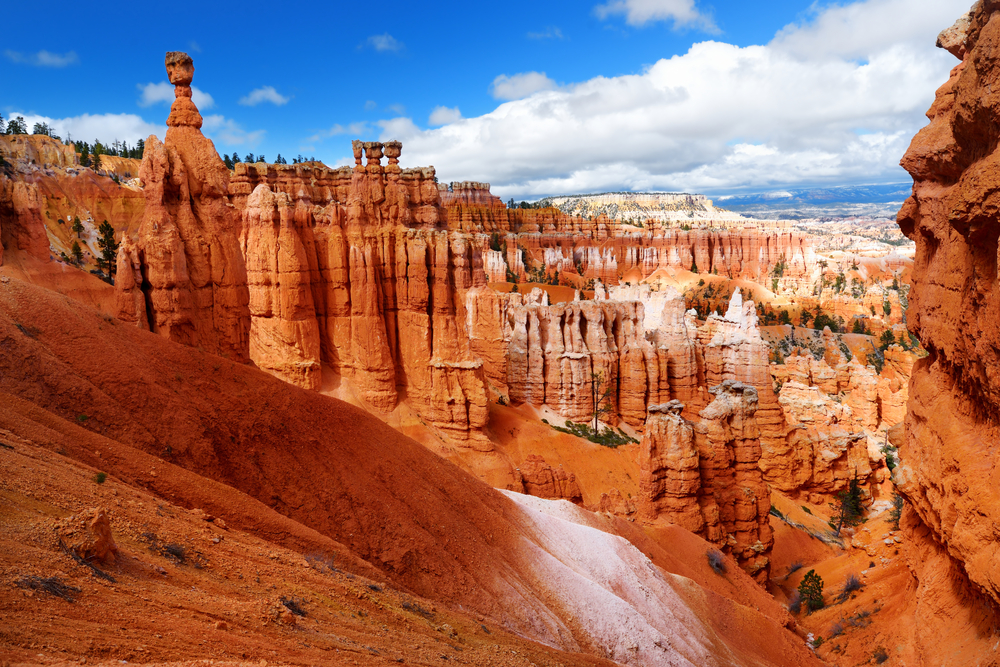
The park is best known for its extraordinary hoodoos, tall and slender rock spires created by thousands of yearsof erosion. Bryce Canyon contains the largest concentration of hoodoos found anywhere on Earth. Visitors are drawn to iconic viewpoints such as Sunrise Point, Sunset Point, Inspiration Point, and Bryce Point, where thousands of colorful rock formations fill vast natural amphitheaters.
The park’s vibrant palette of red, orange, pink, and white sandstone changes dramatically throughout the day as sunlight shifts across the landscape. Scenic drives, hiking trails, horseback riding, and winter snowshoeing allow visitors to experience the park’s remarkable beauty in every season.
Geographically, Bryce Canyon National Park sits at elevations ranging from approximately 8,000 to over 9,100 feet (2,438 to 2,778 m). The high elevation contributes to a cooler climate than many desert parks in the region and plays a key role in the formation of its famous hoodoos.
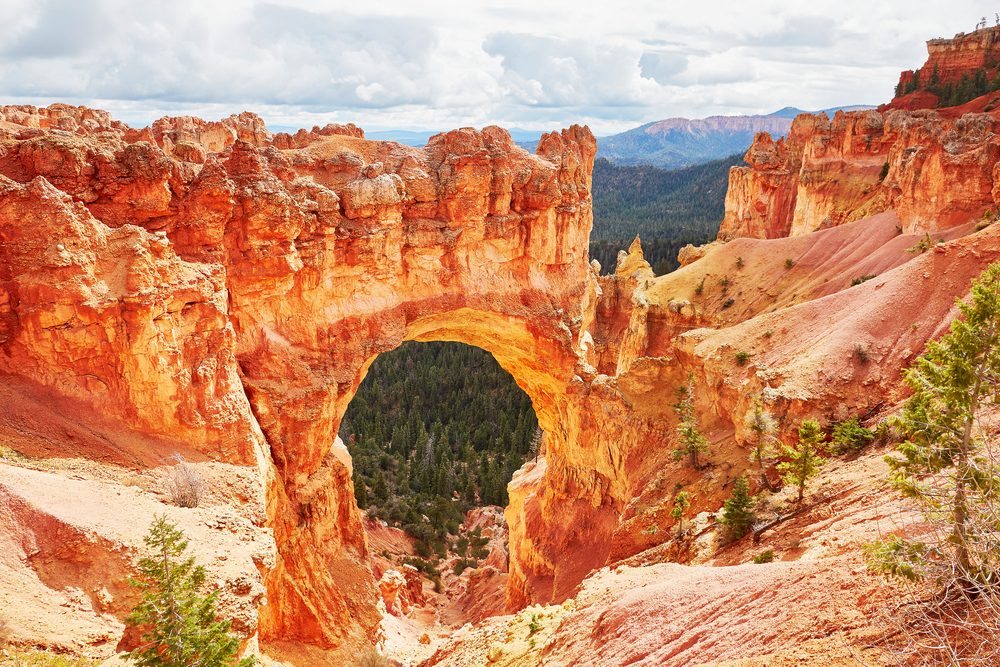
Repeated cycles of freezing and thawing fracture the limestone, sandstone, and mudstone formations of the Claron Formation, gradually sculpting the landscape into intricate pinnacles, arches, fins, and windows. The park’s elevated position also provides sweeping views across the Grand Staircase, a vast sequence of geological layers extending toward the Grand Canyon.
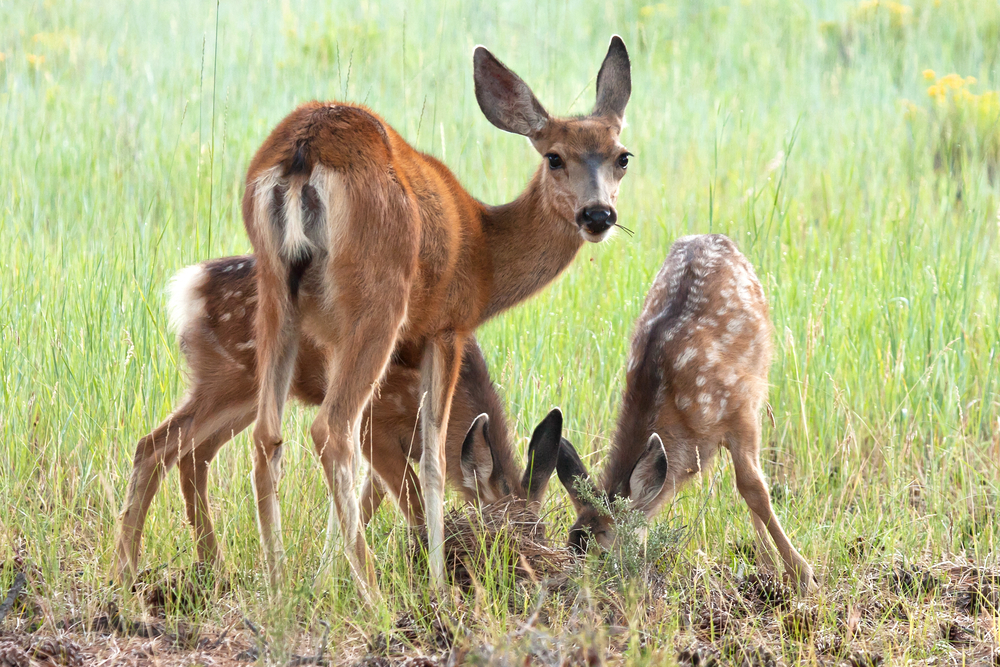
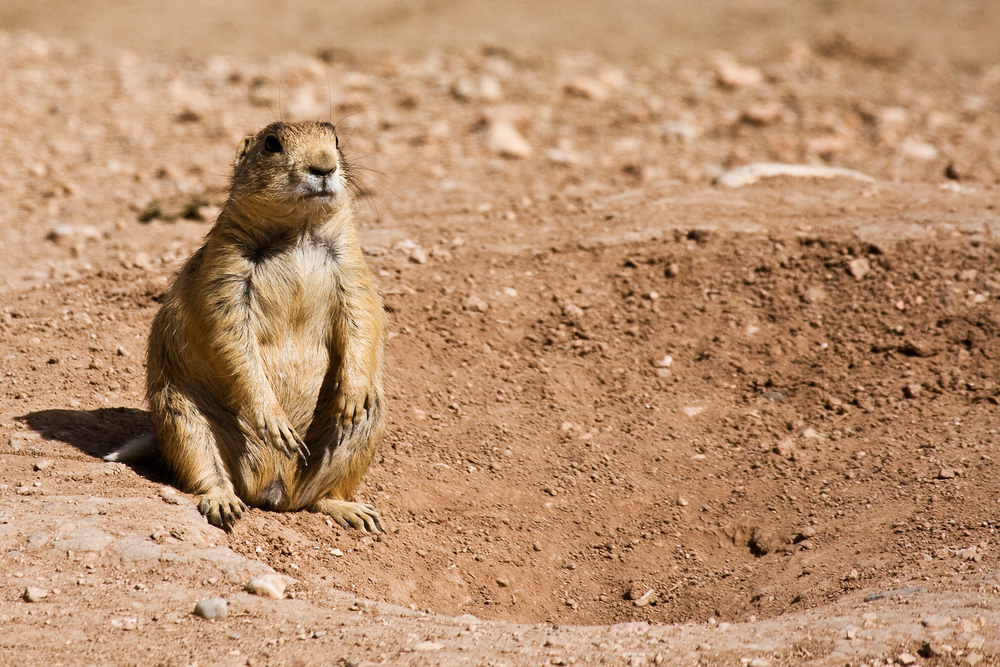
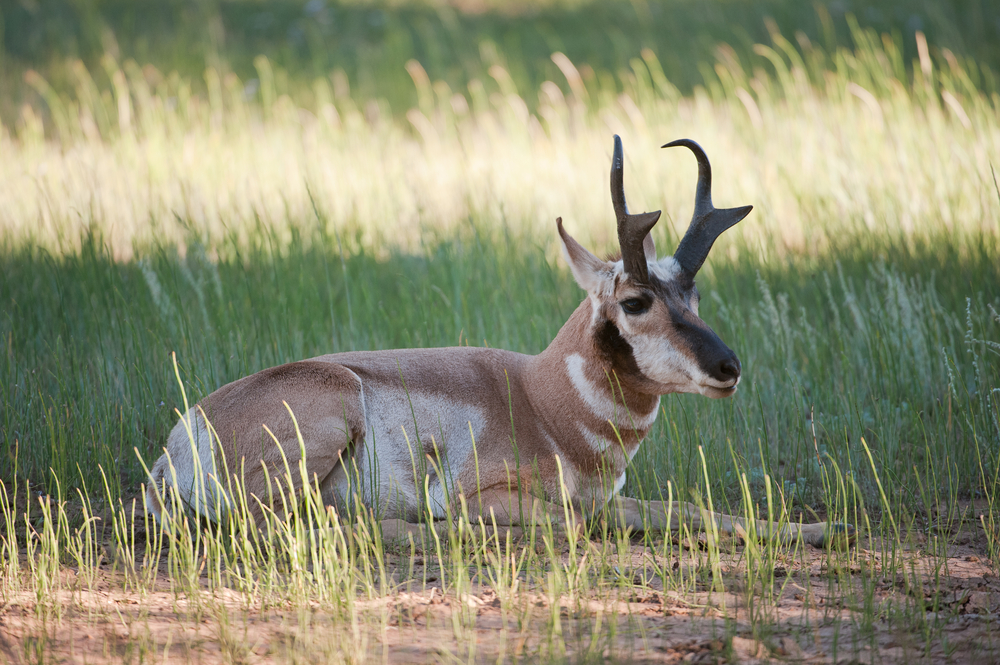
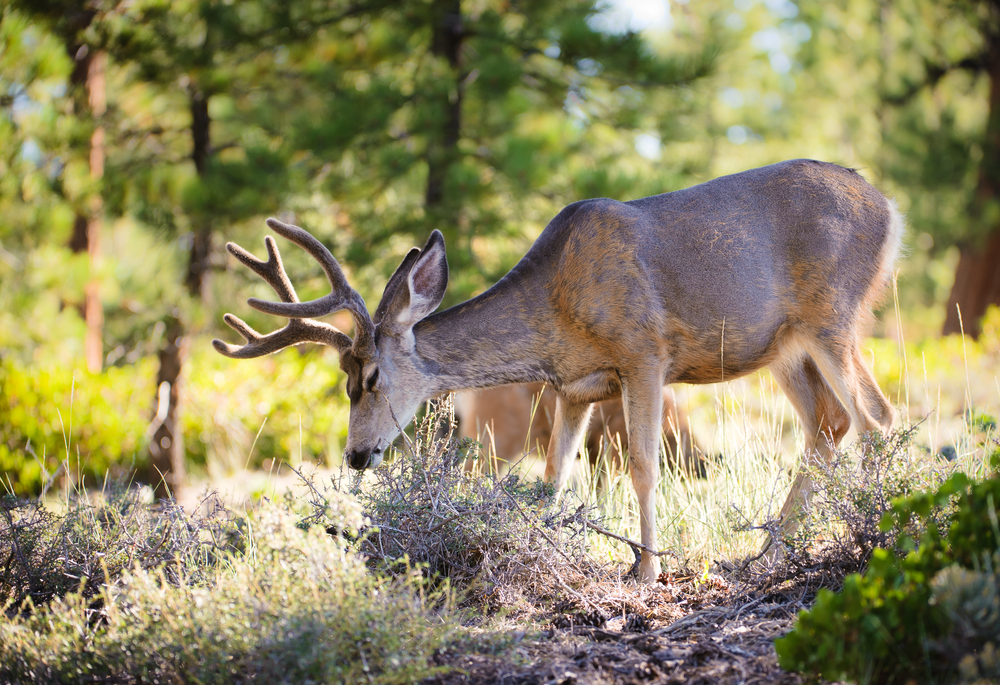
Wildlife flourishes in the park’s forests, meadows, and rocky landscapes. Mammals commonly observed include mule deer, pronghorn, coyotes, mountain lions, bobcats, and Utah prairie dogs. The endangered Utah prairie dog is one of the park’s most significant conservation species.
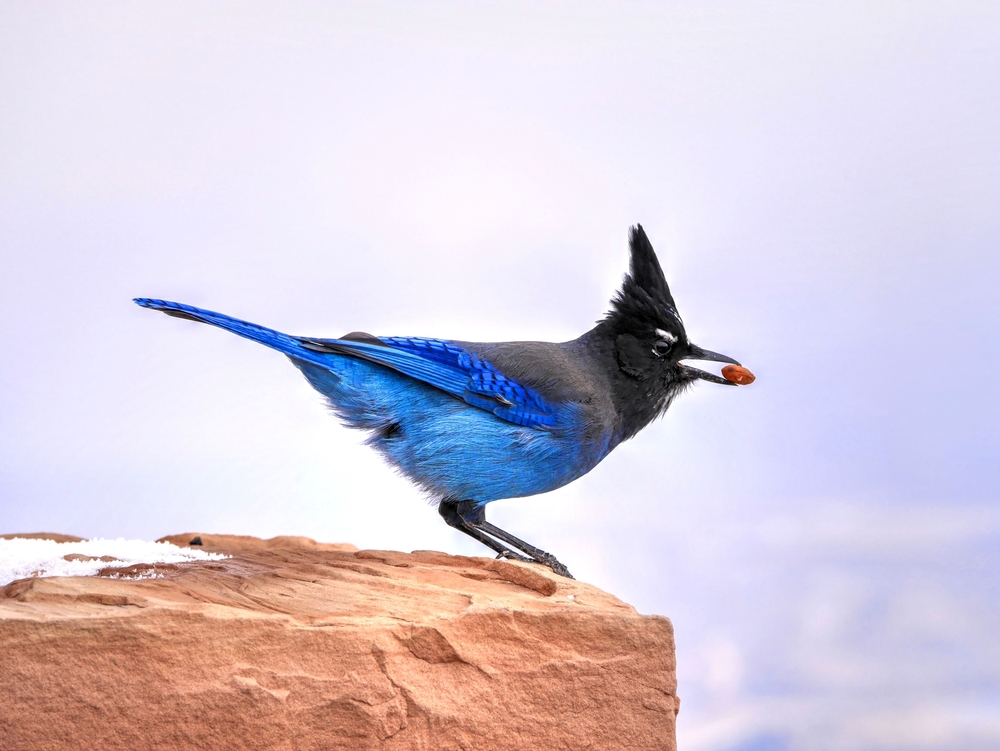
Birdlife is abundant, with more than 170 species recorded, including peregrine falcons, golden eagles, ravens, mountain bluebirds, and Clark’s nutcrackers. Ponderosa pine forests, bristlecone pines, Douglas-firs, and aspen groves provide habitat for numerous animals and add diversity to the park’s ecosystems. Some of the park’s bristlecone pines are among the oldest living organisms on Earth, with ages exceeding 1,600 years.
Bryce Canyon National Park plays a vital role in preserving a geological landscape unlike any other on the planet. The park protects fragile hoodoo formations, high-elevation forests, and important wildlife habitats while providing opportunities for scientific research and recreation.
Its geological significance is often compared to iconic parks such as Grand Canyon National Park and Badlands National Park, yet Bryce Canyon’s concentration of hoodoos remains unmatched. Through its colorful amphitheaters, ancient forests, remarkable wildlife, and stunning night skies, Bryce Canyon National Park stands as one of America’s most extraordinary natural wonders and one of the most visually distinctive landscapes in the world.
Photos

Things to See
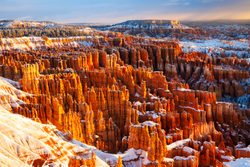 Bryce Canyon is home to the largest collection of hoodoos in the world. These hoodoos blanket the natural amphitheaters creating some of the most picturesque landscapes. Without question, the colorful hoodoos are one of the leading highlights of the park.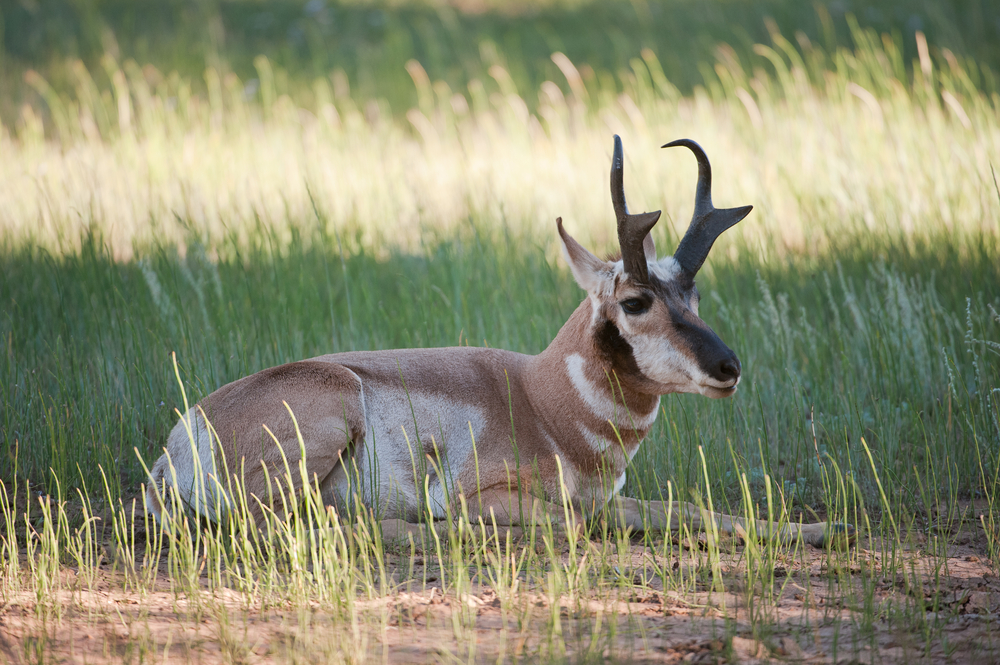
Things To Do
Engaging Bryce Canyon
Bryce Canyon National Park Trails
Bryce Canyon is a tremendous place to enjoy the wildlife and wilderness with an abundance of hiking trails to enjoy. There are 13 different viewpoints that peer out over the amphitheaters and hoodoos landscape.

Park Protection
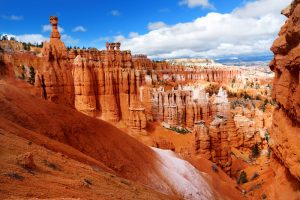 Bryce Canyon National Park was created to protect a spectacular landscape of colorful rock spires known as hoodoos, formed through millions of years of erosion along the eastern edge of the Paunsaugunt Plateau in southern Utah. The park provides habitat for wildlife such as mule deer, mountain lions, Utah prairie dogs, and numerous bird species. The threatened Utah prairie dog is one of the park’s most important protected species and is found only in southwestern Utah.
Bryce Canyon contains the largest concentration of hoodoos found anywhere on Earth, making it one of the most distinctive geological landscapes in the world. Elevations ranging from desert-like conditions to high-elevation forests support diverse plant communities, including ancient bristlecone pines that have survived for more than a thousand years. Together, Bryce Canyon National Park protects a globally unique geological wonder, diverse high-desert ecosystems, and wildlife adapted to the colorful plateaus and forests of southern Utah.
FAQ’s
What is Bryce Canyon known for?
Bryce Canyon National Park is renowned for its spectacular geological formations known as hoodoos.
These unique rock pillars, created by erosion over thousands of years, create a mesmerizing landscape of intricate shapes, colors, and textures.
Visitors flock to Bryce Canyon to witness the otherworldly beauty of these hoodoos, which are particularly striking during sunrise and sunset when the angled sunlight casts dramatic shadows across the canyon floor.
The park’s expansive amphitheaters, including the main Bryce Amphitheater, showcase an array of hoodoos, spires, and fins, providing visitors with endless opportunities for exploration and discovery.
Additionally, Bryce Canyon’s clear night skies offer some of the best stargazing opportunities in the United States, with minimal light pollution allowing for unparalleled views of the Milky Way and countless stars.
What is the main reason people visit Bryce Canyon National Park?
Bryce Canyon National Park is primarily visited for its spectacular hoodoos, colorful amphitheaters, and breathtaking desert landscapes. Located in southern Utah, the park is famous for having the world’s largest concentration of hoodoos—tall, thin rock spires formed by erosion.
Visitors come to hike among these unique formations, enjoy scenic overlooks, photograph vibrant red, orange, and pink rock landscapes, stargaze under exceptionally dark skies, and experience one of the most visually distinctive national parks in the United States.
What animals can visitors hope to see in Bryce Canyon National Park?
Bryce Canyon National Park supports approximately 60 mammal species and more than 15 reptile species. The park’s high-elevation forests, meadows, shrublands, and canyon environments provide habitat for a diverse variety of wildlife.
Some of the most notable mammals found in Bryce Canyon National Park include:
- Mule Deer
- Pronghorn
- Elk
- Mountain Lion
- Bobcat
- Coyote
- Red Fox
- Gray Fox
- American Badger
- Long-tailed Weasel
- Short-tailed Weasel
- Striped Skunk
- Porcupine
- Black-tailed Jackrabbit
- Desert Cottontail
- Snowshoe Hare
- Rock Squirrel
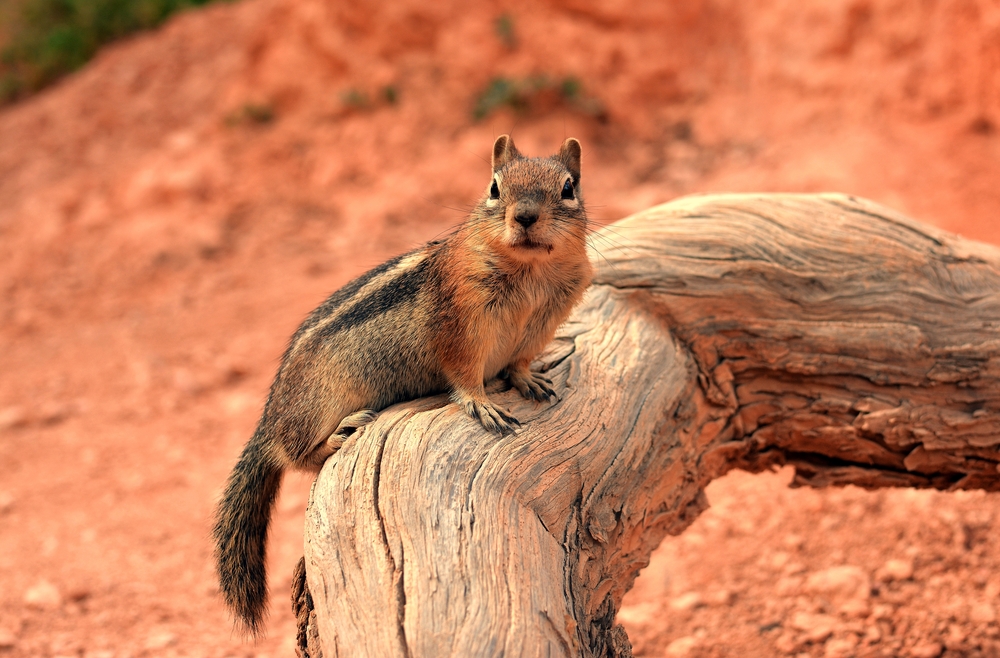
- Golden-mantled Ground Squirrel
- Uinta Chipmunk
- Cliff Chipmunk
- Deer Mouse
- Canyon Mouse
- Pocket Mouse
- Kangaroo Rat
- Pocket Gopher
- Woodrat
- Meadow Vole
- Montane Vole
- Harvest Mouse
- Muskrat
- Beaver
- Big Brown Bat
- Hoary Bat
- Pallid Bat
- Townsend’s Big-eared Bat
- Mexican Free-tailed Bat
- Silver-haired Bat
- Little Brown Bat
- Long-legged Myotis
- Fringed Myotis
- Yuma Myotis
- Western Red Bat
- Desert Shrew
- Vagrant Shrew
- Ground Squirrel Species
- Pack Rat Species
- Rodent Species
- Small Carnivore Species
- Various Bat Species
- Various Small Mammals
What birds can visitors hope to see in Bryce Canyon National Park?
Bryce Canyon National Park is home to more than 175 bird species. The park’s forests, cliffs, meadows, and canyon habitats attract a wide variety of resident and migratory birds.
Some of the most popular birds seen in Bryce Canyon National Park include:
- Golden Eagle
- Bald Eagle
- Peregrine Falcon
- Prairie Falcon
- Red-tailed Hawk
- Cooper’s Hawk
- Sharp-shinned Hawk
- Northern Goshawk
- American Kestrel
- Turkey Vulture
- Common Raven
- Clark’s Nutcracker
- Pinyon Jay
- Steller’s Jay
- Woodhouse’s Scrub-Jay
- Black-billed Magpie
- Mountain Bluebird
- Western Bluebird
- Canyon Wren
- Rock Wren
- House Wren
- Bewick’s Wren
- Mountain Chickadee
- Juniper Titmouse
- Bushtit
- White-breasted Nuthatch
- Red-breasted Nuthatch
- Pygmy Nuthatch
- Black-throated Sparrow
- Brewer’s Sparrow
- Chipping Sparrow
- White-crowned Sparrow
- Dark-eyed Junco
- Green-tailed Towhee
- Western Meadowlark
- Horned Lark
- Say’s Phoebe
- Ash-throated Flycatcher
- Western Kingbird
- Violet-green Swallow
- Cliff Swallow
- Barn Swallow
- White-throated Swift
- Broad-tailed Hummingbird
- Black-chinned Hummingbird
- Rufous Hummingbird
- Northern Flicker
- Hairy Woodpecker
- Lewis’s Woodpecker
- Western Tanager
Is Bryce Canyon National Park worth visiting?
Yes, Bryce Canyon National Park is absolutely worth visiting and is often considered one of the most beautiful national parks in the United States.
The park’s unique hoodoo formations create a landscape unlike anywhere else on Earth. Visitors can enjoy spectacular viewpoints, excellent hiking, photography opportunities, dark-sky experiences, and relatively easy access to many of the park’s highlights. Many travelers rank Bryce Canyon alongside Zion National Park, Arches National Park, and Grand Canyon National Park as one of the premier parks in the American Southwest.
What is the best time to visit Bryce Canyon National Park?
The best time to visit Bryce Canyon National Park is:
- May through October
During these months:
- Most trails and facilities are fully accessible.
- Temperatures are pleasant.
- Wildflowers bloom during summer.
- Scenic conditions are excellent.
Winter also offers a unique experience, with snow-covered hoodoos creating some of the park’s most spectacular scenery.
How many days do you need to visit Bryce Canyon National Park?
Most visitors should plan for 1 to 2 days.
- Half day: Major overlooks and viewpoints.
- 1 day: Scenic drive and popular hiking trails.
- 2 days: More extensive hiking and photography.
- 3+ days: Backcountry trails, stargazing, and nearby attractions.
Bryce Canyon is often combined with other southern Utah national parks.
How do you get to Bryce Canyon National Park?
Bryce Canyon National Park is located in southern Utah near Bryce Canyon City.
Most visitors:
- Fly into Las Vegas, Salt Lake City, or St. George.
- Drive to the park via Utah’s scenic highways.
- Access the park through the main entrance near Bryce Canyon City.
Many visitors include Bryce Canyon as part of a multi-park Utah road trip.
Who is involved in protecting and supporting Bryce Canyon National Park?
Several organizations help protect Bryce Canyon National Park:
- National Park Service – manages Bryce Canyon National Park.
- Bryce Canyon Natural History Association – supports educational, scientific, and interpretive programs.
- National Park Foundation – supports projects throughout the National Park System.
- Grand Canyon Trust – supports conservation efforts across the Colorado Plateau.
- Volunteers, researchers, and local communities who help preserve the park’s natural and cultural resources.
Sources
- Britannica, Bryce Canyon National Park, https://www.britannica.com/place/Bryce-Canyon-National-Park, retrieved June 2020.
- National Geographic, Everything you need to know about Bryce Canyon, https://www.nationalgeographic.com/travel/national-parks/bryce-canyon-national-park/, retrieved June 2020.
- National Park Foundation, Pillars of Stone, https://www.nationalparks.org/explore-parks/bryce-canyon-national-park, retrieved June 2020.
- National Park Service, Bryce Canyon, https://www.nps.gov/brca/index.htm, retrieved June 2020.
- Utah.com, Bryce Canyon National Park, https://utah.com/bryce-canyon-national-park, retrieved June 2020.
- Visit Utah, Bryce Canyon National Park, https://www.visitutah.com/places-to-go/parks-outdoors/bryce-canyon/, retrieved June 2020.