

About
Denali National Park and Preserve is located in the interior of Alaska and encompasses approximately 9,492 square miles (24,585 sq km) of wilderness in the heart of the Alaska Range. Established as Mount McKinley National Park in 1917 and expanded and renamed in 1980, the park protects one of the largest intact ecosystems in North America.
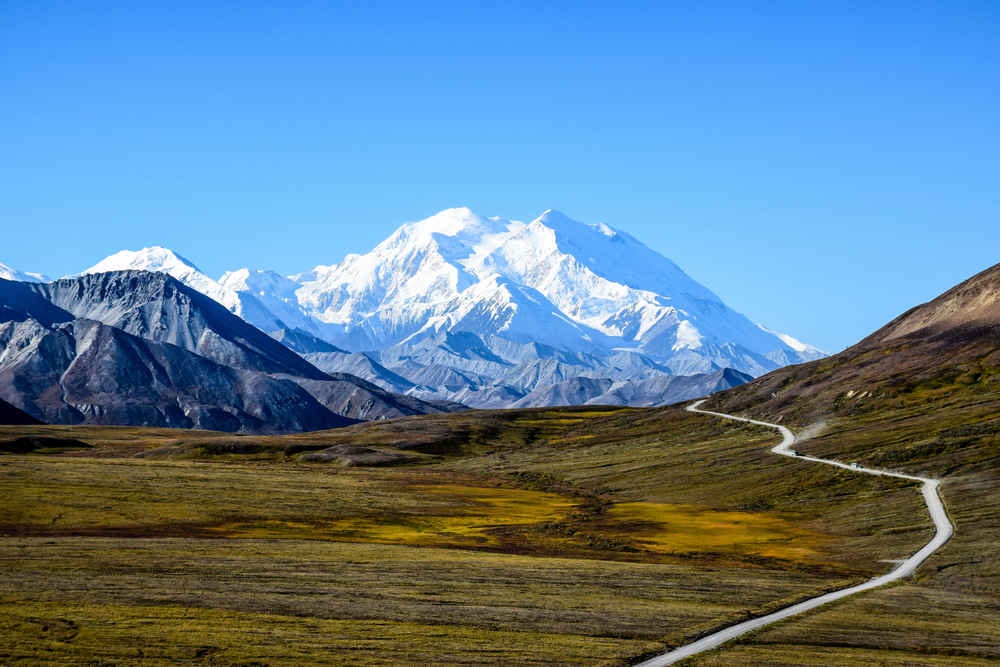
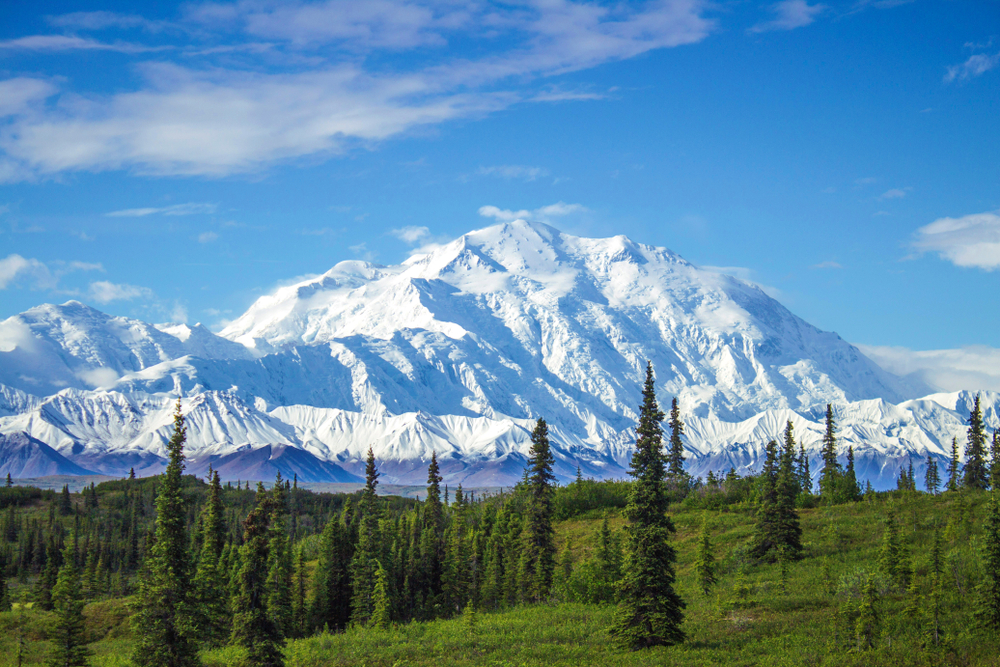
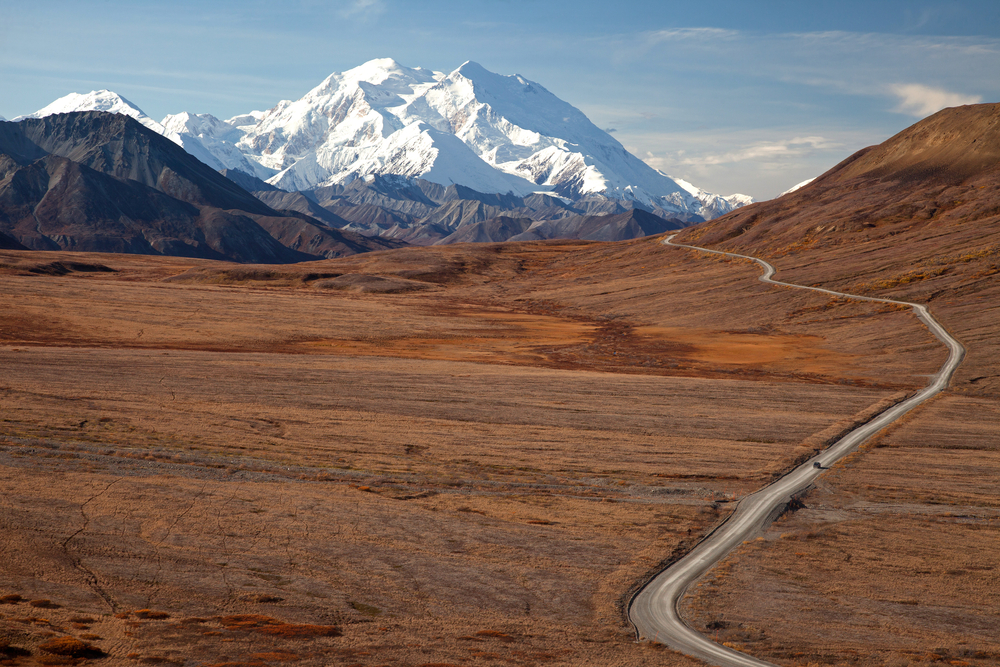
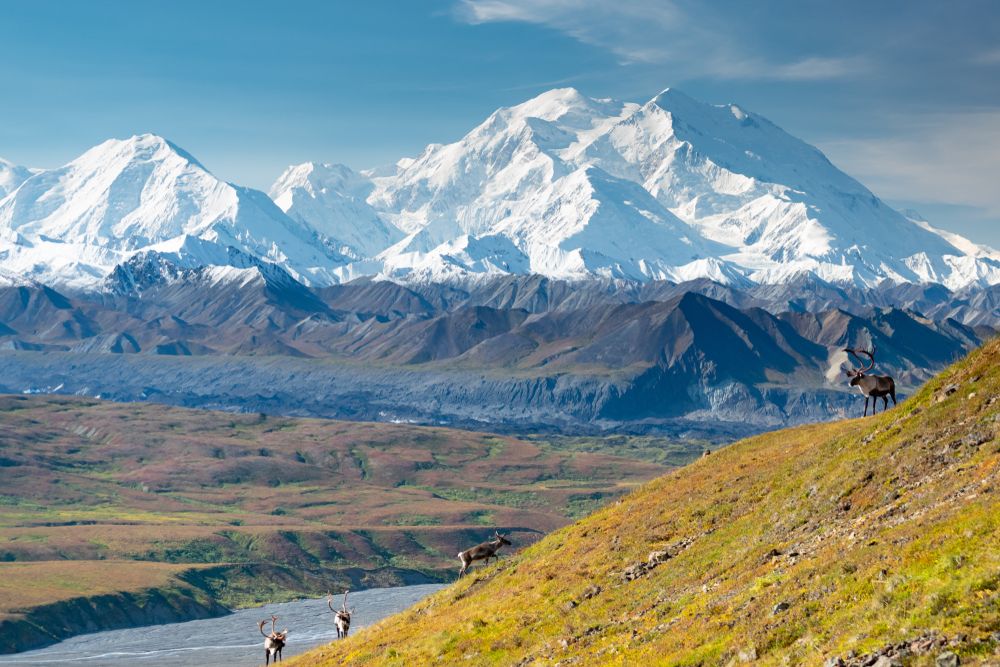
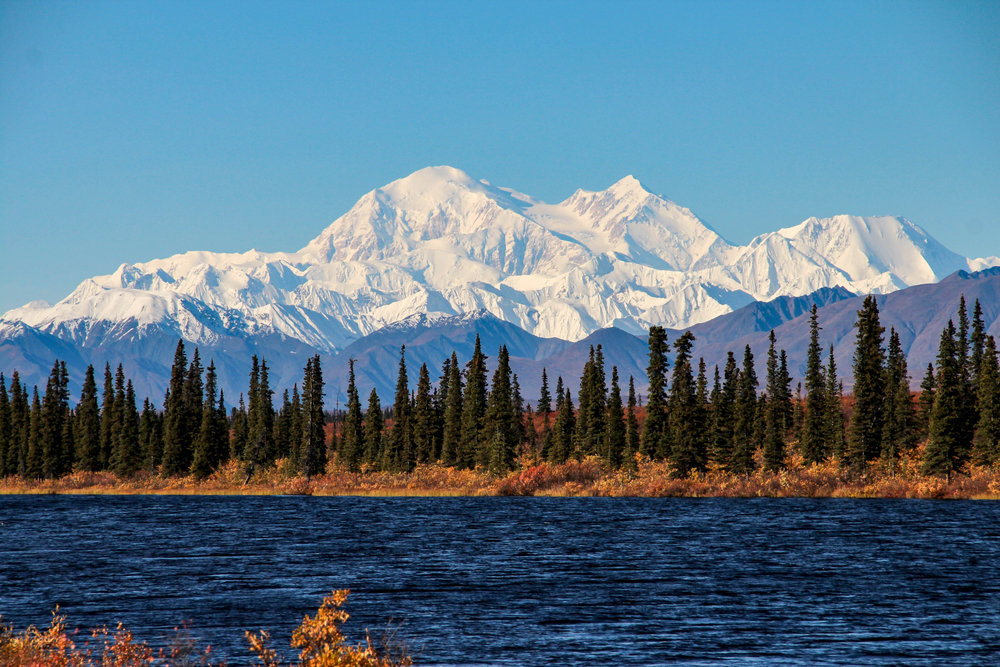
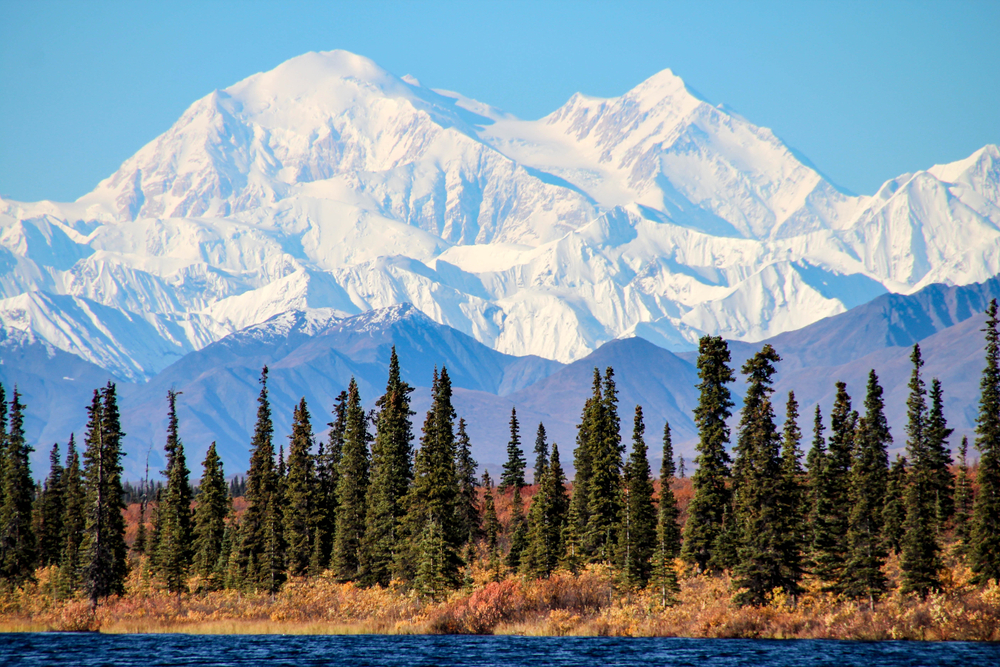
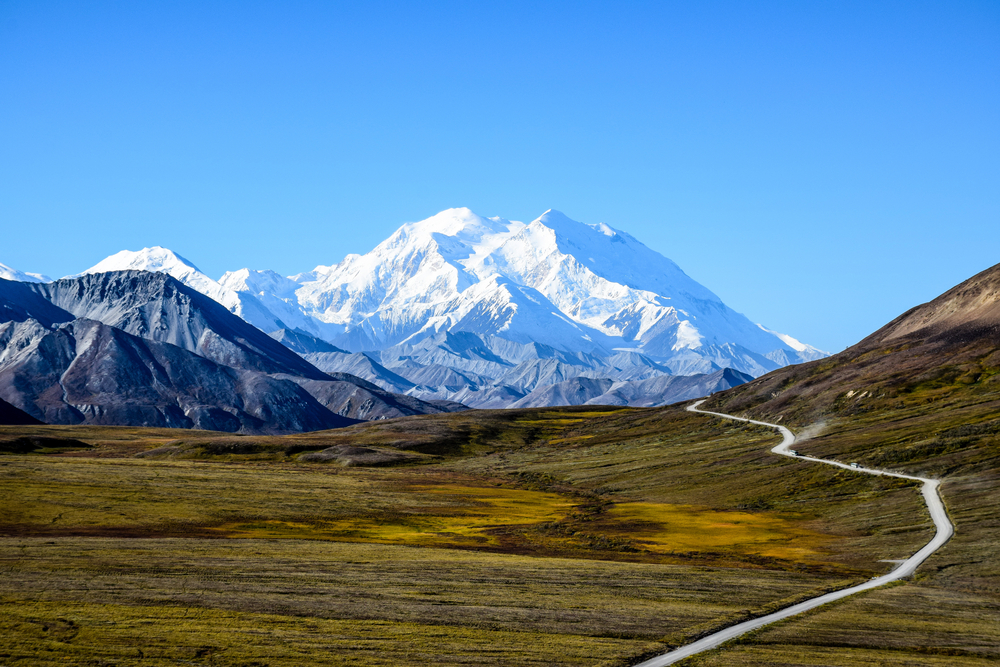
It is home to Denali, North America’s highest mountain, which rises to an elevation of 20,310 feet (6,190 m). The park’s vast landscapes, abundant wildlife, and spectacular mountain scenery make it one of the most iconic national parks in the world.
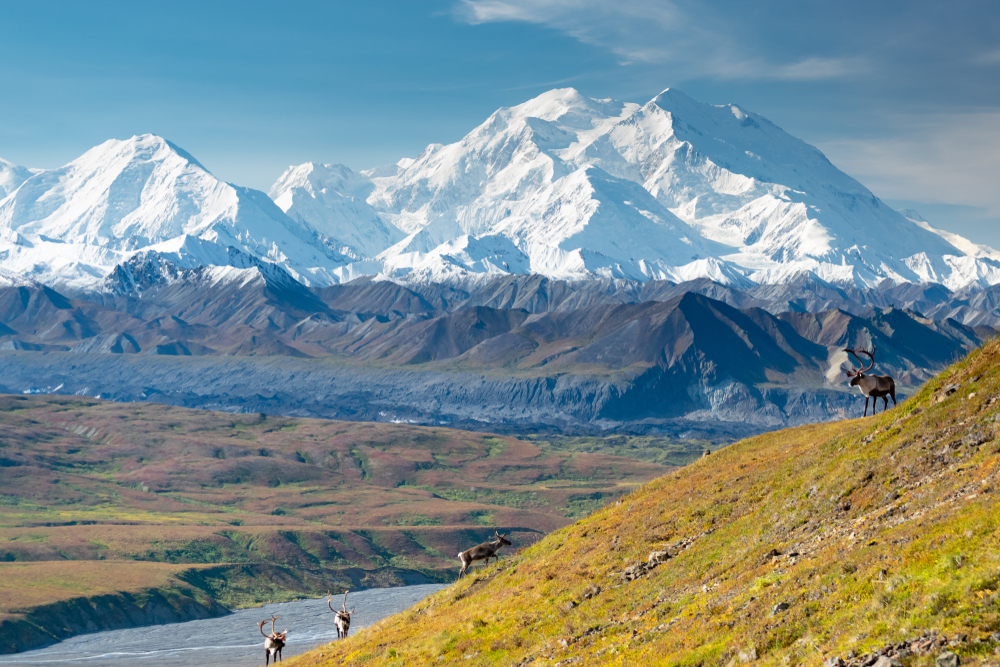
The park is best known for Denali itself, a massive granite peak that dominates the skyline and towers more than 18,000 feet (5,500 m) above surrounding valleys. On clear days, the mountain can be seen from hundreds of miles away. Visitors are drawn to breathtaking vistas, wildlife viewing opportunities, and the sense of wilderness that defines the park.
Unlike many national parks, most of Denali remains roadless, with a single park road extending into the interior. Popular activities include wildlife safaris, hiking, backpacking, camping, mountaineering, flightseeing tours, and photography. The chance to observe large mammals roaming freely across open tundra is one of the park’s greatest attractions.
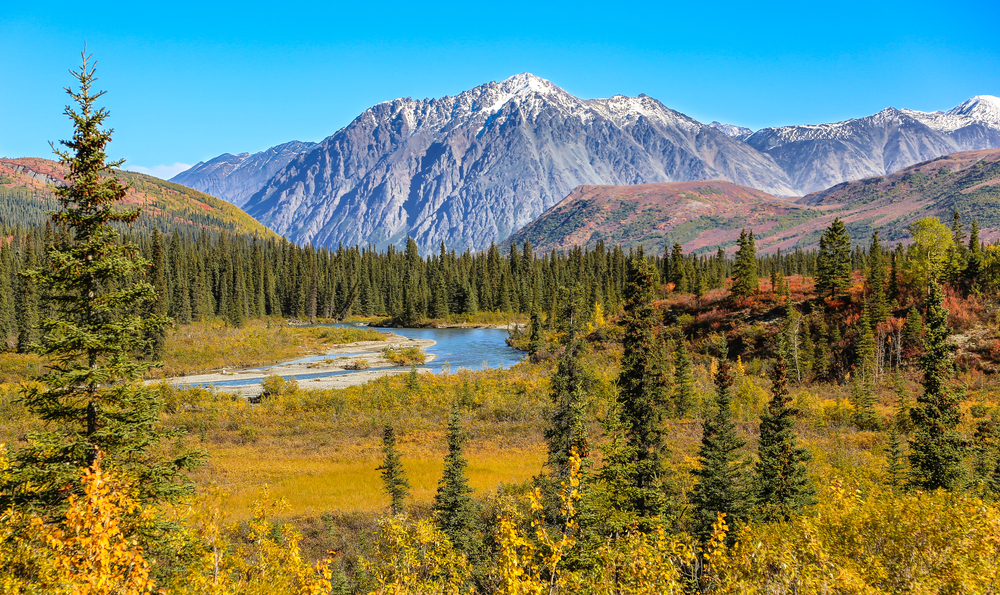
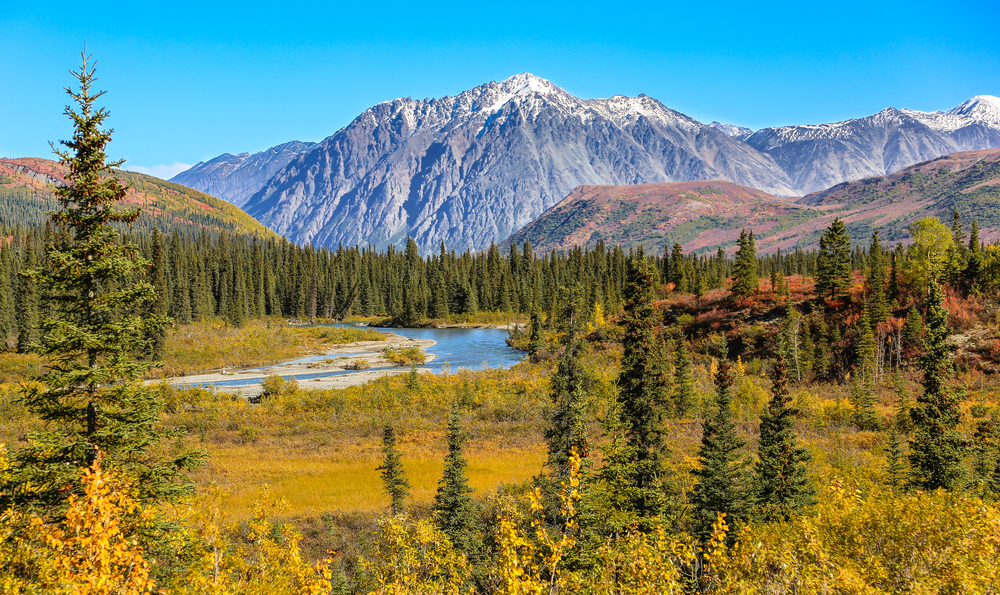
Geographically, Denali National Park encompasses a remarkable diversity of landscapes, including towering mountains, glaciers, tundra, boreal forests, braided rivers, alpine meadows, and vast wilderness valleys. Elevations range from lowland forests at approximately 500 feet (150 m) above sea level to the summit of Denali.
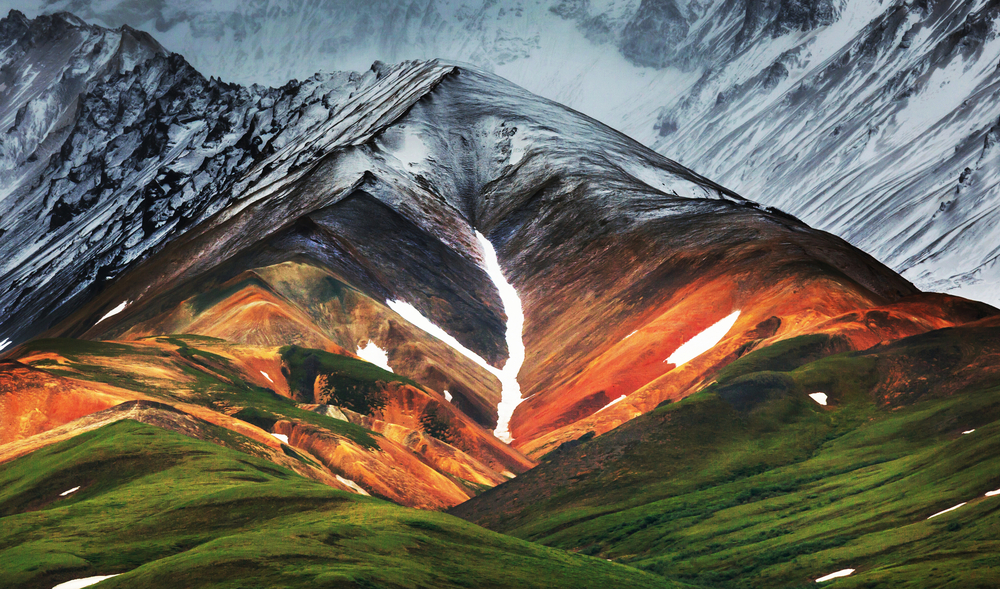
The Alaska Range acts as a climatic barrier, creating distinct ecosystems on either side of the mountains. Extensive glaciers flow from the high peaks, carving valleys and feeding rivers that wind across the tundra. Seasonal changes transform the landscape, from vibrant wildflower displays in summer to brilliant autumn colors and snow-covered winter scenery.
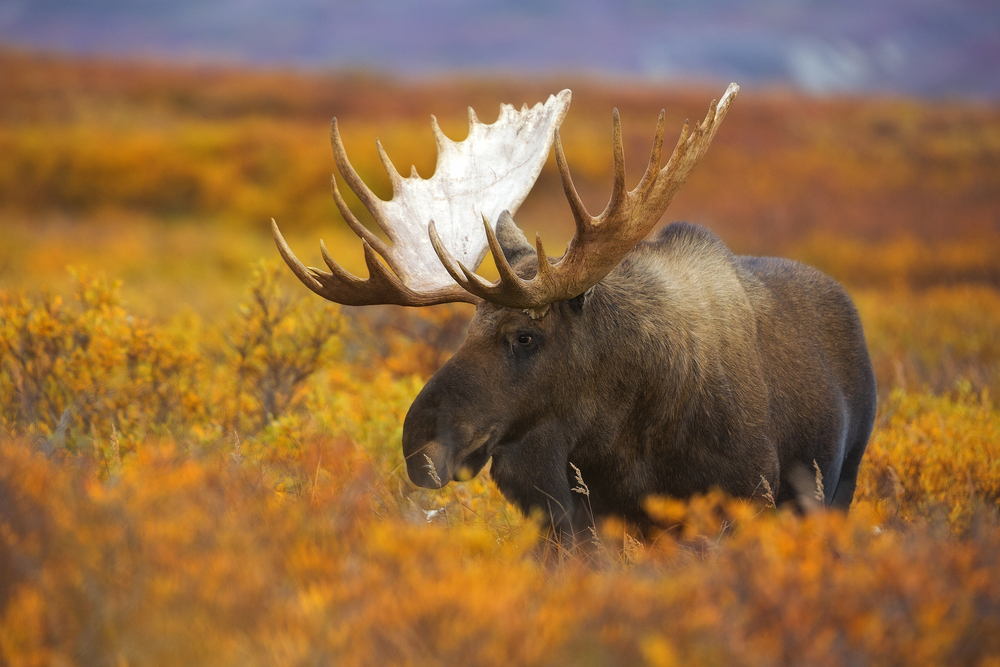
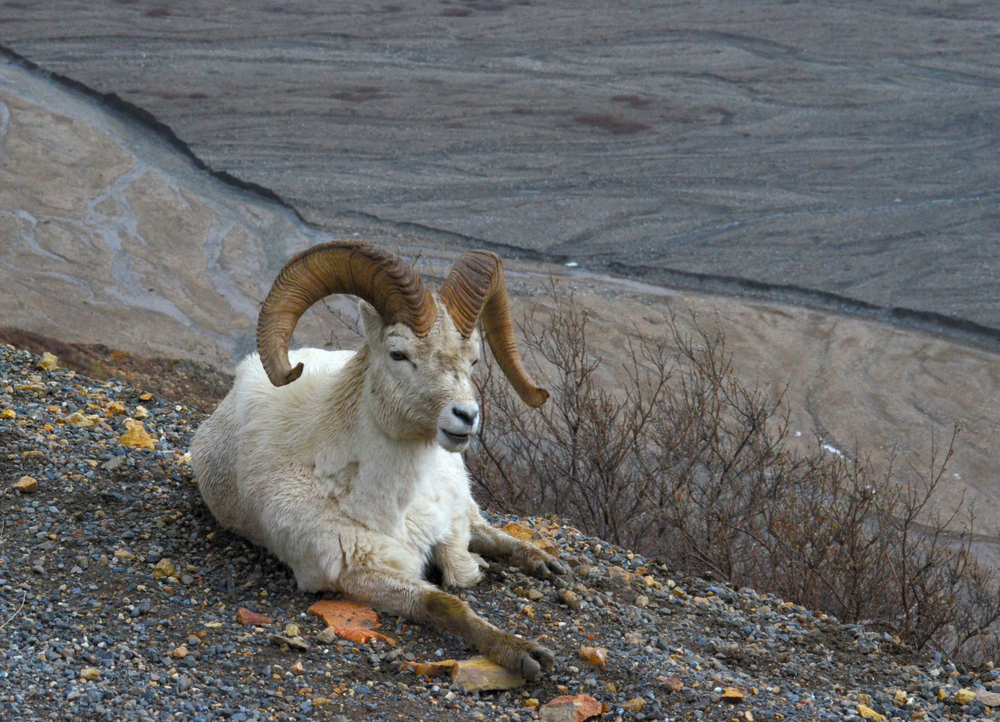
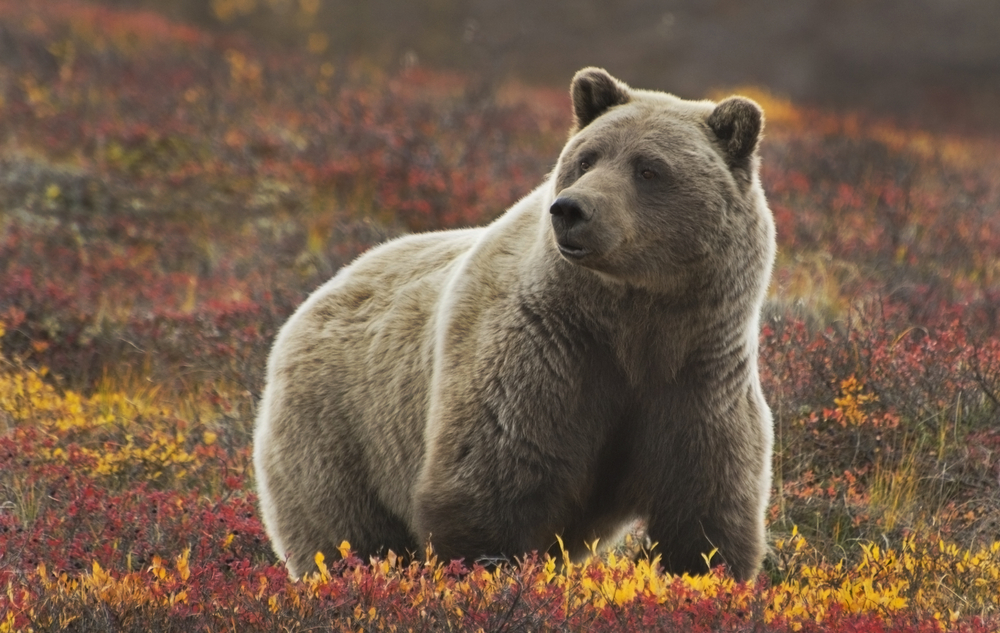
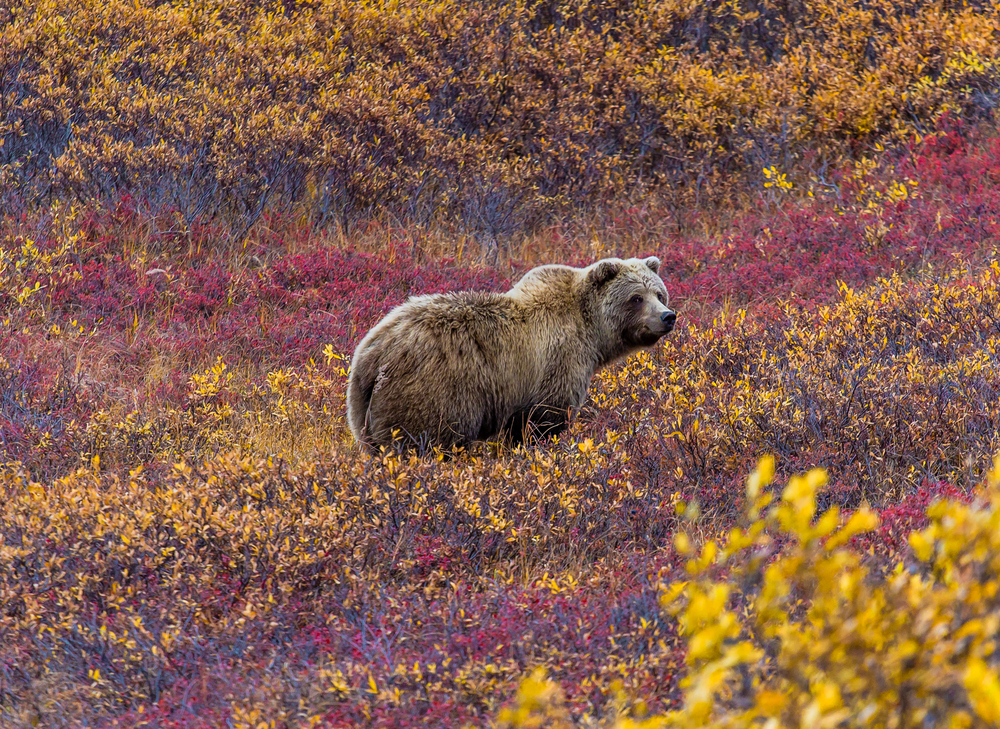
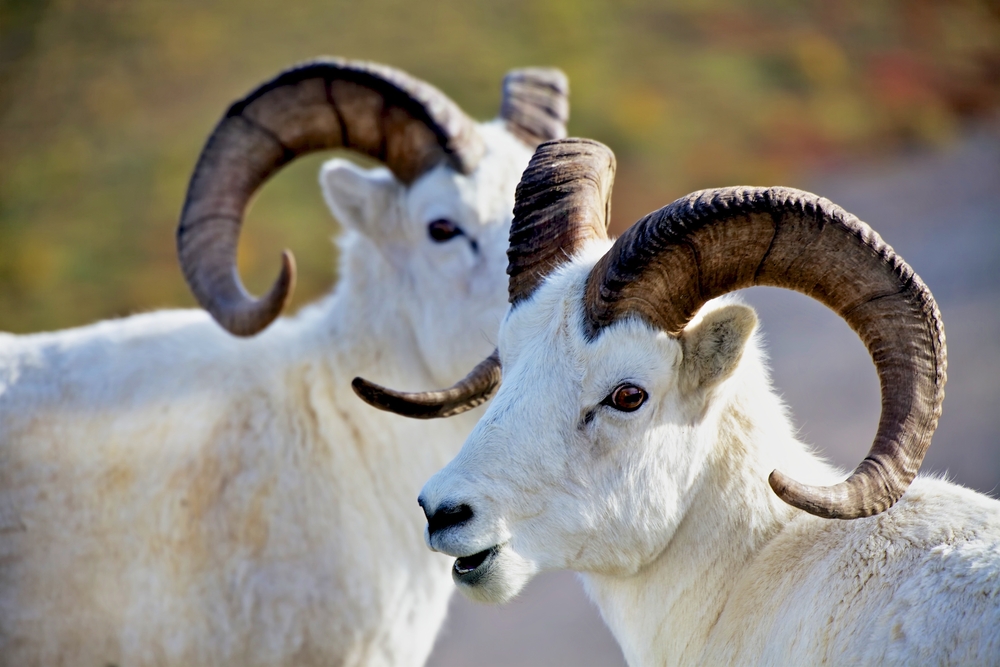
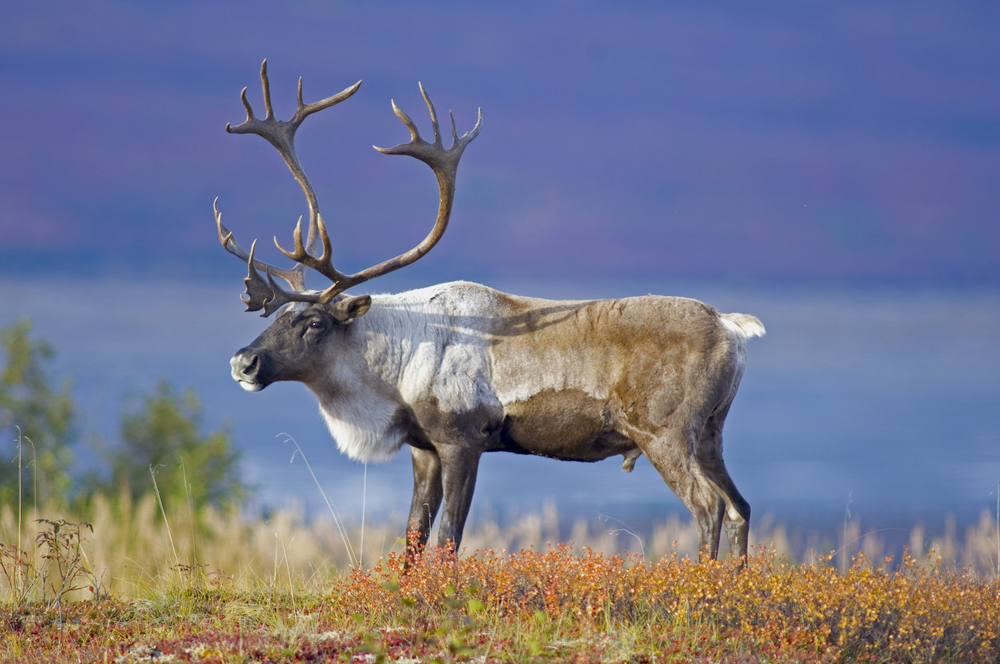
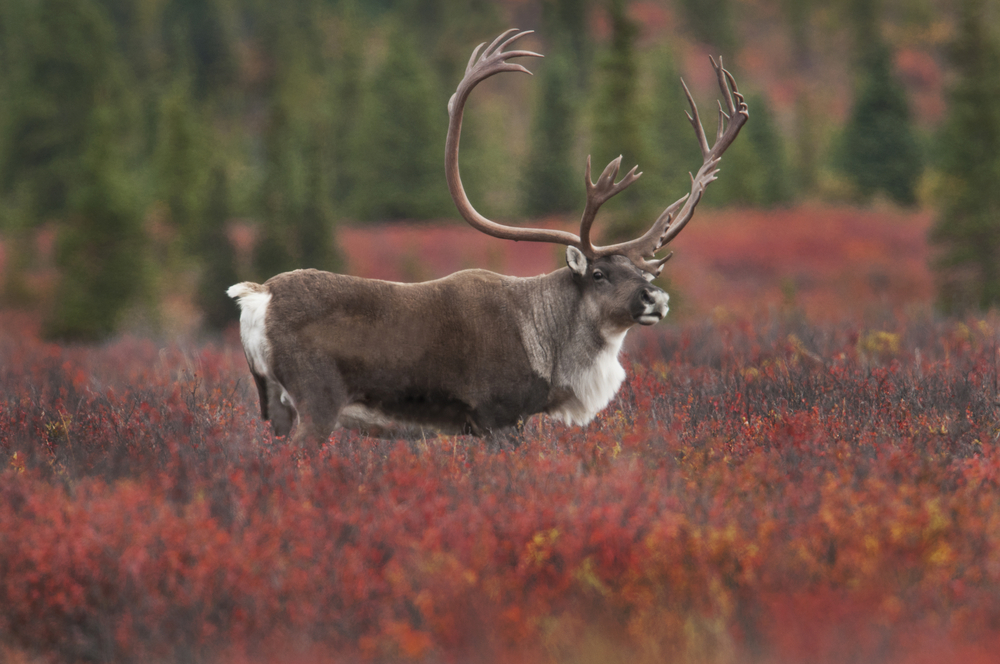
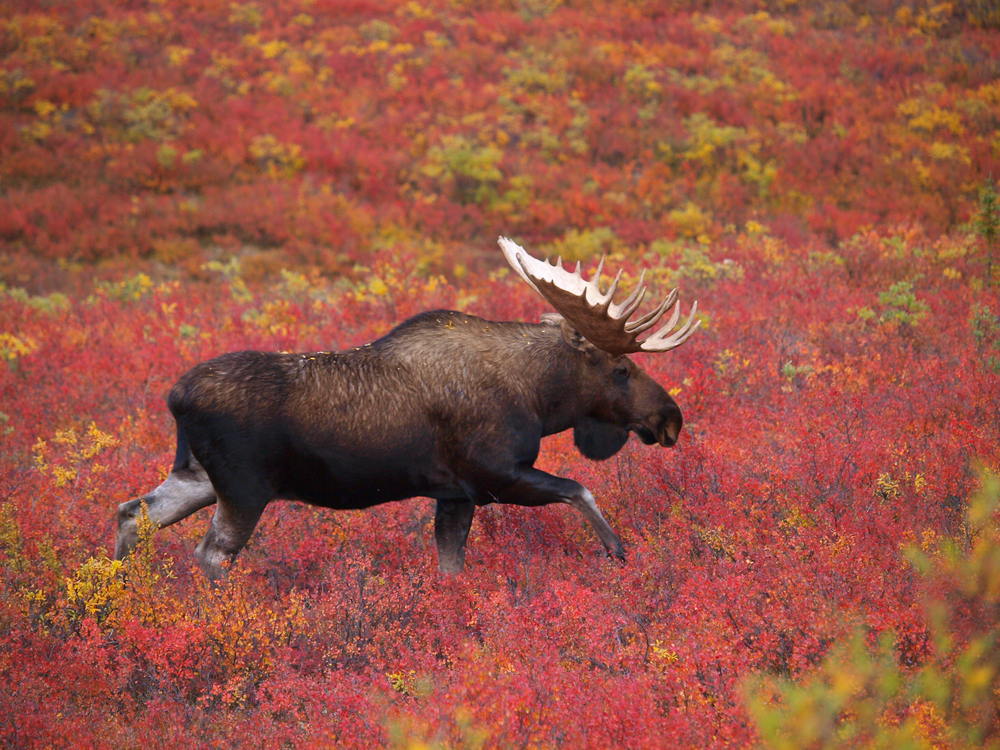
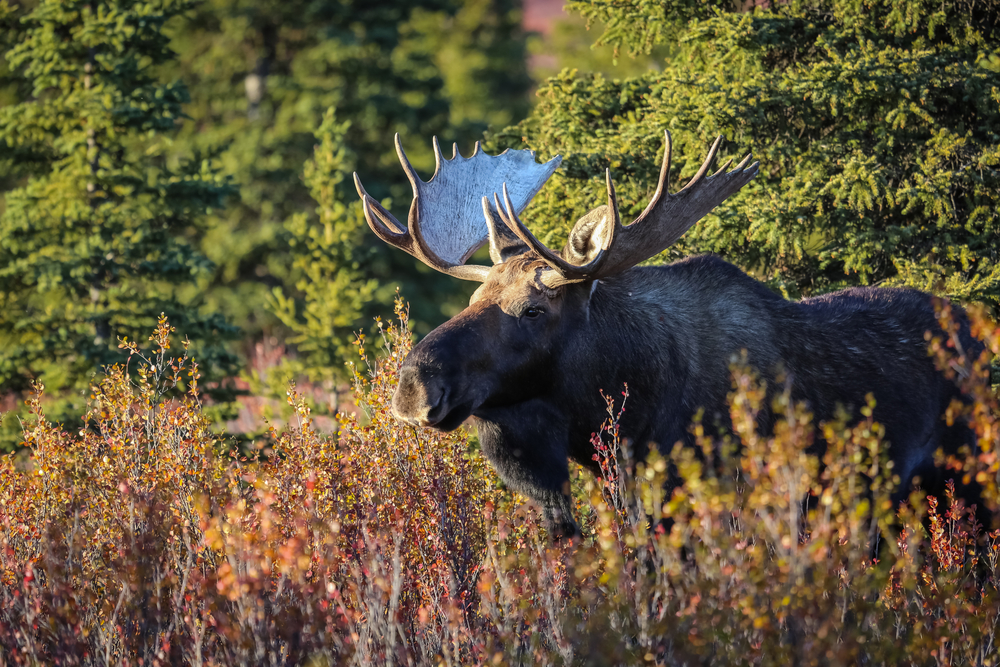
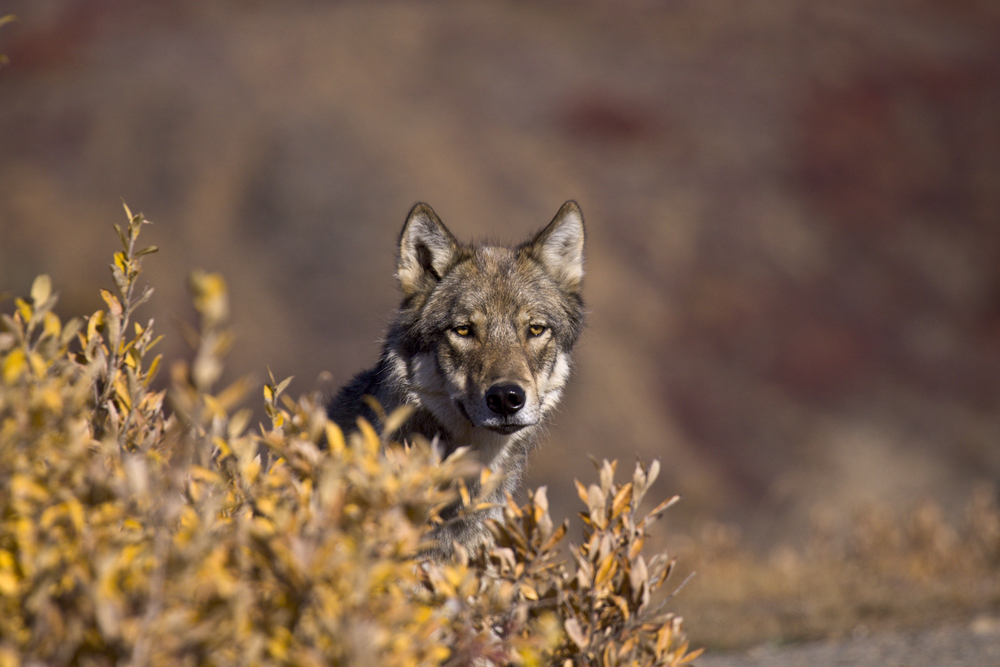
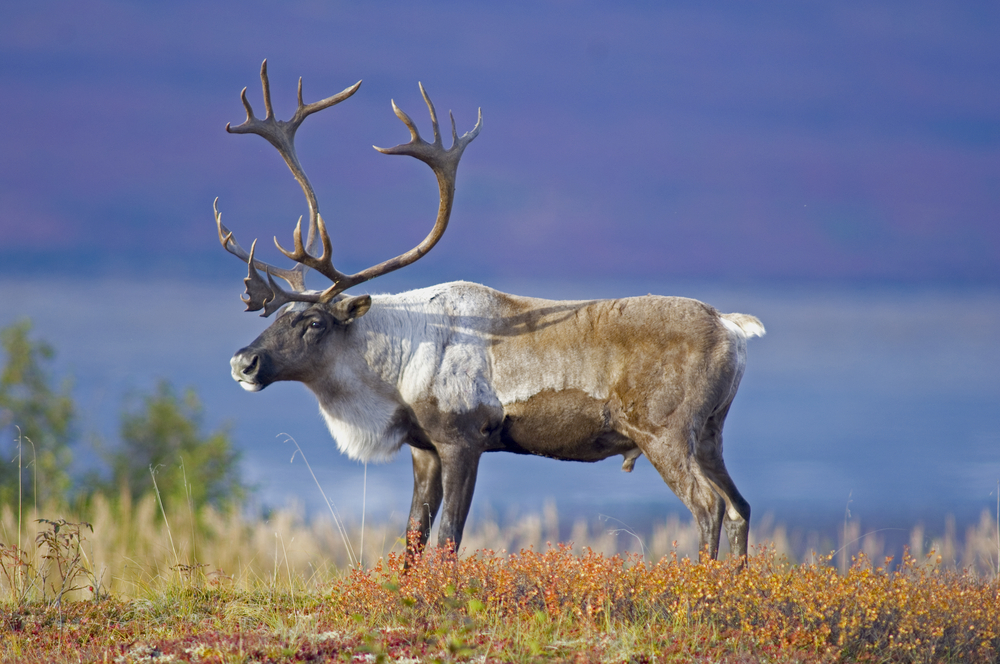
Wildlife within Denali National Park is among the most celebrated in North America. The park is famous for the “Big Five” mammals: Grizzly Bear, Gray Wolf, Moose, Caribou, and Dall Sheep. Other mammals include red foxes, lynx, wolverines, beavers, and snowshoe hares.
Birdlife is equally diverse, with golden eagles, gyrfalcons, ptarmigan, owls, and numerous migratory species inhabiting the park. Rivers and lakes support fish populations, while alpine and tundra ecosystems host a variety of specialized plants and insects adapted to northern conditions.
Denali National Park and Preserve plays a vital role in conserving one of the largest intact wilderness ecosystems on Earth. The park protects critical habitat for wildlife, preserves vast natural processes, and provides unparalleled opportunities for scientific research and environmental education.
Its conservation significance is often compared to Yellowstone National Park and Wrangell-St. Elias National Park and Preserve because of its immense scale, biodiversity, and wilderness character. Through its towering mountain, expansive tundra, thriving wildlife populations, and breathtaking landscapes, Denali National Park and Preserve stands as one of America’s greatest natural treasures and one of the premier wilderness destinations in the world.
Photos



Things to See
Things To Do
Engaging Denali National Park
Denali National Park Trails
The majority of hiking occurs off the park road, which means you need to know how to read a map, read a compass or be good with directions. This is remote rugged wilderness and exploring should be taken seriously.
Hikers get off the bus and hike and explore the wilderness in random treks versus marked trails. Hikers then make their way back to the road to be picked up by a bus returning back to the park entrance.


Park Protection
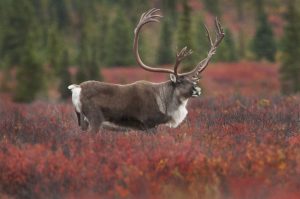 Denali National Park was created to protect the vast wilderness surrounding Denali, North America’s tallest mountain, along with the intact ecosystems of Alaska’s interior. The park provides critical habitat for iconic northern wildlife, including grizzly bears, gray wolves, caribou, Dall sheep, and moose. Its expansive protected landscapes allow these species to roam and migrate across largely undisturbed habitats, preserving natural ecological relationships on a scale rarely found elsewhere.
The park protects six million acres of tundra, boreal forest, alpine environments, glaciers, and mountain ecosystems. Denali itself rises 20,310 feet above sea level and dominates one of the most spectacular wilderness landscapes in the world. The park’s size and ecological integrity make it one of the finest examples of a functioning northern wilderness ecosystem. Together, Denali National Park safeguards Alaska’s iconic wildlife, vast wilderness, and the continent’s highest peak for future generations.
FAQ’s
What is the main reason people visit Denali National Park?
You visit Denali National Park and Preserve to experience an immense, largely undeveloped Alaskan wilderness dominated by North America’s highest mountain.
Denali rises to 20,310 feet above sea level, creating one of the greatest vertical mountain rises visible anywhere on Earth. The mountain towers above a landscape of tundra, braided rivers, spruce forest, glaciers, foothills, and the rugged Alaska Range.
The park is equally famous for wildlife. Many visitors hope to see Denali’s traditional “Big Five”: grizzly bears, wolves, moose, caribou, and Dall sheep. The best viewing opportunities often occur during a bus trip along Denali Park Road, where the open tundra and mountain slopes allow you to scan large areas without leaving the vehicle.
Denali is not primarily a park of developed viewpoints and roadside attractions. It protects approximately six million acres, including about two million acres of designated wilderness and another four million acres considered eligible for wilderness designation. Much of the park has no maintained trail system, buildings, or permanent roads.
Visitors come to see wildlife, ride a park bus into the wilderness, hike through tundra, photograph the Alaska Range, camp, watch the northern lights, travel by train, learn about sled dogs, and experience a landscape that still functions largely according to natural processes.
The mountain itself is not always visible. Clouds frequently cover its summit and sometimes hide the entire mountain. A Denali visit should therefore be planned around the broader wilderness experience rather than depending entirely on one mountain view.
What animals can visitors hope to see in Denali National Park?
Denali supports 39 documented mammal species, 169 bird species, one amphibian species, and numerous fish and invertebrates. Its habitats range from low-elevation boreal forest to alpine tundra, glaciers, rivers, wetlands, and permanently snow-covered peaks.
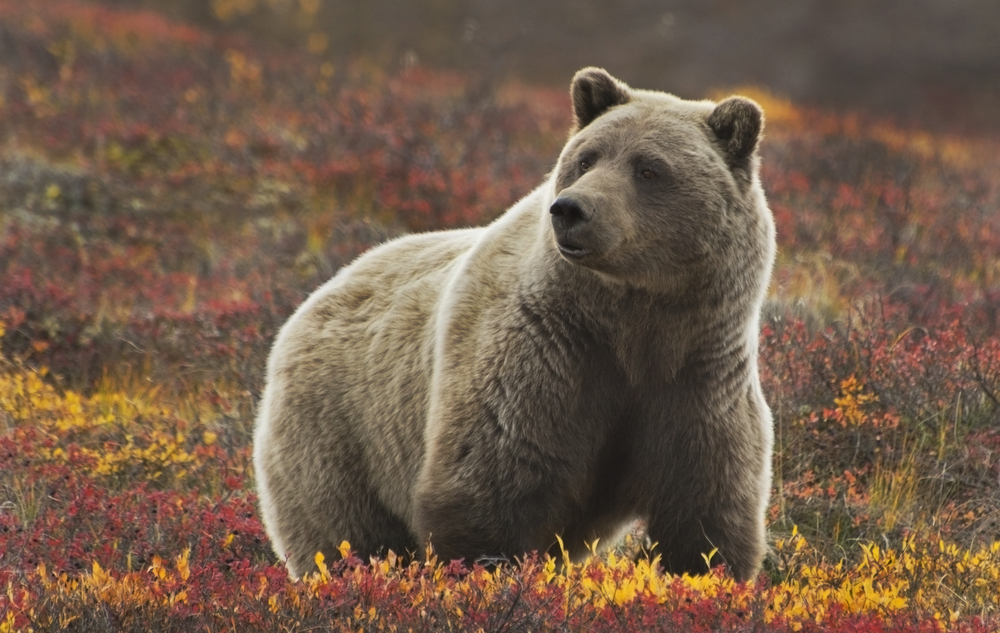
Grizzly bears are among the park’s most sought-after animals. They may be seen digging for roots, feeding on berries, searching for ground squirrels, or traveling across open tundra. Denali’s interior grizzlies are generally smaller than coastal brown bears because they do not have dependable access to calorie-rich salmon.
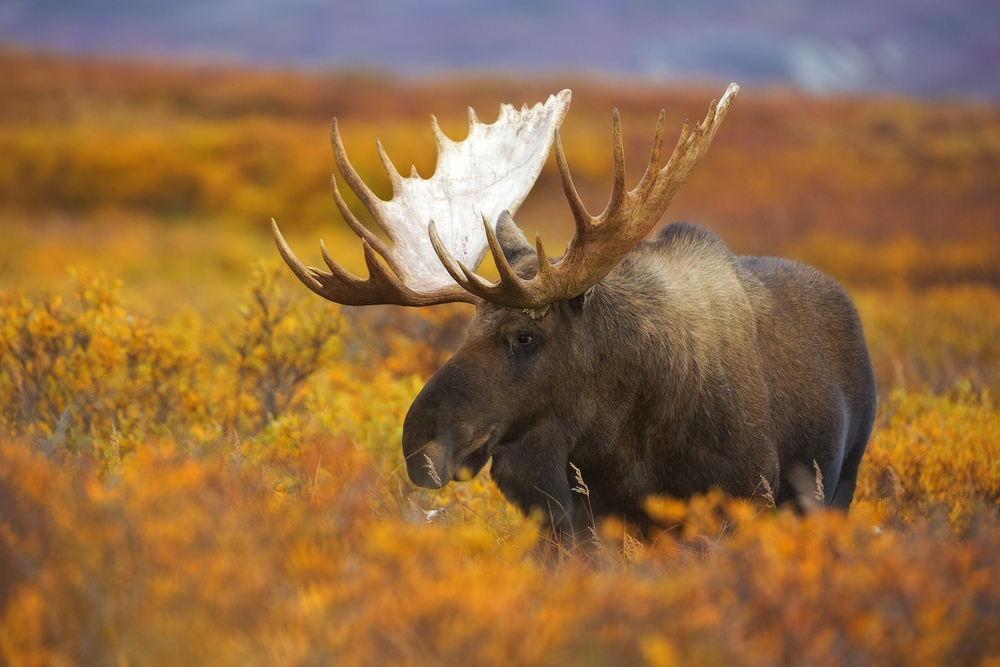
Caribou travel through open tundra, river valleys, and mountain passes. Moose are commonly associated with willow thickets, wetlands, and forested areas near the park entrance. Dall sheep occupy steep alpine slopes where they can more easily escape predators.
Wolves remain one of the park’s most exciting but least predictable sightings. They travel enormous distances and may appear briefly before disappearing behind ridges or into vegetation.
Some of the most notable mammals found in Denali National Park include:
- Grizzly Bear
- Black Bear
- Gray Wolf
- Moose
- Caribou
- Dall Sheep
- Muskox (nearby regions)
- Red Fox
- Arctic Fox
- Canada Lynx
- Wolverine
- Coyote
- River Otter
- American Beaver
- Mink
- Ermine
- Least Weasel
- Marten
- Hoary Marmot
- Arctic Ground Squirrel
- Red Squirrel
- Northern Flying Squirrel
- Snowshoe Hare
- Collared Pika
- Meadow Vole
- Tundra Vole
- Singing Vole
- Deer Mouse
- Muskrat
- Northern Bog Lemming
- Brown Lemming
- Masked Shrew
- Arctic Shrew
- Water Shrew
- Little Brown Bat
- Keen’s Myotis
- Silver-haired Bat
- Hoary Bat
- Various Small Mammals
Denali’s mammals range in size from tiny shrews weighing roughly as much as a coin to moose that can exceed 1,200 pounds.
The wood frog is Denali’s only amphibian. It survives the subarctic winter by allowing portions of its body to freeze while natural compounds protect its cells.
Your best wildlife-viewing opportunities are generally during the early morning and evening or from a park bus. Animals may be far away, so binoculars are extremely useful. Wildlife sightings are never guaranteed, and passengers may spend long periods scanning the landscape before an animal appears.
What birds can visitors hope to see in Denali National Park?
Denali has 169 documented bird species. Some are year-round residents, while many others migrate enormous distances to nest and feed during Alaska’s brief summer.
Golden eagles are among the park’s most impressive birds. They nest on cliffs and hunt ground squirrels, snowshoe hares, and other prey across open tundra. Denali supports an important breeding population, although many golden eagles migrate away during autumn.
Willow ptarmigan, Alaska’s state bird, changes from mottled brown summer plumage to nearly white winter plumage. Rock and white-tailed ptarmigan are found at progressively higher elevations.
Other characteristic birds include common ravens, Canada jays, northern hawk owls, short-eared owls, American dippers, Lapland longspurs, northern wheatears, and several species of falcon.
Some of the most popular birds seen in Denali National Park include:
- Golden Eagle
- Bald Eagle
- Gyrfalcon
- Peregrine Falcon
- Merlin
- Rough-legged Hawk
- Northern Harrier
- Short-eared Owl
- Great Horned Owl
- Northern Hawk Owl
- Snowy Owl
- Common Raven
- Gray Jay
- Black-billed Magpie
- Boreal Chickadee
- Black-capped Chickadee
- American Dipper
- Varied Thrush
- Hermit Thrush
- American Robin
- Northern Wheatear
- Lapland Longspur
- Savannah Sparrow
- White-crowned Sparrow
- Fox Sparrow
- Dark-eyed Junco
- American Tree Sparrow
- Rusty Blackbird
- Red-winged Blackbird
- Pine Grosbeak
- Common Redpoll
- Hoary Redpoll
- Pine Siskin
- White-winged Crossbill
- Red Crossbill
- Wilson’s Warbler
- Yellow Warbler
- Orange-crowned Warbler
- Northern Waterthrush
- Sandhill Crane
- Trumpeter Swan
- Tundra Swan
- Canada Goose
- Greater White-fronted Goose
- Northern Pintail
- Green-winged Teal
- Harlequin Duck
- Common Goldeneye
- Arctic Tern
- Long-tailed Jaeger
Bird abundance can change considerably from year to year as food supplies fluctuate. Northern hawk owls, short-eared owls, crossbills, and redpolls may be conspicuous during one season and nearly absent during another.
Late May through June is generally the best period for breeding activity and birdsong. Migrants begin departing during August, while ptarmigan, ravens, chickadees, woodpeckers, and several other hardy species remain through winter.
Is Denali National Park worth visiting?
Yes, Denali National Park and Preserve is absolutely worth visiting, particularly when you value wilderness, wildlife, mountains, photography, hiking, or remote landscapes.
Denali is not a predictable sightseeing destination. The mountain may remain hidden, rain may fall for several days, and wildlife may be distant. The park’s appeal comes from experiencing a functioning subarctic ecosystem rather than moving quickly among guaranteed attractions.
A park bus trip can carry you through broad tundra valleys where bears, caribou, wolves, moose, and Dall sheep still live within an extensive protected landscape. Even when wildlife is limited, the changing scenery, braided rivers, colorful tundra, and Alaska Range can make the journey memorable.
The park is also worthwhile because it offers many levels of adventure. You can walk short trails near the entrance, join a narrated bus tour, camp, cycle, hike without a formal trail, travel by train, or undertake a serious wilderness expedition.
There are several reasons some visitors may hesitate. Denali is remote, summer lodging can be expensive, bus trips are long, mosquitoes can be bothersome, weather is unpredictable, and the mountain may never emerge from the clouds. The main road is also affected by a major landslide closure through the 2026 season.
Those limitations do not make Denali less worthwhile, but they make advance planning and realistic expectations essential.
What is the best time to visit Denali National Park?
The principal visitor season runs from May 20 through approximately mid-September. This is the only period when the full summer visitor operation and scheduled park buses are available.
Late May and June
Late May through June offers long daylight, snow remaining on the mountains, active wildlife, nesting birds, and relatively fresh spring vegetation.
Moose calves, caribou calves, bear cubs, and young Dall sheep may be present, although every wildlife sighting depends on location and chance. Wildflowers begin appearing as snow retreats.
Temperatures are highly variable. Days can be mild, but freezing nights, rain, sleet, or snow remain possible. Mosquitoes usually become more noticeable as June progresses.
This is an excellent period for photography and wildlife, particularly when you are comfortable with cool and unpredictable weather.
July
July generally offers the warmest weather and the longest range of available services. Wildflowers may be abundant, trails are more likely to be snow-free, and bus operations are fully active.
It is also the busiest part of the season. Lodging, bus tickets, campgrounds, rental cars, and train seats may sell out well ahead.
Rain is common, and mosquitoes can be intense in wetlands, forest, and sheltered tundra. A warm sunny morning can become cold and wet within a short period.
August
August is one of the best overall months for wildlife and changing tundra colors.
Berries ripen, bears feed actively, and moose and caribou become increasingly conspicuous as autumn approaches. Tundra vegetation may begin changing to red, orange, and gold by late August.
Temperatures become cooler, nights grow darker, and the first opportunities to see the aurora may return. Snow can fall at higher elevations and occasionally near the park road.
September
Early September can be spectacular. Autumn colors may reach their peak, mosquitoes decline, animals remain active, and darkness makes northern-light viewing possible.
The season changes quickly, however. Freezing temperatures and snow may arrive at any time. Summer bus service generally ends during the second week after Labor Day, and many hotels, restaurants, and visitor facilities close soon afterward.
Winter and spring
Denali remains open during winter, but the experience is entirely different. Most of the park road is closed, daylight is extremely limited in early winter, and temperatures may fall far below zero.
Winter visitors come for cross-country skiing, snowshoeing, fat-tire cycling, dog-sled demonstrations, northern lights, and solitude. Only limited visitor and campground facilities remain open.
Spring is brief and usually occurs during late April and early May. Typical highs may reach the 40s or 50s°F, while nights often remain at or below freezing. Winter conditions can persist almost until the beginning of the summer season.
For most first-time visitors, the best period is from early June through early September. Late August often provides the best combination of wildlife, autumn color, fewer mosquitoes, and increasing darkness.
How many days do you need to visit Denali National Park?
You should plan on spending at least two full days at Denali. Three days is better when you want to take a park bus, hike, attend ranger programs, and allow time for poor weather.
With one day, you can visit the entrance area, complete a short hike, and take a bus trip or another organized activity. However, a long bus excursion may consume nearly the entire day.
With two days, you can devote one day to the park road and wildlife viewing and use the second for hiking, ranger programs, the sled-dog kennels, cycling, rafting, or another excursion.
Three days provides valuable flexibility. The mountain may be hidden on your first two days and appear briefly on the third. Rain, smoke, transportation delays, or wildlife activity can also alter your plans.
Four or more days may be worthwhile for backpackers, photographers, serious wildlife watchers, cyclists, or visitors combining Denali with flightseeing and more remote portions of the region.
For most first-time visitors, three nights and two full days is a practical minimum. Four nights and three full days creates a more satisfying and less hurried visit.
How do you get to Denali National Park?
Denali National Park and Preserve is in interior Alaska between Anchorage and Fairbanks. The park has one primary road entrance where Denali Park Road meets Alaska Highway 3, also called the George Parks Highway.
The entrance is approximately 237 road miles north of Anchorage and about 120 miles south of Fairbanks.
Flying into Anchorage
Ted Stevens Anchorage International Airport is the most common arrival point for visitors beginning a broader Alaska trip.
The drive from Anchorage to Denali generally takes approximately four-and-a-half to five-and-a-half hours without extended stops. You follow the Parks Highway north through Wasilla and the Susitna Valley toward Cantwell and the park entrance.
Anchorage offers the state’s broadest selection of flights, rental vehicles, hotels, equipment, and visitor services. It is usually the best gateway when Denali is part of an itinerary that also includes Seward, Kenai Fjords, Prince William Sound, or other Southcentral Alaska destinations.
Flying into Fairbanks
Fairbanks International Airport is the closest major commercial airport to Denali.
The drive from Fairbanks generally takes about two to two-and-a-half hours. The Parks Highway travels south through Nenana and Healy before reaching the park entrance.
Fairbanks may be the most efficient option when Denali is your principal destination or when you are continuing into Alaska’s Interior. It also offers rental cars, hotels, grocery stores, and regular air service.
Driving from Anchorage
From Anchorage, travel north on Alaska Highway 1 before continuing onto Alaska Highway 3, the Parks Highway.
The route passes through or near Wasilla, Willow, Talkeetna, and Cantwell. It is paved and suitable for ordinary passenger vehicles during summer.
Traffic, construction, rain, wildlife, and scenic stops may lengthen the journey. Fuel and food are available in several communities, but distances between services increase as you travel north.
Driving from Fairbanks
From Fairbanks, follow the Parks Highway south toward Nenana, Healy, and Denali.
The route is paved and is generally the simplest road approach. Healy, approximately 11 miles north of the park entrance, provides lodging, food, fuel, and additional services.
Traveling by train
The Alaska Railroad’s Denali Star connects Anchorage, Talkeetna, Denali, and Fairbanks during the summer.
For 2026, scheduled Denali Star service runs from May 13 through September 17. The northbound train leaves Anchorage in the morning and reaches Denali during the afternoon before continuing to Fairbanks. The southbound train departs Fairbanks in the morning and reaches Denali shortly after noon.
The train is scenic and removes the need to drive, but it requires careful coordination with lodging and activities. Many local hotels provide scheduled transportation between the railroad depot and their properties, but this should be confirmed before booking.
Rail travel is much slower than driving, particularly from Anchorage, but the journey itself is part of the experience.
Traveling by bus or motorcoach
Seasonal commercial motorcoaches connect Anchorage, Talkeetna, Denali, and Fairbanks. Schedules vary by operator and usually run only during the main summer season.
A motorcoach may be useful when you do not want to rent a car, but you should coordinate it with hotel check-in times, park bus reservations, and rail connections.
Arriving without a rental car
It is possible to visit Denali without a personal vehicle, particularly when you arrive by train or motorcoach and stay near the park entrance.
However, transportation between hotels, restaurants, the railroad station, and park facilities varies considerably. Some properties offer shuttles, while others do not. Confirm all transfers before finalizing your trip.
There is no large town immediately inside the park. Most commercial lodging and restaurants are clustered near the entrance and in the nearby communities of Denali Park and Healy.
Who is involved in protecting and supporting Denali National Park?
Several organizations help protect Denali National Park:
- National Park Service – manages Denali National Park.
- Denali Education Center – supports education, stewardship, and visitor programs.
- National Park Foundation – supports projects throughout the National Park System.
- Alaska Geographic – supports educational and conservation initiatives in Alaska’s public lands.
- Researchers, volunteers, Indigenous communities, and conservation organizations that help preserve the park’s ecosystems and cultural heritage.
How tall is Denali?
Denali stands at 20,310 feet (6,190 meters), making it the highest mountain in North America and one of the most prominent peaks in the world.
Can you drive through Denali National Park?
During the main summer season, ordinary private vehicles are generally allowed only to Savage River at Mile 15. Most travel farther into the park is by authorized transit or narrated tour bus.
Special campground permits and occasional road-lottery events may allow limited private access under specific rules, but these should not be considered normal daily entry.
In 2026, buses travel only to Mile 43 because of the Pretty Rocks Landslide closure.
What is unique about Denali National Park and Preserve?
Denali is unique because it protects North America’s highest mountain within one of the continent’s largest intact wilderness ecosystems.
The park’s elevation extends from low forested valleys to the 20,310-foot summit of Denali. This range produces boreal forest, wetlands, shrub tundra, alpine tundra, glaciers, permanent snow, and exposed rock within one protected area.
Denali is also unusual because natural ecological relationships remain largely intact. Grizzly bears, wolves, caribou, moose, Dall sheep, wolverines, lynx, and other native animals continue to live within a vast connected landscape.
Only one road enters deeply into the park. Restricting most private vehicles beyond the entrance area reduces traffic, limits disturbance, and allows visitors to experience wildlife and scenery primarily through a managed bus system.
The mountain’s name also carries cultural importance. “Denali” comes from the Koyukon Athabascan language and is commonly translated as “the high one” or “the tall one.” The federal government officially restored Denali as the mountain’s name in 2015.
Denali’s mountaineering history adds another dimension. Most climbers approach by aircraft and land on the Kahiltna Glacier before beginning multiweek expeditions. Reaching the summit requires technical experience, glacier travel, acclimatization, and survival in severe weather.
Few national parks combine such a high mountain, large glaciers, intact predator-prey relationships, roadless wilderness, Indigenous heritage, scientific research, mountaineering, and accessible wildlife viewing.
What is the difference between a transit bus and a narrated tour bus in Denali?
Transit buses are designed for flexible park travel. They are less expensive, make wildlife stops, and allow passengers to leave and later board another available transit bus when space permits.
Narrated tour buses provide a structured excursion with a driver-naturalist who interprets wildlife, geology, history, and the landscape. Passengers generally remain with the same bus for the full tour.
Both options use the same park road and may stop for wildlife. In 2026, all routes are shortened by the Mile 43 closure.
Can you hike without a trail in Denali National Park and Preserve?
Yes. Much of Denali’s backcountry has no maintained trail system, and off-trail hiking is a normal way to explore the wilderness.
That freedom requires good judgment. Tundra may be wet, brush can be extremely dense, river crossings may be dangerous, and wildlife encounters are possible. Carry a map, compass, bear spray, waterproof clothing, and emergency equipment.
Backcountry camping may require a permit, orientation, approved food storage, and assignment to a geographic unit. Campers should prepare for complete self-reliance.
Can you see the northern lights in Denali National Park and Preserve?
Yes, but not during the brightest part of summer.
From approximately May through much of July, nights remain too light for dependable aurora viewing. Darkness gradually returns during August, improving the opportunity to see the northern lights.
September through early spring provides the darkest skies, but cloud cover and auroral activity remain unpredictable. Autumn offers a useful compromise because some visitor services may still be available while nights are dark enough for aurora viewing.
Winter provides long periods of darkness and potentially excellent displays, but visitors must be prepared for severe cold, limited services, and restricted road access.
Sources
- Alaska, Denali National Park, https://www.alaska.org/destination/denali-national-park, retrieved November 2019.
- Department of the Interior, 9 Things you didn’t know about Denali National Park and Preserve, https://www.doi.gov/blog/9-things-you-didnt-know-about-denali-national-park-and-preserve, retrieved November 2019.
- Live Science, Denali, Facts About North America’s Tallest Mountain, https://www.livescience.com/40595-denali-mount-mckinley.html, retrieved November 2019.
- National Geographic, Everything to know about Denali National Park and Preserve, https://www.nationalgeographic.com/travel/national-parks/denali-national-park/, retrieved November 2019.
- National Park Service, Denali, https://www.nps.gov/dena/index.htm, retrieved November 2019.
- Travel Alaska, Denali National Park and Preserve, https://www.travelalaska.com/Destinations/Parks-and-Public-Lands/Denali-National-Park-and-Preserve.aspx, retrieved November 2019.