

About
Big Bend National Park is located in far southwestern Texas along the border with Mexico, where the Rio Grande forms a natural boundary between the two countries. Established in 1944, the park covers approximately 1,252 square miles (3,242 sq km), making it one of the largest national parks in the contiguous United States.
The park is named for the dramatic bend of the Rio Grande that curves around the region and encompasses a remarkable diversity of landscapes, including desert basins, rugged mountains, deep canyons, and river corridors. Neighboring protected areas include Black Gap Wildlife Management Area and Mexico’s Maderas del Carmen Biosphere Reserve, together creating one of North America’s most significant transboundary conservation regions.
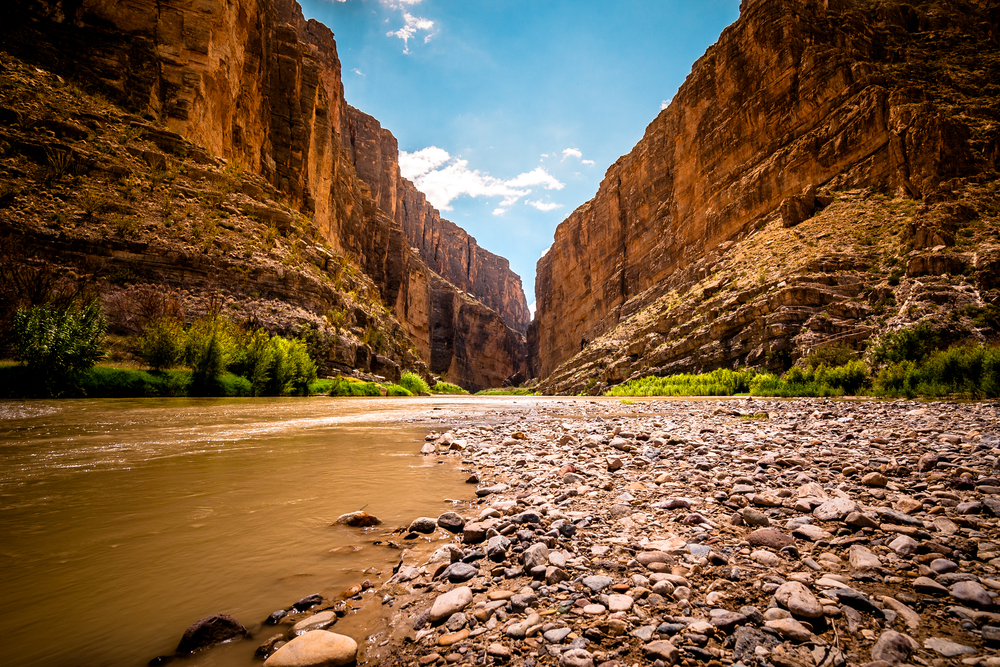
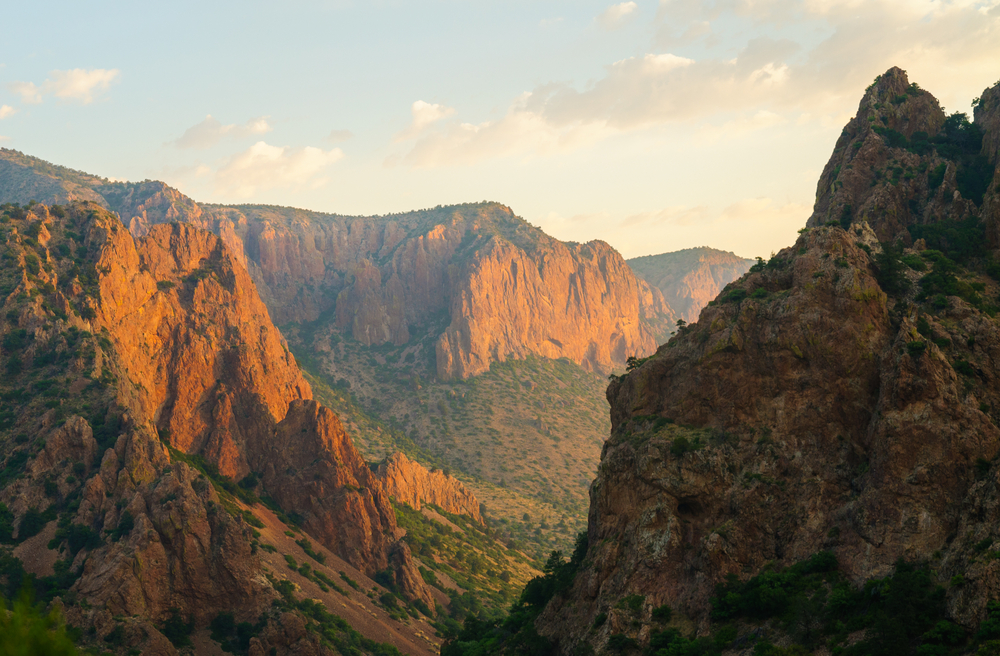
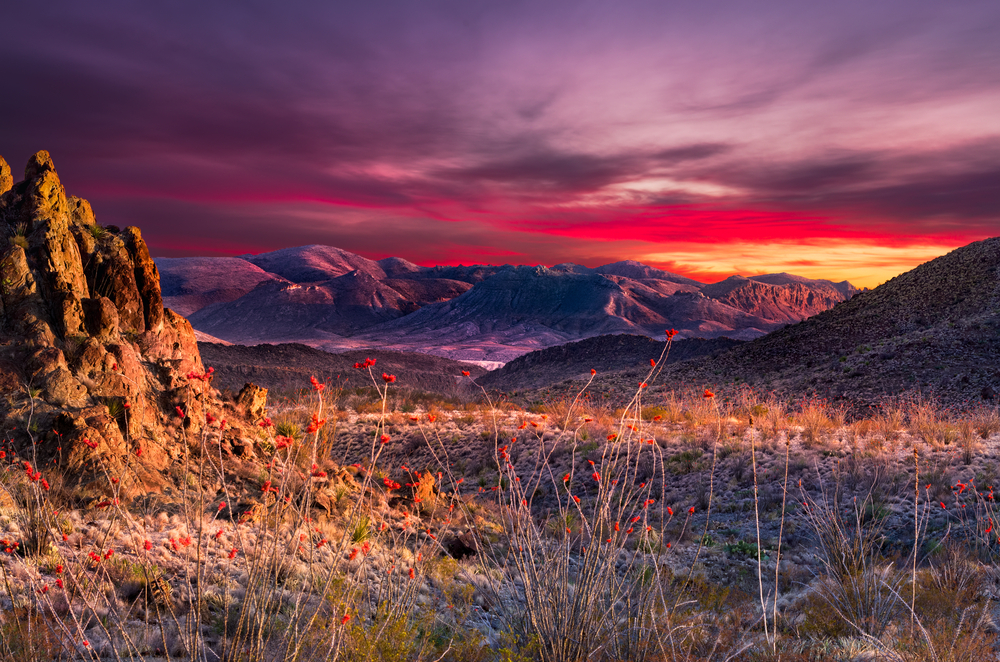
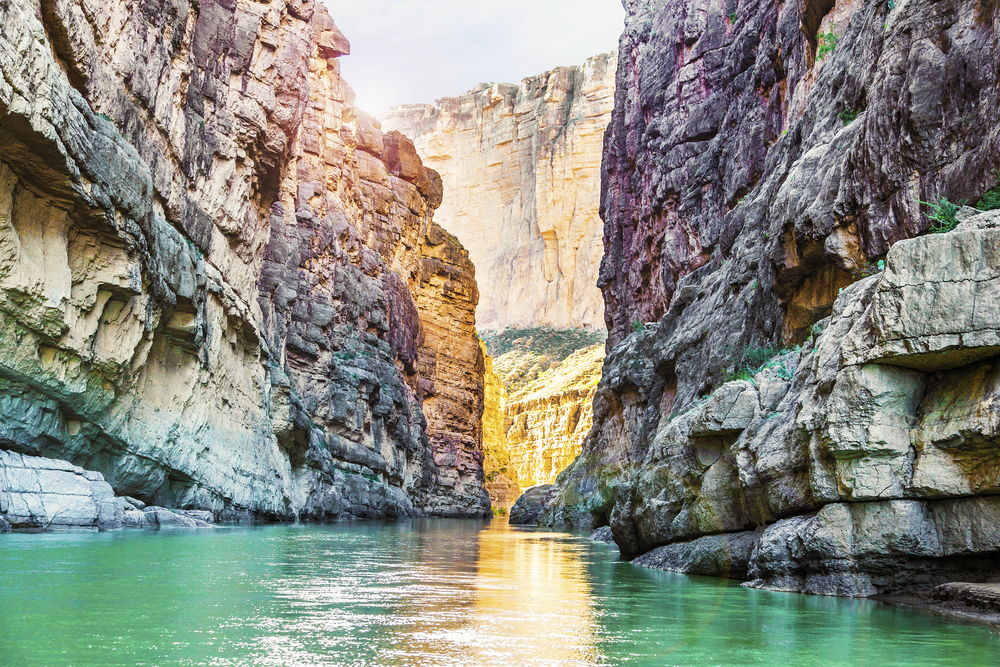
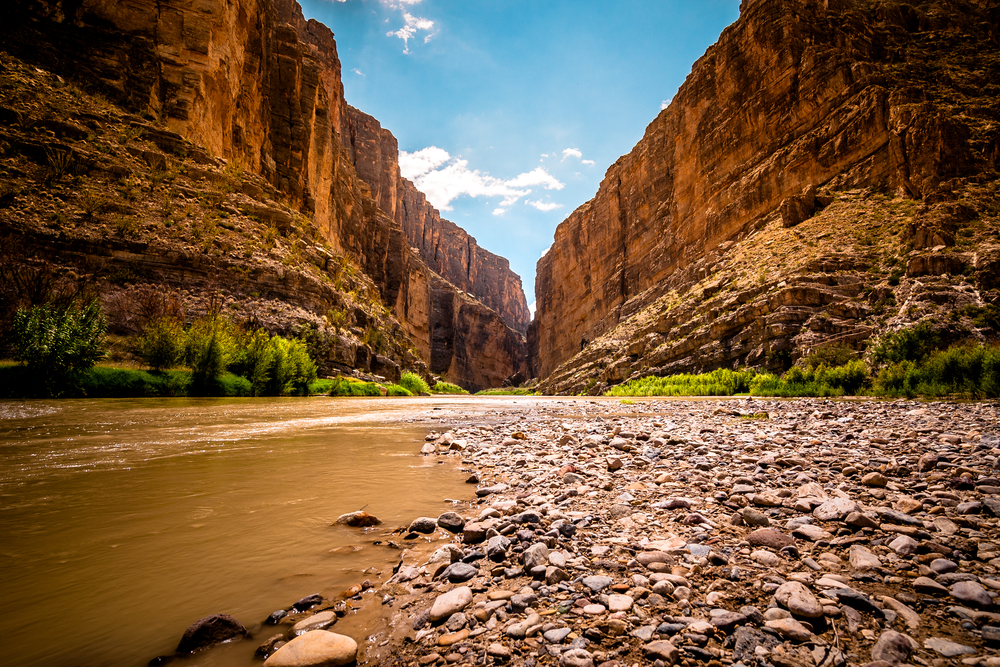
The park is best known for its spectacular desert scenery and extraordinary remoteness. Visitors travel from around the world to experience the dramatic landscapes of the Chihuahuan Desert, one of the most biologically diverse deserts on Earth. Popular attractions include the breathtaking Santa Elena Canyon, where towering limestone cliffs rise more than 1,500 feet (460 m) above the Rio Grande, and the scenic Ross Maxwell Drive, which traverses some of the park’s most iconic landscapes.
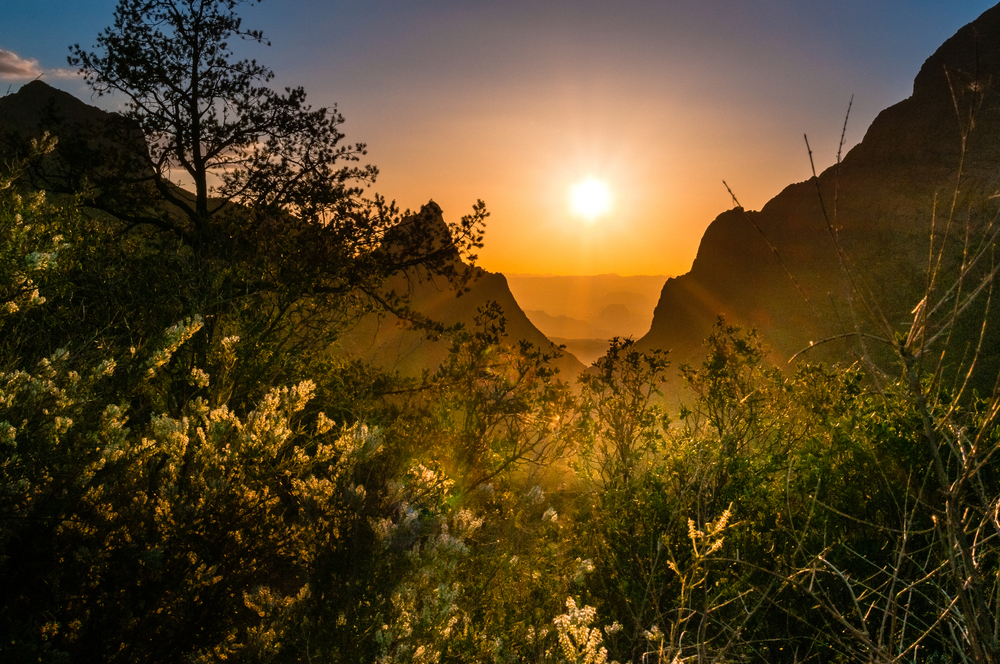
The Chisos Mountains, located entirely within the park, offer cooler temperatures, forested trails, and stunning panoramic views. Big Bend is also recognized as one of the premier stargazing destinations in the United States due to its exceptionally dark night skies.
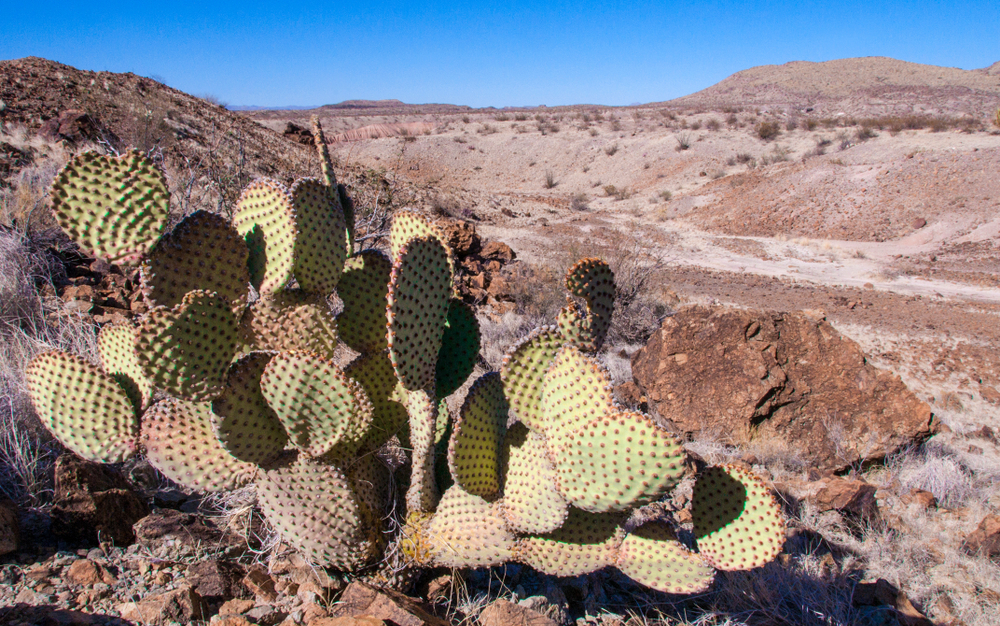
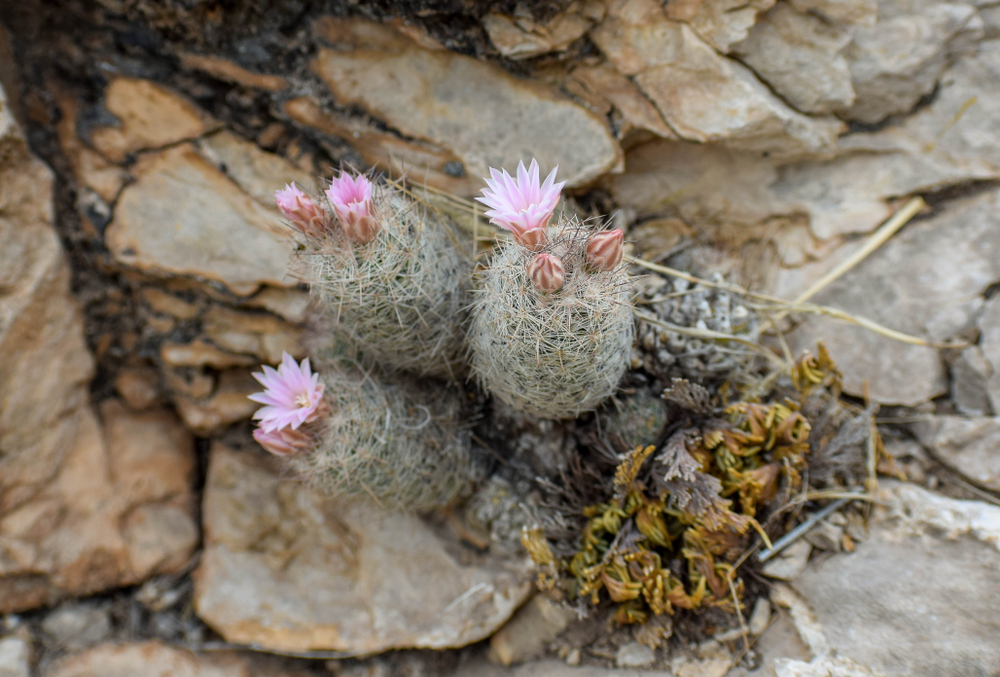
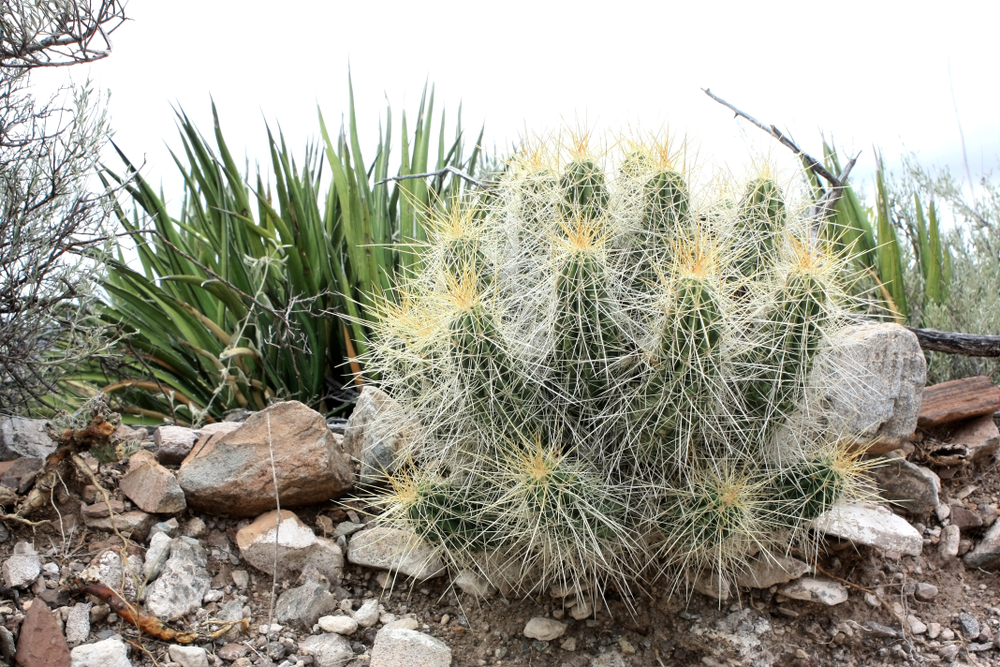
Geographically, Big Bend National Park is a land of striking contrasts. Vast desert plains dominated by creosote bush, lechuguilla, and cacti stretch across much of the park, while the Chisos Mountains rise dramatically from the desert floor to elevations exceeding 7,800 feet (2,377 m). The Rio Grande carves deep canyons through limestone and volcanic formations, creating unique riparian habitats.
Volcanic activity, erosion, and tectonic forces have shaped the landscape over thousands of years, resulting in a rich variety of geological features. This diversity of elevations and habitats supports one of the most ecologically complex environments in the American Southwest.
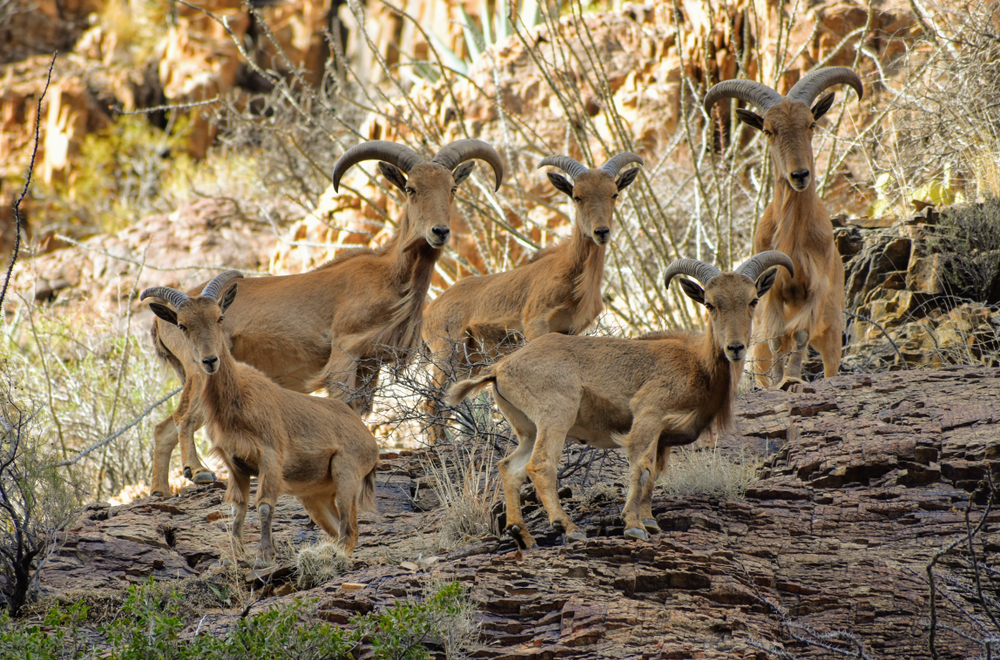
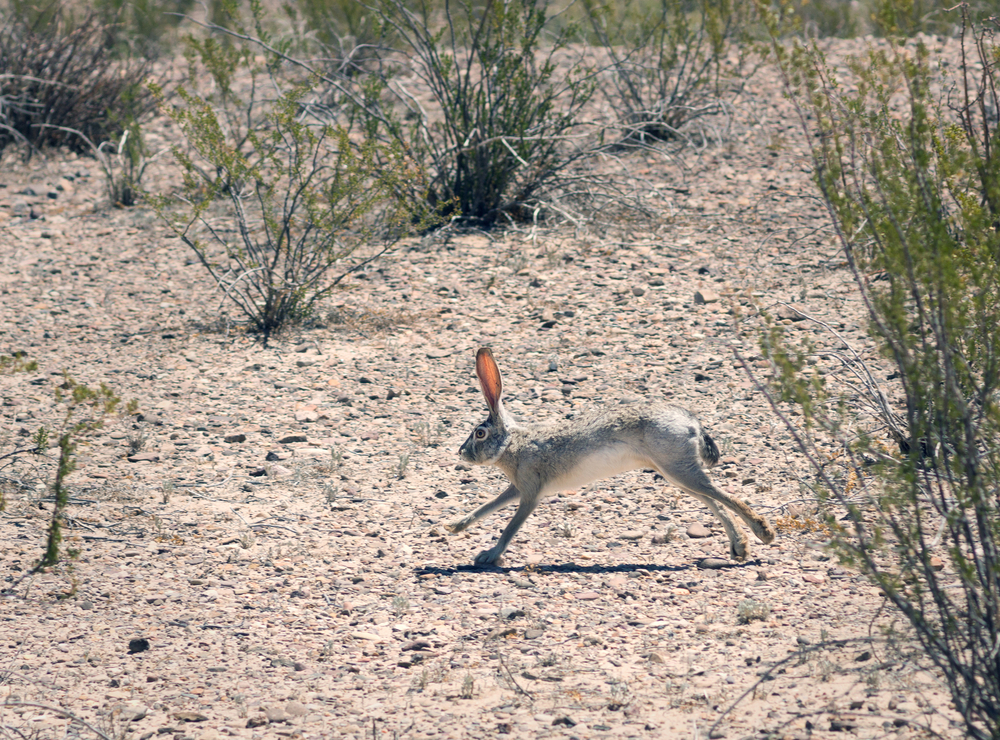
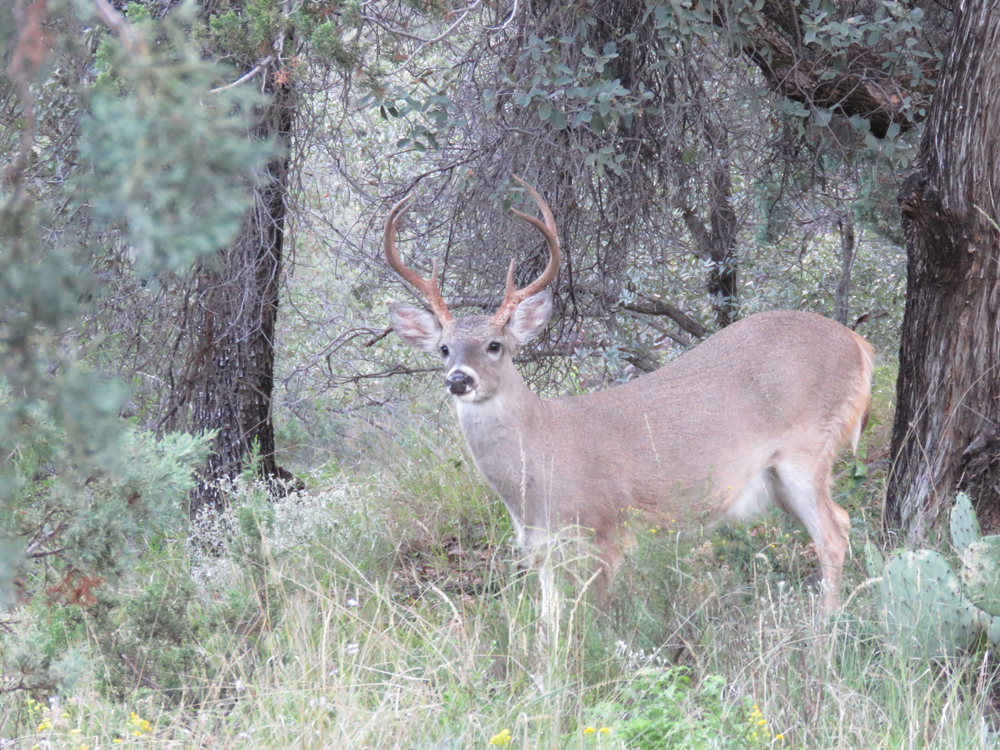
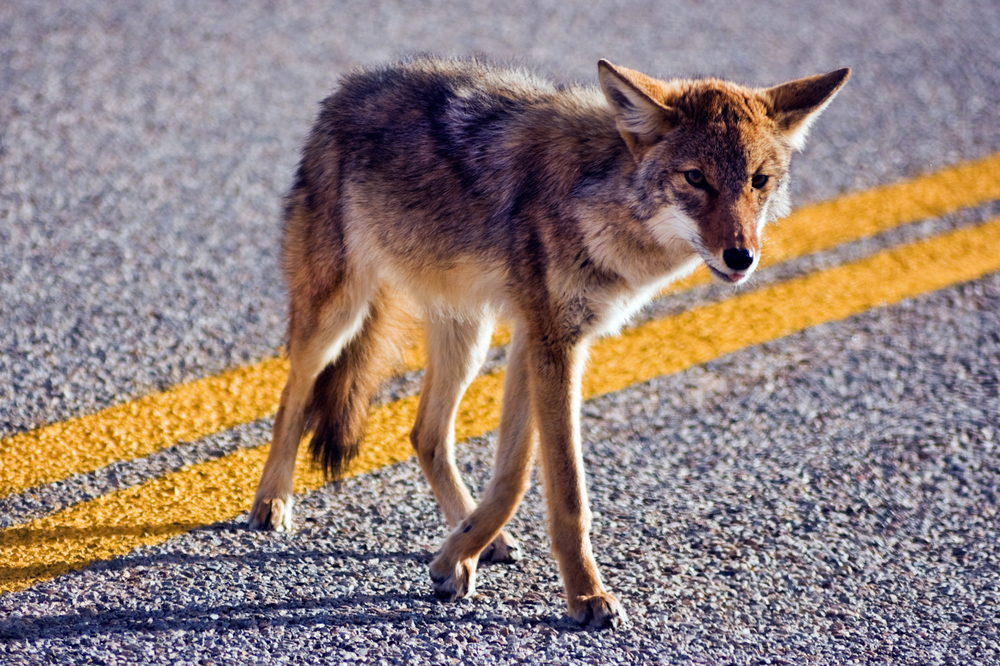
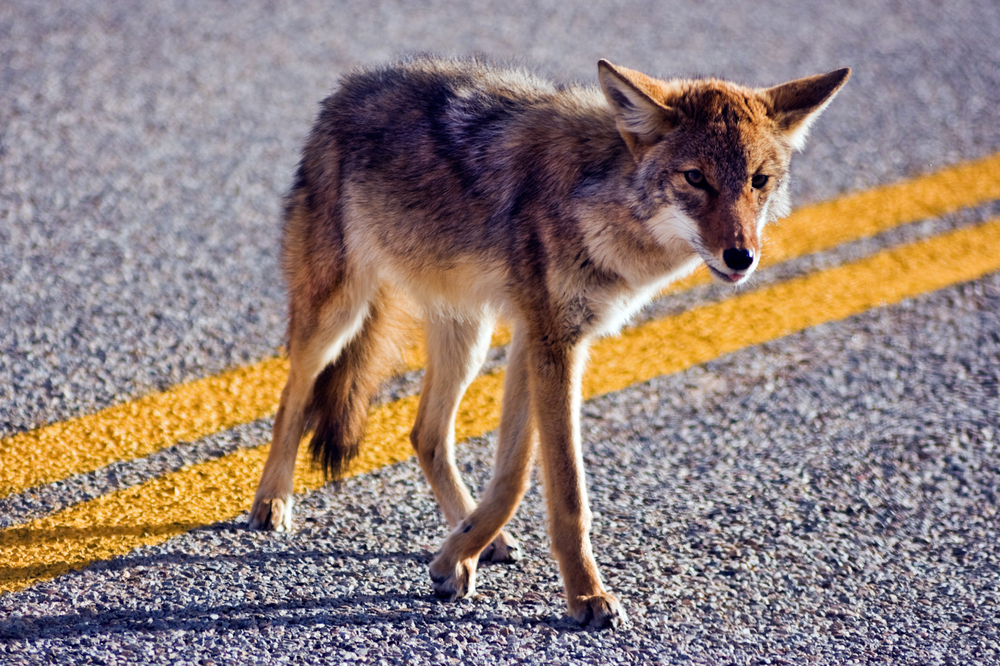
Wildlife is exceptionally diverse throughout the park. More than 75 mammal species have been recorded, including black bears, mountain lions, mule deer, javelinas, coyotes, bobcats, and ringtails. Big Bend is one of the few places in Texas where black bears have successfully reestablished populations after decades of absence.
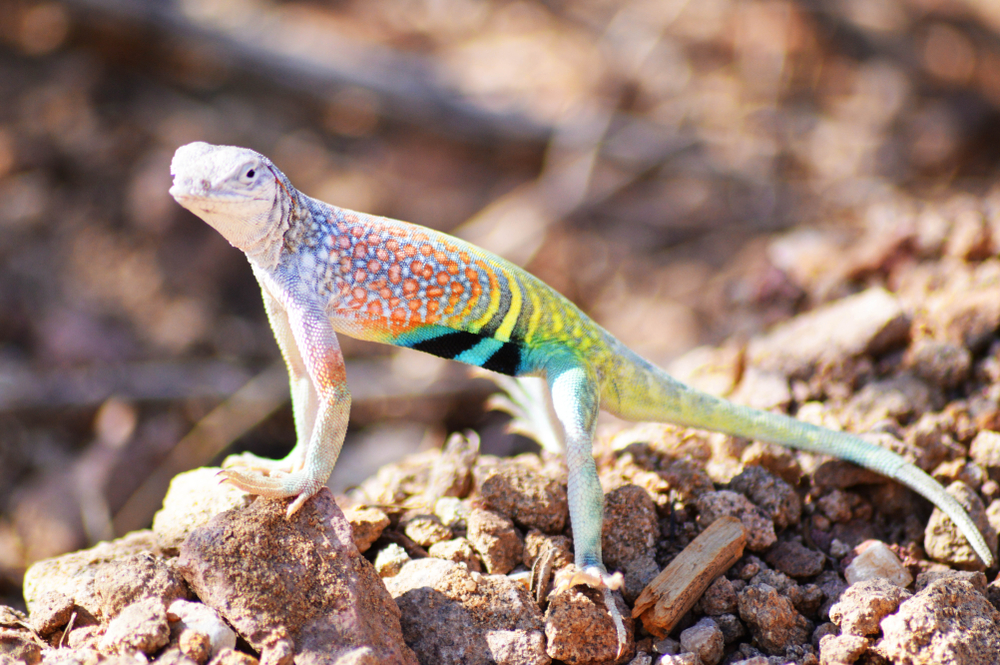
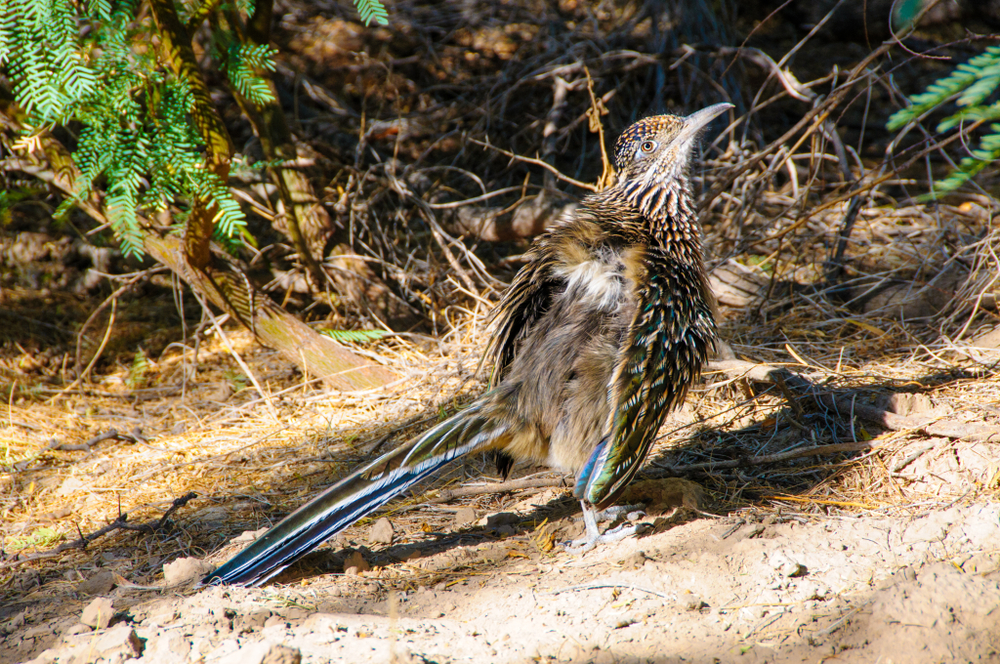
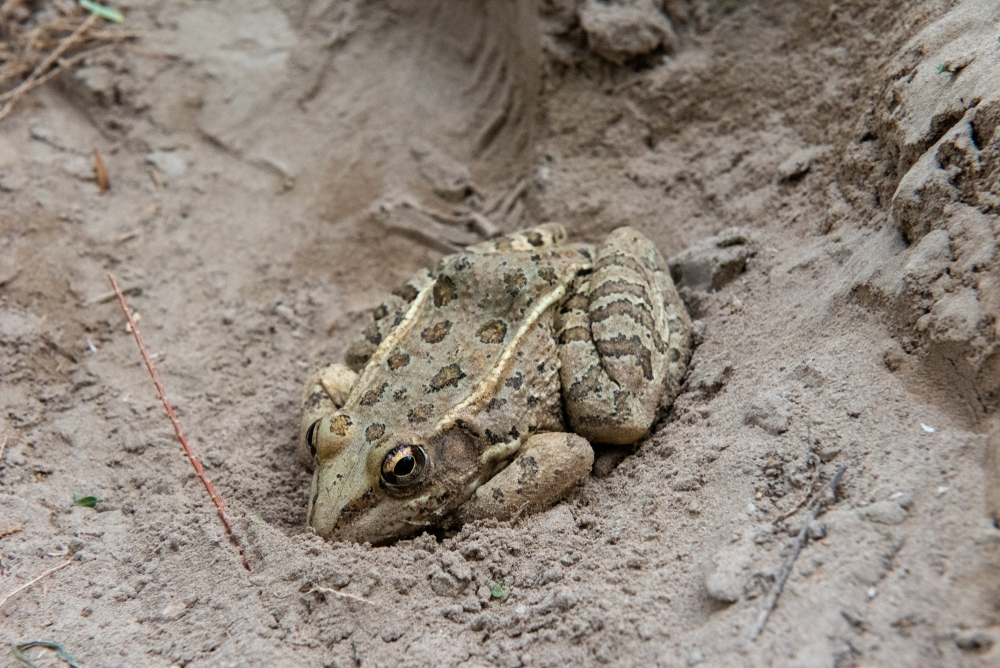
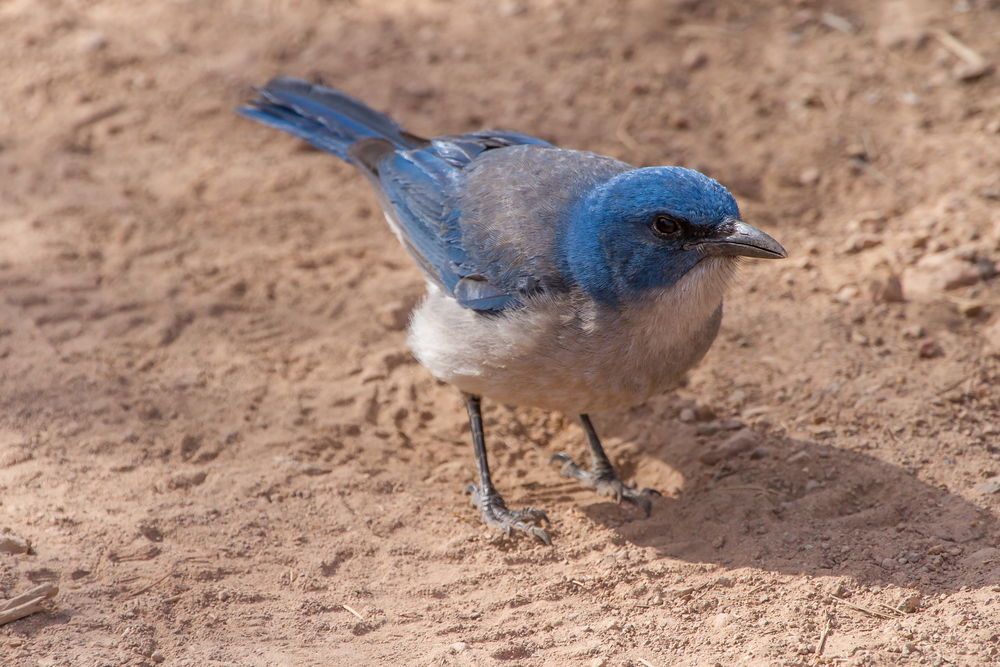
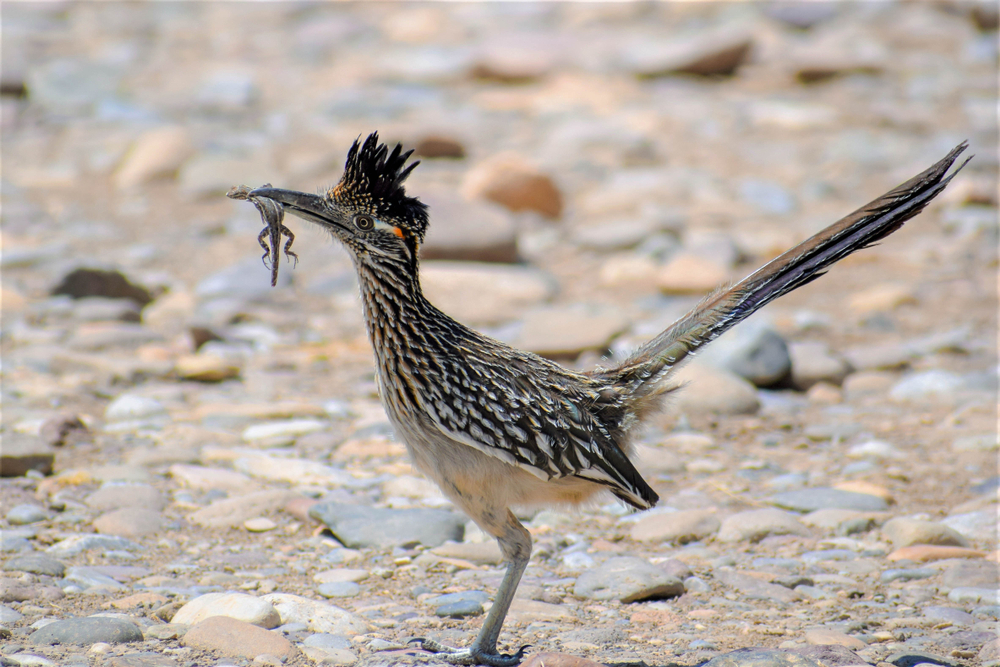
Birdwatchers are drawn to the park’s remarkable avian diversity, with more than 450 species recorded, making it one of the premier birding destinations in North America. Roadrunners, golden eagles, peregrine falcons, hummingbirds, and numerous migratory species inhabit the park. Reptiles, amphibians, and a wide variety of desert-adapted plants further contribute to its biological richness.
Big Bend National Park protects one of the largest intact sections of the Chihuahuan Desert and serves as a critical refuge for numerous rare and sensitive species. The park preserves important migration corridors, desert ecosystems, and mountain habitats while safeguarding the cultural heritage of Indigenous peoples, ranching communities, and early settlers.
Its ecological significance is often compared to iconic desert parks such as Saguaro National Park and Death Valley National Park, yet Big Bend stands apart through its combination of desert, mountain, and river environments. Through its vast wilderness, extraordinary biodiversity, dramatic canyons, and world-class dark skies, Big Bend National Park remains one of the most remarkable protected landscapes in the United States.
Photos




Things to See
Things To Do
Big Bend National Park Trails
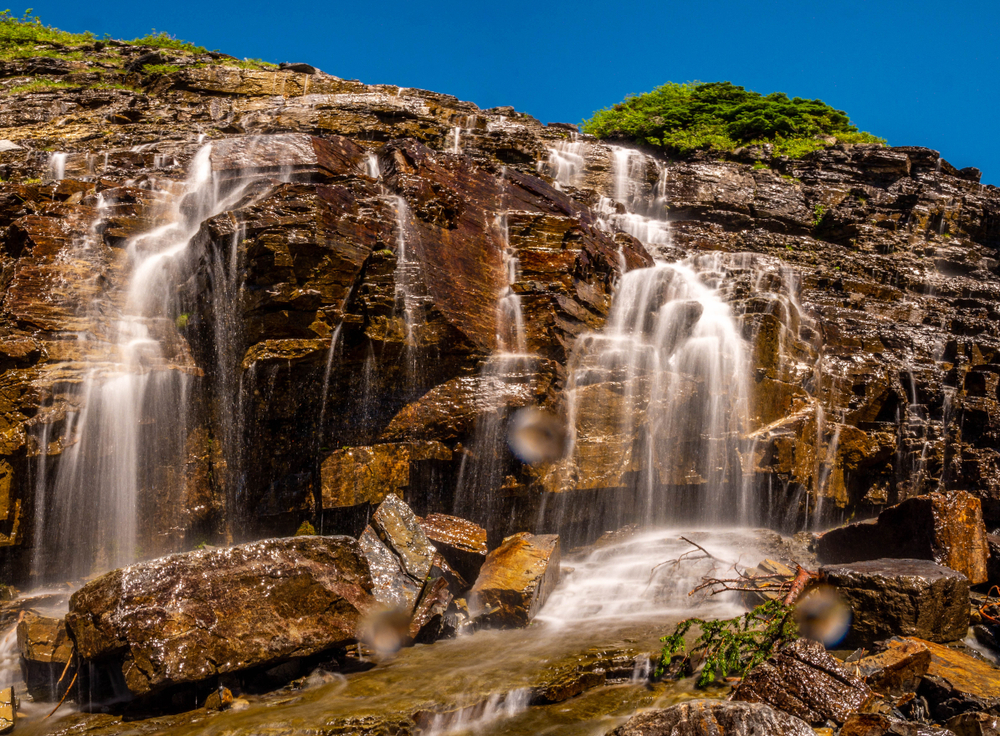
Big Bend is a large national park with several opportunities to hike and explore the splendor of this Texas national park gem.

FAQ’s
What is the main reason people visit Big Bend National Park?
Big Bend National Park is primarily visited for its spectacular desert landscapes, rugged mountains, scenic canyons, and exceptional outdoor recreation opportunities. Located in southwest Texas along the Rio Grande and the border with Mexico, Big Bend protects over 800,000 acres of Chihuahuan Desert wilderness.
Visitors come to hike dramatic trails, explore river canyons, enjoy scenic drives, observe wildlife, stargaze under some of the darkest skies in North America, and experience one of the most remote and diverse national parks in the United States.
What animals can visitors hope to see in Big Bend National Park?
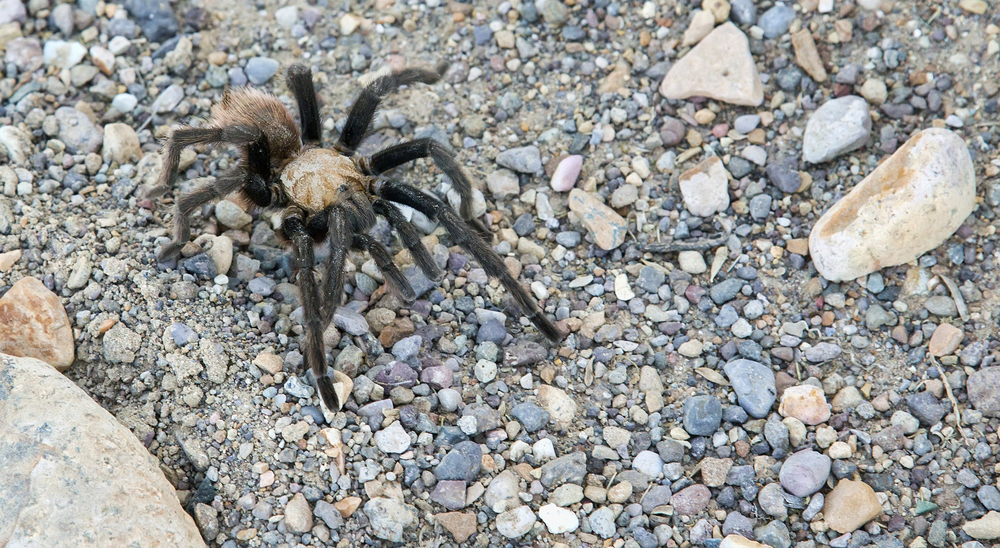
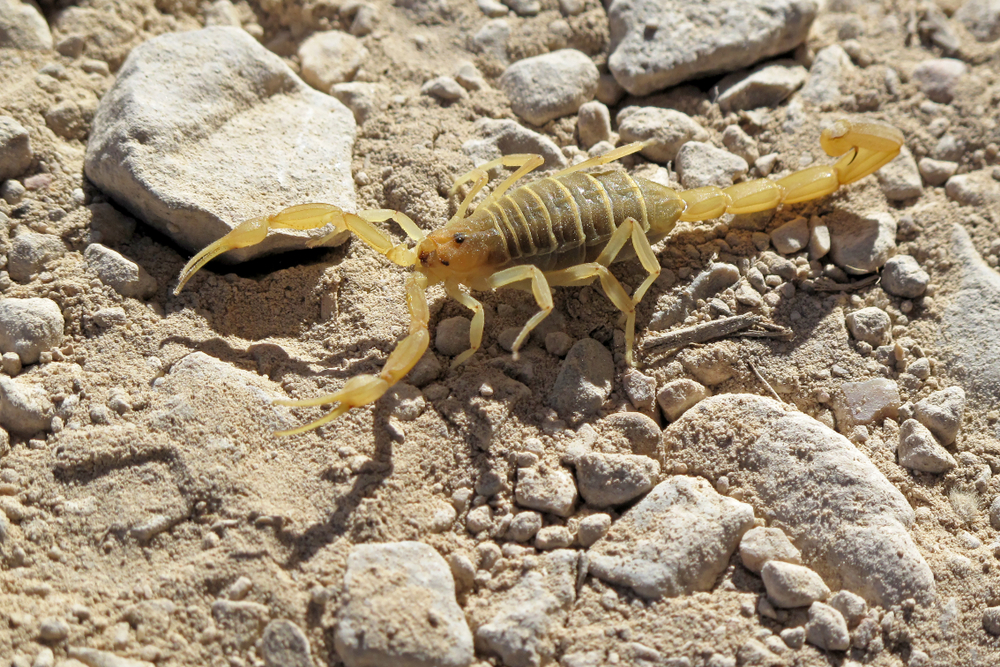
Big Bend National Park supports approximately 75 mammal species and more than 55 reptile species, making it one of the most biologically diverse national parks in the United States.
Some of the most notable mammals found in Big Bend National Park include:
- Black Bear
- Mountain Lion
- Coyote
- Bobcat
- Gray Fox
- Kit Fox
- Ringtail
- Raccoon
- American Badger
- Striped Skunk
- Hog-nosed Skunk
- Long-tailed Weasel
- Mule Deer
- White-tailed Deer
- Collared Peccary (Javelina)
- Desert Bighorn Sheep
- Elk (rare visitors)
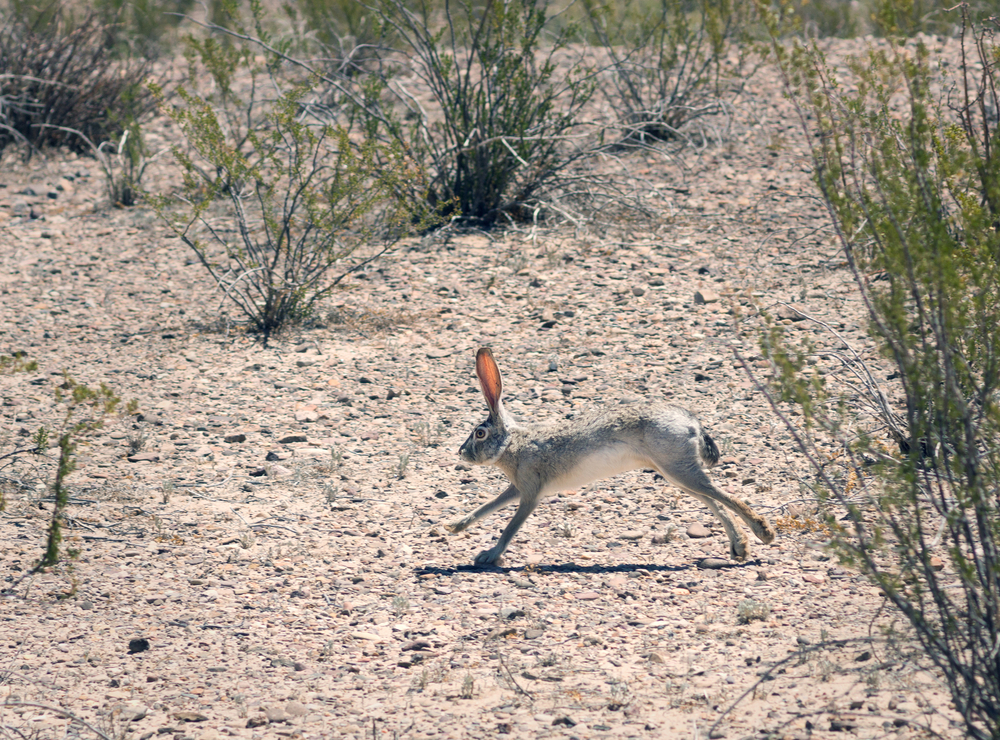
- Black-tailed Jackrabbit
- Desert Cottontail
- Rock Squirrel
- Antelope Squirrel
- Cliff Chipmunk
- Porcupine
- Beaver
- Muskrat
- Mexican Ground Squirrel
- Kangaroo Rat
- Pocket Mouse
- Woodrat
- Pocket Gopher
- Deer Mouse
- Grasshopper Mouse
- Harvest Mouse
- Pallid Bat
- Big Brown Bat
- Hoary Bat
- Mexican Free-tailed Bat
- Townsend’s Big-eared Bat
- Cave Myotis
- Long-nosed Bat
- Lesser Long-nosed Bat
- Yuma Myotis
- Fringed Myotis
- Western Pipistrelle
- Desert Shrew
- White-footed Mouse
- Rock Mouse
- Pack Rat Species
- Various Rodent Species
- Various Small Mammals
What birds can visitors hope to see in Big Bend National Park?
Big Bend National Park is one of the premier birdwatching destinations in North America, with more than 450 recorded bird species. Its location along major migration routes and variety of habitats make it a world-renowned birding hotspot.
Some of the most popular birds seen in Big Bend National Park include:
- Golden Eagle
- Bald Eagle
- Peregrine Falcon
- Prairie Falcon
- Red-tailed Hawk
- Harris’s Hawk
- Swainson’s Hawk
- Zone-tailed Hawk
- American Kestrel
- Turkey Vulture
- Greater Roadrunner
- Gambel’s Quail
- Scaled Quail
- Montezuma Quail
- Wild Turkey
- Common Raven
- Chihuahuan Raven
- Mexican Jay
- Woodhouse’s Scrub-Jay
- Black-crested Titmouse
- Verdin
- Cactus Wren
- Canyon Wren
- Rock Wren
- Bewick’s Wren
- Black-throated Sparrow
- Rufous-crowned Sparrow
- Chipping Sparrow
- White-crowned Sparrow
- Pyrrhuloxia
- Northern Cardinal
- Vermilion Flycatcher
- Say’s Phoebe
- Ash-throated Flycatcher
- Western Kingbird
- Violet-green Swallow
- Cliff Swallow
- Barn Swallow
- Lucifer Hummingbird
- Black-chinned Hummingbird
- Broad-tailed Hummingbird
- Rufous Hummingbird
- Rivoli’s Hummingbird
- Acorn Woodpecker
- Ladder-backed Woodpecker
- Northern Flicker
- Summer Tanager
- Painted Bunting
- Lazuli Bunting
- Colima Warbler
Is Big Bend National Park worth visiting?
Yes, Big Bend National Park is absolutely worth visiting and is widely considered one of the most spectacular and underrated national parks in the United States.
The park offers a remarkable combination of desert landscapes, mountain ecosystems, river canyons, wildlife, and solitude. Unlike many heavily visited parks, Big Bend provides a true wilderness experience where visitors can explore vast open spaces with relatively few crowds. Many travelers consider it one of the most rewarding parks in North America.
What is the best time to visit Big Bend National Park?
The best time to visit Big Bend National Park is:
- October through April
During these months:
- Temperatures are comfortable.
- Hiking conditions are excellent.
- Wildlife is more active.
- Desert wildflowers may bloom in spring.
Summer temperatures often exceed 100°F (38°C), making strenuous outdoor activities challenging.
How many days do you need to visit Big Bend National Park?
Most visitors should plan for 3 to 5 days.
- 1 day: Scenic drive and key viewpoints.
- 2–3 days: Major hiking trails and river viewpoints.
- 4–5 days: Chisos Mountains, Santa Elena Canyon, Ross Maxwell Scenic Drive, and wildlife viewing.
- 6+ days: Backcountry exploration and extended hiking.
The park’s size and diversity reward longer visits.
How do you get to Big Bend National Park?
Big Bend National Park is located in remote southwest Texas.
Most visitors:
- Fly into Midland, El Paso, or San Antonio.
- Drive several hours to the park.
- Enter through one of the park’s main access roads.
Nearby communities include Terlingua and Alpine, which serve as gateways for many visitors.
Who is involved in protecting and supporting Big Bend National Park?
Several organizations help protect Big Bend National Park:
- National Park Service – manages Big Bend National Park.
- Big Bend Conservancy – supports education, research, conservation, and visitor programs.
- National Park Foundation – supports projects throughout the National Park System.
- Friends of Big Bend National Park – supports conservation and public engagement initiatives.
- Researchers, volunteers, and local communities that help preserve the park’s unique ecosystems and cultural resources.
What is the most famous attraction in Big Bend National Park?
One of the most famous attractions is Santa Elena Canyon, where the Rio Grande has carved a dramatic canyon with cliffs rising more than 1,500 feet (457 meters) above the river. It is one of the park’s most photographed locations.
Can you see black bears in Big Bend National Park?
Yes. Big Bend National Park contains the largest population of American Black Bear in Texas. Bears are most commonly seen in the higher elevations of the Chisos Mountains, although sightings are never guaranteed.
Sources
- Britannica, Big Bend National Park, https://www.britannica.com/place/Big-Bend-National-Park, retrieved March 2020.
- National Park Conservation Association, https://www.npca.org/parks/big-bend-national-park, retrieved March 2020.
- National Park Foundation, Perfect Solitude Big Bend National Park, https://www.nationalparks.org/explore-parks/big-bend-national-park, retrieved March 2020.
- National Park Service, Big Bend, https://www.nps.gov/bibe/index.htm, retrieved March 2020.
- Texas Monthly, Big Bend National Park, https://www.texasmonthly.com/travel/big-bend-made-easy/, retrieved March 2020.