

About
Bryce Canyon National Park is located in southern Utah of the United states on the eastern edge of the Paunsaugunt Plateau. Established as a national park in 1928, it covers approximately 56 square miles (145 sq km) and protects one of the most unique geological landscapes in the world.
Despite its name, Bryce Canyon is not actually a canyon but a series of natural amphitheaters carved into the plateau’s edge. The park lies near other renowned public lands including Zion National Park, Capitol Reef National Park, and Grand Staircase-Escalante National Monument. Together, these protected areas showcase some of the most spectacular landscapes of the American Southwest.
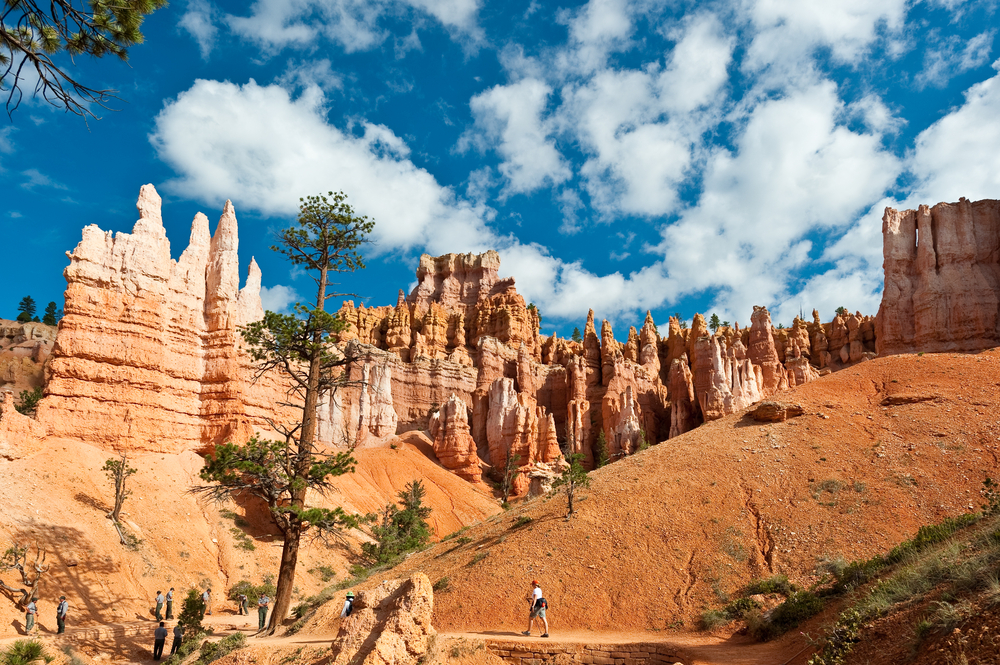
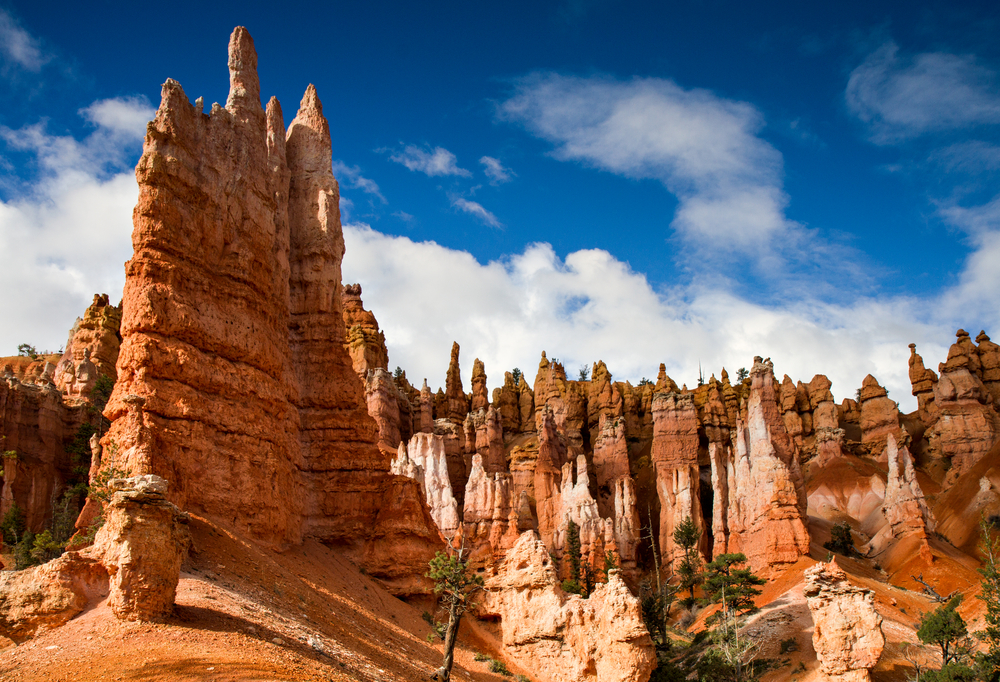
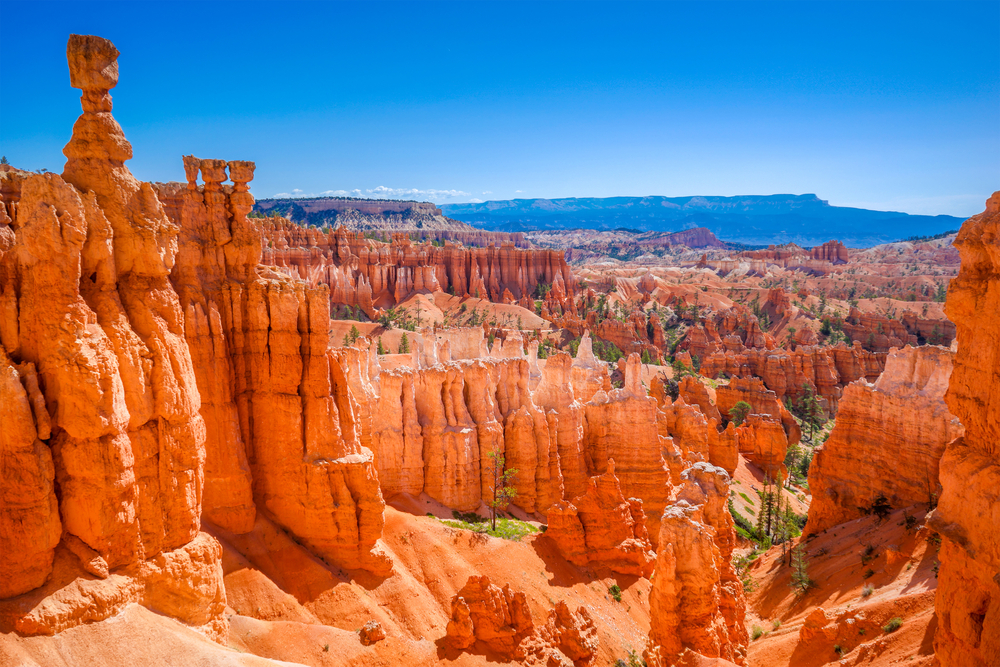
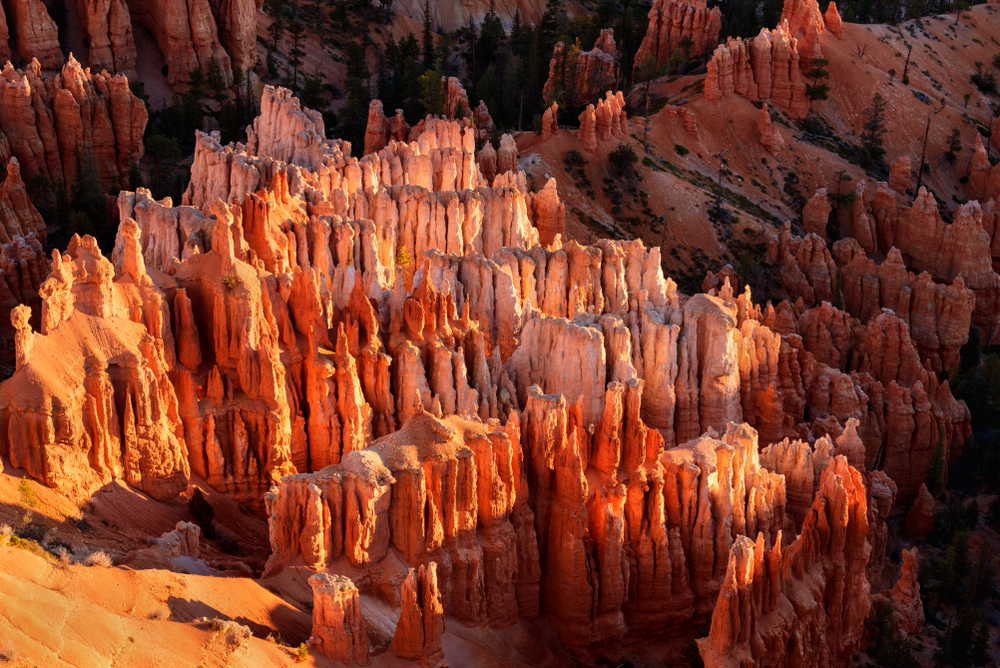
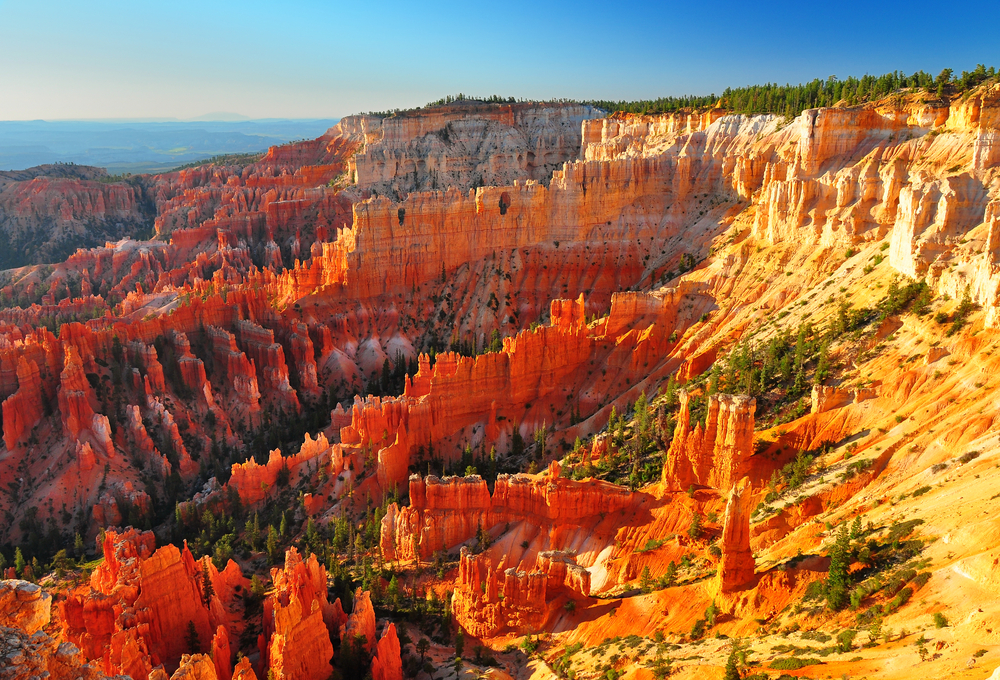
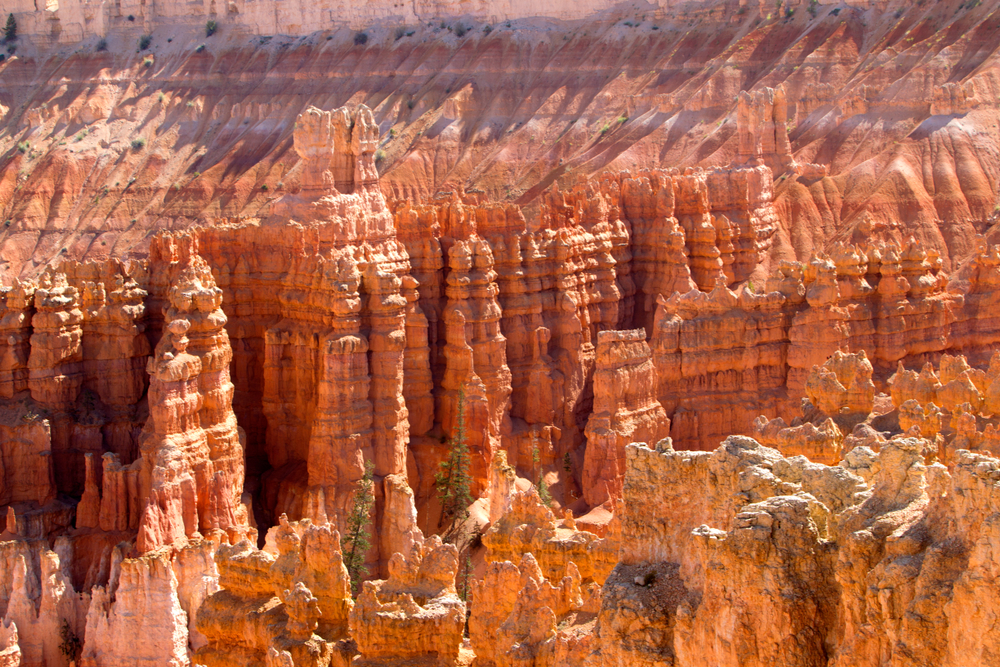
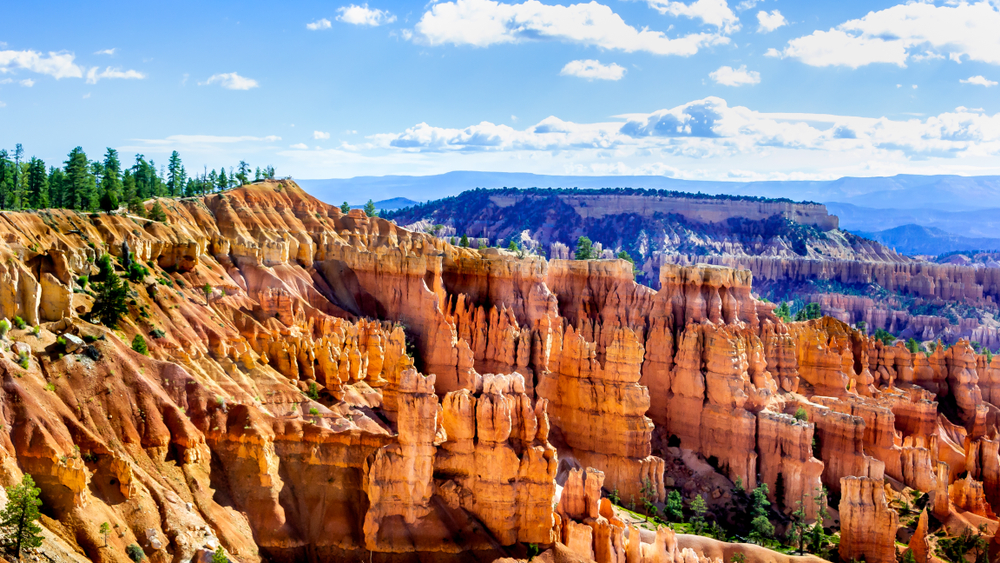
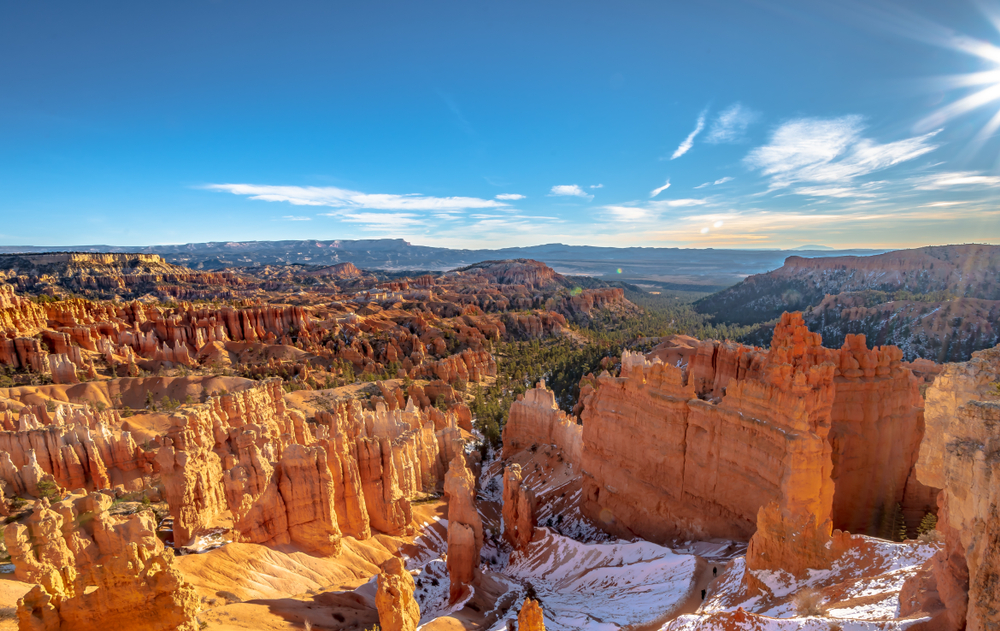
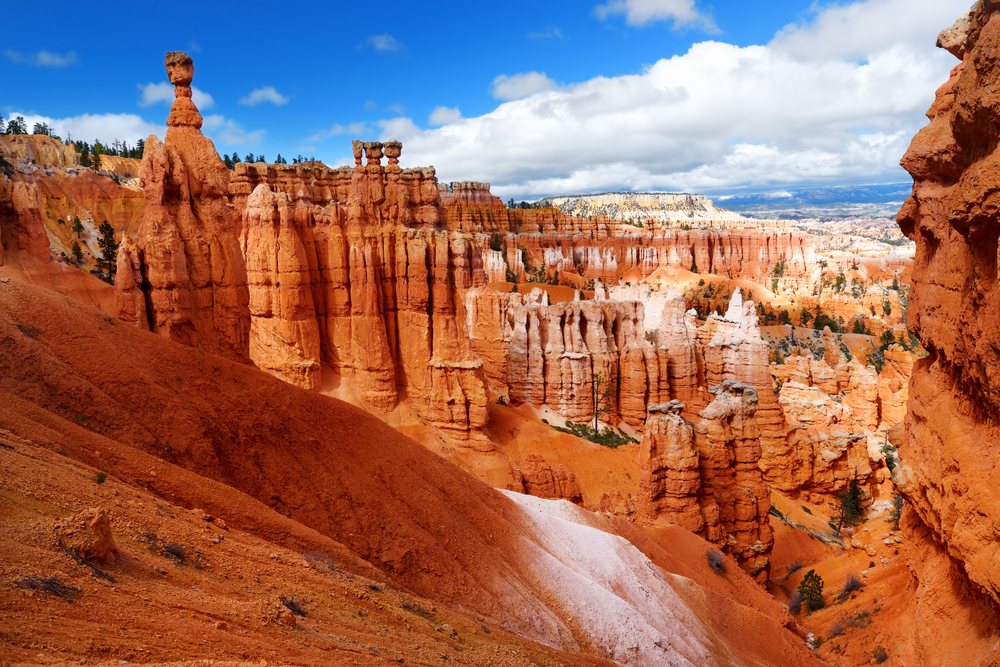
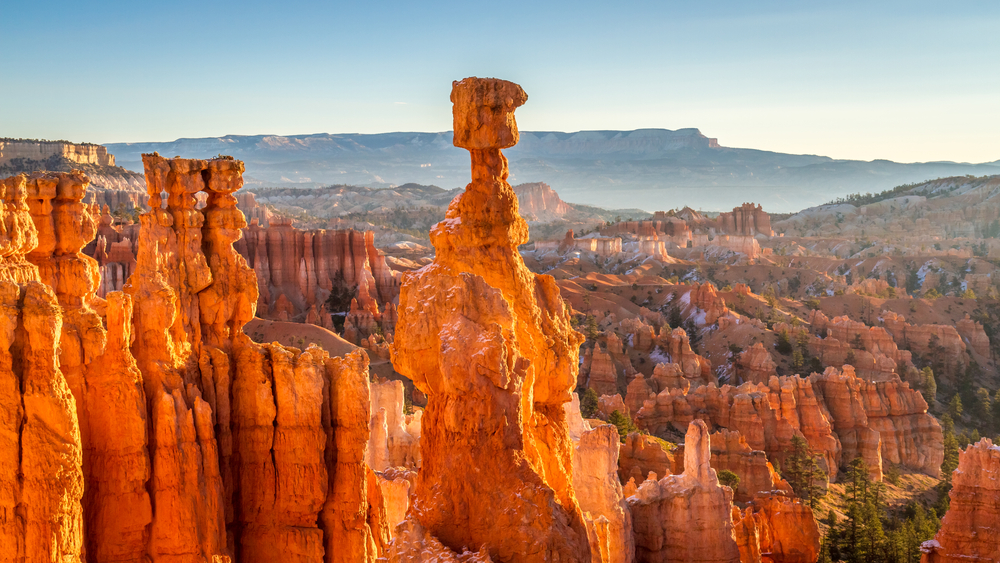
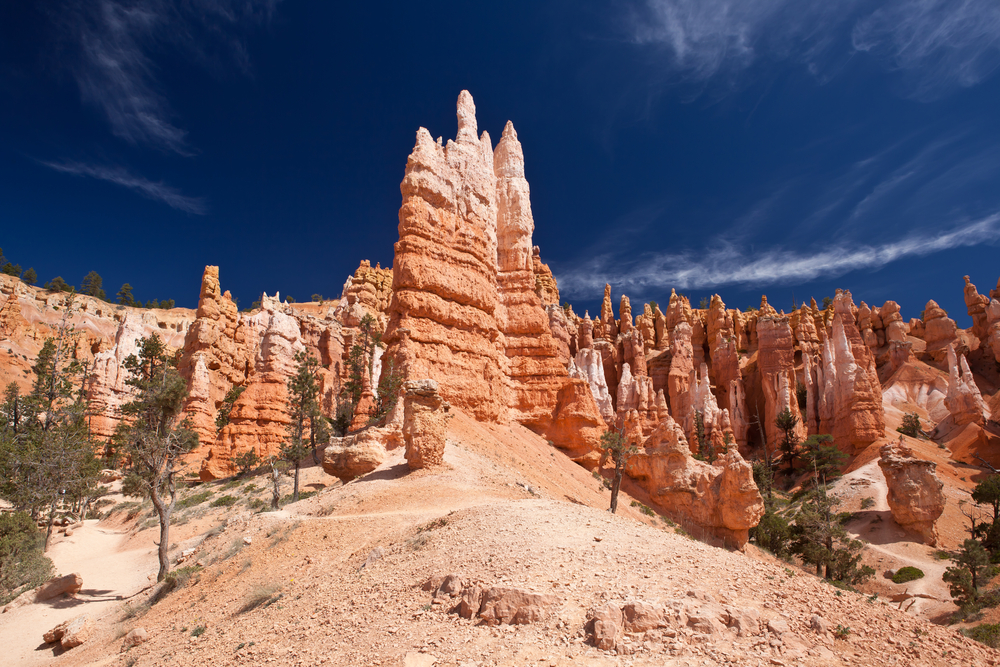
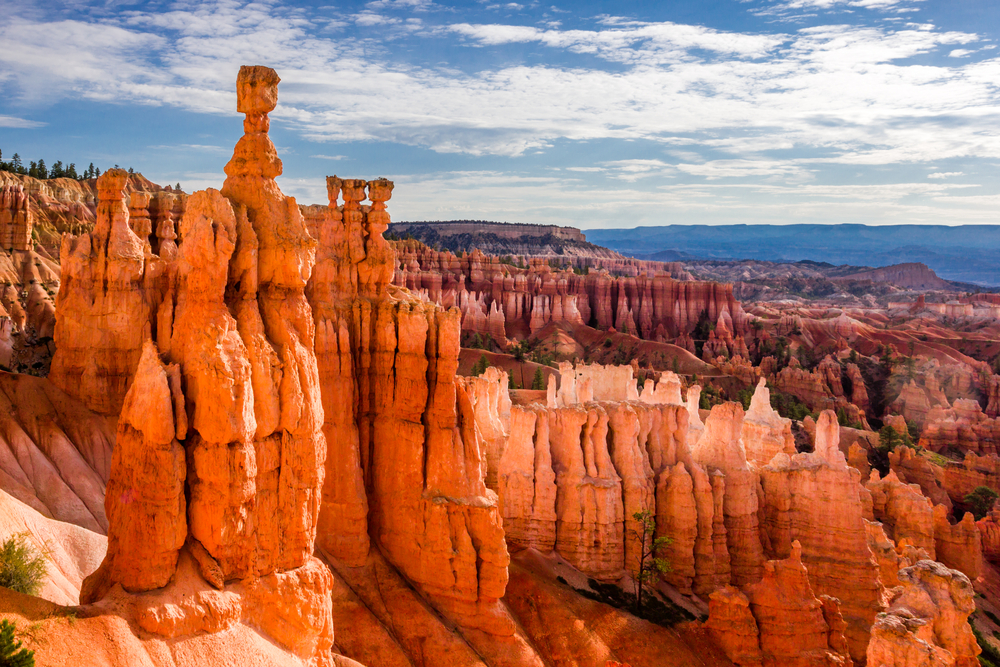
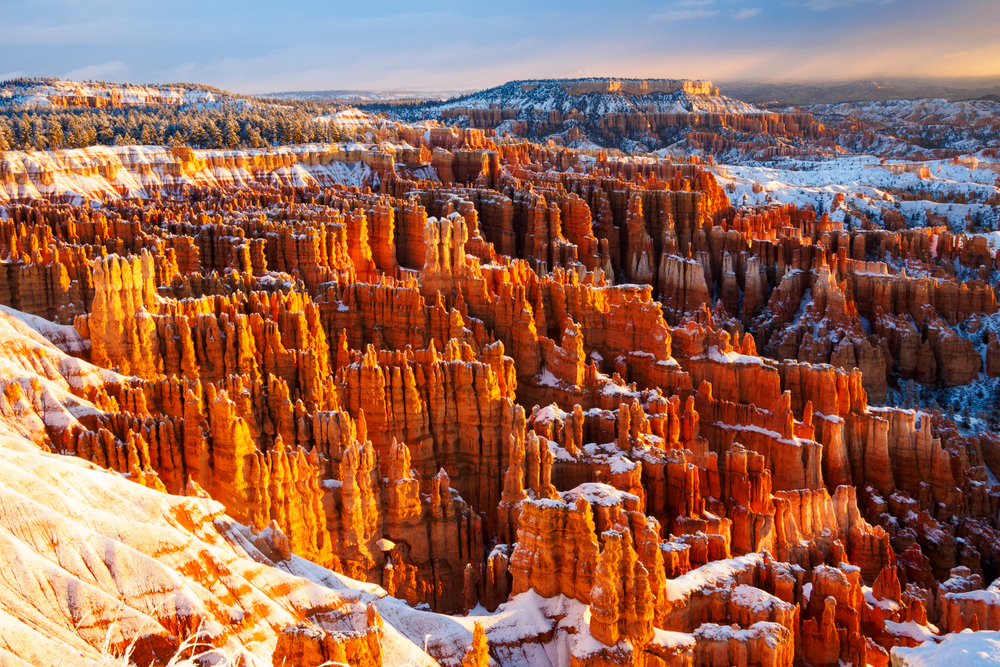
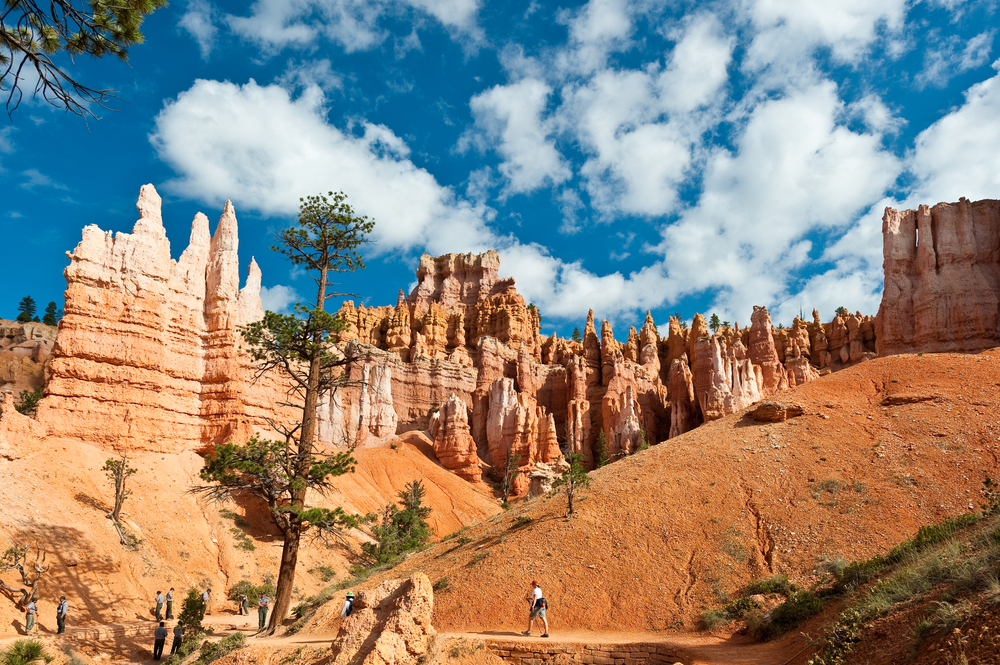
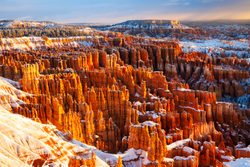
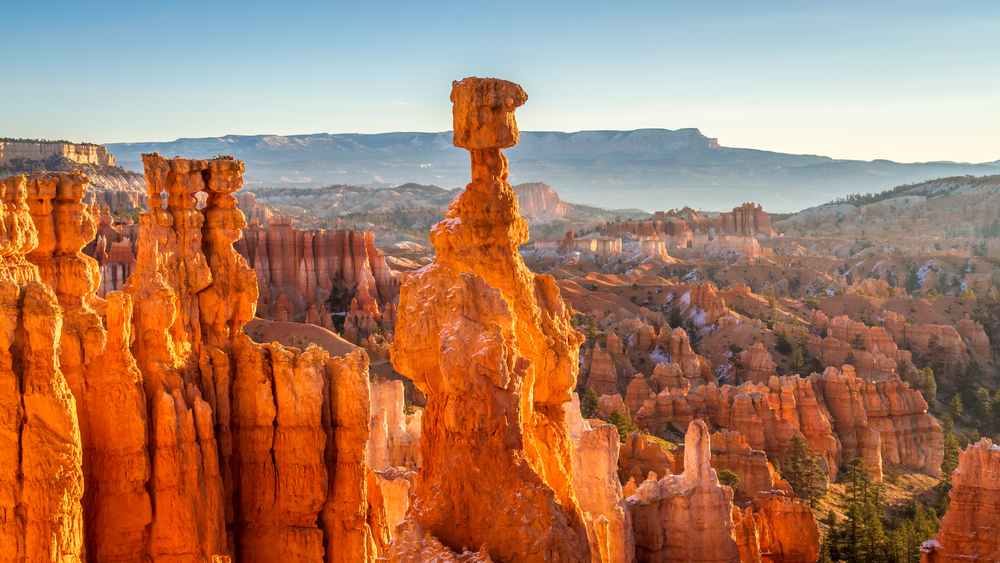
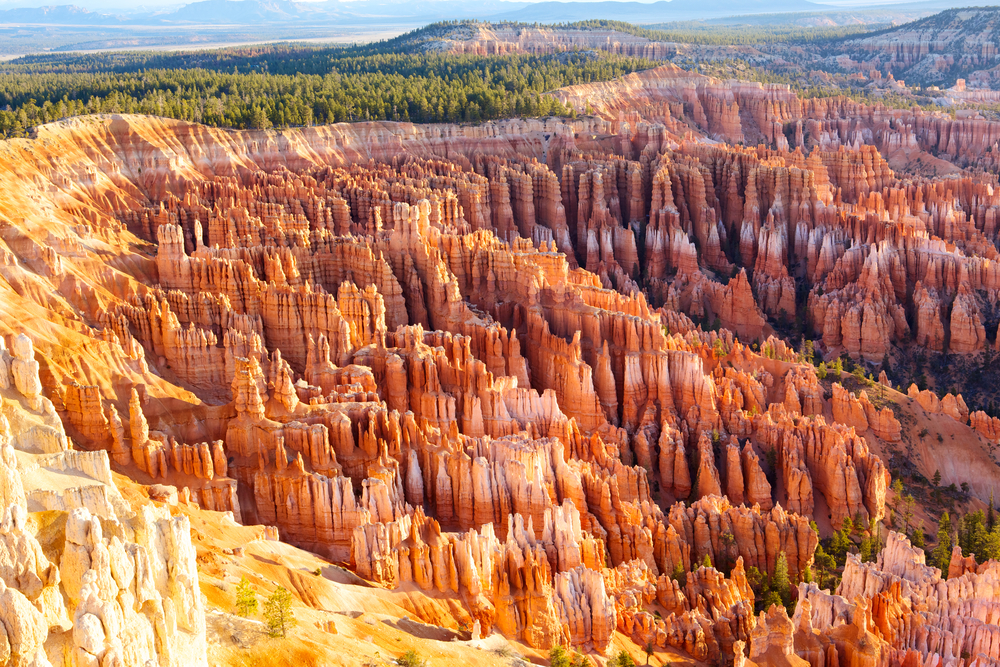
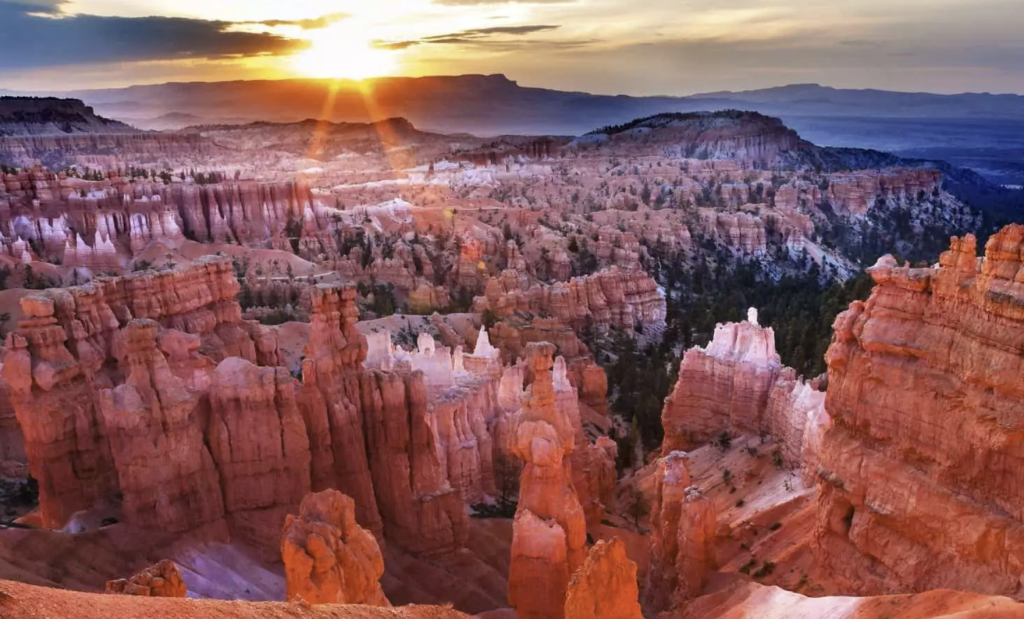
The park is best known for its extraordinary hoodoos, tall and slender rock spires created by thousands of yearsof erosion. Bryce Canyon contains the largest concentration of hoodoos found anywhere on Earth. Visitors are drawn to iconic viewpoints such as Sunrise Point, Sunset Point, Inspiration Point, and Bryce Point, where thousands of colorful rock formations fill vast natural amphitheaters.
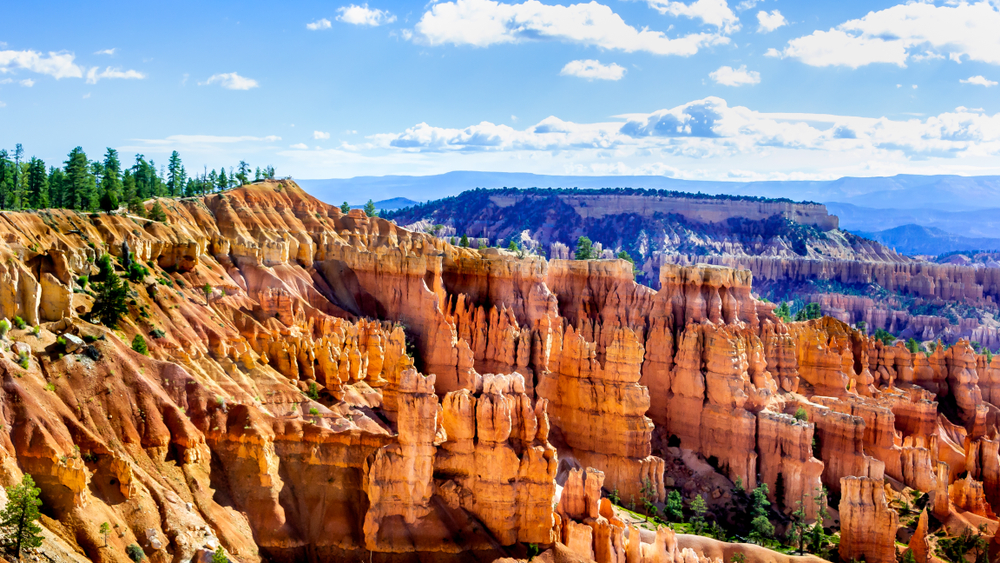
The park’s vibrant palette of red, orange, pink, and white sandstone changes dramatically throughout the day as sunlight shifts across the landscape. Scenic drives, hiking trails, horseback riding, and winter snowshoeing allow visitors to experience the park’s remarkable beauty in every season.
Geographically, Bryce Canyon National Park sits at elevations ranging from approximately 8,000 to over 9,100 feet (2,438 to 2,778 m). The high elevation contributes to a cooler climate than many desert parks in the region and plays a key role in the formation of its famous hoodoos.
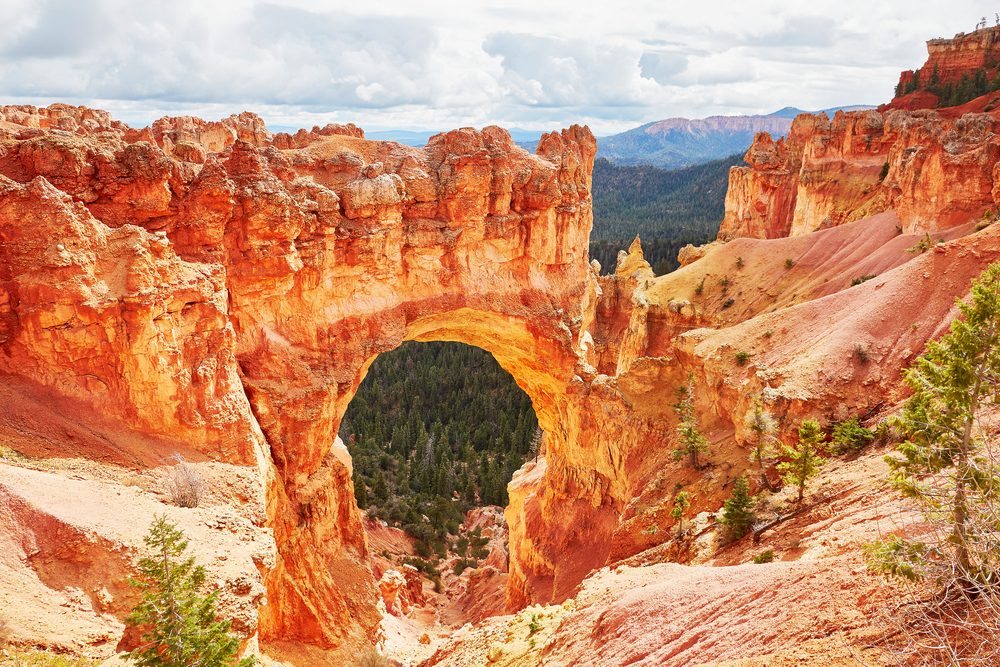
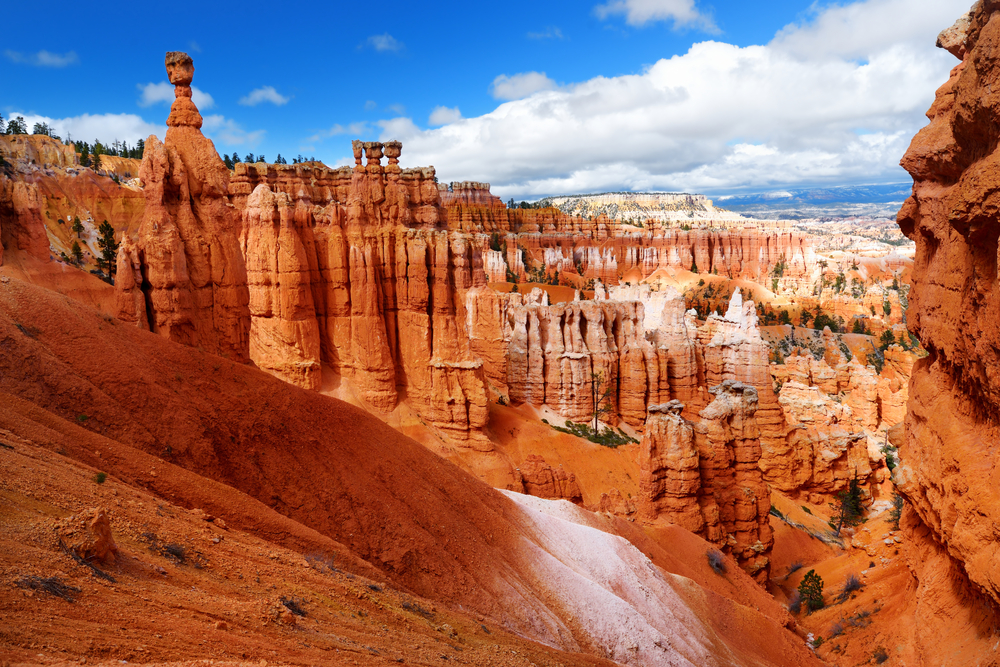
Repeated cycles of freezing and thawing fracture the limestone, sandstone, and mudstone formations of the Claron Formation, gradually sculpting the landscape into intricate pinnacles, arches, fins, and windows. The park’s elevated position also provides sweeping views across the Grand Staircase, a vast sequence of geological layers extending toward the Grand Canyon.
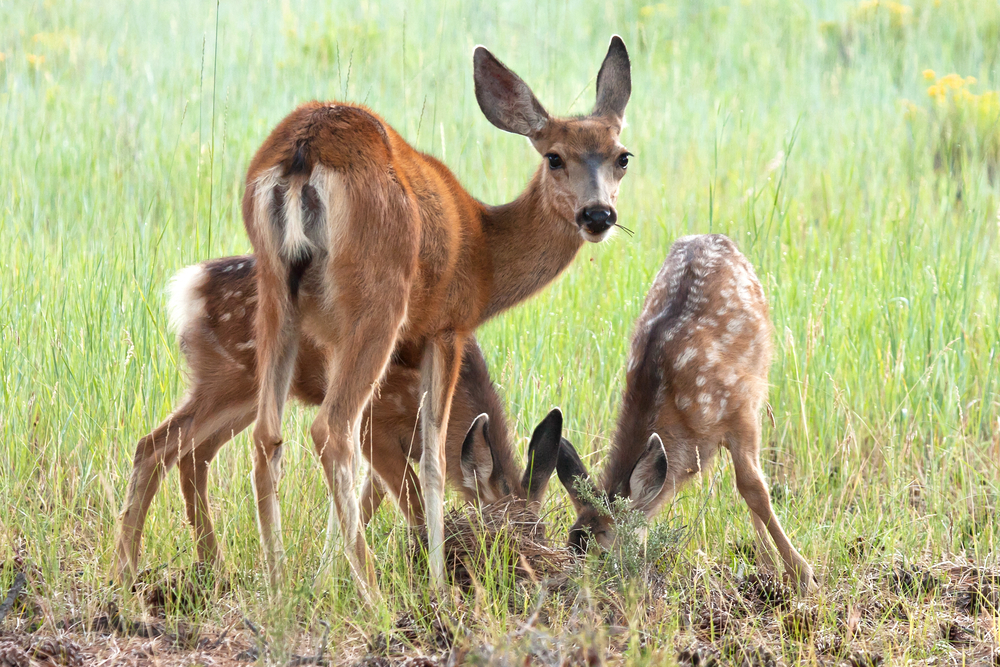
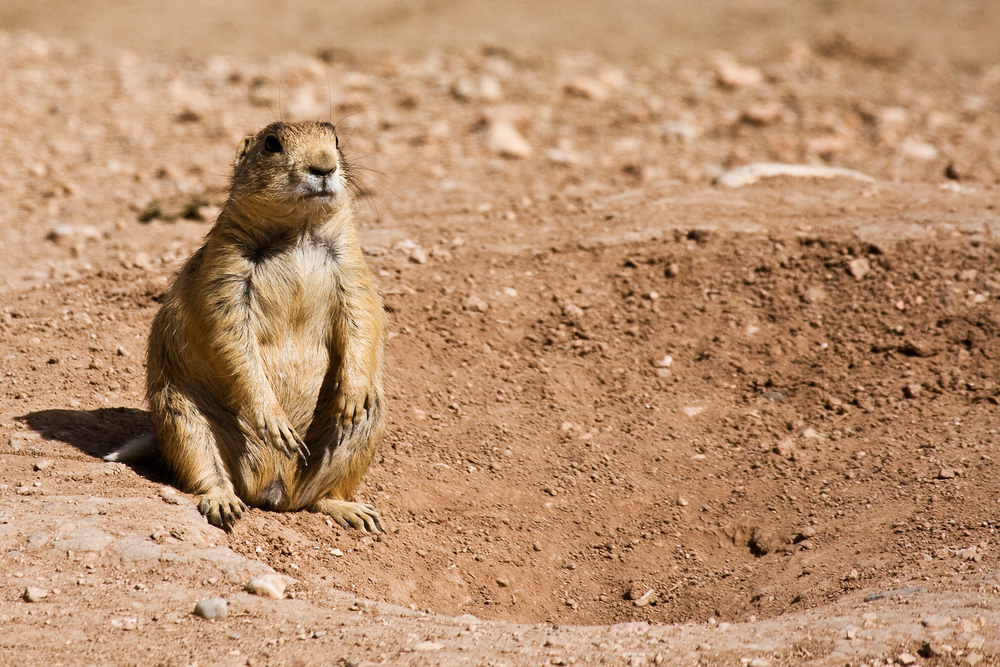
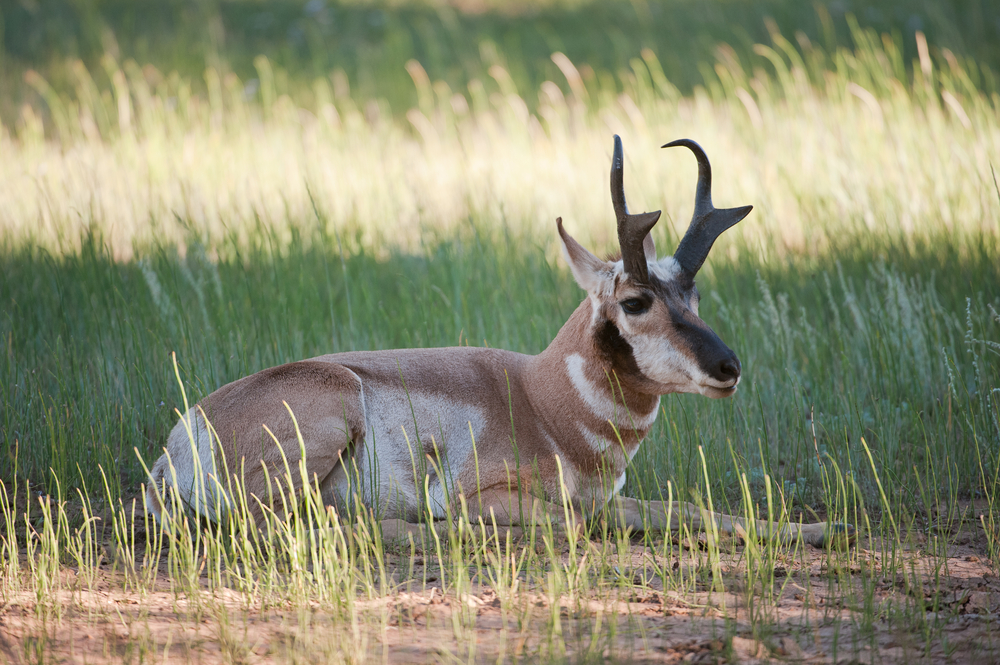
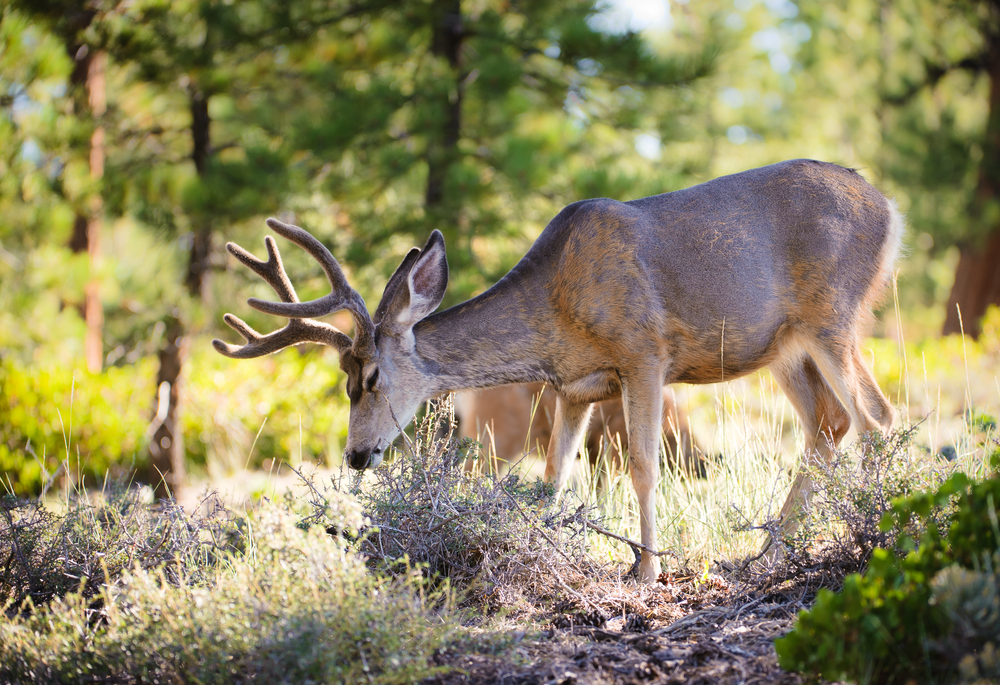
Wildlife flourishes in the park’s forests, meadows, and rocky landscapes. Mammals commonly observed include mule deer, pronghorn, coyotes, mountain lions, bobcats, and Utah prairie dogs. The endangered Utah prairie dog is one of the park’s most significant conservation species.
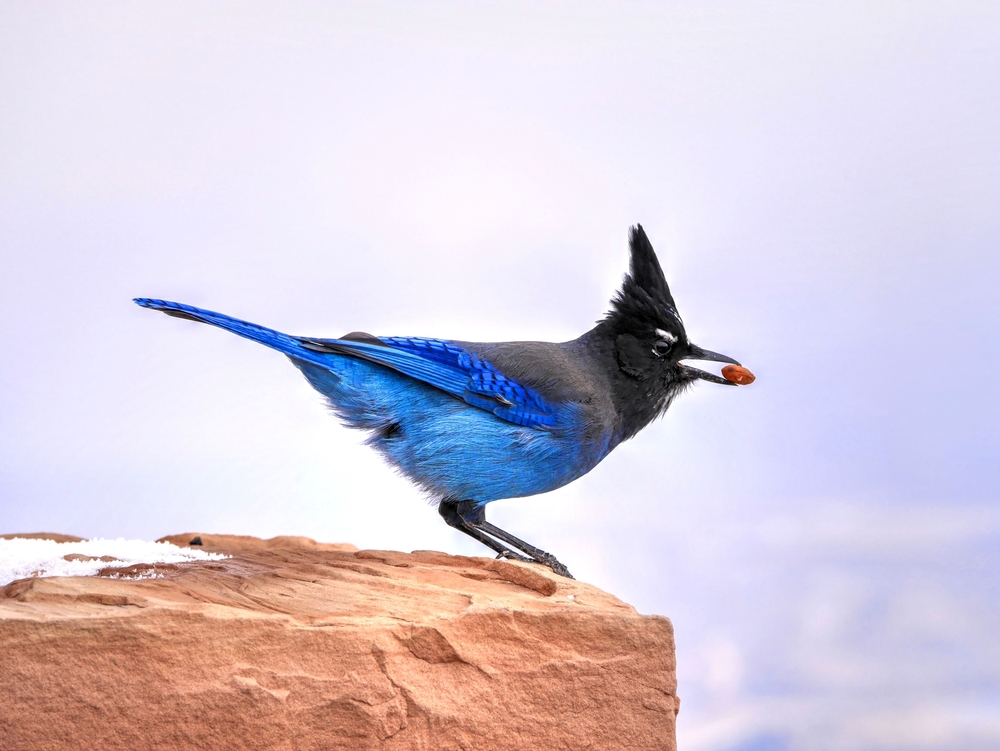
Birdlife is abundant, with more than 170 species recorded, including peregrine falcons, golden eagles, ravens, mountain bluebirds, and Clark’s nutcrackers. Ponderosa pine forests, bristlecone pines, Douglas-firs, and aspen groves provide habitat for numerous animals and add diversity to the park’s ecosystems. Some of the park’s bristlecone pines are among the oldest living organisms on Earth, with ages exceeding 1,600 years.
Bryce Canyon National Park plays a vital role in preserving a geological landscape unlike any other on the planet. The park protects fragile hoodoo formations, high-elevation forests, and important wildlife habitats while providing opportunities for scientific research and recreation.
Its geological significance is often compared to iconic parks such as Grand Canyon National Park and Badlands National Park, yet Bryce Canyon’s concentration of hoodoos remains unmatched. Through its colorful amphitheaters, ancient forests, remarkable wildlife, and stunning night skies, Bryce Canyon National Park stands as one of America’s most extraordinary natural wonders and one of the most visually distinctive landscapes in the world.
Photos

Things to See
 Bryce Canyon is home to the largest collection of hoodoos in the world. These hoodoos blanket the natural amphitheaters creating some of the most picturesque landscapes. Without question, the colorful hoodoos are one of the leading highlights of the park.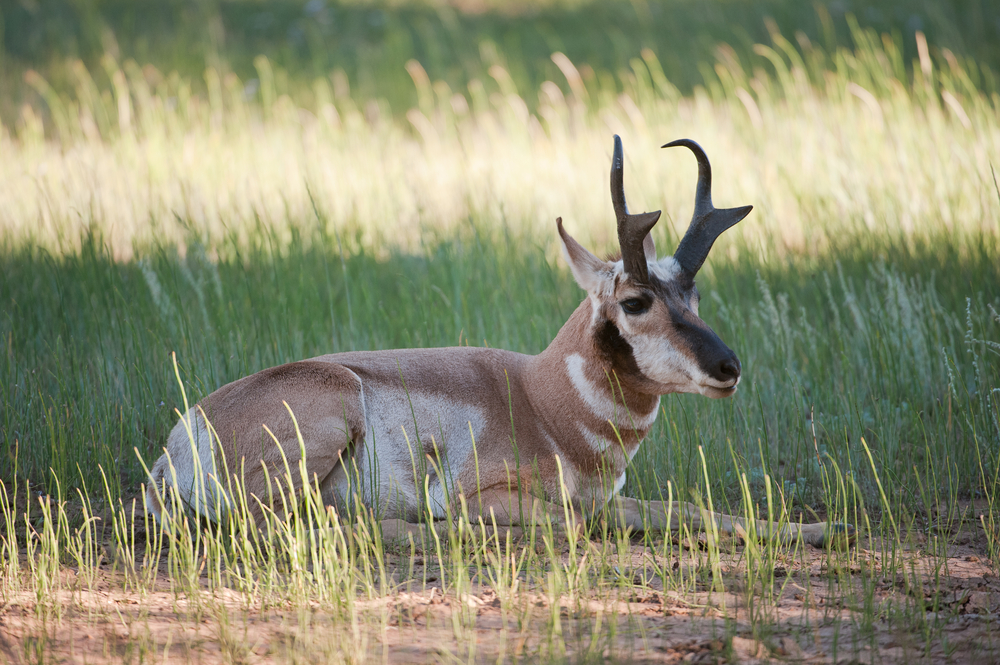
Things To Do
Engaging Bryce Canyon
Bryce Canyon National Park Trails
Bryce Canyon is a tremendous place to enjoy the wildlife and wilderness with an abundance of hiking trails to enjoy. There are 13 different viewpoints that peer out over the amphitheaters and hoodoos landscape.


Park Protection
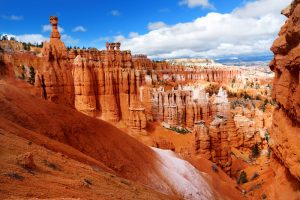 Bryce Canyon National Park was created to protect a spectacular landscape of colorful rock spires known as hoodoos, formed through millions of years of erosion along the eastern edge of the Paunsaugunt Plateau in southern Utah. The park provides habitat for wildlife such as mule deer, mountain lions, Utah prairie dogs, and numerous bird species. The threatened Utah prairie dog is one of the park’s most important protected species and is found only in southwestern Utah.
Bryce Canyon contains the largest concentration of hoodoos found anywhere on Earth, making it one of the most distinctive geological landscapes in the world. Elevations ranging from desert-like conditions to high-elevation forests support diverse plant communities, including ancient bristlecone pines that have survived for more than a thousand years. Together, Bryce Canyon National Park protects a globally unique geological wonder, diverse high-desert ecosystems, and wildlife adapted to the colorful plateaus and forests of southern Utah.
FAQ’s
What is Bryce Canyon known for?
Bryce Canyon National Park is renowned for its spectacular geological formations known as hoodoos.
These unique rock pillars, created by erosion over thousands of years, create a mesmerizing landscape of intricate shapes, colors, and textures.
Visitors flock to Bryce Canyon to witness the otherworldly beauty of these hoodoos, which are particularly striking during sunrise and sunset when the angled sunlight casts dramatic shadows across the canyon floor.
The park’s expansive amphitheaters, including the main Bryce Amphitheater, showcase an array of hoodoos, spires, and fins, providing visitors with endless opportunities for exploration and discovery.
Additionally, Bryce Canyon’s clear night skies offer some of the best stargazing opportunities in the United States, with minimal light pollution allowing for unparalleled views of the Milky Way and countless stars.
What is the main reason people visit Bryce Canyon National Park?
You visit Bryce Canyon National Park to see the largest concentration of hoodoos in the world. These tall, irregular rock spires rise in tightly packed groups from a series of natural amphitheaters, creating a landscape that can look like a vast stone city filled with towers, windows, walls, and narrow passageways.
Bryce Amphitheater is the park’s visual centerpiece. From Sunrise Point, Sunset Point, Inspiration Point, and Bryce Point, you can look across thousands of orange, pink, white, and red formations backed by forests and distant plateaus. The first three miles of the park road contain many of the most recognizable views, while the longer Southern Scenic Drive leads to Natural Bridge, Agua Canyon, Ponderosa Point, and Rainbow Point.
The experience becomes even more memorable when you hike below the rim. Trails such as the Navajo Loop and Queen’s Garden Trail allow you to walk between the hoodoos rather than simply viewing them from above. You descend through narrow passageways, forested slopes, rock windows, and towering formations that continually change shape as you move through the amphitheater.
Despite its name, Bryce Canyon is not technically one canyon. It is a collection of natural amphitheaters carved into the eastern edge of the Paunsaugunt Plateau. Its unusual geology, high elevation, snowy winters, dark skies, and relatively compact layout make it one of the most distinctive and accessible parks in the American Southwest.
What animals can visitors hope to see in Bryce Canyon National Park?
Bryce Canyon National Park is home to 59 mammal species, 11 reptile species, and four amphibian species. Its elevation and varied habitats—including ponderosa pine forest, spruce-fir woodland, meadows, sagebrush, rocky slopes, and hoodoo-filled amphitheaters—support a surprisingly diverse wildlife community.
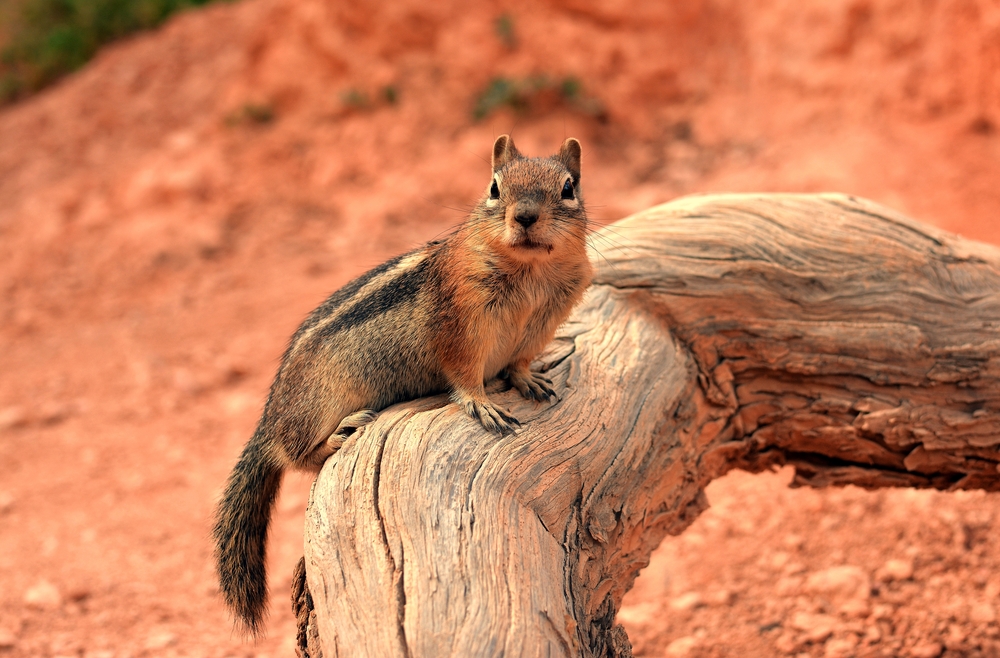
The animals you are most likely to see include mule deer, Utah prairie dogs, chipmunks, golden-mantled ground squirrels, pronghorn, and gray foxes. Elk may appear seasonally, while black bears, badgers, bobcats, and mountain lions are present but rarely seen.
Some of the most notable mammals found in Bryce Canyon National Park include:
- Mule Deer
- Pronghorn
- Elk
- Mountain Lion
- Bobcat
- Coyote
- Red Fox
- Gray Fox
- American Badger
- Long-tailed Weasel
- Short-tailed Weasel
- Striped Skunk
- Porcupine
- Black-tailed Jackrabbit
- Desert Cottontail
- Snowshoe Hare
- Rock Squirrel
- Golden-mantled Ground Squirrel
- Uinta Chipmunk
- Cliff Chipmunk
- Deer Mouse
- Canyon Mouse
- Pocket Mouse
- Kangaroo Rat
- Pocket Gopher
- Woodrat
- Meadow Vole
- Montane Vole
- Harvest Mouse
- Muskrat
- Beaver
- Big Brown Bat
- Hoary Bat
- Pallid Bat
- Townsend’s Big-eared Bat
- Mexican Free-tailed Bat
- Silver-haired Bat
- Little Brown Bat
- Long-legged Myotis
- Fringed Myotis
- Yuma Myotis
- Western Red Bat
- Desert Shrew
- Vagrant Shrew
- Ground Squirrel Species
- Pack Rat Species
- Rodent Species
- Small Carnivore Species
- Various Bat Species
- Various Small Mammals
The Utah prairie dog is one of the park’s most important animals. Its historical range has declined dramatically, and Bryce Canyon now protects one of the species’ most significant remaining populations. You may see prairie dog colonies in open meadows near the park entrance and along the main road.
What birds can visitors hope to see in Bryce Canyon National Park?
Bryce Canyon National Park has documented 175 resident, seasonal, and migratory bird species. Because the park contains high-elevation forest, meadows, cliffs, open plateau, and sheltered amphitheaters, you may see a wide variety of raptors, corvids, woodpeckers, hummingbirds, swallows, songbirds, and seasonal migrants.
Violet-green swallows and cliff swallows are common around the amphitheater during the warmer months. In winter, you are more likely to see Townsend’s solitaires, chickadees, nuthatches, juncos, woodpeckers, ravens, and resident raptors.
Some of the most popular birds seen in Bryce Canyon National Park include:
- Golden Eagle
- Bald Eagle
- Peregrine Falcon
- Prairie Falcon
- Red-tailed Hawk
- Cooper’s Hawk
- Sharp-shinned Hawk
- Northern Goshawk
- American Kestrel
- Turkey Vulture
- Common Raven
- Clark’s Nutcracker
- Pinyon Jay
- Steller’s Jay
- Woodhouse’s Scrub-Jay
- Black-billed Magpie
- Mountain Bluebird
- Western Bluebird
- Canyon Wren
- Rock Wren
- House Wren
- Bewick’s Wren
- Mountain Chickadee
- Juniper Titmouse
- Bushtit
- White-breasted Nuthatch
- Red-breasted Nuthatch
- Pygmy Nuthatch
- Black-throated Sparrow
- Brewer’s Sparrow
- Chipping Sparrow
- White-crowned Sparrow
- Dark-eyed Junco
- Green-tailed Towhee
- Western Meadowlark
- Horned Lark
- Say’s Phoebe
- Ash-throated Flycatcher
- Western Kingbird
- Violet-green Swallow
- Cliff Swallow
- Barn Swallow
- White-throated Swift
- Broad-tailed Hummingbird
- Black-chinned Hummingbird
- Rufous Hummingbird
- Northern Flicker
- Hairy Woodpecker
- Lewis’s Woodpecker
- Western Tanager
Is Bryce Canyon National Park worth visiting?
Yes—Bryce Canyon National Park is absolutely worth visiting. Its hoodoos are unlike the scenery in any other United States national park, and you can enjoy remarkable views with relatively little walking.
Bryce is especially worthwhile when:
- You want dramatic scenery without needing a long backcountry hike.
- You enjoy sunrise or sunset photography.
- You want to walk among hoodoos.
- You are planning a Utah national-parks road trip.
- You enjoy snow-covered landscapes or dark-sky viewing.
- You prefer a park that can be explored meaningfully in one or two days.
The park’s compact layout is a major advantage. Most of the famous Bryce Amphitheater viewpoints are concentrated within the first few miles of the park road, and a free seasonal shuttle helps you move between popular locations without searching for parking.
The main hesitation is crowding. Sunrise Point, Sunset Point, Inspiration Point, and the most popular trailheads can become congested from late spring through early autumn. The park may restrict vehicle access during exceptionally busy periods, and parking lots frequently fill. Using the shuttle is usually the easiest solution.
You should also prepare for the elevation. Much of Bryce Canyon sits around 8,000 feet, and the highest developed areas rise above 9,000 feet. Cold temperatures, snow, high winds, strong sunlight, and shortness of breath can affect your visit even when nearby lower-elevation parks are warm.
What is the best time to visit Bryce Canyon National Park?
Spring
April through May can be a beautiful time to visit, but spring arrives slowly at Bryce Canyon because of the park’s high elevation. Snow and ice may remain on trails, particularly in shaded sections, and late-season storms can temporarily close roads or create hazardous hiking conditions.
By May, daytime temperatures become more comfortable, more services open, and the shuttle is operating. Crowds also begin increasing, especially around holiday weekends.
Spring is a good choice when you want cooler hiking conditions and fewer visitors than summer, but bring warm clothing and traction devices when snow or ice remains.
Summer
June through August provides the most dependable access to roads, trails, viewpoints, campgrounds, and visitor services. Daytime temperatures are generally comfortable compared with lower desert parks, although direct sunlight can still feel intense.
Summer is also the busiest season. Parking near the amphitheater may fill early, so use the free shuttle when possible. Afternoon thunderstorms can bring lightning, heavy rain, hail, strong wind, and sudden temperature drops.
If you visit in summer, hike early, use the shuttle, carry water, and avoid exposed viewpoints when thunderstorms approach.
Autumn
September through early October is often the best overall time to visit Bryce Canyon National Park. Daytime conditions are usually pleasant, summer crowds begin to decline, and trails generally remain open.
Nights become increasingly cold, and snow can arrive earlier than many visitors expect. By late October, seasonal services may begin closing and winter conditions can affect trails and roads.
September is particularly appealing when you want reliable hiking weather without the heaviest summer traffic.
Winter
November through March offers a completely different experience. Snow transforms the red and orange hoodoos into a striking winter landscape, and you may enjoy considerably more solitude.
Bryce Canyon remains open throughout the year, but roads may close temporarily during and after snowstorms until plowing is completed. Some trails, campgrounds, and services close seasonally.
Winter visitors can hike with traction devices, snowshoe, cross-country ski, photograph snow-covered hoodoos, and attend seasonal ranger programs when available. You should bring warm layers, check road conditions, and prepare for snow, ice, and temperatures well below freezing.
Overall, May through October provides the most dependable general access. September and early October usually offer the best balance of favorable weather, open trails, and lighter crowds, while winter is ideal when you want snow and solitude.
How many days do you need to visit Bryce Canyon National Park?
You should plan on spending one to two days in Bryce Canyon National Park.
With half a day, you can visit the main Bryce Amphitheater viewpoints, including Sunrise Point, Sunset Point, Inspiration Point, and Bryce Point. You may also walk a section of the Rim Trail or complete a short hike below the rim.
The National Park Service recommends concentrating a short visit on the first three miles of the park, where the most famous amphitheater views are located.
With one full day, you can combine the major overlooks with a hike below the rim. A strong one-day itinerary might include:
- Sunrise at Sunrise Point or Sunset Point.
- Hiking the Queen’s Garden and Navajo Loop combination.
- Visiting Inspiration Point and Bryce Point.
- Driving or riding the shuttle between amphitheater overlooks.
- Continuing to Natural Bridge and Rainbow Point if time permits.
- Returning to the rim for sunset or stargazing.
With two days, you can experience the park more comfortably. Spend your first day around Bryce Amphitheater and hike below the rim. Use your second day for the Southern Scenic Drive, Mossy Cave, longer trails, horseback riding, wildlife watching, ranger programs, or night-sky viewing.
With three or more days, you can explore less-traveled trails, hike into the backcountry, repeat your favorite overlooks under different lighting conditions, and combine Bryce with nearby attractions such as Red Canyon, Kodachrome Basin State Park, Grand Staircase–Escalante National Monument, or Cedar Breaks National Monument.
For most first-time visitors, one full day is sufficient to see the principal attractions, while two days is ideal when you want to hike, enjoy sunrise and sunset, and explore the southern part of the park without rushing.
How do you get to Bryce Canyon National Park?
Flying to Utah or Nevada
Bryce Canyon National Park is in southwestern Utah, away from large metropolitan areas. Most visitors fly into Salt Lake City or Las Vegas, rent a vehicle, and complete the trip by road.
Salt Lake City International Airport is one of the most practical major gateways. It is approximately 270 miles from the park, and the drive generally takes about four to four-and-a-half hours.
Harry Reid International Airport in Las Vegas is another popular option. It is approximately 260 miles from Bryce Canyon, with a typical drive of around four hours.
Las Vegas is particularly convenient when you are combining Bryce Canyon with Zion National Park, while Salt Lake City may work better when your trip includes Capitol Reef, Canyonlands, Arches, or northern Utah.
Flying into a Regional Airport
Cedar City Regional Airport is the closest airport with limited scheduled commercial service. It is roughly 90 miles from Bryce Canyon, and the drive generally takes about one-and-a-half hours.
St. George Regional Airport is approximately 135 miles away and usually requires around two-and-a-half hours of driving.
Because schedules and rental-car availability can be limited at regional airports, compare the full travel time and cost before deciding whether they offer an advantage over Las Vegas or Salt Lake City.
Driving from Salt Lake City
From Salt Lake City, travel south on Interstate 15 to Exit 95 for Utah Highway 20. Follow Highway 20 east to US 89, continue south to Utah Highway 12, and then turn east toward Utah Highway 63. Highway 63 leads directly to Bryce Canyon National Park. The visitor center is approximately one mile inside the park boundary.
The trip generally takes four to four-and-a-half hours without extended stops. Winter weather may affect Interstate 15, Highway 20, US 89, Highway 12, and the park road, so check conditions before leaving.
Driving from Las Vegas
From Las Vegas, drive north on Interstate 15 through Nevada and southwestern Utah.
You can approach Bryce Canyon through Zion National Park by taking Utah Highway 9 east to US 89, then traveling north to Highway 12 and east to Highway 63. This is a beautiful route, but Zion traffic, entrance lines, tunnel restrictions, and scenic stops may add considerable time.
An alternative is to remain on Interstate 15 and approach through Cedar City or Utah Highway 20. Your best route depends on weather, road conditions, and whether Zion is included in your itinerary.
Driving from Zion National Park
Bryce Canyon is approximately 80 to 90 miles from Zion National Park, depending on your starting point. The drive usually takes around two hours, but traffic through Zion Canyon and the Zion–Mount Carmel Tunnel may increase travel time.
From Zion, follow Highway 9 east to US 89, travel north to Highway 12, and then follow Highway 63 into Bryce Canyon.
You can technically visit both parks in one day, but doing so gives you limited time in each. Spending at least one day at Bryce and one or two days at Zion creates a much more enjoyable trip.
Driving from Capitol Reef National Park
Bryce Canyon and Capitol Reef are connected by Utah Highway 12, one of the most scenic drives in the United States.
The trip generally takes two-and-a-half to three hours without extensive stops, but you should allow longer because the route crosses mountain passes, forested plateaus, slickrock landscapes, and Grand Staircase–Escalante country.
Winter snow and ice can affect higher sections of Highway 12. Check conditions before traveling, particularly when approaching Boulder Mountain.
Your Gateway Communities
Bryce Canyon City is the closest community to the park entrance. It offers hotels, restaurants, stores, fuel, campgrounds, and the main park shuttle station.
Tropic lies approximately 10 to 15 miles east of the entrance and offers additional lodging, restaurants, and vacation rentals.
Panguitch is approximately 25 miles northwest of the park and provides groceries, fuel, restaurants, and a wider range of community services.
Staying in Bryce Canyon City gives you the easiest access to the shuttle and entrance. Tropic may offer a quieter atmosphere and broader lodging choices, while Panguitch can be useful when accommodations closer to the park are full.
Getting Around Bryce Canyon National Park
You may drive your own vehicle through most of the park, but the free shuttle is strongly recommended during the busy season because parking is limited around Bryce Amphitheater. The shuttle is optional, does not require a reservation, and connects Bryce Canyon City with the visitor center and popular amphitheater viewpoints.
During shuttle hours, vehicles longer than 23 feet are restricted from parking in the Bryce Amphitheater area. Campers and RV travelers are encouraged to leave larger vehicles at their campground or at the shuttle station.
The shuttle primarily serves the Bryce Amphitheater. To reach southern overlooks such as Natural Bridge, Agua Canyon, Ponderosa Point, Yovimpa Point, and Rainbow Point, you will generally need to drive your own vehicle or join an authorized tour.
Who is involved in protecting and supporting Bryce Canyon National Park?
Several organizations help protect Bryce Canyon National Park:
- National Park Service – manages Bryce Canyon National Park.
- Bryce Canyon Natural History Association – supports educational, scientific, and interpretive programs.
- National Park Foundation – supports projects throughout the National Park System.
- Grand Canyon Trust – supports conservation efforts across the Colorado Plateau.
- Volunteers, researchers, and local communities who help preserve the park’s natural and cultural resources.
What is unique about Bryce Canyon National Park?
Bryce Canyon National Park is unique because it contains the world’s largest concentration of hoodoos. These formations develop as water enters cracks in the rock, freezes, expands, and gradually breaks the rock apart. Rain and erosion then continue sculpting the remaining fins, windows, pillars, and spires.
The park’s geology is also unusual because the formations sit along the edge of the Paunsaugunt Plateau rather than inside a river-carved canyon. The amphitheaters have been eroded backward into the plateau, creating sweeping bowls filled with hoodoos.
Bryce’s colors are another defining feature. Iron and other minerals contribute red, orange, pink, white, and purple tones that change throughout the day. Early-morning and late-afternoon light often creates the richest color and strongest shadows.
Its high elevation also sets Bryce apart from many other southern Utah parks. Forests of ponderosa pine, Douglas fir, spruce, and bristlecone pine grow above and among the rock formations, while snow may cover the hoodoos for much of the winter.
Bryce Canyon is also internationally recognized for its night sky. Its high elevation, dry air, and distance from major cities create outstanding conditions for viewing stars, planets, the Milky Way, meteor showers, and the moon.
Sources
- Britannica, Bryce Canyon National Park, https://www.britannica.com/place/Bryce-Canyon-National-Park, retrieved June 2020.
- National Geographic, Everything you need to know about Bryce Canyon, https://www.nationalgeographic.com/travel/national-parks/bryce-canyon-national-park/, retrieved June 2020.
- National Park Foundation, Pillars of Stone, https://www.nationalparks.org/explore-parks/bryce-canyon-national-park, retrieved June 2020.
- National Park Service, Bryce Canyon, https://www.nps.gov/brca/index.htm, retrieved June 2020.
- Utah.com, Bryce Canyon National Park, https://utah.com/bryce-canyon-national-park, retrieved June 2020.
- Visit Utah, Bryce Canyon National Park, https://www.visitutah.com/places-to-go/parks-outdoors/bryce-canyon/, retrieved June 2020.