

About
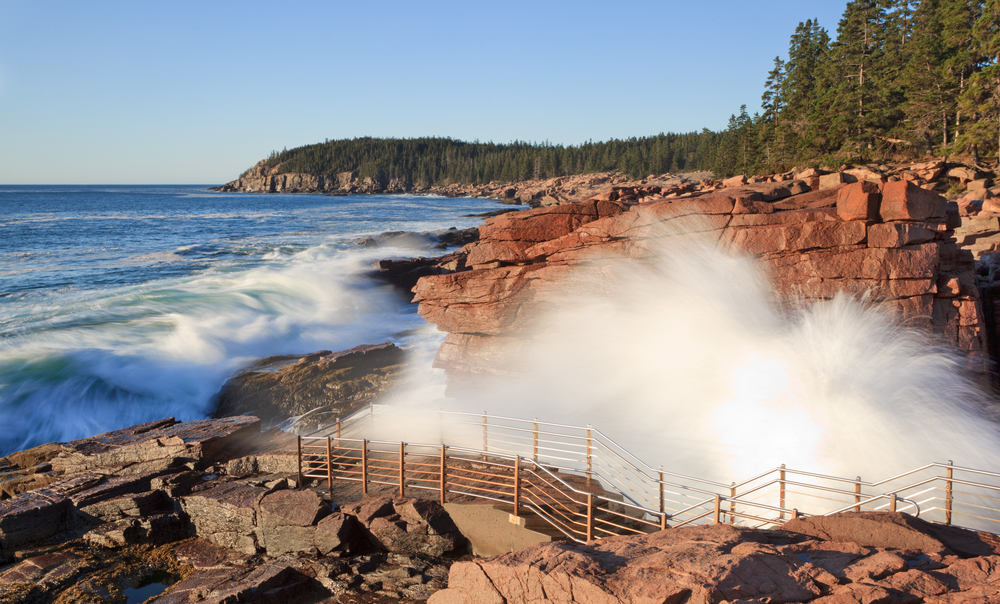
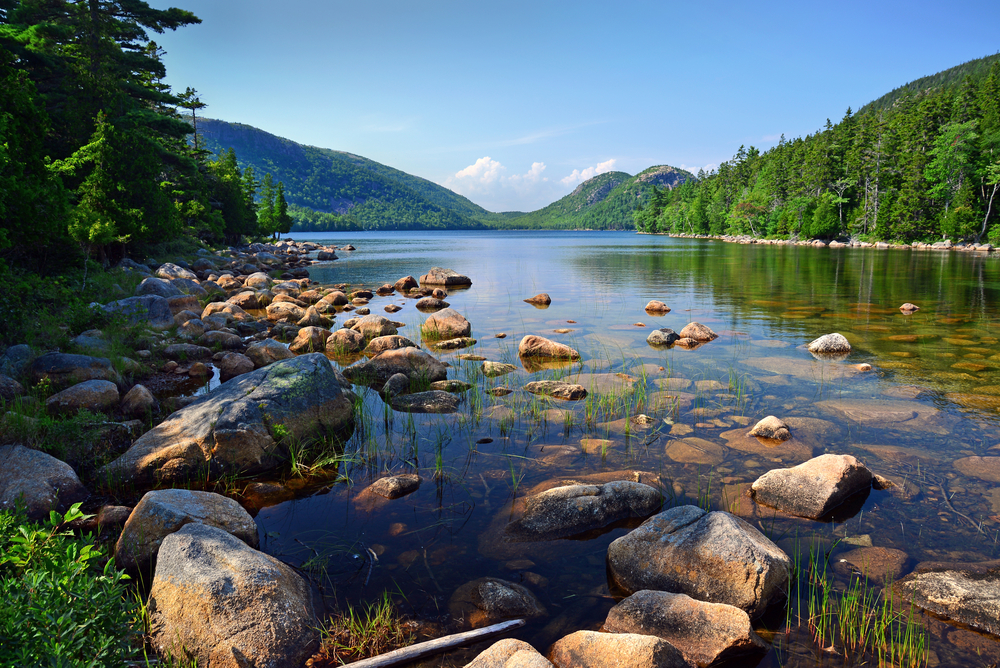
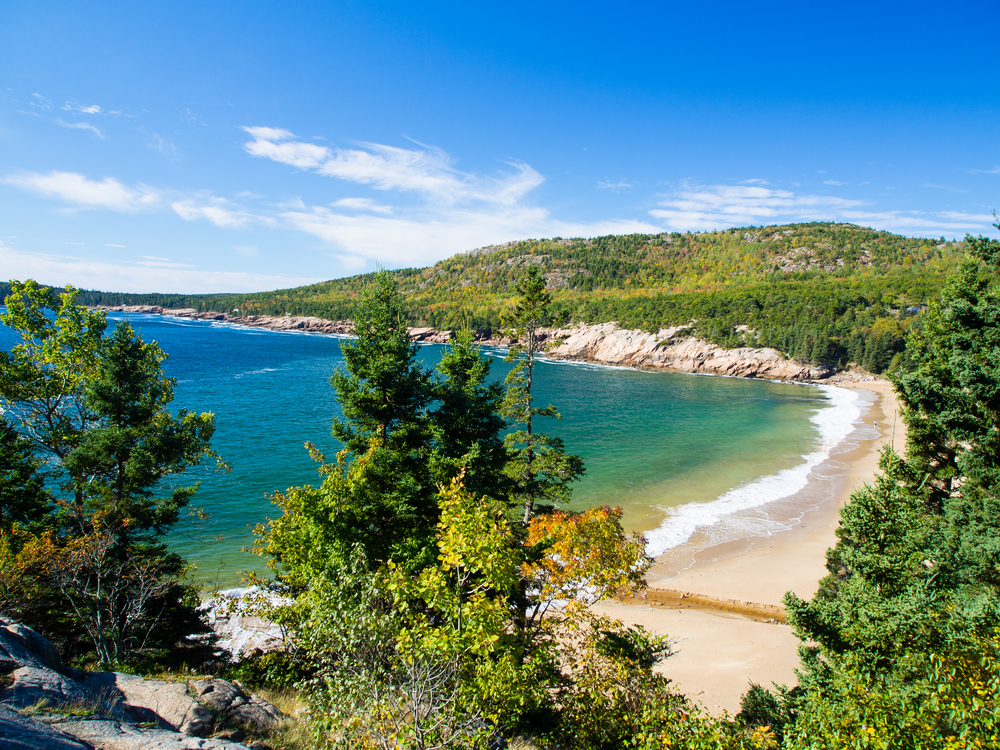
Acadia National Park is located along the rugged Atlantic coastline of the northeastern United States, primarily on Mount Desert Island in the state of Maine. Covering approximately 49 square miles (127 sq km), it is one of the smaller national parks in the country, yet it delivers an extraordinary diversity of landscapes within its compact footprint.
Unlike many western parks defined by vast wilderness expanses, Acadia sits close to coastal towns like Bar Harbor, offering a unique blend of accessibility and natural beauty. While it does not border another national park, it stands as the crown jewel of the northeastern U.S. park system and represents a distinctly different ecological and scenic experience compared to parks in the American West.
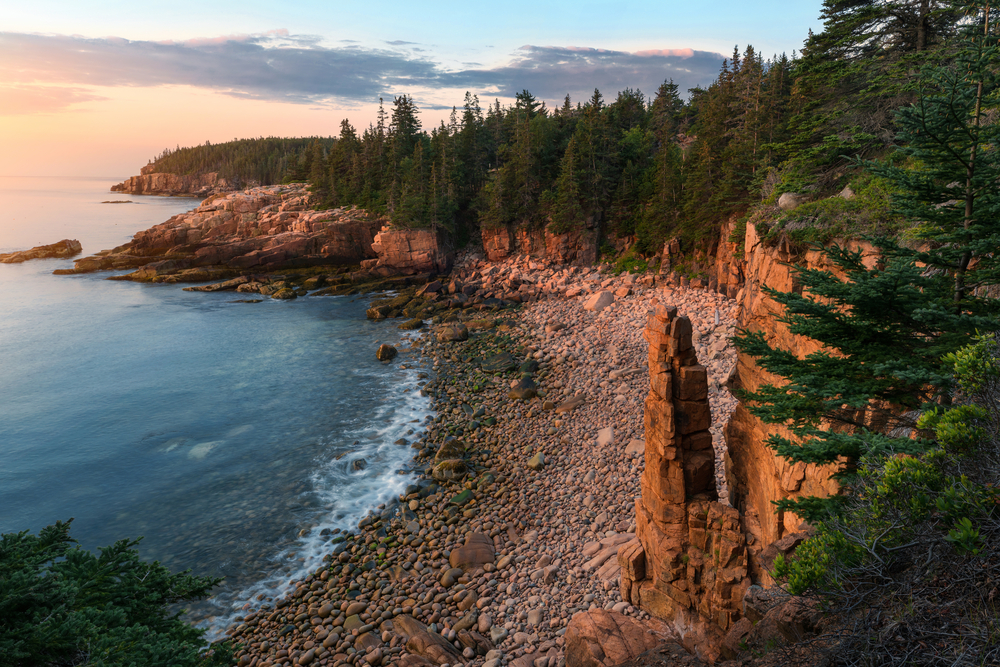
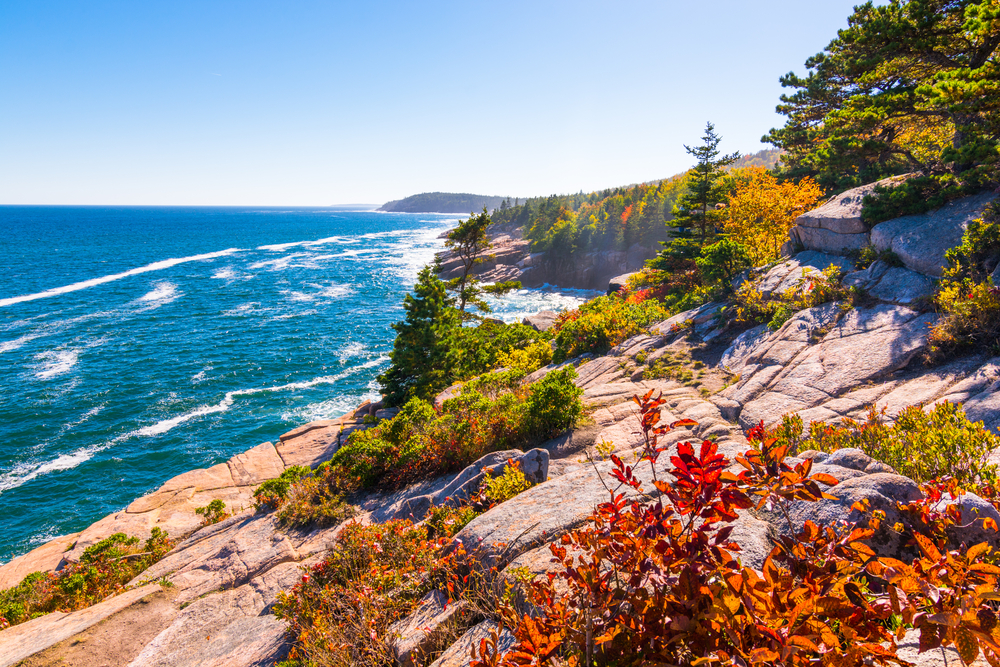
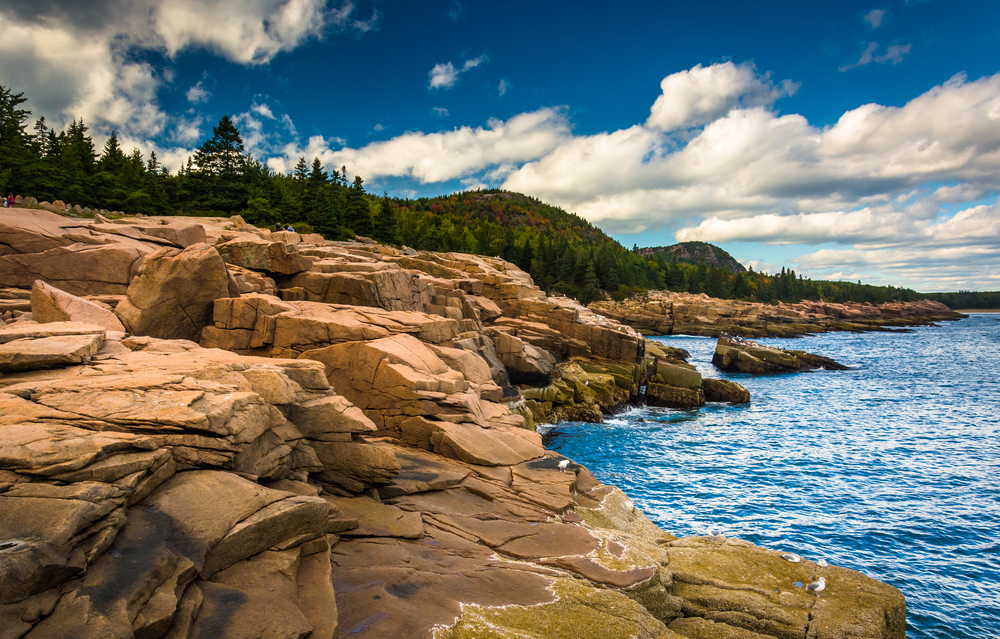
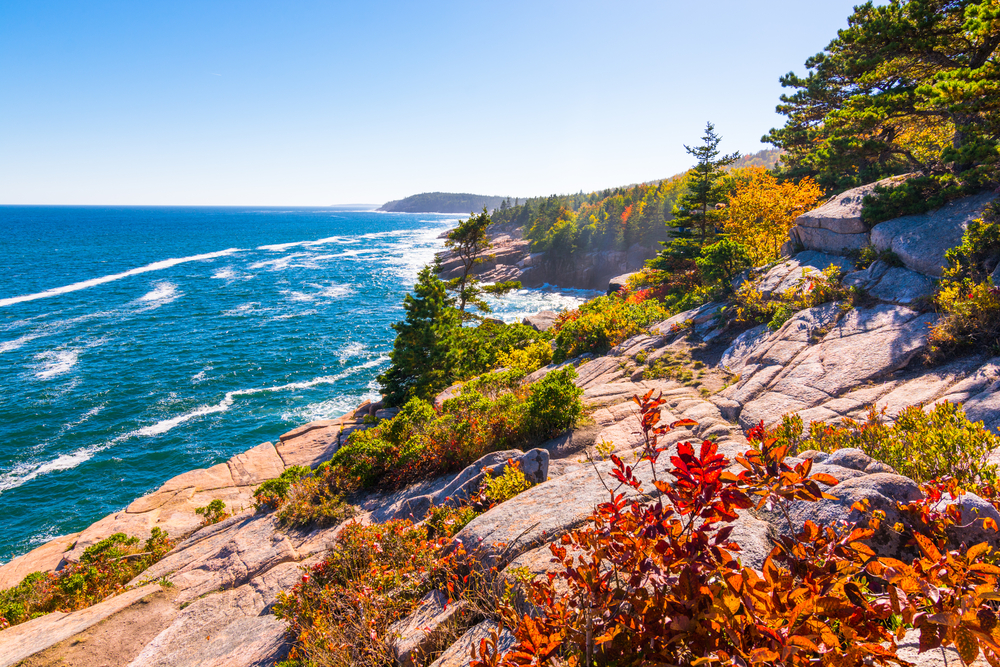
 Acadia is best known for its dramatic meeting of land and sea, where granite peaks rise abruptly from the Atlantic Ocean. One of its most iconic features is
 Photos

Things to See





Things To Do
Acadia National Park is one of America’s most beloved national parks, where rugged granite mountains meet the dramatic Atlantic coastline of Maine. Known for its stunning ocean views, pristine lakes, historic carriage roads, and diverse wildlife, the park offers visitors an exceptional variety of outdoor experiences. From scenic drives and mountain hikes to coastal exploration and wildlife viewing, Acadia provides opportunities for adventure, relaxation, and discovery in every season. Here are some of the more popular ways to explore the park:


Acadia National Park Trails
There are numerous trails throughout the park which provide opportunities to explore the richness of nature found throughout Acadia.

Park Protection
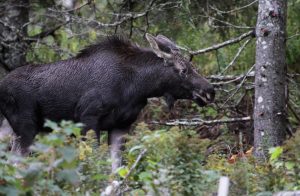 Acadia National Park was created to protect the rugged granite coastline, forested mountains, freshwater lakes, and rich marine ecosystems of Maine’s Mount Desert Island and surrounding areas. The park provides important habitat for several species of conservation concern, including the threatened bald eagle, peregrine falcon, and Atlantic salmon. Its coastal islands and rocky shorelines also support nesting seabirds and migratory bird populations along the Atlantic Flyway. The park protects a rare meeting point between northern boreal and southern temperate ecosystems, creating exceptional biodiversity within a relatively small area.
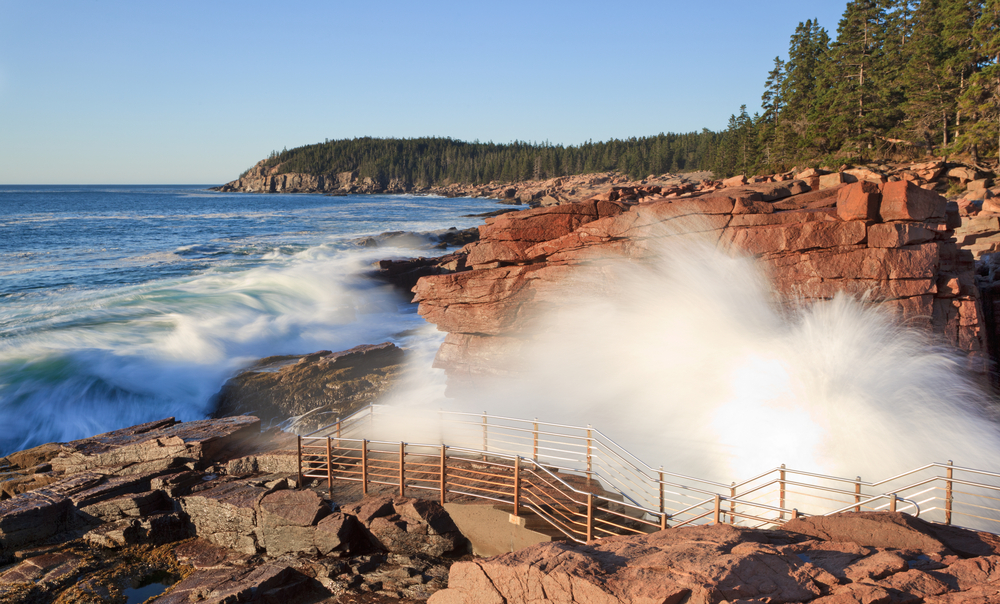
Acadia also safeguards unique natural features such as the exposed pink granite mountains that rise directly from the Atlantic Ocean and some of the first places in the United States to see the sunrise. Its diverse habitats support hundreds of plant species, marine life, and wildlife adapted to harsh coastal conditions. Together, these protected landscapes preserve one of the most iconic and ecologically significant sections of the northeastern United States coastline.
FAQ’s
Where can you see the sunrise first in America?
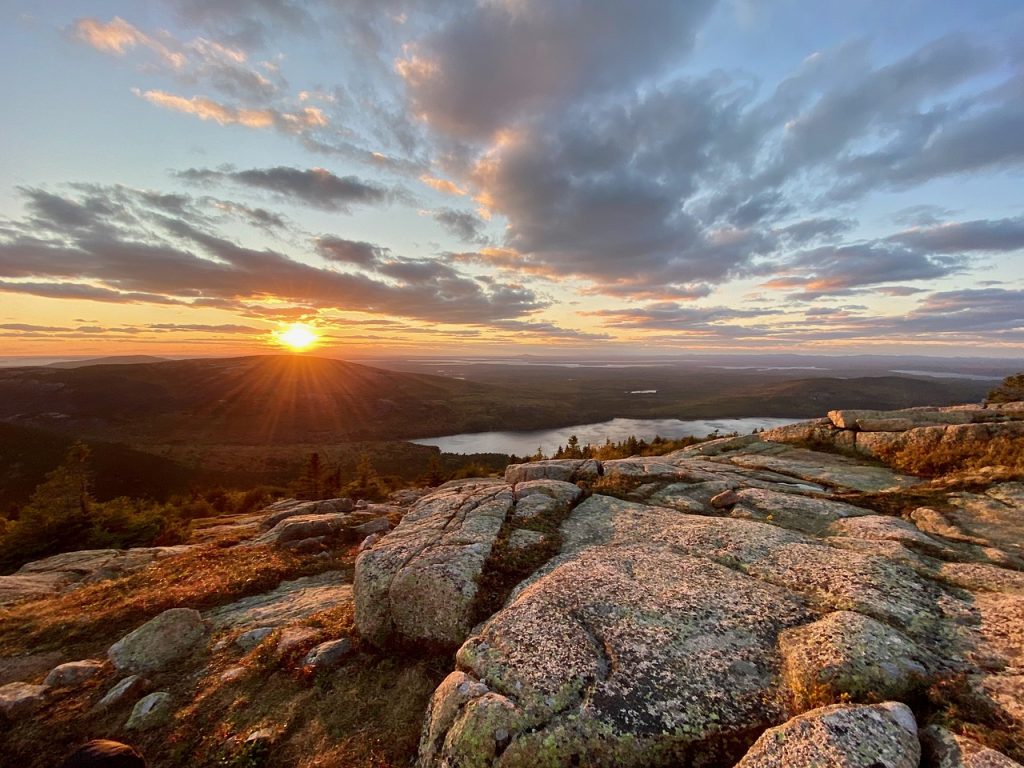
 The sunrise at Cadillac Mountain in Acadia National Park, Maine, is often touted as one of the first places in the United States to see the sunrise.
Due to its eastern location within the Eastern Time Zone and its elevation, visitors can witness the breathtaking spectacle of the sun rising over the Atlantic Ocean before it’s visible from other parts of the country.
However, during certain times of the year, other locations on the eastern coast of the U.S., such as West Quoddy Head in Maine or various points in Florida, may also offer the distinction of being among the first places to see the sunrise.
What is Acadia National Park most famous for?
Acadia National Park is most famous for its stunning coastal landscapes, granite cliffs, pristine beaches, and diverse ecosystems.
Visitors flock to Acadia to explore its scenic hiking trails, picturesque carriage roads, and iconic landmarks like Cadillac Mountain, the highest peak on the U.S. Atlantic coast, offering breathtaking views of the sunrise.
The park’s rich biodiversity, including diverse wildlife and plant species, as well as its cultural heritage, contribute to its allure as one of the most beloved national parks in the United States
What is the closest national park to Acadia?
The closest national park to Acadia National Park in the United States is Isle Royale National Park, located in Lake Superior, approximately 90 miles (145 kilometers) north of the mainland coast of Michigan.
In Canada, the closest national park is Fundy National Park, which is located in New Brunswick and is roughly 100 miles (160 kilometers) northwest of Acadia National Park.
What is the main reason people visit Acadia National Park?
Acadia National Park is primarily visited for its stunning coastal scenery, granite mountains, rocky shorelines, and outdoor recreation opportunities. Located on Mount Desert Island and surrounding areas along the coast of Maine, Acadia is one of the most visited national parks in the United States.
Visitors come to hike scenic trails, drive the famous Park Loop Road, watch sunrises from Cadillac Mountain, explore picturesque harbors, enjoy wildlife viewing, and experience one of the most beautiful coastal landscapes in North America.
What animals can visitors hope to see in Acadia National Park?
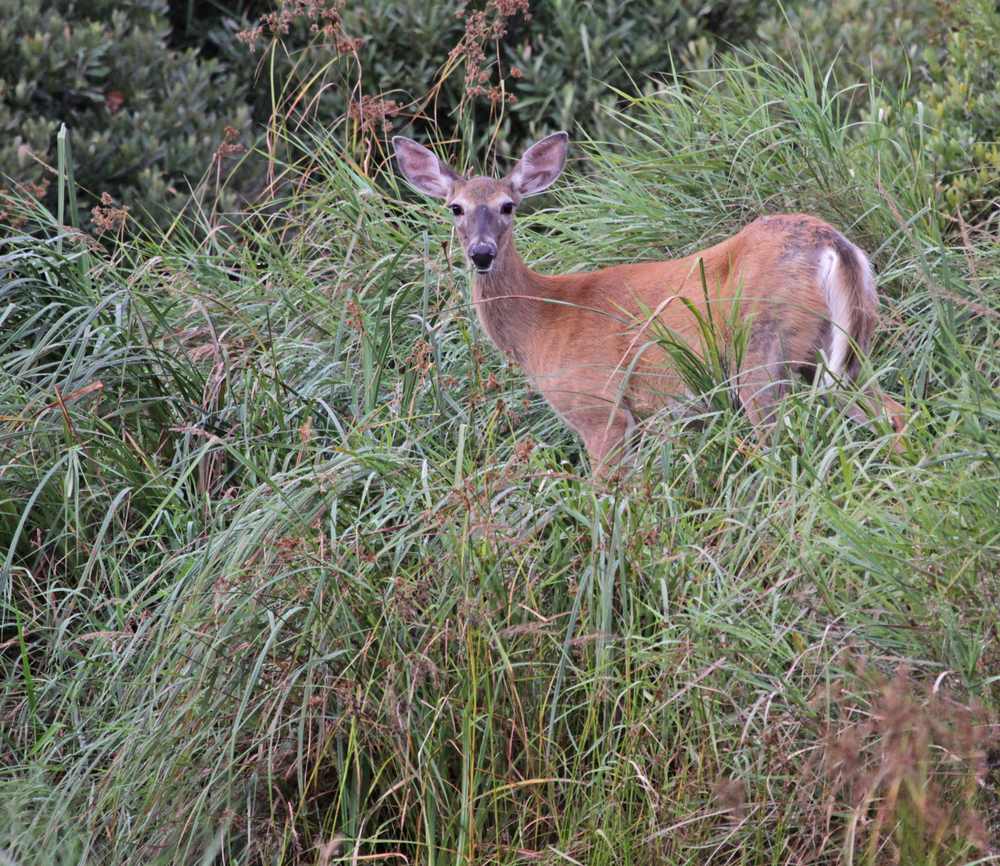
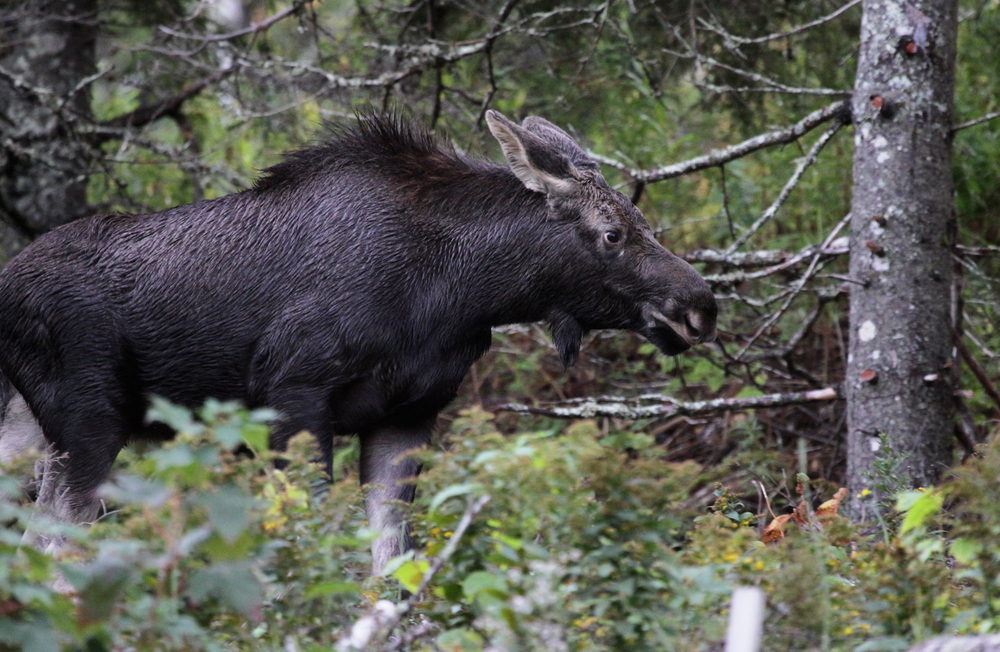
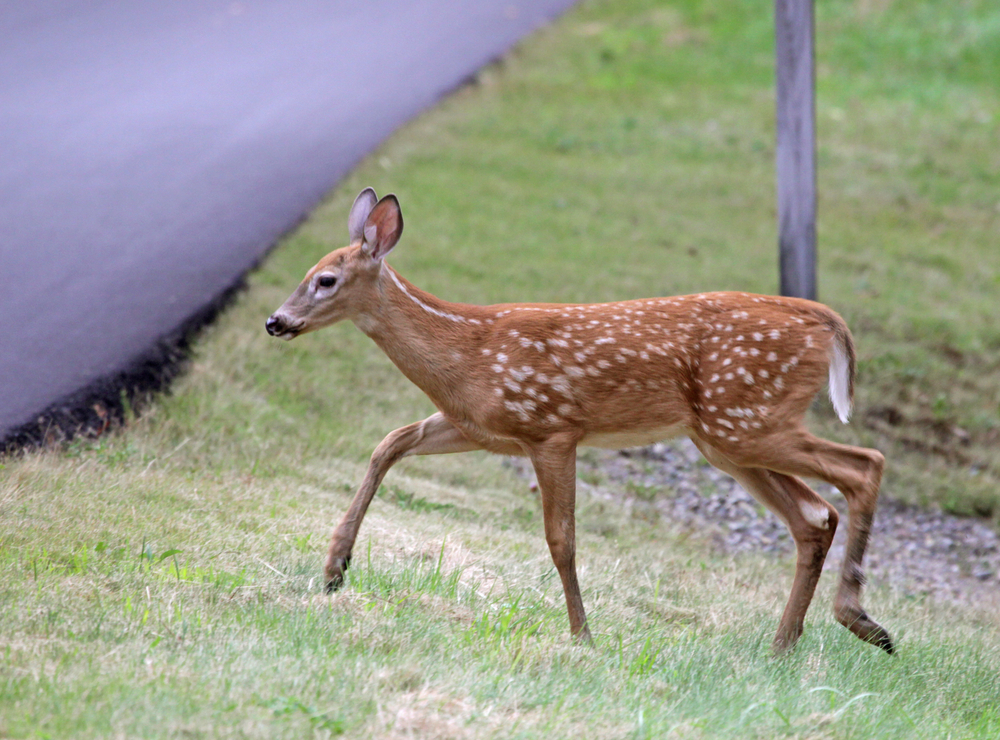
Acadia National Park supports approximately 40 mammal species and more than 10 reptile species. The park’s forests, wetlands, mountains, freshwater lakes, and coastal habitats provide excellent opportunities for wildlife viewing.
Some of the most notable mammals and reptiles found in Acadia National Park include:
- White-tailed Deer
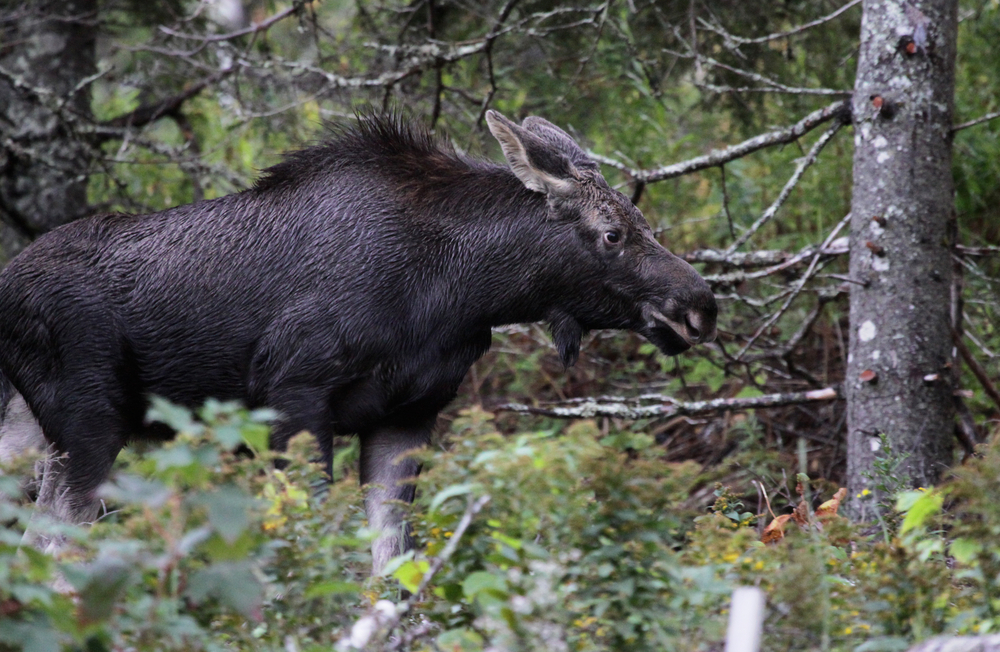
- Moose
- Black Bear
- Coyote
- Red Fox
- Bobcat
- Canada Lynx (rare)
- River Otter
- Beaver
- Muskrat
- Raccoon
- Striped Skunk
- Long-tailed Weasel
- Short-tailed Weasel
- Mink
- Fisher
- American Marten
- Snowshoe Hare
- New England Cottontail
- Eastern Chipmunk
- Red Squirrel
- Northern Flying Squirrel
- Gray Squirrel
- Porcupine
- Deer Mouse
- Meadow Vole
- Woodland Vole
- Jumping Mouse
- Shrew Species
- Little Brown Bat
- Big Brown Bat
- Hoary Bat
- Red Bat
- Silver-haired Bat
- Northern Long-eared Bat
- Harbor Seal
- Gray Seal
- Harbor Porpoise
- Atlantic White-sided Dolphin (offshore)
- Various Small Mammals
- Common Garter Snake
- Eastern Ribbon Snake
- Northern Water Snake
- Smooth Green Snake
- Red-bellied Snake
- Eastern Milksnake
- Painted Turtle
- Snapping Turtle
- Spring Salamander
- Red-backed Salamander
What birds can visitors hope to see in Acadia National Park?
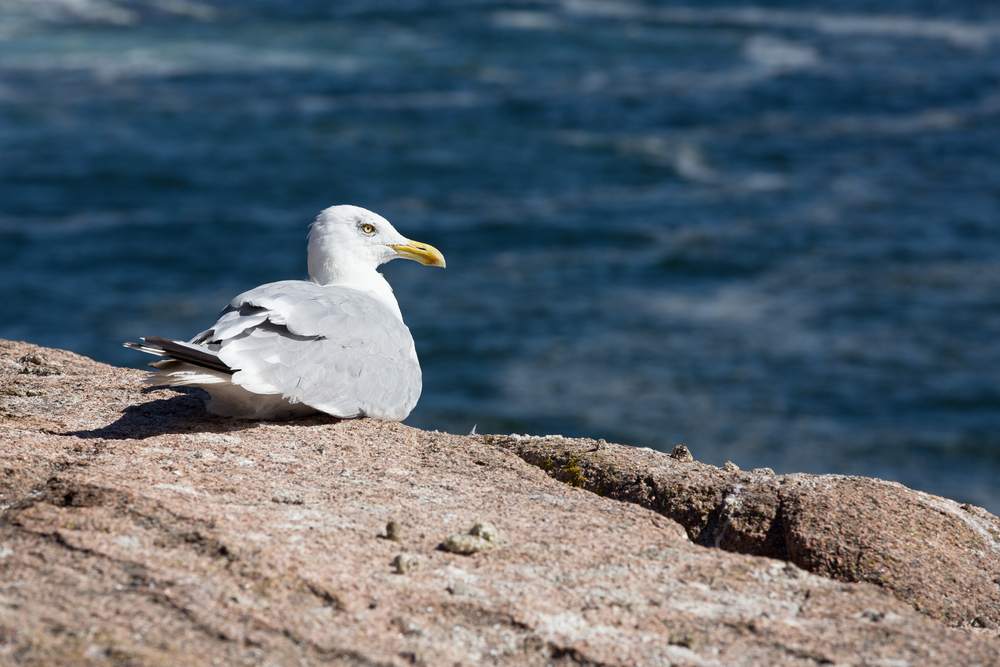
Acadia National Park is one of the premier birdwatching destinations in the northeastern United States, with more than 330 recorded bird species. Its coastal location attracts seabirds, raptors, migratory songbirds, and waterfowl.
Some of the most popular birds seen in Acadia National Park include:
- Bald Eagle
- Osprey
- Peregrine Falcon
- Red-tailed Hawk
- Cooper’s Hawk
- Sharp-shinned Hawk
- Northern Harrier
- Great Horned Owl
- Barred Owl
- Snowy Owl
- Common Loon
- Red-throated Loon
- Double-crested Cormorant
- Great Blue Heron
- Great Egret
- Black-crowned Night Heron
- Canada Goose
- Common Eider
- Harlequin Duck
- Black Scoter
- Surf Scoter
- White-winged Scoter
- Bufflehead
- Common Goldeneye
- Red-breasted Merganser
- Black Guillemot
- Atlantic Puffin (nearby islands)
- Razorbill
- Common Murre
- Ring-billed Gull
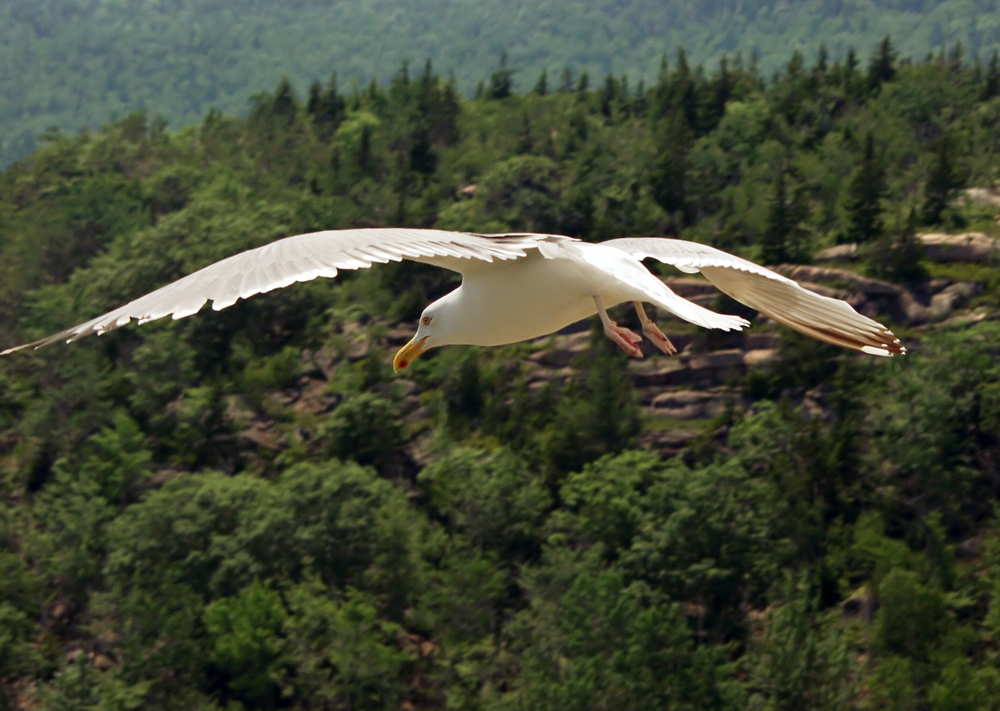
- Herring Gull
- Great Black-backed Gull
- Common Tern
- Arctic Tern
- Belted Kingfisher
- Pileated Woodpecker
- Downy Woodpecker
- Hairy Woodpecker
- Blue Jay
- Common Raven
- Black-capped Chickadee
- Red-breasted Nuthatch
- Winter Wren
- Hermit Thrush
- American Robin
- Yellow-rumped Warbler
- Black-throated Green Warbler
- Magnolia Warbler
- White-throated Sparrow
- Dark-eyed Junco
Is Acadia National Park worth visiting?
Yes, Acadia National Park is absolutely worth visiting and is widely considered one of the most beautiful national parks in the eastern United States.
The park offers a unique combination of mountains, forests, lakes, and rugged Atlantic coastline. Visitors can experience spectacular ocean views, historic carriage roads, scenic hikes, wildlife viewing, and charming nearby communities such as Bar Harbor. Many travelers rank Acadia among the top national parks in North America.
What is the best time to visit Acadia National Park?
The best time to visit Acadia National Park is from June through October.
During these months:
- Hiking trails are fully accessible.
- Temperatures are pleasant.
- Wildlife viewing is excellent.
- Scenic drives are open.
- Fall foliage reaches peak colors from late September through October.
Summer is the busiest season, while autumn offers spectacular foliage and fewer crowds.
How many days do you need to visit Acadia National Park?
Most visitors should plan for 2 to 4 days.
- 1 day: Park Loop Road and Cadillac Mountain.
- 2 days: Major scenic highlights and several hikes.
- 3–4 days: Comprehensive exploration including carriage roads, lakes, and coastal trails.
- 5+ days: Ideal for hikers, photographers, and outdoor enthusiasts.
The park rewards longer stays because of its diversity and scenic beauty.
How do you get to Acadia National Park?
Acadia National Park is located on the coast of Maine near Bar Harbor.
Most visitors:
- Fly into Bangor or Portland.
- Drive to Mount Desert Island.
- Access the park through Bar Harbor or nearby entrances.
The park is approximately one hour from Bangor by car.
Who is involved in protecting and supporting Acadia National Park?
Several organizations help protect Acadia National Park:
- National Park Service – manages Acadia National Park.
- Friends of Acadia – supports conservation, trail maintenance, and educational programs.
- National Park Foundation – supports projects throughout the National Park System.
- Maine Audubon – supports bird conservation and habitat protection.
- Local communities, volunteers, and conservation partners who contribute to park stewardship.
Sources
- Britannica, Acadia National Park, https://www.britannica.com/place/Acadia-National-Park, retrieved March 2020.
- National Park Service, Acadia National Park, https://www.nps.gov/acad/index.htm, retrieved March 2020.
- New England, Guide to Acadia National Park, https://newengland.com/today/travel/maine/bar-harbor/acadia-national-park-g…, retrieved, March 2020.
- Visit Bar Harbor, Acadia National Park, https://www.visitbarharbor.com/acadia-national-park, retrieved March 2020.
- Visit Maine, Acadia National Park, https://visitmaine.com/things-to-do/parks-natural-attractions/acadia-nation…, retrieved March 2020.