

About
Bwindi Impenetrable National Park is located in southwestern Uganda along the edge of the Albertine Rift, near the border with Rwanda and the Democratic Republic of the Congo. Covering approximately 128 square miles (331 sq km), the park is relatively small in size but globally significant for its extraordinary biodiversity and conservation value.
It lies near Virunga National Park and Volcanoes National Park, together forming part of the greater mountain gorilla habitat shared across the region. Bwindi’s dense, ancient rainforest and steep terrain create an atmosphere of deep wilderness and mystery, making it one of Africa’s most iconic natural treasures.
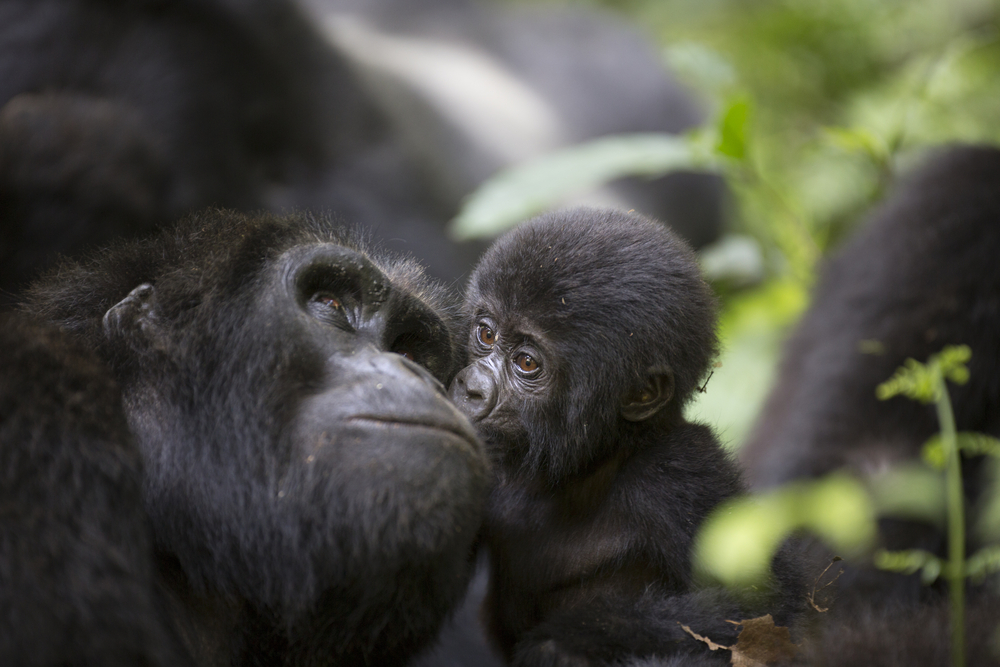
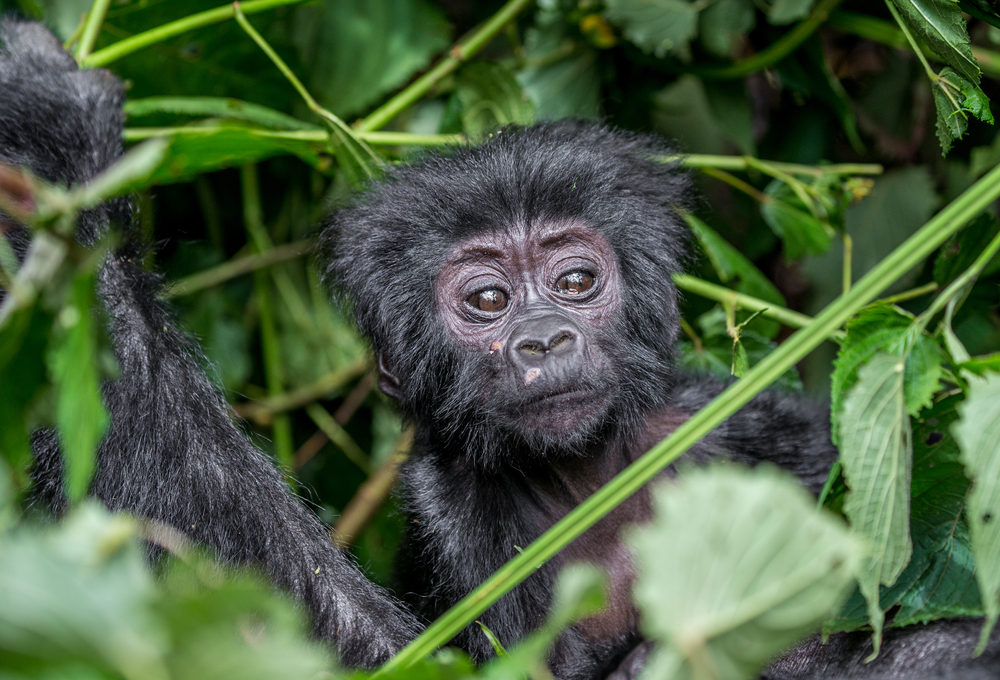
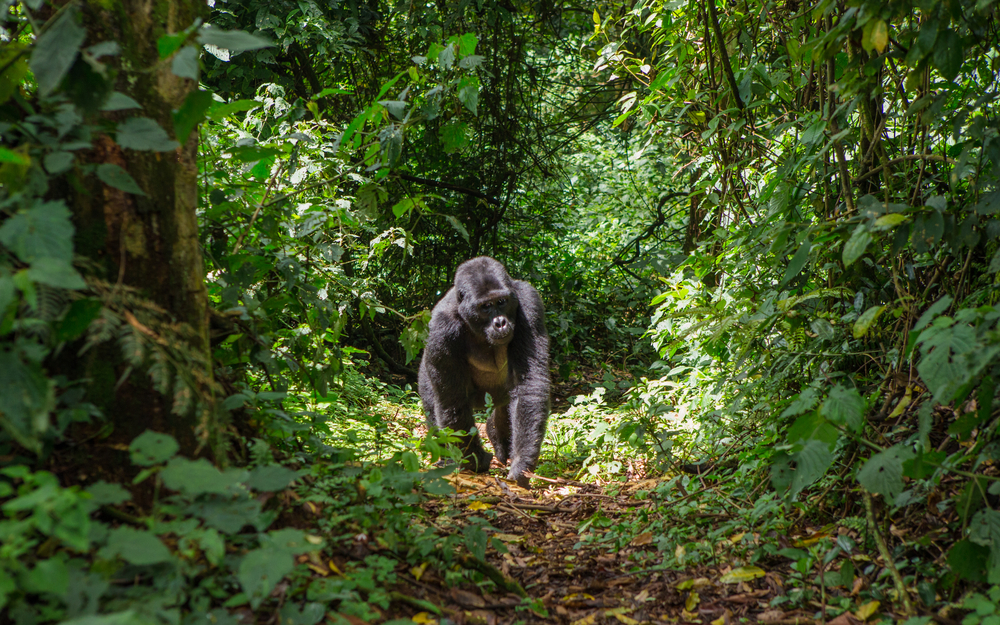
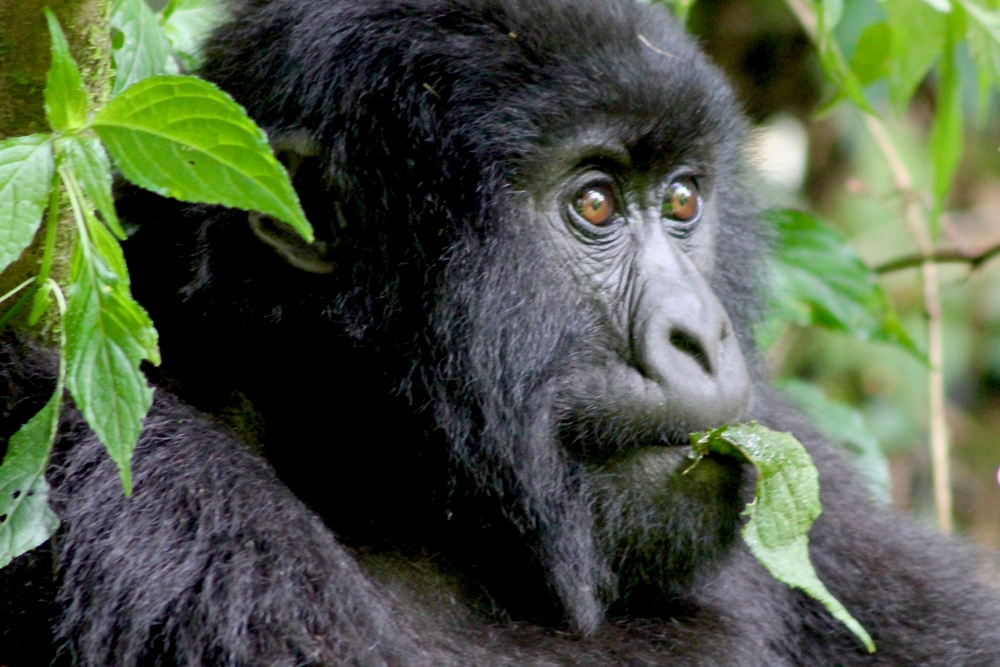
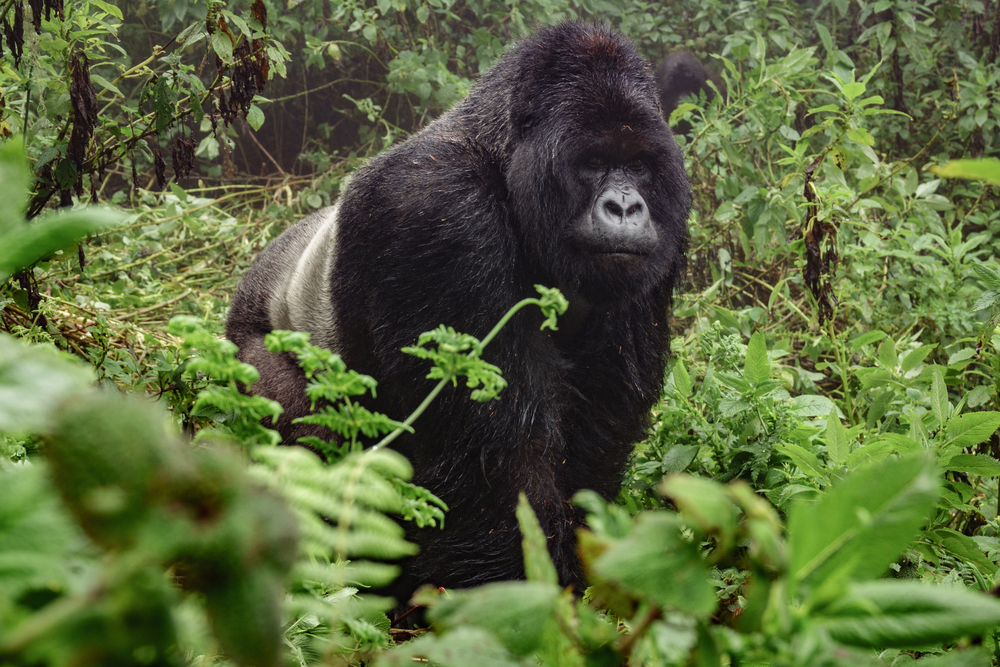
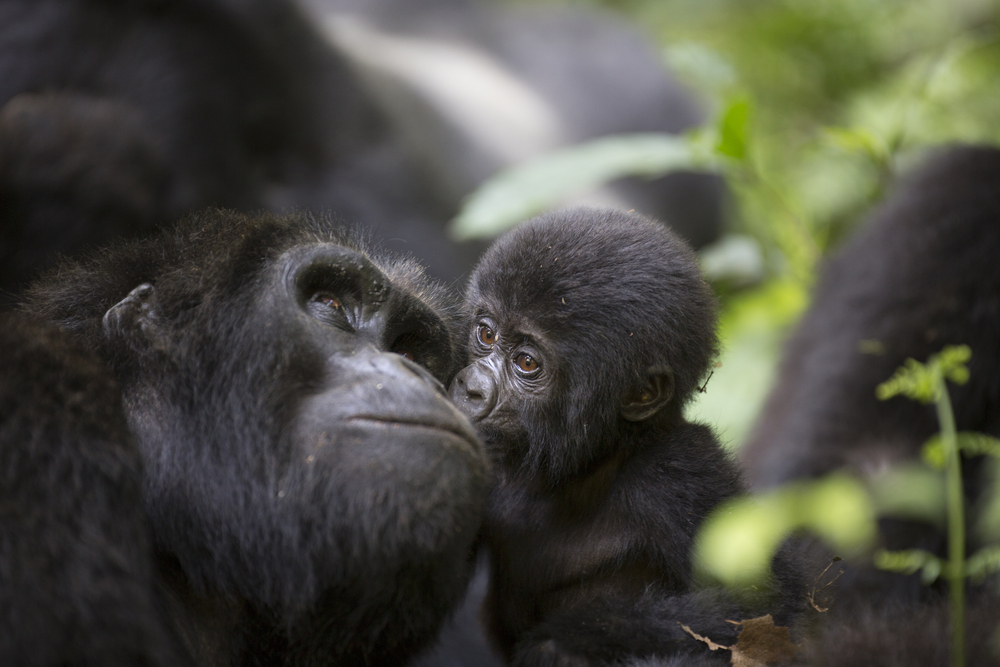
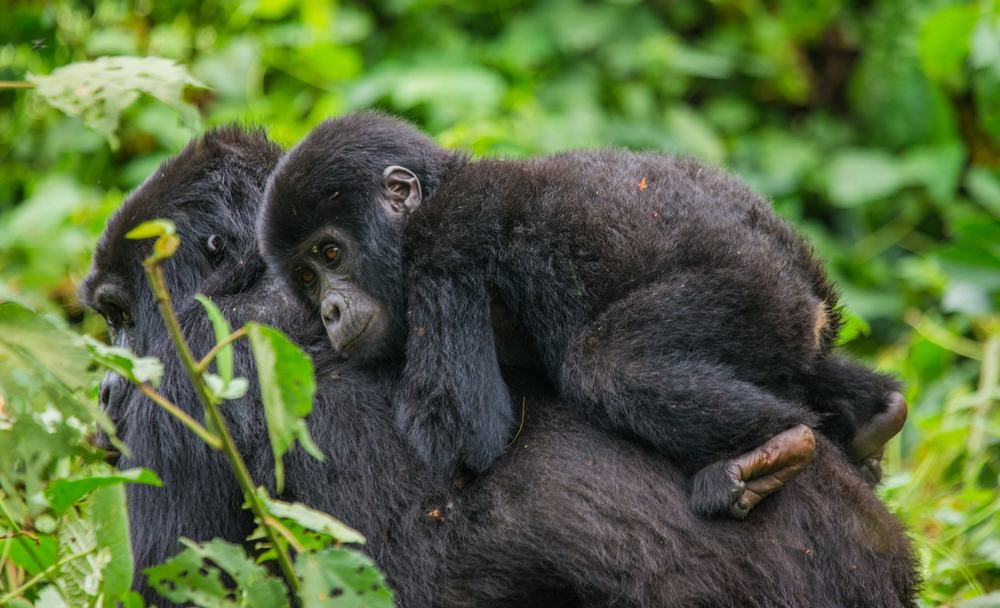
Bwindi is best known for its population of endangered mountain gorillas, with nearly half of the world’s remaining individuals living within the park. Gorilla trekking is the defining experience here, drawing visitors from around the world who venture through thick vegetation and rugged trails for the rare opportunity to observe these remarkable primates in their natural habitat.
The emotional impact of coming face-to-face with a mountain gorilla family in the misty forest is often described as life-changing. Beyond gorillas, Bwindi is renowned for its incredible biological richness, containing one of the oldest and most ecologically diverse rainforests in Africa.
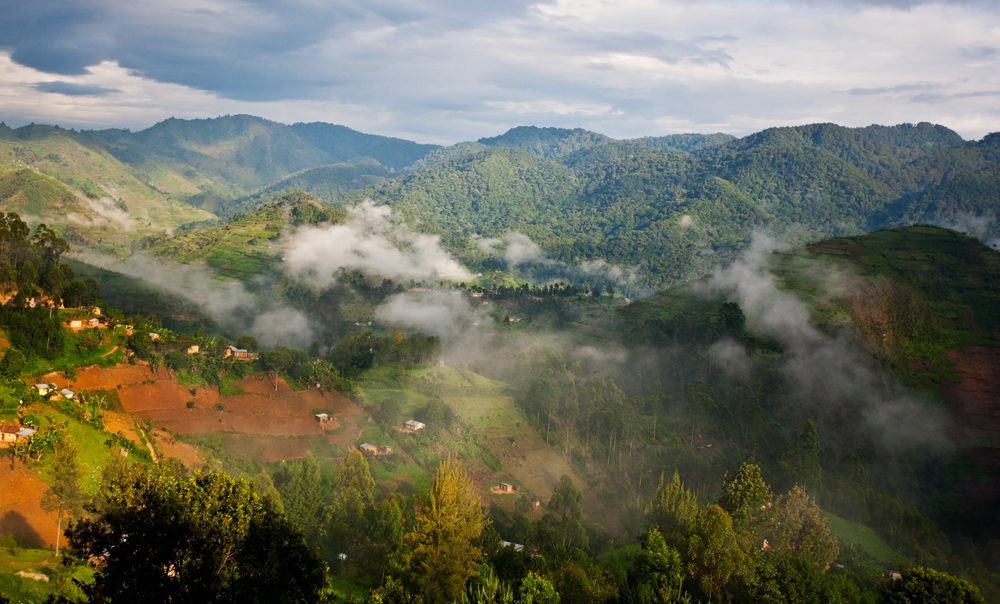
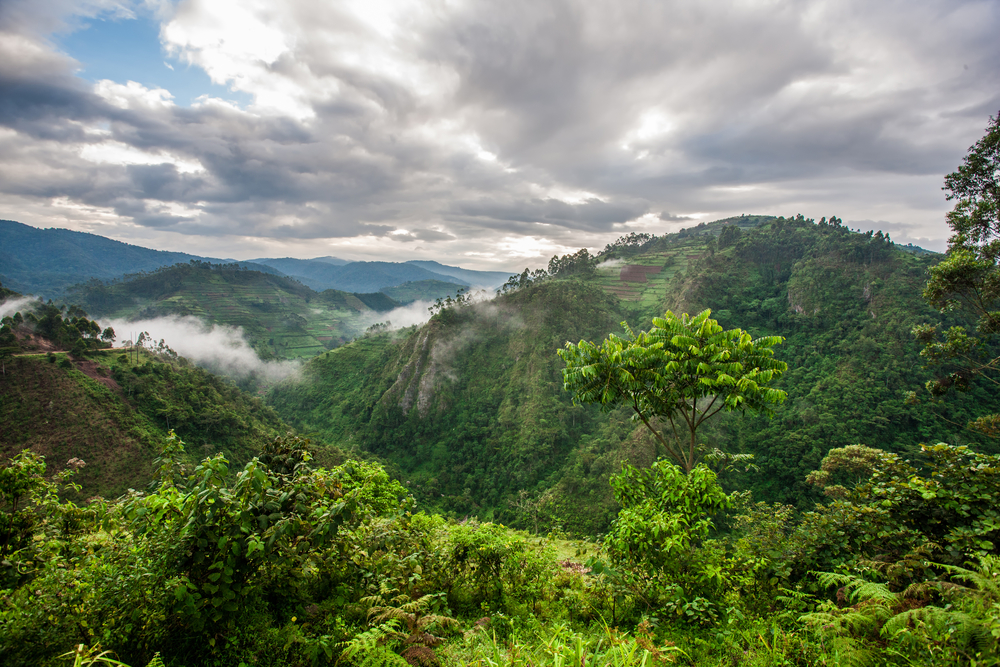
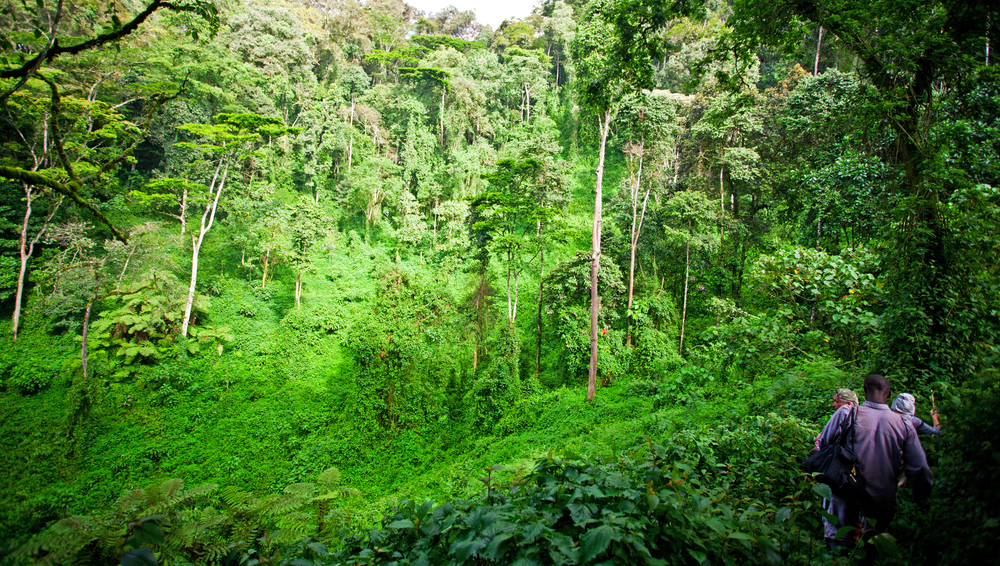
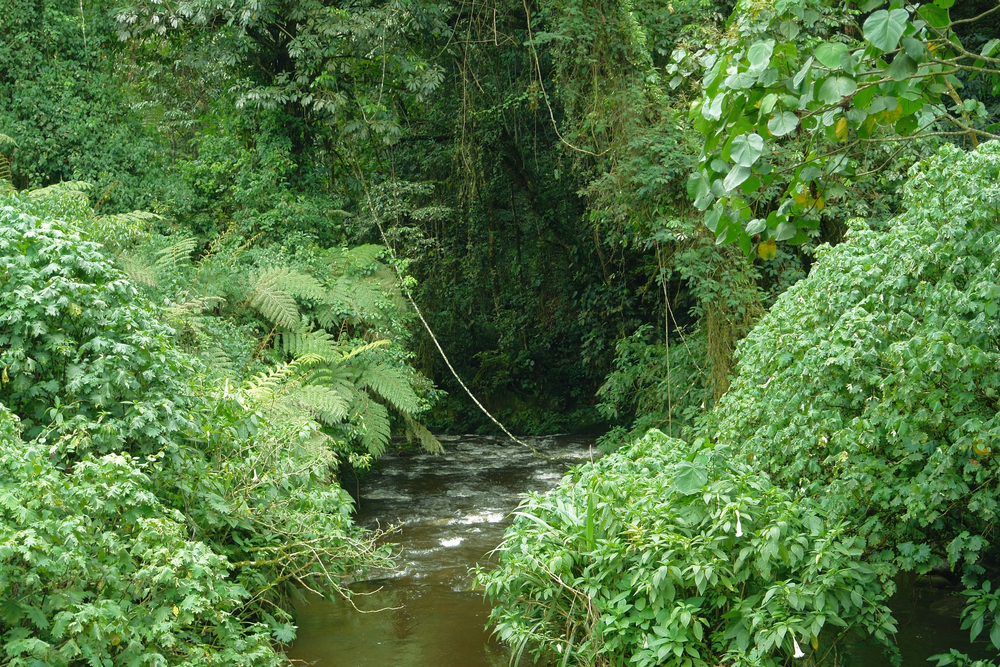
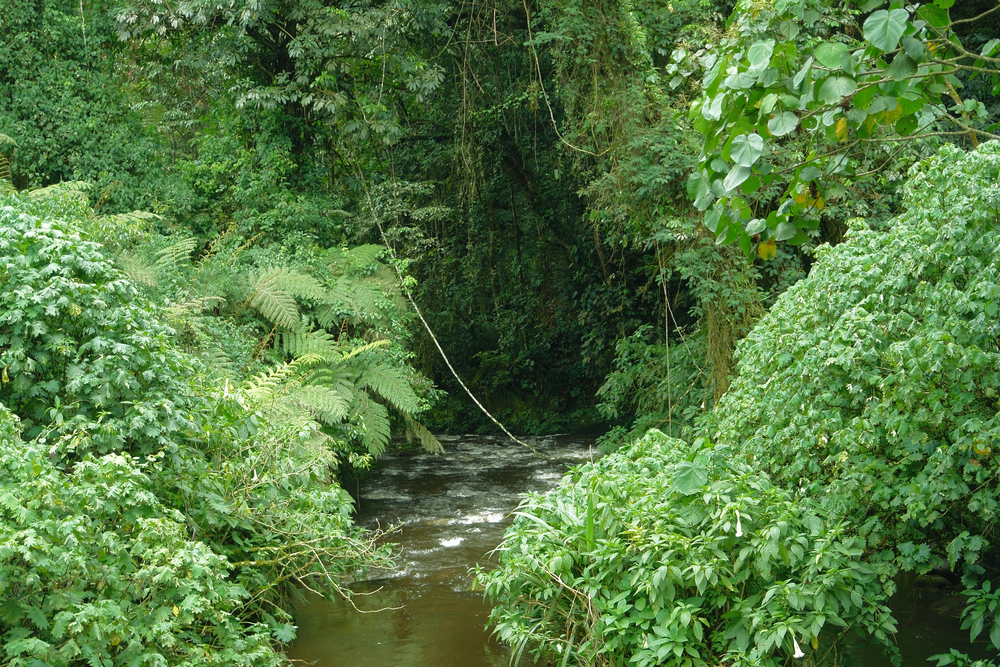
The geography of Bwindi Impenetrable National Park is characterized by steep hills, narrow valleys, and densely forested slopes that range in elevation from about 3,800 to over 8,500 feet (1,160 to 2,600 meters). The park’s name reflects the thickness of its vegetation, where tangled vines, ferns, moss-covered trees, and bamboo create a nearly impenetrable environment in many areas.
This ancient rainforest, believed to have survived the last Ice Age, supports a remarkable variety of plant life, including hundreds of tree and fern species. Frequent mist and rainfall contribute to the park’s lush, vibrant appearance and sustain its rich ecosystems.
Wildlife in Bwindi extends far beyond its famous gorillas. The park is home to numerous primate species, including chimpanzees, black-and-white colobus monkeys, and L’Hoest’s monkeys. Forest elephants, though rarely seen, inhabit the deeper sections of the park, while a wide variety of small mammals, reptiles, and amphibians thrive in the dense vegetation.
Birdlife is especially important, with more than 350 recorded species, including several Albertine Rift endemics that attract birdwatchers from around the world. The extraordinary concentration of species within such a compact area makes Bwindi one of the most biologically significant protected areas on the African continent.
Bwindi Impenetrable National Park plays a critical role in global conservation efforts, particularly in the protection of mountain gorillas, one of the world’s most endangered great apes. Its preservation safeguards not only wildlife but also an ancient forest ecosystem that provides essential ecological services, including water regulation and carbon storage.
The park has also become a powerful example of how conservation and community involvement can work together, with sustainable tourism creating economic opportunities for surrounding communities while supporting wildlife protection. On a global scale, Bwindi stands as a symbol of hope for endangered species conservation, demonstrating that dedicated protection and international cooperation can help vulnerable populations recover and endure.
Photos
Things to See
One of the leading highlights of the national park is the chanced to see primates in the wild. Many people prefer the chimpanzees however the pinnacle attraction of the national park is the mountain gorillas.
Mountain Gorillas
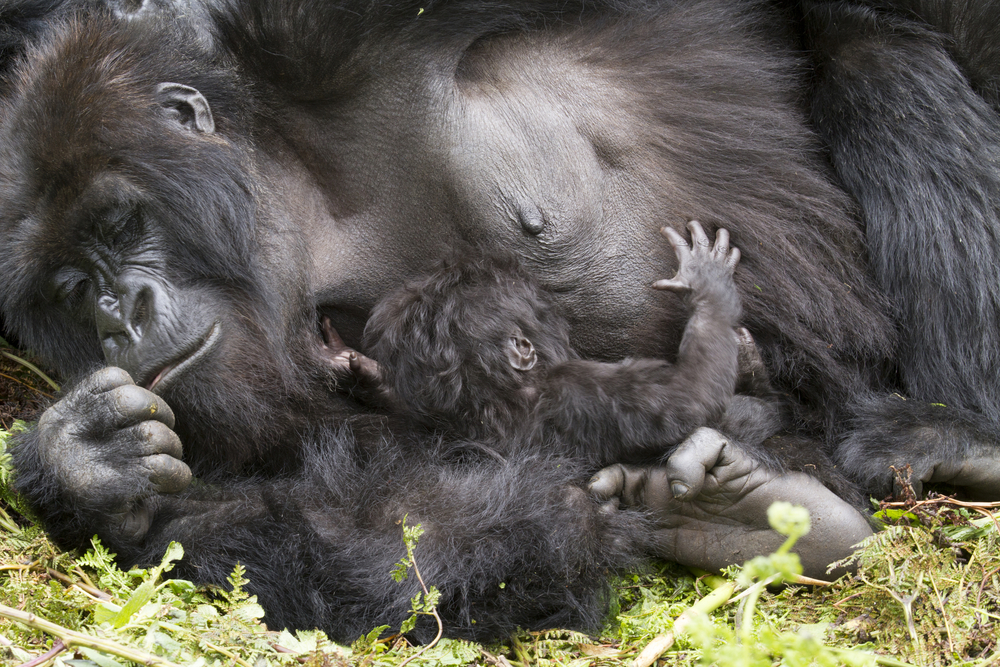
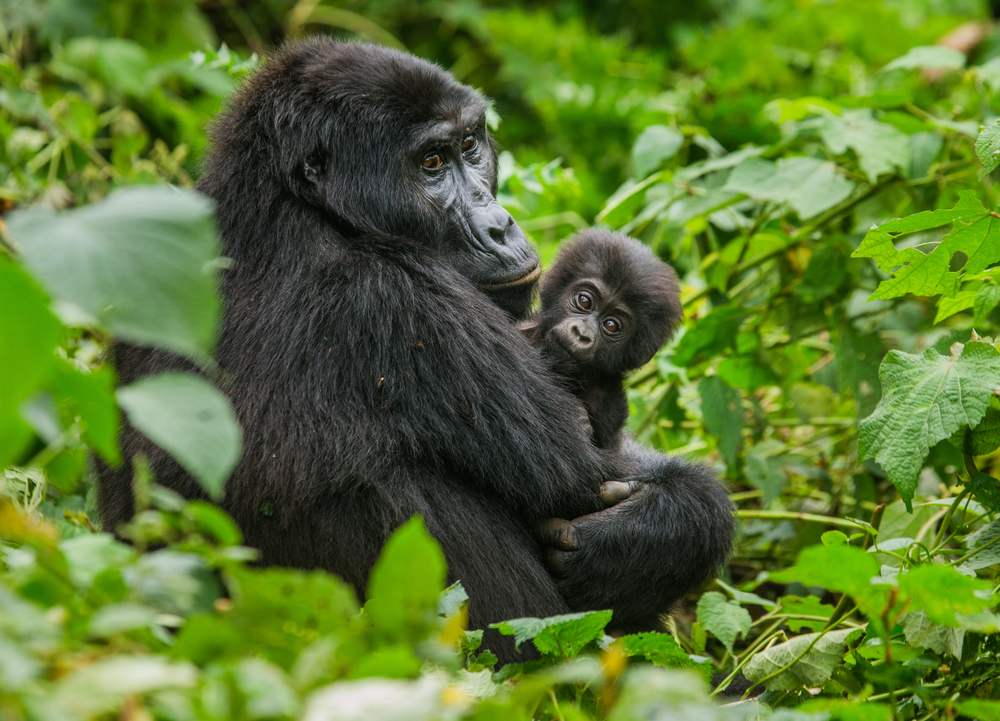
 The mountain gorillas are one of Africa’s most prominent endangered species. There are approximately 400 gorillas spread across the protected area accounting for about half of the world’s population of mountain gorillas.
There are 14 different family groups that have been desensitized to human interaction allowing guided groups a chance to see them in the wild without startling them with your presence.
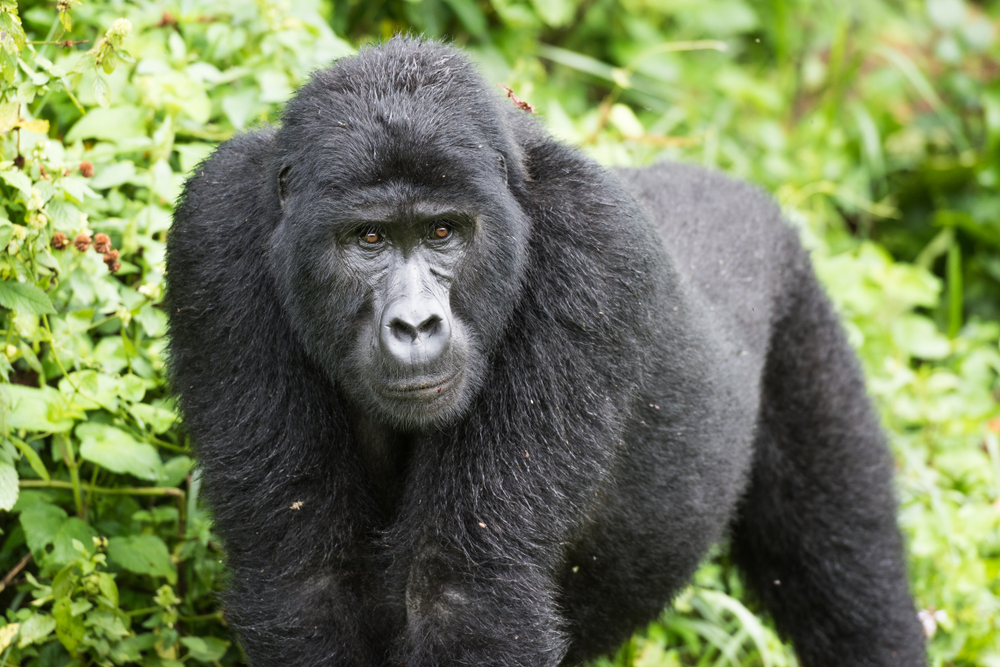
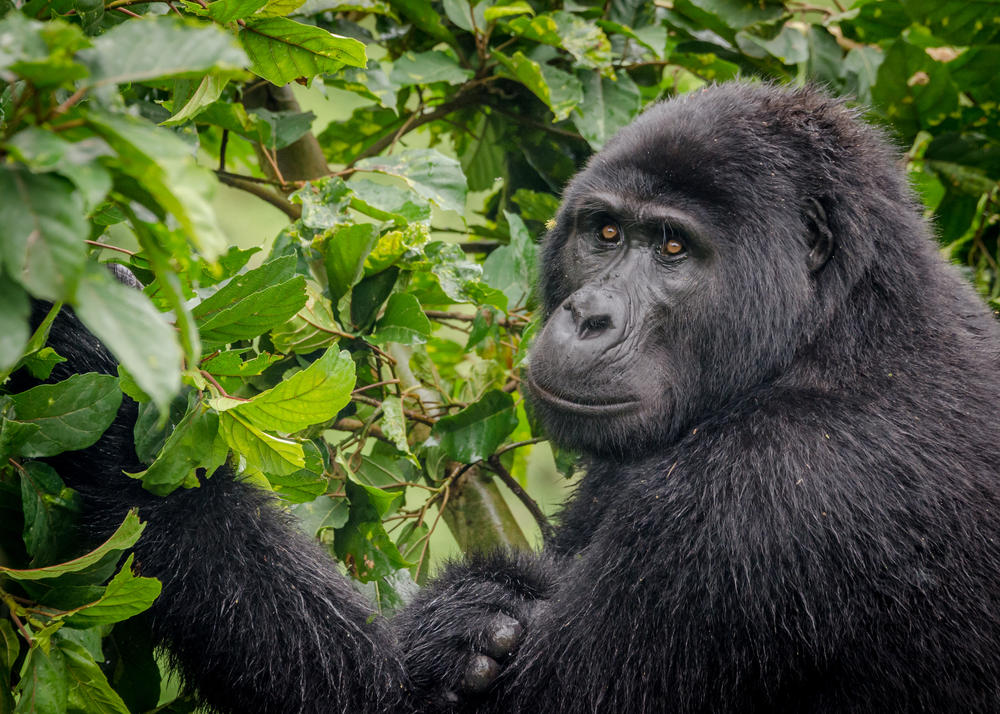
These mountain gorillas display thicker and longer hair than other gorilla species. The males can reach a weight of about 430 pounds (195 kg) which is about double that of the females. The typical height is about five feet (1.5 m), but they can get slightly taller when fully erect. The arm span can reach about 7 feet 7 inches (2.3 m), which assists in their navigation amongst the trees.
The adult males are affectionately referred to as silverbacks. This name is drawn from the silver or grayish hair that develops along the arch of the back as these males age.
Chimpanzees are more renowned for using rocks, plants, and sticks as tools to hunt or collect their food. Along with the mountain gorilla, the chimpanzee is also an endangered species.
Chimpanzees
Chimpanzees are one of the great ape species but much smaller than the mountain gorillas. Some people prefer them because of their more playful nature.
Chimpanzees typically weigh between 88 to 154 pounds (40-70 kg). When they are standing, they will usually be between 3 feet 3 inches to almost 5 feet (100 to 150 cm) tall.
Gorillas
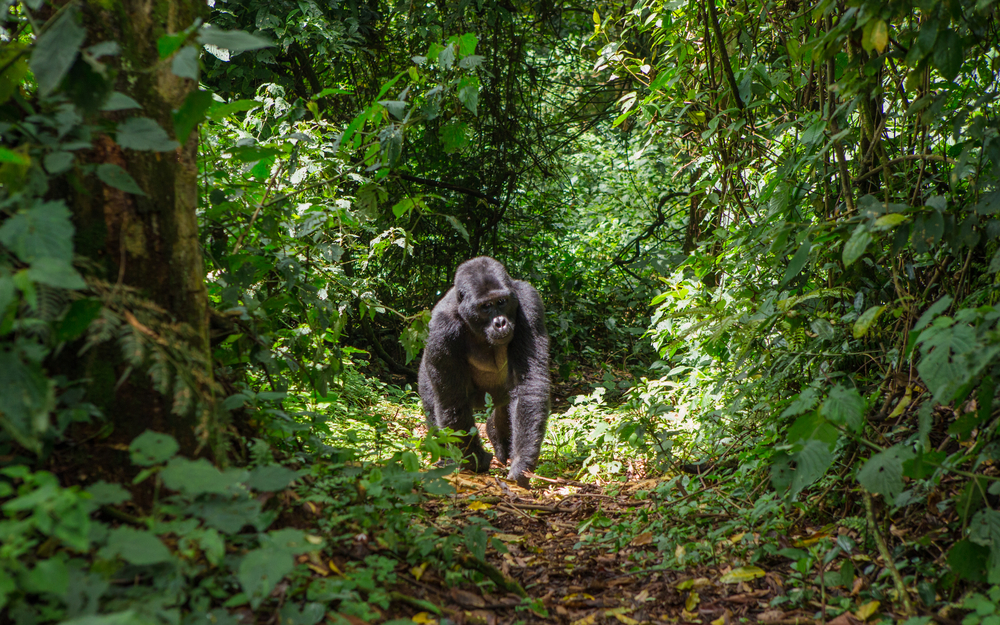
Bwindi Impenetrable National Park is renowned for its population of critically endangered mountain gorillas. With over 459 individuals, representing almost half of the world’s remaining mountain gorilla population,
Due to their protected status and the rugged terrain of the park, access to the gorillas requires trekking through dense forests and steep slopes, making sightings challenging yet incredibly rewarding.
The opportunity to observe these iconic creatures in their natural habitat, amidst the lush greenery of Bwindi, is a once-in-a-lifetime experience that underscores the importance of conservation efforts in preserving these magnificent animals.
Popular
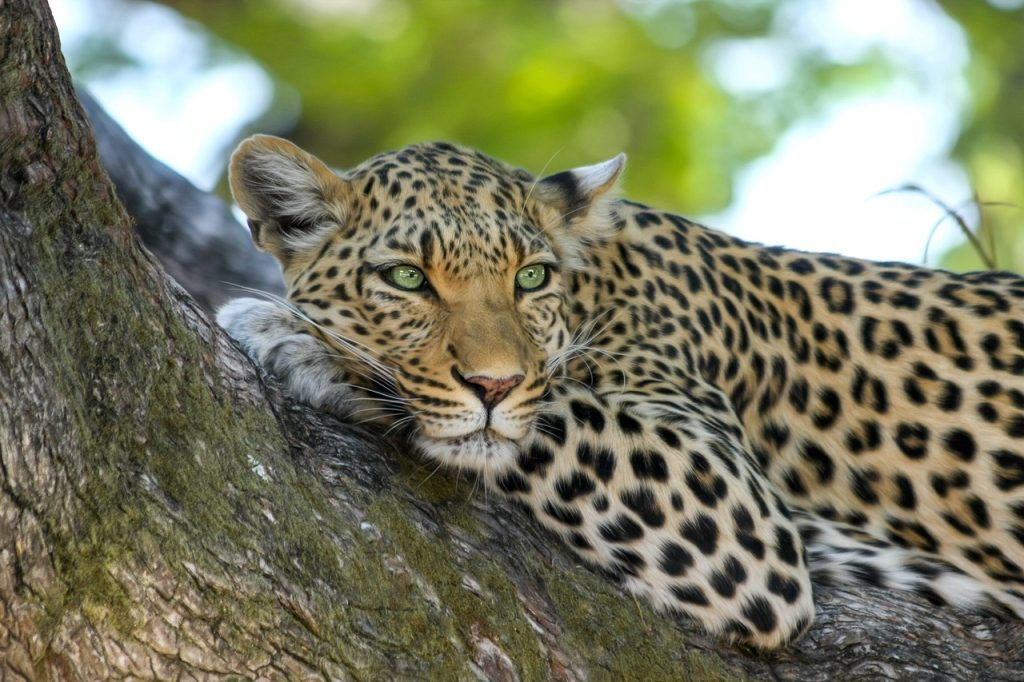
Bwindi Impenetrable National Park teems with diverse wildlife beyond its renowned gorilla population, offering visitors a chance to encounter an array of fascinating species.
Chimpanzee: Agile and intelligent, chimpanzees swing through the forest canopy, displaying complex social behaviors and vocalizations, offering a thrilling glimpse into our closest living relatives.
L’Hoest’s Monkey: With its distinctive white beard and reddish-brown fur, L’Hoest’s monkeys traverse the forest floor and lower canopy, foraging for fruits and leaves in family groups.
African Elephant: Majestic and imposing, African elephants move through the dense vegetation, their presence felt in the rumble of their footsteps and the rustle of leaves as they feed.
Buffalo: Formidable and gregarious, buffalo roam the forest in herds, their massive horns and robust build serving as formidable defenses against predators and intruders.
Leopard: Stealthy and elusive, leopards prowl the forest undergrowth, their spotted coats blending seamlessly with the dappled light, making them masters of camouflage and ambush.
Giant Forest Hog: Massive and solitary, giant forest hogs root through the forest floor in search of roots, tubers, and fallen fruits, their shaggy coats providing insulation against the cool mountain air.
Bushbuck: Graceful and agile, bushbucks navigate the tangled undergrowth with ease, their reddish-brown coats and spiral horns a common sight in the park’s dense vegetation.
Black-and-White Colobus Monkey: With their striking black-and-white fur and long, elegant tails, black-and-white colobus monkeys move through the canopy in acrobatic displays, feeding on leaves and shoots.
Blue Monkey: Also known as Sykes’ monkeys, blue monkeys traverse the forest in troops, their bluish-gray fur and long tails making them easily recognizable among the foliage.
Crested Guinea Fowl: With their distinctive plumage and raucous calls, crested guinea fowl roam the forest floor in search of insects, seeds, and small invertebrates, adding to the park’s avian diversity.
Birds
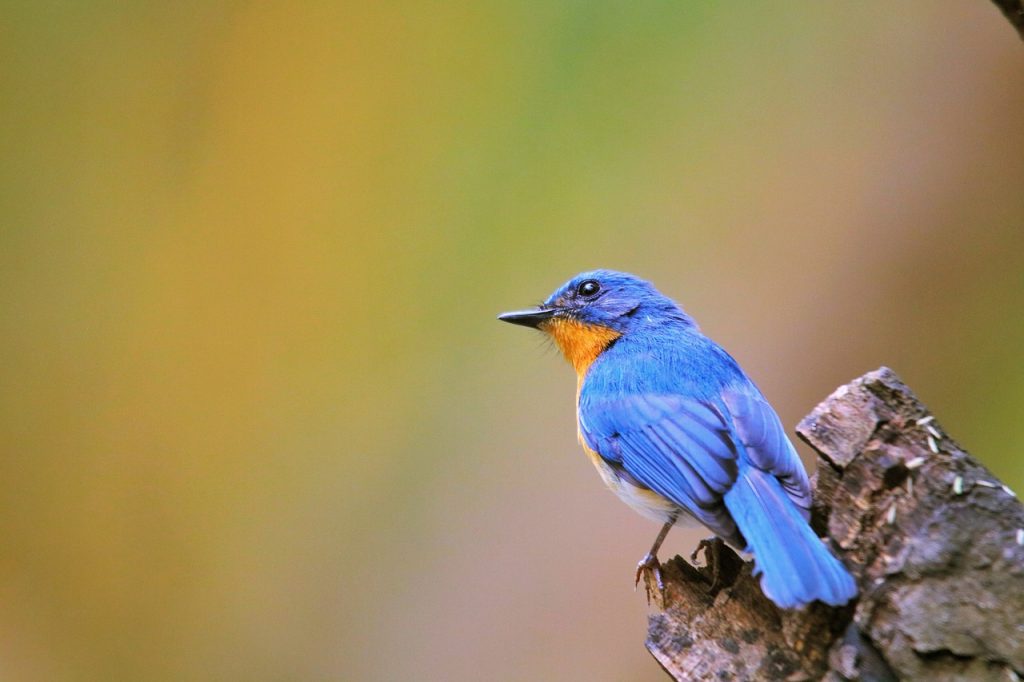
Bwindi Impenetrable National Park is a haven for avian enthusiasts, boasting a rich diversity of birdlife that thrives within its lush montane forests and mist-shrouded canopies.
African Emerald Cuckoo: With its iridescent green plumage and distinctive call, the African emerald cuckoo flits among the treetops, feasting on insects and caterpillars.
Bar-tailed Trogon: Sporting vibrant plumage of crimson, green, and black, the bar-tailed trogon perches high in the canopy, where it hunts for insects and small reptiles.
Yellow-eyed Black Flycatcher: Distinguished by its striking yellow eye-ring, this flycatcher flits from branch to branch, capturing insects in mid-air with agile aerial maneuvers.
Regal Sunbird: Named for its regal appearance and shimmering plumage, the regal sunbird darts among flowering shrubs, sipping nectar with its slender, curved bill.
African Blue Flycatcher: With its azure-blue plumage and melodious song, the African blue flycatcher adds a splash of color and musical charm to the forest understory.
Rwenzori Turaco: Endemic to the Albertine Rift, the Rwenzori turaco flaunts vibrant green feathers and crimson wings as it hops through the forest canopy in search of fruits and insects.
Mountain Illadopsis: This inconspicuous bird, with its olive-brown plumage and subtle streaking, forages on the forest floor, where it feeds on insects, seeds, and small fruits.
Dusky Crimsonwing: With its dusky plumage and crimson underparts, the dusky crimsonwing frequents mossy clearings and forest edges, where it feeds on seeds and small invertebrates.
Blue-headed Sunbird: Sporting a brilliant blue head and metallic green back, the blue-headed sunbird flits among flowering plants, sipping nectar and capturing insects with its slender bill.
Shelley’s Crimsonwing: Named after the renowned explorer, Henry Morton Stanley, Shelley’s crimsonwing boasts crimson plumage and a distinctive white tail band, captivating birdwatchers with its beauty.
Things To Do
Engaging Bwindi
Gorilla Trekking
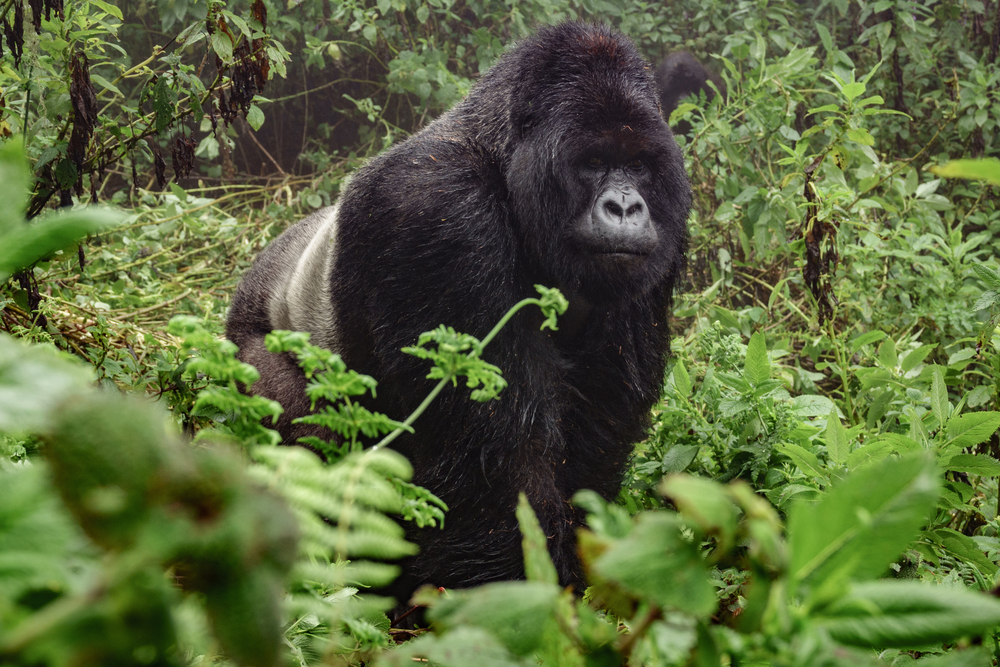
Embark on a guided trek through the dense forests of Bwindi to encounter the endangered mountain gorillas in their natural habitat. Led by experienced trackers, this unforgettable experience offers a rare opportunity to observe these magnificent creatures up close while contributing to their conservation.
Without question, gorilla trekking is the highlight and coveted reason to visit Bwindi. Experiencing the mountain gorillas in their natural habitat is unforgettable experience.
Nature Walks
Immerse yourself in the natural beauty of Bwindi through guided nature walks. Traverse scenic trails winding through lush forests, picturesque waterfalls, and meandering streams, while learning about the park’s unique flora and fauna from knowledgeable guides.
Bird Watching
Explore Bwindi’s rich avifauna, home to over 350 bird species, including numerous endemic and migratory species. With its diverse habitats ranging from montane forests to bamboo zones, the park offers exceptional birding opportunities, allowing enthusiasts to spot elusive species such as the African green broadbill and the handsome francolin.
Birdwatching can happen concurrently while embarking on the traditional gorilla trek. Capturing views of the avian wildlife is a tremendous complement to trekking experience.
Gorilla Trekking
Embark on a guided trek through the dense forests of Bwindi to encounter the endangered mountain gorillas in their natural habitat. Led by experienced trackers, this unforgettable experience offers a rare opportunity to observe these magnificent creatures up close while contributing to their conservation.
Without question, gorilla trekking is the highlight and coveted reason to visit Bwindi. Experiencing the mountain gorillas in their natural habitat is unforgettable experience.
Nature Walks
Immerse yourself in the natural beauty of Bwindi through guided nature walks. Traverse scenic trails winding through lush forests, picturesque waterfalls, and meandering streams, while learning about the park’s unique flora and fauna from knowledgeable guides.
Bird Watching
Explore Bwindi’s rich avifauna, home to over 350 bird species, including numerous endemic and migratory species. With its diverse habitats ranging from montane forests to bamboo zones, the park offers exceptional birding opportunities, allowing enthusiasts to spot elusive species such as the African green broadbill and the handsome francolin.
Birdwatching can happen concurrently while embarking on the traditional gorilla trek. Capturing views of the avian wildlife is a tremendous complement to trekking experience.
Bwindi Impenetrable National Park Trails
Bwindi Impenetrable Forest is a thick dense jungle. The majority of trekking is by official guides who navigate with a limited number of travelers through the jungle searching for opportunities to see chimpanzees, mountain gorillas, and other primates. The trails are typically moderate to difficult and represent true jungle trekking.

Kashasha River Trail
This trail takes about 5 hours while trekking up steep inclines and through dense jungle. You will experience an elevation gain of about 1,968.5 feet (600 m). There are chances to see varied plant and animal species.
Mubwindi Swamp Trail
This trail meanders through the rainforest with chances to see several of the primate species as well as vistas overlooking the Virunga mountains. The trail is rated moderate.
Bamboo Trail
This is a challenging trail with an ascent of 8,553 feet (2,607 m) to the highest point in the park. This journey is more about the views of Lake Bunyonyi and the Virunga Volcanoes than the wildlife. It takes about 7 hours to complete.
Ivy River Traild
This is an 8.70-mile (14 km) trek along the river and through the jungle. There are good chances of seeing wildlife while engaging in several different panoramic views. It is also a good selection for birdwatchers.
Buhoma Waterfall Trail
Rating: Moderate
Distance and Elevation Gain: 3 miles (4.8 km) with an elevation gain of 656 feet (200 meters)
Description: The Buhoma Waterfall Trail offers hikers a scenic journey through the dense forests of Bwindi Impenetrable National Park to reach the mesmerizing Buhoma Waterfall.
Hikers will trek along well-maintained paths, passing through lush vegetation and crossing small streams.
Enjoy the soothing sounds of the waterfall and the serene ambiance of the forest while immersing yourself in the natural beauty of the park.
Rushura Hill Trail
Rating: Moderate to Difficult
Distance and Elevation Gain: 5 miles (8 km) with an elevation gain of 984 feet (300 meters)
Description: The Rushura Hill Trail offers hikers a challenging ascent to the summit of Rushura Hill, providing breathtaking panoramic views of Bwindi Impenetrable National Park and the surrounding landscapes.
Hikers will traverse through dense forests and open grasslands, encountering unique flora and fauna along the way.
The trail rewards hikers with stunning vistas of the park’s rugged terrain and the opportunity to witness unforgettable sunsets.
Mubwindi Swamp Trail
Rating: Difficult
Distance and Elevation Gain: 7 miles (11.3 km) with an elevation gain of 1,312 feet (400 meters)
Description: The Mubwindi Swamp Trail offers experienced hikers an adventurous trek through the challenging terrain of Bwindi Impenetrable National Park to explore the rich biodiversity of the Mubwindi Swamp.
Hikers will navigate through dense vegetation and muddy terrain, encountering rare bird species such as the African green broadbill and Grauer’s rush warbler.
The trail offers opportunities for wildlife observation and birdwatching amidst the pristine wilderness of the swamp.
Bamboo Trail
Rating: Moderate
Distance and Elevation Gain: 4 miles (6.4 km) with an elevation gain of 656 feet (200 meters)
Description: The Bamboo Trail leads hikers through the enchanting bamboo forests of Bwindi Impenetrable National Park, offering opportunities to encounter mountain gorillas in their natural habitat.
Hikers will trek along narrow paths, surrounded by towering bamboo trees and lush vegetation.
Enjoy sightings of other wildlife such as monkeys and birds while exploring the tranquil beauty of the forest, making this trail a memorable adventure for nature enthusiasts.
Ivy River Trail
Rating: Moderate
Distance and Elevation Gain: 6 miles (9.7 km) with minimal elevation gain
Description: The Ivy River Trail follows the course of the Ivy River, providing hikers with a scenic journey through the diverse ecosystems of Bwindi Impenetrable National Park.
Hikers will traverse through dense forests and open grasslands, encountering wildlife such as elephants, antelopes, and various bird species along the way.
Enjoy the soothing sounds of the river and the picturesque views of the surrounding landscapes while immersing yourself in the natural beauty of the park.
Buhoma Waterfall Trail
Rating: Moderate
Distance and Elevation Gain: 3 miles (4.8 km) with an elevation gain of 656 feet (200 meters)
Description: The Buhoma Waterfall Trail offers hikers a scenic journey through the dense forests of Bwindi Impenetrable National Park to reach the mesmerizing Buhoma Waterfall.
Hikers will trek along well-maintained paths, passing through lush vegetation and crossing small streams.
Enjoy the soothing sounds of the waterfall and the serene ambiance of the forest while immersing yourself in the natural beauty of the park.
Rushura Hill Trail
Rating: Moderate to Difficult
Distance and Elevation Gain: 5 miles (8 km) with an elevation gain of 984 feet (300 meters)
Description: The Rushura Hill Trail offers hikers a challenging ascent to the summit of Rushura Hill, providing breathtaking panoramic views of Bwindi Impenetrable National Park and the surrounding landscapes.
Hikers will traverse through dense forests and open grasslands, encountering unique flora and fauna along the way.
The trail rewards hikers with stunning vistas of the park’s rugged terrain and the opportunity to witness unforgettable sunsets.
Mubwindi Swamp Trail
Rating: Difficult
Distance and Elevation Gain: 7 miles (11.3 km) with an elevation gain of 1,312 feet (400 meters)
Description: The Mubwindi Swamp Trail offers experienced hikers an adventurous trek through the challenging terrain of Bwindi Impenetrable National Park to explore the rich biodiversity of the Mubwindi Swamp.
Hikers will navigate through dense vegetation and muddy terrain, encountering rare bird species such as the African green broadbill and Grauer’s rush warbler.
The trail offers opportunities for wildlife observation and birdwatching amidst the pristine wilderness of the swamp.
Bamboo Trail
Rating: Moderate
Distance and Elevation Gain: 4 miles (6.4 km) with an elevation gain of 656 feet (200 meters)
Description: The Bamboo Trail leads hikers through the enchanting bamboo forests of Bwindi Impenetrable National Park, offering opportunities to encounter mountain gorillas in their natural habitat.
Hikers will trek along narrow paths, surrounded by towering bamboo trees and lush vegetation.
Enjoy sightings of other wildlife such as monkeys and birds while exploring the tranquil beauty of the forest, making this trail a memorable adventure for nature enthusiasts.
Ivy River Trail
Rating: Moderate
Distance and Elevation Gain: 6 miles (9.7 km) with minimal elevation gain
Description: The Ivy River Trail follows the course of the Ivy River, providing hikers with a scenic journey through the diverse ecosystems of Bwindi Impenetrable National Park.
Hikers will traverse through dense forests and open grasslands, encountering wildlife such as elephants, antelopes, and various bird species along the way.
Enjoy the soothing sounds of the river and the picturesque views of the surrounding landscapes while immersing yourself in the natural beauty of the park.
Sources
- Africa Geographic Travel, Bwindi Impenetrable National Park, https://travel.africageographic.com/destinations/uganda/bwindi-impenetrable-national-park/#information, retrieved July 2020.
- Bwindi Impenetrable National Park, Park Site, https://www.bwindinationalparkuganda.com/, retrieved July 2020.
- Discover Africa, Bwindi Impenetrable National Park, https://www.discoverafrica.com/safaris/uganda/bwindi-impenetrable-national-park/, retrieved July 2020.
- Uganda Wildlife Authority, Bwindi Impenetrable National Park, https://www.ugandawildlife.org/explore-our-parks/parks-by-name-a-z/bwindi-impenetrable-national-park, retrieved July 2020.
- UNESCO, Bwindi Impenetrable National Park, https://whc.unesco.org/en/list/682/, retrieved July 2020.