

About
Located in the eastern region of Democratic Republic of the Congo, Virunga National Park is Africa’s oldest national park and one of the continent’s most biologically diverse protected areas. Established in 1925, the park covers approximately 3,090 square miles (8,000 sq km) and stretches from the Virunga Mountains in the south to the Rwenzori Mountains in the north.
Virunga borders Volcanoes National Park and Mgahinga Gorilla National Park, forming part of the greater mountain gorilla conservation region. The park’s extraordinary range of habitats and dramatic landscapes have earned it recognition as a UNESCO World Heritage Site.
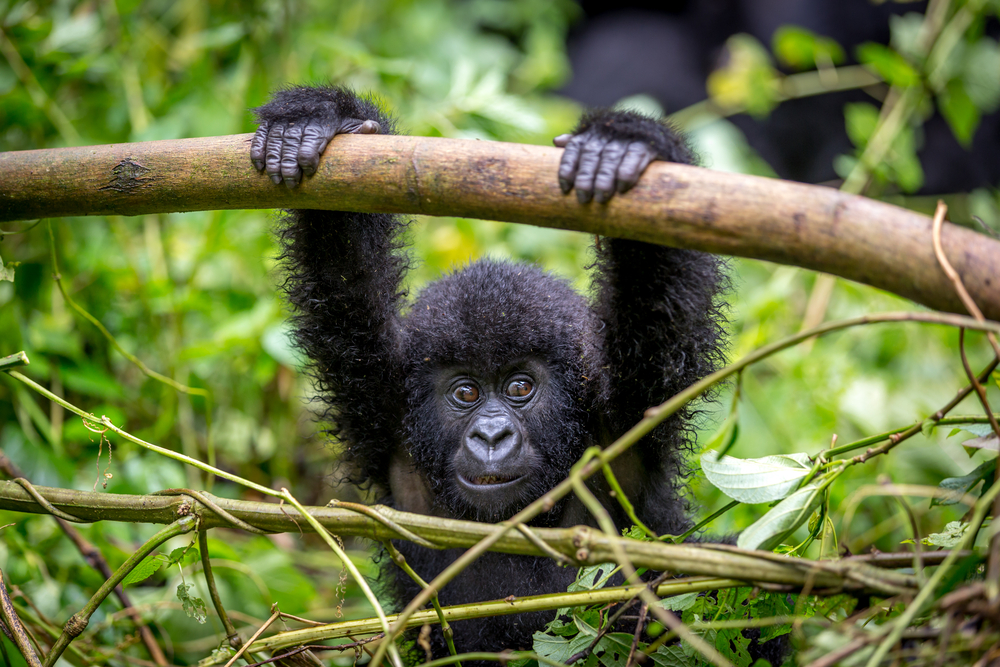
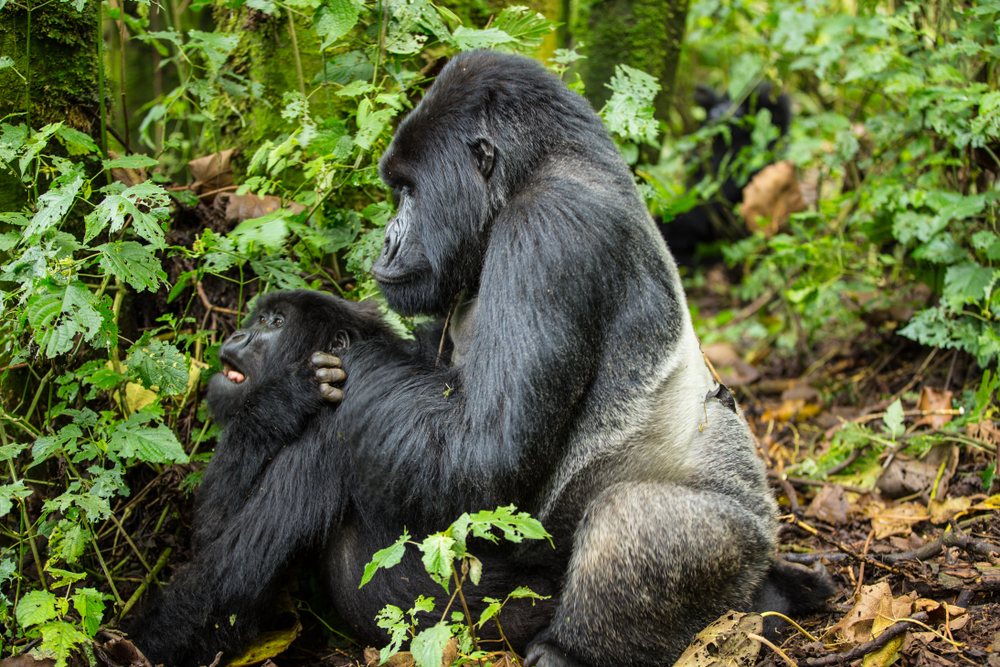
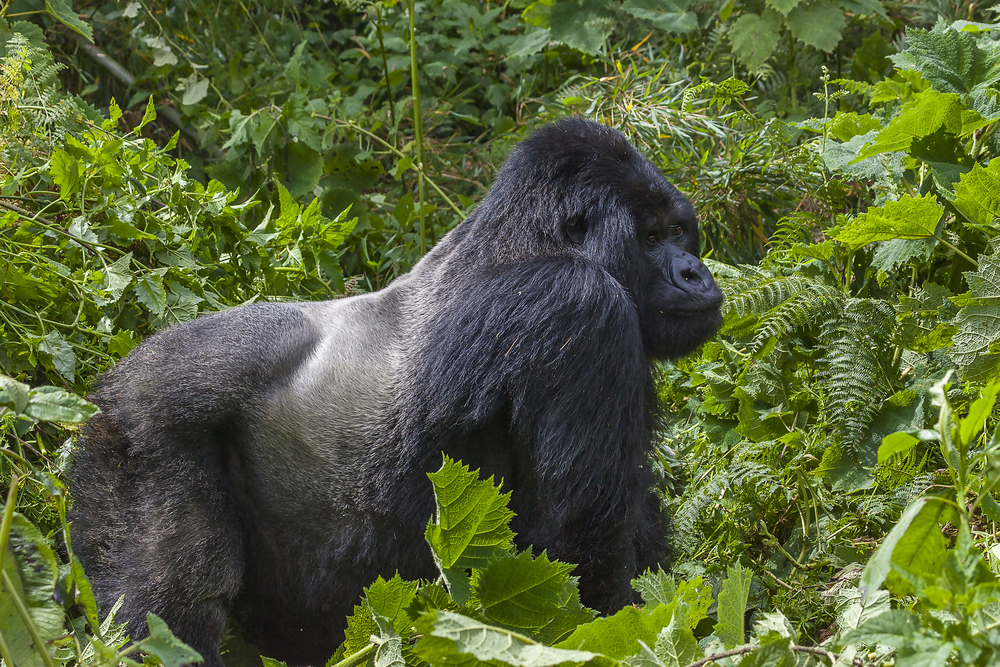
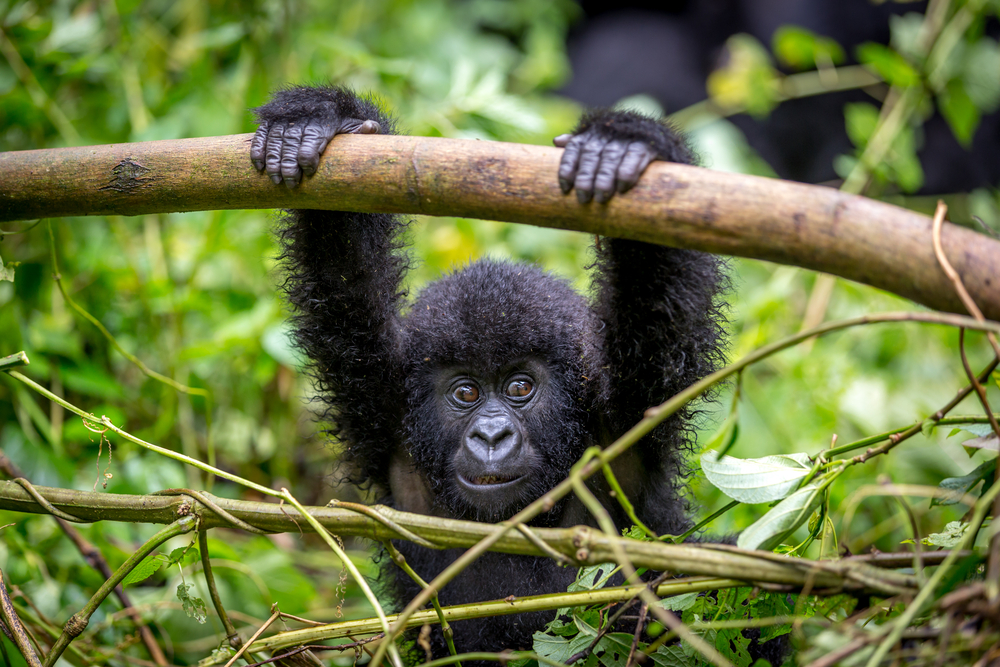
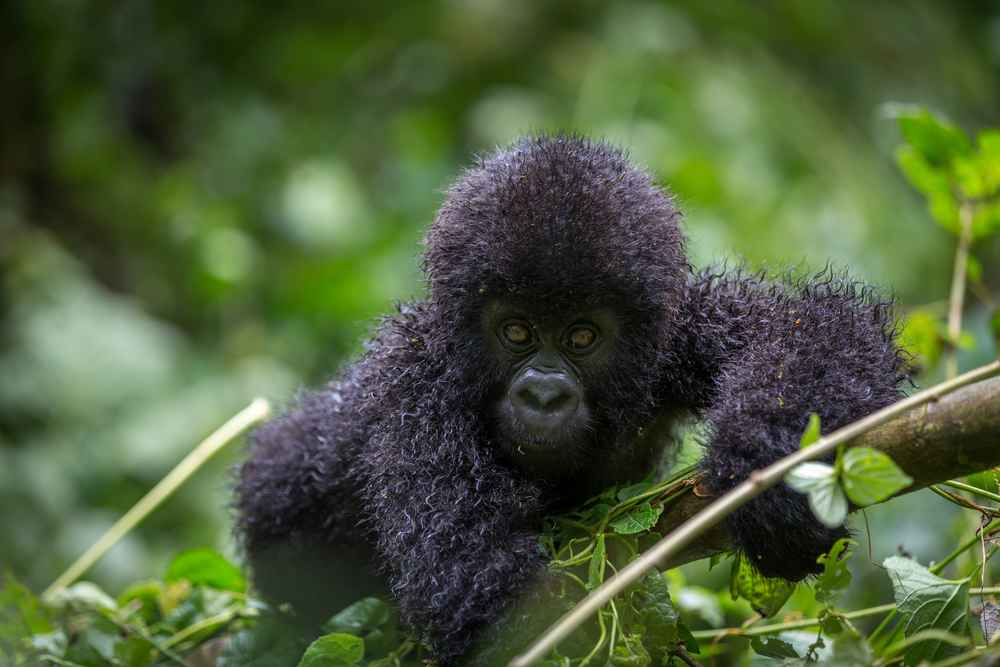
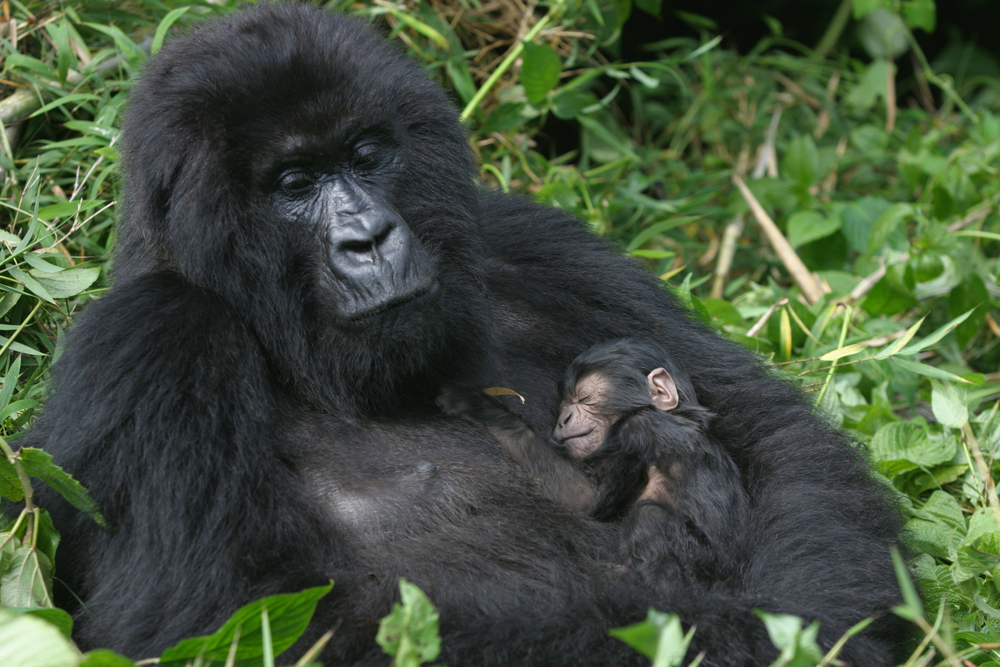
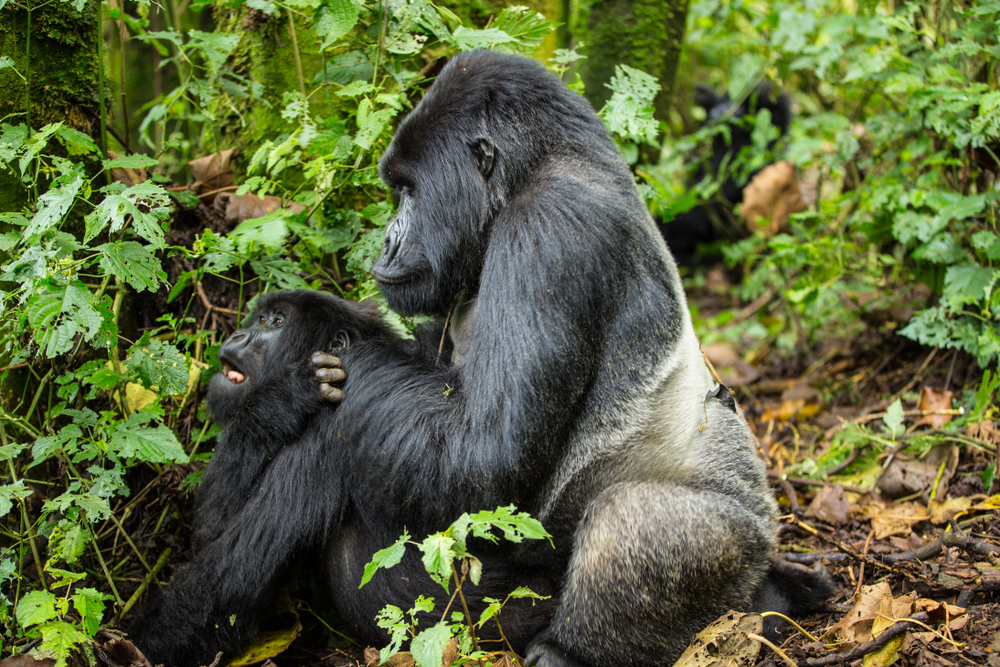
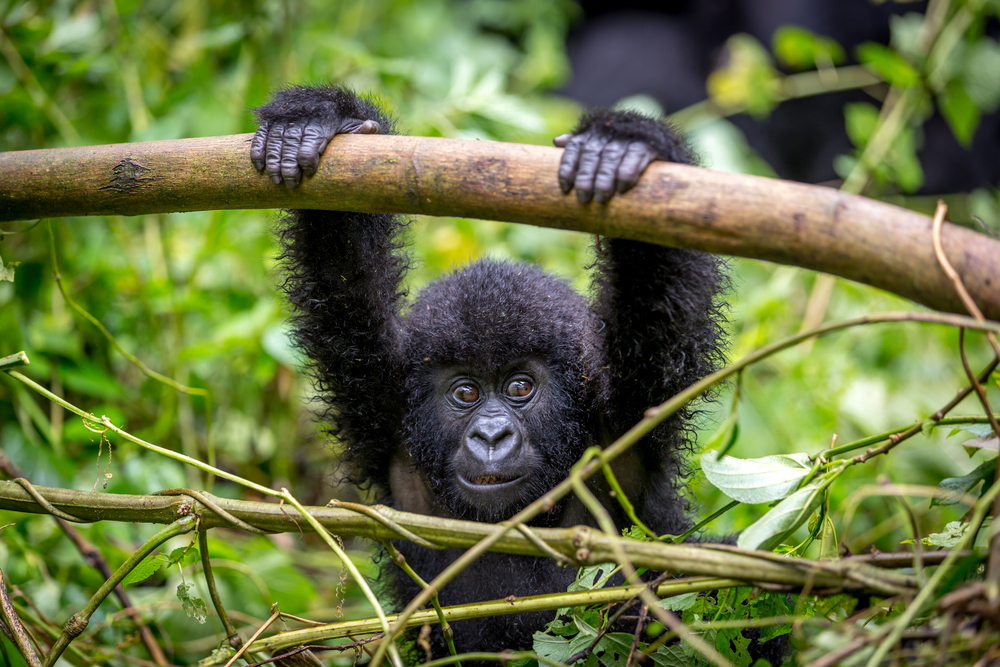
Virunga National Park is best known for its endangered mountain gorillas and its remarkable volcanic scenery. Gorilla trekking through mist-covered forests is among the park’s most unforgettable experiences and attracts visitors from around the world. Observing mountain gorillas in their natural habitat is both emotional and deeply inspiring because these animals share so many human-like behaviors and social bonds.
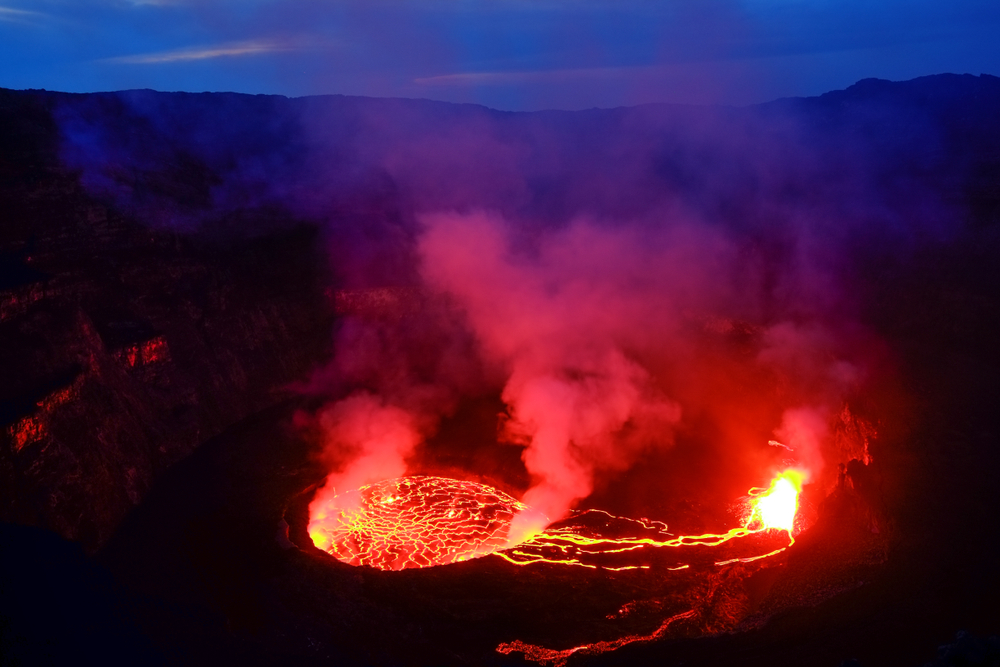
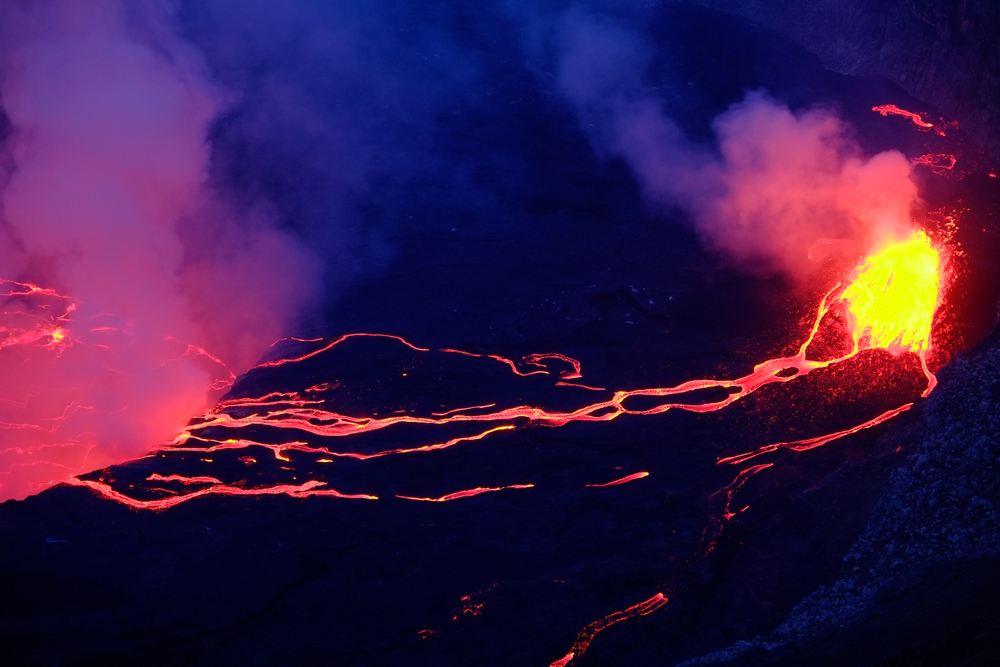
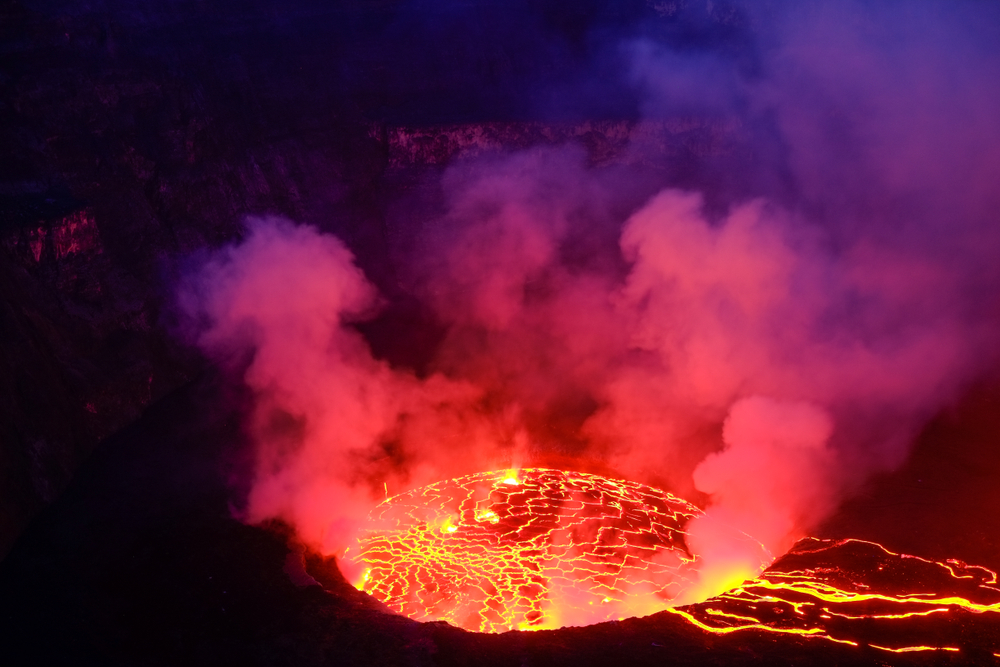
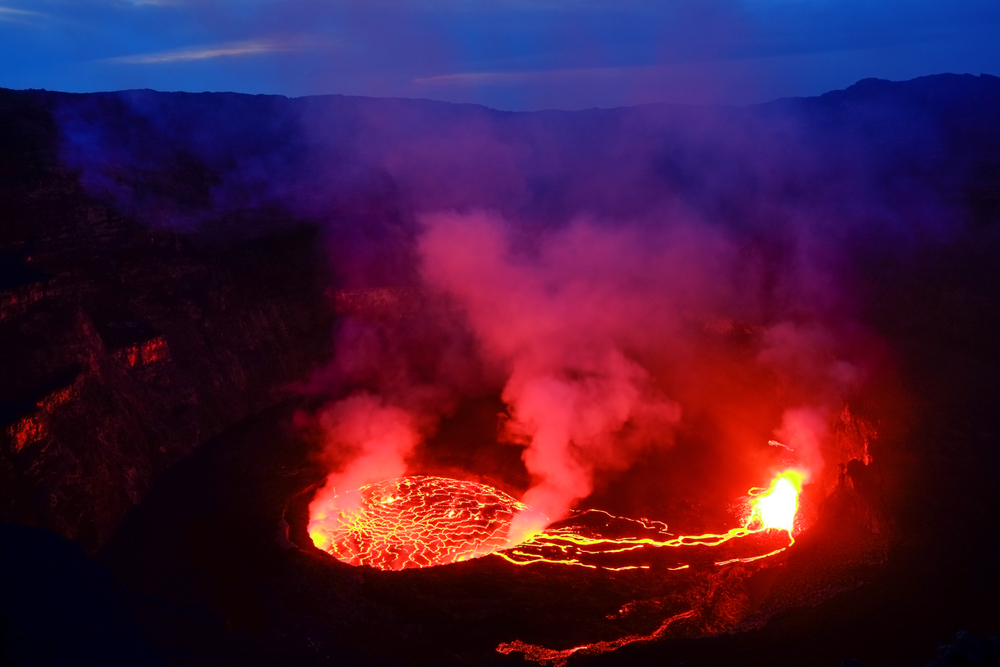
The park is also famous for Mount Nyiragongo, one of the world’s most active volcanoes, which contains a massive lava lake glowing within its crater. Hiking to the summit of Nyiragongo provides one of Africa’s most dramatic volcanic adventures. Virunga’s combination of wildlife, mountains, volcanoes, and forests creates an experience unlike any other national park on the continent.
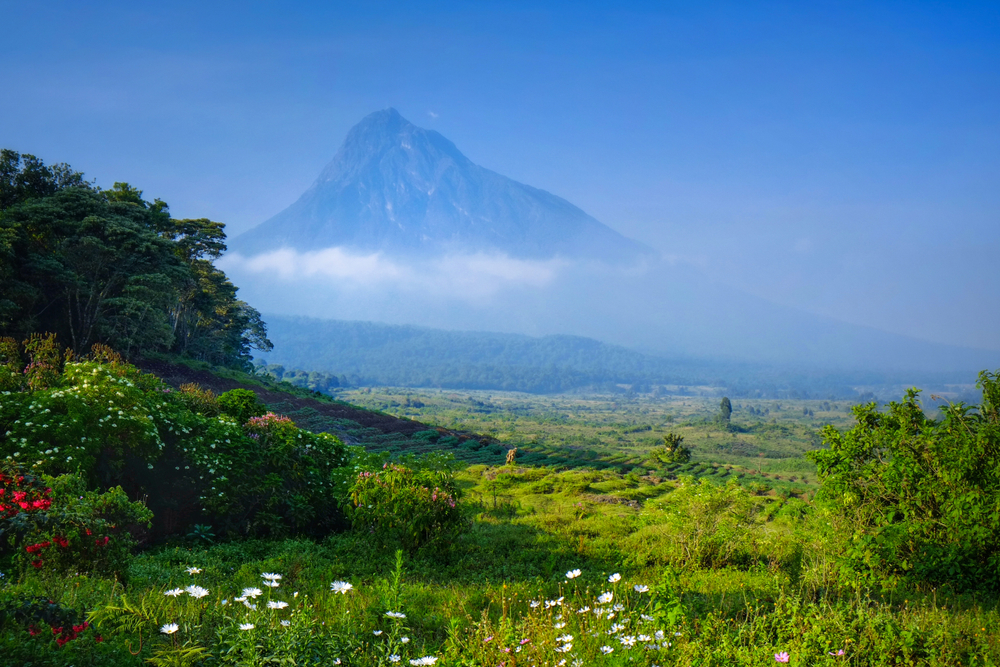
The geography of Virunga National Park is incredibly varied and shaped by volcanic activity, tectonic forces, glaciers, and tropical rainfall. The southern section contains volcanic mountains, lava fields, and dense montane forests surrounding the Virunga volcanoes. Central regions transition into lowland tropical rainforests while northern areas include the snow-capped Rwenzori Mountains and alpine habitats.
Rivers, wetlands, and portions of Lake Edward further add to the park’s ecological diversity. Vegetation ranges from bamboo forests and giant heather to dense jungle and high-altitude grasslands. This wide variety of ecosystems supports extraordinary biodiversity across relatively connected landscapes.
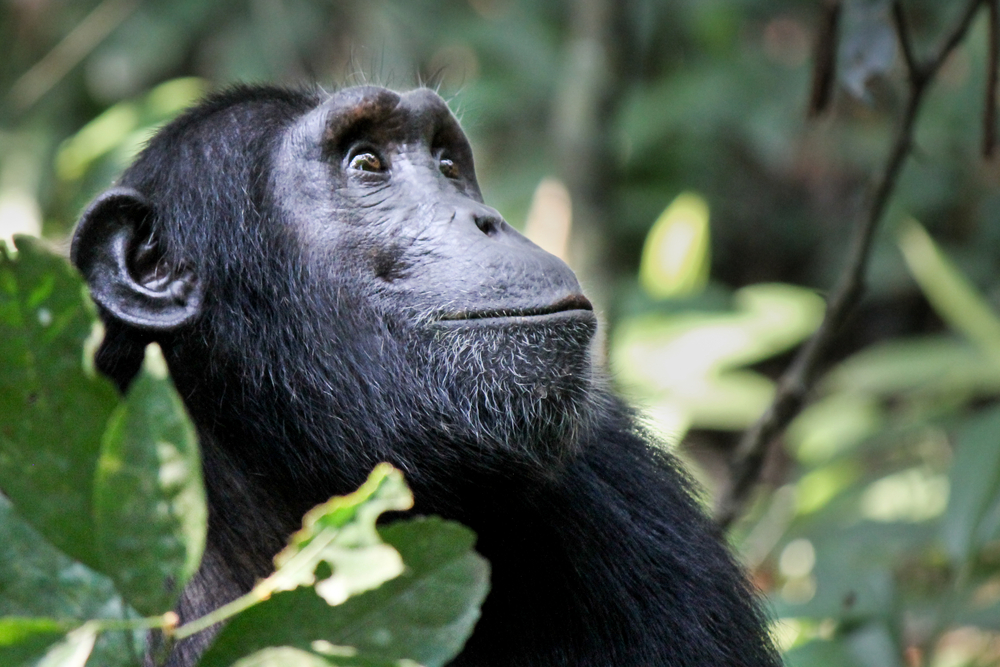
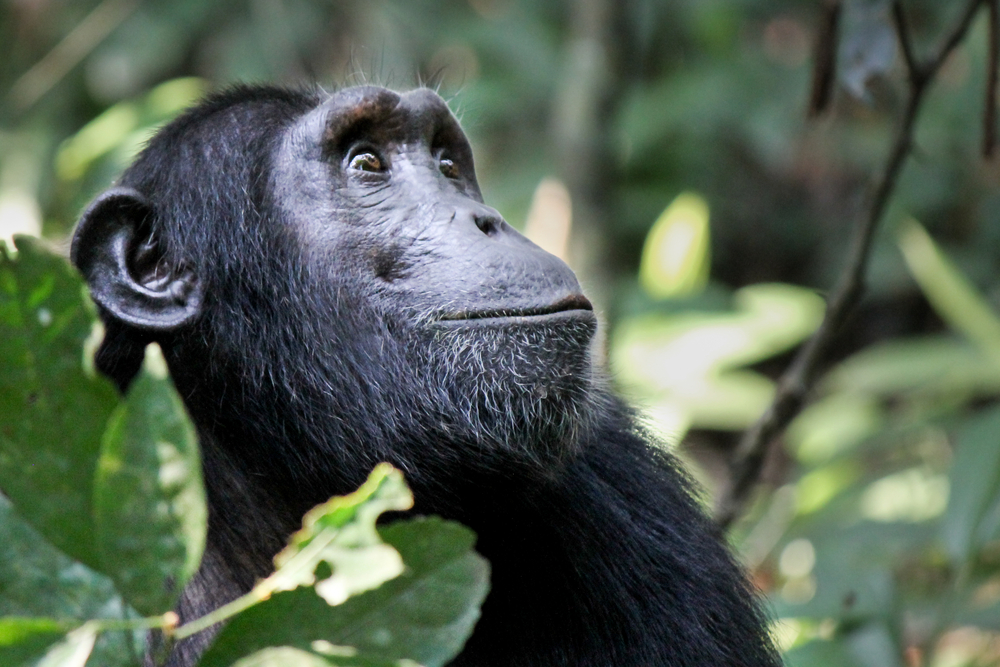
Virunga National Park protects an astonishing range of wildlife species. Mountain gorillas are the park’s most iconic animals and represent one of the world’s most endangered great ape populations. Eastern lowland gorillas, chimpanzees, forest elephants, buffalo, hippos, antelope species, and numerous primates also inhabit the park.
Virunga once supported one of Africa’s largest hippo populations along the shores of Lake Edward. Birdlife is exceptionally rich with more than 700 recorded species, including Albertine Rift endemics, eagles, turacos, and colorful forest birds found nowhere else on Earth. The park’s ecosystems are considered among the most biodiverse in Africa.
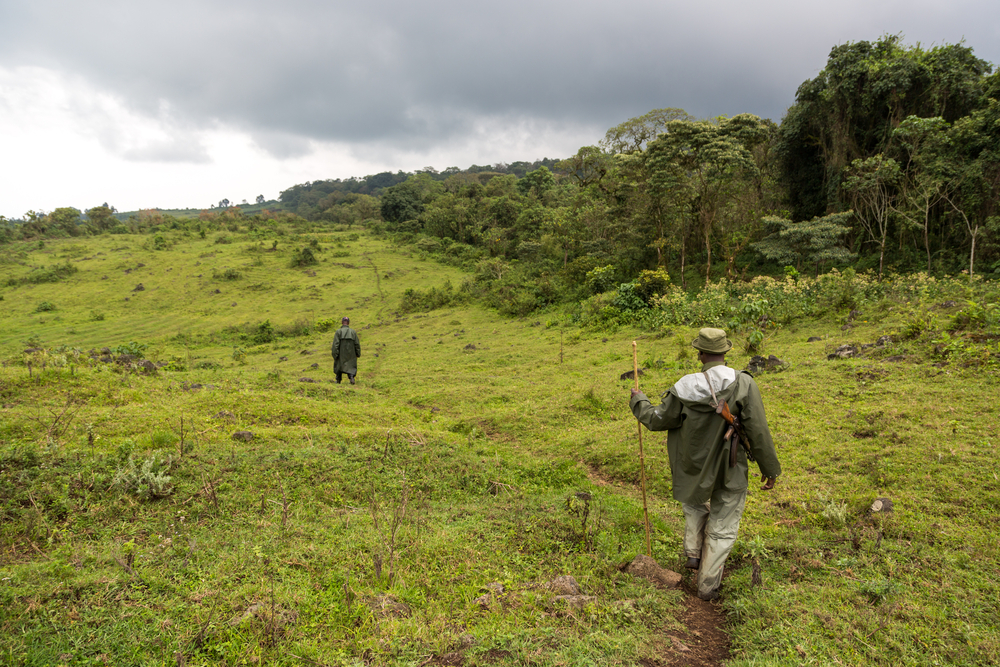
Virunga National Park plays a globally important role in protecting endangered species and preserving ecosystems found nowhere else in the world. The park safeguards critical mountain gorilla habitat while supporting rainforest, volcanic, and alpine environments of immense scientific value. Despite facing armed conflict, poaching, and political instability, Virunga has become a symbol of conservation resilience and the dedication of park rangers who risk their lives to protect wildlife.
Compared to famous rainforest parks such as Bwindi Impenetrable National Park or Volcanoes National Park, Virunga stands out for its sheer ecological diversity and dramatic landscapes. Virunga National Park remains one of Africa’s most extraordinary natural treasures and a powerful reminder of the importance of protecting wilderness even under the most difficult circumstances.
Photos
Things to See
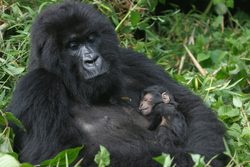 A safari through the wilderness of Virunga National Park is a special treat for visitors. However, the highlight of a visit to the DRC’s leading national park is a sighting of the mountain gorillas. People travel from all over the world to experience these majestic creatures up close.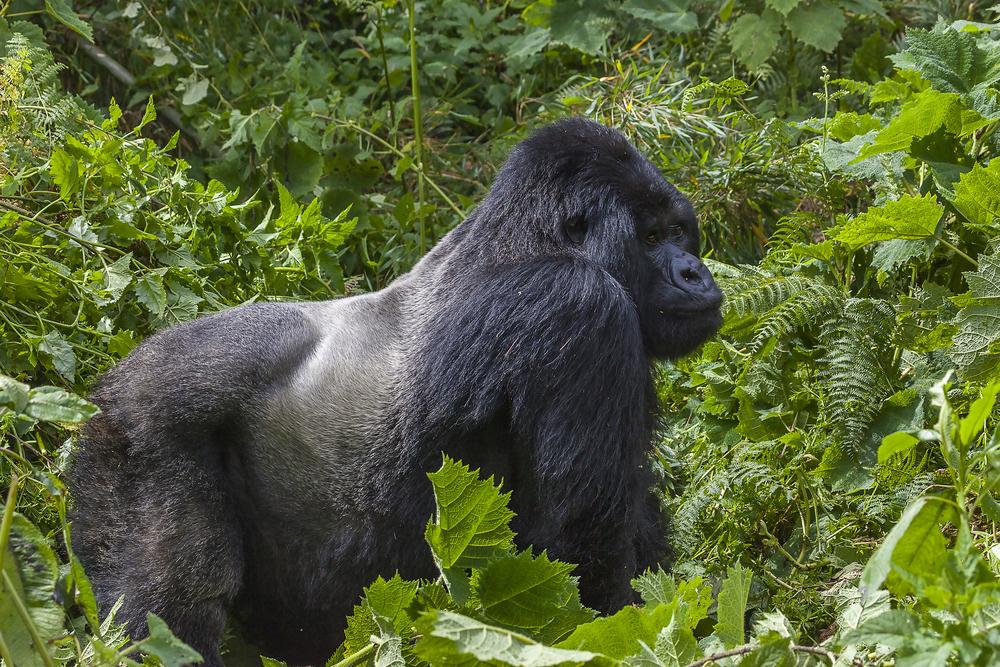
Things To Do
Engaging Virunga
Virunga National Park Trails
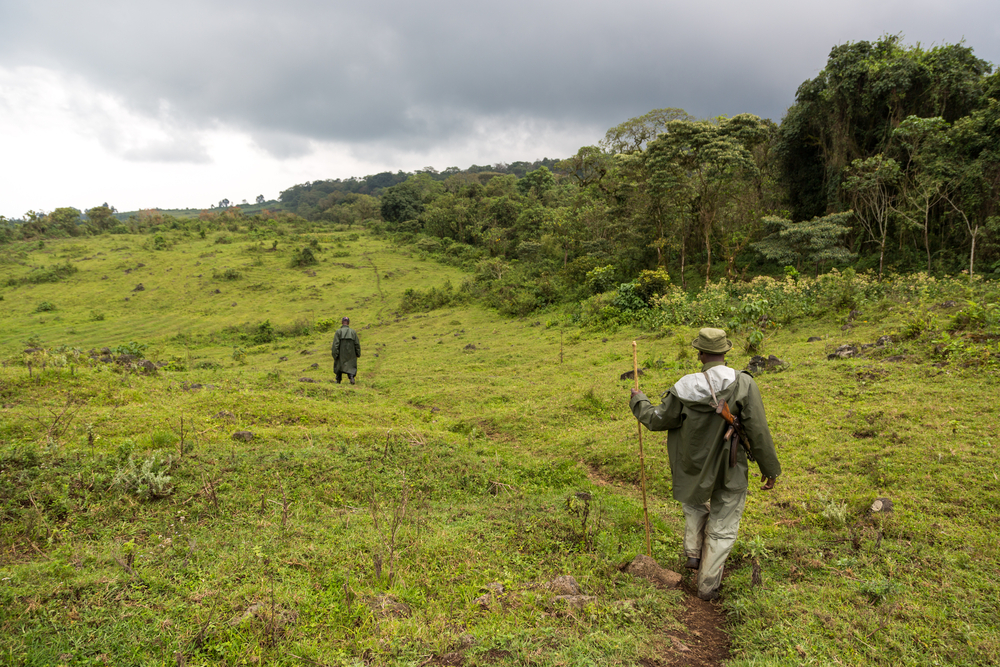
The majority of hiking in Virunga National Park occurs as trekking with guides to experience the mountain gorillas. There are different trails and groups are created based on time, experience, and accessibility.

Park Protection
Virunga National Park was created to protect the extraordinary volcanic mountains, montane rainforests, glaciers, lava plains, savannas, and wetlands of the eastern Democratic Republic of the Congo. As Africa’s oldest national park, it provides critical habitat for several endangered species, including the critically endangered mountain gorilla, the endangered eastern lowland gorilla, the endangered eastern chimpanzee, and the endangered African forest elephant.
The park also supports important populations of okapis, hippopotamuses, lions, leopards, buffalo, and more than 700 bird species, including many endemic to the Albertine Rift. Its remarkable diversity of habitats makes Virunga one of the most biologically rich protected areas on Earth.
The park is especially significant for protecting the largest diversity of habitats of any national park in Africa, ranging from lowland tropical rainforest to permanently glaciated peaks. It is also home to the active volcanoes Mount Nyiragongo and Mount Nyamuragira, creating dynamic volcanic landscapes found in few other protected areas.
As part of the Albertine Rift biodiversity hotspot, Virunga contains an exceptional concentration of endemic plants and animals. Together, Virunga National Park safeguards endangered great apes, rare Albertine Rift species, active volcanic ecosystems, and one of the world’s most important centers of biodiversity.
FAQ’s
What is Virunga National Park known for?
Virunga National Park, located in the Democratic Republic of the Congo, is renowned for its exceptional biodiversity, stunning landscapes, and its population of endangered mountain gorillas. This UNESCO World Heritage Site is Africa’s oldest national park and is home to a diverse array of habitats, including active volcanoes, lush rainforests, savannas, and swamps.
One of the park’s most significant attractions is its population of critically endangered mountain gorillas, which reside in the forests of the Virunga Massif. The park’s gorilla population has been the focus of extensive conservation efforts aimed at protecting these iconic primates from poaching, habitat loss, and other threats.
In addition to mountain gorillas, Virunga National Park is home to a wide variety of other wildlife, including elephants, hippos, chimpanzees, and numerous bird species. The park’s diverse ecosystems support an abundance of flora and fauna, making it a haven for nature lovers and wildlife enthusiasts.
Virunga National Park is also known for its dramatic landscapes, including the towering peaks of the Rwenzori Mountains, the lava plains of the Nyiragongo and Nyamuragira volcanoes, and the scenic shores of Lake Edward and Lake Kivu.
Despite facing numerous challenges, including political instability and poaching, Virunga National Park remains a symbol of conservation success and a testament to the importance of protecting Africa’s natural heritage. It offers visitors a unique opportunity to experience the beauty and biodiversity of one of the continent’s most remarkable wilderness areas.
What is the main reason people visit Virunga National Park?
Virunga National Park is primarily visited for its mountain gorillas, active volcanoes, and extraordinary biodiversity. Located in eastern Democratic Republic of the Congo, Virunga is Africa’s oldest national park and a UNESCO World Heritage Site.
Visitors come from around the world to trek endangered mountain gorillas, climb the active volcano Mount Nyiragongo, observe rare wildlife, and experience one of the most biologically diverse protected areas on Earth. The park is part of the greater Virunga Massif, which contains more than a third of the world’s remaining mountain gorillas.
What animals can visitors hope to see in Virunga National Park?
Virunga National Park supports more than 218 mammal species and over 75 reptile species. Its ecosystems range from glaciers and volcanoes to montane forests, savannas, wetlands, and lowland rainforests, making it one of Africa’s most biodiverse parks.
Some of the most notable mammals found in Virunga National Park include:
- Mountain Gorilla
- Eastern Chimpanzee
- Eastern Lowland Gorilla
- African Forest Elephant
- African Savanna Elephant
- African Buffalo
- Hippopotamus
- Leopard
- Lion
- Spotted Hyena
- Side-striped Jackal
- Golden Cat
- Serval
- African Civet
- Giant Forest Hog
- Bush Pig
- Warthog
- Okapi (rare in peripheral forests)
- Bongo
- Bushbuck
- Waterbuck
- Sitatunga
- Uganda Kob
- Defassa Waterbuck
- Topi
- Oribi
- Common Duiker
- Blue Duiker
- Red Duiker
- Yellow-backed Duiker
- Bay Duiker
- Mountain Reedbuck
- Klipspringer
- Chobe Bushbuck
- Red-tailed Monkey
- Blue Monkey
- Vervet Monkey
- L’Hoest’s Monkey
- Dent’s Mona Monkey
- Black-and-White Colobus
- Olive Baboon
- Grey-cheeked Mangabey
- Potto
- Tree Hyrax
- African Clawless Otter
- Congo Clawless Otter
- Brush-tailed Porcupine
- Giant Pouched Rat
- Fruit Bat Species
- Horseshoe Bat Species
What birds can visitors hope to see in Virunga National Park?
Virunga National Park is one of Africa’s greatest birding destinations, with more than 700 recorded bird species. This includes Albertine Rift endemics, Central African rainforest birds, savanna species, and migratory birds. The park contains one of the highest bird diversities of any protected area in Africa.
Some of the most popular birds seen in Virunga National Park include:
- Ruwenzori Turaco
- Handsome Francolin
- Congo Peacock
- Great Blue Turaco
- African Green Broadbill
- Shelley’s Crimsonwing
- Regal Sunbird
- Purple-breasted Sunbird
- Strange Weaver
- Grauer’s Rush Warbler
- Ruwenzori Batis
- Archer’s Robin-Chat
- Red-throated Alethe
- African Green Pigeon
- Crowned Eagle
- African Fish Eagle
- Long-crested Eagle
- Mountain Buzzard
- Augur Buzzard
- African Harrier-Hawk
- Verreaux’s Eagle
- White-starred Robin
- White-tailed Blue Flycatcher
- Grauer’s Warbler
- Mountain Masked Apalis
- Collared Apalis
- Chestnut-throated Apalis
- Doherty’s Bushshrike
- Yellow-whiskered Greenbul
- Mountain Greenbul
- Bar-tailed Trogon
- Narina Trogon
- Black-and-White-Casqued Hornbill
- White-headed Wood Hoopoe
- Yellow-billed Barbet
- Red-rumped Tinkerbird
- African Emerald Cuckoo
- Blue-headed Sunbird
- Dusky Crimsonwing
- African Paradise Flycatcher
- Chinspot Batis
- Grey Cuckooshrike
- Olive Thrush
- African Thrush
- White-tailed Crested Flycatcher
- Black Saw-wing
- Scarce Swift
- Malachite Kingfisher
- Pied Kingfisher
- Giant Kingfisher
Is Virunga National Park worth visiting?
Yes, Virunga National Park is one of the most extraordinary national parks in the world and is absolutely worth visiting for travelers interested in gorillas, volcanoes, biodiversity, and conservation.
The opportunity to trek mountain gorillas and climb Mount Nyiragongo is unmatched. However, visitors should be aware that security conditions in eastern Democratic Republic of the Congo can fluctuate. Travel opportunities may periodically be restricted, and prospective visitors should carefully review current park operations and travel advisories before planning a trip.
What is the best time to visit Virunga National Park?
The best time to visit Virunga National Park is during the relatively dry seasons:
- June to September
- December to February
During these months:
- Gorilla trekking trails are easier to navigate.
- Volcano climbs are more comfortable.
- Wildlife viewing conditions improve.
- Photography opportunities are often better.
Rain is possible throughout the year due to the park’s tropical climate and mountainous terrain.
How many days do you need to visit Virunga National Park?
Most visitors should plan for 3 to 5 days.
- 2 days: Gorilla trekking experience.
- 3 days: Gorilla trekking and Nyiragongo hike.
- 4–5 days: Additional wildlife viewing, birdwatching, and exploration of different sectors.
Wildlife enthusiasts and photographers may wish to stay longer.
How do you get to Virunga National Park?
Virunga National Park is located in eastern Democratic Republic of the Congo near the borders of Rwanda and Uganda.
Most visitors:
- Fly into Kigali.
- Travel by road to the Goma border crossing.
- Enter the Democratic Republic of the Congo and continue to park headquarters near Goma.
Historically, this has been the most common and practical access route for international visitors.
Is Virunga National Park safe for tourists?
Safety conditions in and around Virunga National Park can change significantly over time.
When tourism operations are open, park visits are conducted under strict security protocols with trained rangers and authorized guides. However, travelers should:
- Review current government travel advisories.
- Confirm park operational status before booking.
- Travel only through authorized operators.
- Follow all ranger instructions.
Because of periodic regional instability, safety considerations are an important factor when planning a visit.
Who is involved in protecting and supporting Virunga National Park?
Several organizations play major roles in protecting Virunga National Park:
- Institut Congolais pour la Conservation de la Nature (ICCN) – the government agency responsible for managing Virunga and other national parks in the DRC.
- Virunga Foundation – supports conservation, tourism, community development, and park operations.
- Congolese Institute for Nature Conservation – supports scientific and conservation management efforts.
- Local communities surrounding the park who participate in conservation, sustainable development, and ecotourism initiatives.
- Numerous Congolese conservation partners, researchers, and ranger teams who work to protect wildlife and habitats.
Why is Virunga National Park so important for conservation?
Virunga National Park is Africa’s oldest national park and one of the most biologically diverse protected areas on Earth. It protects endangered mountain gorillas, chimpanzees, elephants, lions, hippos, and hundreds of bird species while safeguarding ecosystems ranging from glaciers and volcanoes to rainforests and savannas. Its global conservation significance has earned it recognition as a UNESCO World Heritage Site.
Sources
-
Here are sources you can explore for more information:
- AllTrails. Virunga National Park. https://www.alltrails.com/congo-democratic-republic/nord-kivu/virunga-national-park, retrieved July 2026.
- Encyclopaedia Britannica. Virunga National Park. https://www.britannica.com/place/Virunga-National-Park, retrieved July 2026.
- Pilot Guides. Virunga National Park. https://www.pilotguides.com/, retrieved July 2026.
- Protected Planet (UNEP-WCMC & IUCN). Virunga National Park. https://www.protectedplanet.net/, retrieved July 2026.
- UNESCO World Heritage Centre. Virunga National Park. https://whc.unesco.org/en/list/63/, retrieved July 2026.
- Virunga National Park. Official Website. https://virunga.org/, retrieved July 2026.
- Wikipedia. Virunga National Park. https://en.wikipedia.org/wiki/Virunga_National_Park, retrieved July 2026.
- World Wildlife Fund (WWF). Albertine Rift Montane Forests. https://www.worldwildlife.org/ecoregions/at0101, retrieved July 2026.