



About

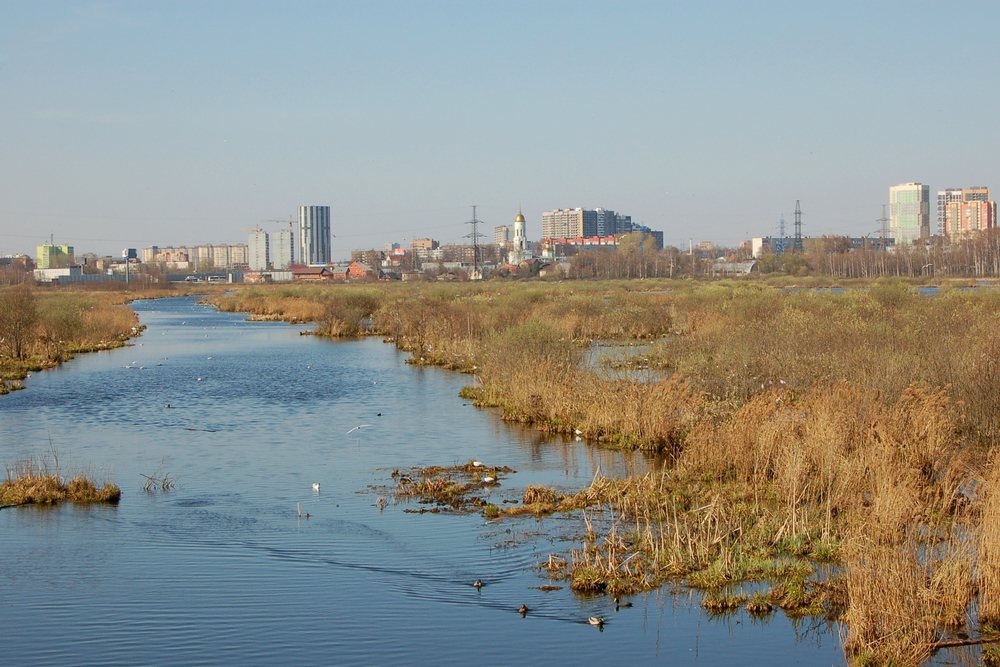
Losiny Ostrov National Park is located in the eastern part of Russia near the city of Moscow. Actually, part of the park actually lies within the Moscow boundaries. The park covers an area of 45 square miles (116 sq km). Combined with Sochinsky National Park, the two are the oldest national parks in Russia.
Over 80% of the park is blanketed with forest with 27% of that falling in the city limits of Moscow. The forest is the third-largest wooded area associated with a city of similar size. The only larger forests are found in Table Mountain National Park in Cape Town, South Africa, and Pedra Branca State Park in Rio de Janeiro, Brazil.
This exquisite wilderness located in the proximity of such a major metropolitan area is one of the things that makes Losiny Ostrov so special. It is astounding that both local Russians and international visitors can be engulfed in the wilderness within mere moments of being entangled in the hustle of city life in Moscow.
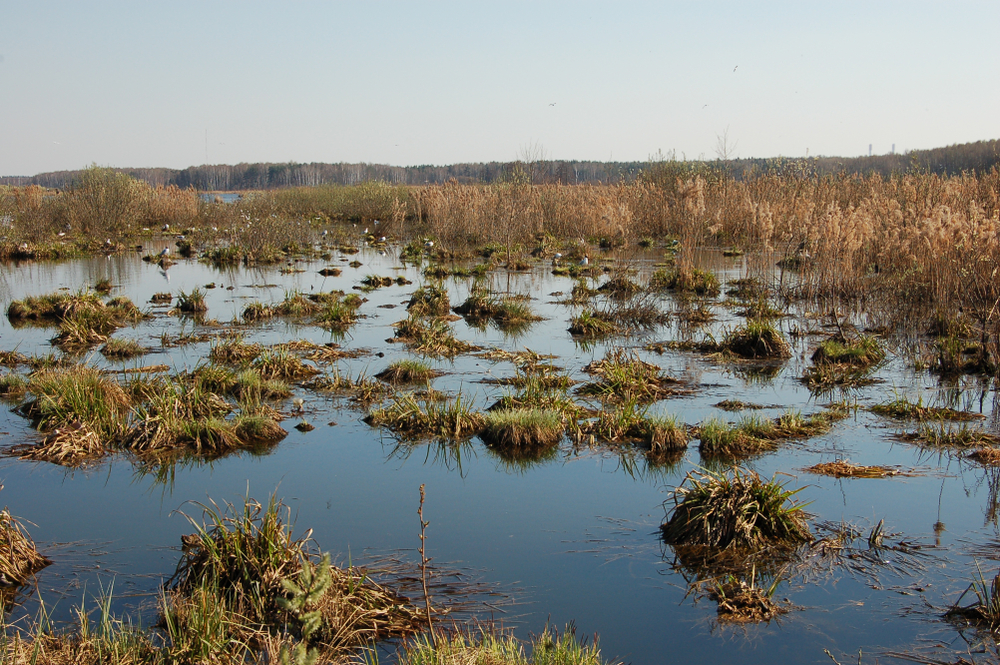
Apart from the forest which accounts for the majority of the national park, visitors will also have chances to see lake, river, and swamp habitats. The park is separated into three functional regions:
- 47% of Restricted Protection – closed to the public
- 27% of Excursion – open to established routes and tours
- 26% of Recreational – open to the general public
The elevations of the park vary from 479 to 574 feet (146 to 175 m) creating a lowland terrain that serves as the watershed for the Moskva River and the Klyazma River. The rivers, swamp, and forest areas serve as an excellent habitat for wildlife.
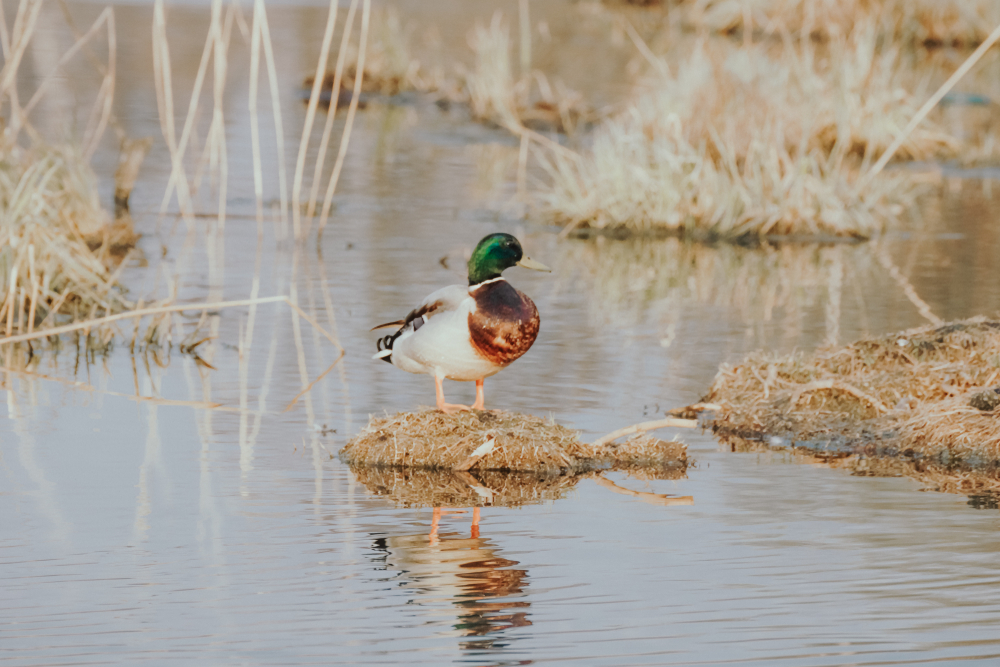
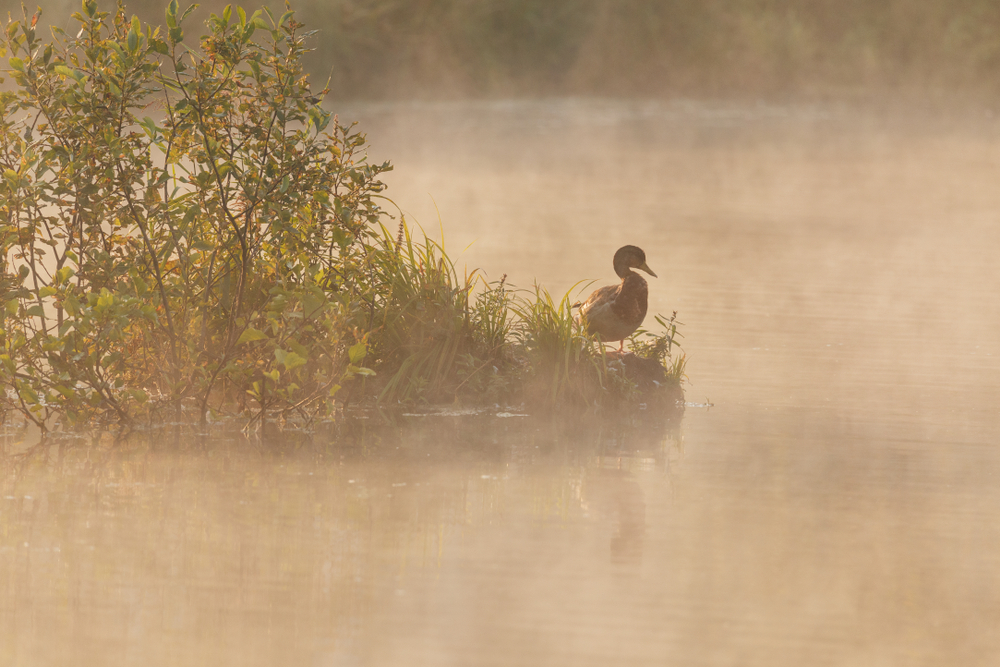
Some of the hopeful wildlife sightings moose, beaver, weasel, wild boar, varied hare, muskrat, and red fox. There are 186 species of birds that either nest or migrate through the national park. The kestrel, goshawk, hobby falcon, and red-footed falcon are some of the highlight bird species.
Photos


Things to See
Losiny Ostrov National Park Trails
Hiking around Losiny Ostrov National Park is one of the most popular activities of the national park. There are multiple opportunities to hike the area, and many parts are on the boardwalk, making it easier to navigate.
There is actually an extensive network of trails throughout Elk Island or Losiny Ostrov National Park. The majority of the trails meander through the forest, providing visitors with a chance to see birch, oak, elm, linden, and aspen trees and when in season blueberries, cranberries, and wild ginger.

Park Protection
National Park was created to protect the pristine wilderness that occupies part of Moscow while extending further into the forested area outside of the city limits. The park protects the wilderness, which serves as a habitat for the wildlife, which is genuinely a neighbor of the metropolis.
The protected area was established to prevent further encroachment from humankind and provide opportunities for future Russians and international visitors with a chance to experience the tranquil wilderness and wildlife found within the park.
Sources
- Be Camper, Losiny Ostrov National Park, http://becamper.com/page1157078.html, retrieved August 2020.
- Elk Island, Touch the Natural Museum, http://elkisland.ru/, retrieved August 2020.
- HSE Club for Athletic Tourism, Hiking to the National Park Elk Island, http://tkhse.ru/international/135, retrieved August 2020.
- Russia, National Parks of Russia, http://russia.com/activity/national-parks-russia/, retrieved August 2020.
- Russia IC, Losiny Ostrov (Elk Island) National Park, http://russia-ic.com/travel/travelling/5160#.XysUjfhKi6U, retrieved August 2020.
- Russian Nature, Losiny Ostrov, http://www.rusnature.info/zap/037.htm, retrieved August 2020.
- Wow Abouts, Losiny Ostrov National Park, https://www.wowabouts.com/explore/post-losiny-ostrov-national-park, retrieved August 2020.