

About
Located just south of Nairobi, Nairobi National Park is one of the world’s most unique wildlife reserves. The park covers approximately 45 square miles (117 sq km) and sits only a short drive from the center of Kenya’s capital city. Established in 1946, it was the first national park created in Kenya and remains one of the country’s most accessible safari destinations.
The park borders the rapidly growing urban skyline of Nairobi while still protecting open savannah and important wildlife migration routes. Nearby conservation areas and community lands help support seasonal animal movements beyond the park’s southern boundaries.
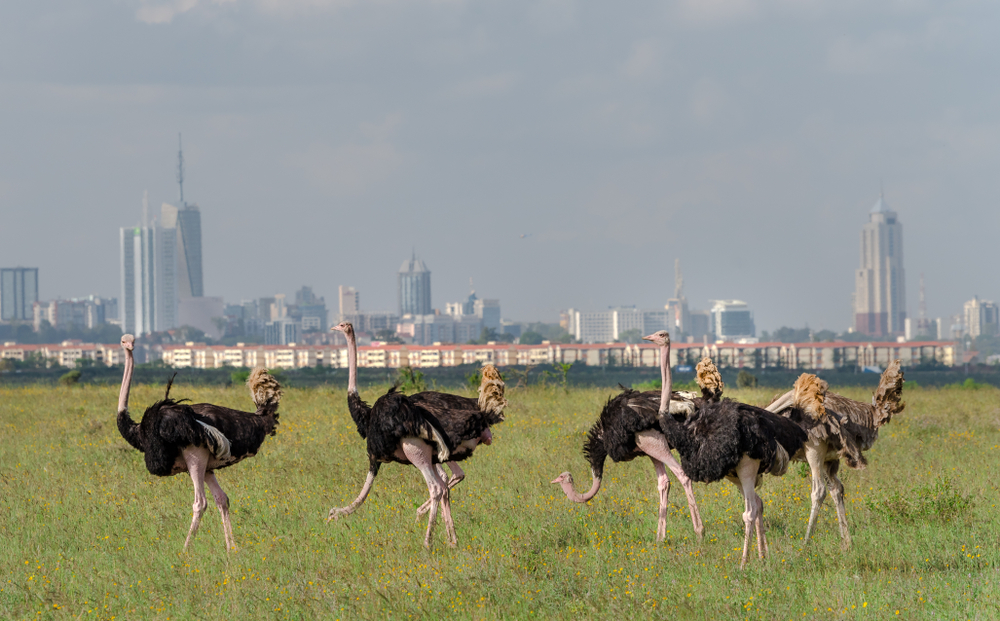
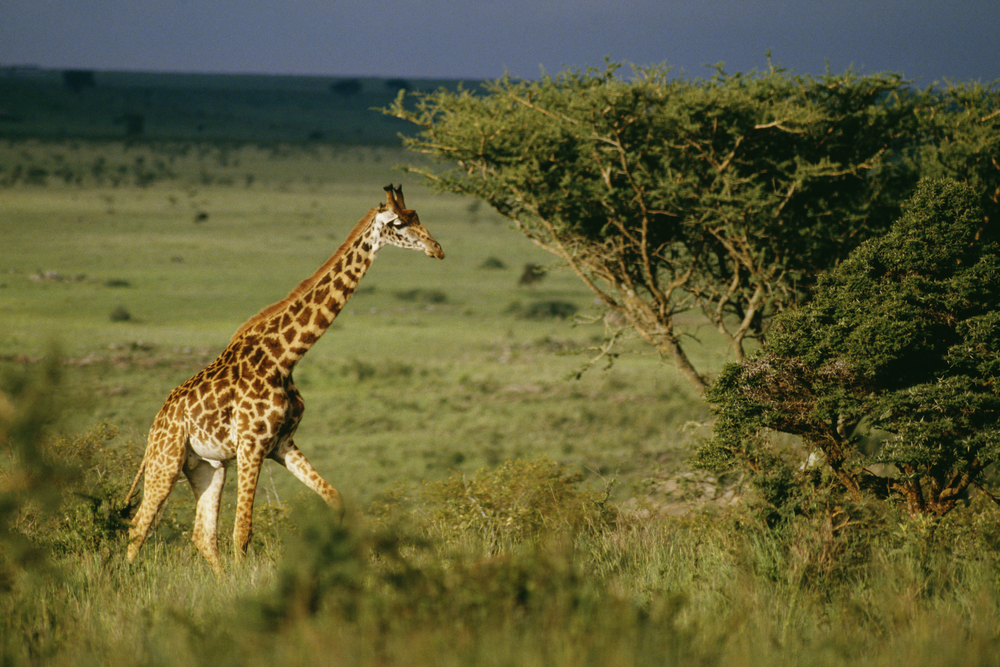
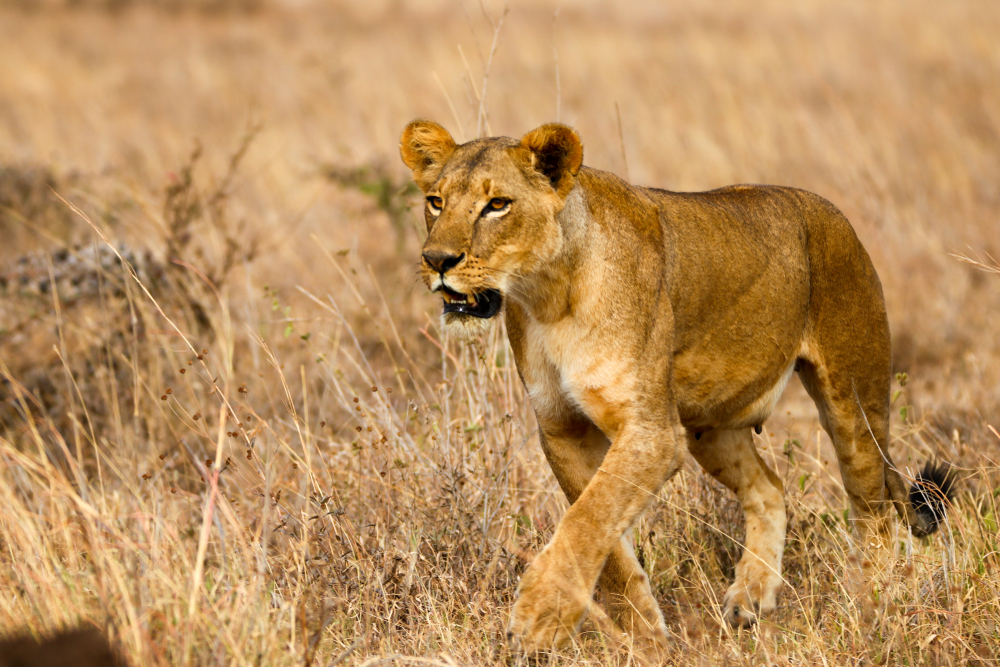
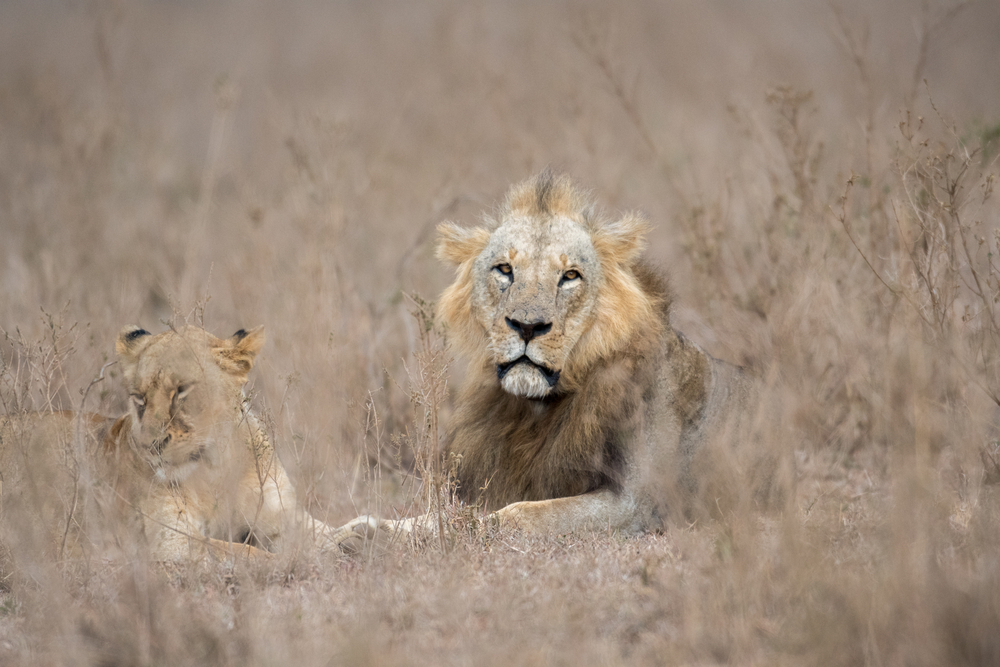
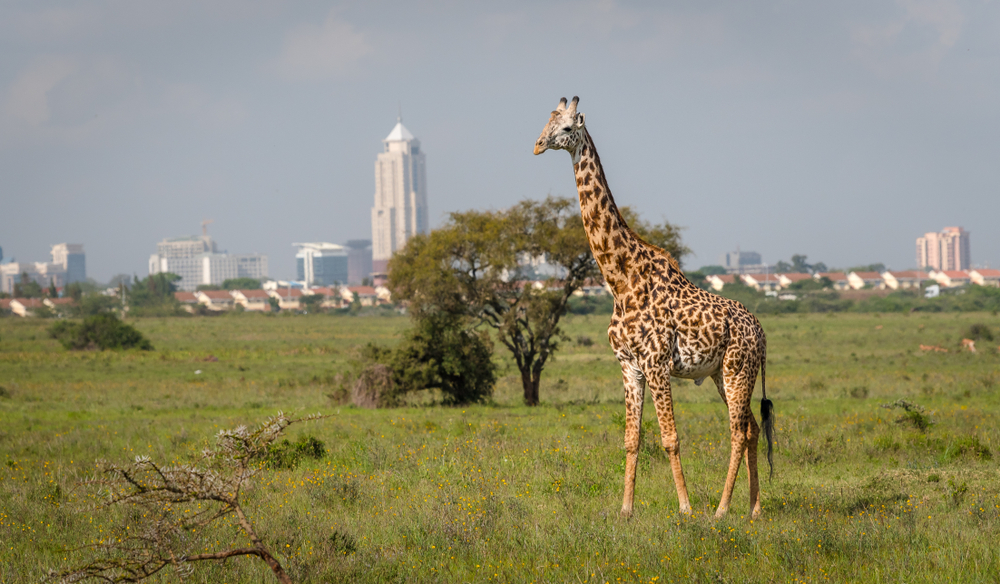
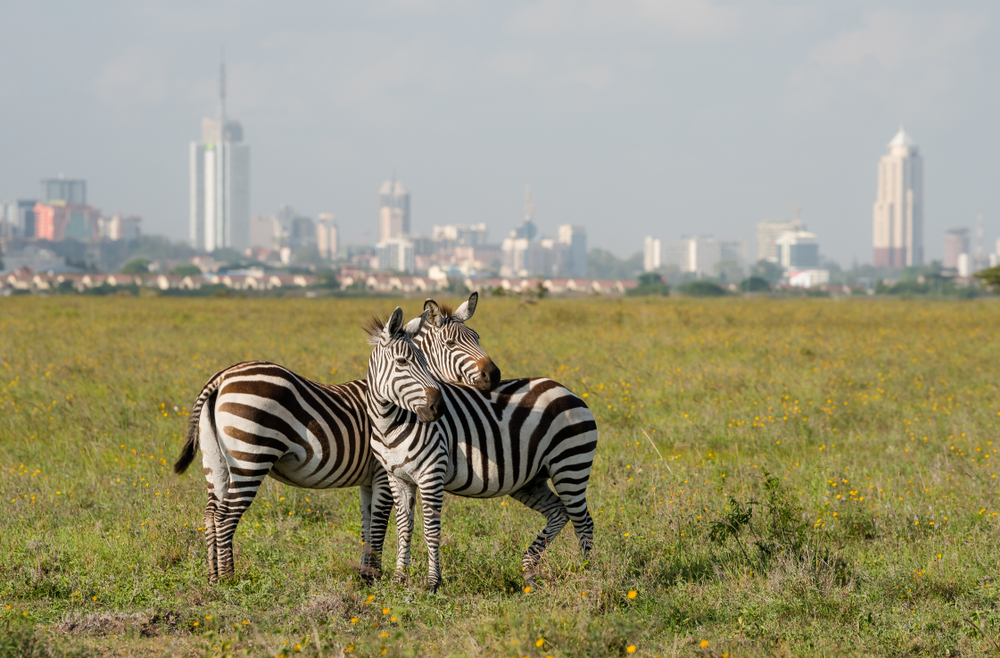
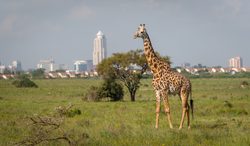
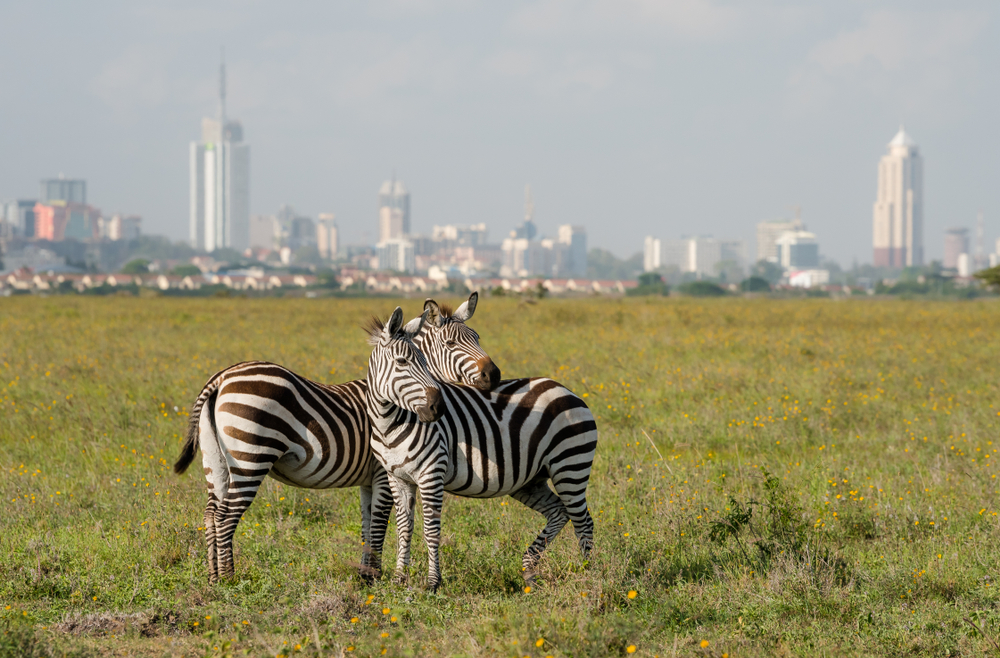
Nairobi National Park is best known for its extraordinary contrast between wild African animals and the modern skyline of Nairobi rising in the background. Few places in the world allow visitors to watch lions, giraffes, rhinos, and zebras roaming freely with skyscrapers visible on the horizon. This dramatic blend of wilderness and urban development creates a safari experience unlike any other in Africa.
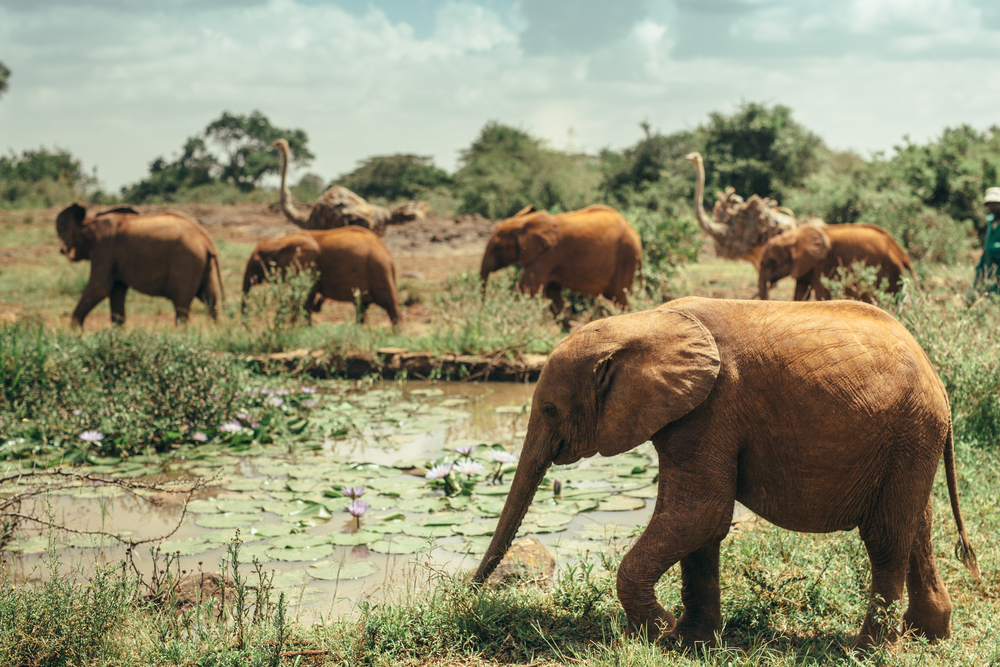
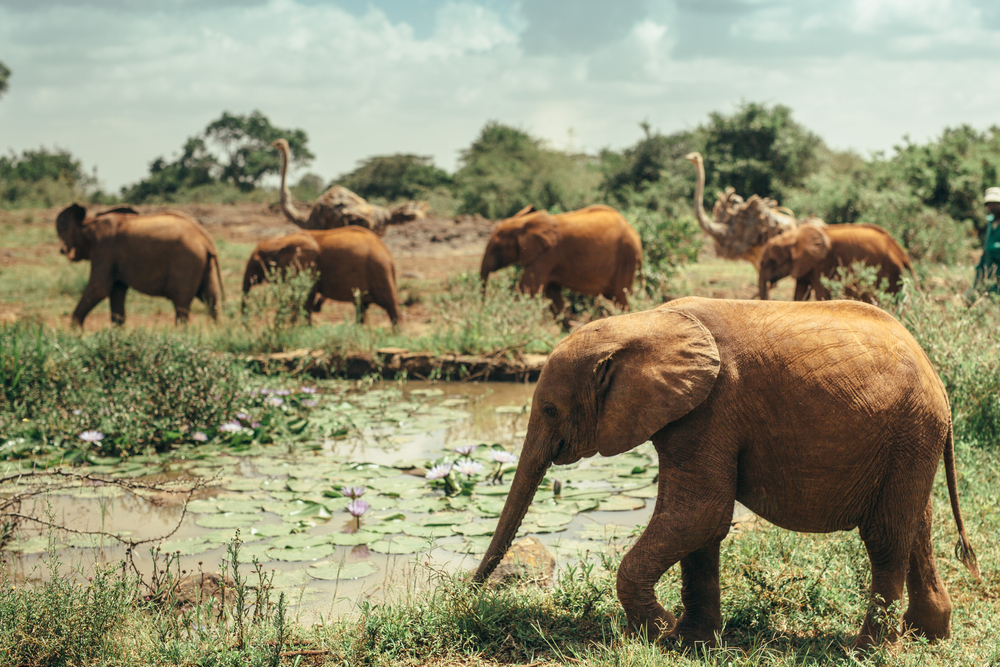
The park is especially popular for short safaris, photography, and wildlife viewing close to the city. Many travelers visit immediately after arriving in Kenya or before departing the country. Nairobi National Park is also home to the David Sheldrick Wildlife Trust elephant orphanage and the Nairobi Animal Orphanage, both of which contribute to wildlife rescue and conservation education.
The geography of the park consists mainly of open grass plains, scattered acacia bush, rocky valleys, seasonal rivers, and patches of riverine forest. The Athi River and its tributaries help sustain wildlife throughout the year. Despite its relatively small size, the park contains diverse habitats that support a wide range of species.
Open savannah areas dominate much of the landscape and provide excellent visibility for wildlife viewing. Wetlands and forested sections attract birds and smaller mammals while offering shelter during dry periods. The southern part of the park remains open to surrounding plains, allowing seasonal migration for grazing animals.
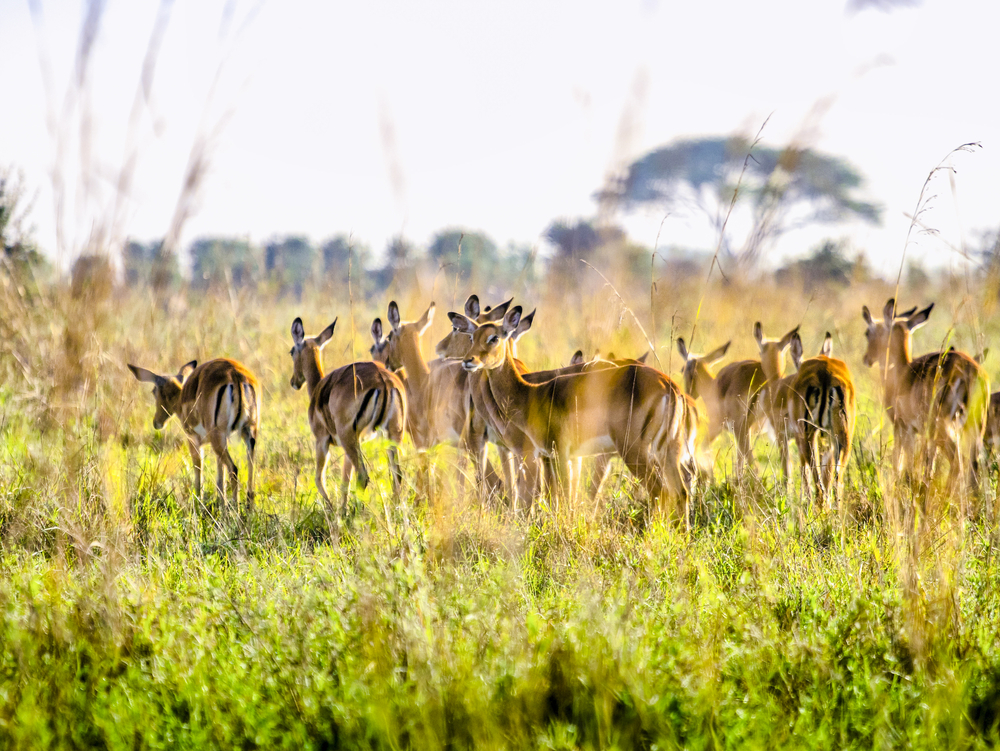
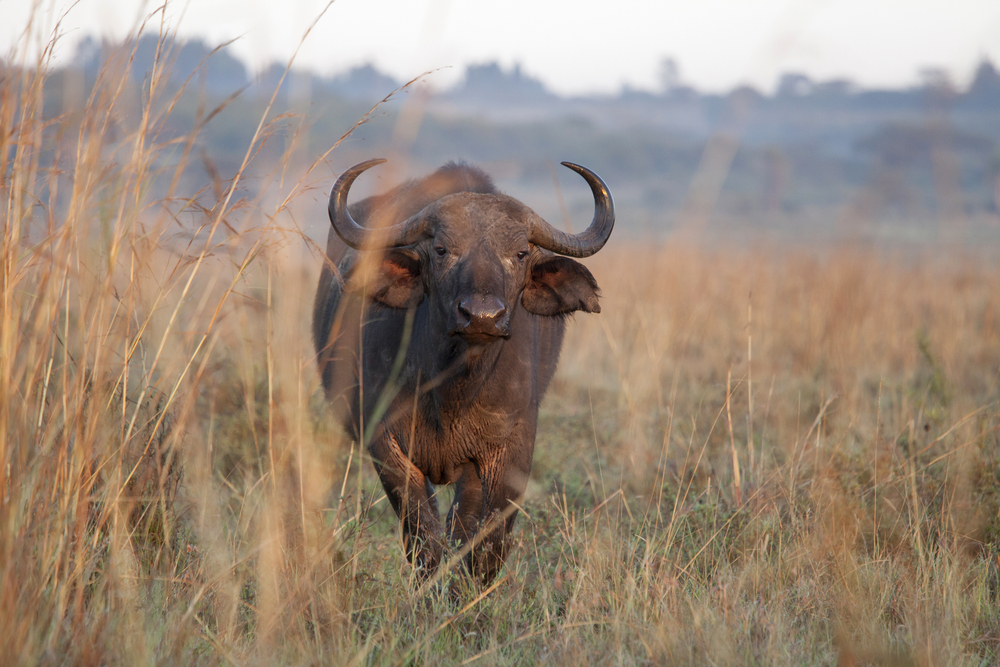
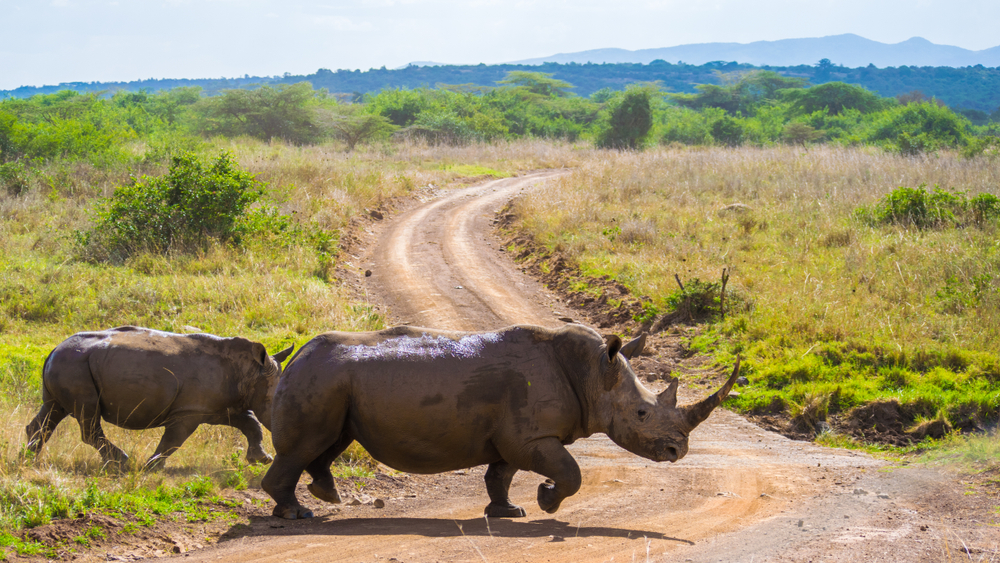
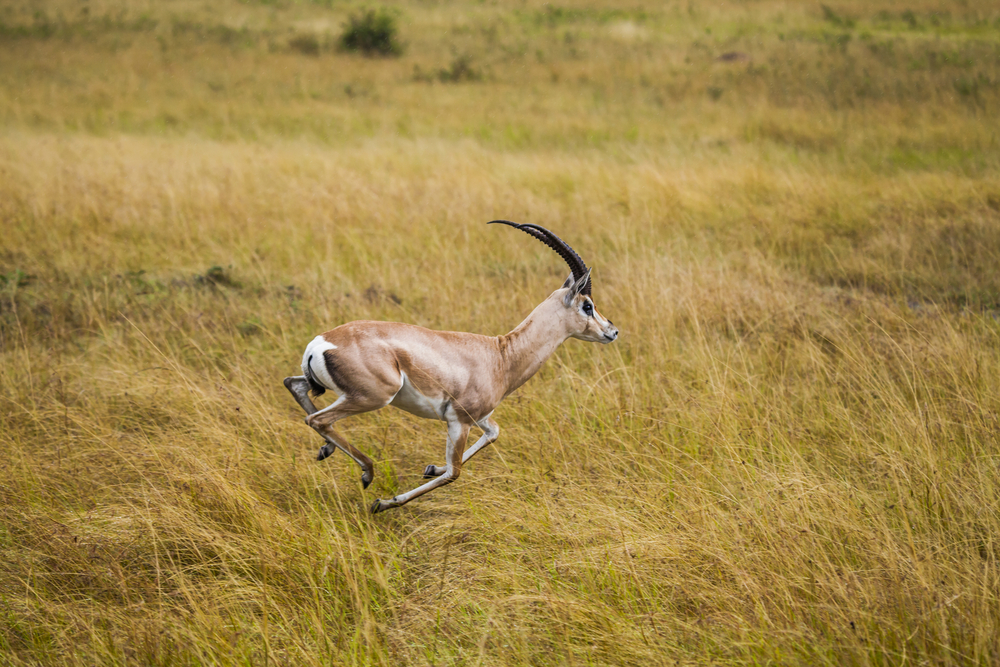
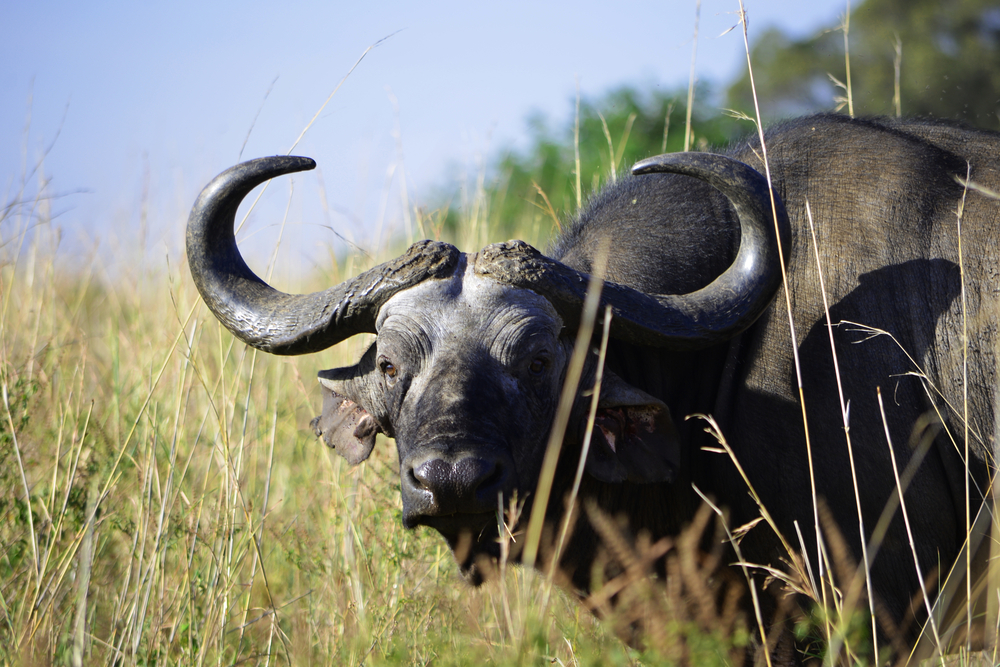
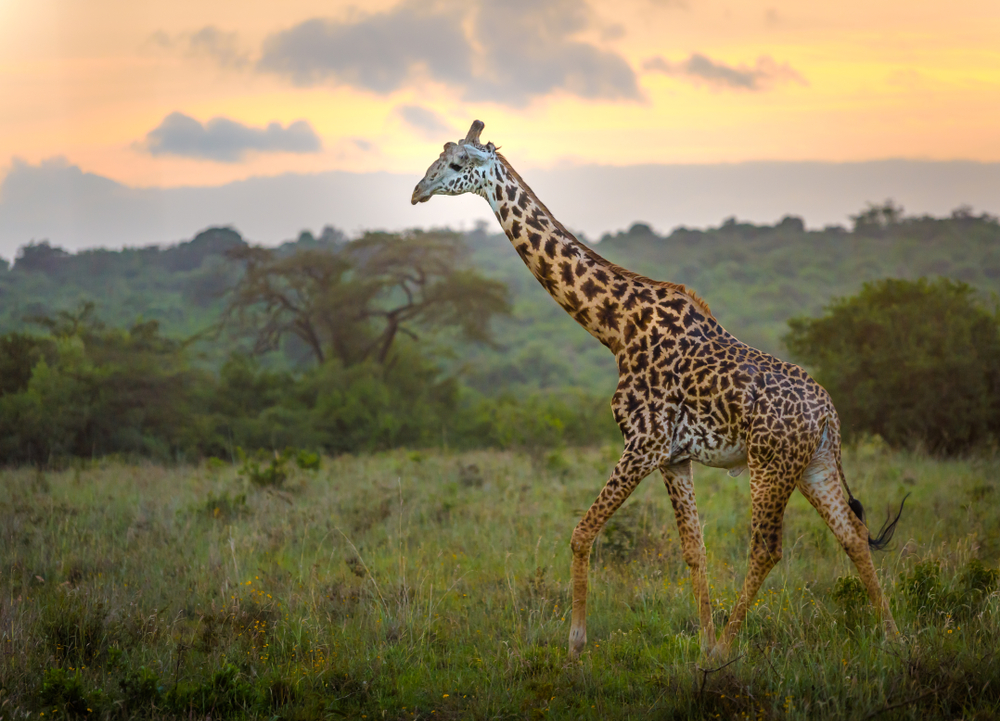
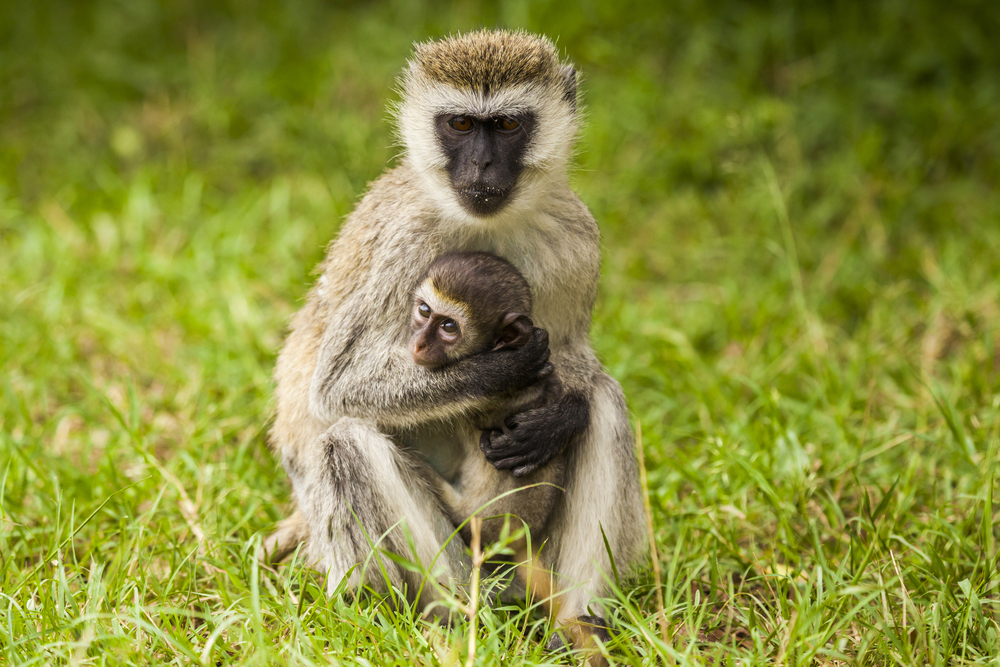
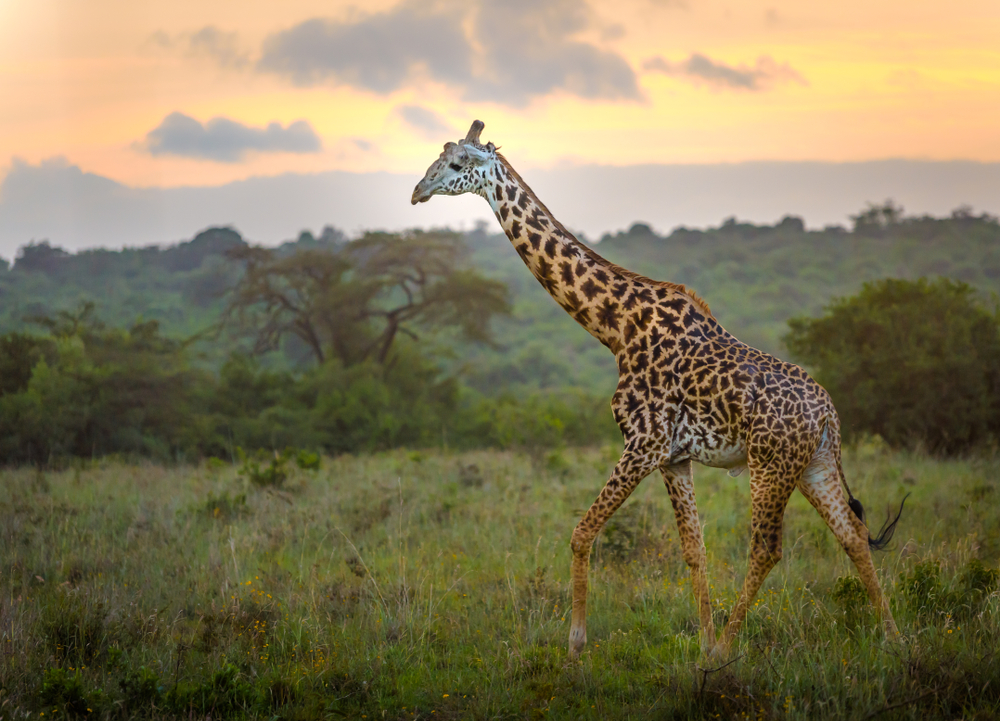
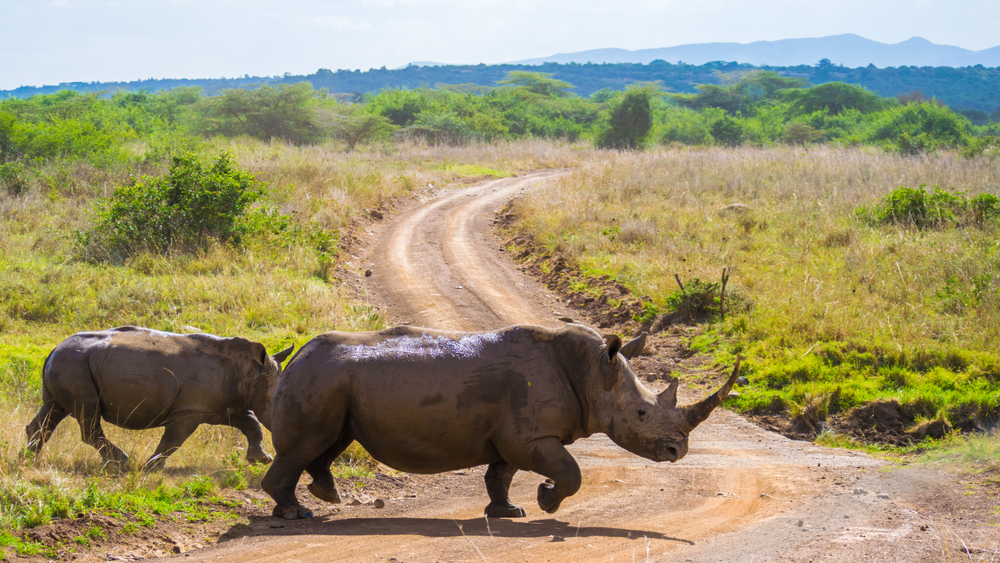
Nairobi National Park supports an impressive variety of wildlife considering its proximity to a major urban center. Lions, leopards, cheetahs, hyenas, buffalo, giraffes, zebras, wildebeest, and several antelope species are commonly seen. The park is particularly important for rhino conservation and protects both black and white rhinos within a secure environment.
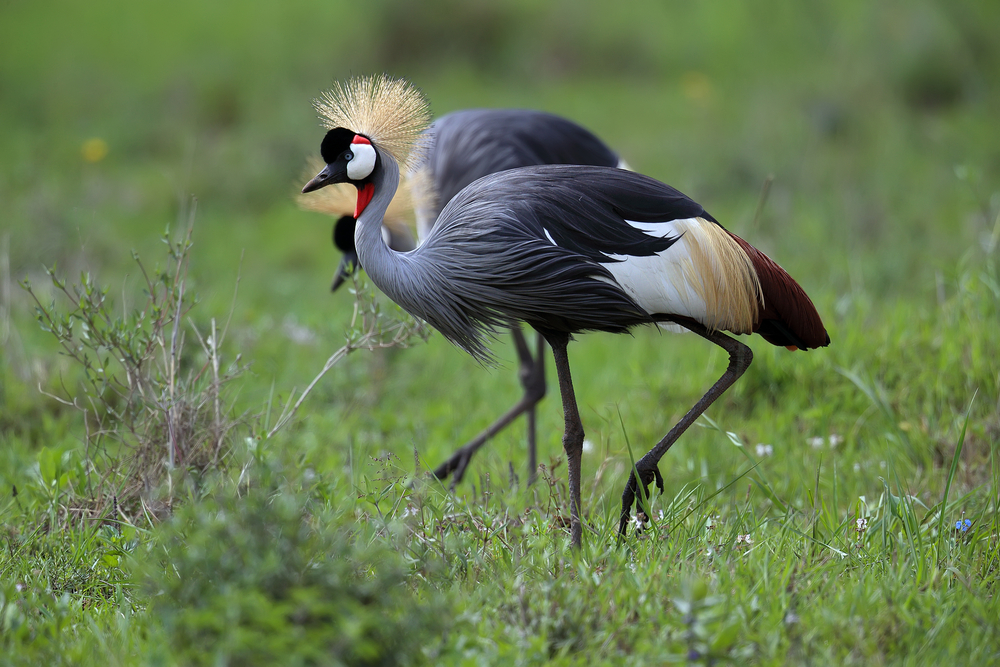
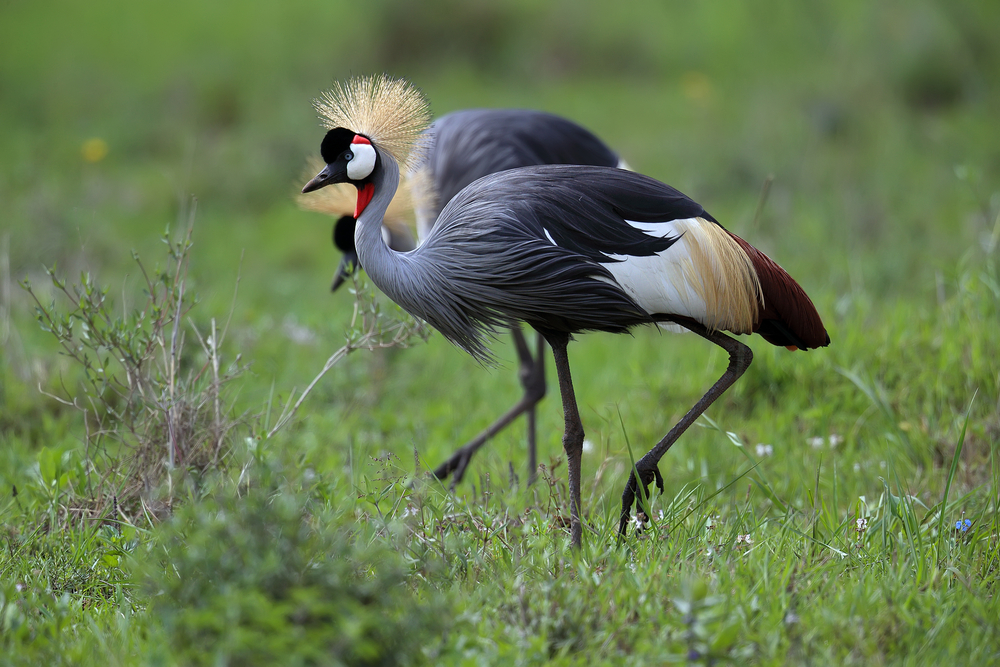
Nairobi National Park has one of Kenya’s most successful black rhino sanctuaries and plays a major role in preserving this critically endangered species. More than 400 bird species have also been recorded in the park, including secretary birds, crowned cranes, ostriches, vultures, and numerous migratory species that visit seasonally.
Nairobi National Park serves as a globally important example of urban conservation and demonstrates that wildlife protection can coexist alongside growing cities. The park protects critical habitat for threatened species while also creating environmental awareness for millions of residents and visitors.
Compared to larger safari destinations such as Serengeti National Park or Maasai Mara National Reserve, Nairobi National Park offers a far smaller but uniquely accessible safari experience. Its importance extends far beyond tourism because it symbolizes the ongoing challenge of balancing development with conservation. Nairobi National Park remains one of Africa’s most remarkable protected areas and continues to inspire efforts to preserve wildlife even in the shadow of expanding cities.
Photos
Things to See
 Nairobi National Park is committed to protecting the endangered rhino and their efforts are one of the most successful in Africa. Experiencing these magnificent creatures is certainly a highlight. Many people find the proximity of this collection of animals to the industrial city of Nairobi to be highlight of fascination.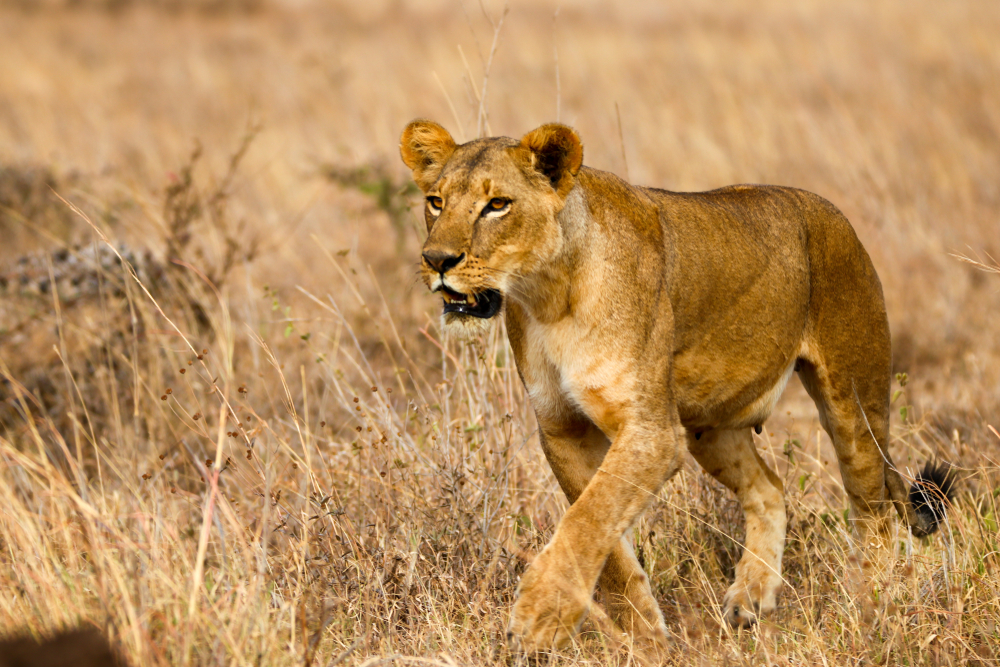
Things To Do
Engaging Nairobi National Park
Nairobi National Park Trails
The Nairobi Safari Walk is a chance to get out and walk in the national park, however, it is now a trail but self-guided walking is not permitted.

Sources
- Britannica, Nairobi National Park, https://www.britannica.com/place/Nairobi-National-Park, retrieved December 2019.
- Gamewatchers Safaris, Nairobi National Park, https://www.porini.com/kenya/parks-and-reserves/nairobi-national-park/, retrieved December 2019.
- Kenya Wildlife Service, Nairobi National Park, http://www.kws.go.ke/parks/nairobi-national-park, retrieved December 2019.
- Lonely Planet, Nairobi National Park, https://www.lonelyplanet.com/kenya/nairobi/attractions/nairobi-national-park/a/poi-sig/415774/355332, retrieved December 2019.
- Magical Kenya, Nairobi National Park, https://magicalkenya.com/places-to-visit/wilderness-areas/nairobi-national-park/, retrieved December 2019.
- William, J.G., National Parks of East Africa, HarperCollins Publisher, 1995.