

About
Chobe National Park is located in northern Botswana near the borders of Namibia, Zambia, and Zimbabwe. Covering approximately 4,500 square miles (11,700 sq km), it is Botswana’s first national park and one of the most biologically rich protected areas in southern Africa.
The park forms part of the larger Kavango-Zambezi Transfrontier Conservation Area (KAZA), linking with neighboring reserves and migration corridors across multiple countries. Its proximity to major natural landmarks such as Victoria Falls further enhances its importance as a centerpiece of regional conservation and tourism.
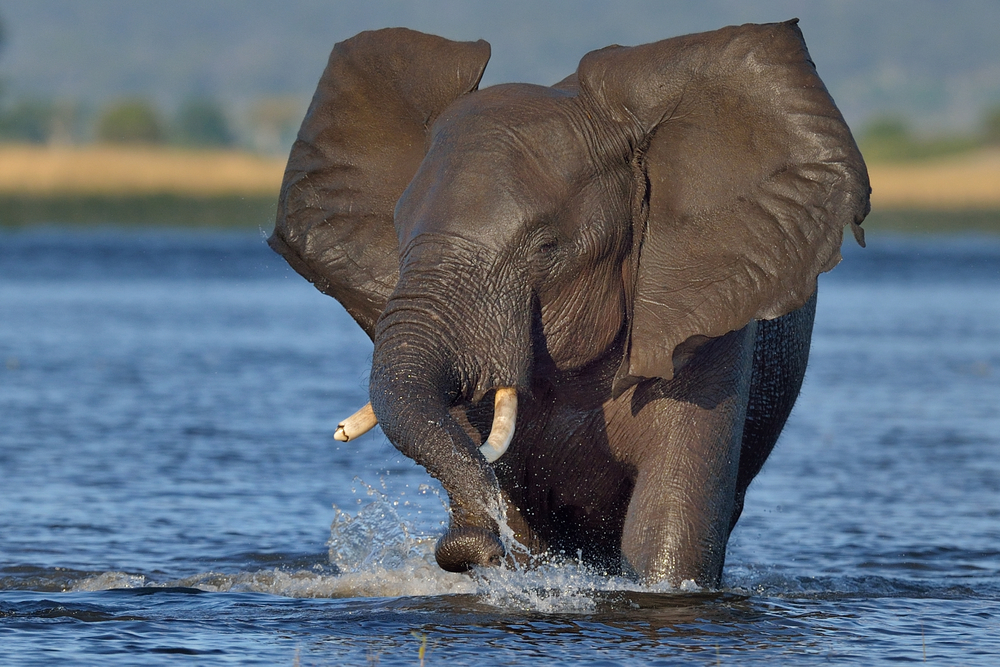
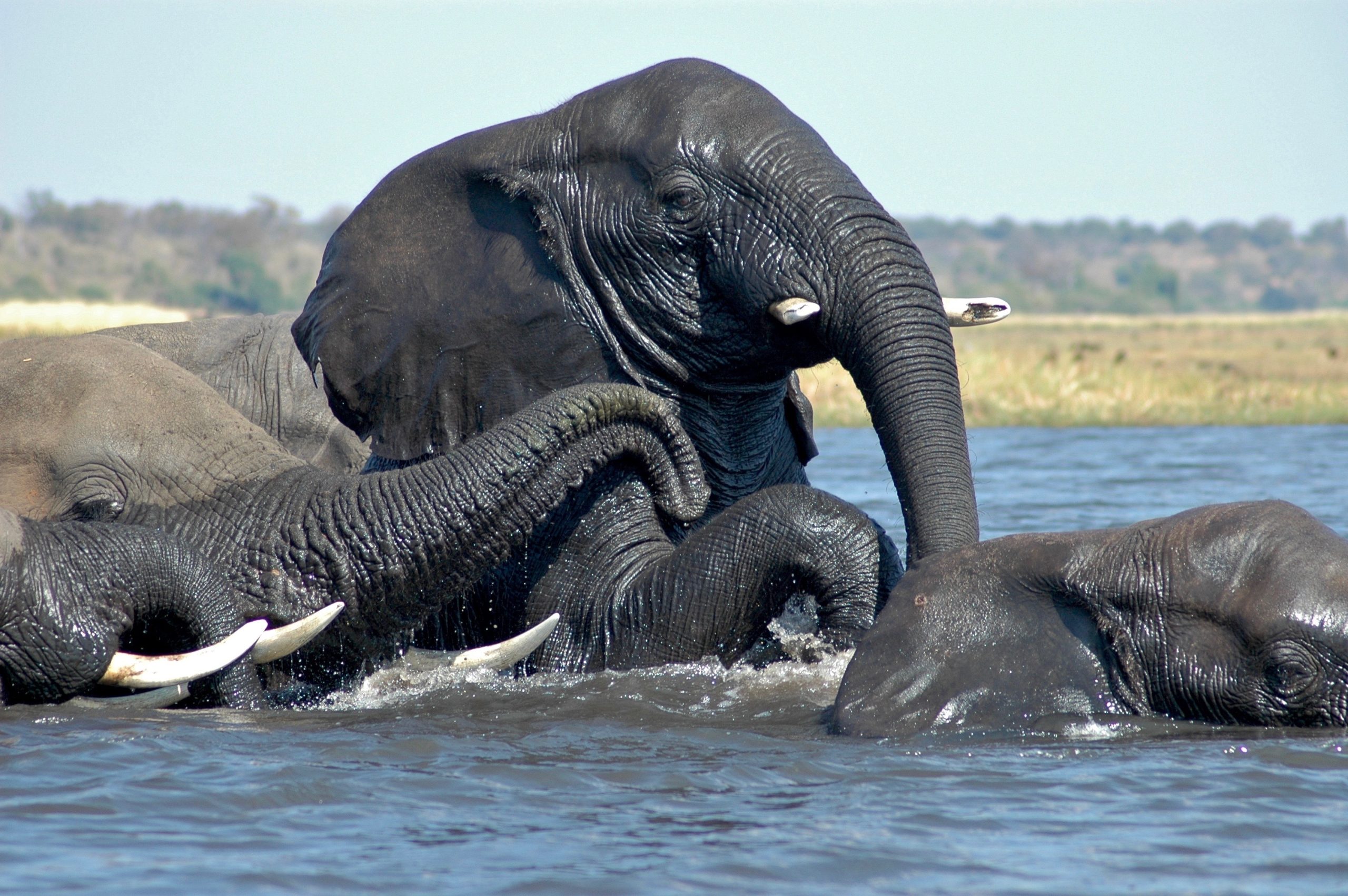
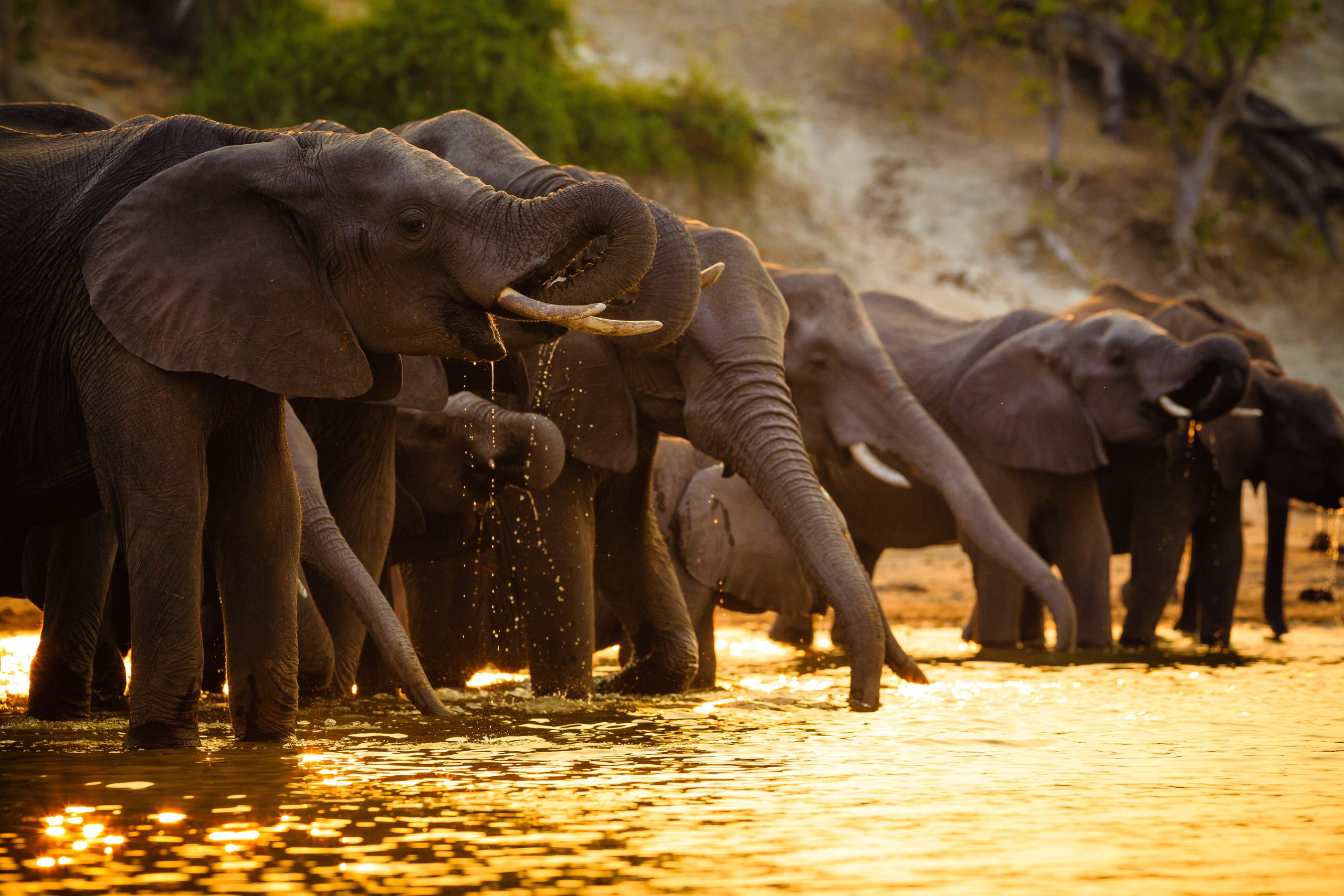
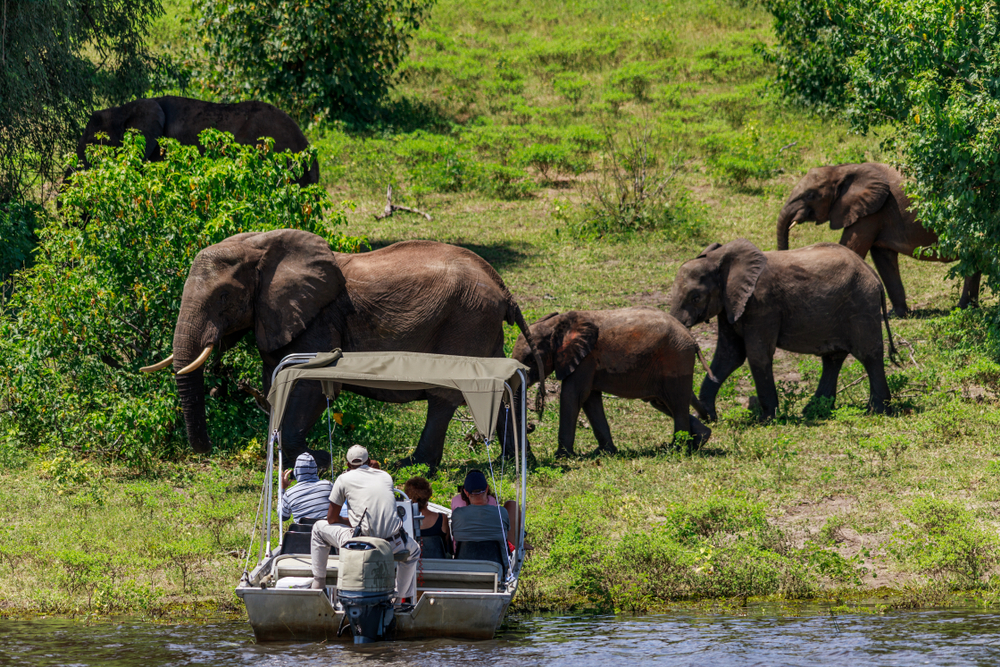
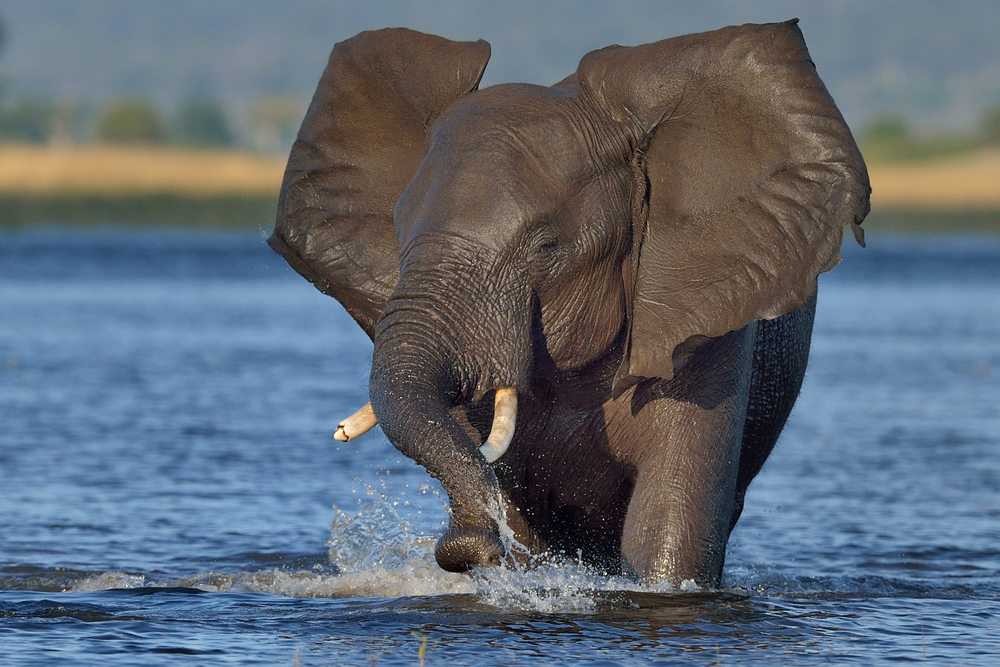
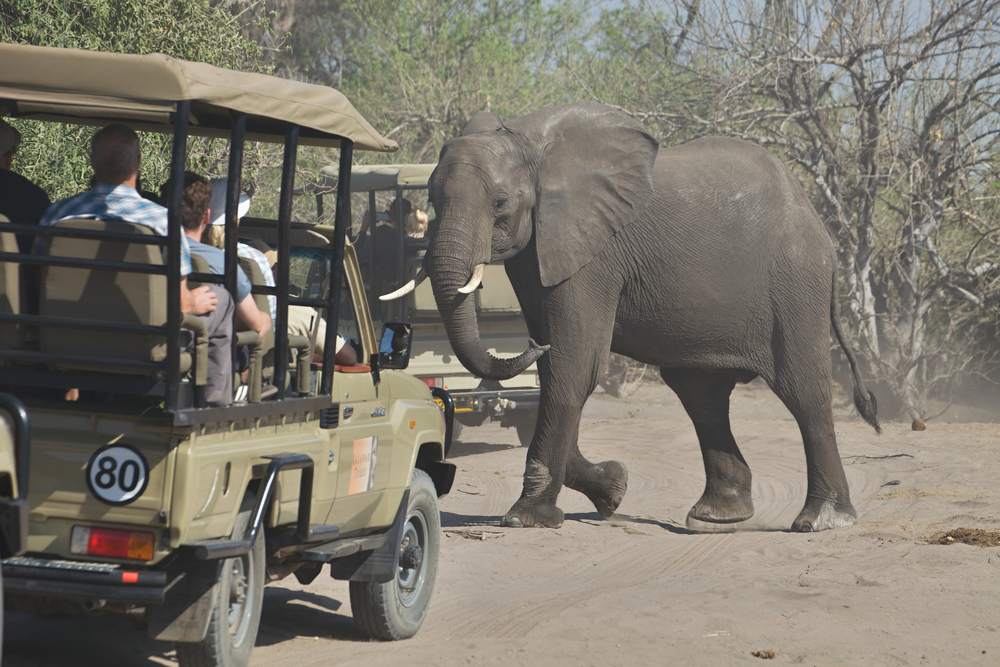
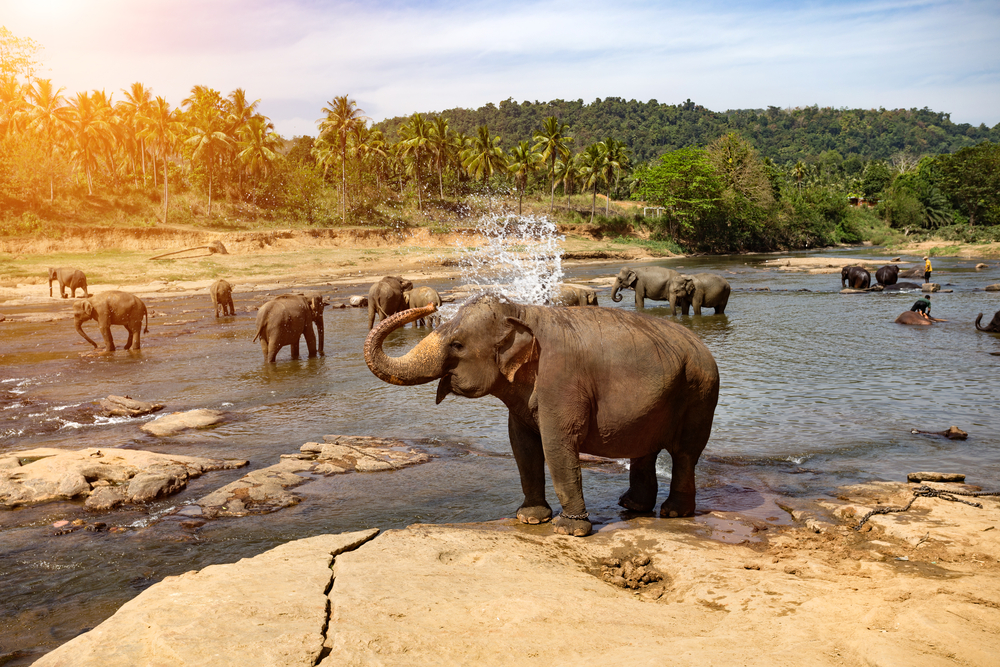
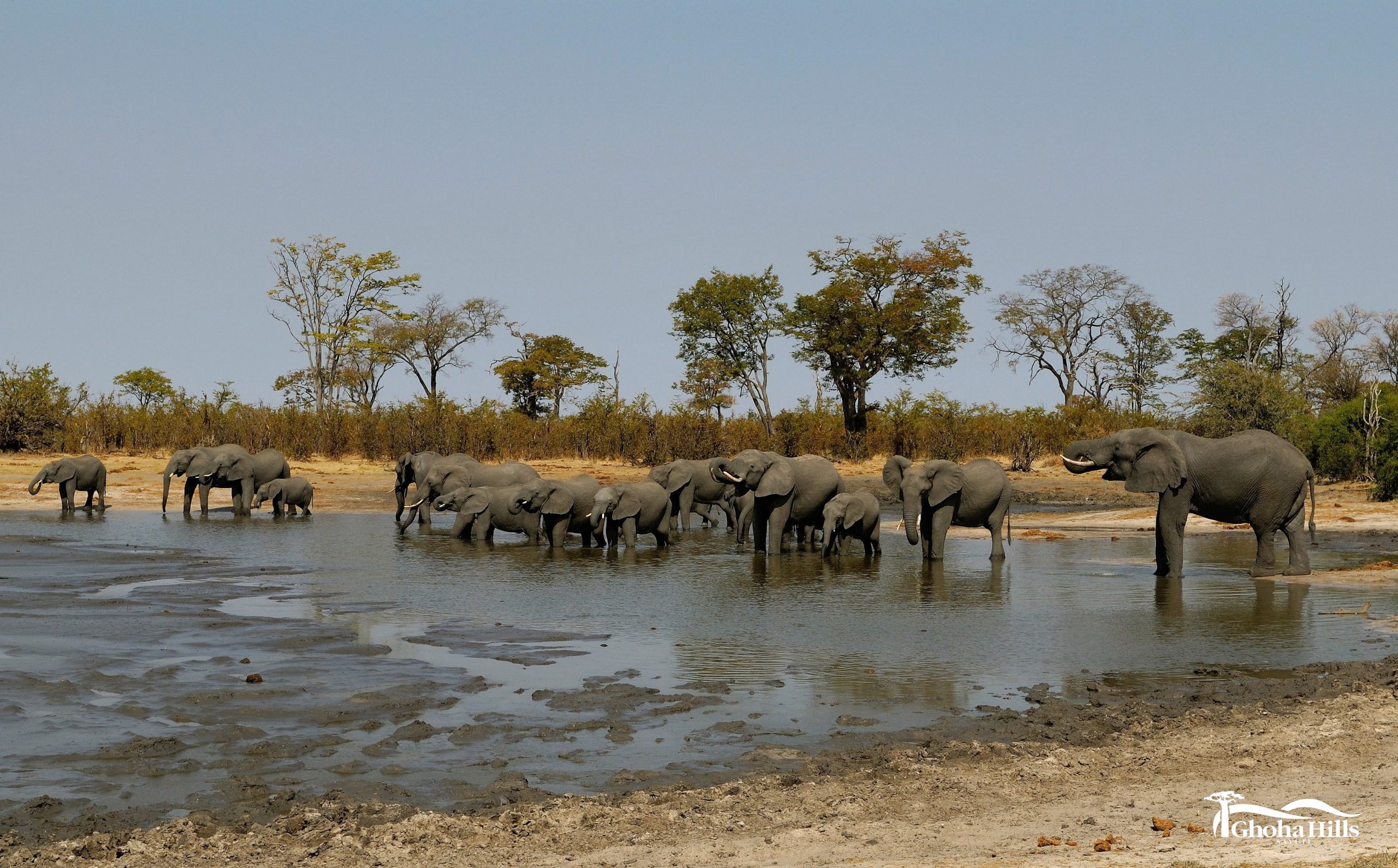
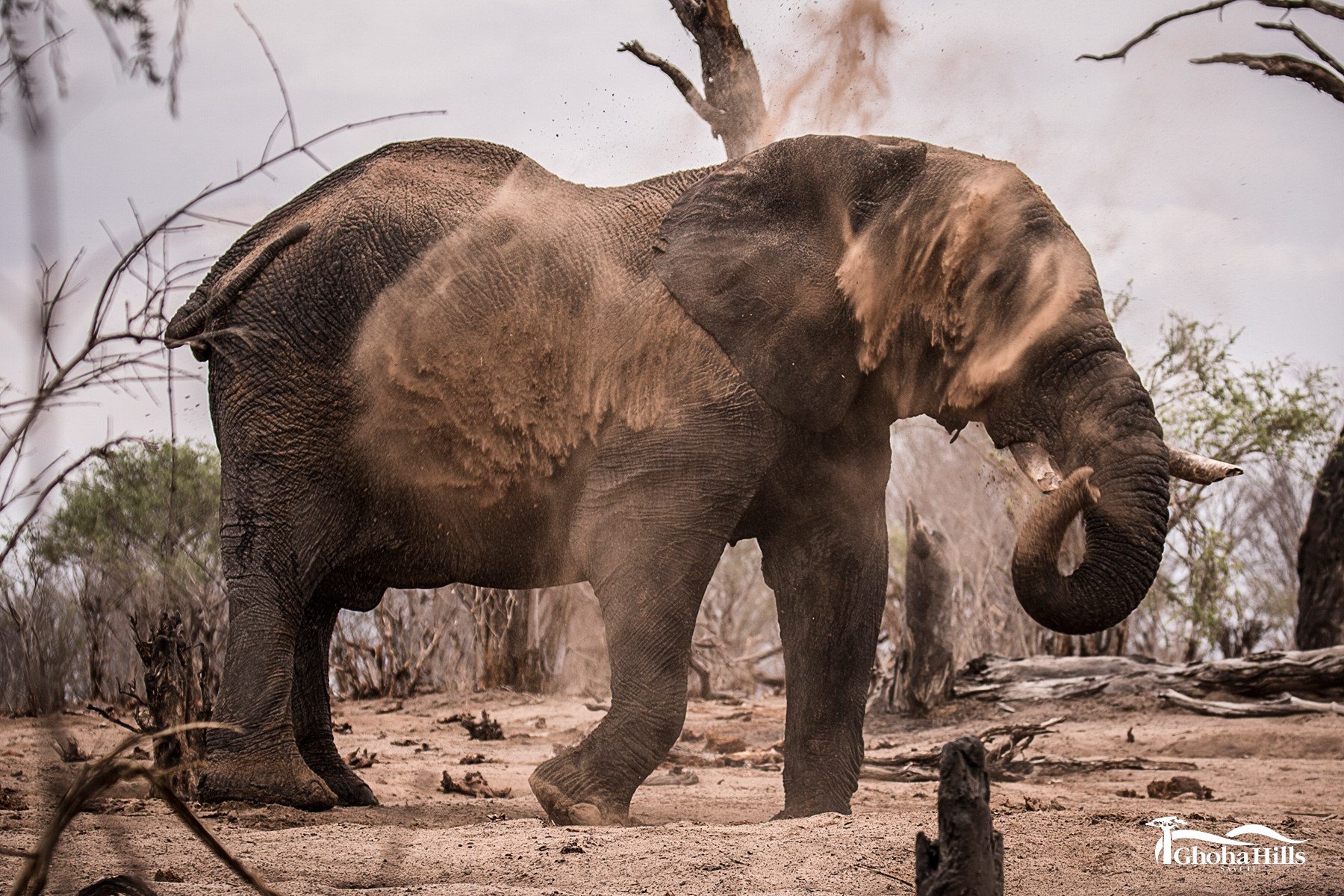
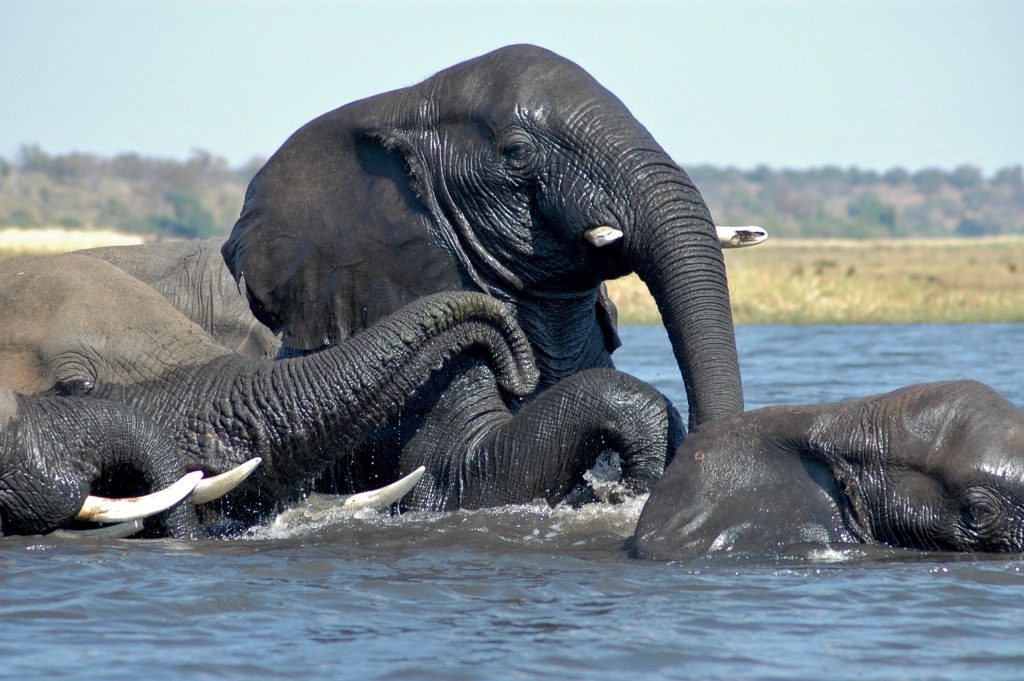
Chobe National Park is best known for its enormous elephant population, often considered one of the largest concentrations of elephants anywhere in the world. During the dry season, thousands of elephants gather along the banks of the Chobe River, creating unforgettable wildlife spectacles as they drink, bathe, and interact in family groups.
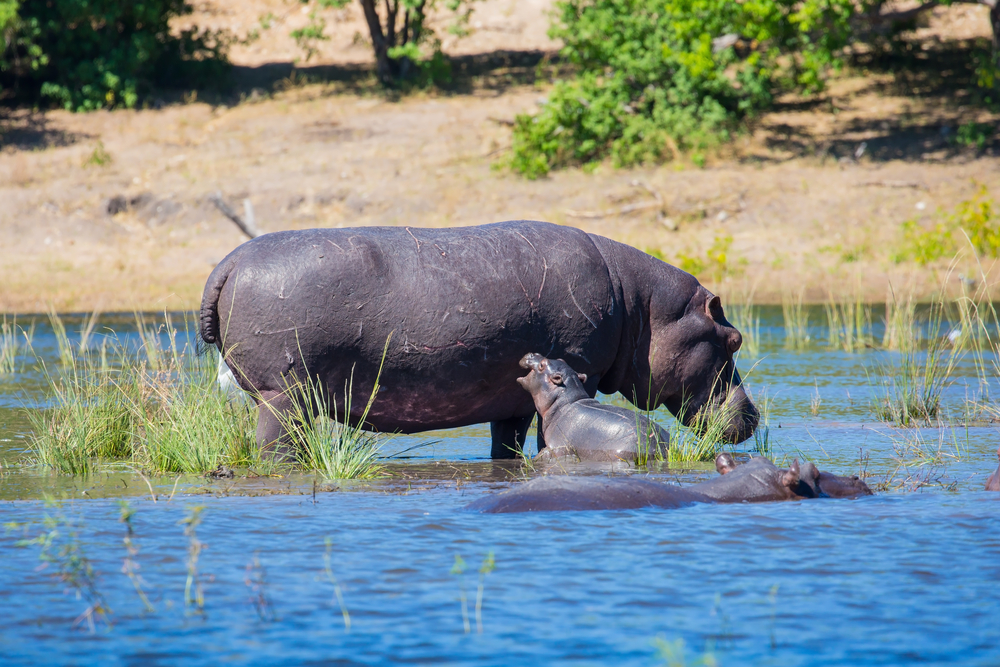
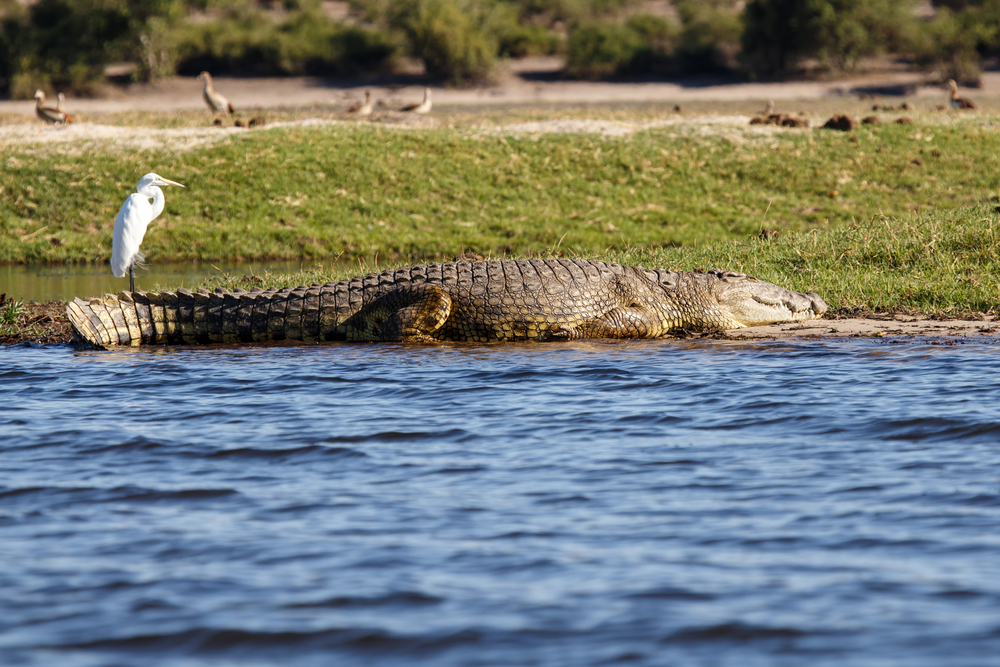
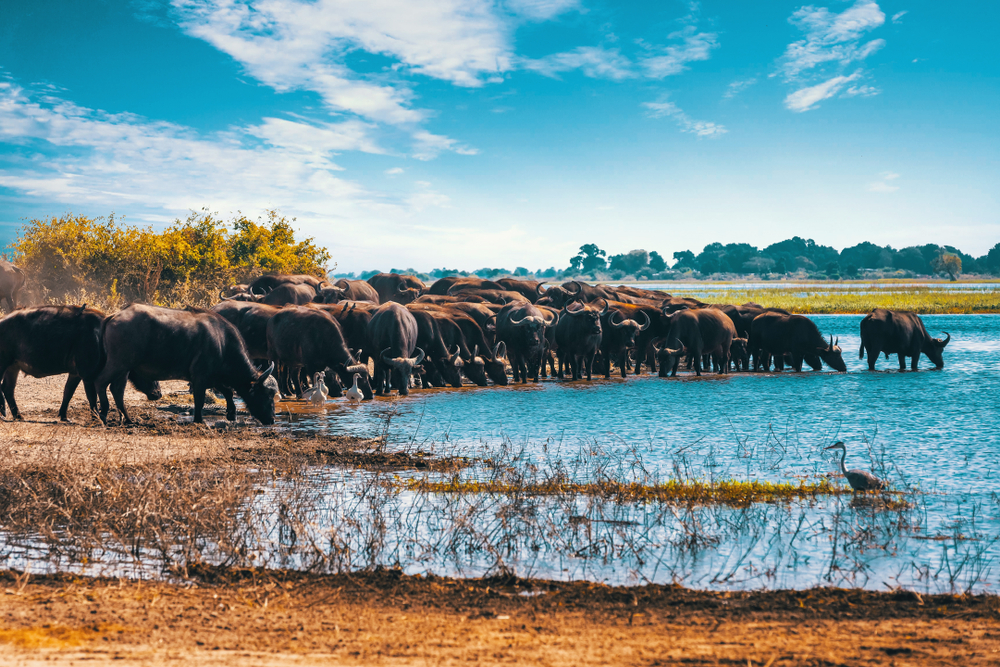
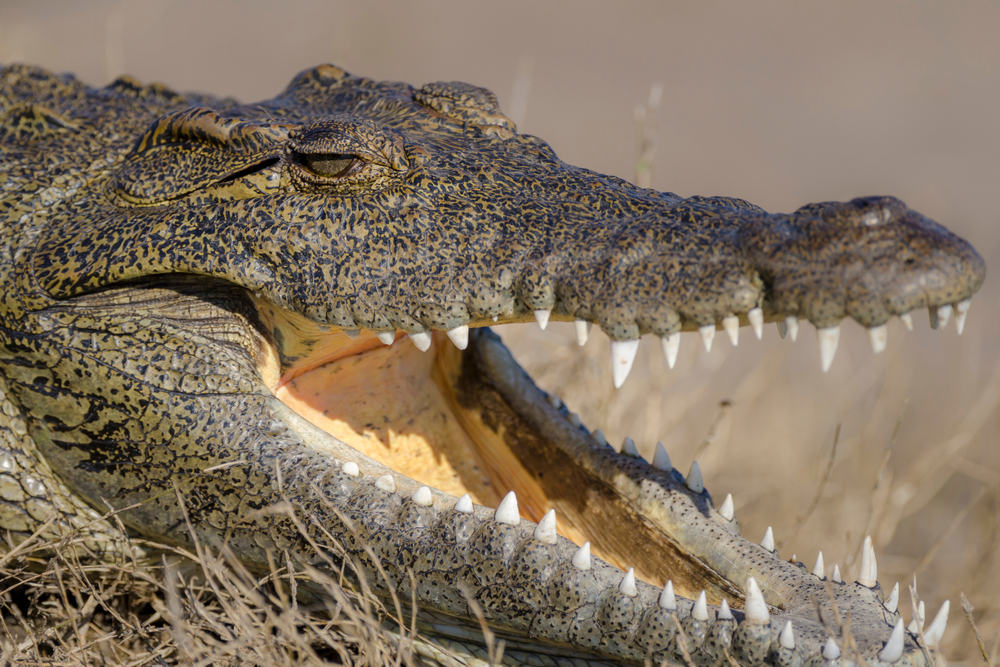
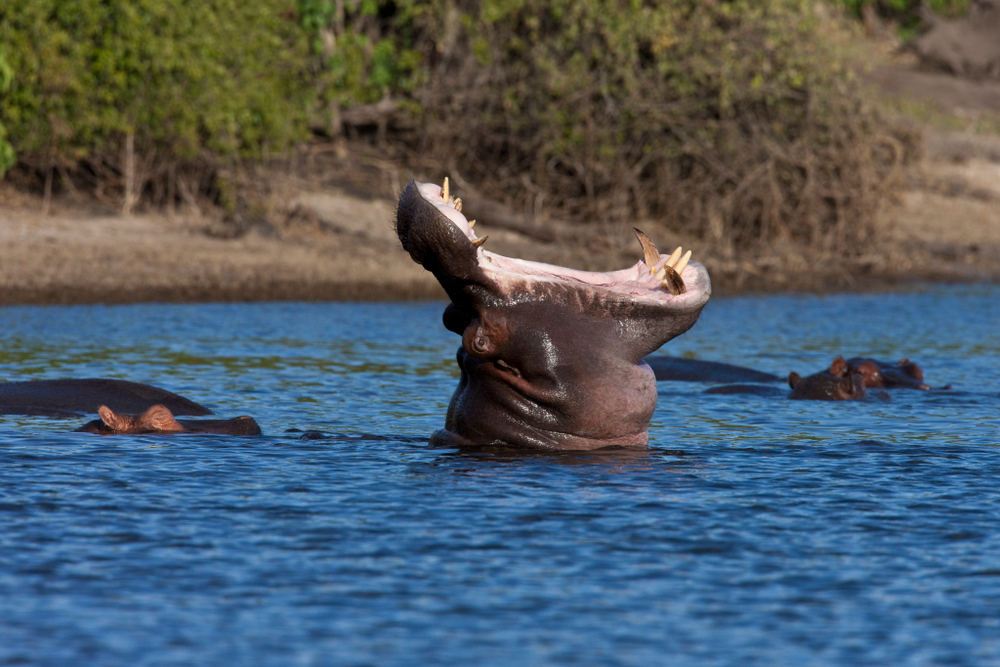
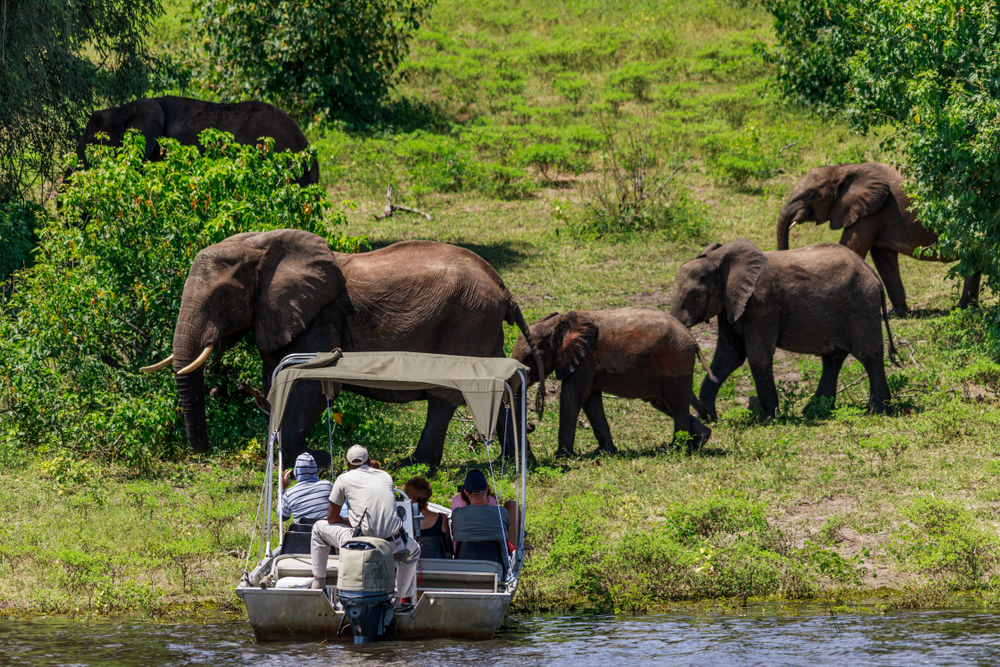
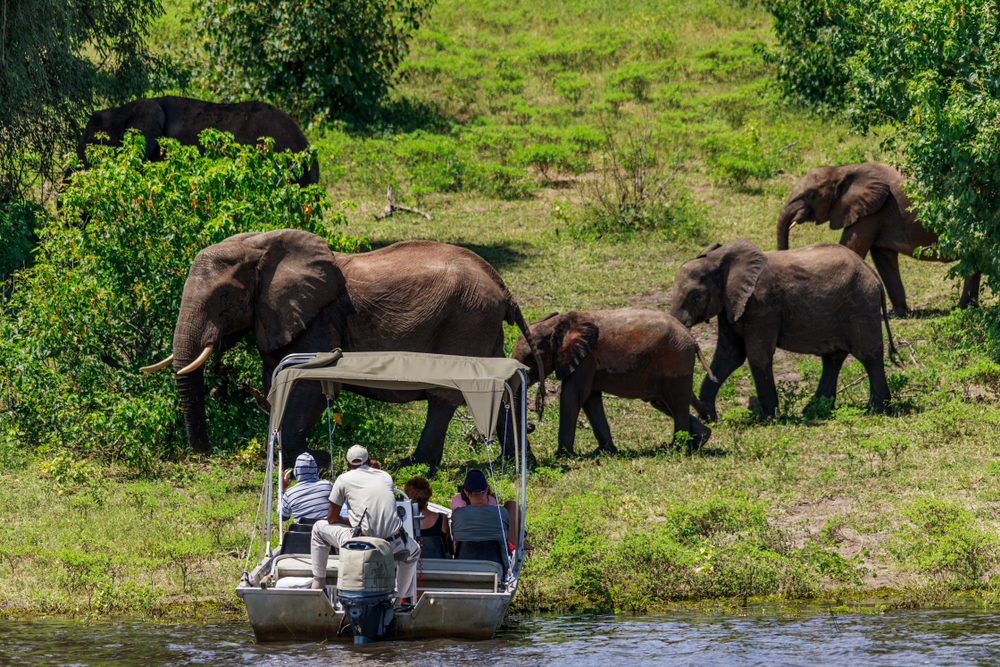
The park is also famous for its river safaris, which offer a unique perspective on wildlife viewing as boats drift quietly past hippos, crocodiles, buffalo, and countless bird species. In addition to the riverfront, areas such as Savuti are renowned for dramatic predator-prey interactions and have become legendary among safari enthusiasts and wildlife filmmakers.
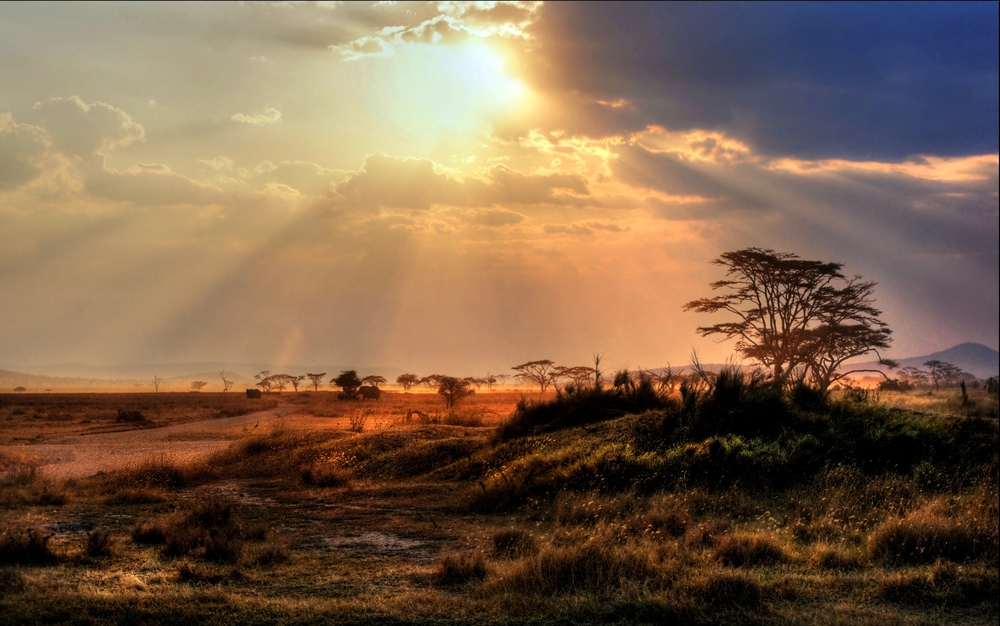
The geography of Chobe National Park is highly diverse, contributing to its extraordinary abundance of wildlife. The Chobe River forms the park’s northern boundary and serves as a critical water source that sustains life throughout the year. Floodplains along the river support lush grasses and dense vegetation, while inland areas transition into woodlands, savannas, and marshes.
The Savuti region, known for its unpredictable water channels and open plains, offers a more arid and rugged landscape. Seasonal changes dramatically influence the environment, with rains transforming dry areas into vibrant habitats that attract migratory species and support breeding cycles across the ecosystem.
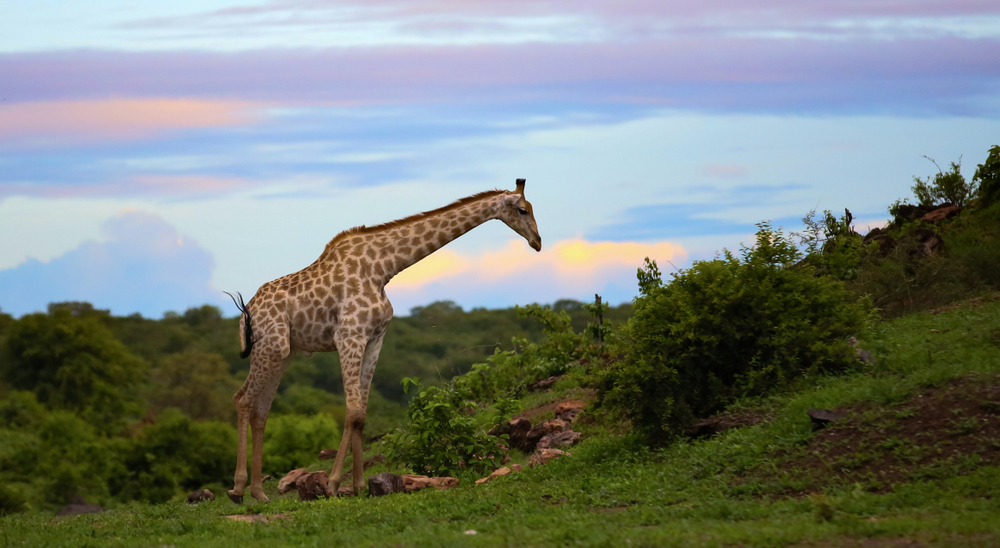
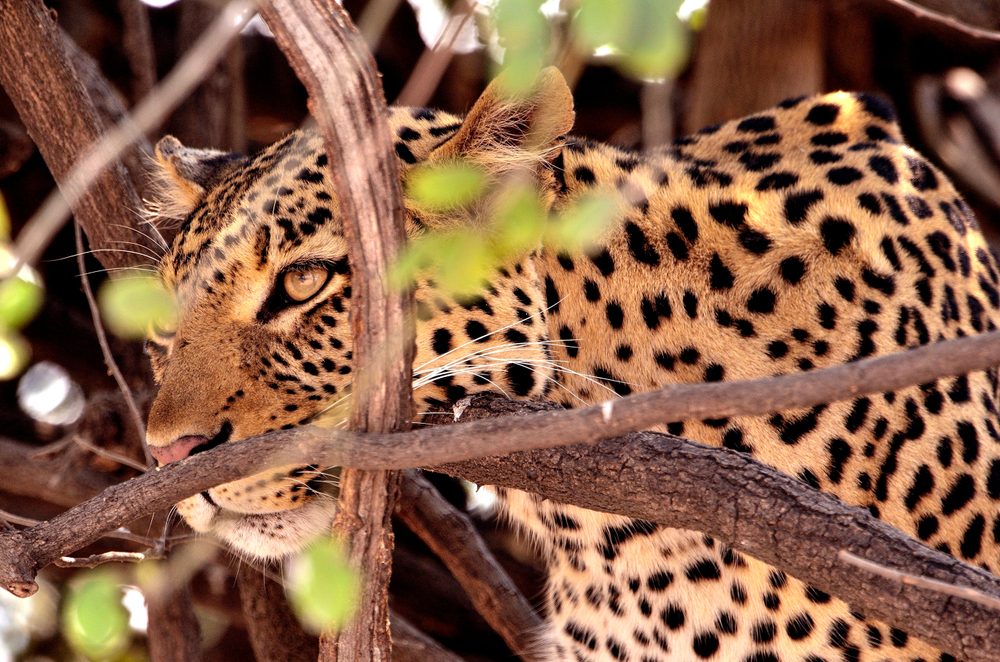
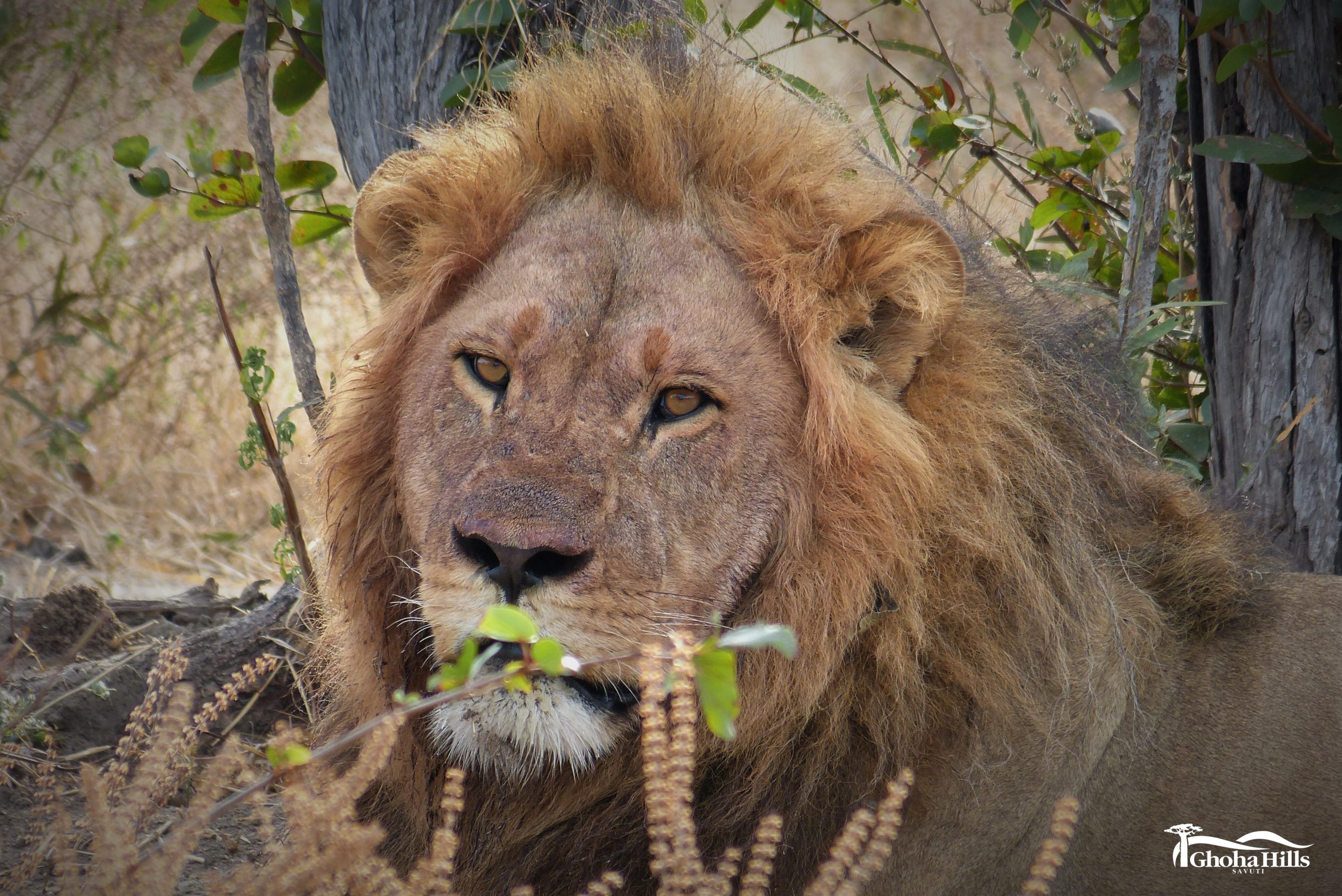
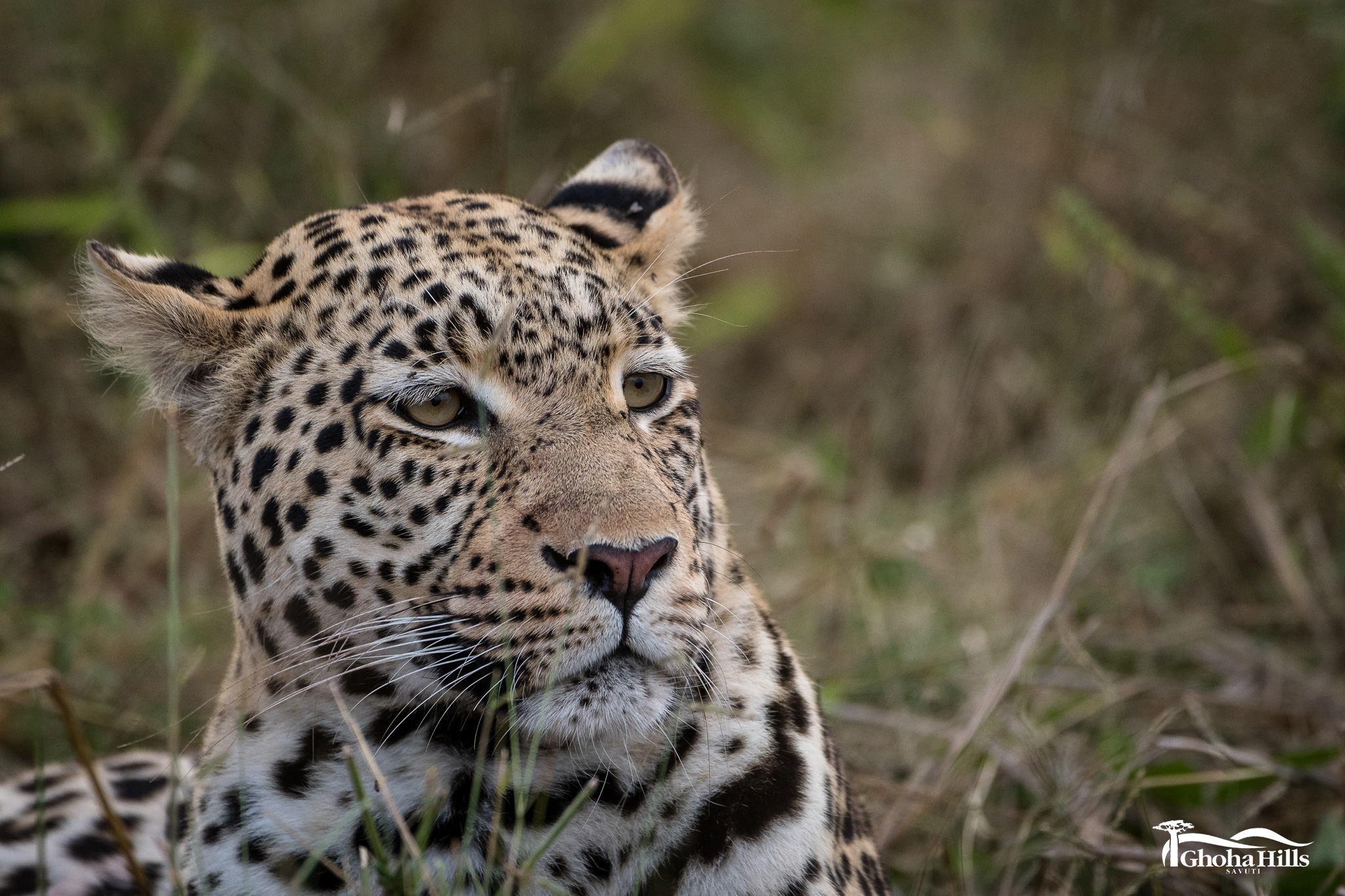
Wildlife in Chobe is among the most diverse and abundant in Africa. In addition to elephants, the park supports large populations of buffalo, zebras, giraffes, antelope, and hippos. Predators such as lions, leopards, cheetahs, and hyenas roam the park, particularly in the Savuti region, where intense competition and dramatic hunts are common.
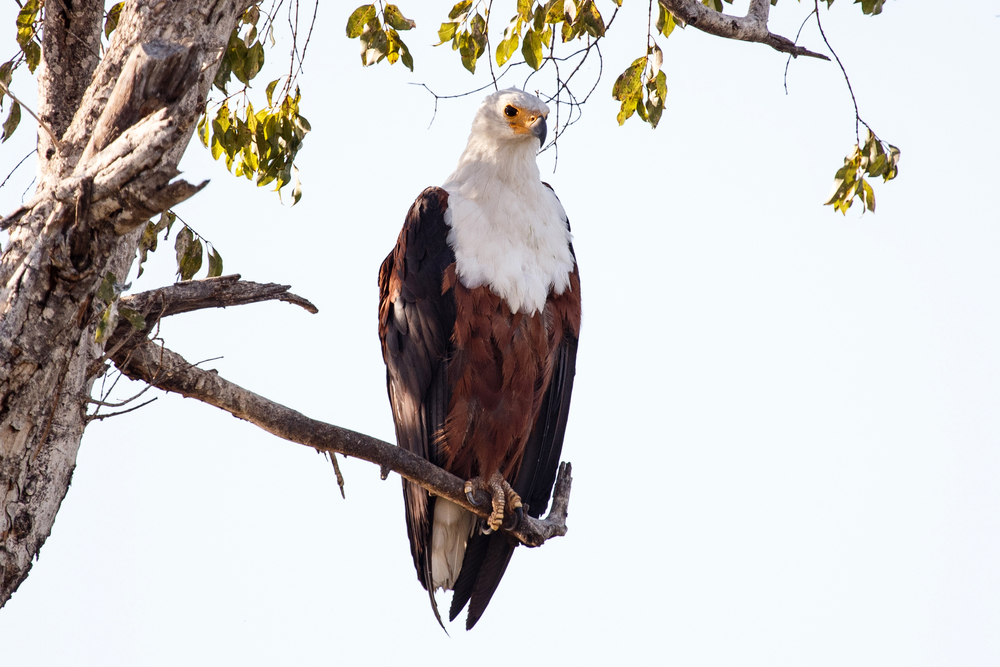
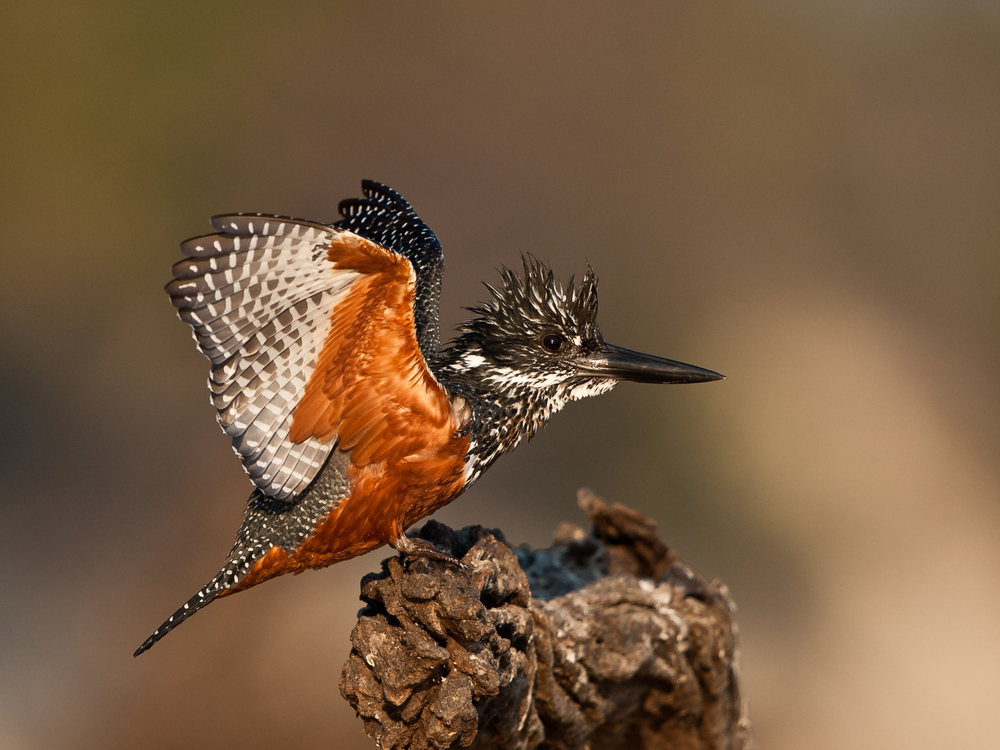
The Chobe River and surrounding wetlands also sustain rich birdlife, with hundreds of species recorded, including fish eagles, kingfishers, herons, and migratory birds that flock to the area during wetter months. The combination of water, varied habitats, and expansive wilderness creates ideal conditions for wildlife to thrive.
Chobe National Park plays a vital role in protecting one of Africa’s most important wildlife ecosystems. Its extensive habitats and cross-border connections help maintain migration routes and genetic diversity for countless species, particularly elephants and large predators. The park also contributes significantly to Botswana’s conservation-based tourism model, demonstrating how wildlife protection can support sustainable economic development while preserving natural heritage.
On a global scale, Chobe stands as a symbol of Africa’s remaining great wilderness areas, where ecological processes still function on a large scale and wildlife continues to roam freely across vast landscapes. Its rich biodiversity, iconic riverfront, and powerful conservation story make it one of the continent’s most treasured national parks.
Photos



Things to See
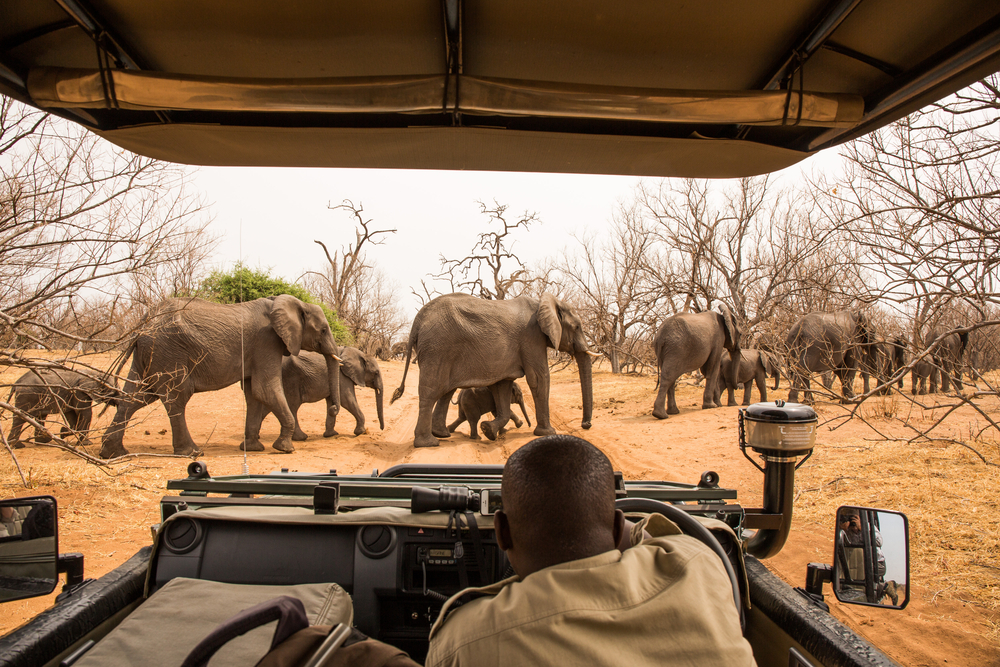
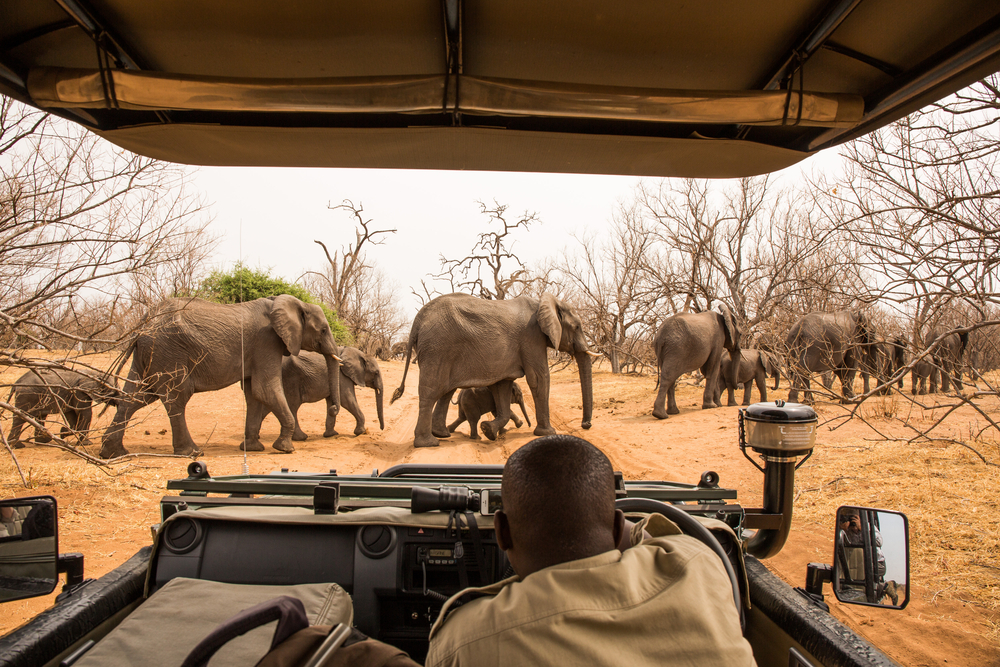
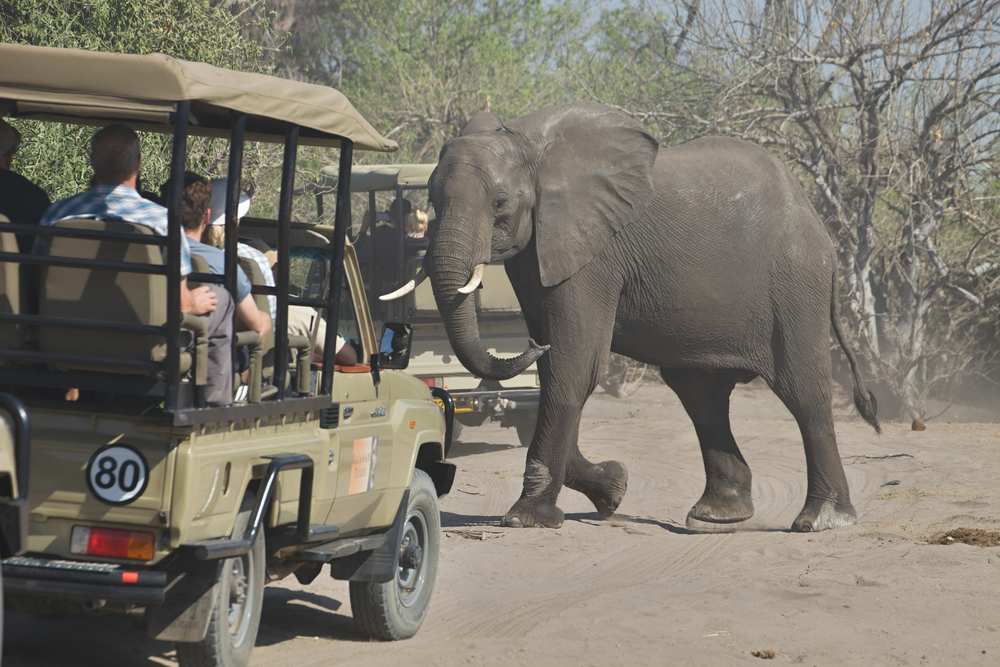
 Chobe National Park is the elephant capital of the world featuring over 50,000 elephants found throughout the park. The Kalahari elephants are the largest species of elephants however the tusks tend to be on the shorter side. Visitors will have a chance to have safari viewing from the water as well as on land.
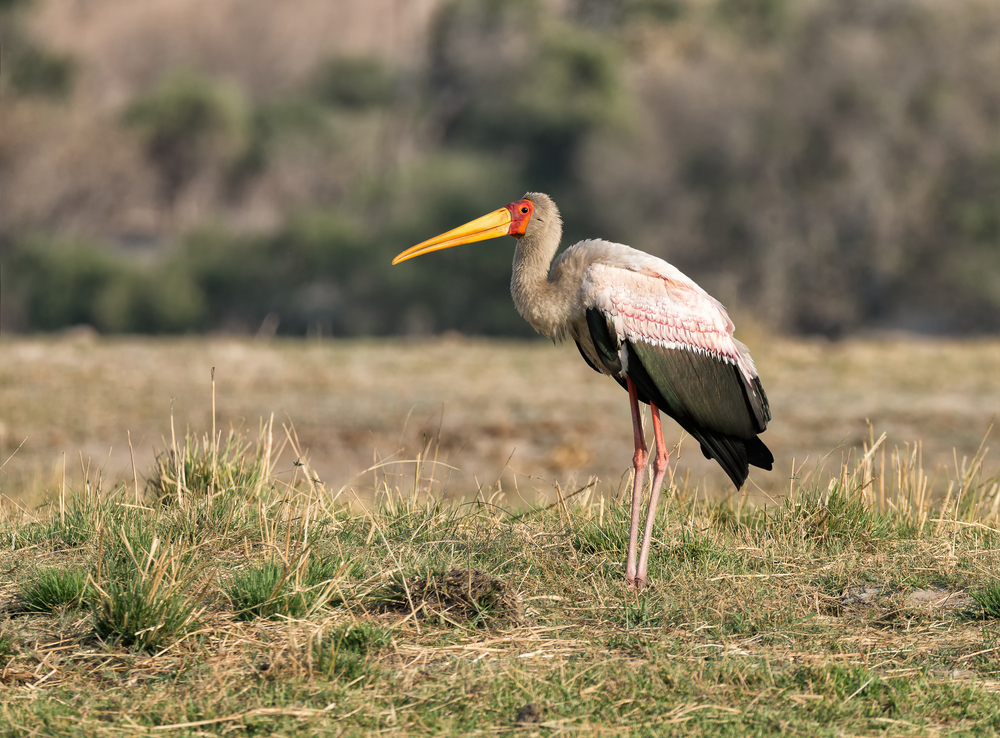
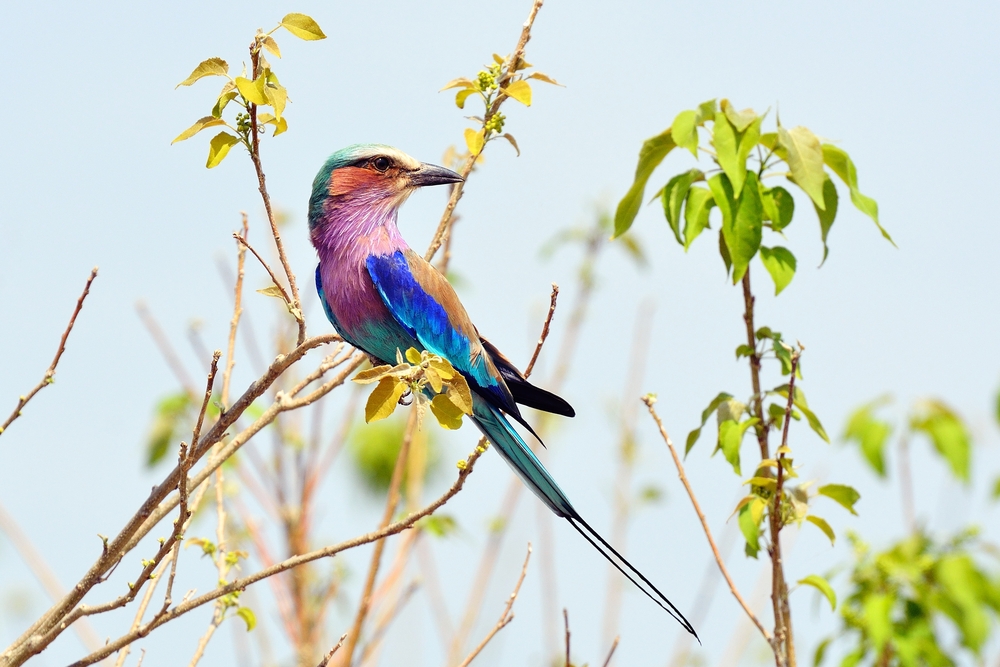
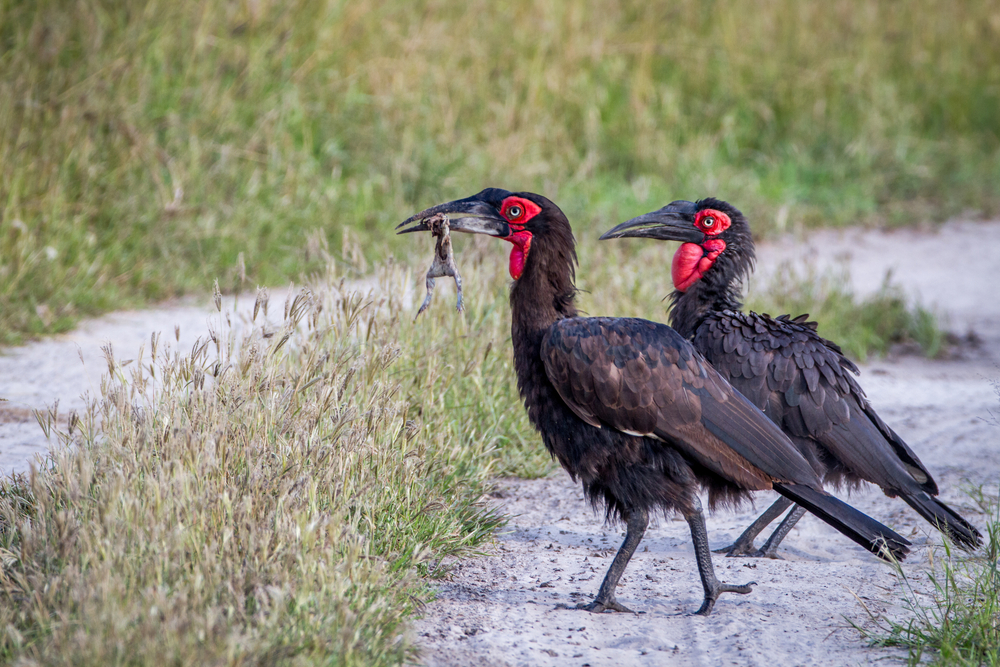
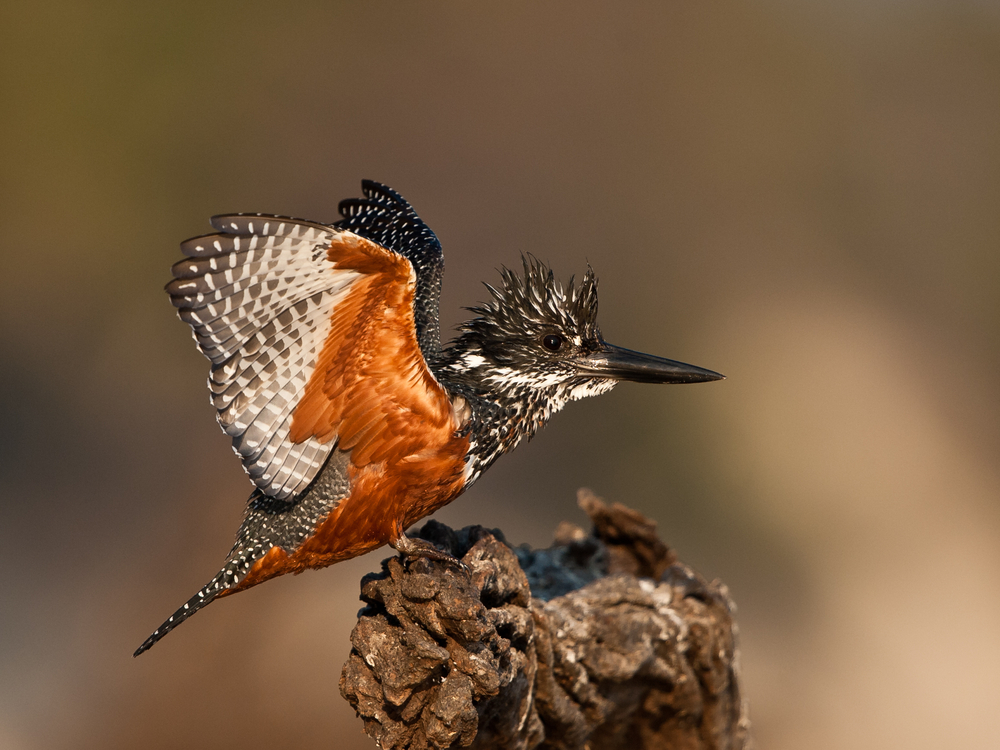
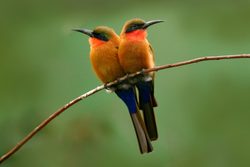 Chobe National Park has one of the greatest concentrations of wildlife found across the entire continent. It is also a bird-lovers paradise with over 460 different species of birds to spot from safari venues offered on land and in the water.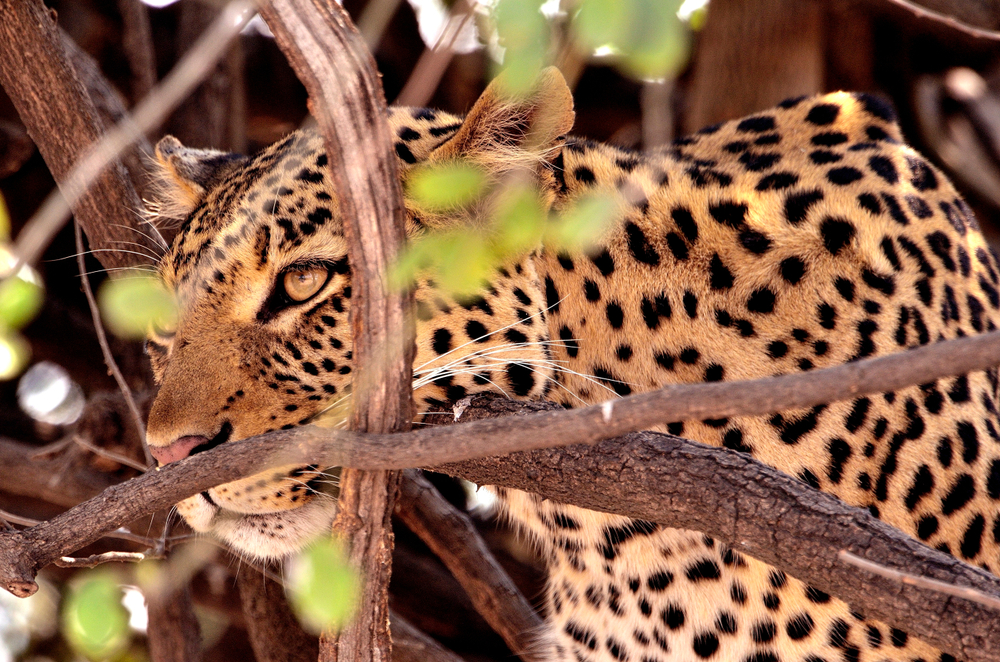
Things To Do
Visitors have an opportunity to explore the wildlife and wildernesss of Chobe in a few different ways. Each offers unique perspectives of both the landscape and the wildlife.

Chobe National Park Trails
Chobe National Park is home to an abundance of predator species. Hiking throughout the park is not permissible. There are no trails. However, there are guided walking safaris which allow you to explore the wilderness and wildlife on foot.

Park Protection
Chobe National Park is a wilderness and wildlife protected area. It is home to one of the largest elephant populations in the world. The park was established to protect the habitat of the elephants and other wildlife speciies living along the Chobe River.
FAQ’s
What is Chobe National Park known for?
Chobe National Park, located in Botswana, is renowned for its spectacular wildlife and diverse ecosystems. It is especially famous for having one of the largest concentrations of elephants in Africa, offering unparalleled opportunities for elephant viewing and photography.
The park is also known for its stunning landscapes, which encompass floodplains, savannas, woodlands, and the iconic Chobe River. Visitors can expect to encounter a wide array of wildlife, including lions, leopards, buffalo, hippos, crocodiles, and an abundance of bird species.
Chobe is celebrated for its thrilling safari experiences, including game drives, boat cruises, walking safaris, and photography safaris, making it a premier destination for nature enthusiasts and wildlife photographers alike.
How many elephants are found within Chobe National Park?
Chobe National Park is estimated to be home to approximately 50,000 elephants, making it one of the largest elephant populations in Africa.
These majestic animals roam freely across the park’s diverse habitats, including floodplains, woodlands, and along the Chobe River, offering visitors exceptional opportunities for elephant viewing and photography.
The park’s vast expanse and rich vegetation provide ample resources to support this large elephant population, making Chobe a prime destination for elephant enthusiasts and wildlife enthusiasts alike.
What is the main reason people visit Chobe National Park?
Chobe National Park is primarily visited for its extraordinary elephant population, exceptional wildlife viewing, and world-famous boat safaris along the Chobe River. Located in northern Botswana, Chobe is one of Africa’s premier safari destinations and is home to the largest concentration of elephants on the continent.
Visitors come to see large herds of elephants, lions, leopards, buffalo, hippos, crocodiles, and abundant birdlife while enjoying some of the best river-based wildlife viewing in Africa.
What animals can visitors hope to see in Chobe National Park?
Chobe National Park supports approximately 120 mammal species and more than 70 reptile species. The park’s diverse habitats—including floodplains, riverfront, woodlands, marshes, and savannas—support one of the richest wildlife communities in southern Africa.
Some of the most popular mammals found in Chobe National Park include:
- African Elephant
- African Buffalo
- Lion
- Leopard
- Cheetah
- African Wild Dog
- Spotted Hyena
- Brown Hyena
- Black-backed Jackal
- Side-striped Jackal
- Hippopotamus
- Nile Crocodile
- Plains Zebra
- Giraffe
- Blue Wildebeest
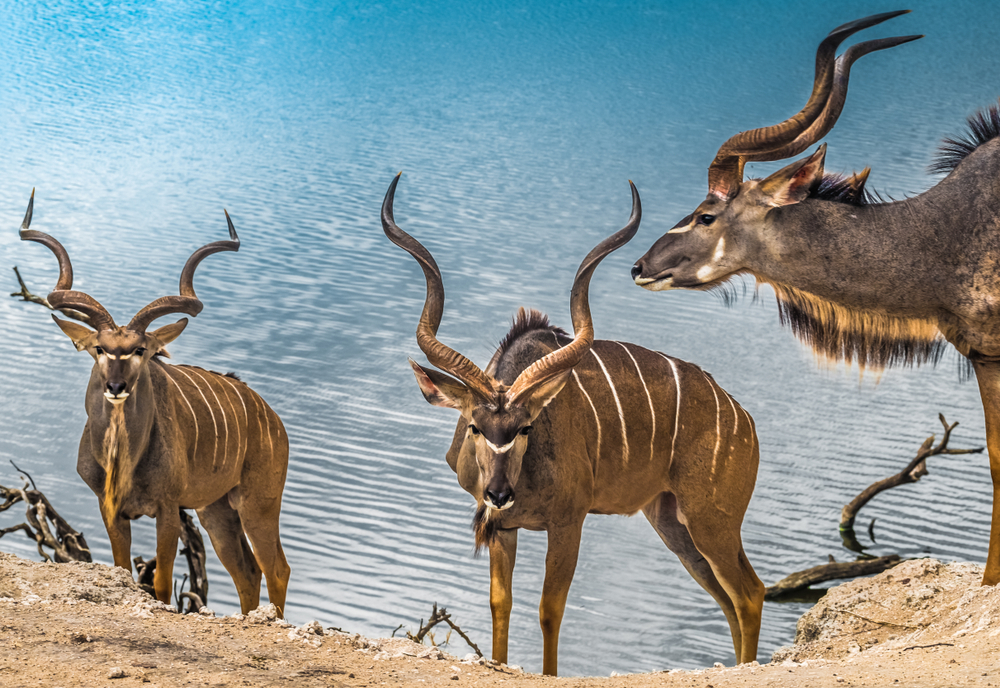
- Greater Kudu
- Lesser Kudu
- Sable Antelope
- Roan Antelope
- Eland
- Tsessebe
- Red Lechwe
- Puku
- Waterbuck
- Impala
- Chobe Bushbuck
- Steenbok
- Common Duiker
- Klipspringer
- Reedbuck
- Warthog
- Bush Pig
- African Civet
- Serval
- Caracal
- African Wildcat
- Honey Badger
- Cape Fox
- Bat-eared Fox
- Slender Mongoose
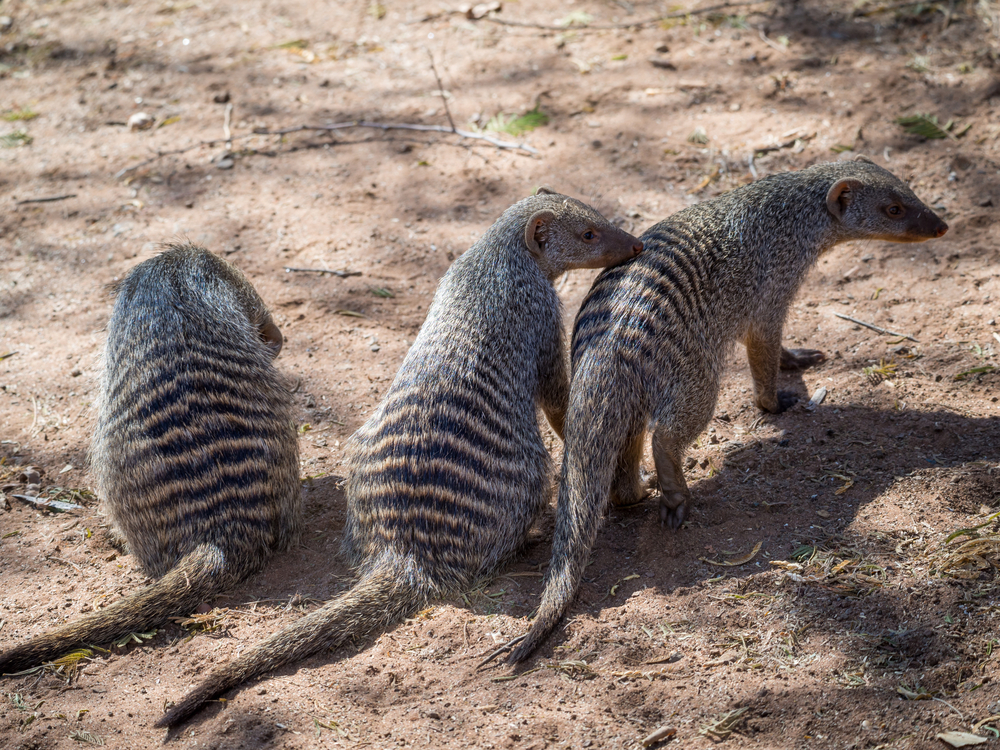
- Banded Mongoose
- Dwarf Mongoose
- White-tailed Mongoose
- Marsh Mongoose
- Large-spotted Genet
- Porcupine
- Cape Hare
- Vervet Monkey
- Chacma Baboon
- Tree Squirrel Species
What birds can visitors hope to see in Chobe National Park?
Chobe National Park is one of Africa’s premier birding destinations, with more than 450 recorded bird species. The Chobe River floodplain attracts large numbers of resident and migratory birds, making the park exceptional for both casual birdwatchers and dedicated birders.
Some of the most popular birds seen in Chobe National Park include:
- African Fish Eagle
- Saddle-billed Stork
- Yellow-billed Stork
- Marabou Stork
- African Openbill
- Woolly-necked Stork
- Goliath Heron
- Purple Heron
- Grey Heron
- Black-headed Heron
- Great Egret
- Little Egret
- Hamerkop
- African Spoonbill
- Sacred Ibis
- Glossy Ibis
- Hadada Ibis
- Spur-winged Goose
- Egyptian Goose
- Knob-billed Duck
- African Jacana
- Wattled Crane
- Slaty Egret
- Black Crake
- Kori Bustard
- Secretarybird
- Martial Eagle
- Bateleur
- Tawny Eagle
- African Hawk-Eagle
- Wahlberg’s Eagle
- White-backed Vulture
- Lappet-faced Vulture
- Hooded Vulture
- Pied Kingfisher
- Giant Kingfisher
- Malachite Kingfisher
- Woodland Kingfisher
- Lilac-breasted Roller
- Southern Carmine Bee-eater
- White-fronted Bee-eater
- Ground Hornbill
- Southern Yellow-billed Hornbill
- Red-billed Hornbill
- African Skimmer
- Pel’s Fishing Owl
- African Pygmy Goose
- Coppery-tailed Coucal
- Village Weaver
- Southern Red Bishop
Is Chobe National Park worth visiting?
100% Yes, Chobe National Park is absolutely worth visiting and is widely considered one of Africa’s finest safari destinations. The park offers exceptional wildlife densities, outstanding elephant viewing, excellent predator sightings, world-class birdwatching, and unique boat safaris.
Many travelers rank Chobe alongside famous destinations such as Kruger National Park, Serengeti National Park, and Etosha National Park.
The only potential drawback is that the Chobe Riverfront area can become busy during peak safari season due to its popularity.
What is the best time to visit Chobe National Park?
The best time to visit Chobe National Park is during the dry season from May through October.
During this period:
- Wildlife concentrates near the Chobe River.
- Elephant herds reach their largest numbers.
- Vegetation is less dense.
- Game viewing is at its peak.
The wet season (November through April) offers excellent birdwatching, lush scenery, newborn animals, and fewer tourists.
How many days do you need to visit Chobe National Park?
Most visitors should plan for 2 to 4 days.
- 1 day: Chobe River boat safari and game drive.
- 2 days: Comprehensive riverfront wildlife experience.
- 3–4 days: Explore multiple regions including the Chobe Riverfront, Savuti, and Linyanti areas.
- 5+ days: Ideal for photographers and wildlife enthusiasts.
Many people cross over into Botswana to spend the day in Chobe as part of a one-day excursion out of the Victoria Falls area.
How do you get to Chobe National Park?
Most visitors access Chobe National Park through the town of Kasane.
Typical access options include:
- Fly into Kasane Airport.
- Drive from Victoria Falls (approximately 90 minutes).
- Drive from Livingstone (approximately 90 minutes).
Kasane serves as the primary gateway to the park and provides easy access to the Chobe Riverfront.
Is Chobe National Park safe for tourists?
Yes, Chobe National Park is generally considered one of the safest safari destinations in Africa.
Visitors should:
- Follow guide instructions around wildlife.
- Maintain safe distances from elephants, buffalo, hippos, and predators.
- Remain in vehicles unless instructed otherwise.
- Use reputable safari operators.
Wildlife poses a greater risk than crime within the park, making adherence to safari safety protocols essential.
Who is involved in protecting and supporting Chobe National Park?
Several organizations help protect Chobe National Park:
- Department of Wildlife and National Parks (DWNP) – the government agency responsible for managing Botswana’s national parks.
- Kavango-Zambezi Transfrontier Conservation Area (KAZA TFCA) – coordinates regional conservation efforts across five countries.
- Elephants Without Borders – conducts elephant research and conservation programs.
- Wild Entrust Africa – supports conservation research and community engagement.
- Local communities and tourism operators who contribute to wildlife conservation through sustainable tourism.
Can you see the Big Five in Chobe National Park?
Chobe National Park is home to four of Africa’s Big Five animals:
- Lion
- Leopard
- Elephant
- Buffalo
Rhinoceroses are generally absent from Chobe, so the park is not considered a complete Big Five destination. However, it remains one of Africa’s best locations for elephants and predators.
What makes Chobe's boat safaris unique?
Unlike many safari destinations, Chobe offers exceptional boat-based wildlife viewing on the Chobe River. Visitors can observe elephants swimming, hippos surfacing, crocodiles basking, buffalo drinking, and countless birds from the water, often at much closer range than is possible during traditional game drives.
Sources
- Chobe National Park, http://www.chobenationalpark.com/, retrieved July 2019
- Botswana Tourism, Chobe National Park, http://www.botswanatourism.co.bw/explore/chobe-national-park. retrieved July 2019.
- Earth Trekkers, On Safari in Chobe National Park, https://www.earthtrekkers.com/safari-chobe-national-park-botswana/, retrieved June 2020.
- Lonely Planet, Chobe National Park, https://www.lonelyplanet.com/botswana/northern-botswana/chobe-national-park, retrieved June 2020.
- Okavango Expeditions, Chobe National Park, https://okavangoexpeditions.com/safari-places/chobe-national-park/, retrieved June 2020.