About

Matusadona National Park, the park is located in northern Zimbabwe along the southern shores of Lake Kariba. The park covers approximately 540 square miles (1,400 sq km) and occupies a dramatic landscape between the lake shoreline and the rugged Zambezi Escarpment.

Established in 1975, Matusadona lies east of Mana Pools National Park and north of Chizarira National Park. The park’s name is derived from a local Tonga word meaning “falling dung,” a reference to the loose gravel and steep terrain found in portions of the escarpment. Today, Matusadona is recognized as one of Zimbabwe’s most scenic national parks, combining exceptional wildlife habitats with the stunning backdrop of Lake Kariba.

Matusadona National Park is best known for its unique combination of terrestrial and aquatic wildlife experiences. Few places in Africa allow visitors to observe elephants, buffalo, and antelope grazing along lakeshores while hippos and crocodiles occupy the waters nearby. The creation of Lake Kariba in the late 1950s transformed the region and created one of Africa’s largest man-made lakes, dramatically reshaping the park’s ecosystems.

Visitors are drawn to opportunities for game viewing, boating, fishing, birdwatching, and photography. The park’s shoreline scenery, combined with spectacular sunsets over the lake, creates a memorable wilderness experience that differs from traditional inland safari destinations.

The geography of Matusadona National Park is defined by three distinct ecological zones. Along the lake lies a narrow shoreline habitat characterized by sandy beaches, coves, and floodplains. Inland, gently rolling valleys and woodland savannas support abundant wildlife. Rising behind these lowlands is the rugged Zambezi Escarpment, where steep slopes, rocky ridges, and elevated plateaus create dramatic scenery and diverse habitats.

Vegetation includes mopane woodlands, acacia forests, grasslands, and riverine vegetation near seasonal streams. The presence of Lake Kariba influences local climate conditions and provides a permanent water source that supports wildlife throughout the year.

Wildlife is one of Matusadona National Park’s greatest attractions. The park supports populations of elephant, African buffalo, lion, leopard, spotted hyena, zebra, waterbuck, impala, kudu, and numerous other herbivores. Matusadona has long been recognized as an important sanctuary for black rhinoceroses, and conservation efforts continue to support the recovery of rhino populations within the region.

Lake Kariba provides habitat for large numbers of hippopotamuses and Nile crocodiles, while its shoreline attracts wildlife seeking water and grazing opportunities. Birdlife is exceptional, with more than 240 recorded species. African fish eagles, kingfishers, cormorants, herons, storks, and numerous raptors thrive throughout the park. The combination of lake and savanna habitats creates a rich and varied wildlife community.

Matusadona National Park plays a critical role in conserving the ecosystems surrounding Lake Kariba and protecting important wildlife populations in northern Zimbabwe. The park safeguards habitats that support large mammals, aquatic species, and migratory birds while preserving ecological connectivity along the Zambezi Valley.

Its conservation significance is often compared to lakeside wilderness areas such as Lake Mburo National Park and portions of Lower Zambezi National Park, where freshwater ecosystems and wildlife habitats intersect. However, Matusadona’s combination of escarpment scenery, lakeshore wildlife, and rhino conservation gives it a distinctive character. Today, the park remains one of Zimbabwe’s most beautiful protected areas and an important refuge for biodiversity within the Lake Kariba region.

Things to See

Popular

Matusadona National Park, located along the shores of Lake Kariba in Zimbabwe, is a wildlife-rich haven where land and water ecosystems converge, supporting a remarkable variety of species.

African Elephant
Herds of African elephants are a common sight in the park, often seen grazing along the lake’s shoreline or in the grassy plains.

Cape Buffalo
Known for their strength and resilience, cape buffalo are frequently spotted in large herds, particularly near water sources.

Lion
As apex predators, lions patrol the park’s open savannahs and wooded areas, hunting antelope and other prey.

Leopard
This elusive and solitary predator thrives in the park’s dense woodlands, using its stealth to ambush prey.

Hippopotamus
Hippos dominate the waters of Lake Kariba, where they spend their days submerged to stay cool and emerge at night to graze.

Crocodile
Nile crocodiles are a defining feature of the lake’s ecosystem, lurking in its waters and basking on the sunlit banks.

Impala
This agile antelope is a vital part of the food chain, commonly seen grazing in the park’s grasslands.

Waterbuck
Preferring areas close to water, waterbuck are striking antelope with a characteristic white ring on their rump.

Warthog
These hardy mammals forage across the park’s plains, often using their tusks to dig for roots and tubers.

Zebra
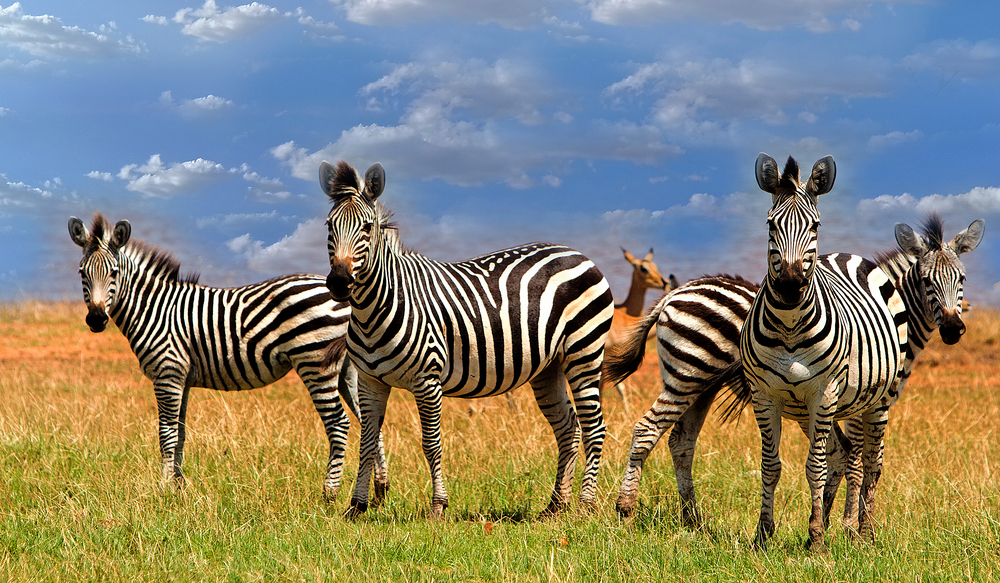
Plains zebras add vibrancy to the park’s grasslands, their black-and-white stripes creating stunning visual contrasts.

Birds

Matusadona National Park’s mix of lake, savannah, and woodland habitats makes it a magnet for an array of bird species, offering endless opportunities for birdwatching.

African Fish Eagle
This iconic raptor, known for its piercing call, is often seen perched along the lake, scanning for fish.

Goliath Heron
The largest heron in the world, the Goliath heron is a regular sight along the lake’s shores, stalking fish in shallow waters.

Pied Kingfisher
This agile bird hovers above the water before diving to catch fish, adding dynamic movement to the lake’s serene landscape.

White-faced Whistling Duck
A distinctive waterfowl, the white-faced whistling duck is often found in flocks near the lake’s edges.

Saddle-billed Stork
With its striking red and yellow bill, the saddle-billed stork is a standout presence in the park’s wetlands.

Lilac-breasted Roller
Famous for its vibrant colors, the lilac-breasted roller is often seen perched on tree branches in the savannah.

Crested Francolin
A ground-dwelling bird, the crested francolin forages in the park’s grasslands, blending well with its surroundings.

Yellow-billed Stork
This wading bird uses its long beak to sweep through the water for fish and other aquatic prey.

Black-winged Stilt
With its long legs, the black-winged stilt is often seen in shallow waters, searching for insects and small aquatic creatures.

African Jacana
Known as the “Jesus bird” for its ability to walk on floating vegetation, the African jacana adds a unique charm to the park’s wetlands.

Things To Do

Engaging Matusadona National Park

placeholder

Boat Safaris

Exploring Matusadona National Park by boat offers a unique perspective of its stunning landscapes and abundant wildlife. Cruising along Lake Kariba’s shores, visitors can observe hippos, crocodiles, and herds of elephants drinking at the water’s edge.

The lake also provides incredible birdwatching opportunities, with species such as African fish eagles and Goliath herons frequently sighted. Guided boat safaris often include informative commentary about the lake’s formation and its ecological significance.

Sunset cruises are particularly magical, with the golden light casting a serene glow over the water and wildlife. This activity is a tranquil yet thrilling way to connect with nature.

placeholder

Game Drives

Game drives are an exhilarating way to explore Matusadona’s diverse habitats, from open savannahs to dense woodlands. Guided safaris in open vehicles allow visitors to spot iconic wildlife such as lions, buffalo, and zebras.

Early morning and late afternoon drives are ideal for witnessing animal activity, as the cooler temperatures bring out predators and herbivores alike.

Guides enrich the experience with insights into animal behavior and conservation efforts. The park’s dramatic backdrops, including views of Lake Kariba and the rugged escarpment, add to the thrill, making every moment a photographic opportunity.

placeholder

Walking Safaris

Walking safaris in Matusadona National Park provide an intimate and immersive experience, allowing visitors to connect deeply with the wilderness.

Accompanied by experienced guides, participants explore the park on foot, learning to identify tracks, plants, and smaller wildlife often missed on vehicle safaris. The walks frequently take visitors along the lake’s shores, where they can observe birdlife and spot animals like impalas and waterbucks at close range.

Walking safaris emphasize safety and environmental awareness, offering a unique sense of adventure and a deeper appreciation for the intricate ecosystems of Matusadona.