

About
Lake Mburo National Park, the park is located in western Uganda between the cities of Masaka and Mbarara. The park covers approximately 143 square miles (370 sq km), making it one of Uganda’s smaller savanna national parks.
Established in 1983, Lake Mburo National Park protects a diverse landscape of lakes, wetlands, woodlands, and grasslands within the Ankole region. The park lies south of Queen Elizabeth National Park and serves as an important stop along the route to Bwindi Impenetrable National Park and other destinations in western Uganda. Despite its modest size, the park contains an impressive variety of habitats and wildlife, making it one of the country’s most accessible and rewarding conservation areas.
Lake Mburo National Park is best known for its scenic lake system, abundant herbivores, and unique safari experiences. Unlike many East African parks, Lake Mburo offers visitors opportunities to explore on foot, by bicycle, horseback, boat, and vehicle. These diverse activities allow for close encounters with wildlife and create a more intimate experience than traditional game drives alone.
The park’s centerpiece is Lake Mburo, one of fourteen interconnected lakes within the region. Visitors are drawn by the tranquil waters, rolling hills, and opportunities to observe animals gathering along the shoreline. The park’s combination of beautiful scenery and varied recreational opportunities makes it a popular destination for both local and international travelers.
The geography of Lake Mburo National Park is characterized by a mosaic of lakes, wetlands, acacia woodlands, rocky ridges, and open grasslands. The landscape consists of gently rolling hills shaped by ancient geological processes, creating scenic viewpoints across the surrounding countryside. Wetlands and papyrus swamps border many of the lakes and provide essential habitat for wildlife.
Acacia-dominated savannas cover much of the park, interspersed with patches of forest and seasonal grasslands. The abundance of water distinguishes Lake Mburo from many other savanna parks and supports a rich diversity of plant and animal life throughout the year.
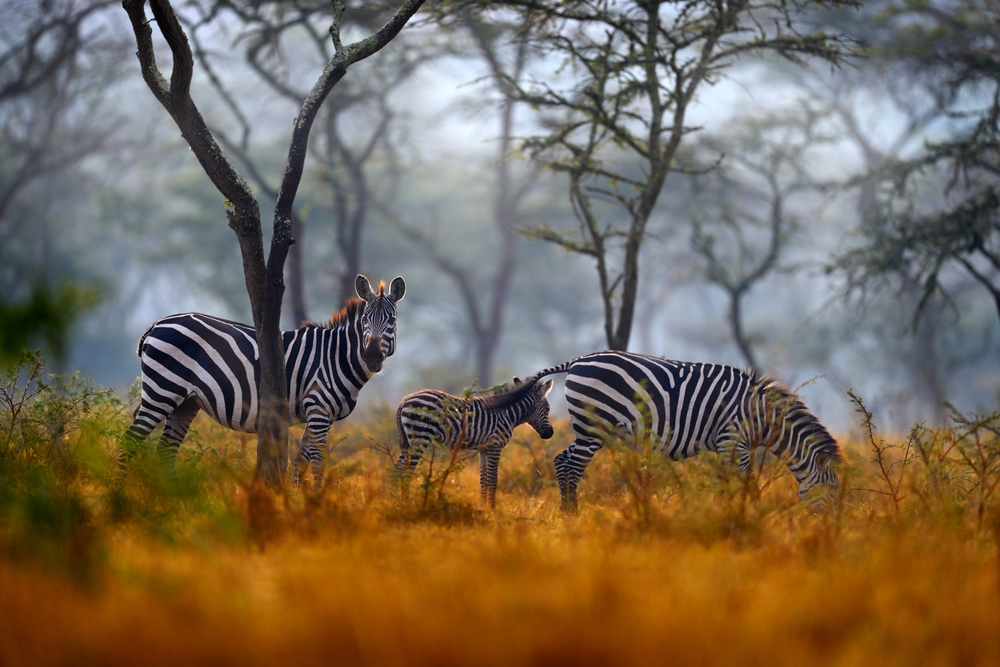
Wildlife is one of the park’s greatest attractions. Lake Mburo National Park is renowned for its large populations of zebra, impala, and eland. In fact, it is the only national park in Uganda where impalas occur naturally. Other commonly observed mammals include buffalo, topi, waterbuck, bushbuck, warthog, and giraffe. Leopards, hyenas, and smaller predators also inhabit the park, although they are more elusive.
Hippopotamuses and crocodiles thrive within the lakes, while the wetlands support an extraordinary variety of birdlife. More than 350 bird species have been recorded, including African fish eagles, kingfishers, herons, papyrus specialists, and the rare shoebill in nearby wetland areas. The diversity of wildlife makes the park an excellent destination for both safari enthusiasts and birdwatchers.
Lake Mburo National Park plays a vital role in protecting Uganda’s savanna and wetland ecosystems. The park safeguards important habitats for species that are uncommon elsewhere in the country and helps preserve watersheds that support regional biodiversity. Its conservation significance is comparable to other protected lake-and-savanna systems in East Africa, where freshwater habitats and grasslands combine to create rich ecological communities.
Although smaller than parks such as Murchison Falls National Park or Queen Elizabeth National Park, Lake Mburo offers exceptional biodiversity within a compact area. Today, it remains one of Uganda’s most accessible and scenic national parks, preserving a remarkable blend of wildlife, wetlands, and natural beauty for future generations.
Things to See
Things To Do
Engaging Lake Mburo National Park
