

About
Queen Elizabeth National Park, the park is located in western Uganda between Lake George and Lake Edward within the Albertine Rift Valley. The park covers approximately 764 square miles (1,978 sq km) and is Uganda’s most visited national park.
Established in 1952 as Kazinga National Park and later renamed in honor of Queen Elizabeth II following her visit to Uganda, the park lies adjacent to Kibale National Park to the north and borders Virunga National Park to the west. Its remarkable diversity of landscapes, wildlife, and ecosystems has made it one of Africa’s most celebrated conservation areas.
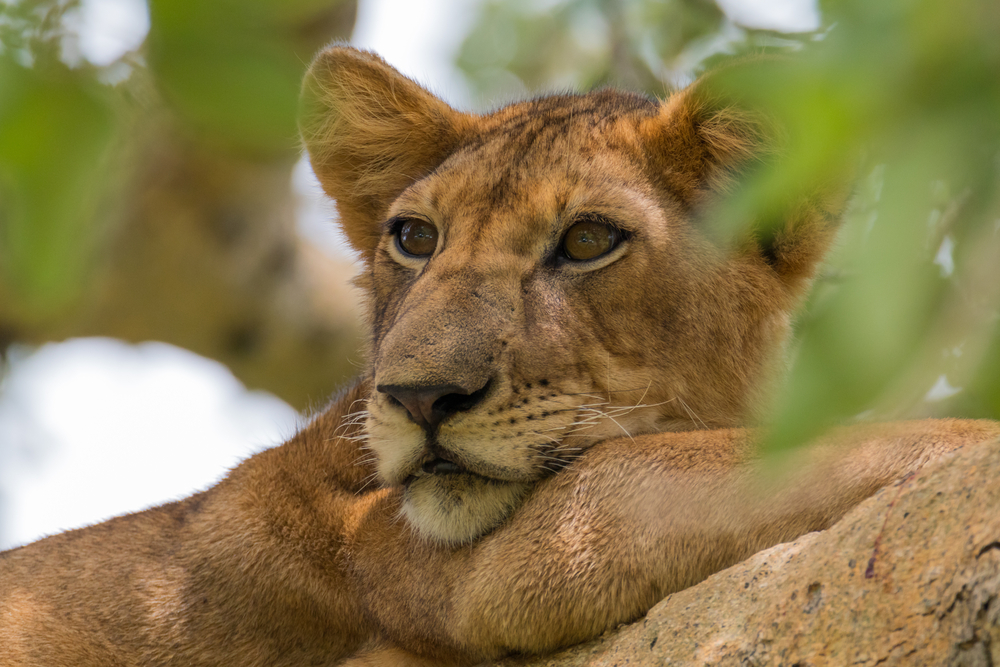
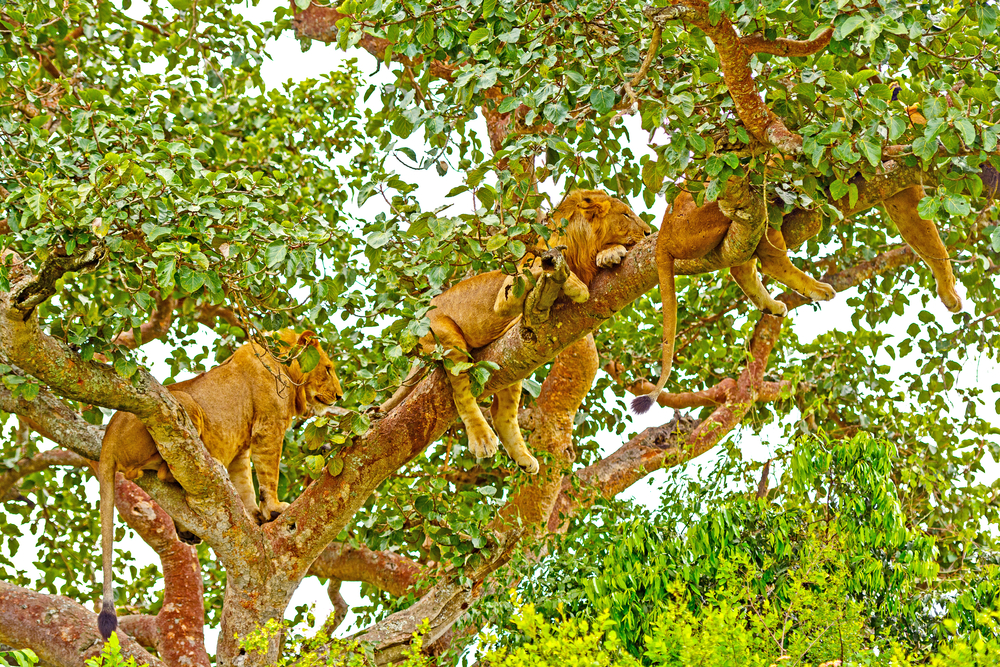
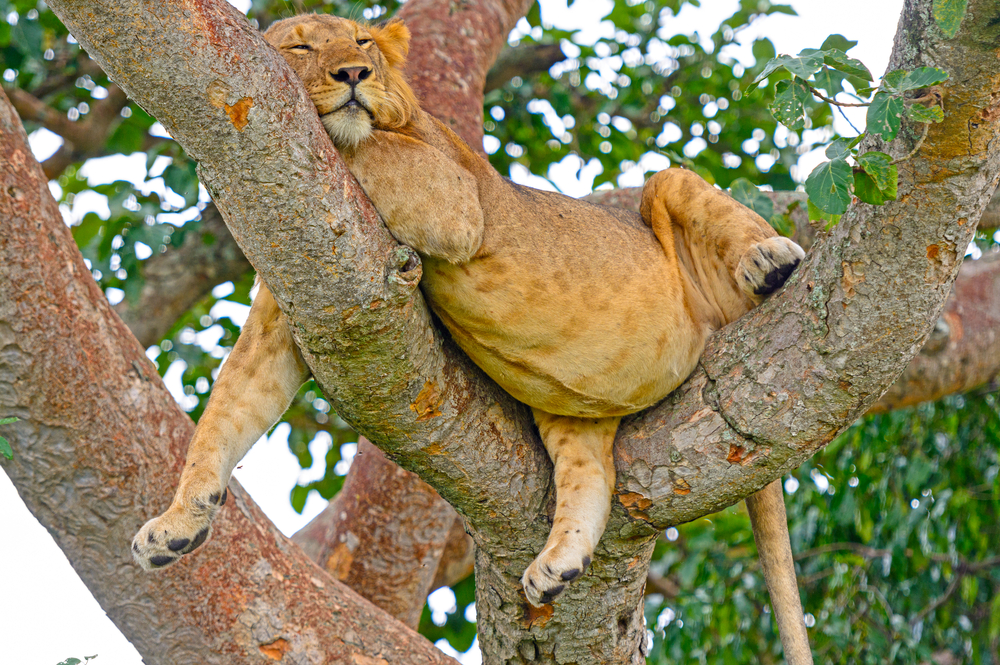
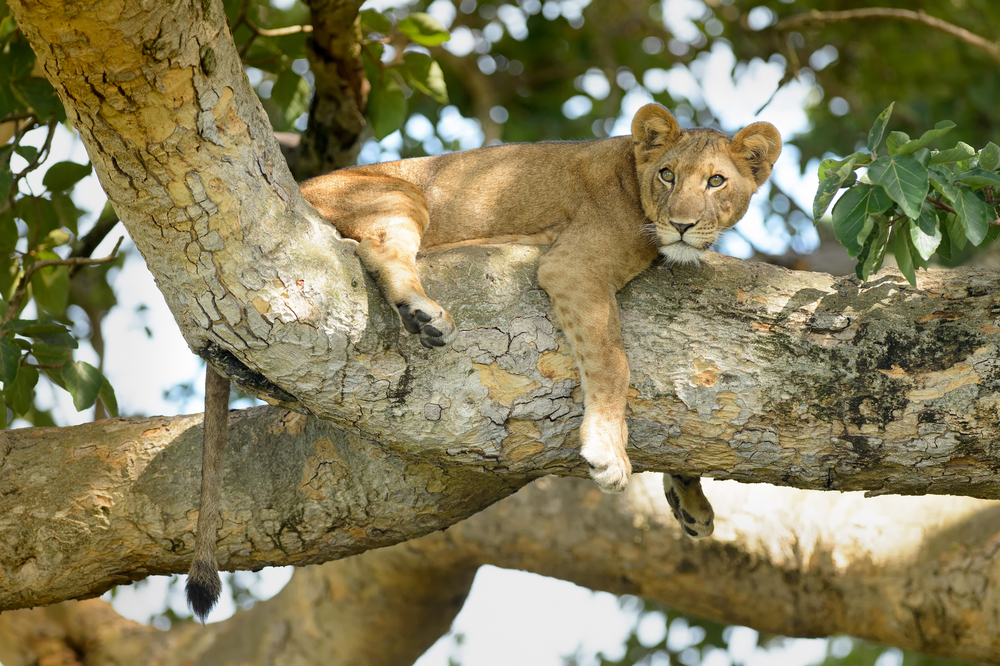
Queen Elizabeth National Park is best known for its extraordinary biodiversity, scenic beauty, and iconic tree-climbing lions. Visitors are drawn to the park’s unique combination of classic safari experiences and spectacular natural features. One of the most famous attractions is the Ishasha sector, where lions are frequently observed resting in the branches of large fig trees.
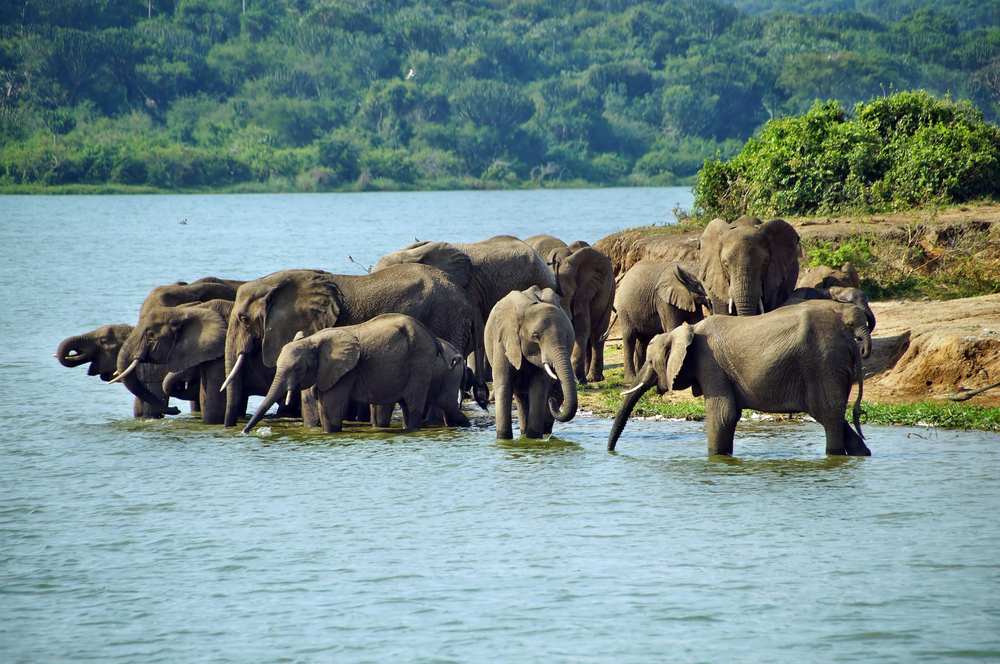
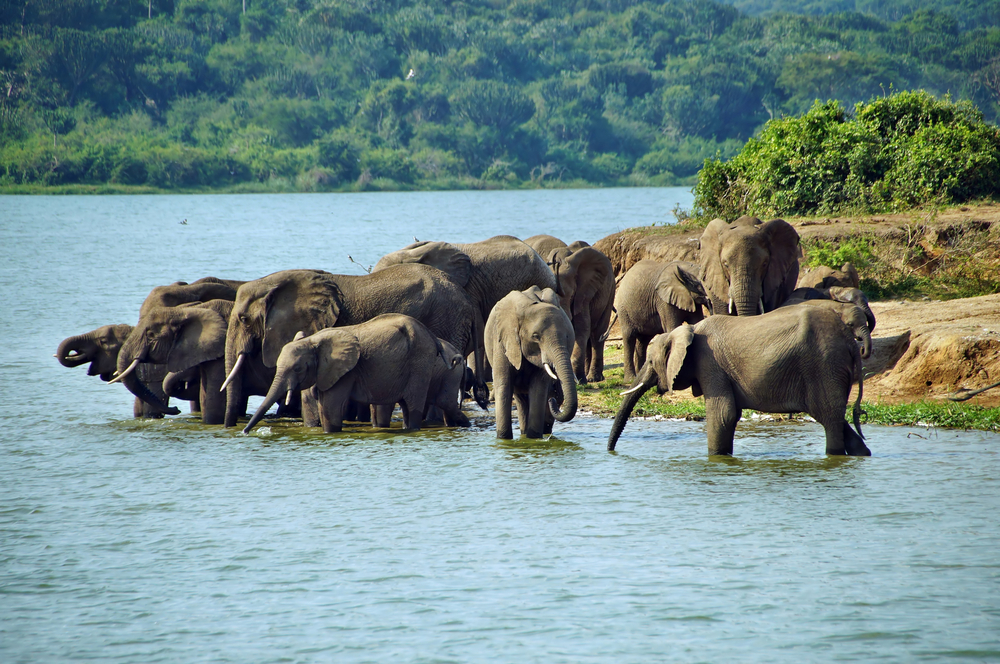
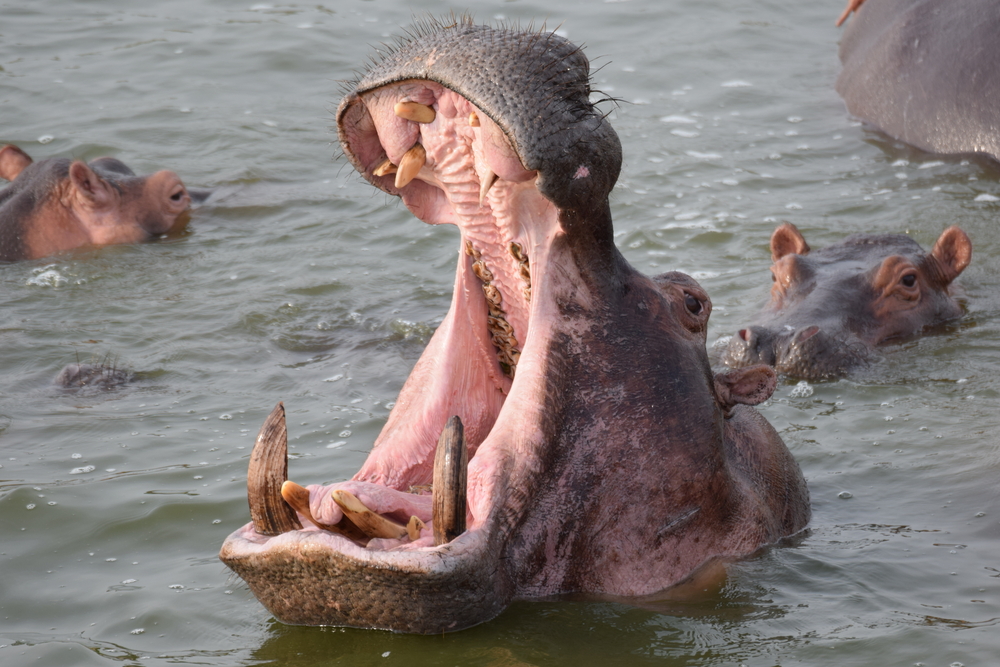
The park also offers exceptional boat safaris along the Kazinga Channel, a natural waterway connecting Lake George and Lake Edward. These cruises provide close views of hippos, crocodiles, elephants, buffalo, and countless birds gathering along the shoreline. Combined with game drives, chimpanzee tracking, birdwatching, and cultural experiences, the park offers one of the most diverse wildlife experiences in East Africa.
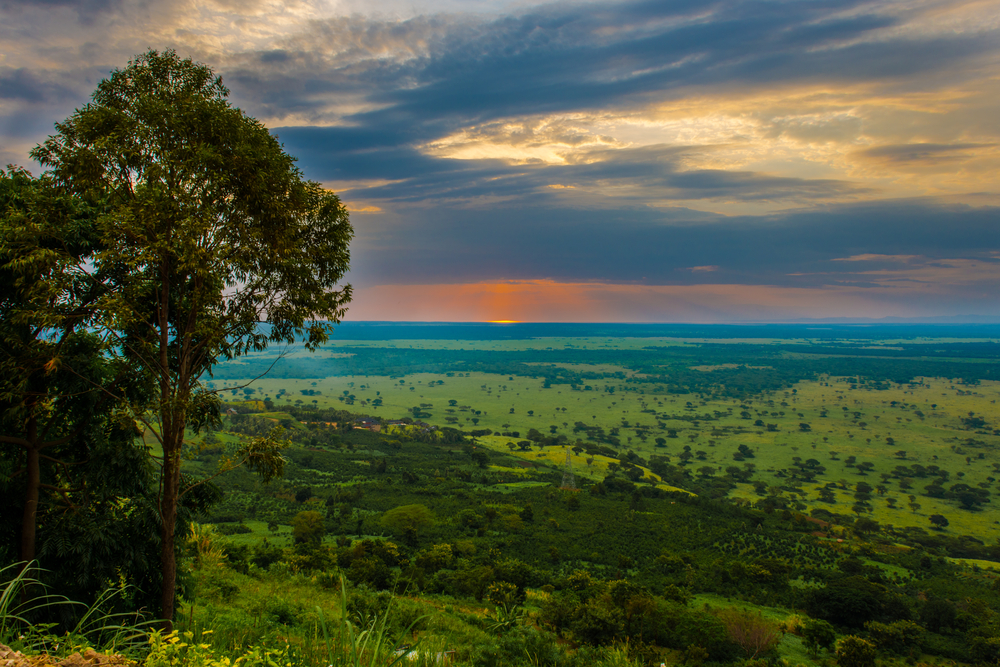
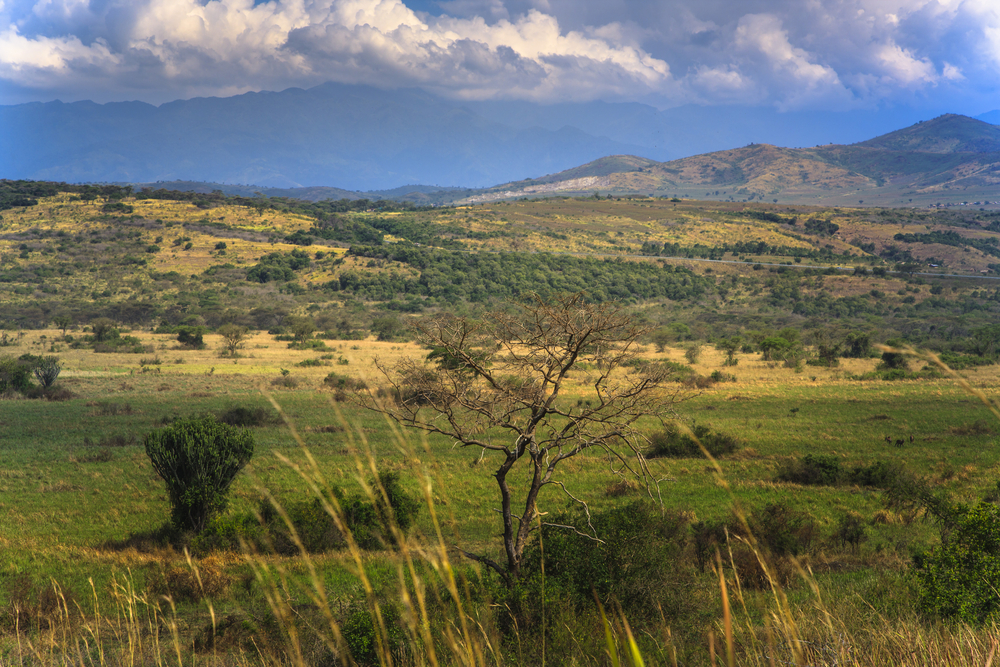
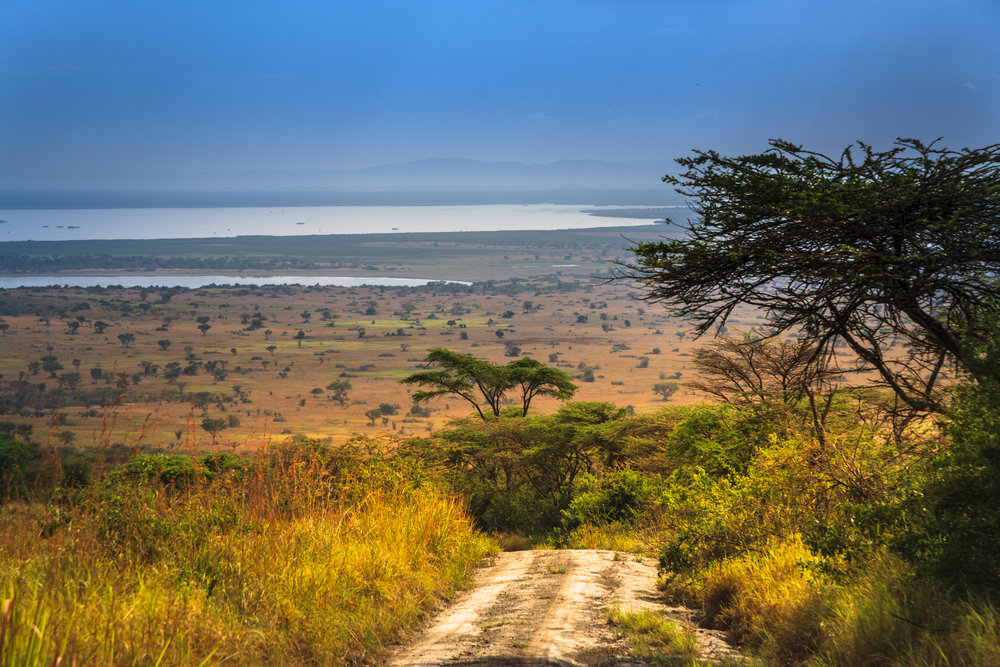
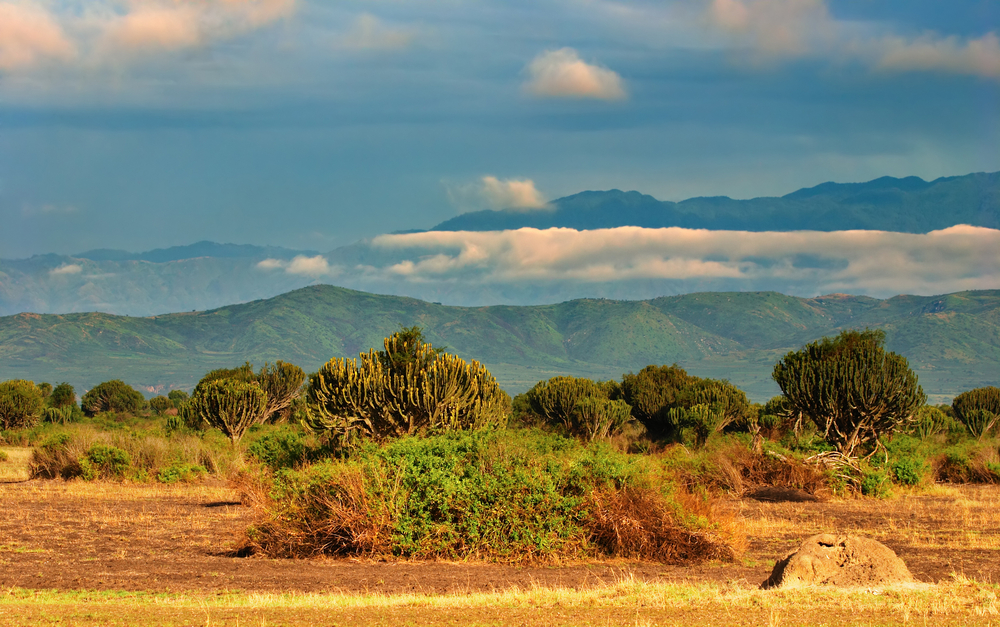
The geography of Queen Elizabeth National Park is exceptionally varied. The landscape includes savannas, wetlands, crater lakes, forests, river systems, volcanic features, and lakeshore habitats. The Kazinga Channel forms the ecological heart of the park, supporting one of the highest concentrations of wildlife in Africa.
Scenic crater fields dot portions of the landscape, while the distant Rwenzori Mountains provide a dramatic backdrop. Vegetation ranges from open grasslands and acacia woodlands to tropical forests and papyrus swamps. This wide variety of habitats creates ideal conditions for biodiversity and contributes significantly to the park’s ecological richness.
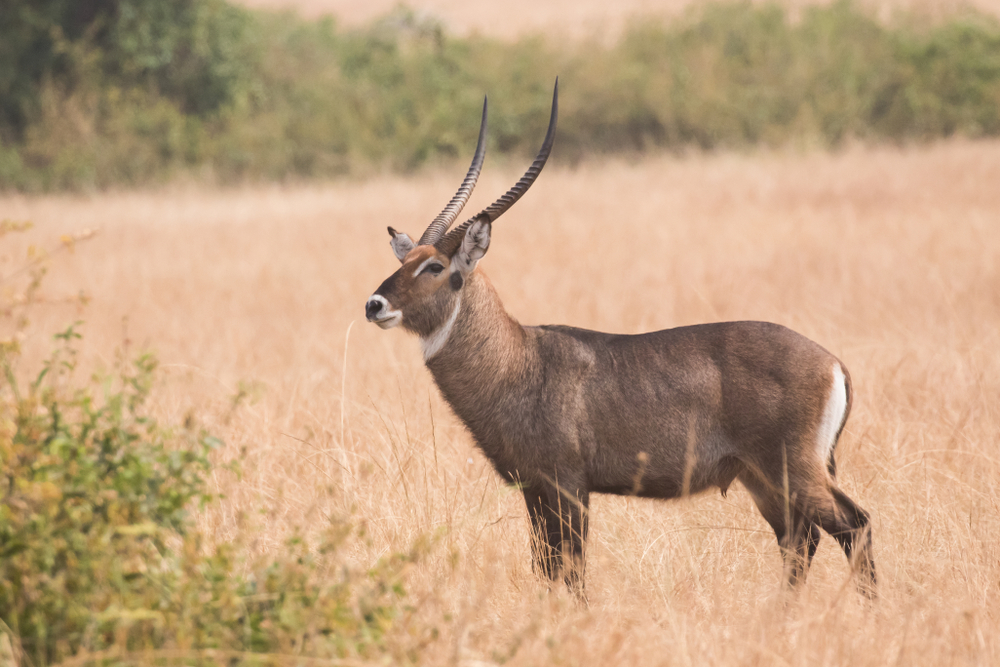
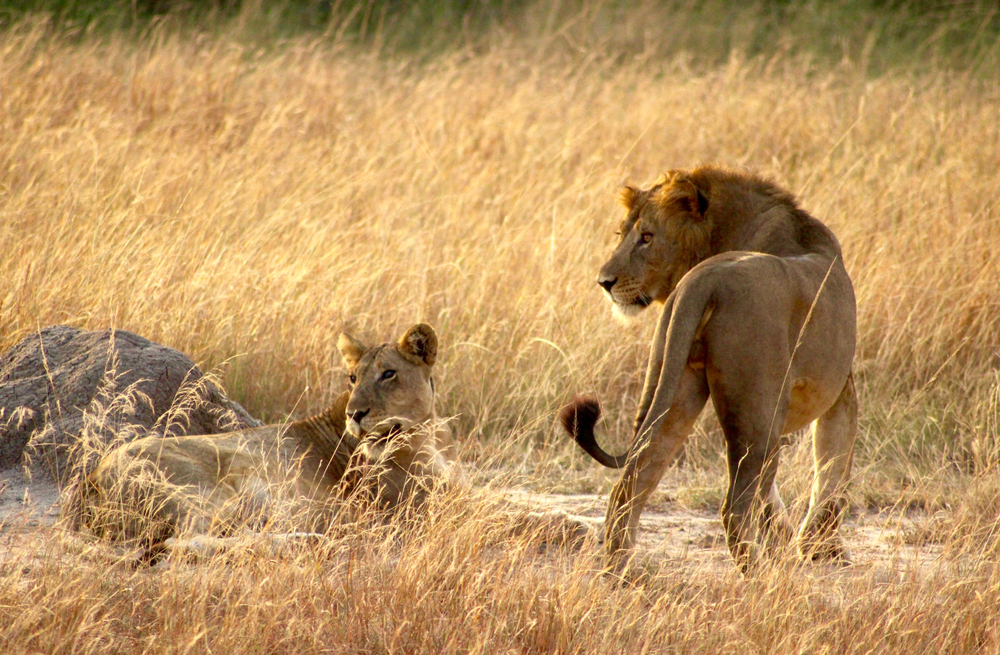
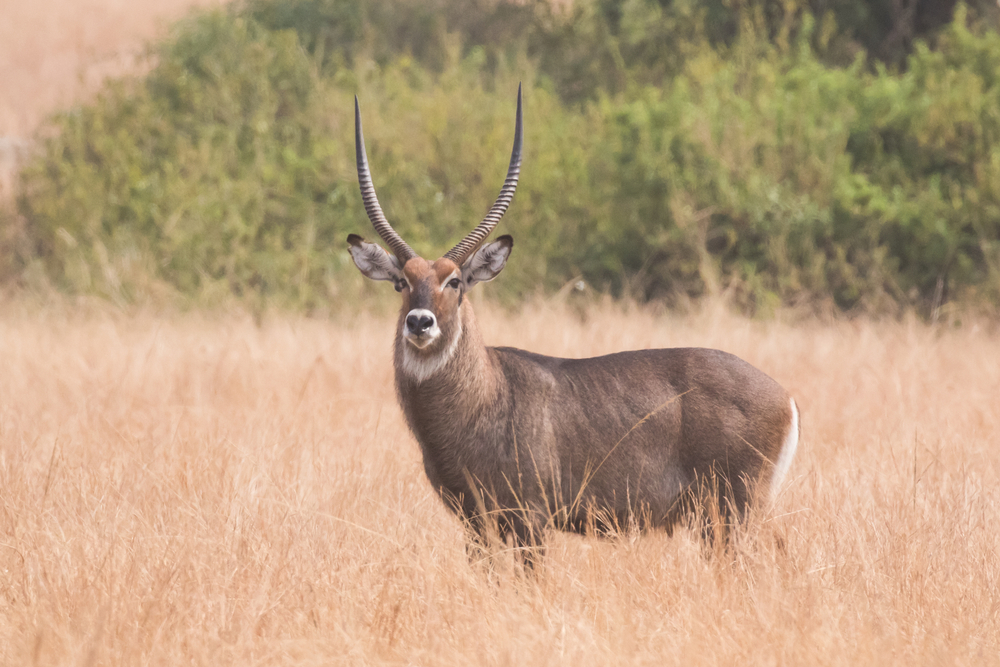
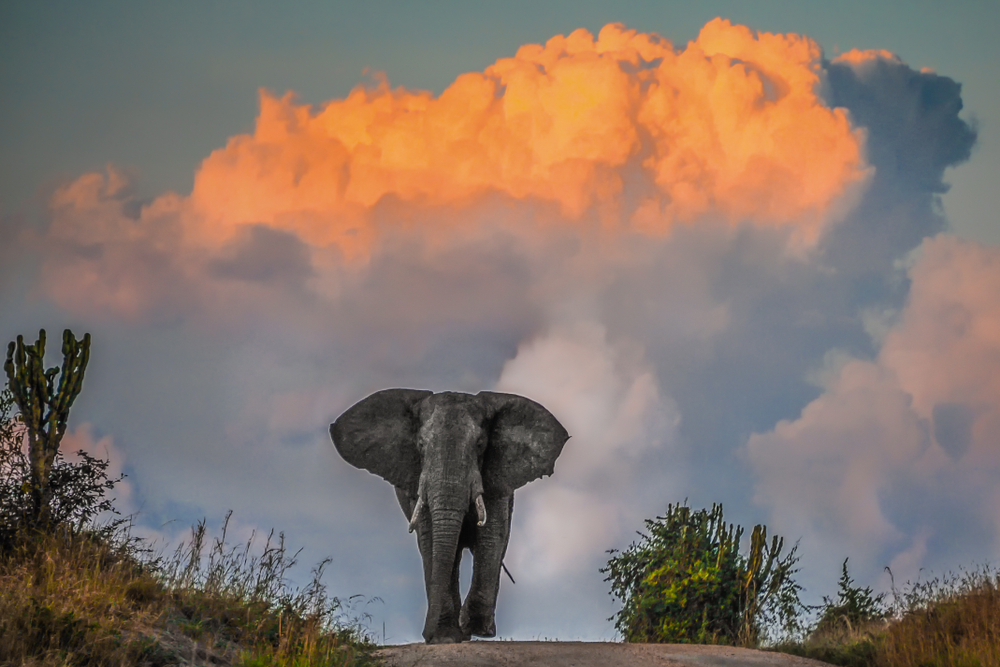
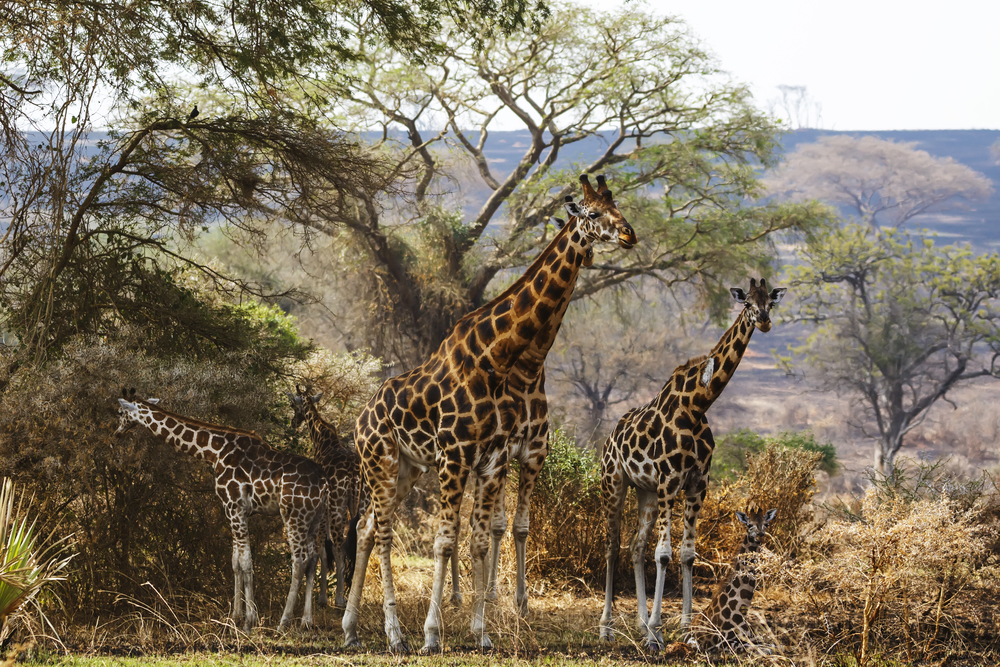
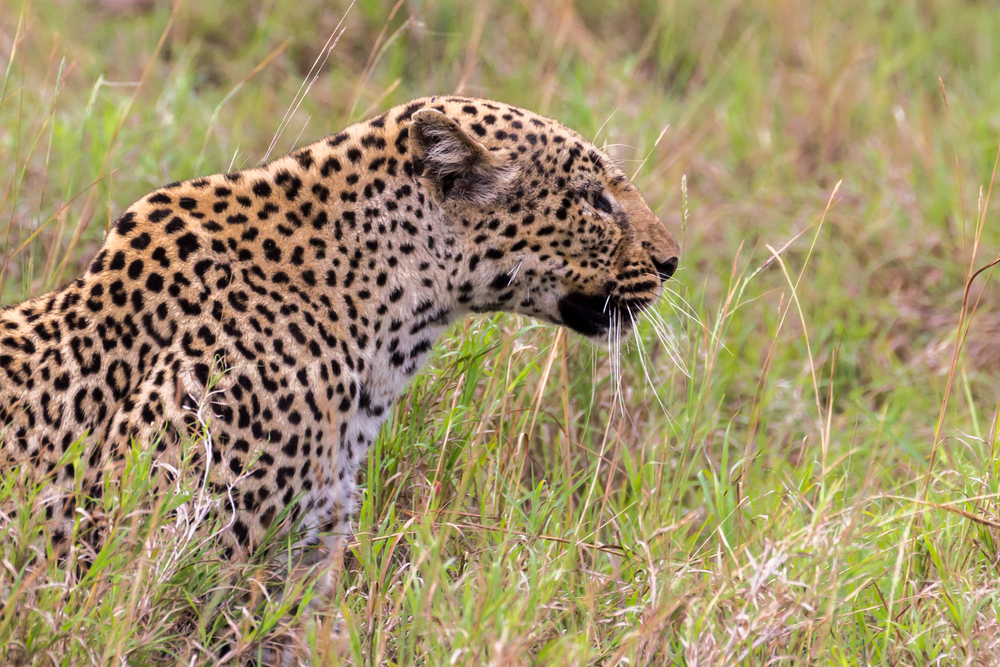
Wildlife within Queen Elizabeth National Park is among the most diverse on the African continent. More than 95 mammal species have been recorded, including elephant, African buffalo, lion, leopard, spotted hyena, Uganda kob, waterbuck, giant forest hog, and hippopotamus. Chimpanzees inhabit the Kyambura Gorge forest, providing visitors with opportunities to observe one of humanity’s closest relatives.
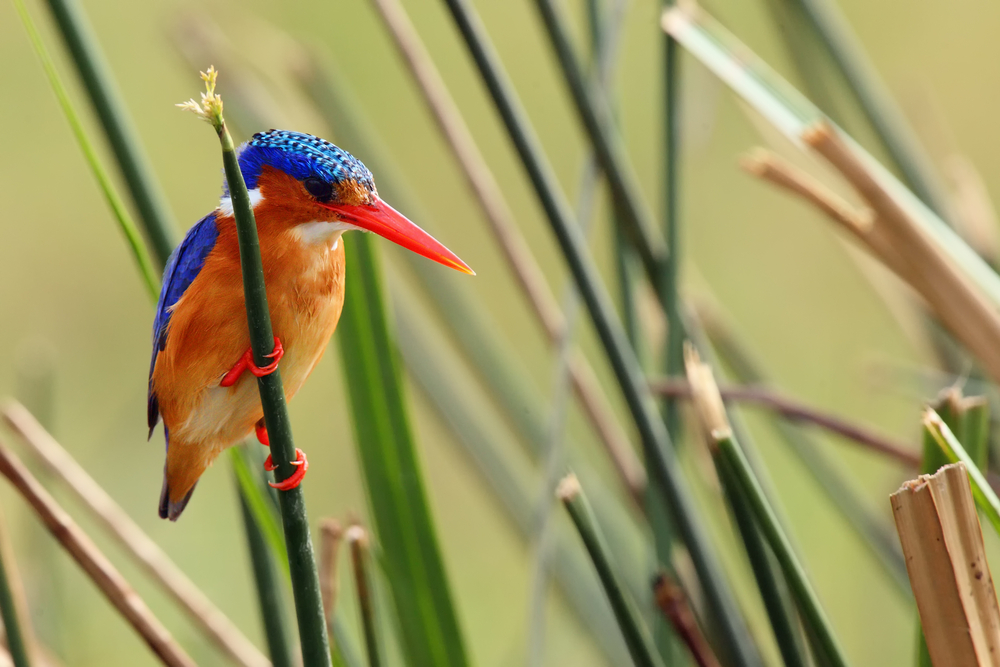
The park is equally famous for its birdlife, with more than 600 recorded species, one of the highest totals of any national park in Africa. African fish eagles, shoebills, flamingos, pelicans, storks, kingfishers, and numerous migratory birds thrive within the park’s wetlands and waterways. This extraordinary diversity makes the park a premier destination for both wildlife viewing and birdwatching.
Queen Elizabeth National Park plays a critical role in conserving the biodiversity of the Albertine Rift, one of Africa’s most important ecological regions. The park protects vital habitats for endangered species, maintains important wildlife corridors, and safeguards freshwater ecosystems that support both wildlife and local communities.
Its conservation significance is often compared to renowned parks such as Serengeti National Park and Kruger National Park because of its exceptional wildlife diversity and ecological importance. However, its unique combination of crater lakes, tree-climbing lions, chimpanzees, and extensive wetlands gives it a character all its own. Today, Queen Elizabeth National Park remains one of Uganda’s greatest natural treasures and a cornerstone of conservation in East Africa.
Photos



Things to See
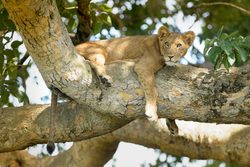 Queen Elizabeth National Park is the most popular destination in Uganda because of the abundant wildlife encounters. There are almost 100 species of mammals of which the tree-climbing lions are the pinnacle encounter. This is one of the few places in the world where lions regularly climb trees.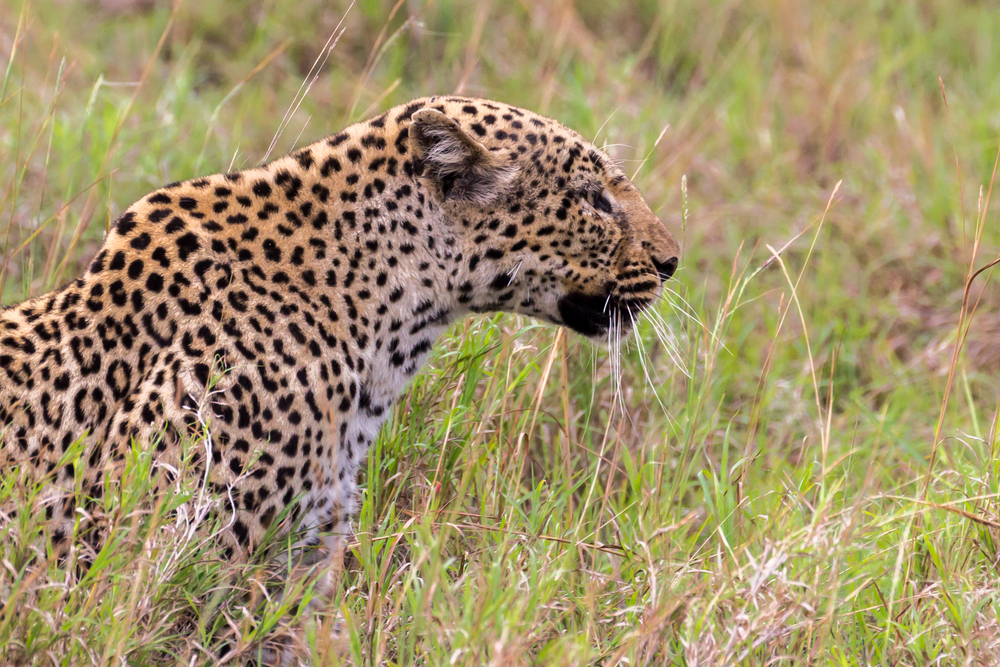
Things To Do
Engaging Queen Elizabeth National Park

Queen Elizabeth National Park Trails
There are hiking opportunities in and around Queen Elizabeth National Park. The majority of trails are located in the Maramagambo Forest where various trails take hikers through the forest, along crater lakes, and into the jungle. It is even possible to see some caves which are home to thousands of bats.

Park Protection
Queen Elizabeth National Park was created to protect the diverse savannas, wetlands, forests, crater lakes, and freshwater ecosystems of western Uganda. The park provides critical habitat for several threatened and endangered species, including the endangered African elephant, endangered chimpanzee, and endangered African wild dog.
It also supports significant populations of lions, leopards, buffalo, hippopotamuses, Uganda kob, giant forest hogs, and more than 600 species of birds, making it one of the most biodiverse protected areas in Africa. The park’s varied habitats support an exceptional concentration of wildlife and serve as an important ecological link between Uganda’s forests, lakes, and savannas.
The park is especially significant for protecting the unique ecosystem surrounding the Kazinga Channel, a natural waterway connecting Lake Edward and Lake George that supports one of the highest concentrations of hippopotamuses in Africa. The park is also renowned for its tree-climbing lions, a rare behavior most famously observed in the Ishasha sector.
Its network of crater lakes, volcanic features, and diverse habitats creates ecological conditions found in few other African parks. Together, Queen Elizabeth National Park safeguards endangered wildlife, critical wetland and savanna ecosystems, exceptional bird diversity, and one of East Africa’s most remarkable conservation landscapes.
FAQ’s
What is the main reason people visit Queen Elizabeth National Park?
Queen Elizabeth National Park is primarily visited for its exceptional wildlife diversity, tree-climbing lions, boat safaris on the Kazinga Channel, and stunning landscapes that include savannas, volcanic craters, wetlands, forests, and lakes.
Located in western Uganda between Lake George and Lake Edward, the park protects approximately 764 square miles (1,978 square kilometers). Visitors come to see elephants, lions, leopards, buffalo, hippos, chimpanzees, and hundreds of bird species in one of Africa’s most biodiverse protected areas.
What animals can visitors hope to see in Queen Elizabeth National Park?
Queen Elizabeth National Park supports more than 95 mammal species, one of the highest mammal diversities of any national park in Africa.
Some of the most notable animals found in Queen Elizabeth National Park include:
- African Bush Elephant
- African Lion
- Leopard
- African Buffalo
- Hippopotamus
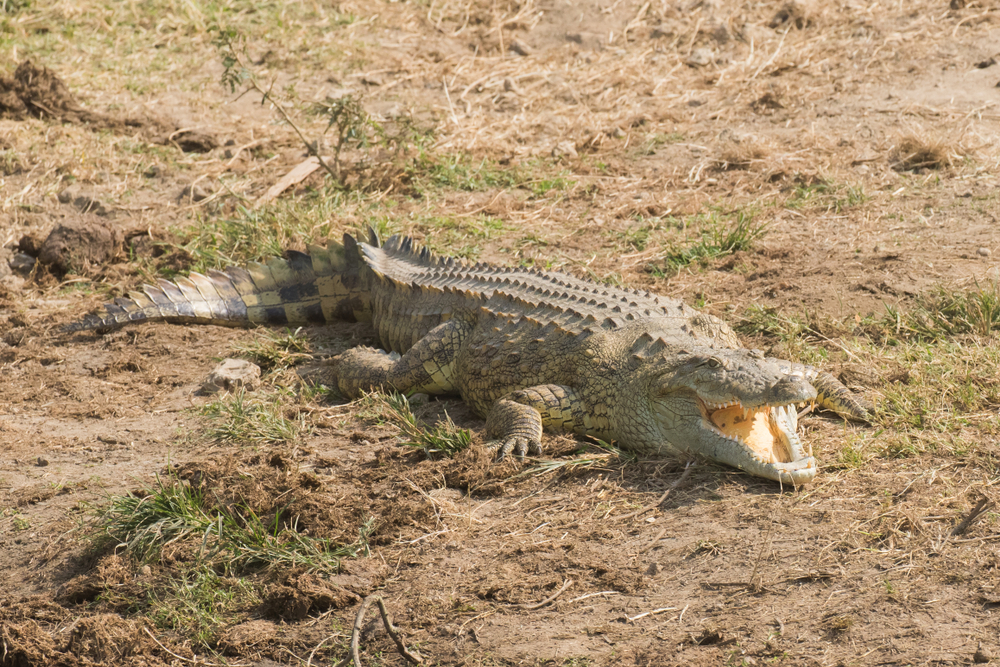
- Nile Crocodile
- Uganda Kob
- Defassa Waterbuck
- Bushbuck
- Topi
- Oribi
- Bohor Reedbuck
- Common Duiker
- Giant Forest Hog
- Bushpig
- Warthog
- Spotted Hyena
- Black-backed Jackal
- Side-striped Jackal
- Serval
- African Wildcat
- Honey Badger
- African Civet
- Large-spotted Genet
- Marsh Mongoose
- Egyptian Mongoose
- Slender Mongoose
- White-tailed Mongoose
- Banded Mongoose
- Chimpanzee
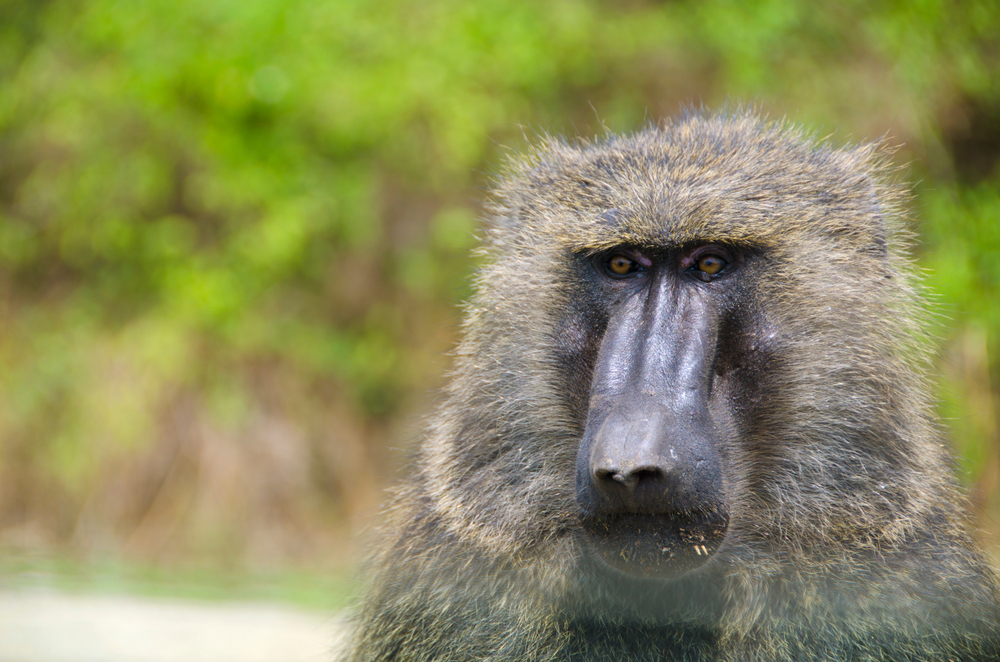
- Olive Baboon
- Vervet Monkey
- Black-and-White Colobus Monkey
- Red-tailed Monkey
- Blue Monkey
- L’Hoest’s Monkey
- Grey-cheeked Mangabey
- Potto
- African Clawless Otter
- Tree Hyrax
- Rock Hyrax
- Porcupine
- Cane Rat
- Giant Pouched Rat
- African Hare
- Fruit Bat Species
- Horseshoe Bat Species
- Pipistrelle Species
- Forest Mouse Species
- Various Reptiles and Amphibians
What birds can visitors hope to see in Queen Elizabeth National Park?
Queen Elizabeth National Park is home to more than 600 bird species, one of the highest bird counts of any protected area in Africa.
Some of the most popular birds seen in Queen Elizabeth National Park include:
- Shoebill
- African Fish Eagle
- Martial Eagle
- Bateleur
- Tawny Eagle
- Secretary Bird
- Saddle-billed Stork
- Yellow-billed Stork
- Marabou Stork
- Woolly-necked Stork
- African Openbill
- African Spoonbill
- Sacred Ibis
- Hadada Ibis
- Hamerkop
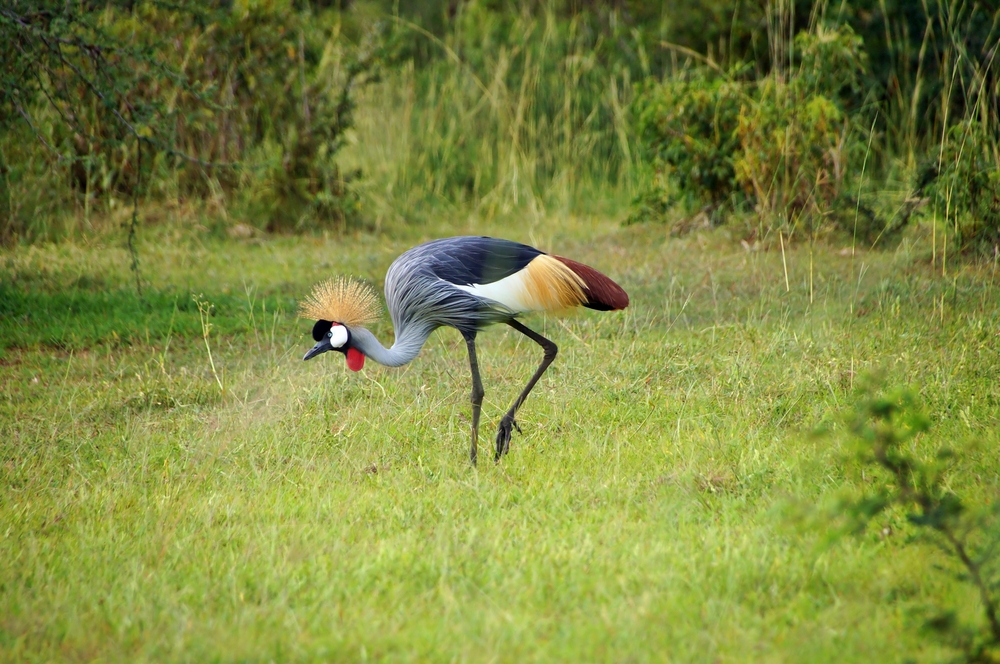
- Grey Crowned Crane
- Black-headed Lapwing
- Spur-winged Lapwing
- African Jacana
- Black Crake
- Kori Bustard
- White-bellied Bustard
- Abyssinian Ground Hornbill
- Red-throated Bee-eater
- White-fronted Bee-eater
- Northern Carmine Bee-eater
- Giant Kingfisher
- Pied Kingfisher
- Malachite Kingfisher
- Woodland Kingfisher
- African Pygmy Kingfisher
- Goliath Heron
- Purple Heron
- Black-headed Heron
- Great White Pelican
- Pink-backed Pelican
- Egyptian Goose
- White-faced Whistling Duck
- Yellow-billed Oxpecker
- Red-billed Oxpecker
- Grey Hornbill
- Black-and-White Casqued Hornbill
- African Skimmer
- African Finfoot
- Papyrus Gonolek
- Lesser Flamingo
- Greater Flamingo
- Fork-tailed Drongo
- African Paradise Flycatcher
- Long-toed Lapwing
Is Queen Elizabeth National Park worth visiting?
Yes, Queen Elizabeth National Park is absolutely worth visiting and is widely considered Uganda’s most diverse safari destination.
The park offers classic African wildlife safaris, chimpanzee trekking, boat cruises, volcanic crater lakes, tree-climbing lions, and exceptional birdwatching. Few parks in Africa provide such a variety of ecosystems and wildlife experiences within a single protected area.
The primary hesitation is that wildlife densities can be lower than in some East African parks such as the Serengeti. However, the park’s incredible biodiversity and varied landscapes make it one of Uganda’s premier destinations.
What is the best time to visit Queen Elizabeth National Park?
Weather and Climate
The best time to visit Queen Elizabeth National Park is during Uganda’s drier seasons:
- December through February
- June through August
Typical conditions include:
- Dry season: 60–88°F (16–31°C)
- Wet season: 60–84°F (16–29°C)
During the dry season:
- Wildlife is easier to locate.
- Roads are more accessible.
- Game drives are more productive.
- Chimpanzee trekking conditions improve.
- Photography conditions are excellent.
The wet season offers lush scenery and outstanding birdwatching opportunities.
How many days do you need to visit Queen Elizabeth National Park?
Most visitors should plan for 2 to 4 days in Queen Elizabeth National Park.
- 1 day: Game drive and Kazinga Channel boat cruise.
- 2 days: Wildlife viewing plus boat safari.
- 3 days: Safari, boat cruise, crater lakes, and chimpanzee trekking.
- 4+ days: Birdwatching, photography, and exploration of multiple park sectors.
For most visitors, three days provides the ideal experience. This allows time to explore the Kasenyi Plains, take a boat cruise on the Kazinga Channel, visit the crater lake region, and participate in chimpanzee trekking within the Kyambura Gorge area.
Travelers interested in birdwatching or photography often choose four or more days because the park’s remarkable biodiversity and varied habitats offer outstanding opportunities for specialized wildlife viewing. Queen Elizabeth National Park is large enough that additional time can significantly enhance the safari experience.
How do you get to Queen Elizabeth National Park?
International Access
Queen Elizabeth National Park is located in western Uganda.
The primary international gateway is:
- Entebbe International Airport
Most international visitors arrive through Entebbe.
Driving from Kampala
The most common route is:
- Kampala to Queen Elizabeth National Park.
Travel time:
- Approximately 250 miles (400 km)
- About 6–7 hours by road
Many visitors combine the park with gorilla trekking itineraries.
Domestic Air Access
Visitors may also fly to:
- Mweya Airstrip
- Kasese Airstrip
Flights from Entebbe typically take about 1–1.5 hours.
Kazinga Channel
One of the park’s most famous attractions is:
- Kazinga Channel
Known for:
- Large concentrations of hippos.
- Nile crocodiles.
- Elephants.
- Buffalo.
- Exceptional birdlife.
Tree-Climbing Lions
The park’s southern sector contains:
- Ishasha Sector
This area is internationally famous for:
- Tree-climbing lions.
- Savannah landscapes.
- Excellent wildlife viewing.
Chimpanzee Trekking
Visitors can also explore:
- Kyambura Gorge
Known for:
- Chimpanzee trekking.
- Forest wildlife.
- Scenic hiking opportunities.
Travel Times
Typical travel times include:
- Entebbe to Queen Elizabeth by road: 6–7 hours.
- Entebbe to Mweya Airstrip: approximately 1–1.5 hours by air.
- Mweya to Kazinga Channel: approximately 10 minutes.
- Mweya to Ishasha Sector: approximately 2–3 hours.
Who is involved in protecting and supporting Queen Elizabeth National Park?
Several organizations help protect and support Queen Elizabeth National Park:
- Uganda Wildlife Authority – manages Queen Elizabeth National Park.
- Wildlife Conservation Society – supports wildlife research and conservation.
- World Wide Fund for Nature – supports conservation initiatives.
- International Gorilla Conservation Programme – supports regional conservation efforts.
- Local communities and tourism operators that help support conservation and sustainable tourism.
What is unique about Queen Elizabeth National Park?
Queen Elizabeth National Park is unique because it combines savanna wildlife safaris, chimpanzee trekking, volcanic crater lakes, and one of Africa’s most productive boat safari destinations within a single protected area.
It is one of the few places where visitors can observe tree-climbing lions, cruise among hundreds of hippos on the Kazinga Channel, and trek chimpanzees in a forest gorge during the same visit. This remarkable diversity makes it one of Africa’s most versatile safari destinations.
Sources
Here are sources you can explore for more information:
- AllTrails. Queen Elizabeth National Park. https://www.alltrails.com/uganda/western-region/queen-elizabeth-national-park, retrieved July 2026.
- Encyclopaedia Britannica. Queen Elizabeth National Park. https://www.britannica.com/place/Queen-Elizabeth-National-Park, retrieved July 2026.
- Protected Planet (UNEP-WCMC & IUCN). Queen Elizabeth National Park. https://www.protectedplanet.net/, retrieved July 2026.
- SafariBookings. Queen Elizabeth National Park. https://www.safaribookings.com/queen-elizabeth, retrieved July 2026.
- Uganda Tourism Board. Queen Elizabeth National Park. https://www.visituganda.com/, retrieved July 2026.
- Uganda Wildlife Authority (UWA). Queen Elizabeth National Park. https://www.ugandawildlife.org/parks/queen-elizabeth-national-park/, retrieved July 2026.
- Wikipedia. Queen Elizabeth National Park. https://en.wikipedia.org/wiki/Queen_Elizabeth_National_Park, retrieved July 2026.
- Wilderness. Queen Elizabeth National Park. https://www.wildernessdestinations.com/africa/uganda/queen-elizabeth-national-park, retrieved July 2026.
- World Wide Fund for Nature (WWF). Albertine Rift Montane Forests. https://www.worldwildlife.org/ecoregions/at0101, retrieved July 2026.
- Yellow Zebra Safaris. Queen Elizabeth National Park Guide. https://yellowzebrasafaris.com/uganda/parks-reserves/queen-elizabeth-national-park/, retrieved July 2026.