

About
Kibale National Park, the park is located in western Uganda south of Semuliki National Park and northeast of Queen Elizabeth National Park. The park covers approximately 297 square miles (766 sq km) and protects one of East Africa’s largest remaining tracts of tropical rainforest.
Established as a national park in 1993, Kibale forms part of an important conservation corridor that links Uganda’s lowland and montane ecosystems. Its proximity to several other protected areas creates a landscape that supports exceptional biodiversity and allows wildlife to move between different habitats. Today, Kibale is widely regarded as one of Africa’s premier destinations for primate conservation and rainforest exploration.
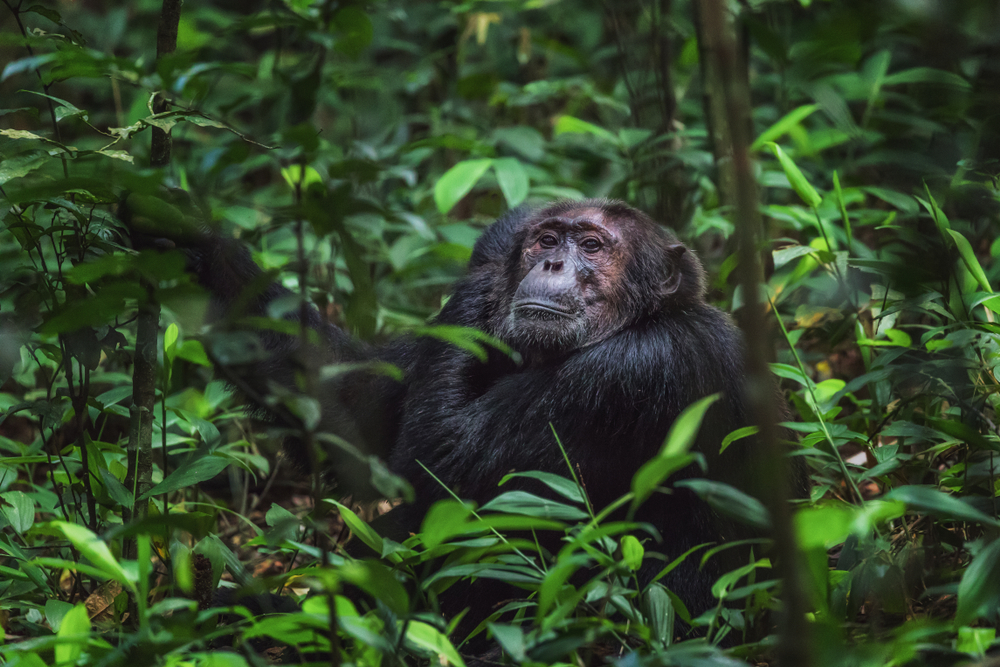
Kibale National Park is best known for its remarkable population of chimpanzees and extraordinary primate diversity. The park offers some of the best chimpanzee trekking opportunities in the world, attracting visitors eager to observe these intelligent animals in their natural environment.
Guided treks through the forest often provide close encounters with chimpanzee communities as they forage, communicate, and travel through the canopy. Beyond chimpanzees, visitors can enjoy birdwatching, forest walks, nature photography, and cultural experiences with neighboring communities. The dense rainforest, rich wildlife, and immersive atmosphere make Kibale one of Uganda’s most rewarding national parks.
The geography of Kibale National Park is characterized by lush tropical rainforest, wetlands, grasslands, and woodland habitats. Elevations range from approximately 3,600 to 5,200 feet (1,100 to 1,590 meters), creating a favorable climate that supports year-round vegetation growth. Much of the park consists of mature evergreen and semi-deciduous forest, interspersed with swamps and patches of grassland.
The nearby Bigodi Wetland Sanctuary complements the park by providing additional habitat for wildlife and birds. Numerous streams and rivers flow through the forest, supporting a rich ecosystem that contributes to the park’s exceptional biodiversity. The varied landscape creates ideal conditions for both wildlife and plant communities to flourish.
Wildlife is the defining feature of Kibale National Park. The park supports the highest diversity of primates in Africa, with thirteen recorded species. These include chimpanzees, red colobus monkeys, black-and-white colobus monkeys, L’Hoest’s monkeys, red-tailed monkeys, blue monkeys, and grey-cheeked mangabeys. Forest elephants, buffalo, bushpigs, and several species of antelope also inhabit the park, though they are often more difficult to observe within the dense vegetation.
Birdlife is equally impressive, with more than 375 recorded species. Great blue turacos, green-breasted pittas, hornbills, flycatchers, and numerous forest specialists attract birdwatchers from around the world. The combination of primates, birds, and rainforest wildlife makes Kibale one of Africa’s richest biodiversity hotspots.
Kibale National Park plays a critical role in protecting Uganda’s tropical rainforest ecosystems and some of Africa’s most important primate populations. The park safeguards critical habitat for chimpanzees and numerous other species that depend on intact forests for survival. Its conservation significance is often compared to renowned primate reserves such as Mahale Mountains National Park and Bwindi Impenetrable National Park.
However, Kibale’s extraordinary concentration of primate species makes it uniquely important on a global scale. By preserving this rich rainforest ecosystem, Kibale National Park protects a vital component of East Africa’s natural heritage while offering visitors one of the finest wildlife experiences on the continent.
Things to See
Things To Do
Engaging Kibale National Park
