About

Mahale Mountains National Park is located along the eastern shore of Lake Tanganyika in western Tanzania. The park covers approximately 613 square miles (1,589 sq km) and lies south of the nearby Gombe National Park.

Established in 1985, Mahale Mountains National Park protects one of the most spectacular and biologically rich landscapes in East Africa. Accessible primarily by boat or small aircraft, the park remains one of Tanzania’s most remote wilderness destinations. Its combination of forested mountains, crystal-clear lake waters, and world-famous chimpanzee populations makes it one of Africa’s most unique national parks.

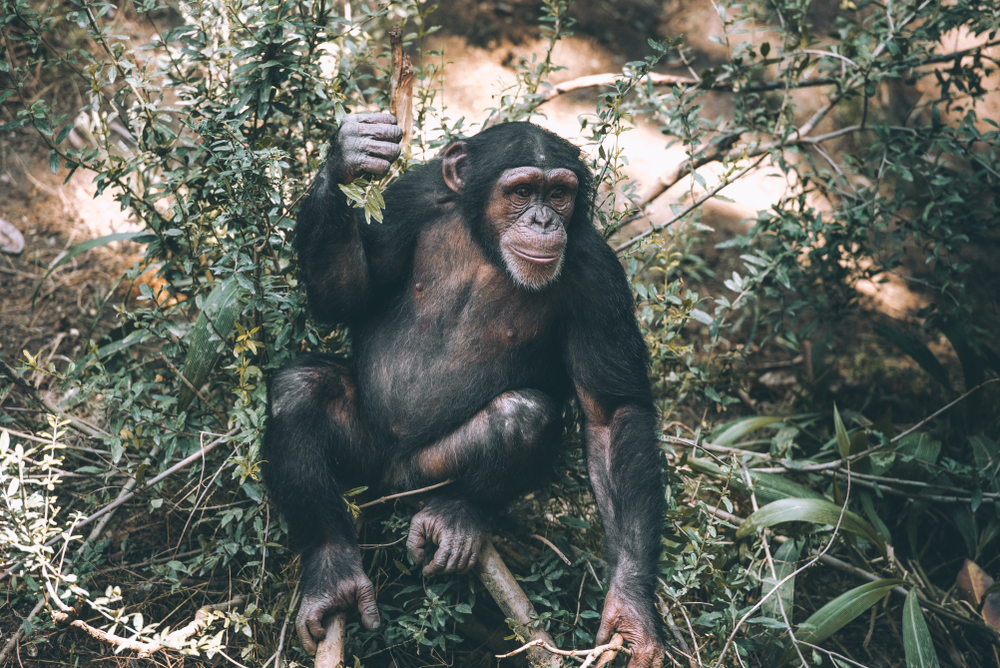
Mahale Mountains National Park is best known for its wild chimpanzees and exceptional primate viewing opportunities. The park contains one of the largest known populations of eastern chimpanzees, and visitors travel from around the world to observe these remarkable animals in their natural habitat.

Guided treks through the forest often provide unforgettable encounters with chimpanzee families as they forage, socialize, and move through the trees. Beyond chimpanzee tracking, visitors can enjoy hiking, kayaking, swimming, birdwatching, and exploring pristine beaches along Lake Tanganyika. The park’s isolation and natural beauty create an experience that feels both adventurous and deeply immersive.

The geography of Mahale Mountains National Park is dominated by the dramatic Mahale Mountain Range, which rises steeply from the shores of Lake Tanganyika. The park’s highest peak, Mount Nkungwe, reaches approximately 8,069 feet (2,460 meters), making it one of the highest mountains bordering the lake.

Dense tropical forests blanket the slopes, while streams and waterfalls descend toward the shoreline. Along the lake, sandy beaches and rocky coves contrast beautifully with the forested mountains above. Vegetation varies with elevation and includes tropical rainforest, montane forest, woodland, and bamboo habitats. This remarkable diversity of ecosystems contributes significantly to the park’s extraordinary biodiversity.

Wildlife is one of Mahale’s greatest attractions. In addition to its famous chimpanzees, the park supports numerous other primate species including red colobus monkeys, red-tailed monkeys, blue monkeys, and yellow baboons. Forest elephants, bushpigs, and several small carnivores also inhabit the park, although they are often difficult to observe due to the dense vegetation.

Birdlife is abundant, with hundreds of recorded species ranging from colorful forest birds to fish eagles and kingfishers along the lake shore. Lake Tanganyika itself contains one of the world’s richest freshwater fish communities, including many colorful cichlid species found nowhere else on Earth. The combination of terrestrial and aquatic biodiversity makes the park exceptionally important for conservation.

Mahale Mountains National Park plays a critical role in protecting one of Africa’s most significant chimpanzee habitats and one of the continent’s most diverse ecosystems. The park safeguards extensive tropical forests, mountain habitats, and freshwater environments that support numerous endemic and threatened species.

Its importance is often compared to renowned primate conservation areas such as Bwindi Impenetrable National Park and Volcanoes National Park, though Mahale’s combination of mountains and lakeshore habitats is uniquely its own. By preserving this extraordinary wilderness, Mahale Mountains National Park protects an irreplaceable part of Africa’s natural heritage and offers visitors one of the most remarkable wildlife experiences on the continent.

Things to See

Popular

Mahale Mountains National Park, nestled along the shores of Lake Tanganyika, is a biodiverse paradise where lush forests and mountains provide sanctuary to extraordinary wildlife.

Eastern Chimpanzee
The park’s most iconic residents, eastern chimpanzees live in large social groups, exhibiting complex behaviors and vocalizations as they move through the forest canopy.

Leopard
Stealthy and elusive, leopards navigate the dense forests and rocky slopes, preying on small mammals and antelope.

Bushbuck
Preferring shaded forest edges, the bushbuck browses on leaves and twigs, moving cautiously to avoid predators.

Warthog
These sturdy, tusked animals forage for roots and grasses on the forest fringes, often seen sprinting with their tails raised high.

Yellow Baboon
Highly social and intelligent, yellow baboons thrive in Mahale’s woodlands, feeding on fruits, insects, and seeds.

Colobus Monkey
The black-and-white colobus monkey leaps gracefully through the treetops, feeding on leaves while using its long tail for balance.

Blue Duiker
This small, shy antelope moves silently through the underbrush, browsing on fruits and foliage close to the ground.

Sitatunga
Adapted to wetland habitats, sitatungas are expert swimmers, often seen near Mahale’s rivers and marshy areas.

Bush Pig
Nocturnal and secretive, bush pigs root through the forest floor for tubers, fallen fruits, and insects.

Rock Hyrax
These small, furry creatures sunbathe on rocky outcrops during the day, feeding on vegetation in the early morning.

Birds

The diverse habitats of Mahale Mountains National Park, from lake shores to misty forests, make it a haven for an impressive range of bird species.

Palm-nut Vulture
Often seen near Lake Tanganyika, this striking bird feeds on oil palm fruits and scavenges along the water’s edge.

African Fish Eagle
The unmistakable call of the African fish eagle resonates over the lake as it soars before diving to snatch fish.

Crested Guineafowl
These ground-dwelling birds travel in groups through the forest, their dark plumage dotted with white speckles.

Ross’s Turaco
Ross’s turaco flashes vibrant hues of green, blue, and red as it glides between trees, calling with a loud, resonant voice.

Kingfisher (Giant Kingfisher)
Perched on branches near the lake, the giant kingfisher dives with precision to catch fish in the clear waters of Lake Tanganyika.

Hartlaub’s Turaco
This brilliantly colored bird is often spotted in Mahale’s forest canopy, feeding on fruits and berries.

Trumpeter Hornbill
The trumpet-like calls of the trumpeter hornbill echo through the forest, as its large, curved bill forages for fruits.

Livingstone’s Flycatcher
Flitting between branches, this small flycatcher hunts for insects, its soft calls blending with the forest sounds.

African Jacana
Known for its long toes, the African jacana walks elegantly across floating vegetation near the park’s lakes and wetlands.

Yellow-billed Kite
Patrolling the skies, yellow-billed kites glide effortlessly, scavenging for food and swooping low to catch small prey.

Things To Do

Engaging Mahale Mountains National Park

placeholder

Chimpanzee Trekking

Chimpanzee trekking is the crown jewel of experiences at Mahale Mountains National Park, drawing visitors from around the world. Guided treks through dense, ancient forests offer an extraordinary opportunity to observe wild eastern chimpanzees in their natural habitat.

Expert guides lead small groups along shaded trails, tracking calls and signs like broken branches to locate these primates. Visitors are rewarded with incredible moments as they watch chimpanzees grooming, playing, and foraging, often just a few meters away.

The experience is both humbling and exhilarating, as it allows for a rare glimpse into the behavior and social dynamics of our closest relatives. The trek also immerses visitors in the pristine beauty of Mahale’s untouched forest, alive with bird calls, lush vegetation, and other wildlife.

placeholder

Boat Safaris

Exploring Lake Tanganyika by boat offers a unique way to experience Mahale Mountains National Park from its serene, crystal-clear waters. Visitors embark on boat safaris, gliding along the scenic shoreline framed by forested mountains.

The calm waters teem with life, from Nile crocodiles basking on sandy beaches to hippos surfacing in the shallows. Lake Tanganyika is also renowned for its diverse fish species, making it a hotspot for anglers and snorkelers alike.

Birdwatchers will delight in spotting African fish eagles, jacanas, and kingfishers along the water’s edge. A boat safari provides tranquil moments to soak in the panoramic views of the park, with the added thrill of observing wildlife along the shores.

placeholder

Hiking

For adventurous visitors, hiking trails in Mahale Mountains National Park offer an unforgettable experience that combines physical challenge with breathtaking scenery. Trails wind through ancient forests, past waterfalls, and up to panoramic viewpoints that overlook Lake Tanganyika and the rugged peaks of the Mahale Range.

Along the journey, hikers are surrounded by diverse flora, monkeys swinging in the canopy, and the sounds of birdlife echoing through the trees. Reaching the higher altitudes reveals stunning vistas where forested slopes meet the lake’s glimmering waters, creating the perfect setting for reflection or photography.

The hikes are led by knowledgeable guides who share insights about the park’s unique ecology and history, making the adventure both educational and awe-inspiring.