About

Cat Ba National Park is located near the northeastern shore of Vietnam on Cat Ba Island which is the largest of the 367 islands and they represent the Bat Ba Archipelago. The national park covers an area of 102 square miles (263 sq km), of which, 35 square miles (90 sq km) of that is inshore water.

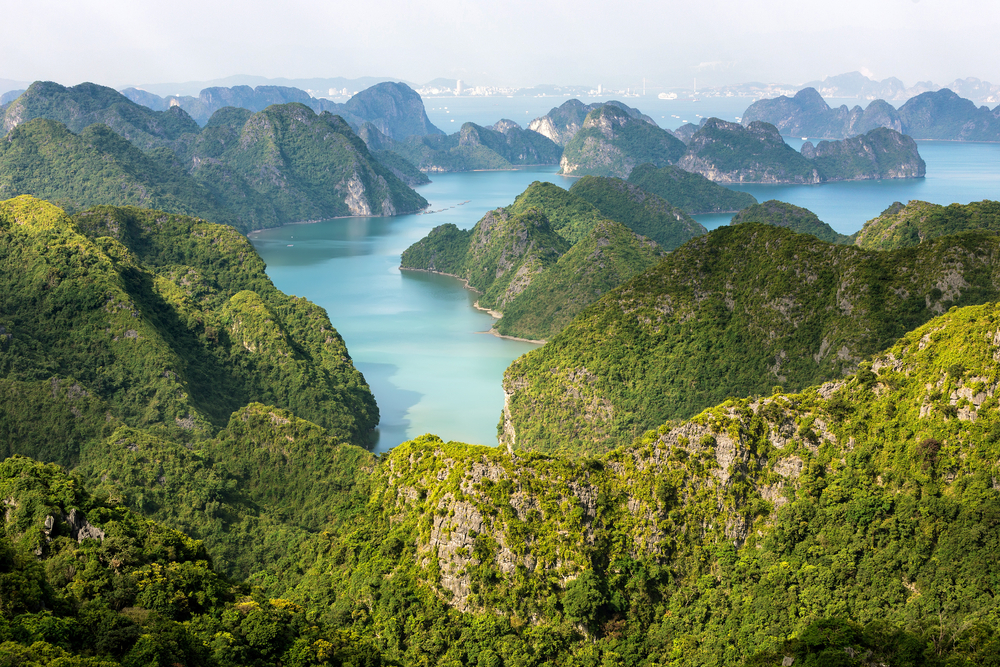
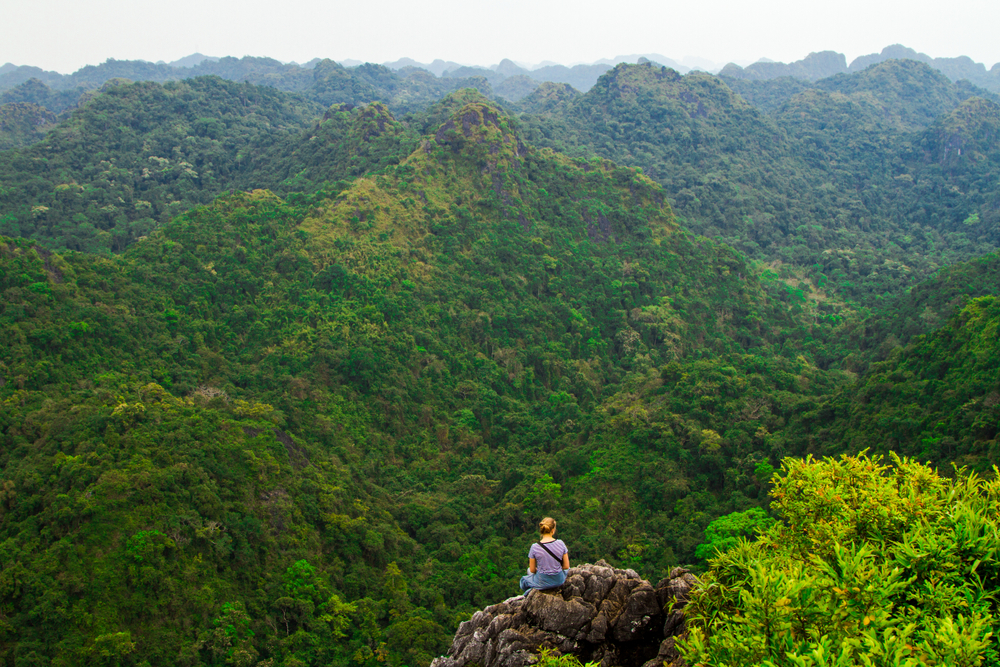
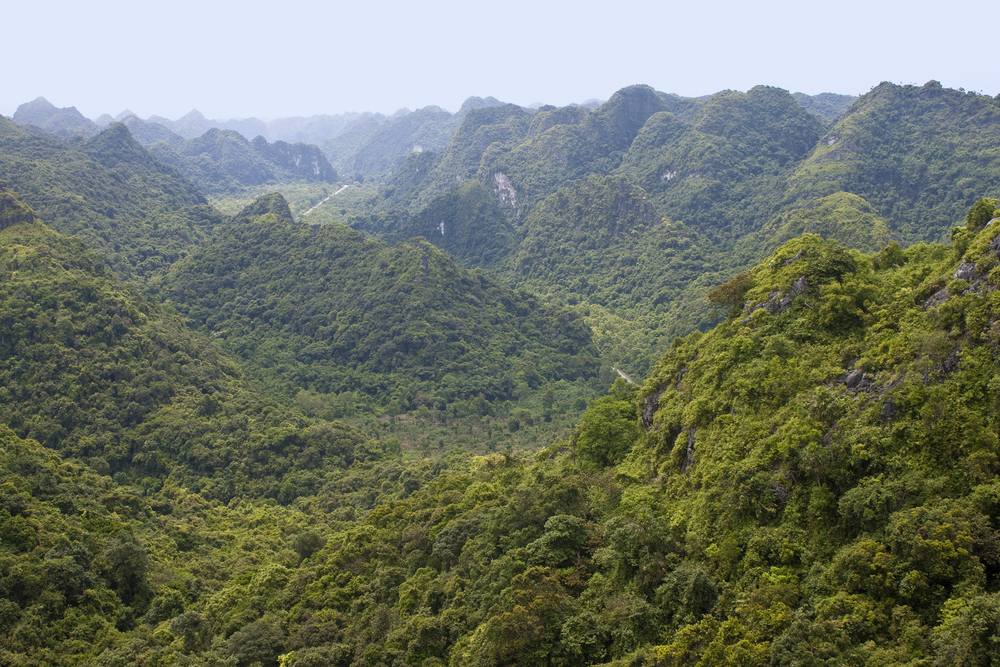
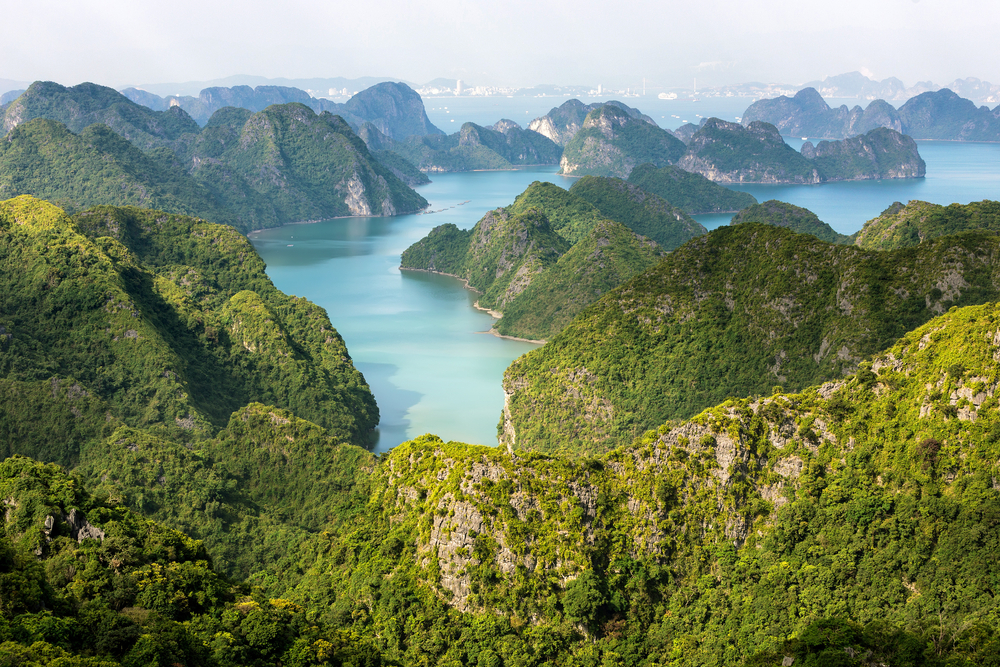
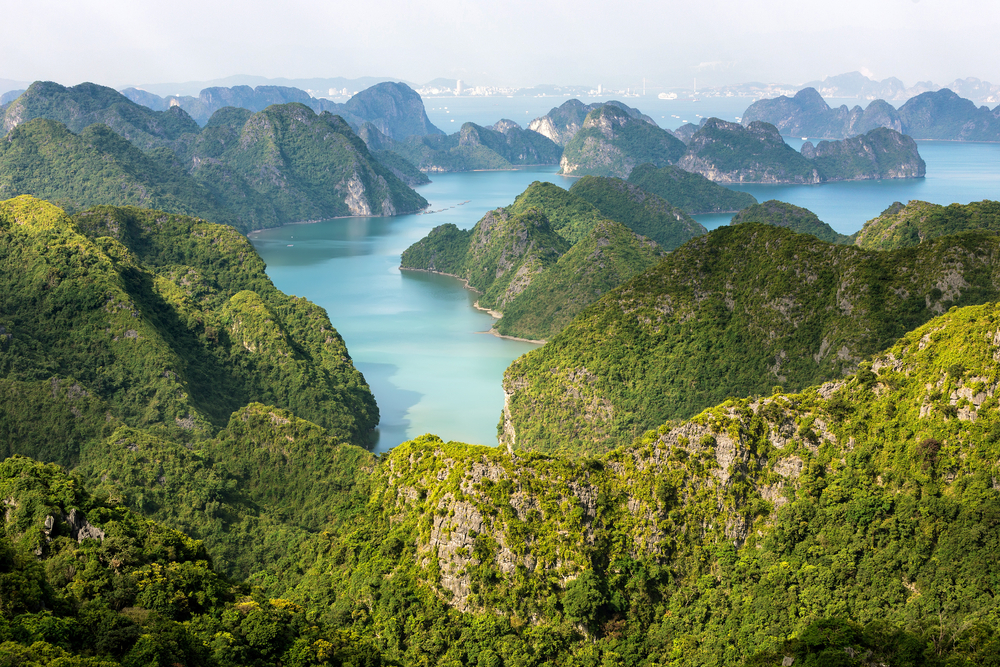
The majority of the island is accounted for by the national park.  Cat Ba features limestone-based rugged hills with peaks reaching heights around 1,600 feet (600 m) with both the valleys and hills covered in forests. The forest is comprised of primary, secondary, and mangrove.

The narrow valleys are surrounded by jagged hills that are blanketed with vegetation.  The hills neighboring the narrow valleys reach heights of 1,600 feet (500 m) although most are shorter reaching heights around 660 feet (200 m).

The biological diversity of the national park features 1,500 species of plants with 118 of those accounted for by species of trees. A unique feature of Cat Ba is the 160 species of plants that contain medicinal characteristics.

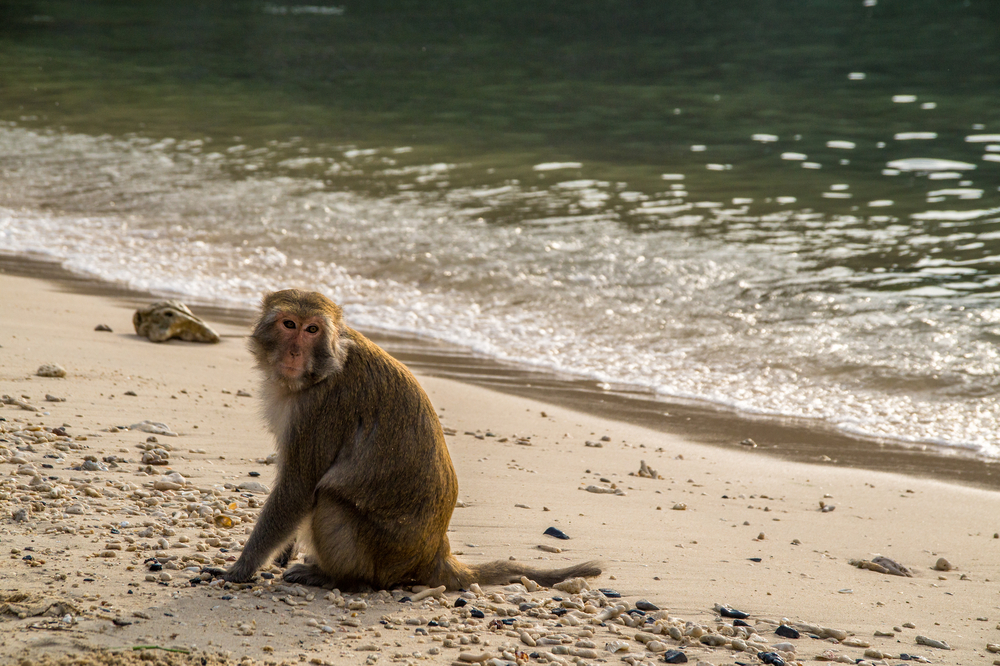
Wildlife consists of 32 species of mammals, 20 species of reptiles and amphibians, and 78 species of birds. Deer, squirrel, macaque monkeys, and civit are the most probable wildlife sightings.

Things to See

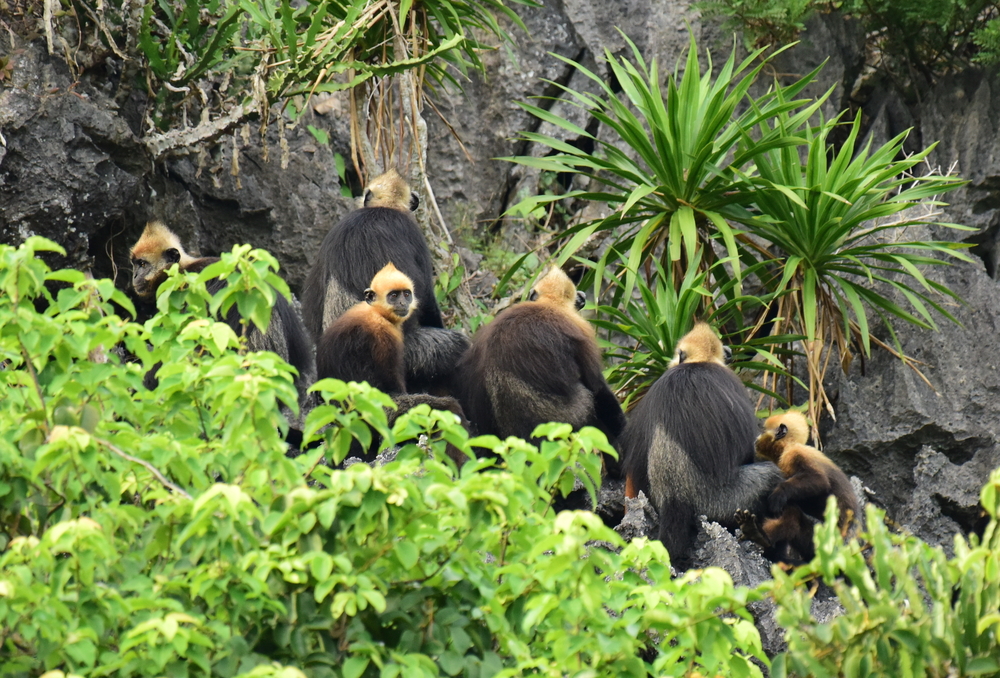
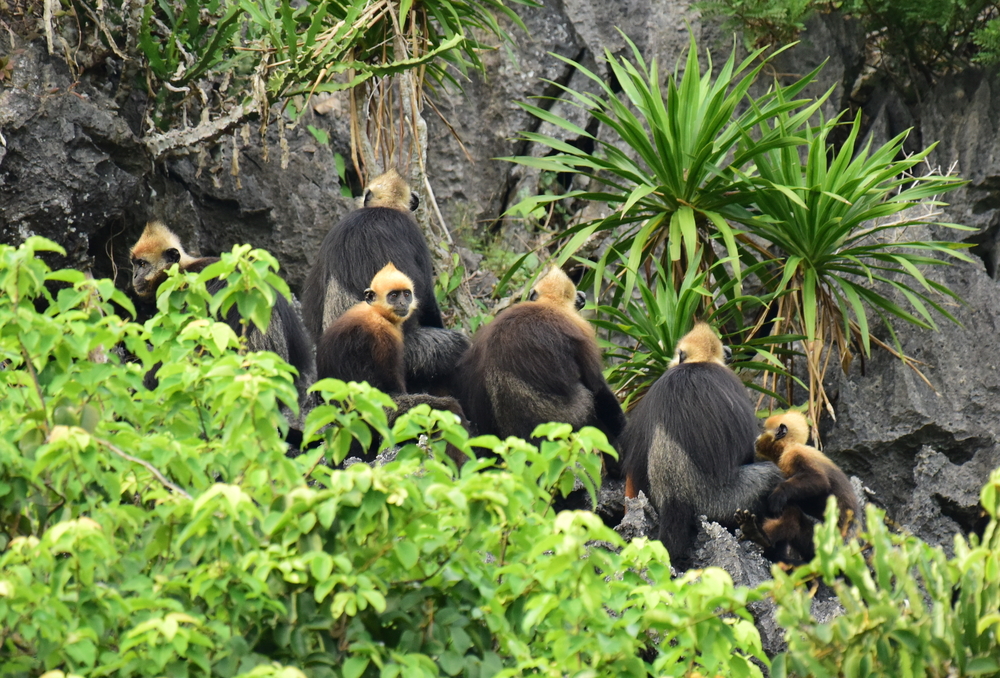
Trekking through the jungle is a treat itself, however, experiencing some of the wildlife enhances the experience. There are 32 species of mammals with the white-headed langur being a prized sighting. It is the rarest primate in the world.

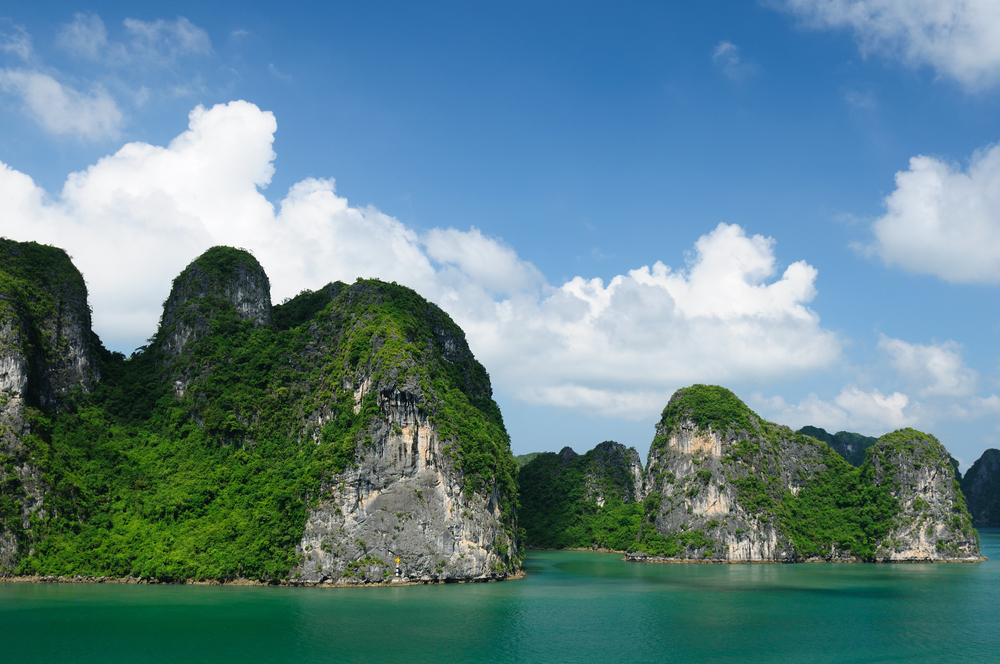
Cat Ba National Park is a World Heritage Site that represents some of the most stunning limestone karst landscapes. The island is a stunning representation of Ha Long Bay.

Ha Long Bay

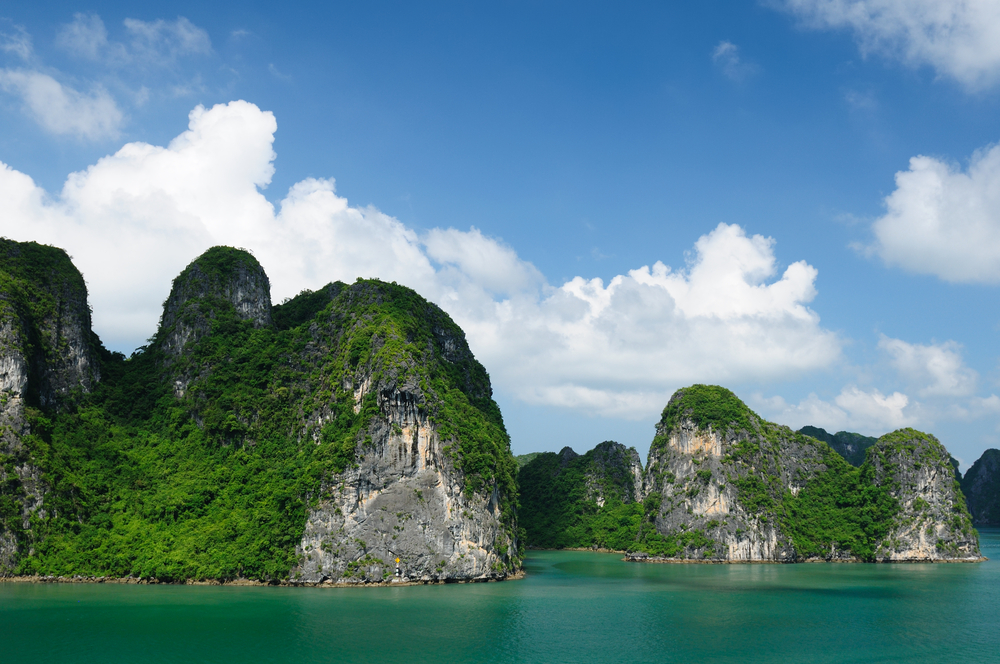
The larger Ha Long Bay covers an area of approximately 600 square miles (1,553 sq km). There are as many as 2,000 islets.  The islets are limestone karsts that are scattered amongst the bay.

There is a smaller portion of Ha Long Bay that is more concentrated with about 775 limestone karst islets.  This section accounts for 129 square miles (334 sq km) of the renowned area.

The majority of people who are visiting Cat Ba National Park are there to experience the astounding landscapes that Ha Long Bay is renowned for.

Popular

Popular

Cat Ba National Park is a sanctuary for diverse wildlife, offering a glimpse into rare species and unique ecosystems within its stunning karst landscapes.

Cat Ba Langur
Critically endangered, the Cat Ba Langur is known for its striking golden head and black body, surviving in small numbers within the park’s limestone forests.

Rhesus Macaque
Common yet fascinating, Rhesus Macaques are highly social primates, playing an essential role in the park’s ecology through seed dispersal and social interaction.

Leopard Cat
Small and elusive, the Leopard Cat navigates the dense underbrush with ease, its spotted coat camouflaging perfectly in the park’s varied habitats.

Oriental Small-clawed Otter
The smallest otter species, these social and playful animals are often seen near water bodies, showcasing the importance of aquatic ecosystems in the park.

White-bellied Sea Eagle
Soaring high above, the White-bellied Sea Eagle is a magnificent sight, with its broad wings and distinctive cry, symbolizing the park’s coastal and marine biodiversity.

King Cobra
The world’s largest venomous snake, the King Cobra commands respect, its presence indicating the health of the park’s primary forests.

Horsfield’s Fruit Bat
A vital pollinator and seed disperser, Horsfield’s Fruit Bat thrives in the park’s canopy, contributing to the regeneration and health of the forest.

Asian Water Monitor
Large and versatile, the Asian Water Monitor is a common sight along the park’s waterways, playing a critical role in controlling rodent and insect populations.

Pangolin
With its armored scales and unique diet of ants and termites, the Pangolin is a crucial part of the park’s ecosystem, aiding in pest control.

Each of these species contributes to the complex web of life in Cat Ba National Park, highlighting the importance of conservation efforts in this unique habitat.

Things To Do

Engaging Cat Ba National Park

Hiking

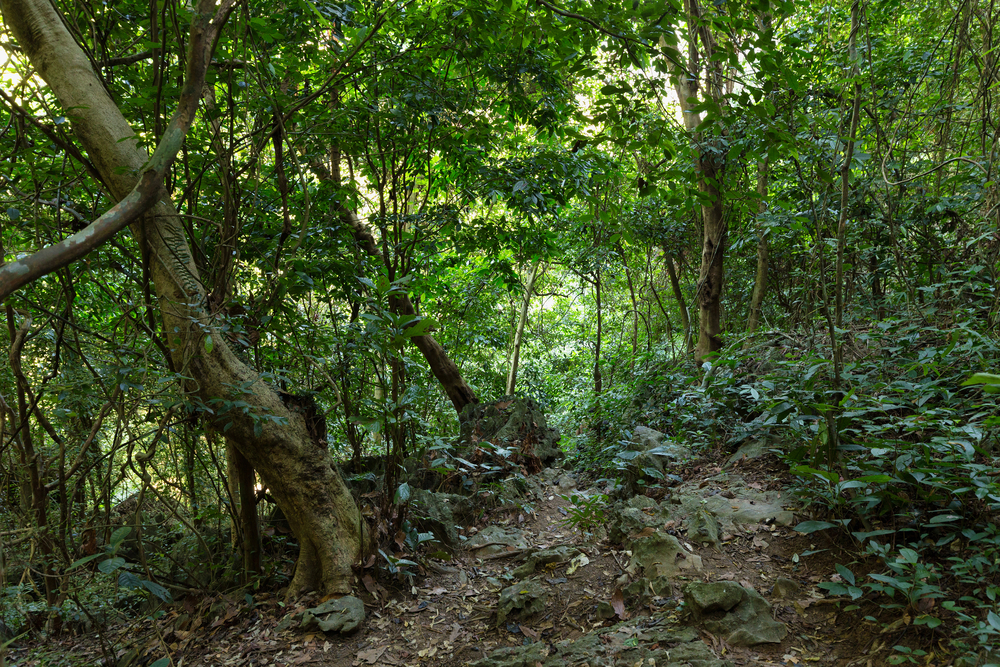
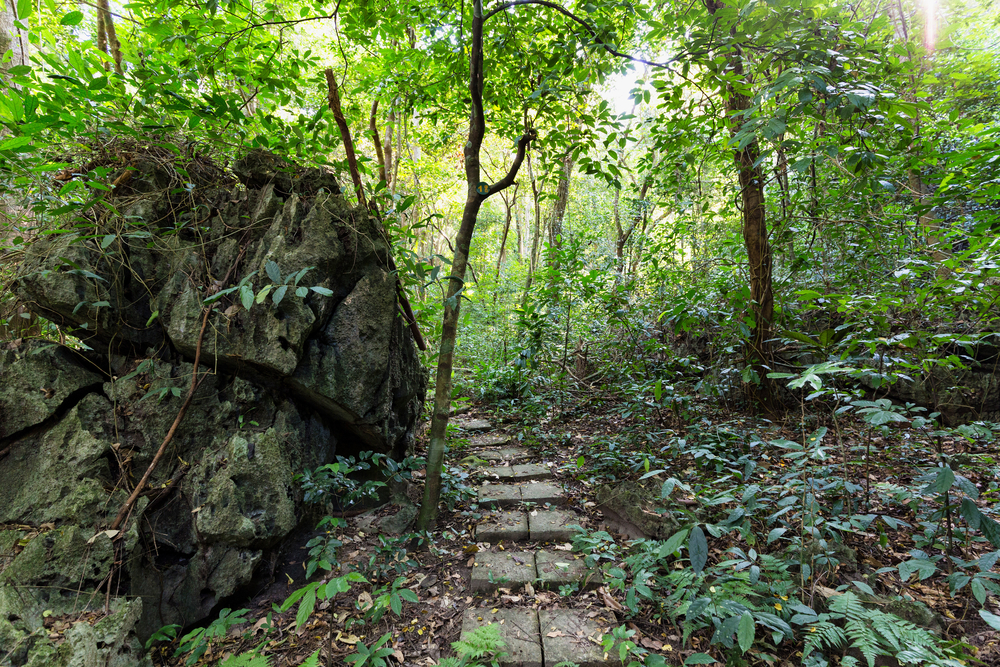
Explore Cat Ba National Park through its network of hiking trails, which wind through lush forests, past scenic viewpoints, and along rugged coastline. Hiking allows visitors to immerse themselves in the park’s natural beauty, encounter diverse wildlife, and discover hidden gems off the beaten path.

Whether you’re embarking on a short nature walk or a full-day trek, hiking in Cat Ba National Park offers rewarding experiences and opportunities to connect with the pristine wilderness of the island.

Kayaking

Paddle through scenic waterways in and around Cat Ba National Park, discovering hidden coves, secluded beaches, and towering limestone karsts. Kayaking allows visitors to explore the park’s coastal ecosystems up close, with opportunities to spot marine life such as colorful fish, sea turtles, and even dolphins.

Whether you’re a novice paddler or an experienced kayaker, the calm waters of Cat Ba Bay provide ideal conditions for leisurely exploration and adventure, offering stunning views of the park’s natural landscapes from a unique perspective.

Rock Climbing

Challenge yourself on the limestone cliffs of Cat Ba National Park, which offer excellent opportunities for rock climbing and bouldering. With routes suitable for climbers of all skill levels, the park attracts outdoor enthusiasts seeking adrenaline-pumping adventures amidst spectacular scenery.

Whether you’re scaling vertical walls or traversing overhangs, rock climbing in Cat Ba National Park provides thrilling experiences and memorable moments, with panoramic views of Ha Long Bay and the surrounding islands rewarding climbers at the summit.

Cat Ba National Park Trails

Boat tours throughout the Cat Ba area are one of the most popular ways to experience the national park.  However, there are trails available for trekking in the area.

placeholder

Ngu Lam Trail

This is a short 1-mile (1.6 km) loop trail with an elevation gain of 393 feet ( m).  There is a chance for seeing wildlife, however, the primary highlight of the hike is the scenic views.

placeholder

Kim Giao Forest Trail

This is a trail that meanders through the forest up to Ngu Lam peak. The journey takes about 30 minutes to cover the (1.5 km) trek to the peak.

placeholder

Mountain Top Trail

This is a moderate to difficult trek up to the top of the mountain.  The journey ascends up (18 km) with views along the way.  The panoramic view from the top is striking and highlights the rugged terrain of the park.

placeholder

Peak Trail

This trek is over (3.5 km) while ascending up (563 m).  It takes about 2.5 hours to make the journey and the views of the area are astounding.

placeholder

Frog Pond Trail

Rating: Easy

Distance and Elevation Gain: 2 kilometers round trip, with minimal elevation gain.

Description: This gentle trail leads to a serene pond known for its population of frogs. The path is well-marked and winds through lush forests, offering a cool, shaded hike.

It’s perfect for families and those interested in observing the park’s diverse plant and amphibian life in a relatively undisturbed setting.

placeholder

Ngu Lam Peak Trail

Rating: Moderate

Distance and Elevation Gain: 4 kilometers round trip, with an elevation gain of 400 meters.

Description: Offering panoramic views of the island and surrounding waters, this trail takes hikers to the top of Ngu Lam Peak.

The path is steep and challenging in parts but rewards with breathtaking vistas from the summit.

Along the way, hikers can enjoy the dense forest canopy and the chance to spot wildlife.

placeholder

Viet Hai Village Trail

Rating: Moderate

Distance and Elevation Gain: 8 kilometers one way, with moderate elevation gain.

Description: This trail connects the park with the remote Viet Hai Village, offering a glimpse into the traditional lifestyle of the local island community.

The route passes through tropical forests and limestone karsts, providing a scenic and culturally enriching experience.

Visitors often bike part of the way and hike the rest.

placeholder

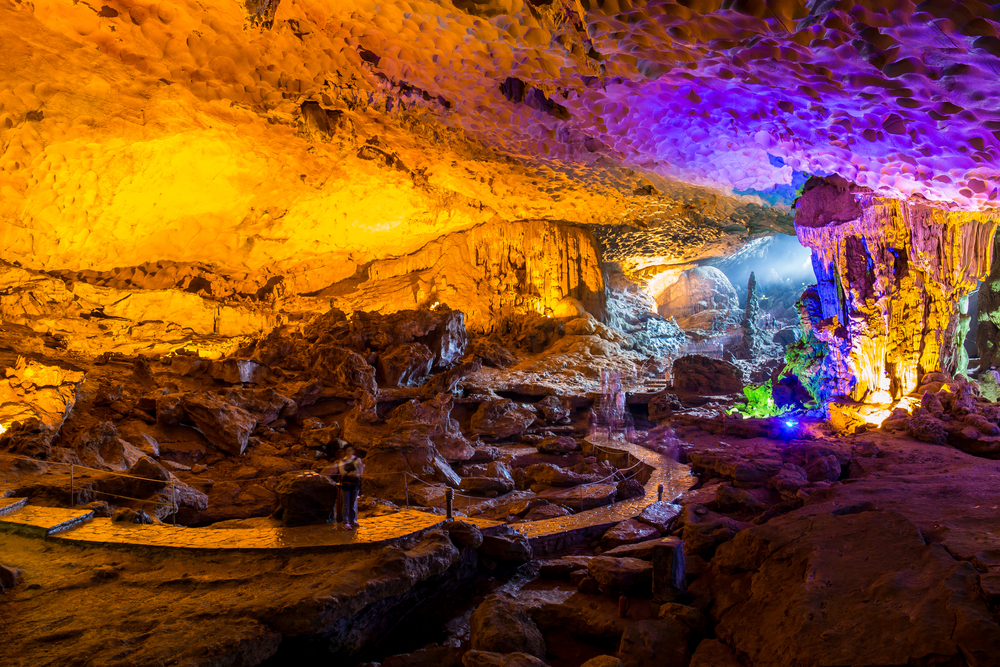
Hospital Cave Trail

Rating: Easy

Distance and Elevation Gain: 500 meters round trip, with minimal elevation gain.

Description: Leading to the historic Hospital Cave, this easy trail is both a natural and historical exploration.

The cave served as a secret, bomb-proof hospital during the Vietnam War and now stands as a testament to the island’s history.

The trail to the cave entrance is short and suitable for all ages.

placeholder

Cannon Fort Path

Rating: Easy

Distance and Elevation Gain: 3 kilometers round trip, with minimal elevation gain.

Description: This path takes visitors to the Cannon Fort, which offers some of the best views of Cat Ba Island and its surroundings.

The fort, used during various conflicts, now provides a peaceful vantage point for stunning sunset views over the karst landscape and sea.

The walk is easy and suitable for all fitness levels.

Park Protection

Cat Ba National Park was established on Cat Ba Island as a reflection of the 367 islands in the archipelago.  The park was created to protect the striking landscapes that have been inspirations for movies, books, poems, and other artworks.  The park also protects rich biodiversity from both the worlds of flora and fauna.

FAQ’s

What is Cat Ba National Park known for?

Cat Ba National Park, located on Cat Ba Island in northern Vietnam, is known for its stunning limestone karsts, lush forests, and rich biodiversity.

The park encompasses a diverse range of habitats, including tropical rainforests, mangrove swamps, and coastal ecosystems, providing a haven for a variety of plant and animal species.

Cat Ba National Park is particularly renowned for its population of endangered golden-headed langurs, one of the rarest primate species in the world.

Visitors to the park can explore its scenic landscapes, hike through pristine forests, and encounter unique wildlife while enjoying breathtaking views of Ha Long Bay and the surrounding islands.

Sources