About

Sequoia National Park is located in California’s southern Sierra Nevada Mountains in the western United States and covers approximately 631 square miles (1,635 sq km).

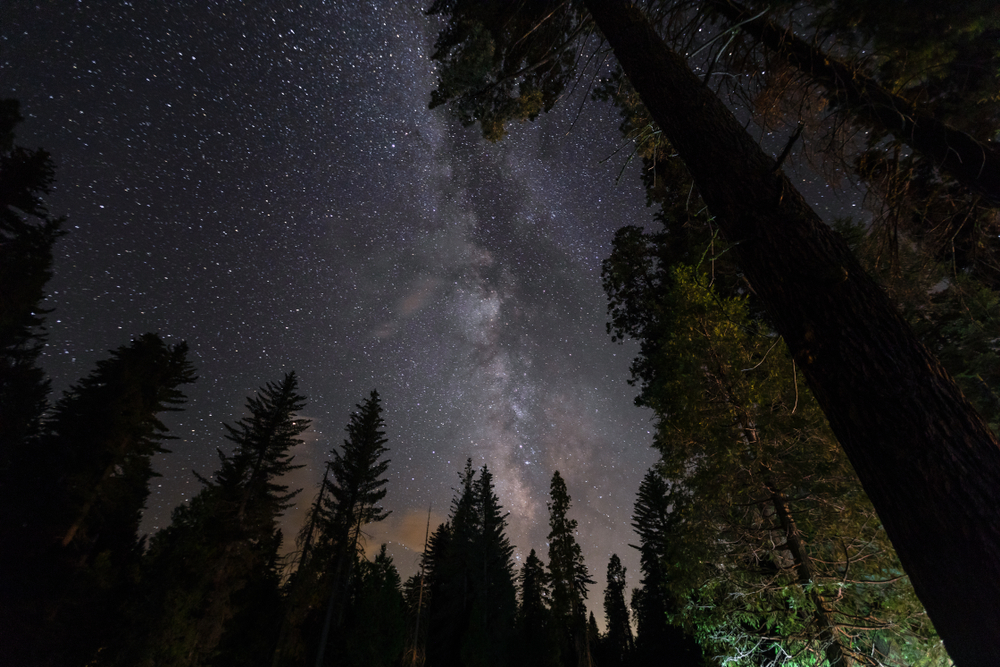
Established in 1890, it was the second national park created in the United States and the first established specifically to protect a living organism. The park lies south of Kings Canyon National Park, with the two parks managed together as a single unit, and north of Inyo National Forest.  Sequoia National Park is world-renowned for its giant sequoia trees, immense mountain landscapes, and pristine wilderness. The park preserves some of the most awe-inspiring natural features in North America and attracts visitors from around the globe.

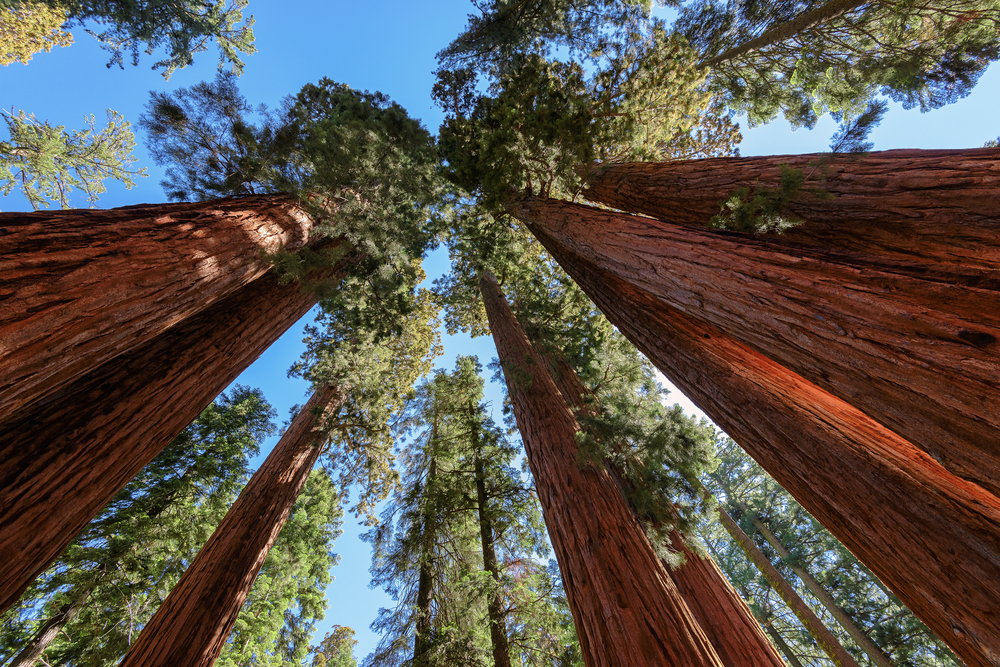
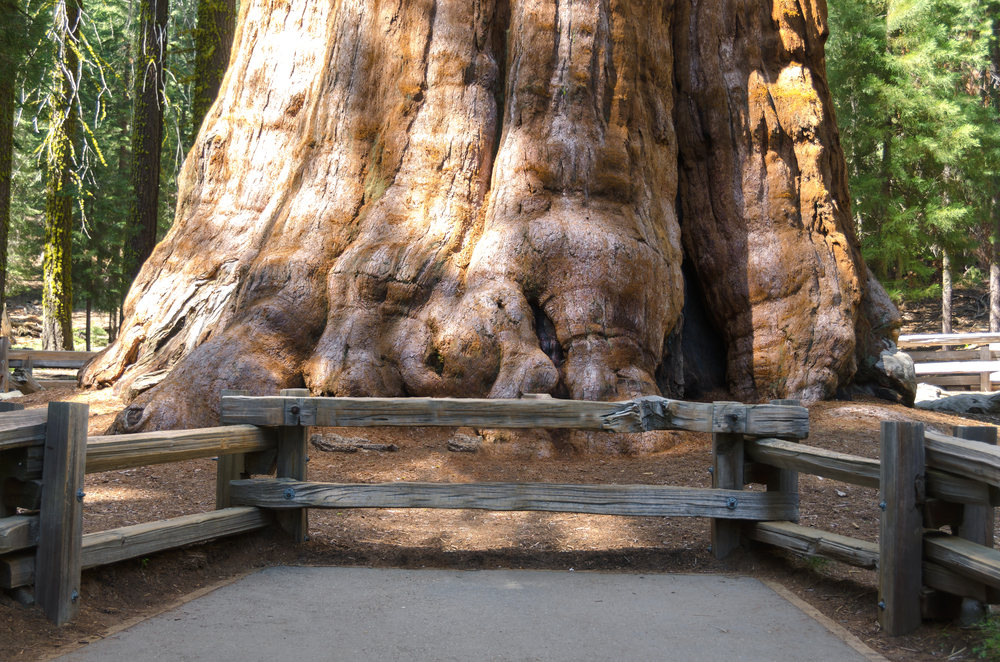
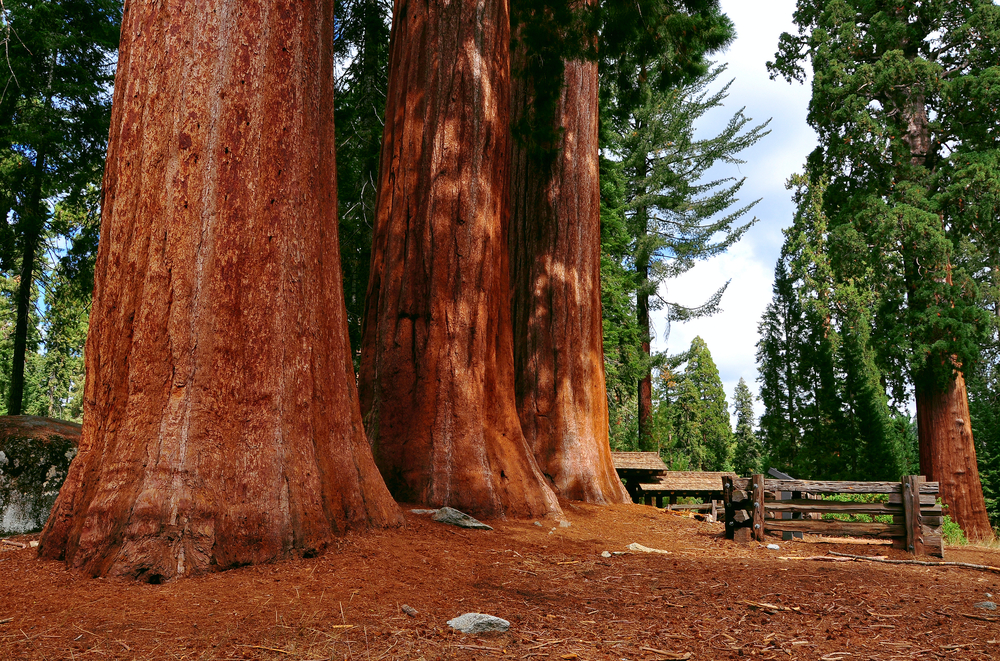
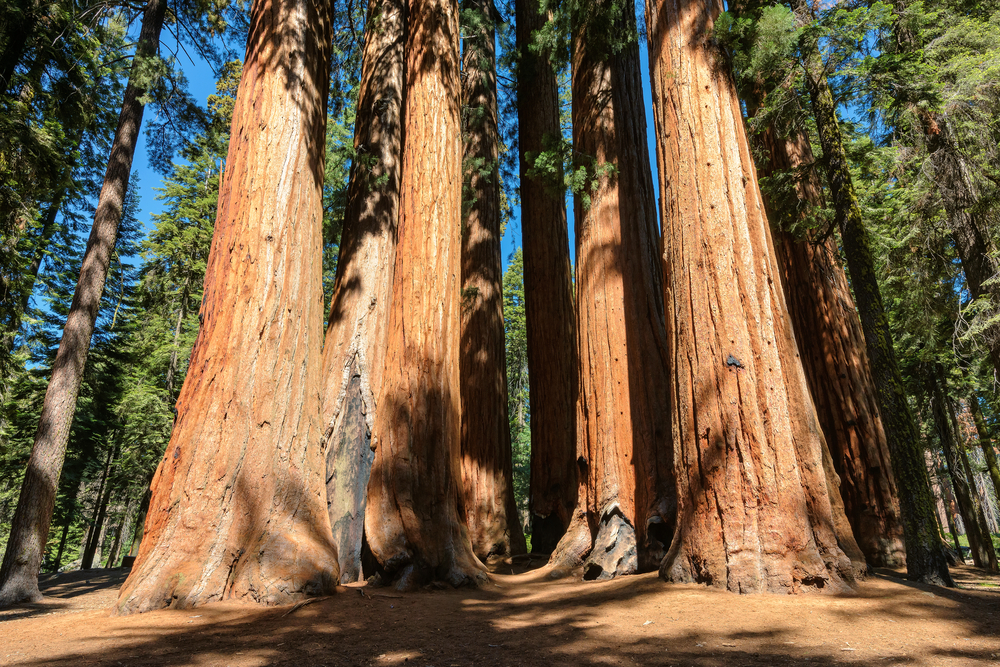
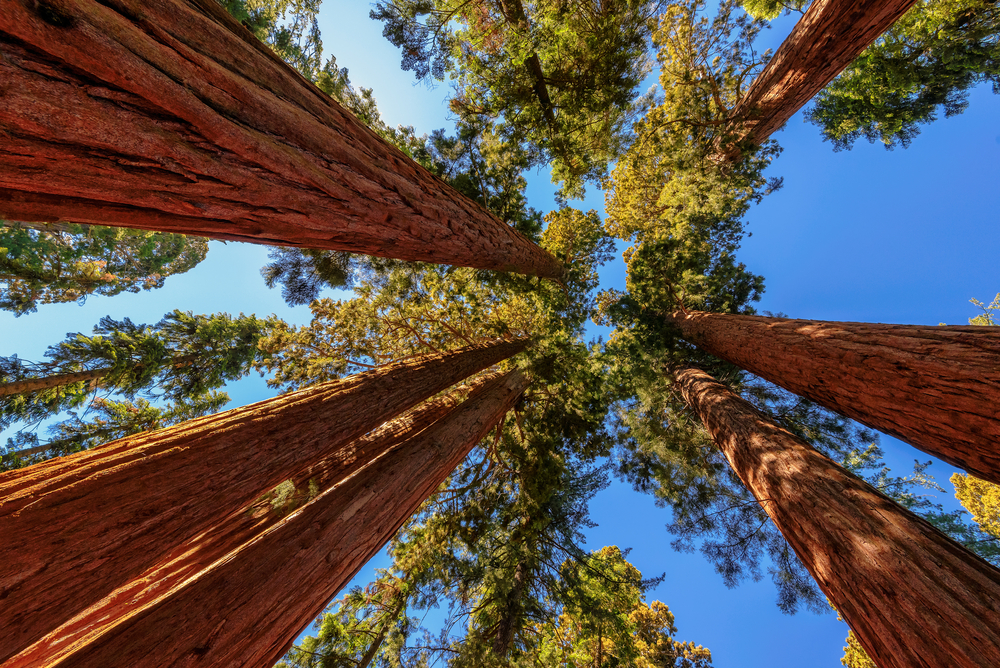
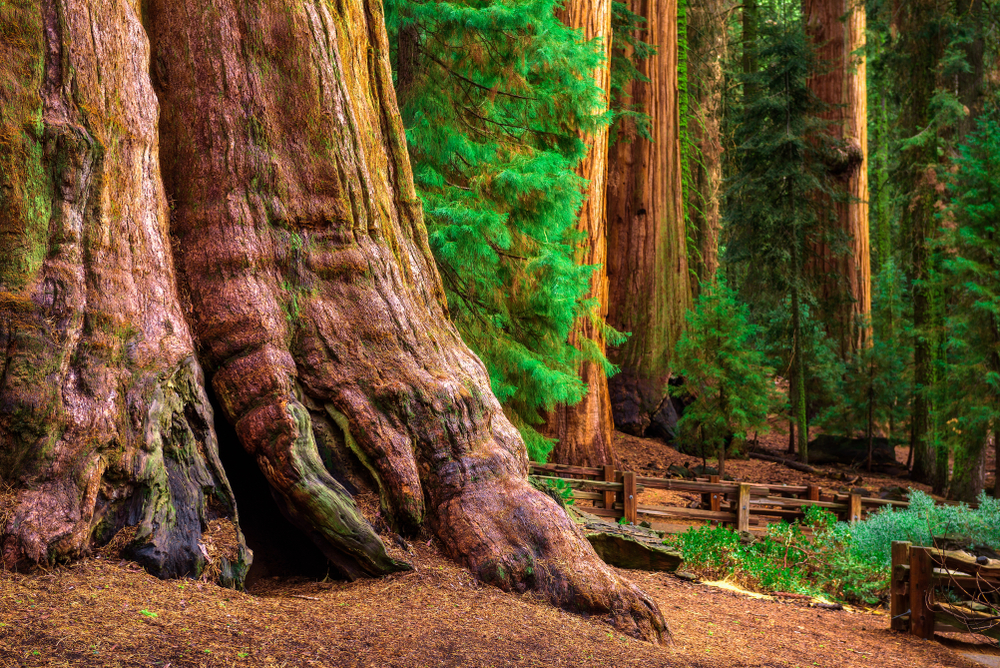
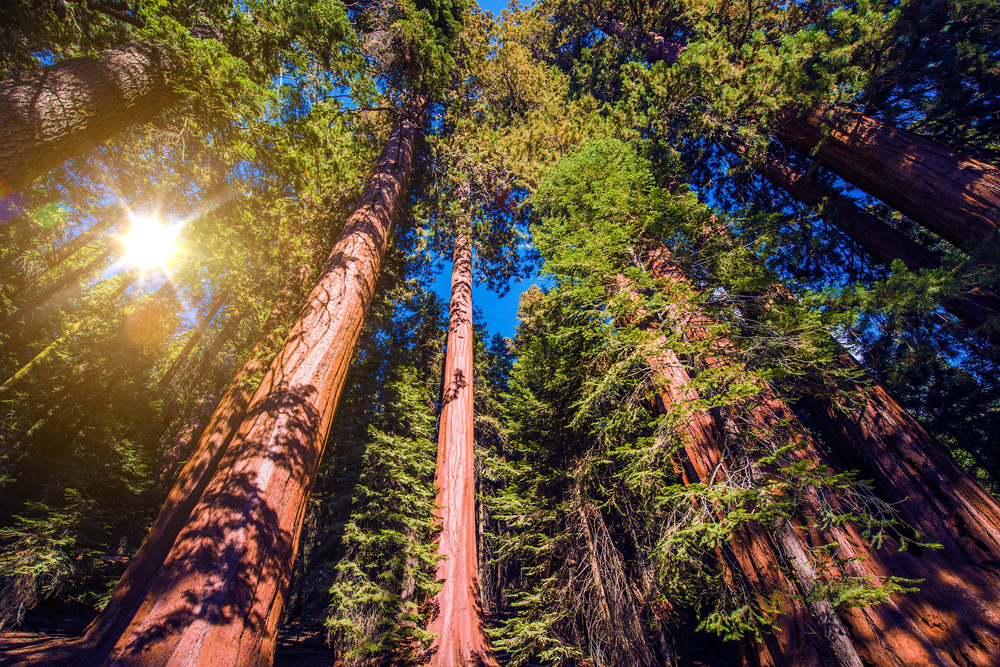
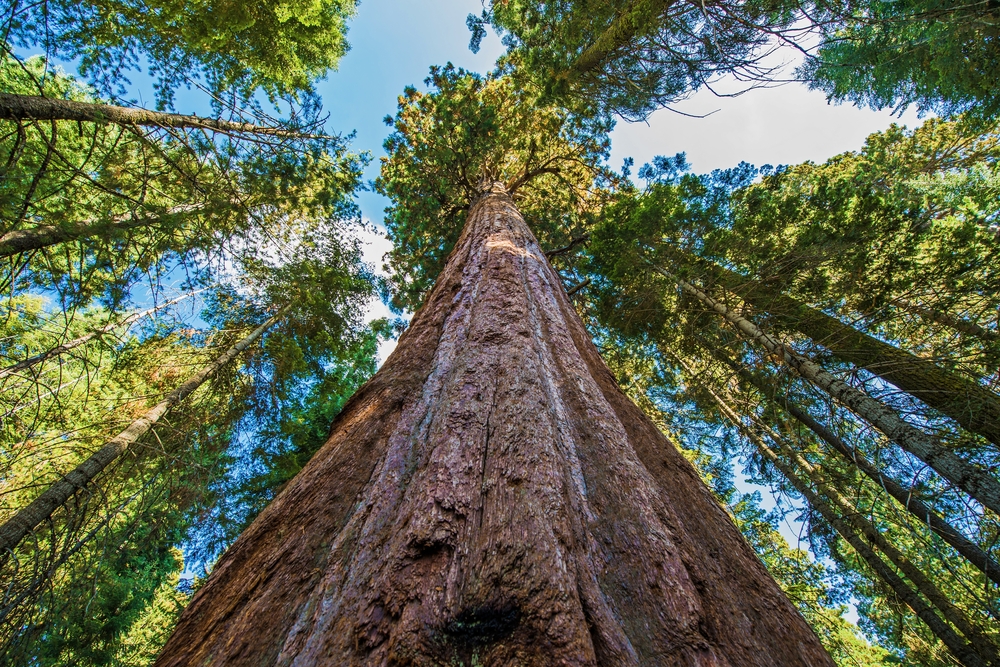
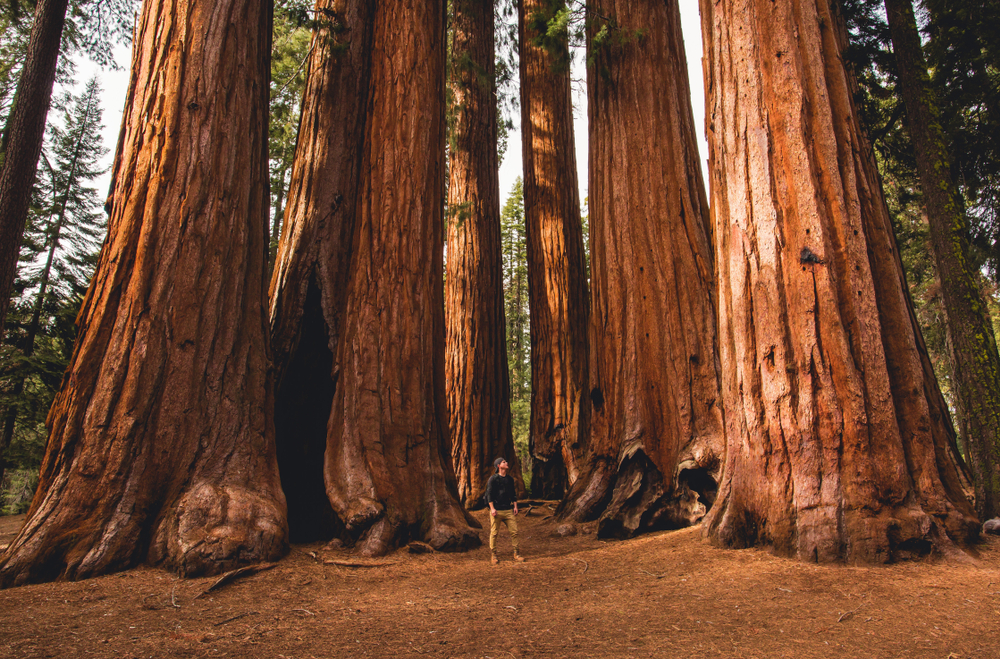
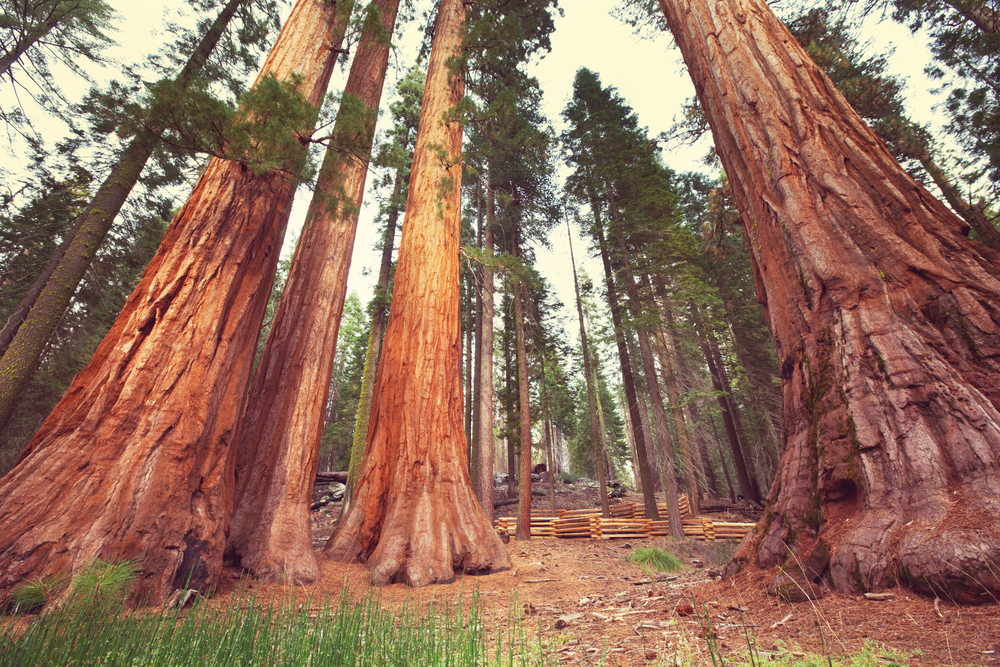
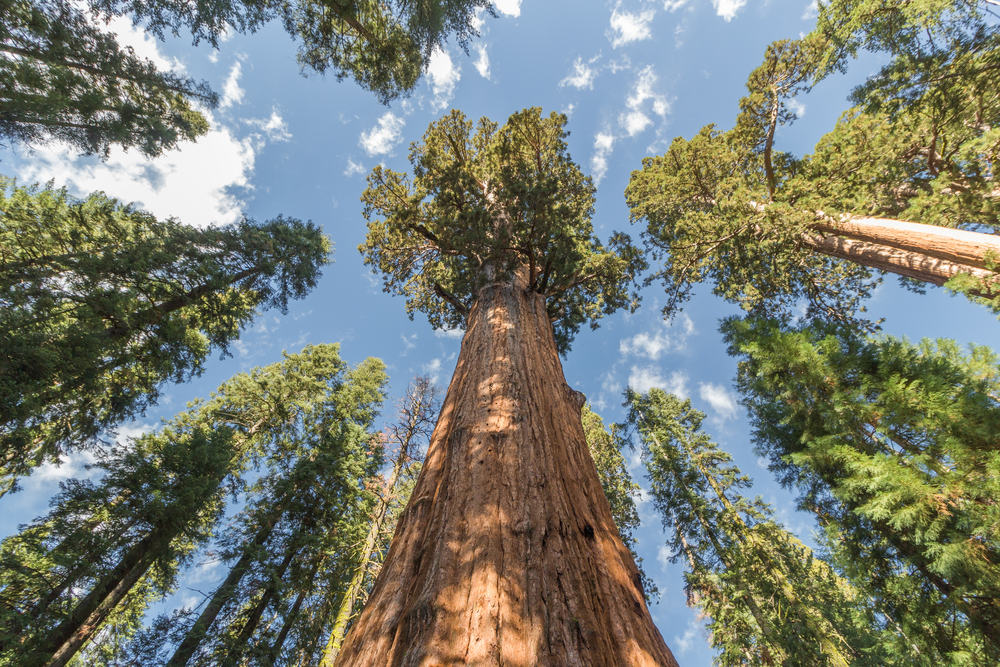
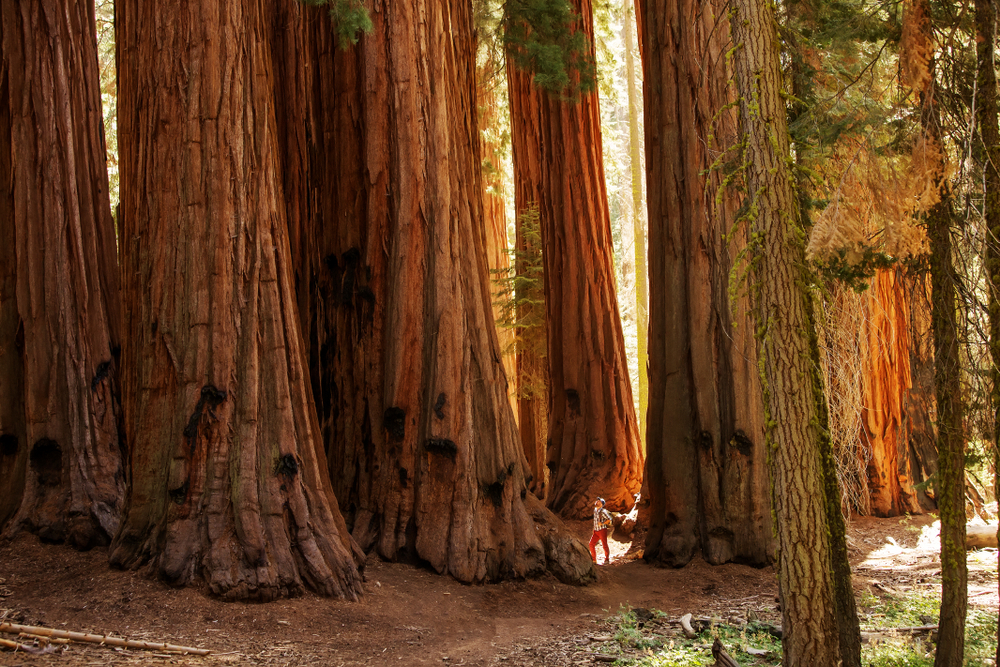
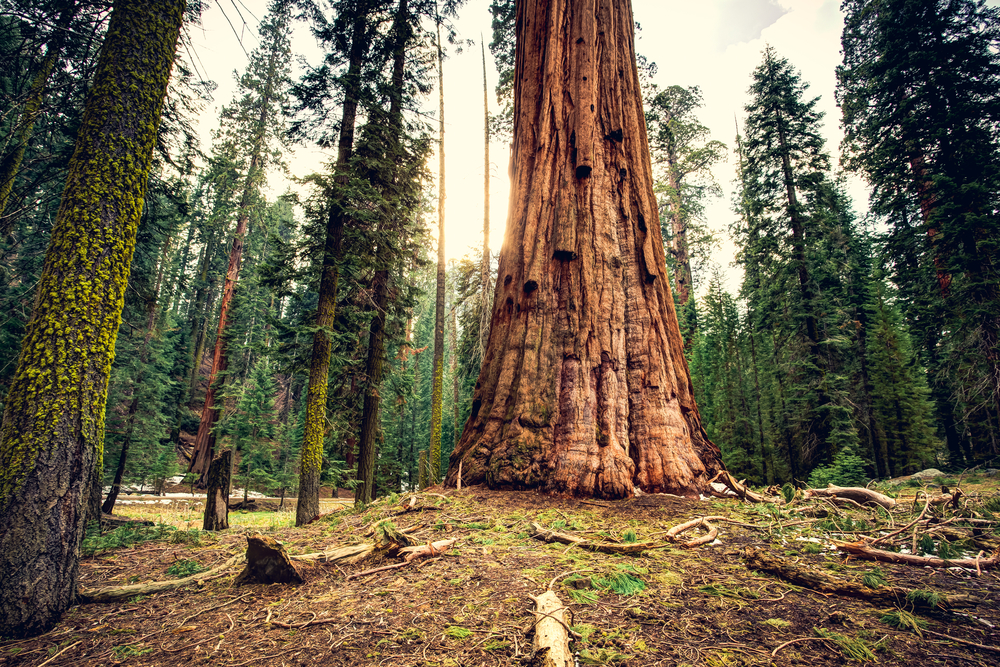
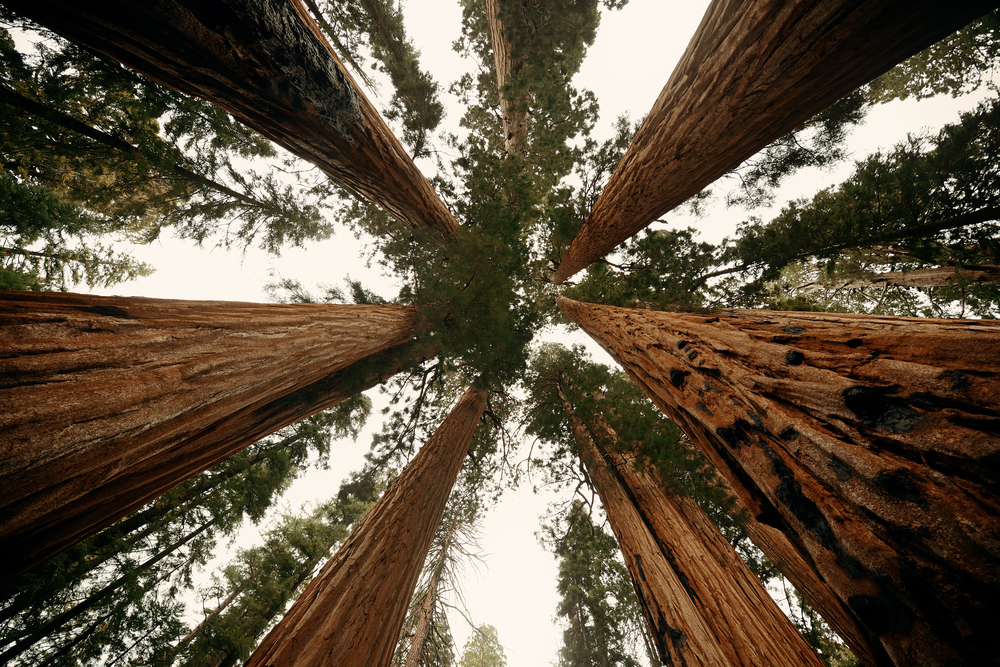
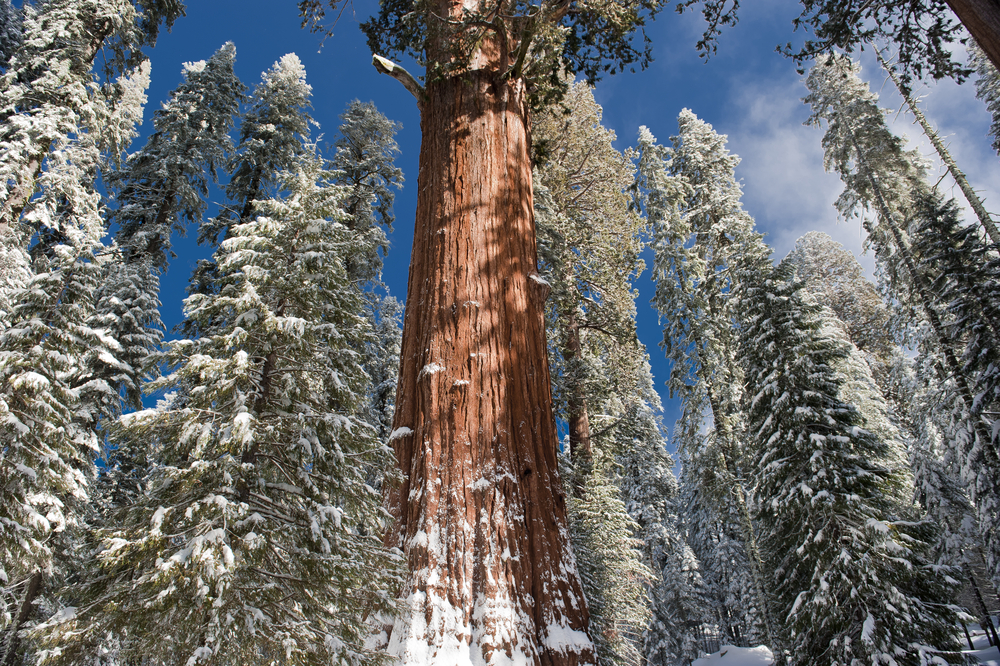
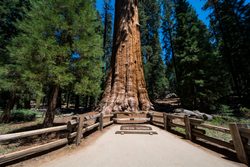
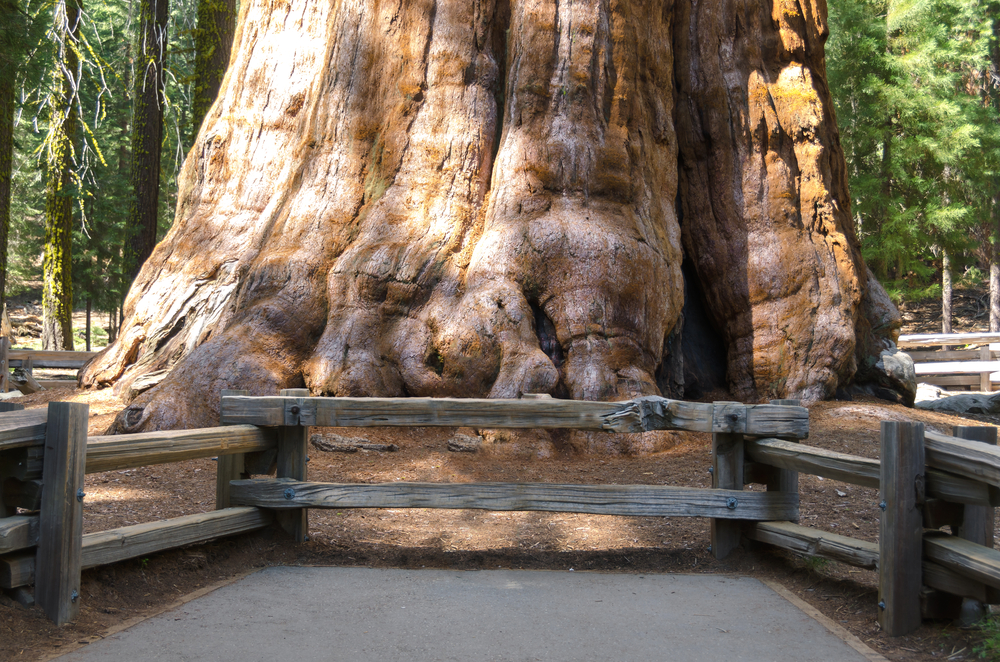
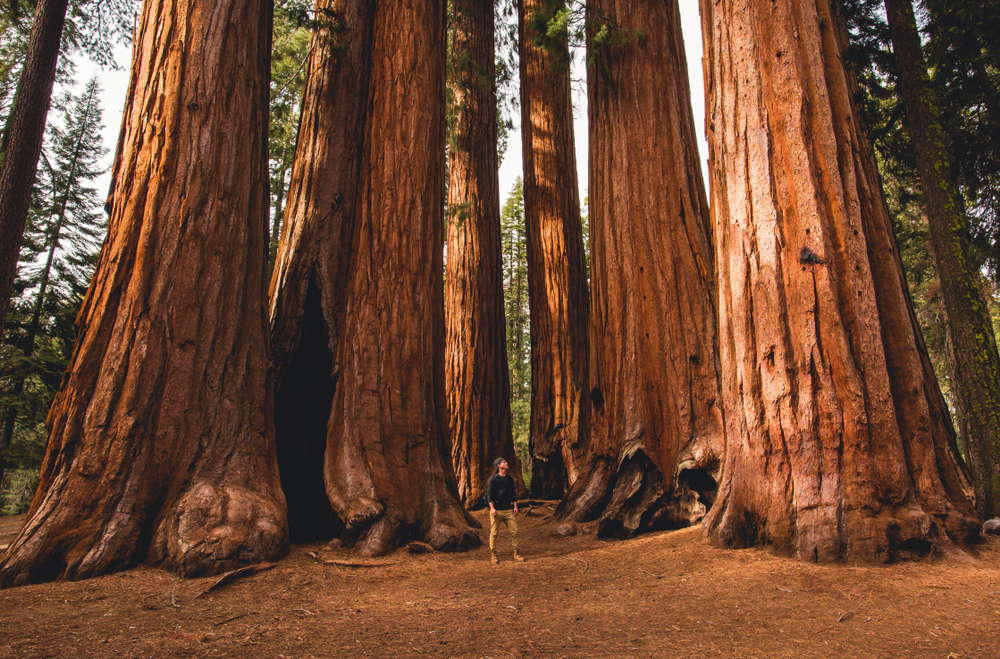
Sequoia National Park is best known for its magnificent groves of giant sequoias, the largest trees on Earth by volume. The most famous of these is General Sherman Tree, widely recognized as the largest living tree in the world. Visitors come to stand beneath these ancient giants, many of which are more than 2,000 years old.

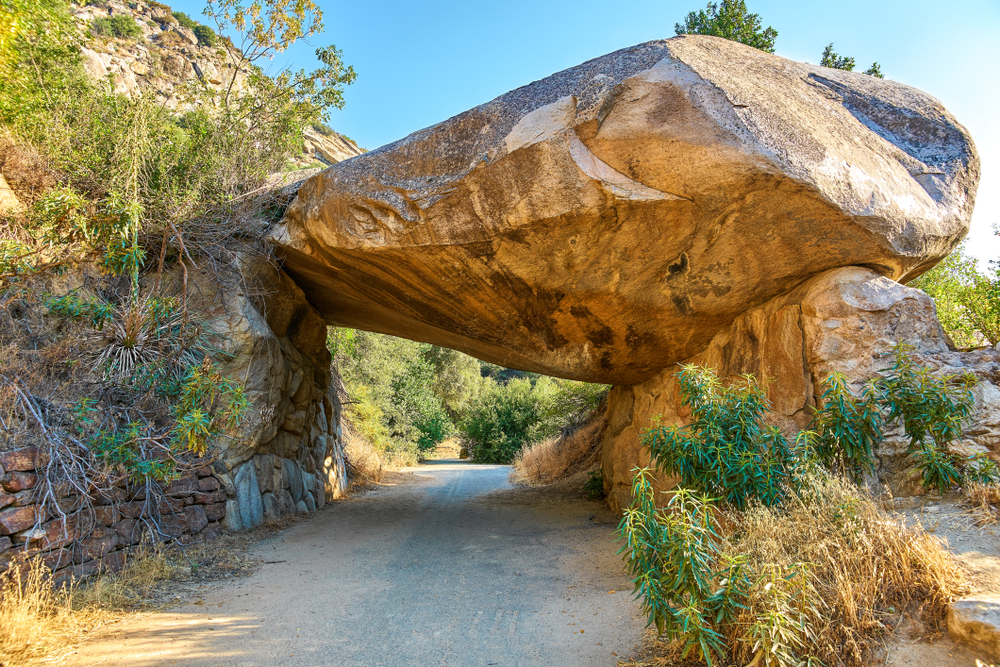
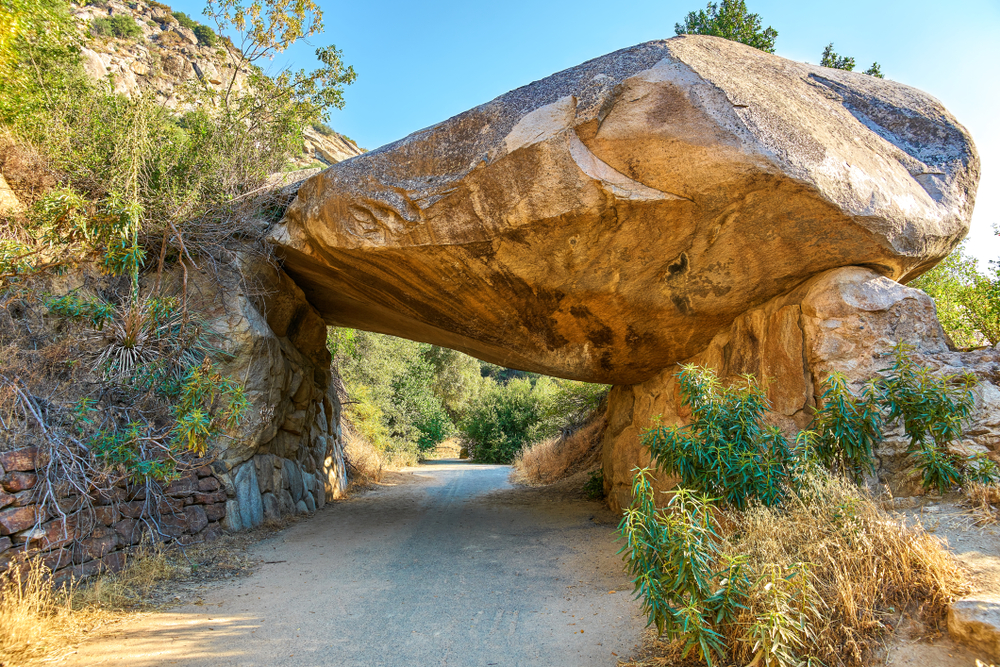
Beyond the sequoia groves, the park offers spectacular hiking, backpacking, wildlife viewing, camping, and photography opportunities. Popular destinations include Moro Rock, Crescent Meadow, and the Giant Forest. The combination of colossal trees and dramatic mountain scenery creates an experience that leaves a lasting impression on visitors of all ages.

The geography of Sequoia National Park is remarkably diverse. Elevations range from approximately 1,300 feet (396 meters) in the foothills to over 14,500 feet (4,420 meters) at the summit of Mount Whitney, the highest peak in the contiguous United States. The landscape includes rugged granite peaks, deep canyons, alpine lakes, meadows, rivers, and extensive forests.

Glaciers once sculpted many of the park’s high-elevation features, leaving behind dramatic valleys and polished granite formations. Vegetation changes dramatically with elevation, ranging from oak woodlands and chaparral in the foothills to giant sequoia groves, mixed-conifer forests, alpine meadows, and sparse tundra-like habitats near the highest summits.

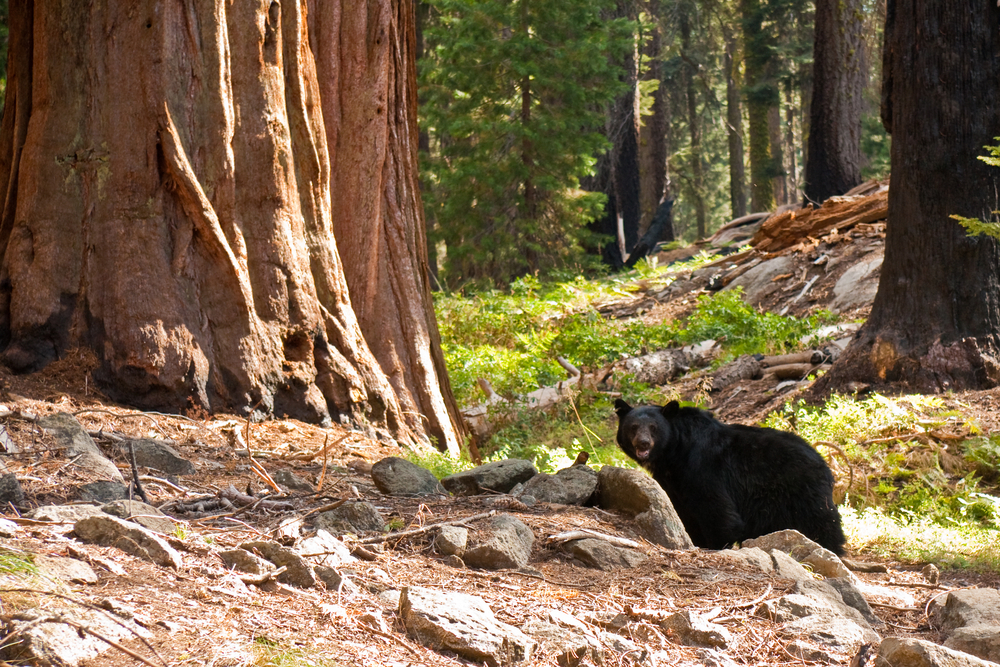
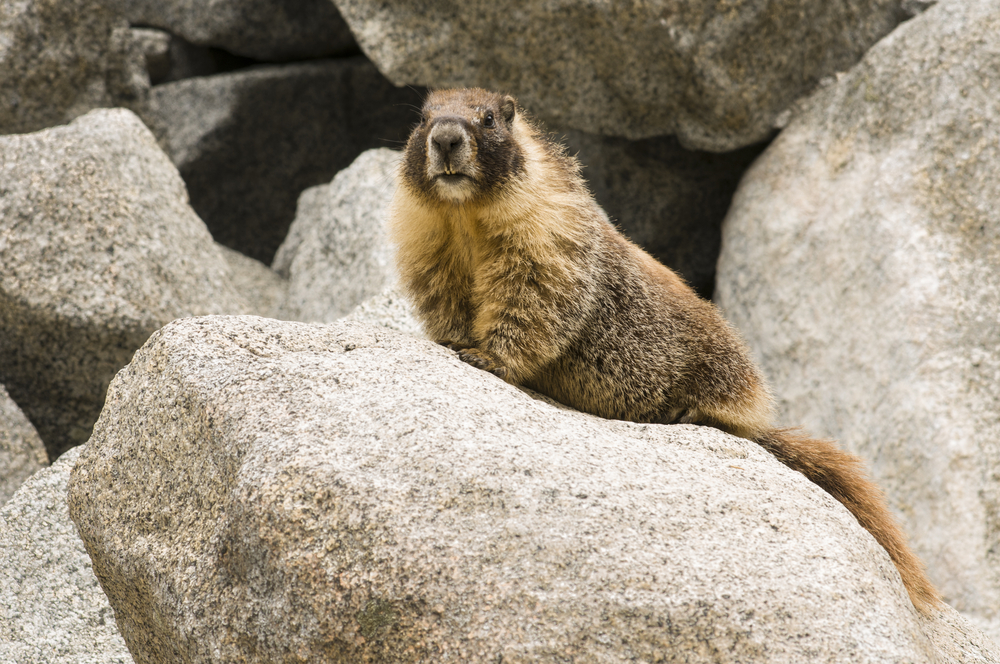
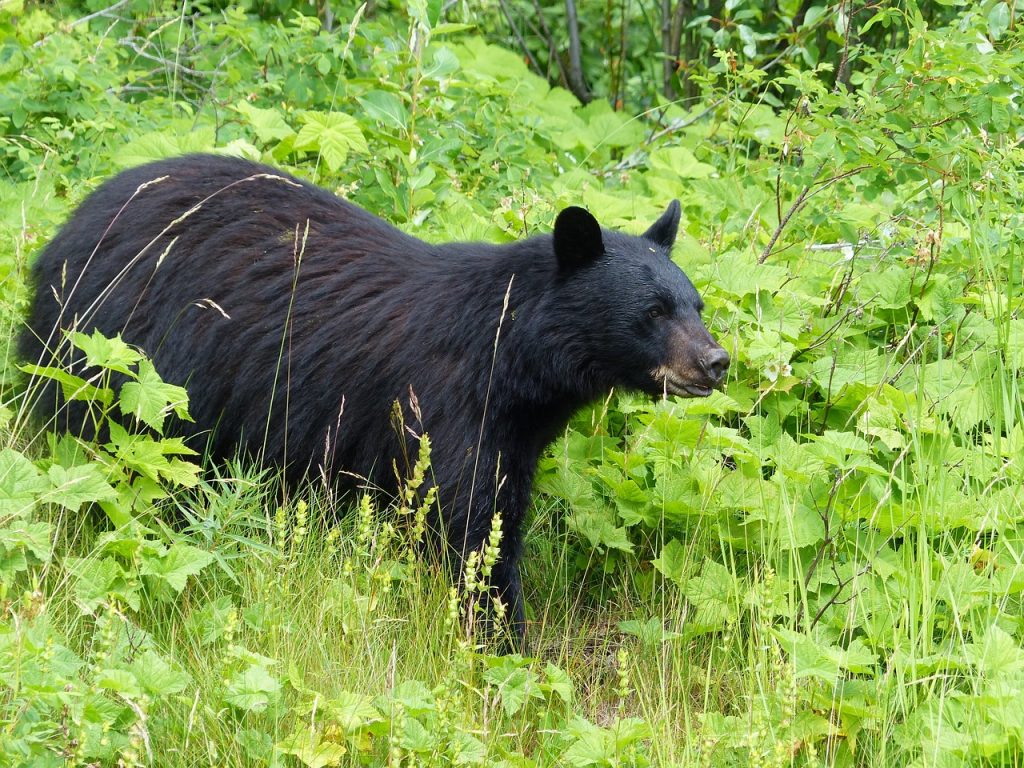
Wildlife within Sequoia National Park is equally impressive. Black bears are among the park’s most recognizable animals and are frequently observed throughout forested areas. Other mammals include mule deer, bobcats, mountain lions, coyotes, marmots, pikas, and Sierra Nevada bighorn sheep.

Birdlife is abundant, with species such as Steller’s jays, peregrine falcons, great gray owls, woodpeckers, and golden eagles inhabiting various elevations. Streams and rivers support native fish and amphibians, while the park’s diverse plant communities provide habitat for countless insects and smaller animals. The broad range of ecosystems allows an extraordinary variety of wildlife to thrive within the park’s boundaries.

Sequoia National Park plays a vital role in protecting some of the world’s most remarkable forests and mountain ecosystems. The giant sequoias are among the rarest and most extraordinary trees on Earth, occurring naturally in only a narrow portion of California’s Sierra Nevada. Conservation efforts focus on protecting these ancient trees from threats such as climate change, wildfire, and habitat degradation while preserving the park’s wilderness character.

Sequoia is often compared to Yosemite National Park and Redwood National Park because of its iconic landscapes and conservation significance. Yet the presence of the world’s largest trees gives Sequoia a distinction all its own. Today, the park stands as one of America’s greatest natural treasures, preserving a landscape where ancient giants continue to inspire wonder and respect for the natural world.

Things to See

Sequoia National Park represents one of the most stunning awe-inspiring mountain forested areas in the world.  You cannot help but walk amongst these giants and feel insignificant.  Although Mount Whitney may be a highlight for some, the giant sequoias are a highlight for all.

Giant Forest

The Giant Forest is a specific grove or collection of giant sequoia trees located inside the park.  The forest is home to five of the world’s largest trees including the General Sherman tree which has the distinction of being the largest.

The Giant Forest sits at an elevation of just over 6,000 feet (1,800 m) above sea level.  It is part of the western portion of the Sierra Nevada mountain range.

The Giant Forest also features over 40 miles (64 km) of hiking trails creating one of the most engaging experiences for visitors who hike amongst these giants.

General Sherman Tree

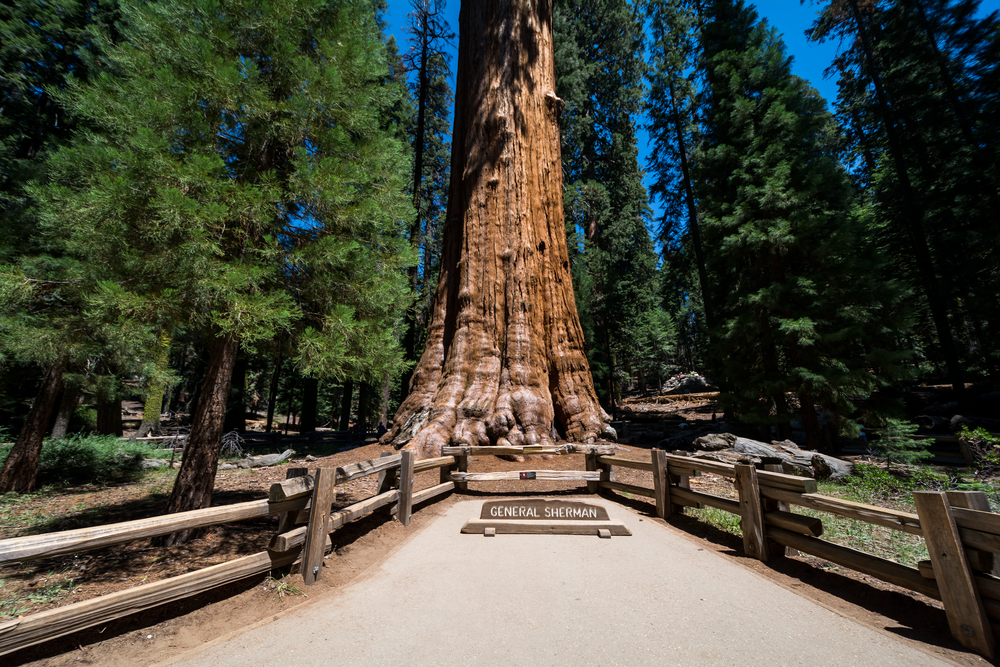
The General Sherman Tree is currently the largest living tree in the world.  Although it is not the tallest nor the widest tree, its collective height, and width making it the largest tree based on volume.

The Hyperion in Redwood National Park is the tallest and the baobab trees in Africa have the greatest width.  Volume belongs to the General Sherman tree.  It reaches a height of 275 feet (83.8 m) and has a diameter of 25 feet (7.7 m) creating a volume of 52,513 cubic feet (1,487 cu m).

Mount Whitney

Mount Whitney is the tallest mountain in the lower 48 contiguous states.  As part of the Sierra Nevada range, it reaches a height of 14,505 feet (4,421 m).

It is only 84.6 miles (136.2 km) away from Badwater Basin in Death Valley National Park which represents the lowest elevation in North America. This creates one of the greatest vertical rises in such a short distance.

The John Muir Trail travels 211.9 miles (341 km) from Happy Isles in Yosemite National Park to the summit of Mount Whitney where the trail ends.  The rugged and jagged nature of Mount Whitney along with its pyramid summit shape creates one of the most picturesque mountain landscapes in the United States.

Hikers can reach the summit from the western side, but the eastern side requires a technical climb.

Popular

Popular

Sequoia National Park, famed for its towering trees and rugged landscapes, is also a refuge for diverse wildlife, each species playing a role in the ecosystem and enhancing visitors’ experience in this majestic slice of the Sierra Nevada.

Black Bear Omnivorous and curious, black bears are frequently spotted throughout the park, foraging for berries, nuts, and insects in both forested areas and meadows.

Mule Deer Graceful mule deer are commonly seen at dawn and dusk, browsing in the park’s meadows and forest edges, a serene presence amidst the giant trees.

Sequoia Chipmunk Active and playful, sequoia chipmunks are easily spotted by visitors, their striped backs darting among the forest floor, gathering food and chirping alertly.

Mountain Chickadee The mountain chickadee, with its distinctive black cap and white cheeks, flits through the park’s coniferous forests, filling the air with its cheerful calls.

Western Gray Squirrel Notable for their bushy tails and gray fur, western gray squirrels are a common sight, scampering through the park’s groves and along its trails.

American Black Bear While similar to black bears, American black bears in Sequoia have their own unique behaviors, adapting to the park’s environment in search of food and shelter.

Steller’s Jay Vibrant and noisy, Steller’s jays are often encountered by visitors, their bright blue feathers and crest standing out against the park’s greenery.

Douglas Squirrel The Douglas squirrel, or chickaree, is a vital part of the ecosystem, known for its loud bark and the role it plays in seed dispersal within the park.

California Ground Squirrel Ubiquitous in open areas, California ground squirrels are often seen standing alert on their hind legs, watching for predators while foraging for food.

Pika Adapted to high elevations, pikas are rarely seen but often heard, their distinctive calls echoing among the park’s rocky outcrops and alpine meadows.

Sequoia National Park’s non-predatory wildlife, from the ambling Black Bear to the industrious Pika, showcases the park’s vibrant life beneath its canopy of ancient giants, inviting visitors to witness the diverse inhabitants of this storied landscape.

Largest in the World

Largest in the World

The General Sherman Tree is a magnificent giant sequoia located in Sequoia National Park, California, and is revered as the largest tree on Earth by volume.

Standing tall amidst the ancient forest, this iconic tree commands attention with its impressive dimensions and awe-inspiring presence.

General Sherman Tree reaches a towering height of approximately 275 feet (83.8 meters), soaring high above the surrounding canopy. Its massive trunk boasts a circumference at the base of about 102 feet (31.1 meters), making it one of the widest trees in the world.

With a diameter at breast height (DBH) measuring roughly 36.5 feet (11.1 meters), General Sherman Tree showcases the incredible girth characteristic of giant sequoias.

Visitors from around the globe flock to witness this natural wonder, marveling at its immense size and significance in Sequoia National Park’s ancient forest ecosystem.

Things To Do

Engaging Sequoia National Park
Hiking

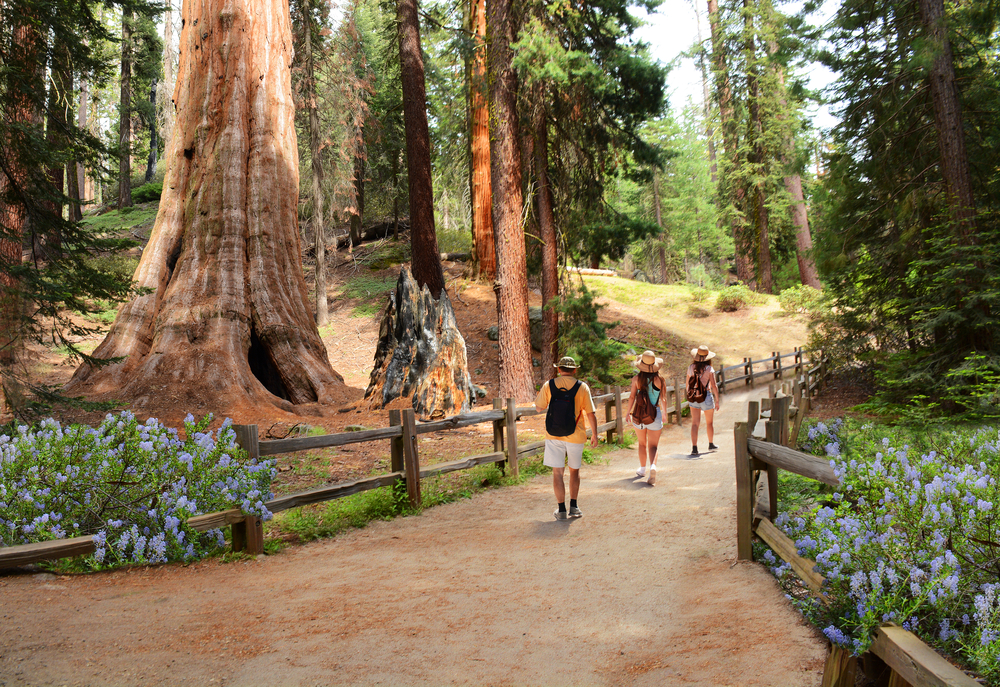
Explore the majestic forests and towering peaks of Sequoia National Park on its extensive network of hiking trails. From easy nature walks to challenging backcountry treks, the park offers routes for all skill levels and interests.

Discover ancient groves of giant sequoias, traverse scenic mountain passes, and marvel at breathtaking vistas of the Sierra Nevada landscape. Keep an eye out for wildlife such as black bears, mule deer, and mountain lions as you immerse yourself in the natural beauty of the park.

Scenic Drives

Take a leisurely drive along the park’s scenic roads and byways, winding through breathtaking mountain scenery and past iconic landmarks.

Enjoy panoramic vistas of rugged peaks, pristine lakes, and cascading waterfalls as you explore the park from the comfort of your car. Stop at overlooks and viewpoints along the way to capture stunning photographs and soak in the beauty of the Sierra Nevada landscape.

placeholder

Rock Climbing

Challenge yourself on the park’s granite cliffs and domes by engaging in rock climbing and bouldering activities. Test your skills on classic routes such as Moro Rock and the Great Western Divide, or explore lesser-known areas for new challenges and adventures.

Whether you’re a beginner or an experienced climber, Sequoia National Park offers opportunities for thrilling vertical adventures amidst stunning alpine scenery.

Hiking

Explore the majestic forests and towering peaks of Sequoia National Park on its extensive network of hiking trails. From easy nature walks to challenging backcountry treks, the park offers routes for all skill levels and interests.

Discover ancient groves of giant sequoias, traverse scenic mountain passes, and marvel at breathtaking vistas of the Sierra Nevada landscape. Keep an eye out for wildlife such as black bears, mule deer, and mountain lions as you immerse yourself in the natural beauty of the park.

Scenic Drives

Take a leisurely drive along the park’s scenic roads and byways, winding through breathtaking mountain scenery and past iconic landmarks.

Enjoy panoramic vistas of rugged peaks, pristine lakes, and cascading waterfalls as you explore the park from the comfort of your car. Stop at overlooks and viewpoints along the way to capture stunning photographs and soak in the beauty of the Sierra Nevada landscape.

placeholder

Rock Climbing

Challenge yourself on the park’s granite cliffs and domes by engaging in rock climbing and bouldering activities. Test your skills on classic routes such as Moro Rock and the Great Western Divide, or explore lesser-known areas for new challenges and adventures.

Whether you’re a beginner or an experienced climber, Sequoia National Park offers opportunities for thrilling vertical adventures amidst stunning alpine scenery.

Sequoia National Park Trails

The park features an abundance of trails allowing hikers to experience the magnificent sequoia trees as well as the wilderness of the surrounding mountainous area.

placeholder

Sherman Tree Trail

This trail is a short 0.8-mile (1.3 km) round trip hike that is easy and accessible to all.  The trail meanders from the parking lot through a grove of giant sequoias including the renowned General Sherman tree.

placeholder

Tokopah Falls Trail

This is a 1.7-mile (2.7 km) that meanders along the Kaweah River out to the Tokopah Canyon and Tokopah Falls.  The waterfall has a height of 1,200 feet (365.8 m) and features the greatest flow following the spring rains and snowmelt.

placeholder

Mount Whitney Trail

The trail starts at an elevation of 8,360 feet (2,550 m) featuring an elevation gain of 6,100 feet (1,900 m) to reach the summit.  The hike travels about 22 miles (35 km) roundtrip.  It is a vigorous endeavor and hikers should be in good physical condition.  Although it can be completed between 12 to 18 hours, most will camp for 1 or 2 nights to enjoy the experience more.

placeholder

Congress Trail

Rating: Easy

Distance and Elevation Gain: 2 miles loop with minimal elevation gain

Description: This paved, accessible trail starts at the world-renowned General Sherman Tree, the largest tree by volume on Earth, and takes hikers through the heart of the Giant Forest. The trail is named for the groups of massive sequoias called “The Senate” and “The House.” It’s a gentle walk suitable for all ages, offering close-up views of these ancient giants.

placeholder

Moro Rock Trail

Rating: Moderate

Distance and Elevation Gain: 0.5 miles round trip with an elevation gain of about 300 feet (91 meters)

Description: This short but steep trail leads to the top of Moro Rock, providing breathtaking panoramic views of the Great Western Divide and the San Joaquin Valley. The trail is carved into the granite and includes staircases and railings. It’s a popular spot for sunset and sunrise, offering one of the most iconic views in the park.

placeholder

Tokopah Falls Trail

Rating: Easy to Moderate

Distance and Elevation Gain: 3.4 miles round trip with an elevation gain of about 630 feet (192 meters)

Description: Starting from the Lodgepole area, this trail follows the Marble Fork of the Kaweah River to the impressive Tokopah Falls, which is 1,200 feet (365 meters) high. The hike is mostly gentle with a few steeper sections near the falls, offering views of high granite cliffs and lush meadows, especially vibrant in the spring and early summer.

placeholder

Big Trees Trail

Rating: Easy

Distance and Elevation Gain: 1.3 miles loop with minimal elevation gain

Description: This easy, flat loop circles Round Meadow, nestled within the Giant Forest. Interpretive signs along the trail provide information about the sequoia ecosystem, making it not only a beautiful walk among the giants but also an educational experience. It’s accessible and perfect for families and visitors seeking a leisurely introduction to the park’s majestic sequoias.

placeholder

Lakes Trail to Pear Lake

Rating: Strenuous

Distance and Elevation Gain: 12 miles round trip with an elevation gain of about 2,600 feet (792 meters)

Description: This trail offers a challenging hike through Sequoia National Park’s backcountry, passing by several alpine lakes, including Heather, Aster, Emerald, and finally Pear Lake. The hike provides stunning views of the Sierra Nevada’s high alpine scenery, with opportunities to spot wildlife and enjoy wildflowers along the way. It’s a rewarding full-day hike for more experienced adventurers.

placeholder

Congress Trail

Rating: Easy

Distance and Elevation Gain: 2 miles loop with minimal elevation gain

Description: This paved, accessible trail starts at the world-renowned General Sherman Tree, the largest tree by volume on Earth, and takes hikers through the heart of the Giant Forest. The trail is named for the groups of massive sequoias called “The Senate” and “The House.” It’s a gentle walk suitable for all ages, offering close-up views of these ancient giants.

placeholder

Moro Rock Trail

Rating: Moderate

Distance and Elevation Gain: 0.5 miles round trip with an elevation gain of about 300 feet (91 meters)

Description: This short but steep trail leads to the top of Moro Rock, providing breathtaking panoramic views of the Great Western Divide and the San Joaquin Valley. The trail is carved into the granite and includes staircases and railings. It’s a popular spot for sunset and sunrise, offering one of the most iconic views in the park.

placeholder

Tokopah Falls Trail

Rating: Easy to Moderate

Distance and Elevation Gain: 3.4 miles round trip with an elevation gain of about 630 feet (192 meters)

Description: Starting from the Lodgepole area, this trail follows the Marble Fork of the Kaweah River to the impressive Tokopah Falls, which is 1,200 feet (365 meters) high. The hike is mostly gentle with a few steeper sections near the falls, offering views of high granite cliffs and lush meadows, especially vibrant in the spring and early summer.

placeholder

Big Trees Trail

Rating: Easy

Distance and Elevation Gain: 1.3 miles loop with minimal elevation gain

Description: This easy, flat loop circles Round Meadow, nestled within the Giant Forest. Interpretive signs along the trail provide information about the sequoia ecosystem, making it not only a beautiful walk among the giants but also an educational experience. It’s accessible and perfect for families and visitors seeking a leisurely introduction to the park’s majestic sequoias.

placeholder

Lakes Trail to Pear Lake

Rating: Strenuous

Distance and Elevation Gain: 12 miles round trip with an elevation gain of about 2,600 feet (792 meters)

Description: This trail offers a challenging hike through Sequoia National Park’s backcountry, passing by several alpine lakes, including Heather, Aster, Emerald, and finally Pear Lake. The hike provides stunning views of the Sierra Nevada’s high alpine scenery, with opportunities to spot wildlife and enjoy wildflowers along the way. It’s a rewarding full-day hike for more experienced adventurers.

FAQ’s

What are the dimensions of the largest tree?

The largest tree in Sequoia National Park, known as the General Sherman Tree, is an iconic giant sequoia that holds the title of being the largest tree on Earth by volume.

While exact dimensions may vary slightly depending on measurement techniques and natural growth changes, General Sherman Tree is estimated to be around 275 feet (83.8 meters) tall.

Its circumference at the base is approximately 102 feet (31.1 meters), and its diameter at breast height (DBH) is roughly 36.5 feet (11.1 meters). The tree’s massive trunk contains an astounding volume of wood, estimated at over 52,500 cubic feet (1,486.6 cubic meters).

These dimensions highlight the remarkable size and stature of this ancient giant sequoia, attracting visitors from around the world to marvel at its awe-inspiring presence in Sequoia National Park.

What are the dimensions of the largest tree?

The largest tree in Sequoia National Park, known as the General Sherman Tree, is an iconic giant sequoia that holds the title of being the largest tree on Earth by volume.

While exact dimensions may vary slightly depending on measurement techniques and natural growth changes, General Sherman Tree is estimated to be around 275 feet (83.8 meters) tall.

Its circumference at the base is approximately 102 feet (31.1 meters), and its diameter at breast height (DBH) is roughly 36.5 feet (11.1 meters). The tree’s massive trunk contains an astounding volume of wood, estimated at over 52,500 cubic feet (1,486.6 cubic meters).

These dimensions highlight the remarkable size and stature of this ancient giant sequoia, attracting visitors from around the world to marvel at its awe-inspiring presence in Sequoia National Park.

Sources