

About
Kings Canyon National Park is located in the southern Sierra Nevada of California, immediately north of Sequoia National Park. Established in 1940, the park covers approximately 722 square miles (1,869 sq km) and protects some of the most spectacular mountain landscapes in the United States.
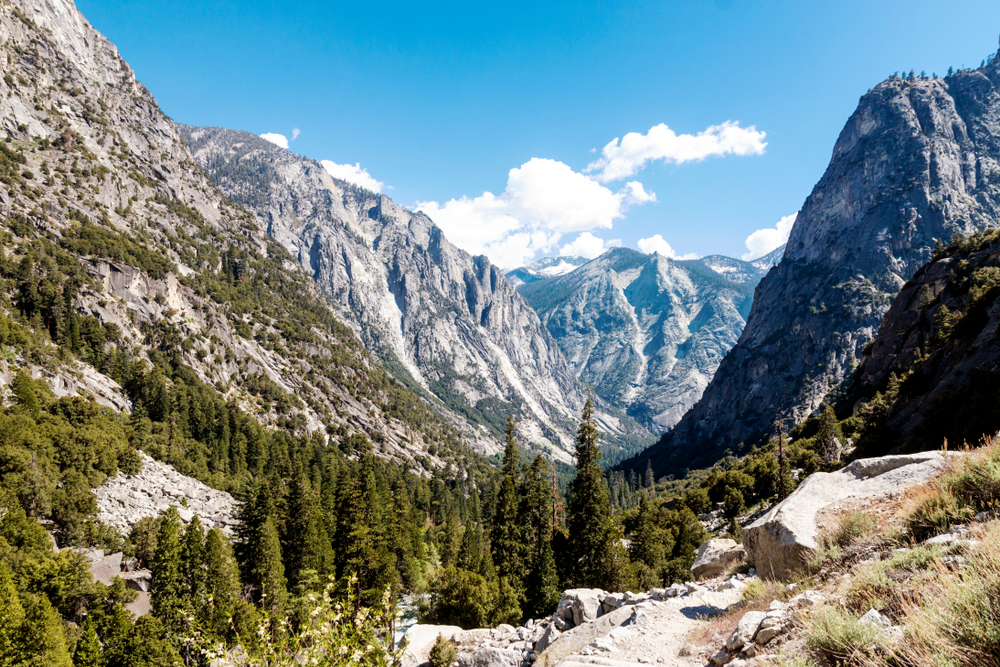
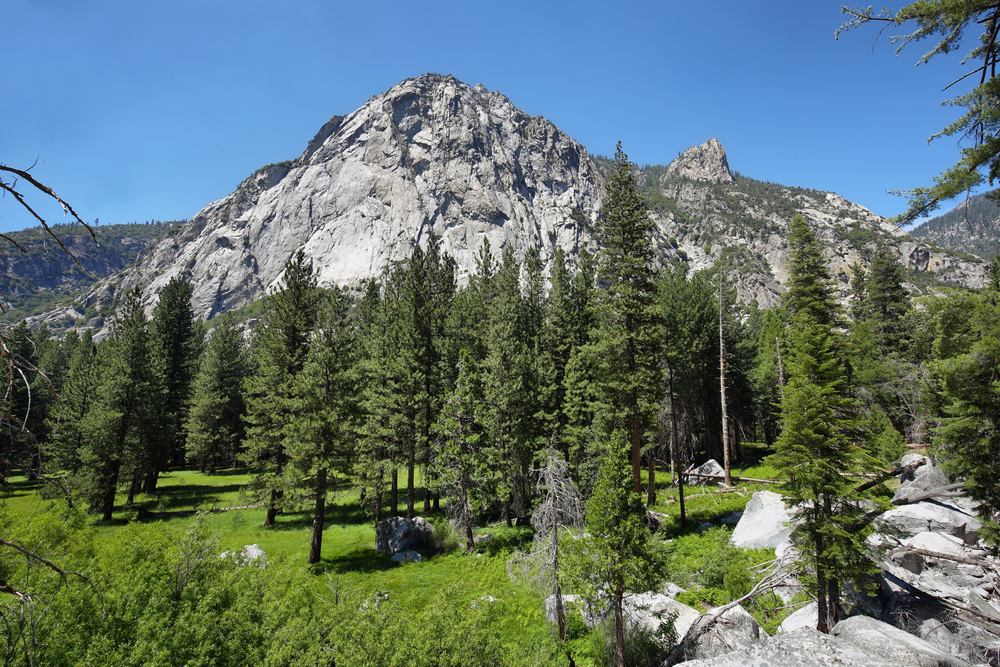
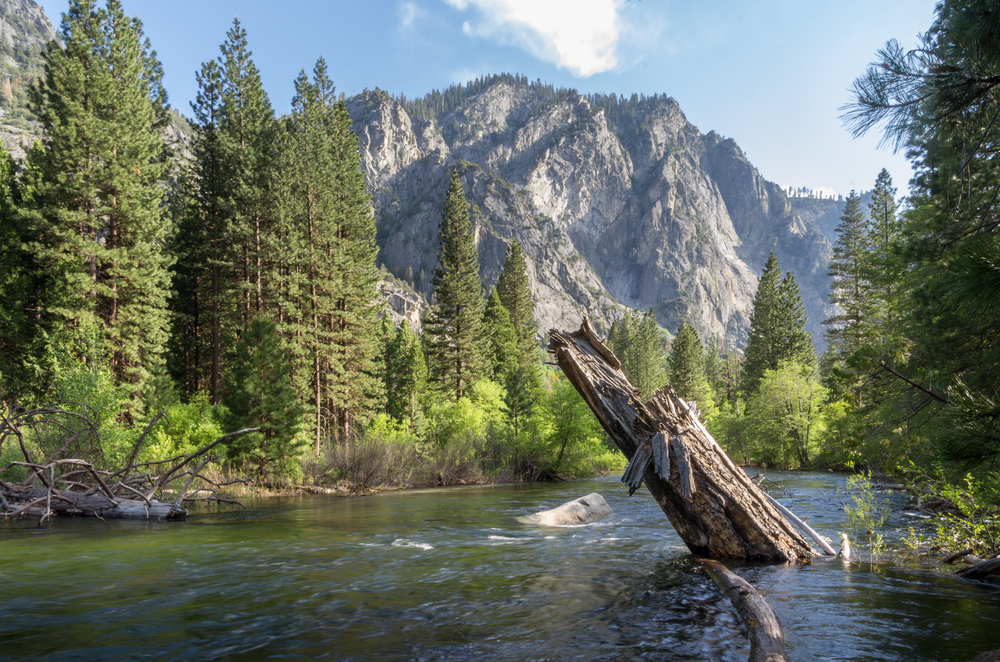
Together with neighboring Sequoia National Park, it preserves vast wilderness areas, giant sequoia groves, deep glacial canyons, alpine lakes, and towering granite peaks. The park is named after the dramatic Kings Canyon, a glacier-carved valley often compared to Yosemite Valley but larger and less crowded.
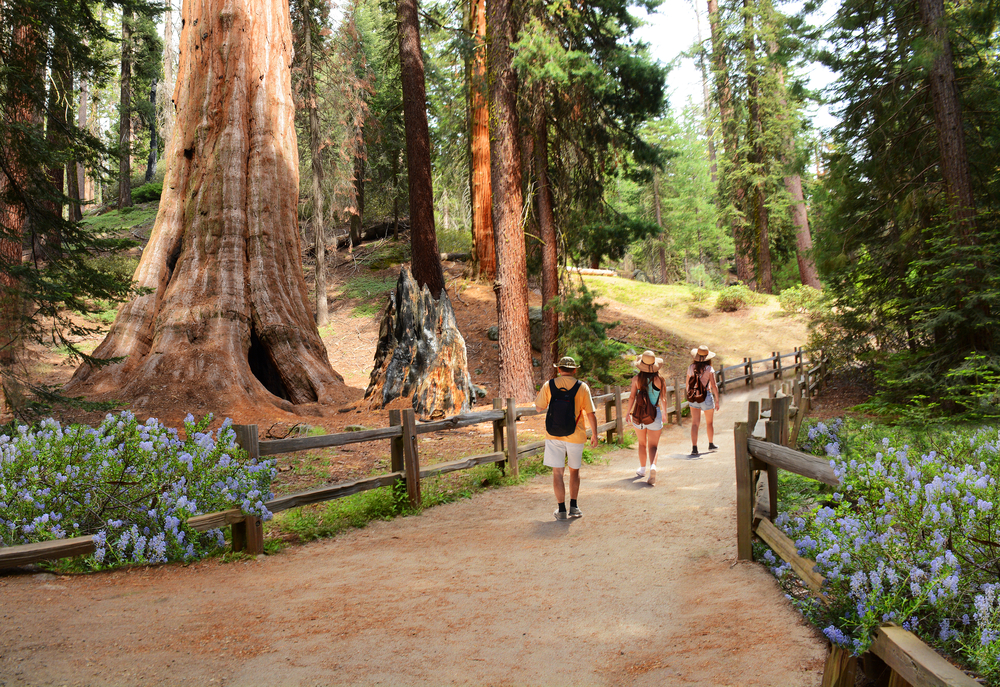
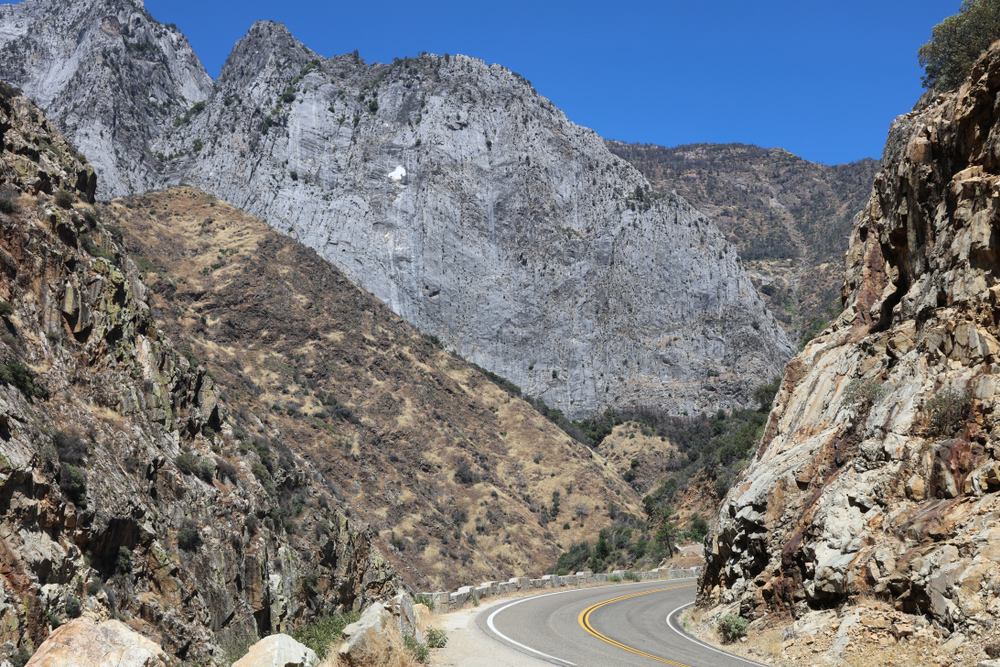
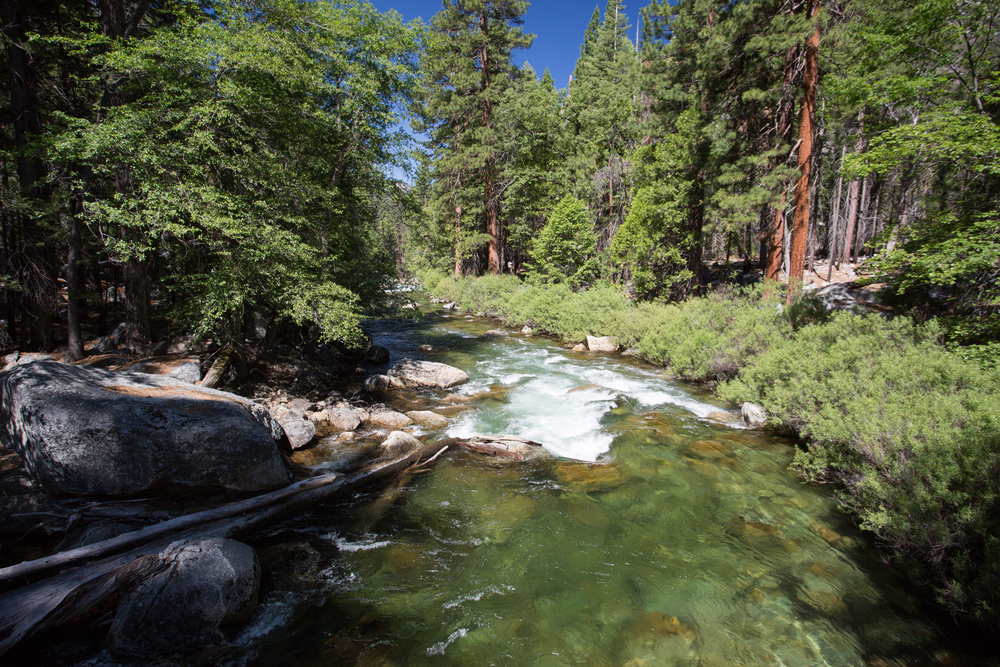
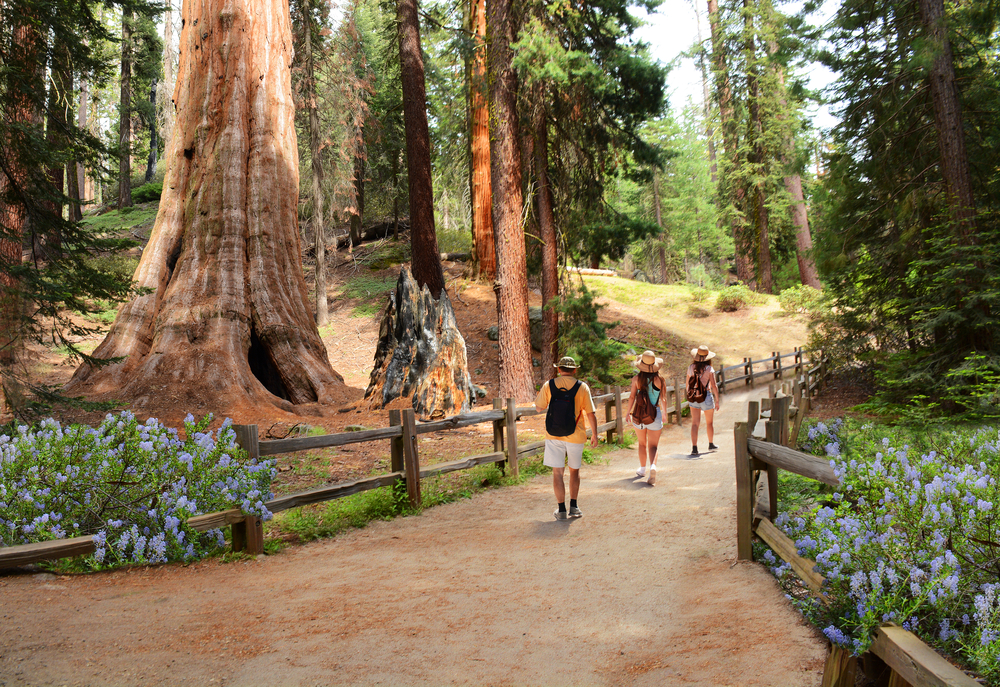
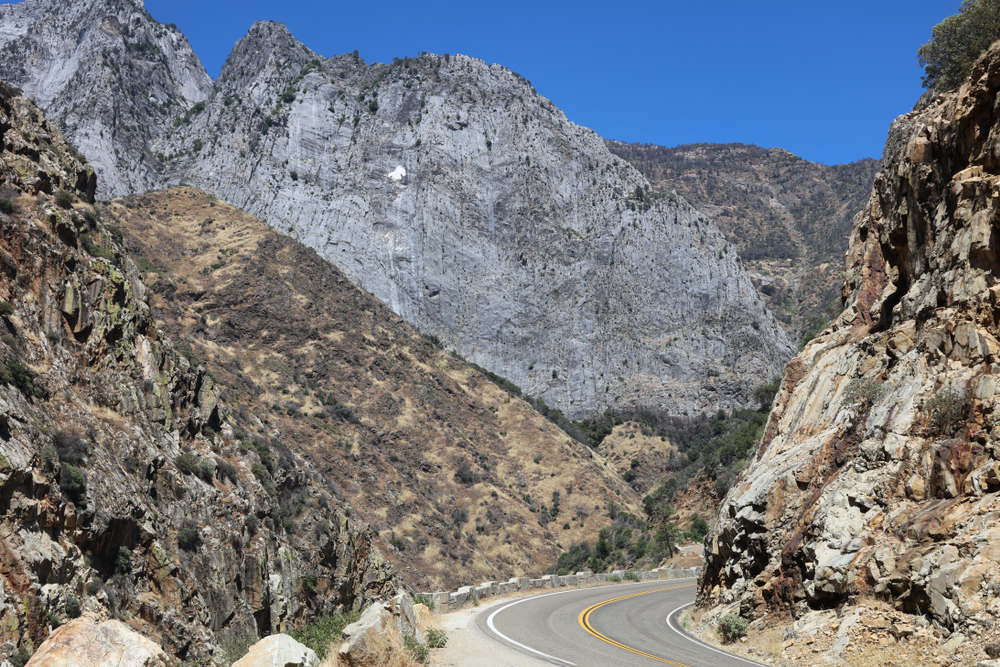
The park is best known for its breathtaking canyon scenery and giant sequoia forests. Visitors are drawn to the majestic Kings Canyon, where sheer granite walls rise thousands of feet above the Kings River. One of the park’s most famous attractions is the General Grant Tree, one of the largest trees on Earth and often called the “Nation’s Christmas Tree.”
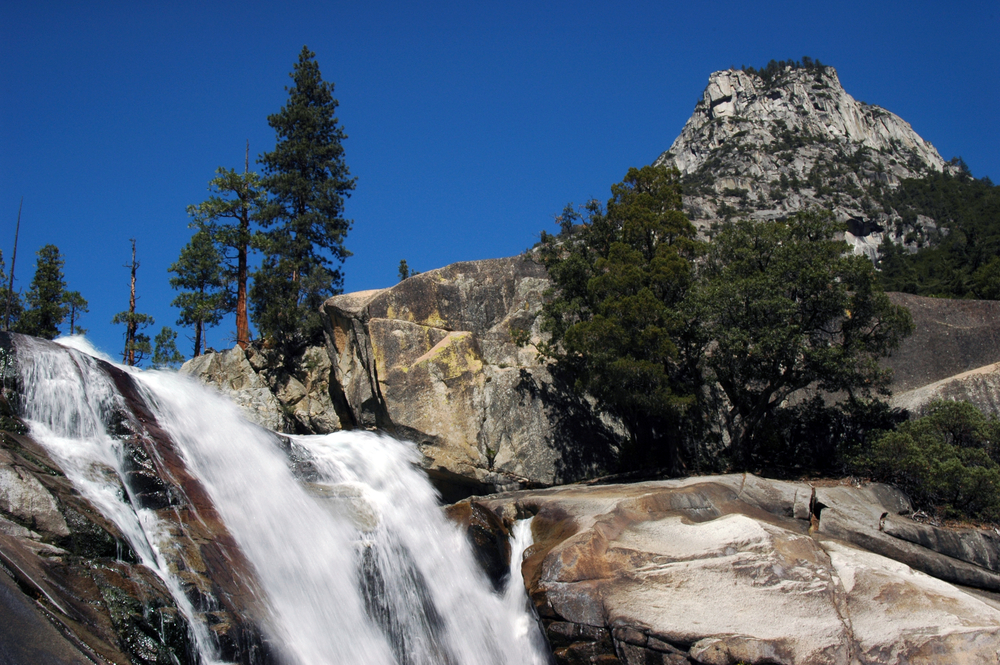
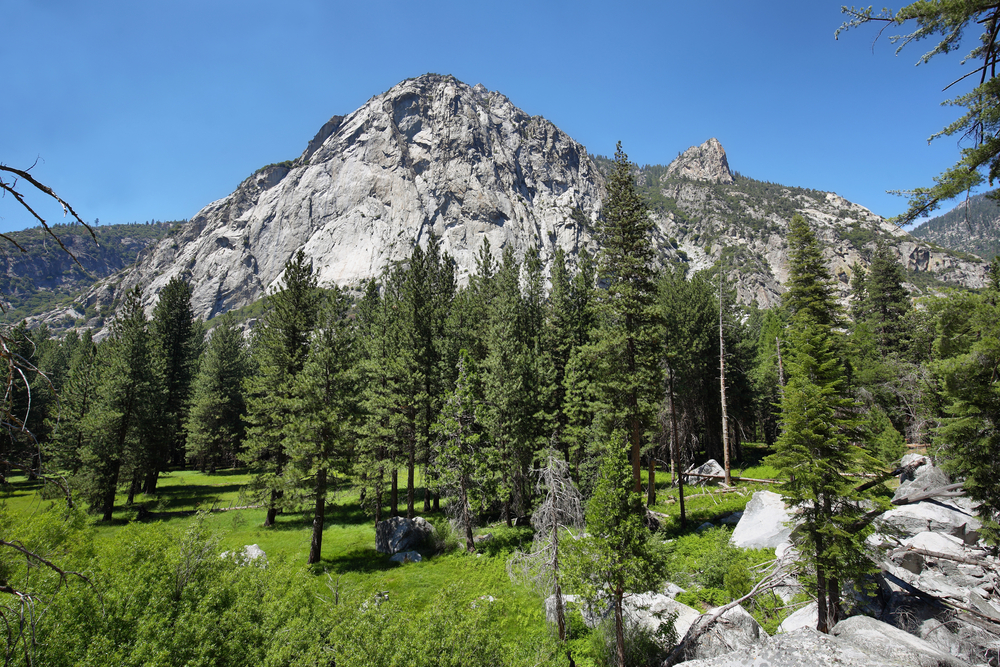
Other popular destinations include Zumwalt Meadow, Roaring River Falls, and the scenic Kings Canyon Scenic Byway. Hiking, backpacking, camping, fishing, photography, horseback riding, and wilderness exploration are among the park’s most popular activities.
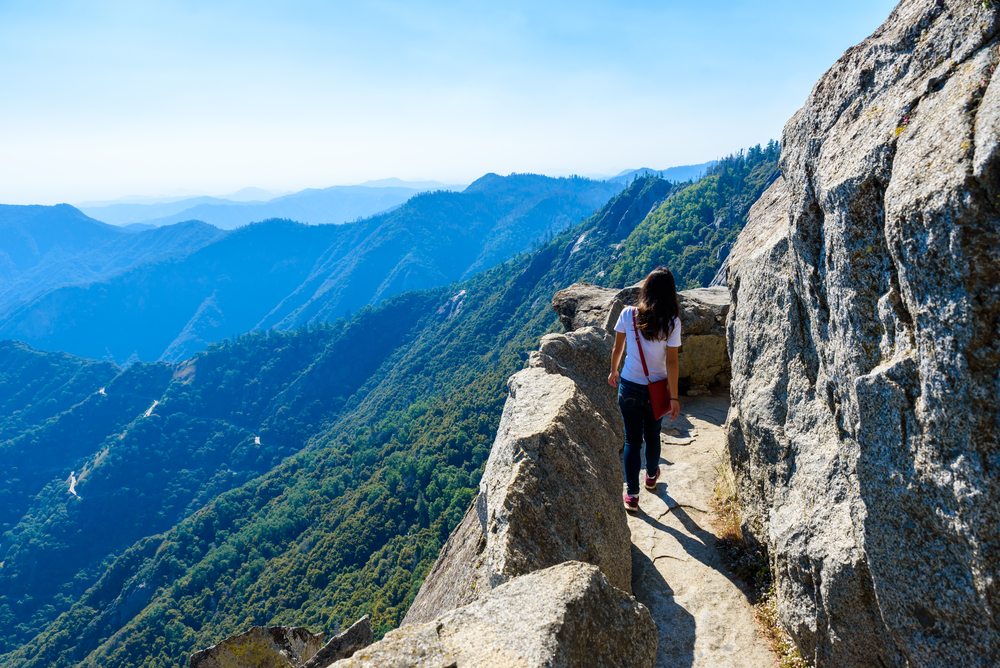
Geographically, Kings Canyon National Park encompasses an extraordinary range of elevations and landscapes. Elevations range from approximately 1,300 feet (400 m) in the canyon bottoms to more than 14,000 feet (4,300 m) atop Sierra Nevada peaks. The park contains deep glacial valleys, granite cliffs, alpine meadows, high mountain lakes, rivers, waterfalls, and extensive wilderness areas.
Much of the park lies within the Sierra Nevada crest, including portions of the renowned John Muir Wilderness. Dense forests of ponderosa pine, sugar pine, fir, and giant sequoias dominate lower elevations, while alpine tundra and rocky summits characterize the high country.
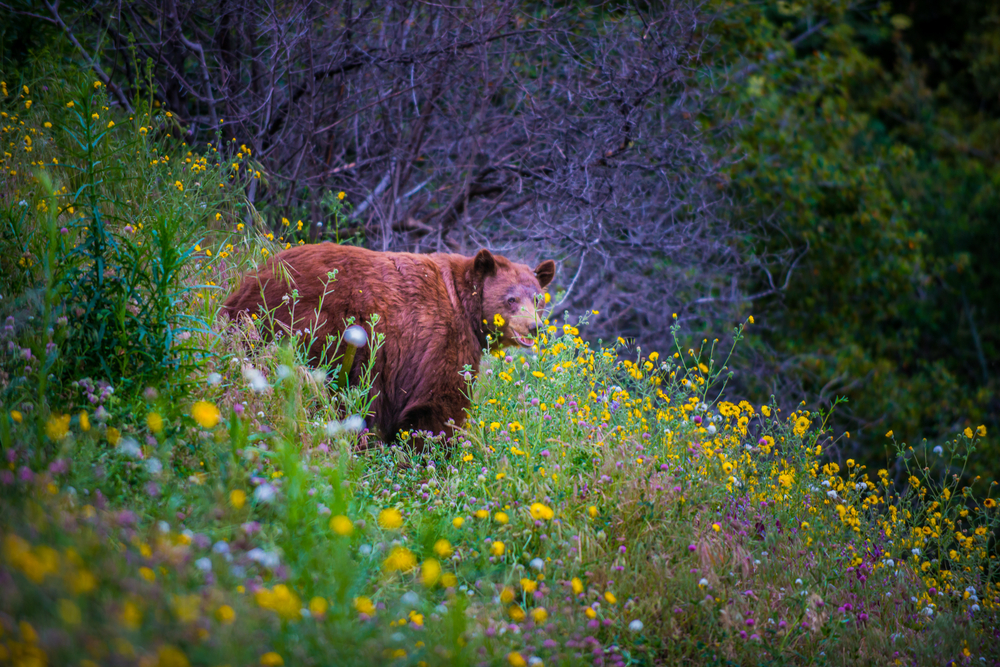
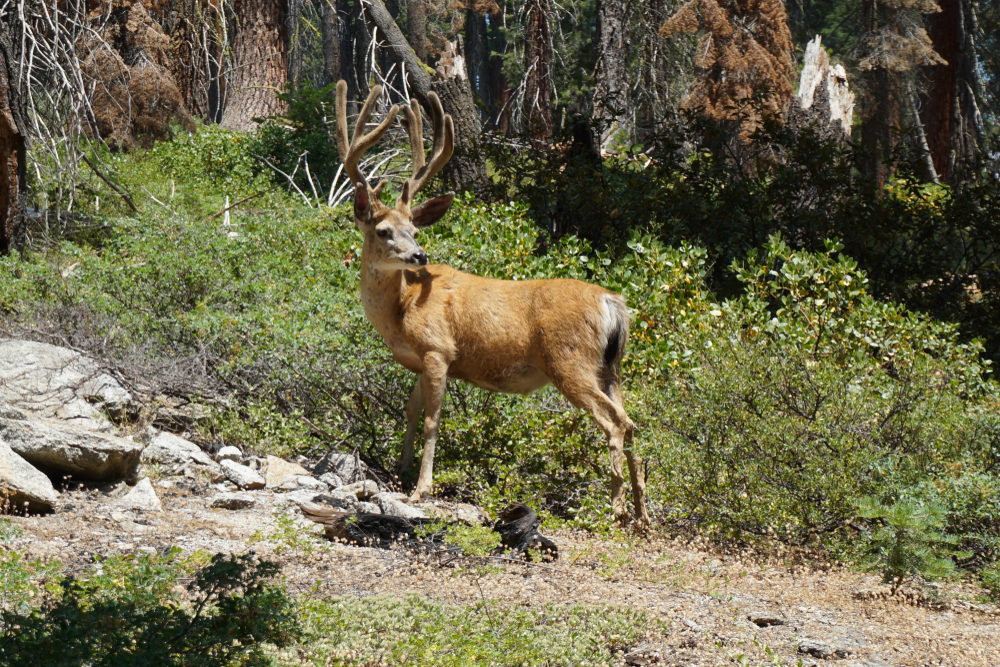
Wildlife within Kings Canyon National Park is diverse and representative of the Sierra Nevada ecosystem. Mammals include black bears, mule deer, mountain lions, bobcats, coyotes, gray foxes, marmots, and Sierra Nevada bighorn sheep. Birdlife is abundant, with peregrine falcons, golden eagles, Steller’s jays, mountain chickadees, owls, and numerous migratory songbirds inhabiting the park.
Rivers and lakes support trout populations, while the park’s forests and meadows provide habitat for a wide variety of reptiles, amphibians, insects, and native plants. Seasonal wildflower displays brighten alpine meadows during the short mountain summer.
Kings Canyon National Park plays a critical role in protecting one of North America’s most important mountain ecosystems. The park preserves giant sequoia groves, safeguards watersheds that supply water throughout California, and protects vast wilderness landscapes that support natural ecological processes.
Its conservation significance is often compared to Yosemite National Park and Sequoia National Park because of its dramatic granite scenery, ancient forests, and exceptional biodiversity. Through its giant trees, deep canyons, alpine wilderness, and breathtaking mountain landscapes, Kings Canyon National Park stands as one of America’s most magnificent protected areas and a crown jewel of the Sierra Nevada.
Photos





Things to See
 Grant Grove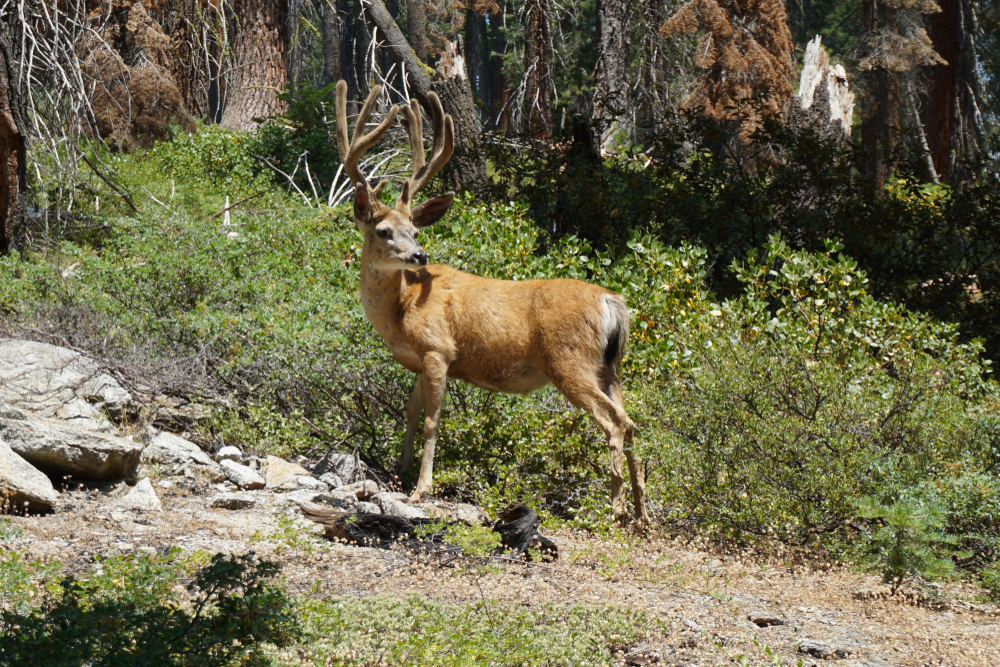
Things To Do
Engaging Kings Canyon
Kings Canyon National Park Trails
Kings Canyon has miles and miles of endless trails. Much of the park requires hiking through the backcountry and the adventure is worth the exploration if you truly want to understand the striking nature of the park.

Park Protection
 Kings Canyon National Park was created to protect the deep glacial valleys, rugged Sierra Nevada peaks, giant sequoia groves, and diverse mountain ecosystems of central California. The park provides habitat for several species of conservation concern, including the threatened Sierra Nevada bighorn sheep and the endangered Pacific fisher. Its forests, meadows, and alpine environments support black bears, mountain lions, mule deer, and a wide variety of bird species.
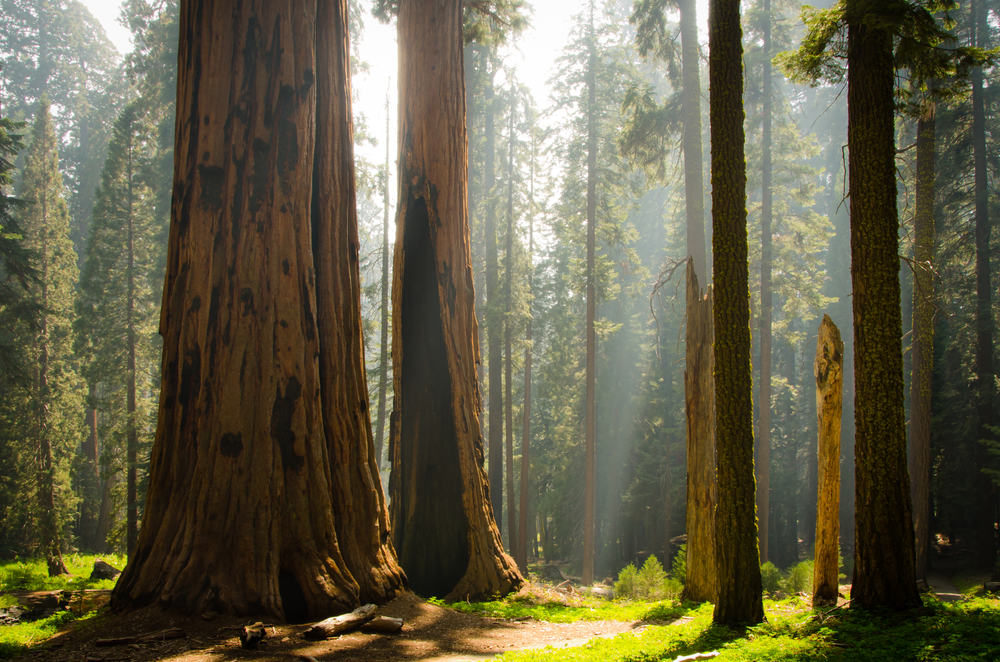
The park contains some of the world’s most impressive giant sequoia groves, including the famous General Grant Tree, one of the largest trees on Earth. It also protects one of the deepest river-carved canyons in North America. Together, Kings Canyon National Park safeguards ancient giant sequoias, high-mountain wilderness, critical wildlife habitat, and some of the most dramatic scenery in the Sierra Nevada.
FAQ’s
What is Kings Canyon National Park known for?
Kings Canyon National Park, located in California’s Sierra Nevada mountain range, is renowned for its dramatic landscapes, deep canyons, and towering sequoia trees.
The park is home to Kings Canyon, one of the deepest canyons in North America, as well as numerous waterfalls, including the impressive 1,200-foot-tall cascades of Grizzly Falls.
Visitors come to Kings Canyon to explore its rugged terrain, hike among ancient forests, and marvel at the towering giant sequoias in the park’s groves, such as the General Grant Grove and the famous General Sherman Tree, the largest tree on earth by volume.
Additionally, Kings Canyon offers opportunities for camping, backpacking, rock climbing, and wildlife viewing, making it a popular destination for outdoor enthusiasts and nature lovers alike.
What is the main reason people visit Kings Canyon National Park?
Kings Canyon National Park is primarily visited for its giant sequoia groves, deep glacial canyon, spectacular mountain scenery, wilderness hiking, and pristine alpine landscapes. Located in California’s Sierra Nevada Mountains adjacent to Sequoia National Park, the park protects some of the most dramatic terrain in the United States, including one of North America’s deepest canyons.
Visitors come to see giant sequoias, hike through rugged wilderness, explore alpine lakes and meadows, drive scenic mountain roads, and experience a less-crowded alternative to some of California’s more heavily visited national parks.
What animals can visitors hope to see in Kings Canyon National Park?
Kings Canyon National Park supports approximately 75 mammal species and more than 20 reptile species. The park’s diverse elevations, ranging from foothill woodlands to alpine peaks, provide habitat for an impressive variety of wildlife.
Some of the most notable animals found in Kings Canyon National Park include:
- American Black Bear
- Mule Deer
- Mountain Lion
- Bobcat
- Coyote
- Gray Fox
- Sierra Nevada Red Fox
- Ringtail
- American Beaver
- River Otter
- Raccoon
- Long-tailed Weasel
- Short-tailed Weasel
- Striped Skunk
- Porcupine
- Yellow-bellied Marmot
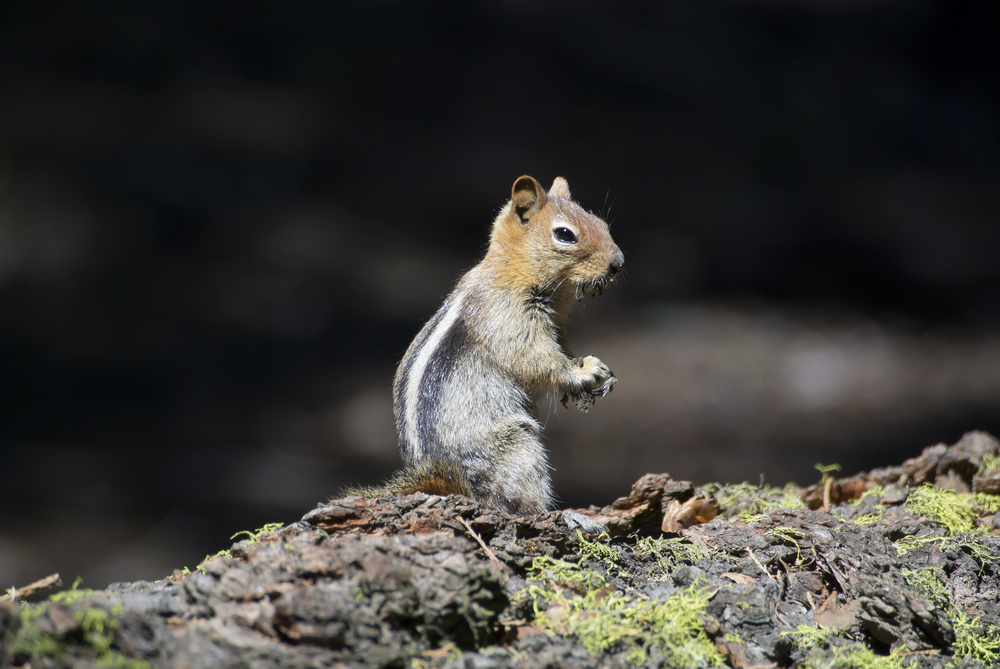
- Golden-mantled Ground Squirrel
- California Ground Squirrel
- Douglas Squirrel
- Lodgepole Chipmunk
- Long-eared Chipmunk
- Alpine Chipmunk
- Pika
- Snowshoe Hare
- Black-tailed Jackrabbit
- Deer Mouse
- Brush Mouse
- Pocket Gopher
- Meadow Vole
- Long-tailed Vole
- Water Shrew
- Vagrant Shrew
- Big Brown Bat
- Hoary Bat
- Silver-haired Bat
- Pallid Bat
- Little Brown Bat
- Long-eared Myotis
- Fringed Myotis
- California Myotis
- Yuma Myotis
- Long-legged Myotis
- Spotted Bat
- Western Mastiff Bat
- California Mule Deer
- Sierra Nevada Bighorn Sheep
- Wolverine (rare visitor)
- American Marten
- Fisher
- Various Small Mammals
What birds can visitors hope to see in Kings Canyon National Park?
Kings Canyon National Park is home to more than 260 bird species. The park’s forests, rivers, alpine habitats, and meadows support a rich diversity of resident and migratory birds.
Some of the most popular birds seen in Kings Canyon National Park include:
- Bald Eagle
- Golden Eagle
- Peregrine Falcon
- Prairie Falcon
- American Kestrel
- Northern Goshawk
- Cooper’s Hawk
- Sharp-shinned Hawk
- Osprey
- Great Horned Owl
- Northern Pygmy Owl
- Spotted Owl
- Mountain Quail
- Wild Turkey
- Common Raven
- Steller’s Jay
- Clark’s Nutcracker
- Gray Jay
- Mountain Chickadee
- Chestnut-backed Chickadee
- Red-breasted Nuthatch
- White-breasted Nuthatch
- Pygmy Nuthatch
- Brown Creeper
- American Dipper
- Winter Wren
- Mountain Bluebird
- Western Bluebird
- Hermit Thrush
- American Robin
- Varied Thrush
- Townsend’s Solitaire
- Pine Grosbeak
- Evening Grosbeak
- Pine Siskin
- Red Crossbill
- White-winged Crossbill
- Dark-eyed Junco
- White-crowned Sparrow
- Fox Sparrow
- Green-tailed Towhee
- Yellow Warbler
- MacGillivray’s Warbler
- Wilson’s Warbler
- Western Tanager
- Black-headed Grosbeak
- Red-winged Blackbird
- Hairy Woodpecker
- Northern Flicker
- Pileated Woodpecker
Is Kings Canyon National Park worth visiting?
Yes, Kings Canyon National Park is absolutely worth visiting and is often considered one of California’s most underrated national parks.
The park offers towering granite peaks, giant sequoia groves, spectacular waterfalls, pristine rivers, and extensive wilderness. Visitors can experience scenery comparable to Yosemite in some areas while often encountering far fewer crowds. The combination of giant trees, deep canyons, alpine lakes, and rugged backcountry makes Kings Canyon one of the most rewarding destinations in the Sierra Nevada.
The primary hesitation is that some areas require long drives through mountainous terrain, and portions of the park may close seasonally due to snow.
What is the best time to visit Kings Canyon National Park?
The best time to visit Kings Canyon National Park is from June through October.
Typical conditions include:
- June: 40–75°F (4–24°C)
- July: 45–85°F (7–29°C)
- August: 45–85°F (7–29°C)
- September: 40–80°F (4–27°C)
- October: 30–70°F (-1–21°C)
During this period:
- Most roads are open.
- High-elevation trails become accessible.
- Waterfalls often remain active.
- Wildlife viewing is excellent.
- Backcountry conditions are favorable.
July through September generally provide the most reliable access to the entire park.
How many days do you need to visit Kings Canyon National Park?
Most visitors should plan for 2 to 4 days.
- 1 day: Grant Grove and scenic viewpoints.
- 2 days: Kings Canyon Scenic Byway and major hikes.
- 3–4 days: Sequoia groves, waterfalls, alpine trails, and wilderness areas.
- 5+ days: Extensive backpacking and backcountry exploration.
Many visitors combine Kings Canyon with nearby Sequoia National Park during a single trip.
How do you get to Kings Canyon National Park?
Kings Canyon National Park is located in California’s southern Sierra Nevada Mountains, approximately midway between Los Angeles and San Francisco.
The closest major airports are:
- Fresno Yosemite International Airport – approximately 1.5 to 2 hours from the park.
- San Francisco International Airport – approximately 4.5 to 5 hours away.
- Los Angeles International Airport – approximately 4.5 to 5 hours away.
Most visitors follow this route:
- Fly into Fresno Yosemite International Airport.
- Drive east through the San Joaquin Valley.
- Enter the park via California Highway 180.
There are two primary visitor areas:
Grant Grove Area
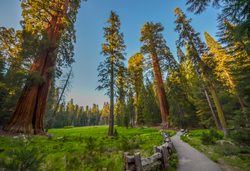
Located near the park entrance, Grant Grove contains some of the park’s most famous giant sequoias, including:
- General Grant Tree
- Grant Grove Village
- Visitor facilities
- Scenic forest trails
This area is accessible year-round, weather permitting.
Cedar Grove Area
Located deeper within the canyon, Cedar Grove is accessed via the spectacular Kings Canyon Scenic Byway.
This drive is often considered one of the most scenic roads in the National Park System and passes:
- Granite cliffs
- Waterfalls
- Glacial valleys
- Rivers
- Mountain viewpoints
The drive from Grant Grove to Cedar Grove is approximately 35 miles (56 km) but typically takes 1 to 1.5 hours because of winding mountain roads and frequent photo stops.
Travel times from major locations:
- Fresno to Grant Grove: approximately 1.5–2 hours.
- Fresno to Cedar Grove: approximately 3 hours.
- San Francisco to Kings Canyon: approximately 5 hours.
- Los Angeles to Kings Canyon: approximately 5 hours.
Visitors should note that Cedar Grove typically closes during winter because of snow, while Grant Grove remains the primary year-round destination.
Who is involved in protecting and supporting Kings Canyon National Park?
Several organizations help protect and support Kings Canyon National Park:
- National Park Service – manages Kings Canyon National Park.
- Sequoia Parks Conservancy – supports education, conservation, and visitor programs.
- National Park Foundation – supports projects throughout the National Park System.
- Sierra Nevada Conservancy – supports regional conservation initiatives.
- Indigenous peoples including the Mono People and Yokuts People, who maintain longstanding cultural connections to the region.
What is the General Grant Tree?
General Grant Tree is one of the largest giant sequoias on Earth and is designated as the Nation’s Christmas Tree. It is among the park’s most visited attractions.
Is Kings Canyon deeper than the Grand Canyon?
Parts of Kings Canyon are often cited as being deeper than the Grand Canyon when measured from rim to river. The canyon reaches depths exceeding 8,000 feet (2,438 meters) in some locations, making it one of North America’s deepest river-carved canyons.
Can you see giant sequoias in Kings Canyon National Park?
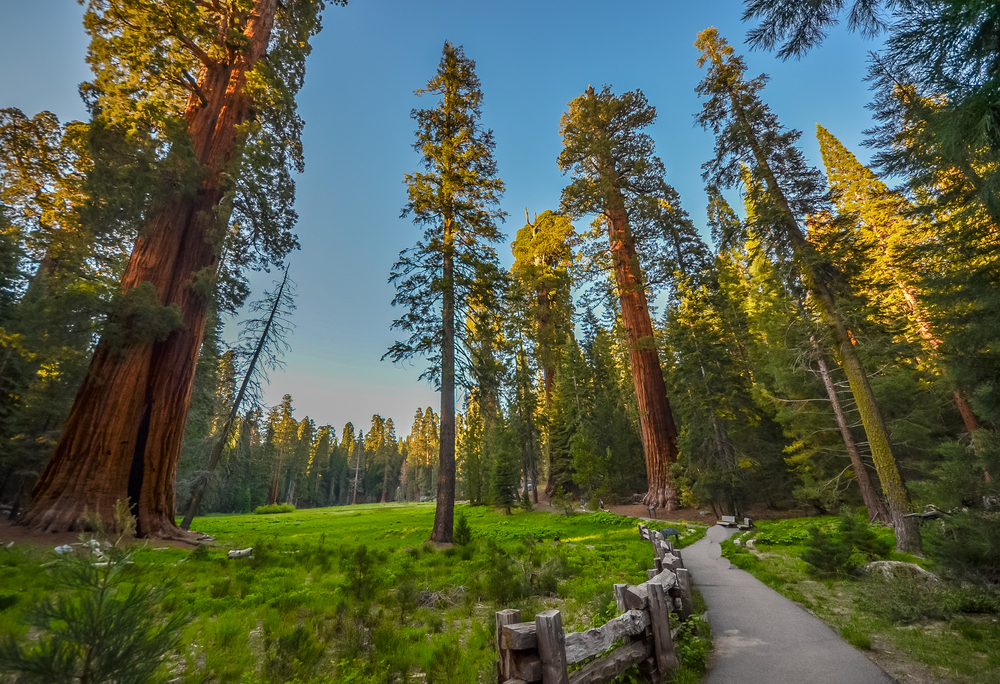
Yes. The park contains several magnificent giant sequoia groves, including Grant Grove, where visitors can see some of the largest trees in the world.
Sources
- All Trails, Best trails in Kings Canyon National Park, https://www.alltrails.com/parks/us/california/kings-canyon-national-park, retrieved June 2020.
- American Southwest, Kings Canyon National Park, https://www.americansouthwest.net/california/kings_canyon/national_park.html, retrieved June 2020.
- Britannica, Kings Canyon National Park, https://www.britannica.com/place/Kings-Canyon-National-Park, retrieved June 2020.
- California Dream Big, Spotlight: Sequoia & Kings Canyon National Parks, https://www.visitcalifornia.com/destination/spotlight-sequoia-kings-canyon-national-parks, retrieved June 2020.
- National Geographic, Complete National Parks of the United States, National Geographic Publishing, Washington DC.
- National Geographic, Guide to the National Parks of the United States, National Geographic Society, 2003.
- National Geographic, National Parks of North America, Canada-United States-Mexico, National Geographic Society, 1995.
- National Park Service, Sequoia & Kings Canyon, https://www.nps.gov/seki/index.htm, retrieved June 2020.
- Recreation, Sequoia & Kings Canyon National Parks, https://www.recreation.gov/camping/gateways/2931, retrieved June 2020.
- Sequoia & Kings Canyon, Kings Canyon National Park, https://www.visitsequoia.com/explore/kings-canyon-national-park, retrieved June 2020.
- State Parks, Kings Canyon National Park, https://www.stateparks.com/kings_canyon_national_park_in_california.html, retrieved June 2020.