

About
Redwood National Park is located along the northern coast of California in the United States and covers approximately 217 square miles (562 sq km). Established in 1968 and expanded in 1978, the park protects some of the tallest trees on Earth and one of the most remarkable temperate rainforest ecosystems in the world.
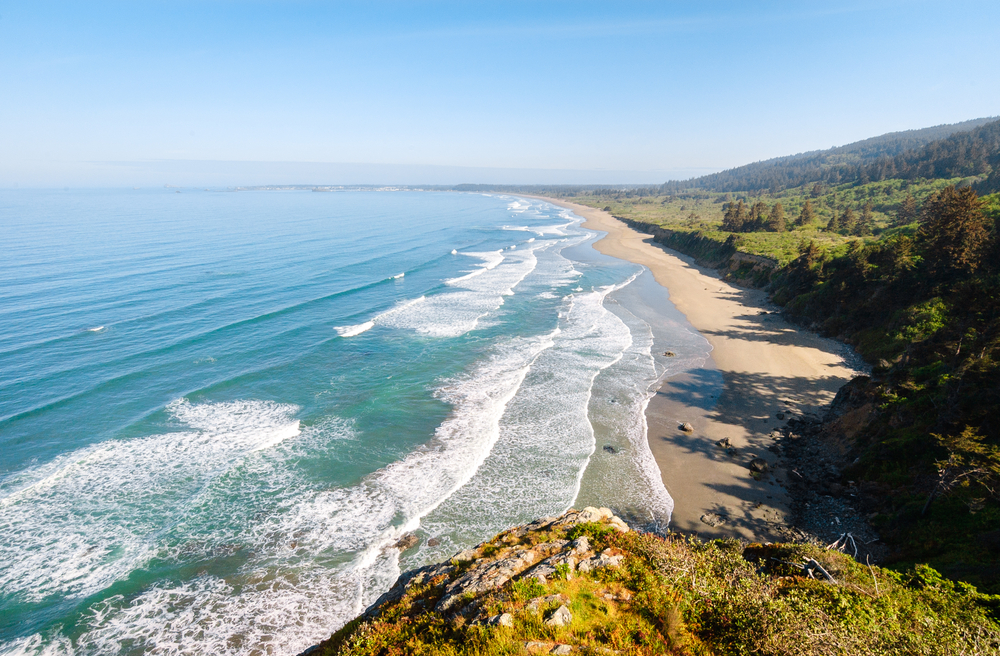
The park lies along the Pacific Ocean between Crescent City and Eureka. It is managed in partnership with several adjoining California state parks, creating a vast protected landscape. Together, these protected areas preserve nearly half of the world’s remaining old-growth coastal redwood forests. In 1980, Redwood National Park was designated a UNESCO World Heritage Site and later became part of an International Biosphere Reserve due to its global ecological significance.
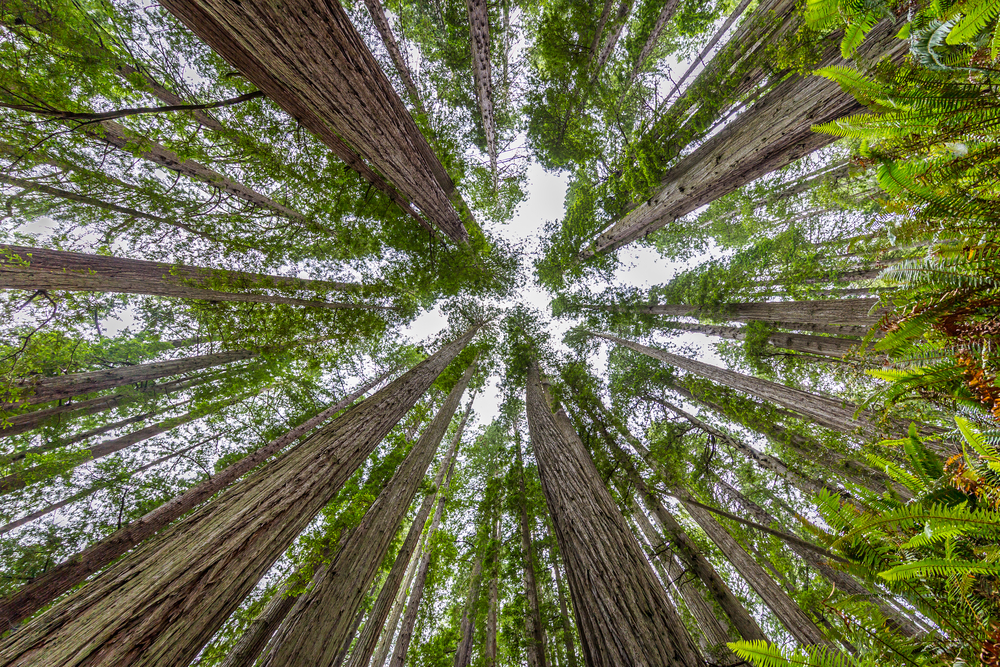
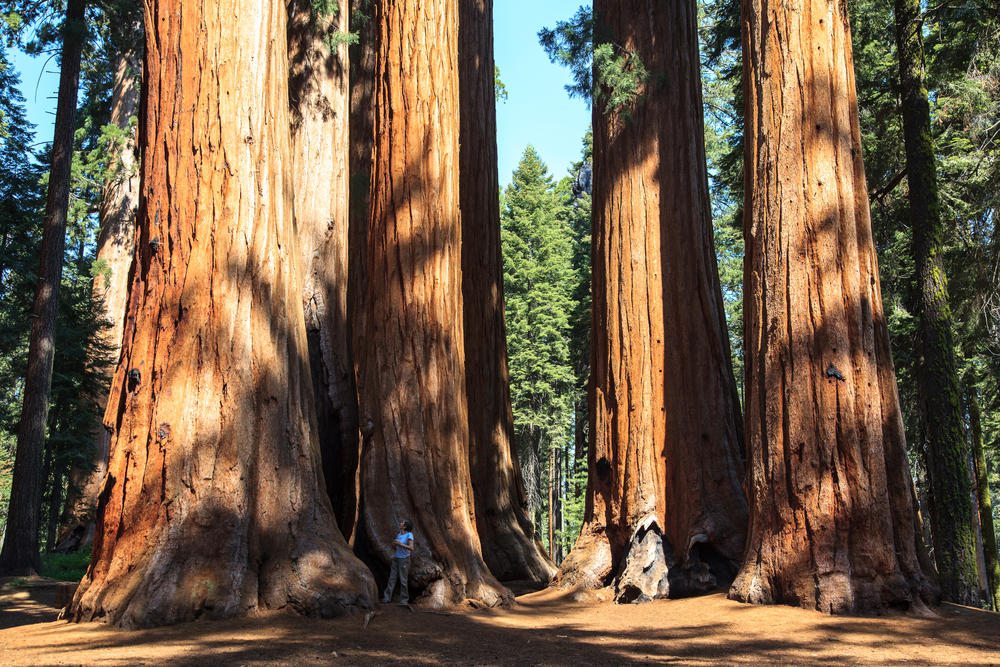
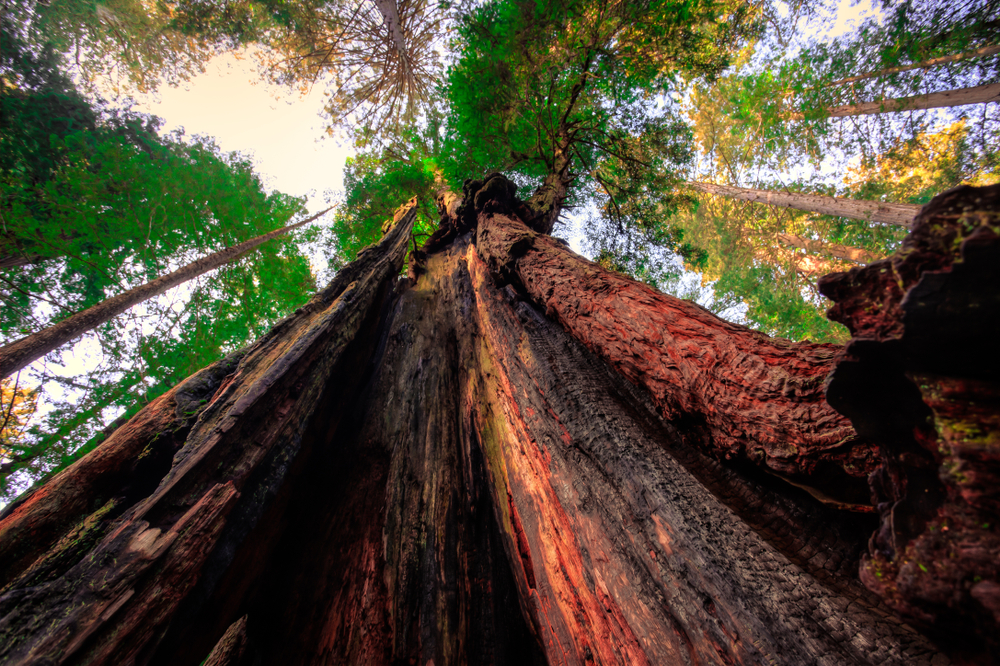
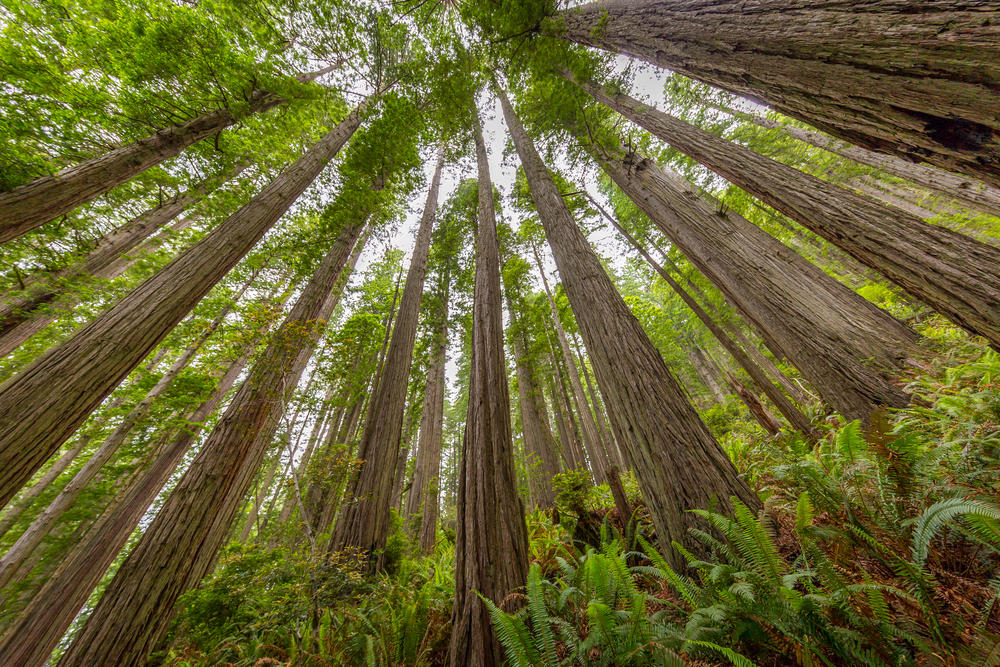
Redwood National Park is best known for its towering coast redwoods, the tallest living trees on Earth. Some of these giants exceed 370 feet (113 meters) in height and can live for more than 2,000 years. Visitors come from around the world to walk among these ancient forests and experience a sense of scale found nowhere else.
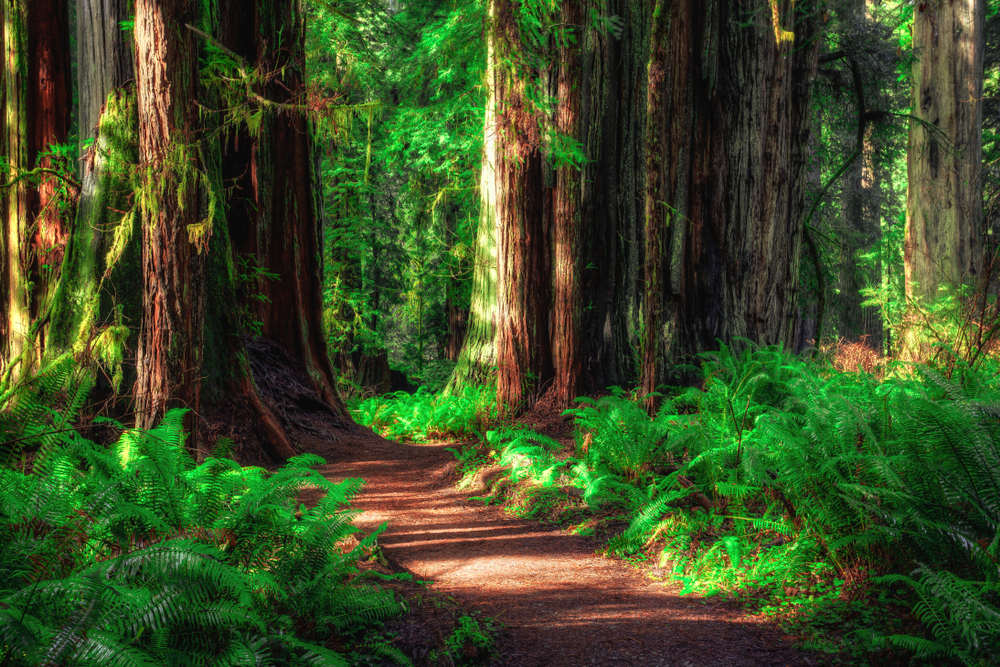
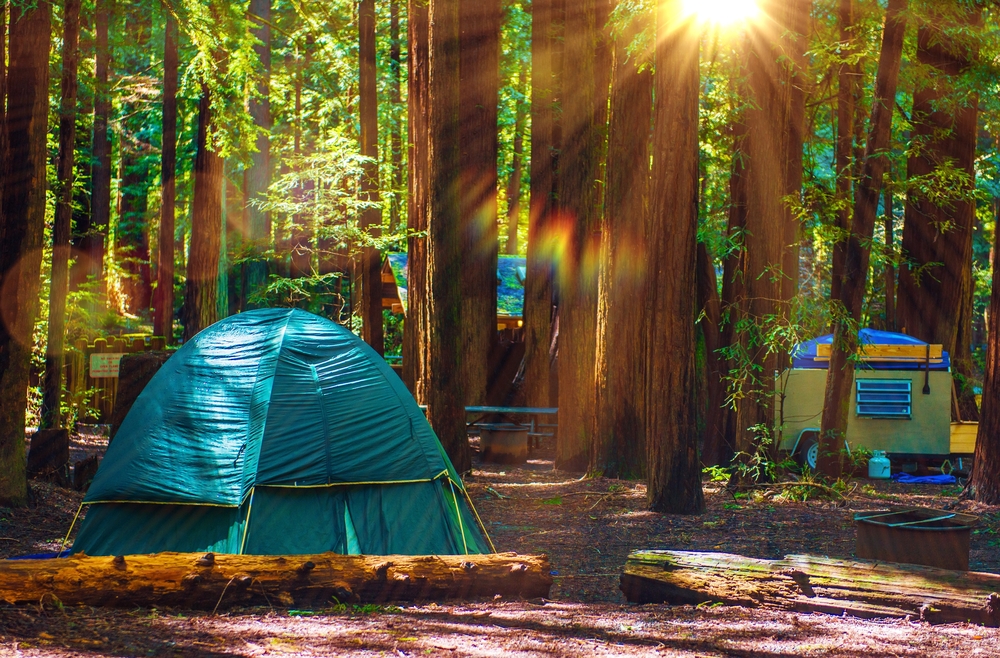
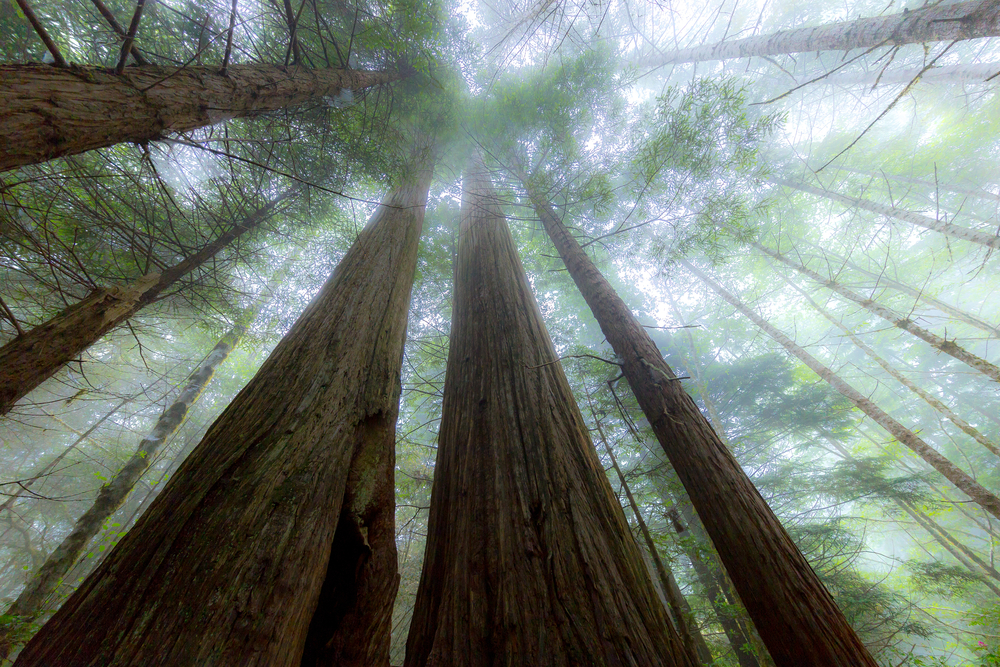
Popular activities include hiking, scenic drives, wildlife viewing, camping, photography, and exploring quiet coastal landscapes. Trails wind through groves where massive trunks rise into a canopy often hidden by fog. The park’s combination of ancient forests, wild rivers, and rugged coastline creates one of the most inspiring visitor experiences in North America.
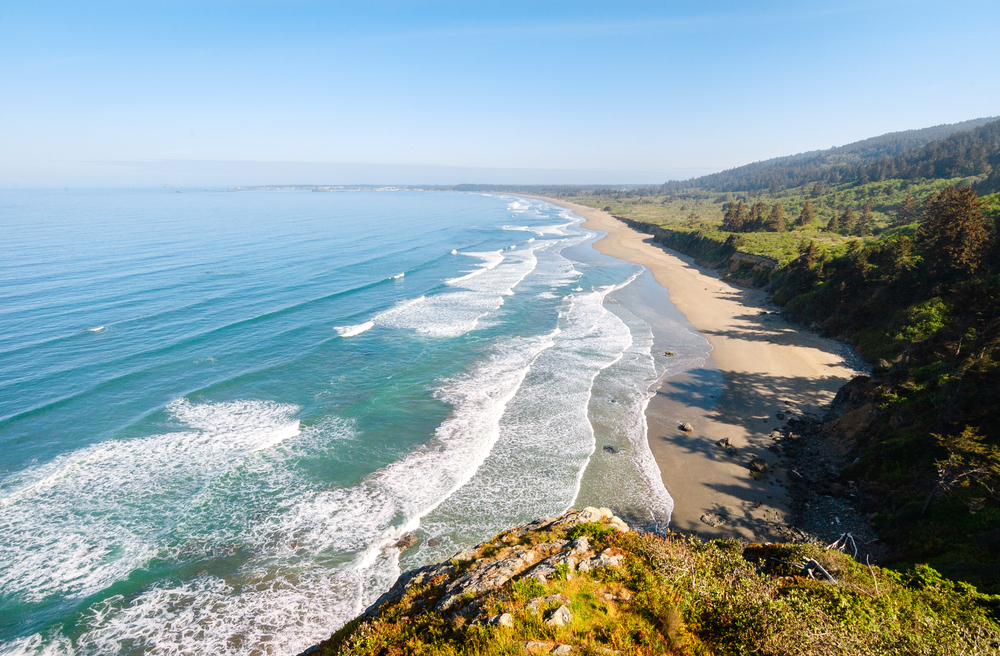
The geography of Redwood National Park is remarkably diverse. While the redwood forests are its most famous feature, the park also contains prairie grasslands, oak woodlands, rivers, wetlands, and approximately forty miles of undeveloped Pacific coastline. Frequent coastal fog plays a critical role in sustaining the redwood ecosystem by providing moisture during the dry summer months.
Elevations range from sea level to forested ridges overlooking the ocean. Major waterways such as the Klamath and Redwood Creek watersheds flow through the park, supporting healthy aquatic ecosystems. Ferns, mosses, lichens, and dense understory vegetation thrive beneath the towering trees, creating an environment that feels both ancient and vibrant.
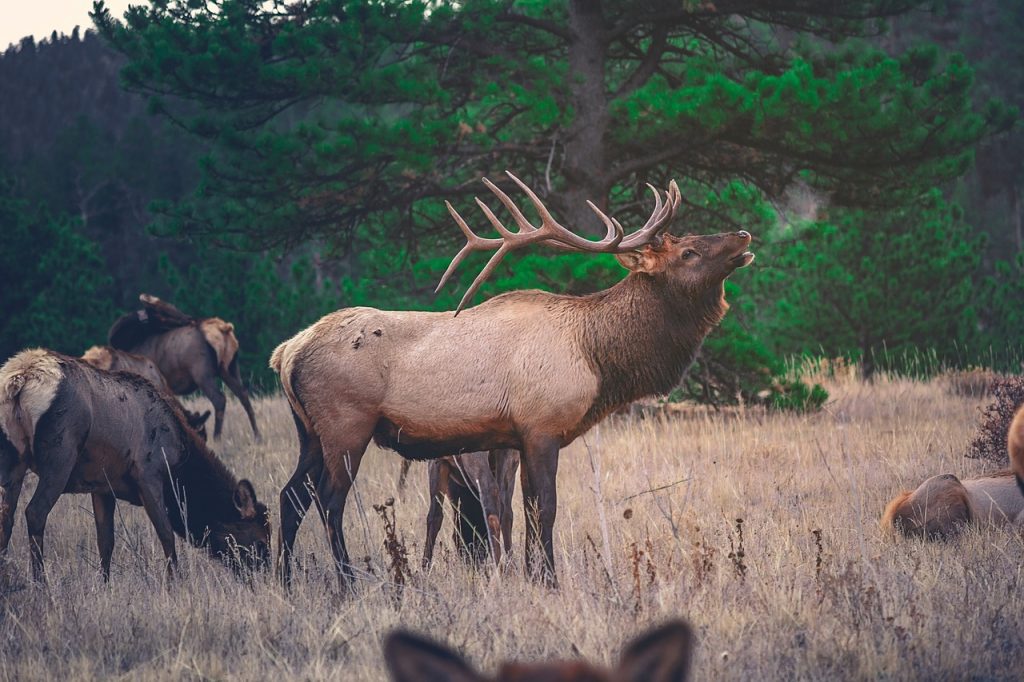
Wildlife within Redwood National Park is abundant and diverse. Roosevelt elk are among the park’s most iconic animals and are frequently seen grazing in meadows and forest edges. Other mammals include black bears, mountain lions, bobcats, coyotes, river otters, and Roosevelt deer.
Birdlife is equally impressive, with species such as bald eagles, northern spotted owls, marbled murrelets, ospreys, and varied thrushes inhabiting the forests and coast. Streams support salmon and steelhead trout, while offshore waters host seals, sea lions, and migrating gray whales. The park’s varied habitats provide refuge for an extraordinary range of species throughout the year.
Redwood National Park plays a critical role in protecting one of the rarest forest ecosystems on Earth. Old-growth coastal redwoods once covered millions of acres along the Pacific Coast, but only a small fraction remains today. The park safeguards these ancient forests while protecting endangered species such as the marbled murrelet and northern spotted owl. Conservation efforts focus on restoring damaged forests, preserving watersheds, and maintaining habitat connectivity.
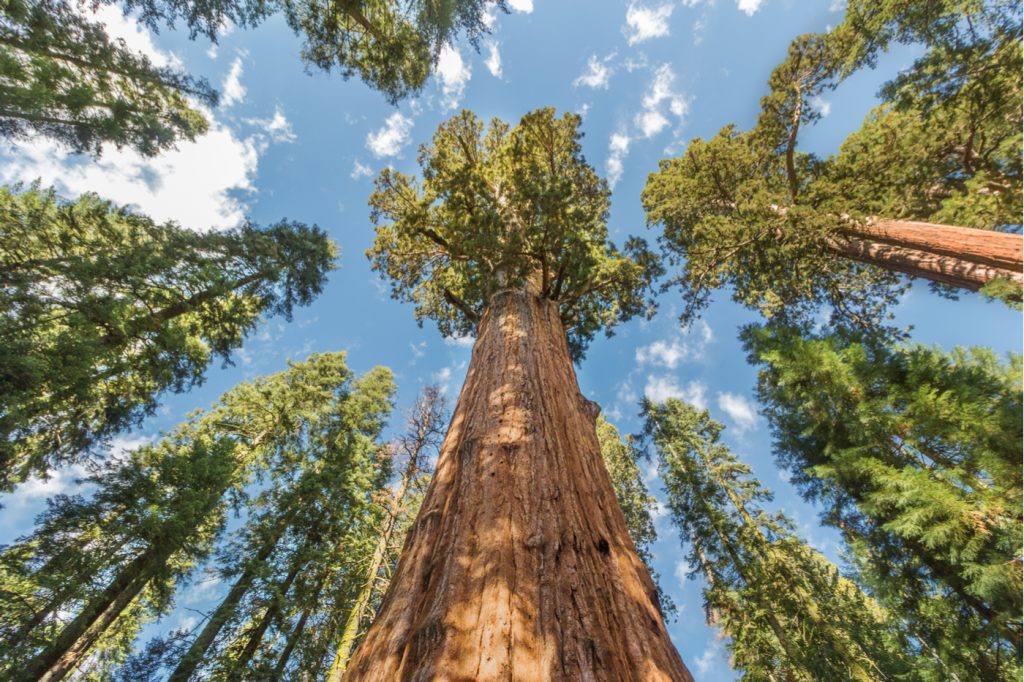
Redwood National Park is often compared to Sequoia National Park because both protect giant trees of extraordinary size and age. However, redwoods are taller, thrive in a coastal environment, and create a rainforest ecosystem unlike any other in North America. Today, Redwood National Park stands as one of the world’s greatest conservation success stories, preserving a living forest of giants that continues to inspire awe and wonder.
Photos
Things to See
Things To Do
Engaging Redwood National Park
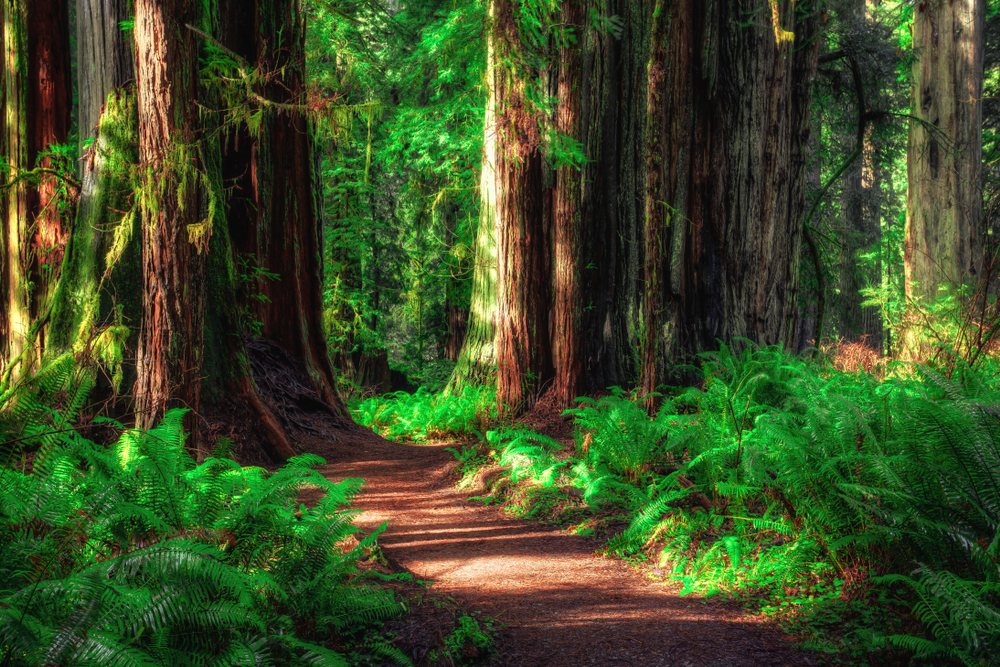
Redwood National Park Trails
There are almost 200 miles (320 km) of hiking trails across the four protected areas that make up the Redwood National and State Parks system. Hiking is one of the best ways to discover and explore the majestic nature of these gorgeous giant trees.

FAQ’s
How do the Redwoods compare to the Squoias?
The Redwoods and the Sequoias are both iconic species of trees found in California, but they differ in several key aspects:
- Size: Sequoias (Sequoiadendron giganteum) are known for their massive size and are considered the largest trees in the world by volume. They can reach heights of over 300 feet (91 meters) and have trunks that can exceed 30 feet (9 meters) in diameter. In contrast, Redwoods (Sequoia sempervirens) are the tallest trees in the world and can reach heights of over 350 feet (107 meters), but they have slightly smaller trunks compared to Sequoias.
- Habitat: Sequoias are primarily found in the Sierra Nevada Mountains of California, particularly in the western slope at elevations between 5,000 and 7,000 feet (1,500 to 2,100 meters). Redwoods, on the other hand, are typically found in coastal regions of Northern California and southern Oregon, where they thrive in the cool, moist climate along the Pacific coast.
- Bark: The bark of Sequoias is thick, fibrous, and deeply furrowed, providing protection against fire and insect damage. In contrast, the bark of Redwoods is thinner and fibrous, but it tends to be more fibrous and has a reddish-brown coloration, giving the trees their name.
- Cone Size: The cones of Sequoias are relatively small, typically measuring about 2 to 3 inches (5 to 7.5 centimeters) in length. In comparison, the cones of Redwoods are slightly larger, ranging from 0.75 to 1.5 inches (2 to 4 centimeters) in length.
- Age: Both Sequoias and Redwoods are known for their longevity, with some individuals living for thousands of years. However, Sequoias are generally considered to be older, with some specimens estimated to be over 3,000 years old, while Redwoods typically live for around 600 to 800 years.
Overall, while both the Redwoods and the Sequoias are awe-inspiring trees that attract visitors from around the world, they differ in their size, habitat, bark characteristics, cone size, and age. Each species has its own unique beauty and significance, contributing to the rich natural heritage of California’s forests.
Sources
- All Trails, Best Trails in Redwood National Park, https://www.alltrails.com/parks/us/california/redwood-national-park, retrieved June 2020.
- Britannica, Redwood National Park, https://www.britannica.com/place/Redwood-National-Park, retrieved June 2020.
- National Geographic, Everything to know about Redwood National and State Parks, https://www.nationalgeographic.com/travel/national-parks/redwood-national-park/, retrieved June 2020.
- National Geographic, Complete National Parks of the United States, National Geographic Publishing, Washington DC.
- National Geographic, Guide to the National Parks of the United States, National Geographic Society, 2003.
- National Geographic, National Parks of North America, Canada-United States-Mexico, National Geographic Society, 1995.
- National Park Service, Redwood National Park, https://www.nps.gov/redw/index.htm, retrieved June 2020.
- Redwood Hikes, Redwood National Park, http://www.redwoodhikes.com/RNP/RNP.html, retrieved June 2020.
- UNESCO, Redwood National and State Parks, https://whc.unesco.org/en/list/134/, retrieved June 2020.
- Visit California, Redwood National Park, https://www.visitcalifornia.com/attraction/redwood-national-park, retrieved June 2020.
- Visit Redwoods, Redwood National and State Parks, https://www.visitredwoods.com/explore-the-redwoods/redwood-national-park/, retrieved June 2020.