About

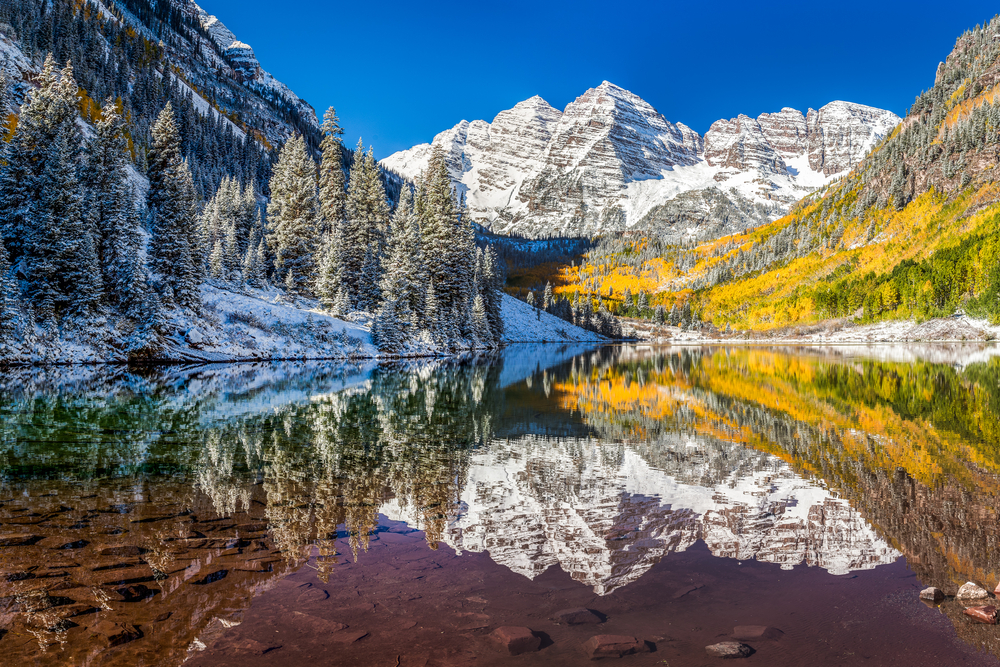
Rocky Mountain National Park is located in north-central Colorado in the United States and covers approximately 415 square miles (1,075 sq km). Established in 1915, the park protects one of the most spectacular sections of the Southern Rocky Mountains.

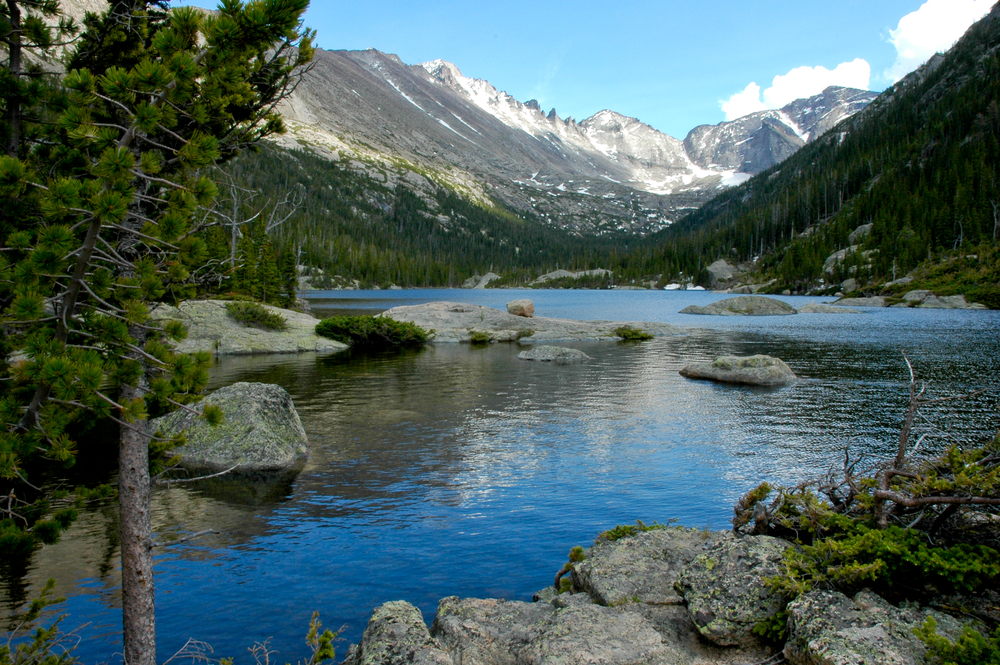
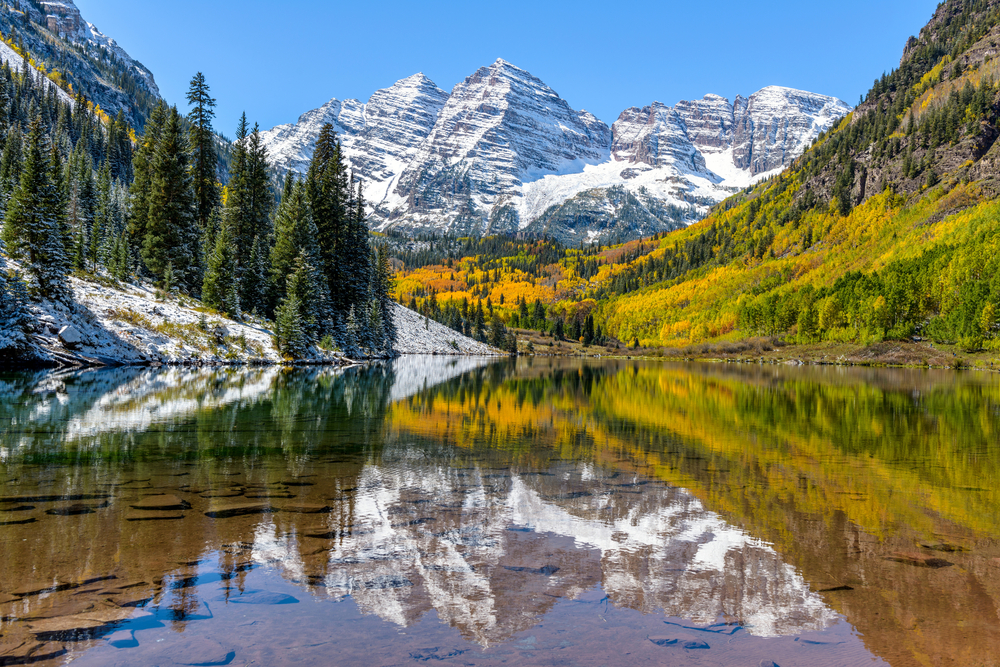
It lies northwest of Denver and borders the Arapaho National Forest and Roosevelt National Forest. The park encompasses soaring mountain peaks, alpine tundra, glacial valleys, forests, lakes, and rivers. With more than sixty peaks rising above 12,000 feet (3,658 meters), Rocky Mountain National Park offers visitors an unforgettable experience in one of North America’s most celebrated mountain landscapes.

Rocky Mountain National Park is best known for its dramatic alpine scenery and exceptional outdoor recreation opportunities. Visitors travel from around the world to experience breathtaking mountain vistas, crystal-clear lakes, and abundant wildlife. One of the park’s most famous attractions is Trail Ridge Road, the highest continuous paved road in the United States, which crosses the Continental Divide and provides spectacular views of the surrounding mountains.

Popular activities include hiking, backpacking, camping, fishing, wildlife photography, horseback riding, and snowshoeing. Scenic destinations such as Bear Lake, Emerald Lake, and Moraine Park attract visitors seeking both adventure and tranquility in a pristine mountain setting.

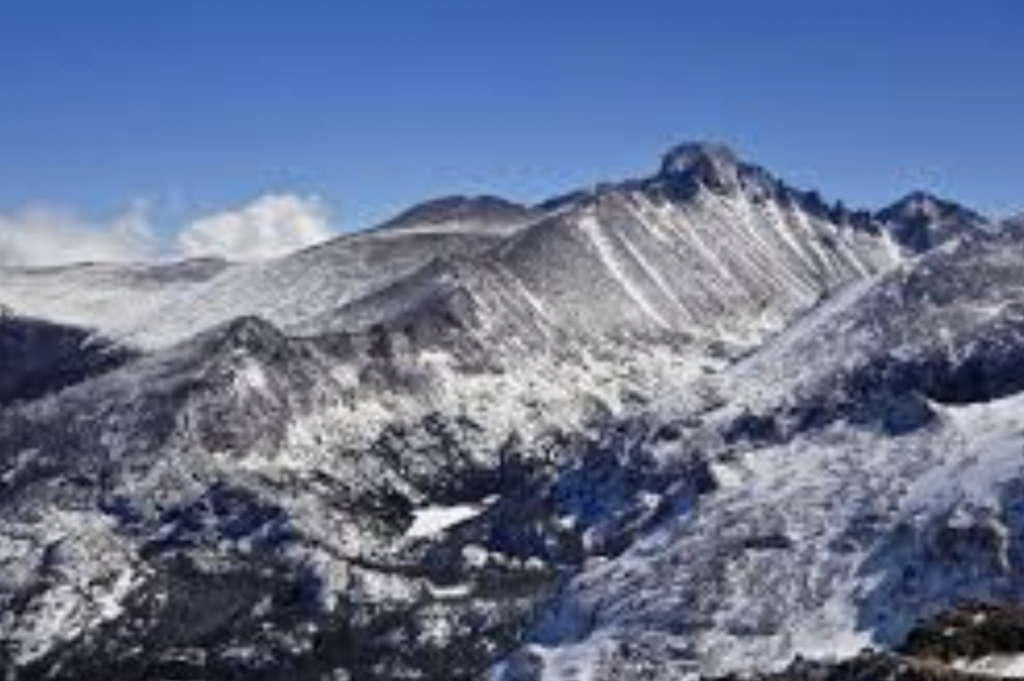
The geography of Rocky Mountain National Park was shaped by powerful geological forces and repeated glaciation over millions of years. The park contains rugged mountain ranges, glacial cirques, alpine lakes, deep valleys, and high-elevation tundra. Elevations range from approximately 7,600 feet (2,316 meters) in the valleys to 14,259 feet (4,346 meters) at the summit of Longs Peak, the park’s highest mountain.

Numerous glaciers once carved the landscape, leaving behind U-shaped valleys, moraines, and hundreds of lakes. Vegetation changes dramatically with elevation. Lower elevations support ponderosa pine forests and grasslands, while higher elevations contain dense spruce-fir forests, subalpine meadows, and expansive alpine tundra above the tree line. This diversity of habitats contributes significantly to the park’s ecological richness.

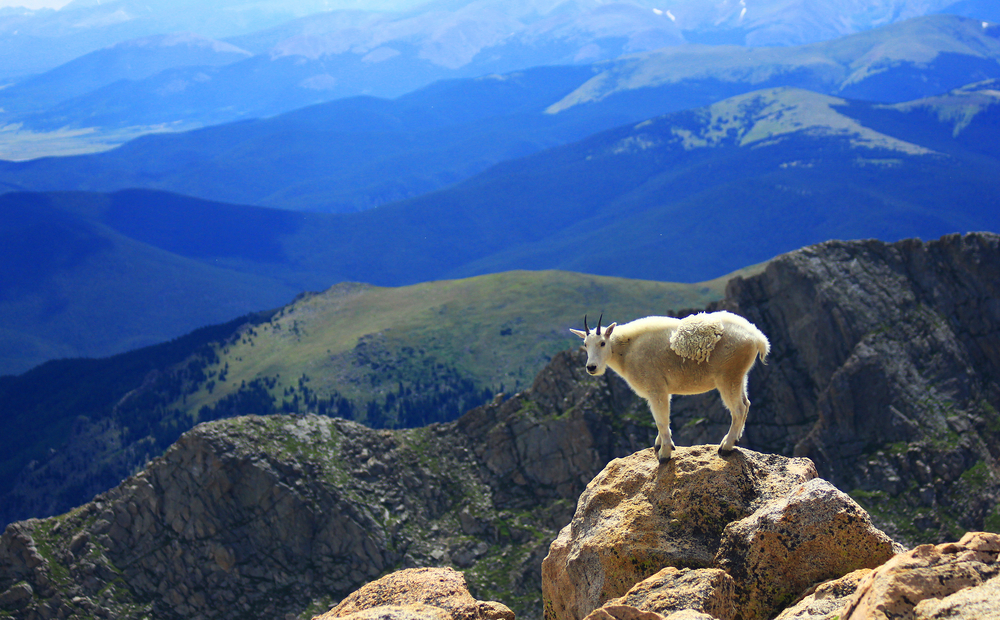
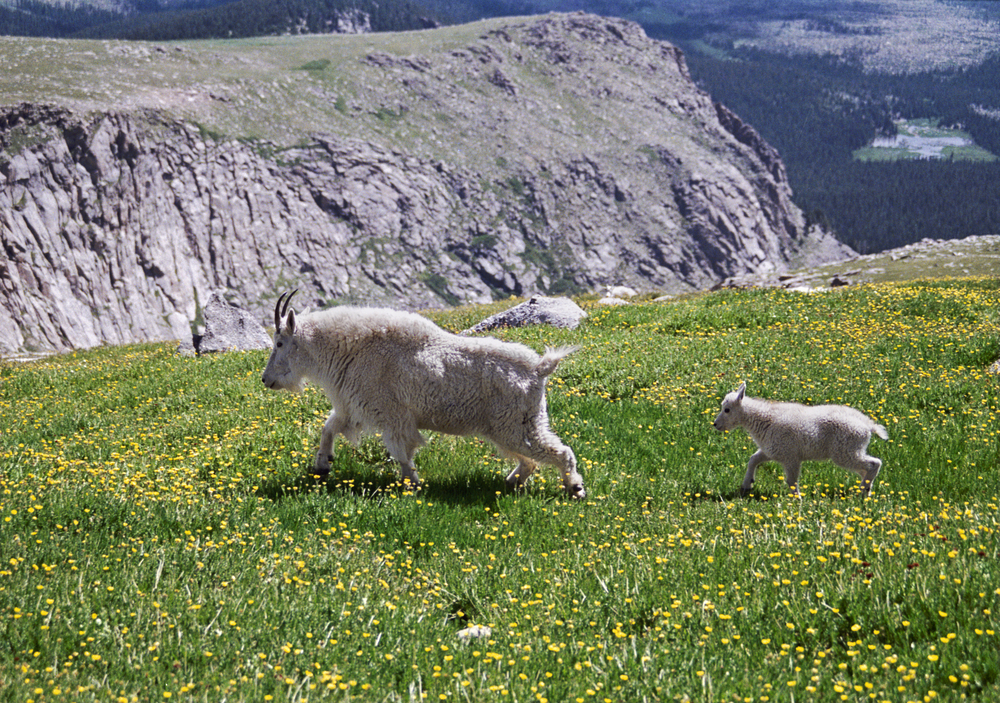
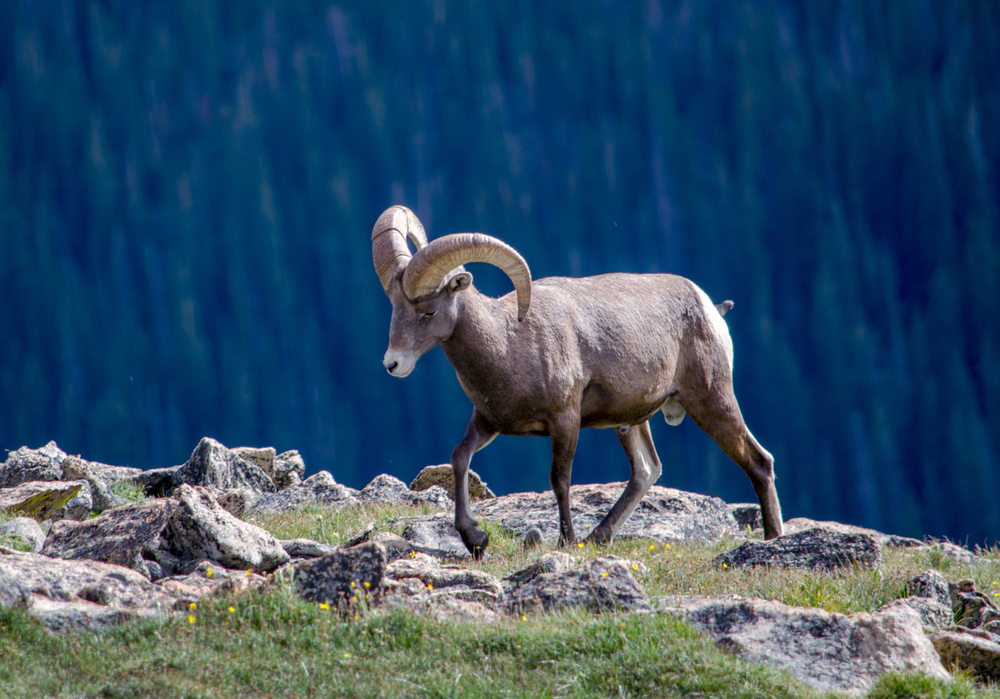
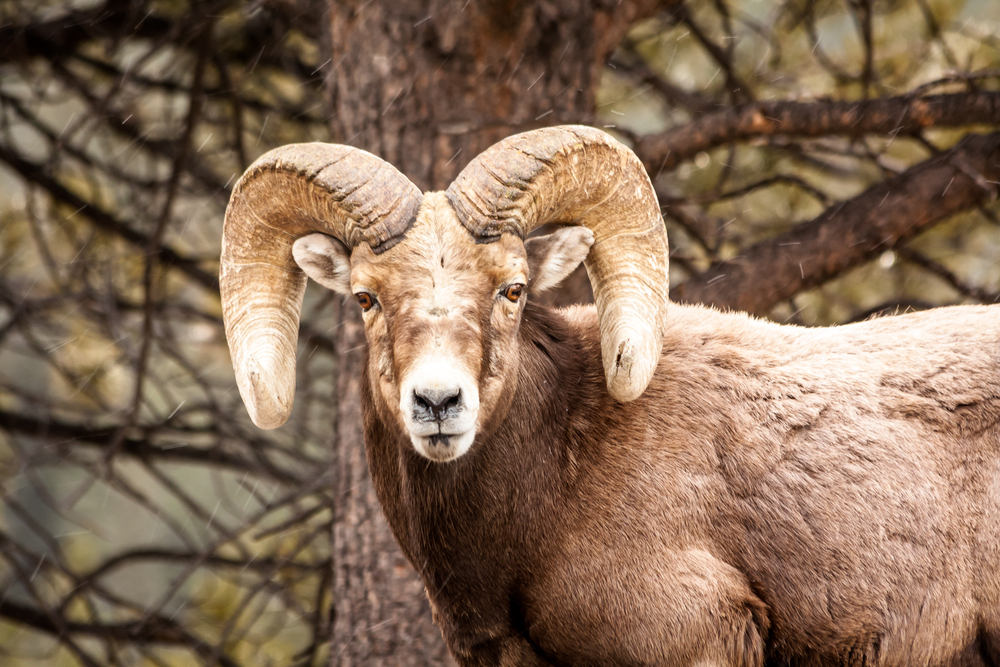
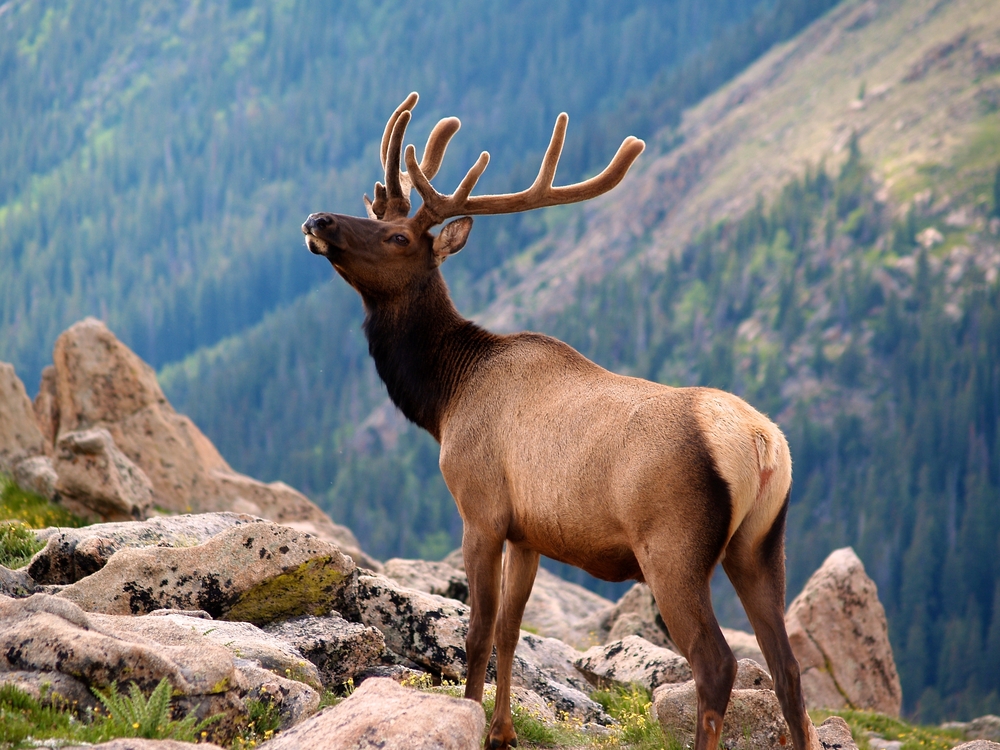
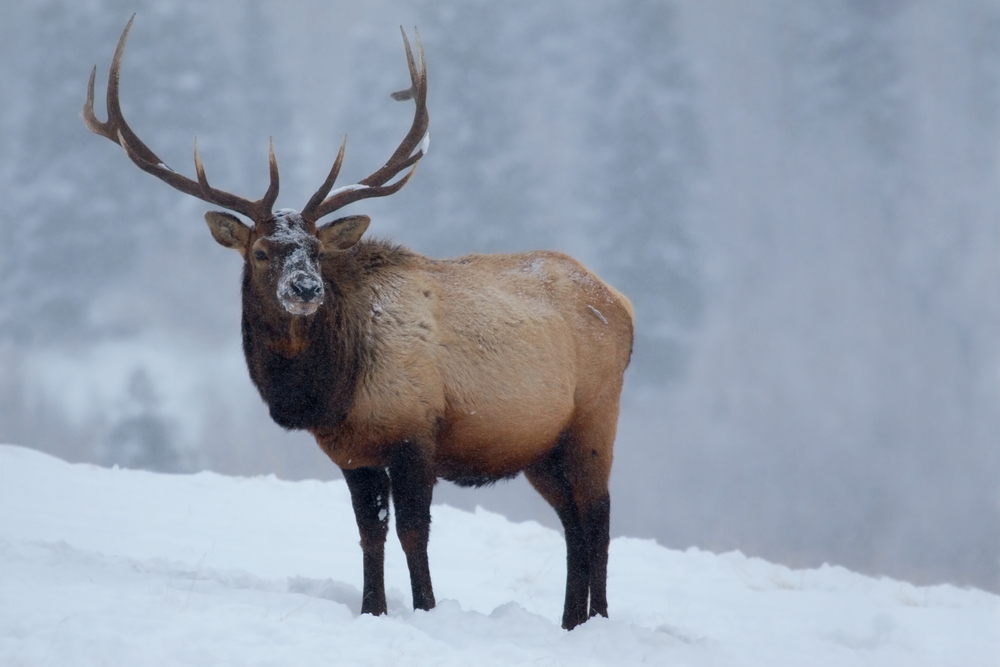
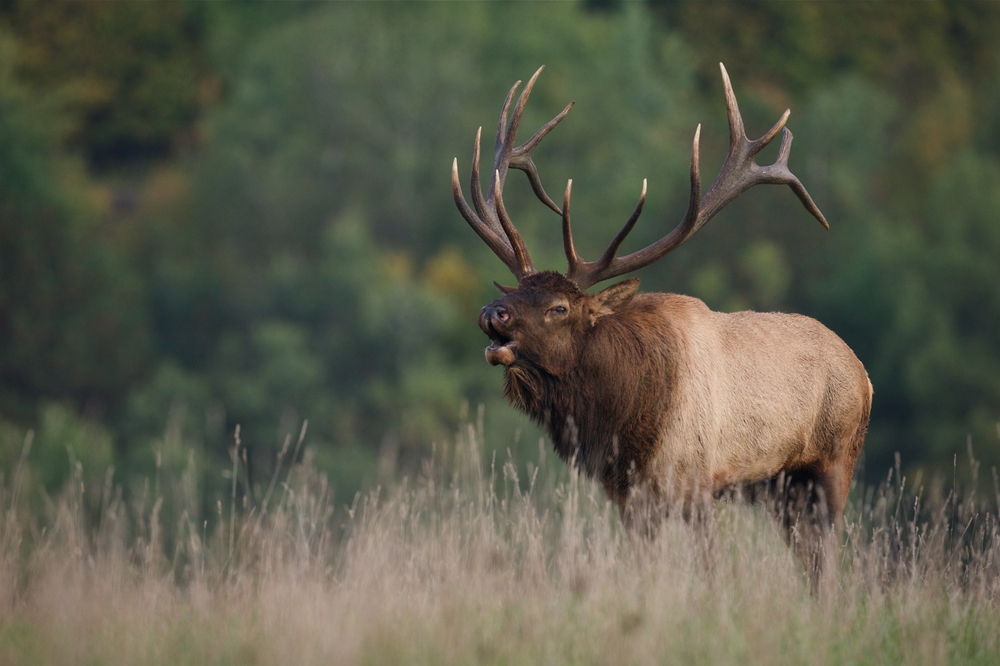
Wildlife within Rocky Mountain National Park is among the most diverse in the Rocky Mountains. Elk are perhaps the park’s most iconic animals and are frequently observed grazing in meadows and valleys. Other large mammals include mule deer, moose, bighorn sheep, black bears, mountain lions, coyotes, and yellow-bellied marmots.

Birdlife is equally impressive, with golden eagles, peregrine falcons, Clark’s nutcrackers, Steller’s jays, and white-tailed ptarmigans inhabiting the park’s varied ecosystems. Streams and lakes support native trout species, while alpine meadows provide habitat for pollinators and specialized plant communities. The park’s broad elevation range allows an extraordinary variety of species to thrive within its boundaries.

Rocky Mountain National Park plays a vital role in protecting the Southern Rocky Mountains and preserving one of North America’s most important alpine ecosystems. The park safeguards critical watersheds, wildlife migration corridors, tundra habitats, and high-elevation environments that are increasingly vulnerable to climate change. Conservation efforts focus on protecting native species, restoring ecosystems, and maintaining the natural processes that sustain this mountain landscape.

Rocky Mountain National Park is often compared to Banff National Park and Glacier National Park because of its spectacular mountain scenery and ecological significance. Yet its accessibility, extensive alpine tundra, and iconic Rocky Mountain vistas give it a character all its own. Today, the park remains one of America’s most treasured natural destinations, preserving a landscape where mountains, wildlife, and wilderness continue to inspire generations of visitors.

Things to See

Rocky Mountain National Park is one of the most visited and appreciated national parks in the United States. For those approaching from the west, the mountain scenery has already begun. The mountain landscapes combined with the Moose and Big Meadows create a diverse experience with nature.

The drive across the pass and along the continental divide is spectacular. However, the highlight is to get out and take some of the numerous trails that take you to scenic lookouts, waterfalls, forests, lakes, and ponds. Bear Lake is beautiful and features an easy trail that navigates around the lake allowing visitors of all ages and capacities to explore its splendor.

Trail Ridge Road

Trail Ridge Road is a 48-mile (77 km) road that traverses over the mountains from one side of the national park to the other. The road reaches a height of 12,183 feet (3,713 m) which makes it the highest continuously paved highway in the country.

The road features several hairpin turns as it ascends the Continental Divide at Milner Pass.  There are several scenic views and vistas along the way which easily make this one of the most scenic drives in the country. There are several places to stop take in the panoramic views while also exploring and taking in the mountain fresh air.

Predators

Predators

Rocky Mountain National Park, a breathtaking expanse of mountain wilderness in Colorado, is a prime habitat for a variety of predator species, each playing a vital role in the park’s ecological balance, offering visitors a glimpse into the complex interactions within this alpine ecosystem.

Mountain Lion Stealthy and solitary, Mountain Lions reign as one of the park’s top predators, elusive to most visitors but leaving signs of their presence.

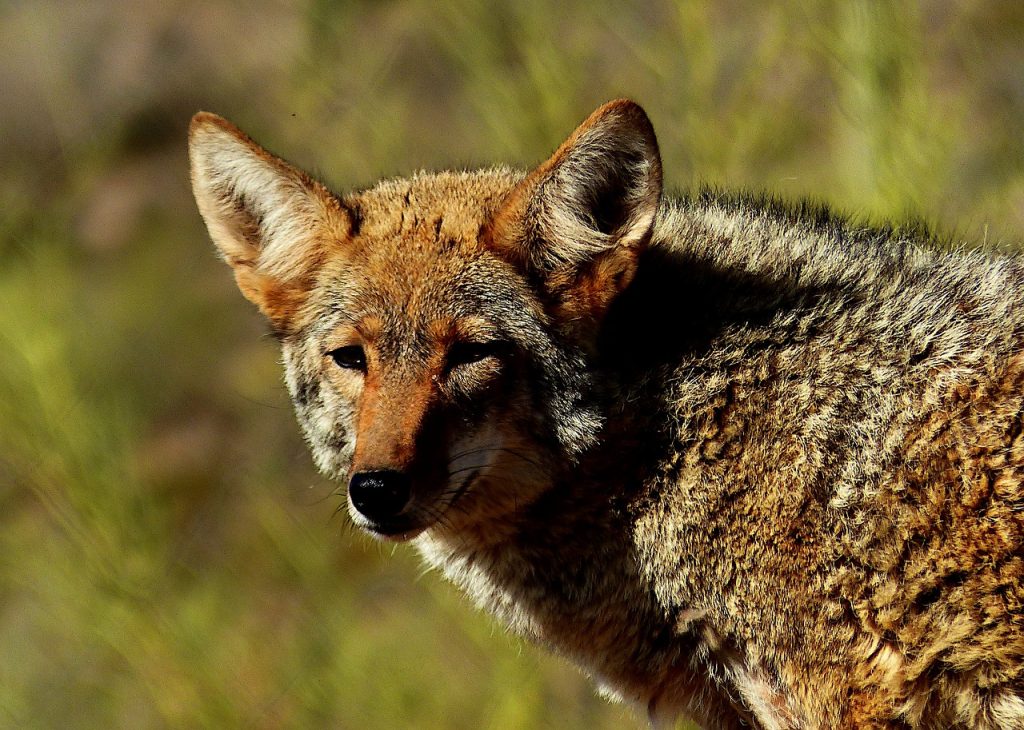
Coyote Highly adaptable and intelligent, Coyotes thrive in the park’s diverse habitats, hunting small mammals and playing a key role in maintaining ecological health.

Black Bear Although not strictly a predator, Black Bears are omnivores that can hunt, foraging widely across the park’s forests for berries, nuts, and occasionally meat.

Bobcat The secretive Bobcat, with its distinctive tufted ears and spotted coat, prowls the park’s underbrush, a silent and efficient hunter of rabbits and rodents.

Red Fox The Red Fox, with its iconic bushy tail and keen senses, is a versatile predator in the park, hunting small game and scavenging with cunning.

Bald Eagle Soaring high above the park’s waterways, Bald Eagles are powerful avian predators, fishing with precision and inspiring awe with their majesty.

Peregrine Falcon The Peregrine Falcon, known for its incredible diving speed, hunts birds mid-flight, a testament to the aerial dynamics of predation in the park.

Rocky Mountain National Park’s predator species, from the stealthy Mountain Lion to the swift Peregrine Falcon, underscore the rugged beauty and wildness of this Colorado treasure, inviting visitors to marvel at the intricacies of nature’s design.

Popular

Popular

Rocky Mountain National Park, renowned for its majestic peaks and pristine ecosystems, offers a sanctuary for an array of non-predatory wildlife, each species contributing to the richness of the park’s natural heritage and providing visitors with unforgettable encounters amidst the rugged beauty of the Colorado Rockies.

Elk A symbol of the park, Elk are often seen in meadows and along rivers, their majestic bugles echoing in autumn, drawing visitors from around the world.

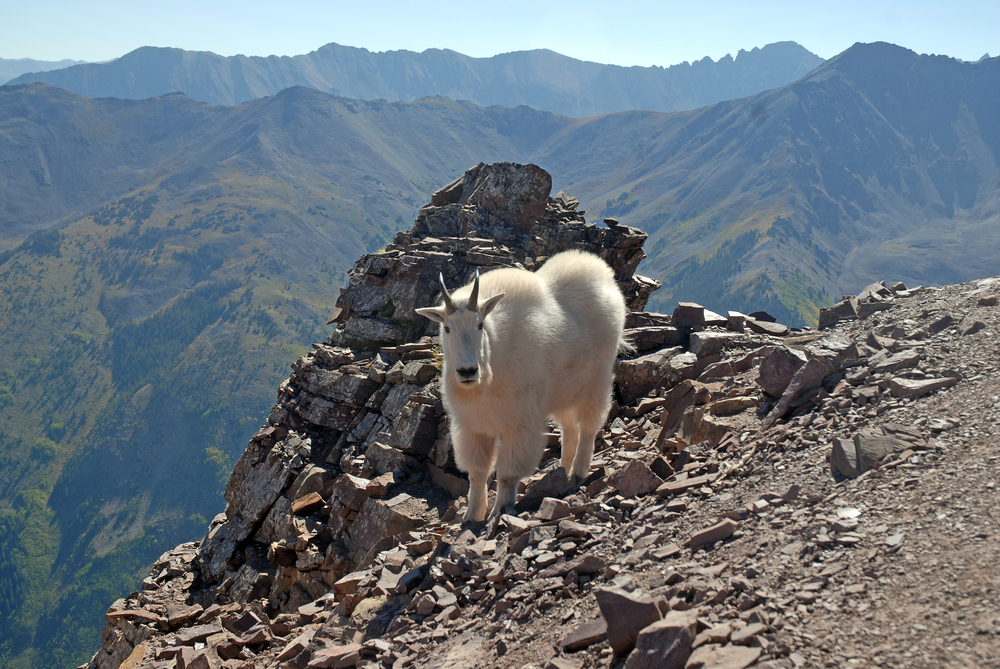
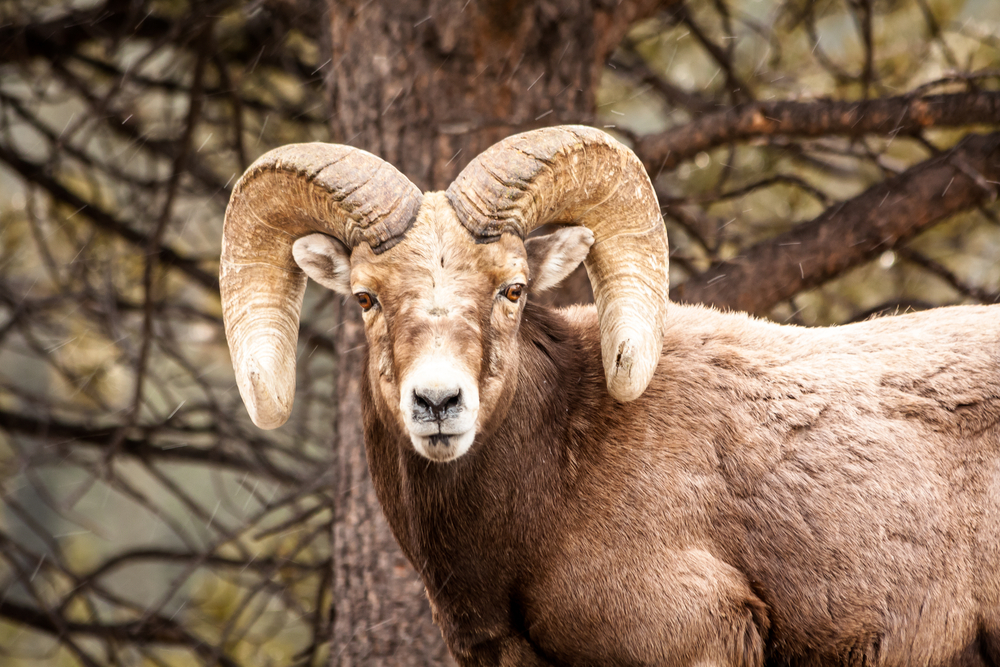
Bighorn Sheep The Bighorn Sheep, Colorado’s state mammal, showcases remarkable agility on steep rocky slopes, their herds a captivating sight in the park’s higher elevations.

Mule Deer Graceful Mule Deer roam the park’s forests and meadows, their large ears moving independently to catch sounds, alerting them to the presence of visitors and predators.

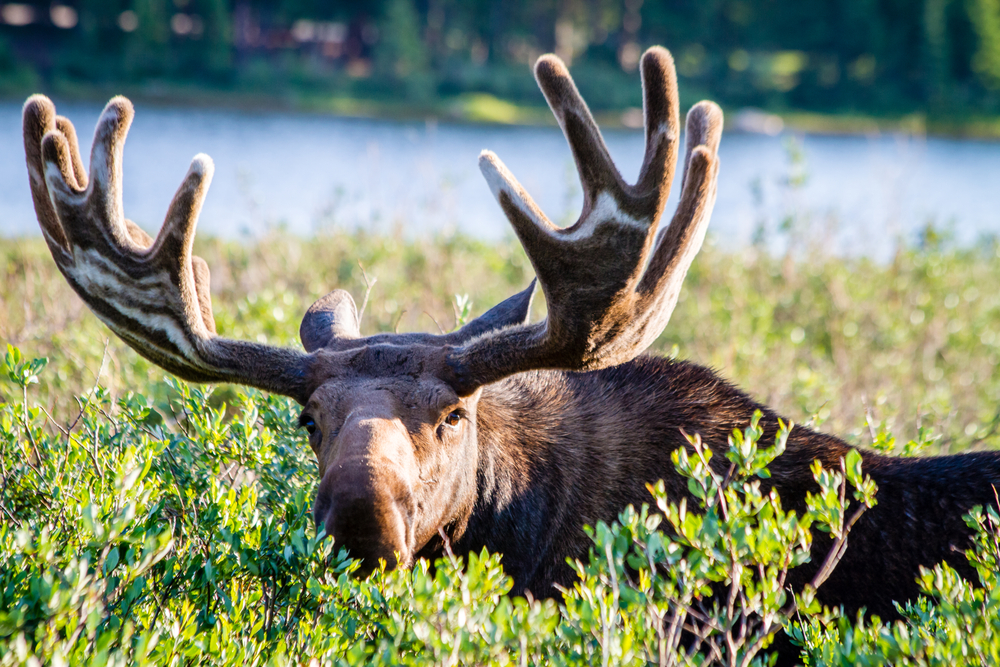
Moose The solitary Moose, the largest of the deer family, is drawn to the park’s lush wetlands, where they feed on willows and aquatic plants.

American Pika Endearing American Pikas, adapted to alpine life, are seen gathering vegetation in rocky areas, their high-pitched calls a delightful soundtrack of the park’s high country.

Beaver As ecosystem engineers, Beavers play a crucial role in shaping the park’s waterways, their lodges and dams creating habitats for a multitude of species.

Mountain Bluebird The Mountain Bluebird, with its vibrant blue plumage, is a burst of color against the park’s landscapes, symbolizing the beauty of Rocky Mountain’s skies.

Clark’s Nutcracker Clark’s Nutcracker, a key disperser of whitebark pine seeds, is integral to the park’s forest health, recognized by its sharp bill and loud calls.

American Three-toed Woodpecker Specializing in beetle-infested trees, the American Three-toed Woodpecker is a vital part of the park’s ecosystem, helping control insect populations.

Snowshoe Hare Adapted to snowy environments, Snowshoe Hares change color with the seasons, their white winter coats providing camouflage against the park’s snowy backdrop.

Rocky Mountain National Park’s diverse non-predatory wildlife, from the iconic Elk to the industrious Beaver, highlights the ecological complexity and beauty of this alpine wonderland, inviting exploration and appreciation from nature enthusiasts and casual visitors alike.

Bear Lake

Bear Lake

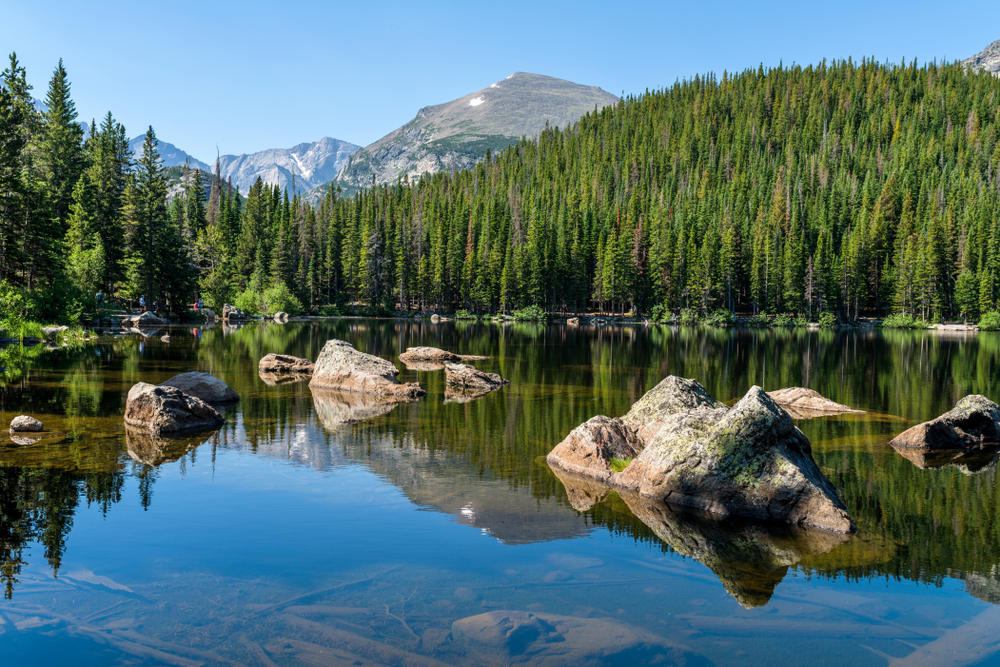
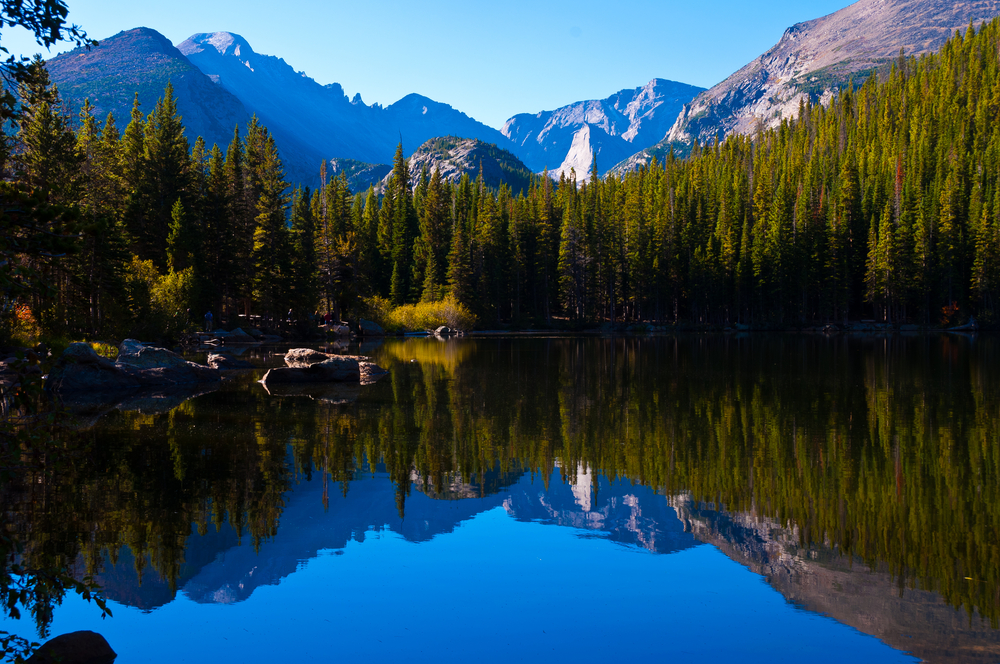
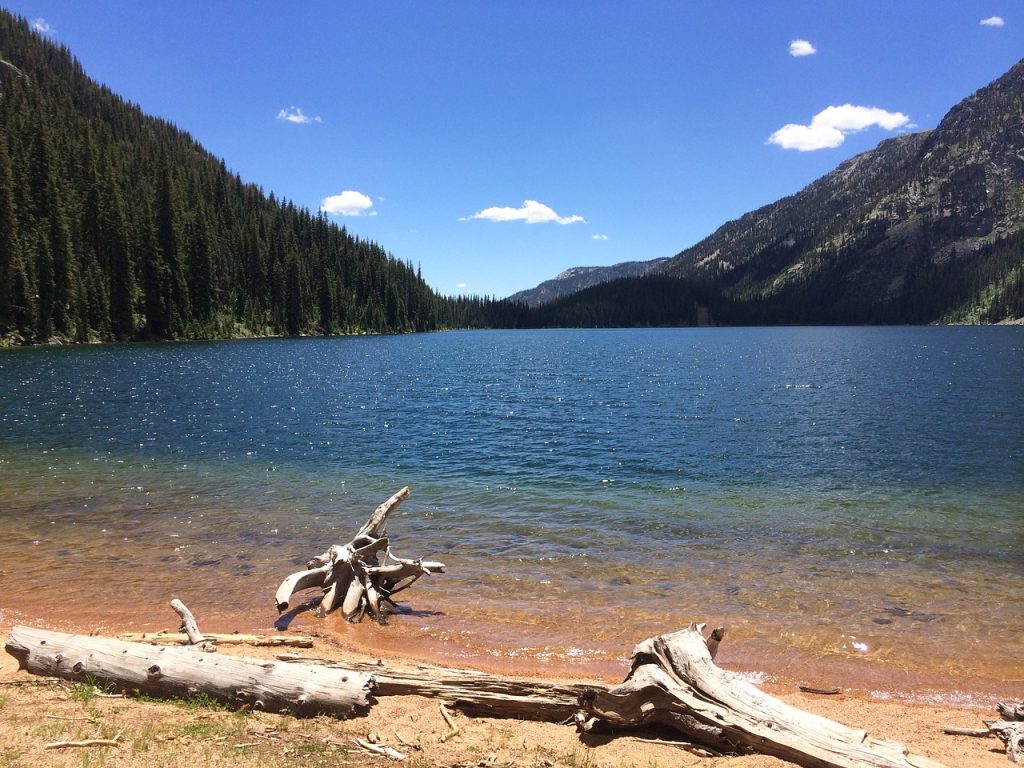
Bear Lake is one of the most popular lakes in Rocky Mountain National Park, renowned for its stunning turquoise waters and picturesque surroundings.

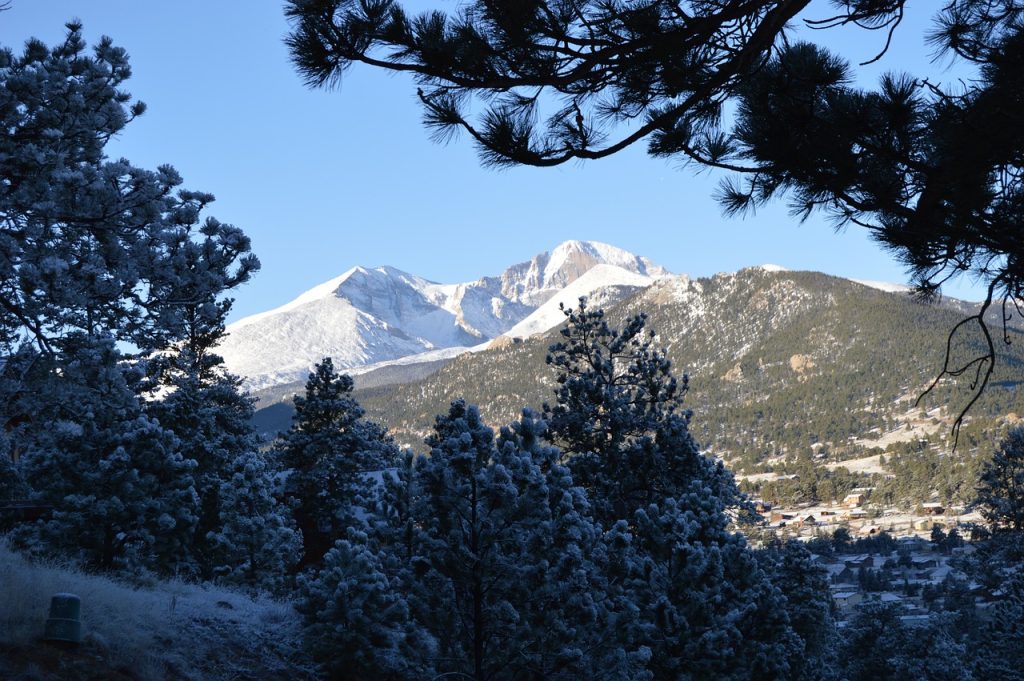
Situated at an elevation of 9,475 feet (2,888 meters), this pristine alpine lake offers breathtaking views of the surrounding mountains, including the iconic Longs Peak.

Visitors can enjoy a leisurely stroll along the Bear Lake Loop Trail, a short and accessible path that circles the lake and offers opportunities for wildlife viewing and photography.

During the summer months, Bear Lake is a popular destination for picnicking, fishing, and paddleboarding, while in the winter, it transforms into a serene winter wonderland, with the frozen lake offering opportunities for snowshoeing and ice skating.

Sprague Lake

Sprague Lake

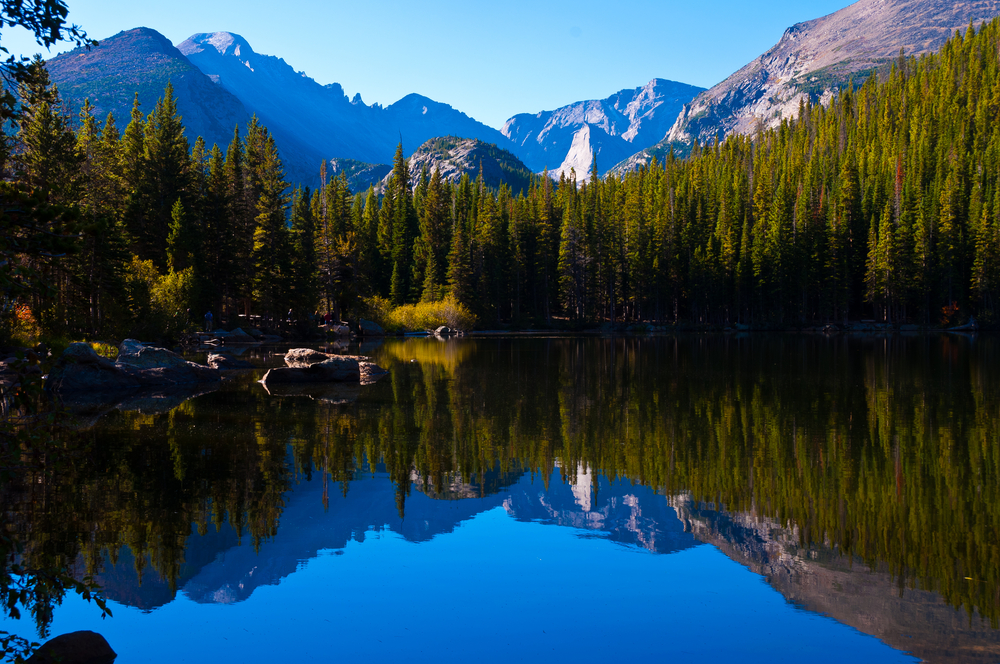
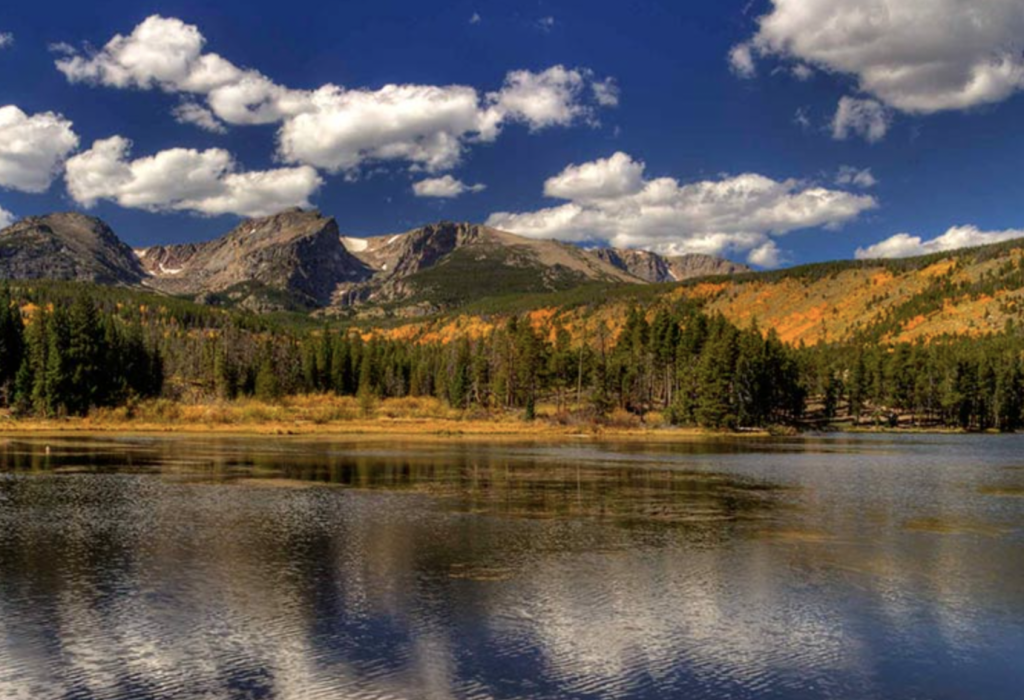
Sprague Lake is another beloved destination in Rocky Mountain National Park, known for its tranquil waters and stunning reflections of the surrounding mountains.

Situated at an elevation of 8,700 feet (2,652 meters), this picturesque lake is easily accessible via a short, paved trail from the parking area.

Visitors can enjoy a leisurely walk around the lake, taking in views of Hallett Peak and the Continental Divide, or relax on the shores and enjoy a peaceful picnic amidst the beauty of nature.

Sprague Lake is also a popular spot for fishing, with opportunities to catch brook trout and rainbow trout in its pristine waters.

Emerald Lake

Emerald Lake

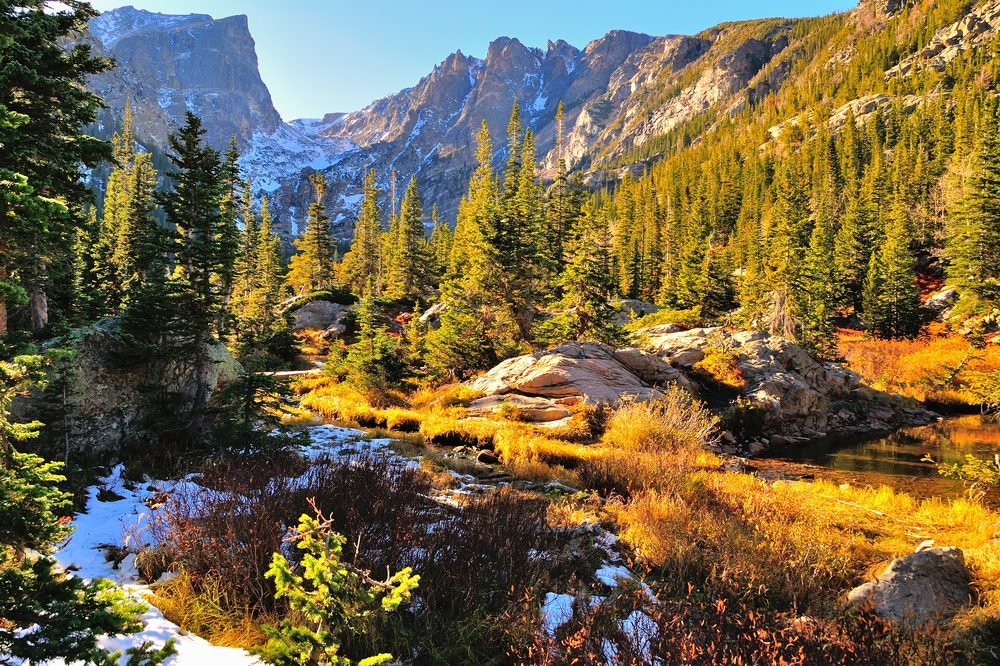
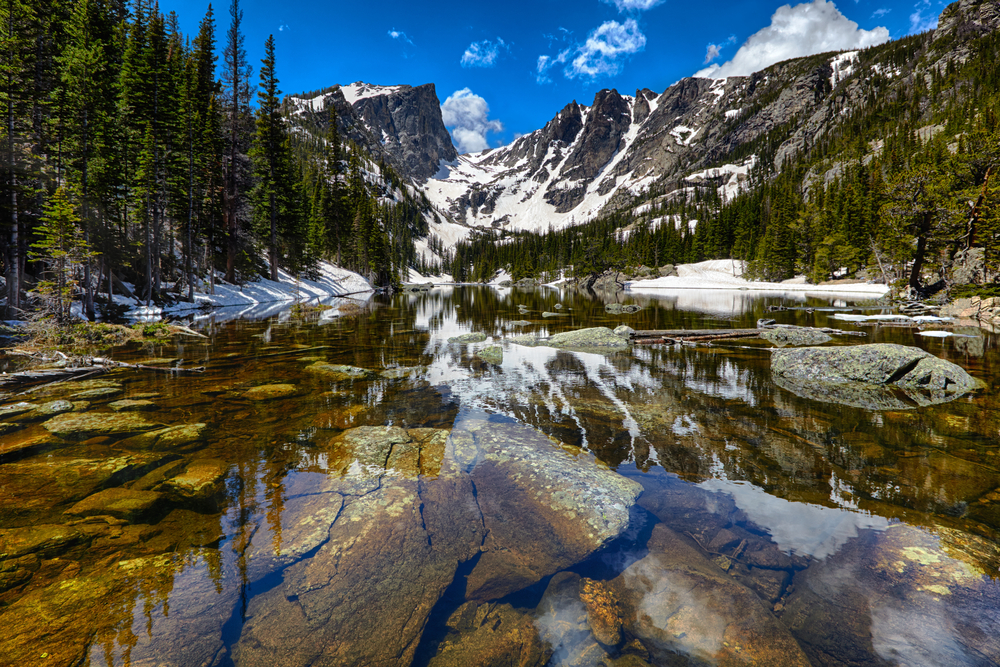
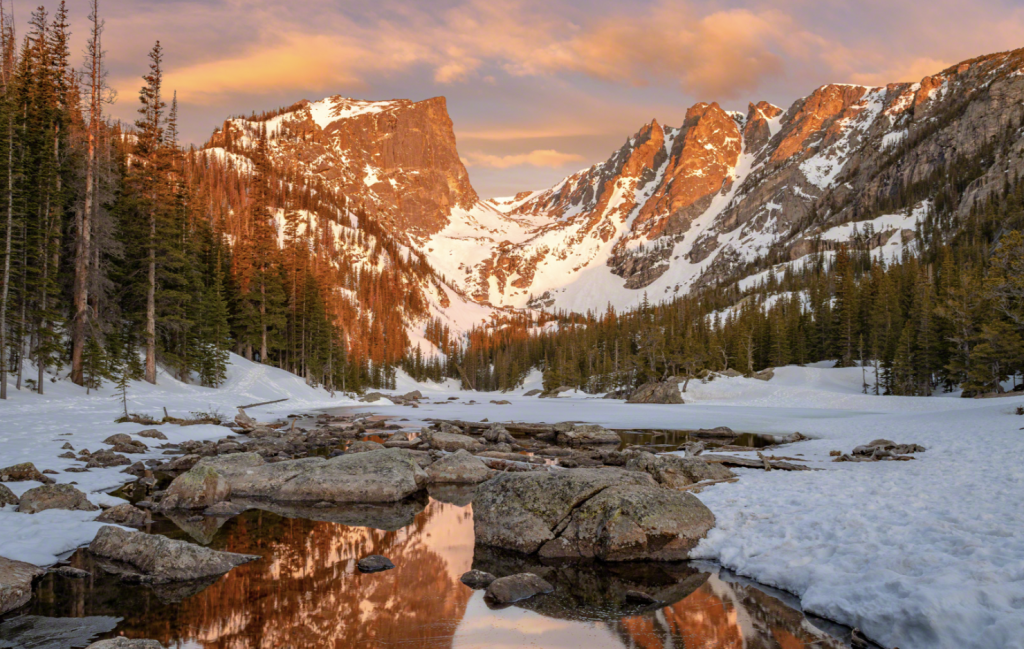
Emerald Lake is a gem of Rocky Mountain National Park, renowned for its stunning emerald-green waters and dramatic mountain scenery.

Situated at an elevation of 10,110 feet (3,082 meters), this alpine lake is accessible via the popular Emerald Lake Trail, which winds through pine forests and past picturesque alpine meadows.

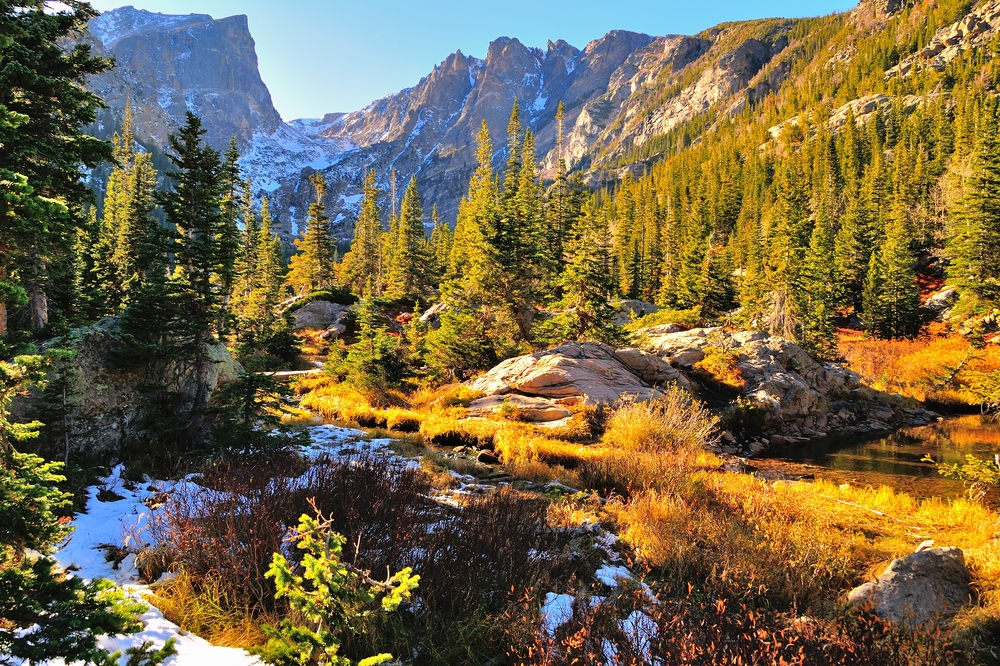
The trail offers breathtaking views of Dream Lake and Nymph Lake before reaching the sparkling shores of Emerald Lake, where visitors can marvel at the reflection of Hallett Peak and Flattop Mountain in the tranquil waters.

This pristine lake is a favorite destination for hikers, photographers, and nature enthusiasts seeking to experience the beauty and serenity of the Rocky Mountains.

Longs Peak

Longs Peak

Longs Peak is the highest peak in Rocky Mountain National Park, standing at an impressive elevation of 14,259 feet (4,346 meters) above sea level.

This iconic mountain is a beloved destination for hikers and mountaineers seeking a challenging ascent and stunning panoramic views from its summit. The Keyhole Route, a popular and technical climb, offers adventurers the chance to traverse rugged terrain, negotiate narrow ledges, and climb steep rock faces on their way to the summit.

From the top, hikers are rewarded with breathtaking vistas of the surrounding Rocky Mountains, including nearby peaks such as Mount Meeker and Mount Lady Washington.

Longs Peak is also famous for its unpredictable weather conditions and dramatic alpine environment, making it a thrilling and unforgettable adventure for those who dare to conquer its lofty summit.

Hallett Peak

Hallett Peak

Hallett Peak is one of the most prominent and recognizable mountains in Rocky Mountain National Park, reaching an elevation of 12,713 feet (3,875 meters) above sea level. This striking peak is a popular destination for hikers, offering a variety of routes and trails that lead to its summit.

The Flattop Mountain Trail, one of the most scenic and accessible routes to Hallett Peak, winds through alpine meadows and past picturesque lakes before ascending to the summit via a challenging but rewarding final push.

From the top, hikers are treated to sweeping views of the surrounding mountain ranges, including Longs Peak, Glacier Gorge, and the Continental Divide.

Hallett Peak is a must-visit destination for outdoor enthusiasts seeking stunning scenery and a memorable hiking experience in Rocky Mountain National Park.

Flattop Mountain

Flattop Mountain

Flattop Mountain is a prominent peak in Rocky Mountain National Park, standing at an elevation of 12,324 feet (3,757 meters) above sea level. Despite its name, Flattop Mountain offers hikers a challenging ascent with rewarding panoramic views of the surrounding landscapes.

The Flattop Mountain Trail, a popular hiking route, winds through dense forests and alpine tundra before reaching the summit, where hikers are treated to breathtaking vistas of the Continental Divide, Hallett Peak, and the Rocky Mountains.

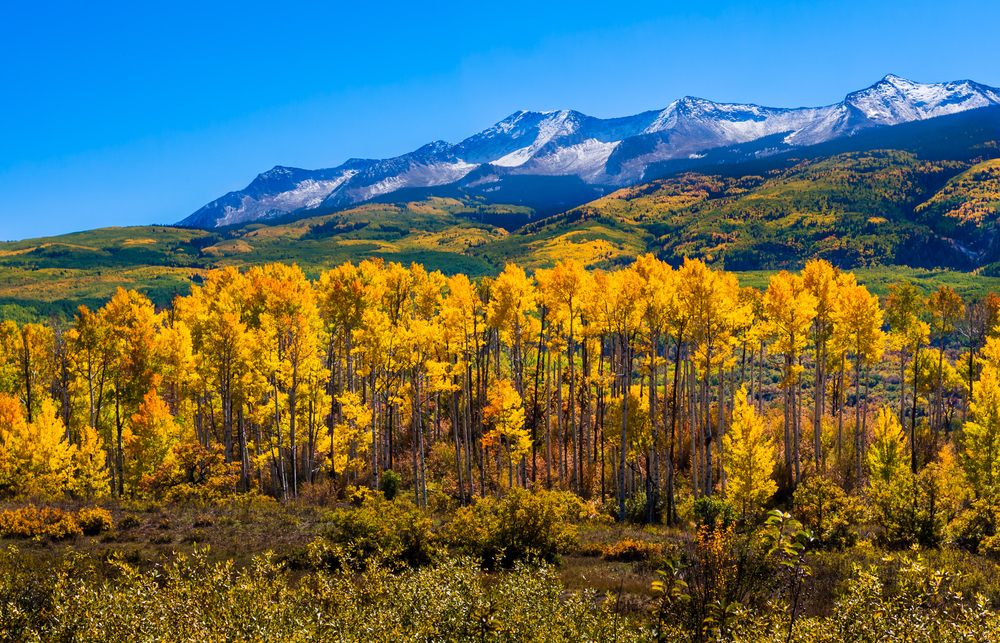
The trail is known for its wildflower displays in the summer months and stunning fall colors in the autumn, making it a favorite destination for hikers seeking natural beauty and solitude in the heart of the Rockies.

Flattop Mountain is also a popular starting point for longer hikes and backpacking trips into the backcountry of Rocky Mountain National Park.

Things To Do

Engaging Rocky Mountain National Park
Hiking

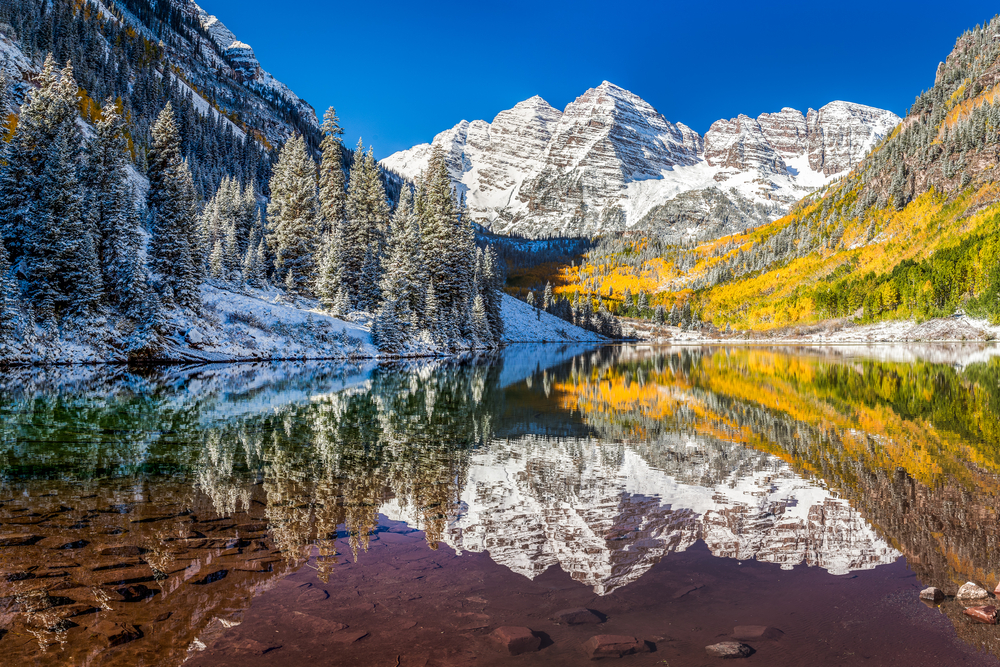
Explore the majestic landscapes of Rocky Mountain National Park on its extensive network of hiking trails. From easy nature walks to challenging alpine routes, the park offers hikes for all skill levels and interests.

Trek through verdant forests, along rushing streams, and up to scenic overlooks for breathtaking views of the surrounding mountains and valleys. Keep an eye out for wildlife such as elk, mule deer, and bighorn sheep as you immerse yourself in the natural beauty of the park.

Scenic Drives

Take a leisurely drive along the park’s scenic roads and byways, winding through breathtaking mountain scenery and past iconic landmarks. Enjoy panoramic vistas of towering peaks, crystal-clear lakes, and cascading waterfalls as you explore the park from the comfort of your car. Keep your camera handy to capture the stunning landscapes and wildlife sightings along the way.

Hiking

Explore the majestic landscapes of Rocky Mountain National Park on its extensive network of hiking trails. From easy nature walks to challenging alpine routes, the park offers hikes for all skill levels and interests.

Trek through verdant forests, along rushing streams, and up to scenic overlooks for breathtaking views of the surrounding mountains and valleys. Keep an eye out for wildlife such as elk, mule deer, and bighorn sheep as you immerse yourself in the natural beauty of the park.

Scenic Drives

Take a leisurely drive along the park’s scenic roads and byways, winding through breathtaking mountain scenery and past iconic landmarks. Enjoy panoramic vistas of towering peaks, crystal-clear lakes, and cascading waterfalls as you explore the park from the comfort of your car. Keep your camera handy to capture the stunning landscapes and wildlife sightings along the way.

Rocky Mountain National Park Trails

Rocky Mountain National Park is probably one of the most popular destinations of hiking with a wide variety of hiking trails and terrain to explore. There are well over 200 trails that are used throughout the park allowing hikers to explore the different facets of nature and the natural wonders that abound across the park.

placeholder

Emerald Lake Trail

This is a moderate rated 3.1-mile (4.99 km) trail up to Emerald Lake which features an astounding mountain backdrop for one of the most picturesque landscape scenes. There is an elevation gain of 708 feet (215.80 m) while ascending to the lake.  There are chances to see wildflowers, wildlife, and plenty of mountainous wilderness.

placeholder

Alberta Falls Trail

This is an easy 1.6-mile (2.57 km) that provides views of the river as well as a scenic waterfall.  There is a minimal elevation gain while meandering through the forest and foothills of the mountains.

placeholder

Dream Lake Trail

This short 2.0-mile (3.21 km) is easy rated and provides a partially paved trail out to Dream Lake which has a fantastic mountain backdrop for one of the most majestic scenes ever. The ease of the trail makes it quite popular because it delivers such magnificent beauty in such a short and accessible trail. There are chances to see wildlife.

placeholder

Glacier Gorge Trail

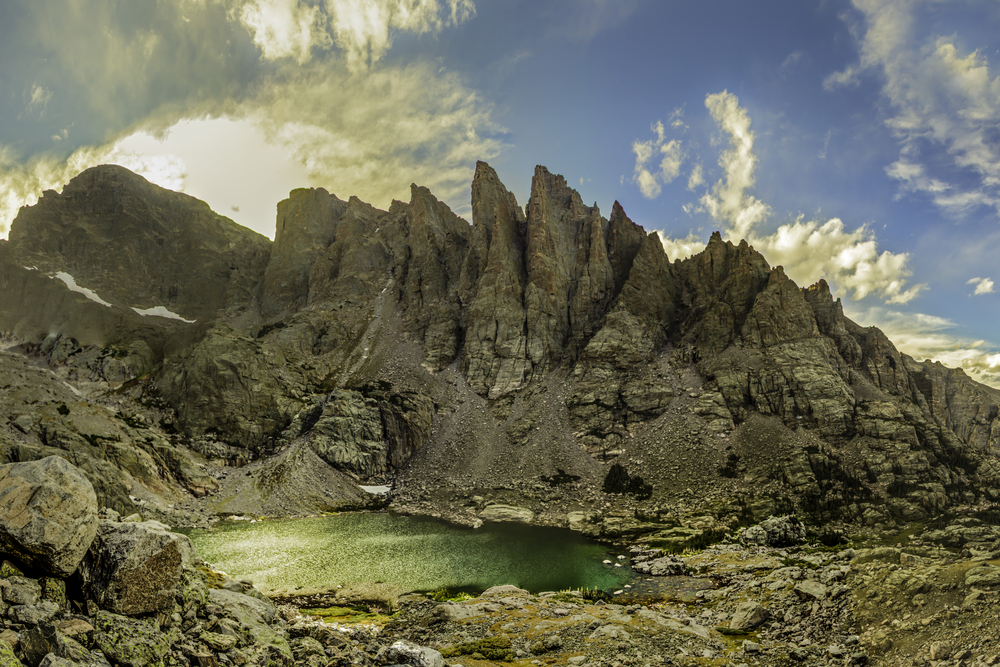
This is a challenging 9.5-mile (15.2 km) out to Sky Pond which is surrounded by rugged and jagged mountains creating one of the most striking pond and mountain landscapes.  There are chances to see wildlife while trekking up the mountain and through the forest  Wildflowers may blanket some of the tundra and meadows. There is an elevation gain of 1,837 feet (559.91 m) while making the ascent.

placeholder

Emerald Lake Trail

Rating: Easy to Moderate

Distance and Elevation Gain: 3.6 miles round trip with an elevation gain of about 650 feet (198 meters)

Description: This trail offers stunning alpine scenery, passing by Nymph Lake and Dream Lake before reaching the spectacular Emerald Lake, all set against the backdrop of Hallett Peak and Flattop Mountain. The trail is well-maintained and provides a great introduction to the park’s natural beauty, making it perfect for families and photographers alike.

placeholder

Sky Pond Trail

Rating: Strenuous

Distance and Elevation Gain: 9 miles round trip with an elevation gain of about 1,650 feet (503 meters)

Description: Starting from the Glacier Gorge trailhead, this hike takes adventurers past several waterfalls and alpine lakes, including The Loch and Glass Lake, before culminating at the stunning Sky Pond. Surrounded by sheer cliff walls, the pond offers breathtaking views. The trail involves some scrambling and a steep ascent but is rewarding with its diverse landscapes and vistas.

placeholder

Bear Lake Loop

Rating: Easy

Distance and Elevation Gain: 0.6 miles loop with minimal elevation gain

Description: This accessible, family-friendly loop offers panoramic views of Bear Lake and the surrounding high peaks. The trail is mostly flat and paved, making it suitable for strollers and wheelchairs. Interpretive signs along the route provide information about the area’s ecology. It’s an excellent option for those seeking a leisurely walk with maximum scenic reward.

placeholder

Deer Mountain Trail

Rating: Moderate

Distance and Elevation Gain: 6 miles round trip with an elevation gain of about 1,400 feet (427 meters)

Description: Offering spectacular views of Longs Peak, Moraine Park, and the Estes Valley, the Deer Mountain Trail is a moderately challenging hike that culminates in a rewarding summit. The trail is well-defined, with switchbacks easing the ascent, making it a popular choice for those seeking a less crowded alternative to some of the park’s more famous peaks.

placeholder

Alberta Falls Trail

Rating: Easy

Distance and Elevation Gain: 1.6 miles round trip with an elevation gain of about 160 feet (49 meters)

Description: Starting from the Glacier Gorge or Bear Lake trailheads, this hike leads to one of the park’s most popular waterfalls, Alberta Falls. The trail is relatively easy, with a gentle ascent through aspen and pine forests. The falls are most impressive in spring and early summer, offering a cool respite and picturesque views.

placeholder

Emerald Lake Trail

Rating: Easy to Moderate

Distance and Elevation Gain: 3.6 miles round trip with an elevation gain of about 650 feet (198 meters)

Description: This trail offers stunning alpine scenery, passing by Nymph Lake and Dream Lake before reaching the spectacular Emerald Lake, all set against the backdrop of Hallett Peak and Flattop Mountain. The trail is well-maintained and provides a great introduction to the park’s natural beauty, making it perfect for families and photographers alike.

placeholder

Sky Pond Trail

Rating: Strenuous

Distance and Elevation Gain: 9 miles round trip with an elevation gain of about 1,650 feet (503 meters)

Description: Starting from the Glacier Gorge trailhead, this hike takes adventurers past several waterfalls and alpine lakes, including The Loch and Glass Lake, before culminating at the stunning Sky Pond. Surrounded by sheer cliff walls, the pond offers breathtaking views. The trail involves some scrambling and a steep ascent but is rewarding with its diverse landscapes and vistas.

placeholder

Bear Lake Loop

Rating: Easy

Distance and Elevation Gain: 0.6 miles loop with minimal elevation gain

Description: This accessible, family-friendly loop offers panoramic views of Bear Lake and the surrounding high peaks. The trail is mostly flat and paved, making it suitable for strollers and wheelchairs. Interpretive signs along the route provide information about the area’s ecology. It’s an excellent option for those seeking a leisurely walk with maximum scenic reward.

placeholder

Deer Mountain Trail

Rating: Moderate

Distance and Elevation Gain: 6 miles round trip with an elevation gain of about 1,400 feet (427 meters)

Description: Offering spectacular views of Longs Peak, Moraine Park, and the Estes Valley, the Deer Mountain Trail is a moderately challenging hike that culminates in a rewarding summit. The trail is well-defined, with switchbacks easing the ascent, making it a popular choice for those seeking a less crowded alternative to some of the park’s more famous peaks.

placeholder

Alberta Falls Trail

Rating: Easy

Distance and Elevation Gain: 1.6 miles round trip with an elevation gain of about 160 feet (49 meters)

Description: Starting from the Glacier Gorge or Bear Lake trailheads, this hike leads to one of the park’s most popular waterfalls, Alberta Falls. The trail is relatively easy, with a gentle ascent through aspen and pine forests. The falls are most impressive in spring and early summer, offering a cool respite and picturesque views.

FAQ’s

What is Rocky Mountain National Park most known for?

Rocky Mountain National Park, located in Colorado, is most known for its breathtaking mountain landscapes, iconic peaks, and abundant wildlife.

The park encompasses a vast area of over 415 square miles, including rugged mountain terrain, alpine meadows, and pristine lakes.

One of the park’s main attractions is its stunning scenery, which includes towering peaks, cascading waterfalls, and lush valleys. Visitors to Rocky Mountain National Park can enjoy a variety of outdoor activities, including hiking, camping, wildlife viewing, and scenic drives.

The park is home to a wide range of wildlife, including elk, mule deer, bighorn sheep, and black bears, making it a popular destination for nature lovers and wildlife enthusiasts.

In addition to its natural beauty, Rocky Mountain National Park offers opportunities for cultural and historical exploration. The park is home to several historic landmarks, including homesteads, cabins, and Native American sites, providing insights into the region’s rich cultural heritage.

Whether you’re seeking adventure in the great outdoors or simply looking to relax and reconnect with nature, Rocky Mountain National Park offers something for everyone to enjoy.

What is Rocky Mountain National Park most known for?

Rocky Mountain National Park, located in Colorado, is most known for its breathtaking mountain landscapes, iconic peaks, and abundant wildlife.

The park encompasses a vast area of over 415 square miles, including rugged mountain terrain, alpine meadows, and pristine lakes.

One of the park’s main attractions is its stunning scenery, which includes towering peaks, cascading waterfalls, and lush valleys. Visitors to Rocky Mountain National Park can enjoy a variety of outdoor activities, including hiking, camping, wildlife viewing, and scenic drives.

The park is home to a wide range of wildlife, including elk, mule deer, bighorn sheep, and black bears, making it a popular destination for nature lovers and wildlife enthusiasts.

In addition to its natural beauty, Rocky Mountain National Park offers opportunities for cultural and historical exploration. The park is home to several historic landmarks, including homesteads, cabins, and Native American sites, providing insights into the region’s rich cultural heritage.

Whether you’re seeking adventure in the great outdoors or simply looking to relax and reconnect with nature, Rocky Mountain National Park offers something for everyone to enjoy.

Sources