About

Banff National Park is located in the province of Alberta in western Canada within the heart of the Canadian Rockies. Covering approximately 2,564 square miles (6,641 sq km), Banff is Canada’s oldest national park and one of the most famous protected areas in the world.

Established in 1885, the park was created following the discovery of natural hot springs near present-day Banff and became the cornerstone of Canada’s national park system. Situated west of Calgary and adjoining Jasper National Park, Banff forms part of the UNESCO-designated Canadian Rocky Mountain Parks World Heritage Site. Today, it stands as one of North America’s premier destinations for mountain scenery, wildlife viewing, and outdoor recreation.

Banff National Park is best known for its breathtaking mountain landscapes, turquoise lakes, and world-class outdoor adventures. Visitors from around the globe are drawn to iconic destinations such as Lake Louise, Moraine Lake, and Icefields Parkway. The park offers exceptional opportunities for hiking, mountaineering, skiing, wildlife photography, canoeing, camping, and scenic drives.

During winter, Banff becomes one of Canada’s leading ski destinations, while summer attracts visitors seeking alpine meadows, glaciers, waterfalls, and panoramic mountain vistas. The combination of dramatic scenery and abundant recreational opportunities has made Banff one of the most visited national parks in North America.

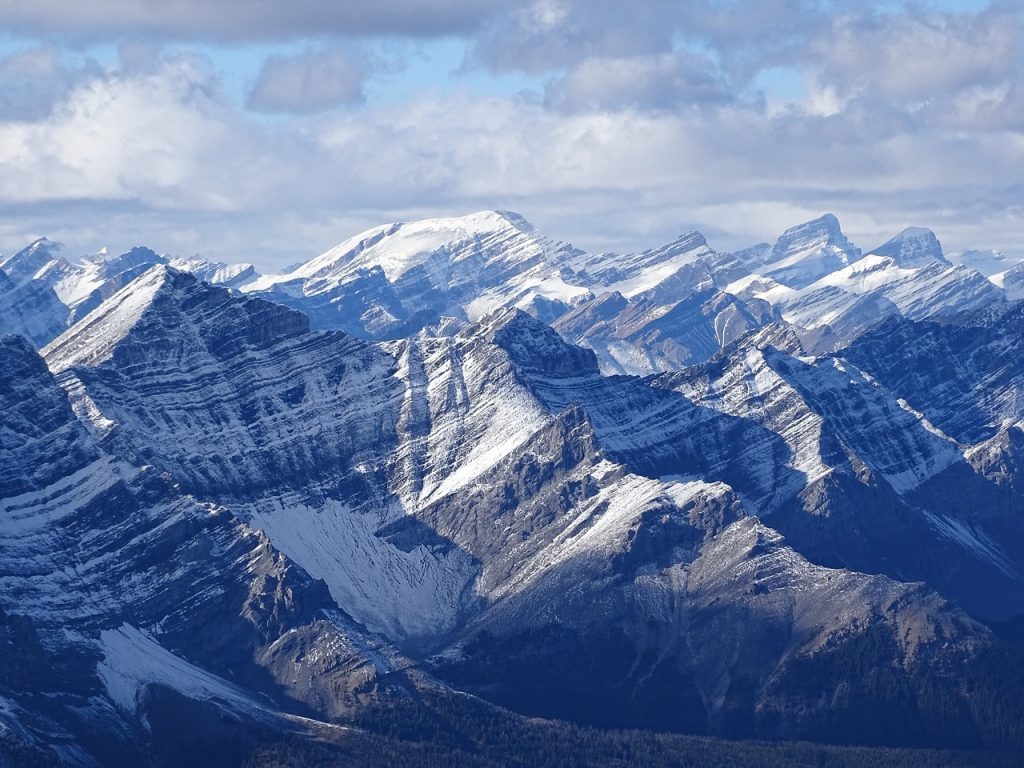
The geography of Banff National Park is dominated by towering mountain ranges, glacial valleys, alpine lakes, rivers, and extensive forests. Peaks exceeding 11,000 feet (3,350 meters) rise above landscapes sculpted by glaciers over thousands of years. The park contains portions of several major watersheds and includes notable features such as the Columbia Icefield, numerous glaciers, and deep mountain canyons.

Dense conifer forests cover lower elevations, while alpine meadows flourish above the tree line during the brief mountain summer. Rivers such as the Bow and Saskatchewan originate within the park, contributing to both its ecological importance and scenic beauty.

Wildlife within Banff National Park is among the most diverse in Canada. Large mammals include grizzly bears, black bears, elk, moose, bighorn sheep, mountain goats, wolves, coyotes, and cougars. The park supports one of the most intact large-mammal ecosystems in North America, with wildlife corridors helping maintain ecological connectivity throughout the Rocky Mountains.

Birdlife is equally impressive, with species such as bald eagles, golden eagles, osprey, Clark’s nutcrackers, and numerous migratory birds inhabiting the park’s forests, lakes, and alpine environments. The wide range of habitats allows a rich diversity of wildlife to thrive across the landscape.

Banff National Park plays a critical role in conserving the Canadian Rockies and protecting one of the world’s most iconic mountain ecosystems. The park safeguards vital wildlife habitat, freshwater resources, glaciers, forests, and alpine environments while supporting scientific research and sustainable tourism.

Its conservation significance is often compared to Yellowstone National Park and Yosemite National Park because of its global recognition, ecological importance, and spectacular scenery. However, Banff’s combination of turquoise lakes, towering peaks, and abundant wildlife gives it a distinctive identity. Today, Banff National Park remains one of Canada’s greatest natural treasures, preserving a magnificent mountain wilderness that continues to inspire visitors from around the world.

Things to See
Banff National Park is one of the most popular destinations in Canada for tourism during both the summer and winter months. Winter snows entertain skiers of all types, snowshoe treks, curling, and other snow-related activities.

The summer months are the highlight giving way to hiking, trekking, and exploring the abundance of phenomenal natural highlights like Moraine Lake and the Valley of Ten Peaks, Peyto Lake, the hoodoos, and many of the nature trails that traverse the various parts of the park. It seems like every direction you head, it leads you to something new and exciting.

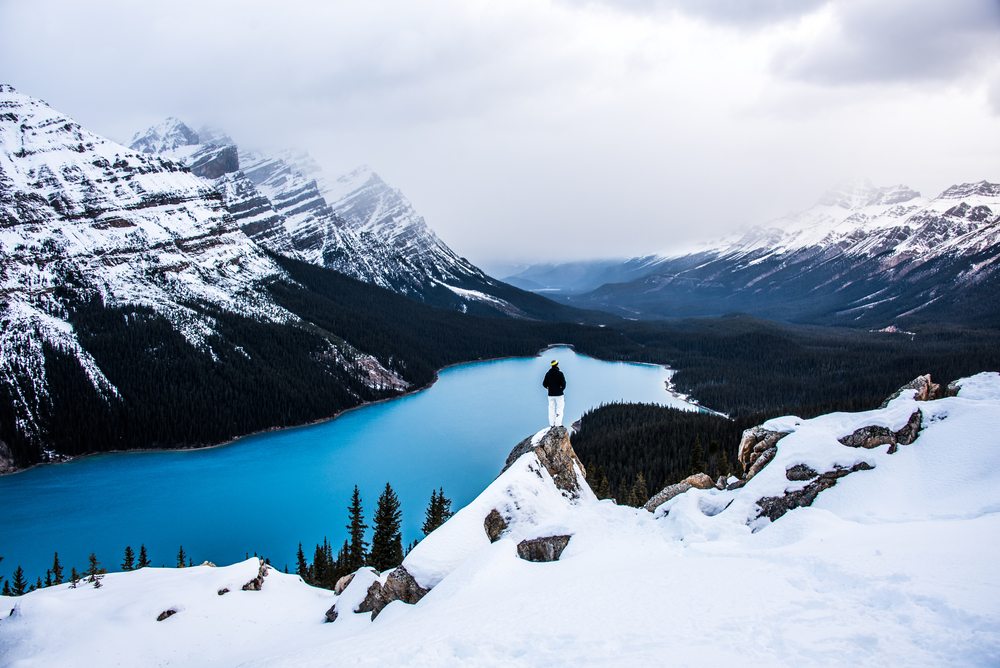
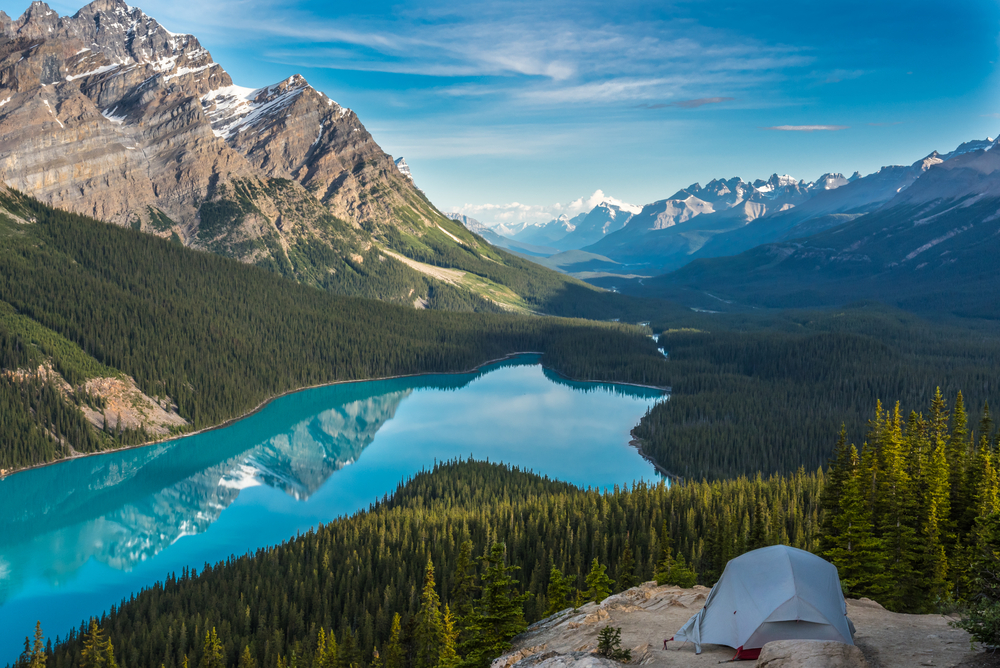
The drive along the 140 miles (230 km) Icefields Parkway takes travelers from Lake Louise to Jasper National Park while offering views of Hector Lake, Peyto Lake, Mistaya River, and numerous snow-capped peaks. The overlook over Peyto lake is a must providing a natural view that is so stunning you will believe it is photoshopped even though it is true life – what amazing color!

Banff also affords visitors with an array of cultural experiences as well. Within the park boundaries, travelers can explore the Whyte Museum, Buffalo Nations Luxton Museum, and the Cave and Basin National Historic Site.

Predators

Predators

Banff National Park, nestled in the Canadian Rockies, hosts a diverse array of predator species crucial to its ecological balance. Among the prominent predators are:

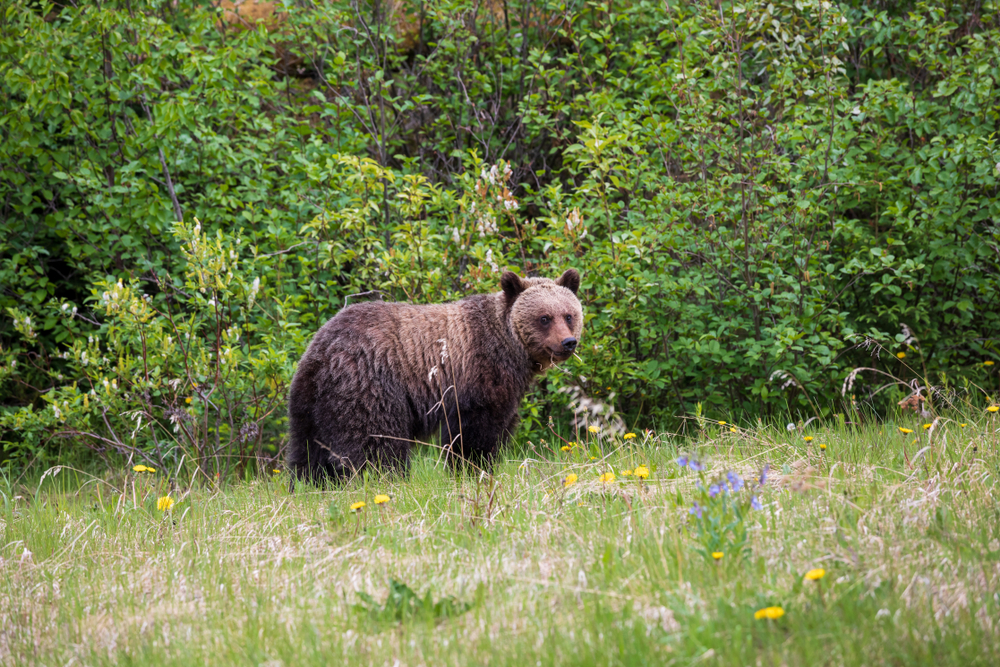
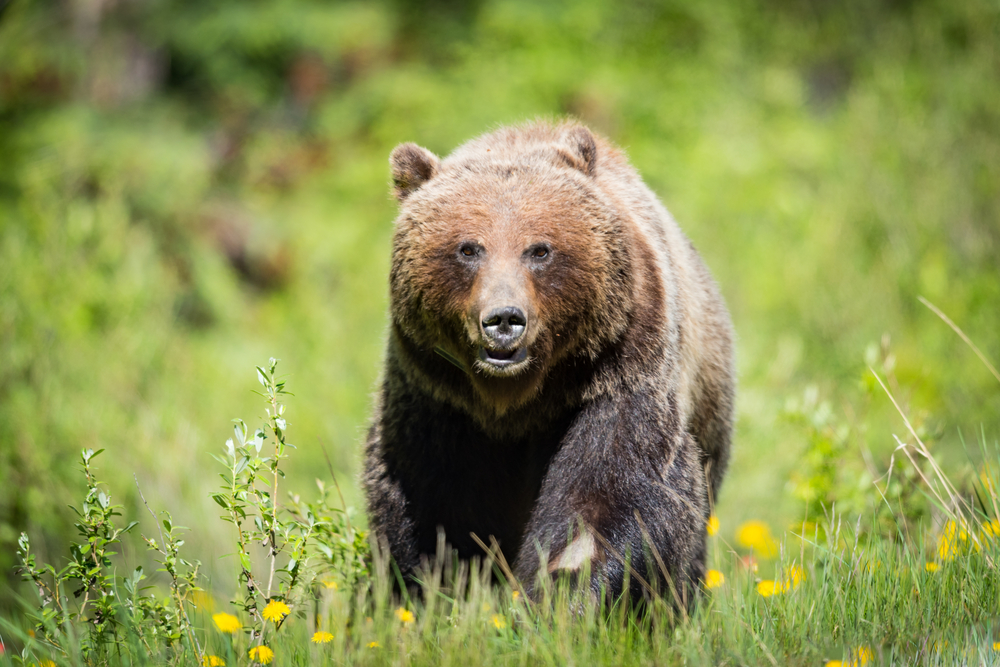
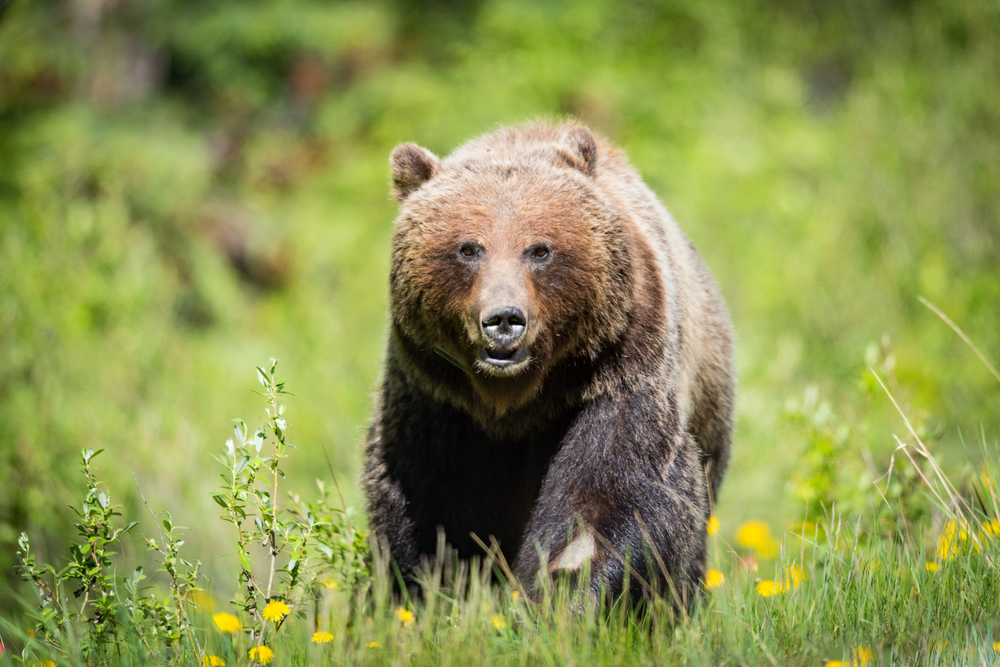
Grizzly Bear: The iconic grizzly bear is a top predator in Banff, known for its immense size and strength. These solitary animals primarily feed on vegetation but can also prey on small mammals, fish, and carrion.

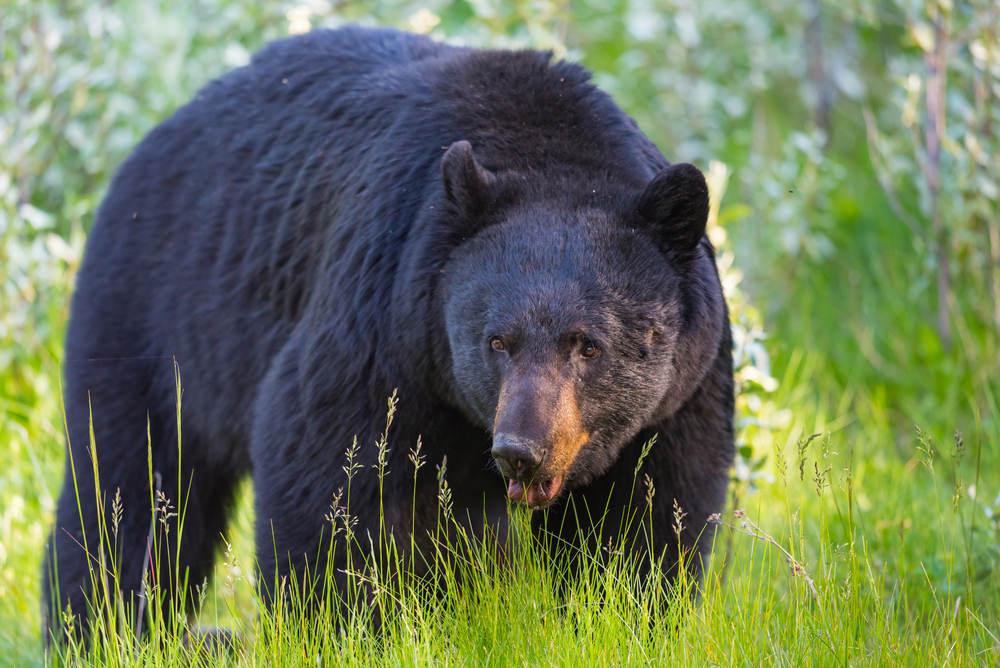
Black Bear: The black bear is another common bear species found in Banff. Despite its name, it can vary in color from black to brown or cinnamon. These omnivores have a diverse diet, consuming berries, nuts, insects, and occasionally small mammals.

Mountain Lion: Also known as cougars or pumas, mountain lions are stealthy predators inhabiting Banff’s rugged terrain. These solitary cats are adept hunters, preying on deer, elk, and other ungulates.

Wolf: Wolves are integral members of Banff’s predator community, playing a vital role in maintaining prey populations’ balance. These highly social animals live in packs and primarily hunt ungulates such as deer and elk.

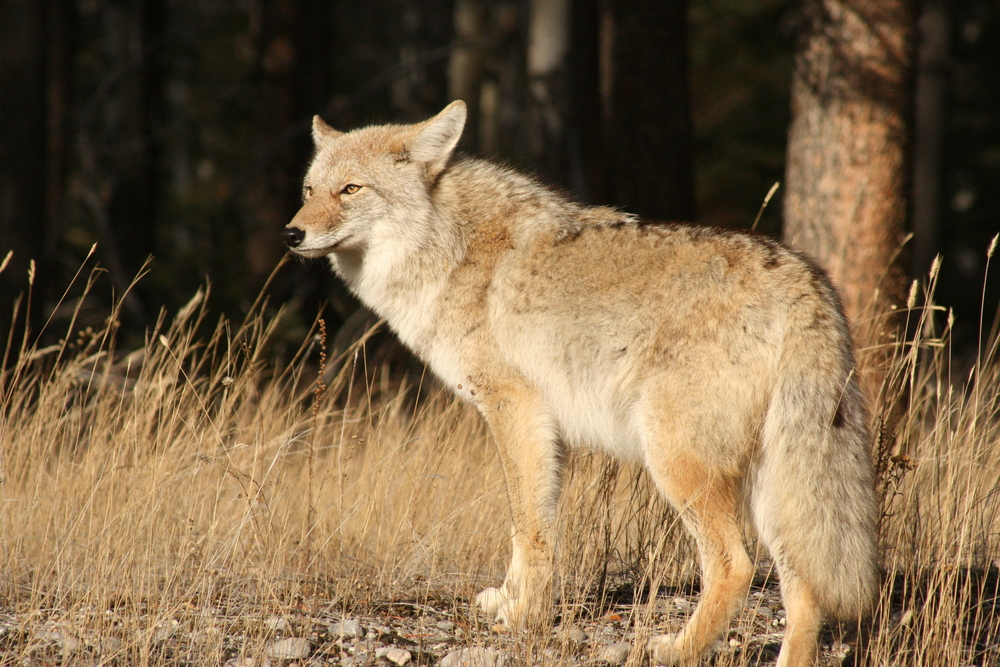
Coyote: Coyotes are adaptable predators found throughout Banff National Park. They have a varied diet, including small mammals, birds, fruits, and carrion. These opportunistic hunters are known for their cunning and agility.

Wolverine: Wolverines are elusive predators with powerful jaws and strong claws. These solitary animals inhabit Banff’s remote areas and feed on carrion as well as small mammals like rodents and ground squirrels.

Red Fox: Red foxes are widespread in Banff and known for their reddish-orange fur and bushy tails. They are opportunistic hunters, preying on small mammals, birds, and insects. Foxes are also scavengers and may feed on carrion.

Lynx: Canada lynx, with their distinctive tufted ears and thick fur, are well-adapted to Banff’s forested habitat. These elusive cats primarily hunt snowshoe hares but may also prey on small mammals like rodents and birds.

Martens: Martens are small carnivores related to weasels and otters. They are skilled climbers and adept hunters, preying on birds, rodents, and insects. Martens are known for their agility and elusive behavior in Banff’s forests.

Bald Eagle: Bald eagles are majestic birds of prey found near Banff’s rivers and lakes. These iconic birds primarily feed on fish but also scavenge for carrion and occasionally hunt small mammals and birds.

Popular

Popular

Banff National Park, nestled in the heart of the Canadian Rockies, boasts a rich diversity of wildlife beyond its famed predators. Among the park’s other popular species are:

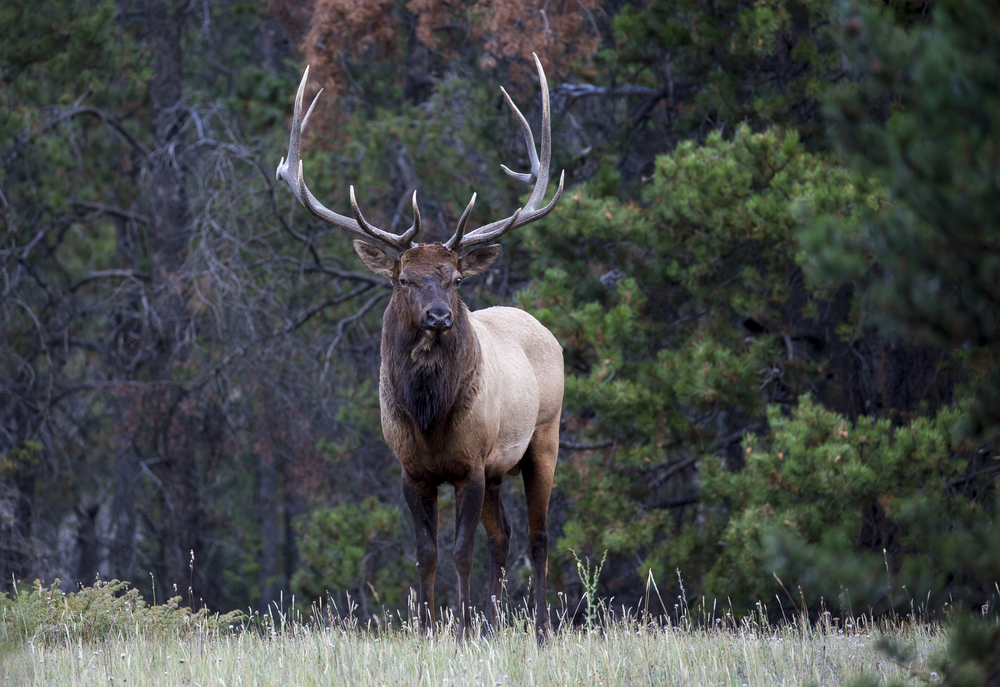
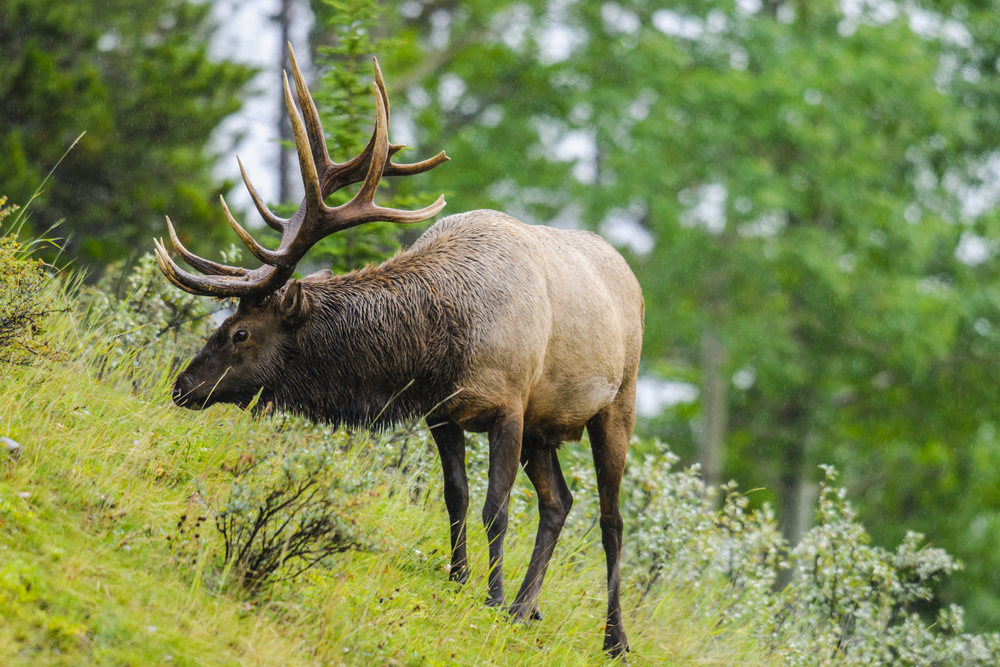
Elk: Majestic elk, also known as wapiti, are iconic symbols of Banff’s wilderness. These large herbivores are commonly spotted grazing in meadows and along riverbanks. With their impressive antlers and elegant stature, elk are a highlight of any visit to the park.

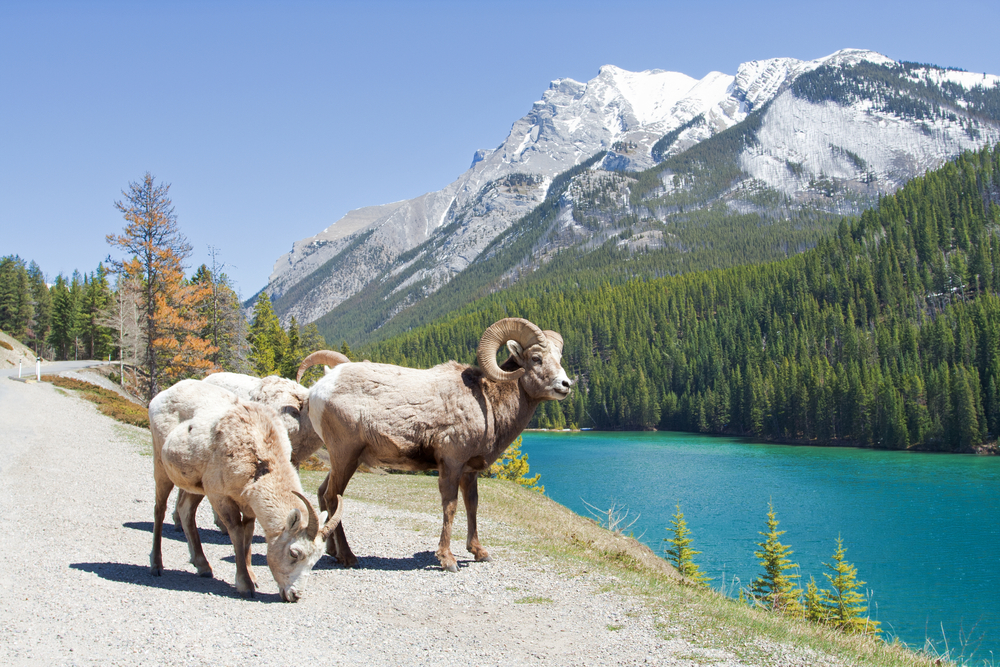
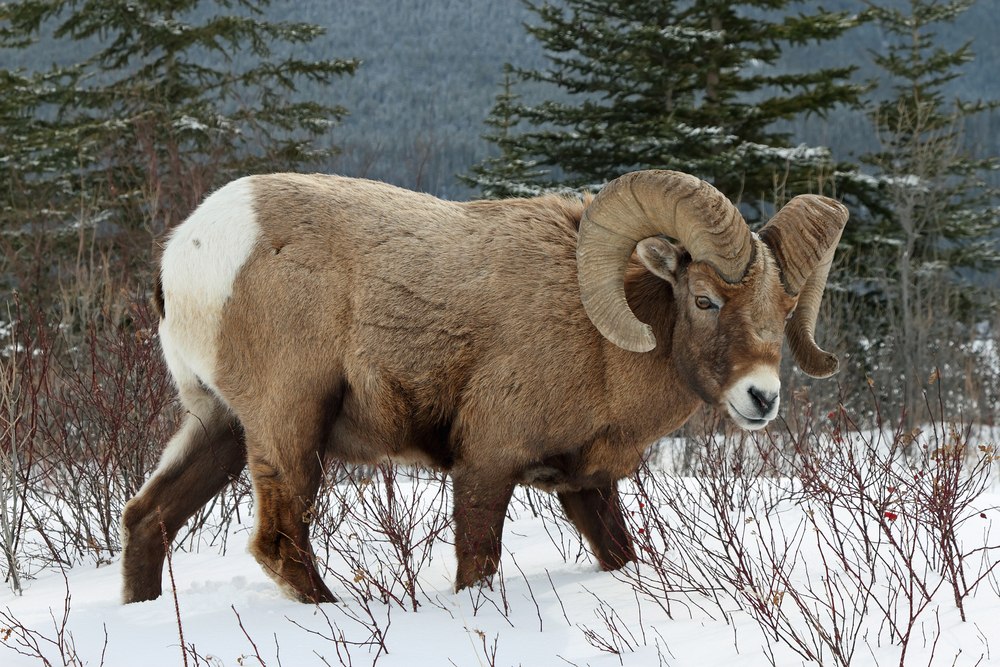
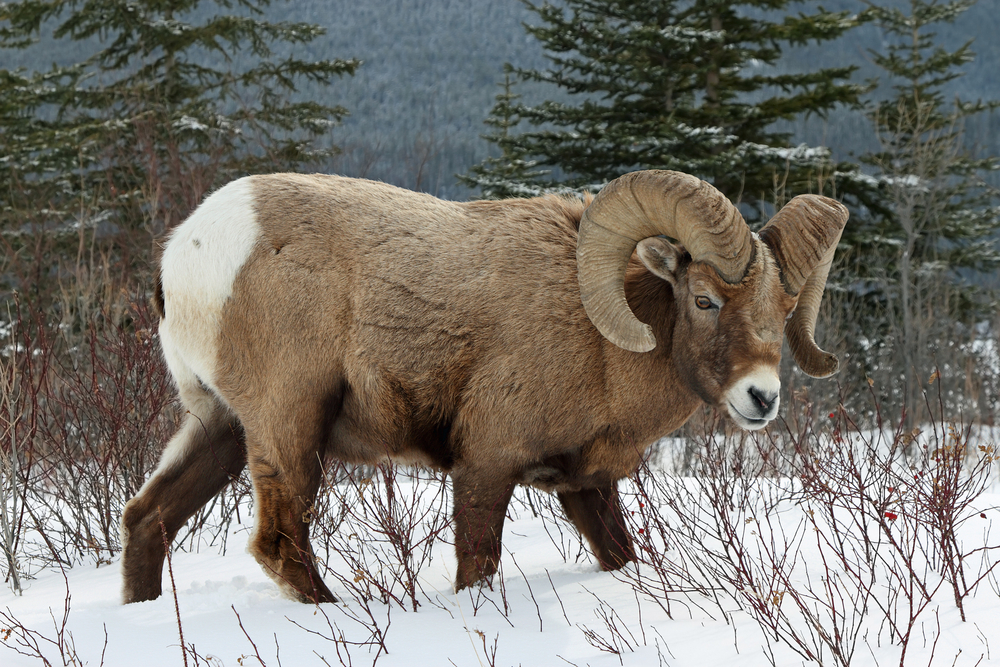
Bighorn Sheep: Bighorn sheep are well-adapted to Banff’s rugged terrain, where they navigate steep cliffs and rocky slopes with ease. These iconic mammals are known for their massive, curved horns, which males use during mating rituals and to establish dominance within their herds.

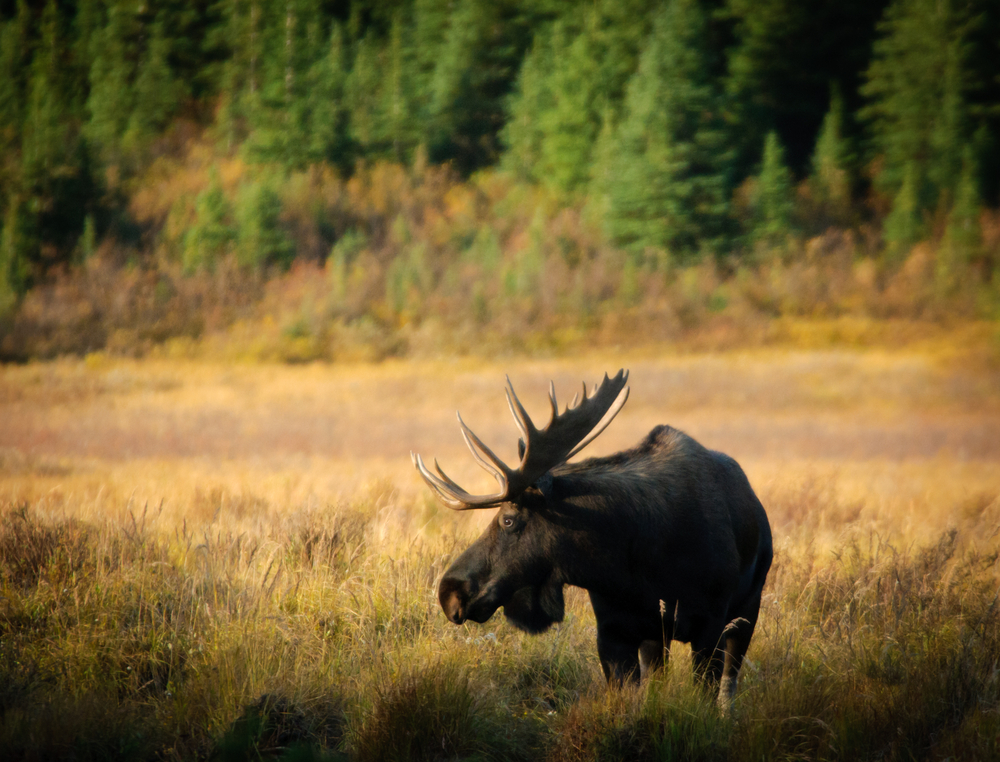
Moose: The elusive moose, North America’s largest deer species, inhabits Banff’s wetlands and marshy areas. With their towering stature and distinctive, palmate antlers, moose are a sought-after sighting for wildlife enthusiasts visiting the park.

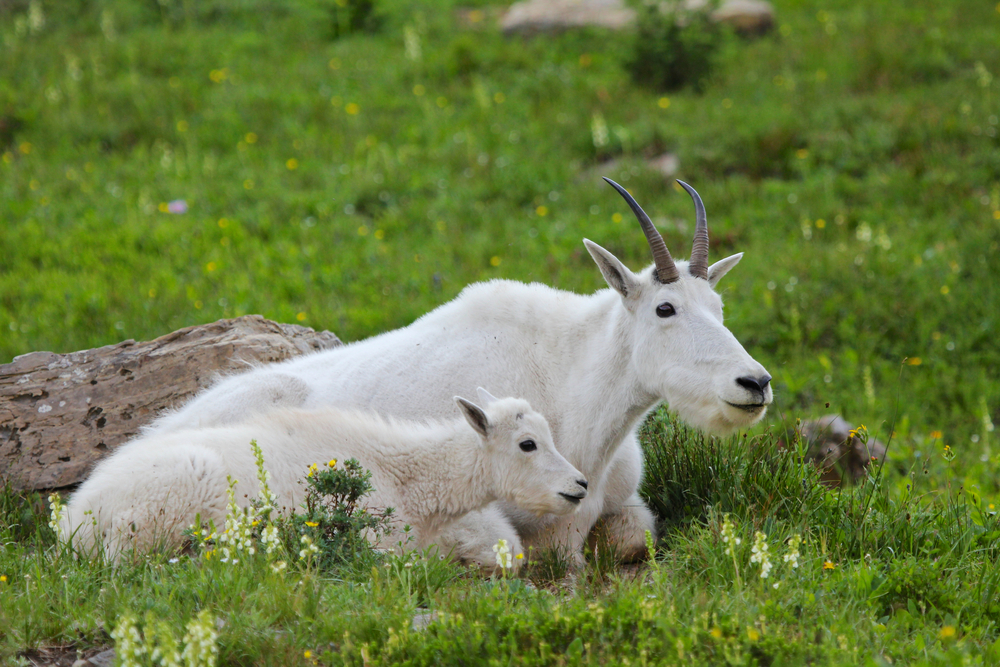
Mountain Goat: Mountain goats are sure-footed climbers that inhabit Banff’s alpine meadows and rocky cliffs. These hardy animals are adapted to life at high elevations, where they forage on grasses, herbs, and lichens while keeping a watchful eye out for predators.

Mule Deer: Mule deer are common sights in Banff’s forests and grasslands, where they browse on shrubs, grasses, and leaves. These graceful herbivores are known for their large ears and distinctive jumping gait, which gives them their name.

Canada Lynx: Canada lynx are elusive cats with distinctive tufted ears and thick fur, well-adapted to Banff’s forested habitat. These solitary hunters primarily prey on snowshoe hares but may also target small mammals like rodents and birds.

Beaver: Beavers are ecosystem engineers that play a vital role in shaping Banff’s wetlands and waterways. These industrious rodents build intricate dams and lodges, creating habitats that support a variety of wildlife, including fish, amphibians, and birds.

Hoary Marmot: Hoary marmots are social rodents that inhabit Banff’s alpine meadows and rocky slopes. These charismatic animals are known for their distinctively grizzled fur and shrill whistles, which serve as warning calls to alert their colony members of approaching predators.

American Dipper: The American dipper, also known as the water ouzel, is a small songbird found along Banff’s rushing mountain streams and rivers. These agile birds are skilled swimmers and divers, using their waterproof plumage to forage for aquatic insects and small fish beneath the water’s surface.

Columbian Ground Squirrel: Columbian ground squirrels are ubiquitous residents of Banff’s grasslands and meadows, where they dart about in search of seeds, grasses, and insects. These social rodents are known for their burrow systems, which provide shelter from predators and harsh weather conditions

Morraine Lake

Morraine Lake

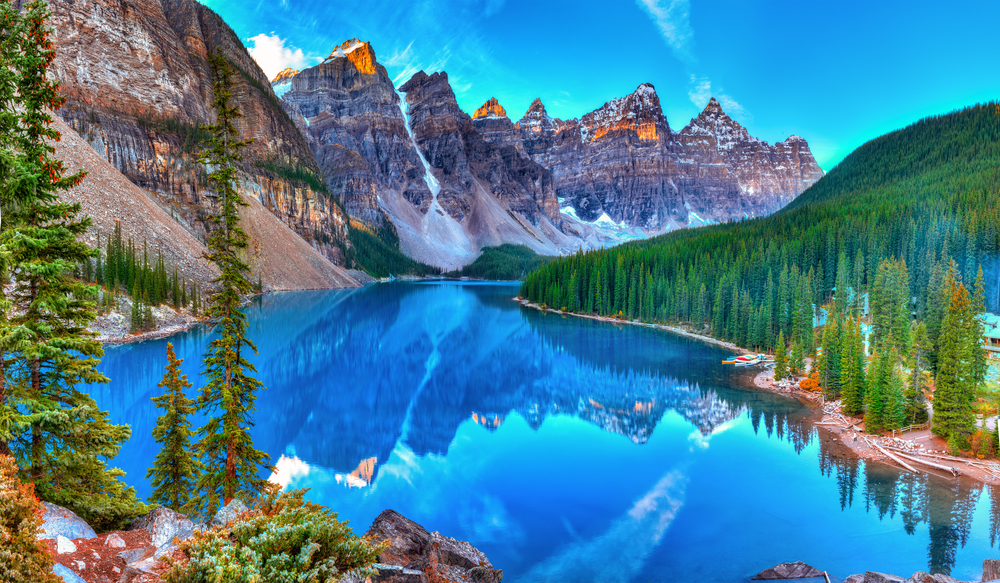
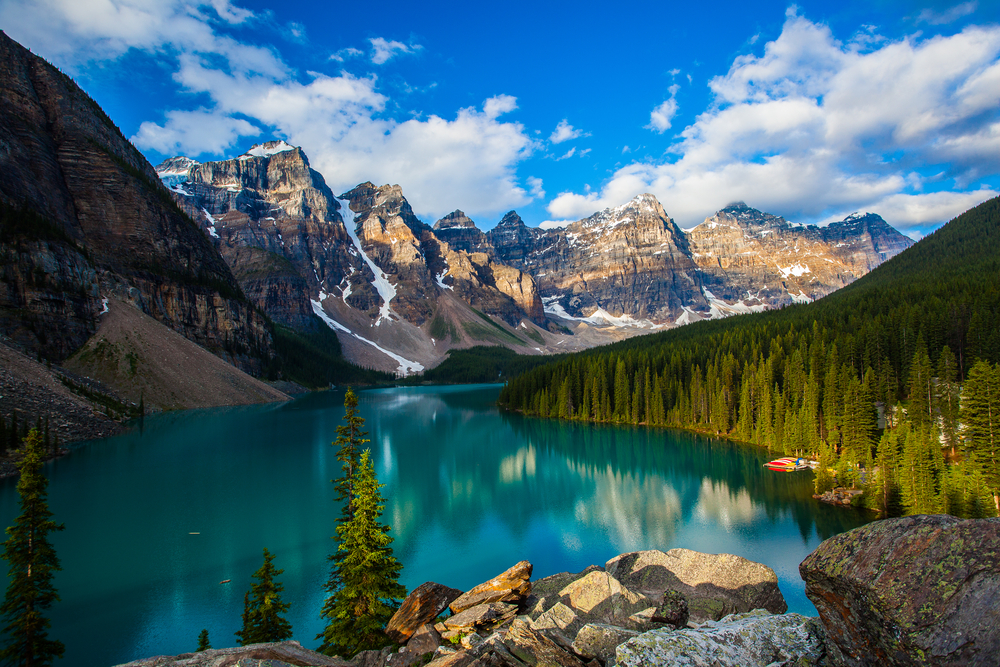
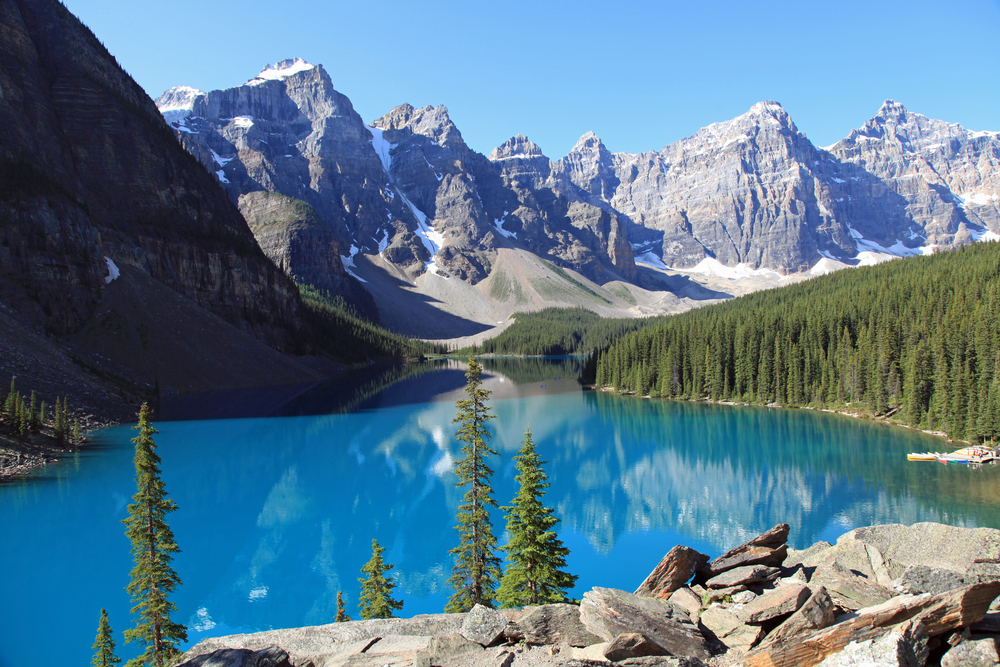
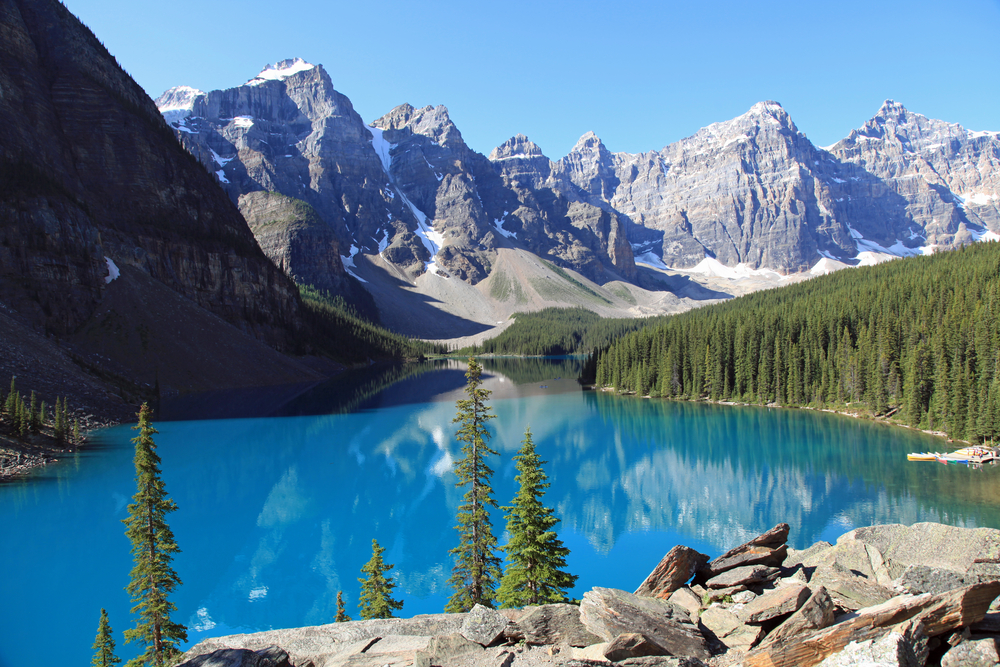
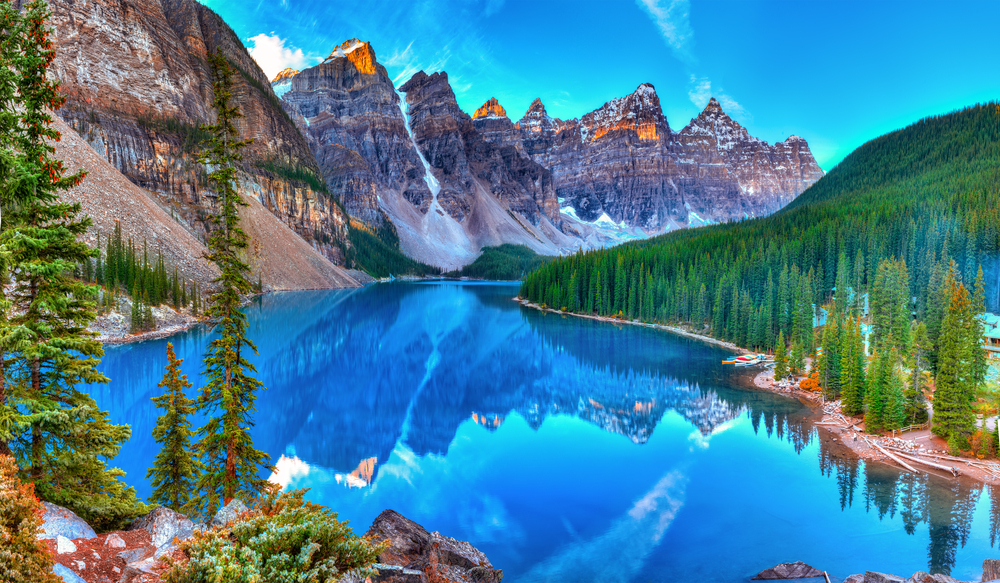
Known for its vivid blue hues and encircled by towering peaks, Moraine Lake is a photographer’s paradise.

This glacially-fed lake measures about 0.8 miles (1.3 kilometers) long and reaches depths of up to 318 feet (97 meters).

Visitors can marvel at its beauty from the lakeshore or embark on scenic hikes to viewpoints offering panoramic vistas.

Lake Louise

Lake Louise

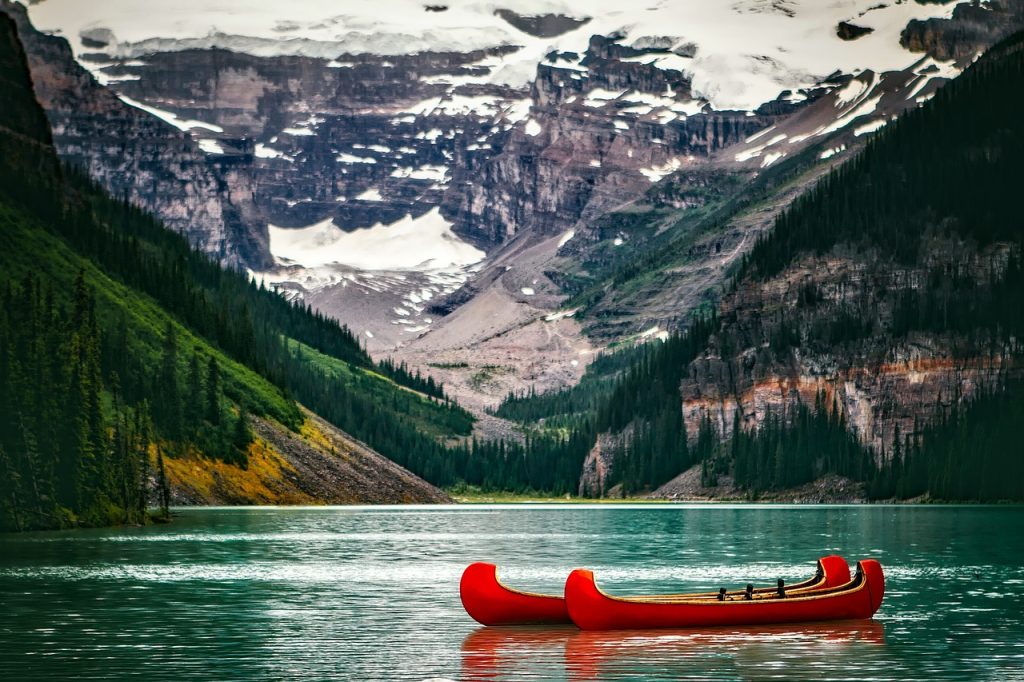
One of Banff’s crown jewels, Lake Louise captivates visitors with its stunning turquoise waters and dramatic mountain backdrop.

This glacier-fed lake spans approximately 1.5 miles (2.4 kilometers) in length and reaches depths of up to 230 feet (70 meters), providing a serene setting for outdoor activities like canoeing and hiking.

The lake also serves as the namesake and iconic attraction of the renowned Lake Louise Hotel.

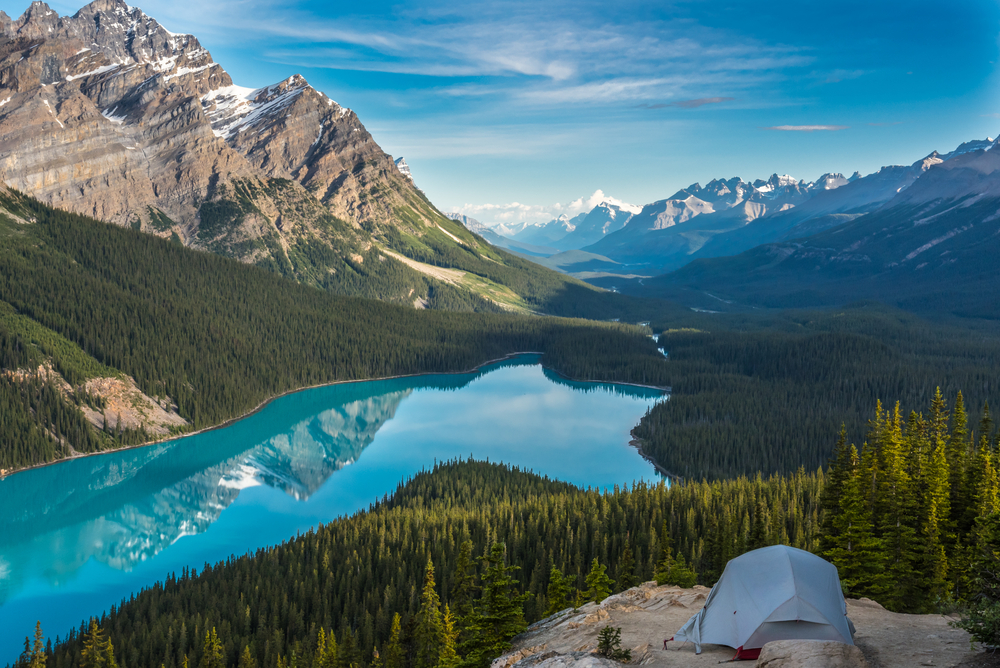
Peyto Lake

Peyto Lake

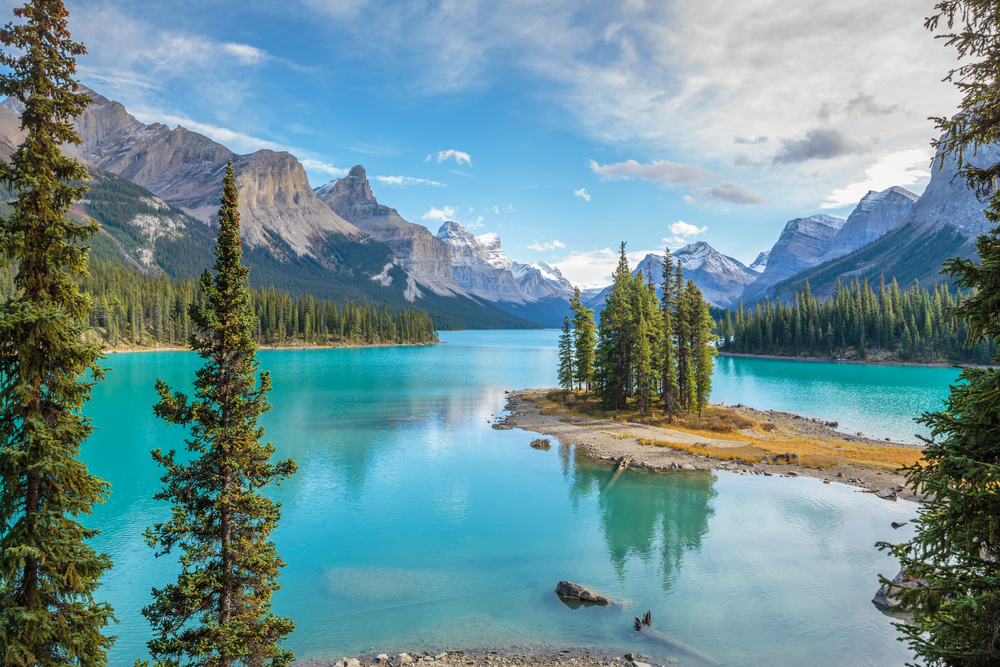
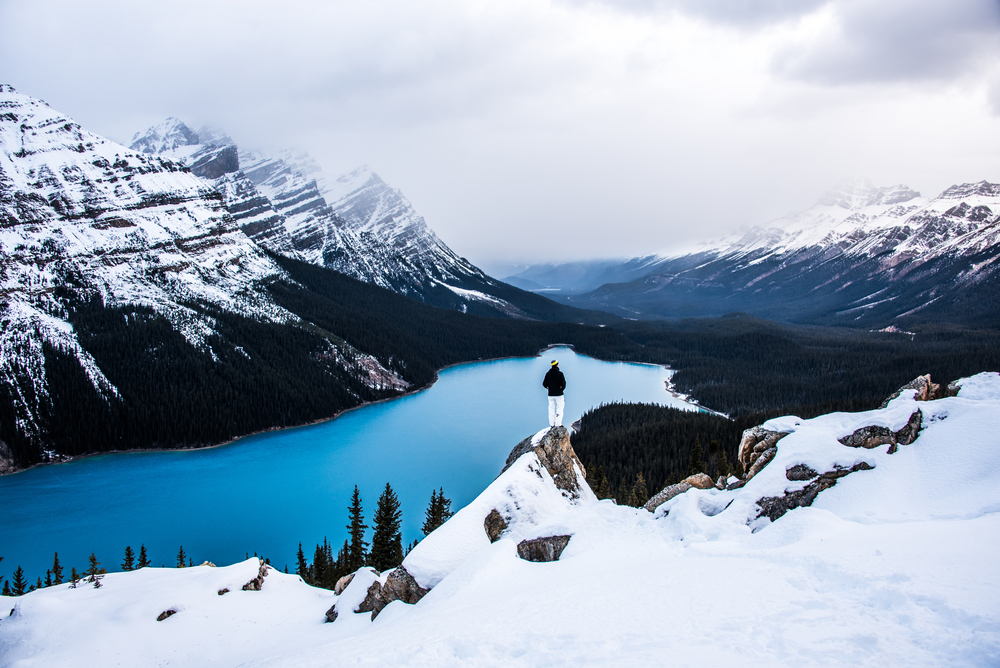
With its striking azure coloration and panoramic vistas, Peyto Lake is a must-visit destination in Banff.

This glacier-fed lake stretches approximately 1.9 miles (3 kilometers) in length and plunges to depths of up to 279 feet (85 meters).

Accessible via a short hike from the Icefields Parkway, Peyto Lake offers unparalleled views of the surrounding Rocky Mountains.

The scenic vista overlooking the lake provides some of the most iconic picturesque pictures of Banff landscapes.

Majestic Rockies

Majestic Rockies

Nestled within the majestic landscapes of Banff National Park are its iconic peaks, each contributing to the park’s rugged beauty and allure.

Mount Temple: Standing tall at an elevation of 11,627 feet (3,544 meters), Mount Temple is one of Banff’s most prominent summits. This imposing mountain offers a challenging ascent for experienced climbers, rewarding them with panoramic views of the surrounding Rockies from its summit.

Cascade Mountain: With its distinctive pyramid shape, Cascade Mountain is a prominent feature of Banff’s skyline. Rising to an elevation of 9,836 feet (2,998 meters), this iconic peak offers a variety of hiking routes, ranging from leisurely strolls to more challenging scrambles. From its summit, hikers are treated to breathtaking vistas of the Bow Valley and nearby peaks.

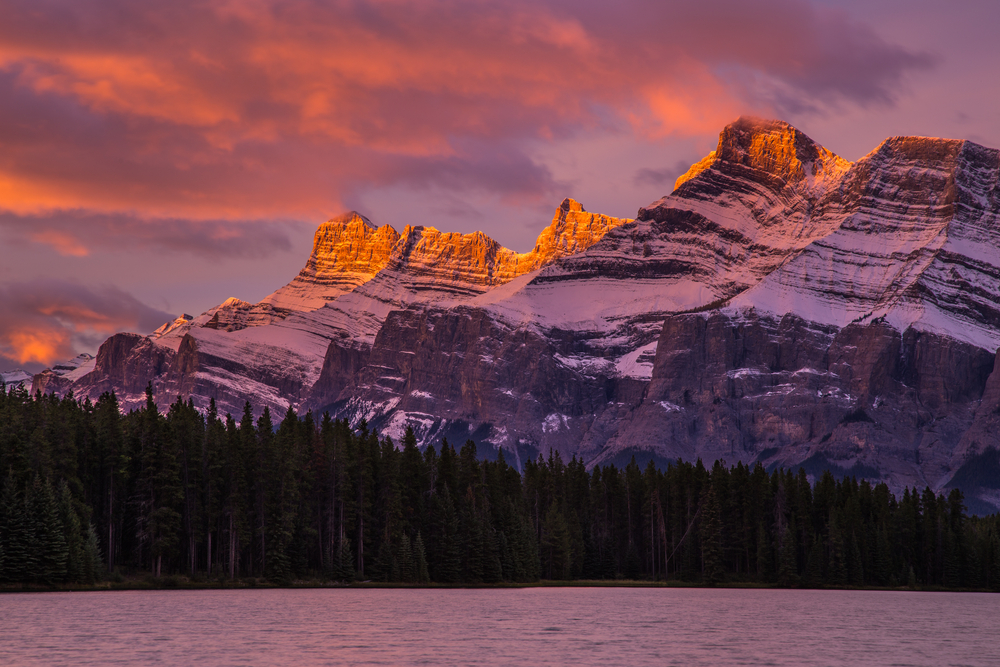
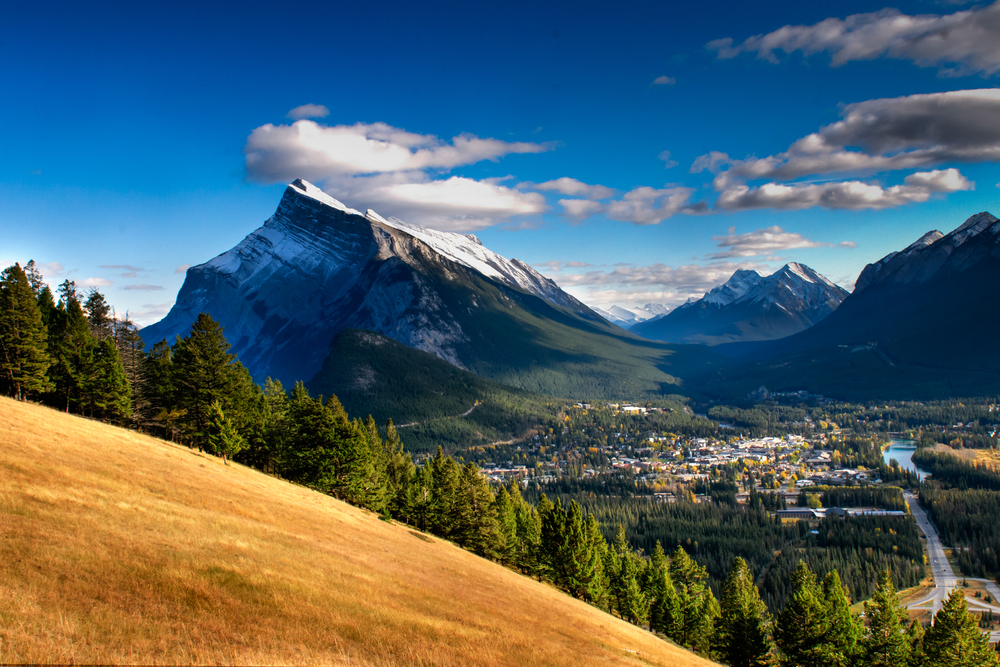
Mount Rundle: Stretching along the eastern edge of Banff townsite, Mount Rundle is a beloved landmark in the park. Rising to a height of 9,675 feet (2,949 meters), this striking mountain offers numerous hiking and scrambling opportunities, including the popular Sulphur Mountain Trail. Its rugged slopes and panoramic views make it a favorite among outdoor enthusiasts.

Banff Springs Hotel

Banff Springs Hotel

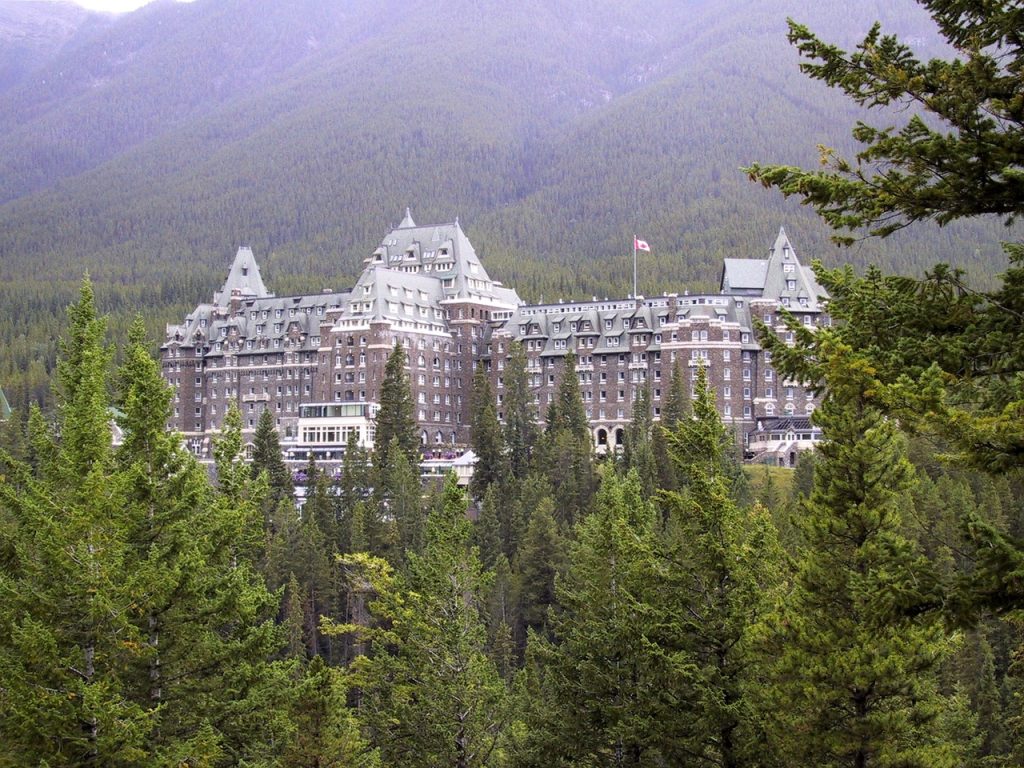
The Banff Springs Hotel, also known as the “Castle in the Rockies,” is a historic landmark nestled amidst the stunning landscapes of Banff National Park in Alberta, Canada.

Built in 1888 by the Canadian Pacific Railway, this grand hotel exudes elegance and charm, reflecting the opulence of the Victorian era. The hotel’s architecture blends seamlessly with its natural surroundings, featuring turrets, gables, and a distinctive copper roof that contrasts beautifully with the surrounding peaks.

Spanning over 750,000 square feet (69,677 square meters), the Banff Springs Hotel boasts over 750 guest rooms, including luxurious suites offering breathtaking views of the surrounding mountains and forests.

Over the years, the hotel has welcomed numerous dignitaries, celebrities, and guests seeking a luxurious retreat in the heart of the Canadian Rockies.

Today, it stands as a testament to Banff’s rich history and continues to enchant visitors with its timeless elegance and world-class amenities

Things To Do

The town and national park both provide a variety of activies to engage visitors who come to take in the captivating nature of the town and the spectacular wilderness.
Banff Town

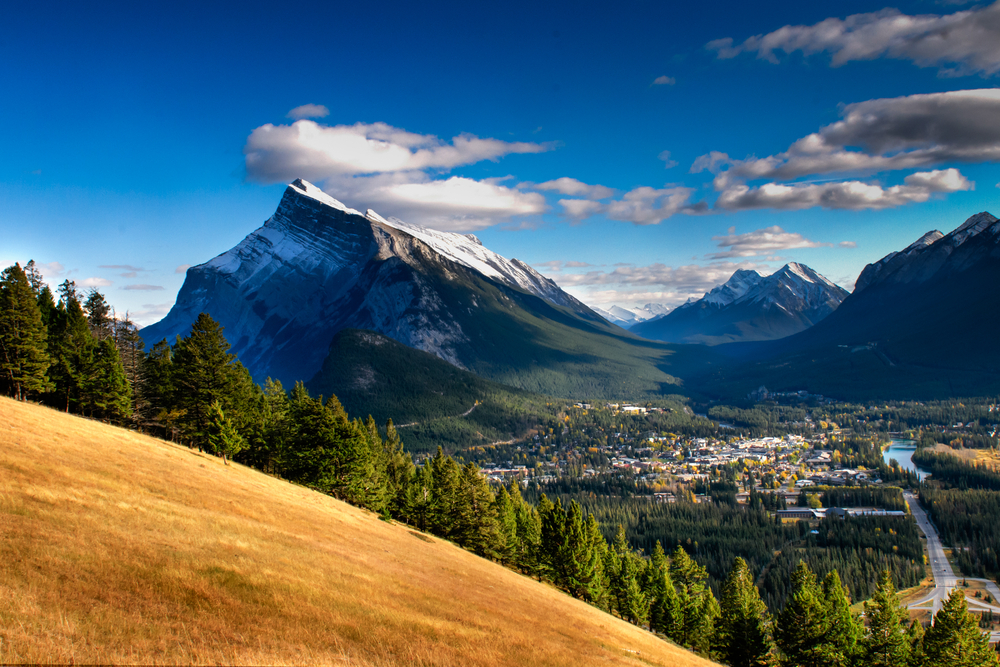
Shopping, museums, and dining are found throughout the town of Banff, which is nestled right below the Banff Castle.  Views of the castle add to the town exploration.

Hiking and Backpacking

Banff National Park is a hiker’s paradise, offering a vast network of trails that wind through pristine forests, alpine meadows, and rugged mountain landscapes.

From leisurely strolls along scenic lakeshores to challenging ascents up towering peaks, there’s a trail for every skill level and interest. Popular hikes include the Johnston Canyon Trail, Moraine Lake Shoreline Trail, and Plain of Six Glaciers Trail, each offering breathtaking views of the park’s iconic scenery.

Whether you’re seeking solitude in the wilderness or hoping to spot wildlife such as elk, bighorn sheep, and grizzly bears, hiking in Banff promises an unforgettable outdoor adventure immersed in the beauty of the Canadian Rockies.

Sightseeing

Explore Banff National Park’s stunning landscapes from the comfort of your car or RV on one of the park’s scenic drives. Travel along the renowned Icefields Parkway, known as one of the most beautiful drives in the world, and marvel at towering mountain peaks, turquoise lakes, and ancient glaciers.

Stop at iconic viewpoints such as Bow Lake, Peyto Lake, and the Columbia Icefield to capture breathtaking photos and soak in the awe-inspiring scenery.  The drive to each of these iconic attractions is an attraction of its own with majestic mountains surrounding you all along the way.

With its well-maintained roads and countless points of interest, a scenic drive through Banff National Park offers a convenient and unforgettable way to experience the park’s natural wonders and iconic landmarks.

Canoeing and Kayaking

Immerse yourself in Banff National Park’s pristine waterways and serene lakes by embarking on a canoeing or kayaking adventure. Paddle across crystal-clear waters surrounded by towering mountains and lush forests, where you’ll enjoy breathtaking views and peaceful solitude.

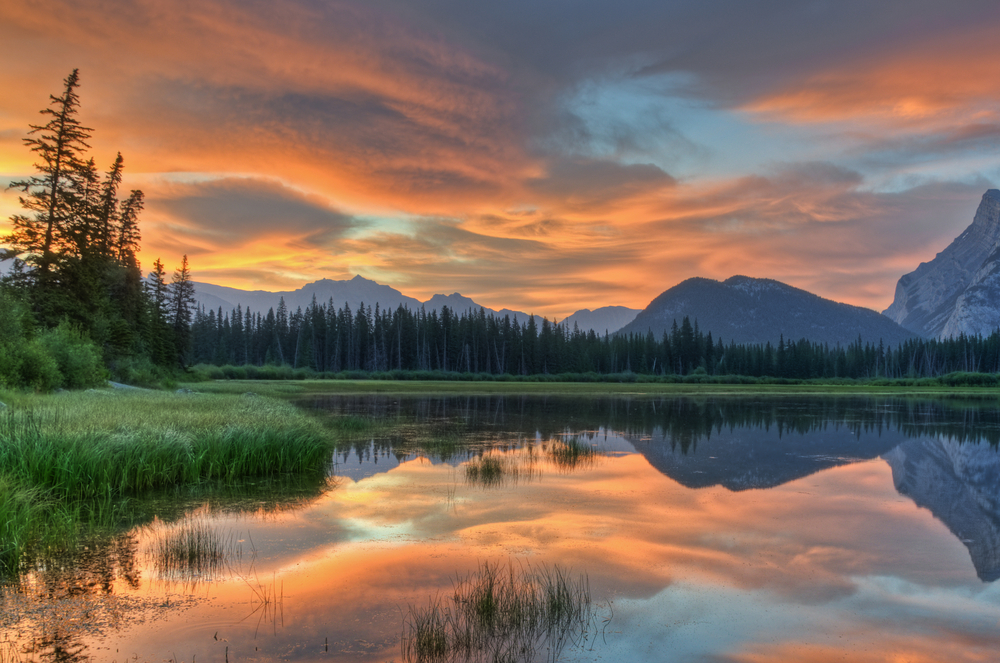
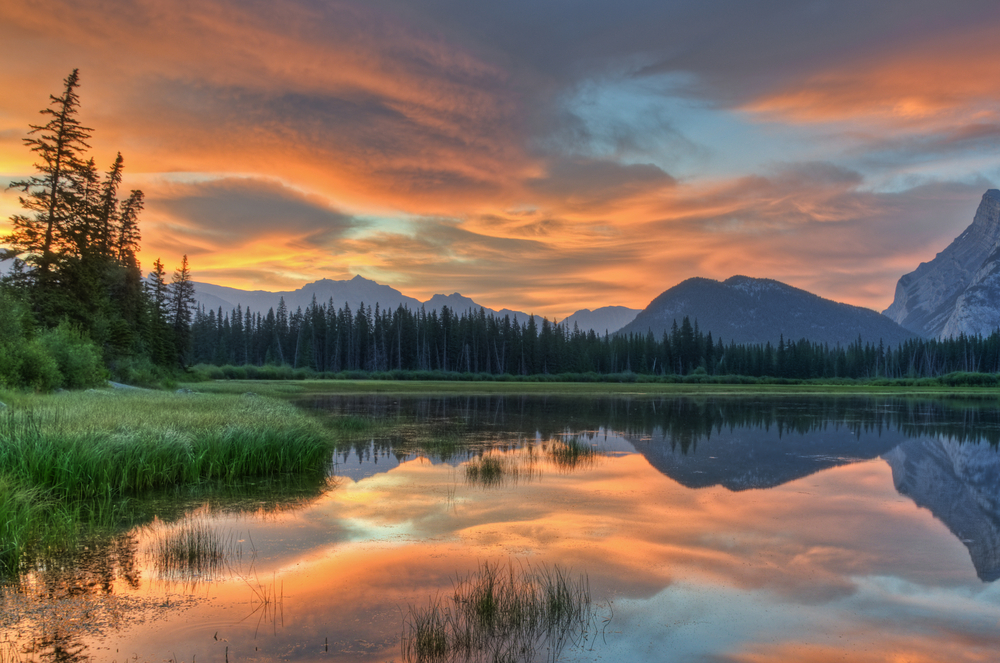
Rent a canoe or kayak from one of the park’s outfitters or bring your own equipment and launch from one of the park’s designated access points. Explore iconic lakes such as Lake Louise, Moraine Lake, Vermilion Lakes, and Bow Lake, where you can glide past towering glaciers and spot wildlife along the shoreline.

Moraine Lake is a smaller lake, however you are eclipse by the 1o summits casting over you as you paddle around the renowned lake.

Whether you’re seeking a leisurely paddle or an adrenaline-pumping whitewater adventure, canoeing and kayaking in Banff National Park offer a unique and immersive way to experience the park’s natural beauty and tranquility.

Gondola

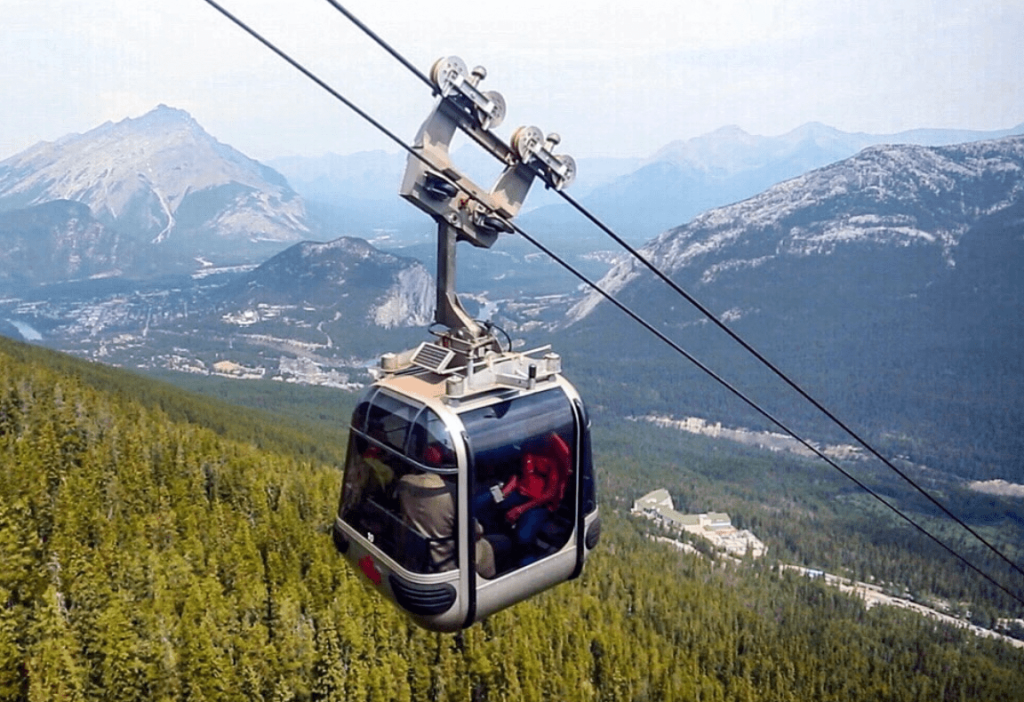
Experience Banff National Park from new heights by taking a scenic gondola ride to the top of Sulphur Mountain or Mount Norquay. Hop aboard a glass-enclosed gondola and soar above the treetops as you ascend to panoramic viewpoints offering sweeping vistas of the surrounding mountains and valleys.

Marvel at the breathtaking scenery below as you glide effortlessly to the summit, where you can explore interpretive exhibits, enjoy a meal with a view at a mountaintop restaurant, or simply soak in the awe-inspiring sights.

With its spectacular views and convenient access, a scenic gondola ride in Banff National Park provides an unforgettable way to experience the park’s natural wonders and iconic landmarks from a unique perspective.

Banff National Park Trails

Banff National Park is massive and there are well over 200 hiking trails that traverse and meander about the national park providing views of the astounding facets of nature like Lake Louise, Peyton Lake, Moraine Lake and so many more.  The trails vary from short to long and easy to difficult.  Every bit of your hiking adventure will be a remarkable experience in one of the most beautiful places in the world.

placeholder

Moraine Lake Rockpile Trail:

This is an easy and short trail about half-a-mile (0.8 km) long.  The trail ventures off away from the parking lot to a stockpile that provides a little elevation and vista over Moraine Lake looking back at the Valley of Ten Peaks that serve as the backdrop behind the lake.

placeholder

Johnston Canyon - Ink Pots Trail

This is a moderate rated trail with an elevation gain of 1,994 feet (607.77 m) while traveling out 7.3 miles (11.7 km). The glorious mountain backdrops blanketed with forested hillsides along with a waterfall and chances to see wildlife make this one of the most memorable treks. The terrain and landscapes are stunning in every direction and the journey back lets you see it from different perspectives.

placeholder

Lake Agnes Tea House Trail

Rating: Moderate

Distance and Elevation Gain: 4.6 miles round trip with an elevation gain of about 1,300 feet (400 meters)

Description: Starting from the shores of Lake Louise, this trail winds through lush forest to the historic Lake Agnes Tea House perched beside its namesake lake. Hikers are rewarded with stunning views of the surrounding mountains and Lake Louise below. The trail continues past Mirror Lake and offers the chance to spot local wildlife along the way.

placeholder

Plain of Six Glaciers Trail

Rating: Moderate

Distance and Elevation Gain: 8.7 miles round trip with an elevation gain of about 1,200 feet (365 meters)

Description: This trail offers expansive views of the glaciers flowing from the Victoria Glacier, ending at another charming tea house. Hikers will enjoy panoramic views of the Bow Valley and Lake Louise, with opportunities to see avalanches and icefalls from the glaciers. It’s a perfect trail for those interested in geology and glaciology.

placeholder

Johnston Canyon to Ink Pots

Rating: Moderate

Distance and Elevation Gain: 7.3 miles round trip with an elevation gain of about 1,500 feet (460 meters)

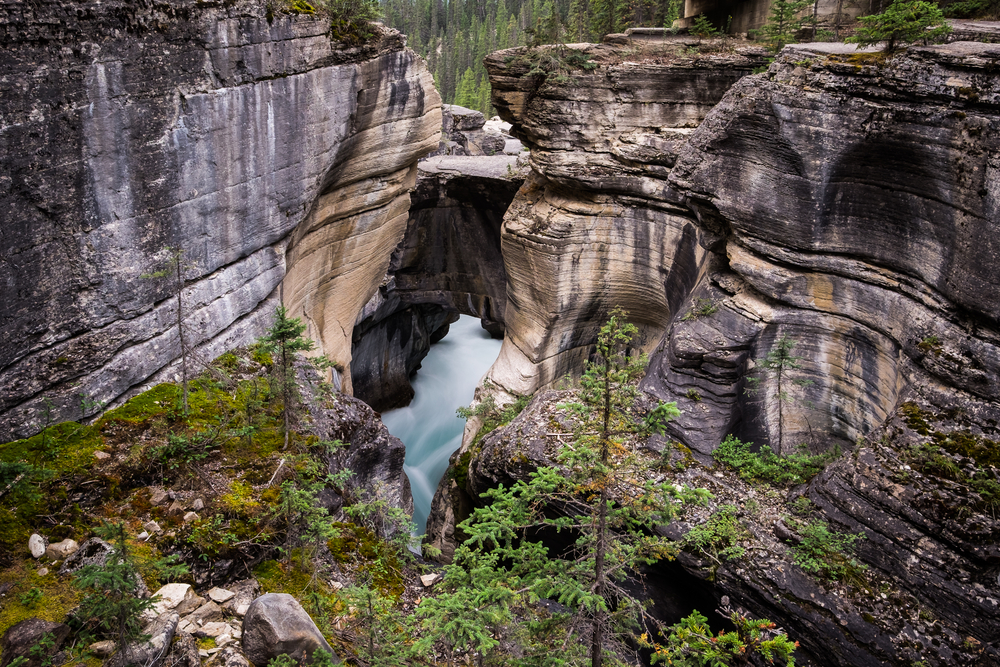
Description: This popular trail takes hikers through the dramatic limestone gorge of Johnston Canyon to the Ink Pots – seven stunning, clear, spring-fed pools of varying colors. The path includes catwalks affixed to the canyon walls, allowing close-up views of the lower and upper falls.

placeholder

Sulphur Mountain Trail

Rating: Moderate to Difficult

Distance and Elevation Gain: 6.8 miles round trip with an elevation gain of about 2,300 feet (700 meters)

Description: Climbing to the summit of Sulphur Mountain offers panoramic views of Banff, the Bow Valley, and surrounding mountain ranges. The trail is strenuous but well-maintained, culminating at the upper gondola terminal where hikers can explore the boardwalk or enjoy a well-deserved rest at the summit café.

Banff National Park

Moraine Lake Shoreline Trail

Rating: Easy

Distance and Elevation Gain: 1.2 miles round trip with minimal elevation gain

Description: This easy, family-friendly trail offers one of the most iconic views in Banff National Park, with the vivid turquoise waters of Moraine Lake set against the majestic Ten Peaks. It’s an ideal hike for those seeking spectacular scenery without a strenuous climb, perfect for photographers and families alike.

Park Protection

Banff National Park was created by the Canadian government is recognition and celebration of the captivating wilderness of the Alberta Rocky Mountains.  With the spectacular views of Moraine Lake, Lake Louise, and Peyto Lake it was imperative to establish the protected landscapes for the wildlife living there and future generations of visitors from around the world.

Banff National Park also creates protection of the historical and cultural significance of the Banff Castle.  The town of Banff adds to the experience for those experiencing the national park and all it has to offer.

FAQ’s

What is Banff most known for?

Banff National Park is renowned for its breathtaking mountain landscapes, pristine glacial lakes, and abundant wildlife. It is particularly famous for its stunning turquoise lakes such as Lake Louise and Moraine Lake, which are set amidst towering mountain peaks.

The park also offers world-class outdoor recreational activities year-round, including hiking, skiing, snowboarding, and wildlife viewing.

Banff’s picturesque scenery, including iconic landmarks like the Banff Springs Hotel and the Icefields Parkway, attracts millions of visitors annually, making it one of the most popular destinations for nature lovers and outdoor enthusiasts in Canada.

Sources