About

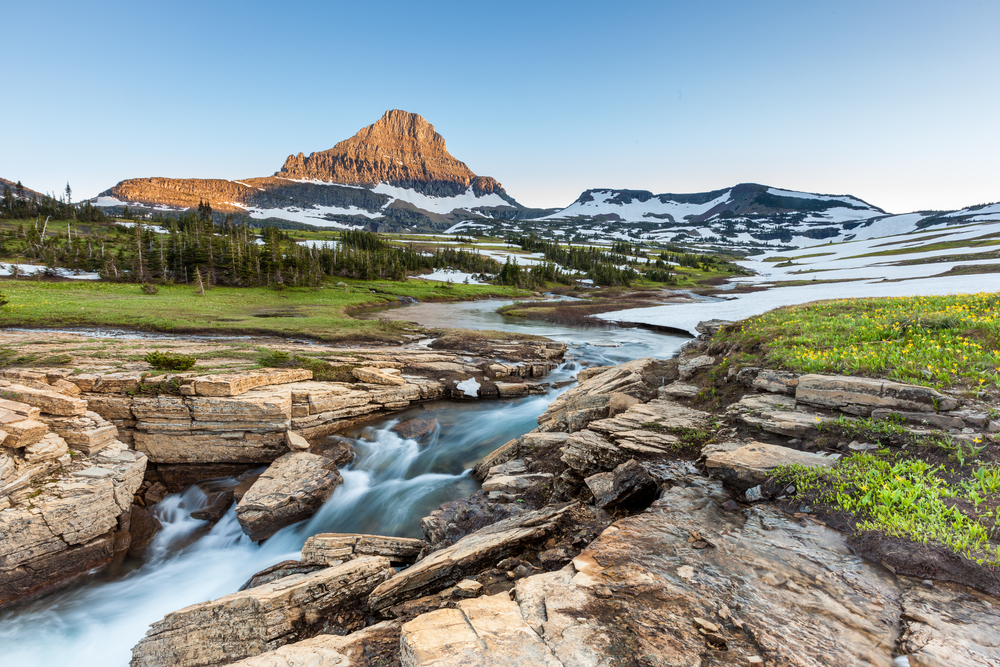
Glacier National Park is located in northern Montana, United States along the border of Canada and the United States. The park covers an area of 1,583.3 square miles (4,100.77 sq km).

The park borders Canada and the neighboring Waterton Lakes National Park. The two parks together are recognized as Biosphere Reserves by UNESCO. Glacier in Montana has nothing to do with the Glacier National Park in Canada

Glacier is renowned for the expansive wilderness that features over 130 named lakes with a total of 700 scattered across the park.  Twelve of the lakes are larger and considered more significant, and Lake McDonald is the largest.

It is not only lakes that are prevalent, there are around 200 waterfalls dispersed throughout the park. McDonald Falls and Swift Current Falls are the two largest.  Bird Woman Falls is the tallest with a plunge of 492 feet (150 m).

Mount Cleveland is the tallest mountain in the park with a summit at 10,466 feet (3,190 m).  There are five other mountains that exceed the 10,000-foot (3,048 m) mark.

Although not officially recognized as “Wilderness Area,” the NPS serves and supports 93% of the park boundaries as if it had that designation.

Glaciers used to fill the areas between the mountains and have carved across the park creating many of the U-shaped valleys.  For all practical purposes, the glaciers are a thing of the past.  Only 25 glaciers remain with at least 0.26 square miles (0.10 sq km) of the area.  Scientists believe that the remaining glaciers will completely melt away by the year 2030.

Spruce and fir make up the forest in the west-northwest region of the park, red cedar and hemlock make up the forest in the southwest, and the Continental Divide region is intertwined with mixed pine, spruce, and fir.  Each of the habitats serves abundant wildlife.

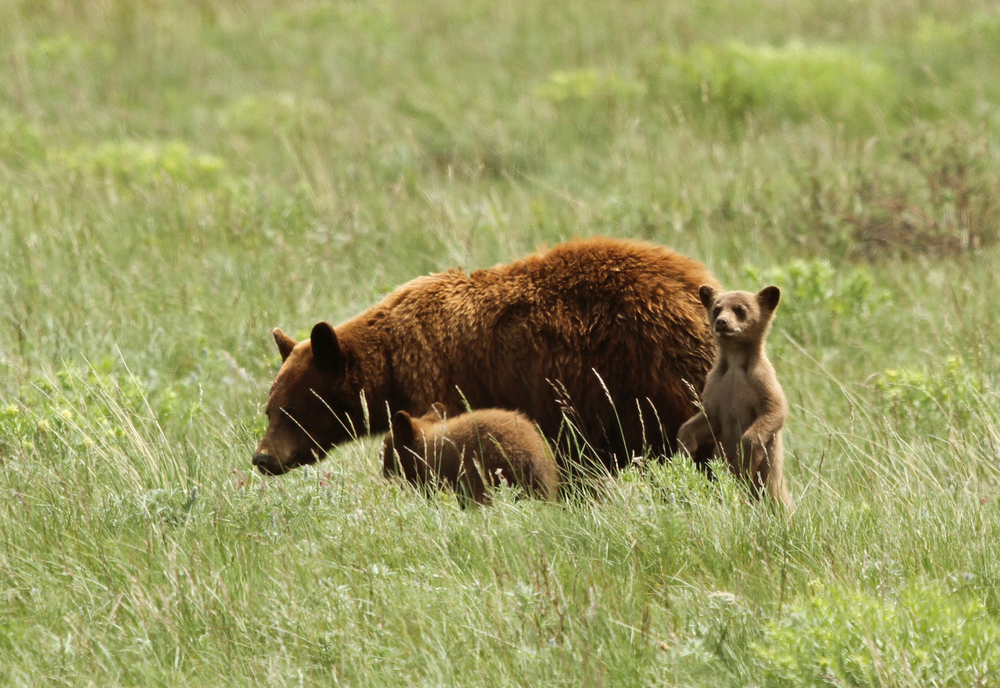
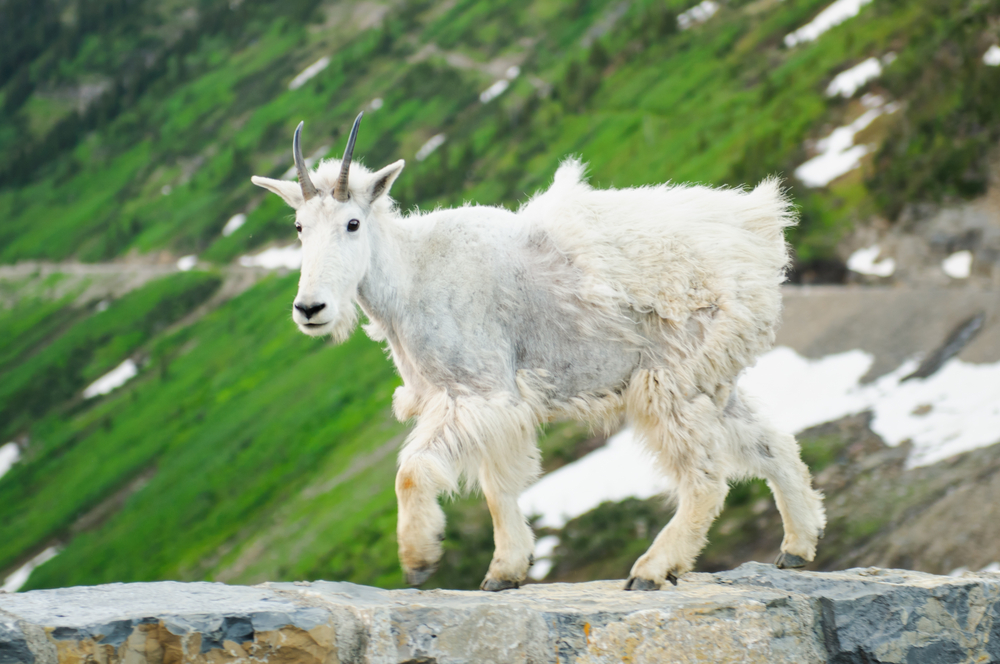
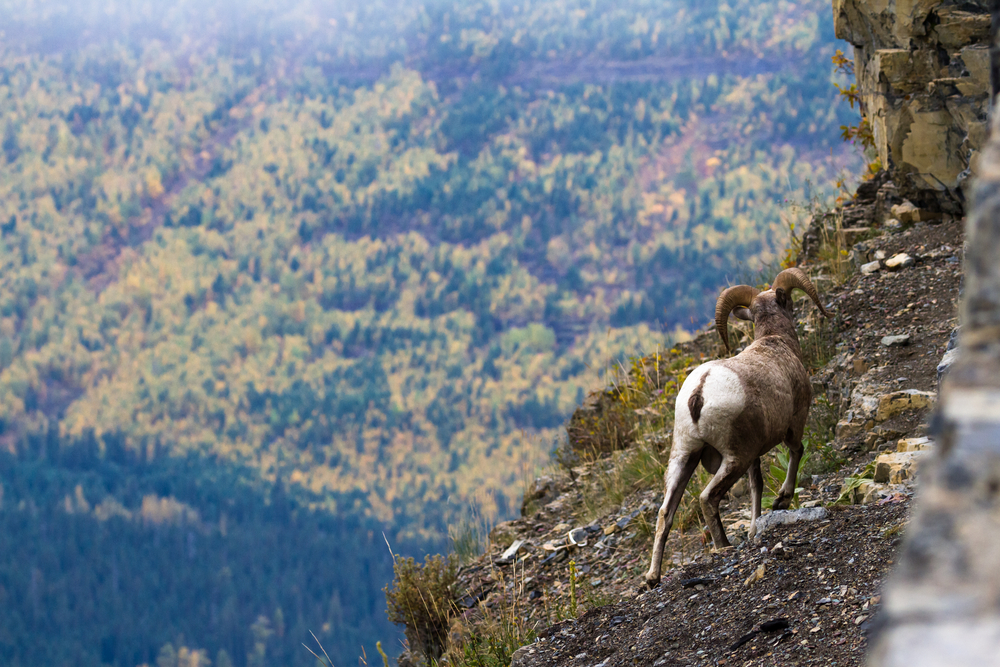
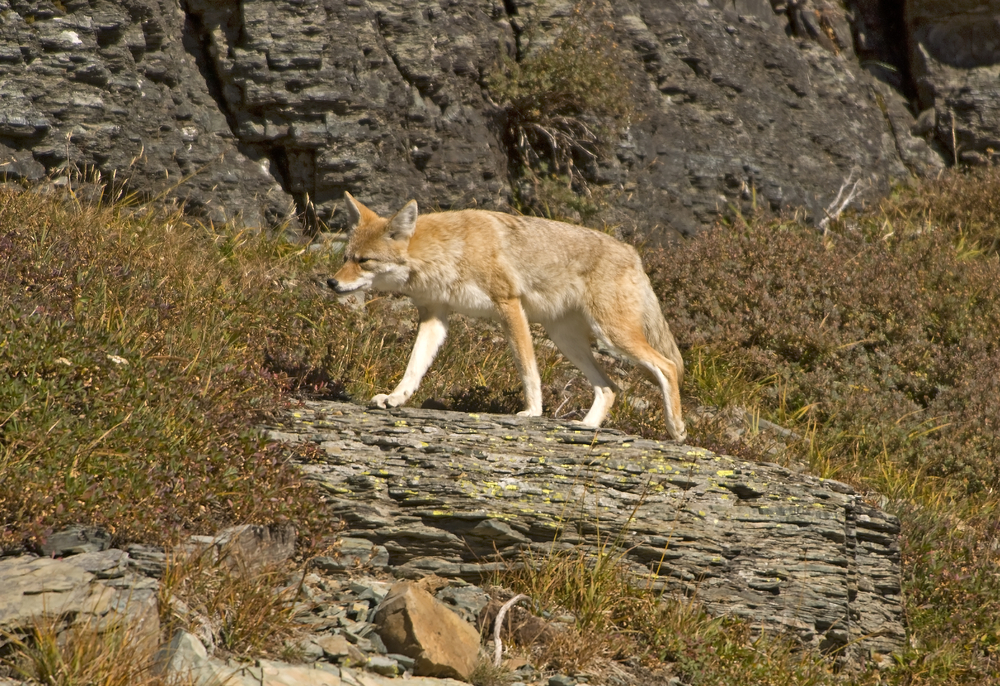
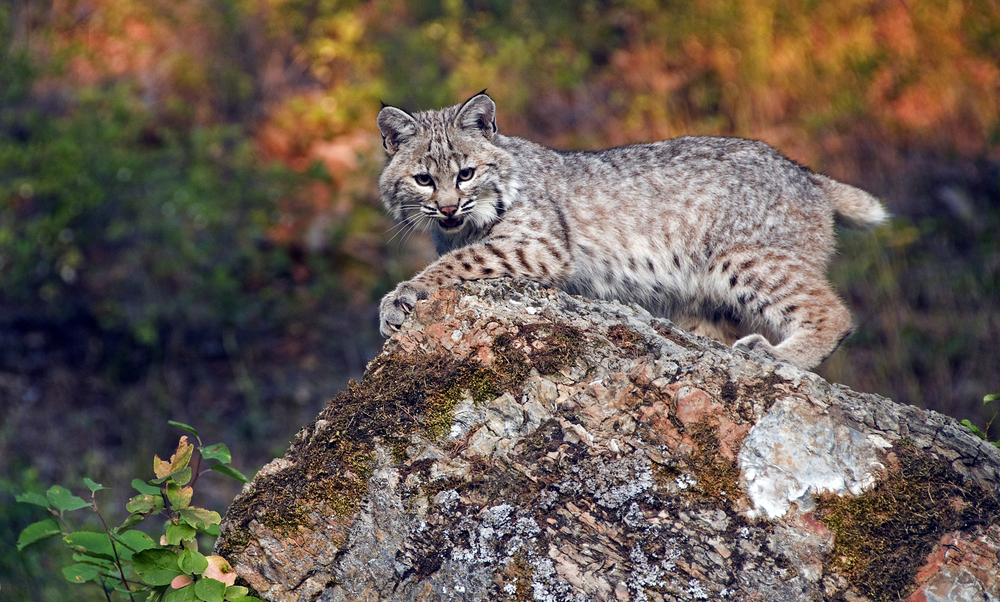
Black bears and grizzly bears are two of the most exciting wildlife sightings.  Some of the predator species include bobcat, cougar, coyote, lynx, and timber wolf.  Some of the other popular species include bighorn sheep, elk, moose, mountain goat, and mule deer. Altogether, there are 62 species of mammals within the park boundaries.

The bald eagle, golden eagle, and the peregrine falcon often top the list of hopeful sightings among birdwatchers.  There are 260 species of birds that nest or migrate through the park.

Things to See
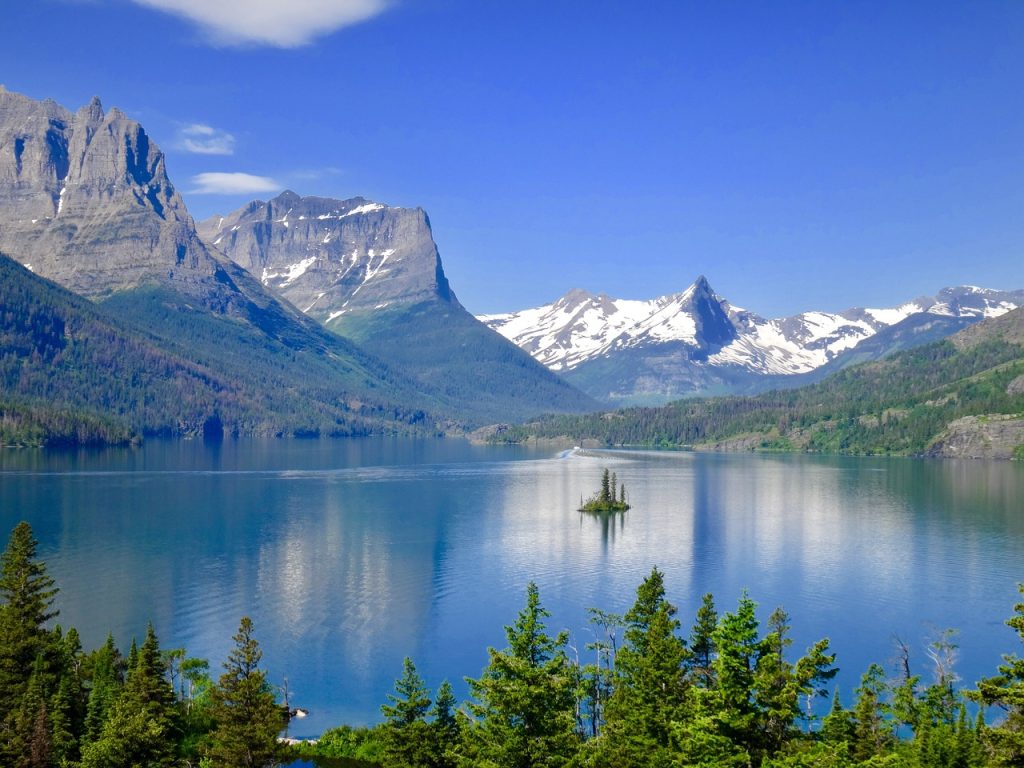
Glacier National Park is renowned for expansive mountainous landscapes blanketed with over 700 lakes.  The drive through the center of the park is a highlight as you take in the astounding landscape.  However, getting off the road is where the highlights really begin.

Lake McDonald

Lake McDonald has the distinction of being the largest of the 700 lakes that Glacier is renowned for.  The lake holds several “biggest” categories.  It is the longest lake stretching across Glacier National Park for 9.4 miles (15.1 km).

Lake McDonald is the largest lake based on an area covering 71.5 square miles (27.6 sq km).  It is also the deepest lake reaching a depth of 464 feet (141 m).

Avalanche Lake

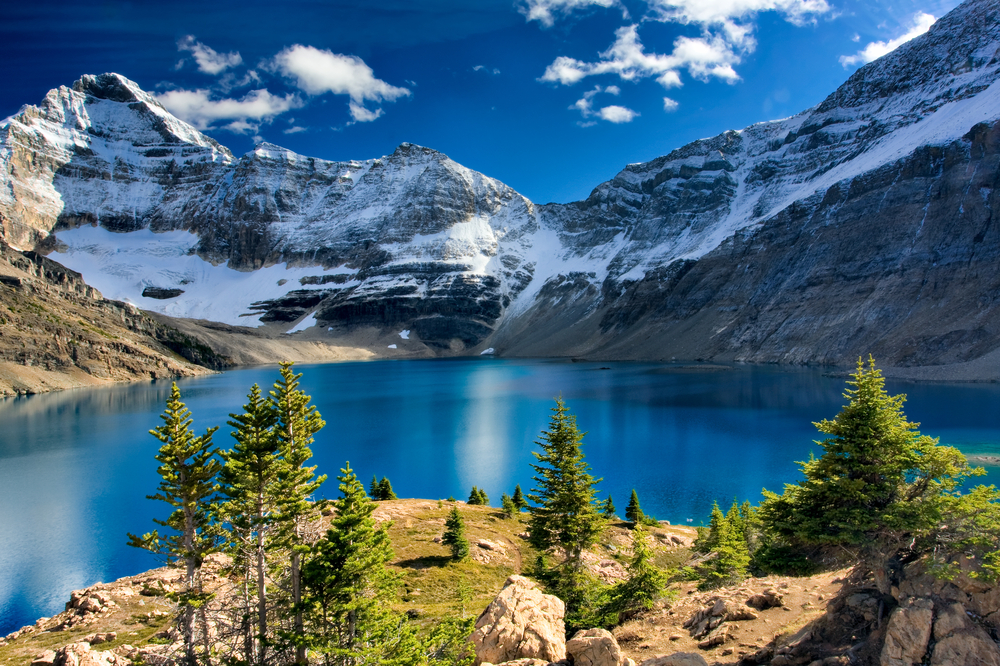
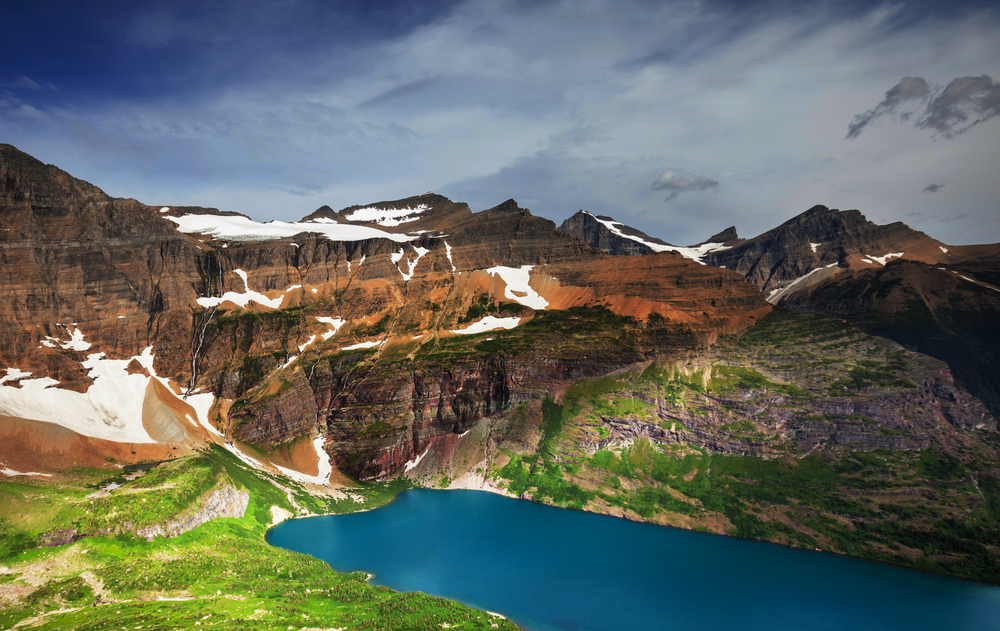
Avalanche Lake is one of the easiest lakes to see.  It is accessed with a short trail and offers an incredible lake landscape.  The lake often features a turquoise color because of the glacial silt runoff.

Waterfalls

Trekking throughout the park providers hikers with a chance to see some of the 200 waterfalls.  Bird Woman Falls is a waterfall that has a total drop of 560 feet (170 m) with an initial plunge of 492 feet (150 m).

Swiftcurrent Falls is a staircase-like cascading waterfall that could easily be argued as one of the prettiest waterfalls in the park. McDonald Falls is one of the easiest to see and delivers one of the larger volumes.

Popular

Popular

Glacier National Park, located in the rugged expanse of Montana’s Rocky Mountains, is a pristine wilderness renowned for its breathtaking landscapes and the diverse wildlife that inhabits this dramatic terrain, offering visitors a chance to witness the beauty and majesty of species adapted to life in the Northern Rockies.

Grizzly Bear – A symbol of the wild, Grizzly Bears are revered and respected, seen foraging in meadows or roaming the park’s vast forests.

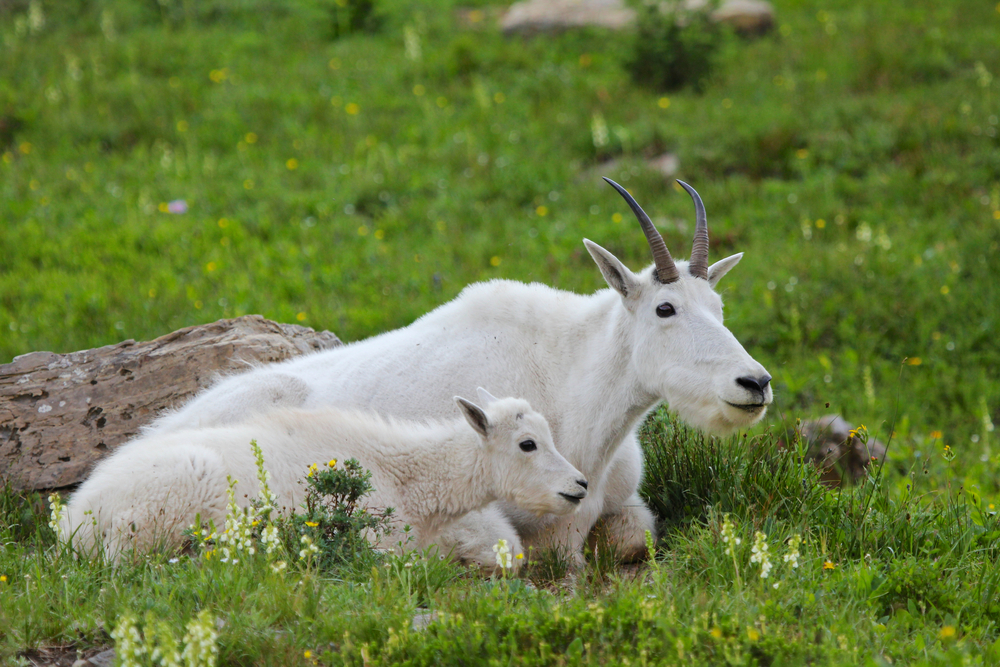
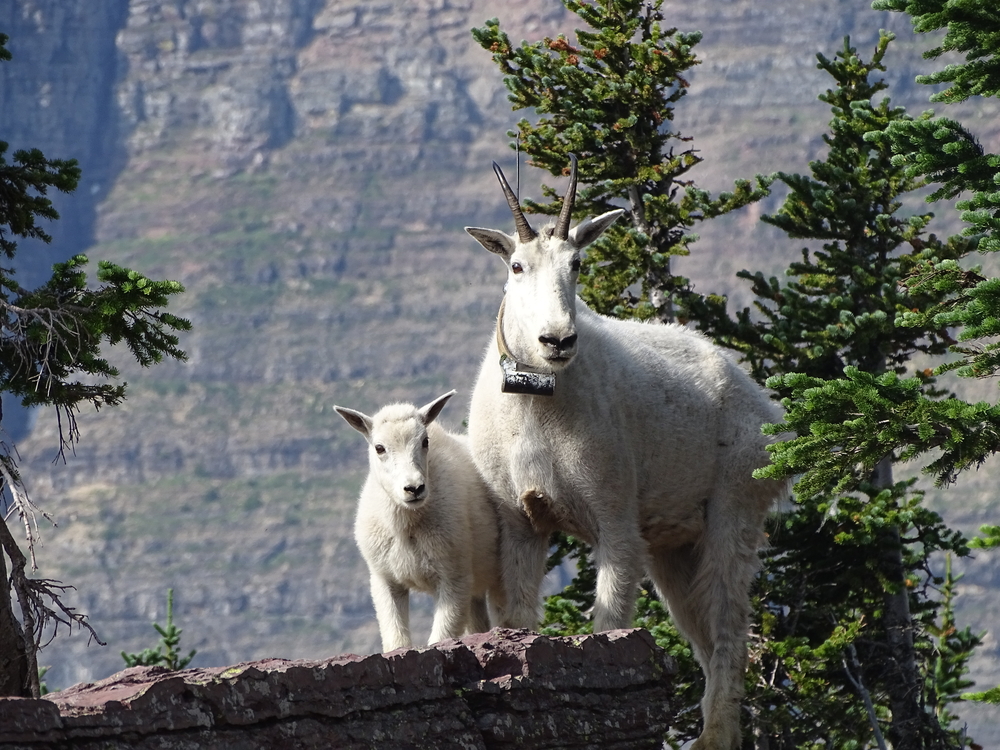
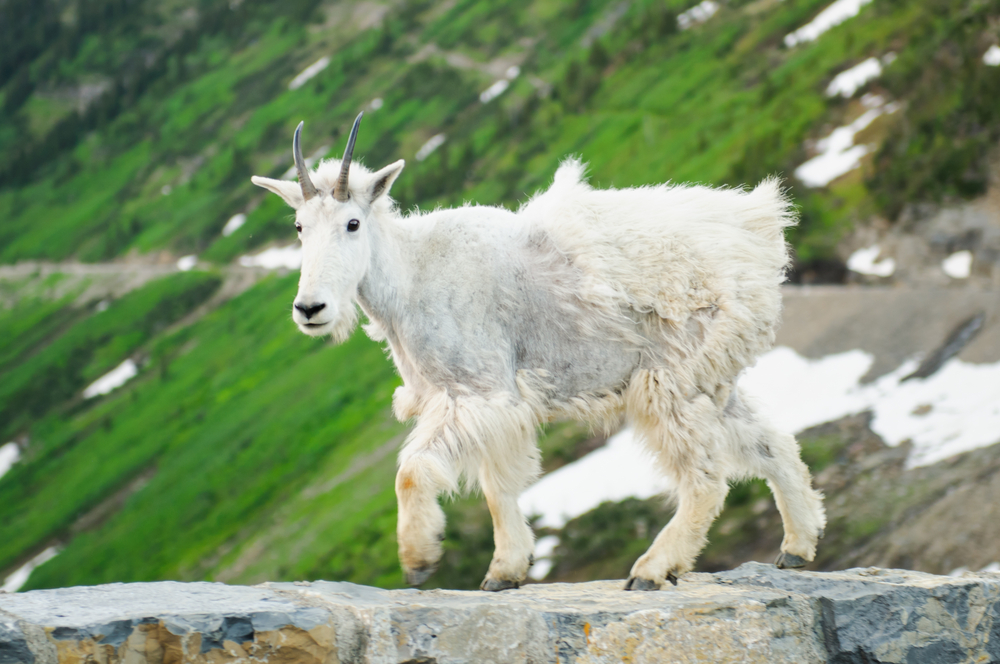
Mountain Goat – Official symbol of Glacier National Park, Mountain Goats are often spotted on high cliff ledges, their white coats a stark contrast against the rocky backdrop.

Bighorn Sheep – Known for their impressive curved horns, Bighorn Sheep gracefully navigate the park’s rugged terrain, often seen in herds on mountain slopes.

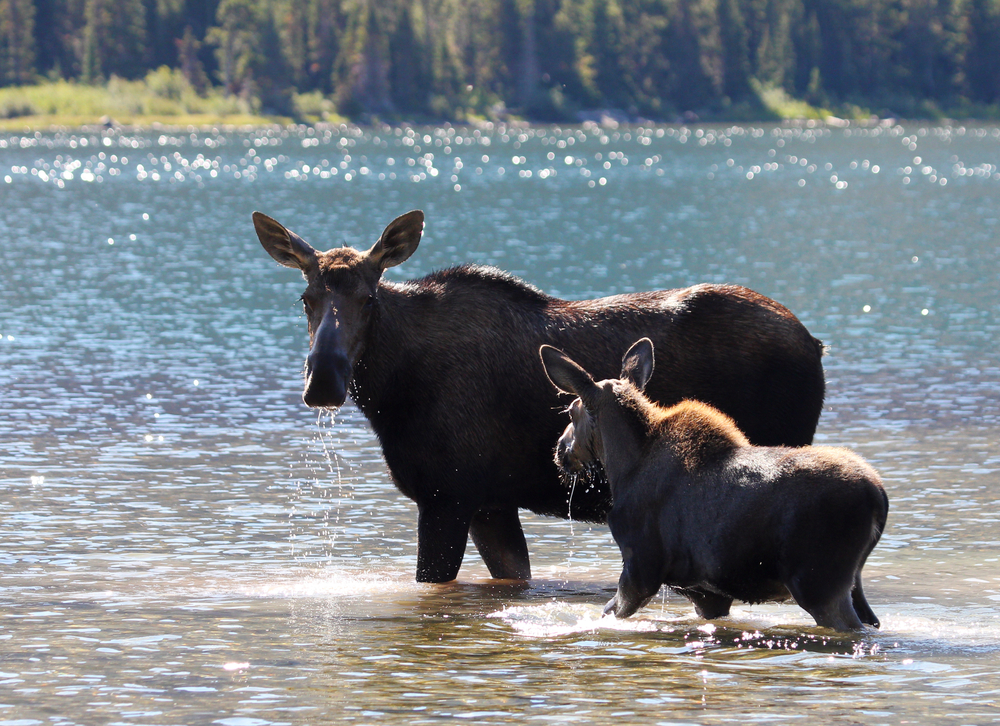
Moose – The largest member of the deer family, Moose are a majestic sight, typically found near the park’s lakes and marshy areas, browsing on aquatic plants.

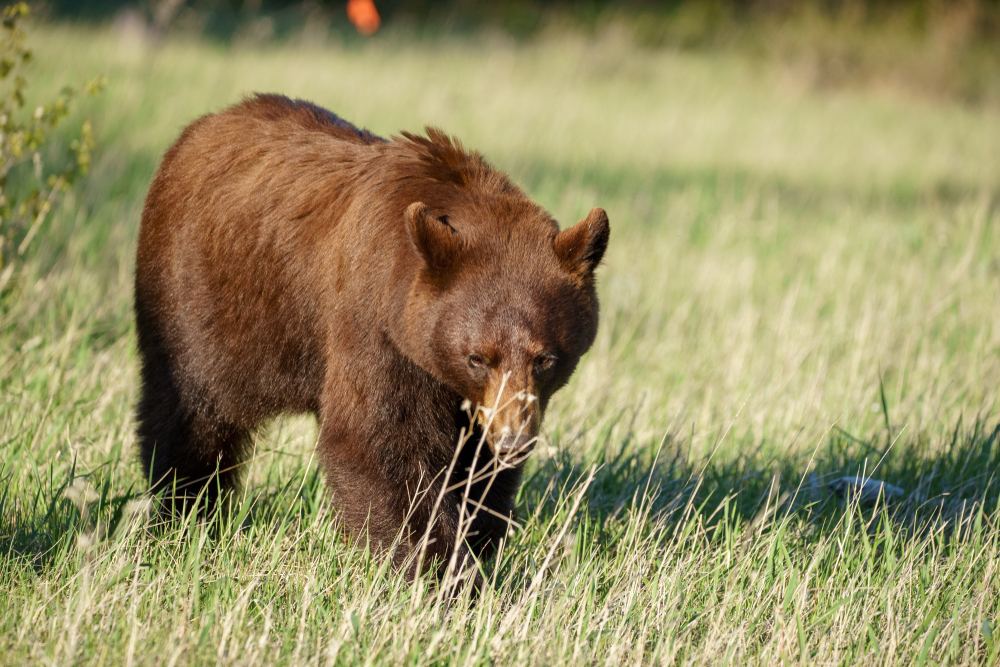
Black Bear – More common than their grizzly counterparts, Black Bears roam throughout the park, with their varied diet and adaptability allowing them to inhabit both forest and alpine meadows.

Bald Eagle – Soaring above the park’s rivers and lakes, the Bald Eagle, America’s national bird, is a powerful symbol of freedom and strength.

American Pika – These small, mountain-dwelling mammals, known for their distinctive “eep” call, are often seen among rocky areas, gathering vegetation for the winter.

Harlequin Duck – Unique among ducks for their fast-water breeding habitats, Harlequin Ducks are colorful and elusive, often found in the park’s swift-moving streams.

Osprey – Also known as fish hawks, Ospreys are frequently observed diving into the park’s waters to catch fish with their sharp talons.

Western Tanager – With their striking yellow and black plumage and red heads, Western Tanagers add a flash of color to the park’s forests during the summer months.

Glacier National Park’s diverse wildlife, from the iconic Grizzly Bear to the vivid Western Tanager, enriches the visitor experience, showcasing the resilience and beauty of nature in one of America’s most spectacular natural landscapes.

Lake McDonald

Lake McDonald

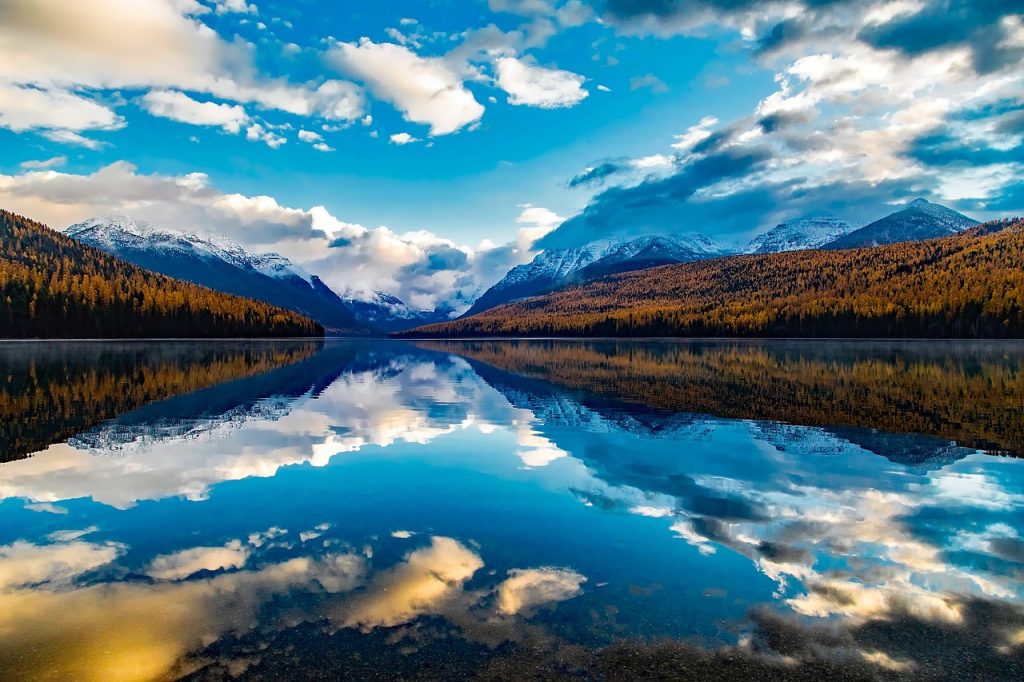
Lake McDonald is the park’s largest lake, stretching over 10 miles (16 km) long and 472 feet (144 meters) deep. Nestled at the western entrance of the park, this lake is renowned for its crystal-clear waters fringed by ancient cedar forests and towering mountains. The colorful pebbles lining its shores and the reflections of the surrounding peaks make Lake McDonald a mesmerizing sight, especially at sunrise or sunset.

Saint Mary Lake

Saint Mary Lake

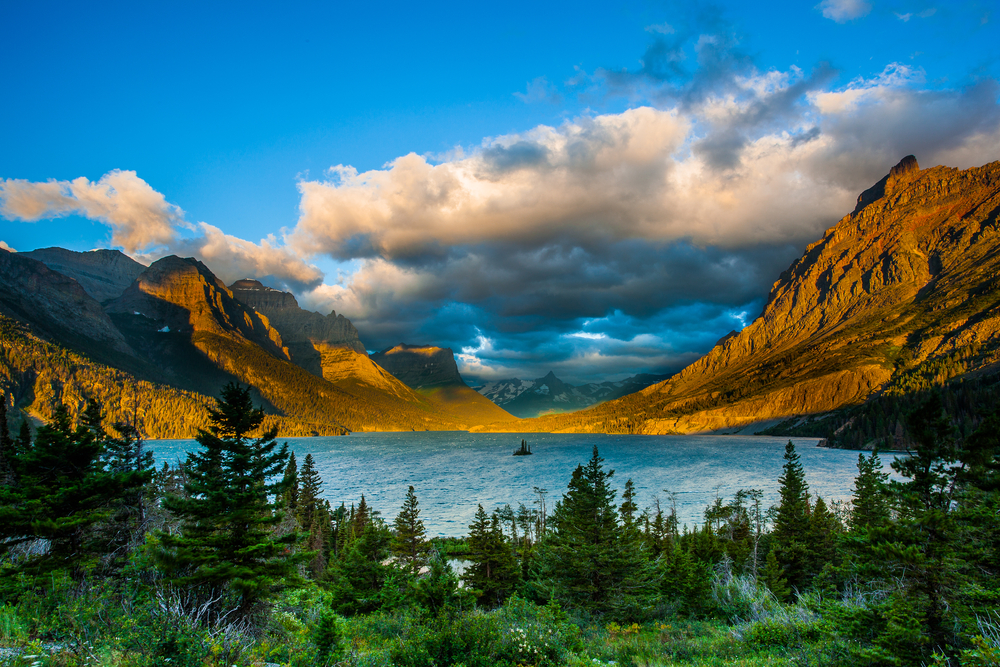
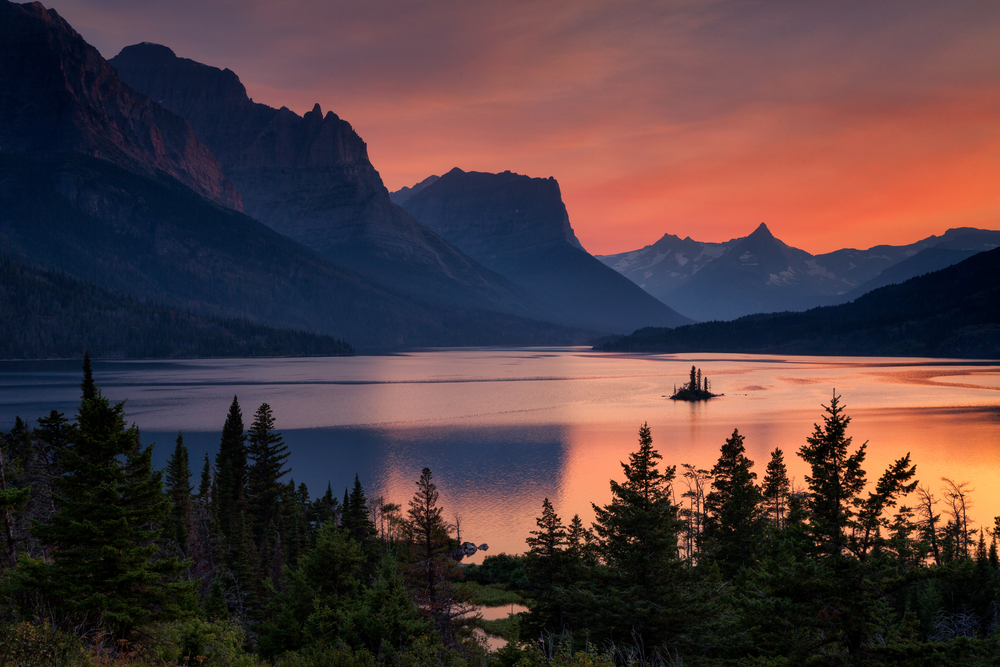
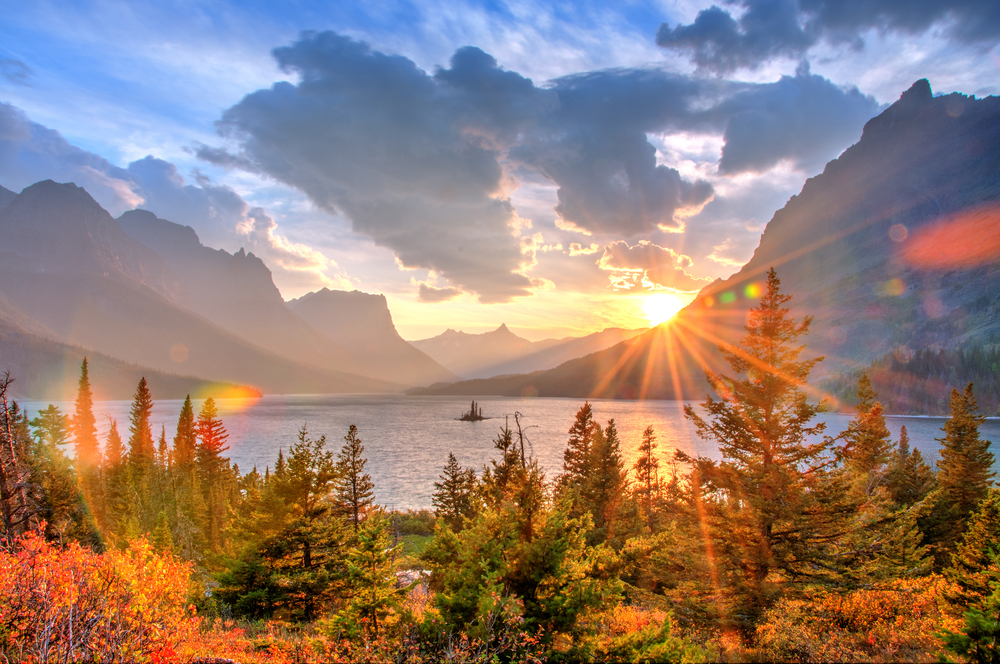
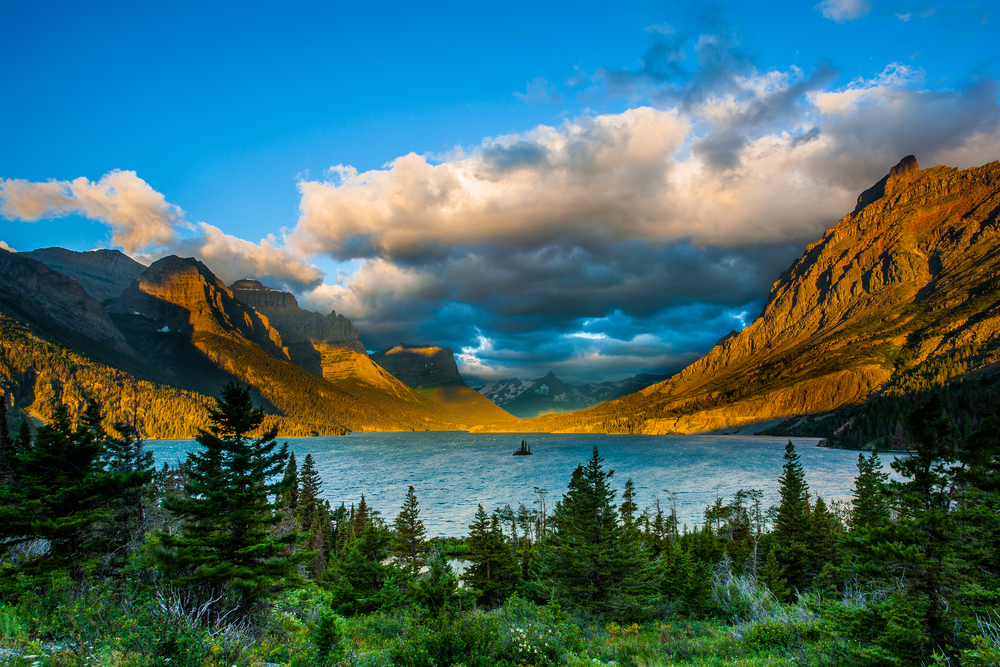
Saint Mary Lake is the second largest lake in the park, known for its strikingly clear, cold waters. It measures about 9.9 miles (15.9 km) long and 300 feet (91 meters) deep. The lake is flanked by steep, forested mountainsides, with the iconic Wild Goose Island sitting just off its center, providing one of the most photographed views in Glacier National Park. The vibrant hues at dawn and dusk, along with the tranquil waters, make Saint Mary Lake a place of serene beauty.

Grinnell Lake

Grinnell Lake

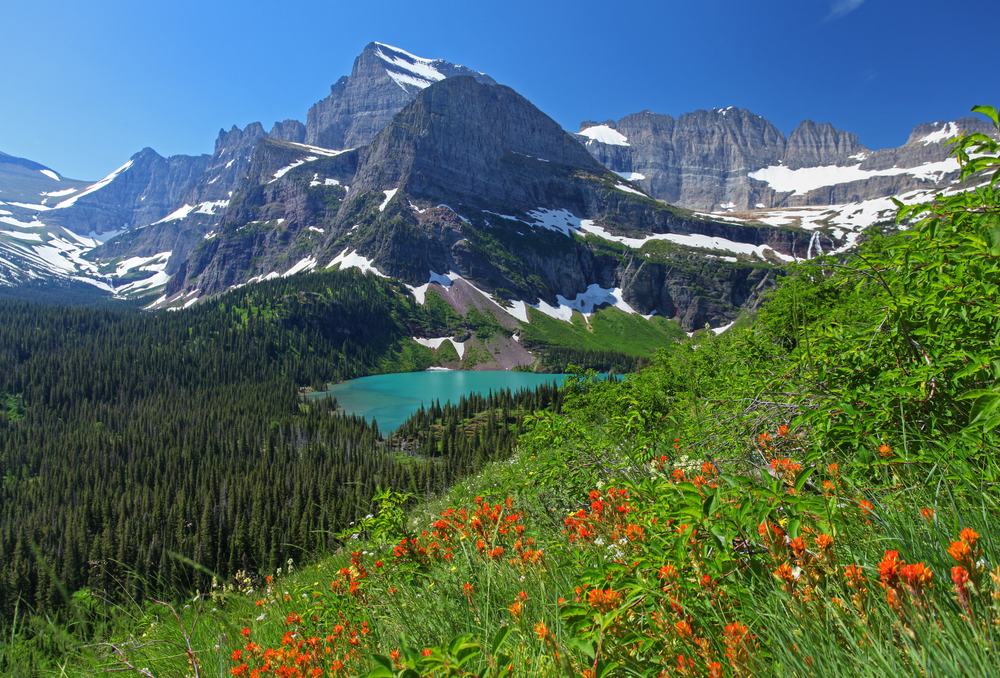
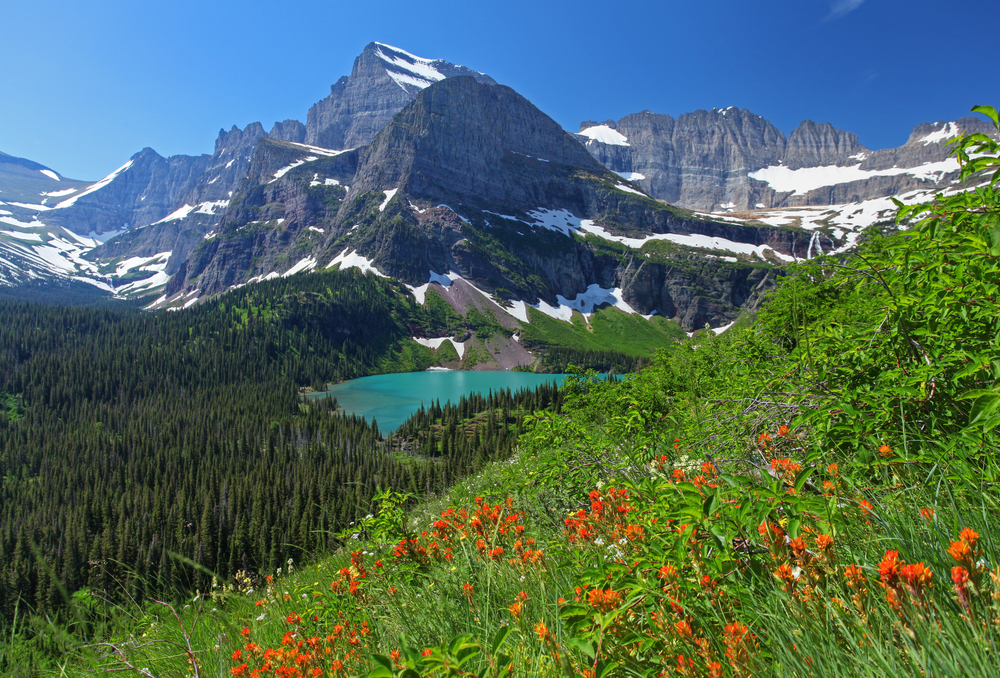
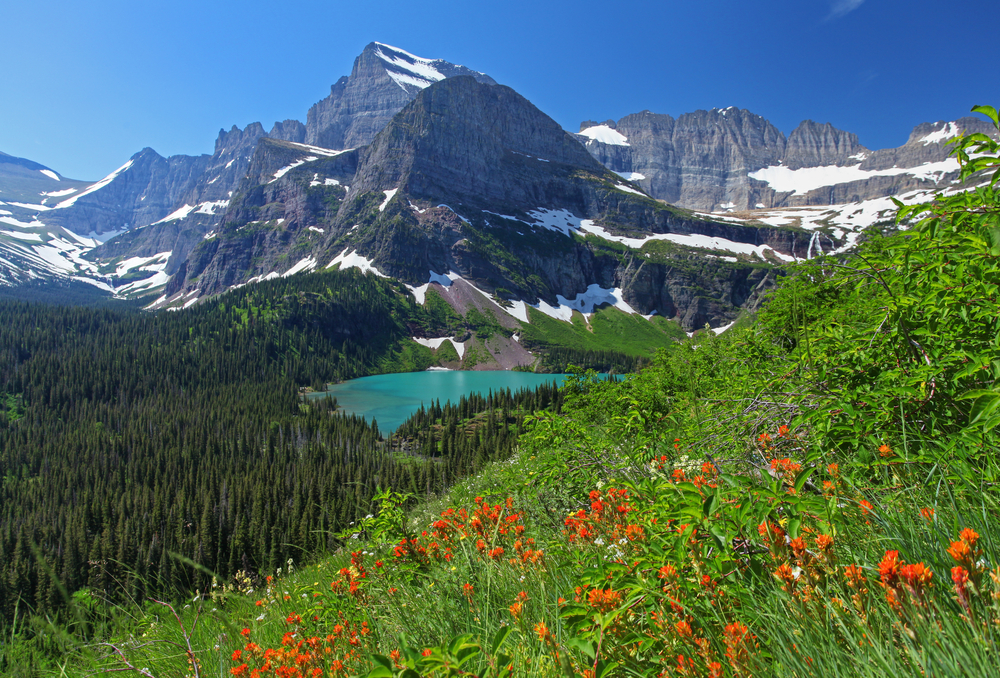
Grinnell Lake is a hidden gem, accessible via a scenic hike that offers stunning views of the park’s rugged terrain. This turquoise lake, fed by Grinnell Glacier’s meltwaters, sits at a lower elevation, making it a more intimate experience for visitors. Surrounded by steep cliffs and lush greenery, its vibrant waters are a stark contrast to the rugged landscape, offering a tranquil spot for reflection and admiration of nature’s artistry.

Things To Do

Engaging Glacier National Park
Scenic Drives

Driving along the iconic Going-to-the-Sun Road is a must-do activity in Glacier National Park. This engineering marvel offers breathtaking vistas of glaciers, waterfalls, and towering peaks. Visitors can also explore the park’s other scenic drives, such as the Many Glacier Road and the Chief Mountain International Highway.

Hiking

Glacier National Park offers over 700 miles of trails, catering to hikers of all skill levels. From easy walks to challenging treks, there’s something for everyone. Trails like the Highline Trail and Grinnell Glacier provide stunning views of the park’s rugged landscapes, alpine meadows, and pristine lakes.

Boating and Kayaking

Exploring Glacier’s pristine lakes by boat or kayak is a serene way to experience the park’s beauty. Lake McDonald, Saint Mary Lake, and Two Medicine Lake offer crystal-clear waters surrounded by towering mountains, providing a tranquil setting for paddling adventures.

Scenic Drives

Driving along the iconic Going-to-the-Sun Road is a must-do activity in Glacier National Park. This engineering marvel offers breathtaking vistas of glaciers, waterfalls, and towering peaks. Visitors can also explore the park’s other scenic drives, such as the Many Glacier Road and the Chief Mountain International Highway.

Hiking

Glacier National Park offers over 700 miles of trails, catering to hikers of all skill levels. From easy walks to challenging treks, there’s something for everyone. Trails like the Highline Trail and Grinnell Glacier provide stunning views of the park’s rugged landscapes, alpine meadows, and pristine lakes.

Boating and Kayaking

Exploring Glacier’s pristine lakes by boat or kayak is a serene way to experience the park’s beauty. Lake McDonald, Saint Mary Lake, and Two Medicine Lake offer crystal-clear waters surrounded by towering mountains, providing a tranquil setting for paddling adventures.

Glacier National Park Trails

There are over 700 miles (1,127 km) of recognized trails scattered throughout the park.  The Continental Divide National Scenic Trail cuts across Glacier and accounts for 110 miles (177 km) of that.

placeholder

Trail of the Cedars

This is a short 0.8-mile (1.2 km) loop that is accessible to all featuring a boardwalk meandering through the towering cedar trees.

placeholder

St. Mary and Virginia Falls Trail

This is an easy 2.9-mile (4.67 km) with an elevation gain of 452 feet (137.7 m) as it meanders through the forest to a view of Virginia Falls.

placeholder

Cracker Lake Trail

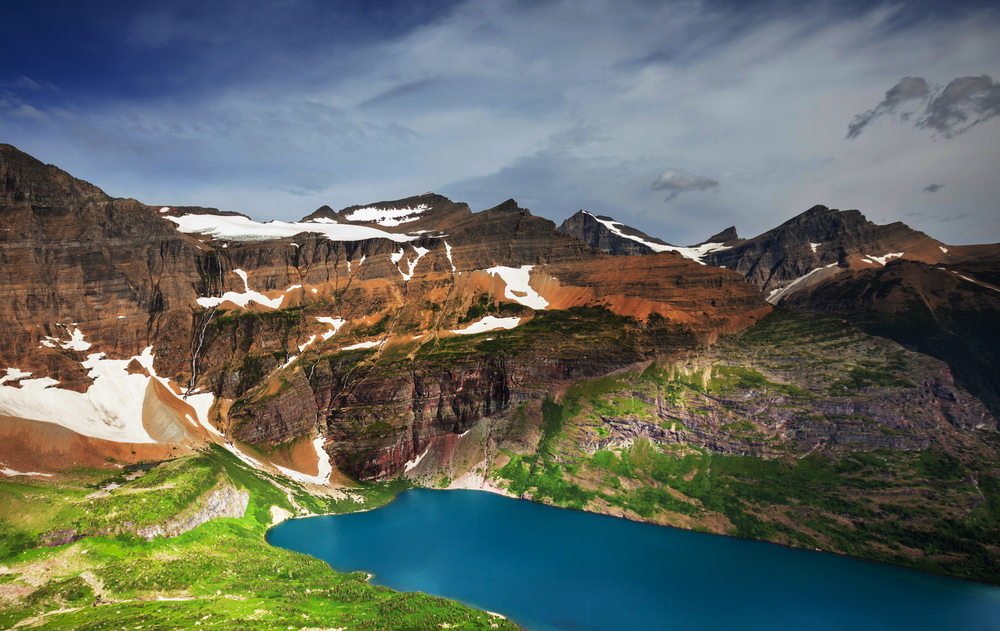
This is a 12-mile (19.3 km) trail with 1,650 feet (502.9 m) of elevation gain.  The trail is rated moderate.  It features one of the most picturesque lake & mountain landscapes in the park. Some argue this is the most beautiful trail in the park.

placeholder

Grinnell Glacier Trail

This is a 10.3-mile (16.57 km) with pretty significant elevation gain. The trail runs along Swiftcurrent Lake and Lake Josephine and then ascends past Grinnell Falls, Angel Wing, Mount Gould, and the Continental Divide.  A panoramic view of Grinnell Lake.

placeholder

Iceberg Lake Trail

This is a 9.6-mile (15.4 km) travels along Altyn Peak and Mount Wilbur with limited views of Ptarmigan Falls.  The ascent continues upward to Iceberg Lake, which features floating ice, emerald-colored water, and a mountain backdrop.

placeholder

Pacific Northwest National Scenic Trail

This is 52-mile (84 km) challenging trail that traverses across Glacier running east to west.  This is a multi-day backpacking endeavor with camping along the way.

placeholder

Highline Trail

Rating: Moderate to Strenuous

Distance and Elevation Gain: 11.8 miles one way with an elevation gain of about 800 feet (244 meters)

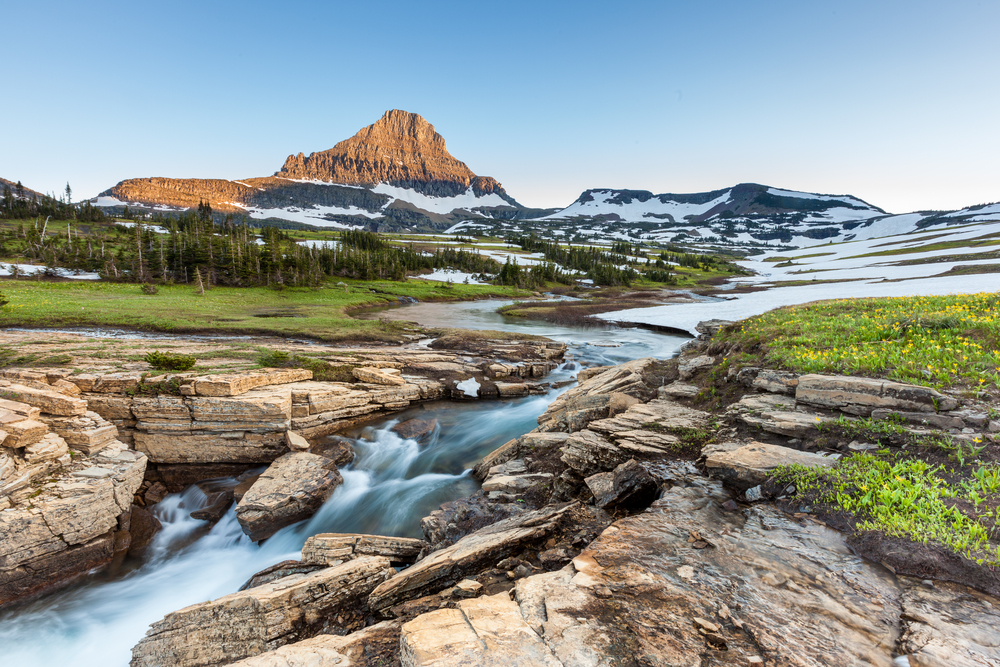
Description: Starting from Logan Pass, the Highline Trail offers breathtaking views along the Continental Divide. This trail features wildflower-filled meadows, rugged mountain vistas, and possible wildlife sightings, including mountain goats and bighorn sheep. The path is narrow in places, with steep drop-offs, but offers an unforgettable experience of Glacier’s high alpine environment.

placeholder

Grinnell Glacier Trail

Rating: Strenuous

Distance and Elevation Gain: 10.6 miles round trip with an elevation gain of 1,600 feet (488 meters)

Description: This iconic trail takes hikers past stunning lakes, alpine meadows, and waterfalls, ending at Grinnell Glacier and Upper Grinnell Lake. The vibrant turquoise waters and the close-up views of the glacier make this hike a must-do, showcasing the effects of climate change on Glacier National Park’s glaciers.

placeholder

Hidden Lake Overlook Trail

Rating: Easy to Moderate

Distance and Elevation Gain: 2.7 miles round trip with an elevation gain of about 460 feet (140 meters)

Description: Starting from Logan Pass, this accessible trail offers spectacular views of Hidden Lake and Bearhat Mountain. The boardwalk and trail meander through alpine meadows that are often filled with wildflowers and frequented by mountain goats, providing a scenic and relatively easy hiking option.

placeholder

Iceberg Lake Trail

Rating: Moderate

Distance and Elevation Gain: 9.6 miles round trip with an elevation gain of 1,275 feet (389 meters)

Description: Leading to the stunning Iceberg Lake, this trail is known for its impressive views of steep cliffs, vast flower-filled meadows, and the chance to see icebergs floating in the lake well into summer. The trail offers a moderate hike with rewarding views, making it a popular choice for many visitors.

placeholder

Avalanche Lake Trail

Rating: Moderate

Distance and Elevation Gain: 4.5 miles round trip with an elevation gain of about 730 feet (223 meters)

Description: This trail starts with the Trail of the Cedars, then ascends through a forest to Avalanche Lake, surrounded by high peaks and waterfalls. The clear waters and the serene setting of the lake offer a perfect spot for relaxation and photography. This family-friendly hike is one of the most popular in the park due to its stunning scenery and accessibility.

placeholder

Highline Trail

Rating: Moderate to Strenuous

Distance and Elevation Gain: 11.8 miles one way with an elevation gain of about 800 feet (244 meters)

Description: Starting from Logan Pass, the Highline Trail offers breathtaking views along the Continental Divide. This trail features wildflower-filled meadows, rugged mountain vistas, and possible wildlife sightings, including mountain goats and bighorn sheep. The path is narrow in places, with steep drop-offs, but offers an unforgettable experience of Glacier’s high alpine environment.

placeholder

Grinnell Glacier Trail

Rating: Strenuous

Distance and Elevation Gain: 10.6 miles round trip with an elevation gain of 1,600 feet (488 meters)

Description: This iconic trail takes hikers past stunning lakes, alpine meadows, and waterfalls, ending at Grinnell Glacier and Upper Grinnell Lake. The vibrant turquoise waters and the close-up views of the glacier make this hike a must-do, showcasing the effects of climate change on Glacier National Park’s glaciers.

placeholder

Hidden Lake Overlook Trail

Rating: Easy to Moderate

Distance and Elevation Gain: 2.7 miles round trip with an elevation gain of about 460 feet (140 meters)

Description: Starting from Logan Pass, this accessible trail offers spectacular views of Hidden Lake and Bearhat Mountain. The boardwalk and trail meander through alpine meadows that are often filled with wildflowers and frequented by mountain goats, providing a scenic and relatively easy hiking option.

placeholder

Iceberg Lake Trail

Rating: Moderate

Distance and Elevation Gain: 9.6 miles round trip with an elevation gain of 1,275 feet (389 meters)

Description: Leading to the stunning Iceberg Lake, this trail is known for its impressive views of steep cliffs, vast flower-filled meadows, and the chance to see icebergs floating in the lake well into summer. The trail offers a moderate hike with rewarding views, making it a popular choice for many visitors.

placeholder

Avalanche Lake Trail

Rating: Moderate

Distance and Elevation Gain: 4.5 miles round trip with an elevation gain of about 730 feet (223 meters)

Description: This trail starts with the Trail of the Cedars, then ascends through a forest to Avalanche Lake, surrounded by high peaks and waterfalls. The clear waters and the serene setting of the lake offer a perfect spot for relaxation and photography. This family-friendly hike is one of the most popular in the park due to its stunning scenery and accessibility.

FAQ’s

What is Glacier National Park known for?

Glacier National Park is renowned for its breathtaking scenery, rugged mountains, and pristine wilderness. Situated in the Rocky Mountains of Montana, this park is famous for its iconic glaciers, deep valleys, and stunning alpine lakes.

Visitors flock to Glacier National Park to experience its unparalleled beauty and outdoor adventures, including hiking, camping, and wildlife viewing.

With over 700 miles of hiking trails, visitors can explore diverse ecosystems, from lush forests to alpine meadows. The park’s Going-to-the-Sun Road offers stunning panoramic views of the surrounding peaks and glaciers, making it one of the most scenic drives in the world.

Glacier National Park is also home to a diverse array of wildlife, including grizzly bears, mountain goats, and bighorn sheep, providing endless opportunities for wildlife enthusiasts and nature lovers alike.

What is Glacier National Park known for?

Glacier National Park is renowned for its breathtaking scenery, rugged mountains, and pristine wilderness. Situated in the Rocky Mountains of Montana, this park is famous for its iconic glaciers, deep valleys, and stunning alpine lakes.

Visitors flock to Glacier National Park to experience its unparalleled beauty and outdoor adventures, including hiking, camping, and wildlife viewing.

With over 700 miles of hiking trails, visitors can explore diverse ecosystems, from lush forests to alpine meadows. The park’s Going-to-the-Sun Road offers stunning panoramic views of the surrounding peaks and glaciers, making it one of the most scenic drives in the world.

Glacier National Park is also home to a diverse array of wildlife, including grizzly bears, mountain goats, and bighorn sheep, providing endless opportunities for wildlife enthusiasts and nature lovers alike.

Sources