About

Rwenzori Mountains National Park, the park is located in western Uganda along the border with the Democratic Republic of the Congo. The park covers approximately 386 square miles (996 sq km) and protects much of the Ugandan portion of the legendary Rwenzori Mountains.

Established in 1991, the park was later designated a UNESCO World Heritage Site because of its exceptional natural value. It lies north of Queen Elizabeth National Park and south of Semuliki National Park, forming part of one of East Africa’s most important conservation regions. Often called the “Mountains of the Moon,” the Rwenzori range contains some of Africa’s most spectacular mountain scenery and supports ecosystems found nowhere else on Earth.

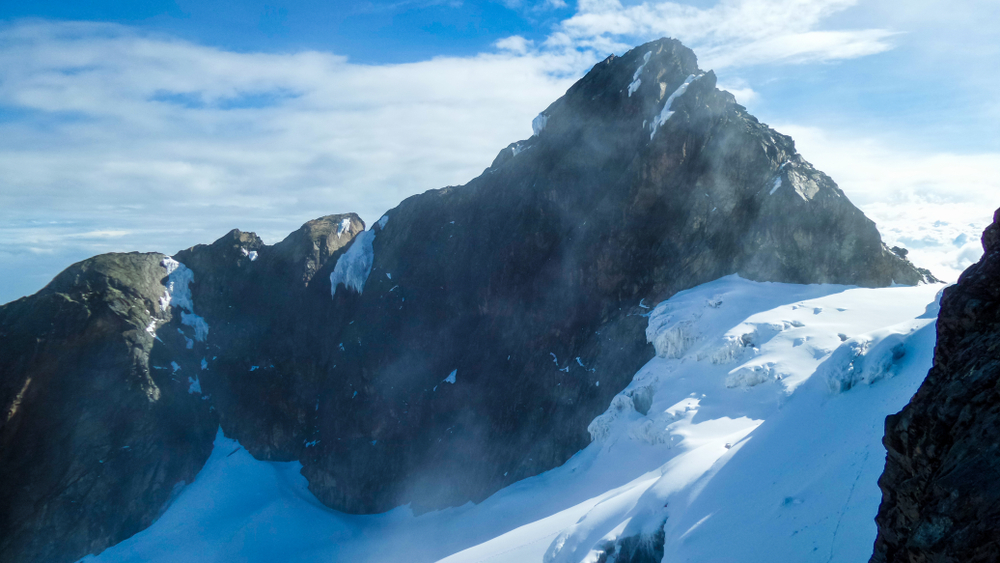
Rwenzori Mountains National Park is best known for its snow-capped peaks, glaciers, alpine landscapes, and world-class trekking opportunities. Unlike the volcanic mountains of East Africa, the Rwenzori Mountains were formed through tectonic uplift, creating a dramatic range of rugged peaks, deep valleys, and steep ridges. Visitors are drawn to the challenge of multi-day treks through changing ecosystems that range from tropical forests to alpine meadows and glaciated summits.

The park’s highest point, Margherita Peak on Mount Stanley, rises to approximately 16,763 feet (5,109 meters), making it the third-highest peak in Africa. Towering waterfalls, crystal-clear streams, and breathtaking mountain vistas make the park one of the continent’s premier adventure destinations.

The geography of Rwenzori Mountains National Park is among the most remarkable in Africa. The range contains permanently snow-covered peaks, glaciers, alpine lakes, bogs, river valleys, and dense montane forests. Frequent rainfall and high humidity contribute to the park’s lush vegetation and unique ecological character.

As elevation increases, the landscape transforms dramatically. Lower slopes support tropical rainforest, while higher elevations contain bamboo forests, heathlands, giant lobelias, giant groundsels, and alpine meadows. The park’s glaciers and snowfields serve as important water sources for rivers that flow into surrounding regions. This extraordinary diversity of habitats has earned the Rwenzori Mountains global recognition as one of the world’s most distinctive mountain ecosystems.

Wildlife within Rwenzori Mountains National Park reflects its varied habitats and relative isolation. Large mammals include forest elephant, buffalo, giant forest hog, bushbuck, and several species of duiker. Primates such as black-and-white colobus monkeys, blue monkeys, and chimpanzees inhabit the lower forests.

Birdlife is especially impressive, with more than 200 recorded species, including numerous Albertine Rift endemics found nowhere else in the world. Sunbirds, turacos, cuckoos, and colorful forest birds thrive throughout the park’s diverse elevation zones. The mountains also support a remarkable array of amphibians, reptiles, insects, and plant species uniquely adapted to high-altitude environments.

Rwenzori Mountains National Park plays a critical role in conserving one of Africa’s most unique mountain ecosystems. The park protects globally significant habitats, rare alpine flora, shrinking equatorial glaciers, and numerous endemic species. Its ecological importance is often compared to renowned mountain parks such as Mount Kenya National Park and Kilimanjaro National Park, yet the Rwenzori Mountains possess a biodiversity and geological character entirely their own.

As climate change increasingly threatens high-altitude ecosystems worldwide, the park serves as a vital refuge for species adapted to these rare environments. Today, Rwenzori Mountains National Park stands among Africa’s greatest natural treasures, preserving a landscape of extraordinary beauty, scientific importance, and ecological significance.

Things to See

Popular

Located in Uganda’s mystical “Mountains of the Moon,” Rwenzori National Park is home to an array of fascinating wildlife that flourishes in its unique high-altitude habitats, misty forests, and rugged landscapes.

Forest Elephant
Smaller than savannah elephants, forest elephants navigate the dense forests and valleys of the Rwenzori slopes, often seen near salt licks and clearings.

Rwenzori Red Duiker
Endemic to the region, this small and shy antelope grazes quietly in the park’s high-altitude moorlands and thick underbrush.

Chimpanzee
The intelligent and social chimpanzees thrive in the park’s lower montane forests, foraging for fruits and insects along well-trodden paths.

Black-and-white Colobus Monkey
With their dramatic white tails and striking black fur, these agile primates leap effortlessly through the park’s towering canopy.

L’Hoest’s Monkey
This shy, ground-dwelling monkey is often spotted foraging in small family groups along the park’s forest trails.

Giant Forest Hog
Africa’s largest wild pig, the giant forest hog is a rare but rewarding sight, often seen rooting for vegetation on the forest floor.

Leopard
Elusive and nocturnal, leopards prowl the Rwenzori’s rugged terrain, silently hunting primates, antelopes, and small mammals.

Rock Hyrax
These nimble creatures are perfectly adapted to the park’s rocky outcrops, where they bask in the sunlight and seek shelter in crevices.

Rwenzori Three-horned Chameleon
Found only in this region, this brilliantly colored reptile is a highlight of the park, blending skillfully into its forest habitat.

Blue Monkey
Blue monkeys thrive in the park’s dense forest zones, where they move gracefully through the branches in search of fruit and leaves.

Birds

Rwenzori National Park’s varied altitudes and landscapes provide refuge for a stunning array of birdlife, including rare species endemic to the Albertine Rift.

Rwenzori Turaco
A highlight for birdwatchers, the Rwenzori turaco’s vibrant green and crimson plumage contrasts beautifully with the park’s misty forests.

Scarlet-tufted Sunbird
Thriving in the high-altitude moorlands, this striking sunbird is often seen feeding on the nectar of giant lobelias.

African Long-eared Owl
This elusive nocturnal hunter inhabits the forest edges, its haunting calls echoing through the night.

Mountain Masked Apalis
Endemic to the Albertine Rift, this small, energetic bird flits between branches in search of insects.

Handsome Francolin
This ground-dwelling bird prefers the park’s grassy clearings, where it forages for seeds and insects.

Dwarf Honeyguide
A rare find, the dwarf honeyguide thrives in the park’s high-altitude zones, feeding on insects and beeswax.

Grey Apalis
This small, agile bird darts between branches in the forest, foraging for insects and building delicate nests.

Black-faced Rufous Warbler
Found in the lower montane zones, this warbler sings melodious calls that enhance the serenity of the forests.

White-starred Robin
The white-starred robin, with its bright chest and distinct markings, flits through the park’s underbrush in search of insects.

Strange Weaver
Endemic to the Rwenzori region, this elusive bird is a rare but prized sight for bird enthusiasts exploring the montane forests.

Things To Do

Engaging Rwenzori Mountains National Park

placeholder

Hiking

The Central Circuit Trail is the ultimate adventure for trekkers looking to explore the stunning beauty of the Rwenzori Mountains. This multi-day trek takes visitors through diverse landscapes, including lush montane forests, bamboo zones, and high-altitude moorlands covered in giant lobelias and groundsels.

The route culminates at the dramatic Margherita Peak, the third-highest point in Africa. Along the way, hikers traverse glacial valleys, sparkling rivers, and mist-shrouded ridges while encountering unique wildlife like the Rwenzori three-horned chameleon and endemic bird species.

The challenging yet rewarding journey showcases the park’s surreal beauty and is a bucket-list experience for mountaineering enthusiasts.

placeholder

Nature Walks

Guided nature walks through the lower montane forests of Rwenzori National Park offer an immersive way to experience its biodiversity. These walks are ideal for visitors looking to enjoy the park’s beauty without undertaking strenuous climbs.

Participants can observe primates like black-and-white colobus monkeys and L’Hoest’s monkeys swinging through the trees, while birdwatchers may spot the vibrant Rwenzori turaco or scarlet-tufted sunbird.

The calm, cool forest trails are also home to unique flora, including ferns, moss-covered trees, and orchids. Guides share insights about the park’s ecosystems, making the experience educational and deeply rewarding.

placeholder

Birdwatching

Birdwatching in Rwenzori National Park is a must for ornithology enthusiasts, as the park’s elevation range supports a wealth of unique and endemic species. Guided birding tours take visitors through montane forests, bamboo thickets, and high-altitude moorlands, where species like the handsome francolin, mountain masked apalis, and Rwenzori turaco can be observed.

Early mornings are the best time for birding, as the park comes alive with bird calls and activity. Guides assist in identifying elusive species and explaining their ecological importance, ensuring a rewarding and unforgettable experience for both casual observers and dedicated birders. The park’s serene setting adds to the joy of encountering its feathered treasures.