About

Located in central Tanzania, Ruaha National Park is the country’s largest national park and one of Africa’s most important wilderness areas. The park covers approximately 7,809 square miles (20,226 sq km) and forms part of a vast protected ecosystem that includes surrounding game reserves and conservation areas.

Ruaha lies west of Iringa and remains far less crowded than Tanzania’s more famous northern safari destinations. Its remote location and enormous size create an authentic wilderness experience where visitors can explore expansive landscapes with relatively few vehicles or tourists.

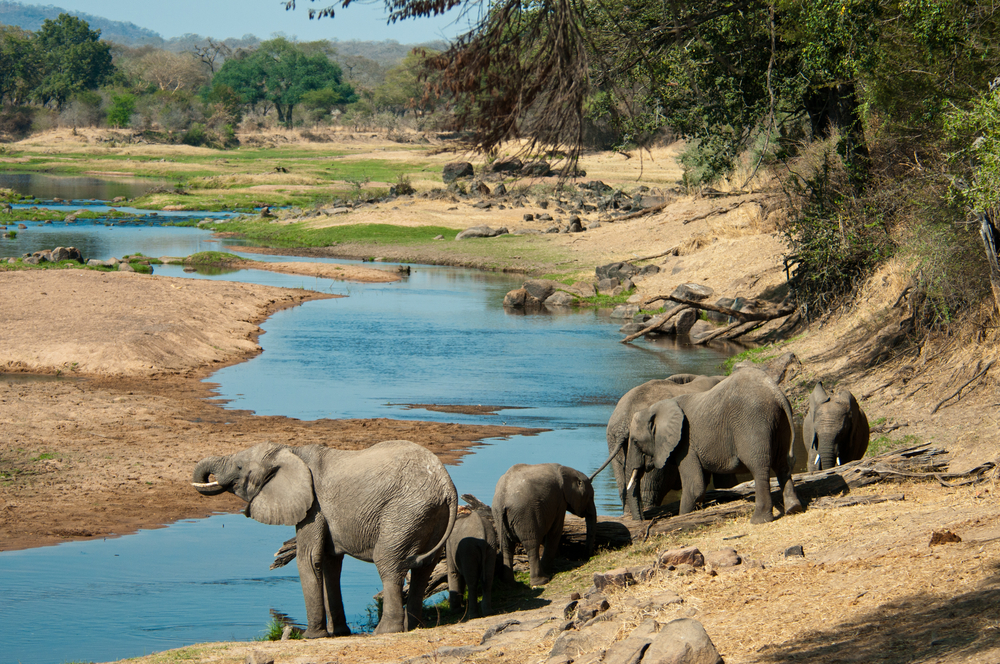
Ruaha National Park is best known for its rugged beauty, large predator populations, and exceptional elephant herds. The Great Ruaha River serves as the park’s lifeline and attracts wildlife throughout the dry season. Game drives along the riverbanks often produce remarkable sightings of lions, leopards, cheetahs, crocodiles, and hippos.

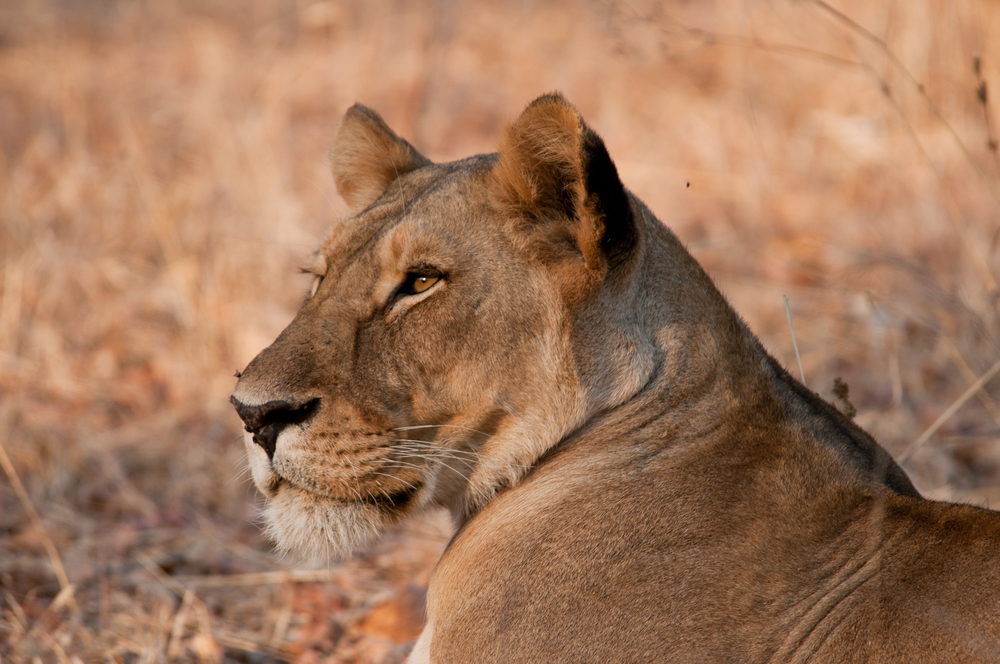
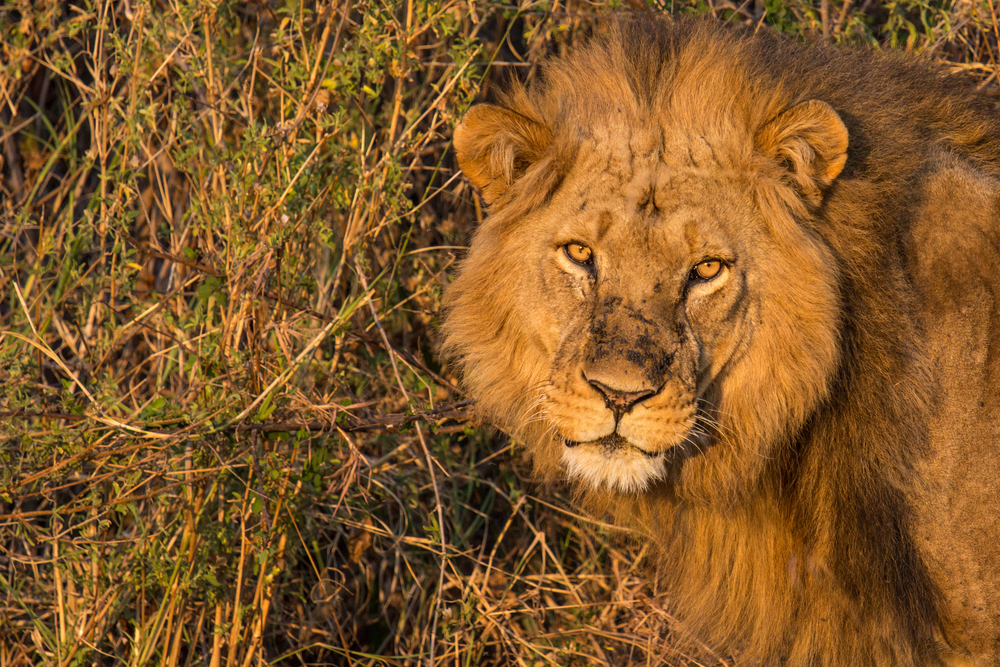
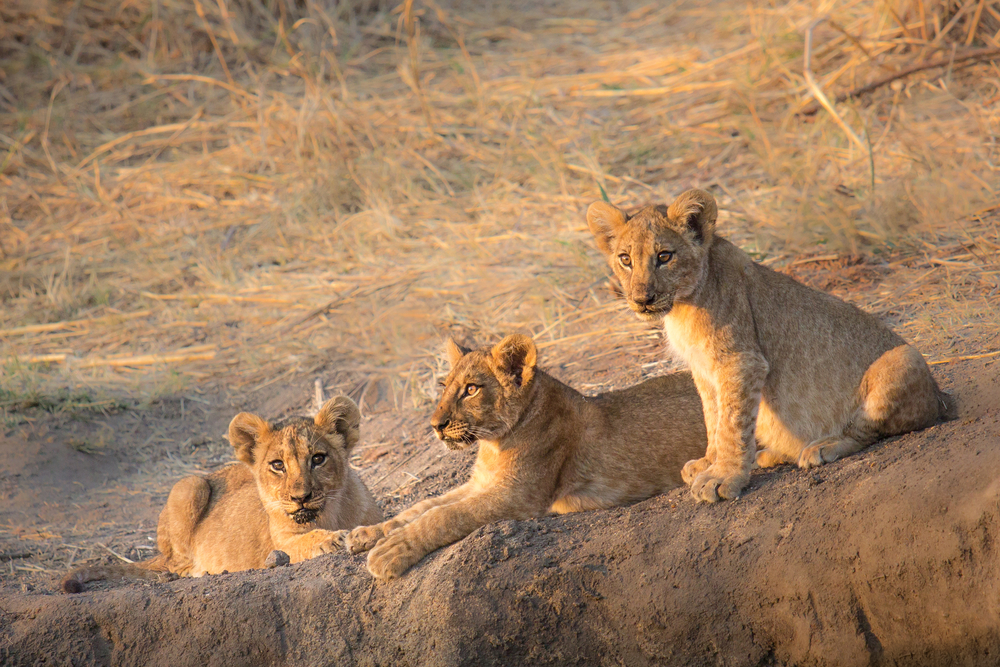
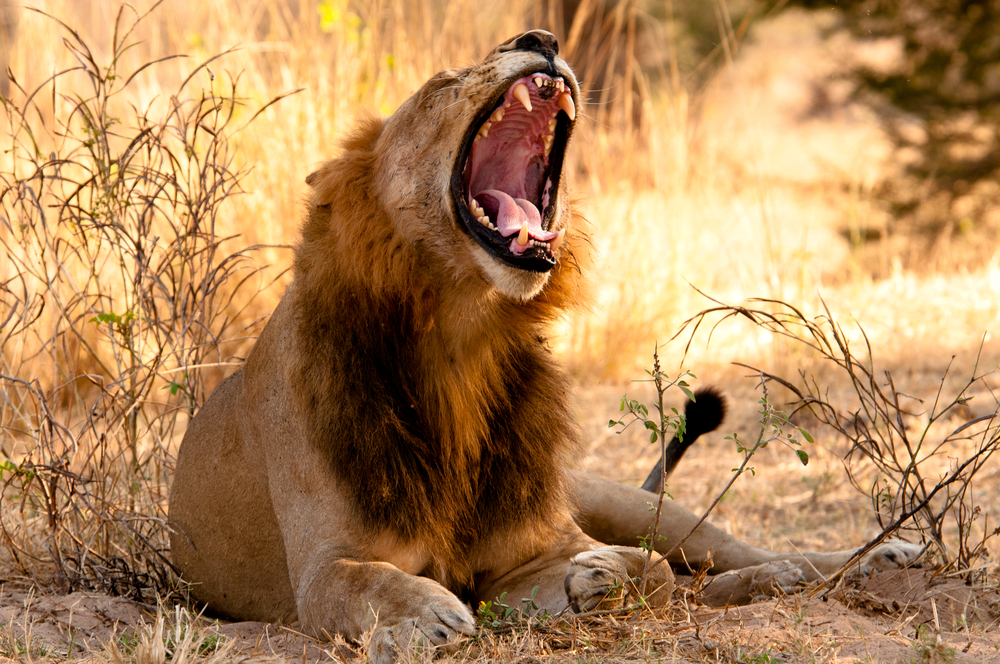
The park is especially famous for its lions, including unusually large prides that sometimes hunt buffalo and giraffes together. Ruaha also offers one of the best opportunities in East Africa to observe African wild dogs in their natural habitat. Visitors are drawn to the park for its uncrowded safaris, dramatic scenery, and sense of true wilderness that feels increasingly rare across Africa.

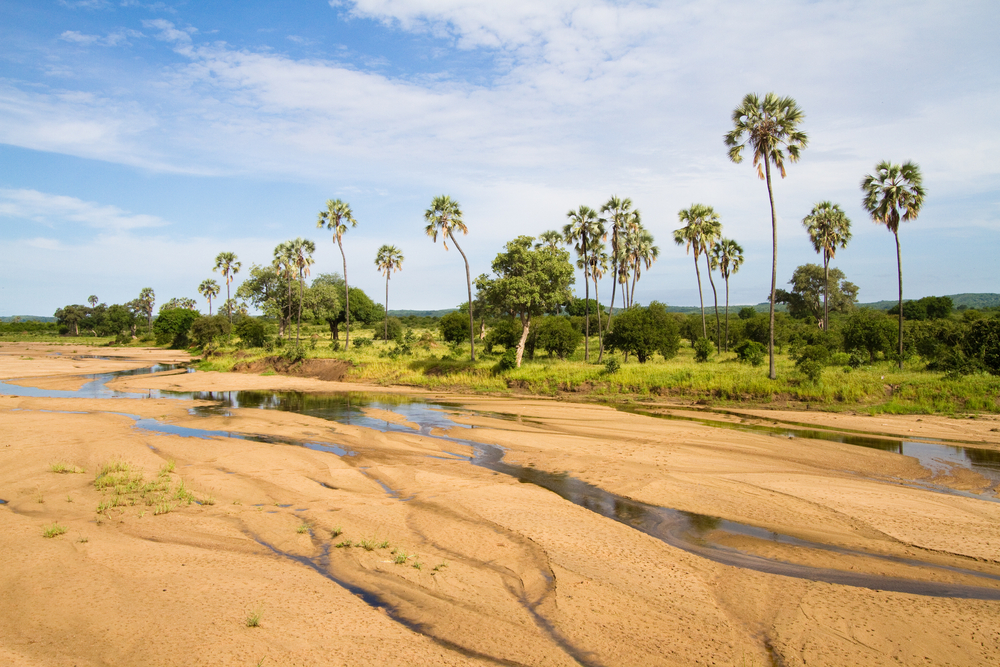
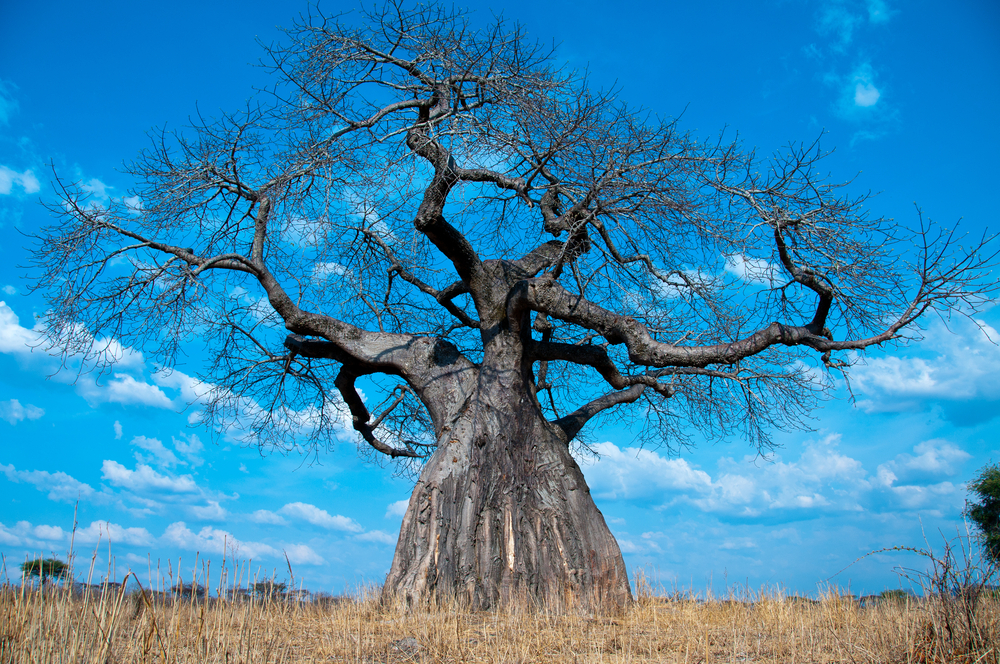
The geography of Ruaha National Park is incredibly diverse and shaped by rocky escarpments, rolling hills, baobab forests, open savannahs, and river valleys. The Great Ruaha River cuts through much of the park and creates fertile habitats that support abundant wildlife. During the dry season, shrinking water sources concentrate animals along the river, creating extraordinary viewing conditions.

Massive baobab trees dominate portions of the landscape and give the park a distinctly wild and ancient appearance. Vegetation varies from open grasslands to dense miombo woodlands filled with acacia trees and shrubs. The changing habitats support one of the richest ecosystems in East Africa.

Ruaha National Park contains an astonishing diversity of wildlife. The park supports one of East Africa’s largest elephant populations and also protects buffalo, giraffes, zebras, kudu, sable antelope, roan antelope, impalas, and numerous other grazing animals. Predators thrive here due to the abundance of prey species.

Lions, leopards, cheetahs, spotted hyenas, and African wild dogs are all regularly found within the park. Ruaha is also internationally recognized for birdwatching and supports more than 570 bird species. Colorful bee-eaters, hornbills, kingfishers, eagles, and storks are frequently observed along waterways and woodland habitats.

Ruaha National Park plays a critical role in conserving East Africa’s large mammal populations and maintaining habitat connectivity across southern Tanzania. The park protects endangered species and vast landscapes that allow wildlife to migrate naturally across ecosystems.

Compared to heavily visited parks such as Serengeti National Park or Maasai Mara National Reserve, Ruaha offers a more remote and intimate safari experience while supporting equally impressive biodiversity. Its wilderness character has made it increasingly important for conservation as human development expands across Africa. Ruaha National Park stands as one of the continent’s last truly wild safari destinations and remains a powerful refuge for wildlife, ecological research, and sustainable tourism.

Things to See

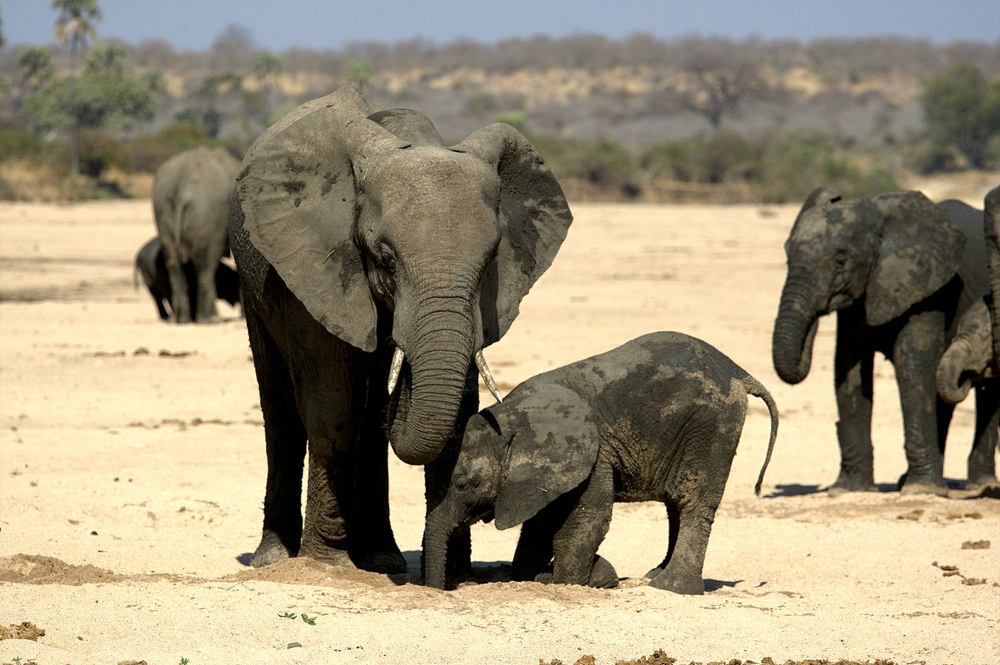
Game-viewing with the abundance and variety of wildlife is the highlight of Ruaha National Park.  The greatest concentration of elephants in Tanzania, an abundance of Greater Kudu, and complementary predator species which are commonly seen make this a wildlife have and a great place to see the larger game of Africa.

Predators

Predators

Ruaha National Park, Tanzania’s largest national park, is a predator’s haven, where the untamed wilderness offers a dramatic backdrop to the lives of Africa’s top predators. This vast landscape supports a rich tapestry of predator species, each playing a vital role in maintaining the ecological balance of the park.

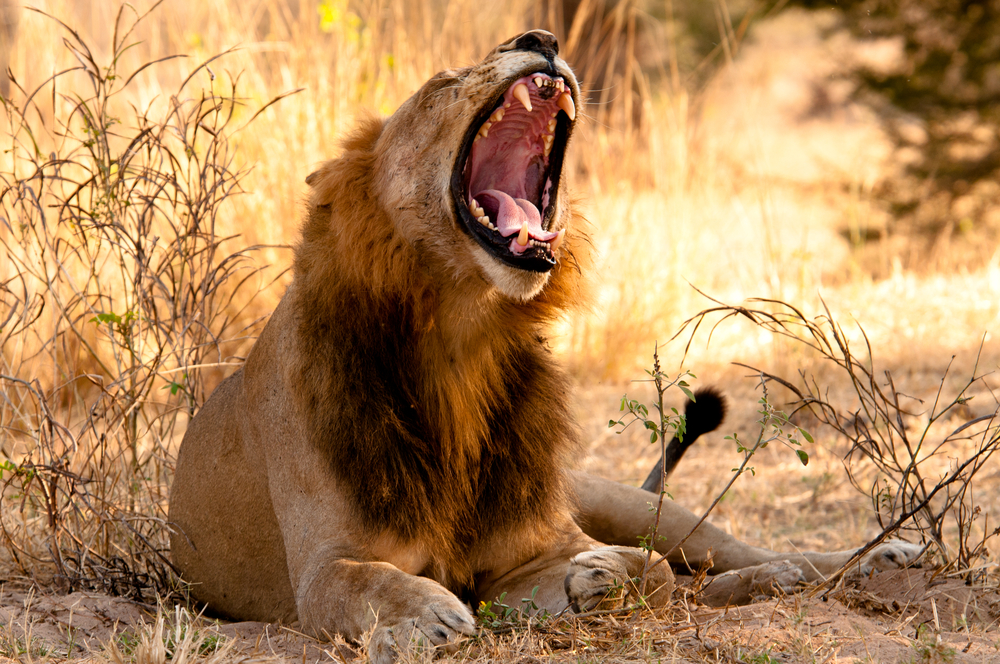
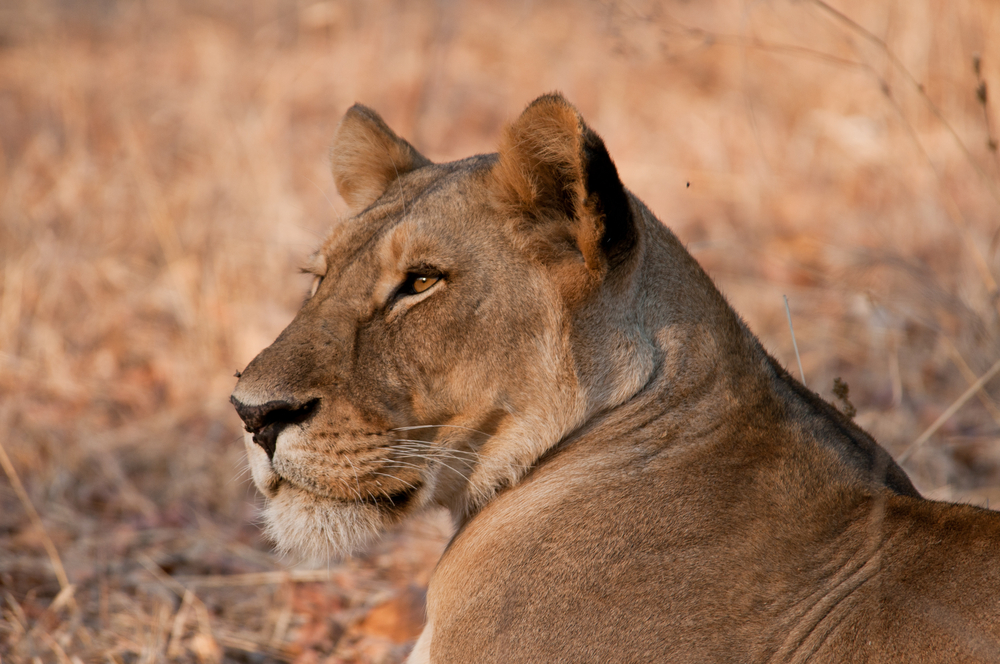
Lion – Dominating the savannah, lions in Ruaha are known for their large prides, often seen lounging in the shade or hunting in coordinated groups.

Cheetah – The embodiment of speed, the cheetah’s slender frame and explosive acceleration make it a formidable hunter on the open plains of Ruaha.

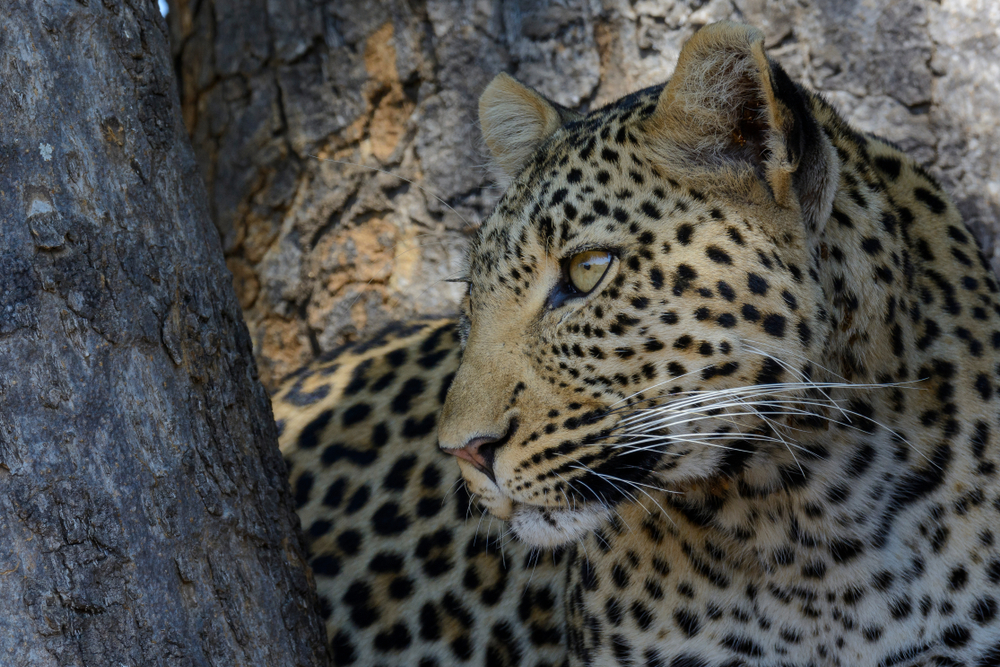
Leopard – Masters of stealth, leopards are often spotted draped over tree branches, their spotted coats blending perfectly with the dappled sunlight.

Spotted Hyena – Far from just scavengers, spotted hyenas are skilled hunters that roam Ruaha’s landscapes in clans, communicating with distinctive calls.

African Wild Dog – With their striking coat patterns and highly social packs, African wild dogs are efficient predators known for their endurance and cooperative hunting techniques.

Crocodile – Lurking in the rivers and waterholes, crocodiles are the silent predators of Ruaha, waiting patiently for an opportunity to snatch unsuspecting prey.

Black-Backed Jackal – These opportunistic omnivores are skilled hunters of small mammals and birds, often seen patrolling the savannah at dawn or dusk.

Serval – With their long legs and spotted coat, servals are adept at pouncing on rodents and birds in the tall grasses, showcasing their agility.

Bat-Eared Fox – Recognizable by their oversized ears, bat-eared foxes use their keen hearing to locate insects, their primary diet, in the arid regions of the park.

Martial Eagle – Ruaha’s skies are patrolled by the martial eagle, Africa’s largest eagle, known for its powerful talons and keen eyesight to spot prey from great distances.

These predators, each with their unique hunting methods and behaviors, contribute to the dynamic ecosystem of Ruaha National Park, making it a critical conservation area and a fascinating destination for wildlife enthusiast.

Popular

Popular

Ruaha National Park, a gem in the heart of Tanzania, is not only a sanctuary for Africa’s fiercest predators but also a refuge for a diverse array of other wildlife species. These animals, from the majestic to the minute, contribute to the rich biodiversity and ecological complexity of the park.

African Elephant – Ruaha is home to one of the largest populations of elephants in East Africa, where these gentle giants roam freely in large herds.

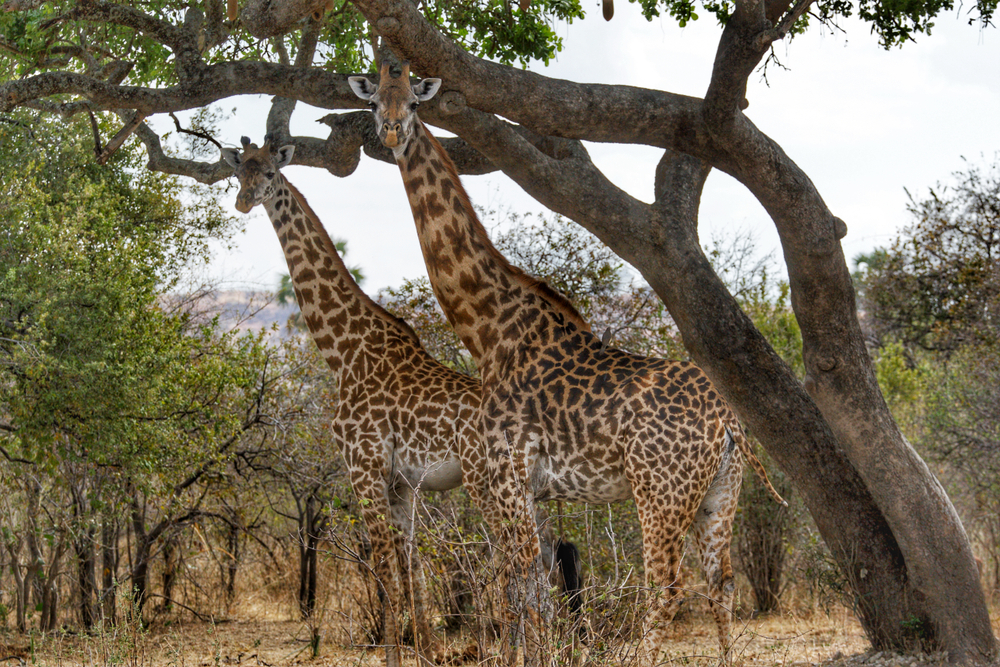
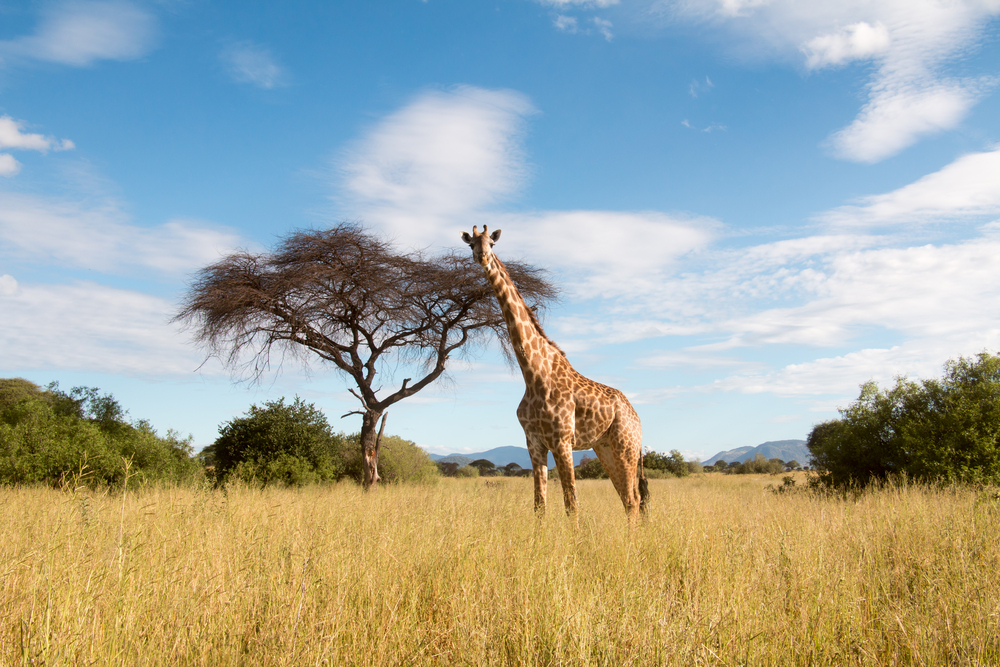
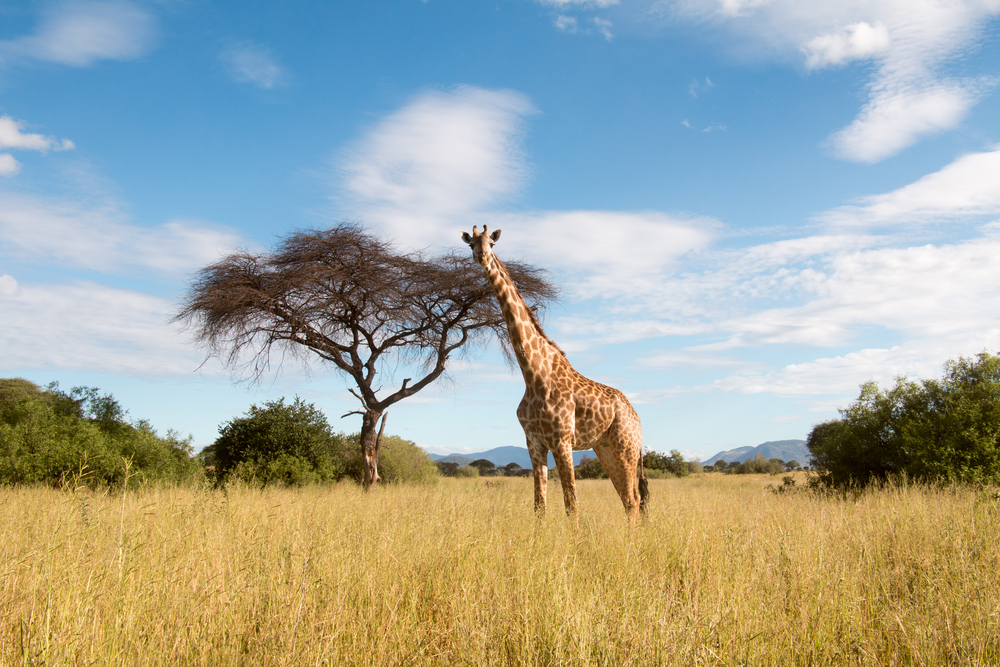
Giraffe – The park’s skyline is graced by the elegant silhouettes of giraffes, the world’s tallest mammals, browsing on the tops of trees.

Greater Kudu – Known for their spectacular spiraling horns and striking body stripes, greater kudus are among the most beautiful antelopes in the African bush.

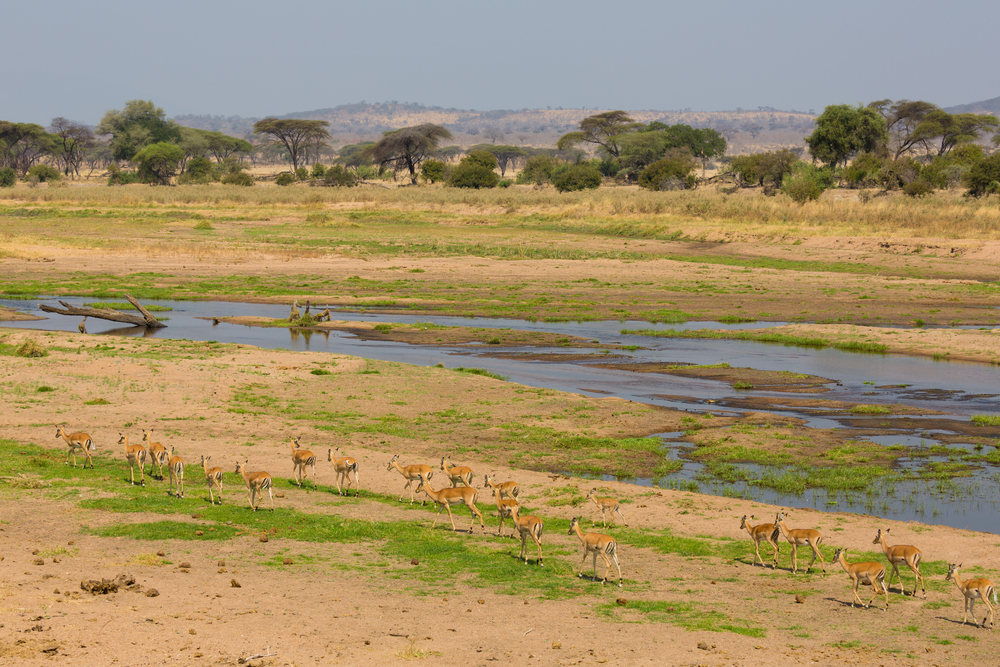
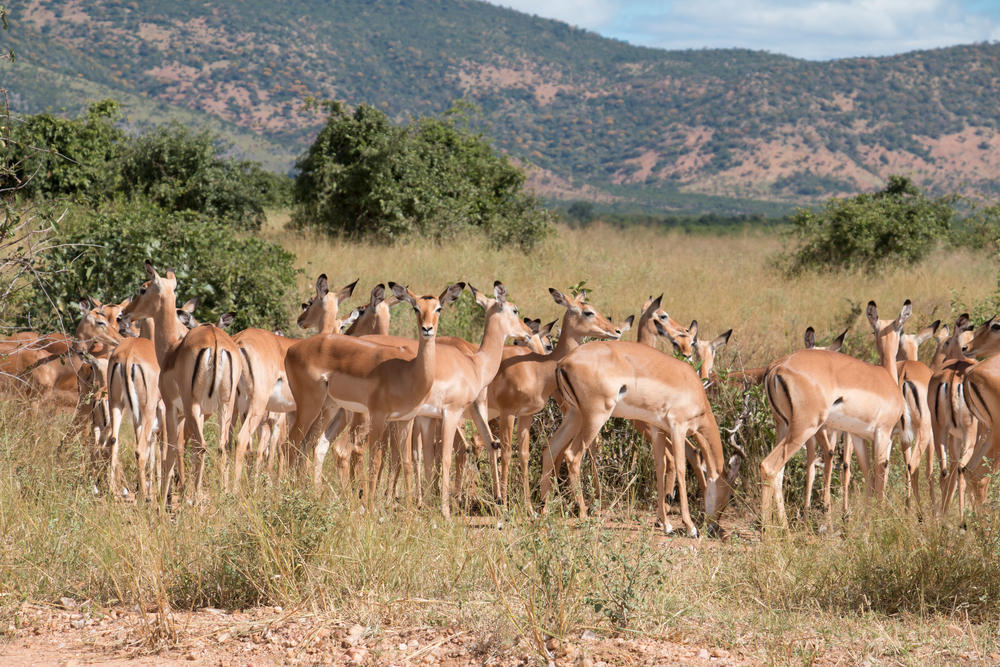
Impala – Ubiquitous across Ruaha, impalas are graceful and agile antelopes, easily recognized by their reddish coats and the males’ lyre-shaped horns.

Zebra – The quintessential African mammal, zebras’ black-and-white stripes dazzle against the backdrop of Ruaha’s savannahs, where they live in large herds.

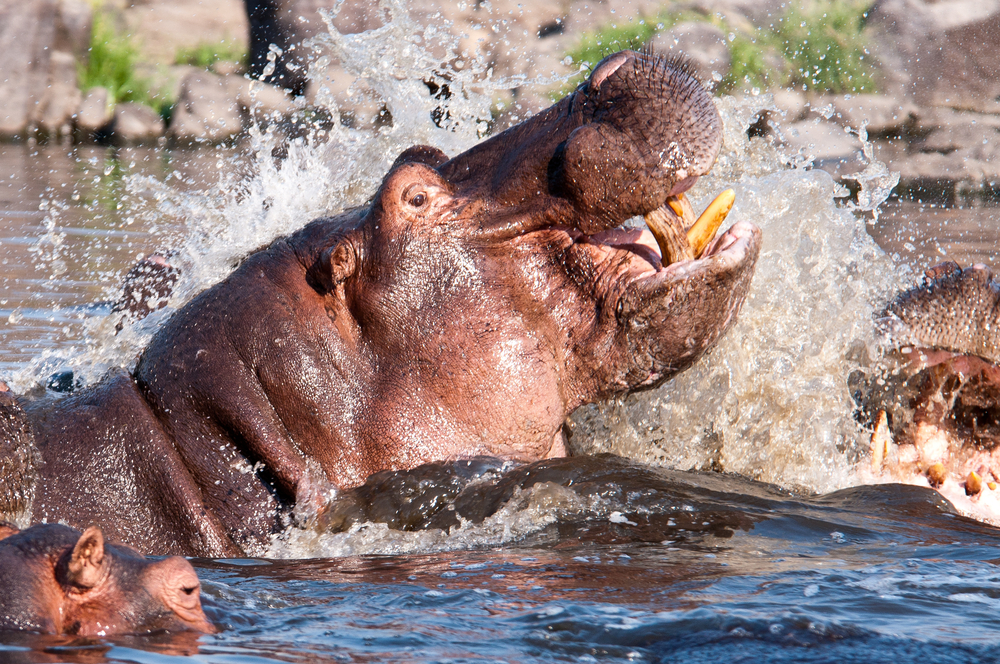
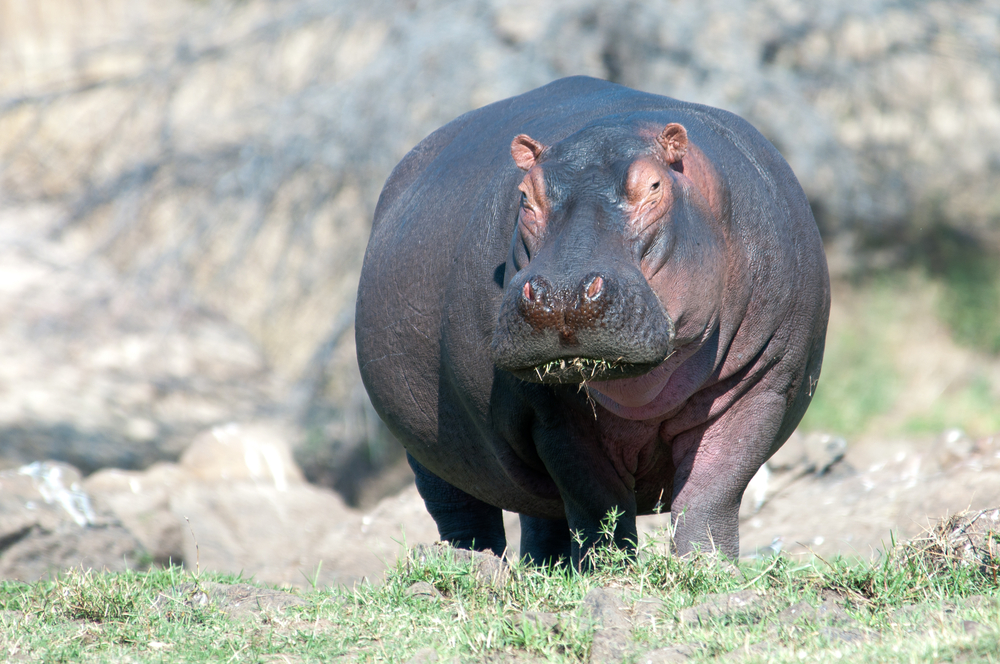
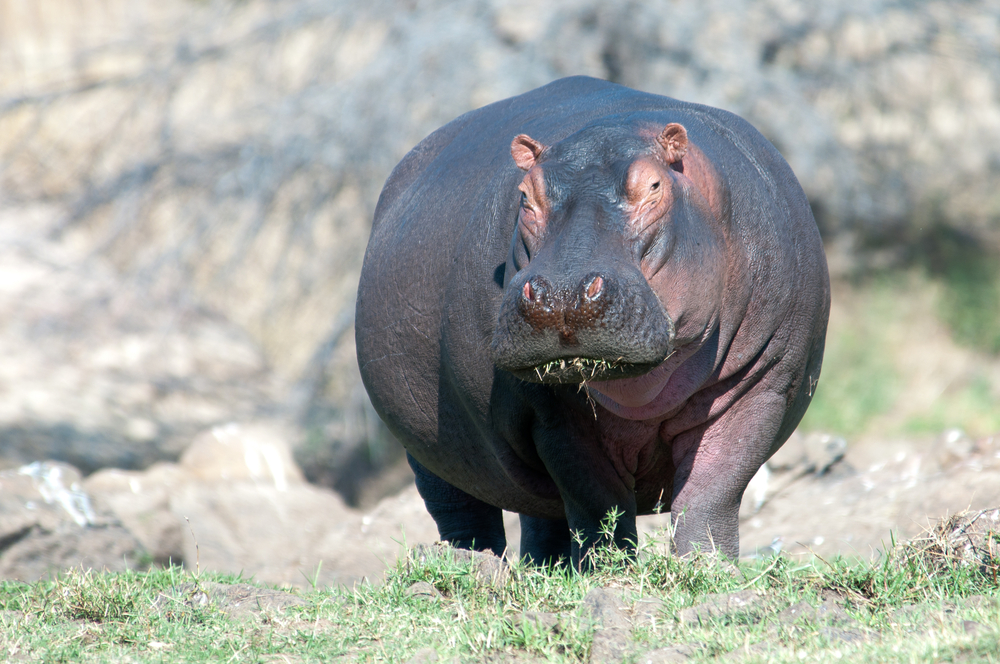
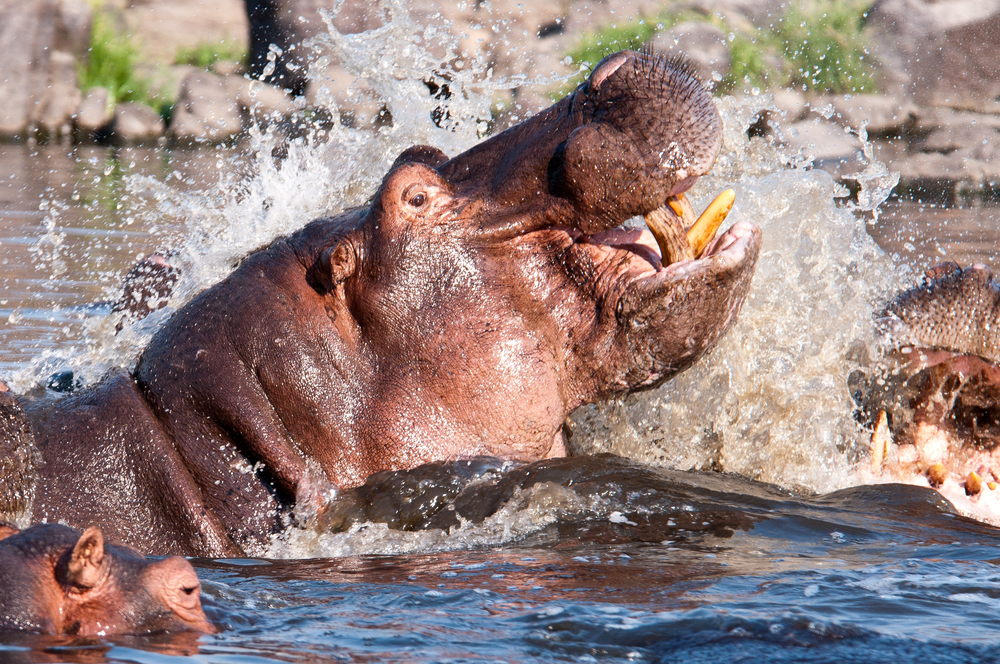
Hippo – Ruaha’s rivers and waterholes are the domain of hippos, whose massive presence belies their ability to navigate underwater with surprising grace.

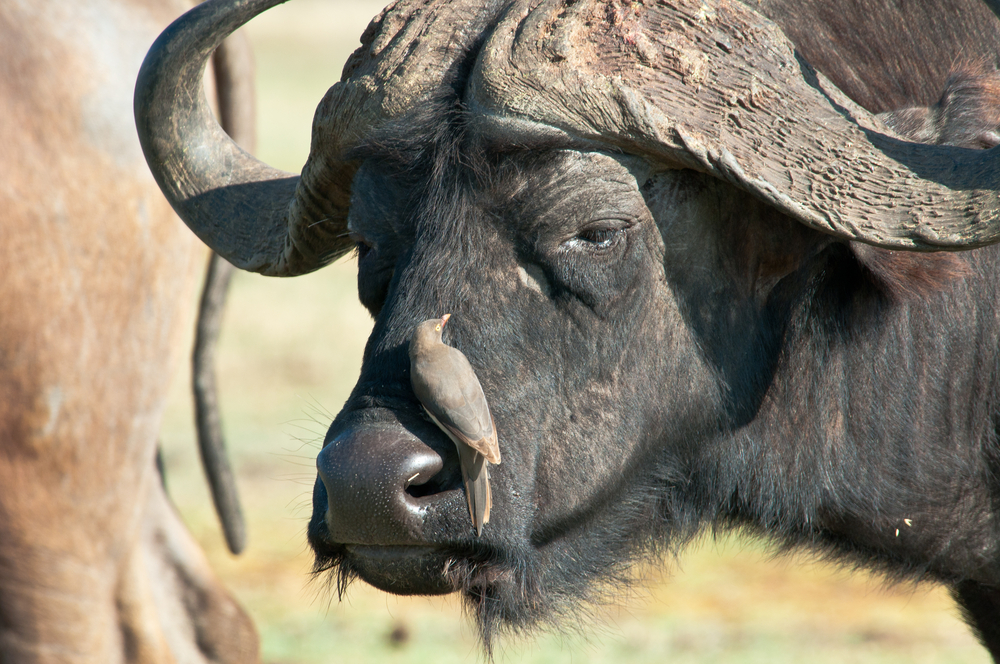
Buffalo – Formidable in size and temperament, buffalo herds are a common sight in Ruaha, often found wallowing in mud to cool off.

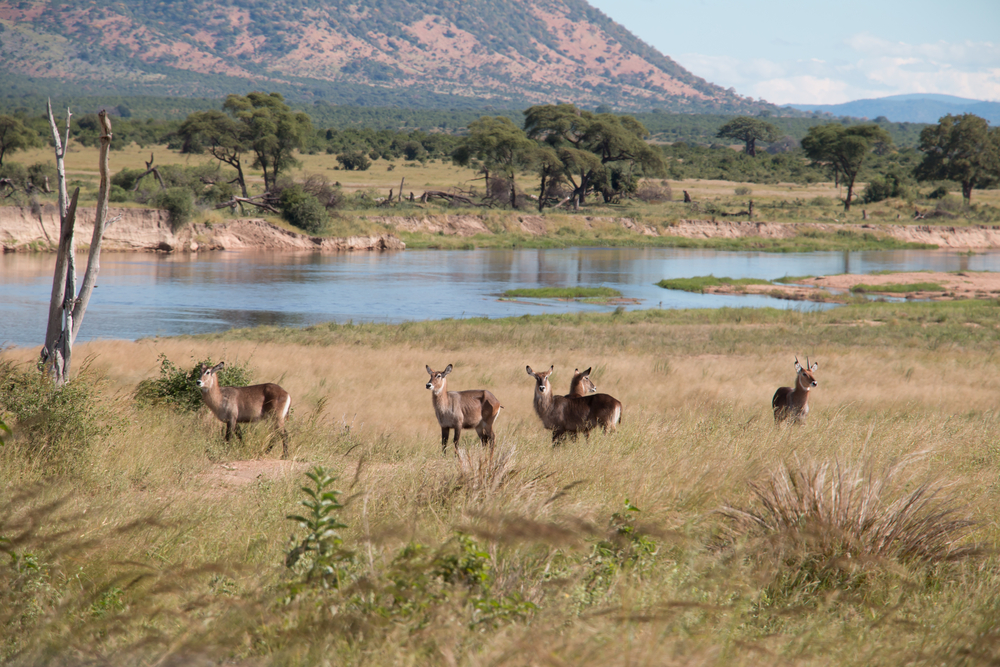
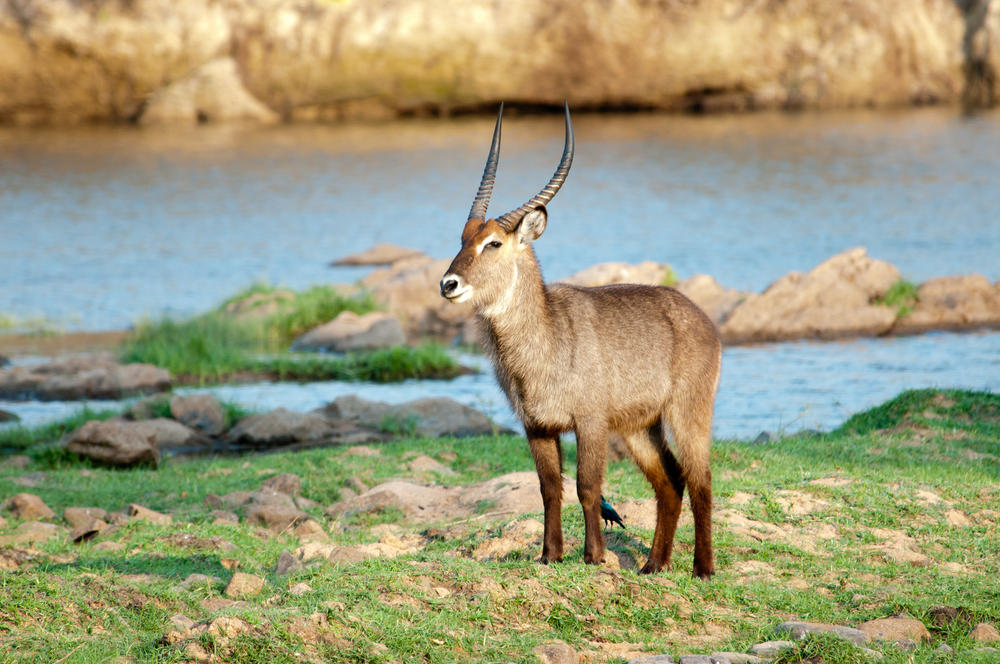
Waterbuck – With their shaggy coats and distinctive white ring on their rump, waterbucks are often found near Ruaha’s water sources, as their name suggests.

Bushbuck – These shy, solitary antelopes prefer the dense bush and riverine forests of Ruaha, recognizable by their spotted coats and small, spiraled horns.

Eland – The largest of the antelope species, elands are impressive both in size and for their ability to leap fences from a standstill.

Together, these species represent the diverse fauna of Ruaha National Park, each contributing to the park’s unique ecosystem and offering visitors a glimpse into Africa’s unparalleled wildlife heritage.

Birds

Birds

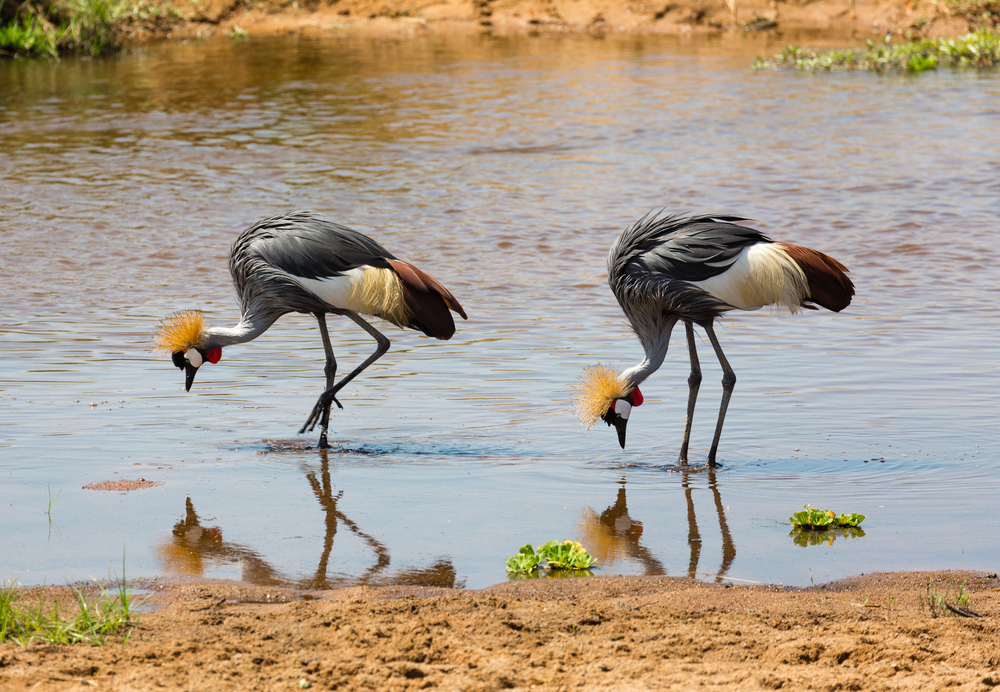
Ruaha National Park is an avian paradise, hosting over 570 species of birds, making it a premier destination for birdwatchers and ornithologists alike. The park’s diverse habitats support a wide array of birdlife, ranging from common garden birds to rare and endangered species, each adding a unique note to the symphony of Ruaha’s wilderness.

African Fish Eagle – With its distinctive call echoing over waterways, the African Fish Eagle is a symbol of the wild, often seen perched majestically near water.

Lilac-breasted Roller – The breathtakingly colorful Lilac-breasted Roller is a sight to behold, with its brilliant lilac breast, blue belly, and green head.

Red-billed Hornbill – Frequently spotted, these quirky birds are known for their long, curved red bills and their amusing ground foraging behavior.

Yellow-collared Lovebird – These small, vibrant parrots, with their bright green bodies and yellow ‘collars’, add a splash of color to the Ruaha landscape.

Bateleur Eagle – This medium-sized eagle is distinguished by its short tail and vibrant red face and legs, often seen gliding low over the savannah.

Secretary Bird – Striking in appearance, the Secretary Bird is a tall, ground-dwelling bird with long legs and an eagle-like body, hunting snakes across the grasslands.

Purple-crested Turaco – With its vivid purple crest and striking green plumage, this bird is often heard before it’s seen, moving acrobatically through the treetops.

Crested Barbet – Noted for their loud, trilling calls and striking, speckled plumage, Crested Barbets are a colorful addition to the park’s birdlife.

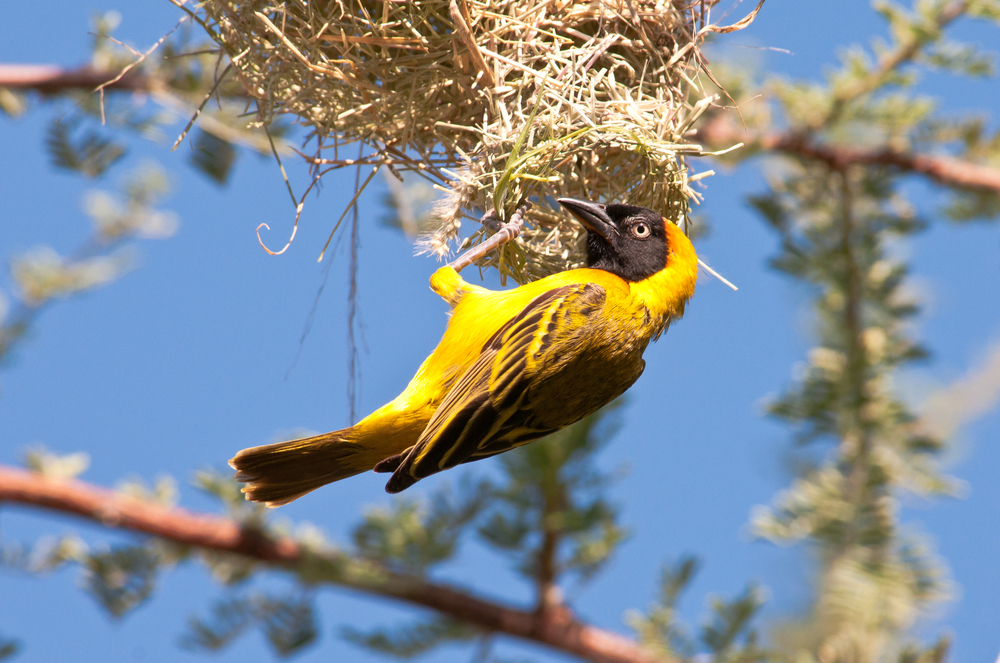
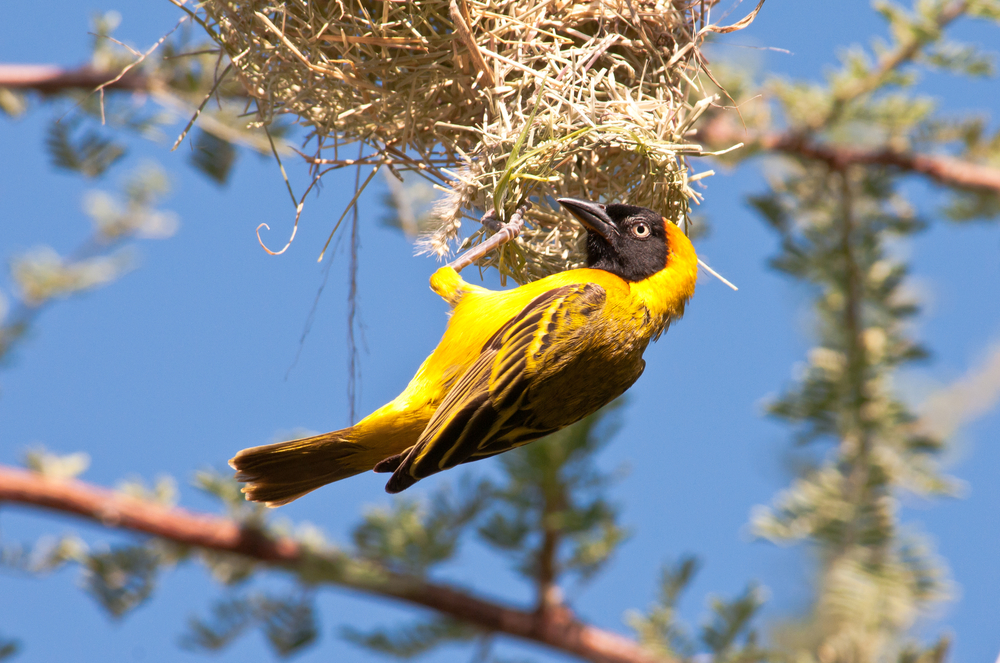
White-headed Buffalo Weaver – Easily recognized by their white heads and black bodies, these social weavers construct large, communal nests in acacia trees.

African Grey Hornbill – Characterized by their long, curved beaks and distinctive call, these hornbills are a common sight, contributing to the park’s auditory landscape.

Ruaha National Park’s rich avian population offers endless opportunities for observation and study, showcasing the incredible diversity of bird species that call this Tanzanian park home.

Things To Do

Engaging Ruaha National Park
Game Drives

Embark on thrilling game drives through the vast wilderness of Ruaha National Park, one of Tanzania’s largest and most diverse wildlife reserves. With its diverse landscapes ranging from open plains to dense woodlands, the park offers unparalleled opportunities to encounter a wide array of wildlife species, including elephants, lions, leopards, and buffalo.

Led by experienced safari guides, traverse rugged terrain in search of iconic African wildlife, stopping to admire panoramic vistas and observe animals in their natural habitat. Whether exploring at dawn or dusk, each game drive promises exciting wildlife sightings and unforgettable moments amidst the raw beauty of the African bush.

Walking Safaris

Immerse yourself in the sights, sounds, and scents of the African wilderness on a guided walking safari through Ruaha National Park.

Led by knowledgeable rangers, these exhilarating excursions offer a unique perspective on the park’s ecosystems, allowing you to discover hidden wonders and encounter wildlife up close.

Stroll along ancient animal trails, learning about the park’s flora and fauna from expert guides who share their insights into the intricate web of life in this pristine wilderness.

From tracking big game to marveling at the intricate details of the smaller creatures, walking safaris in Ruaha offer an intimate and immersive safari experience unlike any other.

River Safaris

Embark on a serene river safari along the Great Ruaha River, a lifeline for wildlife in Ruaha National Park.

Drift downstream aboard a comfortable boat, accompanied by expert guides who will navigate the waterways and interpret the sights and sounds of the riverine ecosystem. As you glide past lush riverbanks teeming with wildlife, keep an eye out for elephants bathing, hippos wallowing, and crocodiles basking in the sun.

Birdwatchers will delight in the abundance of waterfowl and aquatic species that call the river home, while photographers will relish the opportunity to capture stunning images of wildlife against the backdrop of the tranquil river scenery.

Game Drives

Embark on thrilling game drives through the vast wilderness of Ruaha National Park, one of Tanzania’s largest and most diverse wildlife reserves. With its diverse landscapes ranging from open plains to dense woodlands, the park offers unparalleled opportunities to encounter a wide array of wildlife species, including elephants, lions, leopards, and buffalo.

Led by experienced safari guides, traverse rugged terrain in search of iconic African wildlife, stopping to admire panoramic vistas and observe animals in their natural habitat. Whether exploring at dawn or dusk, each game drive promises exciting wildlife sightings and unforgettable moments amidst the raw beauty of the African bush.

Walking Safaris

Immerse yourself in the sights, sounds, and scents of the African wilderness on a guided walking safari through Ruaha National Park.

Led by knowledgeable rangers, these exhilarating excursions offer a unique perspective on the park’s ecosystems, allowing you to discover hidden wonders and encounter wildlife up close.

Stroll along ancient animal trails, learning about the park’s flora and fauna from expert guides who share their insights into the intricate web of life in this pristine wilderness.

From tracking big game to marveling at the intricate details of the smaller creatures, walking safaris in Ruaha offer an intimate and immersive safari experience unlike any other.

River Safaris

Embark on a serene river safari along the Great Ruaha River, a lifeline for wildlife in Ruaha National Park.

Drift downstream aboard a comfortable boat, accompanied by expert guides who will navigate the waterways and interpret the sights and sounds of the riverine ecosystem. As you glide past lush riverbanks teeming with wildlife, keep an eye out for elephants bathing, hippos wallowing, and crocodiles basking in the sun.

Birdwatchers will delight in the abundance of waterfowl and aquatic species that call the river home, while photographers will relish the opportunity to capture stunning images of wildlife against the backdrop of the tranquil river scenery.

Ruaha National Park Trails

There are no trails in the national park, however, there are guided walking safaris that allow visitors to hike in the park.  This is a national park with predator species and other wildlife that must be respected.  Pay attention to your surroundings even though you are hiking with a guide on a planned walking safari.

placeholder

Great Ruaha River Trail

Rating: Easy

Distance and Elevation Gain: 3 miles (4.8 km) with minimal elevation gain

Description: The Great Ruaha River Trail offers a leisurely walk along the banks of the iconic Ruaha River, one of the lifelines of Ruaha National Park.

Hikers will enjoy sightings of hippos, crocodiles, and various bird species along the riverbanks.

The trail provides opportunities for peaceful contemplation amidst the serene landscapes and offers panoramic views of the river’s winding course through the heart of the park.

placeholder

Mdonya Waterfall Trail

Rating: Moderate

Distance and Elevation Gain: 4 miles (6.4 km) with an elevation gain of 328 feet (100 meters)

Description: The Mdonya Waterfall Trail leads hikers through woodlands and rocky terrain to the picturesque Mdonya Waterfall, nestled within the rugged landscapes of Ruaha National Park.

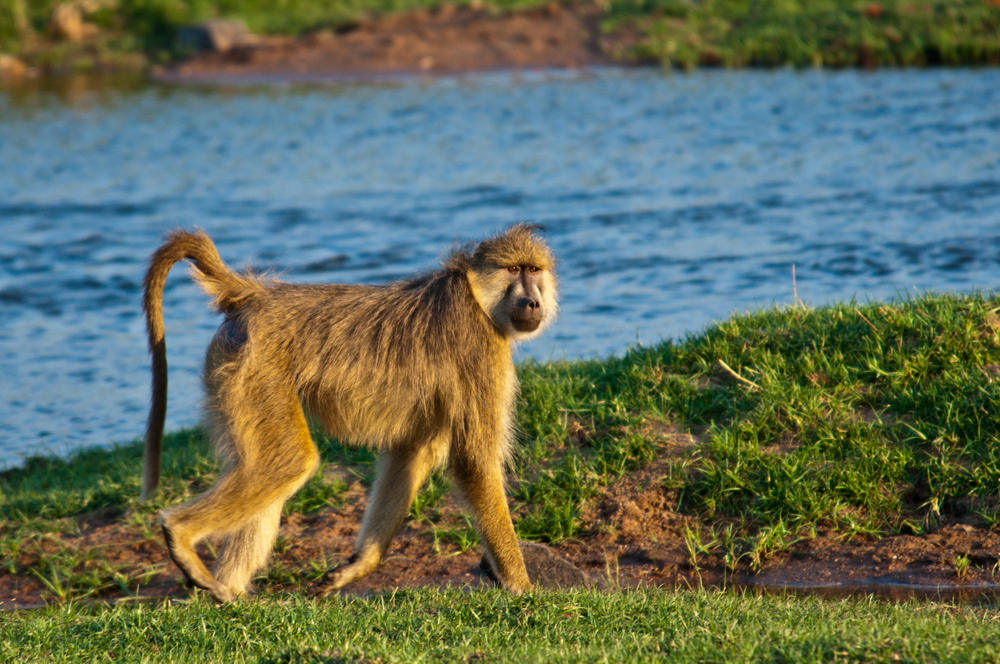
Hikers will encounter wildlife such as antelopes and baboons while enjoying the soothing sounds of cascading water.

The trail offers opportunities for swimming and relaxation amidst the natural beauty of the waterfall and its surroundings.

placeholder

Mwagusi Sand River Trail

Rating: Moderate

Distance and Elevation Gain: 5 miles (8 km) with minimal elevation gain

Description: The Mwagusi Sand River Trail winds along the sandy banks of the Mwagusi River, providing hikers with stunning views of the surrounding savannah landscapes of Ruaha National Park.

Hikers will encounter wildlife such as elephants, giraffes, and lions while traversing through open grasslands and acacia woodlands.

The trail offers opportunities for birdwatching and photography, making it a favorite among nature enthusiasts.

placeholder

Irente Viewpoint Trail

Rating: Moderate to Difficult

Distance and Elevation Gain: 6 miles (9.7 km) with an elevation gain of 656 feet (200 meters)

Description: The Irente Viewpoint Trail offers hikers a challenging ascent to the scenic Irente viewpoint, providing breathtaking panoramas of Ruaha National Park’s expansive landscapes.

Hikers will trek through rocky terrain and dense vegetation, encountering wildlife such as dik-diks and kudus along the way.

The trail rewards hikers with stunning vistas of the park’s rugged terrain and the opportunity to witness unforgettable sunsets over the African savannah.

placeholder

Jongomero Hill Trail

Rating: Difficult

Distance and Elevation Gain: 8 miles (12.9 km) with an elevation gain of 984 feet (300 meters)

Description: The Jongomero Hill Trail offers a challenging hike to the summit of Jongomero Hill, providing panoramic views of Ruaha National Park’s vast wilderness.

Hikers will traverse through rocky outcrops and rugged terrain, encountering wildlife such as zebras and impalas along the way.

The trail offers opportunities for wildlife photography and birdwatching, making it a rewarding adventure for experienced hikers seeking a wilderness experience in Ruaha.

placeholder

Great Ruaha River Trail

Rating: Easy

Distance and Elevation Gain: 3 miles (4.8 km) with minimal elevation gain

Description: The Great Ruaha River Trail offers a leisurely walk along the banks of the iconic Ruaha River, one of the lifelines of Ruaha National Park.

Hikers will enjoy sightings of hippos, crocodiles, and various bird species along the riverbanks.

The trail provides opportunities for peaceful contemplation amidst the serene landscapes and offers panoramic views of the river’s winding course through the heart of the park.

placeholder

Mdonya Waterfall Trail

Rating: Moderate

Distance and Elevation Gain: 4 miles (6.4 km) with an elevation gain of 328 feet (100 meters)

Description: The Mdonya Waterfall Trail leads hikers through woodlands and rocky terrain to the picturesque Mdonya Waterfall, nestled within the rugged landscapes of Ruaha National Park.

Hikers will encounter wildlife such as antelopes and baboons while enjoying the soothing sounds of cascading water.

The trail offers opportunities for swimming and relaxation amidst the natural beauty of the waterfall and its surroundings.

placeholder

Mwagusi Sand River Trail

Rating: Moderate

Distance and Elevation Gain: 5 miles (8 km) with minimal elevation gain

Description: The Mwagusi Sand River Trail winds along the sandy banks of the Mwagusi River, providing hikers with stunning views of the surrounding savannah landscapes of Ruaha National Park.

Hikers will encounter wildlife such as elephants, giraffes, and lions while traversing through open grasslands and acacia woodlands.

The trail offers opportunities for birdwatching and photography, making it a favorite among nature enthusiasts.

placeholder

Irente Viewpoint Trail

Rating: Moderate to Difficult

Distance and Elevation Gain: 6 miles (9.7 km) with an elevation gain of 656 feet (200 meters)

Description: The Irente Viewpoint Trail offers hikers a challenging ascent to the scenic Irente viewpoint, providing breathtaking panoramas of Ruaha National Park’s expansive landscapes.

Hikers will trek through rocky terrain and dense vegetation, encountering wildlife such as dik-diks and kudus along the way.

The trail rewards hikers with stunning vistas of the park’s rugged terrain and the opportunity to witness unforgettable sunsets over the African savannah.

placeholder

Jongomero Hill Trail

Rating: Difficult

Distance and Elevation Gain: 8 miles (12.9 km) with an elevation gain of 984 feet (300 meters)

Description: The Jongomero Hill Trail offers a challenging hike to the summit of Jongomero Hill, providing panoramic views of Ruaha National Park’s vast wilderness.

Hikers will traverse through rocky outcrops and rugged terrain, encountering wildlife such as zebras and impalas along the way.

The trail offers opportunities for wildlife photography and birdwatching, making it a rewarding adventure for experienced hikers seeking a wilderness experience in Ruaha.

FAQ’s

What is Ruaha National Park known for?

Ruaha National Park, located in Tanzania, is renowned for its vast wilderness and diverse wildlife. It is the largest national park in Tanzania and one of the largest in Africa, covering an area of over 20,000 square kilometers (7,700 square miles).

The park is characterized by its rugged terrain, dominated by rolling hills, open savannah, and groves of baobab trees. Ruaha is especially known for its impressive population of large predators, including lions, leopards, cheetahs, and African wild dogs. It is also home to a variety of herbivores such as elephants, giraffes, zebras, and buffaloes.

The Great Ruaha River, which flows through the park, serves as a vital water source during the dry season, attracting a concentration of wildlife to its banks. Ruaha National Park offers visitors a remote and authentic safari experience in one of Africa’s last remaining wilderness areas.

What is Ruaha National Park known for?

Ruaha National Park, located in Tanzania, is renowned for its vast wilderness and diverse wildlife. It is the largest national park in Tanzania and one of the largest in Africa, covering an area of over 20,000 square kilometers (7,700 square miles).

The park is characterized by its rugged terrain, dominated by rolling hills, open savannah, and groves of baobab trees. Ruaha is especially known for its impressive population of large predators, including lions, leopards, cheetahs, and African wild dogs. It is also home to a variety of herbivores such as elephants, giraffes, zebras, and buffaloes.

The Great Ruaha River, which flows through the park, serves as a vital water source during the dry season, attracting a concentration of wildlife to its banks. Ruaha National Park offers visitors a remote and authentic safari experience in one of Africa’s last remaining wilderness areas.

Sources