

About
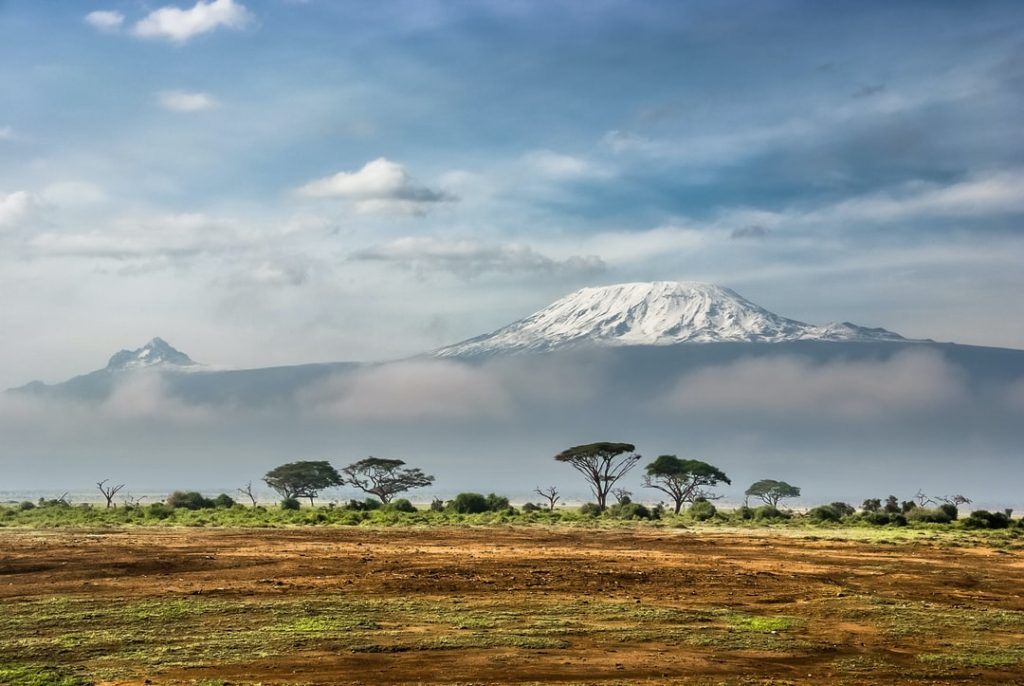
Kilimanjaro National Park is located in northeastern Tanzania near the border with Kenya and protects the slopes and summit of Mount Kilimanjaro, the tallest mountain in Africa. Covering approximately 650 square miles (1,688 sq km), the park encompasses a remarkable range of elevations and ecosystems surrounding the mountain’s volcanic peaks.
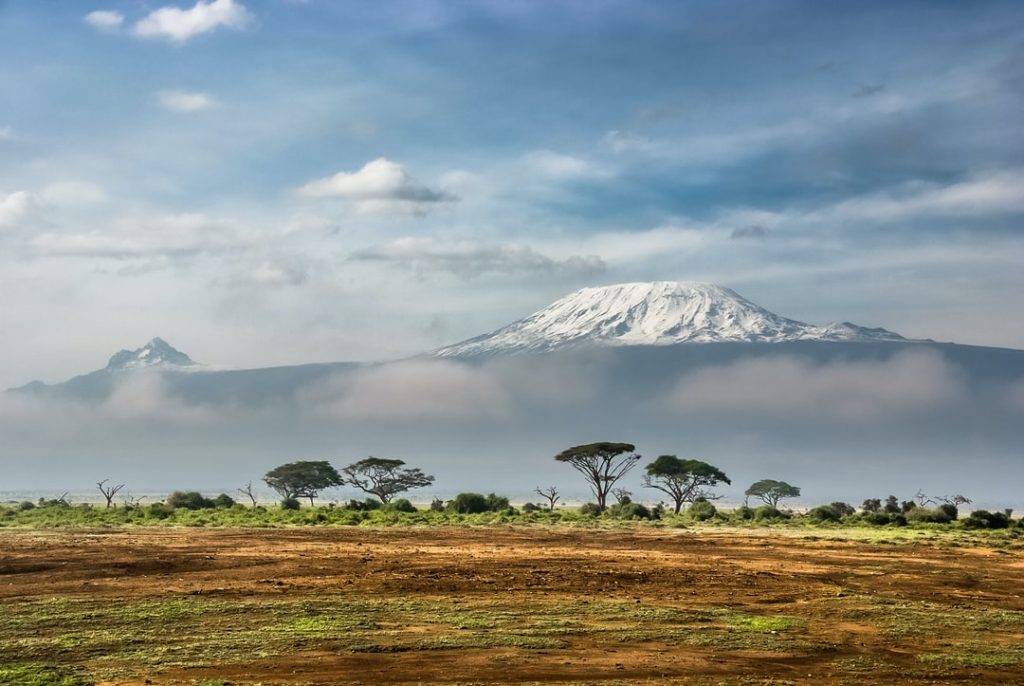
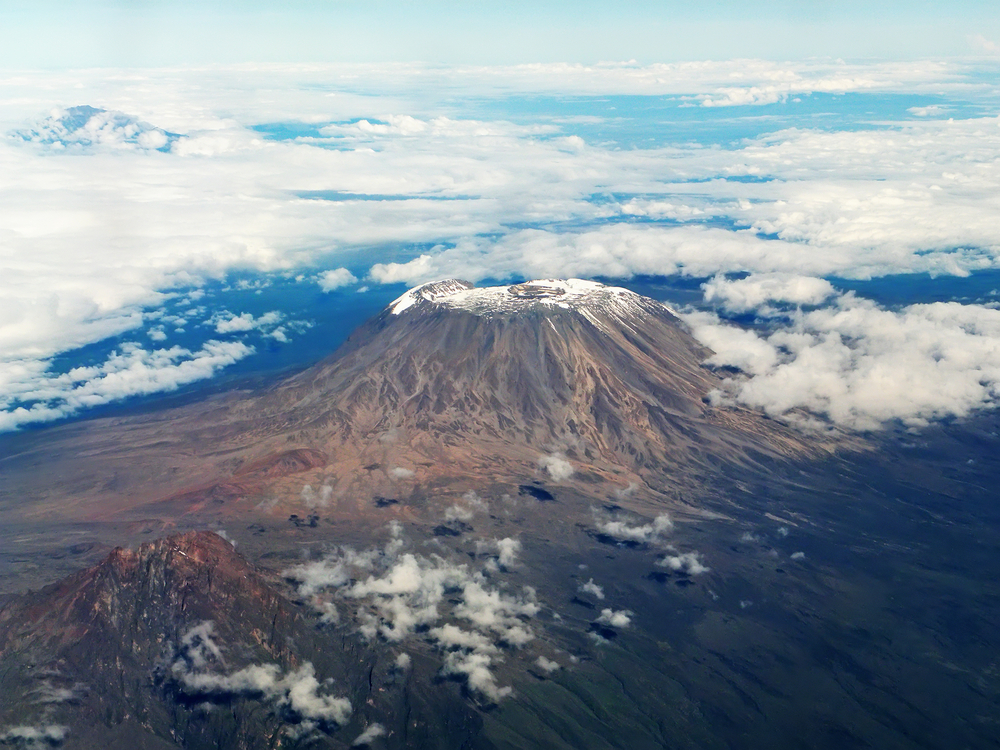
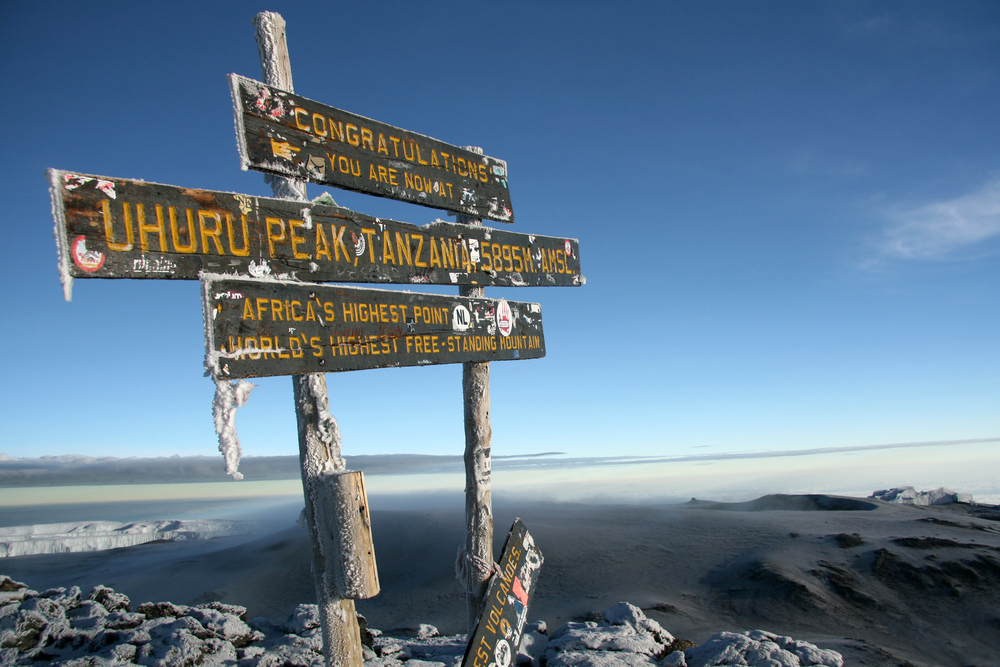
While it does not directly border another national park, it lies relatively close to Amboseli National Park across the border in Kenya, where Kilimanjaro famously dominates the horizon. Rising to 19,341 feet (5,895 meters), Mount Kilimanjaro is one of the world’s most iconic natural landmarks and the highest free-standing mountain on Earth.
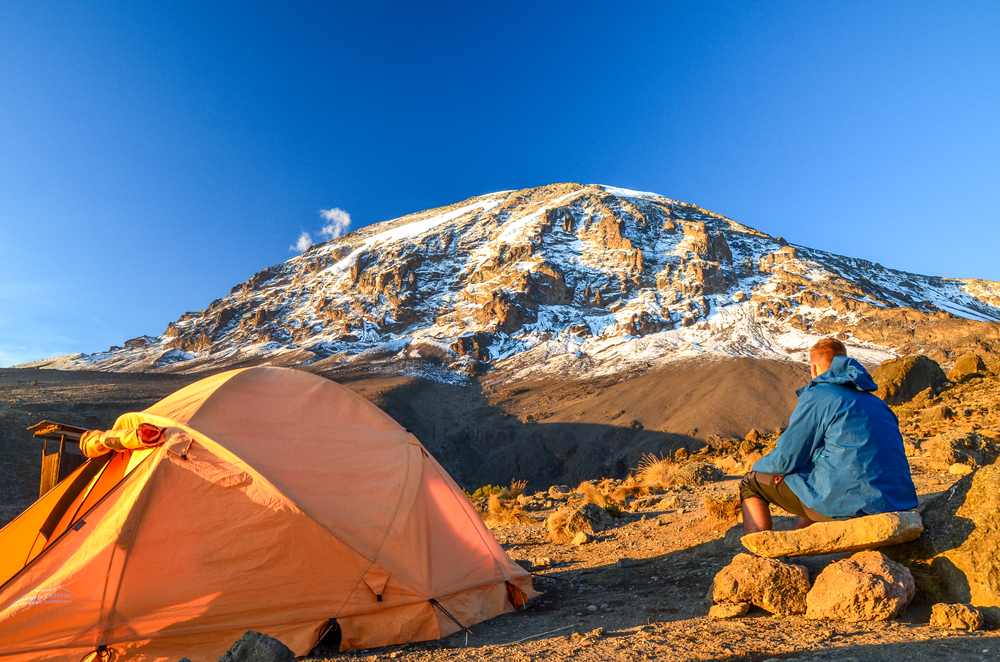
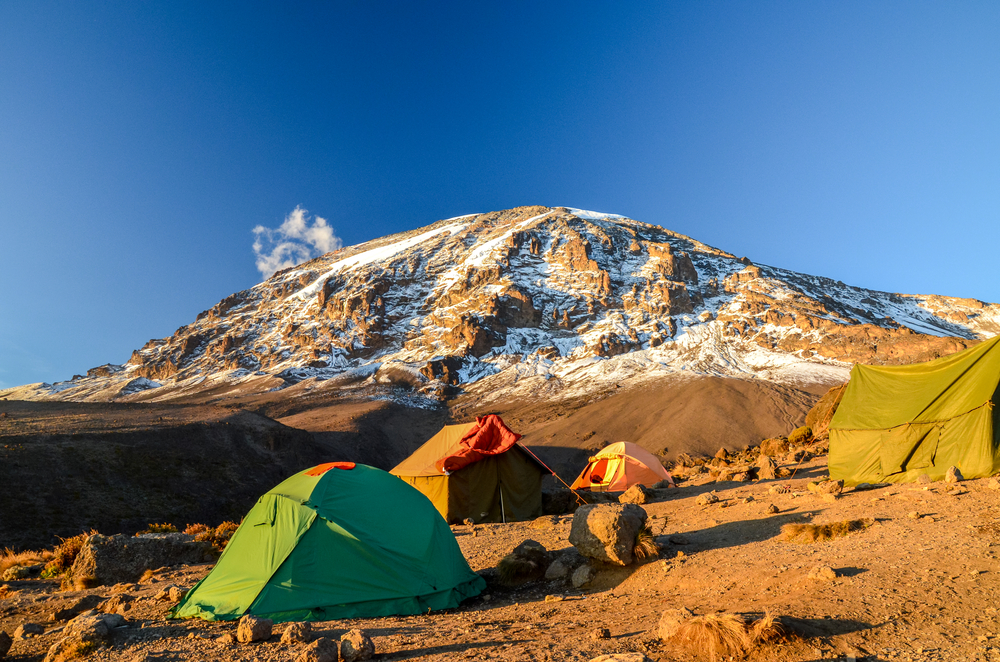
Kilimanjaro National Park is best known for the majestic presence of Mount Kilimanjaro itself, a dormant volcanic giant that towers above the surrounding plains. The mountain’s snow-capped summit, despite its location near the equator, has captured imaginations for generations and symbolizes the beauty and extremes of the natural world.
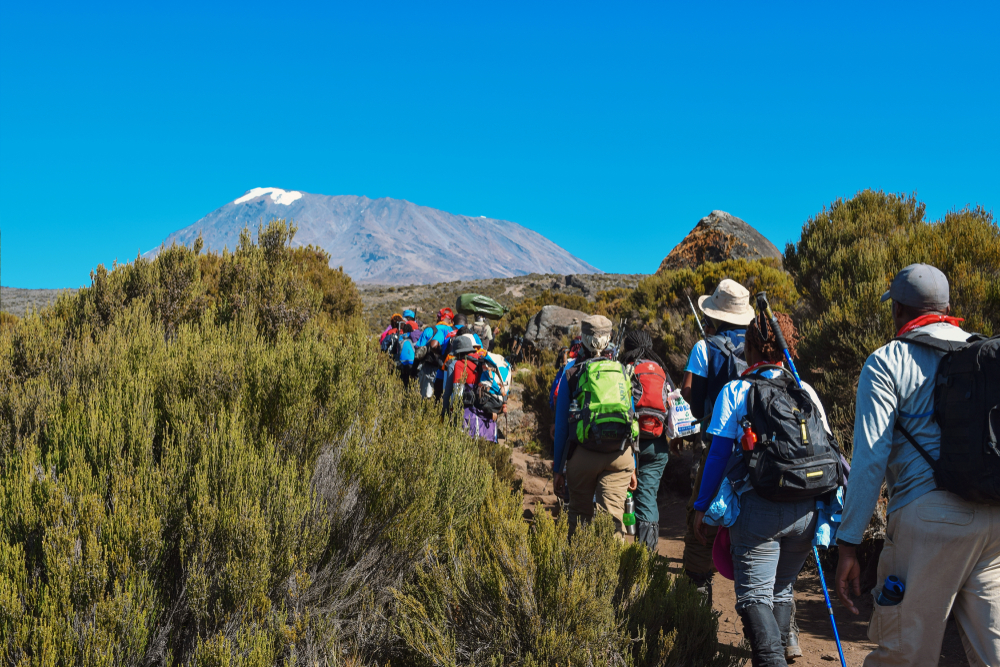
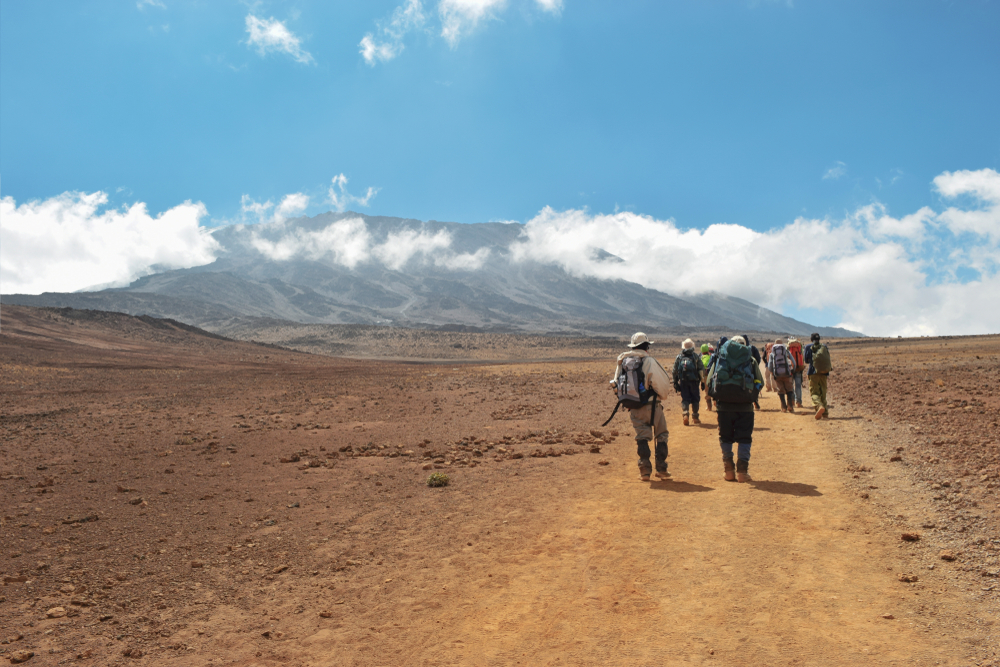
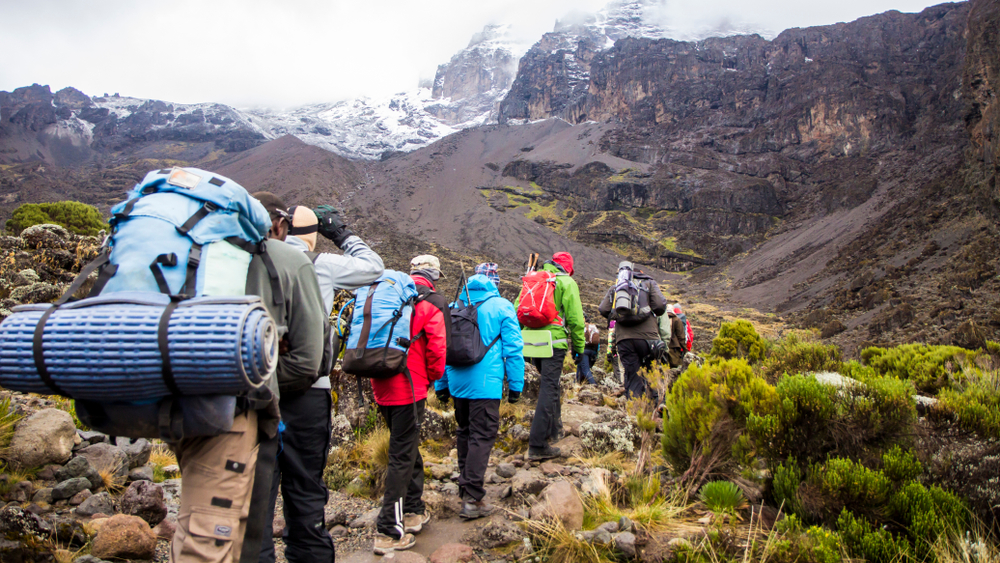
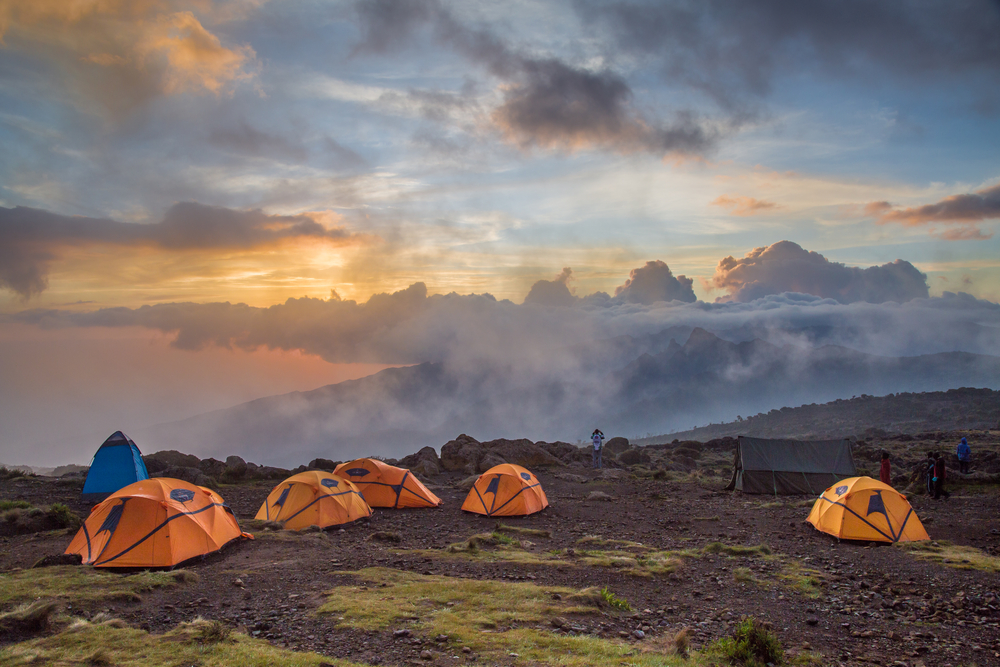
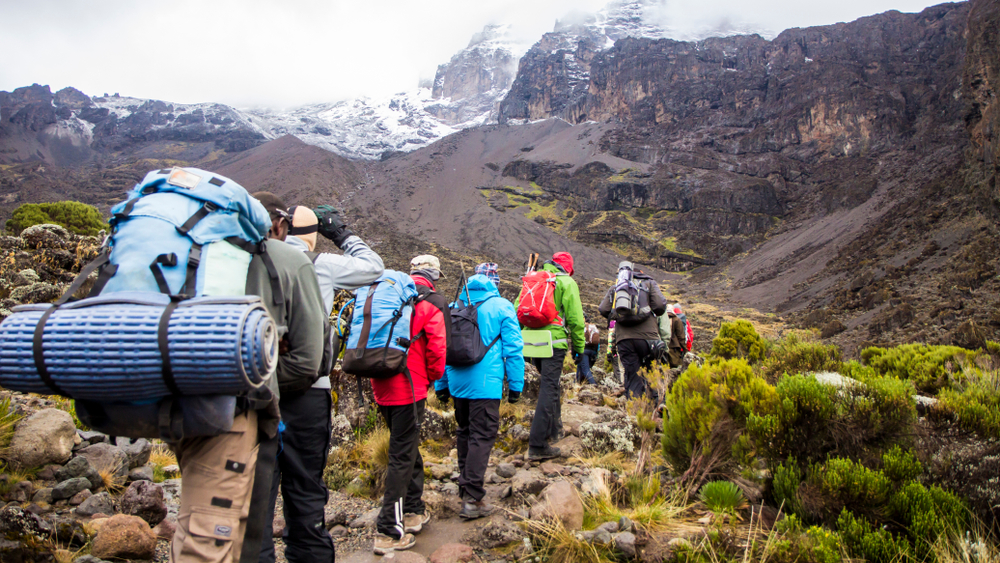
Thousands of climbers and trekkers visit the park each year to attempt the ascent to Uhuru Peak, experiencing dramatic environmental changes as they climb through multiple ecological zones. The journey to the summit is considered one of the world’s great trekking experiences, combining physical challenge with breathtaking scenery and a profound sense of accomplishment.
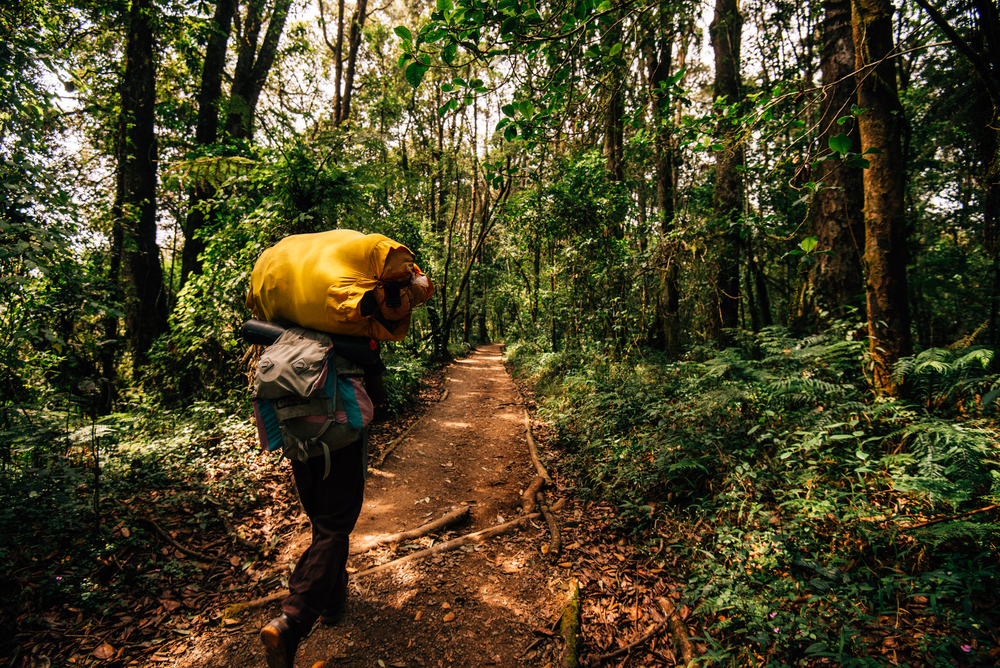
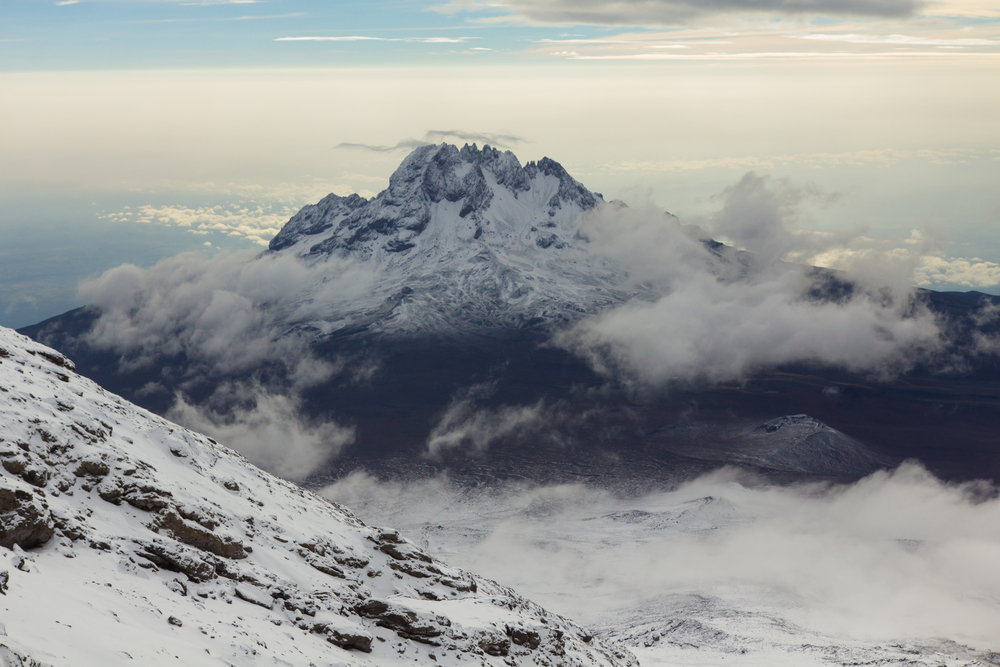
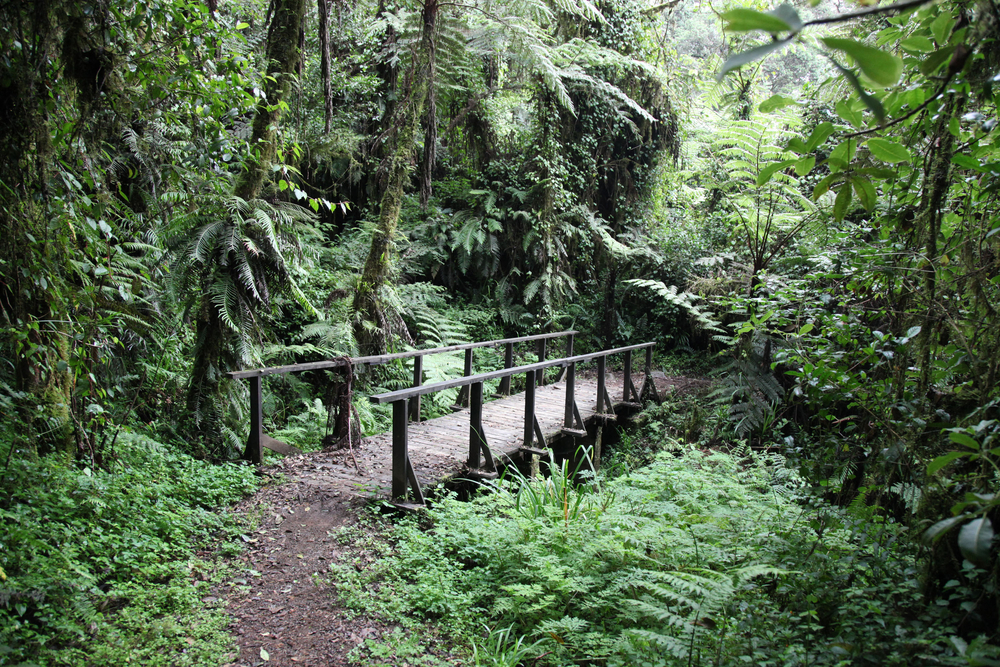
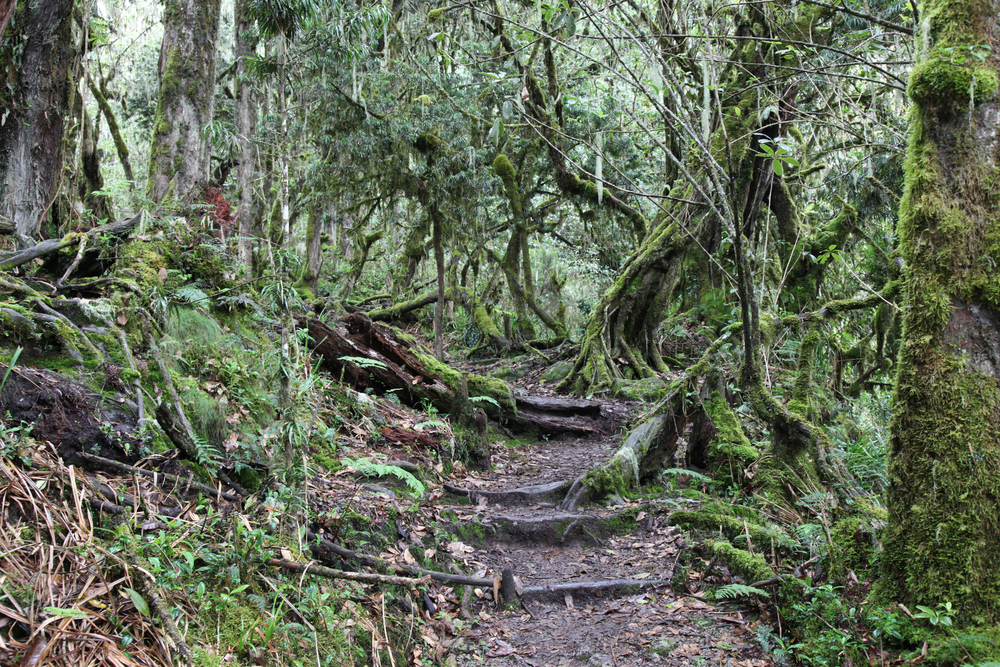
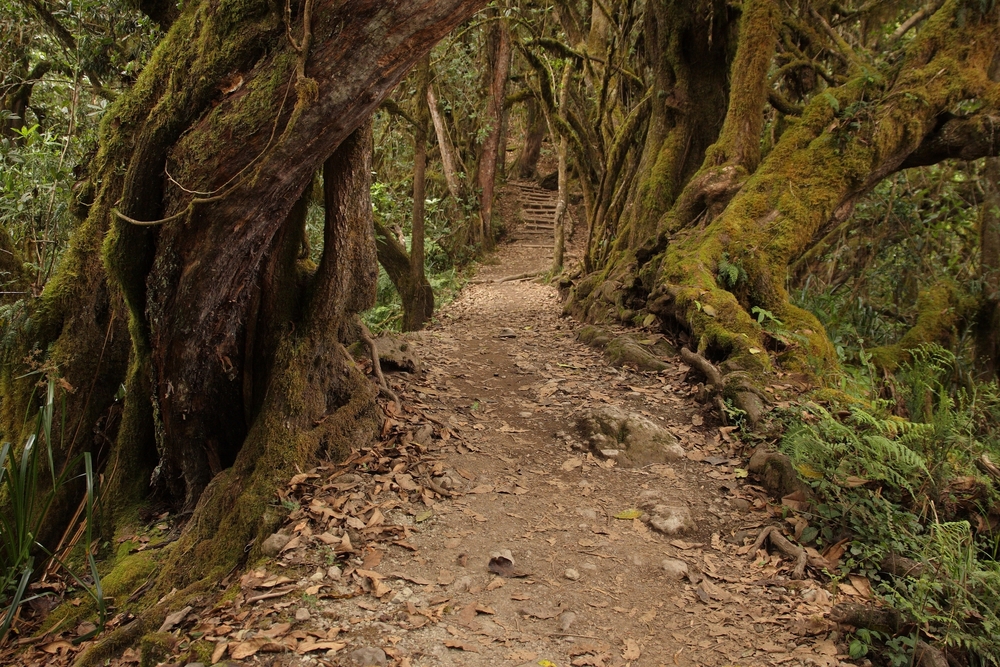
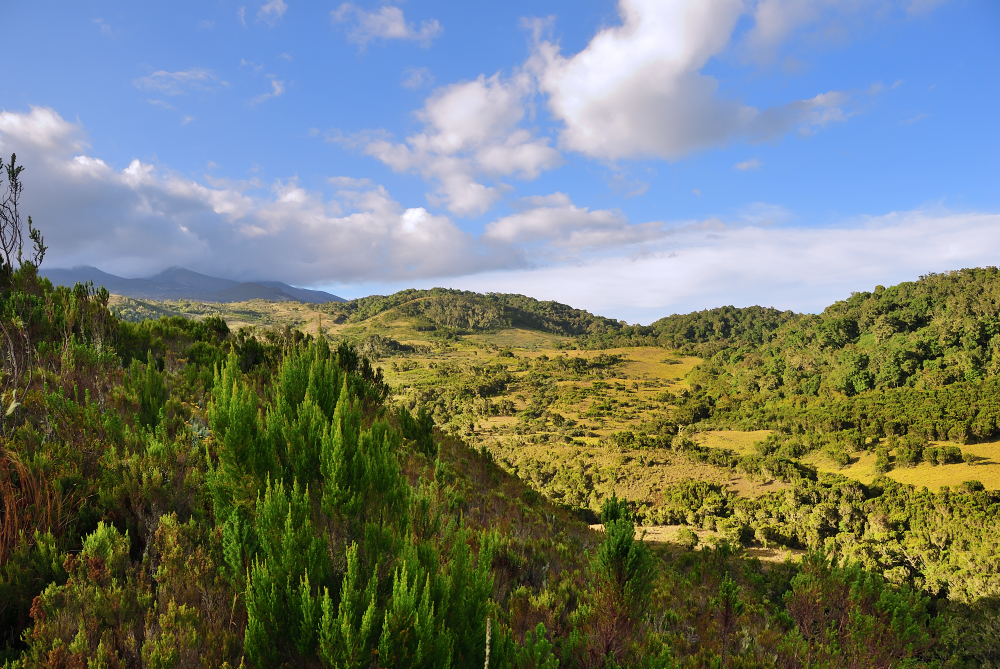
The geography of Kilimanjaro National Park is defined by its massive volcanic structure and the extraordinary variety of habitats found along its slopes. The mountain consists of three volcanic cones—Kibo, Mawenzi, and Shira—formed through ancient geological activity. Dense montane rainforests cloak the lower slopes, nourished by moisture captured from passing clouds.
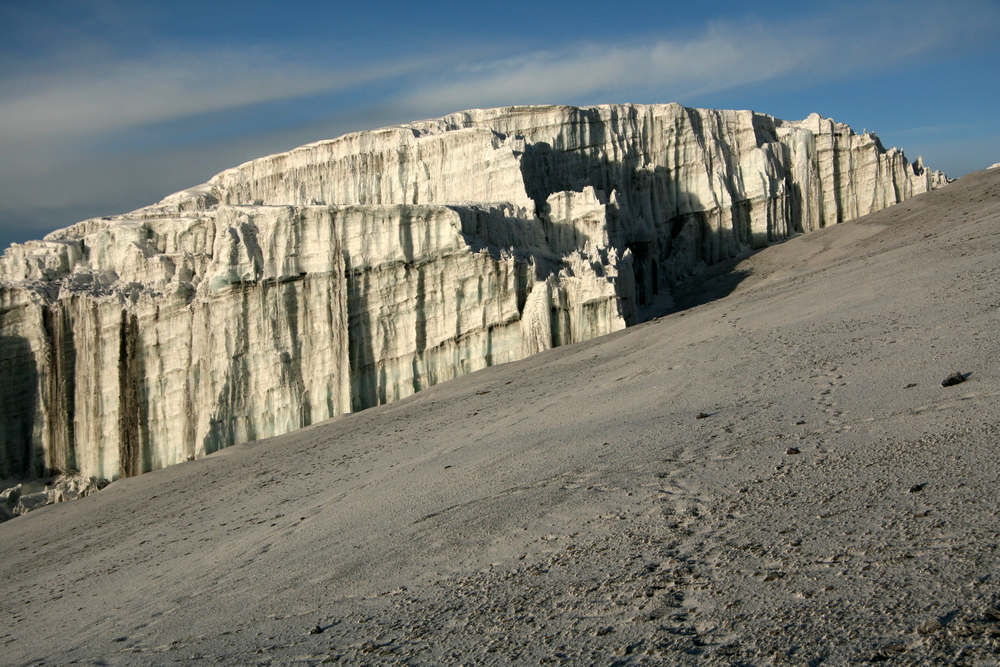
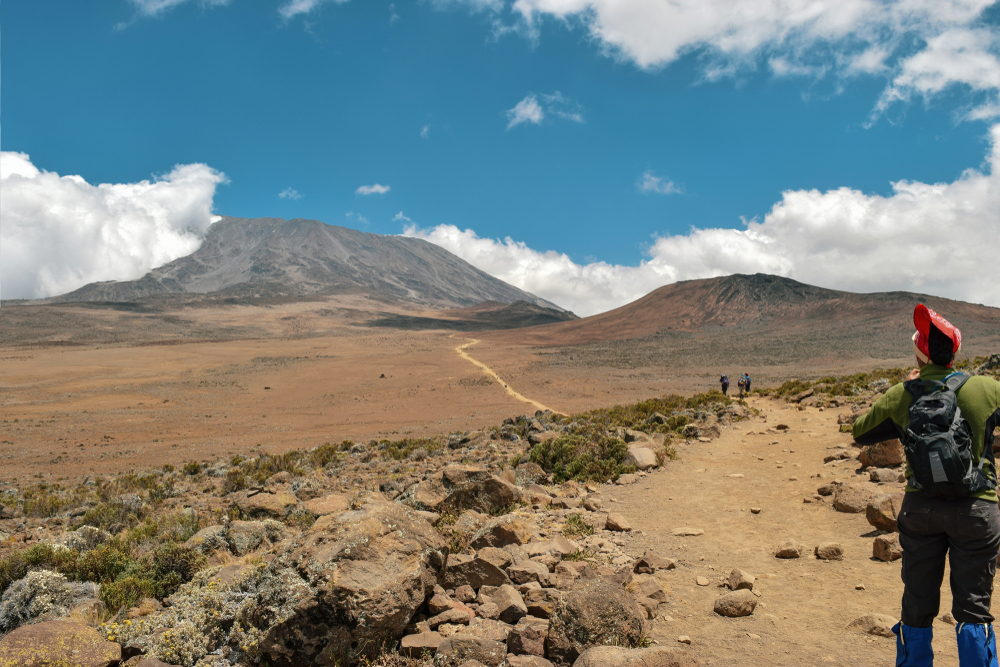
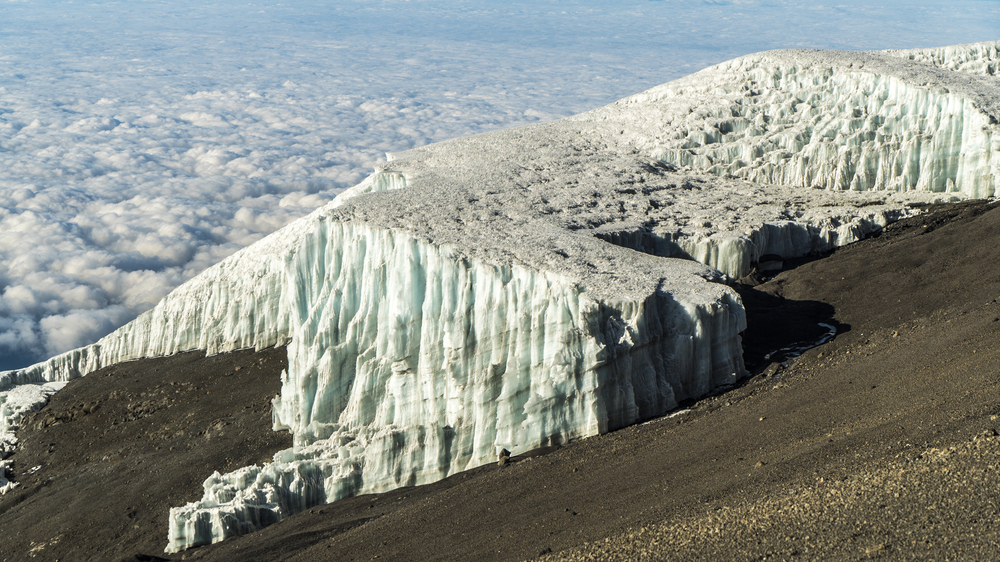
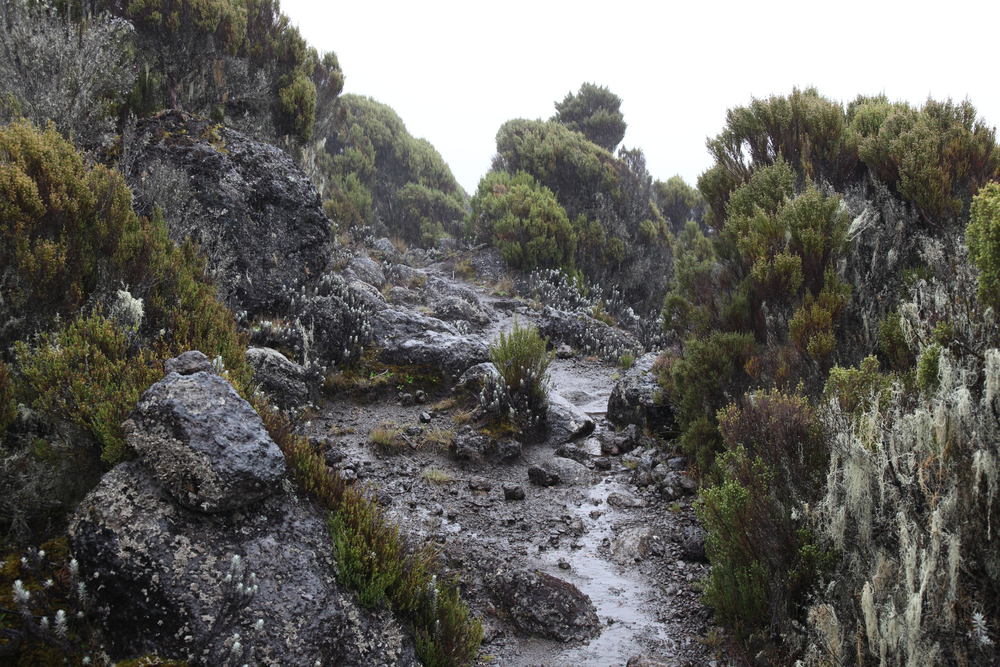
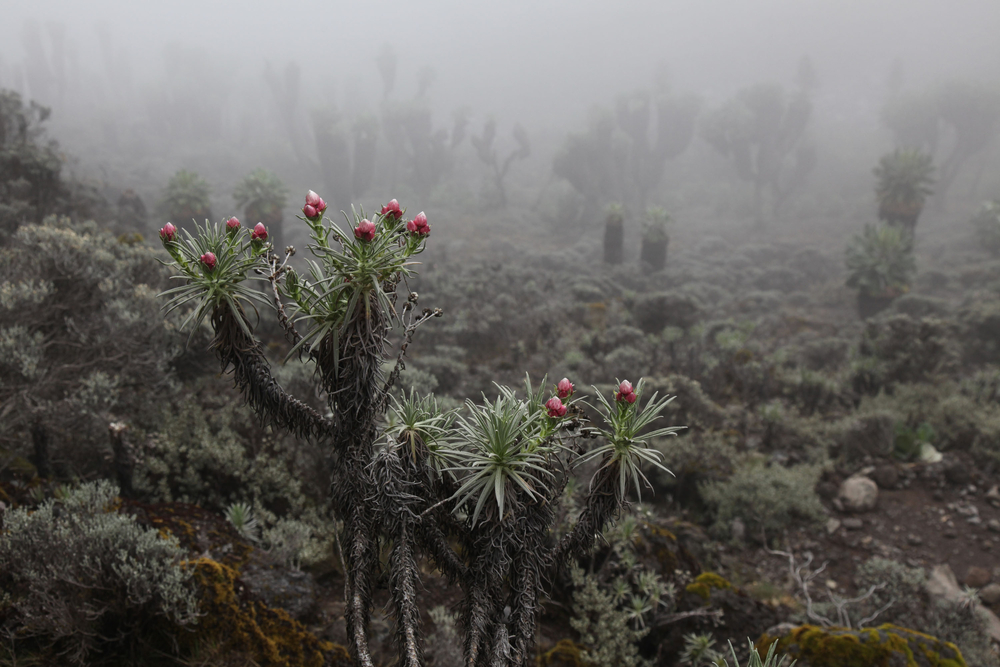
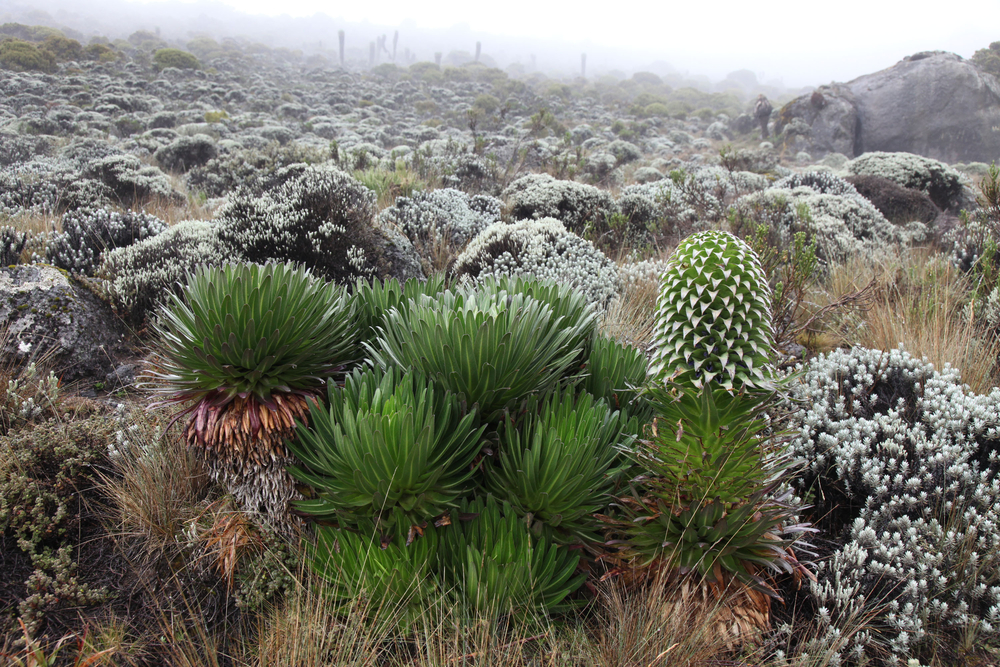
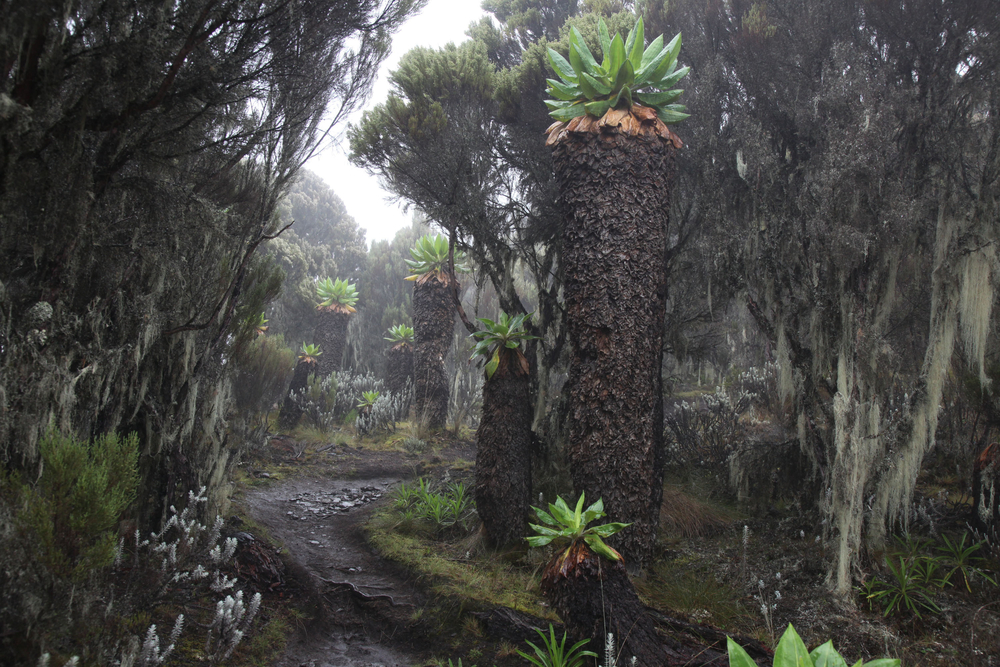
Higher elevations transition into heath and moorland landscapes characterized by giant lobelias, groundsels, and alpine vegetation uniquely adapted to the harsh conditions. Near the summit, the environment becomes barren and arctic-like, with rocky terrain, glaciers, and patches of permanent ice. This progression from tropical forest to alpine desert and icy summit creates one of the most dramatic ecological gradients anywhere on Earth.
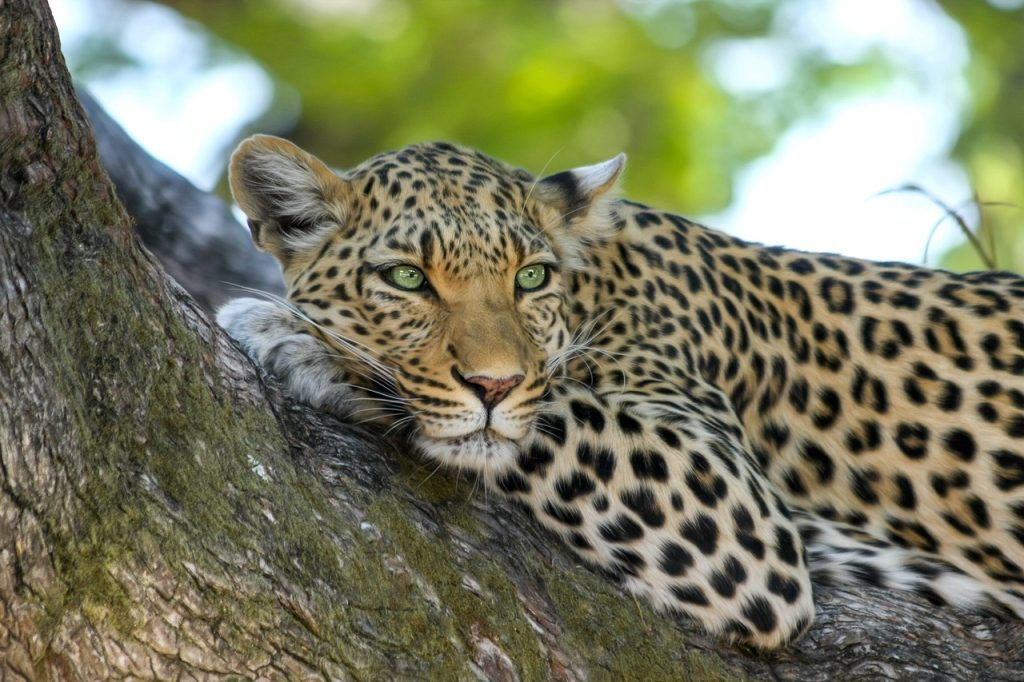
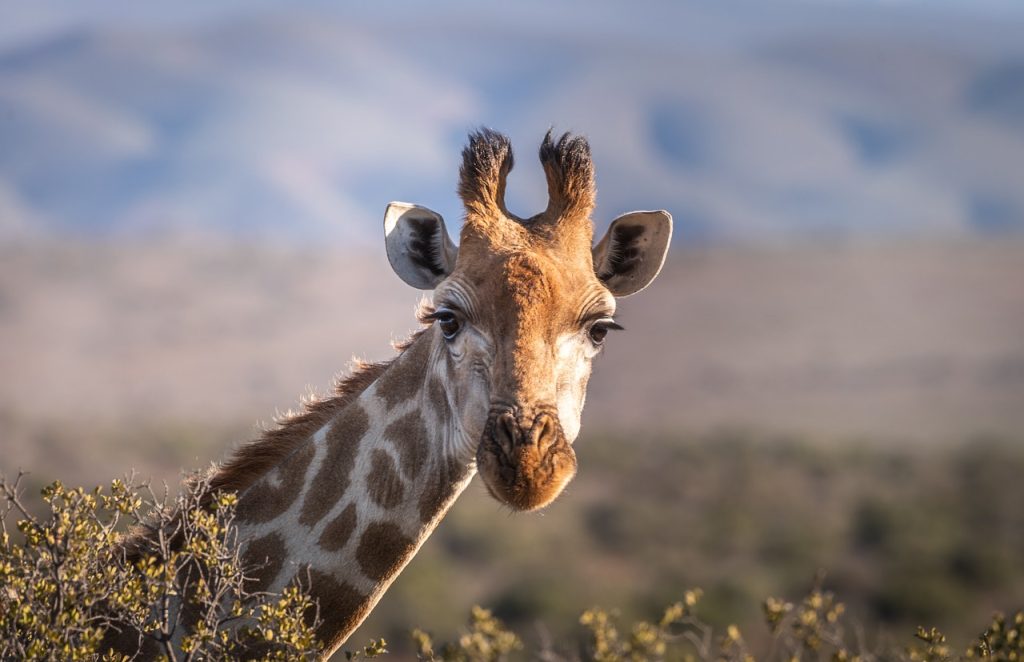
Wildlife in Kilimanjaro National Park is concentrated primarily in the forested lower slopes, where elephants, buffalo, leopards, and various antelope species inhabit the dense vegetation. Primates such as blue monkeys and colobus monkeys are commonly seen within the rainforest, while birdlife is abundant and diverse throughout the park.
The higher elevations support fewer large animals due to the colder and harsher conditions, but specialized plant and smaller animal species thrive in these unique habitats. The forests surrounding the mountain are especially important as ecological refuges and migration corridors within the broader regional ecosystem.
Kilimanjaro National Park plays a vital role in conserving one of Africa’s most important natural landmarks and the ecosystems connected to it. The mountain’s forests serve as a crucial water catchment area, supplying water to surrounding communities and supporting agriculture across the region. The park also protects fragile alpine environments and glaciers that are increasingly threatened by climate change.
On a global scale, Kilimanjaro represents both the beauty and vulnerability of high-altitude ecosystems, drawing attention to environmental conservation and the effects of global warming. Its towering summit, ecological diversity, and cultural significance make Kilimanjaro National Park one of the most extraordinary and inspiring protected areas in the world.
Photos
Things to See
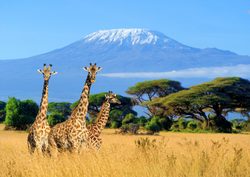 Mount Kilimanjaro is one of the Seven Natural Wonders of Africa and is affectionately known as the rooftop of Africa. There are multiple summits on the mountain with Uhuru Peak serving as the highest point. The mountain earned its wonder status from being the tallest mountain in Africa and the tallest free-standing mountain in the world.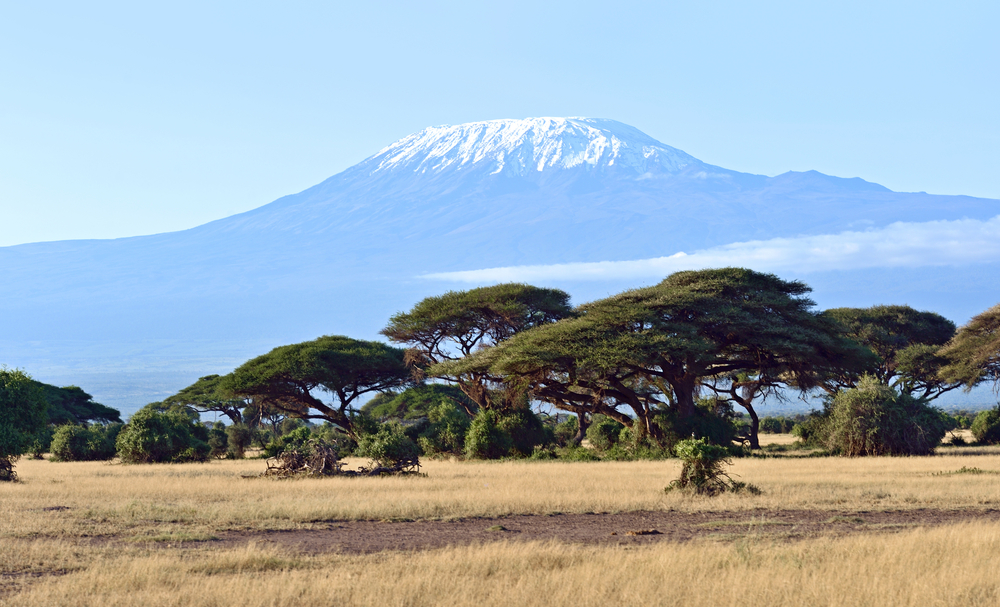
Things To Do
Engaging Kilimanjaro
Kilimanjaro National Park Trails
When it comes to talking about trails, really you are talking about routes up the mountain. There are seven different routes that provide opportunities for the ascent to the summit.
Southern Routes: Marangu, Machame, and Umbwe are the three routes that ascend from the south.
Western Routes: Lemosho, Shira, and Northern Circuit are the three routes that ascend from the west.
Northern Route: There is only one route that ascends from the north known as Rongai.
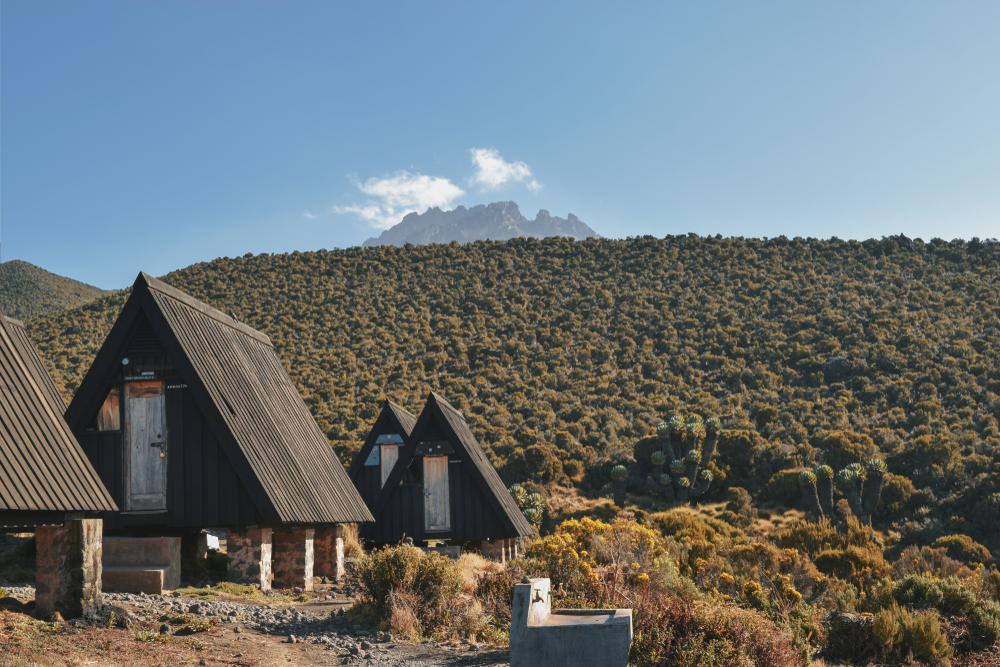
The Marangu Route, affectionately called the Coca Cola Route, is one of the more popular routes for the traditional visitor. It features one of the more gradual slopes as well as provides sleeping huts along the way. It is the oldest and most established route.
Approximately 25,000 people attempt the ascent each year. Altitude sickness and exhaustion are the primary roadblocks to a successful climb. Around 66% of those who attempt the trek up Mount Kilimanjaro are successful.

Park Protection
Kilimanjaro National Park was created to protect the diverse ecosystems surrounding Africa’s highest mountain, from lowland forests and heathlands to alpine deserts and the glaciers near the summit of Mount Kilimanjaro. The park provides critical habitat for several species of conservation concern, including the endangered Abbott’s duiker and the endangered African elephant.
Its montane forests also support blue monkeys, black-and-white colobus monkeys, leopards, buffalo, and a rich variety of bird species. These forests play a vital role as a watershed, supplying water to millions of people and sustaining surrounding ecosystems and agriculture throughout northern Tanzania.
The park is especially significant for protecting the world’s tallest free-standing mountain and one of the most remarkable elevational gradients on Earth. Within a relatively short distance, visitors can pass through tropical rainforest, moorland, alpine desert, and glacial environments.
The mountain supports numerous endemic plant species adapted to these unique conditions, including giant groundsels and giant lobelias found in the high-altitude zones. Together, Kilimanjaro National Park safeguards endangered wildlife, critical water resources, unique montane ecosystems, and one of the most iconic natural landmarks in the world.
FAQ’s
Where is the best view of Mount Kilimanjaro?
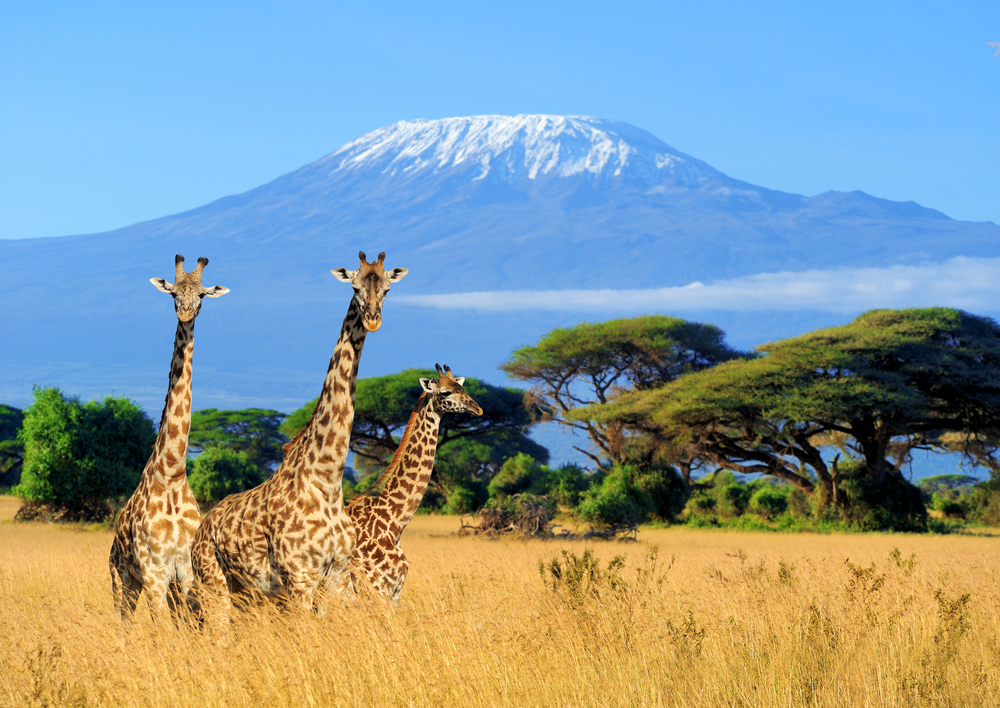
You can see Mount Kilimanjaro as you approach the national park from Arusha. However, the iconic view of Kilimanjaro occurs across the border.
The best view of Mount Kilimanjaro is often considered to be from Amboseli National Park in Kenya. This park offers unobstructed vistas of the iconic peak against the backdrop of the African savanna, providing a stunning and picturesque sight, especially during sunrise or sunset.
Additionally, some lodges and camps within Amboseli National Park offer elevated viewing decks or platforms, providing visitors with excellent vantage points to admire the majestic beauty of Kilimanjaro.
What is the main reason people visit Kilimanjaro National Park?
Kilimanjaro National Park is primarily visited to climb Mount Kilimanjaro, Africa’s highest mountain and one of the world’s most famous trekking destinations. Located in northeastern Tanzania near the border with Kenya, the park protects approximately 652 square miles (1,688 square kilometers) of mountain ecosystems ranging from tropical rainforest to alpine desert and arctic summit environments.
Visitors come to reach Uhuru Peak, experience dramatic changes in climate and vegetation, observe unique wildlife, and stand atop the highest free-standing mountain in the world.
What animals can visitors hope to see in Kilimanjaro National Park?
Kilimanjaro National Park supports more than 140 mammal species and a variety of reptiles and amphibians, particularly within its montane forest zone.
Some of the most notable animals found in Kilimanjaro National Park include:
- African Bush Elephant
- Cape Buffalo
- Leopard
- Blue Monkey
- Black-and-White Colobus Monkey
- Olive Baboon
- Bushbuck
- Common Duiker
- Abbott’s Duiker
- Eland
- Tree Hyrax
- Rock Hyrax
- Serval
- African Wildcat
- Honey Badger
- African Civet
- Large-spotted Genet
- Side-striped Jackal
- Bushpig
- Warthog
- Reedbuck
- Klipspringer
- Porcupine
- African Hare
- Giant Forest Rat
- Four-toed Elephant Shrew
- Forest Shrew Species
- Fruit Bat Species
- Horseshoe Bat Species
- Pipistrelle Species
- Slender Mongoose
- White-tailed Mongoose
- Marsh Mongoose
- Egyptian Mongoose
- Dwarf Mongoose
- Chameleon Species
- Jackson’s Chameleon
- Reed Frog Species
- Tree Frog Species
- Forest Toad Species
- Forest Cobra
- Puff Adder
- Boomslang
- Green Mamba
- House Snake Species
- Skink Species
- Agama Species
- Forest Gecko Species
- Monitor Lizard Species
- Various Endemic Amphibians
What birds can visitors hope to see in Kilimanjaro National Park?
Kilimanjaro National Park is home to more than 180 bird species, including montane forest specialists and East African highland birds.
Some of the most popular birds seen in Kilimanjaro National Park include:
- Hartlaub’s Turaco
- Silvery-cheeked Hornbill
- Crowned Eagle
- Augur Buzzard
- Mountain Buzzard
- African Goshawk
- Verreaux’s Eagle
- African Fish Eagle
- White-necked Raven
- Alpine Chat
- Scarlet-tufted Sunbird
- Malachite Sunbird
- Golden-winged Sunbird
- Tacazze Sunbird
- Bronze Sunbird
- White-bellied Robin-Chat
- White-starred Robin
- Abyssinian Crimsonwing
- Brown Woodland Warbler
- Evergreen Forest Warbler
- Mountain Yellow Warbler
- Cinnamon Bracken Warbler
- African Stonechat
- Hunter’s Cisticola
- African Pipit
- Moustached Tinkerbird
- Grey-olive Greenbul
- Yellow-streaked Greenbul
- Eastern Double-collared Sunbird
- Thick-billed Seedeater
- African Hill Babbler
- Mountain Wagtail
- Black Saw-wing
- Nyanza Swift
- African Black Swift
- Speckled Mousebird
- White-eyed Slaty Flycatcher
- African Paradise Flycatcher
- Bar-throated Apalis
- White-browed Crombec
- African Emerald Cuckoo
- Narina Trogon
- Red-chested Cuckoo
- Dusky Turtle Dove
- Olive Pigeon
- African Olive Pigeon
- Schalow’s Turaco
- Jackson’s Widowbird
- Cinnamon-chested Bee-eater
- Red-winged Starling
Is Kilimanjaro National Park worth visiting?
Yes, Kilimanjaro National Park is absolutely worth visiting and is considered one of the world’s premier adventure travel destinations.
The park offers the opportunity to summit Africa’s highest mountain, experience five distinct ecological zones, and enjoy breathtaking views across Tanzania and Kenya. It is one of the few places on Earth where visitors can walk from tropical rainforest to an arctic summit in just a few days.
The primary hesitation is that climbing Kilimanjaro requires physical preparation, several days of trekking, and acclimatization to high altitude. However, for many travelers, reaching the summit becomes one of the most memorable achievements of their lives.
What is the best time to visit Kilimanjaro National Park?
Weather and Climate
The best time to visit Kilimanjaro National Park is during Tanzania’s dry seasons:
- January through March
- June through October
Typical conditions vary dramatically by elevation:
- Lower slopes: 60–85°F (16–29°C)
- Montane forest: 45–75°F (7–24°C)
- High alpine zones: 20–50°F (-6–10°C)
- Summit area: Often below freezing
During the dry seasons:
- Trail conditions are generally better.
- Summit success rates improve.
- Visibility is often excellent.
- Photography opportunities increase.
- Rainfall is less frequent.
How many days do you need to visit Kilimanjaro National Park?
Most visitors should plan for 6 to 9 days, depending on whether they intend to climb Mount Kilimanjaro.
- 1 day: Short nature walks and forest exploration near park entrances.
- 2–3 days: Lower-elevation hiking and cultural experiences around the mountain.
- 5 days: Minimum climbing itinerary on select routes, though success rates are lower.
- 6–7 days: Most popular summit itineraries with better acclimatization.
- 8–9 days: Recommended for the highest summit success rates and a more enjoyable climb.
- 10+ days: Extended trekking, photography, and regional exploration.
For most international visitors, a 7-day climbing itinerary provides the best balance between acclimatization and time. Popular routes such as Machame, Lemosho, and Northern Circuit are designed to maximize summit success while allowing visitors to experience Kilimanjaro’s remarkable ecological diversity.
Climbers typically spend several days ascending through rainforest, heath, moorland, alpine desert, and arctic summit zones before reaching Uhuru Peak.
Visitors who do not intend to summit can still enjoy the park through shorter forest hikes, day walks, birdwatching excursions, and visits to nearby communities. However, the vast majority of visitors come specifically to climb Africa’s highest mountain.
How do you get to Kilimanjaro National Park?
International Access
Kilimanjaro National Park is located in northeastern Tanzania.
The primary international gateway is:
- Kilimanjaro International Airport
This airport serves as the main arrival point for climbers.
Nearby Cities
The closest major cities are:
- Moshi
- Arusha
Most trekking operators are based in Moshi.
Driving from Kilimanjaro Airport
Travel times include:
- Airport to Moshi: approximately 45 minutes.
- Airport to Arusha: approximately 1.5 hours.
Main Climbing Gates
Popular park entrances include:
- Machame Gate
- Marangu Gate
- Lemosho Gate
- Rongai Gate
Travel Times
Typical travel times include:
- Moshi to Marangu Gate: approximately 45 minutes.
- Moshi to Machame Gate: approximately 1 hour.
- Arusha to park gates: 2–3 hours.
- Kilimanjaro Airport to park gates: 1–3 hours depending on route.
Is Kilimanjaro National Park safe for tourists?
Yes, Kilimanjaro National Park is generally very safe for tourists, including visitors from the United States and Europe.
Visitors should:
- Use licensed guides and operators.
- Acclimatize properly.
- Follow guide instructions.
- Stay hydrated.
- Be aware of altitude sickness symptoms.
The greatest risk is altitude-related illness rather than crime or wildlife.
Who is involved in protecting and supporting Kilimanjaro National Park?
Several organizations help protect and support Kilimanjaro National Park:
- Tanzania National Parks Authority – manages Kilimanjaro National Park.
- Kilimanjaro National Park Management – oversees park operations and conservation.
- Tanzania Wildlife Research Institute – supports scientific research.
- Kilimanjaro Porters Assistance Project – supports porter welfare and sustainable tourism.
- Local communities and tourism operators throughout the Kilimanjaro region.
What is unique about Kilimanjaro National Park?
Kilimanjaro National Park is unique because it protects Africa’s highest mountain, the world’s tallest free-standing mountain, and one of the Seven Summits. Within a relatively small area, visitors can experience rainforest, heathland, moorland, alpine desert, and arctic environments.
The opportunity to trek from tropical forests to a snow-capped summit at 19,341 feet (5,895 meters) makes Kilimanjaro one of the most remarkable mountain experiences on Earth.
How tall is Mount Kilimanjaro?
Mount Kilimanjaro stands 19,341 feet (5,895 meters) above sea level, making it the highest mountain in Africa and the tallest free-standing mountain in the world.
Can beginners climb Mount Kilimanjaro?
Yes. Mount Kilimanjaro is considered one of the most accessible high mountains in the world because climbing does not require technical mountaineering skills. However, climbers must be physically prepared for multiple days of hiking and high-altitude conditions.
How successful are climbers at reaching the summit of Kilimanjaro?
Summit success rates vary by route and itinerary length. Longer routes with better acclimatization often achieve success rates exceeding 80%, while shorter routes generally experience lower success rates due to altitude-related challenges.
Sources
Here are sources you can explore for more information:
- AllTrails. Kilimanjaro National Park. https://www.alltrails.com/tanzania/kilimanjaro/kilimanjaro-national-park, retrieved July 2026.
- Encyclopaedia Britannica. Kilimanjaro National Park. https://www.britannica.com/place/Kilimanjaro-National-Park, retrieved July 2026.
- National Geographic, Ten Reasons to Climb Mount Kilimanjaro, https://www.nationalgeographic.com/adventure/adventure-blog/2012/06/21/ten-reasons-to-climb-kilimanjaro/, retrieved July 2019.
- Protected Planet (UNEP-WCMC & IUCN). Kilimanjaro National Park. https://www.protectedplanet.net/, retrieved July 2026.
- SafariBookings. Kilimanjaro National Park. https://www.safaribookings.com/kilimanjaro, retrieved July 2026.
- Tanzania National Parks Authority (TANAPA). Kilimanjaro National Park. https://www.tanzaniaparks.go.tz/national_parks/kilimanjaro-national-park, retrieved July 2026.
- Tanzania Tourist Board. Kilimanjaro National Park. https://www.tanzaniatourism.go.tz/, retrieved July 2026.
- UNESCO World Heritage Centre. Kilimanjaro National Park. https://whc.unesco.org/en/list/403/, retrieved July 2026.
- Wikipedia. Kilimanjaro National Park. https://en.wikipedia.org/wiki/Kilimanjaro_National_Park, retrieved July 2026.
- Wilderness. Kilimanjaro National Park. https://www.wildernessdestinations.com/africa/tanzania/kilimanjaro-national-park, retrieved July 2026.
- World Wide Fund for Nature (WWF). East African Montane Forests. https://www.worldwildlife.org/ecoregions/at0108, retrieved July 2026.