About

Naejangsan National Park is located in the southestern part of South Korea.  The national park encompasses an area of 31 square miles (81 sq km) making it the 7th smallest of the country’s national parks.

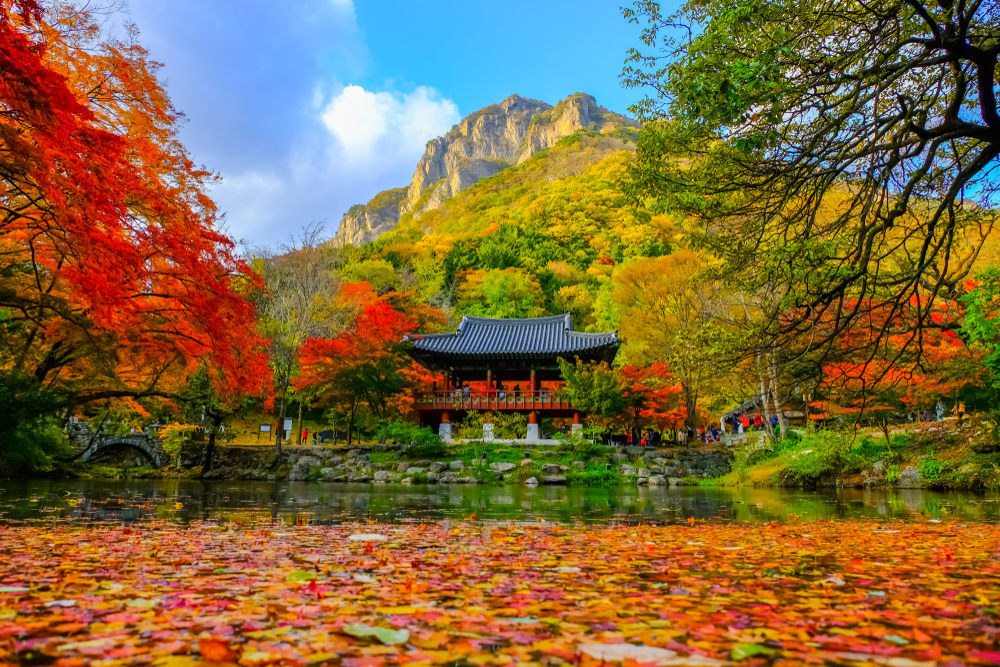
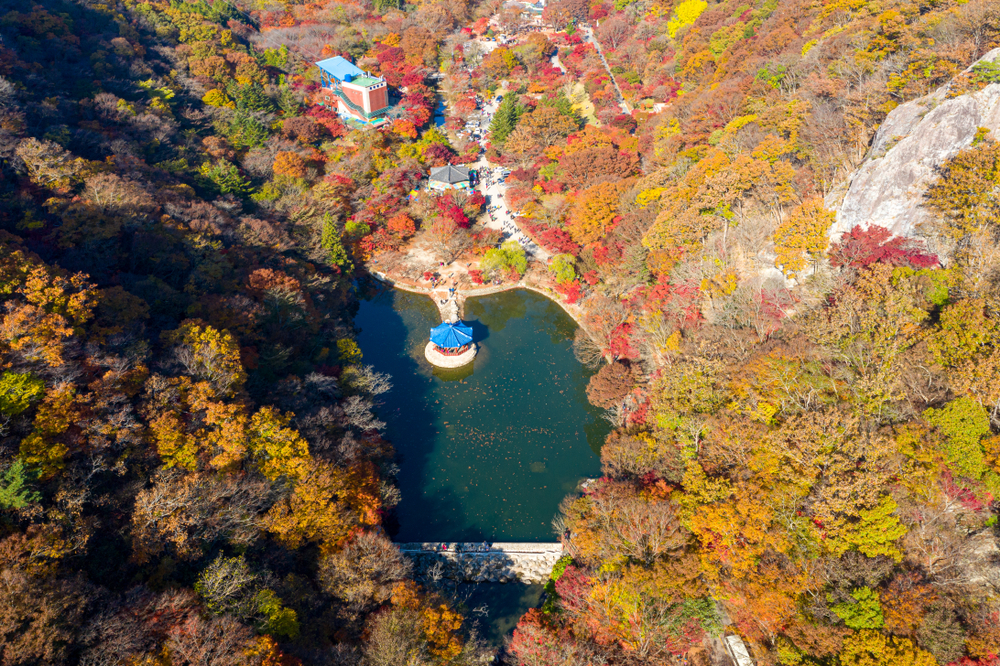
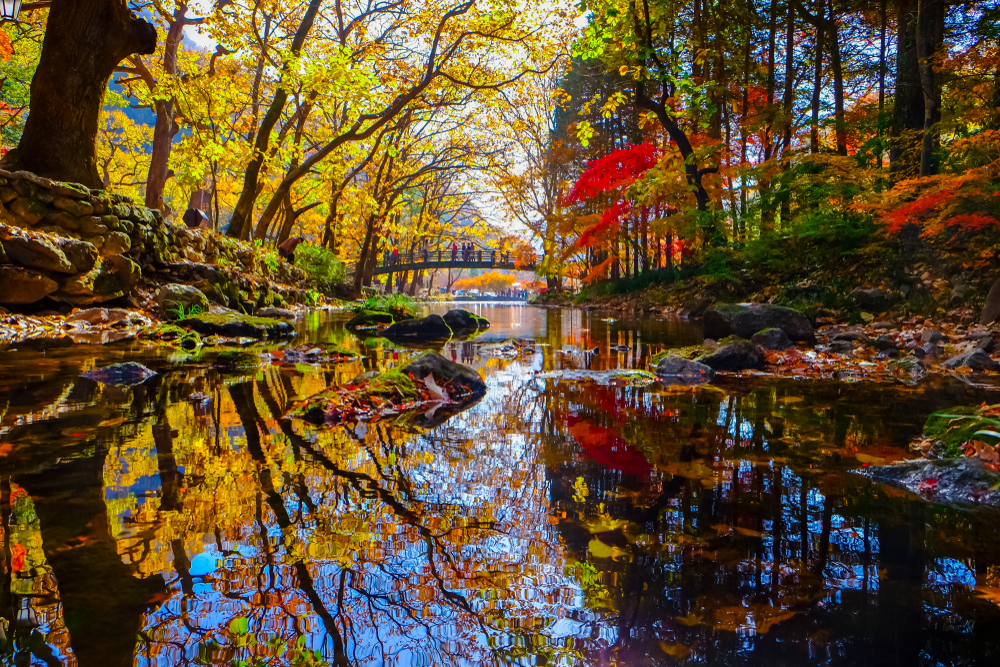
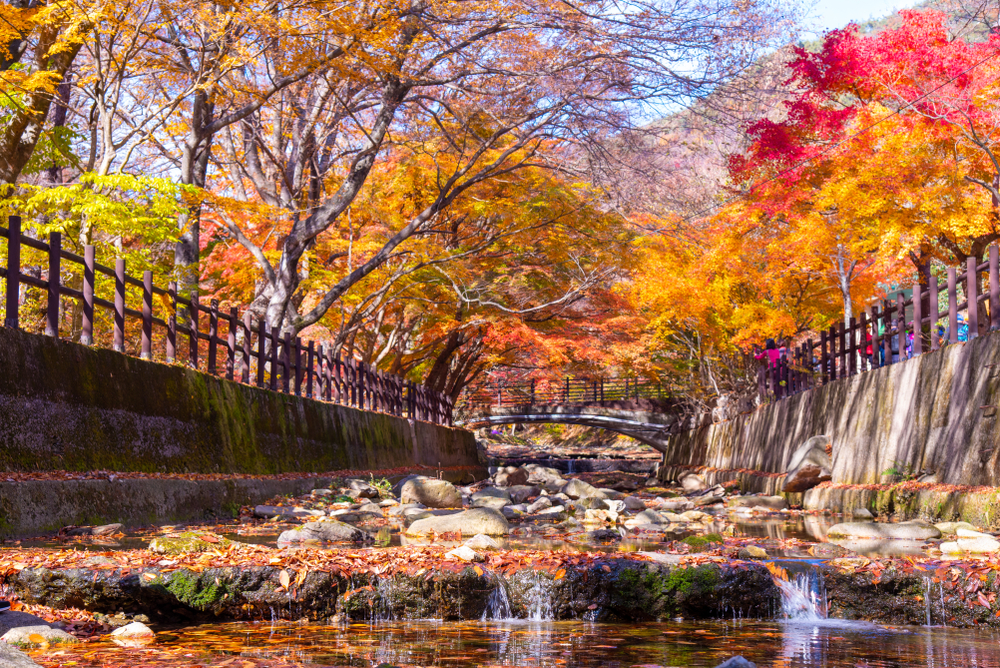
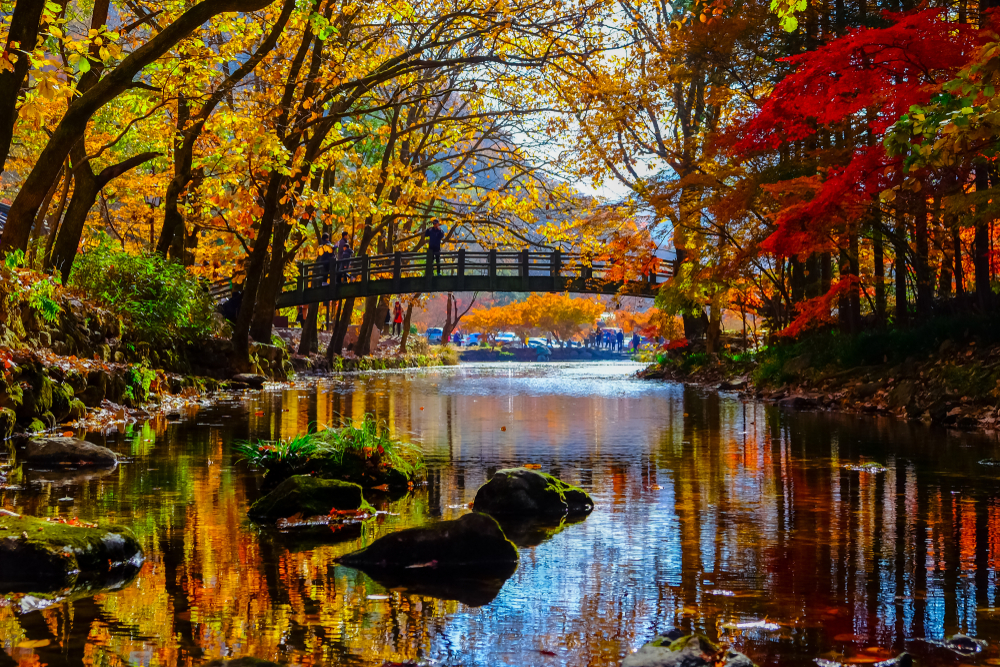
The park is renowned for the strikingly beautiful fall foliage that blankets the area around the mountain. The spring brings captivating colors with the blossoms of the cherry trees and the azalea bushes.  This park is one of the most popular destinations because of the abundance of colors on display.

Naejangsan is the focal point reaching a peak of 2,503 feet (763 m).  The jagged peak create a striking visual, particularly when accompanied by the fall foliage.

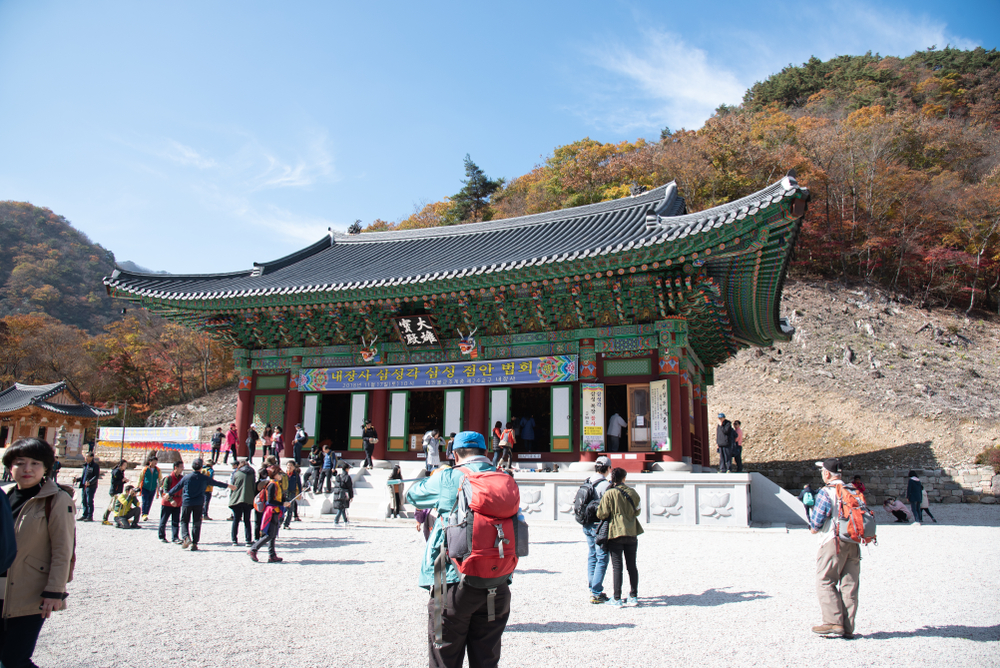
Along with the colorful vegetation, the national park also provides visitors with a taste of Korean culture.  There are several temples located throughout the park.  Baegyangsa Temple and Naejangsa Temple are two of the more popular.

Things to See

Naejangsan mountain is the cornerstone of the park.  It reaches a summit of 2,503 feet (763 m).  However, the highlights are truly the colors found during the spring blossoms and the fall foliage.

The spring delivers breath taking color with the azaleas and cherry blossoms.  The spring might just be outdone with the brilliant reds and oranges that blanket the mountainside and surrounding landscapes.

Things To Do

placeholder

Cable Car

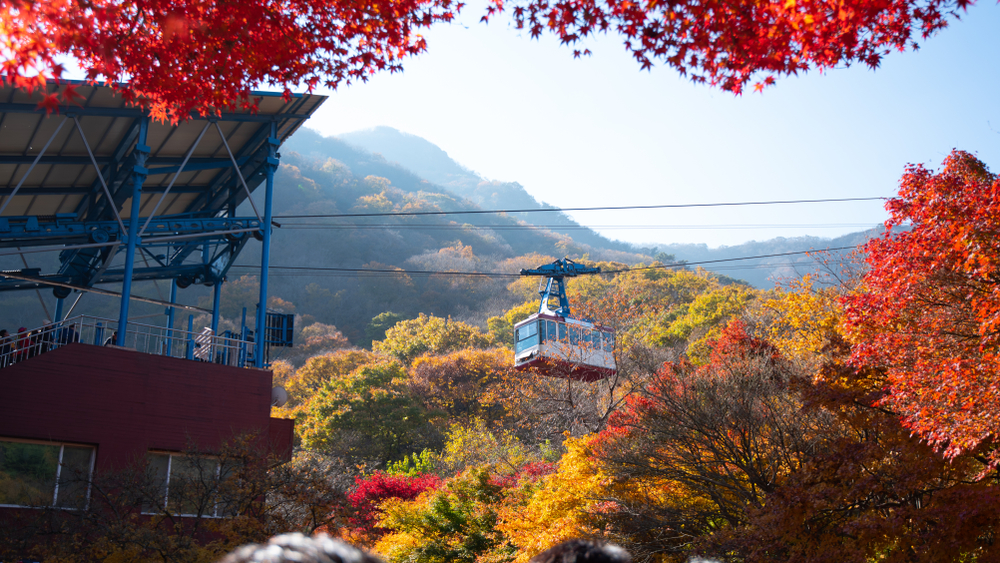
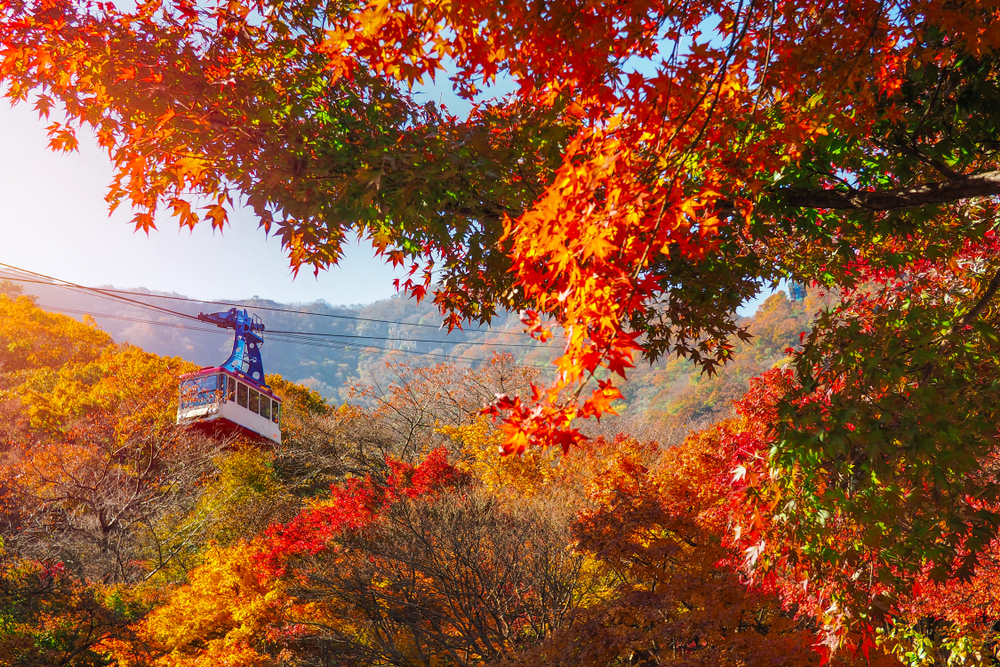
A cable car ride up the side of the mountain is one of the easiest ways to view the fall foliage without making the effort to hike the trails.  It also provide a unique perspective.

Naejangsan National Park Trails

There are many paths that allow visitors to walk and hike through the astounding landscape.  One of the more challenging treks is the 9-summit circut with varying peaks ranging from 2,172 to 2,503 feet (662 m to 763 m).  It takes between 4.5 to 7 hours to complete the circuit.

placeholder

Nature Observatory Trail

This trail is rated easy and provide an excellent opportunity to view the fall foliage while also seeing the 108 Danpung Tunnel. The one-way trail covers a distance of 1.01 miles (1.63 km).

placeholder

Baekyangsa Walking Trail

This trail covers a distance of 5.28 miles (8.5 km) earning a rating of intermediate.  You will see Baekyangsa Temple, Yaksaam Temple, the Yeongcheongl Cave, capping it off with a stunning view of Baekamsan Mountain.

placeholder

Ridge Hiking Trail

This is a full day trek that is rated more difficult.  The trail covers a distance of 6.83 miles (11 km) with elevation gains to the various summits ranging from 2,172 to 2,503 feet (662 m to 763 m).  The hike delivers stunning views out over the surrounding landscape.

placeholder

Naejangsan Circuit

Rating: Moderate

Distance and Elevation Gain: 5 kilometers round trip, with an elevation gain of about 500 meters.

Description: This trail offers a comprehensive tour around Naejangsan National Park, taking hikers past the famous Baekyangsa and Naejangsa temples, as well as the stunning Naejangsan Waterfall.

The path winds through dense forests of maple trees, providing breathtaking views of the park’s renowned autumn colors.

It’s a moderate hike that is especially popular in the fall but offers beautiful scenery year-round.

placeholder

Baekyangsa Temple Trail

Rating: Easy

Distance and Elevation Gain: 3 kilometers one way, with minimal elevation gain.

Description: Leading to the historic Baekyangsa Temple, this easy trail is perfect for families and those seeking a leisurely walk.

The path meanders through a picturesque valley adorned with colorful foliage in autumn and lush greenery in spring and summer, ending at the serene temple grounds.

It’s an ideal route for experiencing the cultural and natural beauty of Naejangsan.

placeholder

Uhwajeong Pavilion Trail

Rating: Easy to Moderate

Distance and Elevation Gain: 2 kilometers round trip, with an elevation gain of about 100 meters.

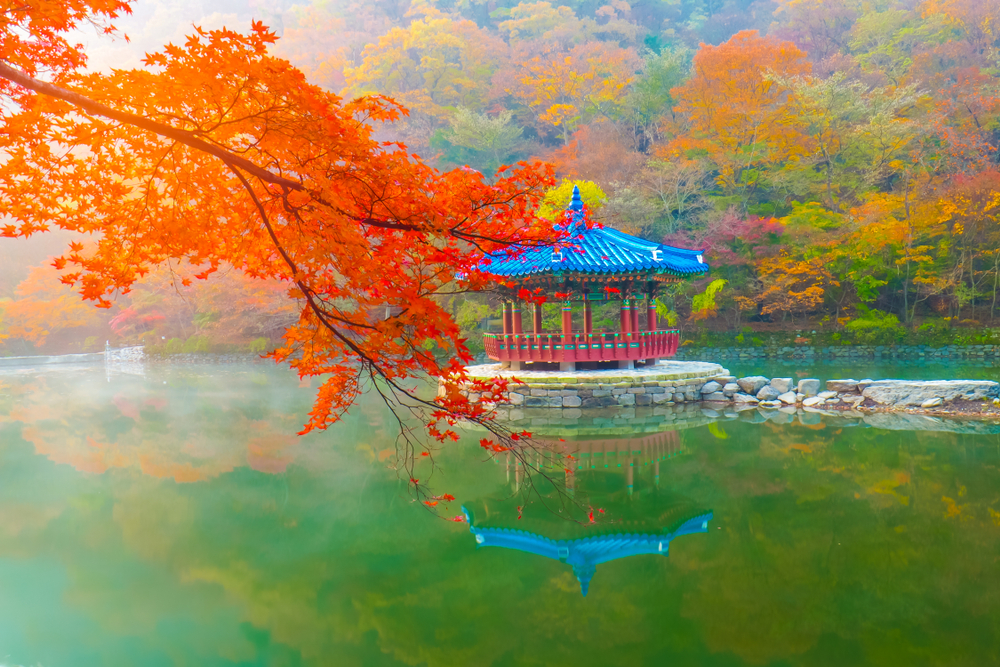
Description: This scenic trail leads to the Uhwajeong Pavilion, set on a small pond that reflects the surrounding mountains and forests.

The hike is relatively short and easy, suitable for all ages, and offers stunning views of the park’s landscape.

The pavilion area is a perfect spot for rest and photos, especially during the fall foliage season.

placeholder

Naejangsan Summit Trail

Rating: Difficult

Distance and Elevation Gain: 8 kilometers round trip, with an elevation gain of about 600 meters.

Description: For those seeking a challenge, the Summit Trail to the top of Naejangsan Mountain offers steep climbs and rugged terrain.

The hike rewards adventurers with panoramic views of the entire national park, including its valleys, waterfalls, and the expansive sea of colorful trees in autumn.

It’s a demanding hike, recommended for experienced hikers.

placeholder

Bulchulbong Peak Trail

Rating: Moderate

Distance and Elevation Gain: 4 kilometers round trip, with an elevation gain of about 300 meters.

Description: This trail takes hikers to Bulchulbong Peak, offering spectacular views of the park’s dramatic landscapes.

The path is well-maintained with some steep sections, making it a moderate hike.

From the peak, hikers can enjoy sweeping vistas of the surrounding mountains and valleys, making it a popular spot for sunrise and sunset views.

placeholder

Naejangsan Circuit

Rating: Moderate

Distance and Elevation Gain: 5 kilometers round trip, with an elevation gain of about 500 meters.

Description: This trail offers a comprehensive tour around Naejangsan National Park, taking hikers past the famous Baekyangsa and Naejangsa temples, as well as the stunning Naejangsan Waterfall.

The path winds through dense forests of maple trees, providing breathtaking views of the park’s renowned autumn colors.

It’s a moderate hike that is especially popular in the fall but offers beautiful scenery year-round.

placeholder

Baekyangsa Temple Trail

Rating: Easy

Distance and Elevation Gain: 3 kilometers one way, with minimal elevation gain.

Description: Leading to the historic Baekyangsa Temple, this easy trail is perfect for families and those seeking a leisurely walk.

The path meanders through a picturesque valley adorned with colorful foliage in autumn and lush greenery in spring and summer, ending at the serene temple grounds.

It’s an ideal route for experiencing the cultural and natural beauty of Naejangsan.

placeholder

Uhwajeong Pavilion Trail

Rating: Easy to Moderate

Distance and Elevation Gain: 2 kilometers round trip, with an elevation gain of about 100 meters.

Description: This scenic trail leads to the Uhwajeong Pavilion, set on a small pond that reflects the surrounding mountains and forests.

The hike is relatively short and easy, suitable for all ages, and offers stunning views of the park’s landscape.

The pavilion area is a perfect spot for rest and photos, especially during the fall foliage season.

placeholder

Naejangsan Summit Trail

Rating: Difficult

Distance and Elevation Gain: 8 kilometers round trip, with an elevation gain of about 600 meters.

Description: For those seeking a challenge, the Summit Trail to the top of Naejangsan Mountain offers steep climbs and rugged terrain.

The hike rewards adventurers with panoramic views of the entire national park, including its valleys, waterfalls, and the expansive sea of colorful trees in autumn.

It’s a demanding hike, recommended for experienced hikers.

placeholder

Bulchulbong Peak Trail

Rating: Moderate

Distance and Elevation Gain: 4 kilometers round trip, with an elevation gain of about 300 meters.

Description: This trail takes hikers to Bulchulbong Peak, offering spectacular views of the park’s dramatic landscapes.

The path is well-maintained with some steep sections, making it a moderate hike.

From the peak, hikers can enjoy sweeping vistas of the surrounding mountains and valleys, making it a popular spot for sunrise and sunset views.

Park Protection

Naejang was established as a national park to protect the striking vegetation and landscapes that surround Naejangsan mountain. Along with the astounding landscapes with cherry blossoms in the spring and blanketed fall foliage, the park also protects the cultural heritage found in the temples located within the park boundaries.

Sources