About

Located along the Atlantic coastline north of Cape Town, West Coast National Park protects one of South Africa’s most important coastal and wetland ecosystems. The park covers approximately 140 square miles (363 sq km) surrounding the beautiful Langebaan Lagoon and stretches across sandy beaches, salt marshes, islands, and fynbos-covered landscapes.

Established in 1985, the park lies within the biodiverse Cape Floral Region and serves as a major refuge for migratory birds and endemic plant species. Its proximity to Cape Town makes it one of the country’s most accessible and scenic national parks.

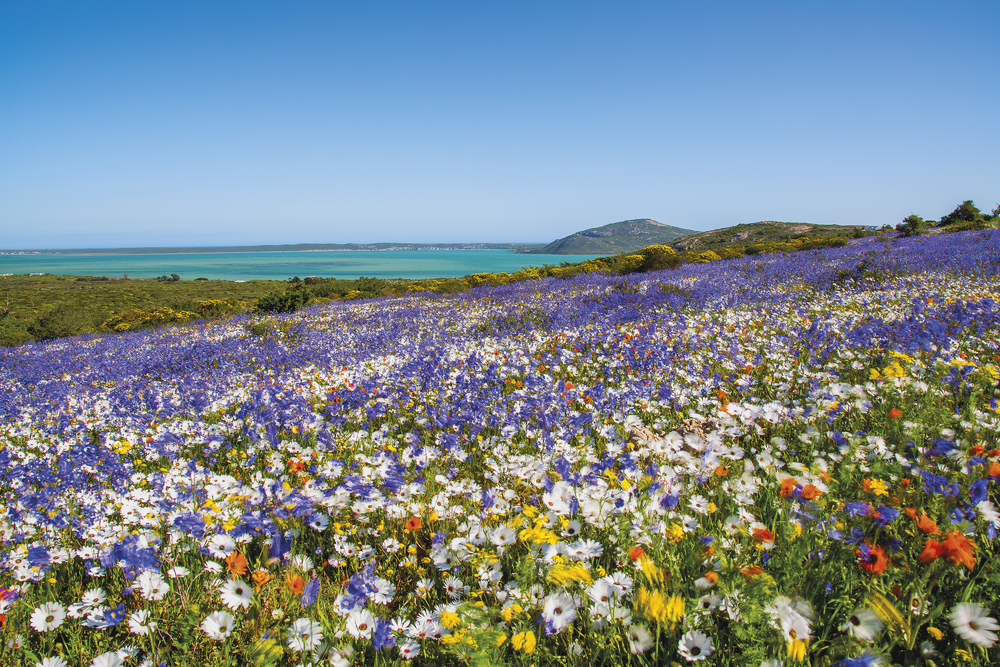
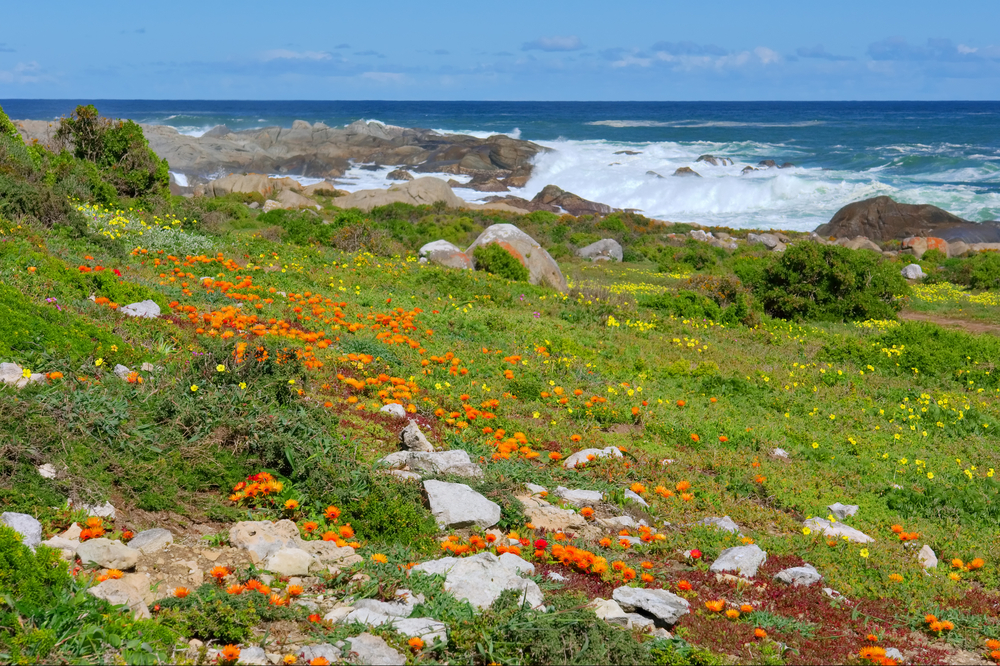
West Coast National Park is best known for its spectacular spring wildflower displays, peaceful coastal scenery, and internationally important birdlife. During the spring months, usually between August and September, large sections of the park burst into vibrant color as thousands of wildflowers bloom across the landscape.

This transformation attracts photographers, botanists, and travelers from around the world. The turquoise waters of Langebaan Lagoon provide another iconic feature of the park and create excellent opportunities for kayaking, birdwatching, hiking, cycling, and wildlife viewing. Visitors often enjoy the calm atmosphere and slower pace compared to some of South Africa’s more heavily visited safari parks. Scenic drives through the reserve offer breathtaking views of beaches, wetlands, and rolling coastal vegetation.

The geography of West Coast National Park is shaped by coastal dunes, rocky shorelines, tidal flats, wetlands, and low-lying fynbos landscapes. Langebaan Lagoon forms the heart of the park and is one of the few saltwater lagoons in the world that supports such rich biodiversity. The lagoon’s calm waters contrast beautifully with the rugged Atlantic coastline beyond.

Vegetation is dominated by fynbos and strandveld ecosystems filled with shrubs, flowering plants, succulents, and grasses uniquely adapted to the Mediterranean climate of the Western Cape. Seasonal rainfall patterns strongly influence the park’s appearance, with dry summers and cooler, wetter winters helping sustain the floral diversity for which the region is famous.

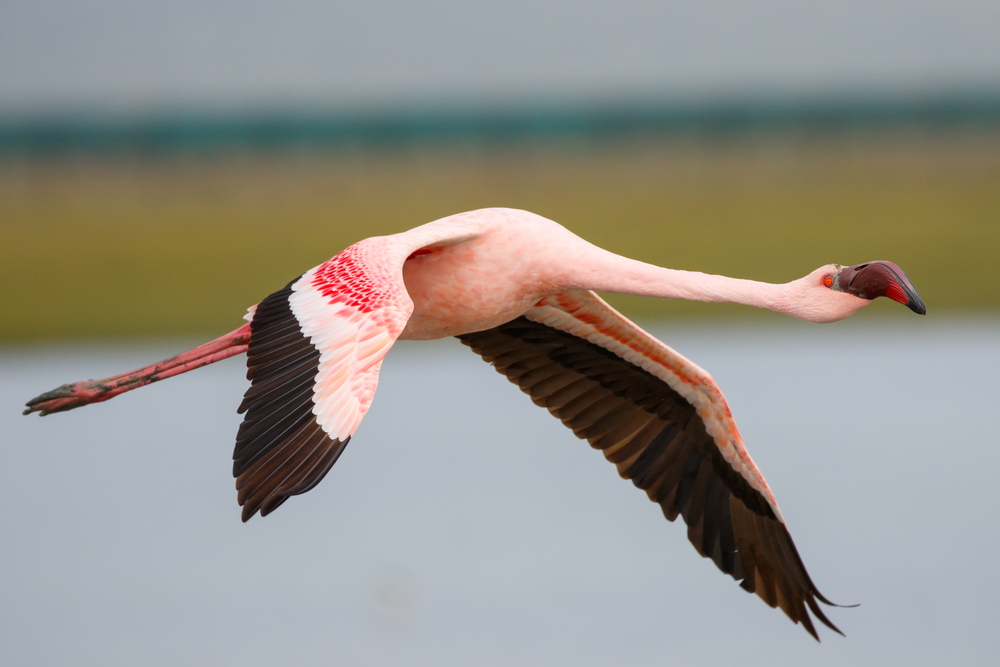
Wildlife within West Coast National Park is especially important for bird conservation. Thousands of migratory birds arrive seasonally from Europe and other parts of Africa, making the lagoon one of the continent’s key wetland habitats. Flamingos, pelicans, sandpipers, oystercatchers, gulls, and terns are frequently observed throughout the park.

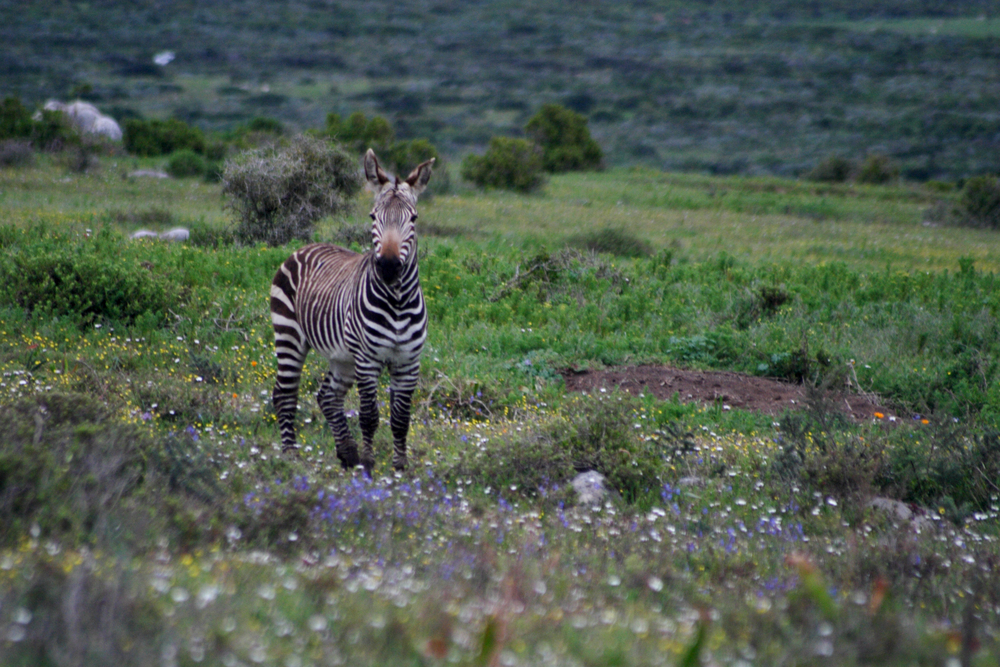
More than 250 bird species have been recorded within the reserve. Mammals include eland, bontebok, springbok, mountain zebras, caracals, and small antelope species that move through the fynbos and grasslands. Marine life along the coast includes dolphins, whales during migration seasons, and numerous fish species supported by the nutrient-rich Atlantic waters.

West Coast National Park plays a globally significant role in protecting the Cape Floral Kingdom, one of the richest and most unique plant regions on Earth. Many species found within the park occur nowhere else in the world. The park also safeguards critical coastal wetlands and migratory bird habitats increasingly threatened by development and climate change.

Compared to coastal parks such as Table Mountain National Park or Doñana National Park, West Coast National Park offers a quieter experience centered around wetlands, flowers, and coastal biodiversity rather than dramatic mountains or dense tourism. Its combination of floral beauty, birdlife, and peaceful coastal landscapes makes it one of South Africa’s most treasured natural sanctuaries.

Things to See

Birdwatching is one of the leading activities of the national park and many people find the variety of species to be a highlight.  The marine and coastal landscapes are much of the draw for the park as well.  Two of the most significant attractions include Saldanha Bay and Langebaan Lagoon.

Saldanha Bay

Saldanha Bay is located in the central part of the park.  This naturally occurring harbor creates peaceful access to the ocean waterways.  It serves as a foundation for a variety of water-based sports and activities.  It connects with the Langebaan Lagoon extending the accessible marine environment.

Langebaan Lagoon

Langebaan Lagoon is located on the southeast side of Saldanha Bay.  The lagoon span across 9.32 miles (14 km) and no more than wider than 1.86 miles (3 km).  Like Saldanha Bay, Langebaan Lagoon is a great place for marine-based sports and activities.

The shoreline of the lagoon is rocky with many boulders smoothed down by the ocean waves. Other portions of the lagoon feature white sandy beaches.  The waters of the lagoon are one of the key facets of the park which earn it the wetland of international importance status.

Favorite Finds

Favorite Finds

West Coast National Park boasts a rich diversity of wildlife, from mammals to birds, thriving in its unique coastal and fynbos habitats.

Eland: Africa’s largest antelope, elands roam the park’s plains in herds, their majestic stature and distinctive spiral horns making them a symbol of the African savanna.

Bontebok: Endemic to South Africa, bonteboks are graceful antelopes with striking reddish-brown coats and white faces, often seen grazing peacefully in the park’s grasslands.

Cape Grysbok: Small and secretive, Cape grysboks are rarely spotted but play a vital role in the park’s ecosystem, browsing on leaves and twigs in dense shrubbery.

Southern Right Whale: These magnificent marine mammals migrate to the coastal waters of the park to breed and calve, offering visitors a rare opportunity to witness their majestic displays.

African Penguin: Waddling on the beaches and nesting in colonies, African penguins are a beloved sight in the park, where they entertain visitors with their comical antics.

Cape Fur Seal: Thriving in the cold waters off the coast, Cape fur seals haul out on rocky islands and shores, providing a lively spectacle for park visitors.

Black Oystercatcher: With its glossy black plumage and bright red bill, the black oystercatcher is a striking bird found along the park’s rocky coastline, feeding on mollusks and crustaceans.

Southern Double-collared Sunbird: These dazzling little birds flit among the fynbos flowers, their iridescent plumage glinting in the sunlight as they sip nectar from tubular blossoms.

African Marsh Harrier: A stealthy hunter of wetlands and marshes, the African marsh harrier soars over the park’s estuaries, searching for prey such as frogs and small mammals.

Black Harrier: Endemic to South Africa, the black harrier is a graceful raptor often seen quartering low over the fynbos vegetation, hunting for rodents and small birds.

Nature's Colorful Blanket

Nature's Colorful Blanket

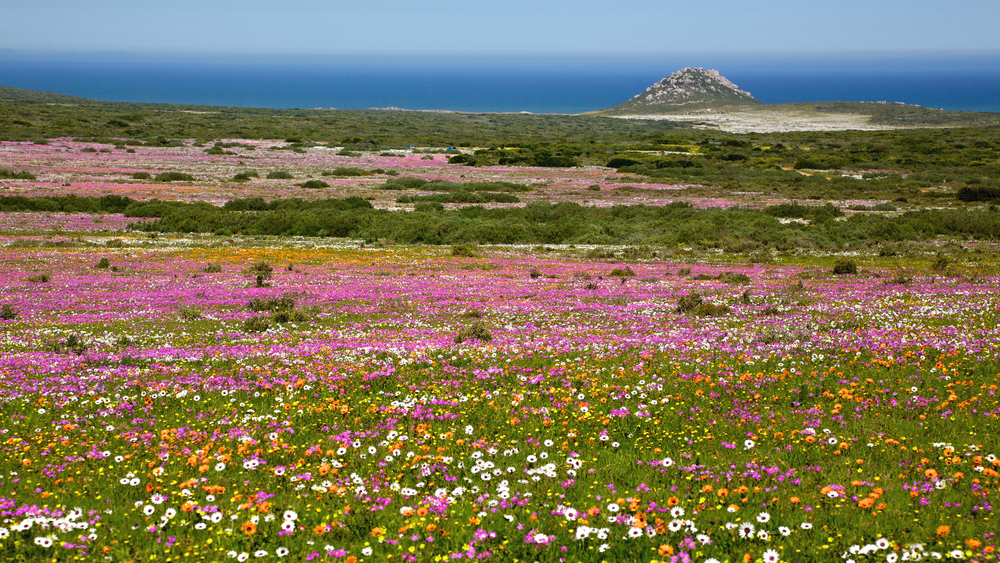
West Coast National Park transforms into a vibrant tapestry of color during the spring months, when the landscape bursts into bloom with a dazzling array of wildflowers.

From August to September, the arid plains and coastal dunes of the park are blanketed in a riot of hues, as countless indigenous species awaken from their dormant state to put on a spectacular show. Visitors are treated to a sensory feast as they wander through fields of bright orange Namaqualand daisies, delicate pink vygies, and cheerful yellow daisies, among many others.

The floral spectacle is not only visually stunning but also attracts a myriad of pollinators, including bees, butterflies, and birds, which further enliven the scene with their fluttering wings and melodic calls.

Exploring the park during this time offers a truly magical experience, immersing visitors in the beauty and wonder of nature’s annual renewal

Things To Do

Engaging West Coast National Park
Game Drives

Embark on thrilling wildlife safari drives through the diverse landscapes of West Coast National Park, where you can encounter a variety of fauna, including antelopes, zebras, ostriches, and rare bird species.

Traverse the park’s rugged terrain in open safari vehicles accompanied by experienced guides, who will share their knowledge of the area’s wildlife and ecosystems while leading you to prime viewing spots. Keep your camera ready to capture mesmerizing moments as you witness animals in their natural habitat against the backdrop of scenic vistas.

Wildflower Viewing

Experience the breathtaking beauty of the West Coast’s famous wildflower blooms on guided wildflower viewing tours during the spring months. Marvel at vast carpets of colorful flowers that blanket the landscape, creating a stunning spectacle of nature’s splendor.

Follow designated trails or join guided tours led by knowledgeable botanists who will point out various flower species and explain their significance to the region’s unique ecosystem.

The wildflower displays in West Coast National Park attract visitors from around the world, offering a once-in-a-lifetime opportunity to witness nature’s dazzling floral showcase.

Game Drives

Embark on thrilling wildlife safari drives through the diverse landscapes of West Coast National Park, where you can encounter a variety of fauna, including antelopes, zebras, ostriches, and rare bird species.

Traverse the park’s rugged terrain in open safari vehicles accompanied by experienced guides, who will share their knowledge of the area’s wildlife and ecosystems while leading you to prime viewing spots. Keep your camera ready to capture mesmerizing moments as you witness animals in their natural habitat against the backdrop of scenic vistas.

Wildflower Viewing

Experience the breathtaking beauty of the West Coast’s famous wildflower blooms on guided wildflower viewing tours during the spring months. Marvel at vast carpets of colorful flowers that blanket the landscape, creating a stunning spectacle of nature’s splendor.

Follow designated trails or join guided tours led by knowledgeable botanists who will point out various flower species and explain their significance to the region’s unique ecosystem.

The wildflower displays in West Coast National Park attract visitors from around the world, offering a once-in-a-lifetime opportunity to witness nature’s dazzling floral showcase.

West Coast National Park Trails

Hiking and biking around West Coast National Parks and the coastal trails provide visitors with a great chance to discover and explore the marine protected area.

placeholder

Geelbek Trail 1

This is a short and easy loop trail covering a distance of 5.59 miles (9 km).  It is a circular trip starting at the information center and working your way out through the sand dunes and back.

placeholder

Geelbek Trail 2

This is a second loop trail that is also an easy hike the meanders out to the 16-mile beach area before cycling back.  The trail is a 4.35-mile (7 km) loop trail.

placeholder

Bakoor Trail

This is a 2.85-mile (4.6 km) trail that stretches along the coast with chances to see wildlife such as eland and ostrich.

placeholder

Eve’s Footprint Trail

This trail is an 18.64 miles (30 km) exploration of the area based on the historical footprints of “Eve.”  The trail is a camping trail that is usually done in two days, but some have stretched it out for a more leisurely adventure.  Guided tours of the trail allow for stops that feature West Coast-style cuisine.

placeholder

Postberg Trail

Rating: Easy to Moderate

Distance and Elevation Gain: 6 miles (9.7 km) loop with minimal elevation gain

Description: The Postberg Trail offers a picturesque hike through West Coast National Park’s Postberg section, renowned for its colorful spring flowers.

Hikers will meander through coastal dunes and wetlands, encountering abundant birdlife and seasonal wildflowers.

The trail provides stunning views of the Atlantic Ocean and offers opportunities for wildlife sightings, including antelopes and ostriches, amidst the park’s diverse ecosystems.

placeholder

Seeberg Trail

Rating: Moderate

Distance and Elevation Gain: 4.3 miles (7 km) round trip with an elevation gain of 656 feet (200 meters)

Description: The Seeberg Trail leads hikers to a scenic viewpoint overlooking the Langebaan Lagoon and surrounding landscapes.

Hikers will traverse sandy paths and rocky outcrops, enjoying panoramic vistas of the Atlantic coastline and nearby salt marshes.

The trail provides opportunities for birdwatching and photography, with sightings of flamingos and other waterfowl common along the lagoon’s shores.

placeholder

Geelbek Trail

Rating: Easy

Distance and Elevation Gain: 2.5 miles (4 km) loop with minimal elevation gain

Description: The Geelbek Trail offers a leisurely walk through West Coast National Park’s Geelbek section, known for its historical landmarks and wetland habitats.

Hikers will explore the park’s cultural heritage, passing by restored farmsteads and bird hides overlooking tranquil lagoons.

The trail provides opportunities for wildlife sightings, including herons and ibises, amidst the park’s scenic landscapes and rich biodiversity.

placeholder

Strandveld Trail

Rating: Easy to Moderate

Distance and Elevation Gain: 3.7 miles (6 km) round trip with minimal elevation gain

Description: The Strandveld Trail winds through coastal fynbos and sandy shores, offering hikers a chance to experience the rugged beauty of the West Coast.

Hikers will stroll along pristine beaches and rocky coves, with views of the azure ocean stretching to the horizon.

The trail provides opportunities for beachcombing and wildlife sightings, including dolphins and seals frolicking in the surf.

placeholder

Seeberg Lookout Trail

Rating: Moderate

Distance and Elevation Gain: 2.5 miles (4 km) round trip with an elevation gain of 656 feet (200 meters)

Description: The Seeberg Lookout Trail leads hikers to a scenic viewpoint overlooking the Langebaan Lagoon and Atlantic Ocean.

Hikers will ascend gentle slopes through coastal scrubland, enjoying panoramic vistas of the surrounding landscapes and vibrant birdlife.

The trail provides opportunities for birdwatching and photography, with sightings of flamingos and pelicans common along the lagoon’s shores.

placeholder

Postberg Trail

Rating: Easy to Moderate

Distance and Elevation Gain: 6 miles (9.7 km) loop with minimal elevation gain

Description: The Postberg Trail offers a picturesque hike through West Coast National Park’s Postberg section, renowned for its colorful spring flowers.

Hikers will meander through coastal dunes and wetlands, encountering abundant birdlife and seasonal wildflowers.

The trail provides stunning views of the Atlantic Ocean and offers opportunities for wildlife sightings, including antelopes and ostriches, amidst the park’s diverse ecosystems.

placeholder

Seeberg Trail

Rating: Moderate

Distance and Elevation Gain: 4.3 miles (7 km) round trip with an elevation gain of 656 feet (200 meters)

Description: The Seeberg Trail leads hikers to a scenic viewpoint overlooking the Langebaan Lagoon and surrounding landscapes.

Hikers will traverse sandy paths and rocky outcrops, enjoying panoramic vistas of the Atlantic coastline and nearby salt marshes.

The trail provides opportunities for birdwatching and photography, with sightings of flamingos and other waterfowl common along the lagoon’s shores.

placeholder

Geelbek Trail

Rating: Easy

Distance and Elevation Gain: 2.5 miles (4 km) loop with minimal elevation gain

Description: The Geelbek Trail offers a leisurely walk through West Coast National Park’s Geelbek section, known for its historical landmarks and wetland habitats.

Hikers will explore the park’s cultural heritage, passing by restored farmsteads and bird hides overlooking tranquil lagoons.

The trail provides opportunities for wildlife sightings, including herons and ibises, amidst the park’s scenic landscapes and rich biodiversity.

placeholder

Strandveld Trail

Rating: Easy to Moderate

Distance and Elevation Gain: 3.7 miles (6 km) round trip with minimal elevation gain

Description: The Strandveld Trail winds through coastal fynbos and sandy shores, offering hikers a chance to experience the rugged beauty of the West Coast.

Hikers will stroll along pristine beaches and rocky coves, with views of the azure ocean stretching to the horizon.

The trail provides opportunities for beachcombing and wildlife sightings, including dolphins and seals frolicking in the surf.

placeholder

Seeberg Lookout Trail

Rating: Moderate

Distance and Elevation Gain: 2.5 miles (4 km) round trip with an elevation gain of 656 feet (200 meters)

Description: The Seeberg Lookout Trail leads hikers to a scenic viewpoint overlooking the Langebaan Lagoon and Atlantic Ocean.

Hikers will ascend gentle slopes through coastal scrubland, enjoying panoramic vistas of the surrounding landscapes and vibrant birdlife.

The trail provides opportunities for birdwatching and photography, with sightings of flamingos and pelicans common along the lagoon’s shores.

FAQ’s

What is West Coast National Park known for?

West Coast National Park, located on the western coast of South Africa, is known for its picturesque landscapes, diverse ecosystems, and abundant birdlife. One of the park’s main attractions is the stunning Langebaan Lagoon, a vast tidal saltwater lagoon that stretches along the coast.

The lagoon is renowned for its crystal-clear waters, pristine beaches, and vibrant displays of wildflowers during the spring flower season, making it a popular destination for birdwatching, photography, and outdoor recreation.

In addition to its coastal scenery, West Coast National Park encompasses a variety of other habitats, including salt marshes, wetlands, and fynbos-covered hills. These diverse ecosystems support a rich array of plant and animal species, including numerous species of birds such as flamingos, pelicans, and African black oystercatchers.

The park is also home to a variety of mammals, reptiles, and amphibians, including antelope species such as eland and bontebok, as well as small predators like caracal and African wildcat.

West Coast National Park offers visitors a range of activities, including hiking, birdwatching, picnicking, and wildlife viewing. The park’s scenic beauty and tranquil atmosphere make it an ideal destination for nature lovers, families, and outdoor enthusiasts seeking to explore the natural wonders of South Africa’s west coast.

What is West Coast National Park known for?

West Coast National Park, located on the western coast of South Africa, is known for its picturesque landscapes, diverse ecosystems, and abundant birdlife. One of the park’s main attractions is the stunning Langebaan Lagoon, a vast tidal saltwater lagoon that stretches along the coast.

The lagoon is renowned for its crystal-clear waters, pristine beaches, and vibrant displays of wildflowers during the spring flower season, making it a popular destination for birdwatching, photography, and outdoor recreation.

In addition to its coastal scenery, West Coast National Park encompasses a variety of other habitats, including salt marshes, wetlands, and fynbos-covered hills. These diverse ecosystems support a rich array of plant and animal species, including numerous species of birds such as flamingos, pelicans, and African black oystercatchers.

The park is also home to a variety of mammals, reptiles, and amphibians, including antelope species such as eland and bontebok, as well as small predators like caracal and African wildcat.

West Coast National Park offers visitors a range of activities, including hiking, birdwatching, picnicking, and wildlife viewing. The park’s scenic beauty and tranquil atmosphere make it an ideal destination for nature lovers, families, and outdoor enthusiasts seeking to explore the natural wonders of South Africa’s west coast.

Sources